Small-town living offers a relaxed lifestyle with a significantly lower cost of living compared to larger cities. With fewer crowds, light traffic, and a strong sense of community, these towns provide the opportunity for a more peaceful life. However, living in a small town might not be for everyone, as they can sometimes lack the amenities or job opportunities of more urban settings. Below is a list of 15 small towns that are particularly affordable, offering an attractive option for those looking to reduce their living expenses.
1. Morristown, Tennessee
Cost of living: 11.8% below U.S. average
Population: 30,983
Median home price: $423,537
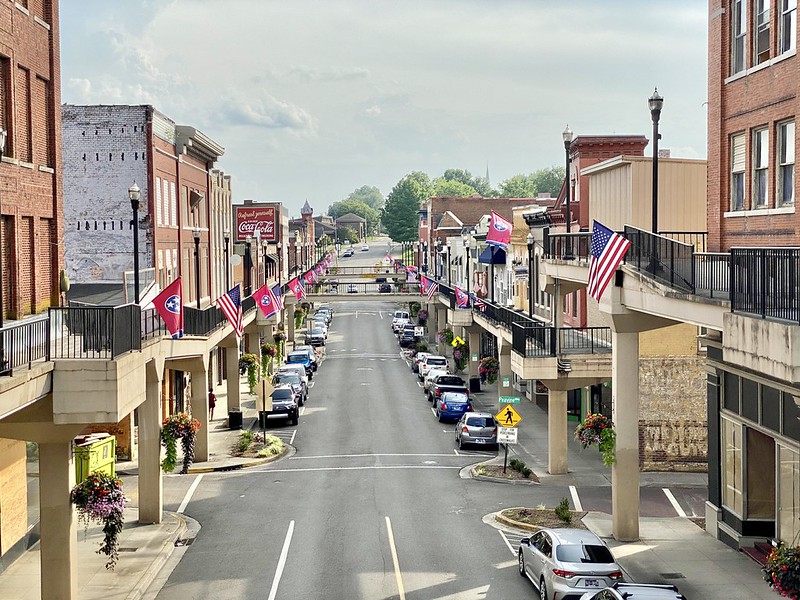
Morristown, the county seat of Hamblen County, is centrally located between eight counties, making it a regional hub for employment, shopping, recreation, healthcare, and education. Nestled in the Ridge and Valley of the Appalachians, Morristown is part of the “Lakeway Area,” surrounding the beautiful Cherokee and Douglas lakes.
Cherokee Lake, with its 400 miles of shoreline, offers plenty of opportunities for outdoor enthusiasts, including fishing, kayaking, and boating. Anglers can enjoy the temperate climate and fish nearly every day of the year. With parks, boat docks, and the Panther Creek State Park, Cherokee Lake is a perfect spot for a fun day on the water.
Morristown’s affordable cost of living, with housing and transportation costs well below average, makes it an attractive place for retirees and middle-class families. The city also hosts free summer entertainment, such as a monthly concert series and the Morristown Craft Beer Festival. For those who enjoy disc golf, Morristown is home to four championship courses, making it Tennessee’s top destination for disc golf enthusiasts. Whether you’re into outdoor activities, great festivals, or simply enjoying the scenic beauty, Morristown has something for everyone.
Read More: 15 Charming Tennessee Towns You’ll Fall In Love With
2. Dublin, Georgia
Cost of living: 12.8% below U.S. average
Population: 16,023
Median home price: $371,433
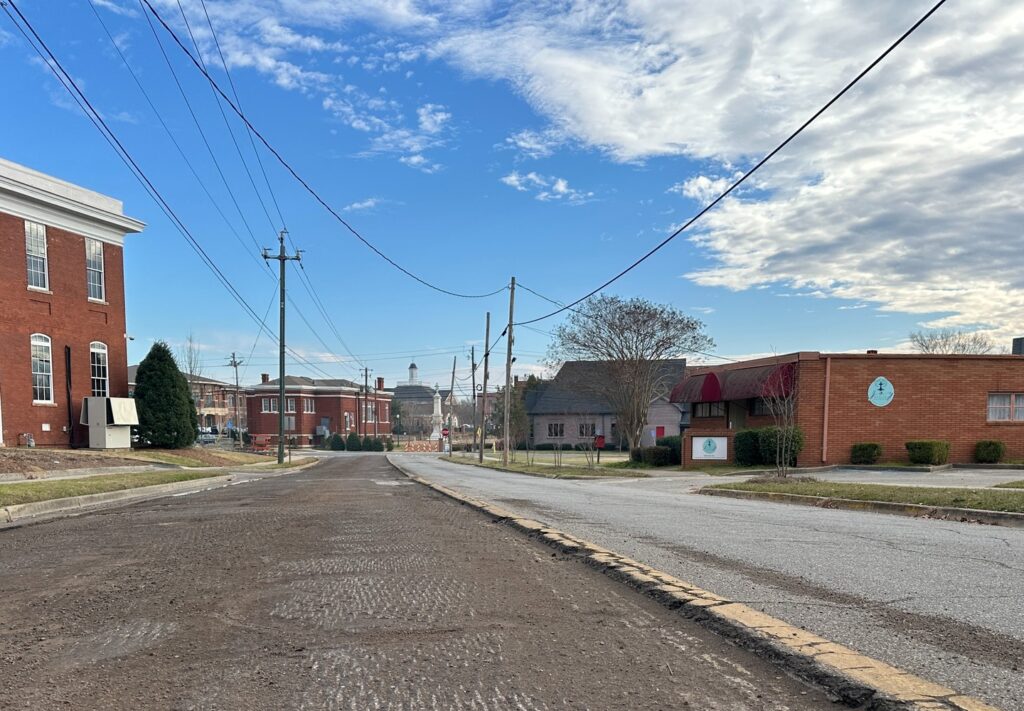
Dublin, Georgia, may be small, but it offers a surprising range of amenities and opportunities. Located halfway between Atlanta and Savannah, it’s home to three institutions of higher education—Georgia Military College, Oconee Fall Line Technical College, and Middle Georgia State University—along with a Veterans Administration Medical Center. The town also boasts two nationally recognized historic districts, enriching its cultural and educational offerings.
Despite its size, Dublin provides an affordable cost of living, with housing expenses 25.5% lower than the national average. The average home price is $371,433, significantly lower than the national average of $540,508. Rents are also cheaper by 13.8%. For retirees, Georgia is tax-friendly, offering senior citizens exemptions on retirement income up to $35,000 for those 62 and older, and $65,000 for those 65 and older.
However, Dublin faces challenges with a poverty rate of 35.1%, which is more than double the state average of 13.5%. Despite the low cost of living, many of its residents continue to struggle economically.
Read More: 15 Perfect Small Town Getaways in Georgia You’ll Love
3. Kankakee, Illinois
Cost of living: 12.3% below U.S. average
Population: 24,384
Median home price: $319,467
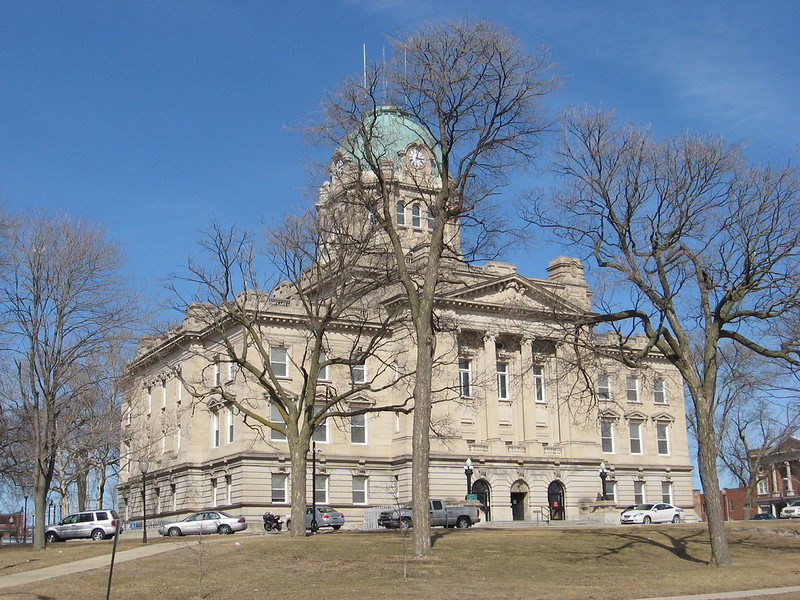
Kankakee, the county seat of Kankakee County, is a key city in the rural plains outside Chicago, with the Kankakee River serving as both a major landmark and a vital resource. The river runs through the city, providing water for the Kankakee Water Company and generating electricity at the Kankakee River Dam.
The city’s economy is supported by a diverse set of employers, including Midwest Transit Equipment, the largest bus dealer in the U.S.; Small Newspaper Group, a regional publisher; and Serological Proteins, a healthcare company with a sizable workforce. Despite the challenging job market, Kankakee offers affordable living with housing costs 34.6% below the national average and utilities 8.4% cheaper.
For retirees, Kankakee is a welcoming place, as Illinois does not tax retirement income, though the state is known for having high taxes for middle-class families. Kankakee also offers plenty of recreational opportunities, with two Softball Hall of Fame complexes hosting tournaments that attract nearly 50,000 spectators annually. The city is also home to two significant Frank Lloyd Wright houses—the B. Harley Bradley and Warren R. Hickox houses—both of which played a pivotal role in the development of his “Prairie Style” architecture.
4. Danville City, Virginia
Cost of living: 12.8% below U.S. average
Population: 42,239
Median home price: $397,500
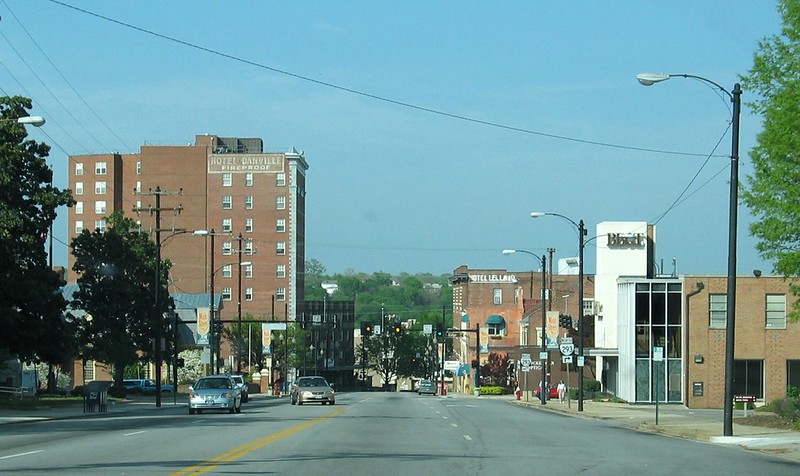
Just two decades ago, Danville, Virginia, faced an economic crisis as the tobacco and textile industries collapsed, and the town’s primary employer, Dan River Mills, shut down, leaving thousands unemployed. Fast forward to today, and the town has undergone a significant transformation. Efforts to regenerate the area have resulted in new residents moving in, reversing the region’s trend of outward migration.
Key developments, such as the opening of the Caesars casino in 2024 and the Danville Science Center, have created new jobs and attracted visitors. The historic Dan River Mills building is being restored into a mixed-use space, offering housing, office, retail spaces, and a new riverfront park.
Housing costs in Danville are significantly more affordable, with the average rent at $1,288, 24.4% below the national average, and the average mortgage payment at $1,915, nearly $675 less than the national typical payment. While Virginia taxes pension income and IRA/401(k) distributions, Social Security benefits remain tax-exempt. Gas taxes have risen slightly to 30.8 cents per gallon.
Danville’s riverside location offers a wealth of outdoor activities, including fishing, paddleboarding, kayaking, and wild swimming in the Dan River, which flows through Virginia and North Carolina. For those who prefer dry land, there are walking and mountain biking trails, a local vineyard, and a beer trail to explore, alongside plenty of eateries to enjoy in the revitalized town.
Read More: West Virginia’s Most Peaceful Small Towns for a Calm Retreat
5. Wilkes-Barre, Pennsylvania
Cost of living: 12.9% below U.S. average
Population: 44,217
Median home price: $273,323
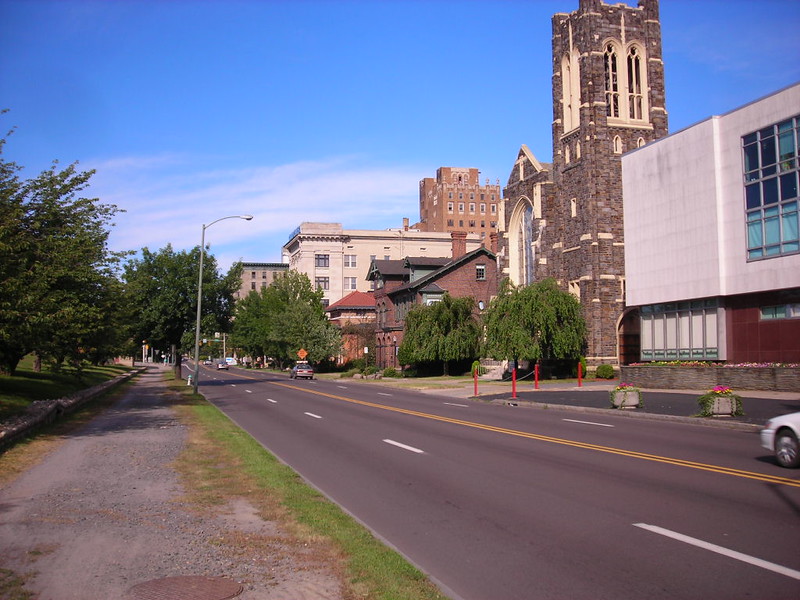
Wilkes-Barre, located in the heart of the Wyoming Valley in northeastern Pennsylvania, offers a unique blend of affordability and access to outdoor activities. Just two hours from New York and Philadelphia, it’s an ideal spot for those seeking a budget-friendly place to live while enjoying natural beauty.
The town features three riverfront parks: Nesbitt Park, River Common (home to free summer concerts like Rockin’ the River), and Kirby Park, which boasts softball fields, tennis courts, and a running track. Baseball enthusiasts will appreciate Kirby Park’s historic significance—this is where Babe Ruth hit the longest home run in baseball history in 1926. A kiosk marks the spot where the 650-foot blast landed.
Kirby Park also serves as the starting point for the Luzerne County Levee Trail, a 12-mile stretch ideal for walking or cycling. For history buffs, the town’s Walkitecture tour highlights landmarks like the Market Street Bridge, designed by the same firm behind the New York Public Library.
Wilkes-Barre offers affordable housing, with the average home price of $273,323—49% lower than the national average of $540,508. However, utility costs, transportation, and healthcare tend to run slightly above average, while groceries are about 3% cheaper.
Downtown Wilkes-Barre offers a vibrant community with coffee shops, restaurants, and events in the Public Square, along with a Farmers’ Market from summer to fall. The town’s local economy is bolstered by transportation, utilities, education, and healthcare sectors.
Retirees will appreciate Pennsylvania’s tax-friendly approach, as the state doesn’t tax Social Security benefits, pension income, or 401(k)/IRA distributions. While the state’s flat income tax rate is 3.07%, municipal taxes may apply. Property taxes average 1.41%, which is higher than in many other states.
Read More: Explore Pennsylvania’s Most Quaint Small Towns
6. Burlington, Iowa
Cost of living: 13.4% below U.S. average
Population: 23,800
Median home price: $362,625
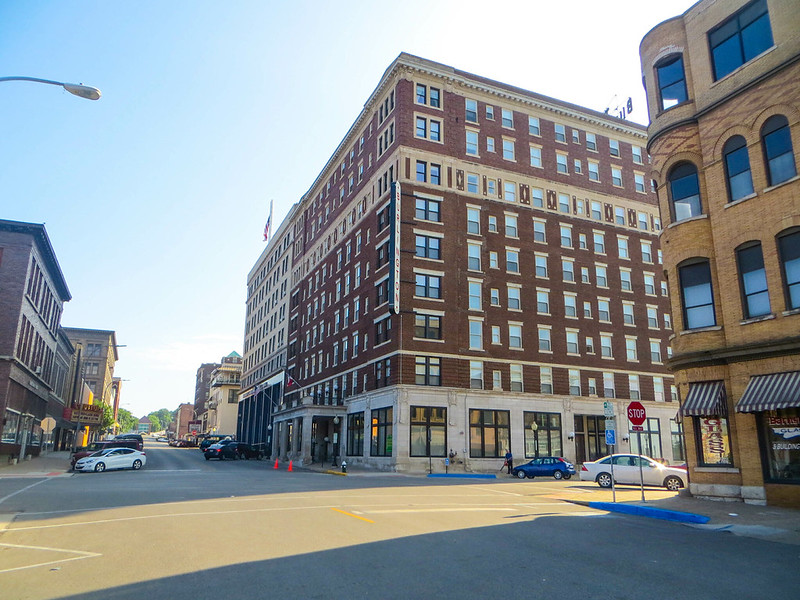
Burlington, established in 1829 by the American Fur Company of John Jacob Astor, was once a bustling river port and a key city for the Chicago, Burlington, and Quincy Railroad. While the city’s population peaked in 1970, its historical significance remains. Today, the Port of Burlington, located just south of the Great River Bridge, serves as a rental facility along the Mississippi River.
Once a hub for manufacturing, Burlington faced economic challenges as many manufacturing jobs left in the 1970s and 80s. However, plants like American Ordnance LLC, Case Corporation, ABB, and Champion Spark Plugs are still major employers. The average income in Burlington is $26,330 below the national average, and home prices are over $175,000 lower than the national average.
Burlington is famous for Snake Alley, known as the “Unbelievably Crooked” spot and ranked the #1 Odd Spot in Ripley’s Guide to the Curious Corners of America. With its unique curves, Snake Alley is often compared to San Francisco’s Lombard Street and hosts an annual uphill bike race and art fair.
Burlington offers a low cost of living, with utilities and transportation costs 7.7% and 0.8% below the national average, respectively, and grocery bills 6.3% lower. Iowa’s tax rates are favorable, as the state no longer taxes retirement income for those 55 or older. Additionally, Iowa’s inheritance tax will be repealed for all decedents after January 1, 2025. Burlington provides a great mix of historical charm, affordability, and tax-friendly benefits.
7. Cookeville, Tennessee
Cost of living: 14.2% below U.S. average
Population: 35,544
Median home price: $391,695
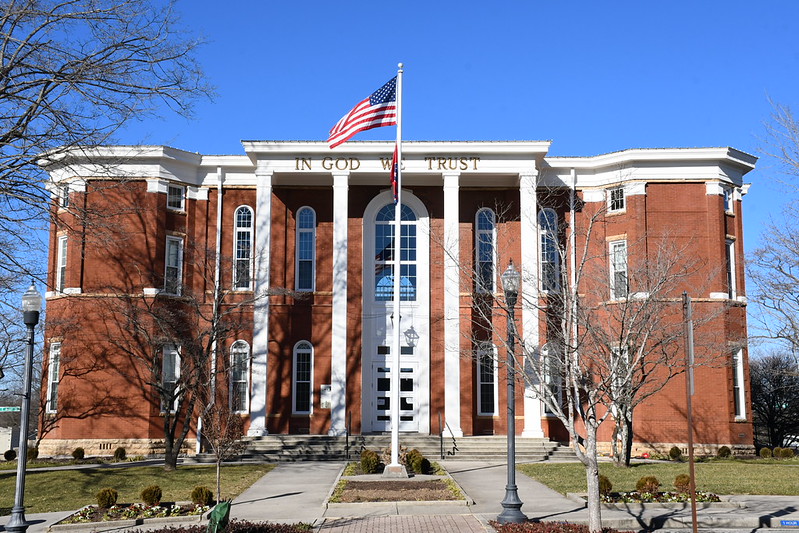
Cookeville, Tennessee, with a population of just under 35,000, punches well above its weight. Located just over an hour east of Nashville, this college town is home to Tennessee Tech University and boasts a vibrant arts, food, and music scene. The town takes pride in its history, including the courthouse in the historic west side district, which took four attempts to complete after being burned down three times in the 1800s. Today, it stands surrounded by art galleries, studios, shops, restaurants, bars, and the train depot museum.
The cost of living in Cookeville is 14.2% below the national average, with the biggest savings in housing (28.2% lower) and healthcare (29% lower). Grocery prices and miscellaneous goods and services offer less significant savings, at 4.6% and 5.1% below average, respectively.
For culture and entertainment, Cookeville offers the Performing Arts Center for concerts and theater, and Dogwood Park hosts outdoor Shakespeare plays in the fall. The town is known for its strong community spirit, showcased by annual events like the Firefly music festival, Fall Fun Fest, and Cooking on the Square, which raises funds to build homes for families in need.
Manufacturing is a major part of the local economy, with companies like Oreck Corporation, ATC Automation, and Averitt headquartered in Cookeville. Despite its industrial base, Cookeville is close to 10 state parks, including the scenic Cummins Falls, offering plenty of outdoor escapes.
Tennessee is one of the most tax-friendly states for retirees, with no state income tax, no estate or inheritance taxes, and some of the lowest property taxes in the country, making Cookeville an ideal place for those looking to enjoy a balanced and affordable lifestyle.
8. Hutchinson, Kansas
Cost of living: 14.8% below U.S. average
Population: 39,837
Median home price: $409,367
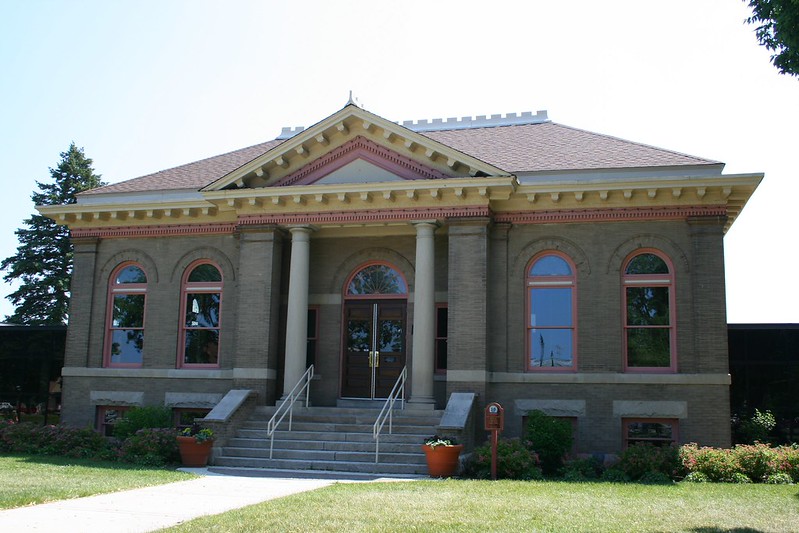
Hutchinson, Kansas, with a population of just over 40,000, may not be on everyone’s radar, but it has an intriguing history and continues to play an important role in industries like salt mining. Established in 1871 by frontiersman Clinton “C.C.” Hutchinson, the town gained significance when land speculator Ben Blanchard discovered rich salt deposits while drilling for oil. Known as “white gold,” salt mining became vital for food preservation and remains a major industry in the town today, supplying much of the salt used in agriculture and snow removal across the country.
Though Hutchinson doesn’t get much snow—averaging only 2.9 inches a year—its salt mining legacy continues to shape the town. The town’s economy is bolstered by other industries, including Siemens, Kuhn Krause, Sonoco, and Morton Salt. Hutchinson’s manufacturing presence reflects Kansas’ strong position in the sector.
For outdoor lovers, Hutchinson offers biking and hiking trails, protected open spaces like Dillon Nature Center, and the world-renowned Prairie Dunes Country Club. Families can enjoy attractions like the annual Kansas State Fair, the Cosmosphere space museum, and the Strataca underground salt museum. Housing is affordable in Hutchinson, with home prices 30.9% below the national average, although the risk of tornadoes is relatively high.
The downtown area, recently redeveloped with public investment, features community events, shopping, dining, and entertainment. Plans for future improvements include public green spaces, a river walk, an amphitheater, and a water spray park. Hutchinson is a short drive from Wichita and Kansas City, offering access to big-city amenities while maintaining a quieter, small-town lifestyle.
Kansas also recently passed tax cuts, including the repeal of its tax on Social Security benefits. However, income from private retirement plans, IRAs, and 401(k)s remains taxable. The state does not impose an estate or inheritance tax, making it an attractive option for retirees looking to preserve their wealth.
9. Meridian, Mississippi
Cost of living: 16.7% below U.S. average
Population: 34,466
Median home price: $325,589
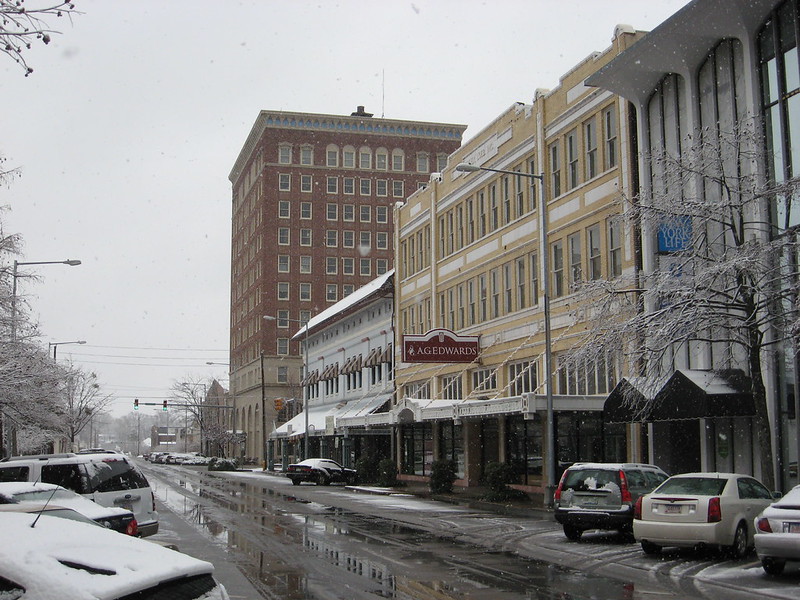
Meridian, Mississippi, is a city rich in history, having been rebuilt from 1890 to 1930 after nearly being destroyed during the Civil War. As a result, the town boasts nine registered historic districts, including the charming Highland Park Dentzel Carousel, dating back to 1909, offering a whimsical piece of its past.
Meridian is also known as the birthplace of Jimmie Rodgers, the “Father of Country Music,” and music continues to play a central role in the town’s cultural scene. Today, the federal government plays a significant role in its economy, with Naval Air Station Meridian and Key Field among the largest employers.
Meridian offers a lower cost of living, with expenses 13.1% below the national average, and its housing costs are particularly affordable—38.4% lower than the national average. This makes it one of America’s most affordable small towns, attracting both military personnel and civilians alike. Additionally, Mississippi’s tax policies make it a favorable state for retirees, with tax-friendly benefits for older residents.
However, like many small towns, Meridian’s low cost of living is offset by a high poverty rate of 31.9%, significantly above Mississippi’s state average of 19.1%. Despite this, Meridian offers a blend of history, culture, and affordability that makes it a unique place to live.
Read More: Mississippi’s Most Beautiful Small Towns You’ll Want to Call Home
10. Ponca City, Oklahoma
Cost of living: 17.2% below U.S. average
Population: 24,377
Median home price: $373,500
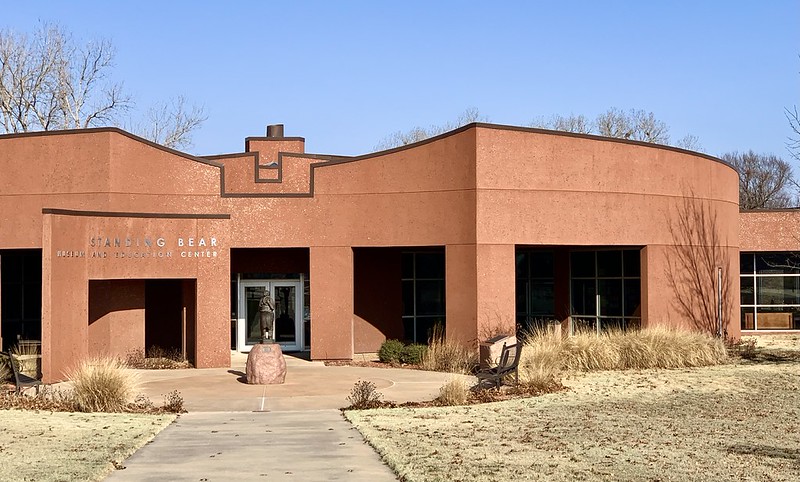
Ponca City, Oklahoma, has its roots in the Land Run of 1893, when pioneers settled near the Arkansas River and a freshwater spring. The town quickly became an oil hub after successful drilling, and to this day, it remains tied to the energy industry with major employers like Schlumberger, ConocoPhillips, and Phillips 66.
Local attractions include the Marland Mansion, built by oil baron E.W. Marland in the early 20th century and now a museum, and the Pioneer Woman Statue, a 30-foot-tall monument dedicated in 1930 to honor pioneer women.
Ponca City offers affordable living, with the median home price at just $373,500—about 30% less than the national average. Housing costs are significantly lower than the national average, and residents also benefit from lower costs on miscellaneous goods, services, and healthcare. Groceries are about 4.7% cheaper than the national average.
However, Ponca City’s low cost of living comes with its challenges, as the town is located in Tornado Alley, making it susceptible to severe weather. Despite this, Ponca City provides an affordable and historically rich option for those looking to live in a small town with strong ties to the energy industry.
11. Muskogee, Oklahoma
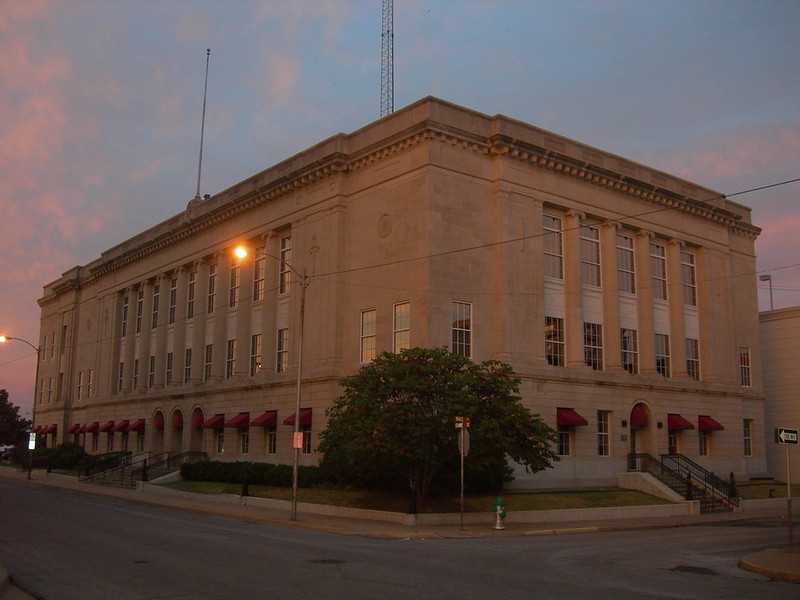
Cost of living: 17.5% below U.S. average
Population: 36,819
Median home price: $373,500
Muskogee, located about 50 miles southeast of Tulsa, is a town full of history, culture, and education. Established in 1817, it is home to four institutions of higher learning, including the Oklahoma School for the Blind. The town also gained fame as the filming location for the 1951 film Jim Thorpe – All-American, starring Burt Lancaster, and hosts six museums and the Oklahoma Music Hall of Fame.
Muskogee is perhaps best known for its mention in Merle Haggard’s iconic song “Okie from Muskogee,” which became a symbol of Vietnam-era America. Major employers in the town include the U.S. Department of Veterans Affairs, a VA medical center, and Georgia-Pacific, a paper company.
Muskogee offers an incredibly low cost of living, with housing costs 33.4% lower than the national average. Health care is also more affordable, with costs nearly 11.1% lower than the national average. For retirees, Muskogee is particularly tax-friendly, as Social Security benefits, military pensions, and Railroad Retirement benefits are not taxed at the state level, though pension income and 401(k)/IRA distributions are partially taxed. Muskogee’s blend of affordability, rich cultural history, and small-town charm makes it an appealing place to live.
12. Salina, Kansas
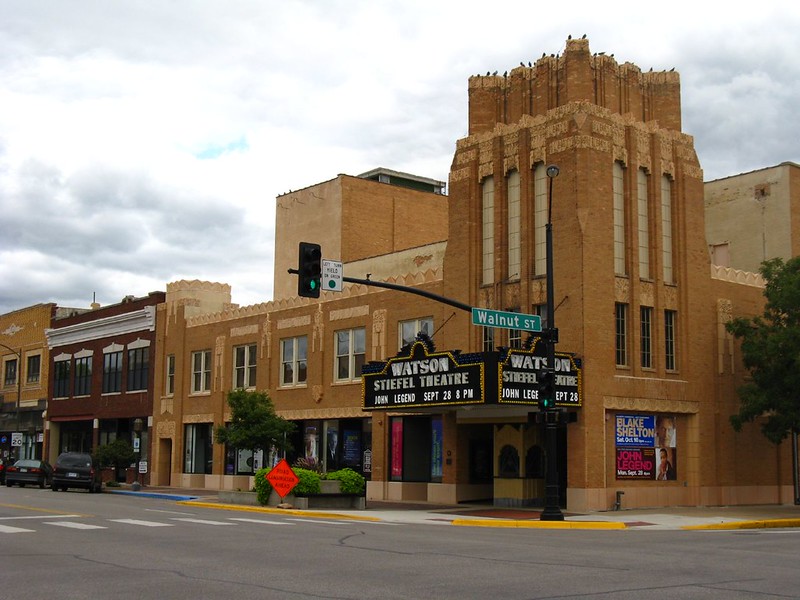
Cost of living: 18.1% below U.S. average
Population: 46,432
Median home price: $355,200
Located at the crossroads of Interstates 70 and 135, Salina, Kansas, sits about 90 miles north of Wichita and 175 miles west of Kansas City. The town has a diverse economy, with manufacturing and healthcare playing key roles. Major employers include Schwan’s Company (famous for Tony’s frozen pizza), Great Plains Manufacturing (serving the agricultural industry), and the Salina Regional Health Center.
Salina is also home to several higher education institutions, including the University of Kansas School of Medicine Salina Campus and Kansas State University Polytechnic Campus, contributing to the town’s educational and medical sectors.
The town benefits from both low unemployment and affordable living costs. Housing expenses are about two-thirds of the national average, and transportation costs are 11.3% lower than the national average. Other living costs, including groceries and miscellaneous goods, are also lower than national norms. However, utilities are slightly above average, with costs 2.5% higher.
While Kansas has relatively high sales taxes and does tax certain retirement incomes (like distributions from pensions, IRAs, and 401(k)s), it no longer taxes Social Security benefits, making it somewhat tax-friendly for retirees. Salina’s low living costs, strong local industries, and proximity to major cities make it an appealing option for many.
13. Pittsburg, Kansas
Cost of living: 18.3% below U.S. average
Population: 20,606
Median home price: $411,000
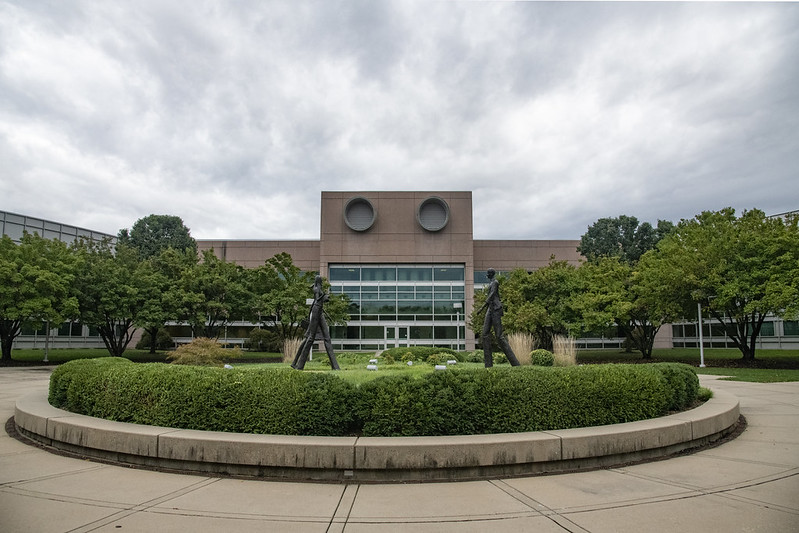
Located about two and a half hours south of Kansas City on Route 69, Pittsburg, Kansas, offers a small-town charm with a cost of living nearly 18% below the national average. Once known for its coal industry and the immigrants who worked the mines, the town now thrives on higher education, thanks to Pittsburg State University. The university boasts famous alumni, including actor Gary Busey and Brian Moorman, a retired two-time Pro Bowl punter for the NFL’s Buffalo Bills.
Key employers in the area include transportation company Watco and Via Christi Hospital medical center. Despite having median incomes below the national average, Pittsburg offers affordable living, with average home prices $129,508 cheaper than the national norm. Housing costs are 33.3% lower than what the typical American pays, and other living expenses are equally economical—healthcare costs are 21.3% lower, and miscellaneous goods and services are about 16.3% cheaper.
For leisure, Pittsburg offers family-friendly activities like Lakeside Park, the Crawford County Historical Museum, and the Pittsburg Aquatic Center. With affordable housing, a thriving educational presence, and local attractions, Pittsburg is an appealing place to live for those seeking a low-cost lifestyle in a vibrant, community-oriented town.
14. Richmond, Indiana
Cost of living: 19.5% below U.S. average
Population: 35,551
Median home price: $325,000
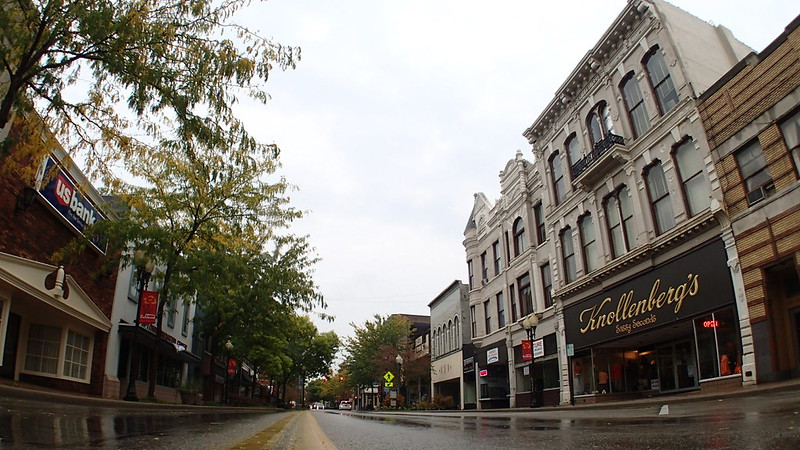
Richmond, Indiana, holds a special place in the early history of recorded jazz, with iconic artists like Hoagy Carmichael, Duke Ellington, and Louis Armstrong recording some of the first jazz records here. The city celebrates this rich musical heritage with a Walk of Fame honoring jazz and other artists who recorded with Richmond’s Gennett Records.
Today, Richmond, located about an hour west of Dayton, Ohio, is better known for its educational institutions, including Indiana University East, the Earlham School of Religion, and the Bethany Theological Seminary.
Richmond offers affordable living, with housing costs significantly lower than the national average. Residents spend about 33% less on housing, and apartment rents are 45.2% lower at an average of $890. The average home price of $325,000 is 39.9% below the national average. Healthcare costs are also a bargain, coming in 16% lower than the national average.
For retirees, Indiana offers tax advantages, as Social Security income is exempt from state income taxes, though distributions from 401(k)s, IRAs, and pensions are taxed. With no estate or inheritance taxes, Richmond provides a low-cost living option with a rich cultural and educational foundation.
15. Tupelo, Mississippi
Cost of living: 21.2% below U.S. average
Population: 37,825
Median home price: $341,500
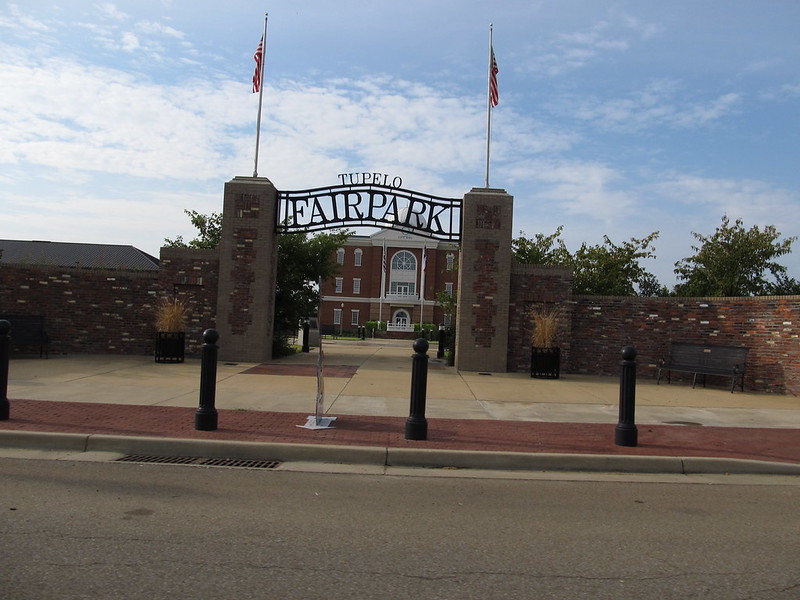
Tupelo, located 110 miles southeast of Memphis, is best known as the birthplace of Elvis Presley. Fans of The King flock to the Elvis Presley Birthplace museum and the annual Elvis Festival held every June.
But Tupelo offers more than just its famous connection to Elvis. The town boasts a vibrant cultural scene, including the North Mississippi Symphony Orchestra, Buffalo Park and Zoo, Tombigbee National Forest, the Tupelo National Battlefield, and the Tupelo Automobile Museum, among other attractions.
Tupelo also stands out for its incredibly low cost of living. Overall, the cost of living in Tupelo is 21.2% below the national average. Housing costs are nearly 39.3% cheaper, groceries are 5.7% less, and residents save about 12.5% on transportation, 21.7% on healthcare, and 17.3% on utilities.
Major employers in Tupelo include North Mississippi Health Services and Cooper Tire & Rubber, along with regional banks like Renasant Bank and Cadence Bank. Mississippi’s tax advantages are also a draw, with a flat income tax rate of 4.4% and exemptions on retirement income, including Social Security and pensions. Plus, the state has no estate or inheritance tax, making Tupelo a financially attractive option for retirees.