Thinking about the top Caribbean islands for solo travel? You’re exactly where you need to be. Many people picture this region as a hotspot for couples or big family trips, yet it also works extremely well for independent travelers. Going alone here can feel easy, social, and refreshing without needing a packed schedule.
Traveling solo across the Caribbean can be calm one day and active the next. You might spend a morning on a quiet beach, then join a group snorkeling trip or a local food walk in the afternoon. Each island has its own rhythm, outdoor options, cultural flavor, and nature spots, so no two stops feel alike. That variety makes it a strong pick for people who like flexible plans.
Some islands are better suited for solo visitors than others. A few places have smoother transport, friendly group tours, walkable towns, and a strong safety record, which helps when you’re on your own. This guide highlights reliable picks gathered from experienced travelers and writers who have spent time there themselves.
This list is a starting map, not a complete catalog. There are additional good options across the Caribbean, including smaller island groups and multi-island nations. In several cases, the recommendation refers to a country made up of multiple islands, with notes on which areas make the best base for a solo stay.
Top Caribbean Islands for Solo Travelers
One of the biggest perks of traveling alone is full control over your time and plans. You choose the pace, the activities, and the experiences. The Caribbean offers many excellent spots that fit perfectly with that kind of flexible trip style.
Below is a handpicked list of Caribbean destinations that work especially well for solo travelers.
1. Dominican Republic for Solo Travelers Who Want Fun and Flexibility
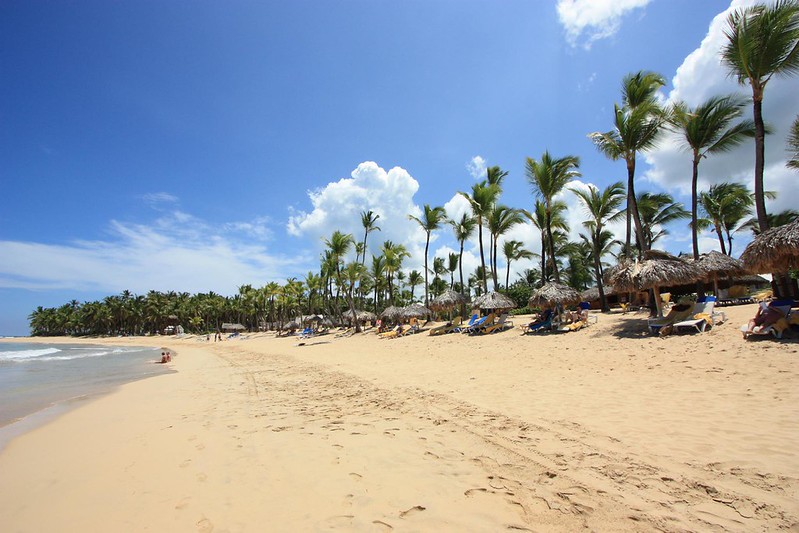
If you want a lively solo getaway with plenty to do, the Dominican Republic is a strong Caribbean pick. While it shares the island of Hispaniola with Haiti, it stands as its own country packed with beaches, culture, and outdoor activities. A solo beach trip here can be both easygoing and eventful, depending on how you plan your days.
For a laid-back stay, Punta Cana is a top choice. This area is known for long stretches of shoreline, resort zones, and a setup that works well for people traveling alone. Many visitors book all-inclusive properties, where meals, drinks, and activities are handled in one place. That setup removes a lot of daily planning and keeps things simple.
Most Punta Cana schedules are pleasantly slow. You can rotate between beach time, pool swims, short tours, and on-site classes or shows. Since many services are bundled into your stay, there’s less to worry about, which is a big benefit on a solo trip. It’s also a good place to meet other travelers through group excursions.
Want to see more than resort grounds? Plan a road trip across different regions of the country. You can spend time in Santo Domingo, the capital, with its historic streets and museums. Head west to the Larimar Coast to visit San Rafael, Los Patos, and Paraíso beaches. Nature fans can stop at Oviedo Lagoon in Jaragua National Park for birdwatching and quiet scenery.
For something different, camp near the shore at Eco del Mar and take a boat ride to Bahía de las Águilas for sunset views. In Barahona, Rancho Platón offers jungle stays with treehouse-style lodging. Hikers can also take on Pico Duarte, the highest mountain in the Caribbean, known for multi-day trekking routes.
If you plan to rent a car, use a comparison platform to check rates across multiple providers and cut costs. If driving feels stressful, pick one base town and book guided day tours or hire a local driver. Before moving around independently, check current safety notes for each city and town, since crime levels can vary outside main visitor areas.
For those interested in finding affordable tropical getaways, the Caribbean offers several destinations where you can enjoy an unforgettable vacation without breaking the bank. Check out Best Caribbean Islands for Budget-Friendly Solo Travel for more options.
2. Guadeloupe for Solo Travelers Who Want Beaches and Wild Landscapes
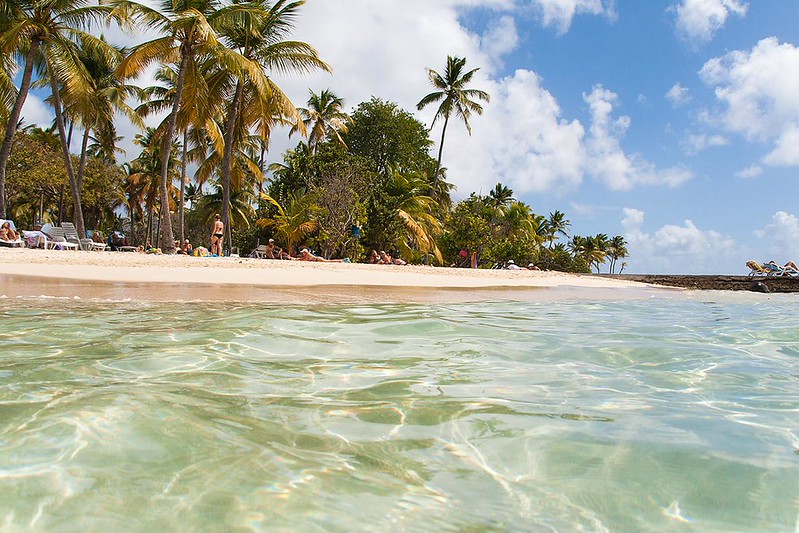
Guadeloupe ranks high for solo travelers who want beach time mixed with outdoor adventure. It has a low crime rate compared with many destinations in the region, which makes it a comfortable pick for independent trips. As you move around the islands, road signs often point to another beach, waterfall, or nature area just minutes away.
This territory is an overseas department of France made up of seven inhabited islands plus several smaller, empty ones. The wider Guadeloupe archipelago is listed as a Biosphere Reserve due to its ecological value and protected zones. You get a blend of French influence, Caribbean culture, and large protected nature areas in one trip.
Most visitors focus on Basse-Terre and Grande-Terre. These two main islands connect by bridge and form a butterfly-like outline on the map. Basse-Terre is greener and more mountainous, while Grande-Terre has more beach towns and flatter coastal stretches, giving solo visitors two very different settings within a short drive.
Renting a car makes it far easier to get around and see more of the area. You can hike rainforest trails inside Guadeloupe National Park, paddleboard through mangrove channels from Plage de Babin to Islet Macau, or walk the rough coastal Trece Des Felices path. There are also over 200 beaches spread across the islands, so changing scenery is simple.
Make time for Plage de Grande Anse, often rated among the top beaches on Basse-Terre, with wide sands and rolling waves. Another standout is Plage de Salée à Bananier, known for its deep black sand and dramatic shoreline. Solo travel across Guadeloupe can feel relaxed, active, and socially easy, especially for women traveling on their own.
For solo female travelers who seek adventure in welcoming and safe environments, consider countries that are known for offering both freedom and exploration. If you’re curious, take a look at Top Countries for Solo Female Travelers Around the World .
3. Aruba for Solo Travelers Who Want Beaches and Wild Terrain
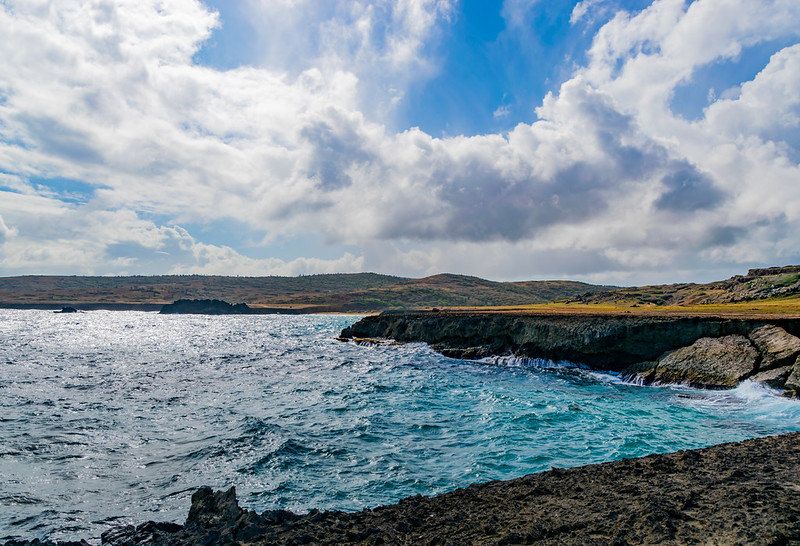
Aruba is a striking Caribbean island known for clear turquoise water and long stretches of pale sand. It attracts families, friend groups, and honeymooners, yet it also works very well for solo trips. The sea is so clear in many areas that boats and fish are visible from the shore, which adds to the appeal of spending long hours by the coast.
There is more here than postcard beaches. On parts of the western and northern shoreline, lava rock formations replace soft sand, and cactus fields spread across dry hillsides. Hiking paths cut through these arid zones and lead to cliffs, hidden coves, and wide ocean views. This contrast in scenery gives solo visitors plenty of variety in a small area.
Aruba is compact—about 20 miles long and 6 miles wide—so it’s possible to cover a lot of ground in a short stay. Renting a vehicle gives you freedom over your daily schedule and stops. You can pull over at viewpoints, small beaches, and roadside cafes without relying on tour timetables. A 4WD vehicle also allows access to remote natural pools inside Arikok National Park.
For those unsure about going alone, Aruba is often listed among the safer Caribbean islands for visitors. Reported issues usually involve minor theft or car break-ins rather than violent crime. Basic precautions help a lot: keep valuables out of sight and avoid leaving bags unattended.
Many travelers are surprised by how raw and bold Aruba feels beyond the resort strips. The mix of calm beaches and rough coastal zones leaves a strong impression, especially for women traveling on their own for the first time in the Caribbean.
4. Puerto Rico for Solo Travelers Who Want Culture, History, and Easy Day Trips
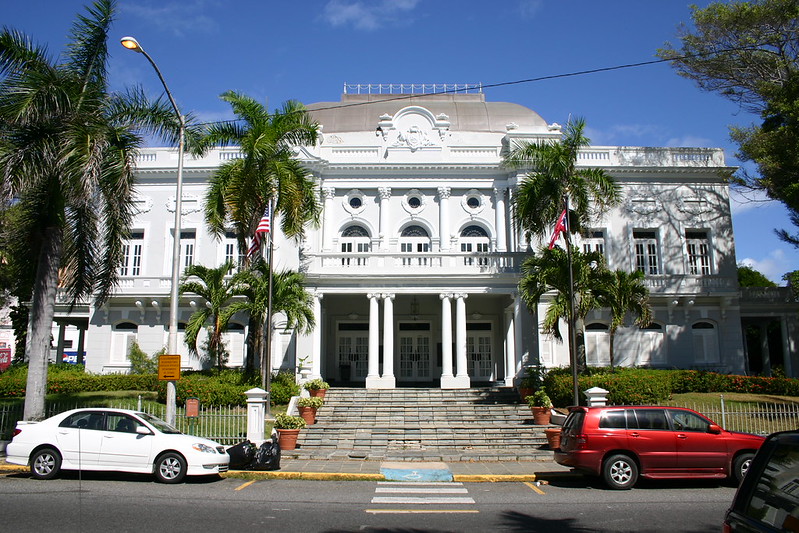
Puerto Rico stands out as a strong Caribbean choice for solo travelers. It blends city life, beaches, rainforest trails, and offshore islands within short travel distances. That mix makes it simple to build a flexible plan without long transfers between places.
No Puerto Rico guide feels complete without San Juan, the capital. It’s a busy visitor hub, which helps solo travelers meet others through tours, hostels, and group activities. The city has many hotels and resorts, along with striking historic buildings. Architectural styles range from Spanish Colonial to Gothic and Baroque, giving different neighborhoods their own visual character.
Walking through Old San Juan feels like stepping back several centuries. Blue cobblestone streets, old forts, and painted balconies line the routes. Art fans can stop at the Museo de Arte de Puerto Rico to view works from local and regional artists across the Caribbean and Latin America.
San Juan also works well as a base for day trips. You can head to El Yunque National Forest for marked hiking trails and waterfalls, relax at Carolina Public Beach, or take a boat to Culebra for clear water and quiet sands. These short outings keep a solo schedule active without heavy planning.
For a longer side trip, spend a few days on Vieques off the east coast. Activities there include kayaking in the glowing Mosquito Bay at night, walking from the Playa Grande Sugar Mill Ruins to the beach, and relaxing at Starfish Beach. The island also has well-known farm-to-table restaurants that focus on local ingredients.
Use extra care when moving around San Juan after dark, especially on empty streets. Keep valuables out of sight and only take out your wallet when needed. Avoid La Perla at night, even though its street art draws daytime visitors. Evening hours are better spent in busy nightlife areas, from laid-back bars to late-night dance clubs.
5. San Blas Islands for Solo Travelers Who Want Remote Island Life
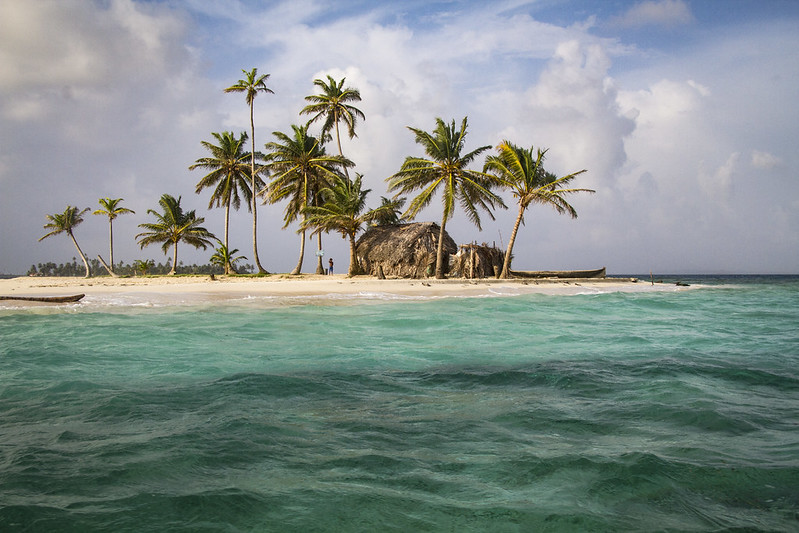
The San Blas Islands in Panama are a strong pick for solo travelers who want quiet beaches and cultural experiences far from busy resort zones. Many visitors skip this area because it sits far from major cities, which actually makes it a great match for people traveling alone and wanting a slower pace.
There are 365 islands in the San Blas chain, though only a small number have residents. Travel in this region is organized by the Indigenous Kuna people, who manage visitor access and lodging. The area, known as Kuna Yala, operates as an autonomous territory within Panama, and visitors must carry a passport to enter.
Most travelers reach San Blas from Panama City by car followed by a boat transfer. Others choose small regional flights, and some move between islands by chartered sailboat or catamaran. It’s smart to book transport and stays with operators who have direct experience working with the Kuna communities.
Local hosts often guide guests to nearby islands for snorkeling, swimming, and beach time. Meals are typically prepared fresh each day, often based on the day’s catch, with alternatives available for dietary needs. Between activities, visitors can learn about Kuna traditions, crafts, and daily life through casual conversation.
Evenings tend to be simple and social. Sharing freshly cooked seafood, talking with other guests, and watching the sunset from a wooden deck can become the highlight of a solo trip. For travelers who want beach rest mixed with living culture, the San Blas Islands deserve a spot on the list.
6. Martinique for Solo Travelers Who Want French-Caribbean Flavor
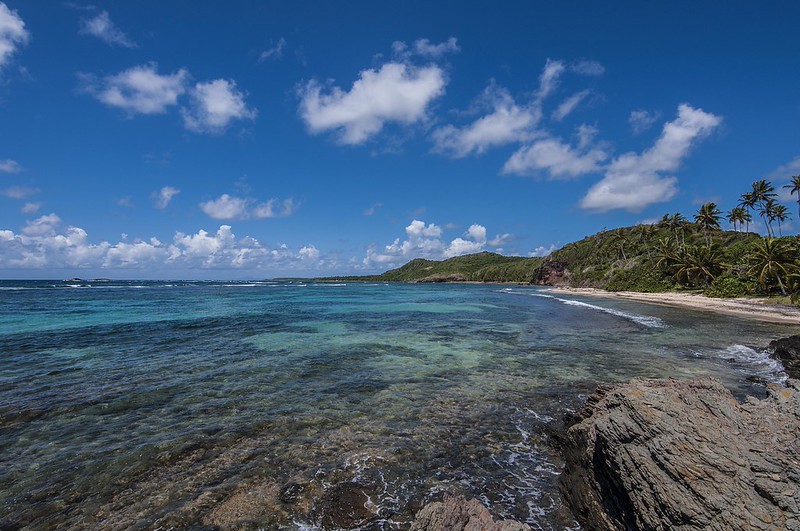
Martinique is one of the French territories in the Caribbean and works very well for solo travel. The island blends long palm-lined beaches with Creole food and European influence. It suits travelers who want beach time, good meals, and cultural variety in one trip.
French is the official language, while Créole is widely spoken in daily life. Local culture is warm and social, which helps solo visitors feel welcome in guesthouses, markets, and small restaurants. Many travelers report feeling comfortable moving around the island on their own, including women traveling solo.
Life here moves at a slower rhythm than in large mainland cities. That slower pace makes casual conversations and shared moments more common. You’re more likely to chat with shop owners, tour guides, and café staff without feeling rushed from place to place.
Popular activities center on the coast. Swimming, snorkeling, paddle sports, and relaxed beach days fill most itineraries. Clear blue water and soft sand define many of the best-known spots. Anse Noire stands out with its dark volcanic sand inside a small bay, while nearby Anse Dufour offers golden sand and easy access.
Many visitors also book a boat trip to Baignoire de Joséphine, a shallow swimming area known for pale sandbars and bright blue water. Tours often include local punch drinks and coconut-based snacks. Take it slow with the drinks, though—the mix of heat and strong cocktails can hit harder than expected under the Caribbean sun.
7. Holbox Island for Solo Travelers Who Like Laid-Back Beach Towns
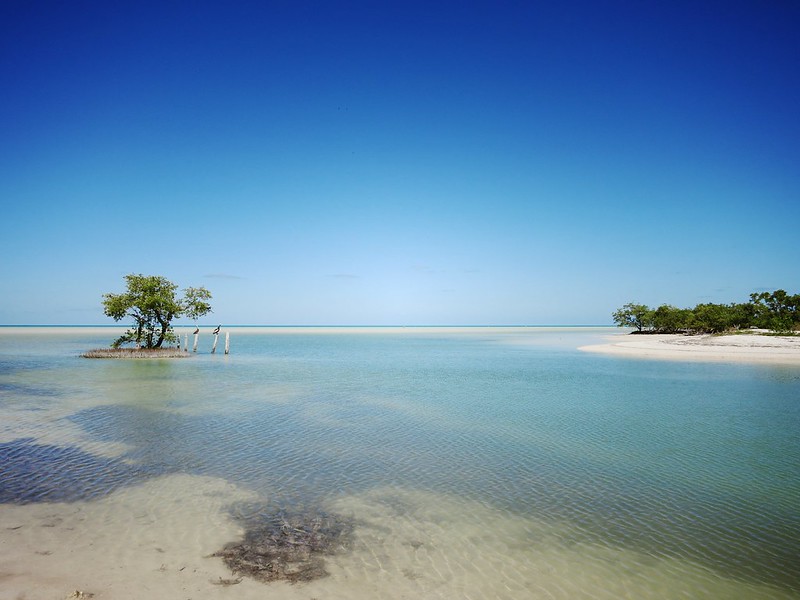
Holbox (pronounced hole-bosh) is a Mexican Caribbean island that suits solo travelers who want a relaxed setting and an easy social scene. It has a good safety record, strong backpacker traffic, and plenty of shared tours and hostels where meeting others feels natural. Though it sits about three hours from Cancun on the Yucatán Peninsula, the atmosphere feels far removed from big resort cities.
Isla Holbox is small and town-centered, with the feel of a coastal Mexican pueblo right beside the Caribbean Sea. Sandy lanes replace paved roads, and transport comes mostly by bicycle or golf cart since private cars aren’t allowed. Many beach bars and cafés welcome barefoot guests, which adds to the casual mood.
The island keeps a low-rise, local character. You won’t see major resort chains or large commercial strips. Restaurants, stays, and tour services are mostly operated by residents, with a population of roughly a few thousand people. That local ownership shapes the food, tours, and daily pace.
Most activities connect to the water. Boat trips, kayaking, swimming, and shoreline walks fill the day. Nature fans often visit the Yum Balam Nature Reserve around the island, home to flamingos and other birdlife. From June through September, whale sharks pass through nearby waters, and guided swims become a top seasonal activity.
Punta Cocos beach is known for its shallow water hammocks and calm daytime setting. After dark, bioluminescence sometimes appears along the shore, caused by tiny plankton that glow when the water moves. On the other side of the island, Playa Holbox has more upscale bungalows, spa stays, rooftop lounges, and polished dining spots for a more indulgent break.
Getting there is straightforward. Fly into Cancun International Airport, then travel about three hours by bus or rental car to the port town of Chiquilá. From there, a ferry ride of about 30 minutes reaches the island. Rental cars must be left in paid parking near the dock before boarding. For many solo travelers, Holbox becomes a standout stop in both Mexico and the wider Caribbean region.
8. Curaçao for Solo Travelers Who Want Easy Exploring and Water Activities
Is Curaçao safe for solo female travelers? In most cases, yes. The island has a solid reputation for visitor safety and clear tourist infrastructure. While basic travel awareness still matters, many people comfortably explore here on their own.
Curaçao may not be the first name people mention when talking about the Caribbean, yet it deserves attention. Located in the southern Caribbean Sea near Aruba, it offers a mix of city streets, beaches, and outdoor tours. Solo travelers often find it practical and welcoming, with plenty of activities that are simple to join without a group.
The island is well known for scuba diving and snorkeling. Many visitors book single-day dives or full certification courses on their own, which makes meeting other travelers fairly easy. Coral reefs sit close to shore in many areas. You can also join quad bike rides or boat trips if you prefer land and surface adventures.
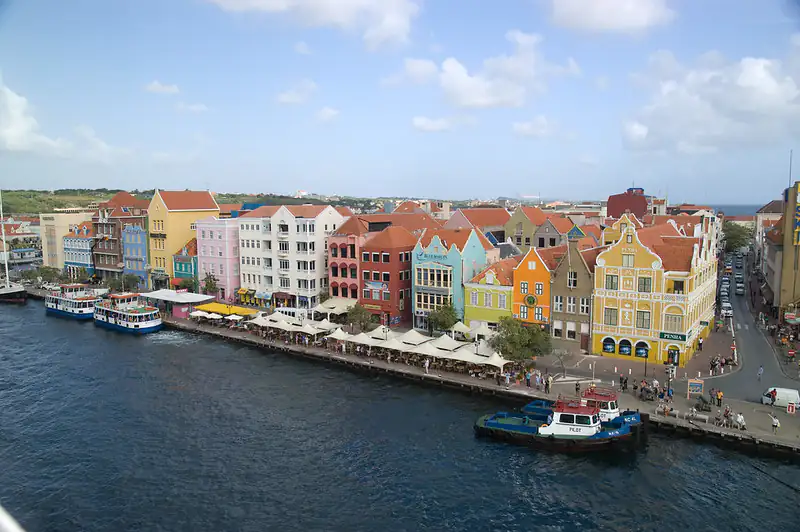
Willemstad, the capital, is walkable and full of color and history. The historic center holds UNESCO status and features museums, old forts, painted buildings, and public art. You can spend several days here moving between waterfront cafés, galleries, and local shops without needing transport.
Pietermaai, just outside the central zone, has a high concentration of restaurants and dining spots. Across the island, you’ll also find beach bars and casual cafés in many bays and towns. Food options range from local dishes to international menus.
Beaches vary from quiet coves to social strips with beach clubs and music. Snorkeling works well at many of them straight from shore, so carrying your own gear helps. Renting a car allows access to less-visited areas, and hikers can take on Christoffel Mountain for wide island views. All together, Curaçao makes a strong choice for solo Caribbean travel.
9. Bermuda for Solo Travelers Who Want Strong Beach Energy
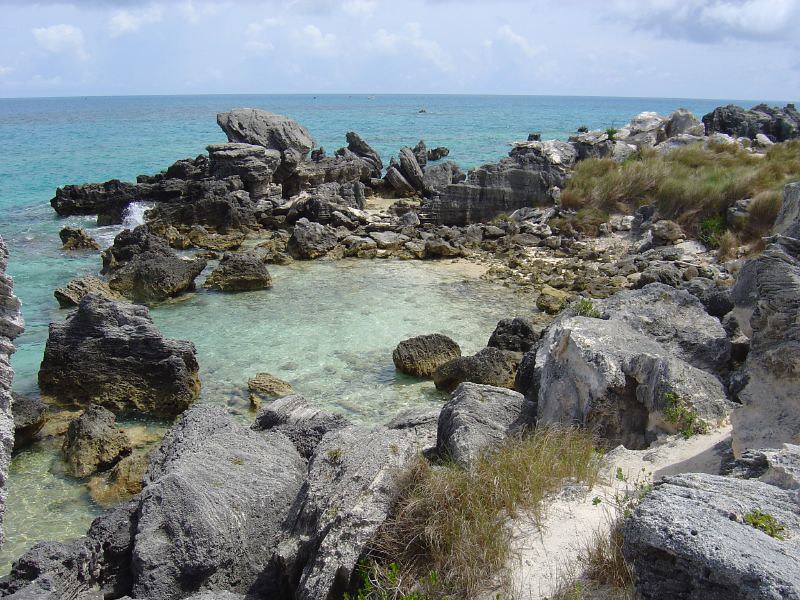
If you’re traveling alone and want a Caribbean-style trip with top beach energy, Bermuda is a solid choice. The island is known for pink-sand shores and clear blue water, along with a long list of wreck dive sites. There’s far more here than beaches, so a solo stay can include nature, caves, and coastal trails.
Bermuda works well for independent travelers for a few practical reasons. It has a good safety record, English is widely spoken, and visitor services are well organized. Transport, signage, and tour systems are straightforward, which lowers the chance of getting stranded or confused while moving around.
Several well-known spots are worth adding to your schedule. Horseshoe Bay Beach draws attention for its curved shoreline and soft sand. Cooper’s Island Nature Reserve offers walking paths and coastal views. Crystal Caves give a different experience, with underground chambers and clear pools. Water sports depend on conditions, so check seasonal forecasts and avoid storm periods.
Solo visitors benefit from planning their days in advance. A written schedule helps you cover more activities without rushing. Look at weather patterns and packing needs before departure so you’re not caught off guard by wind or temperature shifts.
Costs can run high, especially for hotels, so early booking helps control your budget. Compare stays ahead of time and watch for price drops. If your budget allows, renting a small vehicle or hiring a local guide can make it easier to reach more distant beaches and attractions.
10. Antigua for Solo Travelers Who Want Action and Beach Time
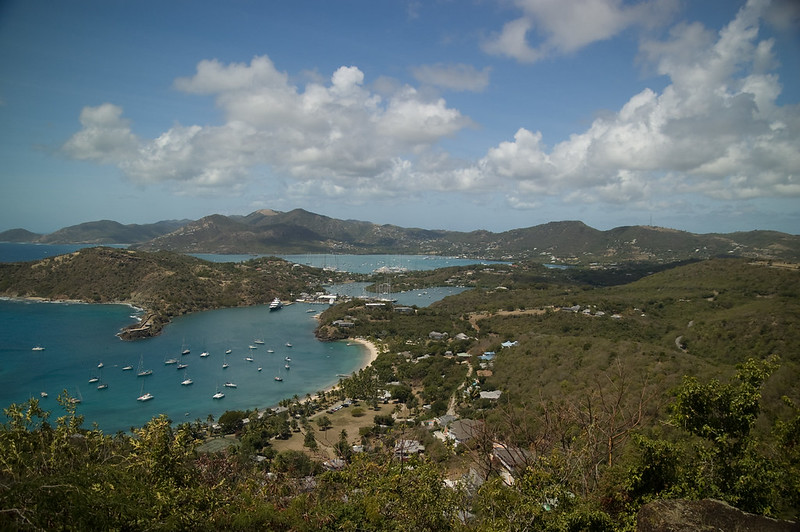
When many people picture Antigua, they imagine honeymoon pairs and sunset walks along the shore. That image exists, but it’s only one side of the island. Antigua also works well for solo travelers who want outdoor activity, social events, and open coastline without needing a travel partner.
There’s plenty to do on your own here. You can hike local trails, try scooter snorkeling along the coast, or walk through the 1,680-acre Wallings Nature Reserve with its forest paths and lookout points. These activities are easy to join without a group and give structure to your days without feeling rushed.
If rest and wellness rank high on your list, book time at Hermitage Bay for yoga sessions and spa treatments. Many solo visitors come here for short reset trips focused on quiet mornings, bodywork, and slow schedules. It’s a good match for travelers who want balance between movement and rest.
For a social evening, head to Shirley Heights on Sunday. Locals and visitors gather for music, dancing, and grilled Caribbean food. It’s one of the easiest places on the island to strike up conversations. Even if you’re not in the mood to mingle, the hilltop views and a rum punch make the visit worthwhile.
Beach time is still a core part of any Antigua trip. Popular choices include Rendezvous Bay Beach, Pigeon Point Beach, and Half Moon Bay, each with a different layout and mood. For those unsure about going alone, Antigua generally reports low crime levels and is widely viewed as a comfortable destination for solo travel.
11. St. Lucia for Solo Travelers Who Want Adventure and Scenery
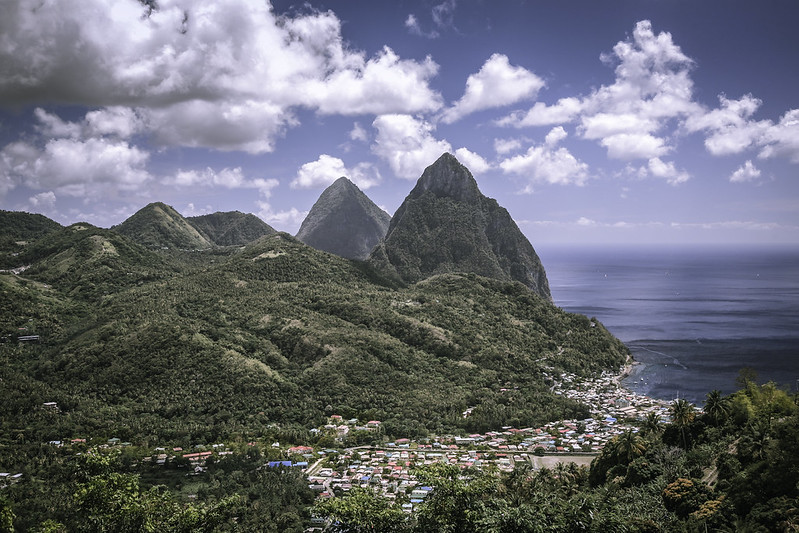
St. Lucia is often labeled a honeymoon island, but it also works very well for solo trips. Many independent travelers rate it as one of the safer Caribbean options for going alone. It offers a mix of land and sea activities, plus easy tour options that make joining group outings simple.
The island delivers dramatic views and a wide spread of experiences. You can go scuba diving, snorkel over reef areas, or join coastal boat tours. Food events also play a big role. Fish Friday gatherings at Gros Islet and Anse La Raye bring together music, street cooking, and casual crowds, which helps solo visitors feel included.
There are also less common activities worth adding to your plan. In Soufrière, you can visit the drive-in volcano area and take part in mineral mud baths. Hiking the Piton Mountains is another popular challenge, with guided climbs available for visitors without partners.
St. Lucia also suits travelers who want a blend of water sports and wellness stays. Resorts such as Jade Mountain and BodyHoliday are well known for spa programs and activity menus that welcome single guests. Still, high-end resorts are not the only option.
Budget choices exist across the island, including hostels, guesthouses, and short-term rentals. With a bit of planning, a solo visit to St. Lucia can include both outdoor action and slow recovery days without overspending.
12. The Bahamas for Solo Travelers Who Want Easy Beach Escapes
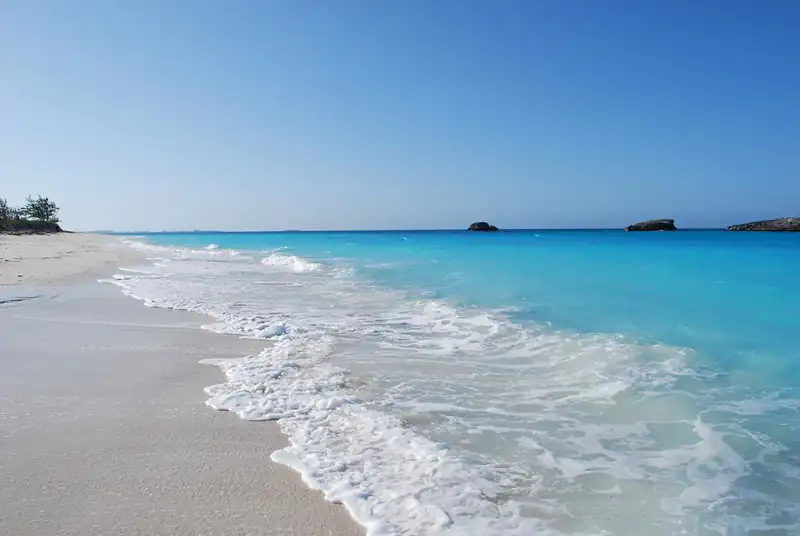
Few Caribbean trips feel as laid-back as time in the Bahamas, an island nation in the West Indies. It ranks well for solo travelers thanks to its visitor safety record and wide range of activities. You can build a quiet beach break, an active water-sports trip, or a social island stay without much trouble.
Travel here often brings to mind white sand shores, pastel houses, sea excursions, and fresh seafood. Local dishes like conch appear in many forms, even at breakfast. Many visitors also enjoy sitting by the water with a Bahama Mama cocktail and letting the afternoon pass slowly.
With roughly 700 islands and cays, the Bahamas gives solo travelers many ways to shape their route. Some islands focus on nightlife and tours, while others stay calm and lightly developed. This spread makes it easier to match your mood and budget.
If you want social energy and easier connections, base yourself in Nassau or Grand Bahama. Nassau, the capital and main cruise port, stays busy and gives more chances to meet other travelers through tours, boat trips, and group activities.
For fewer crowds and clearer water, head to the Exumas, a chain of 365 cays about a short flight from Nassau. Only a small portion are inhabited, and the area is known for bright blue seas and open space. Staniel Cay works well as a base, with guesthouses and beaches plus simple day-trip access.
Popular Exumas outings include swimming with pigs at Big Major Spot Cay, meeting nurse sharks at Compass Cay, relaxing at Chat ‘N’ Chill, and visiting Thunderball Grotto, a cave system used as a film location in classic James Bond movies. For solo travelers, the Bahamas offers both social hubs and quiet corners in one country.
13. Grand Cayman for Solo Travelers Who Want Easy Activity and Comfort
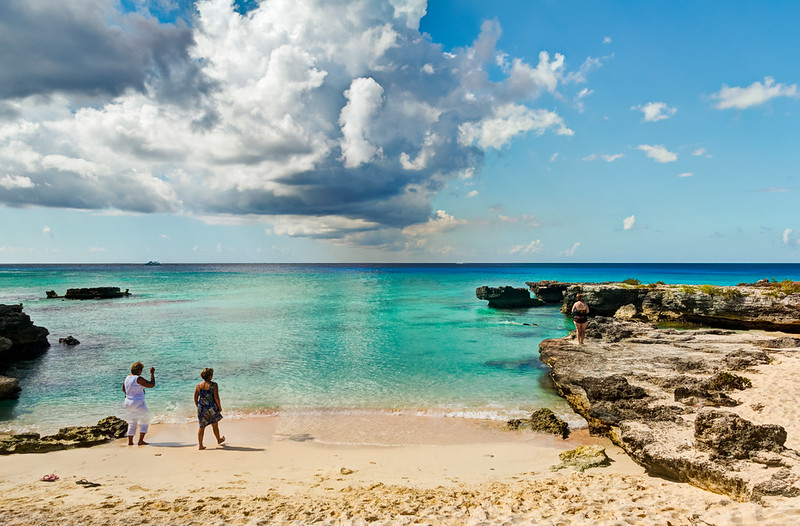
Grand Cayman is often rated among the safer Caribbean islands for people traveling alone. It suits solo travelers who want a relaxed base mixed with many activity choices. Days can shift between beach time, food stops, and water tours without complicated logistics.
The island belongs to the Cayman Islands group, which also includes Cayman Brac and Little Cayman. All three work well for independent visitors, including women traveling solo. Grand Cayman stands out because it is the largest and offers the widest spread of things to do.
There are many simple outings you can plan on your own. Spotts Beach is known for sea turtle sightings close to shore. Starfish Point draws visitors who come to observe the starfish in shallow water—look, but avoid handling them. Rum Point is a social stop for drinks and shoreline views, while George Town offers shops, waterfront walks, and cafés.
Water activities are a major draw. Snorkeling and diving trips run daily, and the Cayman Islands count hundreds of mapped dive locations. Seven Mile Beach, with its pale coral sand, ranks among the best-known beaches in the Caribbean and is easy to access from many hotels.
Food is another highlight. The islands are often called the culinary capital of the Caribbean, with Grand Cayman leading the scene. Restaurants such as Michael’s Genuine Food & Drink serve local seafood, including invasive lionfish, which helps reduce reef damage.
If your schedule allows, add Cayman Brac and Little Cayman to your route. Each has a quieter pace and different coastal landscapes, giving solo travelers a broader view of the Cayman Islands experience.
14. Grenada for First-Time Solo Travelers Who Want Food and Nature
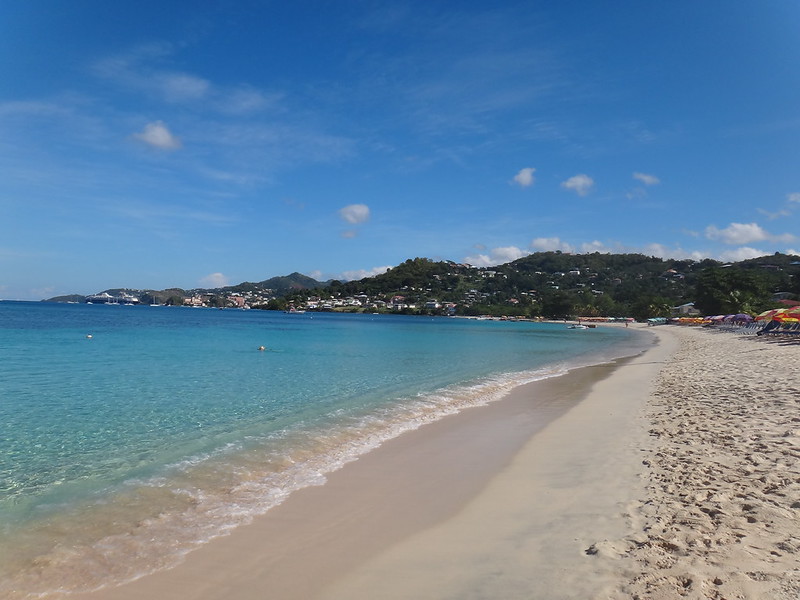
Grenada is a strong starting point for first-time solo travelers heading to the Caribbean. Part of the Windward Islands, it’s widely known as the Spice Island. The setting suits people traveling alone who enjoy good food, diving trips, and time outdoors, with rainforests and more than 160 bird species recorded across the island.
The population reflects many backgrounds, which shows up in daily life, festivals, and cooking styles. If you move beyond the southern resort belt, you’ll see more local neighborhoods and slower-paced towns with fewer visitors. This gives solo travelers a clearer view of everyday island life.
Grenada works well for independent visitors because local culture and crafts play a big role in the economy. Chocolate tours are a popular stop, where you can taste locally made products and see how cacao is processed. Small workshops also sell handmade items created from cocoa materials and other local resources.
Food and drink tours add more variety. At River Antoine Estate, rum is still produced using older mechanical methods. Nutmeg processing stations show how one of the island’s main exports is sorted and prepared. These stops are easy to visit through half-day guided trips.
The island’s past as a British colony, with earlier French influence, appears in its buildings and street layouts. In St. George’s, the capital, you can walk past colorful houses, hillside views, and Port Louis Marina with visiting yachts. While Grenada is quieter than some Caribbean hotspots, travelers who want friendly locals, spice-rich cuisine, and traditional character often find it a rewarding solo destination.
15. Bonaire for Solo Travelers Who Want Quiet, Easy Island Days
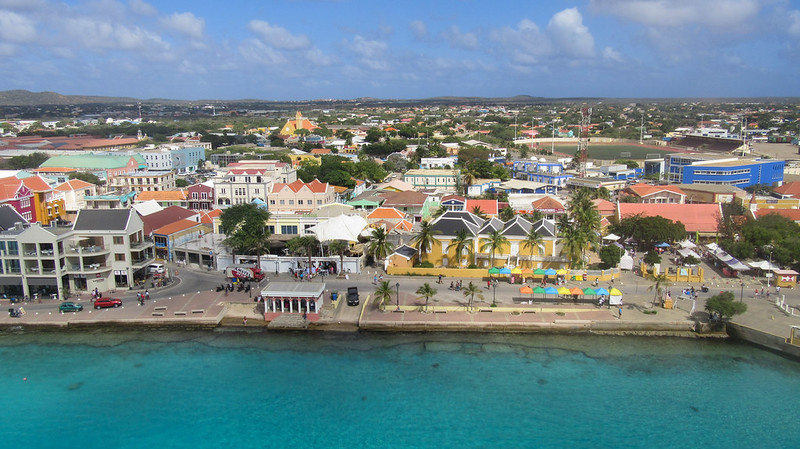
Bonaire sits about 50 miles off the coast of Venezuela and offers a calm setting for a tropical solo break. The island covers just 111 square miles, which makes getting around simple and quick. Short travel times between beaches, towns, and nature areas help solo visitors plan relaxed days without long transfers.
Because of its size, routes are straightforward and key sights are close together. There are many options for sun lovers, water sports fans, nature walkers, and history buffs. The overall pace feels slow and comfortable. Many solo female travelers report feeling secure here, though basic precautions still matter, like not leaving valuables in cars or unattended on the sand.
Kralendijk, the capital, is small and pleasant rather than busy. Expect a main street with colorful buildings, murals, shops, and waterfront dining. The area feels most lively in the evening, when restaurants and bars fill up. Popular dining spots include Sebastian’s Restaurant and La Cantina, both known for relaxed waterfront meals.
Bonaire is especially well known for its underwater life. Diving schools operate across the island, and snorkeling is also excellent from shore. Good snorkeling spots include 1,000 Steps, Andrea I and II, and Salt Pier, where sea turtles are often seen. Clear water and reef access make solo water outings easy to arrange.
For beach time, take the ferry to Klein Bonaire and visit No Name Beach. This small offshore island has no built facilities, so bringing your own food and drinks is a smart move. Other beaches worth adding to your list include Donkey Beach, Te Amo Beach, and Pink Beach.
Head north to Washington Slagbaai National Park for rough coastline, salt lakes, cactus fields, and wildlife such as flamingos and iguanas. You can tour the park by 4×4 vehicle or explore on foot and in the water. In the south, a day tour can include the Donkey Sanctuary, wind and kite sports at Sorobon, historic Slave Houses, and the large salt flats.
Solo dining feels easier here thanks to the many food trucks across the island. They serve fresh, casual meals and remove the pressure of sitting alone in formal restaurants while still offering great local flavors.
If you’re looking to take your solo travel experience beyond the Caribbean, Europe has some of the safest and most inspiring destinations for women traveling alone. Discover more in The Best European Destinations for Solo Female Travelers .
Caribbean Solo Travel Safety Tips and Smart Planning Ideas
Now that we’ve covered some of the top beach holidays for solo travelers and addressed safety for women traveling alone in the Caribbean, it’s time to look at practical tips. A few simple steps can make your solo island trip smoother, safer, and more enjoyable from day one.
- Check entry and exit rules in advance.
Requirements differ between islands. Some places ask for visas, return tickets, or extra documents. Review official government sources before booking so you don’t face last-minute surprises at the airport. - Look into local safety patterns.
Even popular islands have minor crime and common scams. Read recent traveler reports and local advisories. In busy visitor zones, pickpocketing can happen, so use anti-theft bags or clothing with hidden pockets and keep phones and wallets secured. - Follow core solo travel habits.
Carry small safety tools like a door wedge and a personal alarm. Keep an eye on your drink in bars and avoid empty streets late at night. Share your daily plan with a trusted contact and keep your phone charged when you’re out. - Arrange airport transfers before arrival.
Pre-booked transport removes guesswork after landing, especially on your first solo flight. Having a driver or shuttle ready cuts stress and helps you reach your hotel without confusion or delays. - Make space for personal downtime.
Caribbean trips are great for slowing your pace. Set aside quiet hours for rest, journaling, or reflection between tours and beach days. Solo travel works best when your schedule isn’t overloaded. - Join group tours and local excursions.
Day trips and guided activities help you meet people naturally. Boat tours, food walks, and snorkeling trips often attract other solo travelers, which makes conversation easier. - Protect yourself from strong sun.
Pack reef-safe sunscreen, a hat, and sunglasses. Apply sun protection daily and reapply after swimming. SPF-rated clothing can also help reduce exposure during long beach or boat days.
Car Rental Tips for Solo Travel in the Caribbean
Need a rental car for your Caribbean trip? A comparison platform like Discover Cars can make the search much faster. Instead of jumping between many company websites, you can view multiple rental options in one place and pick what fits your route and budget.
The system checks prices across different providers automatically, so you don’t have to run side-by-side searches on a dozen tabs. In many cases, travelers report finding rates far below standard counter prices, sometimes with discounts reaching around 70%. It’s a simple way to book transport before you land and keep your trip plans running smoothly.