
One of the most significant choices in retirement is deciding where to settle down. The ideal spot should match the lifestyle you envision while still being financially reasonable. Some prefer coastal breezes and golf courses, while others lean toward quiet neighborhoods with easy access to cultural amenities. Whatever the preference, this decision lays the groundwork for how the next chapter unfolds.
In recent years, many retirees have opted for relocation rather than staying put. Data from Hire A Helper, an online moving service marketplace, shows that over 338,000 Americans moved in retirement last year—a striking 44% jump from the previous year. Among the states welcoming the most retirees, Florida stood out for its tax-friendly structure and reputation as a haven for sunny living.
The real question is whether a move makes sense for you personally. For some, it might mean closer proximity to family, healthcare, or new hobbies. For others, it’s about lower costs and a refreshed pace of life. Exploring your priorities will help determine the right path forward.
Key Factors in Choosing the Right Retirement Destination
Once a career no longer dictates where you live, the map opens wide. That freedom, while exciting, can also feel overwhelming. The best way to narrow down options is by reflecting on your personal preferences. Do you picture yourself living close to the ocean, or do you lean toward mountain landscapes? Would you feel more comfortable in the slower rhythm of a small town, or do you thrive with the constant energy of a big city?
Practical matters deserve equal attention. Reliable healthcare access is essential—how close is the nearest hospital, and what’s the overall quality of medical services in the area? Safety statistics also weigh heavily for many retirees. And if international travel is part of your lifestyle, proximity to a major airport becomes more than just a convenience.
Finances are another decisive element. Retirees living on fixed incomes often find that the overall cost of living greatly affects quality of life. State taxes, in particular, can play a big role. While some states tax pension income, Social Security, or withdrawals from retirement accounts, others offer tax breaks or avoid taxing retirement earnings altogether.
To help orient your search, we’ve gathered 15 destinations that blend affordability with elements important to retirees: livable communities, reliable healthcare, lower-than-average costs, and a sense of safety. Each location presents its own advantages, giving you plenty of room to imagine the future that fits your vision.
Seaside Retirement: Top Coastal Havens for Educators
For many retirees, the idea of living near the ocean feels like a dream realized. Warm breezes, slower routines, and the calming presence of water hold strong appeal. The challenge, however, is that demand for coastal communities often drives expenses upward, making it difficult for retirees on fixed incomes to balance desire with practicality.
Fortunately, there are still places that blend coastal charm with affordability. These towns offer easy access to the shoreline, pleasant climates, and community amenities without the financial strain commonly associated with more famous beach destinations. Retired educators, in particular, may find these areas attractive—combining opportunities for leisure with welcoming neighborhoods that appreciate lifelong learning and active living.
The following coastal towns manage to deliver the appeal of seaside life while remaining accessible to those looking to keep costs manageable. They show that retirement by the water doesn’t have to mean compromising on financial stability or comfort.
1. Myrtle Beach, South Carolina

Myrtle Beach has long attracted retirees with its blend of sunshine, recreation, and coastal living. Stretching along 60 miles of shoreline, the area invites long walks on sandy beaches, lazy afternoons by the ocean, and a steady rhythm of waves that make each day feel like vacation. For those who prefer an active lifestyle, nearly 100 championship golf courses are scattered throughout the region, offering countless opportunities to refine your swing or enjoy a friendly round with neighbors.
Beyond the sand and greens, the city pulses with entertainment. Broadway on the Beach, a 350-acre complex, is the centerpiece of local leisure. Here, retirees can spend hours browsing boutique shops, dining on fresh seafood, or catching live performances without ever needing to leave the grounds. Restaurants, bars, and seasonal events keep the community lively, ensuring that both quiet evenings and social gatherings are within reach.
What makes Myrtle Beach particularly appealing for retirement is the balance between affordability and activity. The cost of living is reasonable compared to many coastal towns, while healthcare and senior-friendly services are readily accessible. Whether you want to play golf, stroll the boardwalk, or spend the afternoon people-watching with an ice cream cone, Myrtle Beach provides a lifestyle that combines relaxation with endless ways to stay engaged.
2. Punta Gorda, Florida

Punta Gorda rests along Florida’s southwest Gulf Coast and has become a magnet for retirees, especially those 65 and older—who make up nearly half of its population. The town offers a relaxed rhythm of life, where residents can enjoy waterfront breezes, small-town charm, and a supportive community environment. Many retirement neighborhoods cater exclusively to those 55 and above, creating spaces where neighbors share similar stages of life and interests.
For those who prefer an active lifestyle, Punta Gorda provides 18 miles of bike trails and pedestrian pathways that connect different pockets of the town. Whether you’re gliding along the waterfront paths or strolling through shaded streets, these routes make it easy to stay healthy while appreciating the scenery. Parks and open spaces offer additional chances to gather, exercise, or simply watch the boats drift across Charlotte Harbor.
Another draw is the affordability compared to many other coastal destinations in Florida. Retirees can enjoy a coastal setting without the heavy price tag often associated with larger cities. Add in accessible healthcare options, local dining spots, and cultural events, and Punta Gorda becomes an appealing balance of comfort and activity.
Explore affordable retirement destinations and take advantage of exclusive savings through the NEA Travel Program, available to NEA members. It’s a helpful way to begin shaping your next chapter with both confidence and value in mind.
Read More: 15 Cheapest Places to Travel in Florida for an affordable sunshine getaway.
Highland Retreats: Embracing Mountain Life in Retirement
For some retirees, the draw of the mountains is irresistible. Clear air, wide horizons, and a variety of outdoor pursuits make high-altitude living especially appealing. Whether it’s fishing in alpine streams, hiking wooded trails, or simply enjoying a panoramic view from the porch, mountain towns offer a rhythm of life that feels both refreshing and restorative.
These communities often provide a strong sense of connection, too. Smaller populations mean neighbors are more than passing acquaintances, and local traditions tend to remain deeply rooted. Farmers’ markets, seasonal festivals, and cozy cafés often form the backbone of daily life, offering chances to engage without the bustle of city living.
Practical benefits also add to the appeal. While winters can be brisk, many mountain towns enjoy mild summers that spare residents from the humidity and heat found in other regions. For retirees who value cooler weather and open skies, the high country presents an attractive balance of natural beauty and livability.
3. Boise, Idaho
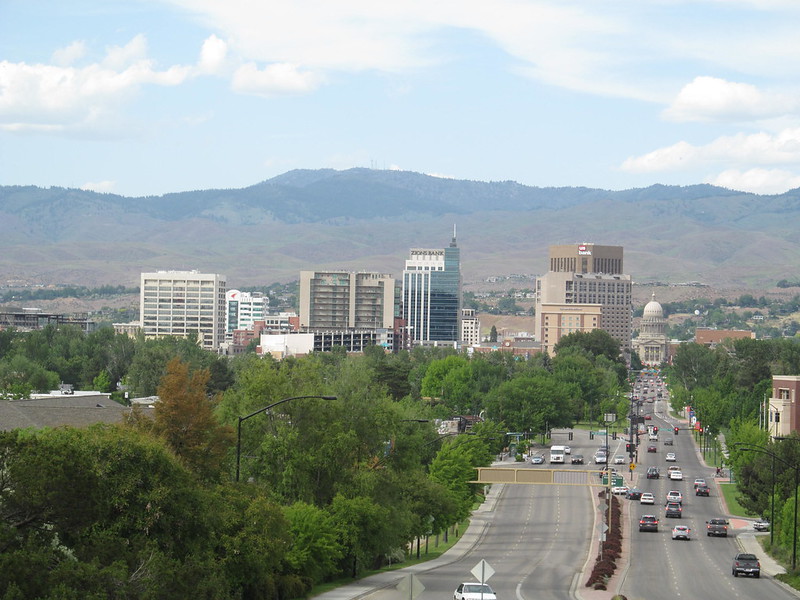
Boise, the capital of Idaho, is framed by foothills and mountains, with the Boise River winding its way through the city. This landscape offers retirees direct access to a variety of outdoor pursuits—hiking along well-marked trails, skiing in nearby resorts, casting a line for fly fishing, or paddling a kayak on the river’s gentle stretches. For those who prefer staying active in the open air, Boise places adventure close to home.
The city also benefits from the presence of Boise State University, which contributes more than just an academic atmosphere. Retirees can attend cultural events, concerts, and lectures, or simply enjoy the vitality that a college campus brings to the area. Paired with a lively downtown filled with restaurants, coffeehouses, and art venues, Boise blends outdoor recreation with enriching urban amenities.
Practical advantages reinforce Boise’s appeal. Healthcare services are widely available, housing remains more affordable than in many western hubs, and the community maintains a pace of life that is relaxed yet engaged. For retirees searching for a balance between natural surroundings and accessible city comforts, Boise delivers both without unnecessary compromise.
Read More: 7 Secret Hot Springs Along Idaho’s Sawtooth Scenic Byway You Need to Visit.
4. Chattanooga, Tennessee
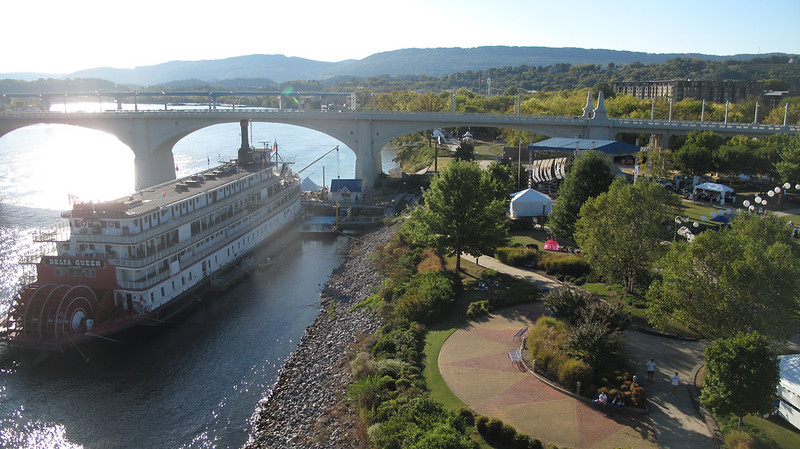
Set along the Appalachian foothills, Chattanooga offers a mix of cultural richness and outdoor adventure. The city’s art scene is especially appealing, with the Bluff View Art District home to numerous galleries, while the NorthShore and Southside districts brim with creative spaces, shops, and local eateries. Music is also central here—festivals take place throughout the year, adding energy and variety to the city’s cultural calendar.
Nature lovers find plenty to appreciate with the Tennessee River flowing through town. Walking and biking paths trace its edges, making it easy to enjoy a leisurely ride or riverside stroll. For those who want more challenge, Chattanooga delivers with rock climbing opportunities, mountain biking trails, whitewater rafting excursions, and even hang gliding. The area’s diverse landscape allows retirees to choose between peaceful outdoor moments and adrenaline-fueled adventures.
Chattanooga also appeals from a practical standpoint. Its cost of living remains manageable, healthcare services are accessible, and the city continues to grow without losing its approachable character. For retirees who want the benefits of both a thriving cultural scene and abundant natural recreation, Chattanooga is a destination that brings those elements together seamlessly.
Read More: 15 Scenic Small Towns in Tennessee You’ll Enjoy.
5. Grand Junction, Colorado
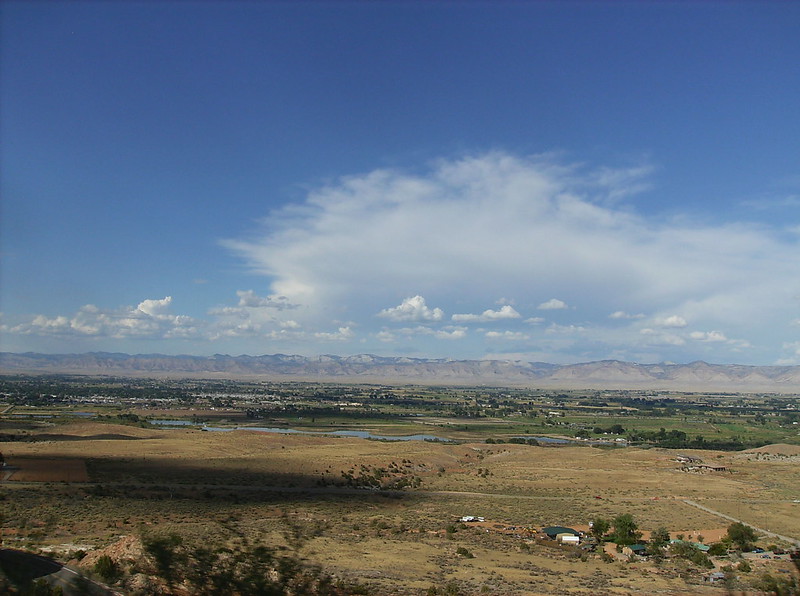
Grand Junction lies along the Colorado River in the western part of the state, offering a year-round setting for those who enjoy an active lifestyle. Its location allows retirees to enjoy warm-weather activities like hiking, biking, and rafting through rugged canyons, while the colder months bring skiing and snowshoeing within reach of nearby slopes. The variety of landscapes makes it possible to keep life outdoors in every season.
The city has also grown into a hub for wine country in Colorado, with vineyards and tasting rooms scattered across the surrounding valley. This adds a different layer of leisure—perfect for a relaxed afternoon with friends or visitors. Paired with local markets and community festivals, Grand Junction balances recreation with culture in a way that appeals to many retirees.
Practical considerations work in its favor as well. Healthcare access is solid, thanks to regional medical facilities, and the cost of living remains manageable compared to larger Colorado cities. For retirees who want a mix of small-city convenience, outdoor adventure, and a touch of local flavor, Grand Junction provides a well-rounded option.
Read More: 21 Scenic Drives in Colorado That Will Take Your Breath Away.
6. Roanoke, Virginia

Roanoke sits between the Blue Ridge and Allegheny Mountains, giving retirees direct access to one of the most trail-rich regions in the country. With more than 700 miles of routes nearby, outdoor enthusiasts can choose between gentle woodland walks or more demanding hikes that reward with sweeping views. The proximity of the Appalachian Trail further cements Roanoke’s reputation as a hub for those who love the outdoors.
Yet the city offers more than natural appeal. Roanoke’s music scene adds rhythm to daily life, with local venues and festivals presenting performances across a wide range of styles. Downtown, several breweries create lively gathering spots, while the historic city market remains a central fixture. There, residents can shop for fresh produce from area farms, along with handmade jewelry and crafts that reflect local artistry.
From a practical standpoint, Roanoke has strong advantages for retirees. The cost of living is generally lower than in many mountain cities, and healthcare services are readily accessible. Its blend of active recreation, cultural opportunities, and affordability makes it an attractive choice for those planning the next chapter of their lives.
Read More: 15 Charming Small Towns in West Virginia for a Relaxing Escape.
7. St. George, Utah

For retirees who thrive outdoors, St. George offers a striking setting. Positioned just west of Zion National Park and north of the Grand Canyon, it places some of the nation’s most iconic landscapes within easy reach. Hiking, cycling, and exploring red rock canyons become part of daily life, while the mild desert climate keeps recreation possible through much of the year.
Beyond its natural setting, the city is home to the Huntsman World Senior Games, the largest multi-sport event in the world for those 50 and older. Each year, athletes gather in St. George to compete across dozens of disciplines, creating a lively atmosphere that celebrates fitness, camaraderie, and active aging. It’s both an event to participate in and an inspiring tradition to watch.
Practicality adds to the town’s appeal. St. George has grown rapidly, bringing with it healthcare facilities, dining options, and cultural offerings that make daily life comfortable while still retaining a small-city feel. For retirees who want a place where natural wonders meet an active community, St. George offers a compelling balance.
8. Spokane, Washington
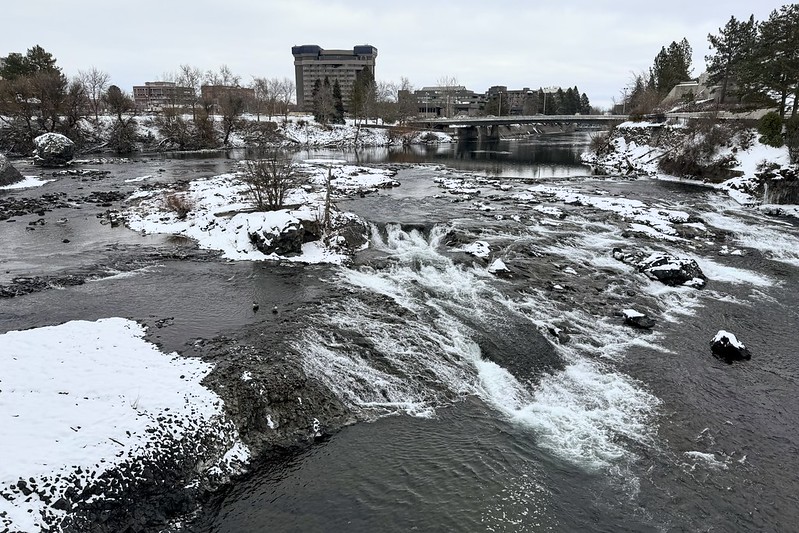
Spokane sits between the Cascade and Rocky Mountains, offering retirees easy access to some of the Pacific Northwest’s most inviting landscapes. For those who appreciate the outdoors, options abound—mountain trails for hiking and biking, lakes for boating and fishing, and forested spaces that encourage exploration year-round. The region’s 76 lakes provide plenty of variety, whether you prefer quiet mornings with a fishing rod or afternoons paddling under open skies.
At the same time, Spokane blends its natural appeal with urban amenities. The 40-mile Spokane River Centennial Trail cuts directly through downtown before stretching east into Idaho, creating a unique connection between city life and scenic pathways. This accessibility means retirees don’t have to choose between convenience and outdoor recreation—they can enjoy both within minutes of one another.
On the practical side, Spokane continues to be an affordable option compared to many other mountain or lakeside cities. It offers solid healthcare services, a growing cultural scene, and a pace of life that feels balanced rather than rushed. For retirees searching for a place where mountain horizons meet urban comfort, Spokane presents a compelling mix.
Urban Comfort: Best Cities for Retirees Seeking Convenience
For retirees who prefer the energy of a city over quiet rural towns, mid-sized urban hubs can be a smart choice. These destinations offer cultural richness, diverse social opportunities, and practical advantages like reliable healthcare and public transportation. Unlike major metropolitan centers, they manage to deliver these benefits without the heavy price tag or relentless pace.
Living in a city means easy access to museums, theaters, restaurants, and organized community programs. For those who enjoy staying engaged with the arts, attending lectures, or sampling a variety of cuisines, an urban setting keeps opportunities close at hand. Airports in these areas also make travel more convenient, whether it’s visiting family or exploring new destinations abroad.
At the same time, these cities balance liveliness with affordability. Housing prices and day-to-day expenses remain lower than in the largest metropolitan regions, while still providing the comforts and conveniences retirees often seek. For those who want stimulation, connection, and practicality all in one place, these urban hubs present an appealing path forward.
9. Columbus, Ohio
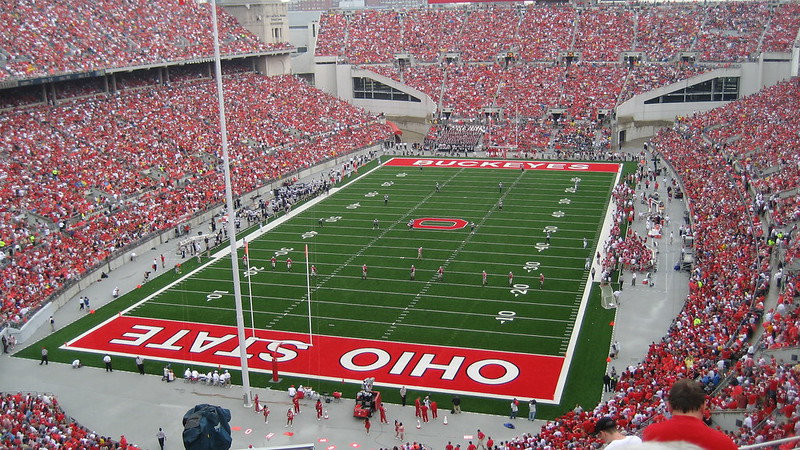
Columbus, the capital of Ohio, combines the feel of a large city with an approachable atmosphere. Retirees will find no shortage of things to do, from exploring its variety of restaurants and breweries to visiting museums and cultural centers. One of the most popular attractions is the Columbus Zoo and Aquarium, which continues to be a favorite for both locals and visitors.
Education is another area where Columbus stands out. Ohio State University offers residents aged 60 and older free tuition for non-credit courses, opening the door to continued learning without financial strain. Whether it’s taking a class for personal enrichment or simply enjoying the lively campus environment, the presence of a major university enriches the community experience.
Sports enthusiasts will also feel at home here. Columbus is host to professional hockey and soccer teams, minor league baseball, and of course, Ohio State football—a tradition that electrifies the city each fall. This wide range of entertainment ensures that retirees who enjoy athletics, whether as spectators or participants, have options year-round.
Practical benefits add to the appeal. Healthcare access is strong, public transportation is available, and the cost of living remains more reasonable than in many larger U.S. cities. For retirees who want cultural variety, opportunities for lifelong learning, and an active social environment, Columbus offers a well-balanced choice.
Read More: 19 Must-Visit Small Towns in Ohio With Authentic Midwestern Vibes.
10. Des Moines, Iowa
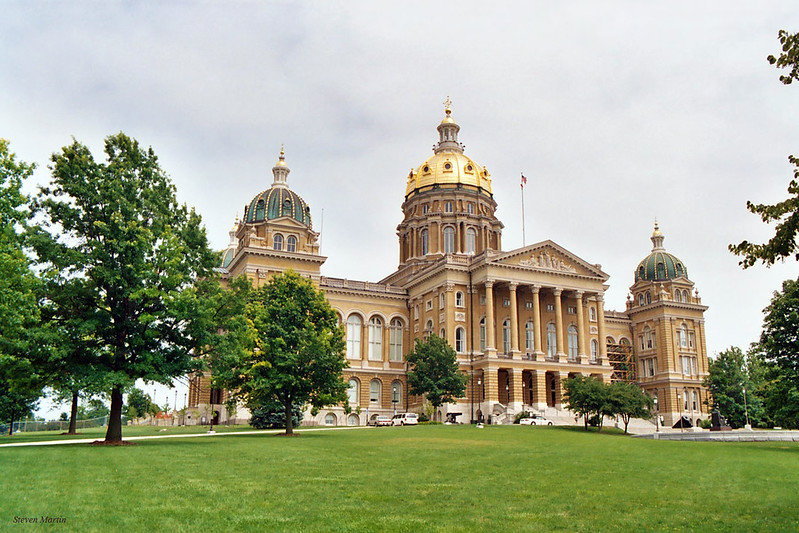
For retirees seeking the advantages of city life without the financial strain, Des Moines stands out. Known for its affordability, the Iowa capital offers a cost of living that makes it easier to stretch retirement savings while still enjoying an active lifestyle. Healthcare is reasonably priced and widely available, adding another layer of security for those planning their later years. In fact, the Milken Institute ranked Des Moines fifth among large metro areas for successful aging, reflecting its balance of opportunity and accessibility.
Cultural attractions enrich daily life here as well. The city is home to a range of museums, art galleries, and concert venues that provide entertainment throughout the year. For sports fans, a minor league baseball team brings the excitement of game day, adding variety to the local calendar. Seasonal festivals and community events further contribute to the area’s engaging atmosphere.
Practical benefits align with cultural perks in Des Moines. Public services are reliable, the community is welcoming, and retirees have the chance to enjoy the rhythm of a large city without the overwhelming costs or congestion of bigger metropolitan hubs. For those who want affordability paired with cultural variety, Des Moines makes a compelling choice.
11. New Orleans, Louisiana

New Orleans offers retirees a lifestyle that is as lively as it is culturally rich. The city is world-renowned for its music, with jazz and blues echoing from street corners, clubs, and festivals throughout the year. Culinary experiences are just as impressive—five-star restaurants and local favorites serve up flavors that blend French, Spanish, African, and Caribbean influences into unforgettable meals.
Sports fans will also find plenty to enjoy here. The city is home to a professional football team, and its passionate fan base adds to the energy on game days. For those who enjoy community celebrations, New Orleans shines with its calendar of events. Mardi Gras and Jazz Fest, in particular, attract visitors from across the globe, but they are equally treasured by locals who make these traditions part of their yearly rhythm.
Beyond the festivals and music, New Orleans offers a mix of history and modern convenience. Retirees can explore historic neighborhoods, admire distinctive architecture, or take part in riverfront activities. Combined with accessible healthcare facilities and a diverse range of entertainment, the city provides retirees with both excitement and practical support for daily living.
12. Topeka, Kansas
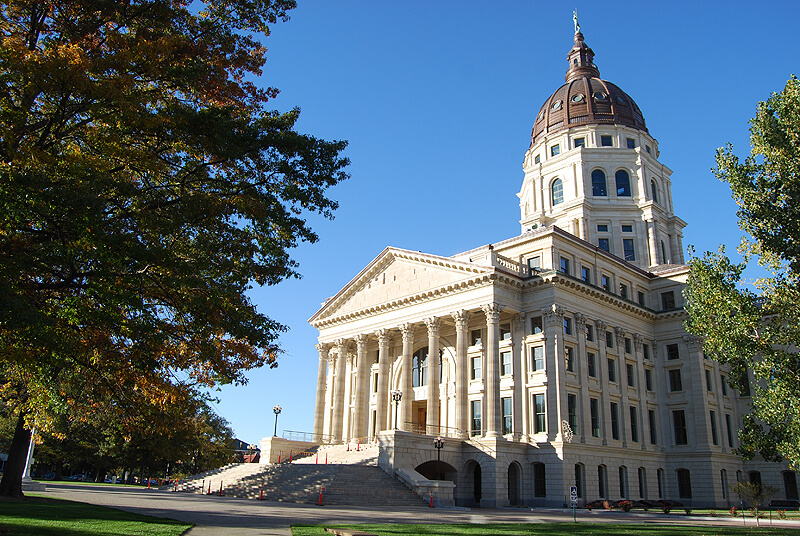
Topeka, the capital of Kansas, offers retirees a blend of cultural attractions and outdoor activities. For those who enjoy the arts, the city is home to the Topeka Civic Theatre—one of the longest-running community theaters in the country—and the Mulvane Art Museum, located on Washburn University’s campus, which provides free access to rotating exhibits and permanent collections. These venues make it easy to stay engaged with creative expression without leaving town.
Nature lovers will find plenty of appeal at Lake Shawnee. Surrounded by a sprawling 1,100-acre park, the lake area features a walking trail, gardens, golf course, tennis courts, and even campgrounds. It’s a space where retirees can choose between peaceful strolls, active recreation, or spending weekends with visiting family. Seasonal events and community gatherings at the park further highlight Topeka’s strong sense of local connection.
Practical benefits strengthen Topeka’s retirement appeal. The cost of living remains low compared to many other state capitals, healthcare is accessible, and the city maintains a welcoming, laid-back pace. For retirees seeking a balance of affordable living, cultural opportunities, and outdoor recreation, Topeka is an option worth considering.
13. Omaha, Nebraska
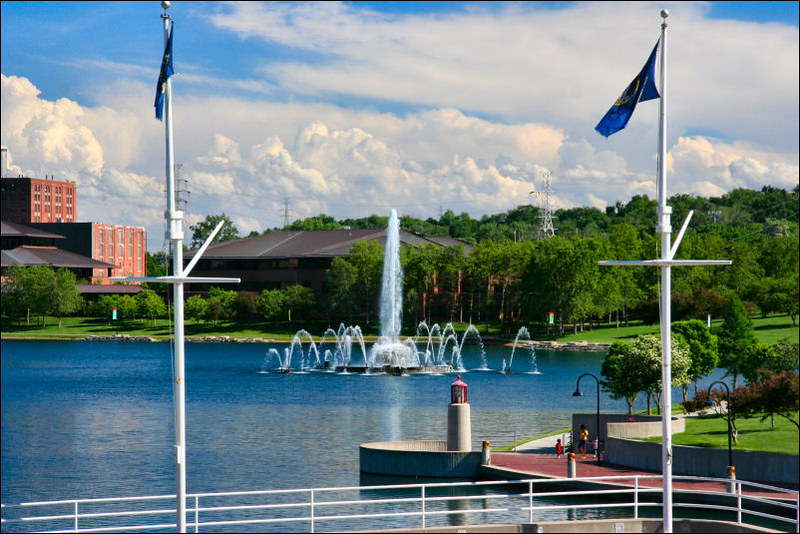
Omaha sits along the west bank of the Missouri River and provides retirees with a wide range of outdoor opportunities. From birding and golfing to exploring 85 miles of walking and biking trails, the city makes it easy to stay active and connected to nature. Parks and riverfront spaces give residents plenty of room to enjoy fresh air without leaving the metro area.
The city also stands out for its healthcare access. Ranked seventh among large metro areas for successful aging by the Milken Institute, Omaha benefits from a strong network of medical facilities and professionals. This affordability and availability of care make it especially attractive to retirees looking for security in their later years.
Cultural amenities further add to Omaha’s appeal. Local theaters, museums, and a dynamic food scene keep life engaging, while the city’s welcoming neighborhoods provide a comfortable sense of community. For retirees seeking affordability, healthcare access, and opportunities for an active lifestyle, Omaha strikes a balanced combination.
14. Tulsa, Oklahoma

Tulsa blends cultural richness with outdoor appeal, offering retirees a variety of ways to stay engaged. The Tulsa Arts District is a focal point, with its mix of galleries, restaurants, breweries, and live music venues. It’s also home to the Woody Guthrie Center, an interactive museum celebrating the legendary folk singer and his impact on American music. For those who enjoy the arts, history, and dining, the district provides endless opportunities for exploration.
Nature enthusiasts will find plenty to enjoy as well. River Parks, stretching along the Arkansas River, features miles of biking and running trails, ideal for both leisurely outings and more vigorous exercise. The parklands also serve as gathering places for community events, making it easy for retirees to combine fitness with social connections.
Practical benefits further strengthen Tulsa’s appeal. The cost of living remains lower than the national average, healthcare is accessible, and the city’s friendly pace of life is well-suited to retirees who want balance without sacrificing activity. Tulsa stands out as a destination that offers cultural depth alongside everyday comfort.
Small-Town Charm: Retirement in Close-Knit Communities
For many retirees, the appeal of a smaller town lies in its simplicity. Less congestion, a calmer pace, and safer neighborhoods can make everyday life feel easier and more enjoyable. Downsizing from a larger city often means trading long commutes and crowded streets for short drives, familiar faces, and a lifestyle where people take time to connect.
These communities also thrive on social bonds. Neighbors often know one another, local businesses form the backbone of daily routines, and community gatherings—whether it’s a seasonal festival, a farmers’ market, or a high school football game—help bring people together. The sense of belonging can be especially meaningful in retirement, when connection and routine matter more than ever.
That said, smaller towns are far from uneventful. Many have developed rich cultural calendars, outdoor recreation options, and dining scenes that rival those of larger cities. For retirees, this means you can enjoy the calm of a quieter setting without sacrificing entertainment, activity, or access to quality amenities.
15. Decatur, Alabama
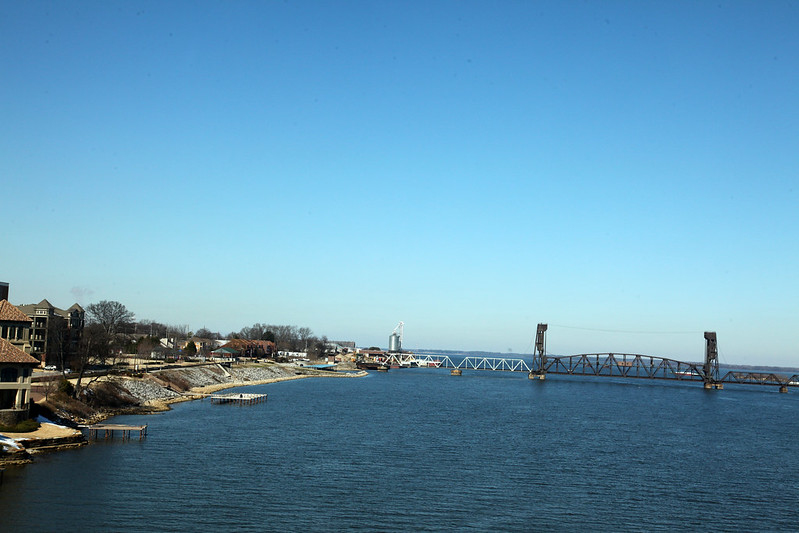
Set along the Tennessee River, Decatur provides retirees with abundant opportunities to enjoy the outdoors. The nearby Wheeler National Wildlife Refuge spans 35,000 acres and serves as a playground for nature enthusiasts. Here, retirees can kayak through calm waters, fish along riverbanks, or observe thousands of migrating waterfowl. The refuge also offers space for hunting and hiking, giving residents multiple ways to connect with the natural surroundings.
The city itself adds a cultural layer to retirement living. Attractions such as the Cook Museum of Natural Science and the Carnegie Visual Arts Center highlight both education and creativity. Downtown dining and breweries round out the experience, giving residents a mix of casual spots and lively gathering places.
Affordability and accessibility add to Decatur’s appeal. The cost of living is lower than in many riverfront towns, while healthcare and community resources remain close at hand. For retirees who want to balance outdoor recreation with cultural amenities, Decatur strikes a satisfying middle ground.
What Educators Should Consider Before Retiring
For educators preparing to move in retirement, the first step is identifying what matters most in daily life. Think about whether you want access to cultural events, outdoor recreation, or proximity to family. Alongside lifestyle preferences, it’s crucial to evaluate cost of living, safety, and healthcare availability in potential destinations. These factors will influence not just comfort, but also long-term sustainability.
Before settling on a new home, spend time experiencing the community throughout the year. A town that feels perfect in the spring may feel less appealing during winter. Renting first can be a smart way to explore different neighborhoods without rushing into a purchase. This approach allows you to learn the rhythms of the community before making a lasting commitment.
Planning for retirement involves more than geography. Finances must be structured to support what could be several decades of post-career life. Access to affordable healthcare should be secured as part of your planning, ensuring peace of mind as needs change with age. Social connection is another cornerstone—whether through volunteer work, continuing education, or community engagement, maintaining meaningful relationships will enrich retirement in ways that money alone cannot.