
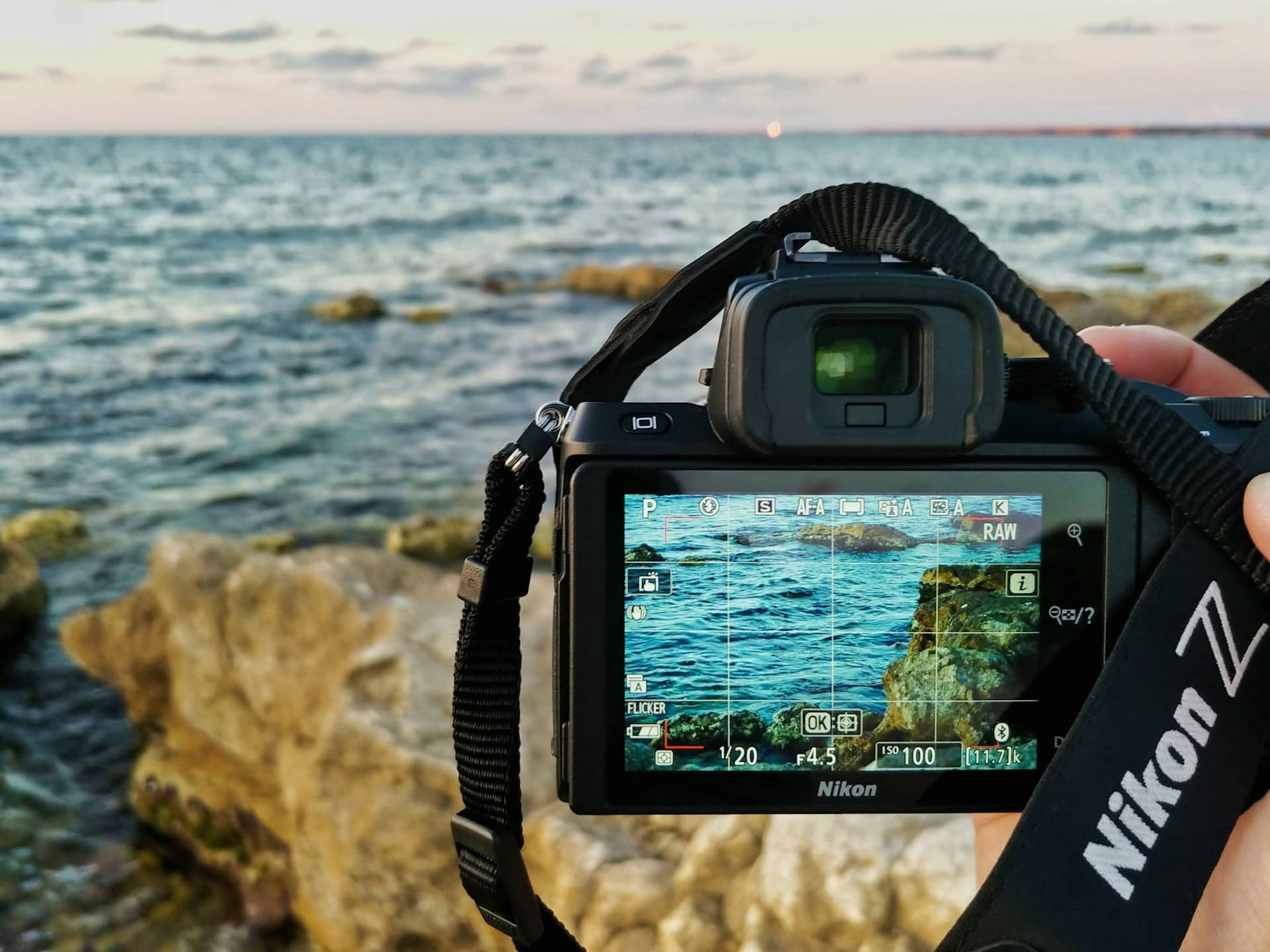
After three months exploring Southeast Asia with ten different cameras tucked into my backpack, I’ve learned what truly makes a travel camera excel. It isn’t about megapixels or large lenses—it’s about striking the right balance between image quality, portability, and ease of use to match your personal travel style.
From capturing sunrises over Angkor Wat with a full-frame mirrorless, photographing street food markets in Bangkok with a compact, to filming waterfall hikes in Bali with an action camera, some devices quickly became indispensable, while others barely left the hotel safe. This guide shares those experiences to help you find a camera that performs reliably in real travel scenarios.
Whether you’re planning a quick weekend getaway or an extended backpacking adventure, the right camera can elevate your journey and preserve your memories with ease. These recommendations focus on practical performance and real-world usability rather than technical specifications alone, offering the best choices for travelers in 2026.
Best Travel Cameras in June 2026: My Top 3 Picks
Before getting into the full reviews, here are my top three picks after three months of hands-on testing. Each one fits a different type of traveler, but all performed extremely well.
1. Sony RX100 VII – Compact Travel Powerhouse
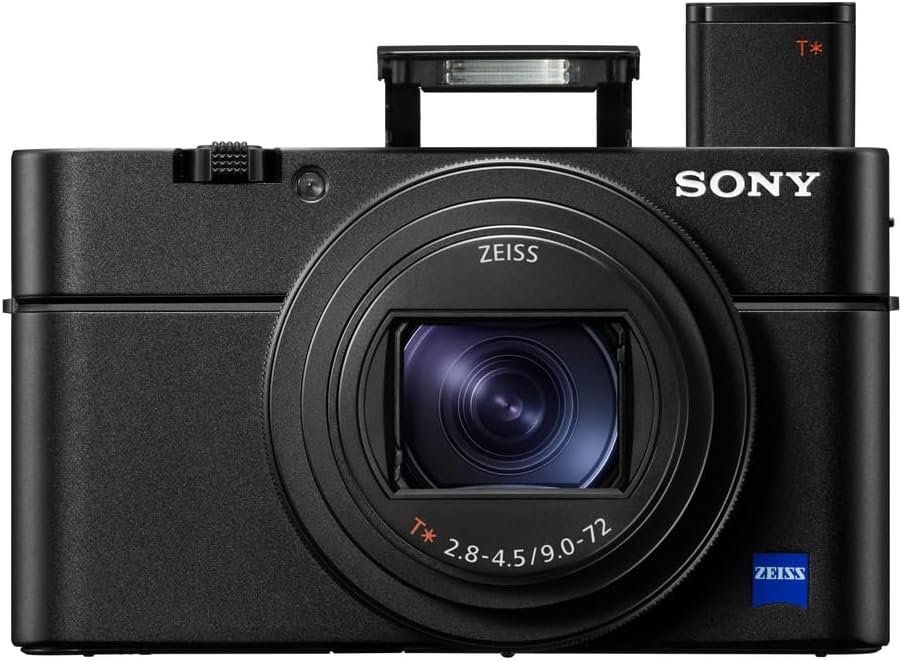
The Sony RX100 VII is a compact camera that delivers professional-grade performance in a pocketable body. Equipped with a 1.0-type stacked CMOS sensor and a versatile 24–200mm Zeiss zoom, it allows travelers to capture both intimate close-ups and distant landscapes without changing lenses.
During 47 days traveling through Thailand and Vietnam, this camera fit comfortably in a jacket pocket. The 1-inch sensor produces image quality comparable to much larger cameras, with prints up to 16×20 inches showing remarkable detail. The 0.02-second autofocus reliably captures fast-moving subjects, from elephants in Chiang Mai to street vendors in Bangkok.
A pop-up electronic viewfinder is essential for bright conditions when the LCD screen may wash out, while 4K video with S-Log3 offers flexibility for serious videographers. Its compact form and high performance make it possible to shoot an entire travel vlog with just this camera.
There are minor trade-offs. The grip can be slippery, so adding a rubber pad is helpful. The menu system is dense and requires time to learn, and the price is on the higher side. However, the image quality significantly surpasses smartphone photography, making it worthwhile for dedicated travelers.
Who Should Buy This : The RX100 VII is perfect for travelers who want excellent image quality in a portable package. Street photographers, safari enthusiasts, and anyone needing a wide zoom range without carrying extra gear will benefit most. It is ideal for those seeking “DSLR quality without the bulk.”
Who Should Skip This : Travelers on a tight budget may prefer alternatives like Kodak compact cameras. Those wanting a full manual control experience or traditional viewfinder may opt for mirrorless cameras. Video-focused users who need stabilized footage at lower cost might consider the DJI Osmo Pocket 3.
- Exceptional image quality from 1-inch sensor
- Versatile 24–200mm Zeiss zoom
- Extremely fast 0.02-second autofocus
- 4K video with S-Log3 for grading flexibility
- Professional features in pocketable size
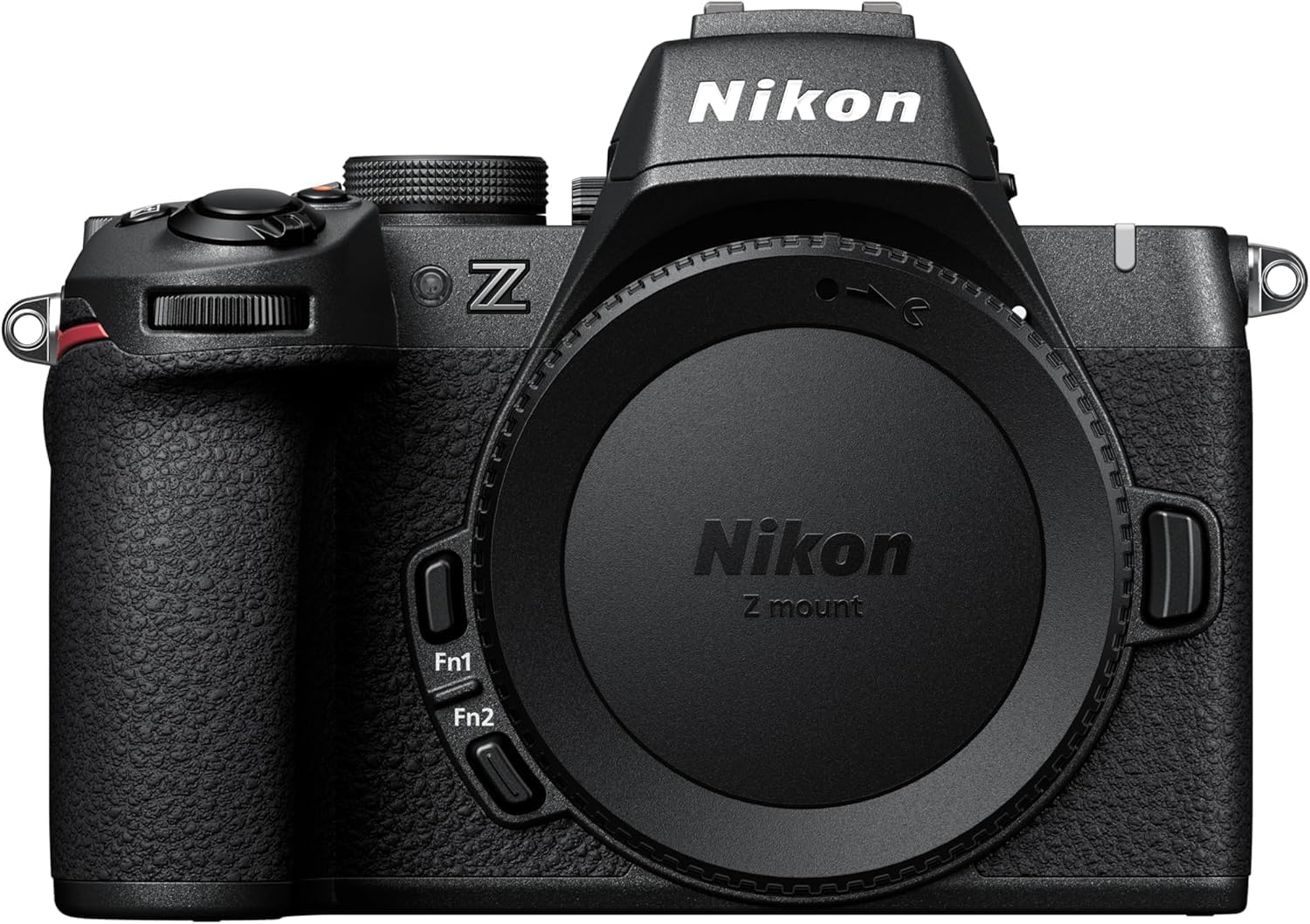
2. Nikon Z50 II – Ideal Mirrorless for Beginners
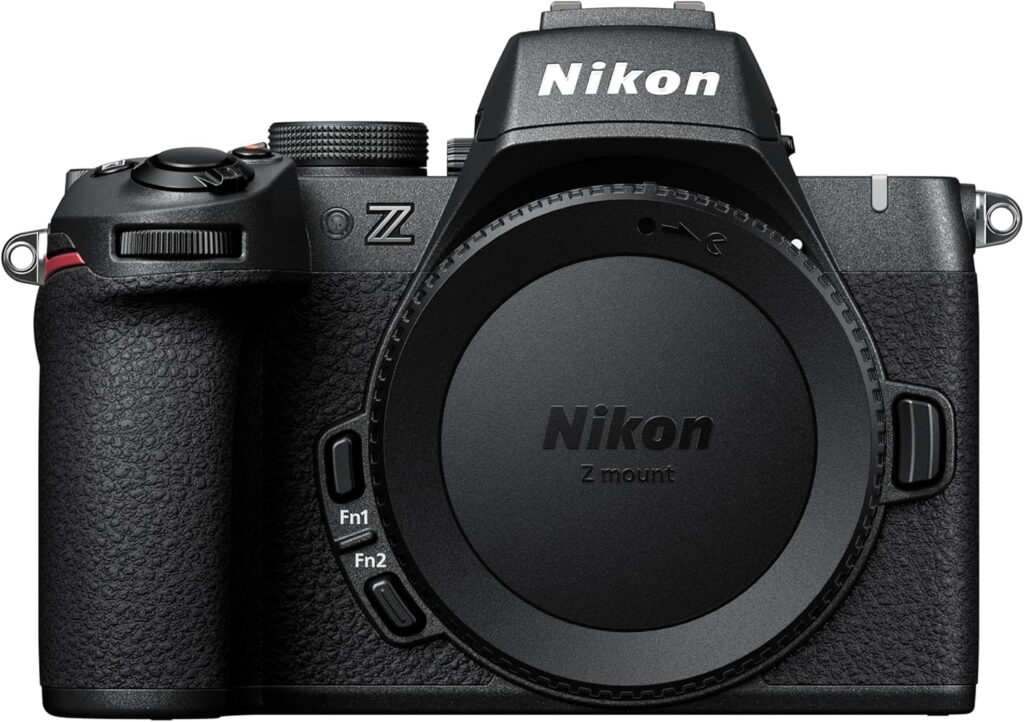
The Nikon Z50 II is a compact mirrorless camera that delivers high performance in an entry-level package. Powered by the same processor found in Nikon’s $5,500 Z9 flagship, it offers speed and responsiveness that make a noticeable difference for travel photography and everyday shooting.
With a 20.9MP APS-C sensor, hybrid autofocus with 231 points, and 31 creative color presets, this camera allows beginners to produce impressive images straight from the camera. During a morning in Kyoto’s bamboo forest, the “Dream” preset rendered JPEGs that looked like processed RAW files, making instant sharing effortless while traveling.
Autofocus performance is excellent for its class, locking on subjects like monkeys in Arashiyama even in motion. The built-in flash provides effective fill light in challenging backlit situations, such as temple doorways. At just 17 ounces with the kit lens, the camera is lightweight enough for all-day carrying yet stable enough for handheld shooting. The tilting touchscreen supports low-angle photography and casual vlogging. Battery life is reasonable, though carrying a spare is recommended for extended outings.
Who Should Buy This : Beginning photographers transitioning from smartphones will find the Z50 II approachable yet capable. Its creative presets offer quick results, and it provides room to learn manual controls. Families and travelers seeking better photos without complexity will also benefit.
Who Should Skip This : Professional photographers may miss a second card slot for backup. Those needing in-body stabilization or extensive 4K video might prefer alternatives like the Panasonic S9. Users already invested in Canon or Sony lenses may not find switching systems worthwhile.
- Same processor as Nikon Z9 flagship for speed
- 31 creative color presets for instant results
- Excellent subject detection autofocus
- Lightweight at 17 oz for travel
- Built-in flash for fill light
3. Panasonic LUMIX S9 – Full-Frame Performance in a Compact Body
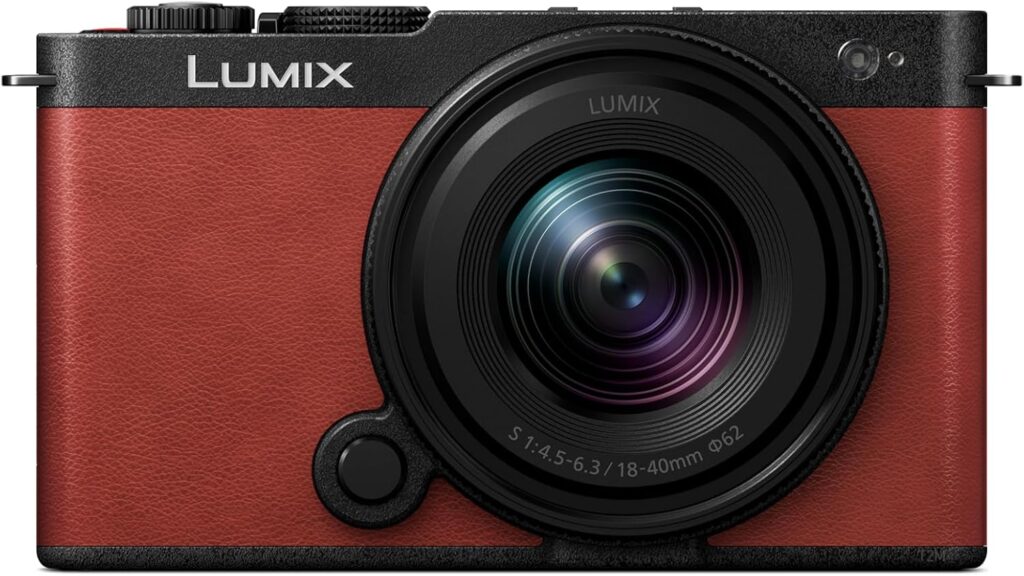
The Panasonic LUMIX S9 delivers full-frame performance in a surprisingly compact mirrorless design. Its 24.2MP sensor fits into a body smaller than many APS-C cameras, offering professional-quality images without the bulk of larger systems.
One standout feature is 6K video recording with unlimited capture time, allowing for extended shoots such as performances or interviews without interruption. Combined with dual image stabilization—integrating in-body and optical systems—handheld footage remains remarkably steady, even in dynamic environments like Bali.
The 18–40mm kit lens is compact and retracts when powered off, making this full-frame system genuinely portable. Image quality is consistently impressive, and the camera’s REAL TIME LUT feature applies cinematic looks to JPEGs and video while shooting. Ultra-fast Wi-Fi transfer to a smartphone enables near-instant sharing to social media, ideal for content creators on the move.
Who Should Buy This : Content creators and travelers who want full-frame image quality without carrying bulky gear. Video shooters benefit from 6K recording and reliable stabilization, while those prioritizing rapid social sharing will appreciate the Wi-Fi speed.
Who Should Skip This : Traditional photographers may miss a built-in viewfinder. Low-light enthusiasts should test the sensor’s performance in extreme conditions. Additionally, those planning to expand with multiple lenses should note that L-mount lenses are costly.
- Full-frame quality in a compact mirrorless body
- 6K video recording with unlimited capture
- Excellent dual IS stabilization
- Ultra-fast Wi-Fi transfer for instant sharing
- REAL TIME LUT for cinematic looks in-camera
- Retractable 18–40mm kit lens for portability
4. Panasonic LUMIX ZS99 – Compact Zoom Powerhouse
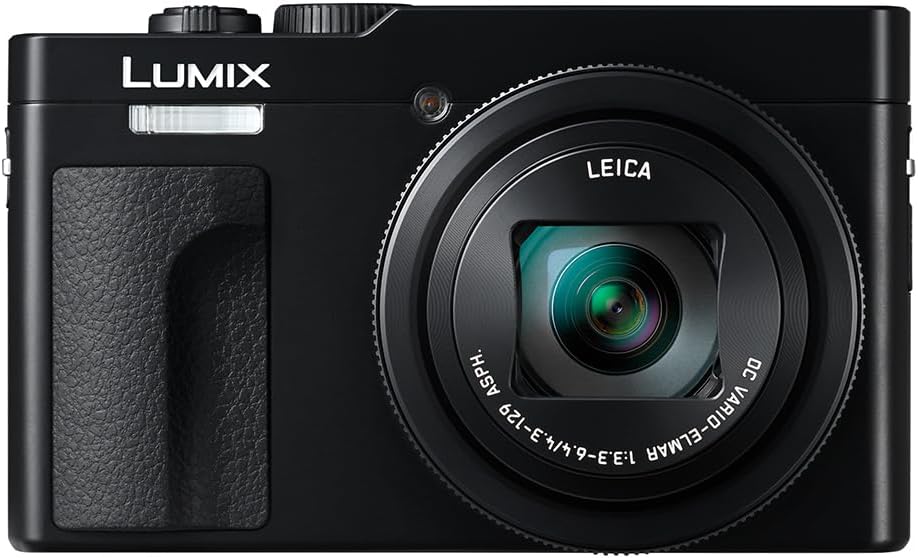
The Panasonic LUMIX ZS99 is a pocketable point-and-shoot camera that excels in capturing distant details with its 30x optical zoom (24–720mm). Lightweight at 313g, it is ideal for travel, concerts, wildlife photography, and situations where carrying bulky equipment isn’t practical.
Its LEICA lens delivers sharp images across the zoom range, and the 20.3MP sensor performs well in daylight, though it struggles in low-light conditions compared to larger sensors. The 4K PHOTO mode shoots 30 frames per second, allowing extraction of precise stills from fast action, while the tiltable touchscreen makes low-angle shots and selfies straightforward.
USB-C charging provides convenience for on-the-go travelers, allowing battery top-ups from portable power banks. Its compact size and extensive zoom range make it unmatched for capturing distant wildlife, concert stages, or sporting events without needing interchangeable lenses.
Who Should Buy This : Concertgoers, safari travelers, and parents capturing children’s sports or activities will benefit from the extreme zoom. Travelers who want a single camera for both wide landscapes and far-off subjects will find it highly versatile.
Who Should Skip This : Photographers shooting in low light should consider the Sony RX100 VII instead. Video creators may find the 15-minute 4K recording limit restrictive, and those printing large images may notice the small sensor limits fine detail.
- Incredible 30x zoom in a compact body
- LEICA lens with good sharpness
- 4K PHOTO burst mode at 30fps
- Tiltable touchscreen for low angles and selfies
- USB-C charging for on-the-go convenience
5. DJI Osmo Pocket 3 – Ideal for Video Creators
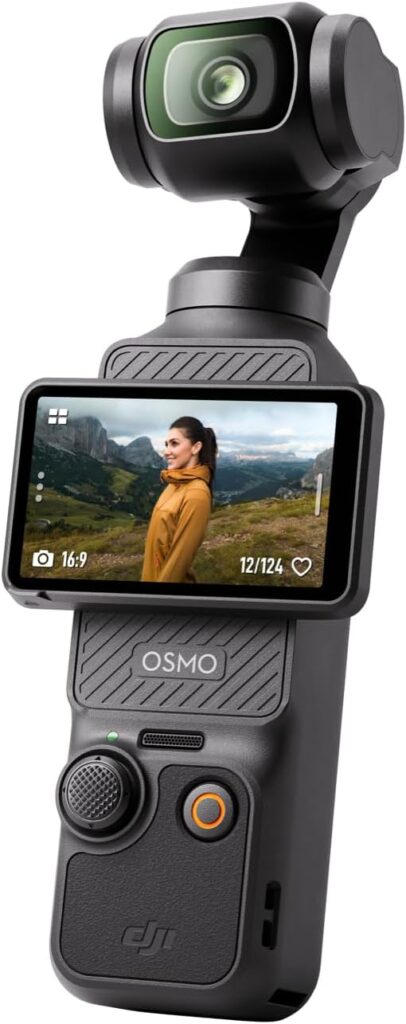
The DJI Osmo Pocket 3 is a pocket-sized vlogging camera designed for travelers and content creators seeking smooth, professional-looking footage. Its 3-axis mechanical gimbal stabilizes movement, keeping shots steady even when walking through crowded markets or running along a beach.
Equipped with a 1-inch CMOS sensor, it delivers significantly better image quality than smartphones or typical action cameras, with excellent low-light performance. Colors are vibrant, and noise is well controlled, producing crisp video suitable for social media or professional use.
The rotating screen allows instant switching between horizontal and vertical orientations, saving time for creators posting across multiple platforms. ActiveTrack 6.0 keeps subjects centered while in motion, ideal for vlogging or action sequences. D-Log M and 10-bit color provide extensive grading flexibility, allowing footage to match higher-end cinema cameras seamlessly.
Who Should Buy This : Vloggers, travel filmmakers, and anyone who prioritizes smooth footage and versatile shooting angles will benefit from the Osmo Pocket 3. It’s also a strong choice as a secondary camera in professional setups where space is limited.
Who Should Skip This : Photographers focused on still images may want a dedicated camera instead. Adventure travelers requiring waterproof equipment should consider alternatives like GoPro. The limited 2x digital zoom and delicate construction require careful handling and possibly a protective case.
- Incredible 3-axis gimbal stabilization
- 1-inch sensor for high image quality
- 4K/120fps with D-Log M for professional grading
- Truly pocket-sized for travel
- Rotating screen for vertical and horizontal shooting
- ActiveTrack 6.0 keeps subjects centered
6. Kodak PIXPRO AZ528 – Best Zoom Value
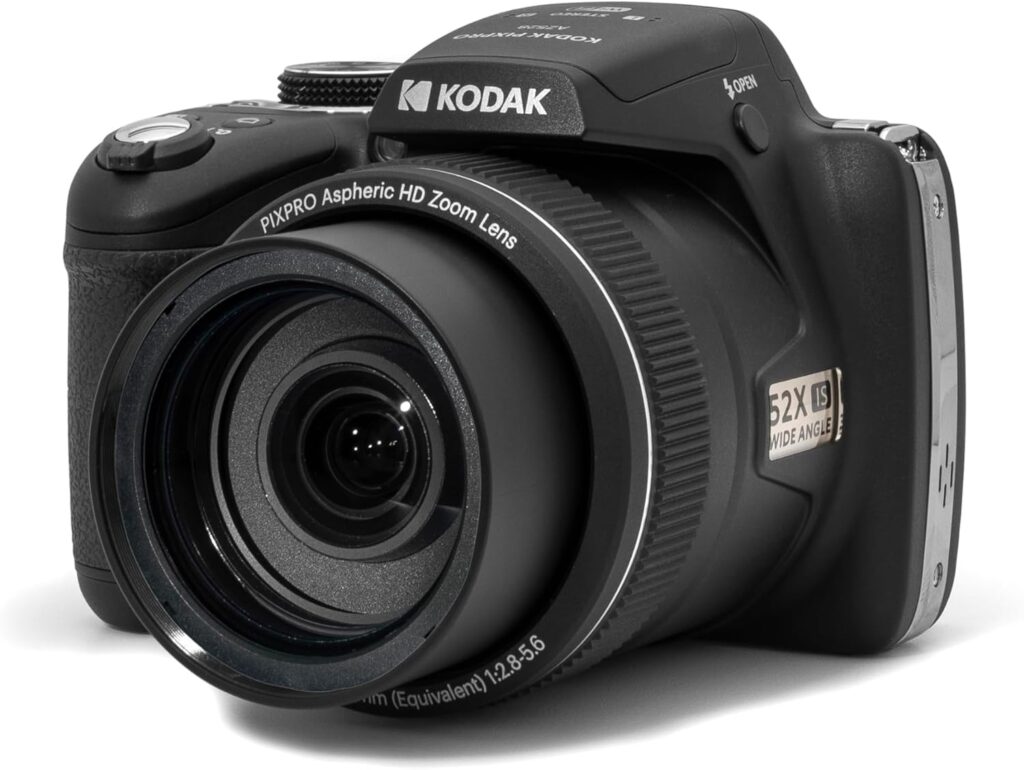
The Kodak PIXPRO AZ528 delivers exceptional reach for travelers on a budget. With a 52x optical zoom ranging from 24mm wide-angle to 1248mm telephoto, this camera allows photographers to capture wildlife, distant architecture, or sports action without needing premium gear.
During a safari in Ranthambore, the AZ528 impressed with sharp tiger shots from extreme distances. The 16MP BSI CMOS sensor performs well in daylight, though low-light performance falls short of higher-end cameras. Image stabilization helps maintain clarity across the entire zoom range, while 6fps burst mode captures fast-moving subjects effectively.
Wi-Fi connectivity enables remote control from a smartphone, ideal for photographing birds or animals without disturbing them. The 3-inch LCD screen provides easy composition, though it can be challenging to see in direct sunlight. At under $250, the AZ528 offers super-telephoto capability at a fraction of the cost of more expensive cameras, making it highly attractive for budget-conscious travelers.
Who Should Buy This : Wildlife enthusiasts, bird watchers, and families visiting national parks or zoos will benefit from the reach and versatility of this camera. Parents capturing sports from distant bleachers will also find it useful.
Who Should Skip This : Photographers prioritizing low-light performance should consider larger-sensor cameras. Video creators will miss 4K resolution, and the lack of a viewfinder can make bright outdoor shooting challenging. Travelers seeking a truly pocketable camera may find this bridge camera bulkier than ideal.
- Exceptional 52x optical zoom for distant subjects
- Great value under $250
- Wi-Fi sharing and remote control
- 6fps burst mode captures action
- Image stabilization throughout zoom range
7. GoPro HERO12 Black – Ultimate Adventure Camera
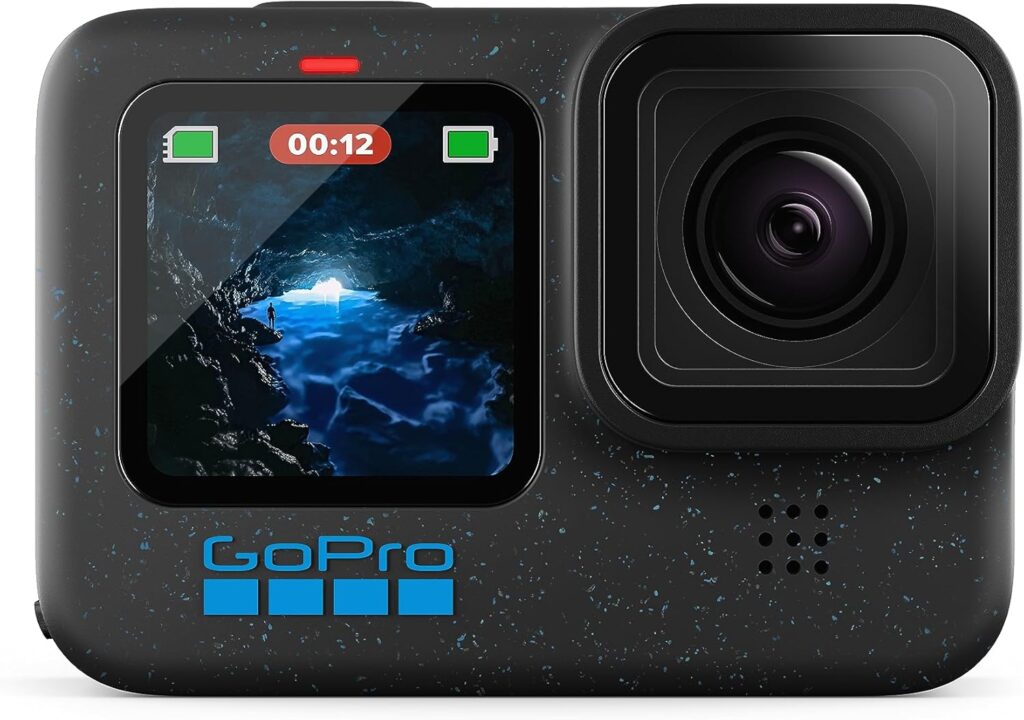
The GoPro HERO12 Black pushes the boundaries of action cameras, offering 5.3K60 video and 27MP photos with HDR for travel, sports, and underwater adventures. Its compact, rugged design allows recording in challenging environments without additional housing, reaching depths up to 33 feet.
Hypersmooth 6.0 stabilization delivers professional-grade smoothness, correcting for bumps, shakes, and rotation in real time. Mountain biking, snorkeling, or hiking footage maintains crisp clarity, making handheld or mounted shots appear gimbal-stabilized. The Enduro battery improves runtime, particularly in colder conditions, while USB-C charging ensures quick top-ups on the go.
HDR video and photo capabilities excel in high-contrast situations, preserving detail from shadows to bright highlights. Whether inside a cave or under tropical sunlight, the HERO12 Black captures scenes without blown-out highlights. Its live-streaming capability and front-facing screen make it perfect for vloggers and content creators sharing real-time footage.
Who Should Buy This : Adventure travelers, water sports enthusiasts, and action-focused vacationers will benefit from the HERO12 Black. Vloggers will appreciate the stabilization and front-facing screen, and anyone seeking versatile mounting options—from helmets to surfboards—will enjoy the flexibility.
Who Should Skip This : Photographers looking for optical zoom, shallow depth of field, or low-light specialization may prefer other cameras. The fixed wide lens limits composition, and for controlled handheld scenarios, larger cameras deliver better image quality.
- Outstanding 5.3K60 video quality
- Emmy-winning Hypersmooth 6.0 stabilization
- Waterproof to 33ft without housing
- HDR for photos and video
- Enduro battery for longer life
- Front-facing screen for vlogging
8. Kodak PIXPRO FZ55 – Best Budget Travel Camera
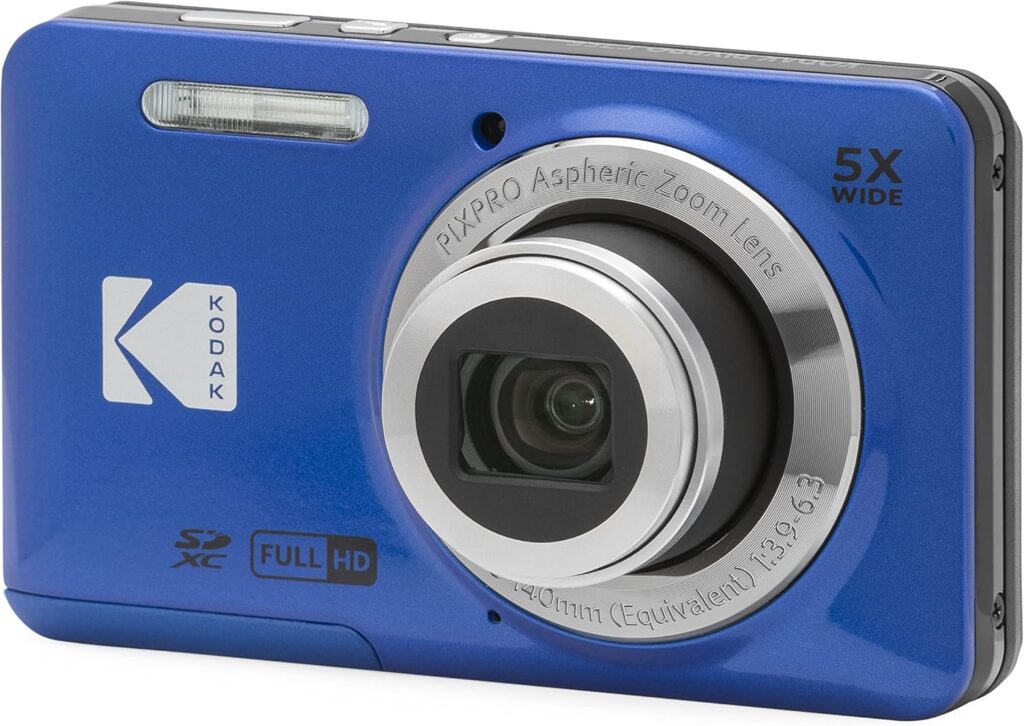
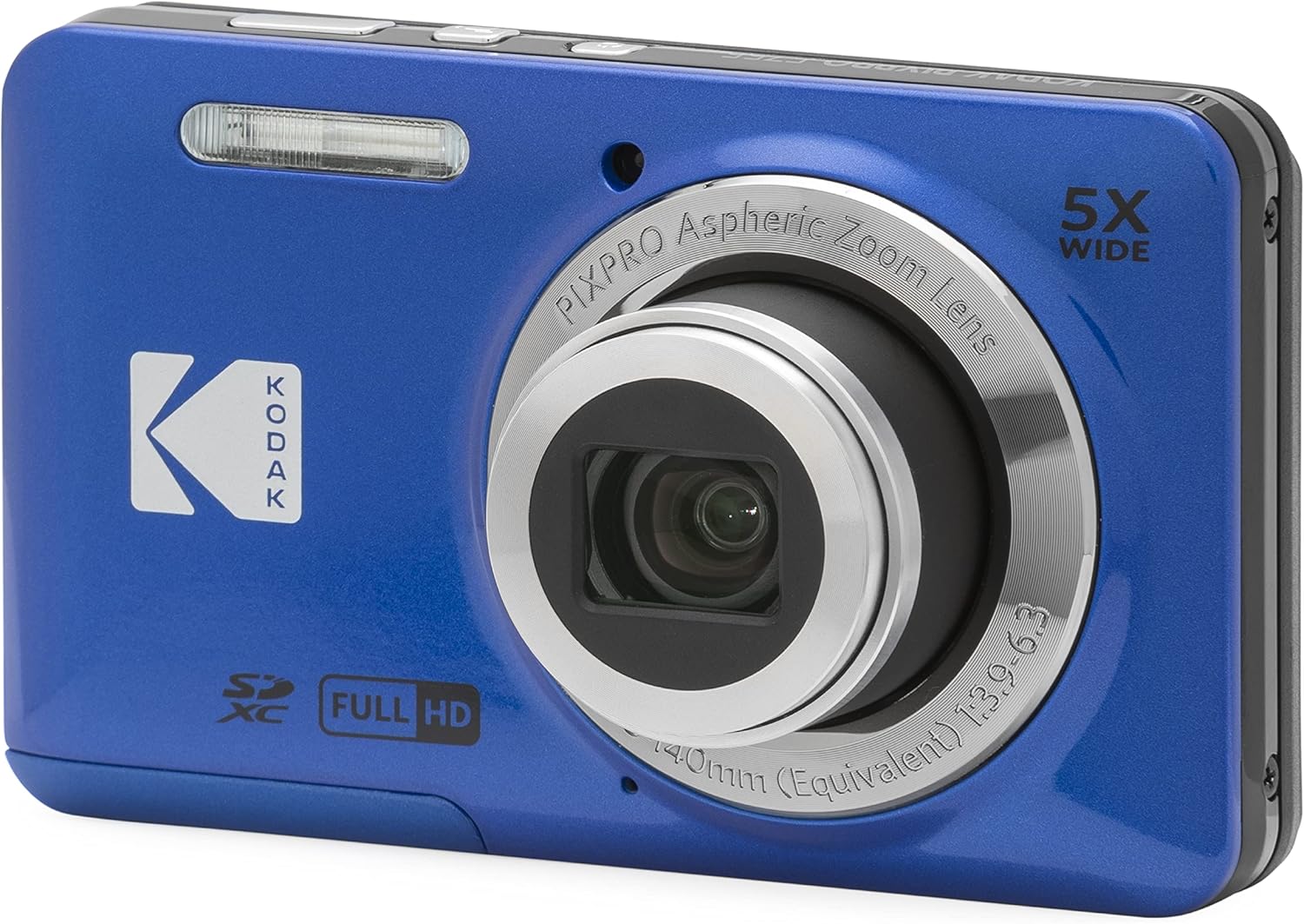
The Kodak PIXPRO FZ55 is a compact, lightweight point-and-shoot camera that delivers impressive performance for its price. With a 16MP CMOS sensor and 5x optical zoom (28–140mm equivalent), it captures crisp images for everyday travel, family outings, and casual photography.
Weighing just 3.74 ounces, the FZ55 is highly portable and easily fits in a pocket. Daylight images are pleasing, with a subtle vintage aesthetic that many travelers appreciate. The simple interface requires minimal learning—turn it on, point, and shoot. Its 1080p video is suitable for casual recording, though serious videographers may find it limiting.
Battery life is notable, lasting multiple days of sightseeing before needing a recharge. The camera is available in several colors, making it an attractive option for teens, first-time photographers, or as a convenient backup for more experienced users.
Who Should Buy This : Budget-conscious travelers, first-time camera buyers, and parents wanting an affordable camera for vacations will find the FZ55 practical. It is ideal for teens, casual photographers, or anyone seeking better photos than a smartphone without added complexity.
Who Should Skip This : Enthusiast photographers or those needing low-light performance will want to consider higher-end cameras. Video creators requiring 4K or advanced stabilization should look elsewhere. For longer zoom needs beyond 5x, the Kodak AZ528 is a better choice.
- Excellent value under $140
- Extremely lightweight at 3.74 oz
- Simple, beginner-friendly interface
- Good battery life for travel
- Pleasant vintage photo aesthetic
9. Xtra Muse – Pocket Vlogging Camera
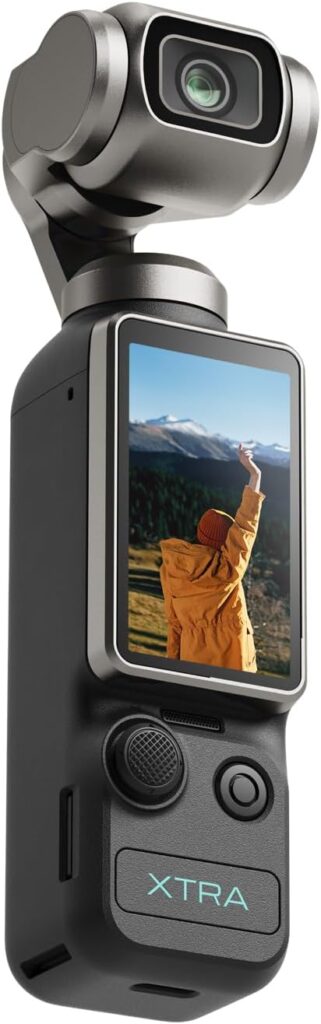
The Xtra Muse is a compact camera designed as a serious alternative to smartphones for travel vloggers and content creators. Its 1-inch CMOS sensor and built-in 3-axis gimbal stabilize footage, producing professional-quality video in a pocket-sized form factor.
Recording at 4K/120fps allows smooth slow-motion sequences, while 10-bit X-Log color provides ample flexibility for color grading. Face and object tracking keeps subjects sharply in focus even during movement, and the 2-inch touchscreen easily switches between horizontal and vertical orientations for social media content.
Weighing just 281 grams, the camera is lightweight and highly portable, making it ideal for travelers who want high-quality video without hauling multiple devices. It is also compatible with DJI Pocket 3 accessories, expanding its versatility for mounts and attachments.
Who Should Buy This : Travel vloggers, social media creators, and action-oriented shooters looking for professional-quality video at a lower cost than DJI options will benefit most. Its slow-motion and stabilization features make it suitable for dynamic travel scenarios.
Who Should Skip This : Those seeking long-term reliability may prefer established products like the DJI Osmo Pocket 3. Users needing water resistance should consider the GoPro HERO series. Photographers prioritizing still images may find better options elsewhere, and DJI microphone owners should note they do not auto-connect.
- 1-inch sensor for excellent image quality
- 4K/120fps for cinematic slow-motion
- Built-in 3-axis gimbal for smooth footage
- 10-bit X-Log color for professional grading
- Compact, pocket-sized design
- Compatible with DJI accessories
10. Canon EOS RP – Best Full-Frame Value
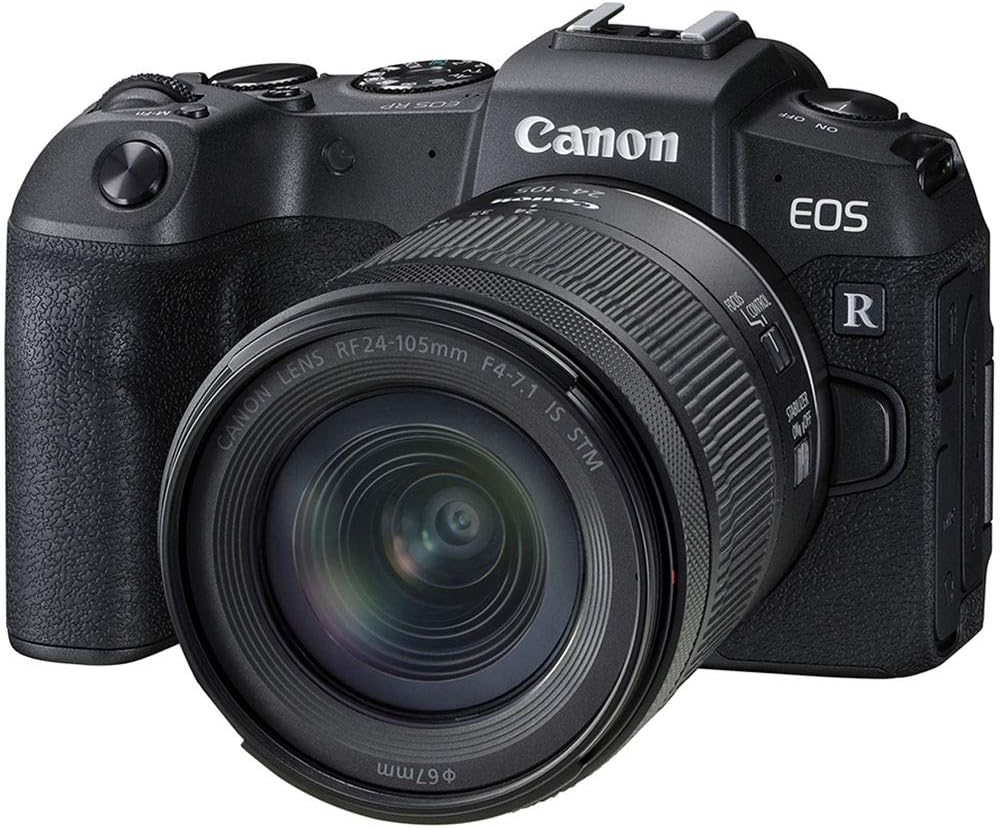
The Canon EOS RP is an entry-level full-frame mirrorless camera that offers impressive image quality in a compact, lightweight body. Bundled with the versatile 24–105mm kit lens, it provides full-frame performance at a fraction of the cost of higher-end systems, making it ideal for travelers and vloggers seeking professional results without overspending.
Its 26.2MP full-frame sensor delivers clean, detailed images, while Dual Pixel CMOS AF with 4,779 points ensures precise focus across nearly the entire frame. Eye detection works reliably for portraits and candid travel shots, and the fully articulating touchscreen enables selfies or vlogs in front of landmarks.
Low-light performance surpasses many APS-C competitors, producing cleaner shadows and accurate colors during night markets or indoor scenes. The shallow depth of field inherent to full-frame sensors creates subject separation difficult to achieve with smaller sensors.
Canon’s RF lens lineup offers high optical quality, and the EF adapter expands compatibility to older Canon lenses, giving photographers flexibility to build a system over time. The compact weight of just over 1 lb makes carrying it throughout the day manageable without sacrificing performance.
Who Should Buy This : Photographers entering full-frame photography on a budget will find the RP compelling. Ideal for portrait, travel, and landscape photography, it also appeals to existing Canon users looking to upgrade from EF lenses while maintaining system compatibility.
Who Should Skip This : Videographers may find the 4K crop factor limiting. Action photographers may prefer faster burst rates, and those seeking in-body stabilization should consider alternatives like the Panasonic S9. Users requiring dual card slots for backup may need professional-tier cameras.
- Full-frame quality at entry-level price
- Excellent Dual Pixel autofocus
- Lightweight for all-day travel
- Articulating touchscreen for vlogging
- Canon RF lens ecosystem with adapter for EF lenses
11. Fujifilm X100VI – Best Overall Travel Camera
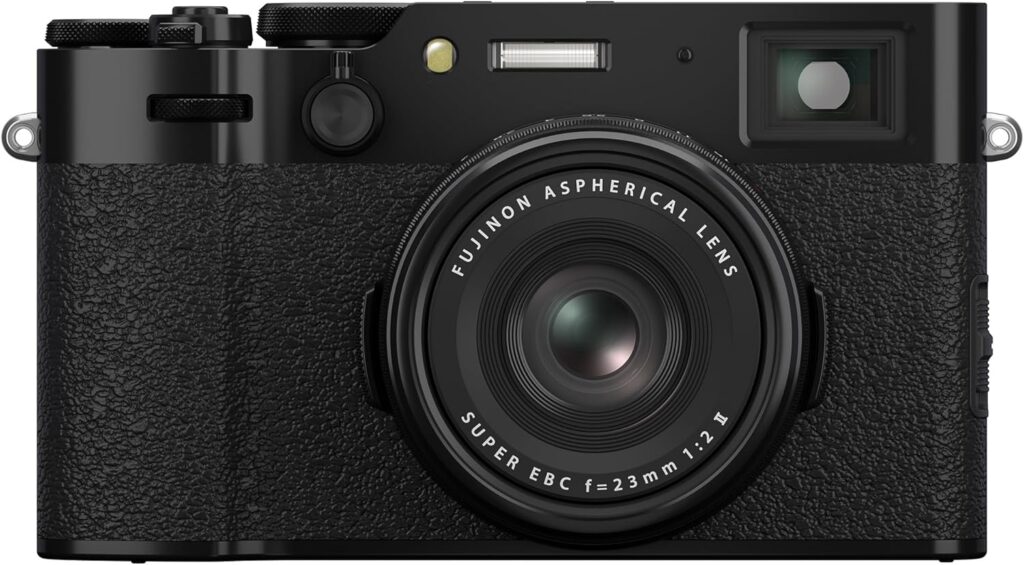
The Fujifilm X100VI is a compact yet powerful camera, making it ideal for travelers who want a pocketable device capable of delivering professional-quality images. Its fixed 23mm lens performs well for landscapes, street photography, and portraits, and digital cropping allows for simulated focal lengths when needed, though with a slight reduction in resolution. The 40.2MP APS-C sensor produces sharp, detailed photos, while in-body image stabilization helps reduce blur in low-light situations.
Fujifilm’s film simulations and custom recipes minimize the need for post-processing, and the hybrid optical viewfinder allows a seamless switch between traditional optical framing and sensor-based preview. Video capabilities include 6.2K (cropped), 4K, and HD formats, with slow-motion up to 240fps. While video is handled competently, the tilt-only screen limits its usability for extended video recording.
Who Should Buy This : Travelers seeking a small, stylish camera that delivers high-quality images and fast autofocus. Perfect for street photography, travel documentation, and those wanting a camera with standout retro aesthetics.
Who Should Skip This : Photographers wanting interchangeable lenses, extended battery life, or lower-cost alternatives may prefer other models. Those requiring weather-sealed lenses without extra adapters should look elsewhere.
- 40MP APS-C sensor for detailed images
- In-body image stabilization
- Retro, premium build
- Advanced autofocus for humans, animals, birds, vehicles
- Wi-Fi/Bluetooth for quick sharing
12. Sony a6700 – Best Hybrid Camera
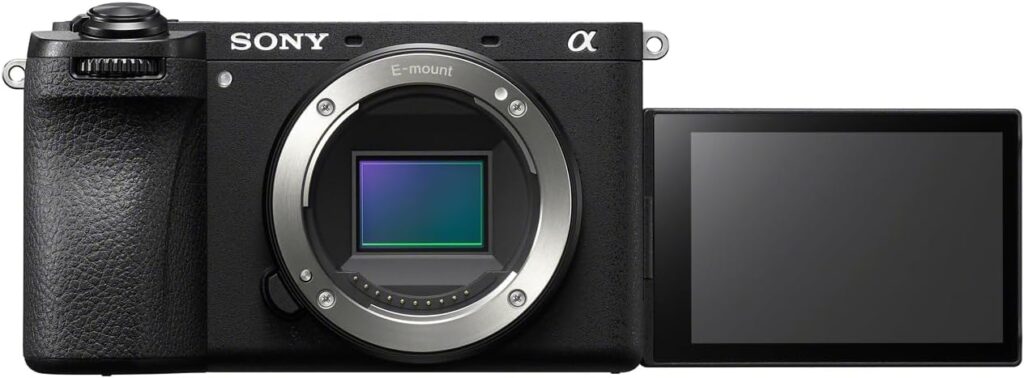
The Sony a6700 is a compact APS-C mirrorless camera that combines portability with high-end performance, making it an ideal hybrid option for travel and everyday use. Its 26.1MP sensor delivers professional-quality stills, while the 4K/60p video, oversampled from 6K, ensures smooth and detailed footage.
The camera’s vari-angle 3-inch touchscreen allows for versatile shooting angles, perfect for low shots, vlogging, or creative compositions, and the advanced AI autofocus reliably tracks humans, animals, and vehicles even in busy environments. Supporting the full range of Sony E-Mount lenses as well as third-party options from Sigma and Tamron, the a6700 provides flexibility for cityscapes, landscapes, or wildlife photography.
In-body image stabilization reduces motion blur and improves handheld video stability, though larger lenses may make the camera feel front-heavy, requiring careful handling. Compact yet capable, the a6700 offers a balance of portability, versatility, and professional-grade imaging for photographers and content creators who want both high-quality photos and video in a single lightweight package.
Who Should Buy This : Photographers and content creators seeking a lightweight yet capable hybrid camera. Perfect for travelers who need 4K video, fast autofocus, and a flexible lens system in a portable package. Ideal for street photography, travel, and everyday vlogging.
Who Should Skip This : Users relying on large full-frame lenses may find the balance awkward. Those on a tighter budget could explore alternative APS-C or mirrorless models from Nikon, Canon, or Sony’s ZV line. Photographers wanting dual card slots or extensive battery life may consider other options.
- Compact, lightweight APS-C camera
- Wide selection of E-mount lenses
- Advanced AI autofocus
- 4K60p video oversampled from 6K
- In-body image stabilization
13. Sony A7 III – Best Full-Frame Travel Camera
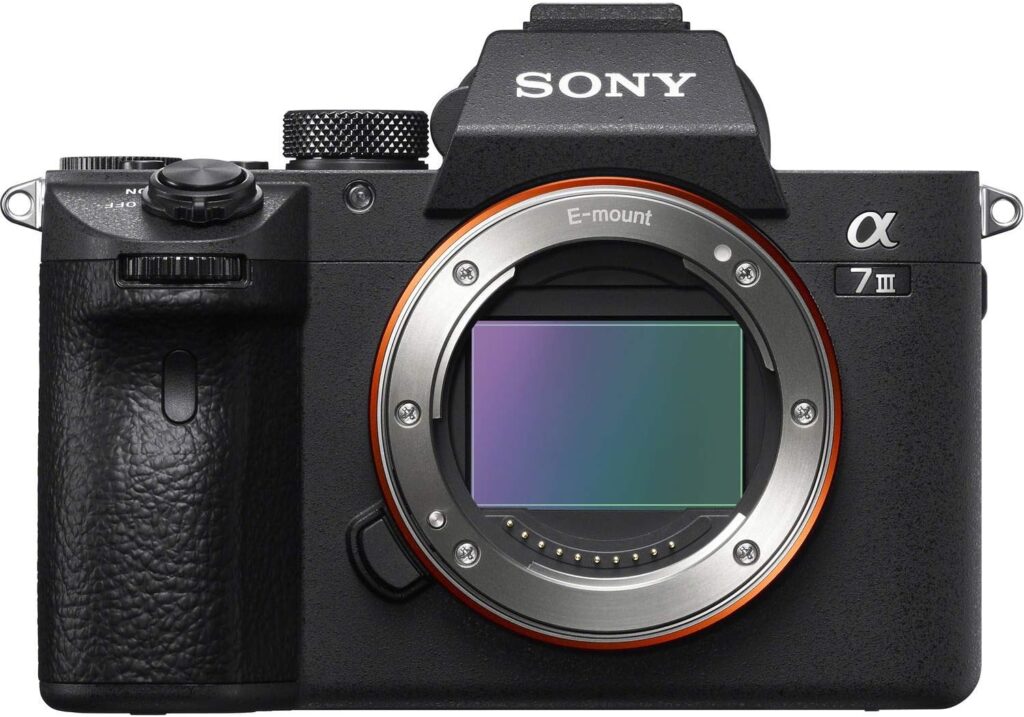
The Sony A7 III remains a reliable choice for travelers seeking a hybrid full-frame camera. Its 24.2MP back-illuminated sensor delivers excellent tonal range and impressive low-light performance.
A 5-axis stabilization system reduces shake when shooting handheld or in challenging lighting, and the 696-point autofocus ensures precise focus on people, animals, and moving subjects.
While the camera can feel front-heavy with larger professional lenses, it works very well with smaller primes or versatile zooms like the Sony FE 24-240mm. Video capture is strong, supporting 4K resolution, though some newer models offer better advanced video features. For travel photography, this camera balances image quality, portability, and versatility.
Who Should Buy This : Photographers wanting full-frame quality for travel without spending on newer high-end models. Ideal for those seeking strong autofocus, solid low-light capability, and a versatile lens ecosystem.
Who Should Skip This : Travelers wanting ultra-compact cameras or those on a tight budget should consider APS-C or fixed-lens alternatives. Professionals needing dual card slots or extensive video features might prefer newer mirrorless models.
- Full-frame 24.2MP sensor
- 5-axis in-body image stabilization
- 696-point AF with face/eye tracking
- High ISO performance for low light
- 4K video capability
How to Choose the Best Travel Camera for Your Adventures
Selecting the ideal travel camera requires balancing image quality, portability, and versatility based on your personal photography style. After testing these ten cameras over thousands of miles, a few key factors emerged as decisive in choosing the right device.
Sensor Size and Image Clarity
Sensor size directly influences photo quality, particularly in dim lighting. Full-frame cameras like the Panasonic S9 and Canon EOS RP offer superior dynamic range and clean high-ISO performance. APS-C sensors, found in the Nikon Z50 II, strike a balance between image quality and compactness. The 1-inch sensors in the Sony RX100 VII and DJI Osmo Pocket 3 produce remarkable results for their size. Entry-level budget cameras, such as the Kodak models, perform well in daylight but lose detail when lighting dims.
Consider the environments you’ll photograph most. Low-light interiors, night markets, and predawn landscapes benefit from larger sensors, while predominantly daytime outdoor shots are adequately captured with smaller sensors.
Portability and Weight
When wandering through cities or hiking trails, every ounce matters. Lightweight options like the Kodak FZ55 at 3.74 ounces or the Sony RX100 VII at 275 grams fit easily into pockets or small bags. Mirrorless cameras range heavier, from the Nikon Z50 II at 17 ounces to full-frame models.
Assess your endurance for carrying gear throughout the day. A camera left behind due to weight captures nothing. On long walking days, I found myself reaching for the compact cameras most often.
Lens Versatility and Zoom Capability
Interchangeable-lens cameras, including the Nikon Z50 II, Panasonic S9, and Canon EOS RP, offer maximum flexibility. You can attach wide-angle lenses for landscapes, telephoto lenses for wildlife, or fast primes for low-light conditions. This flexibility may require carrying additional lenses or compromising with a single all-in-one zoom lens.
Fixed-lens cameras simplify shooting. The Sony RX100 VII spans 24-200mm, while the Panasonic ZS99 extends to 720mm for distant subjects. Choose based on what you photograph most: telephoto for wildlife or sports, wide-angle for architecture and landscapes, and moderate focal lengths for street photography.
Video Features
For travelers capturing video, stabilization and resolution are critical. The DJI Osmo Pocket 3 and Xtra Muse provide mechanical gimbals for smooth footage. Panasonic S9 records in 6K with unlimited duration, while the GoPro HERO12 excels in action scenarios with waterproofing and Hypersmooth stabilization.
Consider your output platform. Social media creators benefit from vertical shooting and fast phone transfers, while filmmakers need 4K resolution, log profiles for color grading, and microphone compatibility.
Battery Life and Power Management
Extended travel often limits access to power outlets. Battery longevity varies widely. Compact cameras often outlast mirrorless models. For example, the Kodak FZ55 lasted three full days of sightseeing, whereas the Panasonic S9 required two batteries for comparable coverage.
USB-C charging greatly simplifies travel logistics, letting you power your camera via portable power banks, laptops, or car chargers. Cameras requiring proprietary chargers necessitate carrying additional accessories, which adds weight and complexity.
By evaluating sensor size, weight, lens flexibility, video performance, and battery life, you can select a travel camera that aligns perfectly with your adventures and photography goals.
You may also like :
- 15 Must-Have Hiking Boots for Wet Trails and Mountain Adventures
- 12 Lightweight Tents Perfect for Solo Hikers and Mountain Camping
- 36 Hiking Essentials for Beginners: Gear Guide for Your First Trails
Final Thoughts
After three months capturing thousands of images across Southeast Asia, one truth became clear: the best travel camera is the one you actually carry and use. Each camera listed here outperforms any smartphone in the proper conditions, yet a compact camera tucked into your jacket captures fleeting moments that a bulky full-frame kit left in the hotel might miss entirely.
For travelers in 2026, the Sony RX100 VII offers an exceptional combination of professional image quality, extensive zoom, and genuine pocketability. That mix of features is rare and invaluable when navigating unfamiliar streets or remote trails.
Beginners can rely on the Nikon Z50 II, with its helpful presets that simplify shooting. Budget-conscious explorers will find surprising capability in the Kodak FZ55, while video creators benefit from the DJI Osmo Pocket 3’s smooth gimbal stabilization. Those chasing adventure and action sequences will appreciate the GoPro HERO12’s rugged performance and waterproof design.
Ultimately, a camera is a tool for preserving experiences. The best shot is the one you capture, not the one missed because your gear was too heavy, too complex, or too precious to risk. Choose wisely, travel light, and let your images tell the story of your journey for years to come.