
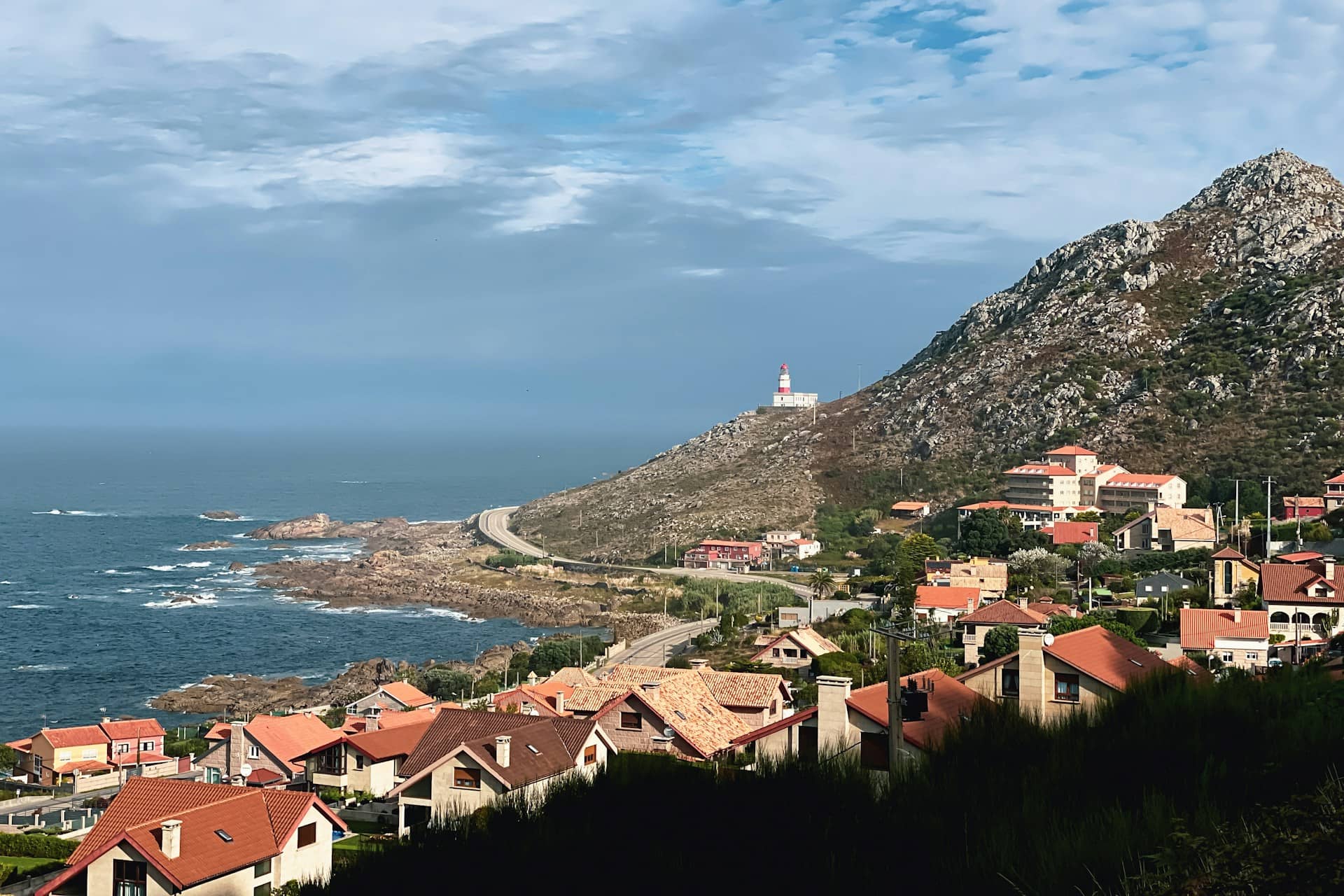
Spain is a country filled with rich culture, delicious food, and beautiful landscapes. While popular cities like Barcelona and Madrid often come with hefty price tags, Spain offers plenty of places where you can enjoy an unforgettable experience without spending a fortune.
Beyond the luxurious beaches and high-end resorts, there are charming towns and cities that offer all the beauty of Spain at a fraction of the cost. These destinations may not always make the headlines, but they hold their own with their authentic Spanish atmosphere, inviting visitors to dive deep into local culture and history.
If you’re looking to escape the crowds and high prices of the major tourist hotspots, these lesser-known destinations are the answer. Places like Extremadura and Zamora offer scenic beauty, historic landmarks, and mouthwatering cuisine without the expensive price tag associated with big cities. Even parts of the Canary Islands can surprise travelers with their affordable offerings, making them an excellent choice for those seeking a more budget-conscious vacation.
The best part is that these spots aren’t just easy on the wallet—they often provide a more serene, authentic experience. The quieter towns and villages allow you to enjoy Spain’s natural beauty without the chaos and noise of its more famous counterparts. By traveling to these areas, you’ll get to enjoy local delicacies, uncover hidden treasures, and make lasting memories—all without worrying about stretching your budget too thin.
In the end, a trip to Spain doesn’t have to be a luxury splurge. With a little research and a sense of adventure, you can explore some of the country’s most captivating destinations without the financial burden.
Affordable Getaways in Spain: Exploring Budget-Friendly Spots
Spain offers a range of affordable destinations for travelers, especially those willing to explore beyond the typical tourist areas. Regions like Extremadura, with its medieval towns and rich history, provide a budget-friendly experience without the high costs of cities like Barcelona or Madrid. Small coastal towns and cities like Zamora also offer authentic Spanish charm at lower prices, while places like La Palma in the Canary Islands offer stunning landscapes and beaches at more reasonable rates. These hidden gems allow you to enjoy Spain’s culture, cuisine, and beauty without overspending.
1. Extremadura: A Budget-Friendly Spanish Escape
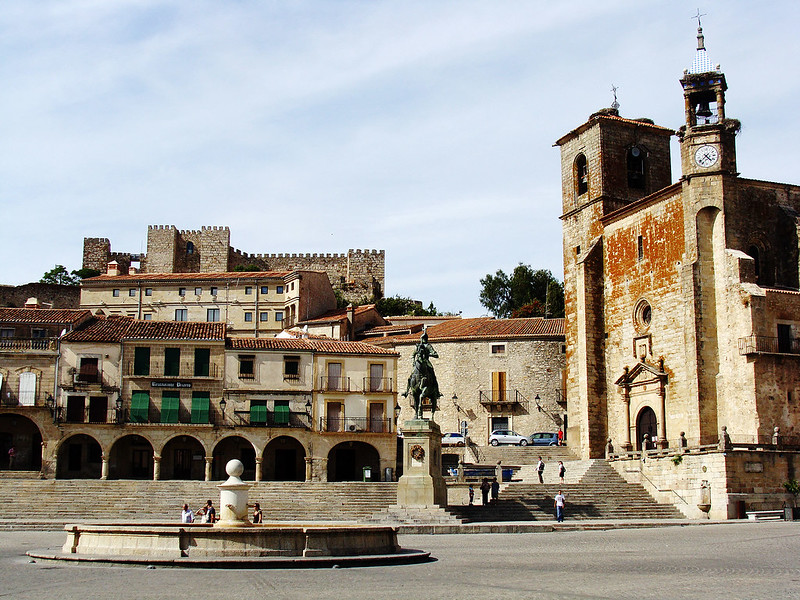
Extremadura, located in the western part of Spain near the Portuguese border, offers a peaceful retreat with expansive landscapes, well-preserved historical towns, and an authentic Spanish experience away from the crowds. Unlike Spain’s more tourist-heavy destinations, this rural region is ideal for those seeking an affordable getaway. With costs for accommodation, food, and activities significantly lower than in Spain’s coastal resorts and big cities, Extremadura allows you to immerse yourself in Spain’s history and natural beauty at a more relaxed and economical pace.
Top attractions in Extremadura include the ancient Roman city of Mérida, which features a UNESCO-listed theater and amphitheater, and the medieval town of Cáceres, known for its maze of stone streets and grand palaces. Trujillo, with its iconic main square and ties to Spain’s conquistador past, is another must-see. For nature enthusiasts, Extremadura offers pristine national parks, such as Monfragüe National Park, which is a haven for birdwatchers, as well as tranquil reservoirs and charming rural villages to explore.
Traveling in Extremadura is more budget-friendly compared to other regions of Spain. Affordable hotels and local eateries offer great value, and entrance fees to attractions are generally modest, with many historic sites accessible for free. Whether you’re enjoying traditional Spanish tapas at a local tavern or wandering through ancient streets, you’ll find plenty to enjoy without stretching your budget.
Getting around Extremadura is straightforward. While buses and trains connect the region’s main towns like Mérida, Cáceres, and Badajoz, renting a car offers more flexibility to explore remote areas, nature reserves, and smaller villages. The distances between destinations are manageable, traffic is light, and overall driving costs remain low—perfect for travelers wanting to explore at their own pace.
2. Murcia: A Budget-Friendly Gem in Southeastern Spain
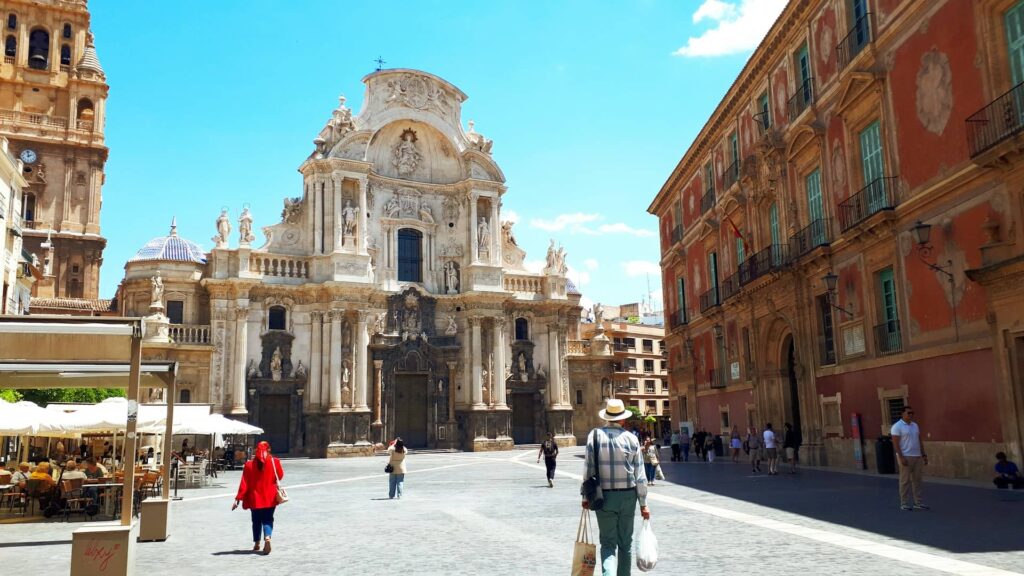
Murcia, located in southeastern Spain between Andalusia and the Valencian Community, is a sunny region with a mix of agricultural landscapes and a Mediterranean coastline. Despite its warm climate and scenic beaches, Murcia remains one of Spain’s most overlooked and affordable destinations. Here, you’ll find a blend of historical cities, quiet seaside towns, and lush farmland, all wrapped in a relaxed, local atmosphere that’s perfect for those seeking a more laid-back experience.
The city of Murcia is a standout, with its stunning cathedral, bustling plazas, and inviting ambiance. Cartagena, a historic port city, offers a glimpse into Spain’s past, filled with Roman ruins and impressive military architecture, along with a revitalized waterfront area. Along the Costa Cálida, visitors can enjoy peaceful beaches and quaint seaside villages. Inland, you’ll find traditional towns, scenic hiking routes, and nature reserves that are often free from large crowds, making it easy to unwind and explore.
Murcia is one of Spain’s more affordable regions, especially compared to its Mediterranean counterparts. Prices for accommodation are generally reasonable, particularly outside of the busy summer months, and dining out provides excellent value with generous portions at low prices. Admission to museums and historical sites is modest, and many of the region’s highlights—like its beaches and historic centers—don’t require an entrance fee.
Reaching Murcia is straightforward, with good train and bus connections from major cities like Madrid and Valencia. The Region of Murcia International Airport also offers seasonal flights to various European destinations, particularly in the summer. While public transport is reliable for the main cities, renting a car gives you the flexibility to explore the coastal areas, inland villages, and natural parks at your own pace, ensuring a more personalized experience.
3. Jaén: A Hidden Gem in Andalusia
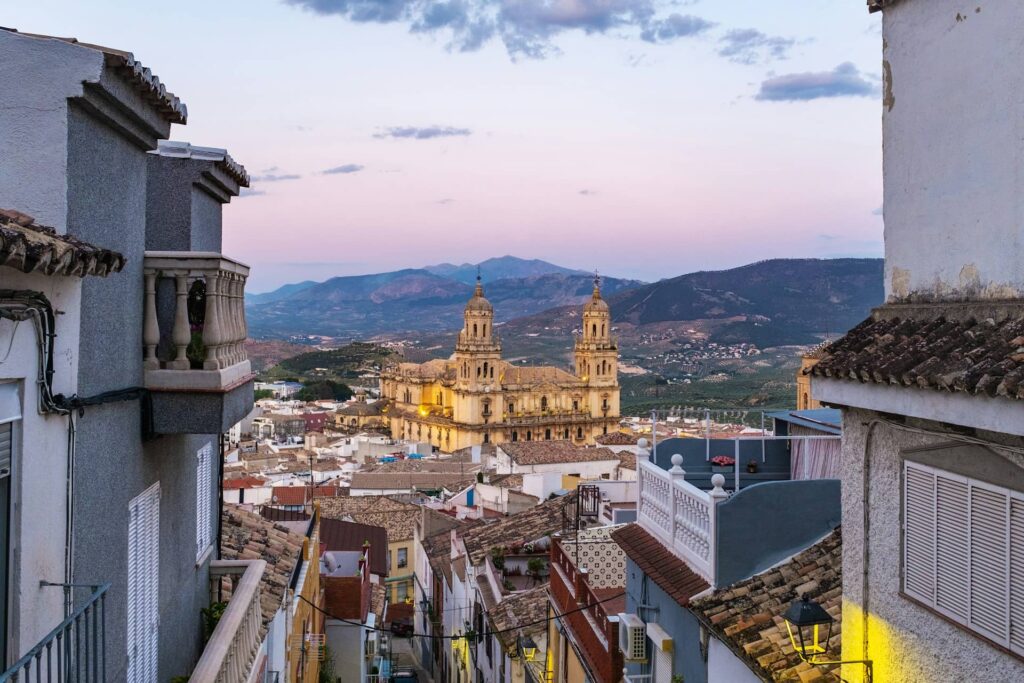
Jaén, situated in eastern Andalusia, lies between the Sierra Morena mountains and the rolling olive-covered hills stretching toward Granada and Córdoba. This province, often overshadowed by the more famous destinations of southern Spain, offers an affordable way to experience the country. With lower accommodation rates, budget-friendly dining, and a lack of heavy tourism, Jaén is a haven for those looking to explore Spain on a budget. Known for its vast olive groves, rugged landscapes, and remarkable Renaissance architecture, Jaén provides an enriching experience without the high costs.
Top attractions in Jaén include the UNESCO-listed cities of Úbeda and Baeza, both renowned for their grand Renaissance palaces, churches, and charming squares. Jaén city itself is home to the Santa Catalina Castle, perched on a hilltop and offering expansive views of the surrounding countryside. For nature enthusiasts, the Sierras de Cazorla, Segura y Las Villas Natural Park offers ample opportunities for hiking, wildlife watching, and scenic drives in Spain’s largest protected natural area.
Traveling in Jaén is refreshingly affordable compared to many other parts of Andalusia. Hotel rates and guesthouse prices are generally low, especially during off-peak seasons. Dining is excellent value, with local Andalusian dishes offered at very reasonable prices. Many of the region’s key attractions, such as historic centers and panoramic viewpoints, are free to visit, helping to keep overall travel expenses to a minimum.
Jaén is easily accessible by train and bus from major cities like Madrid, Córdoba, and Granada, with Jaén city acting as the central transport hub. While public transport connects the larger towns, renting a car is highly recommended to explore more remote areas like Úbeda, Baeza, and the natural parks. With quiet roads and short distances between sights, driving offers a flexible and straightforward way to experience the region at your own pace.
4. Zamora: A Tranquil Escape in Northwestern Spain
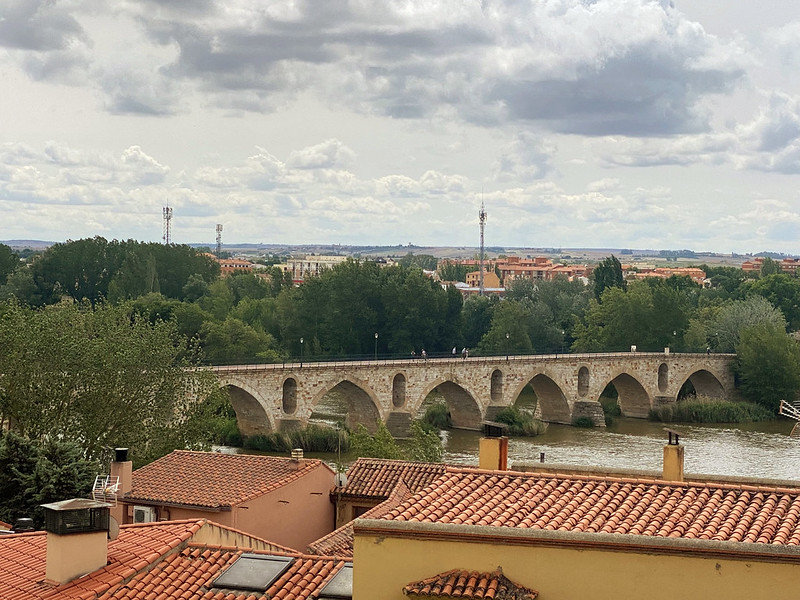
Zamora, a quiet province in northwestern Spain, sits near the border with Portugal along the banks of the Duero River. Known for its serene atmosphere and lack of mass tourism, Zamora offers an affordable and authentic Spanish experience. With its strong Romanesque heritage, peaceful environment, and traditional Castilian charm, it’s a perfect destination for those looking to experience Spain at a slower pace.
The city of Zamora stands out with one of the finest collections of Romanesque churches in Europe. Visitors can enjoy the well-preserved old town, the majestic hilltop cathedral with views over the Duero River, and the tranquil ambiance that permeates the city. Nearby, the Arribes del Duero Natural Park offers scenic river canyons, spectacular viewpoints, and hiking paths along the Spanish-Portuguese border. Wine enthusiasts will appreciate a visit to the Toro wine region, famous for its deep red wines, just a short distance away.
Zamora’s affordability is a major draw. Compared to Spain’s larger cities, accommodation costs are modest, and dining is an excellent value, with generous local meals served at fair prices. Many of the region’s attractions, such as its historical sites and natural beauty, can be explored with little or no entrance fees, keeping travel expenses minimal.
Getting to Zamora is simple, with train services connecting the city to Madrid and Galicia via a high-speed rail line. The city is well-linked to surrounding towns by bus, but renting a car is the best option if you wish to explore the countryside, nature reserves, or the nearby wine-producing areas at your own pace.
5. Galicia: A Hidden Gem on Spain’s Atlantic Coast
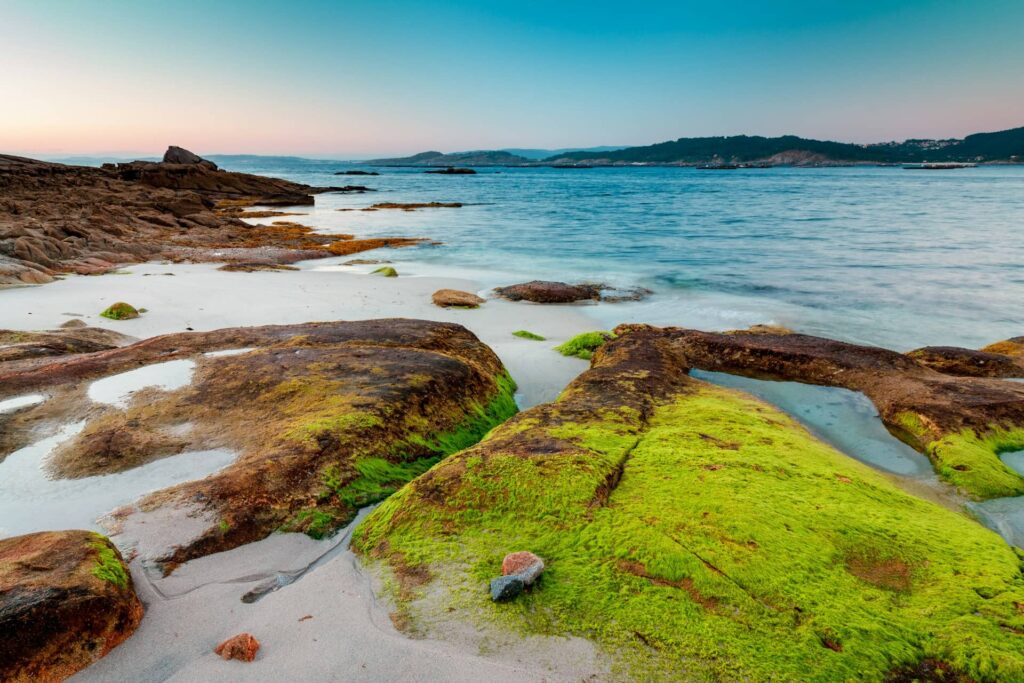
Galicia, located in the far northwest of Spain, is known for its lush, green landscapes, dramatic coastline, and distinctive regional culture. Facing the Atlantic Ocean, it offers cooler temperatures and a slower pace of life, making it an ideal destination for those seeking an affordable yet atmospheric escape. With its mix of historic cities, tranquil fishing villages, and untouched natural beauty, Galicia presents a refreshing alternative to the busier, more expensive coastal regions of Spain.
Among Galicia’s standout locations is Santiago de Compostela, famous for its grand cathedral and as the final destination of the Camino de Santiago pilgrimage. The coastal cities of A Coruña and Vigo offer an interesting blend of urban living, beaches, and scenic promenades, where visitors can enjoy both city life and coastal relaxation. Further along the coast, the Rías Baixas region is known for its estuaries and exceptional seafood, while the rugged Costa da Morte, with its cliffs, lighthouses, and quiet beaches, offers a wild and untouched escape.
The cost of travel in Galicia is relatively low compared to other parts of Spain, especially along the Mediterranean coast. Accommodation, particularly outside the peak summer season, is affordable, and dining out provides great value, particularly for fresh seafood and regional dishes. Many of the area’s beaches, natural parks, and historic sites can be explored for free, making Galicia a budget-friendly destination without sacrificing its charm or character.
Galicia is well-served by public transportation, with easy connections to Madrid and other major Spanish cities via train and bus, with Santiago de Compostela as the central hub. The region also has several airports, including those in Santiago, A Coruña, and Vigo, offering both domestic and limited international flights. For those wanting to explore the rural villages, remote coastlines, and scenic spots in more depth, renting a car is the best way to navigate the region at your own pace.
6. Costa Brava: A Scenic Escape Along Spain’s Northeastern Coast
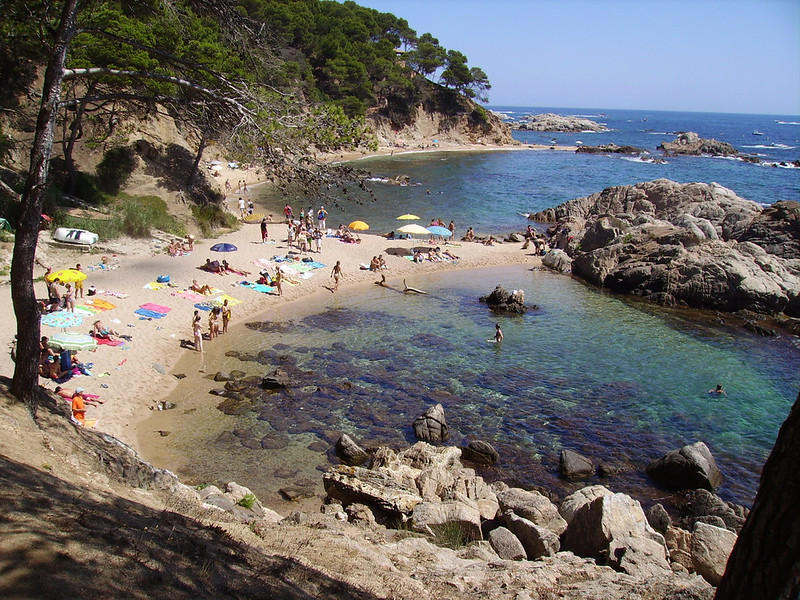
The Costa Brava, a beautiful coastal area in northeastern Spain, stretches from just north of Barcelona to the French border. Famous for its rugged coves, crystal-clear waters, and quaint fishing villages, it provides a more peaceful and often more affordable alternative to the heavily commercialized Mediterranean resorts. While some parts of the Costa Brava can get expensive during the peak summer months, much of the coastline remains budget-friendly, particularly if you visit outside of the high season.
Notable spots along the Costa Brava include charming towns such as Begur, Calella de Palafrugell, and Tossa de Mar. These places are defined by their medieval architecture, coastal walkways, and small, intimate beaches. The Camí de Ronda hiking trail links many of these towns, offering breathtaking views of the coast. Inland, the medieval villages of Pals and Peratallada provide a glimpse into the region’s rich history, while nature reserves like Cap de Creus boast dramatic landscapes and outdoor activities for nature lovers.
While the cost of staying along the Costa Brava can fluctuate depending on the area and time of year, those who visit outside the peak months of August can expect great value for money. Towns like Lloret de Mar often offer some of the more affordable accommodation options, and smaller villages also feature reasonably priced hotels and apartments. Compared to the Costa del Sol or the city of Barcelona, overall accommodation costs are lower, with meals in local restaurants offering good value. Many of the region’s most iconic experiences—such as its beaches, hiking trails, and historic centers—are completely free to enjoy.
Getting to the Costa Brava is easy from Barcelona, with regular bus and train services to the key towns along the coast. Girona Airport also offers seasonal international flights, while Barcelona Airport provides year-round global connections. Though public transport works well for accessing main destinations, renting a car is the best way to explore hidden gems like secluded coves, rural villages, and quiet sections of coastline at your leisure.
7. Burgos: A Tranquil Escape in Northern Spain
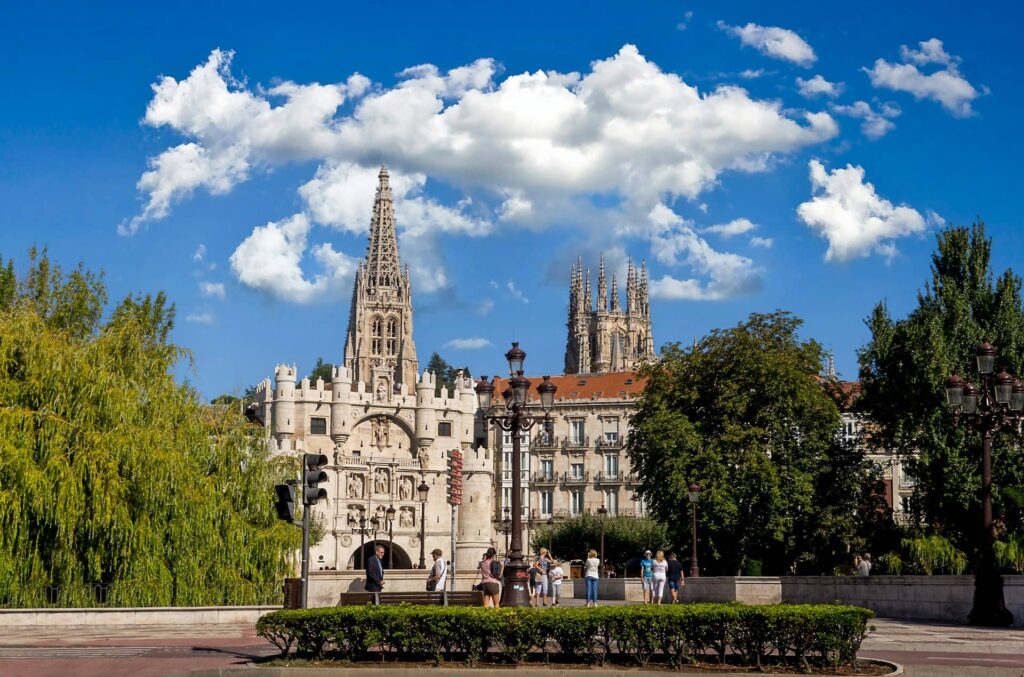
Burgos, located in northern Spain within the Castilla y León region, is a province steeped in medieval history, with expansive rural landscapes and a peaceful atmosphere. This destination offers excellent value, with lower accommodation and dining costs compared to Spain’s major cities and popular tourist regions. The province’s blend of a historic city, quiet countryside, and charming towns provides an opportunity for visitors to experience Spain without the heavy crowds and high prices.
The city of Burgos is the crown jewel of the province, known for its UNESCO-listed Burgos Cathedral and a historic center that invites leisurely exploration. The compact old town, with its winding streets and centuries-old architecture, offers a perfect setting for walking tours. Beyond the city, the province offers scenic areas like the Arlanza region, quaint medieval villages, and parts of the famous Camino de Santiago trail. These areas provide a glimpse into the more traditional side of Spain, where you can experience a slower pace of life.
Traveling to Burgos is both easy and affordable. The province is well-connected by train and bus to Madrid and other northern Spanish cities, making it an ideal base for exploring the region. Whether you are stopping on a longer journey or spending more time discovering Burgos, the province offers an accessible and budget-friendly destination for those looking to explore Spain off the beaten path.
8. Gran Canaria: A Diverse Island Escape
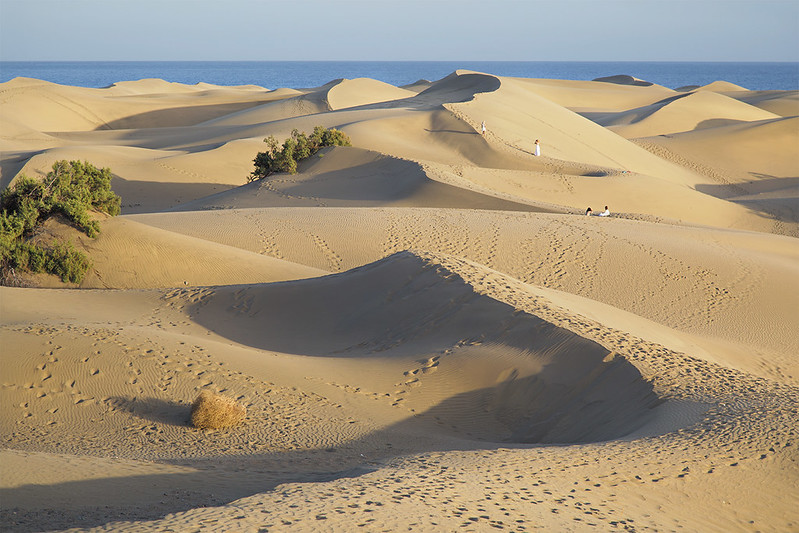
Gran Canaria, part of the Canary Islands, is a multifaceted destination often referred to as a miniature continent due to its diverse landscapes, which range from sandy beaches to rugged mountains and historic towns. While the island is a popular choice for travelers, it still offers great value compared to many Mediterranean islands, especially if you choose to stay outside the high-end resort areas. With mild weather throughout the year and a wide range of accommodation options, Gran Canaria allows you to enjoy a classic island getaway without overspending.
The southern part of Gran Canaria is famous for its expansive beaches and vibrant resorts like Playa del Inglés and Maspalomas. These areas are home to numerous affordable hotels and apartments, particularly outside the peak summer months. On the other hand, Las Palmas de Gran Canaria, the island’s capital, presents a more local atmosphere, with budget-friendly accommodation and a walkable historic center in Vegueta. The city’s beach, Las Canteras, is perfect for a relaxing day by the sea. For those seeking a quieter experience, the inland mountains offer small villages, scenic viewpoints, and hiking paths that reveal a more tranquil side of the island.
The cost of traveling in Gran Canaria is relatively low, with many budget-friendly accommodations and local eateries offering good value. Many of the island’s best attractions, such as its beaches and natural parks, come at no cost, allowing visitors to enjoy the stunning surroundings without spending a lot. The island is well connected by air, with frequent flights from mainland Spain and across Europe arriving at Gran Canaria Airport. Once on the island, public transportation is affordable and reliable, though renting a car provides more freedom to explore the less developed coastal areas and the inland villages.
9. Aragón: An Undiscovered Gem in Northeastern Spain
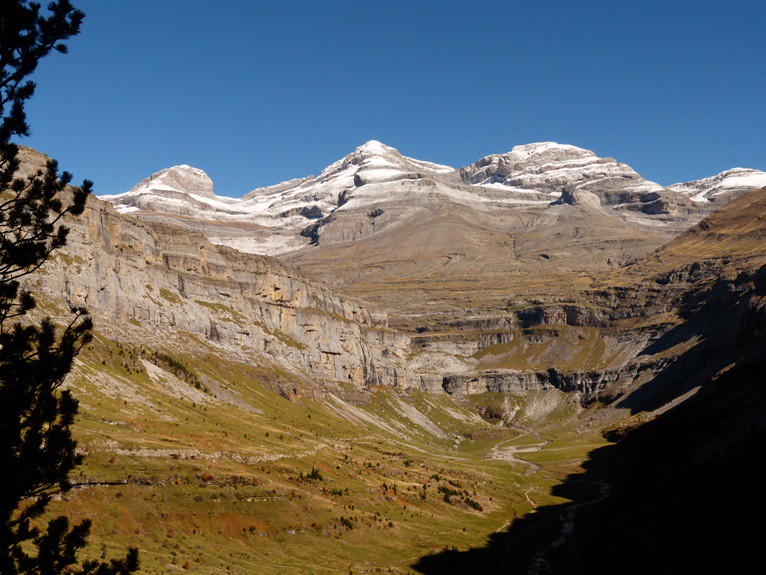
Aragón, a vast and sparsely populated region in northeastern Spain, stretches from the rugged Pyrenees in the north to the dry plains and historic cities further south. Often overlooked by international tourists, this region offers great value, with lower accommodation and dining costs compared to many other parts of Spain. Aragón stands out for those who appreciate dramatic landscapes, ancient towns, and peaceful destinations, all without the high prices commonly found in more visited areas.
A major attraction in Aragón is the Pirineo Aragonés, located in the province of Huesca. Here, mountain vistas, traditional stone villages, and a wide range of outdoor activities dominate the scene. Places like Ordesa y Monte Perdido National Park, the western parts of Aigüestortes, and the valleys around Aínsa and Benasque are perfect for hiking and nature exploration. For those who enjoy a slower pace, these areas offer a tranquil escape. Moving south, the province of Teruel offers a distinct but equally captivating landscape, featuring medieval towns, stunning Mudéjar architecture, and remote mountain areas that remain relatively untouched by mass tourism.
Zaragoza, the regional capital, offers a contrast to the quieter rural areas with its bustling atmosphere. Landmarks like the Basilica del Pilar, a charming historic center, and a vibrant food scene make it a fascinating stop for urban explorers. The diversity of Aragón, from the towering peaks of Huesca to the medieval beauty of Teruel and the urban allure of Zaragoza, makes it a region that caters to a wide range of interests. The region is well-connected by road, and Zaragoza, situated on the high-speed rail line between Madrid and Barcelona, makes an ideal base for exploring. For a more immersive experience, renting a car is the best way to discover the Pyrenees, the tranquil countryside of Teruel, and the smaller towns at your own pace.
10. Almería: A Quiet Escape in Southeastern Spain
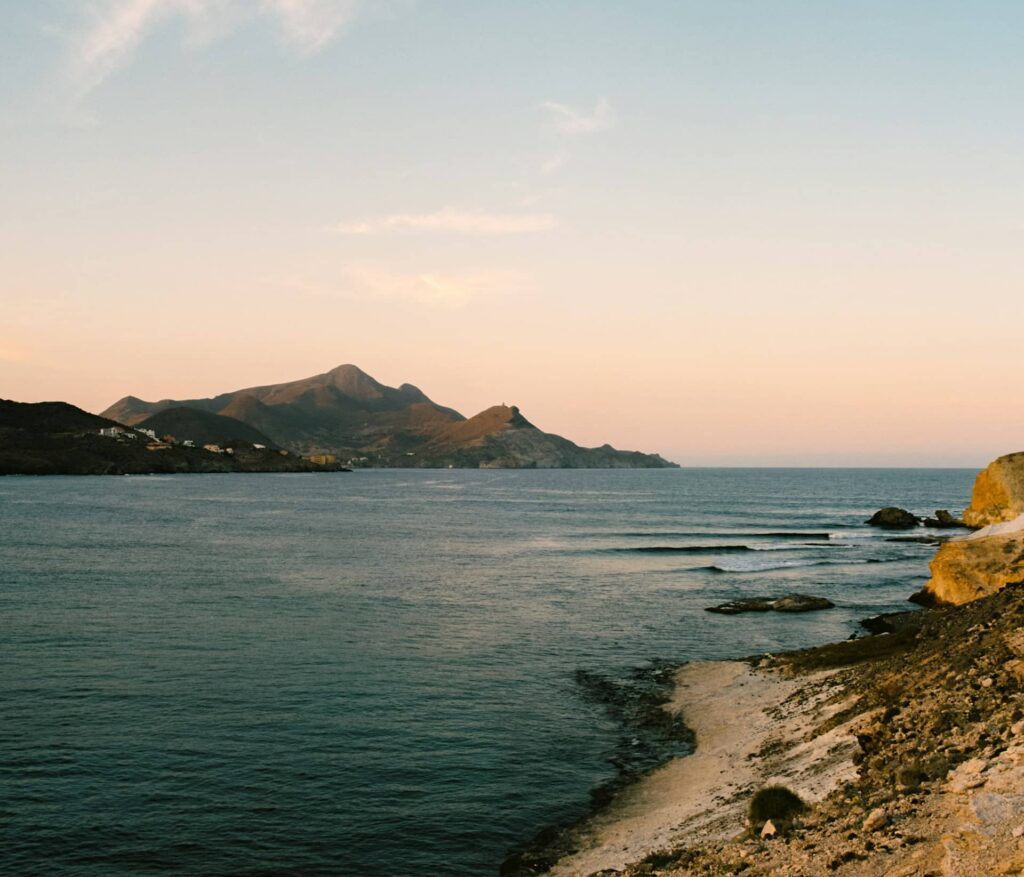
Almería, located in southeastern Spain within the Andalusian region, offers a stark contrast to the lush landscapes of many Mediterranean destinations. Known for its dry climate and desert-like scenery, Almería remains an affordable option for travelers, especially during the off-season. The province combines ancient towns, vast natural parks, and serene beaches with a local atmosphere that feels untouched by mass tourism.
A major attraction in Almería is the Cabo de Gata–Níjar Natural Park, celebrated for its volcanic terrain, hidden coves, and small fishing villages such as San José and Agua Amarga. The rugged coastline offers a peaceful retreat away from the crowds, making it a perfect destination for those seeking a more relaxed experience. In Almería city, the Alcazaba, one of Spain’s largest Moorish fortresses, provides visitors with a glimpse into the region’s rich history. The compact old town complements the fortress, offering charming streets to explore. Further inland, the Tabernas Desert—Europe’s only desert—offers a strikingly different landscape and has become a famous filming location for countless movies.
Almería stands out for its affordability. Compared to many Mediterranean regions, the cost of accommodation is lower, and dining in local restaurants is often much cheaper. Many of the area’s top attractions, including the coast, natural parks, and historic landmarks, are free to explore, keeping overall expenses minimal. Almería is well-connected by air, with domestic and seasonal international flights available through Almería Airport. Bus and train services link the major towns, but renting a car is ideal for those looking to explore the province at a more leisurely pace.
11. Cuenca: A Hidden Gem in Central Spain
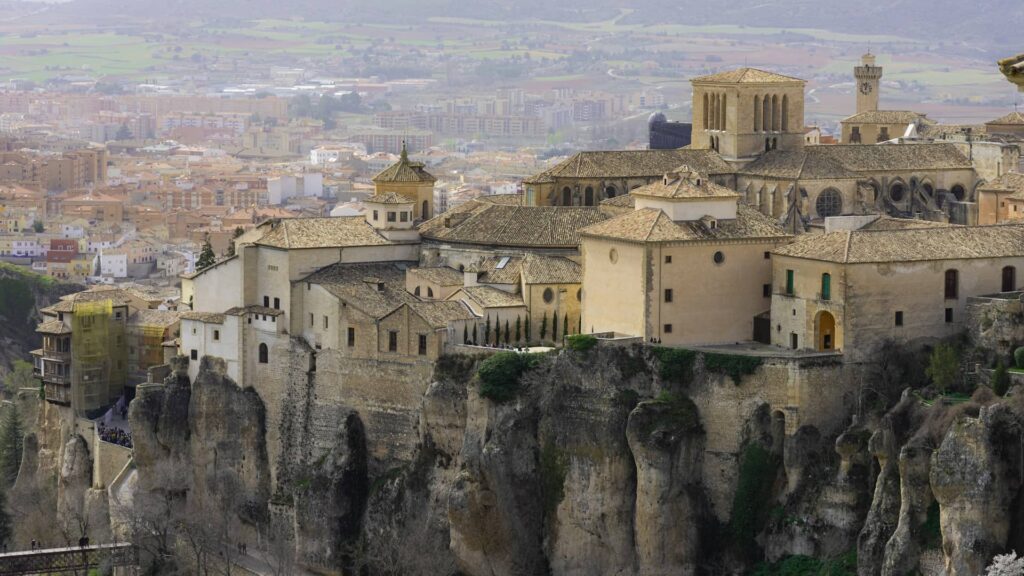
Cuenca, located in central Spain within the Castilla–La Mancha region, is a province known for its dramatic landscapes and compact, historic capital. Surrounded by deep gorges formed by the Júcar and Huécar rivers, Cuenca offers a peaceful and scenic environment, far from the bustling crowds of Spain’s more popular tourist destinations. It presents a great value for travelers, offering affordable accommodation and a relaxed, local atmosphere.
The city of Cuenca is the standout attraction of the province, with its UNESCO-listed old town and the iconic Casas Colgadas (Hanging Houses) that hover above the gorge. The historic center is small and easily walkable, featuring numerous viewpoints, museums, and medieval streets that add to its charm. Outside the city, the province offers natural beauty, including the Serranía de Cuenca Natural Park, which is ideal for hiking, exploring rock formations, and enjoying the tranquil countryside.
Cuenca is a budget-friendly destination, with low-cost hotels, guesthouses, and restaurants offering good value. Many of the region’s attractions, including the old town and natural parks, can be enjoyed at little to no cost, making it an affordable getaway. The city is easily accessible by high-speed train from Madrid and Valencia, making it an excellent choice for a quiet escape or a brief stop between larger cities.
12. Málaga: The Ideal Destination for Digital Nomads

Málaga, located in the Andalusia region of southern Spain, has become one of the top choices for digital nomads, offering a blend of affordable living, work-friendly environments, and great weather. While Costa del Sol cities like Fuengirola and Marbella are well-known, Málaga stands out for its more relaxed atmosphere and competitive prices. With an abundance of co-working spaces, cozy cafés, and a wide range of activities, Málaga offers everything a digital nomad might need to work efficiently and enjoy their downtime.
One of Málaga’s major draws is its affordability. Compared to other major Spanish cities, it is much more budget-friendly. The lower living costs, along with better opportunities for co-living and co-working, make it a practical choice for anyone looking to balance work with leisure. In addition to being inexpensive, Málaga enjoys some of the best weather in Spain, with summer temperatures averaging around 30°C and mild winters hovering around 15-16°C—making it a comfortable choice year-round.
Málaga is also a city of contrasts, offering both nature and culture within close reach. The city center is surrounded by mountains, perfect for hiking, while its beaches are just a short walk away, ideal for those who like to blend outdoor adventures with urban living. The city is also known for its excellent rooftop bars, providing stunning views of the coastline and the historical architecture below.
Renting in Málaga is relatively affordable as well. In the city center, you can easily find a studio or one-bedroom apartment for between 450 and 600 euros per month, making it a cost-effective option for remote workers. The combination of an affordable cost of living, pleasant climate, and a lively yet manageable pace makes Málaga an attractive place to work and live for digital nomads.
13. Seville: A Dynamic Hub for Digital Nomads in Southern Spain
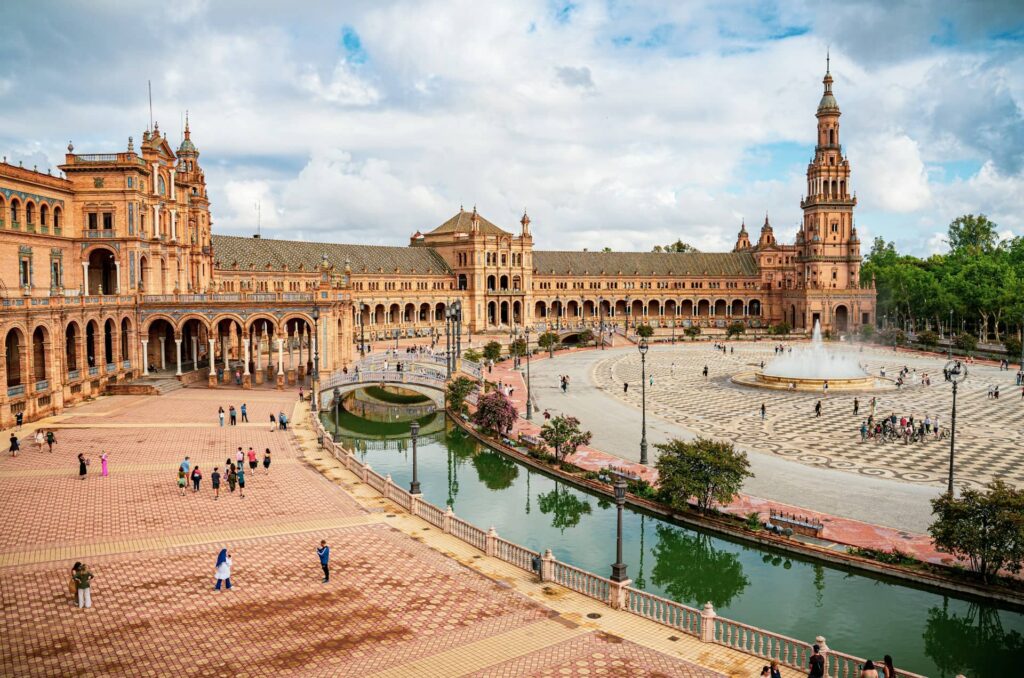
Seville, a lively city in southern Spain, has become a favorite among digital nomads. While it’s not the most budget-friendly destination, it offers ways to keep costs low, such as renting outside the city center and taking advantage of the efficient public transport or cycling to the historic areas. This makes it an accessible option for remote workers who want to enjoy a rich cultural experience without overspending.
As one of Andalusia’s most beautiful and traditional cities, Seville is a treasure trove of history and culture. The city is filled with opportunities to explore its past, from the impressive Moorish palaces to the grand Seville Cathedral, one of the largest and most breathtaking in Spain. At the same time, Seville has become a hotspot for digital nomads, with a wide array of cafes and co-working spaces offering the perfect environment for productivity and creativity.
Living in Seville provides a unique chance to immerse yourself in a city that blends tradition and modernity. The cultural scene is rich, with Flamenco dancing, historical landmarks, and a mix of architectural influences. Seville is a city where history and contemporary life come together, making it an exciting place to live for those who appreciate both the past and present. Whether you’re enjoying a coffee in a digital nomad café or exploring the old streets, Seville offers an inspiring atmosphere for both work and leisure.
14. Mérida: A Hidden Gem for Budget Travelers and Digital Nomads
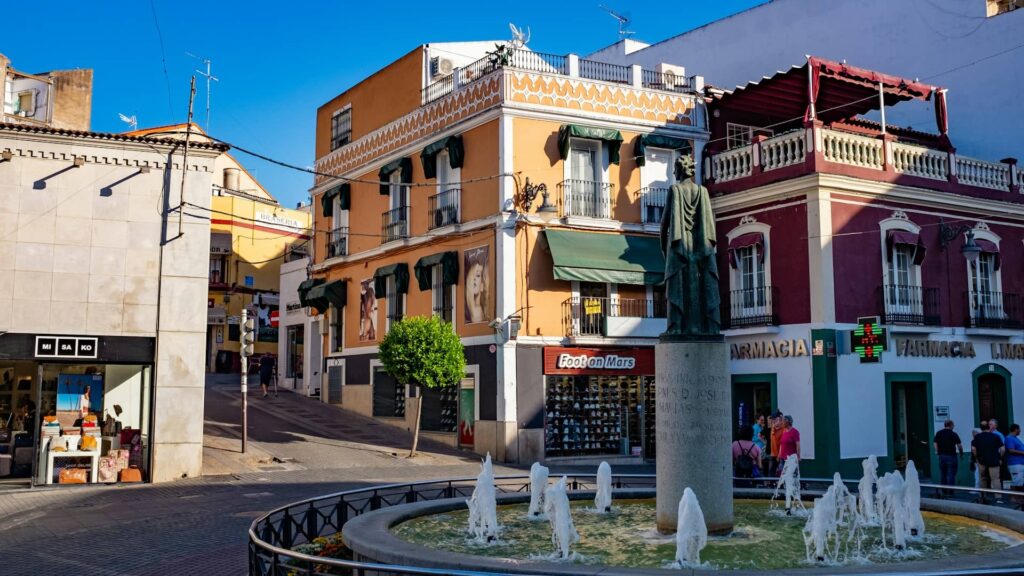
Mérida, often overlooked when considering affordable Spanish cities, is a fantastic destination for those interested in history and culture. Home to Spain’s largest and best-preserved collection of Roman ruins, it offers an exceptional experience for history enthusiasts. The city’s ancient monuments, including the impressive Roman theatre and the Temple of Diana, provide a deep dive into the past, making it an ideal spot for anyone fascinated by Roman history.
While Mérida is known for its historical attractions, it also boasts a relaxed atmosphere with modern conveniences. Just a 45-minute drive from the Portuguese border, the city is well-positioned for exploring nearby regions. When the sun sets, Mérida comes alive with its lively bar scene, offering a welcoming vibe for both locals and visitors. Despite not being a well-known digital nomad hub, Mérida offers a growing number of coworking spaces and cafes, providing plenty of options for remote workers to stay productive while enjoying the city’s charm.
Though Mérida may not yet be a typical hotspot for digital nomads, its affordability, historical attractions, and emerging workspaces make it an appealing choice for those looking to experience a more relaxed, budget-friendly lifestyle in Spain. Whether you’re working from a café or exploring ancient ruins, Mérida offers a balanced blend of work and leisure.
15. Valencia: A Thriving Destination for Digital Nomads
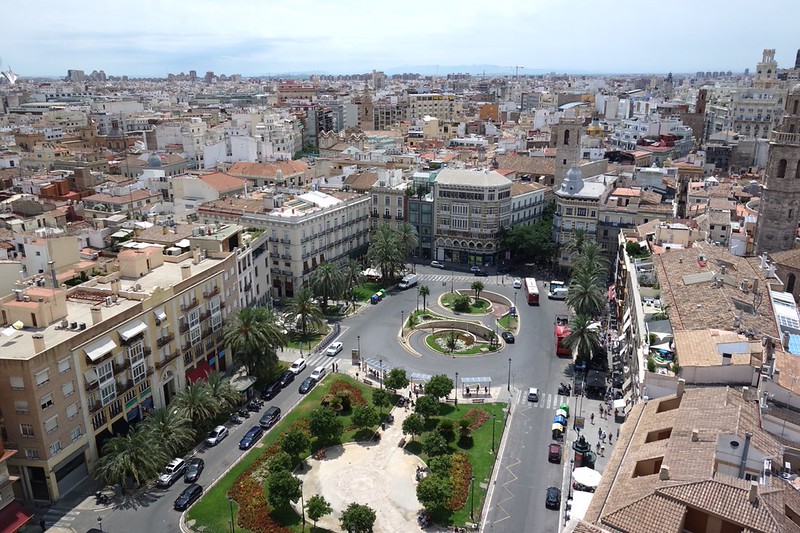
Valencia has quickly become a sought-after spot for digital nomads, and it’s easy to see why. This city offers an enticing mix of beautiful beaches, a charming historic center, and a wide variety of cafés and restaurants. The cost of living in Valencia is lower compared to other Spanish cities, making it a great choice for remote workers. On top of its affordability, the city offers a lively atmosphere, with something happening all year long—from cultural events to its buzzing nightlife.
Valencia seamlessly blends history with modernity, offering a perfect backdrop for work and leisure. Whether you’re strolling through the historic center, enjoying boat trips along the river, or diving into the city’s café culture, there’s always something to enjoy. Add in the numerous trendy co-working spaces scattered throughout the city, and you have the ideal environment for productivity and relaxation. Whether you’re working during the day or exploring the city’s vibrant nightlife in the evening, Valencia provides the perfect balance for digital nomads looking for an exciting, cost-effective destination.
Related Post:
- 15 Cheapest Places to Travel from India you won’t want to miss.
- 15 Cheapest Places to Travel in Europe worth adding to your list.
- 11 Cheapest Places to Travel when you’re young and broke but still want to explore.
- 15 Cheapest Places to Travel in August for a budget-friendly getaway.
Affordable Living in Spain: Finding the Right Balance
When searching for budget-friendly places to live in Spain, you’ll notice a significant variation in prices across different regions. It’s important to decide what factors matter most to you, whether it’s access to a thriving digital nomad community, natural beauty, or a more laid-back atmosphere.
Popular destinations for digital nomads naturally come with higher prices, while smaller, more local towns tend to offer more affordable living options with fewer expatriates. However, the key lies in finding those hidden gems where you can enjoy the benefits of both worlds—affordable living and access to vibrant cultural scenes or beautiful landscapes.
Spain has recently introduced a digital nomad visa in 2023, making it even easier to live and work remotely in the country. With this new opportunity, you can begin planning your next destination, combining an affordable lifestyle with a fulfilling remote working experience in some of the best spots Spain has to offer.