
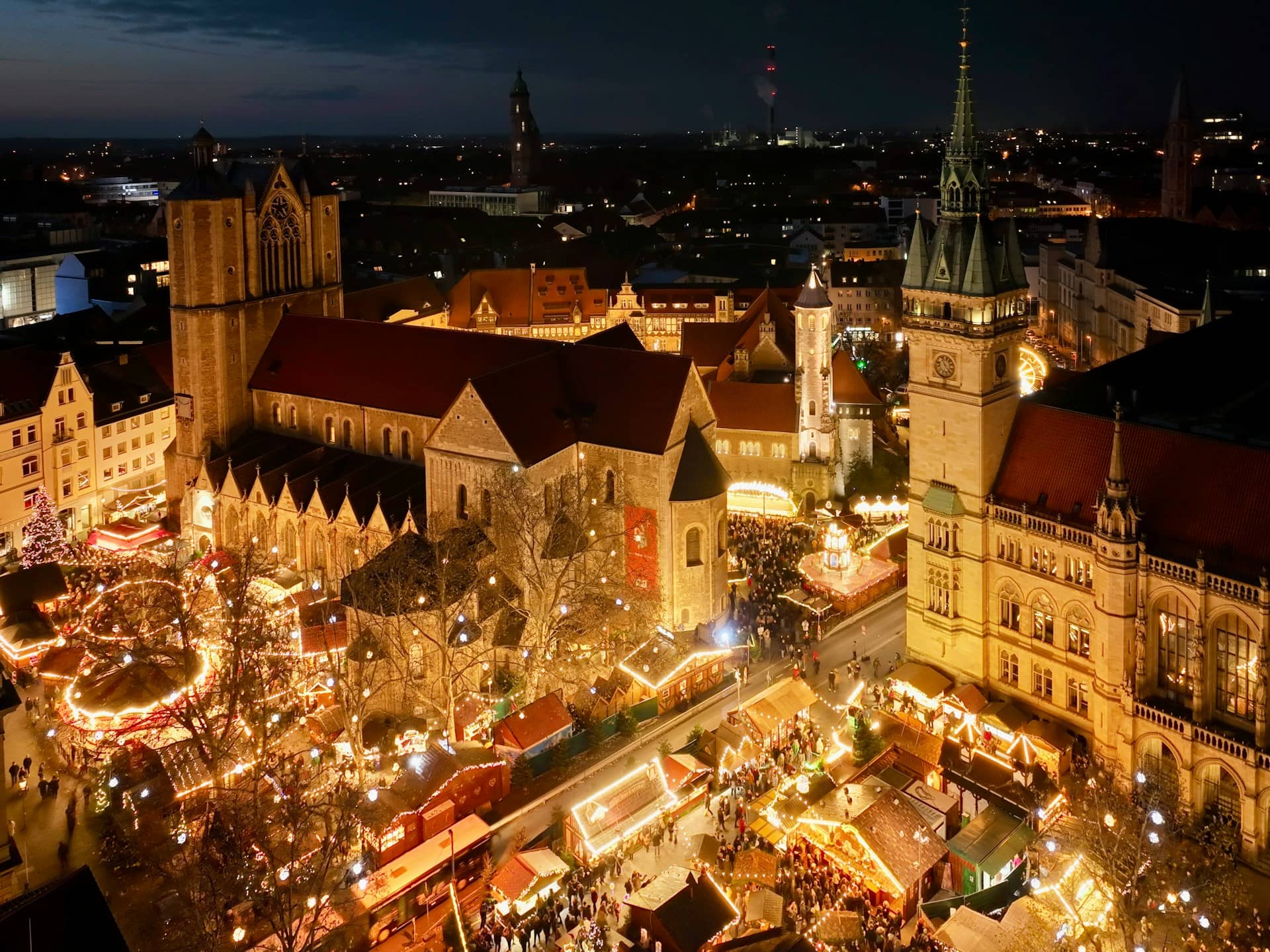
Germany’s Christmas markets are unparalleled, steeped in centuries of tradition and festive spirit. These markets, known as Christkindlmarkt or Weihnachtsmarkt, are a cherished part of the holiday season. Their origins trace back to medieval times in the German-speaking regions of Europe, with some of the earliest references to these winter bazaars appearing as far back as the 1300s.
During Advent, the four weeks leading up to Christmas, these markets spring to life, offering a blend of regional delicacies, handcrafted goods, and festive cheer. With each market offering a different atmosphere, they fill the air with holiday magic, from the smell of spiced mulled wine to the sight of twinkling lights.

While Christmas markets can now be found across Europe, Germany remains the unrivaled pioneer. The country’s deep-rooted history and enduring passion for the season make their markets a must-visit for anyone seeking a truly festive experience.
If you’re planning to explore the Christmas spirit in Germany this year, here are a few of the oldest and most charming markets to add to your itinerary. From historic squares to cozy corners, each market offers a special experience worth the visit.
Your Guide to Germany’s Best Christmas Markets
Here’s a map featuring all the incredible markets mentioned in this guide.
Now, let’s dive into the top Christmas markets across Germany! Each one offers a distinctive experience, where festive traditions blend with local charm. From historic towns to bustling cities, these markets promise a warm and inviting atmosphere, filled with holiday spirit. Ready to explore the magic? Let’s get started!
1. Nuremberg Christkindlesmarkt: A Timeless Tradition
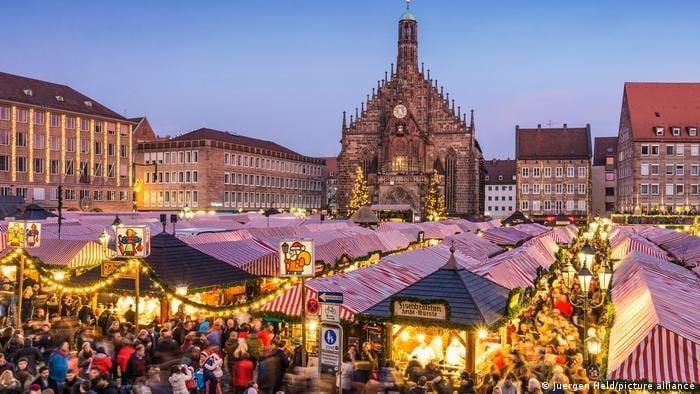
The Nuremberg Christkindlesmarkt, celebrated as one of Germany’s most iconic Christmas markets, dates back to 1628, though local legends suggest it may be even older. Set against the backdrop of Nuremberg’s Main Market Square, this market is a rich blend of history and tradition. The charm of the market is upheld by its commitment to local craftsmanship, with many stalls offering goods made from regional materials. The wooden huts themselves, constructed from locally sourced spruce, have a history of their own, with 30 of them dating back to 1890.
The market is a sensory delight, with 180 wooden stalls offering a range of festive treats. Among them are the Prune Men, traditional figures that adorn homes during the Christmas season, and the Original Nuremberger sausages, which can only bear the name if produced within the city’s limits and weighing exactly 23 grams.
For a twist on tradition, try the GERSTACKER blueberry glühwein, a favorite of Jennifer and Tim from Luxe Adventure Traveler. This stall, a mainstay at the Nuremberg Christkindlesmarkt for over 35 years, offers a unique take on the classic mulled wine.
For a breathtaking view of the market, head to the balcony of the Church of Our Lady, where you can gaze down upon the bustling Main Market Square and soak in the festive atmosphere.
2. Dresden: Germany’s Capital of Christmas
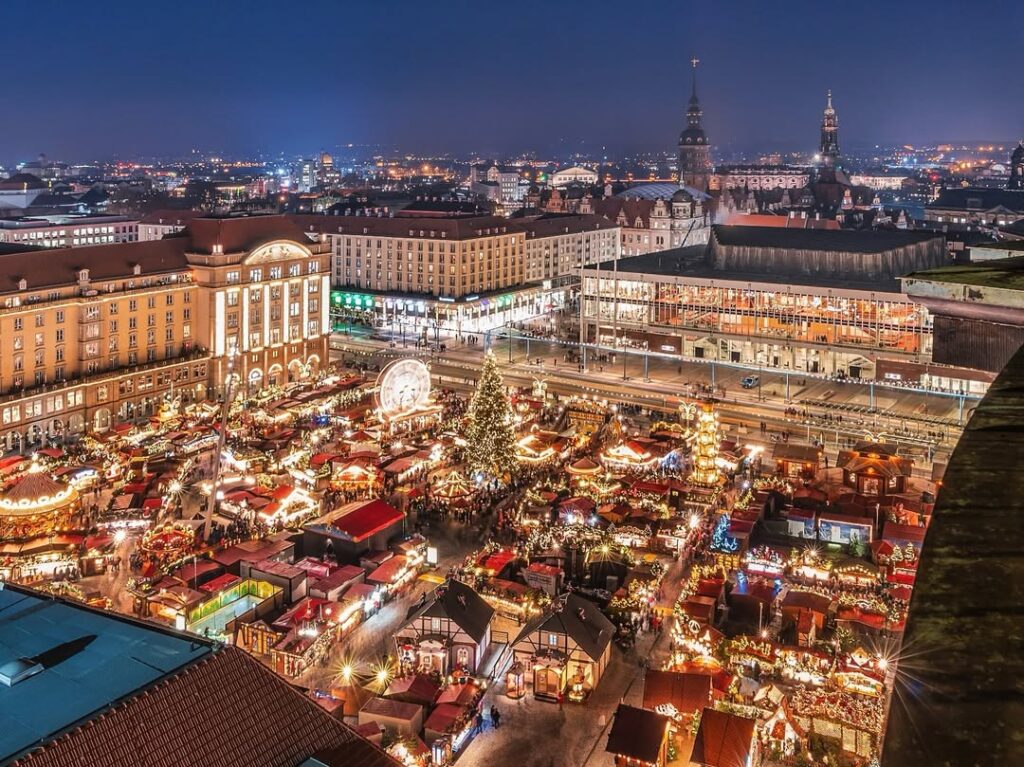
As the calendar flips to late November, Dresden transforms into Germany’s “capital of Christmas,” with the Christmas spirit filling the air until Christmas Eve. Steeped in history and festive cheer, Dresden offers an unmissable experience during Advent.
The city’s most famous market, the Striezelmarkt, is one of Germany’s oldest and most beloved Christmas markets. First held in 1434, the market’s name is derived from Striezel, an old term for the traditional Christmas stollen bread. Situated in Dresden’s Altmarkt, the Striezelmarkt has been delighting visitors for centuries, attracting both locals and tourists alike.
What began as a one-day meat market for locals to purchase their Christmas roast has evolved into a bustling hub of vendors and craftsmen from the surrounding areas. Today, the market boasts around 200 huts and stands, offering a variety of goods, from intricate wood crafts to local delicacies. Each year, roughly 2.5 million visitors flock to this historical site, with many warming up with a steaming cup of Glühwein.
Dresden’s Christmas magic doesn’t stop at the Striezelmarkt. The city’s historic center, from Altstadt to Neustadt, is dotted with additional charming markets, making the entire area feel like one large, enchanting Christmas market quarter.
3. Cologne’s Christmas Markets: A Festive Wonderland
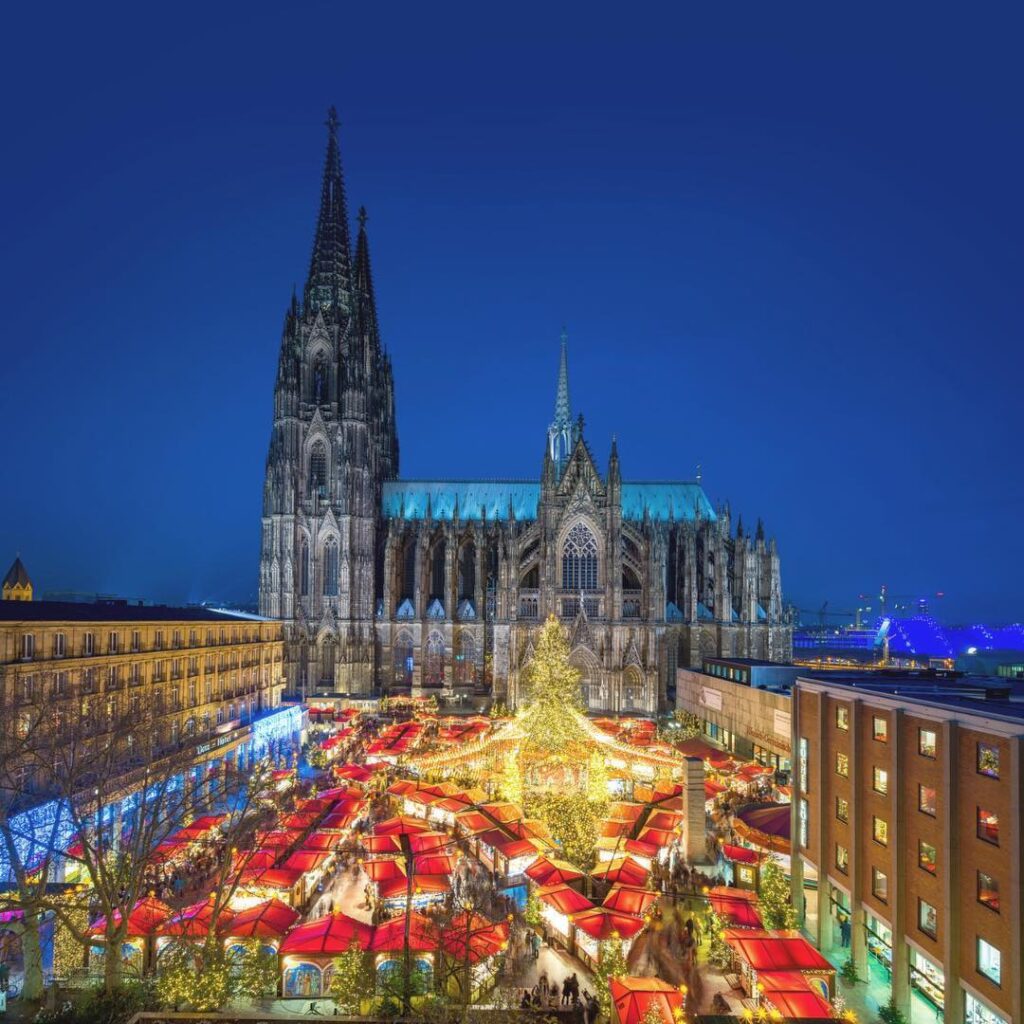
Cologne takes Christmas markets to the next level with up to eight distinct markets scattered across the city during the Advent season. Each market brings its own charm and character, offering a new experience at every turn. As a bonus, every market features its own Christmas mug, perfect for starting your collection!
The oldest of Cologne’s Christmas markets is the Angel’s Market, set in the twinkling Neumarkt. This market is known for its sparkling lights and whimsical paper stars hanging from the trees, creating a magical atmosphere. Another must-see is the Cathedral Christmas Market, located just beneath the towering spire of the UNESCO-listed Cologne Cathedral, where colorful stalls fill the area with festive cheer.
For families, the Altstadt Market (Old Town Market) is the standout. Located on Alter Markt in front of the town hall, this market is “managed” by the Heinzelmännchen, or house gnomes. It’s full of family-friendly activities, from toy stands and puppetry to an ice rink that’s perfect for all ages. Plus, the classic Christmas market offerings of handicrafts and spiced Glühwein await you here too.
4. Hamburg’s Christmas Markets: A Holiday Spectacle
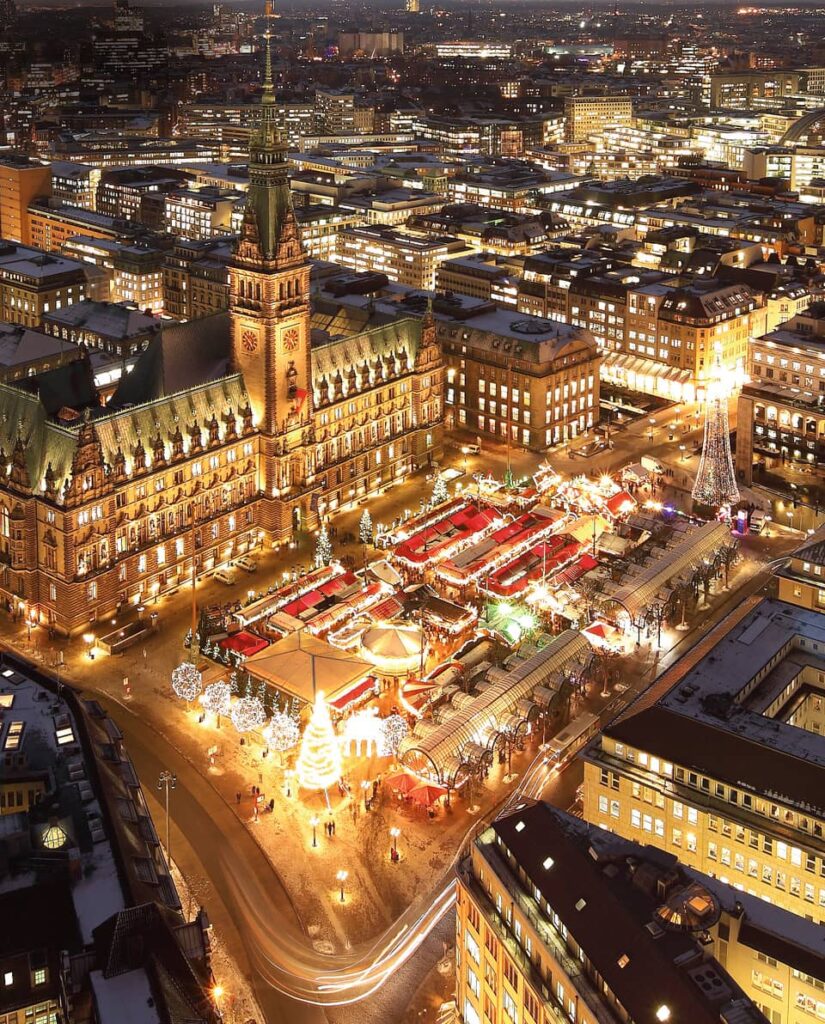
During December, Hamburg transforms into a winter wonderland, with Christmas markets scattered throughout the city. Among them, the market in front of the old city hall stands out as the city’s most iconic. With nearly 3 million visitors expected this year, it ranks among the largest Christmas markets in Germany.
Organized by Roncalli, the market follows the motto “Kunst statt Kommerz” – art instead of commerce. While you can certainly indulge in holiday shopping, the market focuses on handcrafted goods rather than mass-produced items. From intricately carved toys from Tirol to other distinctive offerings, the market presents a great opportunity to find memorable gifts.
One of the most enchanting sights is Santa’s arrival. Three times a day, he arrives from the skies on his sleigh, delighting children with a tale of Rudolph the Red-Nosed Reindeer.
A festive highlight every Saturday is the Christmas parade, where elves, angels, gnomes, and reindeer parade through the city center, spreading holiday joy across Hamburg.
5. Bremen: A Fairytale Christmas Experience in Northern Germany
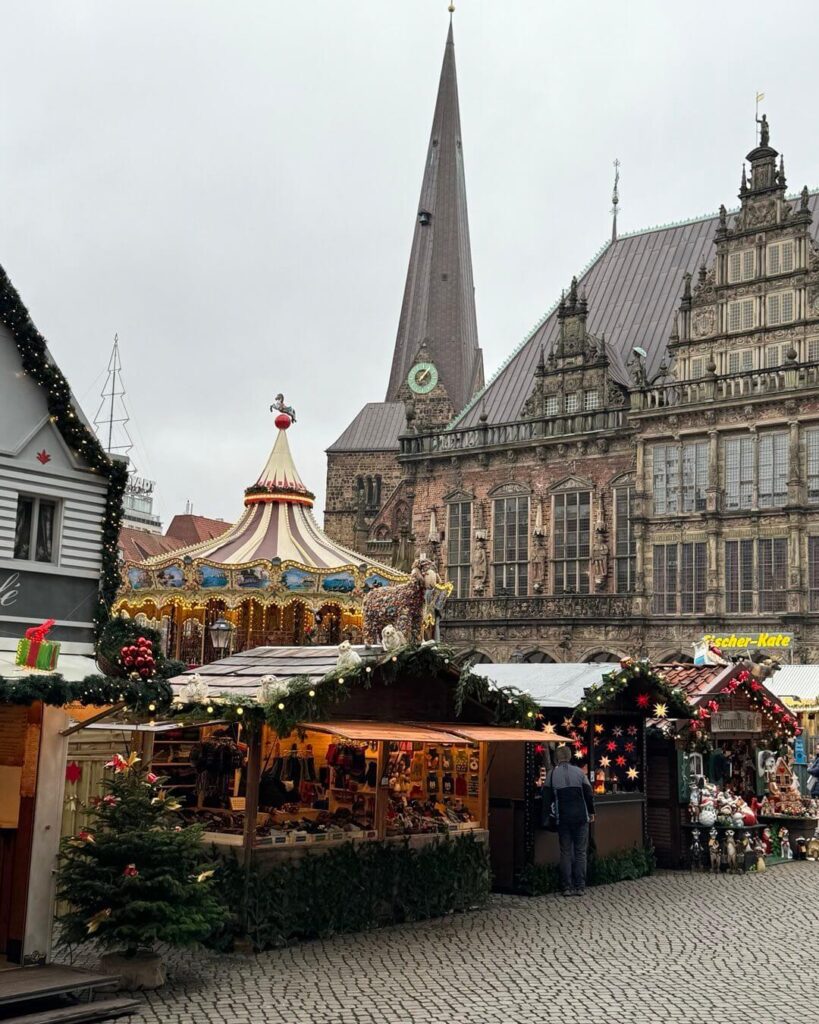
Bremen, a charming town in northern Germany, is just a short train or bus ride from Hamburg, making it a perfect winter getaway. The town’s fairytale reputation isn’t an exaggeration — it’s famously known as the setting for the Brothers Grimm story The Bremen Town Musicians.
Bremen is home to two enchanting Christmas markets. The first, a traditional Weihnachtsmarkt, takes place in the 1,200-year-old Old Town market square, a UNESCO World Heritage site. The market is set against the stunning backdrop of the towering Rathaus, where you can indulge in classic festive treats like Glühwein, Feuerzangenbowle, and Reibekuchen. The old-world charm of the square makes it the perfect setting for holiday shopping and dining.
For a completely different experience, head to the Schlachte-Zauber, a Medieval-themed market along the waterfront. Here, the market transforms into a medieval wonderland, complete with pirate ships and costumed vendors. You can shop for quirky items like spell ingredients and potions, while enjoying roasted chestnuts, gingerbread cookies, and mulled wines like Elvesfire or Dragonsfire.
Beyond the markets, Bremen offers plenty of activities to enjoy during the winter. Explore hidden alleys in the Old Town, like the Museen Böttcherstraße and the Schnoor, visit the Hachez Chocolate store for a chocolate tasting, or tour the home of Beck’s beer. As you wander, keep an eye out for the hidden keys to the city – they’re scattered all around Bremen!
6. Berlin’s Potsdamer Platz Christmas Market: A Winter Wonderland
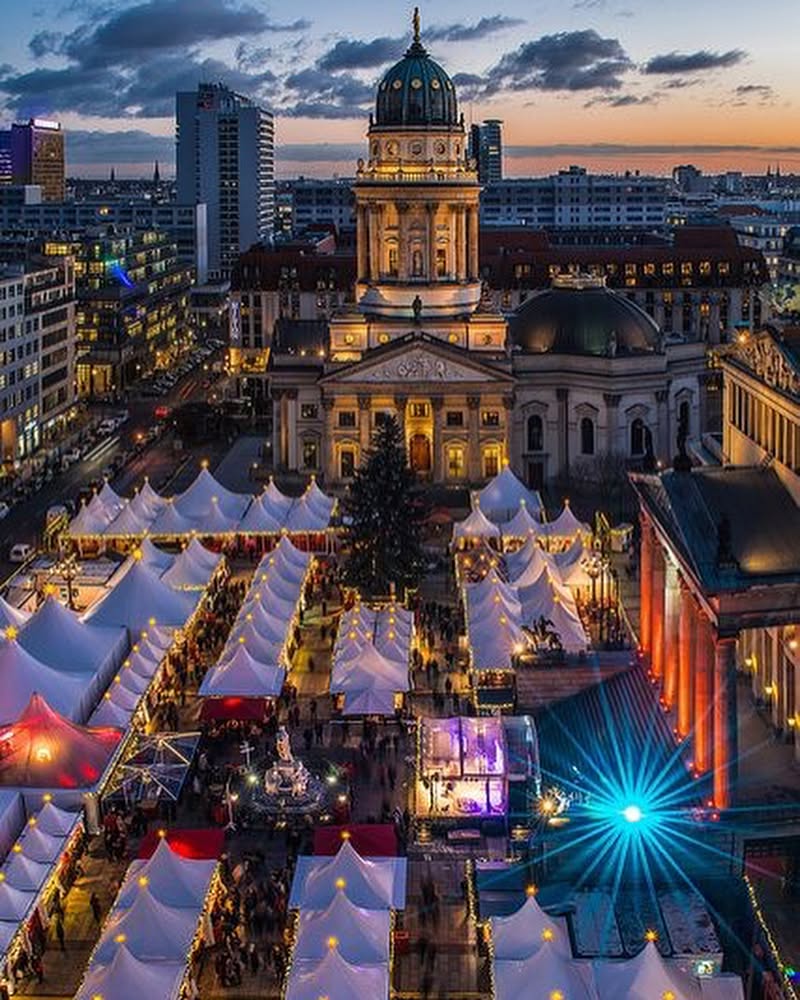
Berlin is filled with an abundance of Christmas markets, each offering its own festive charm. Among the most popular is the Potsdamer Platz market, also known as Winterwelt, which attracts around 2.5 million visitors each year. With its festive atmosphere, it’s no wonder this market is a must-see during the holiday season.
The market is a food lover’s dream, with stalls offering hot mulled wine, classic Bratwurst, and indulgent hot chocolate treats. No matter what you’re in the mood for, the options are endless, providing a perfect blend of comfort and festivity.
Beyond the food, Potsdamer Platz also features a lively ice-skating rink, where you can glide across the ice while Christmas music fills the air, creating the ideal holiday ambiance. The market also offers a fantastic selection of handmade Christmas baubles, making it an ideal spot to pick up a special holiday ornament. Just a heads-up—be careful with your souvenirs; one of my friends had an unfortunate mishap with a smashed bauble on the way home!
7. Kassel’s Märchenweihnachtsmarkt: A Fairytale Christmas Experience
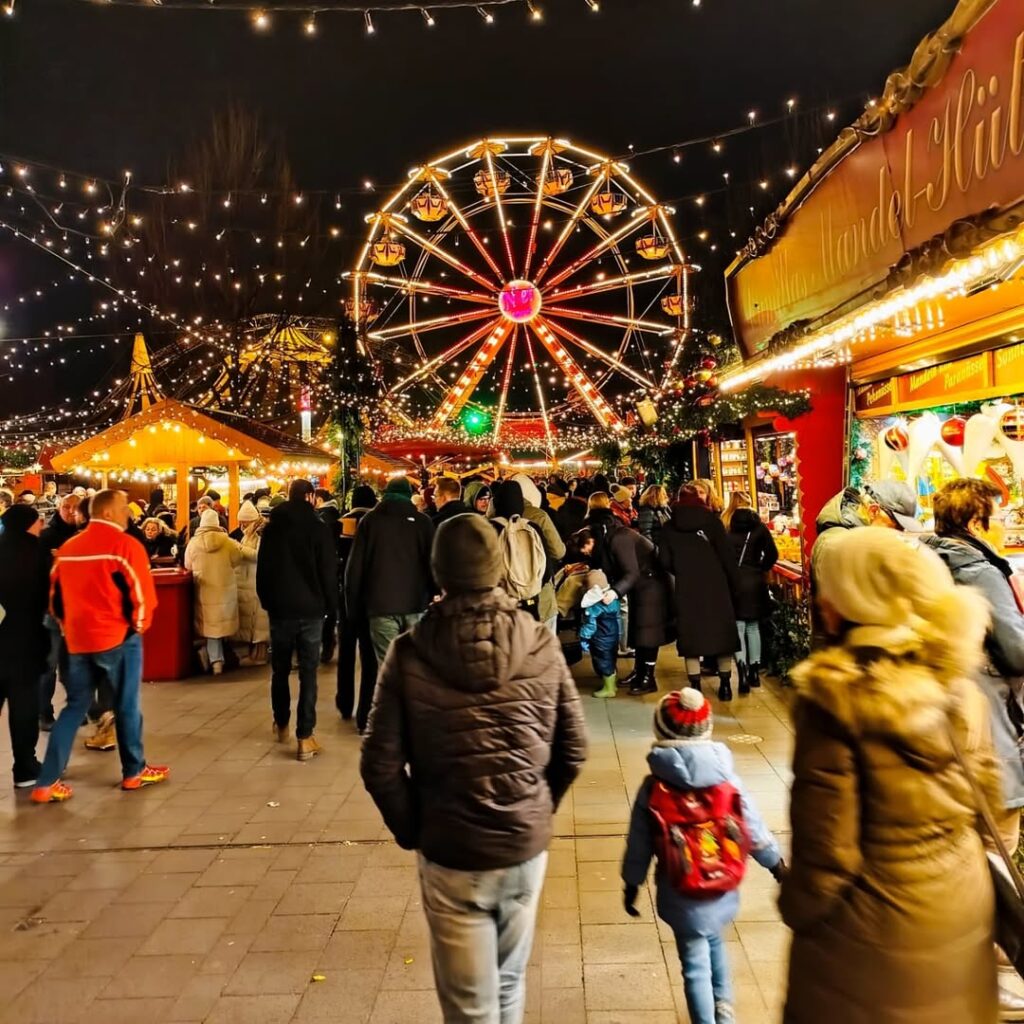
While many head to the well-known Christmas markets in Berlin and Munich, Kassel offers a more enchanting and off-the-beaten-path experience. Home to the Kassel Märchenweihnachtsmarkt, this charming town captures the essence of a fairytale Christmas like no other.
Kassel is a key stop on Germany’s Fairy Tale Route, which stretches over 600 km from Bremen to Hanau and honors the legendary tales of the Brothers Grimm. Each year, the Kassel Christmas Market embraces a different story, bringing beloved characters like Snow White, Cinderella, or Hansel and Gretel to life. Whether you’re a fan of classic tales or new discoveries, the market’s theme will immerse you in a magical atmosphere.
As you stroll through the market, take in the delightful fairy tale decorations while enjoying a wide range of glühwein flavors and delicious holiday treats. What makes this market even more special is that it’s one of the few Christmas markets that remains open after December 25th, allowing you to extend the festive magic into the New Year.
8. Rothenburg ob der Tauber: A Timeless Christmas Market Experience
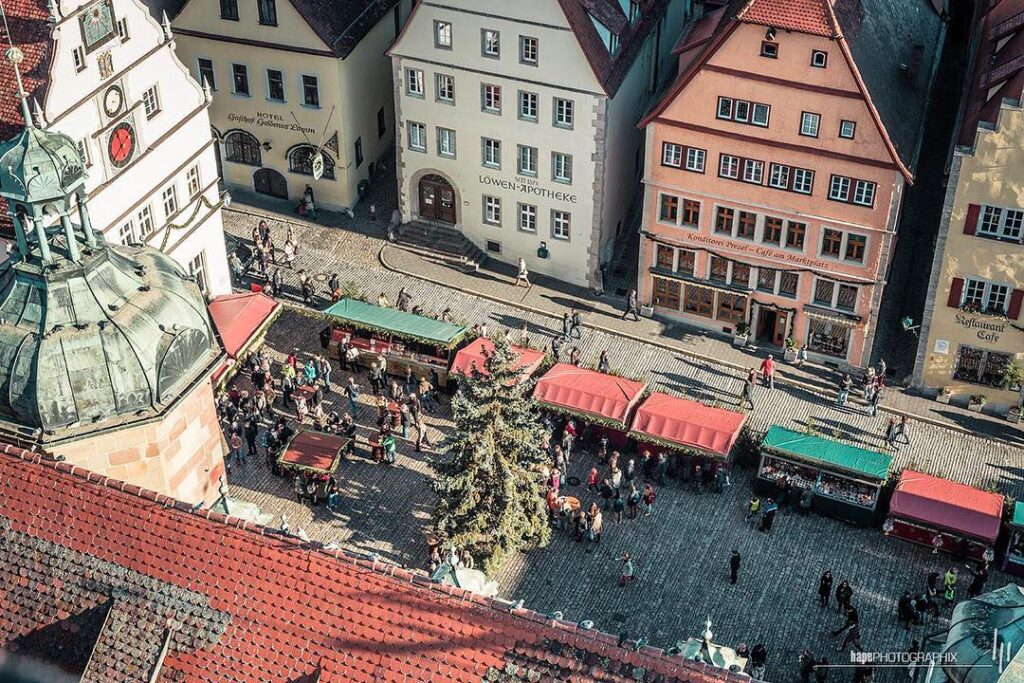
Last year, I set out on a road trip through France and Germany, searching for the best Christmas market, and without a doubt, Rothenburg ob der Tauber stole the show.
This charming town, right in the middle of Germany, feels like you’ve stepped into the past. Its medieval walls still enclose the town, and the buildings have a timeless quality that takes you back centuries. It’s the kind of place that captures the essence of classic holiday films like A Christmas Carol from the ’60s, but in real life.
Wandering through the cobblestone lanes and exploring the boutique shops is a personal favorite pastime, though it’s easy to get lost in the town’s maze of charming streets. But no matter where you go, all paths seem to lead back to the town’s main square, which hosts one of the most enchanting Christmas markets in Germany.
At the center of the square stands a towering 30-foot Christmas tree, with festive stalls surrounding it, creating a magical atmosphere. The market is filled with all the classic treats—sweet stalls, sausages, and glühwein—plus plenty of cheerful visitors. And if you’re lucky enough to experience a snowfall, as I did, the scene transforms into a true winter wonderland.
9. Heidelberg’s Enchanting Christmas Market Experience
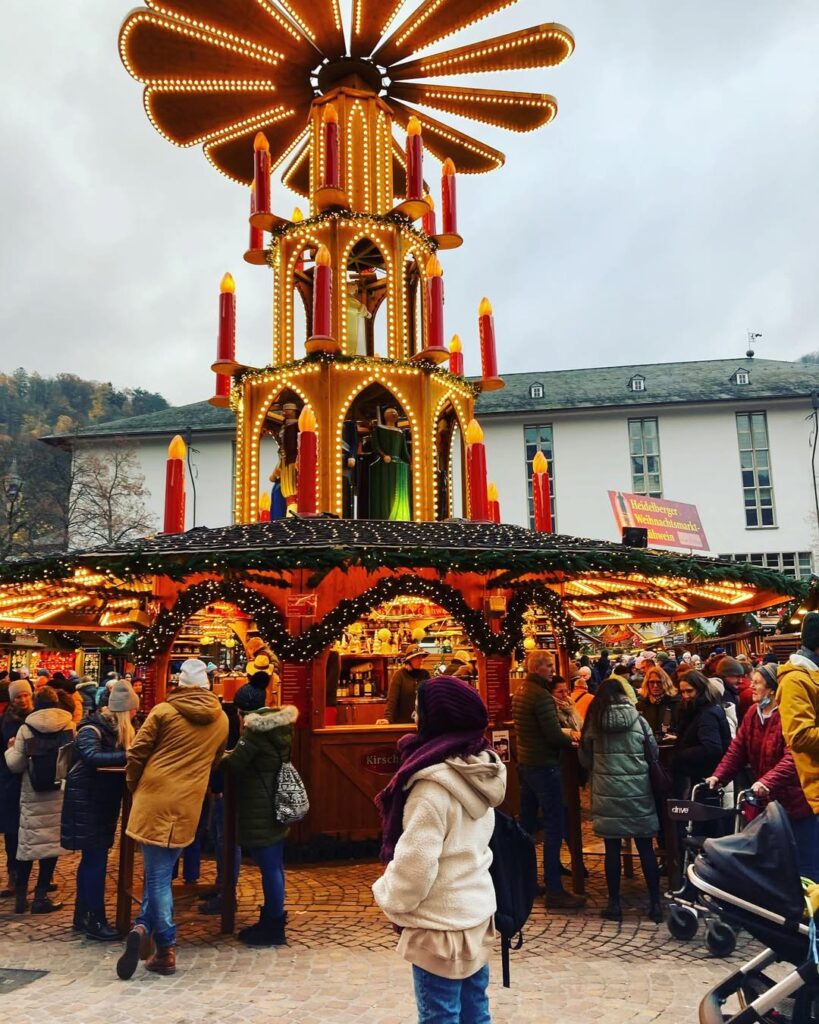
Situated along the Necker River, Heidelberg is a city that captivates year-round with its historic charm. But when the festive lights and pine trees arrive, the city’s magic truly shines. The iconic Heidelberg Castle perched on the hill adds to the enchanting atmosphere, making this a must-visit destination during the holiday season.
The Christmas market in Heidelberg spreads throughout the Old Town, filling each square with charming wooden huts and the irresistible aromas of seasonal food. A highlight of the market is the ice skating rink at Karlsplatz, where you can glide across the ice while taking in a stunning view of the Heidelberg Castle in the background.
10. Leipzig’s Historic Christmas Market: A Winter Wonderland
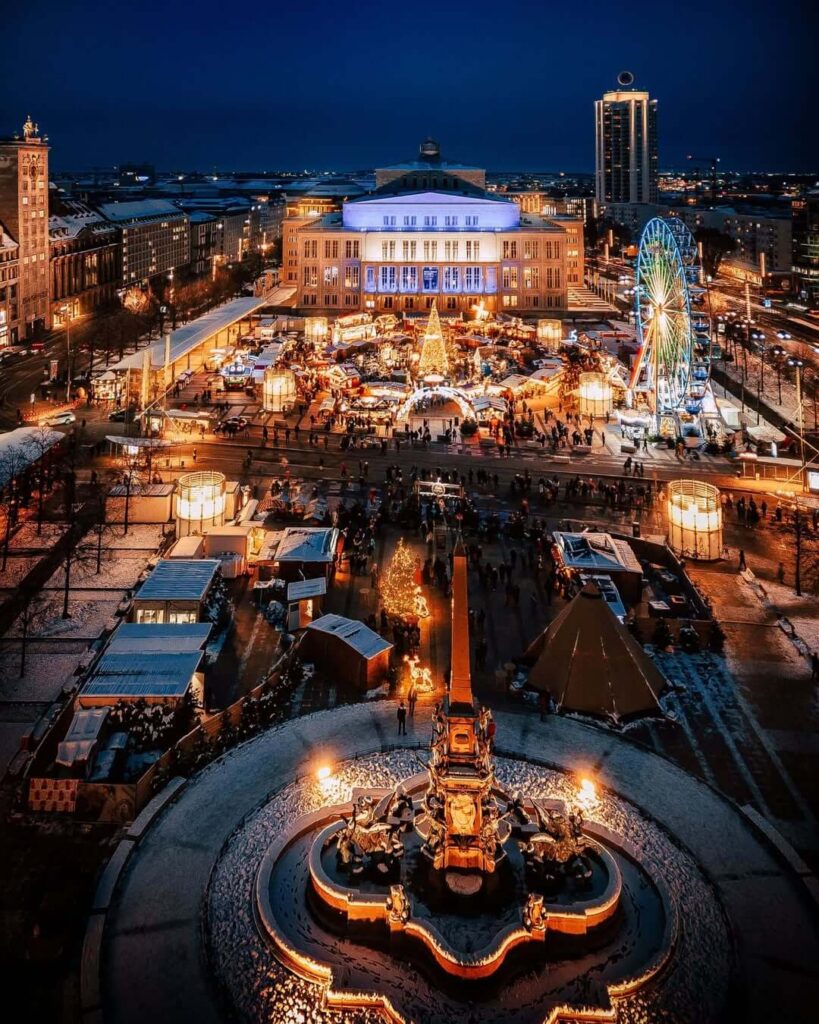
The Leipziger Weihnachtsmarkt, a staple of the city since 1458, takes over the Old Market Square and spreads throughout the heart of Leipzig. With around 250 stalls and numerous attractions, this market offers plenty to explore, so be sure to set aside several hours to take it all in.
One of the standout features for families is the talking Fairytale Forest, a delightful attraction next to an incredibly beautiful traditional Christmas tree. Just make sure you don’t confuse the tree with the talking forest—if you do, you might find yourself chatting with nothing but bark and pine needles!
For a taste of something different, the Finnish Market is a treat, with chefs cooking whole salmon over open flames. After soaking in the Nordic flavors, we visited the SudTiroler Dorf Market for a slice of Italy. Then, we ventured to the Medieval Market, where the atmosphere of castles and taverns served up endless amounts of Glühwein and entertainment.
In Leipzig, music is never far away, and you might even encounter a singing Santa making the season brighter.
11. Stuttgart’s Historic Christmas Market: A Holiday Tradition Since the 1600s
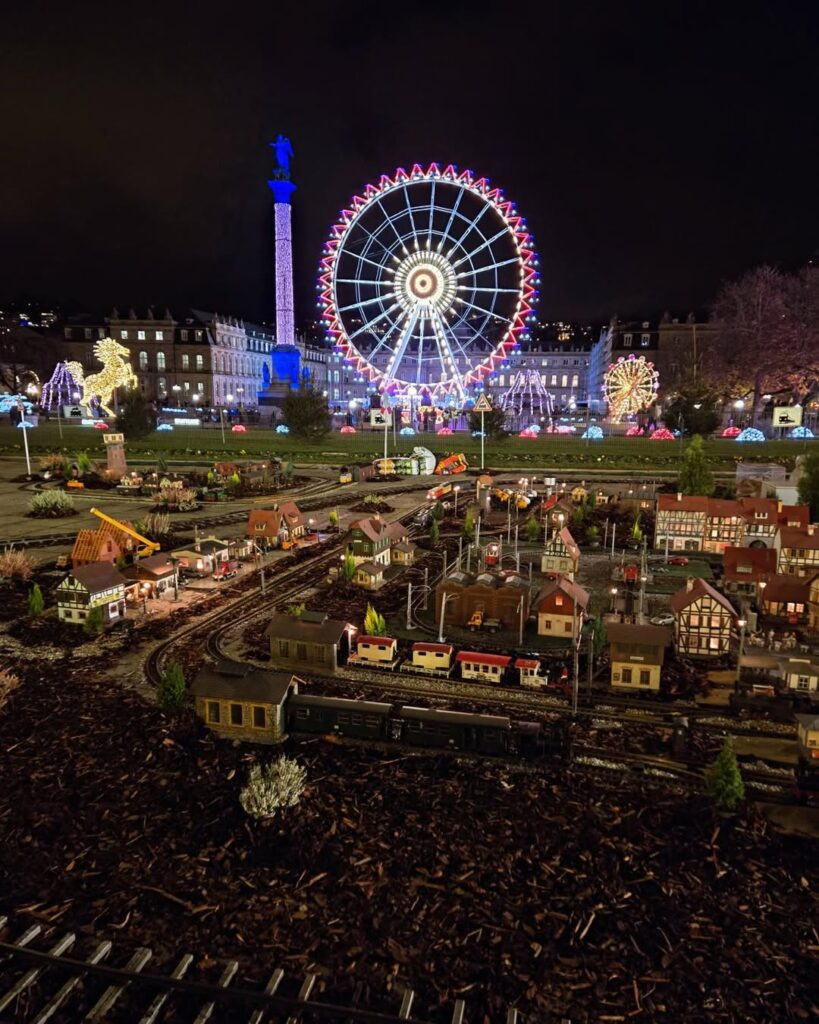
The Stuttgarter Weihnachtsmarkt, one of the oldest Christmas markets in Europe, has been captivating visitors since the 1600s. Its long history and festive charm make it a standout holiday destination in Germany.
Today, the market features hundreds of beautifully decorated stalls offering everything from traditional handmade toys and German delicacies to a wide variety of holiday treats. A key highlight of the market is the famous Glühwein, a signature German winter beverage, available at nearly every corner.
Vendors add to the festive atmosphere by competing to create the most elaborate rooftop decorations, while choirs, carolers, and live bands fill the air with hymns and joyful holiday tunes. While the market is delightful all day long, it truly comes alive in the evening, when the Christmas lights cast a magical glow over the scene.
For the full experience, evening is the ideal time to visit. The crisp air and the warm glow of the lights combine to create a nostalgic holiday feeling. Walking among the festive stalls, cup of Glühwein in hand, offers a cozy, unforgettable experience that brings the holiday spirit to life.
12. Ludwigsburg Baroque Christmas Market: A Hidden Gem in Baden-Württemberg
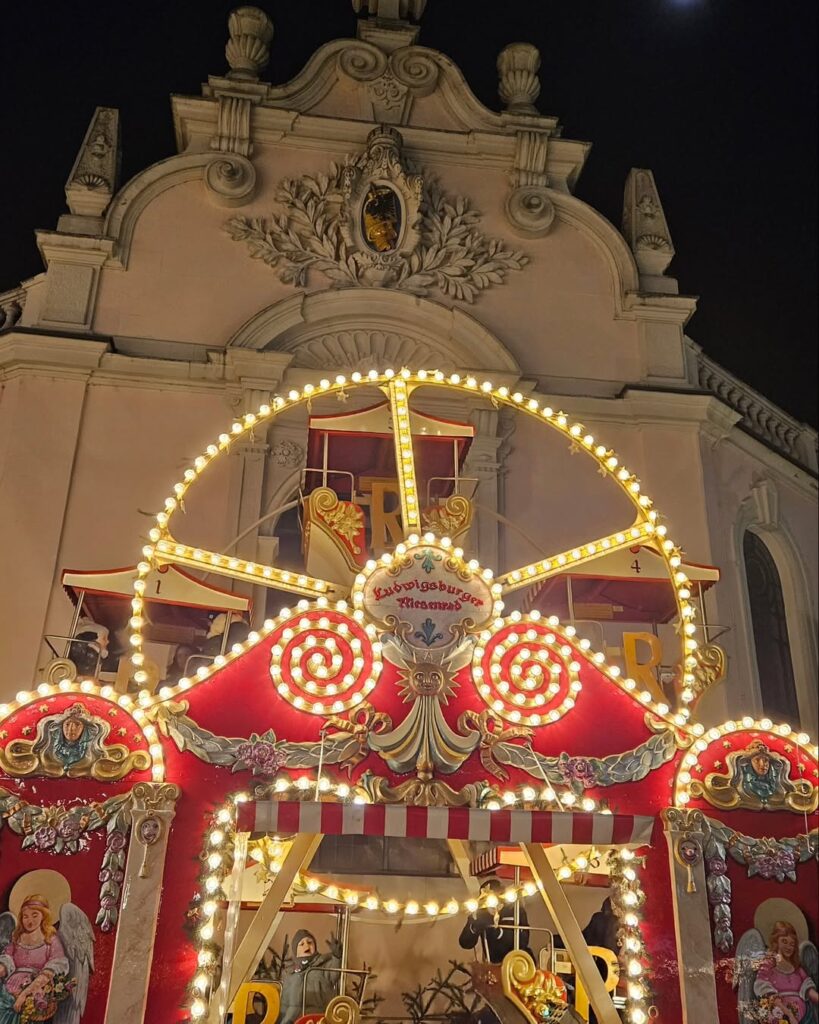
After exploring the many Christmas markets of Baden-Württemberg, Germany, last winter, one stood out above the rest: the Ludwigsburg Baroque Christmas Market. Set in the Marktplatz, this charming market is framed by two grand Baroque churches that add an extra touch of elegance to the square.
The market itself is a maze of stalls offering a wide variety of handmade goods, each more authentic than the last. Unlike many other markets, I didn’t spot a single mass-produced item from China here. From cozy handmade slippers to intricately carved wooden nativity scenes and hand-blown glass tree ornaments, there’s something for everyone. Whether you’re picking out a gift or treating yourself, you’re sure to find a treasure.
As for food, you’ll find all the German Christmas Market classics like bratwurst and mulled wine, but there are also international flavors to enjoy. I particularly loved snacking on empanadas and falafels, adding a bit of variety to the usual fare.
If you need a break from shopping, the market offers plenty of family-friendly activities, including a merry-go-round and puppet shows for the kids. And when you’re ready for some sightseeing, the Ludwigsburg Residential Palace is just a short walk away, offering guided tours that showcase the area’s rich history. Located just 12km from Stuttgart, it’s an easy 15-minute ride on the S-Bahn from the central train station.
13. Esslingen Medieval Christmas Market: A Journey Through Time
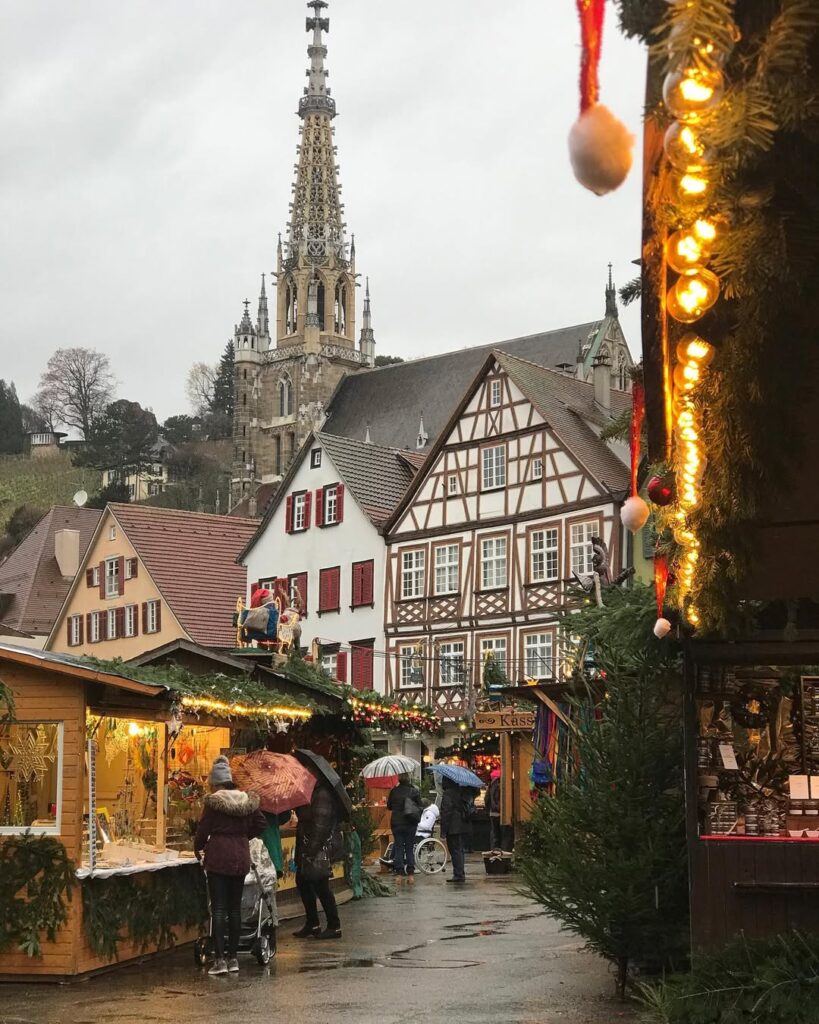
When we relocated to Stuttgart, Germany, one of our goals was to visit as many Christmas markets as possible during our stay. While we explored many places across Europe, there was one market we couldn’t resist returning to year after year—the Esslingen Medieval Christmas Market in Esslingen, Germany.
Unlike many markets that felt similar with traditional German foods, rides for children, and rows of market stalls, Esslingen stood out for its perfect blend of history and festivity. Set in a town that dates back to 1000 B.C., the market truly takes you back in time. The medieval theme is brought to life in every corner, from the architecture to the costumes of the vendors.
Families will appreciate the kids’ area, which features old-fashioned games like a human-powered Ferris wheel, swings, and a few quirky challenges such as tossing a stone on an egg or shooting an arrow at a castle. There’s even a chance for children to make their own candles in a variety of colors, adding a personal touch to their holiday crafts.
Beyond the children’s area, the market offers a variety of entertainment, with stages showcasing lively performances. For something a little more relaxing, there’s even an area where visitors can enjoy a hot bath in the middle of the market—complete with privacy curtains for those who prefer some quiet. On chilly winter days, the idea of soaking in a steaming barrel of water was definitely tempting!
As you wander through, the air is filled with mouthwatering scents from the many food stalls. From slow-cooked pork and roasted corn to savory meat pockets, there’s something to satisfy every appetite. A family favorite was the gluhbier, a hot spiced beer that quickly became a holiday tradition. Served in handcrafted pottery mugs, you can keep the mug as a memento or return it for a deposit.
14. Munich’s Christmas Markets: A Festive Wonderland Across the City
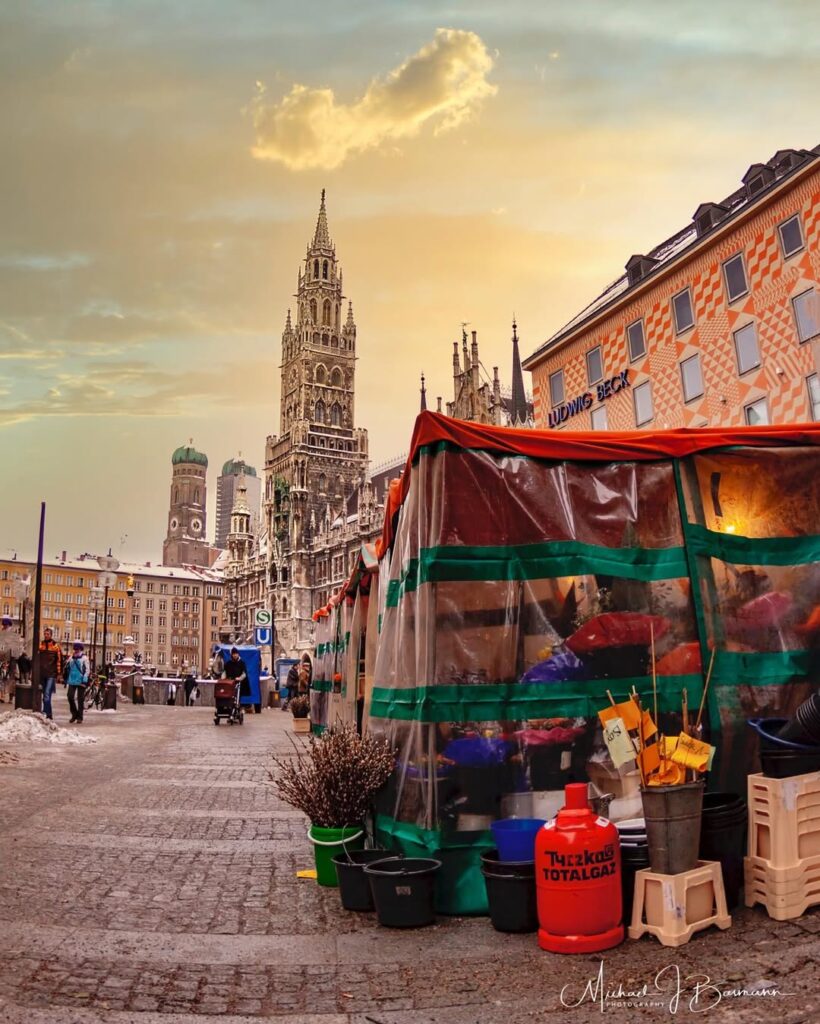
Munich is the ultimate destination for Christmas in Germany, with its markets scattered throughout the city, each offering a distinct atmosphere and charm. Whether you’re a first-time visitor or a seasoned traveler, Munich’s Christmas spirit is impossible to miss.
The main Christmas market takes place in Marienplatz, Munich’s central square. Here, the towering glockenspiel and the grand Christmas tree provide a stunning backdrop as stalls line the square, offering a vast selection of German crafts, foods, and drinks. While this market is the easiest to access for tourists, it’s also the busiest, so expect large crowds.
For a more intimate experience, we suggest visiting the Residenz Christmas market, located at the former home of Munich’s royalty. Set in a beautiful courtyard, this market offers a sheltered retreat from the winter chill, with musicians performing carols, and vendors serving up glühwein, holiday treats, and handmade goods like candied nuts and paper stars.
In addition to these two major markets, there are eight other markets scattered across the city, each with its own special offerings. From the festive ambiance at the Chinese Tower in the English Garden to the food stalls at Viktualienmarkt, every market has something different to explore. Munich’s Christmas markets are sure to provide an unforgettable holiday experience.
15. Altötting Christmas Market: A Hidden Gem in Bavaria
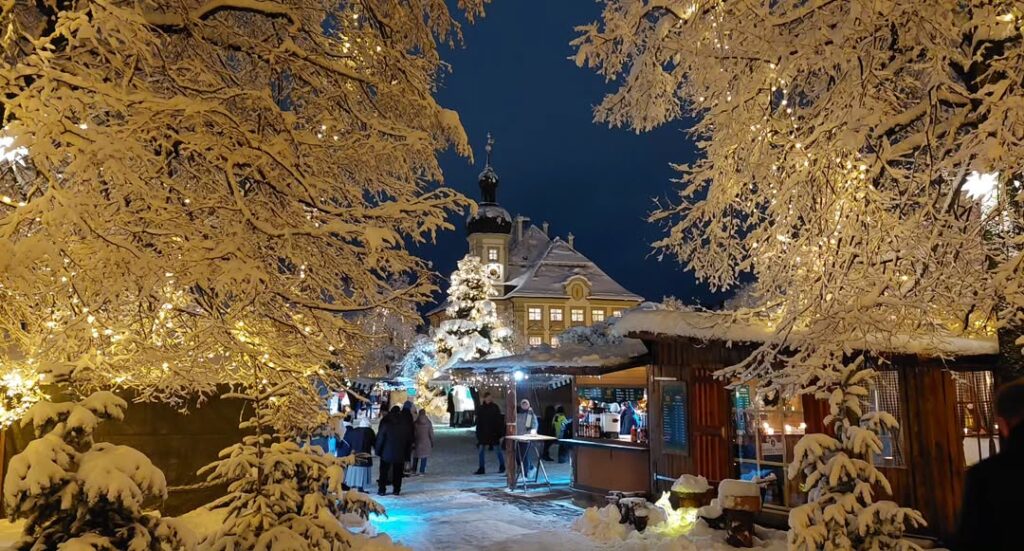
One of my favorite Christmas markets in Germany isn’t large, but that’s exactly what makes it so delightful. Located in the small Bavarian town of Altötting, this market captures the essence of a cozy, intimate holiday experience.
Altötting has been a pilgrimage site for centuries. The town’s central chapel, housing a revered statue of the Madonna, is said to perform miracles for those who pray to her. Pilgrims make their way here every year on foot, and the chapel is considered one of the most significant shrines in Europe, ranking alongside places like Fatima, Loreto, and Lourdes. It’s not hard to see why this town holds such a deep spiritual significance.
As Christmas approaches, the town square transforms into a charming market scene with wooden stalls, greenery, and towering Christmas trees. You can wander through paths lit with festive lights, taking in the stunning decorations, nativity scenes, and glass baubles for Christmas trees. Other stalls offer a vast selection of aromatic candles and incense that fill the air with a pleasant scent.
What truly stands out for me, though, is the smell of freshly baked gingerbread, cookies, and Christmas Stollen. This rich fruitcake requires weeks of preparation to develop its full flavor, rewarding those who wait with a deep, satisfying taste. A local specialty I adore is the “Sterntaler,” a star-shaped crumpet filled with delightful fillings. My personal favorite is the version filled with cherries and liquor—an ideal Christmas treat.
16. Regensburg’s Christmas Markets: A Festive Journey Through the City
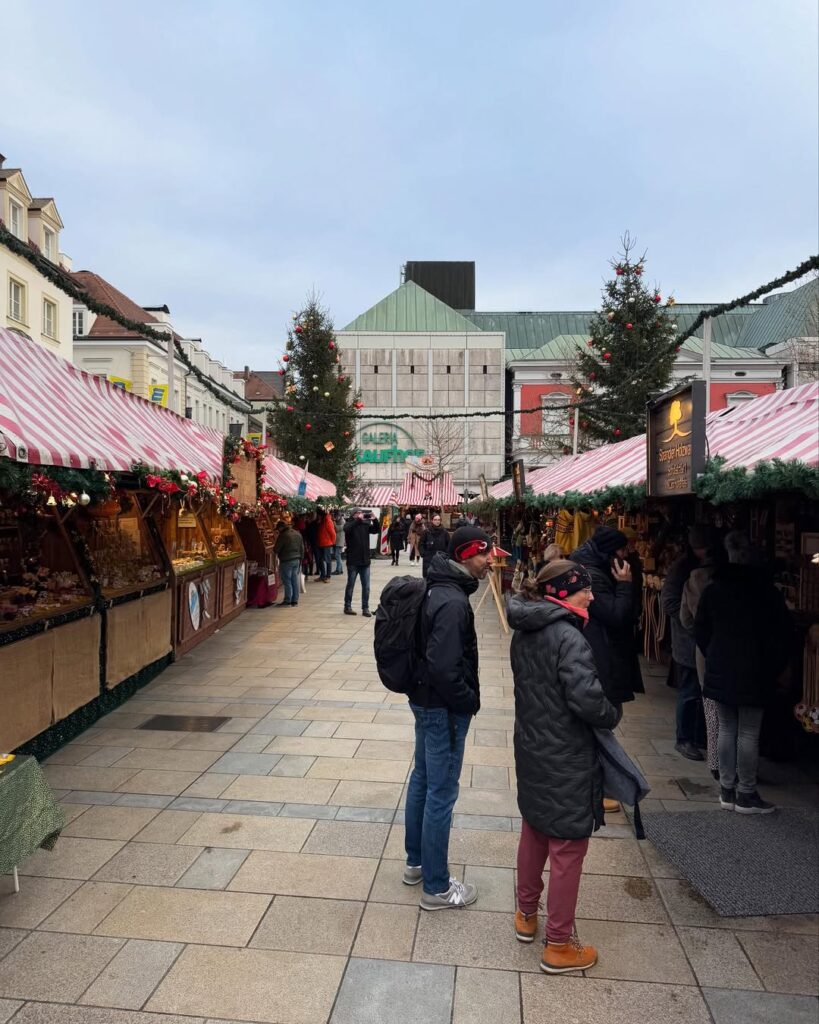
Regensburg, a charming city in Bavaria, is known for its lively festivals and welcoming atmosphere. Throughout the year, visitors flock to the city to enjoy various traditional German events. However, it’s the Christmas markets that truly set Regensburg apart, making it a must-see destination for anyone looking to embrace the festive season.
Rather than having one massive market, Regensburg boasts over six distinct Christmas markets scattered across its charming, walkable streets. The beauty of the city is that it’s easy to navigate, and you can hop from one market to the next in just a few minutes. Each market offers something different, so your experience can vary from one to the next.
One market might feature all the classic Christmas market fare—ornaments, trinkets, and festive treats—while another may focus on handcrafted local goods like jewelry and pottery. For a more romantic atmosphere, visit the market held in the middle of a grand palace. Another stop offers a scenic view over the Danube and Dom, where you can enjoy the festive sights while petting sheep and sipping on a Feuerzangenbowle, a mulled wine concoction with a flaming rum-soaked sugar cube.
Whether you visit one market or tour them all, Regensburg’s Christmas markets will certainly get you into the holiday spirit.
17. Ravenna Gorge Christmas Market: A Magical Experience in the Black Forest
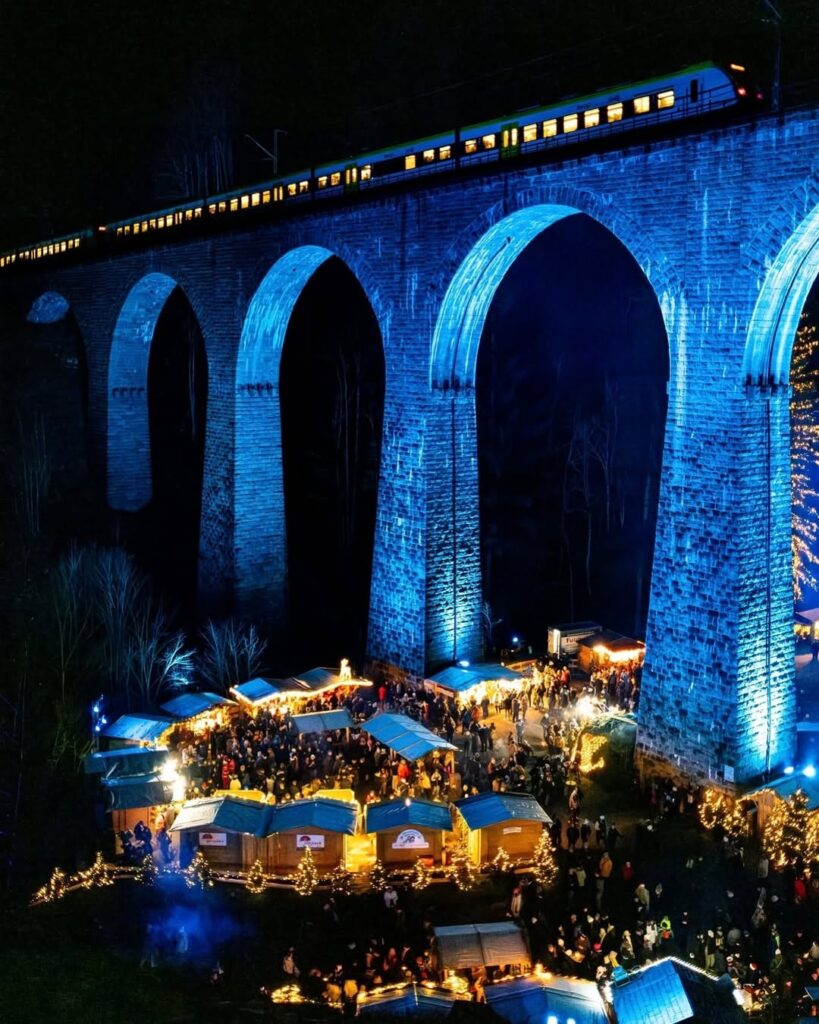
Deep within the Black Forest, around a 45-minute drive from Freiburg, Germany, lies the Ravenna Gorge Christmas Market. What makes this market so remarkable is not just the festive offerings, but its jaw-dropping location.
While you’ll find all the familiar Christmas market staples—crafts, decorations, delicious food, and warm mulled wine—the real draw here is the setting. This market is nestled in a deep gorge, with the iconic 130-foot Devils Valley Railway Bridge towering above it. The bridge, lit in vibrant Christmas colors like red, green, and blue, creates a one-of-a-kind atmosphere that is hard to match anywhere else in Europe.
For an authentic experience, grab a cup of wine and gather around one of the fire drums, enjoying traditional music while soaking in the stunning views. Keep in mind that the weather can be freezing, so bundle up before you head out to this breathtaking spot.
A surprising twist at this market is the entry fee of 3.50 euros, which helps maintain the market’s special charm. Parking is limited, so it’s a good idea to book in advance to ensure you can enjoy this unforgettable holiday experience.
Lastly
Whether you’re chasing the big-name lights of Nuremberg and Cologne or slipping into smaller gems like Trier and Ravenna Gorge, Germany’s markets make December feel downright magical.
Pick one region, string a few cities together by train, and aim for weekday evenings for lighter crowds. Pack cash for snacks and pfand mug deposits, bring a tote for ornaments, and let the Glühwein keep your hands warm while a brass band does the rest.
If you’ve been before, tell me your standout stalls or towns in the comments; if it’s your first time, which market is calling your name? Save this guide for later and share it with a friend who’s plotting a Christmas trip. Frohe Weihnachten and happy market-hopping.