
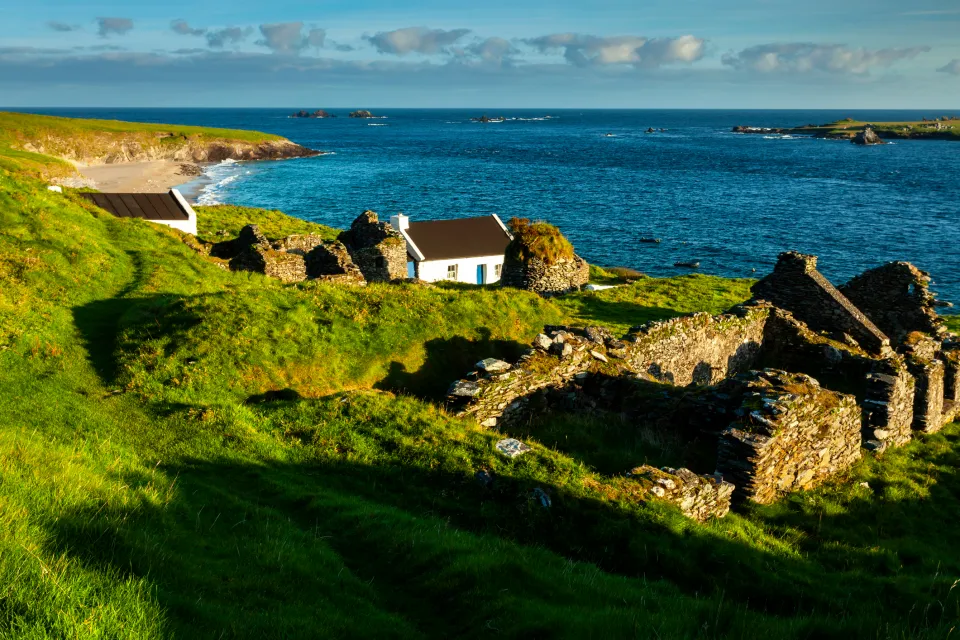
For centuries, Ireland’s islands have been home to fishing villages, farming communities, and storytellers who have preserved some of the most authentic aspects of Irish culture. Yet over time, many of these remote places have faced population decline, with younger generations moving to cities or emigrating abroad.
Now, Ireland is offering a bold initiative designed to breathe life back into these communities: the “Our Living Islands” program. Under this scheme, homeowners or buyers can access up to €84,000 (about $90,000 USD) in grants to refurbish abandoned or derelict homes on eligible offshore islands. The program has sparked worldwide attention, often reported under headlines like “Ireland will pay you $90,000 to move to an island.” But the reality is both more nuanced—and more interesting—than the headlines suggest.
This guide breaks down exactly what the program is, who can qualify, what life on these islands is really like, and what misconceptions you should be aware of before dreaming about your own stone cottage on the Atlantic.
What Is the “Our Living Islands” Program?
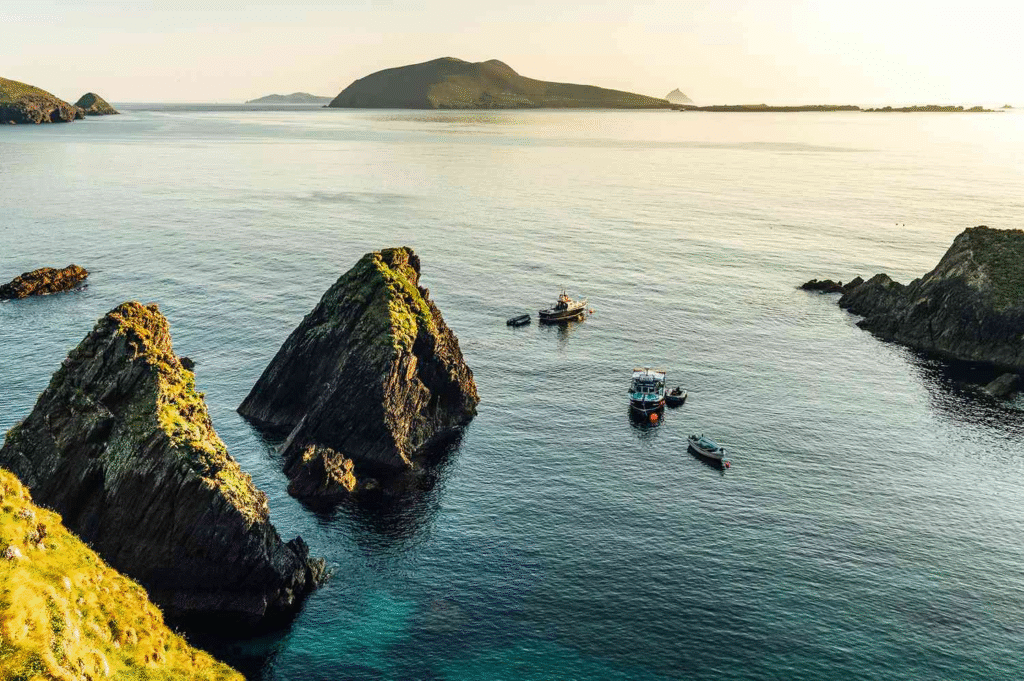
Launched in 2023, Our Living Islands is a 10-year national policy developed by Ireland’s Department of Rural and Community Development. Its goal is to revitalize island life, ensuring that permanent residents can thrive while preserving cultural heritage and natural landscapes.
The program is supported by the Croí Cónaithe (Vacant Property Refurbishment) Grant Scheme, which allocates funding to restore derelict or long-vacant properties. The government sees this as a way to tackle housing shortages, prevent historic properties from falling into ruin, and encourage more full-time residents to settle in these communities.
Far from being a gimmick, the program is part of a broader strategy involving 80 policy actions—including improvements to healthcare, education, broadband access, and infrastructure on Ireland’s islands.
How the Grant Works
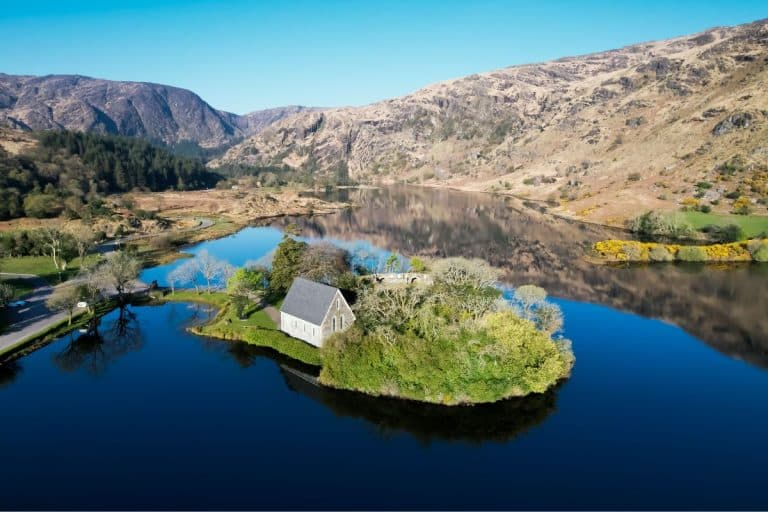
Here are the core details of the grant:
- Funding Amount: Up to €50,000 for refurbishing a vacant home, and up to €84,000 if the property is derelict (meaning structurally unsound and requiring significant work).
- Eligible Properties: Homes must be built before 1993 and vacant for at least two years. Properties must be located on one of the designated islands included in the initiative.
- Use of Funds: The grant is strictly for refurbishment costs—covering work such as structural repairs, roofing, plumbing, electrical systems, and making the home habitable.
- Primary Residence Only: The renovated home must be used as your principal residence. Short-term rentals or vacation properties are not eligible.
This means the grant isn’t a free paycheck—it’s an investment to bring old homes back into use for people who are committed to living there full-time.
Who Can Apply?
This is where many misconceptions begin. The grant is open to:
- Current homeowners who own a vacant or derelict property on one of the designated islands.
- New buyers who purchase such a property and commit to restoring and living in it as their primary home.
However, there is a key condition: you must already be legally entitled to live in Ireland.
That means:
- Citizens of Ireland or the EU automatically qualify.
- Non-EU citizens must secure residency rights through existing visa programs (such as a Stamp 0 visa for retirees or through Irish ancestry if eligible).
- Simply buying property in Ireland does not grant you residency or citizenship.
Misconceptions About the Program
Headlines like “Ireland will pay you $90,000 to move to an island” are catchy but misleading. Here’s what’s important to understand:
- It’s not a relocation allowance. The government isn’t paying people just to pack up and move. The funds are specifically tied to renovation projects.
- It’s not open immigration. This program doesn’t bypass Ireland’s immigration laws. You still need the right to reside before applying.
- It’s not for holiday homes. If your dream is an Airbnb on a windswept cliff, this grant isn’t for you. It’s for people willing to make these islands their true home.
In short, this is about sustainable community development, not tourism or quick real estate investment.
Which Islands Are Included?
The eligible islands are those that lack permanent mainland connections like bridges or causeways. In other words, they’re accessible only by boat or (in some cases) small aircraft.
Some of the better-known islands include:
- Arranmore Island (Donegal): Known for its rugged landscapes and strong community spirit.
- Clare Island (Mayo): Once the stronghold of pirate queen Grace O’Malley, with stunning cliffs and hiking trails.
- Bere Island (Cork): A peaceful island with military history and hiking loops overlooking Bantry Bay.
- Inis Mór (Aran Islands, Galway): Famous for ancient stone forts, traditional Irish culture, and dramatic Atlantic views.
Life here is breathtakingly scenic but also shaped by weather, ferry timetables, and small-community dynamics.
What Life on These Islands Is Really Like
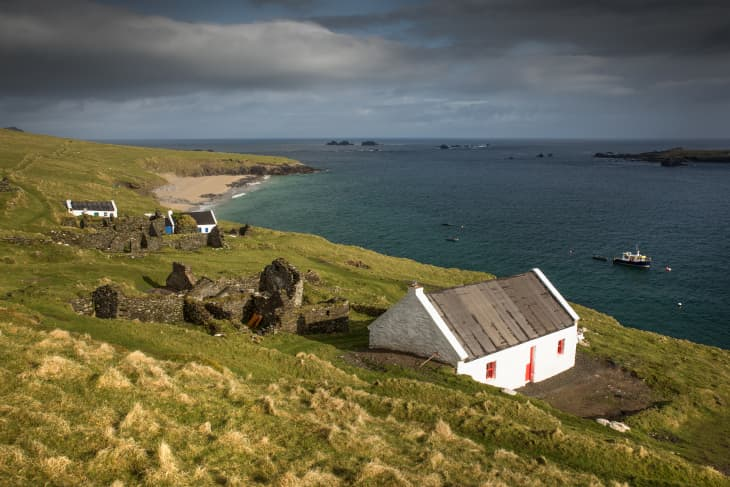
If you’re imagining a romantic cottage with ocean views, that’s partly true. But island living comes with both benefits and challenges.
Pros:
- Unspoiled natural beauty—ocean cliffs, wildflowers, and a slower pace of life.
- Tight-knit communities where neighbors know and support one another.
- A chance to immerse yourself in Irish language, culture, and history.
- Growing digital connectivity as Ireland expands rural broadband access.
Cons:
- Limited access to shops, healthcare, and schools—though improvements are underway.
- Dependence on ferries for supplies and travel, which can be disrupted by weather.
- Small populations mean fewer job opportunities, unless you work remotely.
- Harsh winters and exposure to Atlantic storms.
For some, these challenges are part of the appeal—life here is quieter, slower, and closer to nature. For others, the realities may be too isolating.
Why Ireland Is Doing This
Ireland’s islands have seen their populations shrink dramatically over the past century. Young people often move away for education or work, leaving older populations behind. Abandoned homes fall into disrepair, creating a cycle of decline.
By offering refurbishment grants, the government hopes to:
- Revive local economies by creating construction work and attracting new residents.
- Preserve cultural heritage by saving historic homes and sustaining communities.
- Encourage sustainable living with modernized housing, renewable energy, and improved services.
It’s not just about saving buildings—it’s about keeping island life vibrant for future generations.
How to Get Started
If you’re interested, here’s the process in simple steps:
- Check your eligibility – You need Irish or EU residency, or a valid visa.
- Find a property – Vacant Home Officers in local councils can help identify eligible homes.
- Apply for the grant – Through your local authority, with plans and cost estimates for the refurbishment.
- Commit to living there – The property must become your main residence once restored.
Final Thoughts
The idea of Ireland “paying you $90,000 to move to an island” has captured the world’s imagination—but the reality is more grounded. The Our Living Islands program is about restoring abandoned homes, revitalizing small communities, and sustaining Irish island life for the long term.
For the right person—someone with the legal right to live in Ireland, financial stability, and a passion for rural life—it could be the chance of a lifetime. But it requires commitment, adaptability, and a willingness to embrace the challenges of island living.
In the end, the program isn’t about free money or easy relocation. It’s about investing in Ireland’s future while offering a rare opportunity to make one of the world’s most beautiful, remote landscapes your home.





please send all info
Please send info to [email protected]
I want to get my family out of the USA before it’s too bad.
Need assistance
How can I get involved in doing the flooring and shower remodels for this. Also I am from the United States. If it’s possible to go there to do the work please let me know.
I am a 48 year old man. Wife, son daughter, and 3 stepdaughters and would absolutely jump at the opportunity. If I had internet access I could relocate and work remotely, meaning I would be financially independent and would love to revive one of these areas with my Irish Blood line and return to the Motherland and leave this Horrible Dumpster Fire of a Country that is falling like the Roman Empire
What about the details? Who owns the property? Do you pay rent? How long is the contract to stay in the house, etc?
You didn’t read.
I live in the US but have dual citizenship in Portugal. Do I qualify?
More info on properties in Cork please
I would love the opportunity to relocate and build an island. I’m a registered nurse and would love to be able to provide localised healthcare within my limitations of course. I just don’t have the funds to buy a property in the first place let alone remodel it 🥺
Knowing there would be a registered nurse on the island greatly improves My desire to relocate.
Can I do this if I’m 65?
Retired United States Marine and a retired Foreman for major construction. Have plenty of knowledge in electrical, plumbing and structural issues. Have been looking to live abroad for several years and this looks like the perfect opportunity. Single, both children are in college. Looking for long term residency in a quiet, slow pace, yet physically challenging environment.
Can i live and labor there I want to go there in Ireland it will be my first time to travel and live outside The Philippines 🇵🇭
I’m a 54 year old native American stat Irish the seating and my great great great great great grandfather is literally the last king of Scotland and accept you if you had to buy his own people and whatever but that would establish Irish and Scottish answers ancestry right
Looking interested …
Where can we go to learn more, and to list ourselves, our experience etc, to get a better grasp of what to expect, and what’s possible?
Thank you.
YES. A Challenge.
Yes im in
Can I do this if I’m from the USA and I am 40 with my parents who are 70& 73 also might I mention I am a tile setter and so is my father and yes he still works circles around the young guys. So we have experience in home improvement