

It can feel confusing to know what to bring when you’re car camping for the first time. I remember my own start vividly—half excitement, half uncertainty. Over time, I learned through trial and error what’s truly necessary for comfortable nights on the road and what can easily stay at home.
When I began planning my first cross-country car-camping road trip, I spent weeks scrolling through endless guides and packing checklists. Each one claimed to be the ultimate list, but every version was different. The sheer number of suggested items felt heavier than my luggage ever would—and far more expensive.
I ended up buying piles of gear, only to realize that much of it never left the backseat. A lot of what those guides recommend works better for tent campers deep in the wilderness, not for travelers parking overnight in public areas or small towns. I found myself sleeping in lots, stopping frequently, and learning quickly that simplicity made life easier.
Over time, I discovered that the essentials for car camping are surprisingly few. Some gear proved invaluable and continues to serve me on later trips, while other purchases gathered dust. The best part is that the right items—sturdy cookware, a reliable power source, or a warm blanket—become trusted companions for years, always ready for the next adventure under the open sky.
In this guide, I’ll share what truly worked for me, along with the gear I could have skipped. Whether you’re heading out for a weekend or a cross-country escape, this will help you pack smarter, travel lighter, and make the most of every stop along the way.
What Exactly Is Car Camping?
The most important thing before you start loading your car is knowing what type of car camping you’ll be doing. That one decision changes everything—from the amount of gear you bring to how you plan each stop.
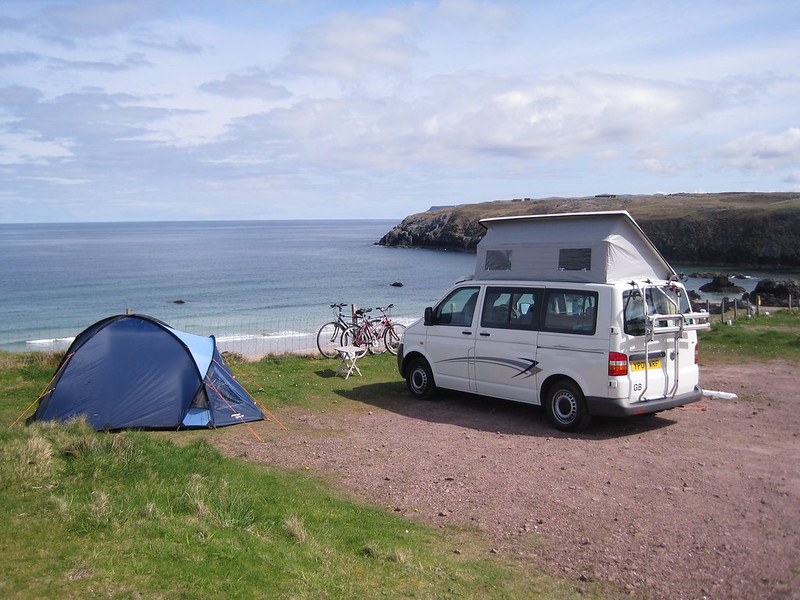
Car camping can mean two different experiences. The first is sleeping right inside your vehicle in a legal spot—perhaps near a neighborhood curb, a Walmart, a Cracker Barrel, a travel plaza, or even public land that allows overnight stays. The second version involves pulling up to a campground and pitching a tent beside your car. Though both share the same name, they call for very different setups.
Sleeping in a tent usually means you’ll want more equipment: things like a sleeping pad, camp stove, and lighting for your site. Sleeping in your car, however, often focuses on comfort and space management—good bedding, organization bins, and privacy covers become essential.
Car camping is ideal for travelers who prefer to bring along bulkier comforts—a sturdy chair, a cooler, maybe even a portable fan. For me, though, traveling solo changes the equation. I rarely build an elaborate site. Instead, I keep my setup simple and avoid drawing attention, especially when staying overnight in public areas. Unless I’ve booked a proper campsite, I tend to rotate between lots, explore during the day, and move again once the sun dips.
Because I often plan trips spontaneously, established campsites are frequently full by the time I’m ready to hit the road. That unpredictability taught me to stay flexible and make the best of wherever I can legally park. Whether you’re a planner or a spur-of-the-moment traveler, understanding your own approach to car camping helps you choose the right gear—and keeps life on the road smoother, lighter, and far more rewarding.
1. Packing Smart for Campsite Car Camping
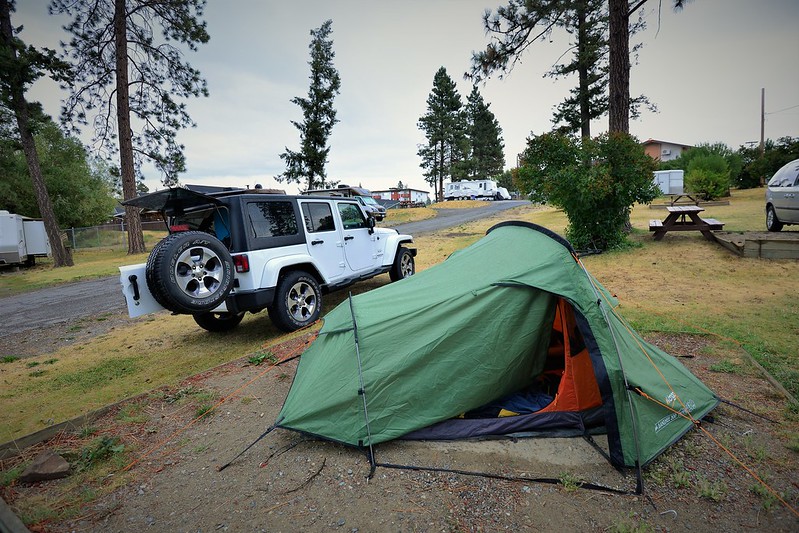
If you’re planning to car camp at a designated site—whether it’s a state park, national park, or land managed by the Bureau of Land Management—you’ll need a few more essentials than someone simply sleeping inside their vehicle. Think of the basics: a reliable tent, sleeping bag, sleeping pad, camp stove, chairs, and a foldable table in case the site doesn’t provide one. These items help create a comfortable and organized outdoor setup that feels like a temporary home.
Personally, I tend to keep things simpler. Most of my nights on the road are brief stops, just one or two nights in each place. I usually rest inside my car rather than setting up a full campsite. Even at developed campgrounds, I rarely unpack chairs, tables, or stoves. My trips are spontaneous, and that often means I miss out on reserving those sought-after campsites within major parks—many of which require booking several months ahead.
When I do manage to secure a spot, I always aim for a drive-up campsite where my car is parked beside the tent area. It’s a small detail that makes a big difference in convenience, especially when loading or unloading gear. However, some national parks have specific regulations that prohibit sleeping inside your car—even if you have a tent site reservation. While enforcement can vary, it’s something worth checking before you settle in for the night.
Whether you prefer a minimalist setup or a classic campground experience, understanding these distinctions will help you pack wisely, stay within park guidelines, and make each stop on your journey as smooth as possible.
Fresh Water Supply
Fresh water sits at the very top of any car camping checklist—it’s the one thing you can’t compromise on. Keeping your body hydrated is vital, especially if your journey takes you through hotter regions where the sun drains energy fast. Aim for at least two liters, or roughly 64 ounces, each day to keep your system functioning smoothly.
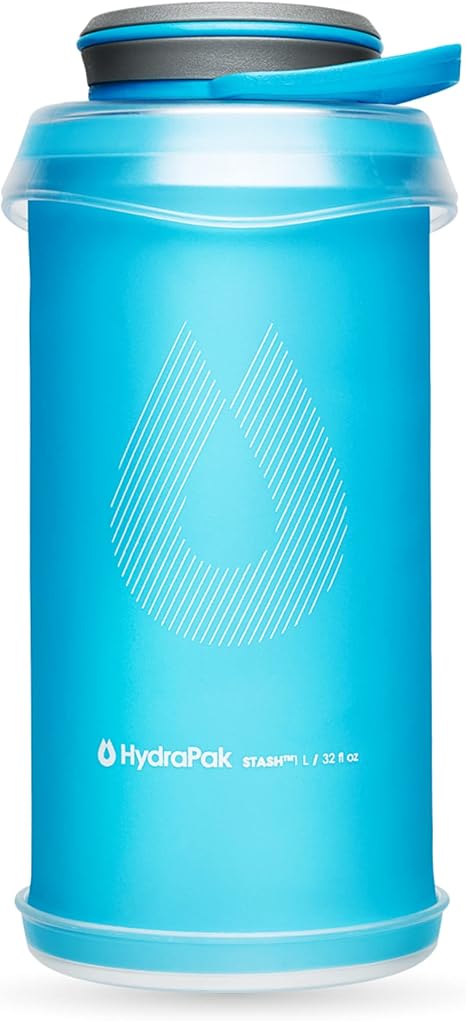
I always travel with a sturdy 5-gallon refillable jug. It’s simple to top it up at grocery stores, campgrounds, or anywhere that provides safe drinking water. This setup keeps me from running dry even in remote spots. Alongside that, I carry a 32-ounce reusable bottle—one that seals tightly so there’s no chance of leaks inside the car. For hiking days, I switch to a hydration pack and a collapsible bottle that tucks away neatly when empty.
Lately, I’ve been using the 40-ounce Hydro Flask All Around Travel Tumbler. It’s fantastic for long drives, keeping water cool for hours and reducing plastic waste. However, it isn’t fully leakproof, so I reserve it for in-car use rather than tossing it in a backpack.
Having different water containers for different situations—driving, hiking, or cooking—saves time and keeps life on the road far more manageable. Simple habits like refilling before sunset or topping up during grocery stops make a real difference in how effortless your camping routine feels.
Portable Rinse Kit
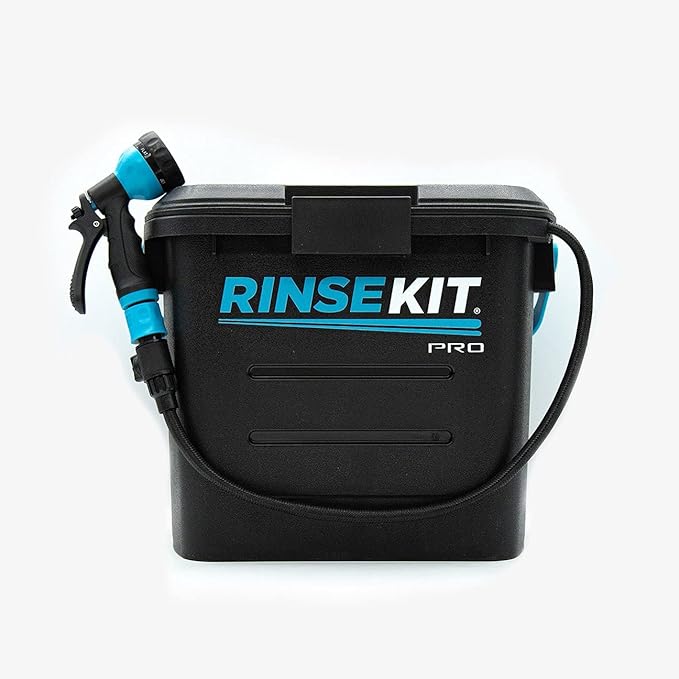
One item that has earned a permanent spot in my car camping setup is the 3.5-gallon Rinse Kit—a compact, pressurized water system that handles a surprising range of cleaning tasks. It’s meant for outdoor showers, but I’ve found it far more practical for quick rinses, washing hands and face, brushing teeth, and cleaning dishes after a meal.
Even though it’s capable of full showers, I rarely use it that way. My camping style leans toward minimalism, so I skip daily showers while on the road. Instead, I keep up basic hygiene with regular face washes and twice-daily tooth brushing. For full showers, I usually stop at a Planet Fitness gym every few days, which has become a dependable routine during extended trips.
The Rinse Kit has proven to be one of my most dependable car camping tools—it makes staying clean simple without needing fancy facilities. Having access to pressurized water wherever I park brings a sense of freshness that genuinely elevates life on the move.
2. Compact Cooking Setup for Car Camping
If your plan involves staying several days at a single campsite, setting up a small outdoor kitchen can make your trip far more comfortable. A portable propane stove is an excellent choice for those extended stays—it allows you to cook hearty meals without relying on nearby facilities and adds a pleasant sense of normalcy to life outdoors.
For my style of travel, constant movement means I keep my cooking gear minimal. My go-to items are a compact electric kettle and a reliable cooler. They’re ideal for quick meals, coffee breaks, and keeping perishables safe while driving between destinations. Since I often sample local food while exploring new towns, I rarely use a propane stove anymore.
However, if you’re camping off-grid or in places without power access, a propane stove remains the most practical cooking option. It gives you the flexibility to prepare warm meals anywhere, from quiet forest pullouts to remote desert stops—proving that a simple setup can still offer a satisfying sense of comfort on the road.
Jetboil Mini Cooking System
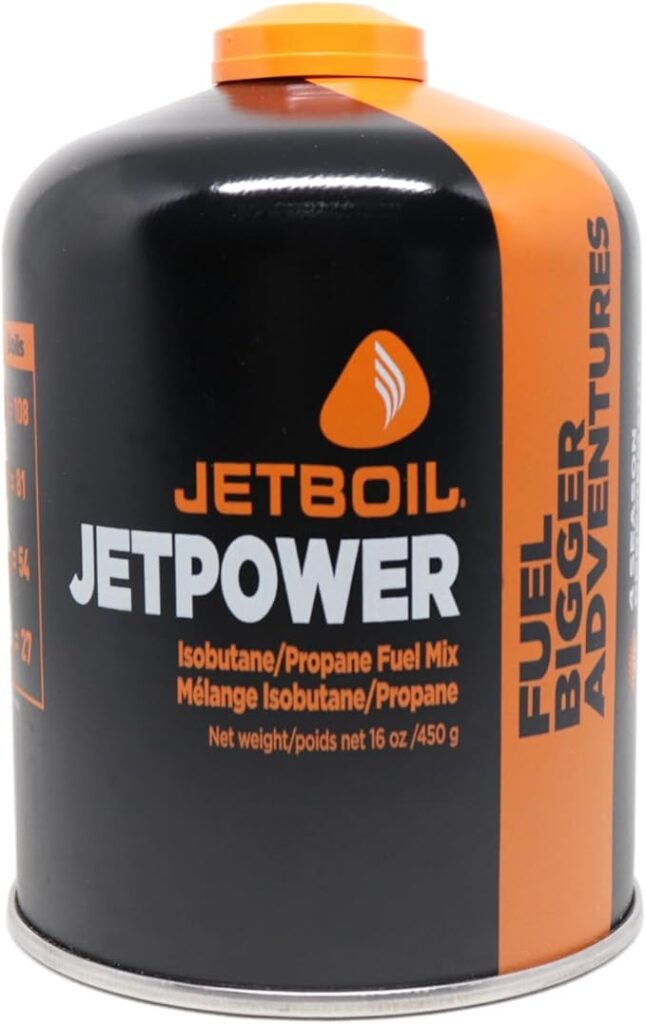
Lightweight and efficient, a small propane stove is ideal for heating water or preparing quick, single-portion meals. It doesn’t take up much space and performs reliably even in outdoor conditions. To operate it, you’ll need a compact propane canister and a lighter—simple tools that make it easy to cook wherever the road leads.
Double Burner Camping Stove
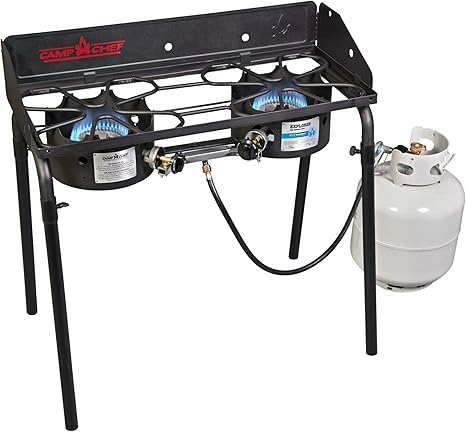
I have a compact double burner stove—rarely used but great for cooking larger meals. It’s ideal for sautéing or boiling water simultaneously. You’ll need a propane tank and a lighter to operate it, making it better suited for longer stays or travelers who cook more often outdoors.
Portable Electric Kettle
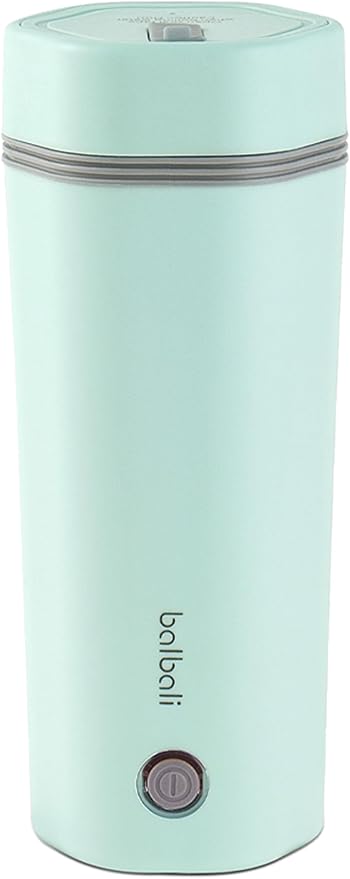
I recently added a small electric kettle to my gear, and it’s been surprisingly practical for quick meals inside the car. It heats water fast—perfect for oatmeal, instant soups, or noodles during early mornings on the road. Paired with my Jackery power station, it runs smoothly without needing a campfire or propane setup.
Since it requires an outlet, you can also connect it through your car battery using a power converter. Just check that the converter supports the correct wattage and voltage for the kettle to prevent overload. It’s a compact, time-saving tool that makes simple road meals feel a bit more comfortable.
Java Drip Coffee Maker
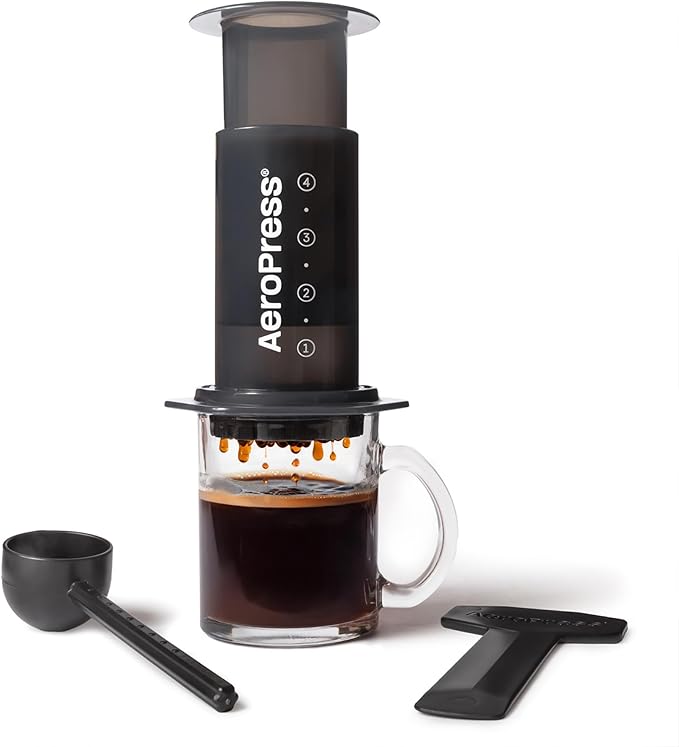
For those who can’t start the day without caffeine, the AeroPress Go Travel Coffee Press is a compact and clever option. I can’t personally vouch for it since I don’t drink coffee, but many of my backpacking friends swear by its convenience and flavor quality. It’s lightweight, quick to clean, and perfect for travelers who need their morning brew even miles from a café.
If you plan to cook your own meals, having the right utensils transforms car camping from survival mode into something genuinely comfortable. With a small burner stove, you can easily prepare satisfying meals that rival your home kitchen. Make sure there’s a nearby water source—it makes washing dishes far simpler.
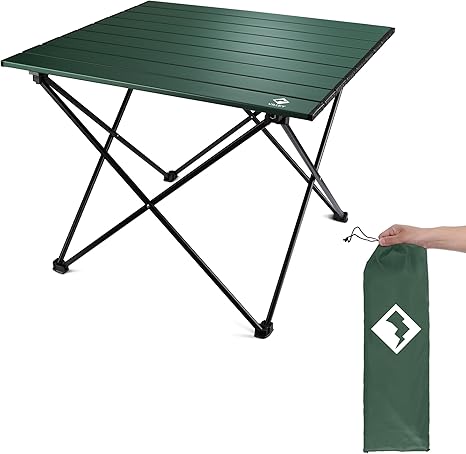
A flat surface is key for safe cooking. Many campgrounds provide picnic tables, but if you’re camping on public land or backcountry roads, a foldable table is a smart investment. Below is a list of items that make your camp kitchen practical and efficient:
- Camp stove + fuel + lighter
- Collapsible chair for cooking or relaxing
- Foldable or picnic table for setting up a stove
- Reusable mess kit (plate, bowl, utensils, mug)
- Paring knife or knife set
- Frying pan
- Cooking utensil set
- Sponge or cleaning cloth
- Cutting board
- Reusable or compostable bags for leftovers
- Biodegradable dish soap
- Compact cookware or all-in-one cooking set
- Wash bin for easy cleanup
- Towels, napkins, or paper towels
Having these essentials turns outdoor meals into moments of comfort and simplicity. With a bit of preparation, car camping meals can feel less like a compromise and more like a satisfying part of the adventure itself.
3. Food and Snacks for Car Camping
Don’t overlook food when organizing your car camping essentials—it’s one of those things that can make or break a trip. After countless miles and plenty of trial and error, I’ve finally refined my list of dependable road trip foods. While I often enjoy stopping in towns to taste local dishes, I rely on a core selection of simple, no-fuss options for days when that’s not possible.
Most of my quick meals come from dehydrated or pre-cooked packs—just add hot water or heat briefly, and you’re good to go. These options minimize cleanup, save time, and free you up to enjoy the journey rather than spending it washing dishes or prepping ingredients.
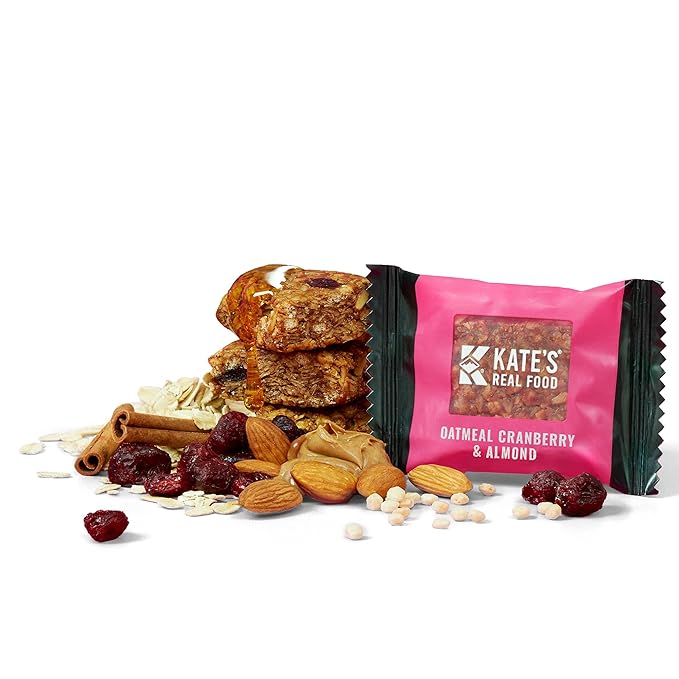
On the Go Car Camping Foods:
- Dehydrated soups
- Boxed soups (refrigerate after opening)
- Maya Kaimal Everyday Dal (pre-cooked meal packets)
- Good To Go food kits
- RX Oatmeal
- Snack bars
- Protein cookies
- Gummy bears
- Tuna lunch kits
For longer stays at established campsites, I switch things up and cook using my propane stove or Wild Wind water boiler. Those setups allow for more variety—soups, grains, or even a quick stir-fry become easy options. I’m putting together a full blog post soon featuring my favorite simple car camping recipes—something to keep your taste buds happy even far from home.
Yeti Roadie 24 Portable Cooler
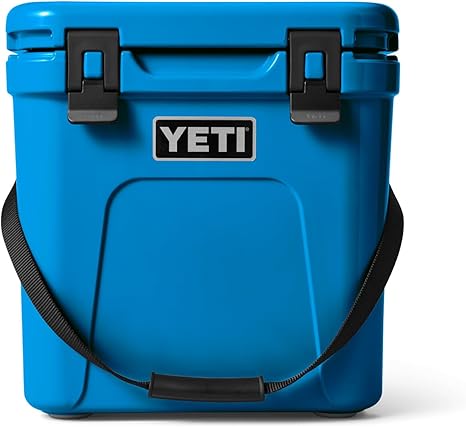
If you enjoy cold drinks as much as I do, investing in a solid cooler makes a real difference. I initially thought about skipping it to save both money and car space—but I’m glad I didn’t. After trying several options, I settled on the Yeti Roadie 24, which fits neatly behind the front seat when it’s pulled forward and features a soft handle that folds down easily. It’s the perfect size for storing essentials like yogurt, fruit, vegetables, cheese, milk, and hard-boiled eggs without cluttering the car.
In the beginning, I paired it with a Yeti ice pack, but constant re-freezing proved impractical on the road. Since that’s not realistic while car camping, I eventually stopped using it. Instead, I rely on regular ice and proper pre-chilling to keep everything cold for days.
I also bought two Yeti dry baskets—useful accessories that keep food above melting ice. They prevent sogginess while maintaining cool temperatures. One basket usually does the job; two take up too much space once the cooler is packed.
Pro Tip: Chill your cooler ahead of time. I prepped my Roadie by adding a pound of ice about three days before my trip, then replaced it with fresh ice right before departure. This simple trick keeps food cool for much longer—even after the ice melts, the interior temperature stays refreshingly low.
4. Bedding and Sleep Essentials
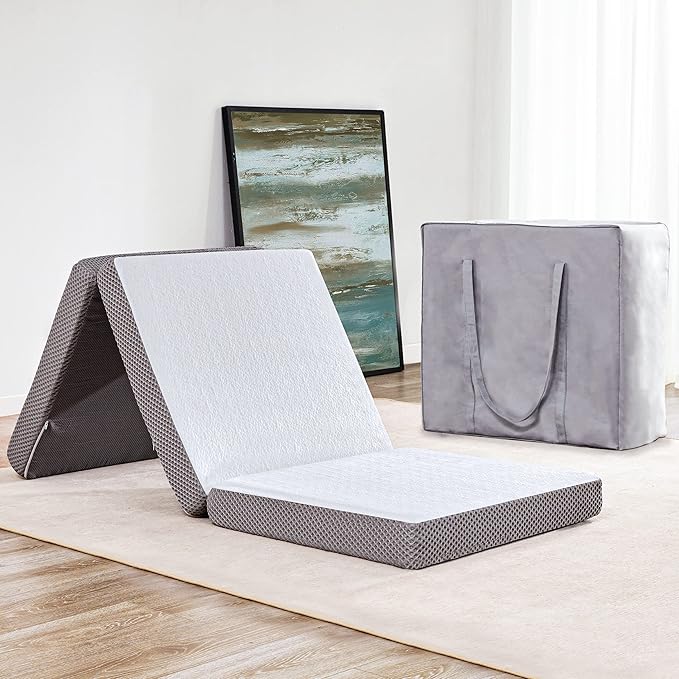
Comfort is the foundation of a good night’s rest while car camping. A quality mattress, soft blanket, reliable sleeping bag, and a few cozy pillows can completely transform the experience. If you have space, adding a simple bed platform helps keep everything flat and stable—especially in vehicles where the seats don’t fold evenly.
In my 2010 Hyundai Santa Fe, the rear seats didn’t lie completely flat, so I built a DIY platform to create an even surface. Sleeping on an incline was far from pleasant, and this small adjustment made a huge difference. Depending on your vehicle’s layout, you may not need a full platform, but investing in a proper mattress is essential. I personally went with a foldable memory foam option trimmed to fit my car—it’s comfortable, easy to store, and adaptable for different setups. Air mattresses or compact sleeping pads are also excellent alternatives for tent campers.
For colder nights, especially when temperatures drop below freezing, I rely on a 20-degree sleeping bag. In warmer months, I switch to a lightweight blanket and sheet, which are more breathable but still comfortable.
Pillows are my favorite part of the setup. I use two full-sized feather pillows—they make the space feel homey and soft. Since you’re inside the car, there’s no risk of moisture ruining them. If you’re camping in a tent or short on space, inflatable or packable camping pillows like the HEST Camp Pillow are great substitutes.
With the right combination of bedding, insulation, and comfort items, your vehicle can feel more like a compact cabin than a car—perfect for recharging after a day on the road.
5. Blackout Window Covers
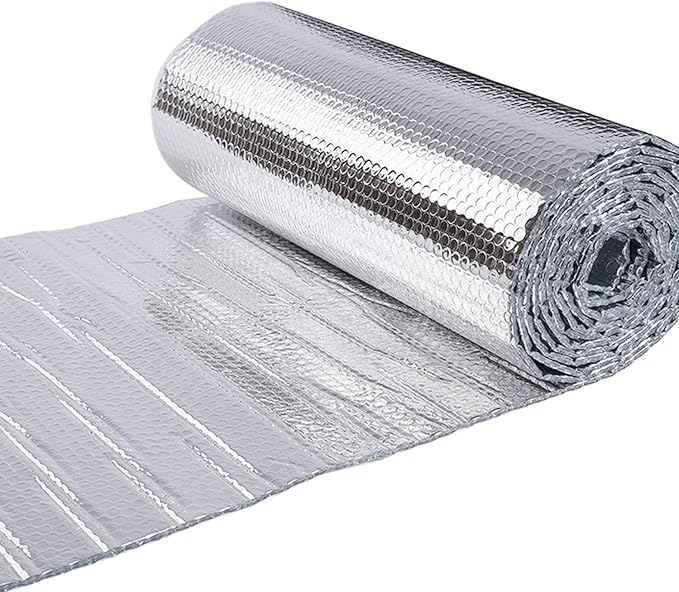
Blackout window covers are a small but essential addition to any car camping setup. They serve multiple purposes—blocking unwanted light, helping regulate interior temperature, maintaining privacy, and reducing visibility from outside, which adds a sense of safety. These simple panels can make your vehicle feel more like a private resting space than just a parked car.
I created my own version using a DIY method. First, I traced each window’s shape on newspaper, then cut matching pieces from Double Reflective Insulation purchased at Home Depot. One side was spray-painted black for discretion, and I attached them to the windows using duct tape. For those who prefer a more precise fit, WeatherTech makes custom shades designed for specific vehicle models, offering a cleaner and more professional look.
Pro Tip: After a few trips, I noticed the spray paint started to flake off, leaving small specks behind. To avoid that, consider gluing a layer of dark fabric on one side instead. A thicker insulation material also works better—it fits snugly without extra tape, though it can be harder to find. Cutting each piece slightly larger than your window helps them stay in place securely without extra effort.
These covers might seem like a minor detail, but they make a major difference in comfort, privacy, and rest quality—especially during early mornings or overnight parking in public areas.
6. Ventilation and Airflow Essentials
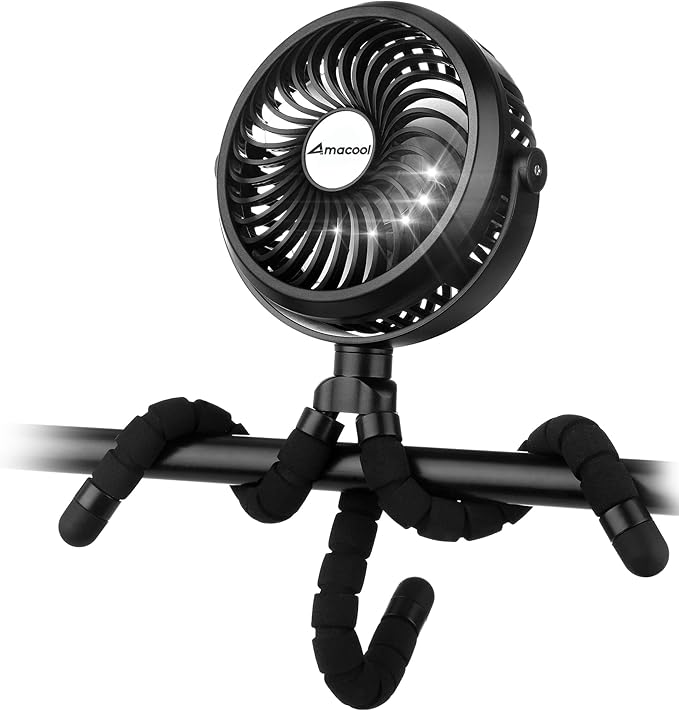
For a comfortable night’s rest in your car, airflow is everything. Adding mesh window covers or a small portable fan to your packing list can dramatically improve ventilation while you sleep. These simple tools allow fresh air to circulate without letting in insects. Avoid idling your engine or leaving the ignition on for air conditioning—doing so wastes fuel, emits harmful fumes, and risks draining your battery overnight.
I use a magnetic mesh sunroof cover that keeps bugs out while allowing just enough fresh air to move through. It’s a clever solution, though warm and humid nights can still be tough. Personally, I avoid car camping in high temperatures; it’s far easier to stay comfortable in cooler weather.
I also have mesh coverings for my side windows. They work best in quiet, dark areas since rolling the windows down invites more light and sound. Parking lots and busy travel centers tend to be too noisy for this setup, so I save them for secluded stops.
On warmer nights, I rely on a portable fan—it’s small but surprisingly effective. Even though I rarely need it, it’s worth packing for those occasional heatwaves. A little preparation goes a long way toward keeping the car’s interior fresh and breathable through the night.
7. Portable Power Source
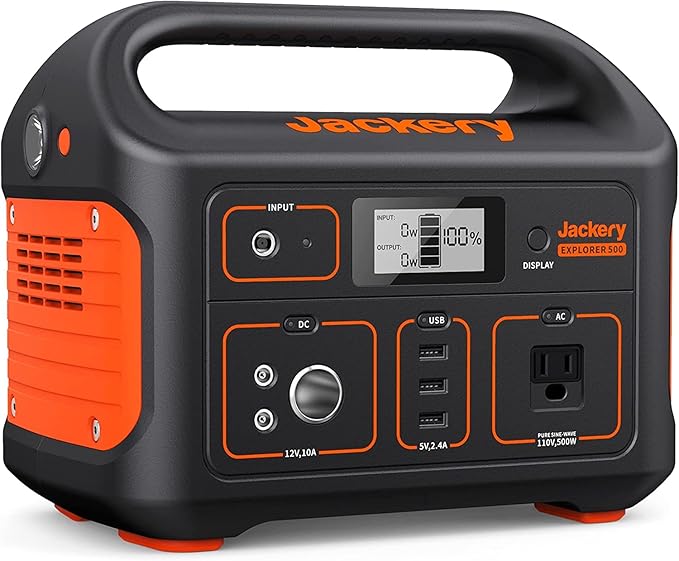
For anyone embarking on a long road trip with electronics in tow, a reliable portable battery is worth every penny. My favorite is the Jackery 500, an ideal option for solo travelers. It handles multiple devices at once—phones, cameras, laptops—and does so efficiently without overheating or slowing down. Despite its power, the compact build fits neatly inside the car and delivers several days of use on a single charge. For reference, running my electric kettle only drains about ten percent of its capacity each time.
Initially, I hesitated to buy it, thinking my car outlets would be enough. But after testing, I realized how slow those built-in ports were. The Jackery solved that problem instantly—it’s fast, dependable, and easy to recharge while driving.
There’s also an optional solar panel accessory, available in different sizes. I bought it but rarely use it since my road style involves frequent driving. However, for extended stays or off-grid camping under steady sunlight, those panels can keep your power station running without interruption. If your trips last several days without access to charging, consider upgrading to the Jackery 1000 for extra capacity.
A solid power source like this doesn’t just make life easier—it keeps every essential device running smoothly, no matter how far you travel.
8. Lighting for Car Camping
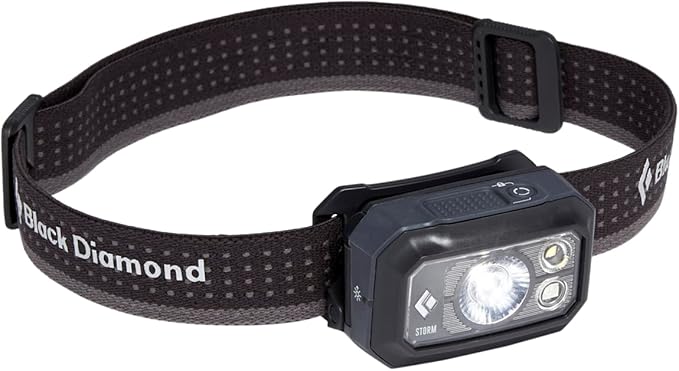
Good lighting makes a huge difference during car camping nights. I’m a big fan of hands-free headlamps—they leave your hands open for cooking, organizing gear, or setting up camp after sunset. Alongside that, I keep a few pop-up lanterns and a solar-powered one for added convenience. They’re lightweight, easy to store, and reliable even on longer trips.
I usually hang the lanterns using an S-hook from my car’s handrail so they’re within reach or place them on a picnic table while eating or reading. Their compact design makes them ideal for small spaces, and the long-lasting LED glow provides consistent brightness throughout the night.
These lights are also useful beyond the car. Whether it’s hiking after dark or making a quick walk to the campground restroom, having portable illumination gives you confidence and safety. Simple, durable, and efficient—these small lighting tools bring both comfort and practicality to life on the road.
9. Car Protection and Safety Essentials
You never truly know what situations you might encounter on the road, so it’s wise to stay prepared. Keeping your vehicle in good condition through regular maintenance is your first line of defense. Beyond that, a few reliable tools and safety items can make a huge difference during emergencies or unexpected detours.
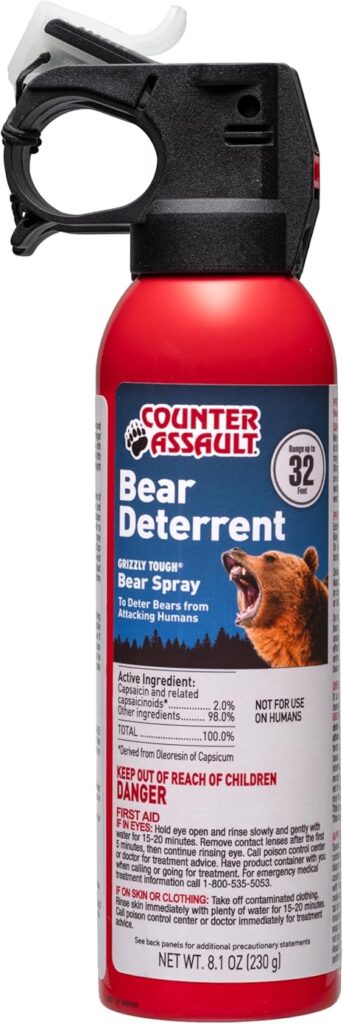
Car and Personal Safety Checklist:
- Bear spray (if traveling in wildlife areas)
- AAA Membership or roadside assistance plan
- Flat tire repair kit
- Jumper cables or portable battery starter
- Car user manual
- Mace or personal alarm
- First aid kit
- Offline Google Maps or printed maps
As a solo female traveler, I follow a consistent safety routine every trip. Awareness is key—trust your instincts and always keep a backup plan if a location feels uncomfortable. Over the years, I’ve experienced minor inconveniences like dead batteries or flat tires, but nothing serious. Maintaining basic car knowledge, preparing for small setbacks, and having reliable communication tools create a strong sense of security for both me and my family.
Preparedness isn’t about fear—it’s about confidence. With the right precautions, you can travel freely, knowing you’re ready for whatever the road presents.
10. Staying Clean and Fresh on the Road
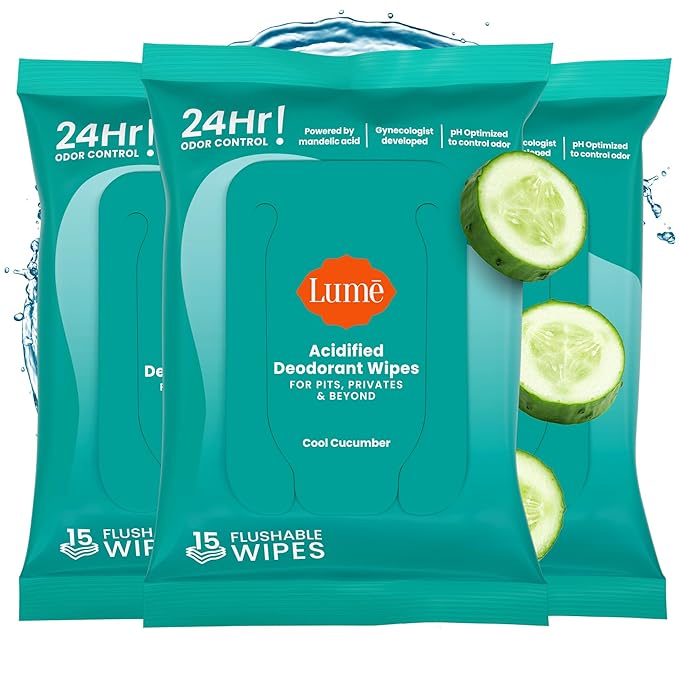
Thanks to my Rinse Kit and a simple gym membership, maintaining hygiene while car camping has become much more manageable. Some travelers don’t mind embracing the “gritty” side of outdoor life, but I personally can’t go too long without cleaning up—especially in warm weather or after long, active days. I try never to go more than three days without a proper shower, but when that’s not possible, I rely on a few essentials to stay fresh and comfortable on the go.
Hygiene and Cleaning Essentials:
- Deodorant wipes
- Full body wipes
- Biodegradable Campsuds soap
- Eco-friendly toiletries (face wash, toothbrush, toothpaste, lotion, shampoo)
- Shower shoes
- Quick-dry towels for face and body
- Biodegradable bathroom wipes or toilet paper
- Go Anywhere Toilet Bags
I keep a few Go Anywhere Bags tucked away for emergencies. Over three years, I’ve used them only a handful of times—but they’ve been lifesavers during overnight stays in parking lots where no restrooms are available. It’s not ideal, but practicality often outweighs comfort while living on the road.
Maintaining cleanliness while car camping isn’t about luxury—it’s about feeling human, refreshed, and ready for whatever the next stretch of the journey brings. With the right gear and a bit of planning, you can stay clean, confident, and comfortable wherever you stop.
Small but Handy Extras
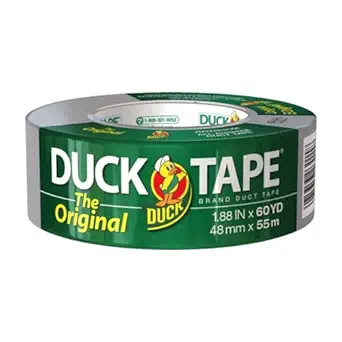
Sometimes it’s the smallest items that end up being the most useful on the road. These aren’t glamorous pieces of gear, but they solve problems, fix quick mishaps, and make everyday tasks easier while camping or driving long distances. I’ve learned to always keep them within reach—you never know when you’ll need one.
Always-Handy Essentials:
- Bendable wire — perfect for hanging gear, securing loose parts, or quick fixes
- Duct tape — the universal repair tool for just about anything
- Bug spray — keeps mosquitoes and flies from ruining quiet evenings
- Hand sanitizer — essential for quick cleanups before meals or after gas stops
- Scissors — handy for food packaging, tape, or even first-aid needs
- Extra batteries — backup power for flashlights, lanterns, or small devices
Remote Car Camping Essentials
This checklist highlights the essential gear for extended stays at remote campsites or BLM land—places where access to stores and amenities is limited. Packing thoughtfully helps you stay comfortable, safe, and self-sufficient for several days without relying on outside resources.
Extended Car Camping Essentials:
- Portable camp stove
- Propane
- Lighter or fire starter
- Cooking pot or pan
- Foldable table
- Camp chairs
- 5-gallon refillable water jug
- Rinse Kit (3.5 gallon)
- Yeti Roadie 24 cooler + one dry basket
- Jackery 500 + solar panel or larger option
- Memory foam mattress on a sleeping platform
- Pillows
- Sleeping bag or comforter (weather dependent)
- Reusable kitchen utensil kit
- Blackout window covers
- Hands-free headlamp or lantern
- Bear spray + first aid kit
- Biodegradable wipes
Always practice Leave No Trace principles to protect the environment. Bathe at least 200 feet from any water source and use biodegradable soap. Skip heavily scented items or products with harmful chemicals like sodium laureth sulfate, parabens, phthalates, or synthetic fragrances—they disrupt ecosystems and water purity.
I hope this car camping checklist and accompanying PDF guide help simplify your trip planning. While some gear may require an upfront investment, these items last through countless adventures, making them well worth it in the long run.