
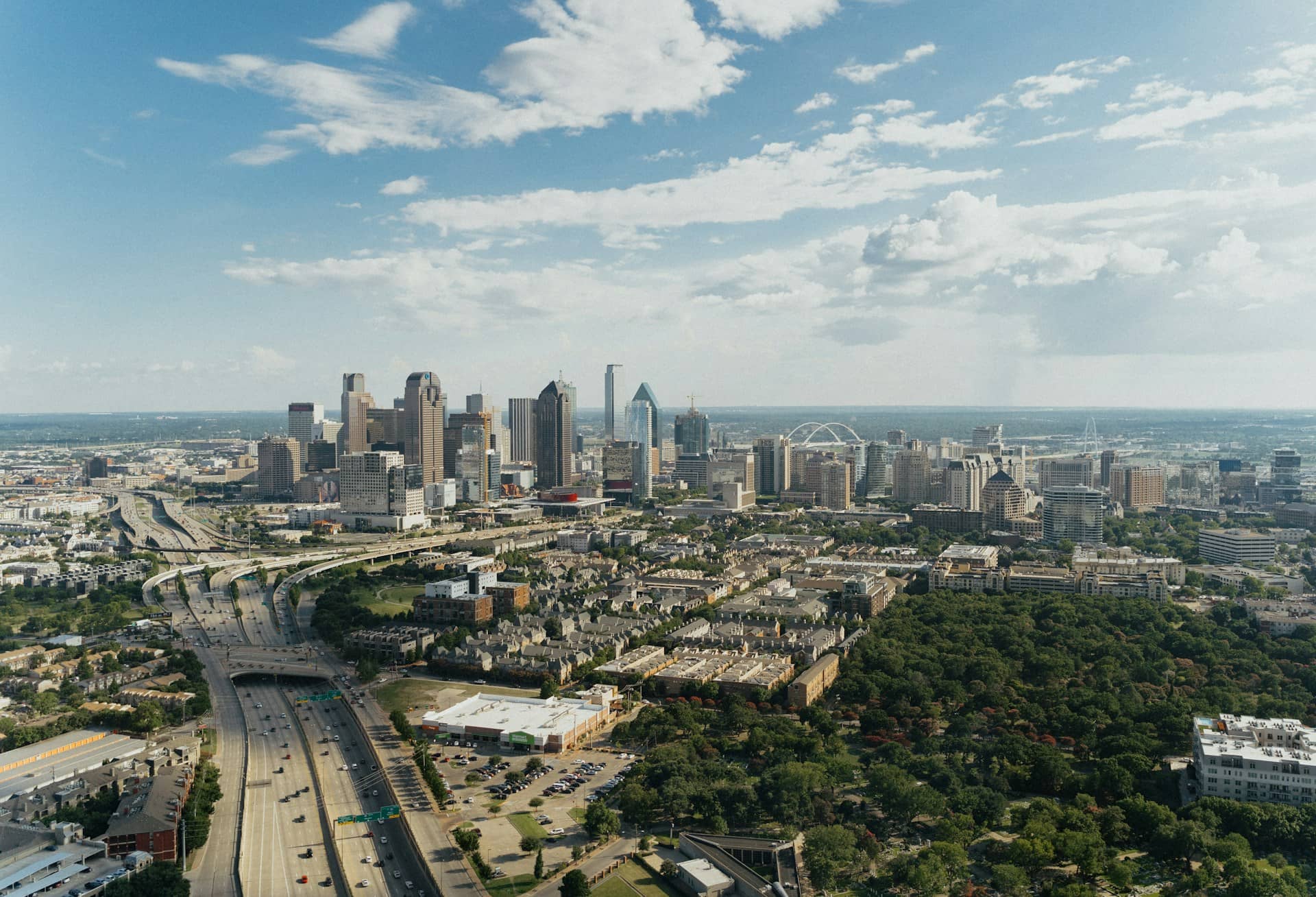
Texas carries a spirit that feels larger than life. Warm hospitality, Western traditions, live music, and proud cowboy roots shape the character of the Lone Star State.
Travelers can fill their days with thrilling theme parks, celebrated museums, peaceful gardens, and powerful historic landmarks. Major highlights include the Alamo, the Dallas Arboretum and Botanical Garden, and the Sixth Floor Museum at Dealey Plaza.
Each part of Texas offers a different kind of trip. Dallas brings arts, dining, and urban energy, while Austin is known for music and creative neighborhoods. Houston adds major museums, global food, and family attractions.
Beyond the cities, wide-open landscapes lead to remote national parks, small towns, scenic highways, and historic sites. This guide covers the best things to do in Texas, helping you experience the culture, stories, natural beauty, and bold personality of the Southwest.
The 25 Best Things to Do in Texas
Wondering what to do in Texas? This guide brings together 25 top attractions, outdoor sights, cultural landmarks, and entertaining activities across the Lone Star State.
Walk beside the water along the San Antonio River Walk, tour famous historic sites, or head into the countryside for hiking and wildlife. Texas offers plenty for city breaks, family vacations, road trips, and weekend escapes.
Nature lovers can visit Colorado Bend State Park, home to Gorman Falls, one of the state’s tallest waterfalls. From lively urban districts to rugged parks and wide-open landscapes, every stop brings another reason to keep traveling.
1. Big Bend National Park: Adventure Through Texas’s Vast Desert Wilderness
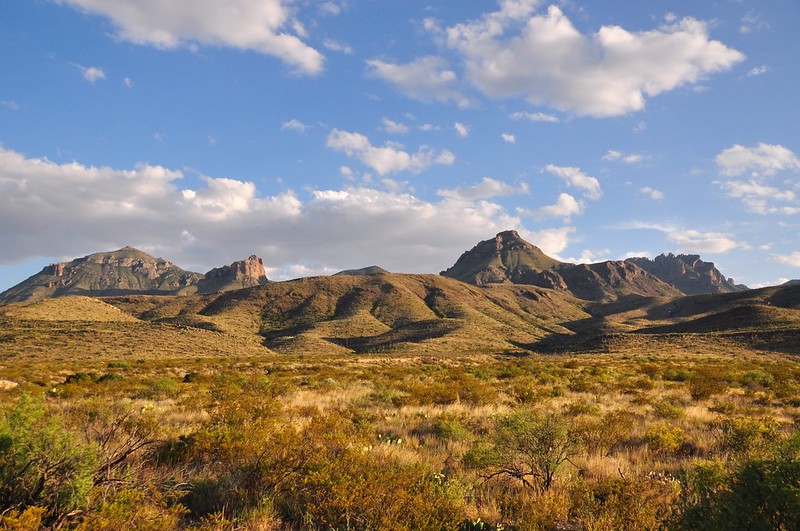
Big Bend National Park spreads across a remote corner of West Texas, covering a large portion of the Chihuahuan Desert and the entire Chisos Mountain range. Its striking scenery includes Santa Elena Canyon, carved by the Rio Grande, and the historic Langford Hot Springs.
More than 150 miles of trails cross desert flats, rocky peaks, limestone formations, and riverside terrain. Routes range from short nature walks to strenuous mountain climbs, giving visitors of different ages and abilities several ways to experience the park.
Outdoor activities extend well beyond hiking. Travelers can watch wildlife, ride horses, cycle along park roads, fish, kayak, or join a rafting trip on the Rio Grande. Birdwatchers may also spot roadrunners, golden eagles, and other species that thrive in this dry landscape.
Stay after sunset to see another side of Big Bend. Its remote setting and limited artificial lighting create exceptional conditions for stargazing, with countless stars stretching across the night sky. Campgrounds, mountain lodges, and nearby communities make it possible to turn a daytime visit into a longer desert getaway.
2. Space Center Houston: See Where Astronauts Prepare for Space Missions
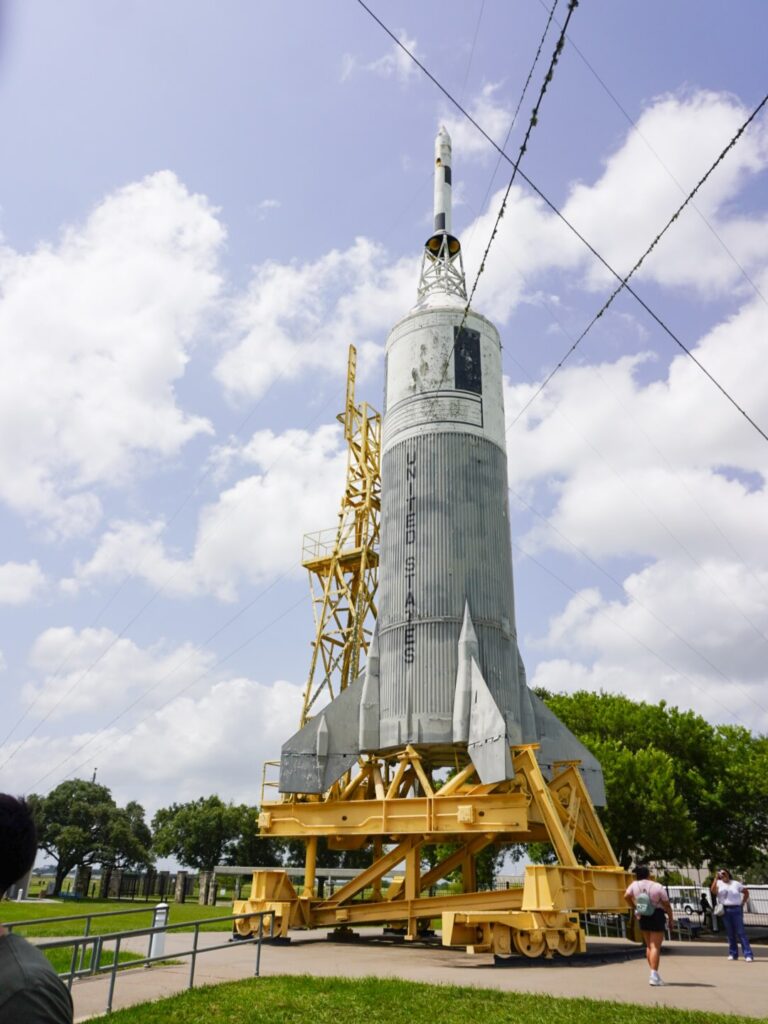
Space Center Houston is the official visitor center for NASA’s Johnson Space Center and a Smithsonian Affiliate museum. It gives travelers a close look at the people, machines, and scientific work behind America’s space program.
Around 1.25 million visitors come here each year to learn how science, engineering, and technology support human spaceflight. Interactive displays make complex subjects easier to understand for adults and younger guests.
The center also runs educational programs that encourage curiosity about astronomy, mathematics, robotics, and future space missions. Families can take part in hands-on experiences that turn a museum visit into an entertaining learning day.
More than 400 spacecraft, artifacts, exhibits, and historic objects are displayed throughout the center. Major highlights include an impressive collection of moon rocks and lunar samples, astronaut equipment, mission vehicles, and displays connected to NASA’s past and future.
Visitors can also join the NASA Tram Tour for a closer look at Johnson Space Center facilities, including astronaut training areas and historic mission-control sites. For families, science fans, and curious travelers, this remains one of the most enjoyable things to do in Houston.
3. Padre Island National Seashore: Relax Along an Untouched Gulf Coast
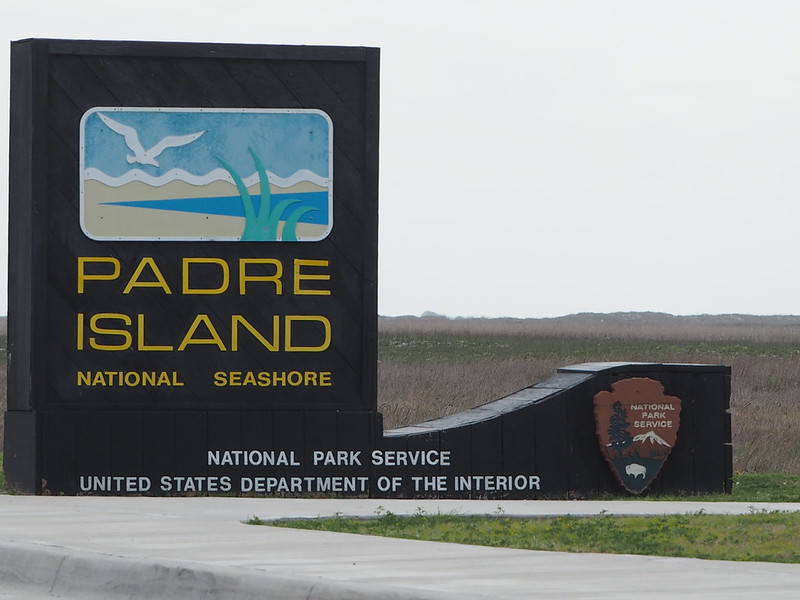
Located near Corpus Christi, Padre Island National Seashore protects a long stretch of barrier island between the Gulf of Mexico and the Laguna Madre. Its broad beaches, rolling dunes, grasslands, and coastal waters create one of Texas’s most impressive seaside escapes.
Padre Island is divided into northern and southern sections by the Port Mansfield Channel. The national seashore occupies much of North Padre Island, while South Padre Island is better known for resorts, restaurants, and busy vacation areas.
Wildlife plays a major role here. Kemp’s ridley sea turtles use the protected coastline as an important nesting area, and seasonal hatchling releases may give visitors a rare chance to watch young turtles move across the sand.
Birdwatching is another major draw, as hundreds of migrating and resident species pass through the island’s wetlands, beaches, and prairie habitats. Pelicans, herons, terns, and shorebirds are commonly seen throughout the year.
Visitors can spend their time camping beside the Gulf, kayaking on the Laguna Madre, fishing, swimming, or driving along designated beach areas. With 66 miles of shoreline and fewer developed spaces, Padre Island National Seashore offers a peaceful break from Texas’s larger coastal cities.
4. Texas State Capitol: Tour One of America’s Grandest Government Buildings
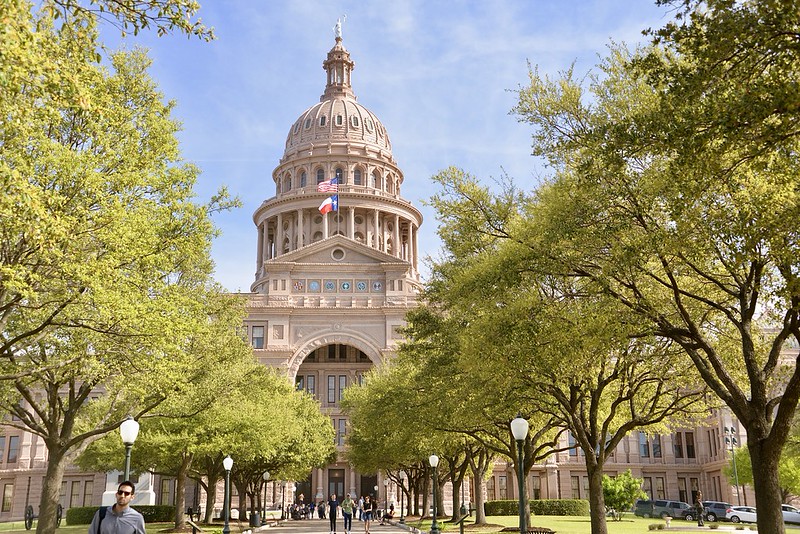
Standing in downtown Austin, the Texas State Capitol serves as the center of government for the Lone Star State. Completed in the late 19th century, the building remains a powerful symbol of Texas history, politics, and statewide pride.
Its impressive architecture immediately commands attention. Visitors can admire the soaring dome, decorative brass hinges, gleaming chandeliers, detailed handrails, and historic chambers used by state lawmakers.
The surrounding grounds cover almost 22 acres and contain shaded walkways, carefully maintained lawns, historic structures, and more than 20 monuments. Each memorial shares a piece of the state’s military, cultural, or political story.
Free guided tours take guests through major rooms while explaining the building’s construction, artwork, and government functions. Self-guided visits are also possible for travelers who prefer to move at their own pace.
A stop here pairs well with other Austin landmarks along Congress Avenue. Architecture fans, history lovers, and first-time visitors can easily spend a few hours examining the building and walking through the Capitol grounds.
5. National Museum of the Pacific War: Learn the Stories of World War II

Located in Fredericksburg, the National Museum of the Pacific War honors the people who served during World War II in the Pacific. Its galleries cover major battles, military strategy, personal experiences, and the lasting consequences of the conflict.
The museum has expanded considerably over the years, becoming one of the country’s leading institutions devoted to Pacific War history. Exhibits combine original objects, photographs, recorded accounts, maps, and multimedia presentations.
Inside the George H. W. Bush Gallery, visitors can examine military equipment, uniforms, letters, and other items connected to the war. Clear explanations help place each object within the wider historical timeline.
Several immersive displays recreate the conditions faced by service members without reducing their experiences to a simple list of dates. These presentations help guests understand the uncertainty, hardship, and sacrifice connected to the conflict.
Outdoor areas include memorials and military machinery, giving visitors even more to examine after touring the main galleries. Allow several hours for this museum, especially if you enjoy military history and personal wartime stories.
6. Waco Mammoth National Monument: Walk Beside Ice Age Fossils
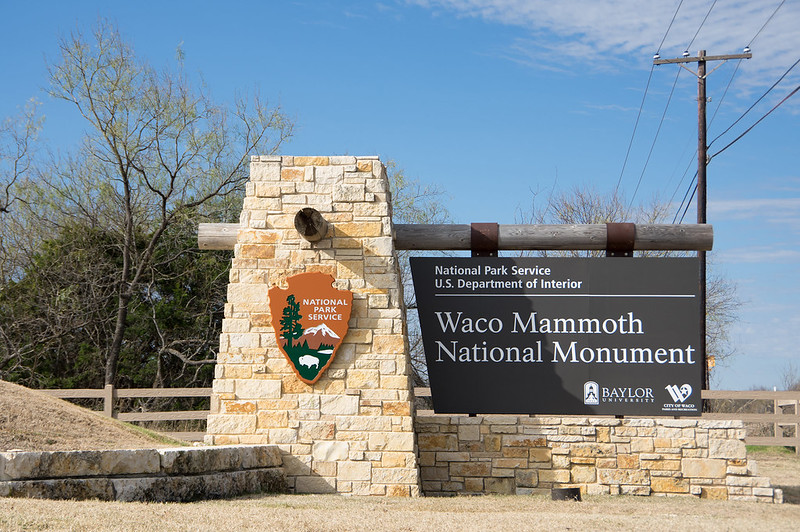
Waco Mammoth National Monument preserves an extraordinary paleontological site where the remains of Columbian mammoths were found. The fossils offer a rare glimpse into the animals that crossed Central Texas during the Ice Age.
The site is especially significant because it contains evidence of a nursery herd. More than 20 Columbian mammoths, along with fossils from other prehistoric animals, have been uncovered in the area.
Fully grown Columbian mammoths could reach about 14 feet in height and weigh close to 20,000 pounds. Fossils connected to an ancient camel and a large prehistoric cat were also found near the mammoth remains.
A climate-controlled dig shelter allows visitors to view fossils where they were originally uncovered. Elevated walkways provide clear views of the excavation area while guides explain how the animals may have lived and what researchers learned from the site.
Families can also enjoy educational programs, junior ranger activities, and short walking paths around the monument. It is an excellent Waco attraction for children, fossil fans, and anyone interested in Texas before recorded history.
7. Dallas: Spend a Day Visiting Gardens, Museums, and Family Attractions
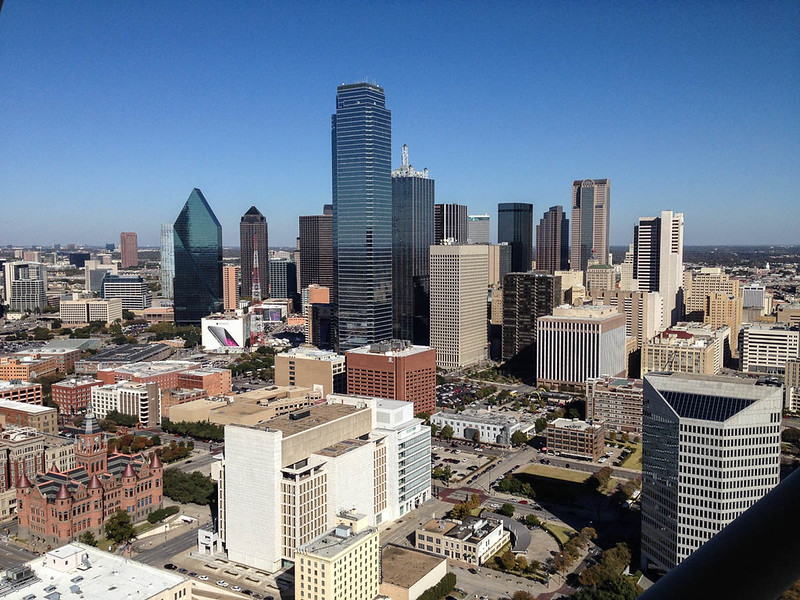
Dallas blends major cultural institutions, green spaces, historic landmarks, shopping districts, and entertainment venues. The city offers enough attractions to fill an entire weekend or serve as the starting point for a longer Texas road trip.
Begin at the Dallas Arboretum and Botanical Garden beside White Rock Lake. Its seasonal displays, fountains, shaded paths, flower beds, and themed garden areas provide a peaceful contrast to the busy downtown district.
Art lovers can continue to the Dallas Museum of Art, which holds more than 25,000 works from different cultures and historical periods. Collections range from ancient objects and European paintings to modern sculpture and decorative arts.
Families may prefer the Perot Museum of Nature and Science, where interactive exhibits cover dinosaurs, space, engineering, weather, and the human body. The Dallas World Aquarium is another popular stop, combining marine life with birds, reptiles, and rainforest habitats.
Leave time for Dealey Plaza and the nearby Sixth Floor Museum, which examine the life and assassination of President John F. Kennedy. Other worthwhile areas include the Arts District, Bishop Arts District, Klyde Warren Park, and the restaurants around Deep Ellum.
8. Houston Museum of Natural Science: See Mummies, Dinosaurs, and Butterflies

The Houston Museum of Natural Science brings astronomy, paleontology, chemistry, wildlife, and human history together under one roof. Its wide selection of galleries makes it one of Houston’s strongest attractions for families and curious travelers.
The Hall of Ancient Egypt contains artifacts that explain daily life, burial customs, religious beliefs, and royal traditions. Visitors can see preserved remains, decorated coffins, carved objects, and items connected to people who lived thousands of years ago.
Dinosaur fans should head to the Morian Hall of Paleontology. Towering skeletons, prehistoric creatures, and detailed fossil displays guide guests through several periods of life on Earth.
Nearby, the Cockrell Butterfly Center houses many butterfly species inside a warm indoor rainforest. Butterflies move freely around tropical plants, waterfalls, and walking paths, creating plenty of close viewing opportunities.
The Burke Baker Planetarium adds another dimension with presentations about planets, galaxies, black holes, and space travel. With so many subjects covered, the museum can occupy several hours and remains one of the most entertaining educational stops in Houston.
9. Moody Gardens: Fill Your Galveston Day With Animals and Attractions
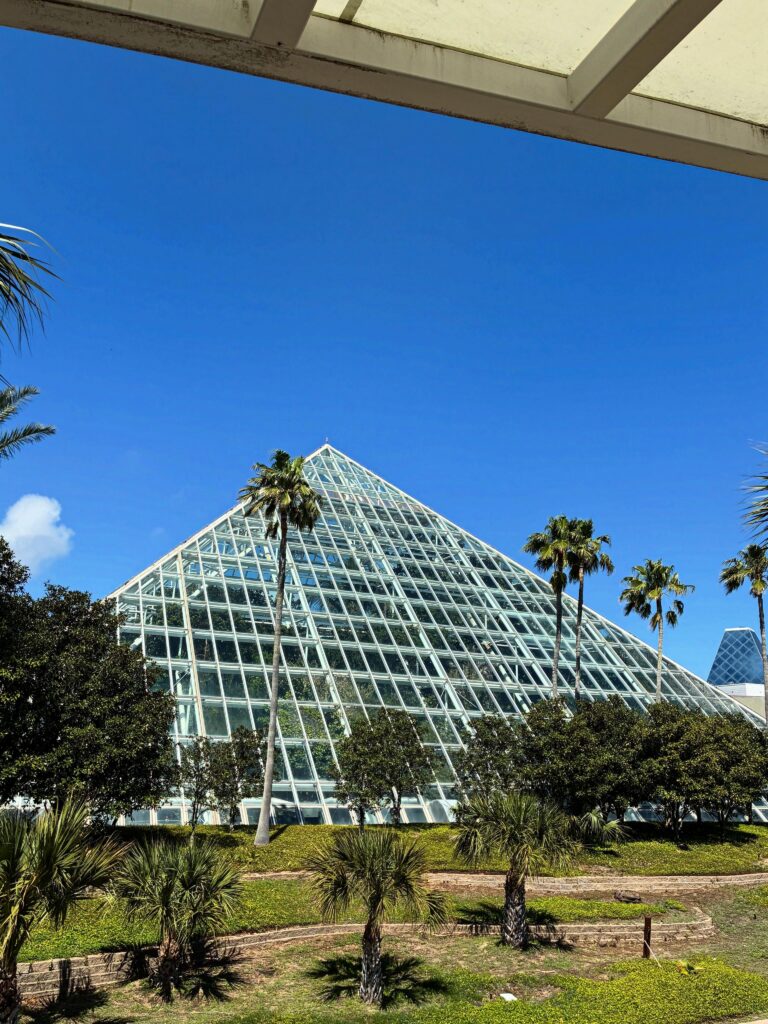
Moody Gardens is a large Galveston entertainment complex combining an aquarium, rainforest habitat, hotel, golf course, theaters, and seasonal activities. Its pyramid-shaped buildings make it easy to recognize from across the island.
Inside the Aquarium Pyramid, guests can see penguins, seals, sea lions, jellyfish, sharks, rays, and tropical fish. Several habitats recreate marine environments from different parts of the planet.
The Rainforest Pyramid introduces visitors to tropical plants and animals from Asia, Africa, and the Americas. Birds fly overhead while monkeys, reptiles, fish, and other species occupy habitats along the winding path.
Outdoor entertainment may include a ropes course, zip line, paddlewheel boat, splash areas, and seasonal water attractions. Families can select a few experiences or spend most of the day moving between the pyramids and nearby activities.
Moody Gardens also sits close to many of Galveston’s historic attractions. Afterward, travelers can visit Moody Mansion, the 1892 Bishop’s Palace, the Strand Historic District, or the island’s beaches for a fuller Galveston itinerary.
10. The Alamo: Visit the Site That Shaped Texas History
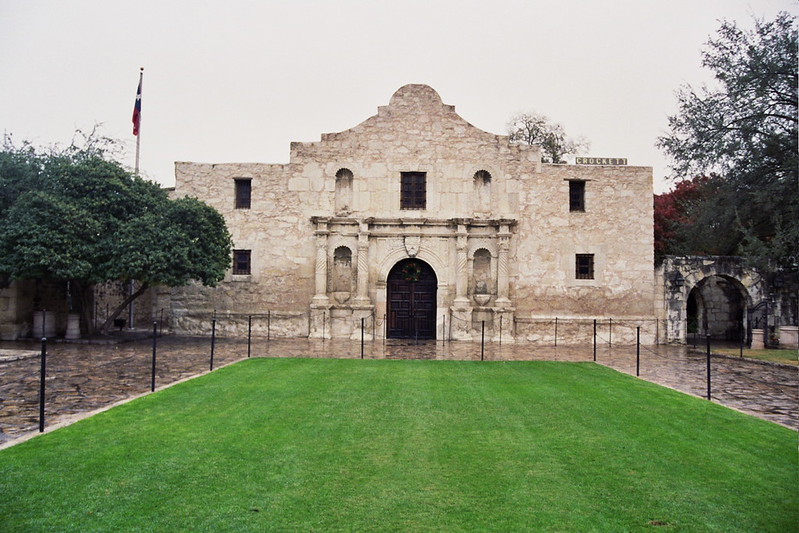
The Alamo is one of the most recognized historic landmarks in Texas. Located in San Antonio, the former mission played a central role in the Texas Revolution and now serves as a museum, memorial, and educational site.
Spanish missionaries established Mission San Antonio de Valero in 1718. Its original purpose was to spread Catholic teachings and create a Spanish settlement among Indigenous communities living in the region.
The complex later became a military post and changed control as political power shifted between Spain, Mexico, and Texian forces. Its best-known chapter came during the Battle of the Alamo in 1836.
Although the Texian defenders lost the battle, their stand became a rallying point during the fight for Texas independence. The site later served several military and commercial purposes before preservation efforts turned it into a protected landmark.
Today, visitors can walk through the historic church, examine artifacts, tour museum spaces, and learn about the people connected to the mission and battle. Its central location also makes it easy to combine with the San Antonio River Walk, nearby museums, and other downtown attractions.
11. Fort Worth Stockyards: Experience Texas Cowboy Culture
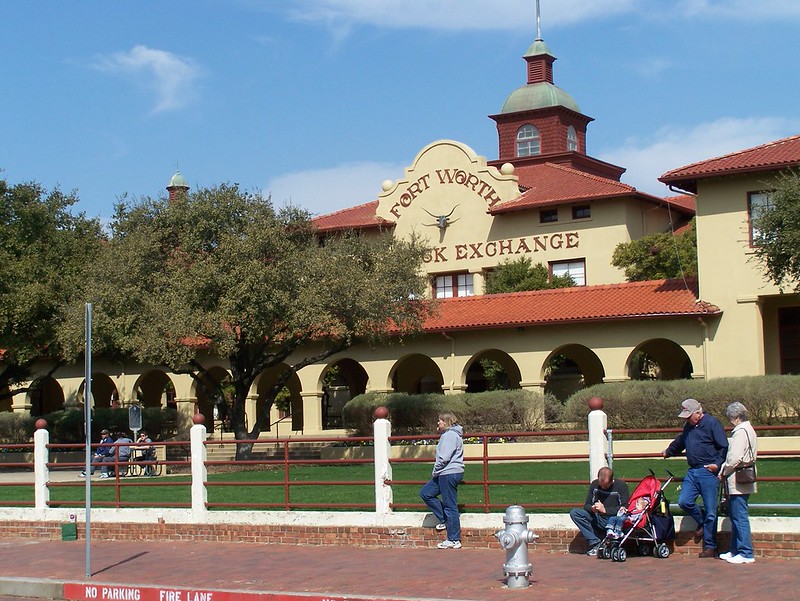
The Fort Worth Stockyards National Historic District carries visitors back to the era of cattle drives, frontier commerce, and legendary Western figures. Covering 98 historic acres, the district preserves buildings, streets, and traditions connected to Fort Worth’s cattle-trading past.
One of its biggest attractions is the Fort Worth Herd, a twice-daily procession of Texas Longhorns led by riders wearing period cowboy clothing. Crowds gather along East Exchange Avenue as the cattle move through the district.
Weekly rodeo events add another dose of Western action. Riders compete in events involving bulls, broncs, barrels, and roping, while live music venues keep the district active after sunset.
Shops sell cowboy boots, hats, leather goods, and Texas-made gifts. Visitors can also eat barbecue, listen to country music, stop inside historic saloons, or learn about the area on a guided walking tour.
Between its cattle drives, rodeos, old brick buildings, and Western entertainment, the Stockyards offers one of the most entertaining ways to experience cowboy heritage in Texas.
12. American Quarter Horse Hall of Fame & Museum: Learn About the Cowboy’s Horse
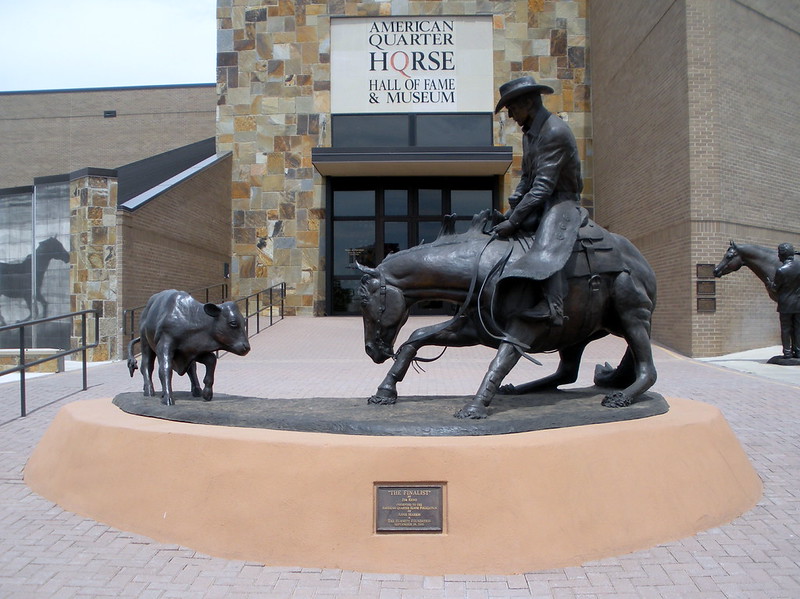
The American Quarter Horse Hall of Fame & Museum in Amarillo honors a breed that has played a major role in ranching, racing, and Western life. It also recognizes horses and people who helped shape the breed’s lasting reputation.
American Quarter Horses are known for quick acceleration over short distances and a strong natural ability to work with cattle. Their name comes from quarter-mile races that became popular during the colonial period.
Texas has deep ties to the breed through its ranches, rodeos, racing traditions, and working cowboys. Quarter Horses remain common across the state, both as ranch animals and competitors in equestrian events.
Museum exhibits trace the breed’s development through photographs, historic objects, trophies, artwork, videos, and personal stories. Visitors can learn about influential bloodlines, respected trainers, champion horses, and major moments in Quarter Horse history.
The Hall of Fame celebrates individuals and animals whose achievements changed the industry. It is a rewarding Amarillo stop for horse lovers, ranching fans, and travelers interested in Western heritage.
13. Guadalupe Mountains National Park: Hike to the Highest Point in Texas
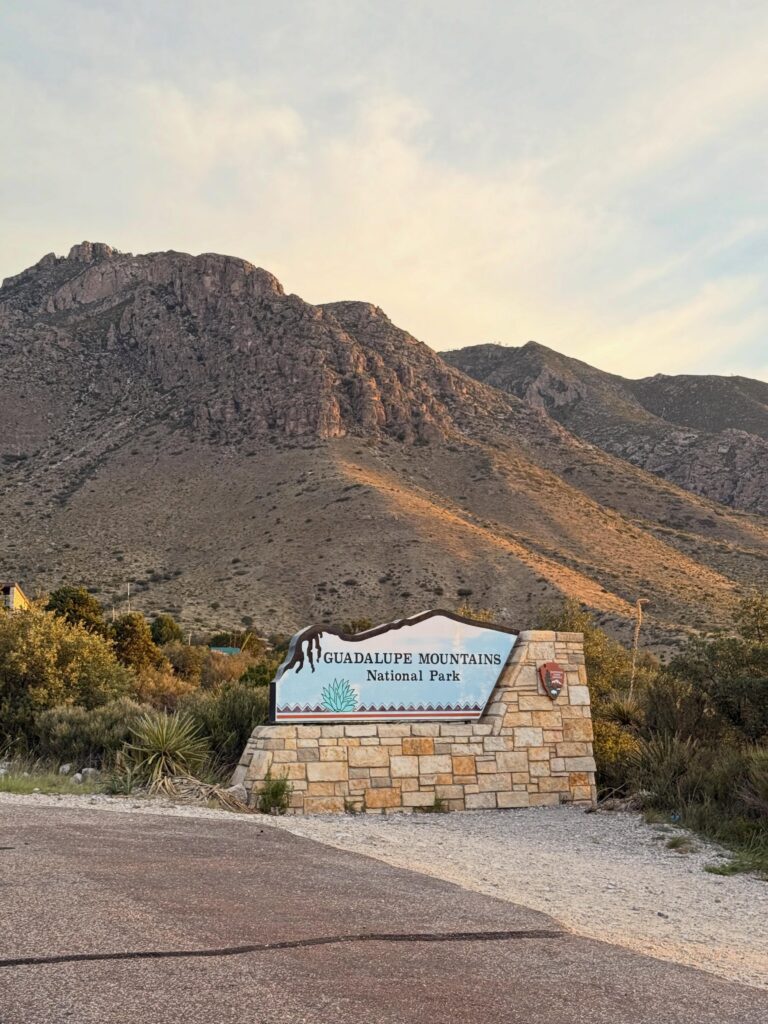
Guadalupe Mountains National Park protects rugged peaks, desert basins, forested canyons, and bright-white dunes in far West Texas. The park is home to Guadalupe Peak, the highest natural point in the state.
Hikers can follow the demanding Guadalupe Peak Trail for wide views across the surrounding desert. Easier routes pass through McKittrick Canyon, Smith Spring, and other areas where seasonal foliage and shaded woodland contrast with the dry lowlands.
The mountains contain the remains of an ancient Permian reef formed when the region rested beneath a tropical sea. Exposed limestone layers now help geologists study an environment that existed hundreds of millions of years ago.
Human history is also present throughout the park. Indigenous communities, including Mescalero Apache groups, lived and traveled through the region long before ranchers and settlers arrived.
Frijole Ranch now serves as a cultural museum with exhibits about local ranching, settlement, and daily life. Camping, wildlife watching, backpacking, and stargazing offer additional reasons to spend more than one day in the park.
14. Texas State Aquarium: Meet Marine Animals in Corpus Christi

The Texas State Aquarium brings marine habitats, coastal wildlife, and conservation education together beside Corpus Christi Bay. Its large exhibits introduce families to animals from the Gulf of Mexico, Caribbean waters, and nearby coastal environments.
Visitors can watch sharks glide through massive tanks, see playful otters, and observe colorful fish moving through coral habitats. Sea turtles, stingrays, dolphins, and jellyfish are also featured across the aquarium.
Bird exhibits provide a closer look at coastal and rescued species, including raptors that cannot return to the wild. Educational presentations explain how pollution, habitat loss, and human activity affect marine animals.
Hands-on areas and animal programs keep younger guests involved throughout the visit. Staff members share information about rehabilitation, wildlife protection, and the aquarium’s work with injured animals.
Its waterfront location and broad range of exhibits make the Texas State Aquarium one of the leading family attractions in Corpus Christi. It can easily be paired with nearby beaches, museums, and bayfront parks.
15. Fort Worth Botanic Garden: Walk Through Gardens From Around the Globe
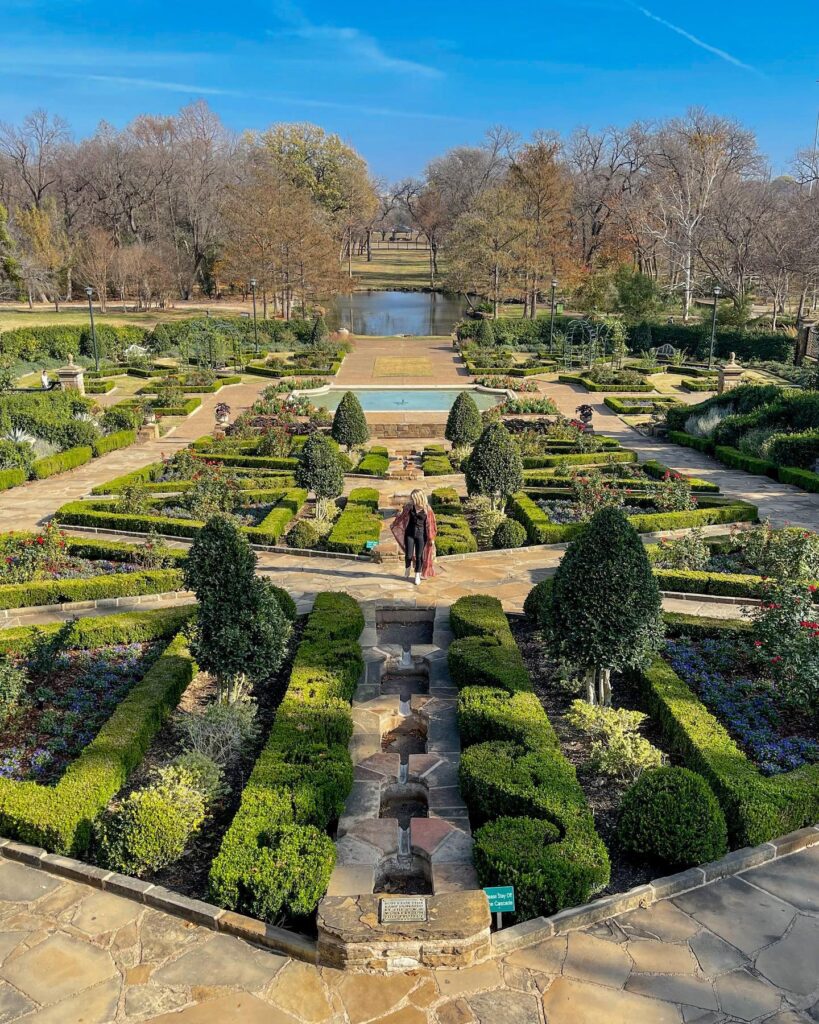
Established in 1934, the Fort Worth Botanic Garden is one of the state’s oldest major botanical attractions. Its grounds contain themed gardens, shaded pathways, water features, and plant collections spread across a large urban setting.
The Japanese Garden is a major highlight, with koi ponds, stone lanterns, bridges, maples, waterfalls, and carefully arranged plants. Winding paths allow guests to see the garden from changing angles and quiet seating areas.
The Rose Garden provides another memorable stop, especially when its beds are in bloom. Seasonal flowers and formal landscaping make this area popular for photography and relaxed walks.
Inside the Rainforest Conservatory, tropical plants grow beneath a glass enclosure that maintains warm, humid conditions. Palms, climbing vines, broad-leaf plants, and species from several continents fill the indoor pathways.
The garden offers an easy break from Fort Worth’s busier attractions. Visitors can spend a few hours walking, photographing plants, watching koi, or resting beneath mature trees.
16. San Antonio River Walk: Follow the City’s Famous Riverside Path
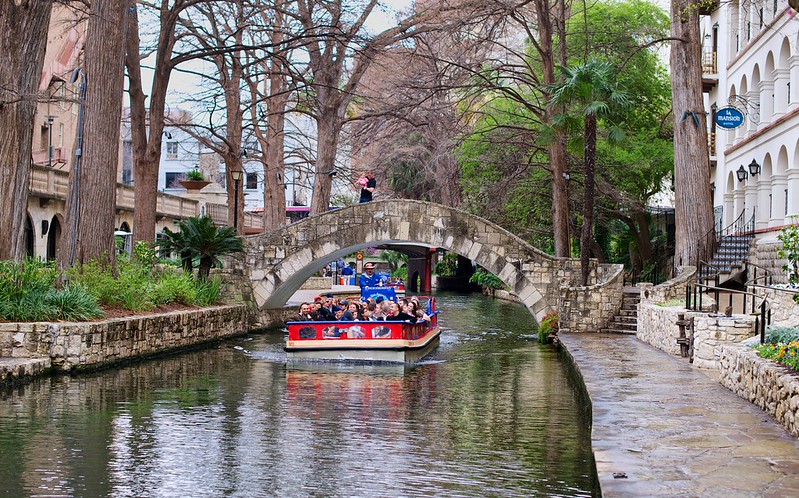
The San Antonio River Walk winds below street level through downtown, passing restaurants, shops, hotels, public art, and historic buildings. Stone pathways line both sides of the water, creating an inviting route through the city.
A casual walk reveals arched bridges, shaded patios, riverboats, and small pockets of greenery. The atmosphere changes throughout the day, from quiet mornings to evenings filled with lights, music, and busy dining areas.
Boat cruises provide another way to see the river. Narrated rides share stories about San Antonio’s architecture, local culture, and major landmarks while carrying passengers through the downtown channel.
Seasonal festivals, boat parades, and holiday decorations bring added energy to the River Walk during different months. Travelers can also follow the river beyond the central district to reach historic missions and quieter sections of the trail.
The Alamo sits only a short walk from the downtown portion. Elsewhere in San Antonio, the Botanical Garden and Japanese Tea Garden provide further opportunities to enjoy landscaped grounds and local history.
17. State Fair of Texas: Meet Big Tex and Celebrate Fall in Dallas

Held each fall at Fair Park in Dallas, the State Fair of Texas combines rides, live performances, livestock events, exhibits, competitions, and famously creative fair food.
The event began in 1886 and has become one of the state’s best-known annual traditions. Generations of families have attended to watch shows, ride the midway attractions, and sample fried specialties.
Big Tex, the towering cowboy figure near the entrance, serves as the fair’s unmistakable mascot. His boots, hat, and welcoming voice have made him a familiar symbol of the celebration.
Fair Park adds considerable historical interest to the experience. Its Art Deco buildings were created for the 1936 Texas Centennial Exposition and now provide a striking setting for museums, performances, and fair exhibits.
Visitors can attend concerts, watch animal competitions, see car displays, browse local products, and enjoy cultural performances. A full day is often needed to experience even a portion of the available attractions.
18. Fort Davis National Historic Site: Walk Through a Frontier Military Post
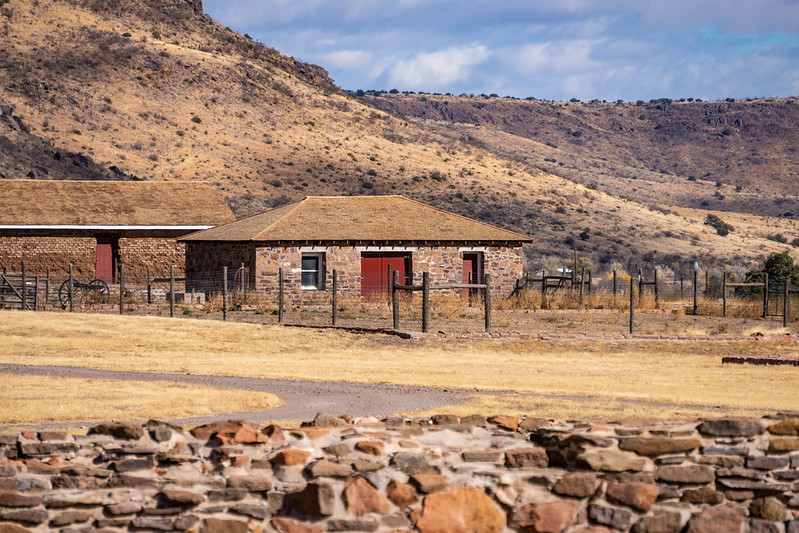
Fort Davis National Historic Site preserves one of the best surviving frontier military posts in the American Southwest. The fort operated during the 19th century and played an important role along travel routes through West Texas.
Established in 1854, the post protected mail coaches, freight wagons, settlers, and travelers using the San Antonio–El Paso Road. Soldiers stationed here also patrolled routes through the Trans-Pecos region.
The site later became closely connected to the Buffalo Soldiers, Black troops who served in the U.S. Army after the Civil War. Exhibits explain their service, daily duties, and experiences on the Texas frontier.
More than 100 ruins and several restored buildings remain across the grounds. Furnished rooms help visitors picture life inside officers’ quarters, barracks, kitchens, storerooms, and medical facilities.
Walking paths connect the main structures, while interpretive signs explain the fort’s military and social history. The surrounding Davis Mountains provide a dramatic backdrop for this significant West Texas landmark.
19. Hamilton Pool Preserve: Hike to a Limestone Grotto
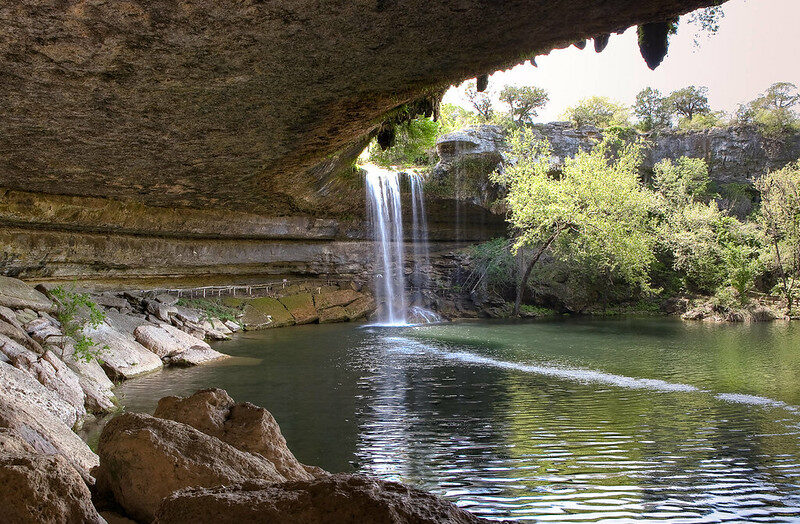
Hamilton Pool Preserve near Dripping Springs centers around a natural swimming hole beneath a curved limestone overhang. Hamilton Creek spills from the cliff above, forming a waterfall that drops into the pool below.
The grotto developed over thousands of years as erosion weakened an underground river dome and caused part of the ceiling to collapse. The remaining rock shelter now frames the water and surrounding woodland.
A short but uneven trail leads from the entrance area to the pool. Along the way, hikers pass limestone walls, shaded trees, native plants, and habitat used by many bird species.
The preserve supports rare plants and wildlife associated with the Balcones Canyonlands region. Golden-cheeked warblers may be seen during their seasonal presence in Central Texas.
Swimming access can depend on water quality and site conditions, but the hike and grotto remain the main reasons to visit. Advance reservations are commonly required because daily entry is limited.
20. Colorado Bend State Park: Trek to Gorman Falls
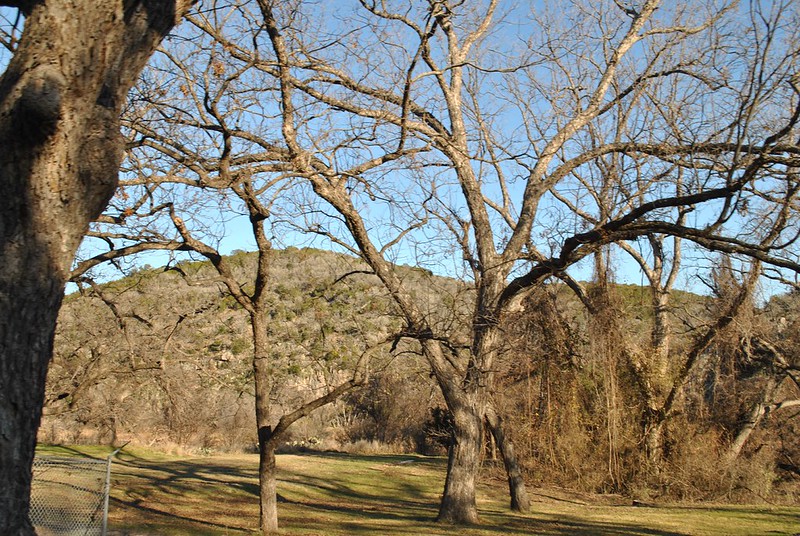
Colorado Bend State Park protects caves, springs, limestone canyons, wooded trails, and a rugged stretch of the Colorado River. More than 30 miles of routes give hikers and cyclists many ways to travel through the park.
Gorman Falls is its best-known natural attraction. The spring-fed waterfall drops roughly 70 feet across moss-covered limestone, creating a broad curtain of water surrounded by dense plant growth.
Reaching the falls requires a round-trip hike of about three miles. Much of the path crosses open, rocky terrain before descending sharply near the viewing area, so sturdy footwear and drinking water are important.
Swimming is not permitted at Gorman Falls because its delicate formations can be damaged. Visitors can cool off elsewhere in the park, including designated areas near Spicewood Springs when conditions allow.
Cave tours, fishing, paddling, camping, birdwatching, and riverside walks provide more ways to fill the day. With its varied terrain and limited development, Colorado Bend State Park is a strong choice for a Texas outdoor getaway.
21. Ann W. Richards Congress Avenue Bridge: Watch Austin’s Famous Bat Flight
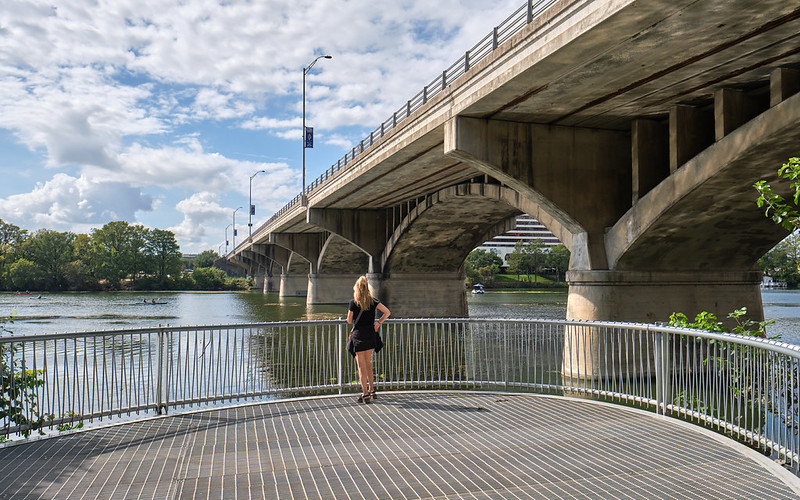
The Ann W. Richards Congress Avenue Bridge crosses Lady Bird Lake in downtown Austin. Although it looks like an ordinary city bridge during the day, it shelters a vast colony of Mexican free-tailed bats.
From spring through early fall, crowds gather near the bridge before sunset. As daylight fades, the bats begin streaming from the narrow spaces beneath the structure and flying across the lake in search of insects.
The flight may continue for several minutes, creating one of Austin’s most memorable natural spectacles. The number of visible bats and their departure time can vary with the season, weather, and evening conditions.
Visitors can watch from the bridge, nearby trails, grassy viewing areas, or sightseeing boats on Lady Bird Lake. Arriving early makes it easier to find a comfortable viewing spot, especially during weekends and summer evenings.
Beyond providing an impressive show, the bats consume large numbers of insects each night. Their seasonal return has become an important part of Austin’s identity and a favorite experience for first-time visitors.
22. Sixth Floor Museum at Dealey Plaza: Examine the Life and Legacy of John F. Kennedy
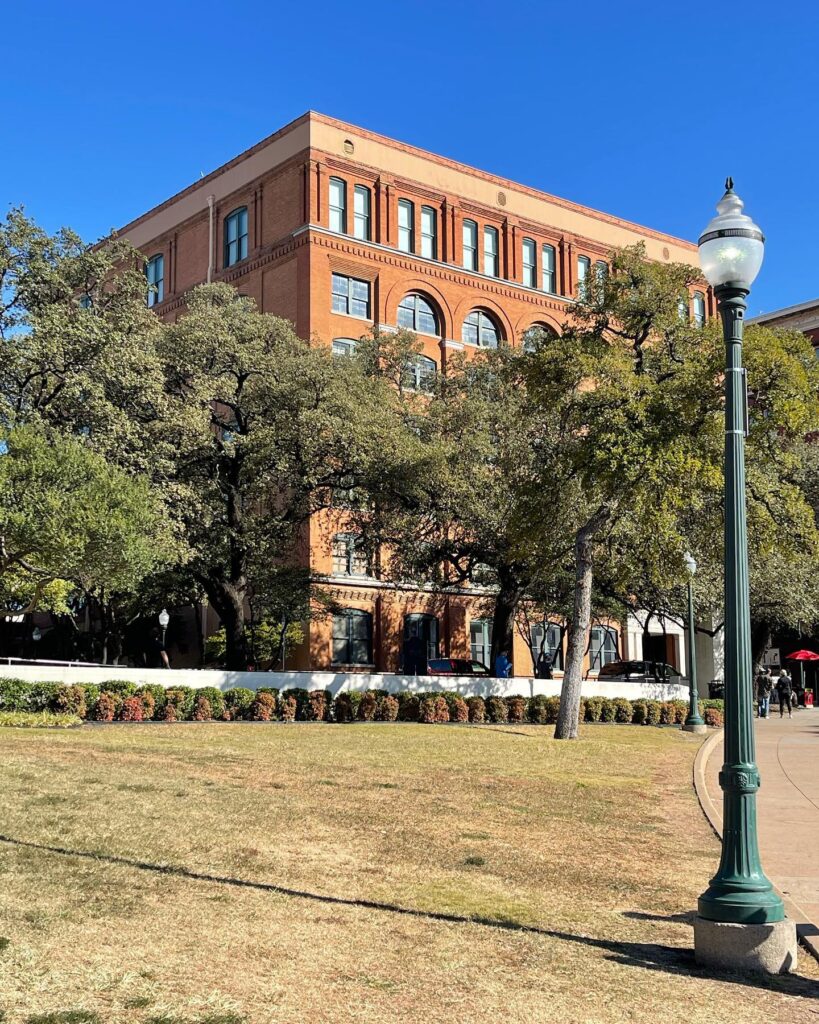
The Sixth Floor Museum at Dealey Plaza occupies the former Texas School Book Depository in downtown Dallas. Its exhibits examine the life, presidency, assassination, and lasting influence of President John F. Kennedy.
The main exhibition, John F. Kennedy and the Memory of a Nation, uses photographs, historic film, objects, documents, and recorded interviews. Together, these materials place the events of November 22, 1963, within a broader political and social context.
Visitors can learn about Kennedy’s presidency, the investigation that followed his death, and the way Americans responded to the tragedy. Displays also examine media coverage and the many public debates that continued afterward.
The museum experience usually takes around 90 minutes, though history enthusiasts may remain longer. Audio guidance and clearly arranged exhibits help visitors move through the material at a comfortable pace.
Dealey Plaza and the nearby memorial add further context after the museum visit. Because admission times can fill quickly, purchasing tickets ahead of arrival is often a practical choice.
23. Natural Bridge Caverns: Journey Beneath the Texas Hill Country
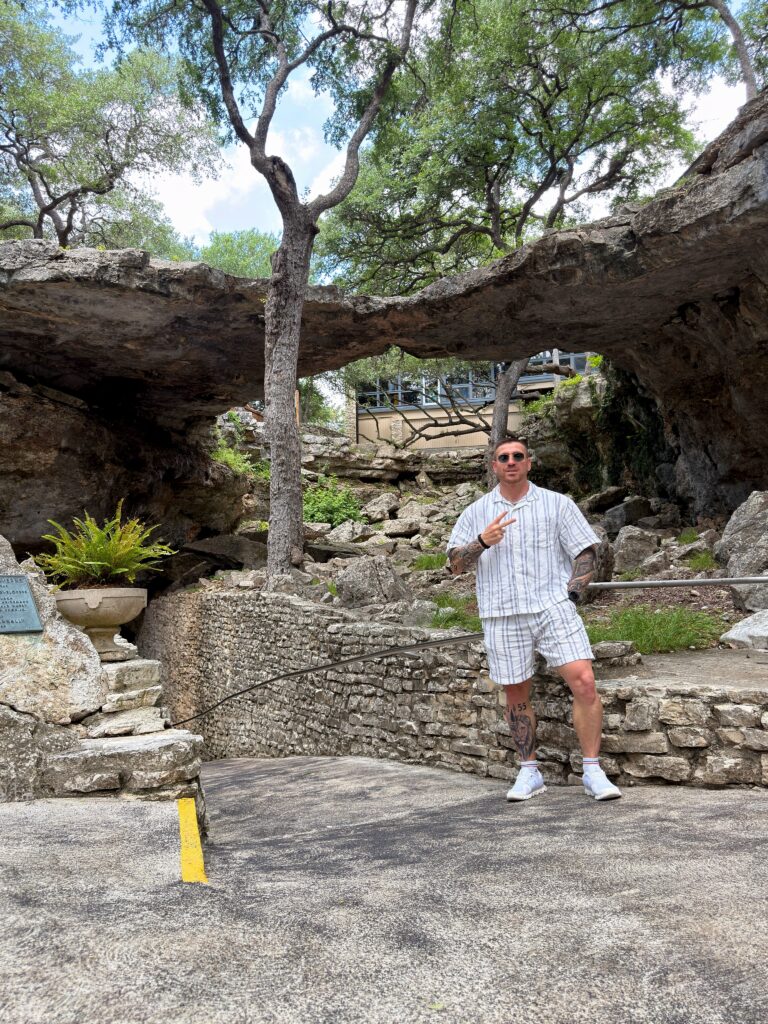
Natural Bridge Caverns lies north of San Antonio and contains a vast network of underground chambers, narrow passages, and limestone formations. The attraction takes its name from the large natural stone bridge near the cavern entrance.
Guided tours descend below the surface along paved paths and stairways. Inside, visitors pass towering columns, delicate stalactites, thick stalagmites, flowstone walls, and chambers shaped by water over immense periods.
Several tour options offer different levels of difficulty. Standard routes suit many families, while more demanding experiences may include tighter passages, uneven ground, or deeper sections of the cave system.
Above ground, guests can try ropes courses, zip lines, maze activities, and gem-mining attractions. These additions make it possible to combine underground sightseeing with several hours of outdoor entertainment.
The caverns stay cooler than the outside air, making them especially appealing during hot Texas afternoons. Comfortable walking shoes are helpful because tours include damp surfaces, slopes, and numerous steps.
24. Reunion Tower: See Dallas From the GeO-Deck
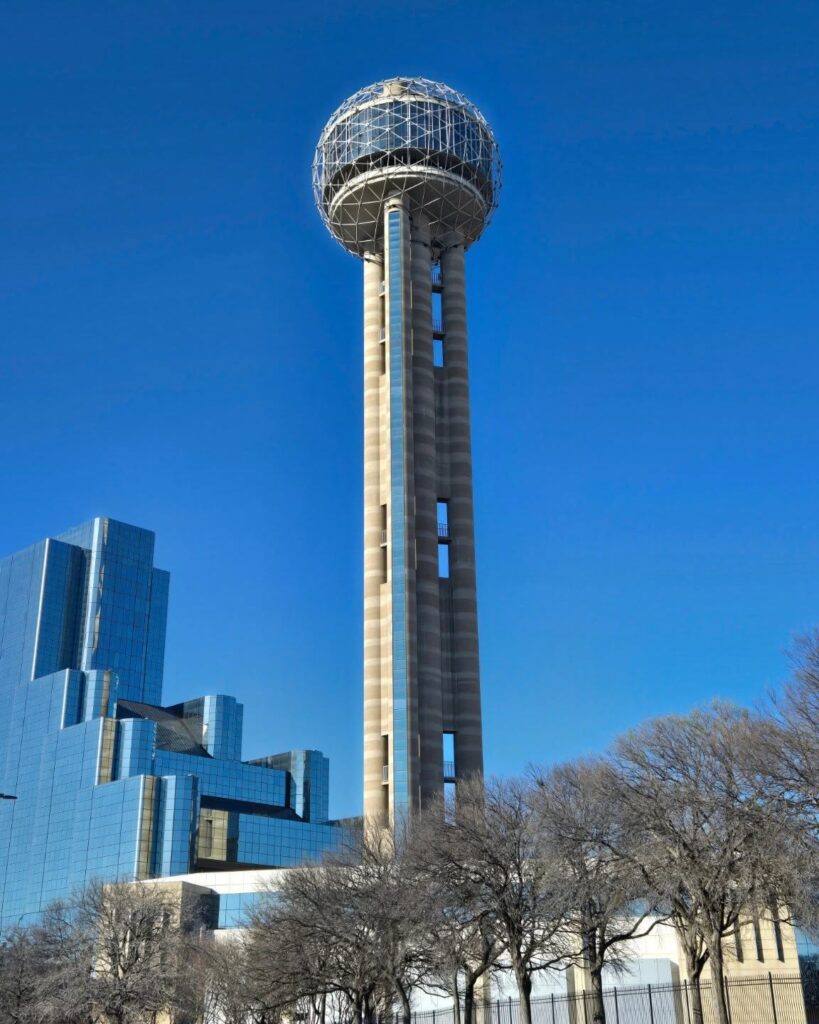
Reunion Tower rises above downtown Dallas and remains one of the city’s most recognizable structures. The observation tower stands 561 feet tall, topped by its signature illuminated sphere.
Visitors travel upward to the GeO-Deck, positioned roughly 470 feet above street level. Floor-to-ceiling windows provide broad views of downtown buildings, highways, neighborhoods, and the surrounding North Texas landscape.
Both indoor and outdoor viewing spaces allow guests to see the city from several angles. Interactive screens help identify landmarks and offer a closer look at points of interest across Dallas.
The experience changes throughout the day. Daytime visits provide clearer long-distance views, while evening trips reveal glowing streets and illuminated skyscrapers beneath the tower.
Reunion Tower is especially popular with photographers, couples, and travelers visiting Dallas for the first time. Clear weather offers the best visibility, so checking conditions before arriving can make the trip more rewarding.
25. Fort Worth Zoo: Meet Thousands of Animals From Across the Planet
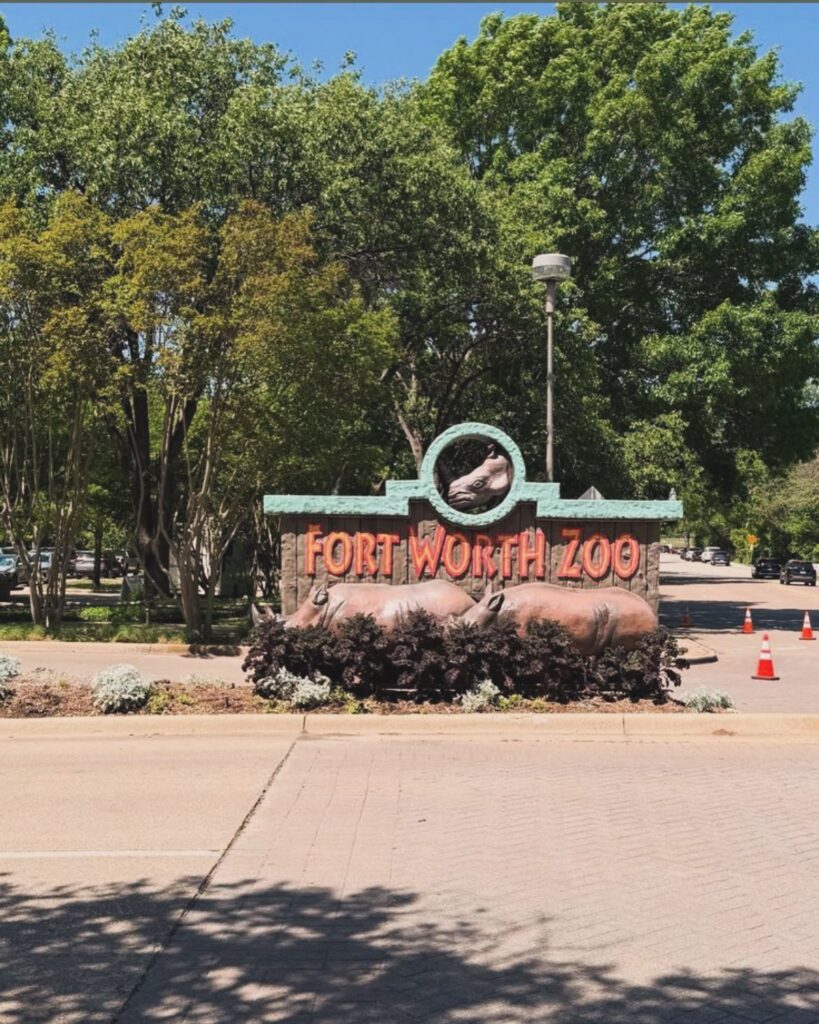
Founded in 1909, the Fort Worth Zoo has grown from a small collection into one of Texas’s leading wildlife attractions. Its carefully planned habitats are home to thousands of native and exotic animals.
The World of Primates introduces visitors to gorillas, orangutans, bonobos, and other species. Spacious viewing areas allow guests to observe how these intelligent animals climb, interact, rest, and search for food.
At the Museum of Living Art, reptiles and amphibians occupy exhibits created around their natural environments. Snakes, crocodilians, turtles, lizards, and rare frogs help demonstrate the importance of conservation.
Other areas feature elephants, giraffes, big cats, birds, marine animals, and creatures from the Texas landscape. Younger visitors can also enjoy close animal encounters, play areas, and family-focused educational programs.
The zoo covers a large area, so comfortable shoes and several hours are recommended. Shaded paths, dining stops, and well-spaced exhibits make it possible to enjoy a relaxed day while learning about wildlife from many regions.
Final Thoughts on the Best Things to Do in Texas
Texas offers far more than cowboy boots and wide-open highways. Its cities, national parks, museums, historic landmarks, gardens, aquariums, and coastal escapes create countless ways to shape a memorable trip.
You can hike through Big Bend, watch bats fly over Austin, stroll beside the San Antonio River Walk, tour the Alamo, or spend a family day at Space Center Houston. Travelers interested in wildlife, science, art, history, and outdoor adventure will all find worthwhile stops across the state.
Because Texas covers such a large area, it helps to focus on one region at a time. A city break in Dallas or Houston feels very different from a road trip through West Texas, the Gulf Coast, or the Hill Country.
Whether you are visiting for a weekend or crossing the state on a longer journey, these 25 best things to do in Texas offer a strong starting point. Choose the attractions that match your travel style, leave room for roadside surprises, and get ready for a trip filled with bold scenery, rich stories, and unmistakable Texas character.
Related Post: