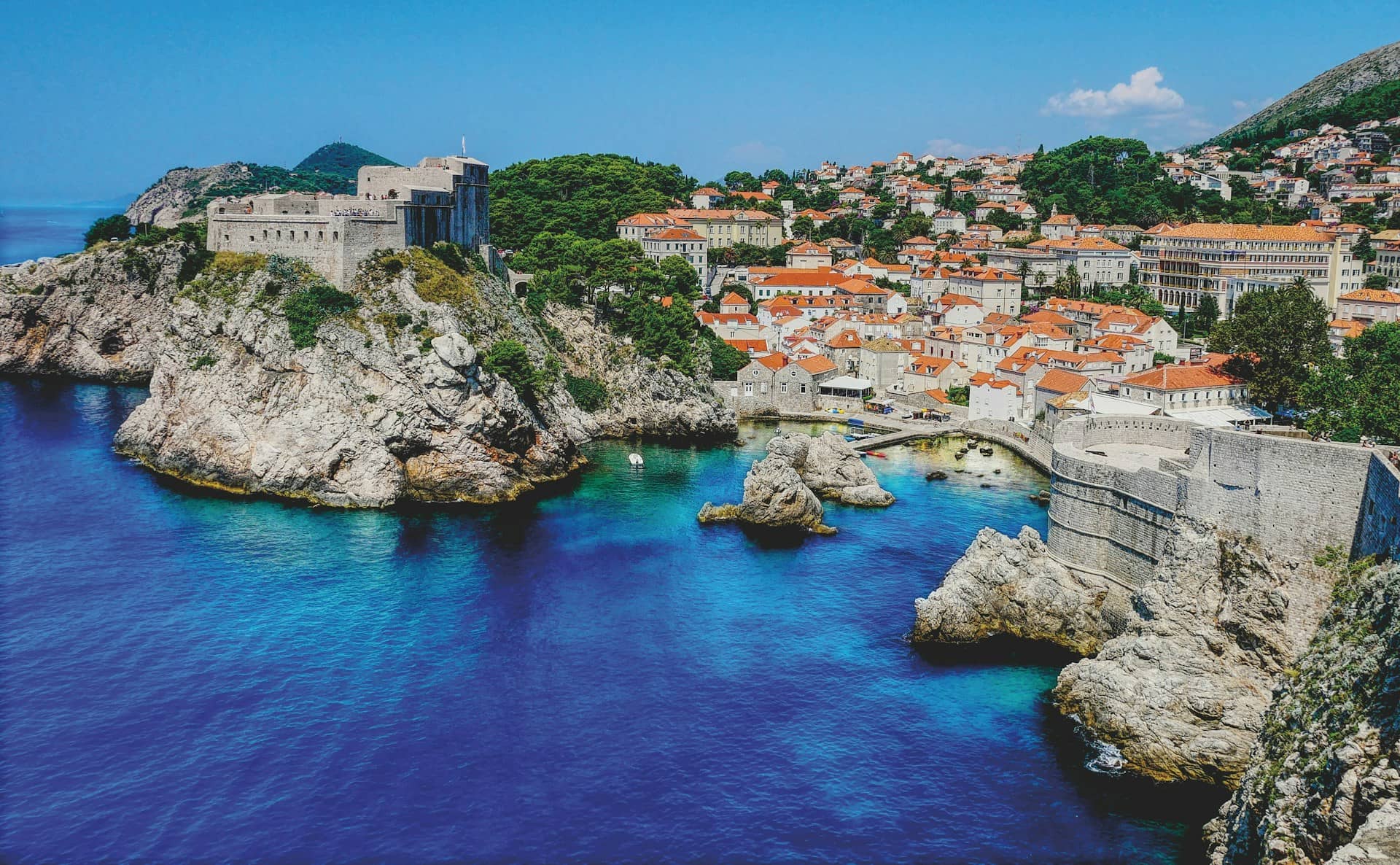
Looking past the big names like Split and Dubrovnik opens up a different side of Croatia. Smaller towns, quiet islands, rail trails, wetlands, and old hill settlements offer slower travel and fewer crowds. These places reward flexible plans and curious detours.
This list focuses on lesser-known stops across Istria, Dalmatia, and Slavonia. Each pick highlights access notes, seasonal timing, and booking needs where relevant. Expect a mix of nature, history, and low-traffic experiences that work well outside peak routes.
Hidden Gems in Croatia You Shouldn’t Miss
1. Pijana Pruga – The Crooked Rails That Drift Through Istrian Green
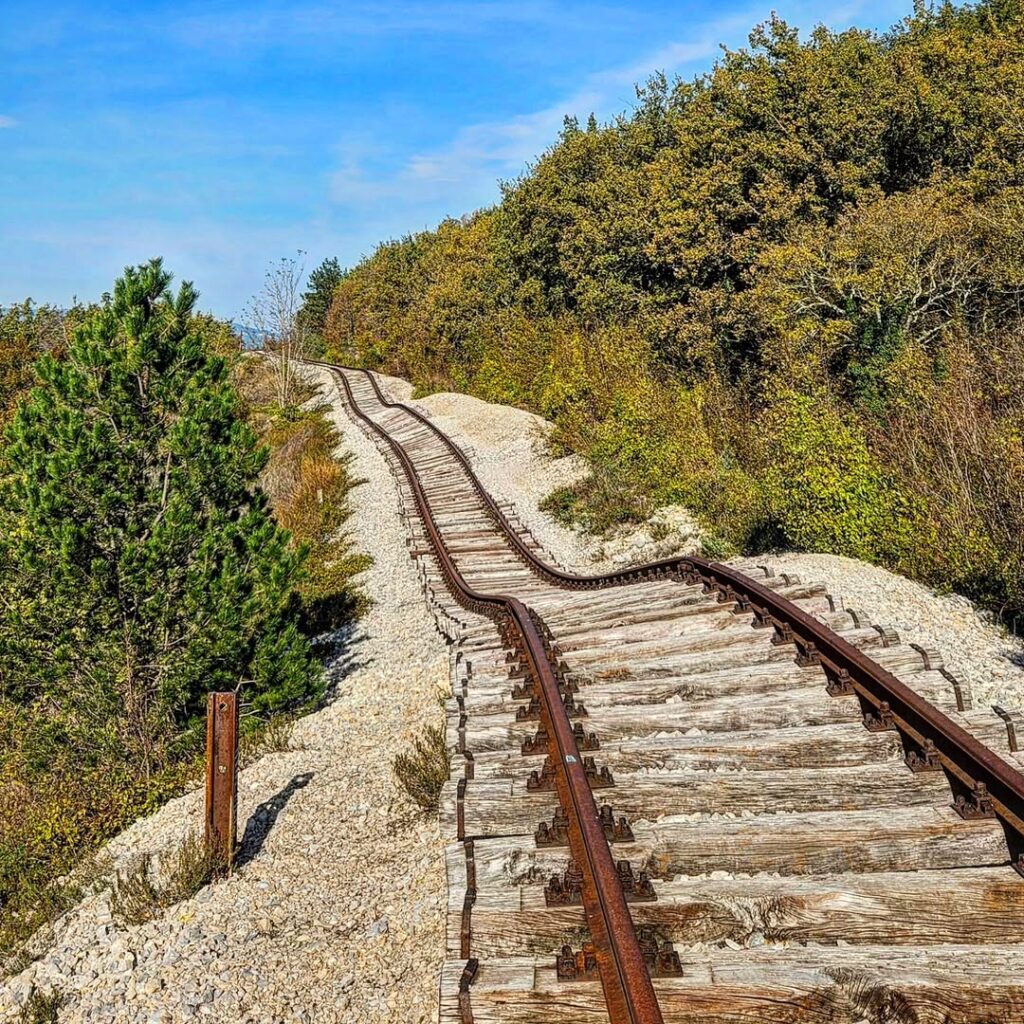
Pijana Pruga sits in eastern Istria near Kožljak, below the Učka mountain range and above the wide Čepić field basin. At first glance it looks like a forgotten rural rail line, but a closer look explains its strange nickname. Sections of track appear uneven, bent in direction, and oddly sloped, giving the impression that the railway itself lost balance.
The line once connected Lupoglav with Štalije across roughly fifty kilometers and dates back to the late 1940s and early 1950s. It came from post-war construction campaigns and carried freight for decades before operations stopped in the late 2000s. With trains gone, the route shifted from transport corridor to curiosity point for hikers, photographers, and rail-history fans.
Walking parts of the track reveals changing terrain — low embankments, shallow cuts, and open agricultural views. Because it runs outside formal park boundaries, visits do not require tickets or permits. However, surfaces can be loose and vegetation thick in warmer months, so boots and long pants help.
Early morning and late afternoon light work best for photos, especially when mist hangs low over the fields. Parking is informal near access paths rather than marked visitor lots. Therefore, this hidden spot suits travelers who enjoy unusual infrastructure, quiet landscapes, and off-route exploration.
2. Brijuni National Park – Islands of Quiet Shores, Old Empires, and Wandering Deer
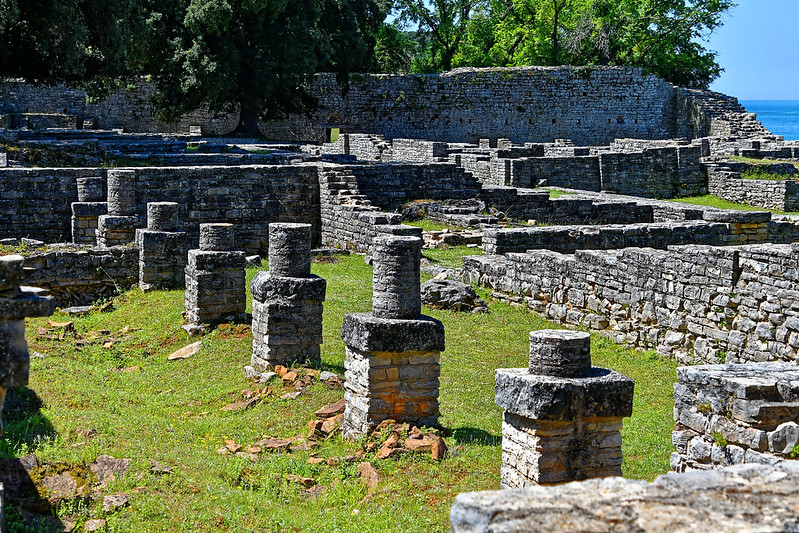
Brijuni National Park lies just off the Istrian coast near Pula, yet many travelers pass it by while heading to more crowded highlights. This island group combines open meadows, calm coves, and layered history in one compact area. The setting feels calm and spacious, with fewer crowds than most coastal hotspots.
The main island carries traces of many eras, from Roman villa remains to 20th-century political history. It once served as a private retreat for Yugoslav leader Tito, and parts of that period remain visible through residences, exhibits, and preserved grounds. Visitors also spot dinosaur footprints and archaeological fragments spread across marked areas.
Nature adds another dimension to the visit. Open lawns and wooded zones host free-roaming deer and a small safari park created from historic diplomatic animal gifts. Cycling and electric train tours help cover distance without strain, and swimming spots appear along the shoreline.
Access requires a boat from Fažana, and ferry tickets plus park entry should be booked early in peak summer. Services run on fixed schedules, so timing matters. Therefore, Brijuni suits travelers who want history, open landscapes, and island calm within a short ride of the mainland.
3. Telašćica Nature Park, Dugi Otok – Cliffs Over Blue and a Salt Lake Behind the Hills
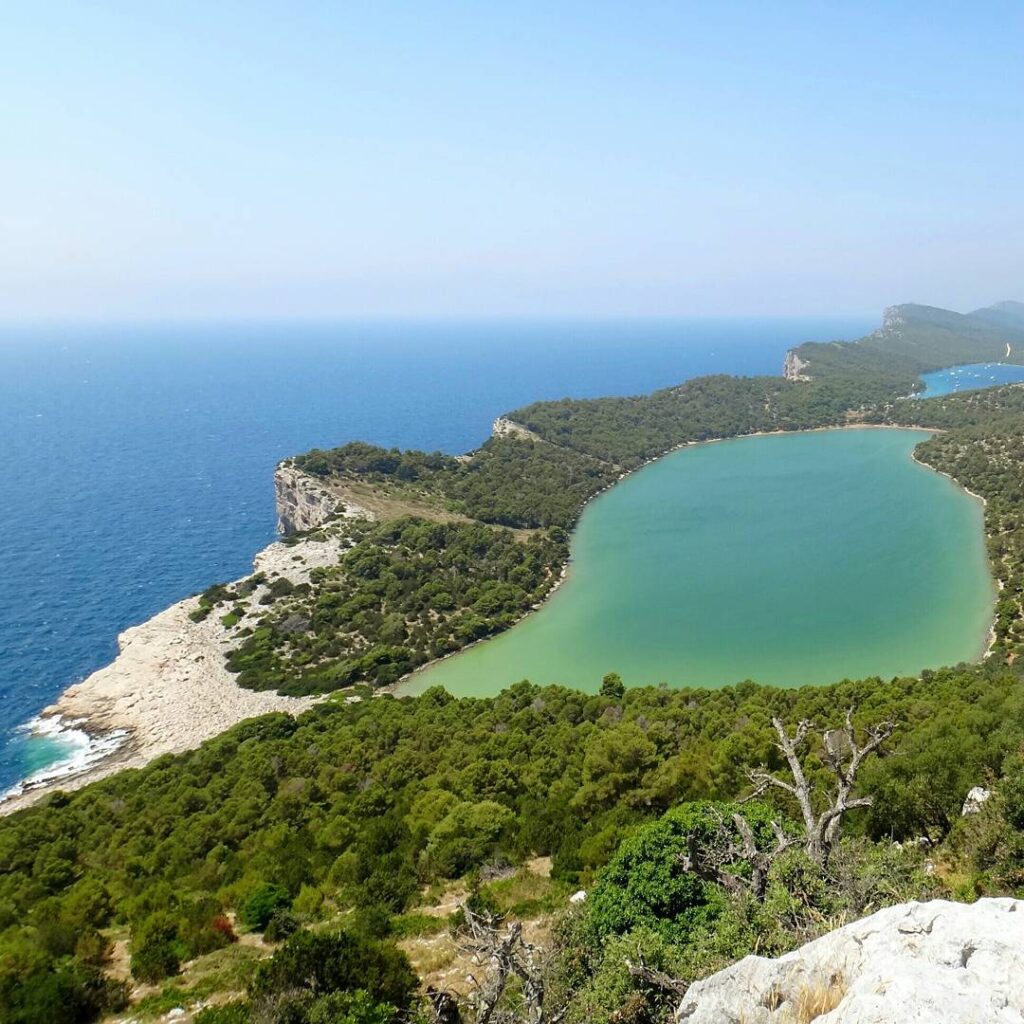
Telašćica Nature Park spreads across the southern end of Dugi Otok and feels wide, raw, and open compared with Croatia’s busiest park zones. The landscape shifts quickly from pine cover to bare rock and then to steep sea-facing cliffs. Views stretch far across open water, with long drops straight into deep blue.
One of the park’s main features is Lake Mir, a saltwater lake set just inland from the cliff edge. A walking path connects the lake and the coastal viewpoints, so you can cover both without technical hiking. Swimming is allowed in set areas, and quiet coves appear along the shoreline for slower stops.
Wild terrain shapes most of the visit, with fewer built structures than major national parks. Trails are marked but remain natural underfoot, so solid shoes help. Shade varies by section, which makes early starts useful in hot months.
Entry requires a paid ticket, and access comes either by road across Dugi Otok or by organized boat trips, often paired with Kornati routes. Some official online tickets must be purchased at least a day in advance to count. Therefore, Telašćica suits travelers who want big coastal nature without heavy foot traffic.
4. Zrmanja River – Canyon Turns, Fast Water, and Stone Walls That Close In
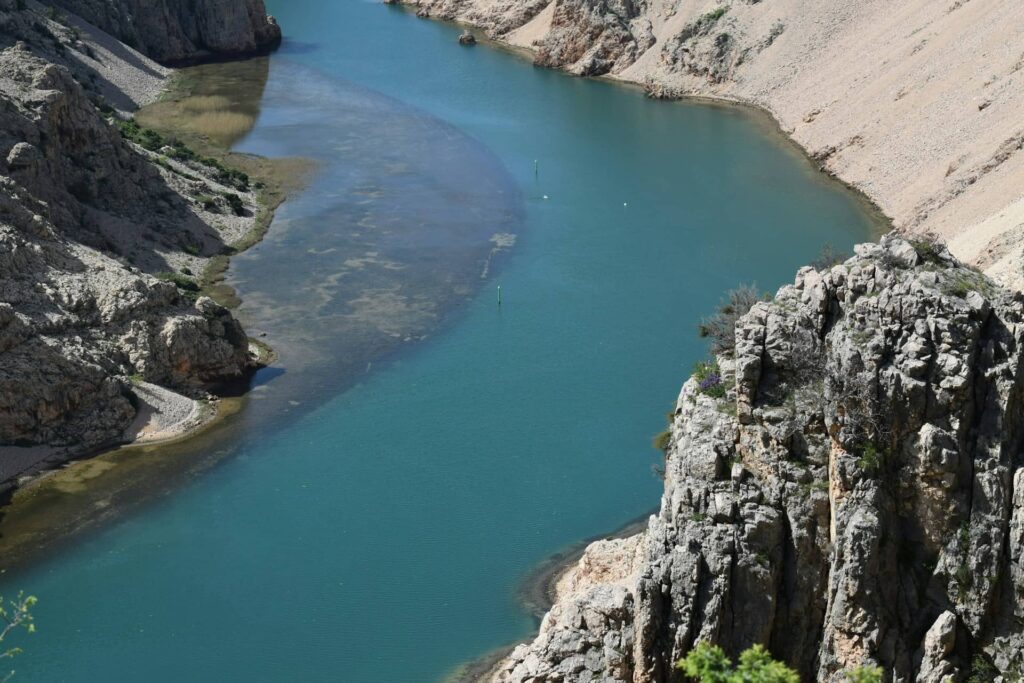
Zrmanja River cuts through a deep canyon in inland Dalmatia, creating one of Croatia’s best low-profile adventure corridors. The water runs clear over pale rock, while canyon walls rise steep on both sides. From above it looks calm, but down at river level the terrain feels bold and immersive.
Rafting and kayaking trips run through different sections of the canyon, with routes matched to water levels and experience. Spring brings faster flow and more technical passages, while summer usually offers gentler rides suited to beginners. Guides handle logistics and safety gear, so first-timers can join without prior training.
Between rapids, the river slows into pools and narrow bends framed by greenery and layered stone. Small waterfalls and swim spots appear along many routes. These pauses balance the faster sections and give time to take in the setting.
Most launches require advance booking with licensed operators, and trips run only in suitable conditions. The area sits outside the main national park circuits, so crowds stay lighter. Therefore, Zrmanja fits travelers who want guided adventure in a dramatic natural corridor.
5. Dalmatian Coast Big Game Fishing – Blue Water Runs and Lines That Suddenly Go Tight
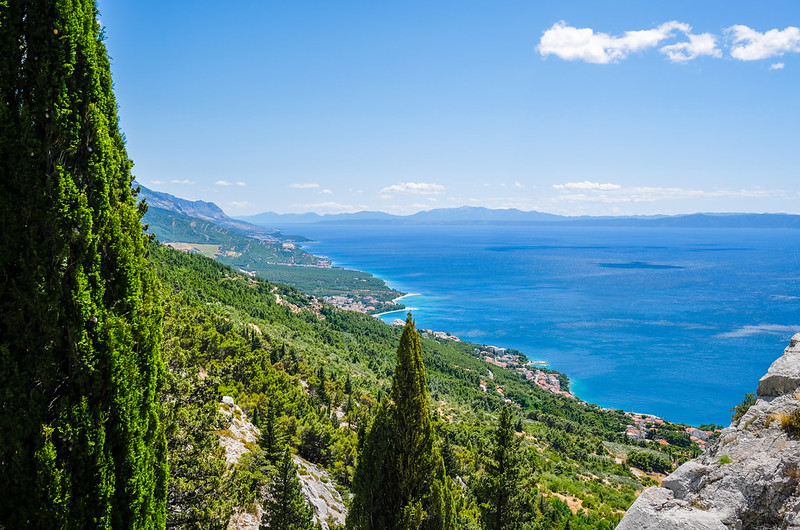
Dalmatian Coast offers offshore fishing trips that push far beyond the usual island-hopping routes. Boats head out toward deeper Adriatic waters where larger species move through open channels. The shift from calm shoreline cruising to open-sea focus changes the whole day’s rhythm.
Charters usually leave from hubs like Zadar and nearby island ports, running full-day trips with captain and crew included. Gear, bait, and tackle are normally provided onboard, so travelers can join without bringing equipment. Travel time to prime fishing grounds can run around ninety minutes each way.
Conditions and targets vary by season, with some days aimed at large pelagic fish and others at mixed catches. You may also land smaller species between major strikes. Each operator sets its own rules on whether fish are kept, shared, or released, and cleaning or cooking fees may apply.
Croatia generally requires a valid recreational or sport fishing licence unless the charter clearly includes it. Catch limits and keep rules also differ by species and period. Therefore, confirm licence coverage and catch policy in writing before booking.
6. Pakleni Islands – Where the Blue Breaks Into Quiet Shores
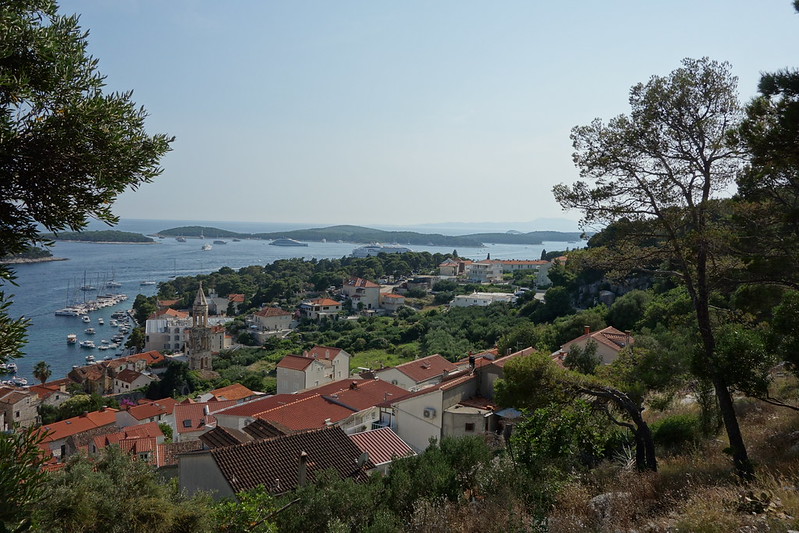
Just off Hvar’s Old Town, the Pakleni Islands spread across the sea like scattered green stones. Water taxis and small tour boats run daily, making the short trip easy and scenic. The ride offers open views, rocky coves, and clear swimming spots waiting just minutes away.
Mid-summer days bring heavier crowds to the most popular bays. Going early in the morning or visiting outside peak season gives a calmer experience. Some visitors rent small boats to move freely between beaches and anchor where they like.
Stays range from private villas in Hvar town to cozy bungalows on Sveti Klement. Palmižana and Vinogradišće Bay are well known for clean water and good restaurants, yet quieter corners still sit within a short walk from the main docks.
7. Rastoke – Where Mill Houses Stand Above Falling Water
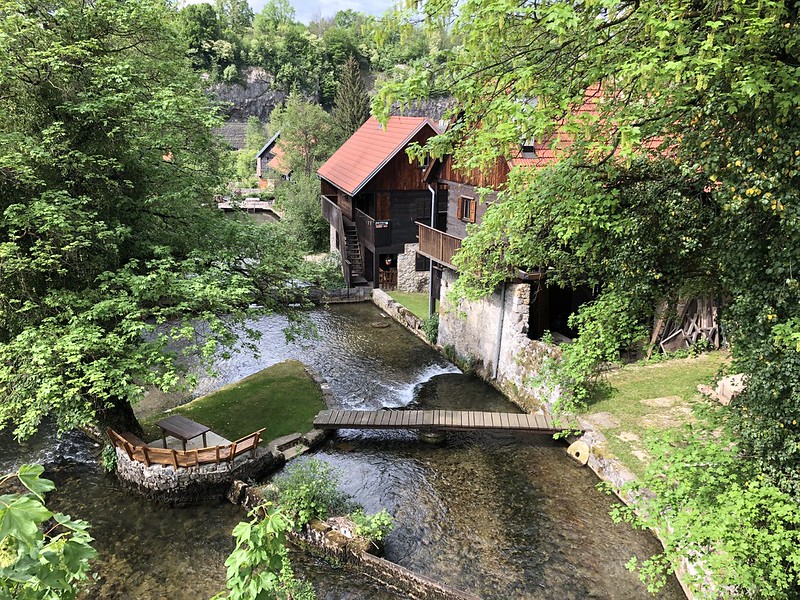
Rastoke sits in the town of Slunj, about half an hour north of Plitvice Lakes National Park by car. This old mill settlement spreads across river channels where water splits, drops, and rejoins through rock cuts. Wooden houses and small bridges sit directly above the flow.
The landscape shows the same type of water shaping seen at Plitvice, but on a smaller scale and outside park gates. Cascades, narrow canyons, and turquoise pools appear within short walking distance. Because it is not inside the national park, visits feel less hurried.
Paths run through the village and along the water, with photo points at nearly every turn. Cafés and small restaurants overlook the rapids, often serving local trout and simple regional dishes. You can cover the area in a relaxed half-day without tight timing.
Parking and access are straightforward, making it a strong stop on the Zagreb–Plitvice route. No major ticket system applies to the whole village, though some viewpoints or museums may charge small fees. Therefore, Rastoke suits travelers who want waterfall scenery without peak-season pressure.
8. Starigrad Paklenica – Where Stone Canyons Open Into Mountain Silence
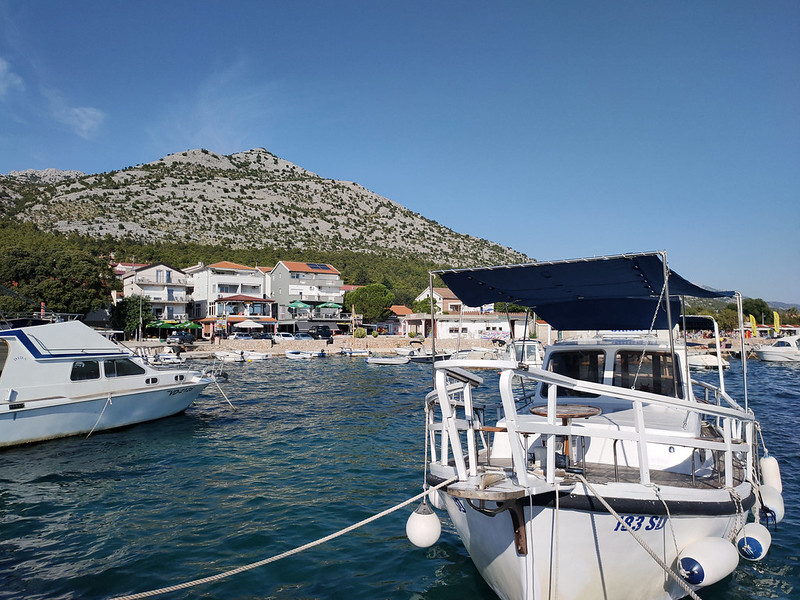
Starigrad Paklenica sits at the gateway to Paklenica National Park on Croatia’s Adriatic side. From the coast, the land rises quickly into steep rock and forested slopes. The shift from sea level to canyon walls happens within minutes of arrival.
The park covers a large protected zone built around two main canyons, Velika Paklenica and Mala Paklenica. Both cut deep through pale limestone, with marked trails leading past cliffs, streams, and climbing routes. Velika Paklenica draws most visitors, while Mala Paklenica stays quieter and more rugged.
Hiking paths range from short valley walks to long mountain ascents into the Velebit range. Rock climbers also treat the area as one of Croatia’s top climbing centers. Trail maps and entry gates are clearly organized, and facilities sit near the main entrance.
Entry requires a park ticket, and summer heat makes early starts a smart move. The nearby town provides lodging and supplies for multi-day hikes. Therefore, Starigrad Paklenica suits travelers who want canyon trails, mountain terrain, and structured park access.
9. Parenzana Route, Istria – Rails Reborn as a Trail Through Hills and Stone Towns
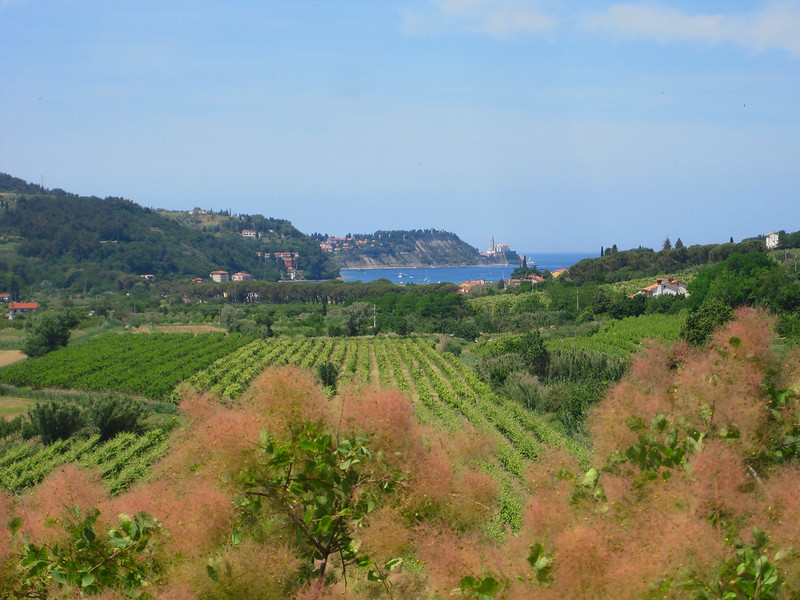
Parenzana Route follows the path of a former narrow-gauge railway that once linked dozens of settlements across Istria and up toward Trieste. Trains stopped running in the 1930s, but the corridor remained etched across the landscape. Today, long stretches serve as a cycling and walking trail.
The route passes through tunnels, over old bridges, and along ridgelines with wide rural views. Riders move between vineyards, forest sections, and hilltop towns without heavy road traffic. Surface types vary from packed gravel to dirt, so tire choice matters.
Trail access points appear near several Istrian towns, letting visitors ride short segments or longer cross-region sections. Signage helps with direction, but maps or GPS tracks improve route planning. Services like cafés and repair stops show up near larger access hubs.
No single ticket covers the full trail, since it runs outside park gates and through public land. Spring and autumn bring cooler riding weather and clearer air. Therefore, the Parenzana suits travelers who want active exploration across Istria’s interior.
Related Posts:
- 9 Hidden Gems in Greece for an Unforgettable Escape
- 9 Beautiful Places in the USA for a Scenic Road Trip Escape
- 9 Incredible Hidden Gems in India You’ll Fall in Love With
- 9 Lesser-Known Places in California Full of Unexpected Charm
Verdict
Croatia’s famous cities earn their spotlight, but the quieter corners often leave the longer memories. From crooked rail lines and island coves to canyon rivers and mill villages, these lesser-known stops offer space, texture, and local character without the heavy crowds. They work well as side trips or anchors for a slower route across the country.
Each place on this list rewards a bit of planning — checking boat access, park tickets, trail conditions, or seasonal timing. That small prep often leads to calmer visits and better on-site time. Mix one or two of these with your main-city plans and the trip feels more balanced.
Now I’m curious — which of these hidden Croatian spots would you put at the top of your list first?