
This 7 day Big Island itinerary helps you make the most of your week on this remarkable island, filled with striking landscapes, rich culture, and outdoor adventures. With clear daily steps, you’ll move through beaches, volcanic terrain, marine life encounters, and local food stops without feeling rushed.
Across seven days, you’ll relax on sun-washed shores, meet Hawaii’s fascinating underwater world, and taste dishes rooted in island tradition. Each day offers something different—from calm coastal moments to dramatic viewpoints and lively local stops—giving you a well-rounded experience.
If you have one week on the Big Island, this outline gives you a smooth plan to follow, with highlights chosen for their beauty, variety, and unforgettable atmosphere. You’ll get a true sense of what makes this island special through its shores, trails, wildlife, and culture. Keep reading for your full 7 day Big Island itinerary and start visualizing the trip you’ve been waiting for.
When Should You Plan Your Trip to Hawaii’s Big Island?

If you’ve been wondering which season fits your trip perfectly, here’s the reassuring part—Big Island weather stays pleasant throughout the year. Sunshine, warm breezes, and mild evenings create a steady rhythm that travelers enjoy no matter the month.
Top Months to Experience the Big Island
If you’re looking for friendlier prices and fewer crowds, April, May, August, and September offer a sweet balance. These months avoid the busy stretch of June and July and skip the packed holiday season at the end of the year, when resorts fill quickly and costs climb.
For travelers who love unforgettable wildlife moments, January and February offer something extra special. During this stretch, you can often spot whales breaching from the coastline—an experience that stays with you long after your trip ends.
Each season brings its own appeal, and with the island’s steady climate, you’ll have a great trip no matter when you arrive.
Do You Need a Rental Car on Hawaii’s Big Island?
Getting around the Big Island without your own wheels can be tricky. Bus routes cover only small sections of the island, and rideshare options appear less frequently than on Oahu or Maui. Fares also climb quickly, especially if you’re traveling longer distances.
A car makes your trip far smoother, especially if you want to reach those standout beaches, trailheads, scenic lookouts, or lesser-visited spots spread across the island. The Big Island is large, and many of its best experiences sit far apart, so having your own vehicle saves time and keeps your schedule flexible.
If you’re comparing prices, booking.com often has solid car rental deals across Hawaii, giving you the chance to find a rate that fits your trip without unnecessary stress.
How Many Days Should You Spend on Hawaii’s Big Island?
Deciding how long to stay can feel a bit tricky, but the simple truth is this: spend as many days as your schedule allows. The island is full of experiences—coastal drives, waterfalls, volcano viewpoints, coffee farms, black-sand beaches, and long scenic stretches—that can easily fill week after week.
Most travelers, however, can’t dedicate a full month. For a well-rounded visit, five to seven days generally works well. This gives you time to reach major highlights without spending your entire trip behind the wheel.
The Big Island earns its name. Distances are longer than people expect, and many top spots sit far apart. With more ground to cover, extra days help you enjoy each area without rushing from one stop to the next.
If your Hawaii trip is shorter than five days, you might prefer a smaller island like Maui or Kauai. They require less driving, letting you enjoy more beach time, short trails, and easy exploring without spending much time on the road.
5 Days to Experience the Big Island
This guide is arranged as a full week, but if you’ve only got five days, feel free to mix and match the parts that interest you most. Pick the beaches, trails, or viewpoints that fit your style, and you’ll shape a shorter plan that still feels complete.
7 Days to Experience the Big Island
A week is the most common trip length for Big Island visitors. If you have seven days, you can follow the itinerary as outlined and adjust it to your own pace—whether that means more beach breaks, longer afternoons in town, or extra time savoring local food.
Is a Week the Right Amount of Time?
Yes, seven days gives you more than enough room to enjoy the island’s standout spots without rushing from place to place. The schedule moves at a steady rhythm, leaving space for beach time, poolside hours, slow lunches, and sunset drinks.
10 Days to Experience the Big Island
With ten days, you can stretch the one-week plan so everything feels easier and more spacious. Add more rest days or linger at your favorite beaches before heading off to the next stop.
Another option is to include a few extra adventures. One memorable addition is Papakōlea, the green sand beach on the island’s southern coast. If you’re based near Kona, it will take most of a day, but it’s one of only four beaches of its kind on Earth—making the drive and hike a worthwhile part of your trip.
Where to Stay on Hawaii’s Big Island
Choosing a home base can shape your entire trip, and the Kohala Coast stands out for several reasons. This stretch of the island enjoys some of the steadiest weather, plenty of lodging options, and easy access to restaurants, shopping spots, and ocean activities. It’s also close to some of the island’s most admired beaches, which makes daily outings simple and enjoyable.
Top Areas and Stays on the Big Island
One question I hear constantly is: “Which part of the island should I book?” Here are some helpful picks based on different travel styles:
Honeymoon
- The Four Seasons Hualalai — a once-in-a-lifetime escape with exceptional service and sweeping ocean views.
Luxury
- The Fairmont Orchid — polished rooms, relaxing pools, and a calm coastal setting.
- Mauna Lani — spacious, stylish, and great for travelers who want comfort with a refined feel.
Mid-Range
- Hilton Waikoloa — fantastic for families; the lagoon and wide open spaces keep kids happy all day.
- Waikoloa Beach Marriott — strong value with plenty of amenities and easy access to beaches.
Budget-Friendly
- Paniolo Greens Resort — roomy accommodations, a relaxed atmosphere, and wallet-friendly pricing.
A Helpful Tip for Budget Travelers : The Kohala Coast draws many visitors, which also means higher prices. If you’re watching your spending, check areas like Hawi, Waimea, or Hilo. These towns offer better chances of finding affordable rooms while still giving you access to scenic drives, great food, and plenty of things to do.
Packing Guide for Hawaii’s Big Island
Big Island style leans relaxed, so lightweight pieces are your best friend. Pack shorts, simple tops, sundresses, and sandals that work for warm, sunny days. If you want an even more detailed list, I have a full guide that breaks down exactly what to bring and what can stay at home.
One thing to keep in mind: if you plan to visit Volcanoes National Park or head up to the Mauna Kea summit, bring warmer layers. Pants and a solid jacket make a huge difference at higher elevations, where temperatures drop sharply compared to the coast.
If you join a Mauna Kea tour, most operators provide proper outerwear, but having your own extra layers makes the experience far more comfortable from start to finish.
Big Island 7 Day Trip Map
To give you a clear sense of direction, I’ve marked all the suggested stops for this week-long Big Island plan. The image below offers a quick preview, and you can view the full detailed map here.
Day 1: Begin Your Big Island Journey
Aloha and welcome to Hawaii! Once you land, gather your luggage and pick up your rental car. If you’re staying in a vacation home, this is a convenient moment to stop for groceries before settling in, so you can ease into your first evening without extra errands.
Top Spots to Buy Groceries on the Big Island

Here are three dependable places to stock up on food, snacks, and the basics you’ll want during your stay:
- Costco: Located near the Kona airport, this is the ideal first stop after landing. You can grab bulk items, beach snacks, drinks, and even island-themed treats at prices that help stretch your budget for the rest of the trip.
- Foodland Farms Mauna Lani: Set beside the Mauna Lani resort, this store is a great fit if you’re staying along the Kohala Coast. It carries fresh produce, deli items, local specialties, and a broad range of everyday groceries—great for quick meals or stocking your vacation rental.
- Island Gourmet: Inside the Queen’s Marketplace in Waikoloa, this shop blends convenience with variety. You’ll find groceries, grab-and-go meals, souvenirs, and beach-day essentials, making it an easy one-stop option if you’re based in the Waikoloa area.
Settle In and Ease Into Your First Evening
Once you’ve grabbed your groceries and handled the basics, head over to your accommodations, check in, and settle into your space. After unpacking and catching your breath, treat yourself to your first mai tai of the trip and enjoy an easygoing sunset dinner close by. It’s a simple way to start your Big Island stay on a comfortable note.
Day 2: Enjoy Kua Bay and Stroll Through Kona
Your first full day on the island starts strong with a visit to one of the Big Island’s most stunning shorelines—Kua Bay. Its clear water and soft sand make it an easy place to spend a slow morning, whether you’re swimming, sunbathing, or simply taking it all in.
Later, head into Kailua-Kona, a lively coastal town filled with cafés, small shops, oceanfront paths, and plenty of spots to grab a refreshing treat. It’s a great way to balance beach time with a bit of local flavor.
Start Your Morning at Kua Bay
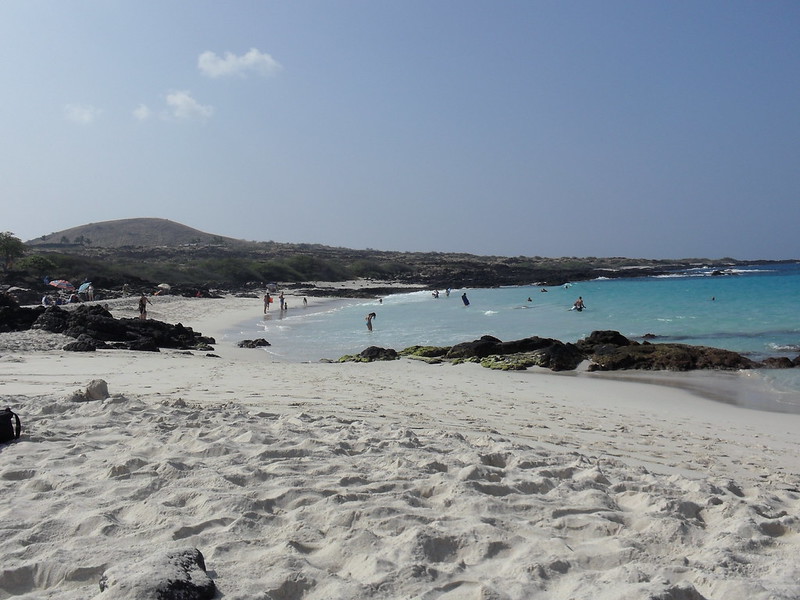
Begin your day unwinding on the sand at Kua Bay, a spot locals love for its clear water and soft shoreline. Many consider it one of the island’s standout beaches, making it a great place to ease into your second day.
Arrive early, as parking fills up quickly and the lot isn’t very large. Pack beach towels, chairs, and a small stash of snacks since there aren’t food options close by. With a little preparation, you can enjoy a calm, easy morning by the water.
Visit Kailua-Kona After Your Beach Morning
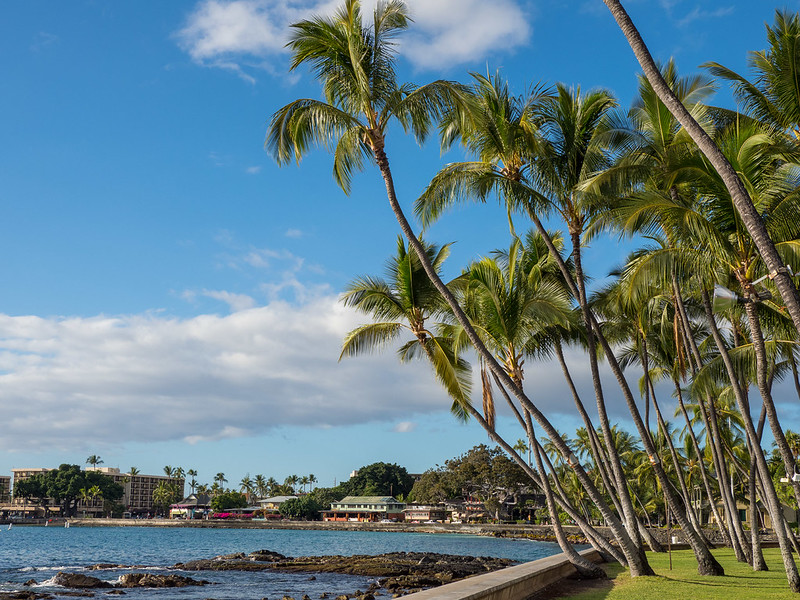
Once you’ve finished enjoying Kua Bay, drive south to Kailua-Kona, a relaxed coastal town with plenty to see. The main street is lined with small shops, cafés, and boutiques, making it a pleasant place to wander without needing your car.
You can stroll along the waterfront, grab a refreshing drink, browse for souvenirs, or stop for a light lunch. The area is compact enough to explore at an easy pace, giving you a mix of ocean views and local flavor as you move through town.
Don’t Miss These Historic Spots in Kailua-Kona
As you move through Kailua-Kona, set aside a moment to visit Hulihe‘e Palace, once a retreat for Hawaiian royalty. The building holds stories from a different era, and its setting along the shoreline gives you a sense of how important this area once was for local leaders. You can walk the grounds, read about its history, and get a closer look at a piece of Hawaii’s past.
Right across the street is Moku‘aikaua Church, the oldest church in Hawaii, established in 1820. Its stone exterior and simple interior reflect the early days of missionary influence on the islands. Even a short visit offers meaningful context to the town’s long timeline.
Both stops fit easily into a casual walk and add interesting layers to your Kona experience.
A Great Spot for Lunch in Kona
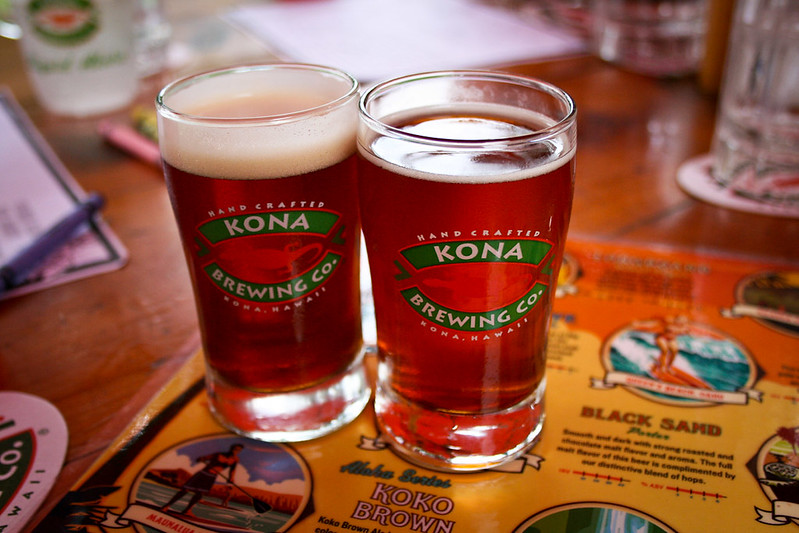
For a relaxed midday break, try Kona Brewing Company. It’s a favorite among visitors and locals alike. Beer fans can sample fresh island brews, and the pizzas are consistently good—perfect after a morning of walking and beach time.
The open-air garden setting adds to the experience, giving you a comfortable place to sit back, enjoy your meal, and take in the easy Kona atmosphere before heading out for the rest of your day.
Visit Pu‘uhonua o Hōnaunau National Historical Park
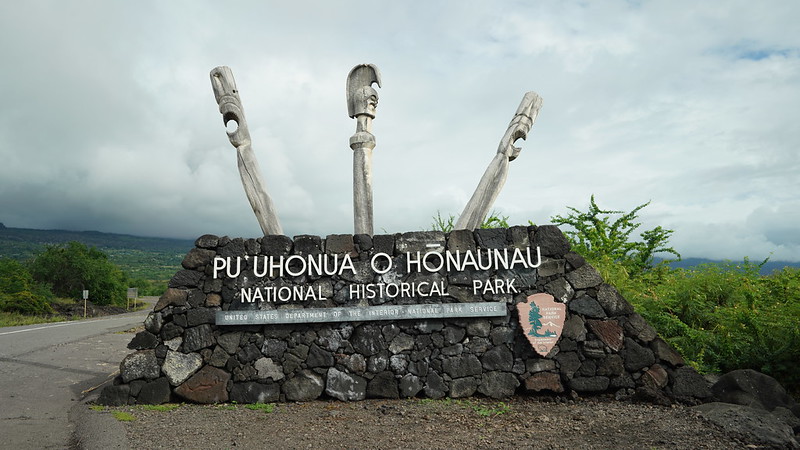
A short drive south of Kona brings you to Pu‘uhonua o Hōnaunau National Historical Park, one of the most meaningful cultural sites on the island. This 180-acre area once held royal grounds and served as a refuge for those who violated kapu, the strict laws that shaped traditional Hawaiian life.
Walking through the park gives you a real sense of the island’s past—carved wooden images, lava rock structures, and quiet shoreline paths all reflect stories passed down through generations. It’s a powerful stop that deepens your understanding of Hawaii’s history and the values that guided its early communities.
End Your Day with Dinner at the Mauna Lani Hotel
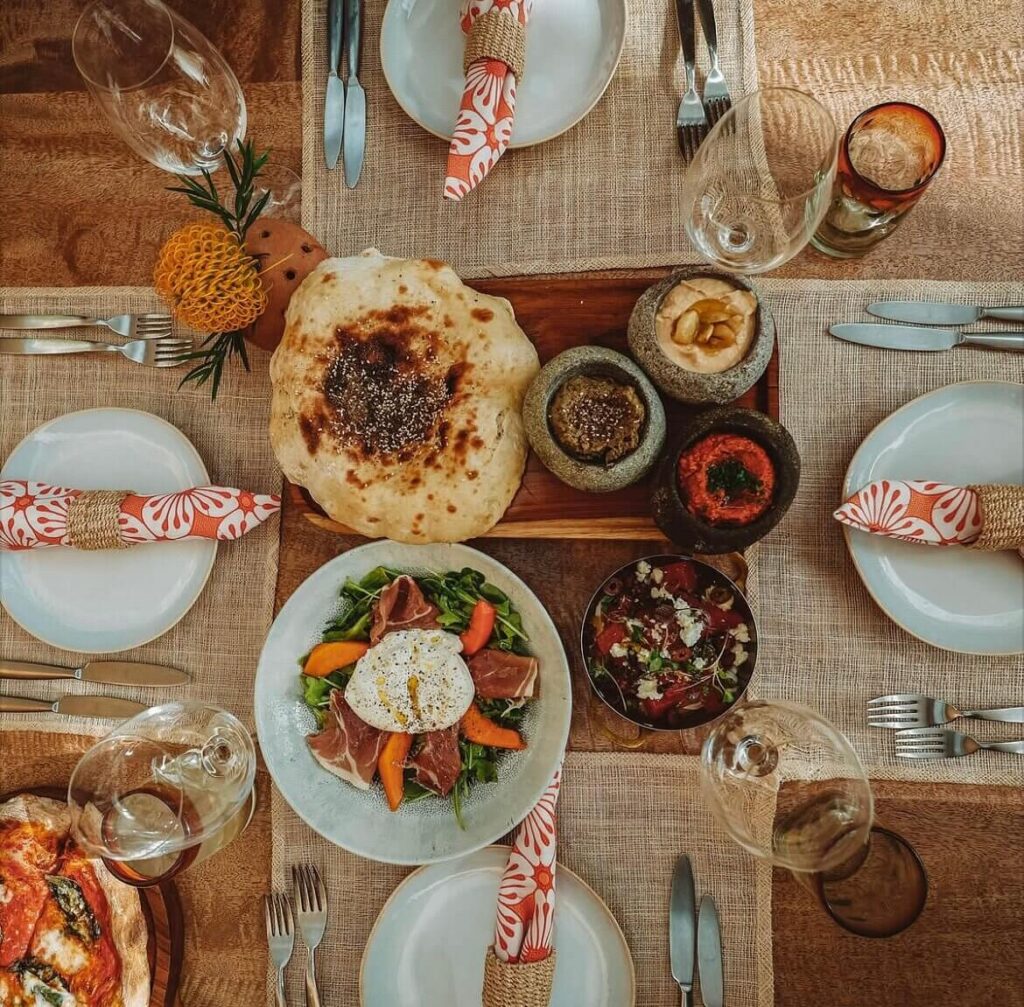
Wrap up your evening with a meal at the Mauna Lani hotel, which offers two excellent dining choices. Each has its own style, giving you flexibility depending on the atmosphere you prefer.
The Canoe House offers a more refined experience, with wide ocean views that make dinner feel especially memorable. It’s a great pick if you’re in the mood for a slower, more polished setting.
HaLani provides a relaxed environment, often featuring live Hawaiian music and traditional dancing. It’s an easygoing spot where you can enjoy good food and a warm sense of place.
Whichever option you choose, you’ll end your day with a satisfying meal and a beautiful coastal backdrop.
Day 3: Road Trip to Hawai‘i Volcanoes National Park
Your third day brings one of the island’s most memorable experiences—a full-day journey to Hawai‘i Volcanoes National Park and the dramatic southern coastline. This outing takes most of the day, so starting early helps you make the most of every stop.
If you’re coming from the Kohala Coast, take the Saddle Road, which cuts straight across the island. This route offers shifting scenery as you move from coastal views to long lava fields and then into lush rainforest. Keep an eye out for goats along the way—they tend to wander close to the road.
Be sure to pack plenty of snacks or a full picnic. Food options are limited once you reach the park and nearby areas, so having your own supplies makes the day smoother and far more enjoyable.
Your First Stop: Hawai‘i Volcanoes National Park
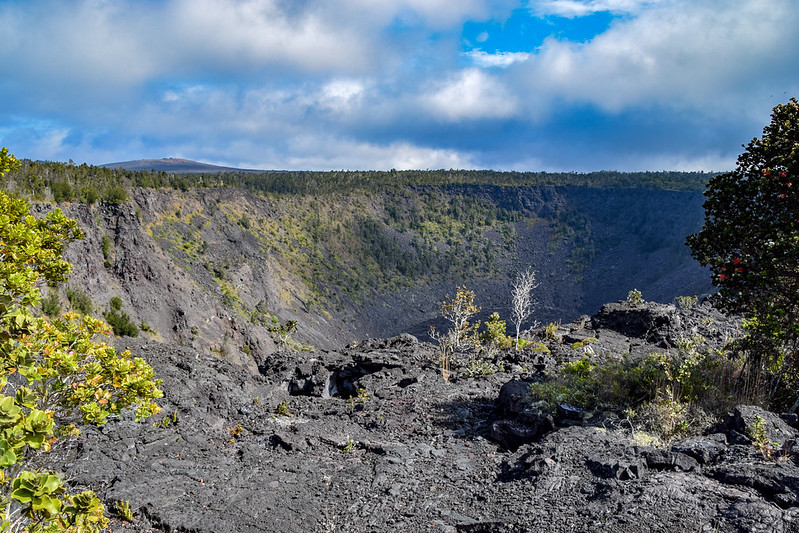
Begin your day at Hawai‘i Volcanoes National Park, a place that leaves a lasting impression. The park includes the summits of Kīlauea and Mauna Loa, two of the most active volcanoes on the planet, making this area an unforgettable part of any Big Island trip.
A good starting point is the Kīlauea Visitor Center. Park rangers can point you to the best viewpoints for any current lava activity and offer helpful updates about trail conditions. Most visitors spend a couple of hours here—walking short trails, stepping into lava tubes, learning about past eruptions, or watching the shifting landscape shaped by volcanic activity.
Whether you choose to hike, explore, or simply observe, this stop sets the tone for an exciting day on the island’s volcanic side.
Volcano Wine Tasting Stop
If you’d like to add something fun and unexpected to your day, stop by Volcano Winery as you leave the park. This small, local spot offers tastings of unusual Hawaiian wines, including options like Infusion Tea Wine or Macadamia Nut Wine—flavors you won’t easily find anywhere else.
It’s a light, enjoyable break before continuing your drive, and a great way to sample something tied closely to the island’s character.
Head to Punalu‘u, the Big Island’s Famous Black Sand Beach
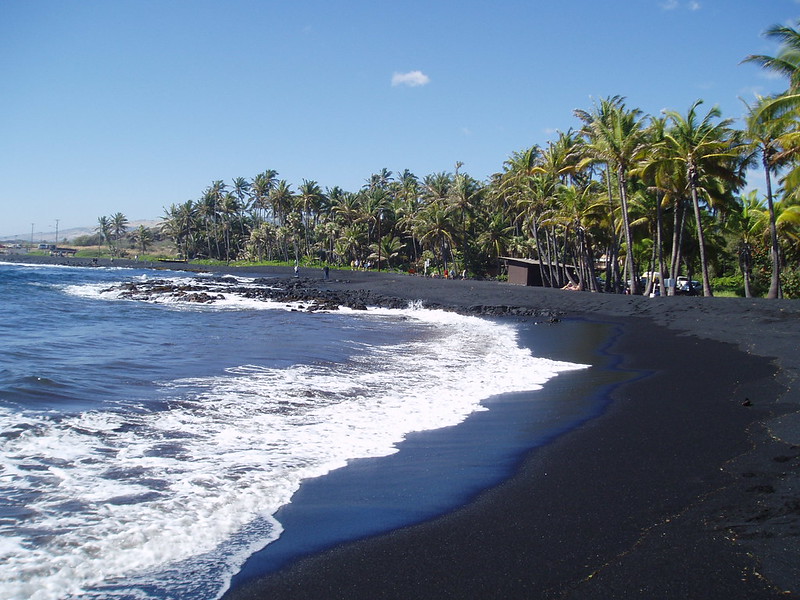
After spending time among craters and lava tubes, continue southwest to Punalu‘u, one of Hawaii’s striking black sand beaches. If it’s your first time seeing dark volcanic sand, the contrast between the shoreline and the blue water will catch your eye immediately.
This spot is perfect for a slow break in your day. Find a place to sit, stretch your legs, and enjoy the snacks or picnic you packed earlier. It’s a calm, memorable stop before you continue your drive along the southern coast.
Keep an Eye Out for Honu at Punaluʻu
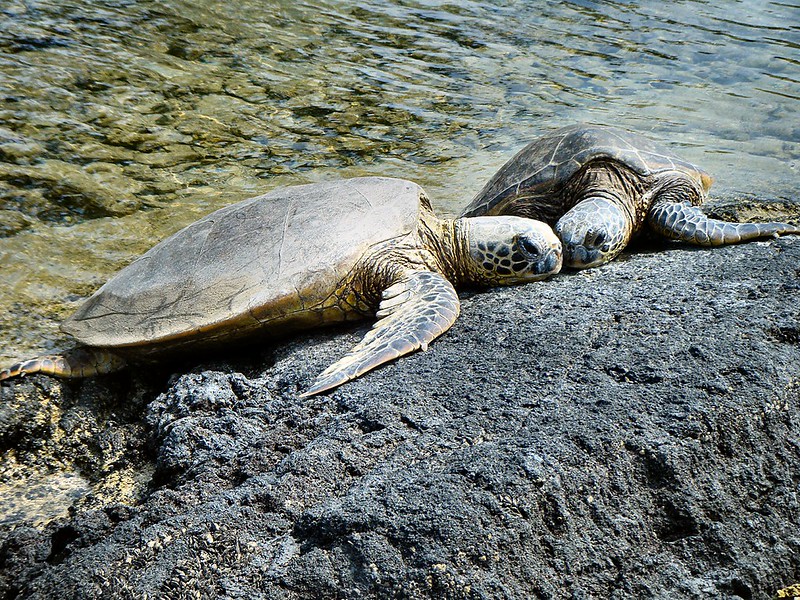
While you’re enjoying the shoreline, watch for honu, the large Hawaiian sea turtles that often rest on the warm black lava rocks. Seeing them up close feels special, but remember that they are protected by state law.
Always give them space—stay at least ten feet away and avoid blocking their path to or from the water. Respecting their distance helps protect these gentle creatures and keeps the beach safe for everyone.
Stop at Shaka Restaurant on Your Drive Back North
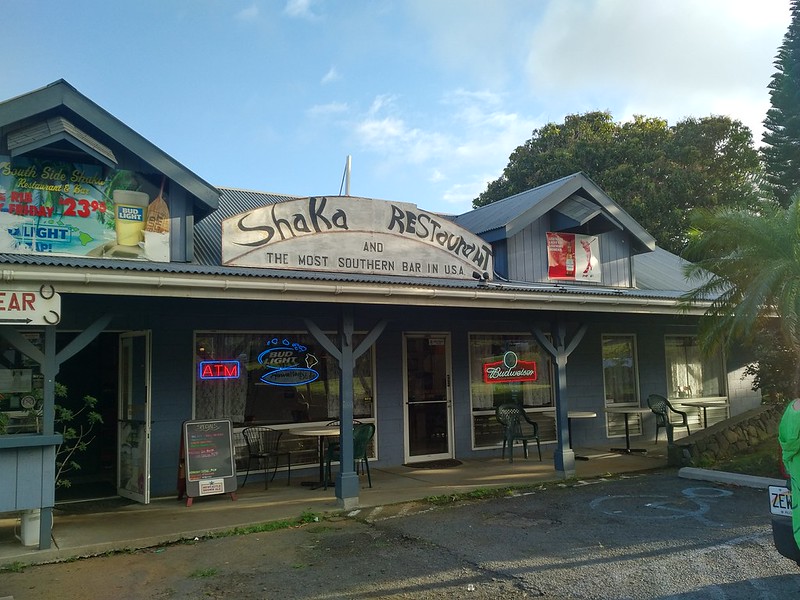
As you make your way north, take a moment to visit Shaka Restaurant, a charming roadside stop with a playful personality. It’s well-known for being the southernmost bar in the United States, a title locals love to mention—and yes, it’s absolutely true.
The spot has a relaxed, slightly quirky vibe, making it a fun place to pause after a long day of exploring. You can grab something simple to eat, enjoy a cold drink, and chat with staff who often have great tips about the surrounding area. It’s a light, easy stop that adds a bit of character to your drive back.
Day 4: North Kohala Coast
For the next part of your Big Island journey, make your way north to explore the North Kohala Coast along with the welcoming towns of Waimea and Hawi. This region offers a mix of scenic drives, local history, and small-town charm, giving you a refreshing change of pace after your earlier beach and volcano days.
Start Your Morning in Waimea
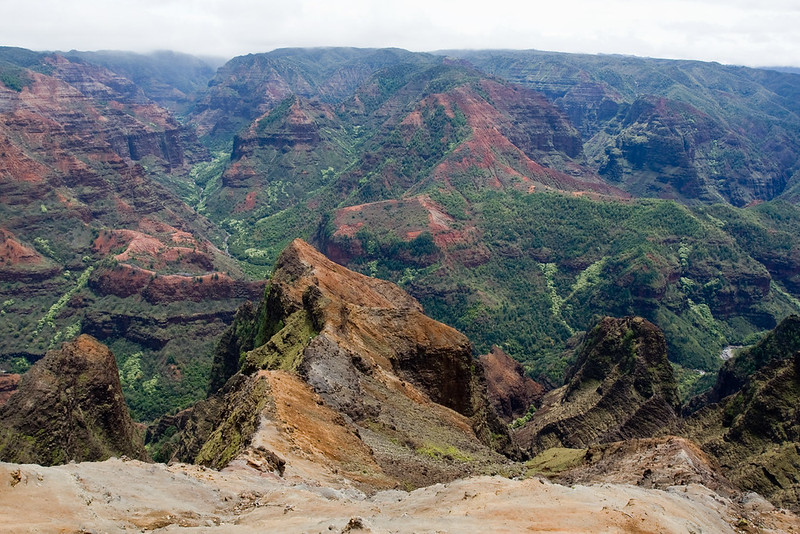
Begin your day in Waimea, a quiet upland town that often flies under the radar. It has a relaxed, local feel and gives you a very different look at life on the Big Island—far from beaches and lava fields, yet full of character and stories.
Waimea is known for its deep connection to Hawaii’s ranching heritage. Surprisingly, the largest privately owned cattle ranch in the United States—Parker Ranch—sits right here. Its history stretches back generations and still shapes the community today.
In the early 1800s, vaqueros from Mexico were brought to Hawaii to help develop the growing cattle industry. Over time, they blended their traditions with Hawaiian culture, creating a distinct cowboy identity. This is where the term paniolo, meaning Hawaiian cowboy, comes from.
Strolling through Waimea gives you a glimpse into this lesser-known side of island history, offering a refreshing contrast to your beach and volcano days.
Make Your Way from Waimea to Hawi
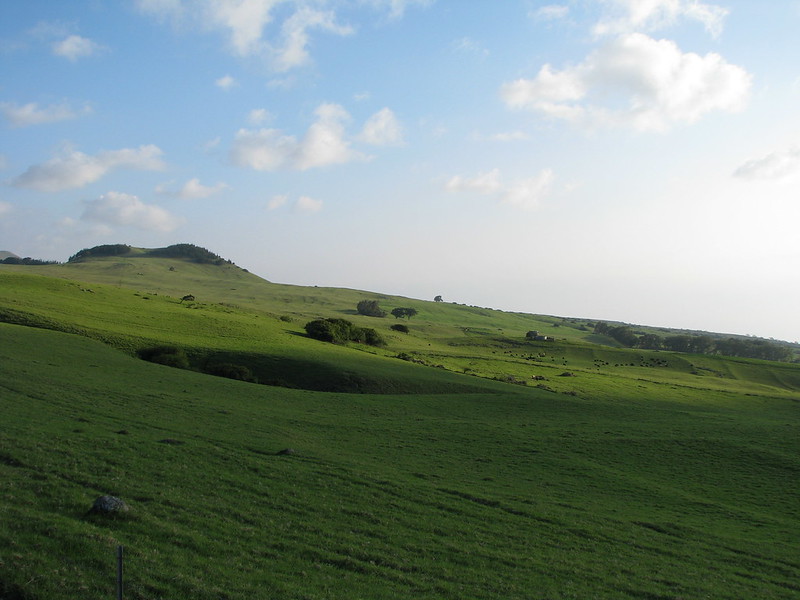
After exploring Waimea, continue your drive north through stretches of striking scenery as you head toward Hawi (pronounced ha-vee). The road offers wide views, open fields, and a sense of calm that makes the drive feel like part of the experience itself.
Hawi once played a key role in the Kohala Sugar plantation, which operated for decades before shutting down in the 1970s. A fun bit of history: sugar is no longer produced anywhere in Hawaii, making these towns important reminders of a major chapter in the islands’ past.
If you haven’t stopped for a meal yet, consider visiting Bamboo Restaurant in Hawi. The Pacific Rim–inspired menu is consistently good, and it’s a great place to fuel up before continuing on to your next stop.
Head to Pololū Lookout After Visiting Hawi
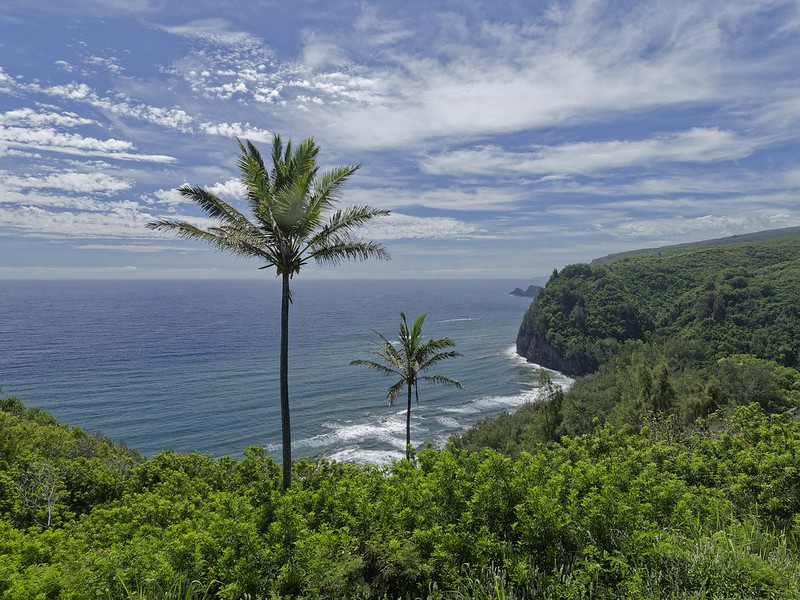
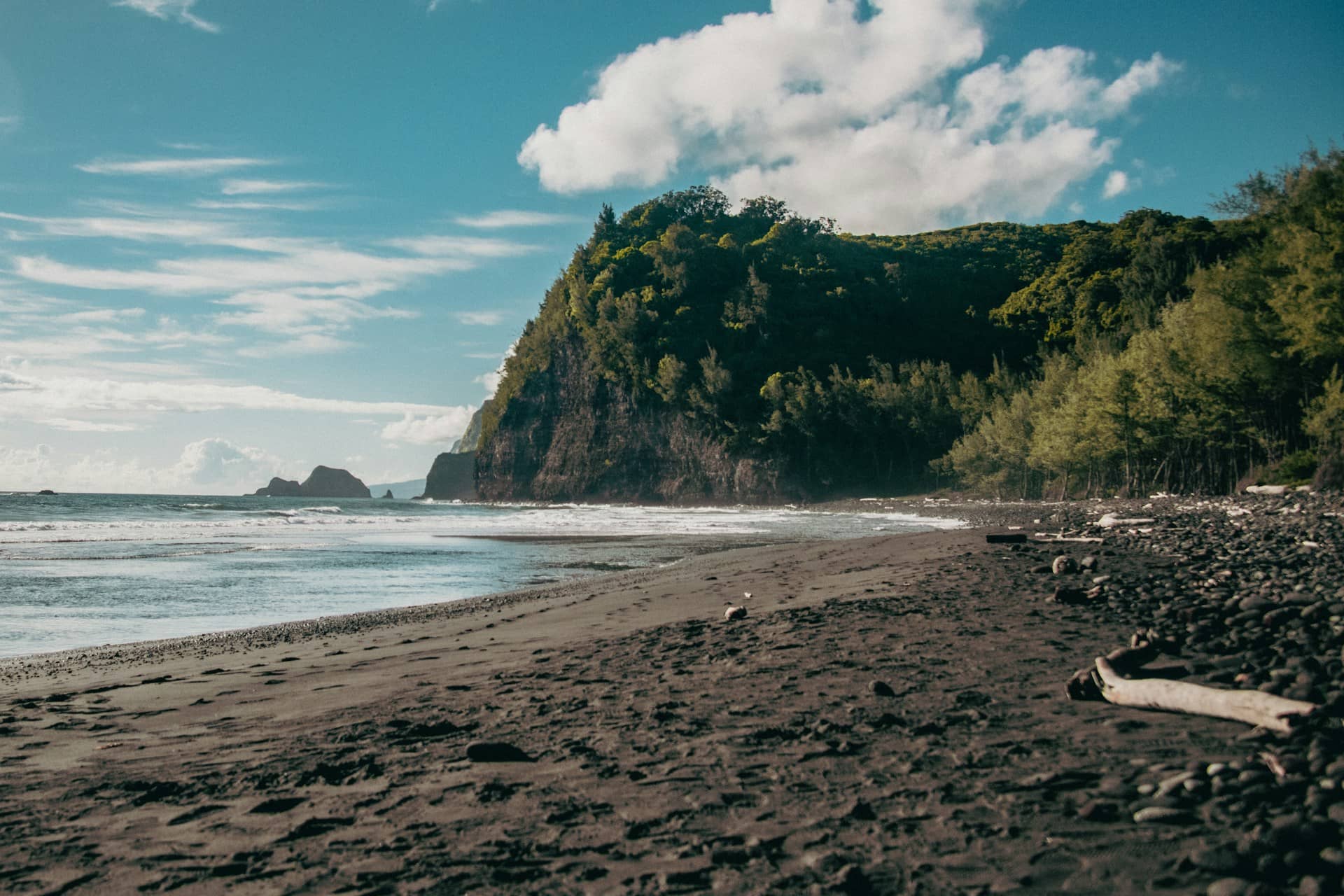
Once you’ve spent some time in Hawi, continue north to the Pololū Lookout. From this viewpoint, you’ll see the broad sweep of Pololū Valley and the dark sand shoreline below—an impressive sight that feels completely different from the more developed parts of the island.
If you’re up for a bit of adventure, take the trail down into the valley. The hike is short—about 0.6 miles each way—but the path is steep and uneven in places. Most people reach the bottom in around 25 minutes, so give yourself about 90 minutes round-trip to hike, rest, and enjoy the scenery.
Once you reach the valley floor, you’ll find a quiet black sand beach with plenty of room to stretch out, wander along the shore, or simply sit and take in the view. It’s a refreshing stop with far fewer visitors than many other beaches on the island.
Wrap Up Day 4 with a Traditional Luau Experience
A Big Island trip feels incomplete without a luau, so tonight is the perfect time to enjoy one. A luau blends dance, music, storytelling, and traditional Hawaiian dishes into an evening that’s full of energy and cultural meaning. It’s a warm, lively way to end your day after exploring North Kohala.
One luau that consistently delivers a great experience is the Voyagers of the Pacific Luau. The evening begins with a shell lei greeting, followed by hands-on activities like a lei-making workshop. You’ll also witness an Imu ceremony, where a whole pig is cooked in an underground oven—a signature part of Hawaiian cuisine. All the while, you can sip Mai Tais and enjoy wide ocean views over Kailua Bay.
Pros:
- Lasts about 3 hours
- Offered four nights each week
- Free cancellation available
It’s an easy way to enjoy Hawaiian culture while relaxing after a full day of sightseeing.
Day 5: Snorkeling and a Helicopter Tour
Day 5 brings a full dose of adventure. You’ll spend part of your day in the water enjoying marine life up close, and later you’ll take to the sky for sweeping aerial views of the island. It’s a great mix of ocean time and high-altitude sightseeing, giving you two very different perspectives of the Big Island in one day.
Enjoy Snorkeling at Kahaluʻu Beach
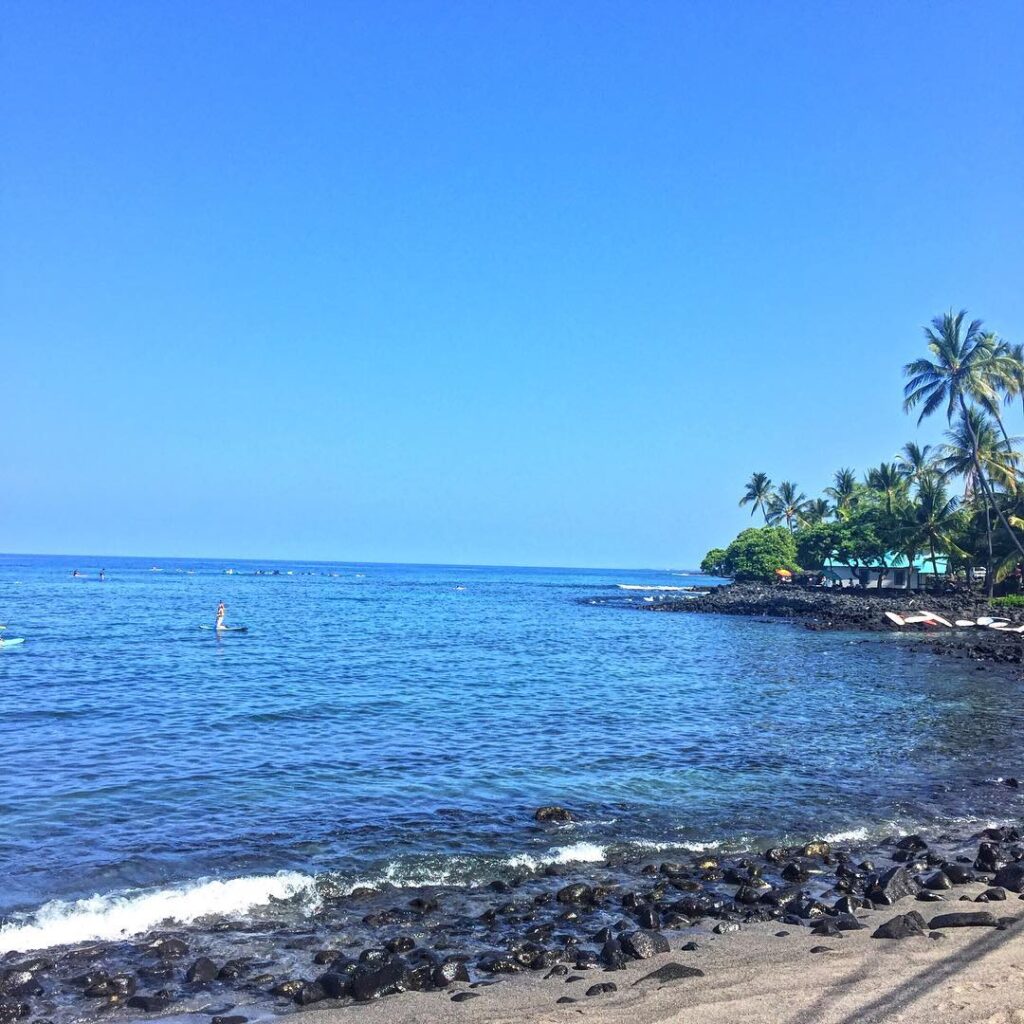
Just south of Kona, you’ll find Kahaluʻu Beach, a standout spot for easy, enjoyable snorkeling. The water stays calm and clear, making it ideal for beginners, kids, or anyone who wants a relaxed experience without strong currents.
As you float along the reef, you’ll spot a wide range of tropical fish moving through the shallow water. Sea turtles often glide through the area as well, and you’ll see stretches of living coral that add even more color and variety to your morning in the ocean.
Big Island Helicopter Experience
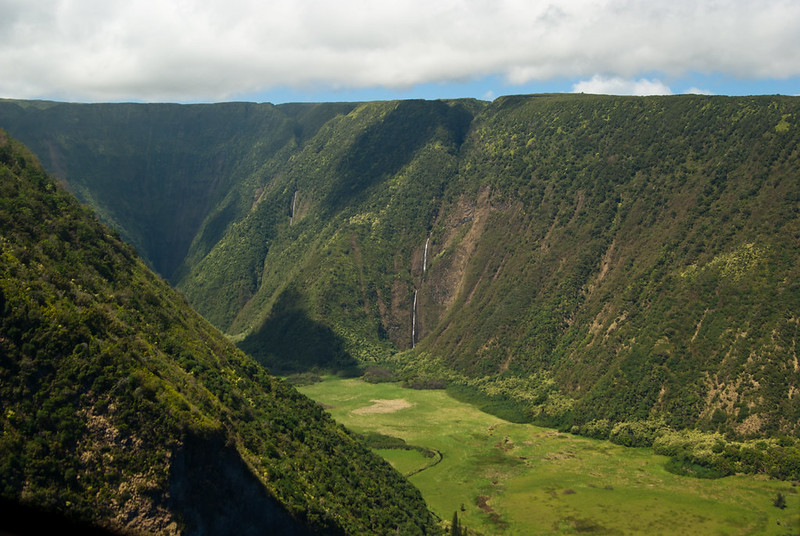
After experiencing Hawaii from the water, shift your perspective and see the island from above. A helicopter tour offers an extraordinary look at the Big Island, giving you sweeping views that you simply can’t get from the ground.
From the air, you’ll fly over beaches, dense rainforests, hidden waterfalls, and the massive volcanic landscape that shapes the island. It’s also the clearest way to view any active lava flows, offering a dramatic look at the forces that continue to shape Hawaii today.
This ride is the kind of experience that stays with you long after your trip ends.
Day 6: Hāpuna Beach and Manta Rays
Start your day at Hāpuna Beach, a wide stretch of soft sand and clear blue water that’s great for swimming or relaxing.
Then, as night falls, get ready for a Hawaii-only adventure: watching manta rays glide through the water under the evening lights. It’s a memorable way to end your day.
Spend the Morning at Hāpuna Beach
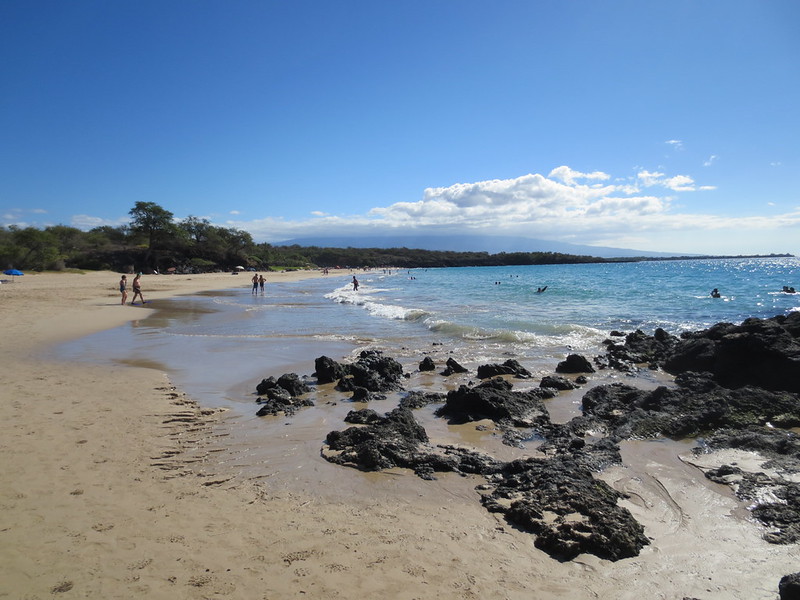
Start your morning early so you can reach Hāpuna Beach before the busy mid-day rush. This shoreline is incredibly popular, thanks to its calm, bright-blue water and long stretch of soft white sand.
Because it’s the largest white-sand beach on the island, there’s plenty of room to settle in with your towels, take a swim, or walk along the shore. The conditions here are usually gentle, making it a comfortable place to spend several hours soaking up the sun and enjoying the ocean at an easy pace.
Snorkel with Manta Rays After Sunset
Tonight offers one of the most memorable experiences on the Big Island—nighttime snorkeling with manta rays. You’ll board a boat around sunset and head to the well-known Manta Ray Village, where these gentle giants gather.
Once in the water, you’ll float above them as they glide and loop beneath you, drawn in by the lights. It’s an extraordinary encounter and a highlight many travelers remember long after their trip.
Visit the Summit of Mauna Kea Instead
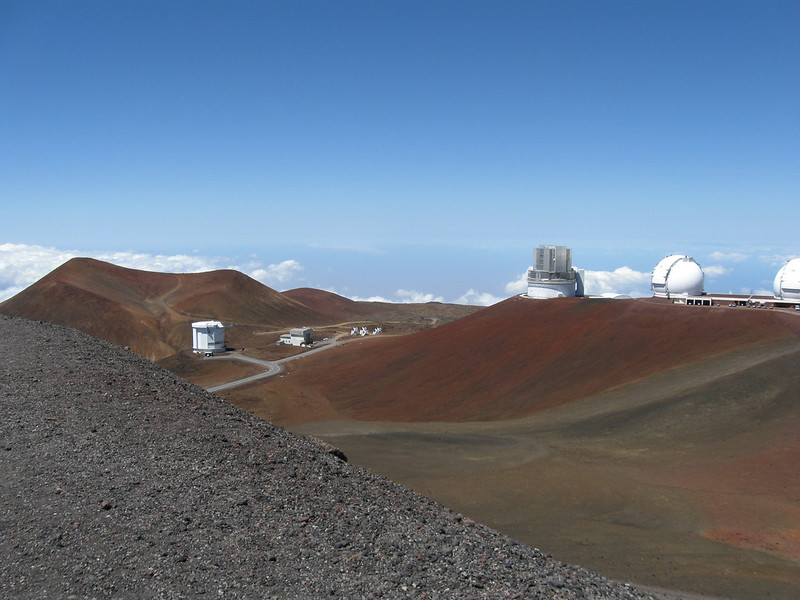
If snorkeling isn’t your thing, another unforgettable option for tonight is a visit to the Mauna Kea summit. Rising more than 9,000 feet, Mauna Kea is the highest point in Hawaii and a dormant volcano that hasn’t erupted in over 4,000 years. It’s one of the best places on the island to watch the sunset fade into a sky packed with stars.
Because of the high elevation, be sure to bring warm layers. Temperatures drop quickly, and it’s not unusual to see patches of snow near the summit, so dressing properly makes a big difference.
Going with a guided tour is the easiest and safest choice. Tours provide the right cold-weather gear, often include telescopes for stargazing, and typically offer a warm meal while you enjoy the evening light.
Important Safety Note:
If you’ve been snorkeling within the last 24 hours, skip the Mauna Kea summit to avoid pressure-related health risks. Also stay mindful of altitude sickness—if you feel light-headed, nauseous, or uncomfortable, start descending right away.
Day 7: Experience Hilo
For your final day on the Big Island, spend time in Hilo, a town on the island’s rainy eastern side. This area has a slower rhythm, lush scenery, and a strong local feel, giving you a different perspective from the sunnier western coast.
Begin Your Morning at Akaka Falls State Park
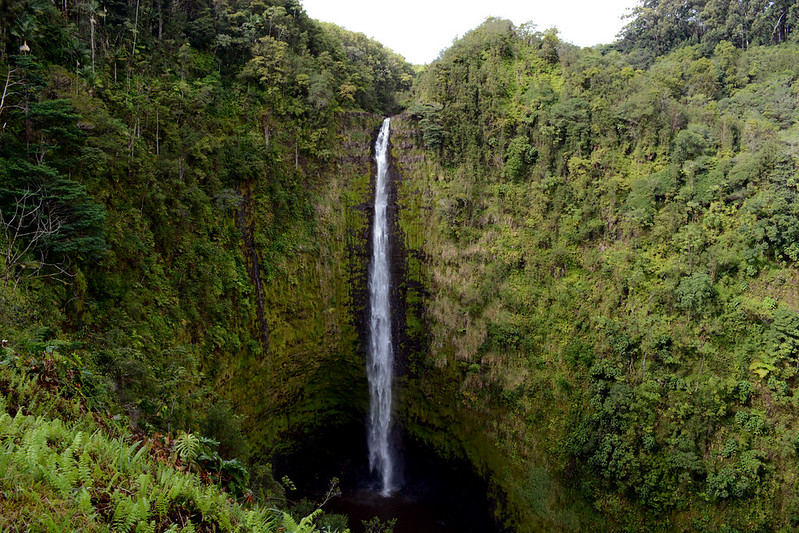
Start your day at Akaka Falls State Park, home to one of the island’s most striking waterfalls. The short 0.4-mile loop trail leads you through lush greenery to an overlook where Akaka Falls drops an impressive 440 feet into the gorge below.
As you continue along the path, you’ll also catch a glimpse of Kahuna Falls, the park’s second waterfall. The walk is easy, refreshing, and a great way to experience Hilo’s rich, rain-fed landscape.
Visit Rainbow Falls on Your Way Into Hilo
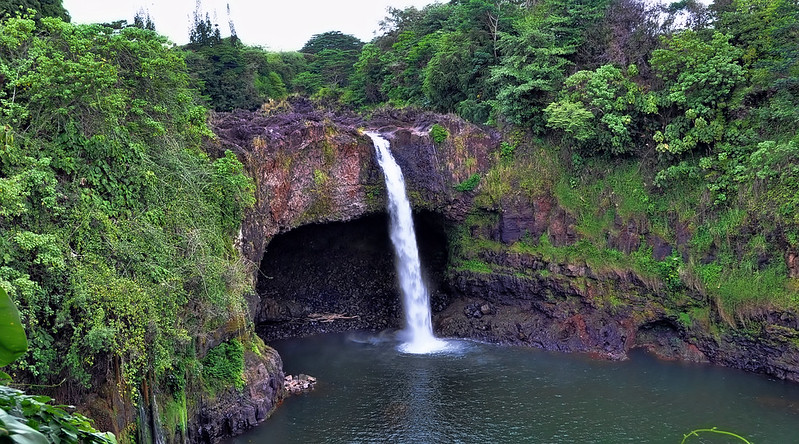
As you continue toward Hilo, take a short break at Rainbow Falls, one of the easiest waterfalls to access on the island. A brief walk from the parking area brings you to a wide viewpoint where the water drops into a lush, green basin below.
Arriving earlier in the morning increases your chances of seeing the mist light up with rainbows—one of the reasons this spot is so well loved. You can also follow a short path to an upper viewpoint for a different angle. It’s a simple, rewarding stop that fits perfectly into your Hilo-bound drive.
Explore Hilo and Visit the Farmer’s Market
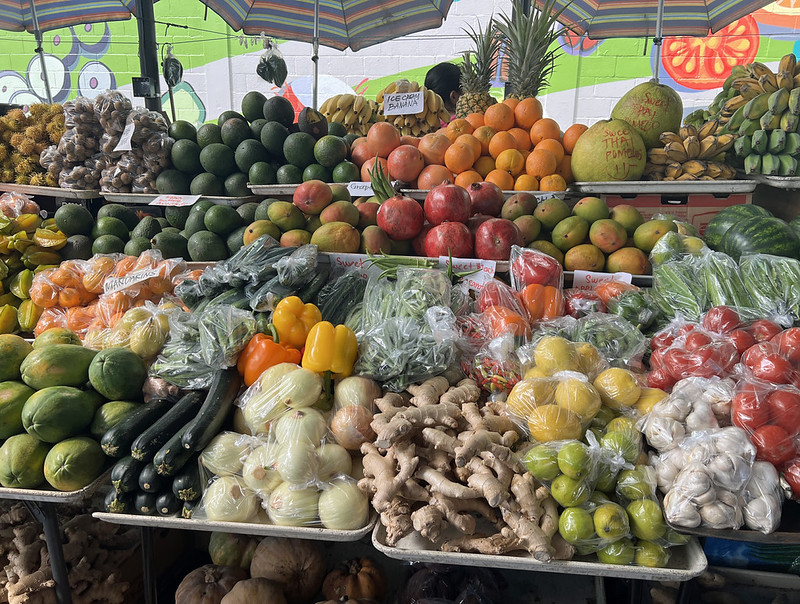
After visiting the waterfalls, spend some time walking through Hilo, a town that’s easy to explore on foot and full of local character. One stop you shouldn’t miss is the Hilo Farmer’s Market, known for its wide selection of fresh island produce, baked goods, handmade items, and small food stalls.
You’ll find the market at the corner of Mamo Street and Kamehameha Avenue, and it’s open every day. It’s a great place to browse, grab a few snacks, or pick up treats to enjoy during the rest of your time on the eastern side of the island.
Add a Zipline Adventure to Your Final Afternoon
If you still have energy for something exciting on your last afternoon, consider joining a ziplining tour. It’s a fun way to cap off your week, offering high platforms, long lines, and sweeping views—all located conveniently close to where you’ll already be exploring in Hilo.
Riding above the trees gives you a fresh angle on the island’s landscape and adds a bit of thrill to your final hours on the Big Island.
A week here goes by quickly, doesn’t it? I hope this itinerary has helped you shape a smooth and enjoyable trip.