Autumn transforms Rocky Mountain National Park into a glowing expanse of golden aspens and crisp mountain air. If you’re looking for a quieter time to visit, fall is your best bet—just after the summer buzz fades and before the snow settles in.
By late September, the park sheds its high-season hustle. You’ll have room to breathe on scenic drives, wander peaceful trails, and spot elk in open meadows during their dramatic rutting season. Cooler temperatures make hiking more comfortable, while the changing trees give every trail a splash of color.
Photographers and leaf peepers will find plenty of awe-inspiring scenes—from high-altitude lakes mirroring the turning leaves to winding roads that cut through glowing valleys. The quieter months also make it easier to appreciate the sheer scale and variety of this high-elevation wonder.
There’s more than just hiking here. Think ranger-led wildlife talks, stargazing evenings, and cozy mountain towns nearby where you can sip cider after a day outside.
Whether you’re chasing fall color or a serene outdoor experience, Rocky Mountain National Park in autumn offers a sense of wonder you won’t want to miss.
1. Crowds Diminish in Fall
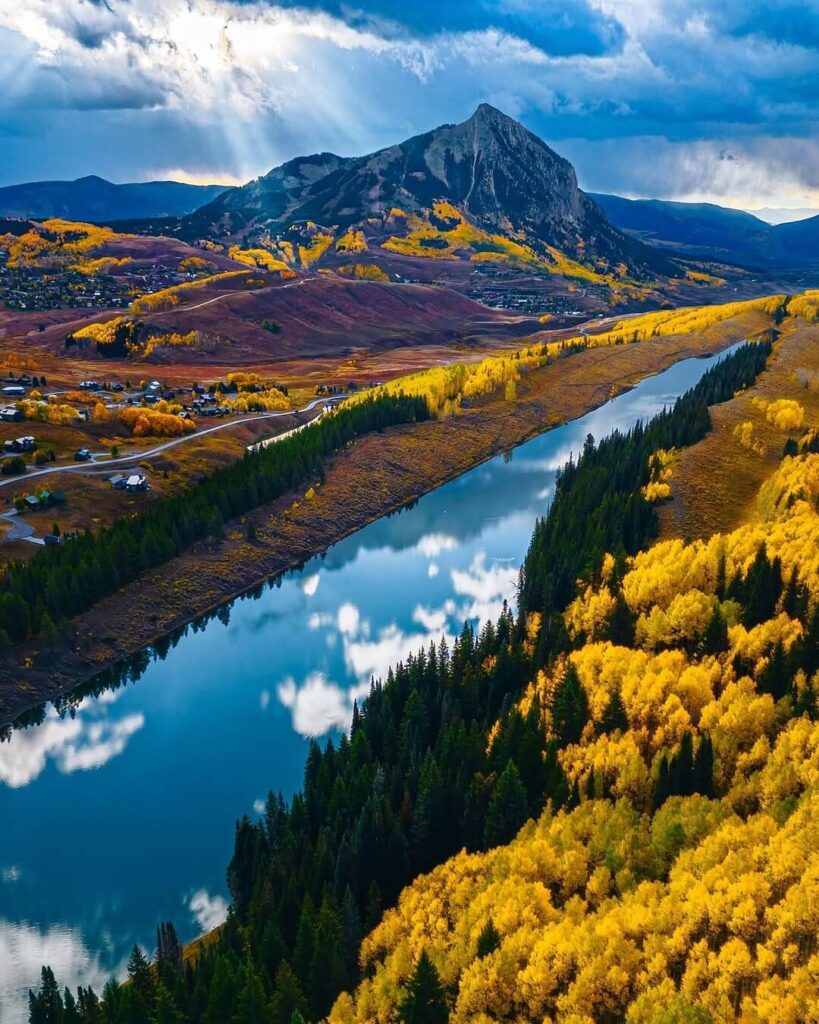
Well, sort of. September draws fewer visitors than July—on average, a 25–30% drop—but don’t let that fool you. If the weather holds, those final two weekends can still get surprisingly busy as people come out to catch the autumn colors and hear the bugling elk. For the best chance at open trails and calmer roads, aim for a weekday visit.
By October, numbers taper off even more—roughly half the traffic of September, with each week bringing quieter paths and chillier mornings. While the temperature dips, so does the bustle. It’s a great time to pull on a few extra layers, breathe the brisk air, and wander without the sense of a crowd at your heels.
If you’re after space, silence, and unfiltered nature, those shoulder weeks between peak color and snowfall deliver just that.
2. Enjoy the Perfect Fall Weather
Autumn brings a refreshing change to the climate around Rocky Mountain National Park. Near towns like Estes Park and Grand Lake, daytime highs typically land in the 60s or 70s—ideal for long hikes or scenic drives. Come nightfall, things cool considerably, dipping down into the 30s, so it’s wise to prepare accordingly.
Up in the alpine zones, expect sharper temperature drops—Trail Ridge Road, for instance, can be 20 degrees colder at its highest point. A light jacket may not cut it there. By mid-October, snowfall often begins to close Trail Ridge Road and Old Fall River Road for the season.
Lower down, early snows tend to melt off quickly, giving way to clear skies and dry trails. Fall’s combination of cool mornings, warm sunlight, and minimal rainfall makes it one of the most comfortable seasons for exploring the outdoors without the intensity of summer heat or winter storms.
If you’re hoping for a stretch of golden days and crisp mountain air, autumn delivers—just keep an eye on elevation and pack accordingly.
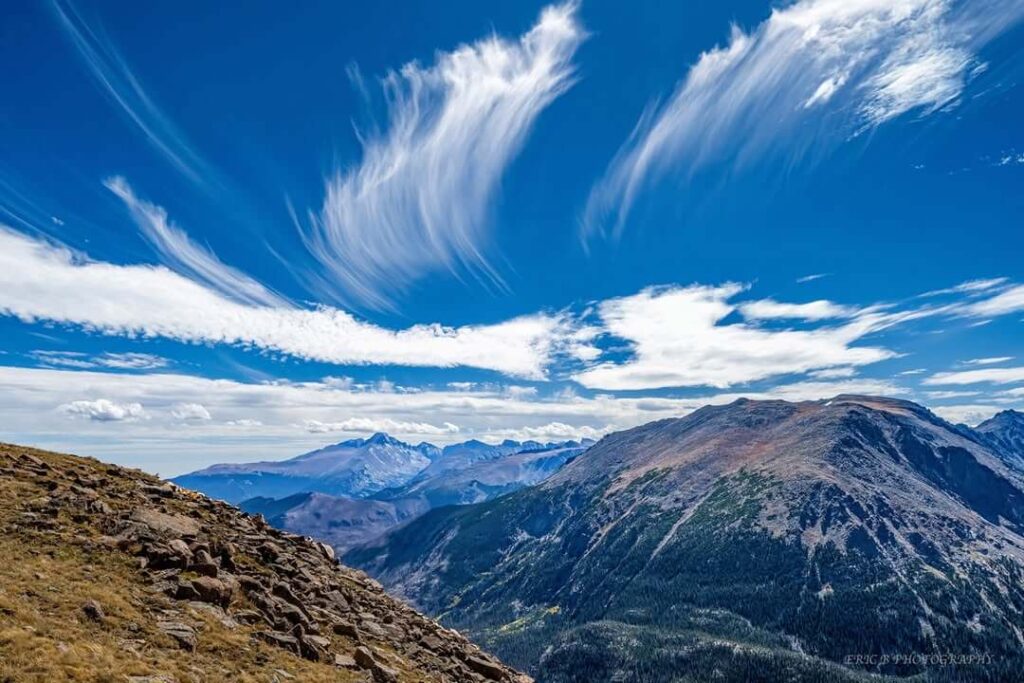
3. Golden Fall Foliage in RMNP
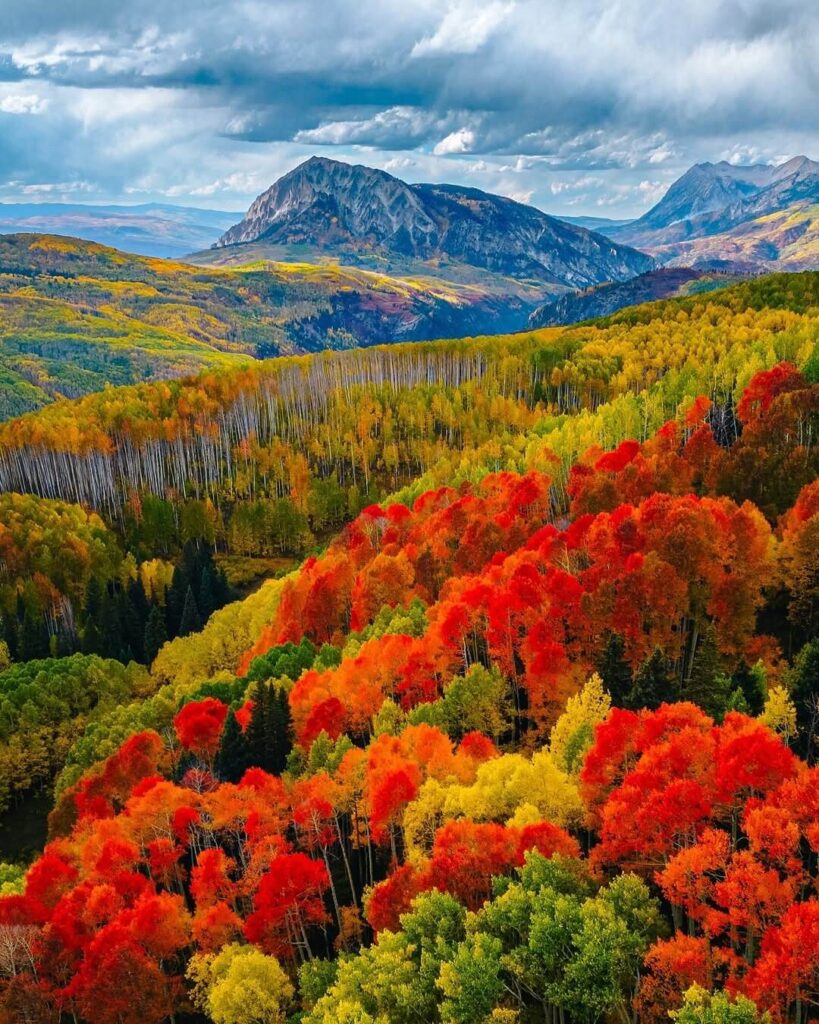
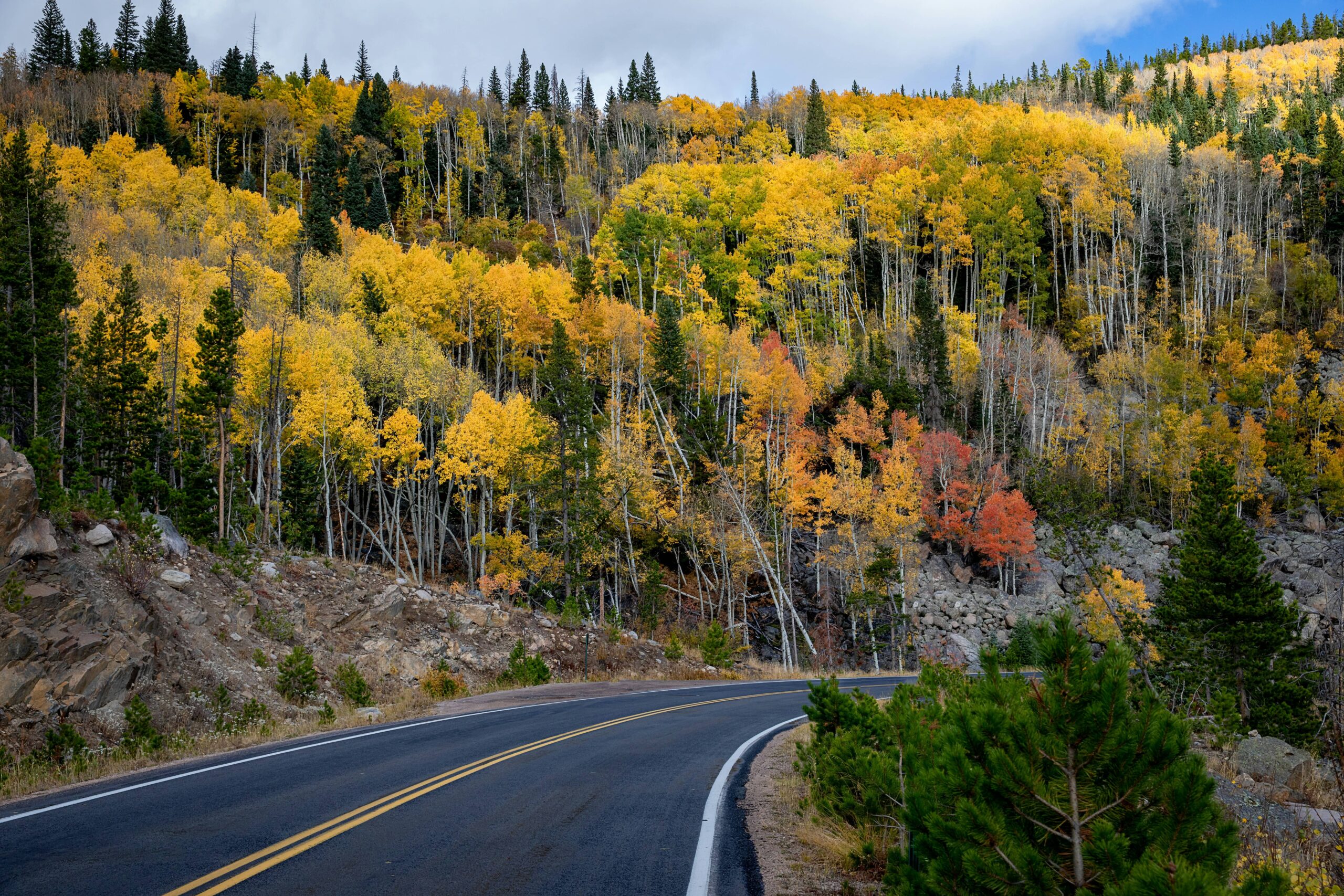
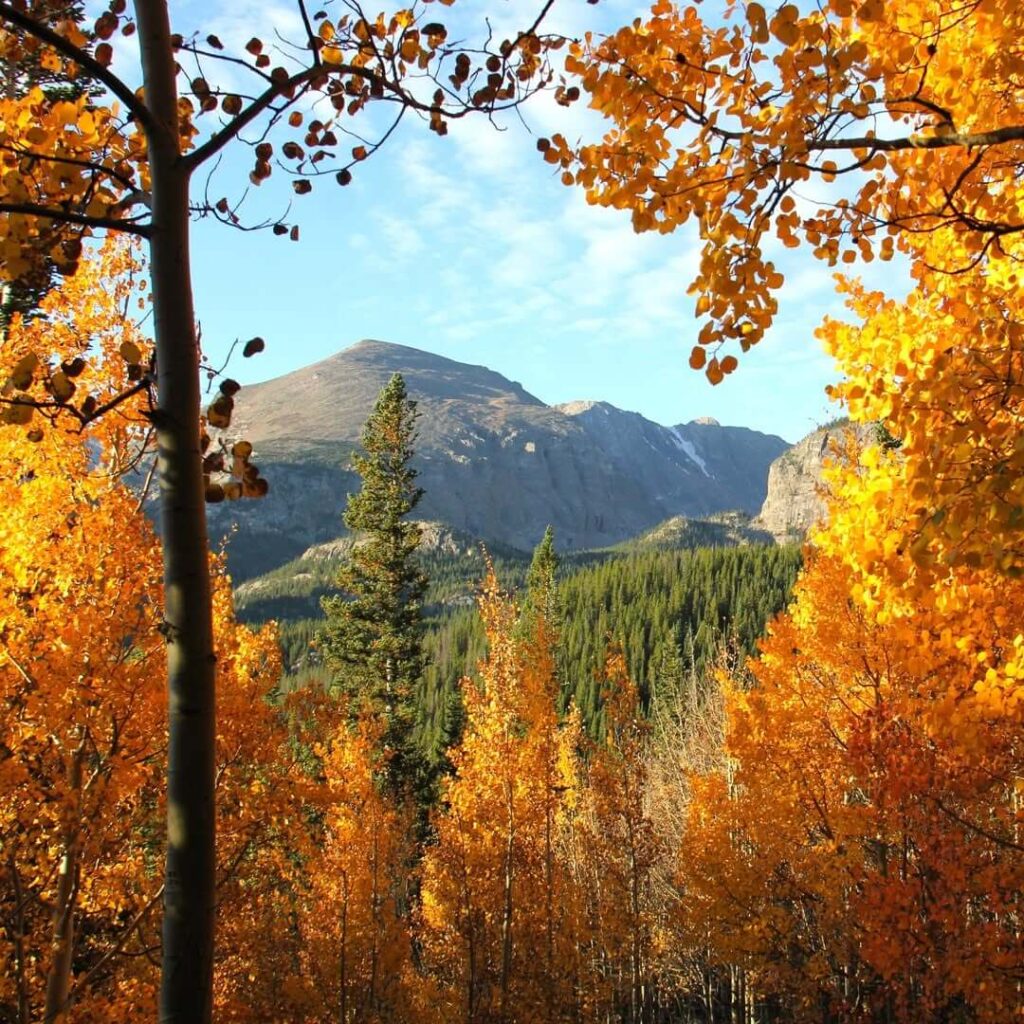
Each September, the aspen trees begin their seasonal shift. Starting from higher elevations, the golden wave rolls downhill as the month unfolds. Thanks to this staggered timing, the color display lingers longer than in flatter regions—giving visitors an extended window to witness nature’s transition.
By early October, the landscape feels transformed. Trail Ridge Road offers one of the best front-row seats—look out over entire valleys flecked with shifting hues. If driving isn’t enough, step into the woods for a hike beneath rustling yellow leaves. Lakes like Bear or Sprague offer a double dose of fall magic when the mountains reflect on still water.
We’ve put together a full guide to help you find the most striking color zones across the park—don’t miss it before planning your route. Whether you’re out for a quiet stroll or chasing that once-in-a-season photo, this time of year makes every turn feel like something special.
There’s something energizing about the sharp air, bold skies, and brilliant trees. Fall in Rocky Mountain National Park doesn’t just change the view—it shifts the mood entirely.
4. Wildlife Viewing in Rocky Mountain National Park During Fall
Elk in the Spotlight
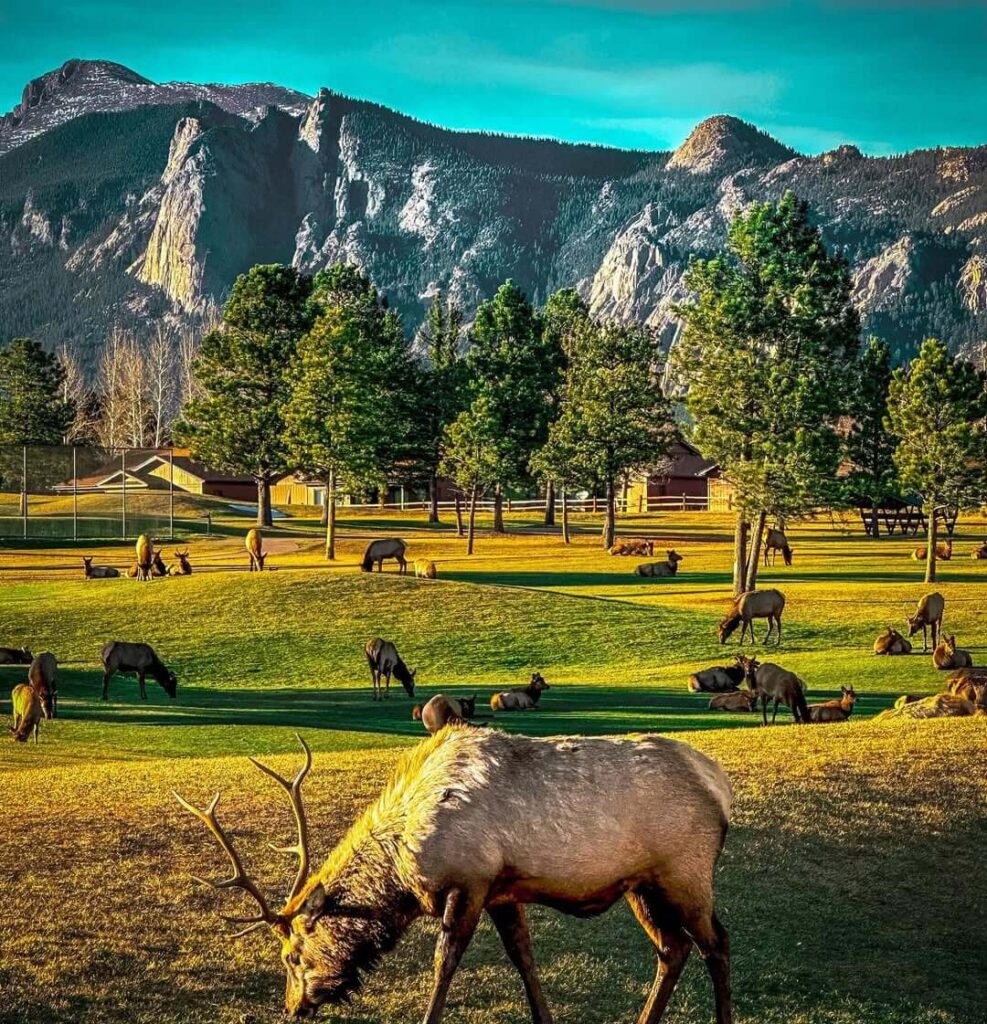
Elk are easily the stars of autumn in Rocky Mountain National Park. With a population topping 600, they’re hard to miss—especially during the fall rut. Bulls gather their harems and defend them fiercely, making this season one of the most dramatic times to witness elk behavior.
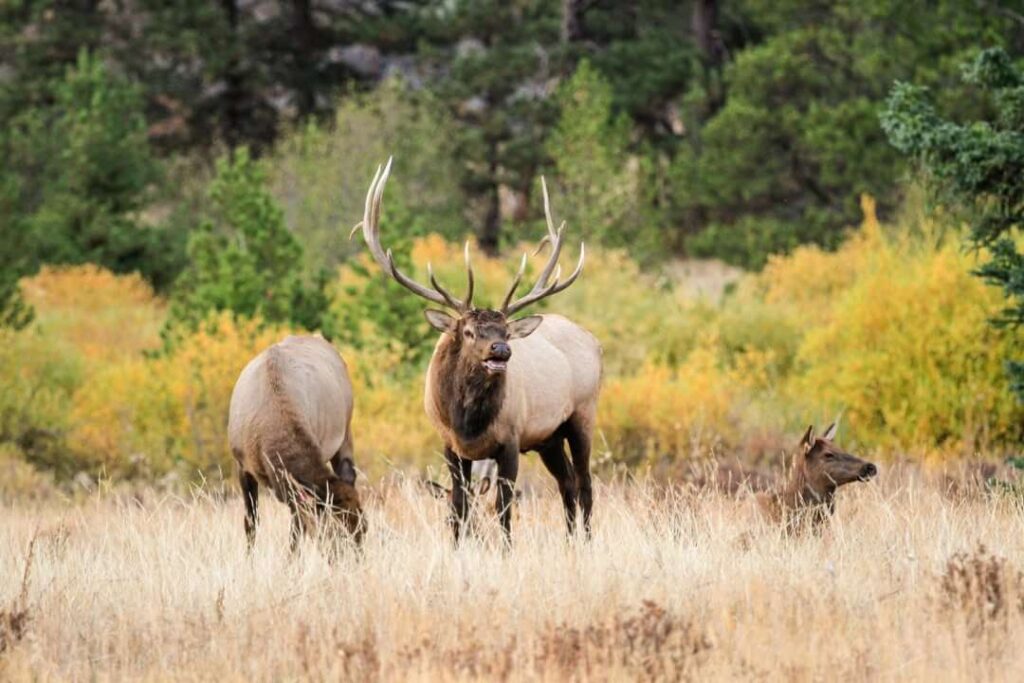
From late September through October, you’ll hear the eerie, echoing bugles of the bulls as they challenge rivals and round up females. It’s a wild, echoing call that cuts through the crisp mountain air—and once you’ve heard it, you won’t forget it.
Expect to see herds moving through open meadows, especially near Moraine Park or Horseshoe Park, where sightings are frequent. Keep your distance and stay alert—the males can be unpredictable.
Moose and Mule Deer Sightings in Fall
Elk might steal the spotlight, but autumn also stirs activity in the park’s smaller populations of moose and mule deer. During September and October, both species enter their rut, bringing them into more accessible areas.
Rocky Mountain National Park is home to roughly 60 moose and a few hundred mule deer. While sightings aren’t guaranteed, patience often pays off. Bull moose descend from higher ground to meet females in marshy lowlands. You’re most likely to see them near ponds or slow-moving streams, especially early or late in the day.
Mule deer, on the other hand, graze in open spaces and along shrub-lined slopes. Their large ears and bounding gait make them easier to identify, even at a distance. Keep your eyes on meadow edges, and you just might catch a group browsing in the cooler hours of the morning.
Spotting Bears and Mountain Lions in Fall
Bears, mountain lions, and coyotes are still active in the fall, but they tend to stay out of sight.
You might hear a coyote’s call or find signs of a bear foraging before hibernation begins.
Even without a sighting, their quiet presence lingers in the wild corners of the park.
5. Top Fall Hikes in Rocky Mountain National Park
Fall hikes in Rocky Mountain National Park deliver a vivid blend of golden aspens, crisp air, and wide-open mountain views. Trails wind through glowing forests before rising above the tree line to reveal sweeping valleys painted in autumn tones. Each step brings new contrast—bright foliage below, rugged peaks above. Even the most familiar routes feel recharged in this season. It’s a short window, but one that leaves a lasting mark.
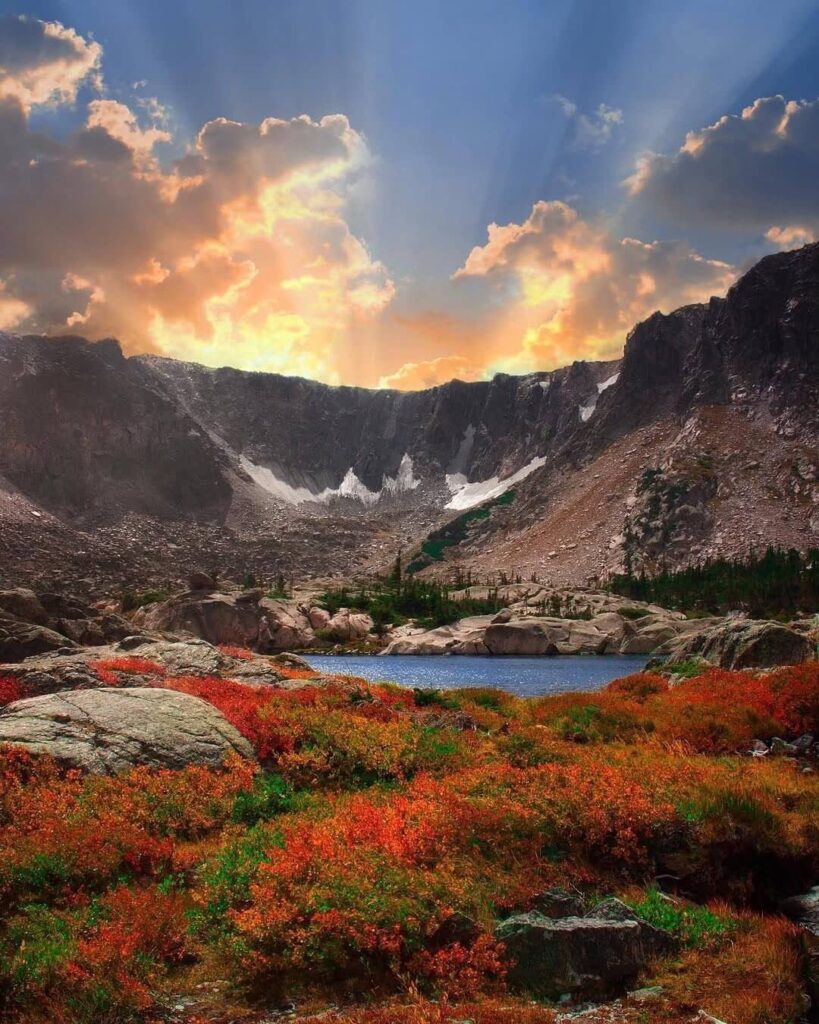
Best Fall Hikes in Rocky Mountain National Park
Alberta Falls, Bear Lake, and Ouzel Falls are among the top fall hikes in Rocky Mountain National Park, each offering bold bursts of aspen gold along the trail. Familiar routes take on a new feel as the foliage shifts and the air turns crisp. Autumn colors frame the lakes and waterfalls with a fresh sense of depth. Even short hikes reveal dramatic contrasts between fiery trees and snow-dusted peaks. Fall rewrites the landscape—quietly, but powerfully.
Preparing for Fall Hikes in Rocky Mountain National Park
Autumn hikes in the park demand flexibility—what starts as a sunny stroll can quickly turn chilly as shadows stretch across the trail. Mornings might welcome you with warmth, but by late afternoon, you’ll be reaching for a fleece or windbreaker.
By mid-October, light snowfall isn’t out of the question. Smart hikers stash gloves, a hat, and microspikes in their packs, just in case the terrain turns slick. Layering is your best strategy—pack like you’re crossing seasons in a single afternoon.
6. Fly Fishing in the Rockies: Fall’s Prime Season
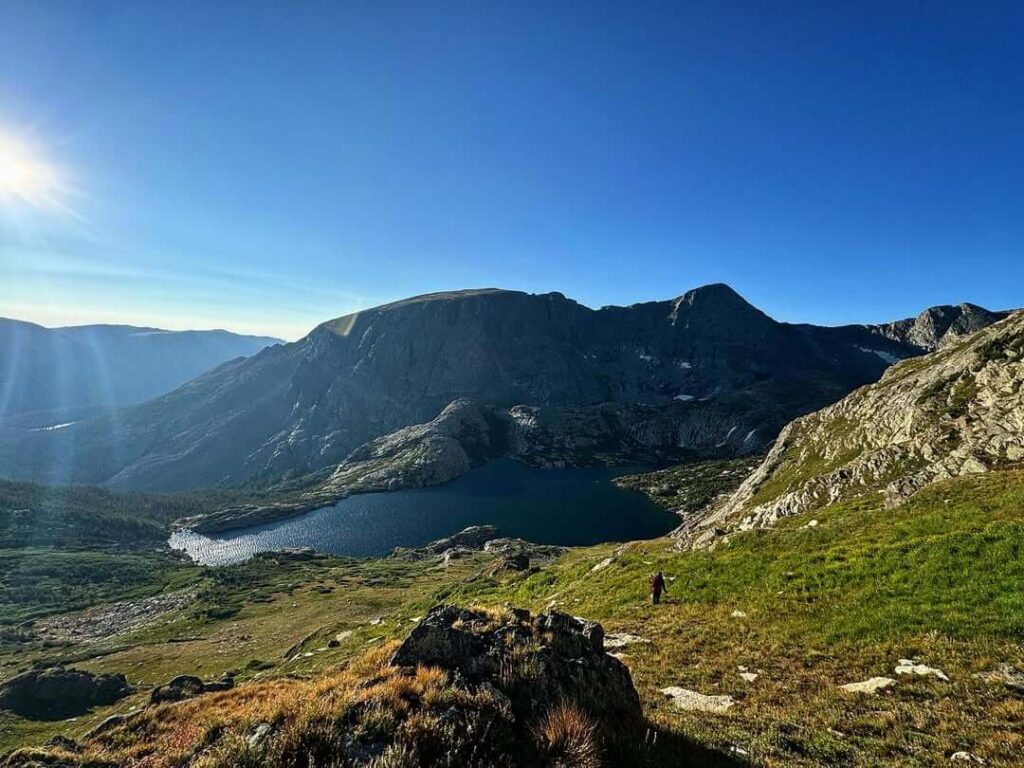
As temperatures dip and crowds thin, the streams in Rocky Mountain National Park come alive in a different way—beneath the surface. The chill of fall sparks activity in trout, making it one of the best times to cast a line.
The Big Thompson River, weaving through the park, is known for productive autumn fishing. Hungry rainbow, brown, brook, and native cutthroat trout respond well in cooler water, especially in spots like Moraine Valley. With fewer distractions and crisp conditions, fall fly fishing here feels both rewarding and refreshingly simple.
7. Fall Festivals in Estes Park
Estes Park comes alive in autumn with lively weekend events. Elk Fest features music, local eats, and bugling contests, while Autumn Gold offers beer, brats, and live bands. Check the Estes Park Events Calendar for full details.
How to Plan Your Rocky Mountain National Park Fall Itinerary
Planning a trip to Rocky Mountain National Park? These quick guides will help you make the most of your time—whether you’ve got one day or a full week to explore.
- One Day in Rocky Mountain National Park – An Itinerary for Adventure
- Things to Do in Rocky Mountain National Park for the First Time Visitor
Fall is a prime season to explore Rocky Mountain National Park. Crisp air, golden aspens, and active wildlife create an experience that feels anything but routine.
Whether you’re into scenic drives, gentle walks, or longer hikes, there’s plenty to keep you engaged. The park’s shifting colors and cooler temperatures make each trail feel like a fresh adventure.
Now’s the time—before snow blankets the higher elevations—to enjoy everything this Colorado gem puts on display. Skip the crowds of summer and dive into the quiet energy of autumn.