Let your wallet breathe while your curiosity runs wild. Colorado offers a long list of experiences that feel rich without charging admission. Open spaces filled with wildlife, walkable historic streets, and dramatic landforms give you plenty to enjoy without pulling out your credit card. The beauty here doesn’t rely on price tags—it shows up in wide skies, quiet trails, and stories etched into the land.
Step outside and you’ll find chances to spot elk grazing near open plains, stroll through preserved districts where time seems pleasantly paused, or stand before rock formations shaped over millions of years. These places invite slow exploration and reward attention, whether you’re there for an hour or an afternoon.
What makes these experiences special is how accessible they are. You don’t need a plan built around tickets or reservations. Just show up, look around, and let the scenery and history do the talking. Colorado proves that some of its best moments cost nothing at all—and still leave a lasting impression.
1. Budget-Friendly Ways to Experience Colorado Outdoors
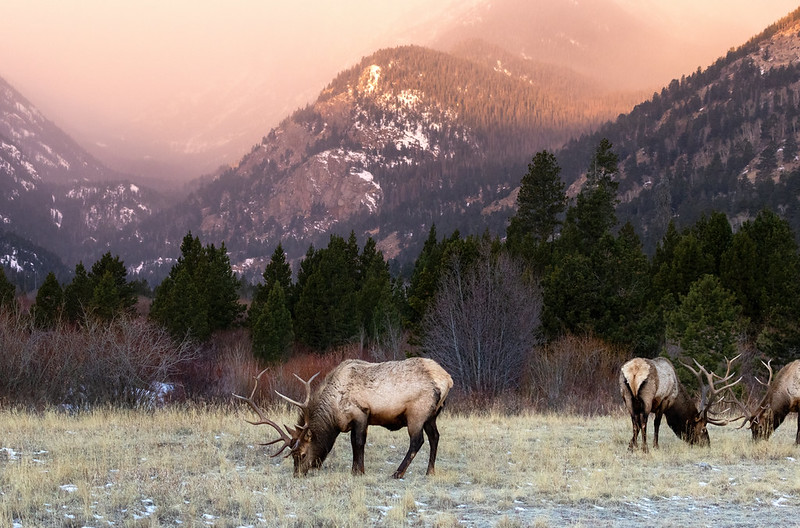
Colorado’s landscapes make low-cost adventures easy to come by. Comfortable temperatures through much of the year encourage time outside without relying on expensive attractions. Public lands remain widely accessible, offering room to roam and explore without entrance fees or reservations.
Miles of trails support everything from casual walks to longer day hikes, while mountain biking routes cut through forests, plains, and higher elevations. Seasonal shifts naturally change the activities available, with snowshoeing and cross-country skiing taking over once winter settles in. This steady rotation keeps outdoor time interesting without adding extra cost.
Beyond trails, quieter pastimes add depth to the experience. Watching elk or deer move across open areas, fishing in rivers and lakes, or stopping at scenic pullouts for short walks all provide meaningful breaks from daily routines. These moments favor patience over spending.
Colorado stands out for proving that time outside can stay simple and affordable. With space, variety, and easy access, the outdoors here reward curiosity and consistency rather than big budgets or elaborate plans
2. Free National Wildlife Refuges Across Colorado
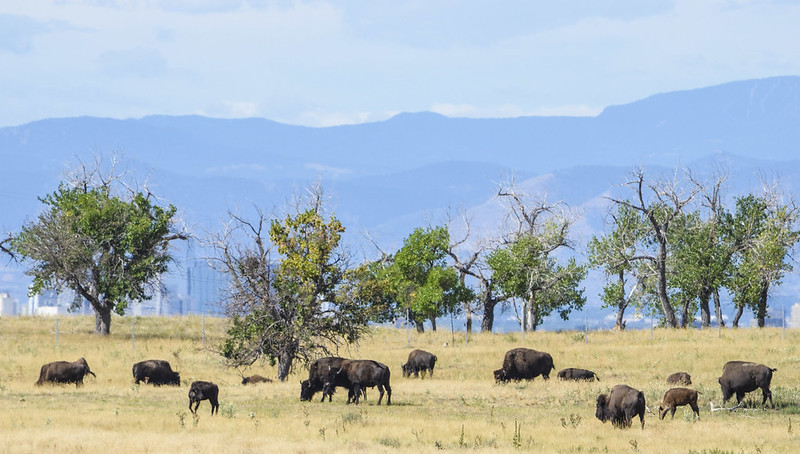
Colorado hosts seven National Wildlife Refuges that welcome visitors without an entry fee. These protected areas are part of the broader National Wildlife Refuge System, established to safeguard fish, animals, and natural landscapes across the country. Open access means anyone can step in and spend time with living habitats shaped by water, grass, and sky.
Each refuge offers a different setting and a shifting cast of animals. Some lands support grazing bison and wandering moose, while others draw hawks circling above wetlands or bald eagles tending nests near quiet waterways. The mix of grasslands, marshes, and open plains creates constant change from season to season, keeping every visit feeling fresh.
For those curious about what to look for and when to go, learning about wildlife watching in Colorado adds depth to the experience. With patience and a bit of luck, these refuges turn a simple walk or roadside stop into an encounter with some of the state’s most memorable scenery and species—no ticket required.
3. Geological Wonders
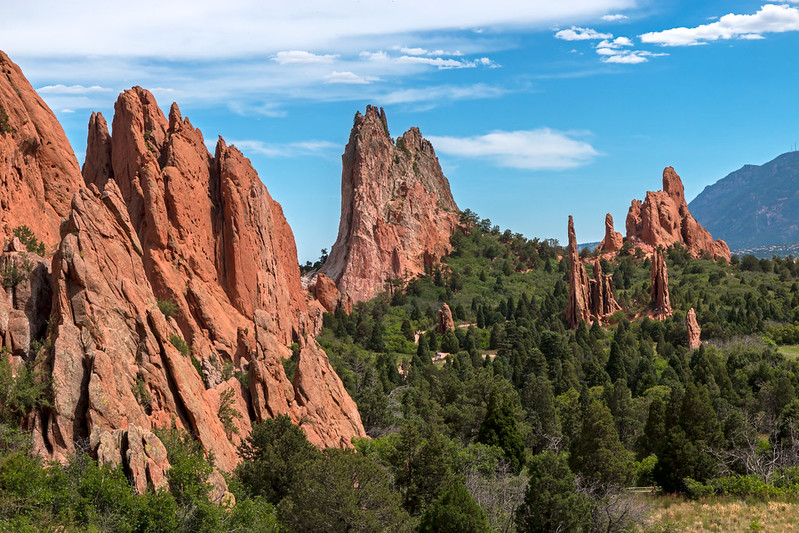
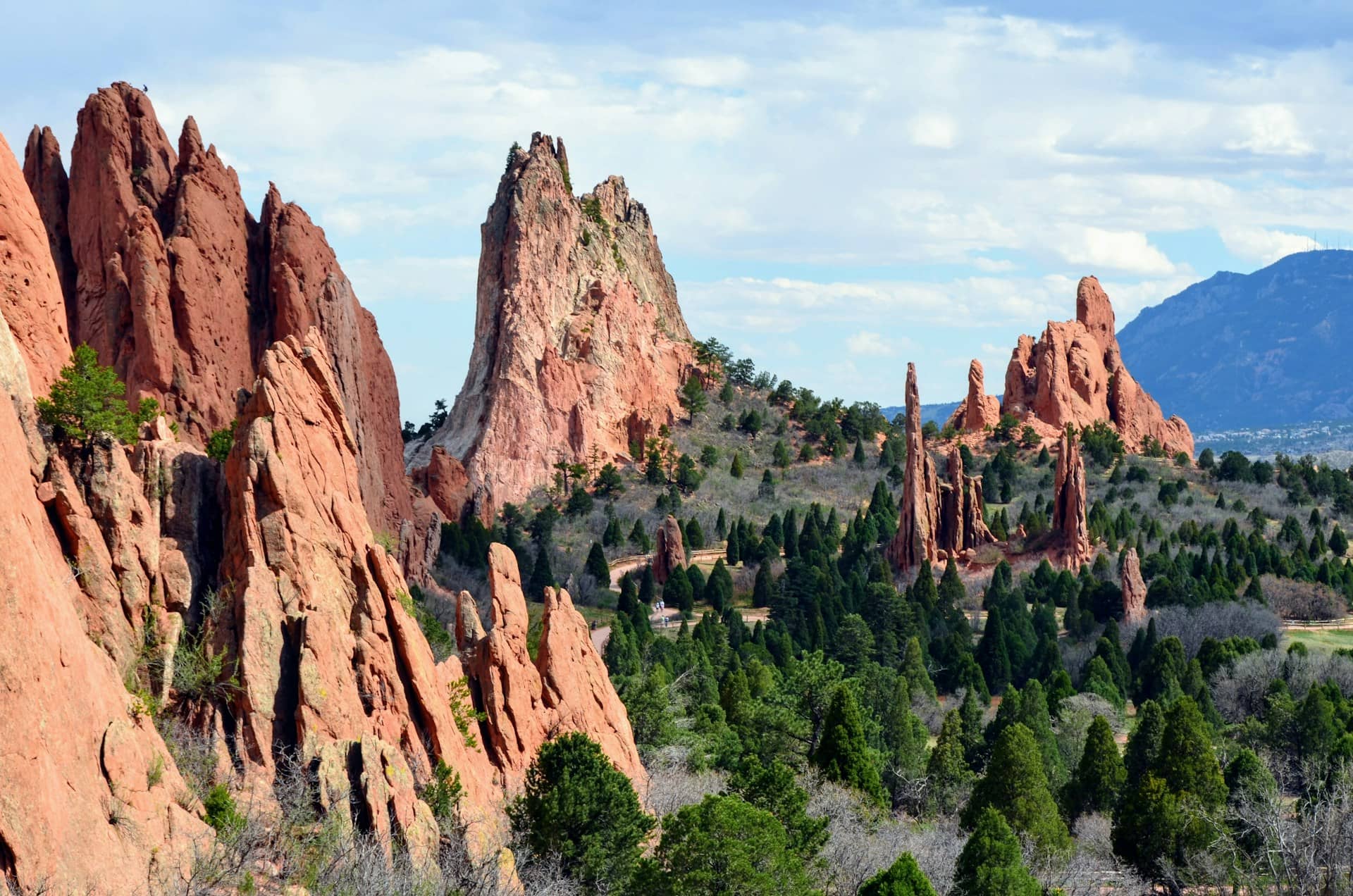
In Colorado Springs, the paths at Garden of the Gods wind past towering red stone that feels almost unreal. As you walk, shapes begin to emerge from the rock—camels leaning together, narrow spires reaching skyward, hands pressed in prayer, and massive forms that resemble giants at rest. Some formations look as if they’re barely holding their balance, creating moments where gravity itself seems open to debate.
A short drive away in Morrison, Red Rocks Park and Amphitheatre presents a completely different mood. Enormous slabs of tilted sandstone rise straight from the ground, forming a natural bowl known for its remarkable sound qualities. On days without concerts, the space belongs to everyday visitors.
Runners tackle the steep staircases for a serious leg workout, hikers move along easy routes that thread between the rocks, and anyone can pause to take in broad views stretching toward downtown Denver. It’s a place where movement, stone, and open sky come together—without the need for a ticket.
4. Pedestrian Malls That Capture Local Life
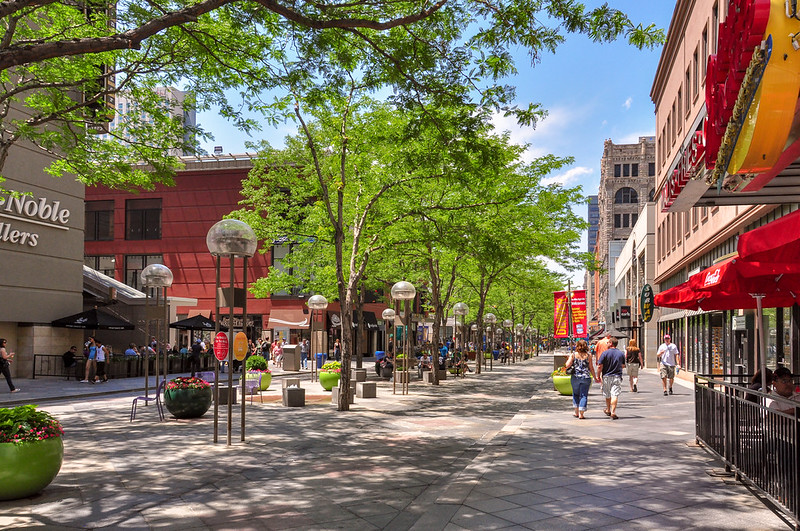
16th Street Mall in Denver and Pearl Street Mall in Boulder stand out as Colorado’s best-known outdoor walking corridors. Free to wander and easy to linger in, these streets give a clear sense of how each Front Range town moves, relaxes, and expresses itself day to day.
Time here unfolds casually. Storefronts invite quick stops or slow browsing, while patches of grass and long benches offer places to sit back and watch the rhythm of the street. Musicians, performers, and everyday passersby drift through, adding small moments that feel unscripted.
What makes these malls memorable isn’t scale or spectacle—it’s atmosphere. A few hours spent walking, resting, and people-watching reveals more about Denver and Boulder than any paid attraction, all without spending a cent.
5. Two Colorado Springs Landmarks Worth Your Time
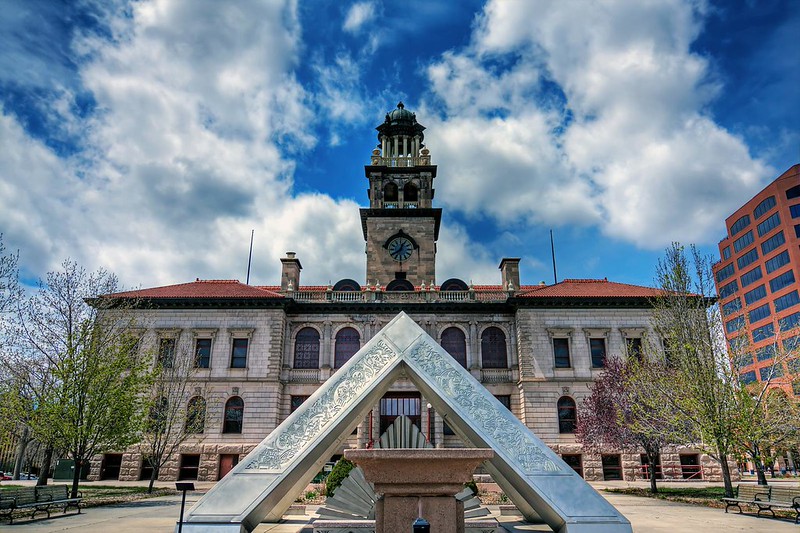
Colorado Springs offers a chance to reflect on national identity through two well-known stops. The visitor center at the United States Air Force Academy opens a window into cadet routines and institutional history. Nearby, the academy’s chapel rises with sharp lines and glowing stained glass, creating a space that feels thoughtful rather than formal, whether you’re there for architecture or quiet observation.
A short distance away, the Colorado Springs Pioneers Museum shifts focus from military legacy to regional memory. Its permanent and rotating displays trace the Pikes Peak area through objects, images, and stories that span centuries.
Inside, you’ll find artifacts connected to Ute Tribe, Cheyenne, and Arapaho cultures, alongside photography by area artists documenting change over time. One exhibit centers on William Jackson Palmer, offering context on how Colorado Springs took shape. Together, these stops give a layered sense of place—without asking for anything more than your attention.
6. Free Gondola Rides with Alpine Views
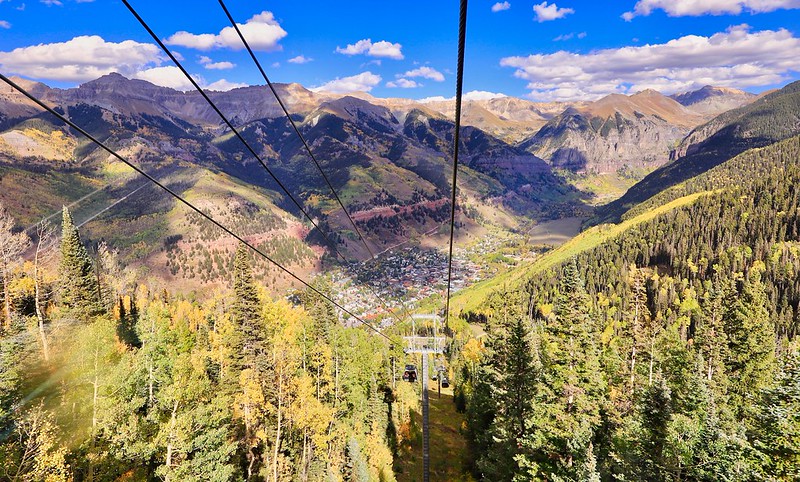
Gliding above the ground offers a fresh way to take in Colorado’s high country. As the cabin rises, snow-heavy peaks spread out below, broken by dark lines of evergreen trees stretching upward. The slow movement gives your eyes time to wander, shifting perspective from ground level to wide-open sky.
In southwestern Colorado, the Telluride Mountain Village Gondola connects town and village while delivering sweeping mountain scenes at no cost. The ride feels calm and unhurried, turning everyday transportation into something memorable.
Farther north, BreckConnect Gondola offers a similar experience, lifting riders above snowy slopes and forested hillsides without charging a fare. Whether you’re commuting, sightseeing, or simply curious, both gondolas prove that some of Colorado’s best views come free with the ride.
7. Walk Among Colorado’s Dinosaur Footprints
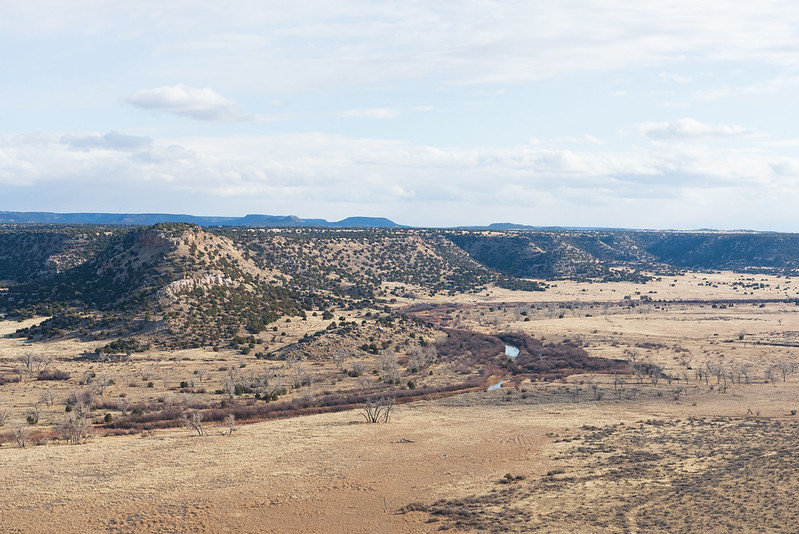
Outside La Junta, Picket Wire Canyonlands offers a rare chance to place your feet where enormous animals once walked. Pressed into solid rock are three-toed tracks left by a brontosaurus roughly 150 million years ago. Reaching them requires a long but gentle five-mile route, open to hikers, cyclists, and horseback riders, with terrain that stays level from start to finish.
These impressions sit within the largest known dinosaur track site in North America, turning an open canyon into a record of deep time. The distance may be lengthy, but the path itself is straightforward, making the experience more about patience than physical strain.
Near Morrison, Dinosaur Ridge presents another chapter of prehistoric history. Visitors can follow self-guided paths past exposed fossils, trackways, and active dig locations. One stop marks the place where the world’s first stegosaurus came to light in 1877. Together, these sites show that Colorado’s past reaches far beyond human memory, written clearly in stone for anyone willing to walk out and read it.
8. Events You’ll Only Find in Colorado
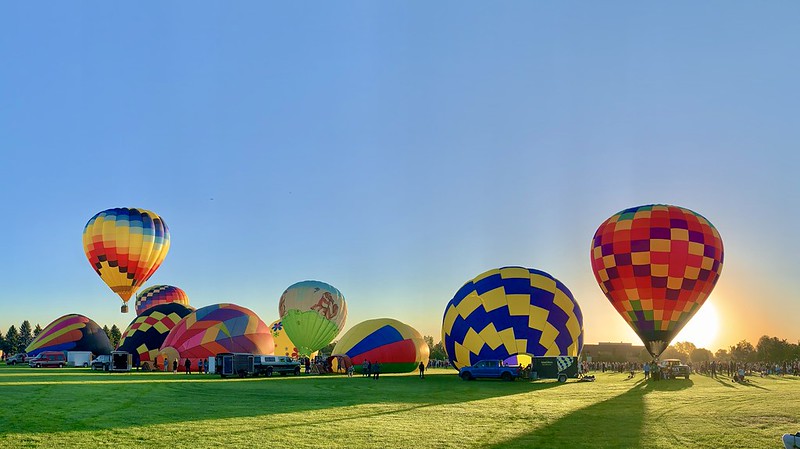
Across the state, people mark seasons and shared history with flair and a sense of fun. Public celebrations stretch from traditional holiday gatherings to historical remembrances and offbeat happenings that lean into humor and creativity. These events often spill into streets, parks, and town squares, turning ordinary days into something lively without an admission fee.
The range is broad and pleasantly unpredictable. One weekend might bring a winter carnival or open-air art walk, while another features a farmers’ market, an Oktoberfest-style gathering, or a balloon event lifting color into the sky. Some occasions honor the past; others exist purely to entertain.
Keeping track is simple. Colorado’s events listings allow searches by city, region, date, or event type, making it easy to spot free activities wherever you are. With a bit of curiosity and timing, there’s almost always something happening nearby—and it rarely costs anything to join in.
9. Scenic Byways Made for the Open Road
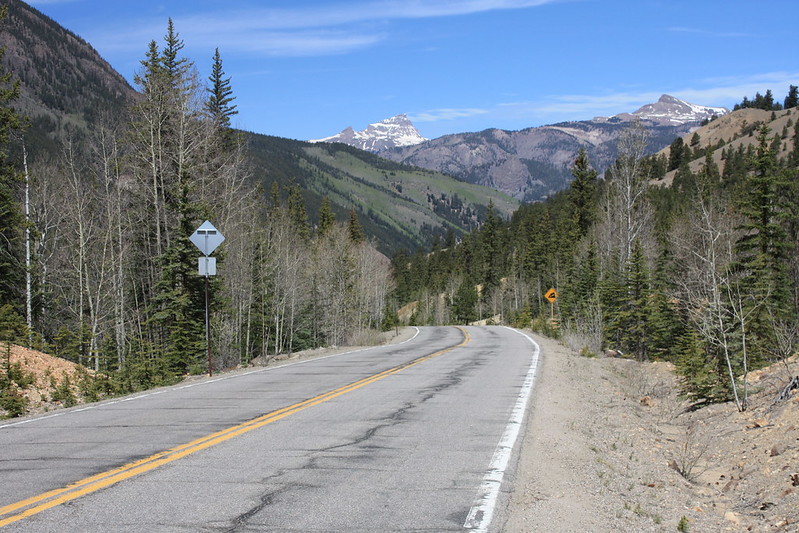
Driving may require fuel, but Colorado’s scenic and historic byways don’t charge an entry fee. Across 26 designated routes, the road threads through the Rocky Mountains, cuts past deep canyons and gorges on the Western Slope, and rolls across sunlit prairie on the eastern plains. The payoff comes in changing horizons rather than toll booths.
These routes link landmarks and long stretches of open land, making it easy to build a day—or several—around motion and views alone. Old towns appear without warning, overlooks invite sudden stops, and miles pass where the only company is sky and stone. It’s a state shaped for road trips, where distance feels like part of the experience rather than an obstacle.
A quick note before setting out: some byways shut down during winter months due to weather. Checking conditions ahead of time keeps plans flexible. For extra character along the way, reading up on Colorado’s quirky roadside stops can add humor and surprise to an already rewarding drive.
10. Historic Districts That Preserve Colorado’s Early Chapters
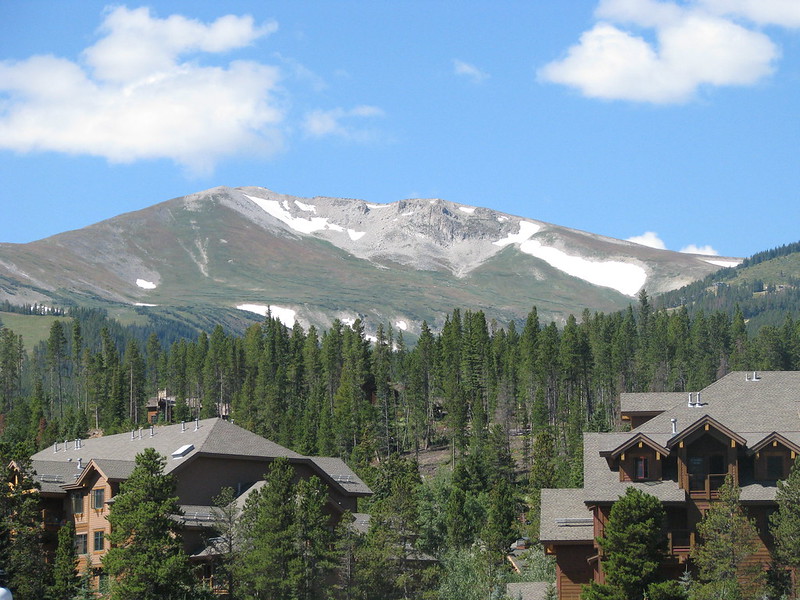
Across Colorado, historic districts in long-standing mountain towns like Breckenridge, Crested Butte, Durango, Telluride, Georgetown, and Manitou Springs still carry the look and feel of their earliest years. Original storefronts, homes, and civic buildings remain in place, offering a direct line back to mining booms, railroad days, and frontier routines.
Walking these streets feels different from reading plaques alone. Wood facades, brickwork, and narrow lanes tell stories through wear and detail, often revealing how daily life once unfolded. The pace is unhurried, inviting pauses rather than rushed checklists.
For deeper context, local visitor centers often provide self-guided or staff-led walking routes that highlight sites tied to notable moments and long-gone characters. With little more than time and curiosity, these districts turn a casual stroll into a lesson drawn straight from the street.
11. Ghost Towns That Echo Colorado’s Frontier Years
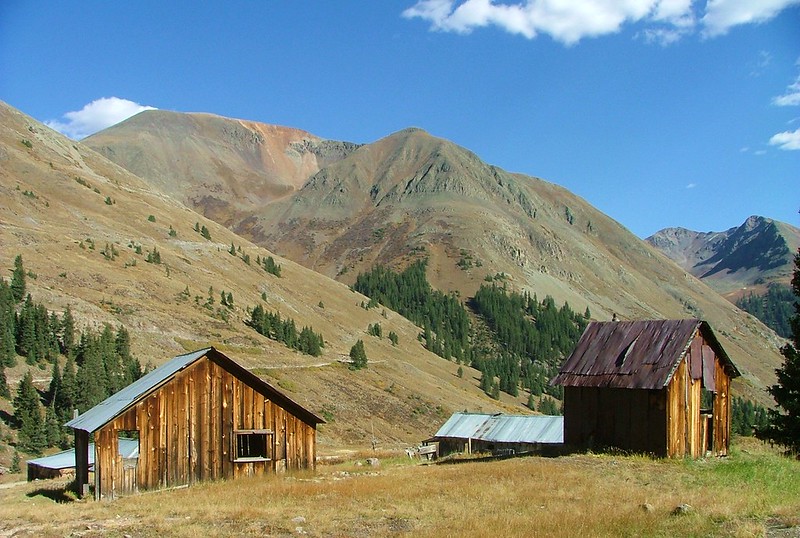
Scattered across the mountains are former mining settlements that time forgot—but didn’t erase. These abandoned yet surprisingly intact places hint at an era shaped by risk, rumor, and sudden wealth. Weathered buildings and empty streets still speak of prospectors chasing veins of ore, along with the outlaws and cowboys who followed the money west.
Many of these ghost towns become reachable once summer opens the high routes. With an off-road vehicle or ATV, travelers can reach Independence, where cabins sit high above modern Aspen, or roll into St. Elmo, one of the state’s best-kept former rail towns.
Farther south, Animas Forks rests above 11,000 feet, its sturdy structures still standing against wind and snow. Visiting these places feels less like sightseeing and more like stepping into an unfinished chapter—one where the past hasn’t fully let go.
12. Free Museums with Unexpected Finds Across Colorado
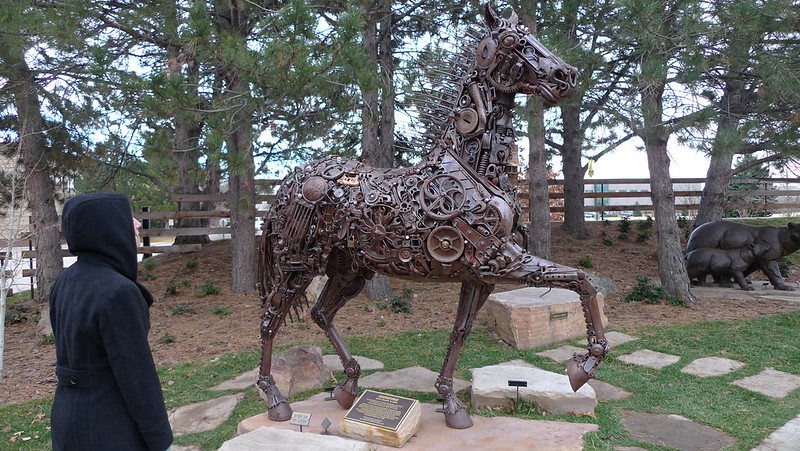
Colorado’s no-cost museums cover a wide span, from hometown creativity to pieces of outer space. These spaces gather stories, objects, and ideas that feel surprisingly broad for places without an entry fee. A quick visit can turn into a longer stay once the displays start pulling you in.
In Boulder, Leanin’ Tree Museum breaks down the greeting card process, showing how simple messages become finished designs ready for mailboxes around the country. It’s an easy stop that blends everyday art with behind-the-scenes detail.
Farther north, Loveland Museum/Gallery explains how the city earned its “Sweetheart City USA” nickname, pairing local history with rotating gallery spaces. While several areas remain free, the main art gallery carries a small admission fee. For something entirely different, the Colorado School of Mines Museum of Earth Science displays moon rocks, fossils, and glowing minerals, even guiding visitors through an indoor cave. Together, these museums show how wide-ranging Colorado’s free cultural stops can be.