Located on Washington’s Olympic Peninsula, Olympic National Park is one of the most diverse and visually striking national parks in the United States. This vast landscape blends three completely different ecosystems into one destination — snow-capped peaks in the Olympic Mountains, rugged Pacific coastline lined with sea stacks, and dense temperate rainforests filled with moss-draped trees. It’s this rare combination that makes the park feel almost unreal, like stepping into multiple worlds within a single trip.
From the sweeping views at Hurricane Ridge to the misty, green trails of the Hoh Rain Forest, and the dramatic shoreline at Ruby Beach, every corner offers a completely different experience. Wildlife sightings are common too—you might spot elk wandering through valleys or bald eagles soaring above the coastline. The changing weather only adds to the charm, creating shifting moods that make each moment feel fresh and unpredictable.
This park easily ranks among my top favorites, especially for road trip lovers. Grab your camera, lace up your hiking boots, roll down the windows, and queue up your favorite road trip playlist—because this 3-day Olympic National Park itinerary is packed with unforgettable hikes, rainforest trails, and coastal adventures that you won’t want to miss.
Best Time to Visit
Olympic National Park is open year-round, so it works well in almost any season. Thanks to its mix of coastline and dense forest, the park stays green even in colder months. Snow doesn’t linger long in lower elevations, especially around the rainforests and coastal areas. When we visited in January, everything still looked lush, although it felt darker and moodier up in the hills.
Summer (June to September) is the most popular time to go. You’ll get longer daylight hours, clearer skies, and easier access to higher elevations like Hurricane Ridge. It’s ideal for hiking, scenic drives, and beach sunsets—but expect more visitors during this period.
Spring and fall offer a quieter experience. Wildflowers start to bloom in late spring, while fall brings fewer crowds and a calm, slightly misty atmosphere. These shoulder seasons are great if you prefer a slower pace and don’t mind occasional rain.
Winter has its own appeal, especially if you enjoy a peaceful, off-season vibe. However, if your plans include heading from the valleys up into the mountains, be prepared for snow and possible road closures. Always check conditions in advance—sites like AllTrails trip reports are helpful for recent updates on trails, weather, and accessibility.
How to Get There
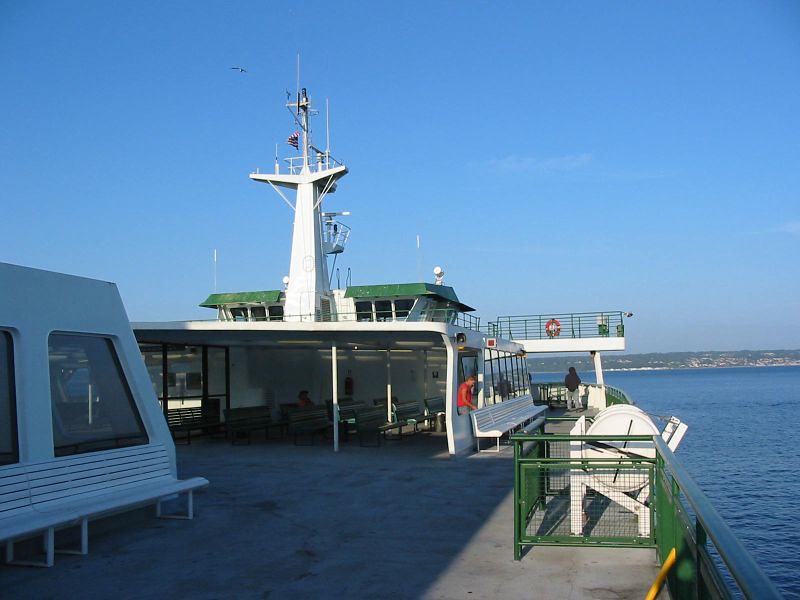
The fasted way of getting to the Olympic Peninsula is via a White boat run that goes from Edmonds Kingston Ferry. You can hop on the ferry with your car for $17.20 and, even if you get stuck in a bit of fortuitous traffic, it’s usually no more than a quick 20-30 minute drive from Seattle.
Grab a coffee, peer out to try and spot orcas or porpoises in the water (keen eyes may be able too), then settle back for your journey round into the peninsula once you park at our boat. This is a great way to begin your adventure, and easily one of the best ways to arrive. But on busy weekends, you might have to wait 2–3 hours in line for the ferry. Of course, thinking they could wait it out longer than human civilization can might suggest a little less optimism in this long run.
So that time saving drive around the Sound (Tacoma) becomes more of soem rescue enduring cases. Consider planning ahead by looking up ferry wait times and perhaps booking a ticket in advance if it is the weekend you are traveling!
Planning and Trail Research
For finding new trails that fit into your hiking or backpacking tour, I can only recommend the alltrails app. This is great for sorting trails by things like “Waterfall, “Forest” or Lake to locate the perfect Olympic National Park trail.
But the Trip Reports from Washington Trails Association (WTA) are also a working and valuable resource that will keep you current on trail conditions at any given time. Read on for some awesome (and hike-worthy) trail recommendations specifically designed with your Olympic National Park vacation in mind!
Wildlife Encounters
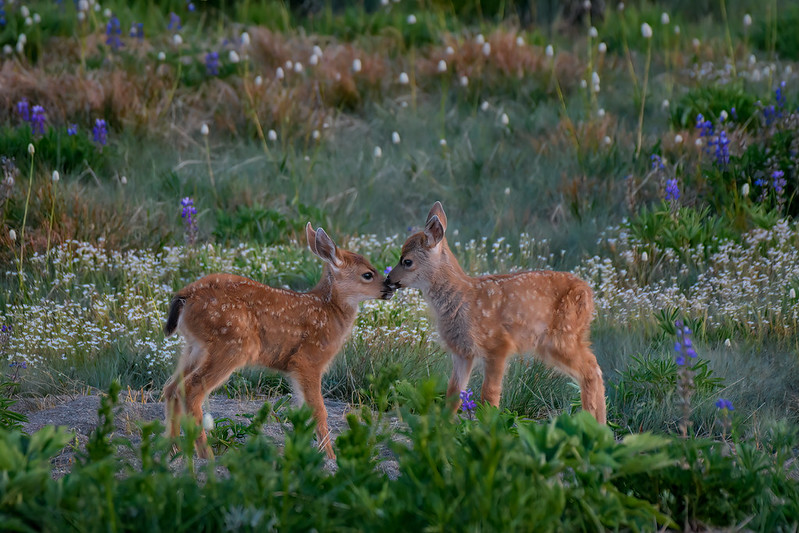
Over at Olympic National Park, wildlife is abundant—though spotting them often comes down to timing and a bit of luck. The park is home to large herds of Roosevelt elk, which you might see grazing in open valleys or near forest edges. Keep an eye out for bald eagle soaring overhead, and in quieter areas, you may even come across a American black bear moving through the trees. Along the coastline, there’s also the chance of spotting whales during certain times of the year, especially during migration.
Early mornings and late evenings tend to be the best times for wildlife viewing, when animals are more active and the surroundings feel calm. Bringing binoculars or a zoom lens can make a big difference without needing to get too close.
As exciting as these encounters can be, it’s important to keep a safe distance at all times. Never approach or feed wildlife, no matter how calm they seem. Respecting their space helps protect both you and the animals, while keeping the park’s ecosystem balanced for future visitors.
Where to Stay
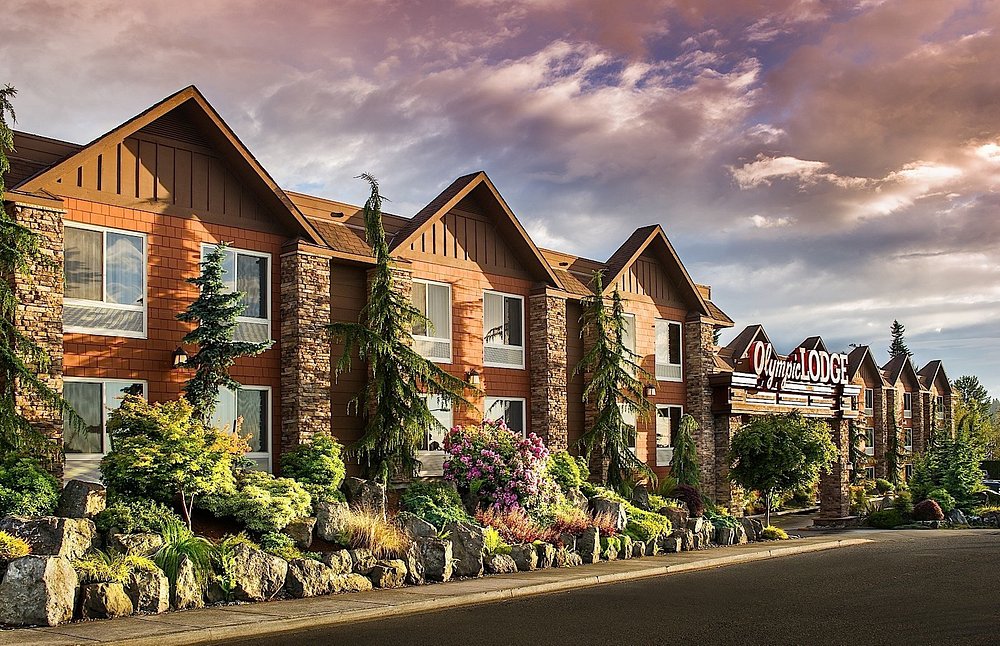
Port Angeles and Forks make a great base for your Olympic National Park vacation. Forks is a great jumping off point for Rialto, Second and Ruby Beach while Port Angeles will give you easy access to Hurricane Ridge and Lake Crescent.
To fit more of the Peninsular sights in, you could stay on Forks for nights 2 and 3 so that after a day of exploring you dont have to drive all but 10 minutes back.
Leave No Trace
Leave no trace and help protect the beauty of our National Parks. As with all National Parks, when visiting Olympic National Park, stay on designated trails and respect the natural surroundings so future visitors can enjoy the same experience.
Carry out everything you bring in, including food waste and small items that might seem harmless. Avoid picking plants or disturbing natural features, even if they look common. Be mindful of noise levels to keep the environment peaceful for both wildlife and other visitors. Lastly, camp only in permitted areas and follow posted guidelines to help preserve this incredible landscape for generations to come.
Day 1 Itinerary
Journey to Port Angeles from Seattle
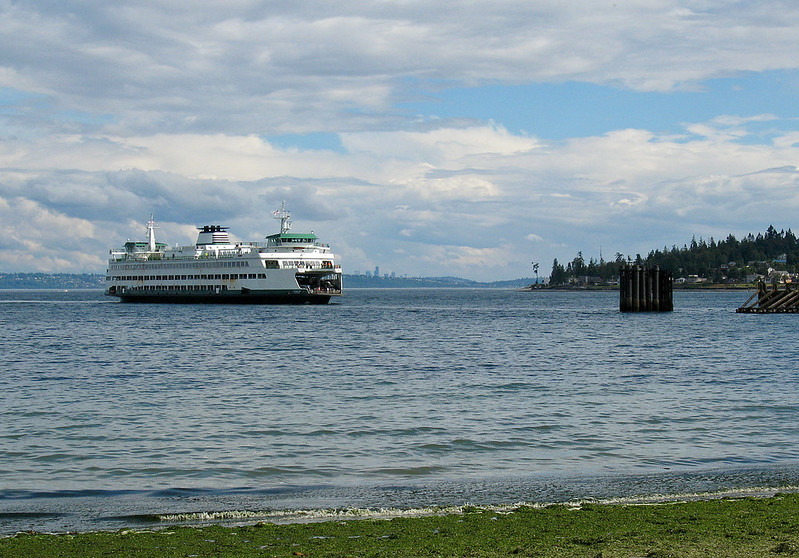
The Edmonds–Kingston Ferry is one of the quickest and most scenic ways to cross Puget Sound and make your way toward Port Angeles. From Seattle, it’s a short 15–20 minute drive north to Edmonds, where you can roll your car straight onto the ferry and begin the journey across the water. The crossing itself takes about 25–30 minutes, offering wide views of the sound, distant mountain ranges, and sometimes even marine life if you’re lucky.
Once you arrive in Kingston, the drive to Port Angeles takes roughly an hour to an hour and a half, depending on traffic and stops. The route is incredibly scenic, winding through quiet coastal towns, forested stretches, and occasional viewpoints where you can pause and take it all in. If you have extra time, small detours along the way can lead you to local cafes, waterfront spots, or hidden viewpoints that make the drive even more enjoyable.
Alternatively, you could take the Bainbridge Island Ferry from downtown Seattle, which is another popular option and slightly more direct for some travelers. Whichever route you choose, the journey itself feels like part of the adventure—setting the tone for the landscapes you’ll experience once you reach the Olympic Peninsula.
Lake Crescent
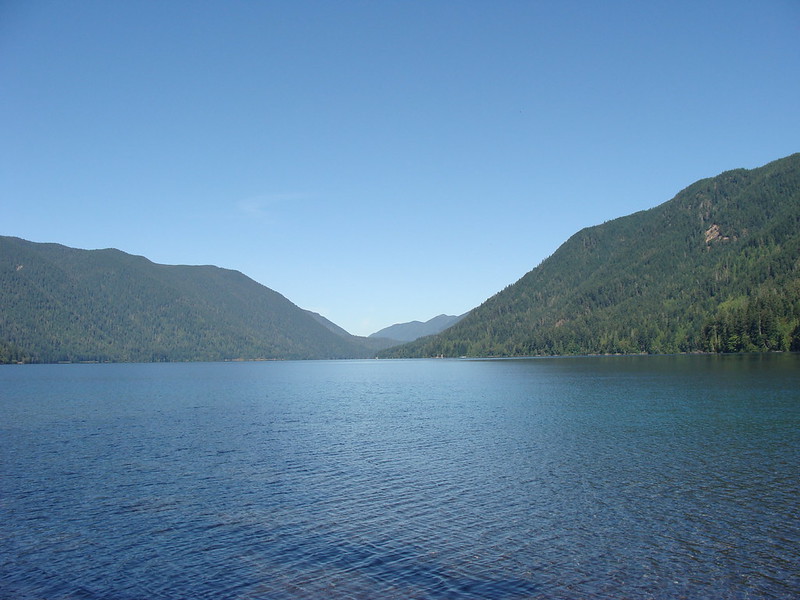
Set within Olympic National Park, Lake Crescent stands out as one of the most iconic scenes in the park. From rugged mountain ridges to dense old-growth forest, the region offers a wide mix of terrain, yet this lake often steals the spotlight with its deep, clear water and striking surroundings.
The area opens up plenty of options for visitors. You can head out on nearby trails, including the route leading to Marymere Falls, or take a slower pace by stopping at roadside viewpoints that frame the lake from different angles. Water activities like kayaking or simply relaxing along the shoreline are also popular, especially on calm days when the surface reflects the mountains.
Whether you’re passing through or planning a longer stop, Lake Crescent fits easily into any Olympic road trip. It’s the kind of place where a quick visit can turn into a longer pause, simply because the setting invites you to stay a little while longer.
Mount Storm King Ranger Station
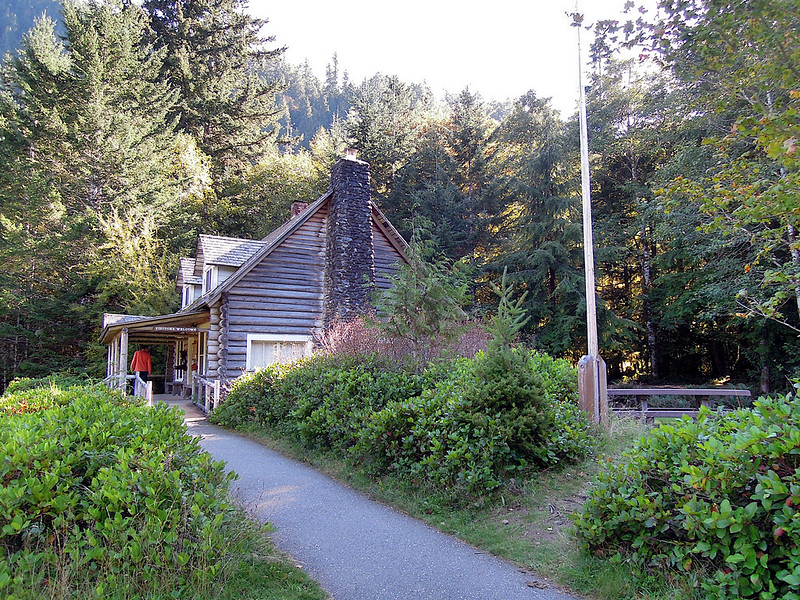
Located along the edge of Lake Crescent in Olympic National Park, the Mount Storm King Ranger Station is one of the most recognizable photo spots in the area. The small wooden cabin, framed by tall evergreens, creates a bold contrast that stands out in photos and gives the place a slightly moody, forested feel.
Beyond its visual appeal, the station is also a practical stop for visitors. There’s a spacious parking area, restroom facilities, and easy access to a dock that stretches out over the clear blue-green water of the lake. It’s a great place to pause, take a few photos, or simply spend a few minutes by the water before continuing your trip.
Many visitors also use this spot as a starting point for nearby hikes, including the popular Mount Storm King trail. Even if you’re not heading up the trail, the setting here makes it worth a quick stop during your drive around Lake Crescent.
Moments in Time Trail
- Location: Olympic National Park
- Distance: 0.7 miles
- Elevation Gain: 9 feet
- Difficulty: Easy
- Pass Required: America the Beautiful Pass
- Dog-Friendly: No
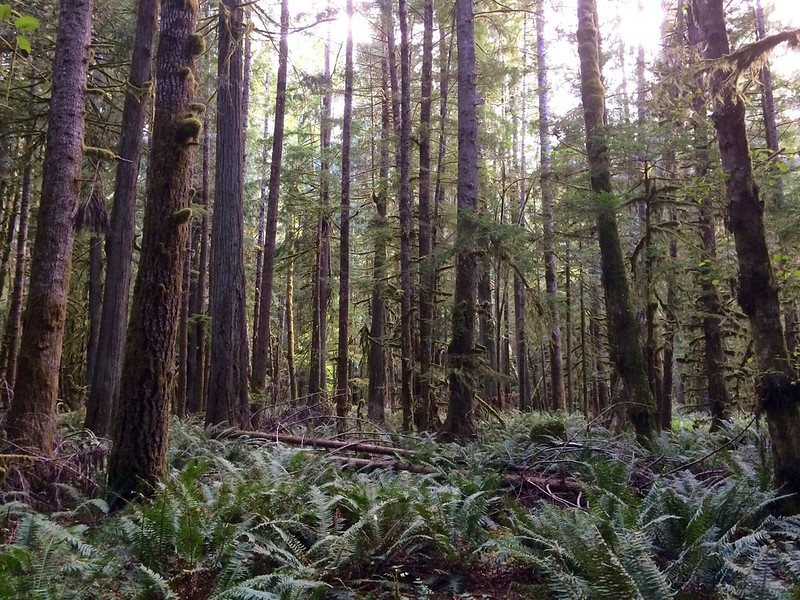
Just a short walk from Lake Crescent, the Moments in Time Trail is a quiet loop that offers a slower, more relaxed way to experience the forest. The path winds through thick greenery, with moss-covered trees and filtered light creating a calm setting that feels far removed from busy viewpoints.
Starting near the Mount Storm King Ranger Station, this trail is ideal if you want something easy but still rewarding. The minimal elevation gain makes it accessible for most visitors, and the short distance means you can fit it into your day without much planning.
Despite its length, the atmosphere here often leaves a strong impression. Some visitors even compare its peaceful feel to the famous Hoh Rain Forest. If you have extra time, you can extend your stop by visiting nearby spots like Marymere Falls or the trails around NatureBridge for a bit more time on foot.
Madison Falls
- Location: Olympic National Park
- Distance: 0.2 miles
- Elevation Gain: 26 feet
- Difficulty: Easy
- Pass Required: America the Beautiful Pass
- Dog-Friendly: Yes
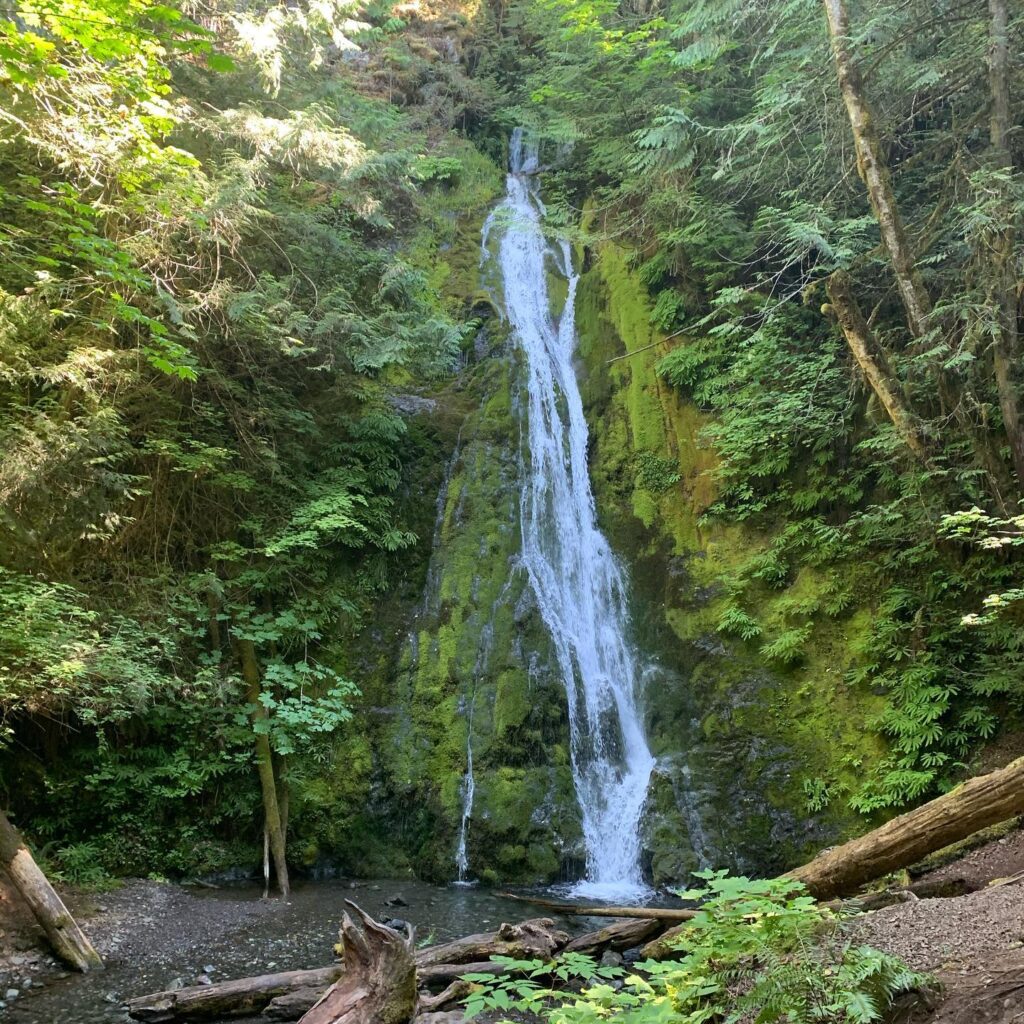
Madison Falls is a small yet rewarding stop that sits just off the road, making it one of the most accessible waterfalls in the park. A short, paved path leads you through a shaded forest to the falls, where water drops into shallow pools that are perfect for a quick pause.
Even though the walk is brief, the setting feels calm and often less busy than other popular spots. On several visits, it’s not unusual to have the area almost to yourself, which adds to the appeal if you’re looking for a quieter break during your drive.
Another bonus is that this is one of the few dog-friendly trails in the park, so you can bring your four-legged companion along. Whether you stop for a few minutes or linger a bit longer, Madison Falls fits easily into your route and offers a simple, refreshing detour.
Marymere Falls Trail
- Location: Olympic National Park
- Distance: 1.7 miles
- Elevation Gain: 298 feet
- Difficulty: Easy
- Pass Required: America the Beautiful Pass
- Dog-Friendly: No
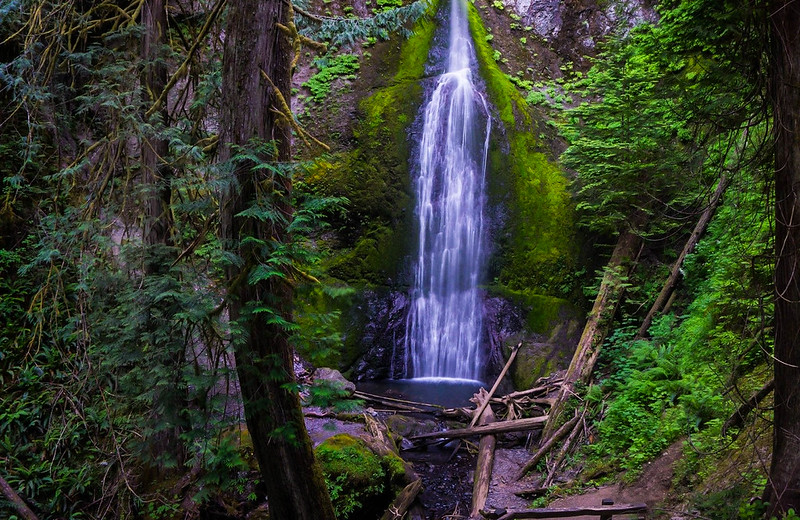
The Marymere Falls Trail begins near the Mount Storm King Ranger Station, where ample parking makes it a convenient starting point. The path is well-marked and easy to follow, taking you roughly 0.8 miles one way through a shaded forest before reaching the waterfall. Using GPS or an app like AllTrails can help, but the trailhead is usually easy to spot.
The walk itself moves through tall trees, wooden footbridges, and sections of soft forest floor, creating a calm and steady pace. Near the end, a short uphill section with a few steps brings you to a viewing area where the waterfall drops gracefully down a mossy rock face.
It’s a simple hike that still feels rewarding, especially if you enjoy quiet forest paths and hidden natural features. Whether you’re stopping by briefly or adding it to a longer day around Lake Crescent, Marymere Falls makes for a worthwhile detour.
Devil’s Punchbowl via Spruce Railroad Trail
- Location: Olympic National Park
- Distance: 2.4 miles
- Elevation Gain: 144 feet
- Difficulty: Easy
- Pass Required: America the Beautiful Pass
- Dog-Friendly: No
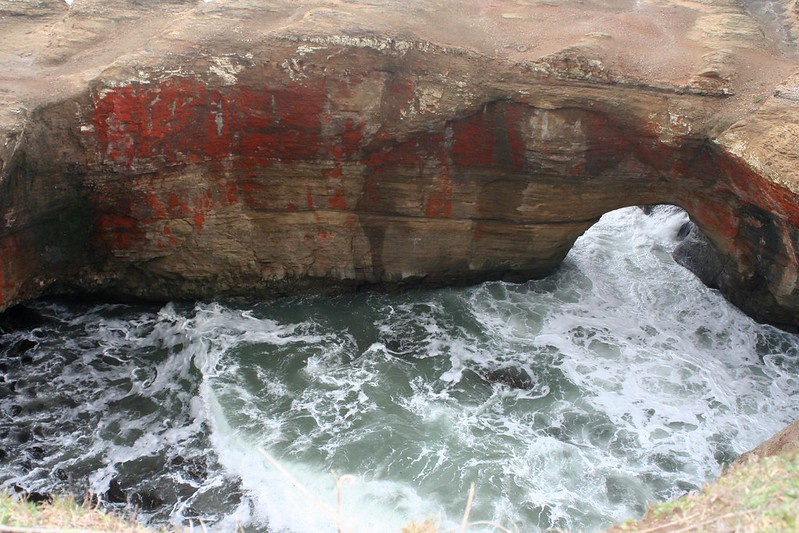
The route to Devil’s Punchbowl follows the Spruce Railroad Trail, a wide and mostly flat path that runs along the shoreline of Lake Crescent. This trail feels easy from start to finish, making it a great option if you want a relaxed walk with steady lake views along the way.
As you continue, the path leads to a deep, narrow gorge where clear blue water flows below a high bridge. Looking down, you’ll see the lake cutting through the rock, creating a striking scene that stands out from the rest of the shoreline. The contrast between the still lake and the moving water below adds a different feel to this part of the park.
In warmer months, this spot turns into a popular place for a quick swim or a break by the water. Despite its growing popularity, it often feels calm if you arrive early or later in the day. It’s a simple hike with a rewarding finish, making it a solid addition to your Lake Crescent stop.
Mount Storm King
- Location: Olympic National Park
- Distance: 4.1 miles
- Elevation Gain: 2,106 feet
- Difficulty: Challenging
- Pass Required: America the Beautiful Pass
- Dog-Friendly: No
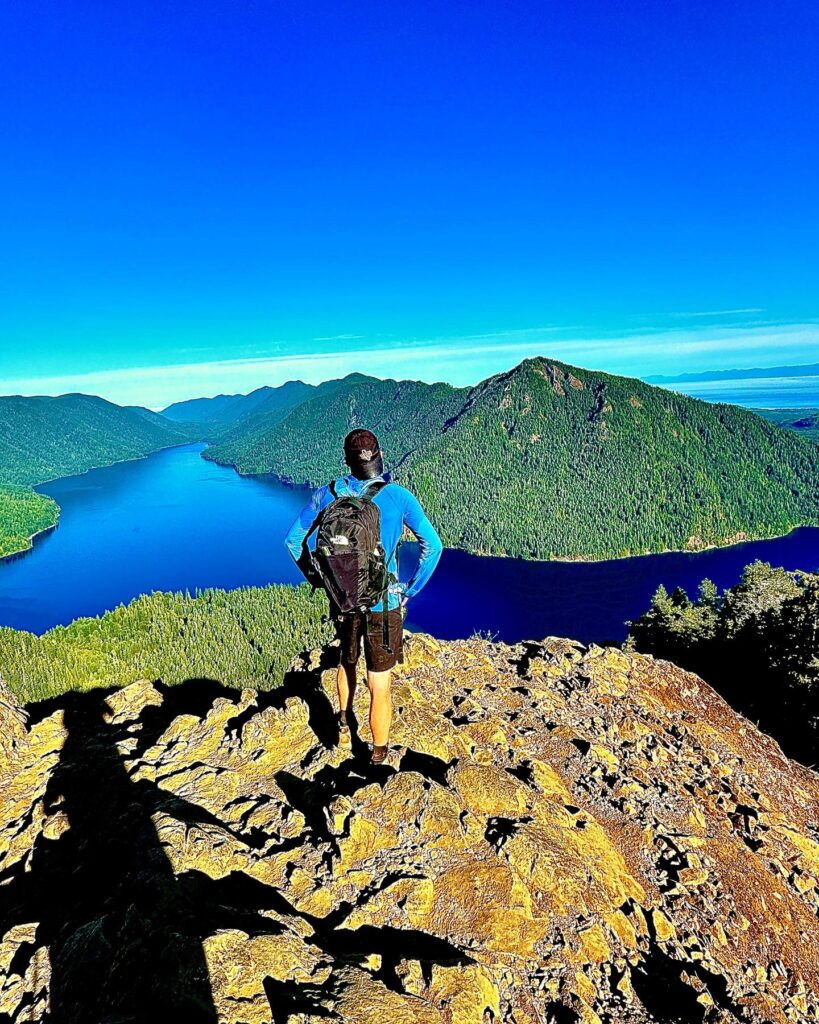
The hike to Mount Storm King is one of the most demanding trails in the area, but the payoff at the top makes the effort worthwhile. From the summit, you get wide views over Lake Crescent, with deep blue water framed by forested slopes and distant ridgelines.
The trail begins near the Mount Storm King Ranger Station and climbs steadily through dense forest. As you gain elevation, the incline becomes steeper, and the path narrows in sections. The final stretch includes ropes that help with the climb, adding a more hands-on element that requires balance and confidence.
This is not a casual walk and is best suited for those comfortable with steep terrain and some exposure. Many hikers aim for early morning or late evening to catch softer light over the lake, which adds another layer to the experience. If you’re up for the challenge, this hike stands out as one of the most rewarding viewpoints around Lake Crescent.
Day 2 Itinerary
Hurricane Hill via Hurricane Ridge
- Location: Olympic National Park
- Distance: 1.6 miles
- Elevation Gain: 226 feet
- Difficulty: Moderate
- Pass Required: America the Beautiful Pass
- Dog-Friendly: No
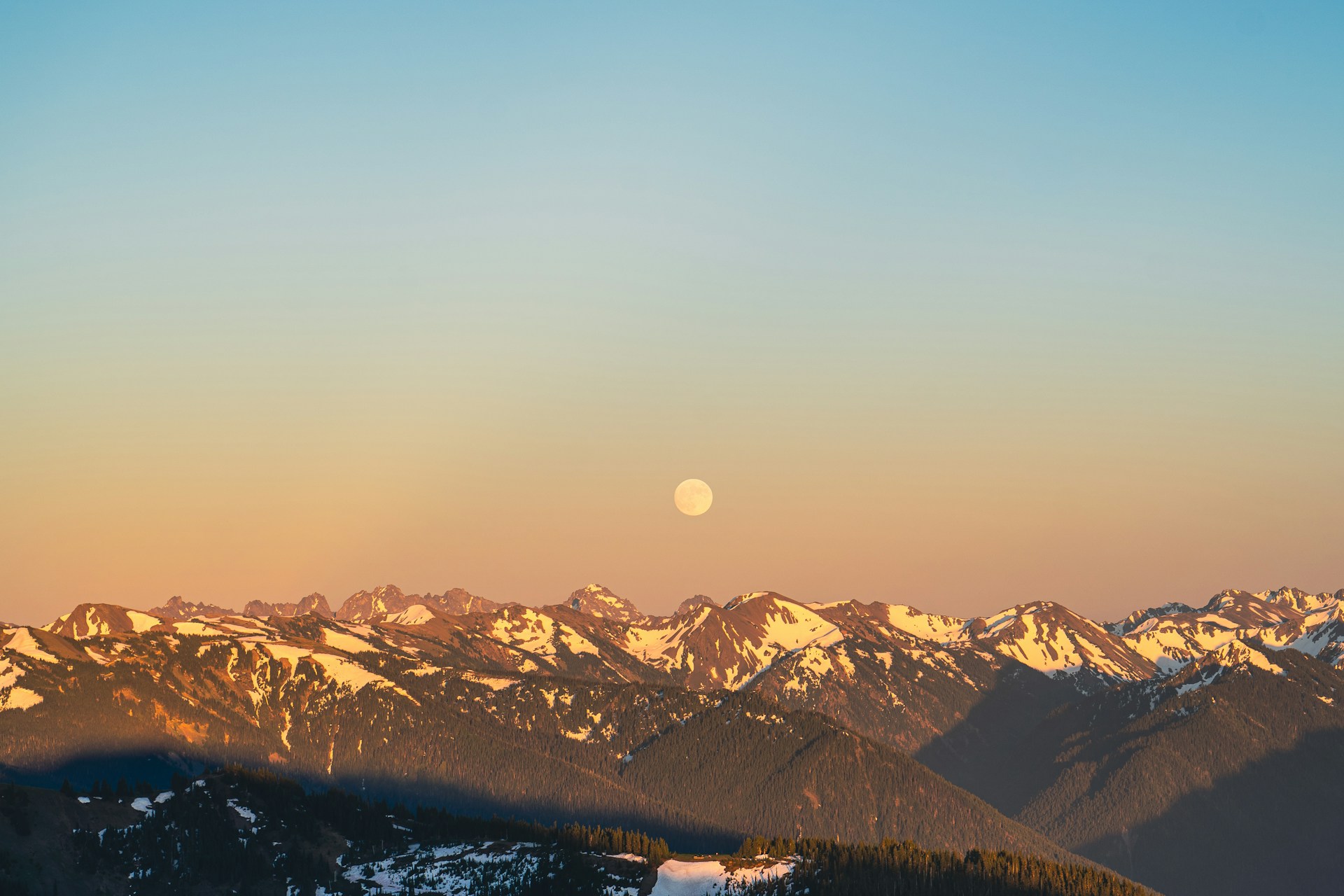
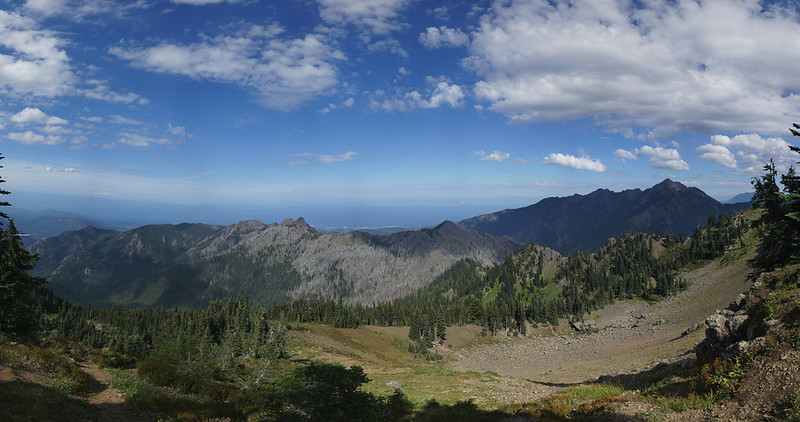
The Hurricane Ridge area is one of the most memorable spots in the park, known for its wide-open views of the Olympic Mountains. You can drive up to several viewpoints, which already offer impressive scenery, though weather and road conditions can sometimes affect access.
For a bit more movement, the Hurricane Hill Trail is a great option. The paved path climbs gradually, making it manageable for most visitors while still offering a sense of elevation gain. Along the way, you’ll pass open slopes and ridgelines with clear sightlines across the surrounding peaks.
At the top, the views stretch far in every direction, with layered mountains and changing light adding depth to the scene. This spot works especially well around sunrise or sunset, when the sky shifts in color and casts a soft glow over the landscape. It’s a solid choice if you want a rewarding hike without committing to a long or technical route.
Hall of Mosses
- Location: Olympic National Park
- Distance: 1.1 miles
- Elevation Gain: 78 feet
- Difficulty: Easy
- Pass Required: America the Beautiful Pass
- Dog-Friendly: No
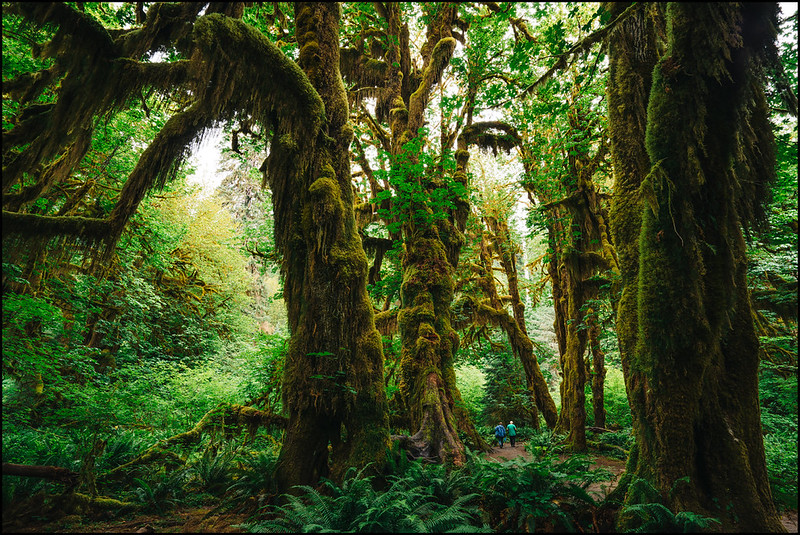
Set within the Hoh Rain Forest, the Hall of Mosses Trail is one of the most well-known short walks in the park. The loop moves through a dense forest where trees are covered in layers of hanging moss, creating a setting that feels almost unreal.
The path is easy to follow and mostly flat, making it suitable for a relaxed visit. As you walk, tall trees rise overhead while soft light filters through the canopy, giving the area a calm and slightly misty atmosphere. Every turn offers a different angle of the forest, with textures and shades of green changing along the way.
This trail works well if you’re looking for a short outing that still captures the feel of the rainforest. It’s an easy addition to your itinerary and a great way to experience this part of the park without a long hike.
Sol Duc Falls
- Location: Olympic National Park
- Distance: 1.6 miles
- Elevation Gain: 226 feet
- Difficulty: Easy
- Pass Required: America the Beautiful Pass
- Dog-Friendly: No
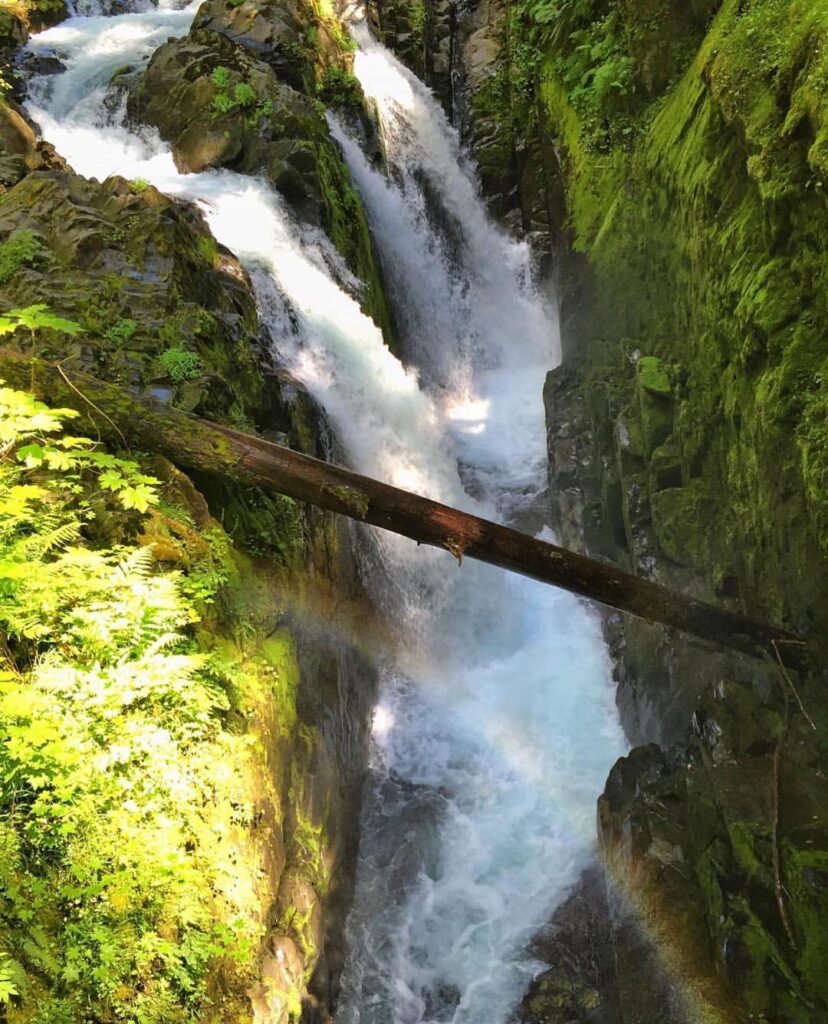
The Sol Duc Falls Trail is a straightforward walk that leads to one of the more striking waterfalls in the park. The path moves through a shaded forest with gentle elevation, making it an easy option for most visitors. A well-placed bridge near the end gives a clear view of water splitting into multiple channels as it drops into a narrow gorge below.
The setting feels calm, with the sound of rushing water echoing through the trees as you approach the falls. It’s a short hike, but the final viewpoint makes it feel worthwhile without requiring much effort.
Close by, the Sol Duc Hot Springs offers a different kind of stop if you’re looking to relax after a day of exploring. Reservations are often needed, especially during busy months, so planning ahead can help. Adding both stops to your route makes for a well-balanced break between hikes and downtime.
Rialto Beach
- Location: Olympic National Park
- Difficulty: Easy
- Pass Required: America the Beautiful Pass
- Dog-Friendly: No
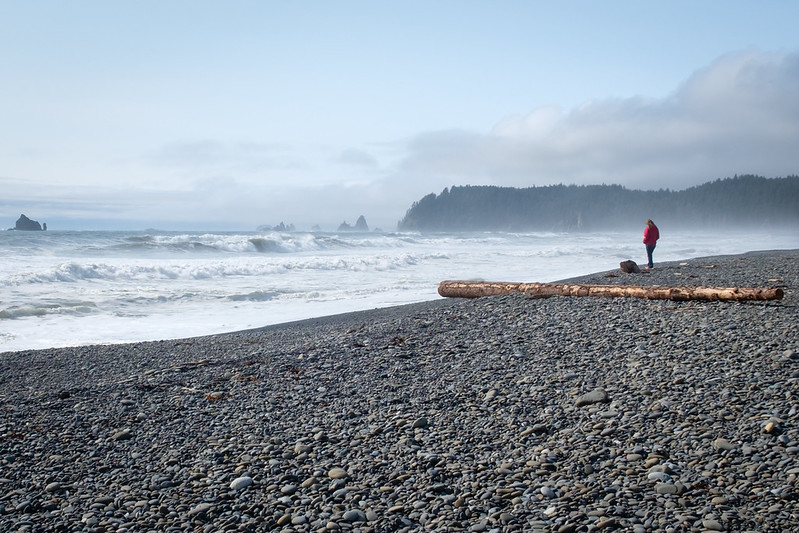
Rialto Beach is one of the essential coastal stops in the park, known for its rugged shoreline, sea stacks, and constant movement of waves. The setting feels raw and open, with driftwood scattered across the beach and the sound of the ocean carrying through the air.
This stretch works for different kinds of visits. You can arrive early for sunrise or stay late for sunset, both offering changing light across the coastline. It’s also a good place to slow down—find a spot on the beach, enjoy a quiet break, or simply watch the tide roll in and out.
For those wanting a bit more activity, the 3-mile round trip hike to Hole-in-the-Wall is a popular option. This walk is only possible during low tide, so checking tide charts in advance is important. Along the way, you’ll pass rock formations and tide pools that add more interest to the route.
Whether you spend a short time here or plan a longer visit, Rialto Beach offers a mix of calm moments and dramatic coastal views that round out any Olympic National Park itinerary.
Day 3 Itinerary
Cape Flattery
- Location: Olympic National Park
- Distance: 1.2 miles
- Elevation Gain: 229 feet
- Difficulty: Easy
- Pass Required: America the Beautiful Pass
- Dog-Friendly: Yes
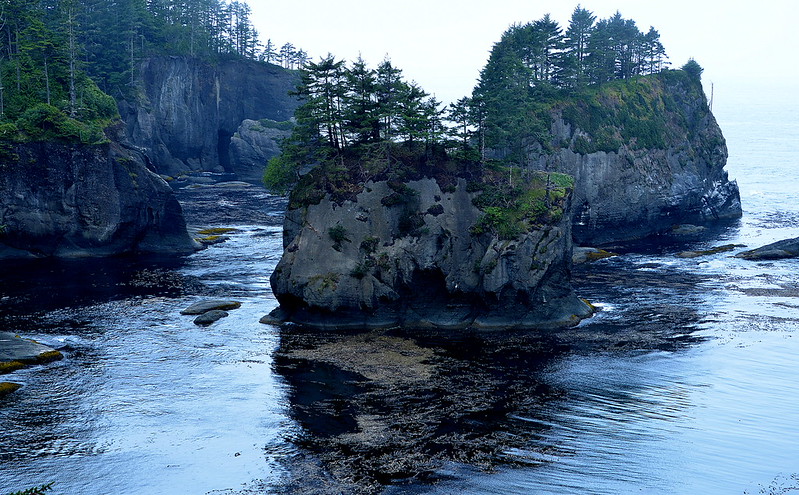
Cape Flattery marks the northwesternmost point of the contiguous United States and offers wide ocean views that feel far removed from inland sections of the park. The coastline here is defined by steep cliffs, sea stacks, and the steady motion of waves meeting the shore.
The trail to the viewpoint is short and well-maintained, with wooden boardwalks guiding you through forested sections before opening up to the coast. It’s an easy walk overall, making it suitable for most visitors while still delivering a strong payoff at the end.
At the viewpoints, you’ll look out over the Pacific with small islands and rock formations scattered across the water. The setting changes with the light and weather, adding variety to the experience. Whether you stop briefly or spend more time taking in the views, Cape Flattery makes for a memorable coastal highlight on your Olympic trip.
Second Beach
- Location: Olympic National Park
- Distance: 2.1 miles
- Elevation Gain: 278 feet
- Difficulty: Easy
- Pass Required: America the Beautiful Pass
- Dog-Friendly: No
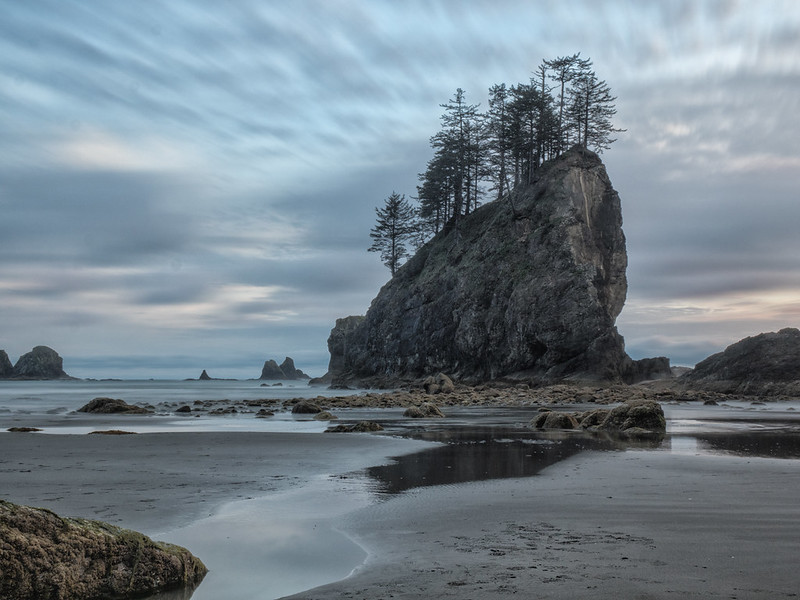
Second Beach sits just south of the mouth of La Push Creek, not far from Rialto Beach. The trail begins with a short forest walk that gradually opens up to a wide stretch of coastline, where sea stacks rise from the water and waves roll steadily onto shore.
The hike is fairly simple, making it a good choice for most visitors. Once you reach the beach, there’s plenty of space to walk, sit, or take in the view. At low tide, tide pools appear along the rocks, adding more to see during your visit.
This spot tends to feel a bit quieter than some nearby beaches, which makes it a good place to slow down and spend time by the ocean. Whether you’re stopping briefly or staying longer, Second Beach offers a calm coastal setting that fits well into your Olympic National Park route.
Ruby Beach
- Location: Olympic National Park
- Distance: 1 mile
- Elevation Gain: 49 feet
- Difficulty: Easy
- Pass Required: America the Beautiful Pass
- Dog-Friendly: Yes
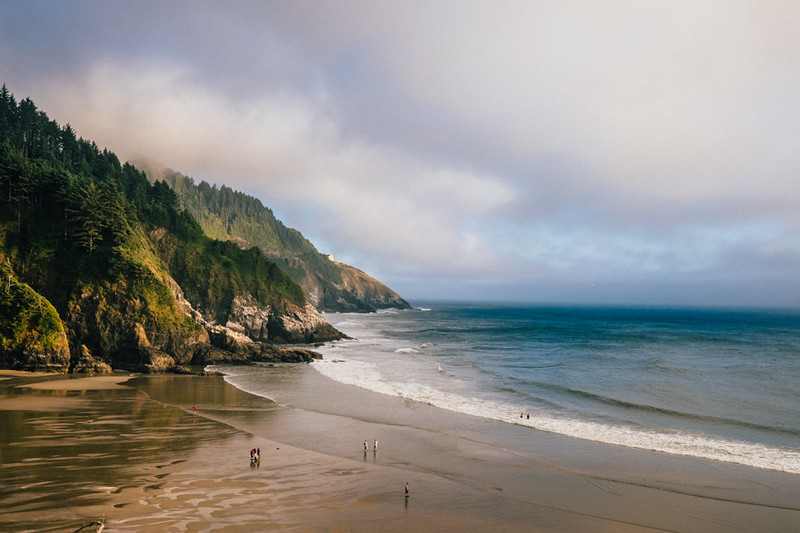
Ruby Beach is one of the most well-known stops along the park’s coastline, recognized for its reddish sand, scattered driftwood, and towering sea stacks rising from the ocean. The short walk down to the beach is manageable, making it easy to reach without much effort.
Once on the shore, there’s plenty to take in. You can wander along the water, look for tide pools during low tide, or simply sit and watch the waves move across the shoreline. The setting changes throughout the day, with shifting light adding different tones to the rocks and water.
Even as part of a longer drive—such as a day trip from Seattle—this stop feels worth the time. It offers a mix of open space and coastal views that make it easy to slow down and enjoy a quiet moment by the ocean.
If You Have Extra Time
Murhut Falls
- Location: Olympic National Forest
- Distance: 1.5 miles
- Elevation Gain: 390 feet
- Difficulty: Easy
- Pass Required: America the Beautiful Pass
- Dog-Friendly: Yes
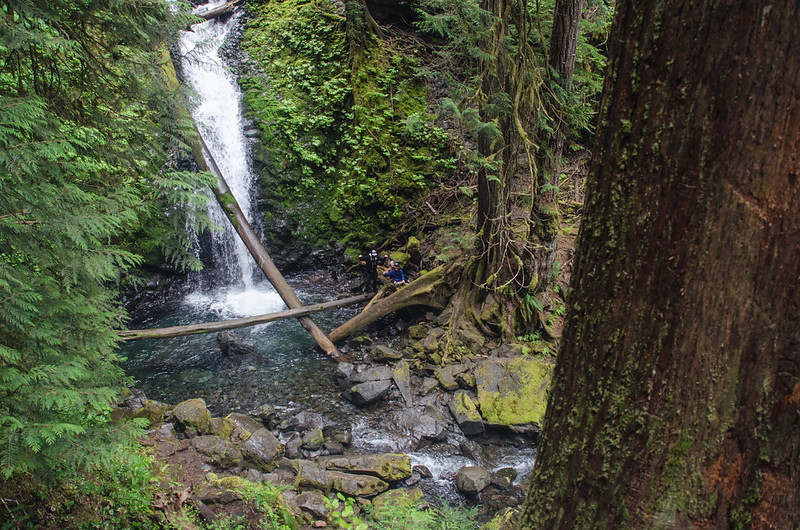
Murhut Falls is a quiet waterfall stop on the Olympic Peninsula, offering a short walk through forested terrain before reaching the falls. The trail has a gentle climb but stays manageable, making it a good option if you want something active without committing to a long hike.
As you approach the end, the sound of water becomes more noticeable, leading you to a tall cascade dropping over a rock face surrounded by greenery. The setting feels calm and slightly tucked away, often with fewer visitors compared to more popular spots in the region.
This trail works well as a lighter outing or a break between longer drives. If you’re looking for a simple walk with a rewarding finish, Murhut Falls fits easily into your plans without taking up a full day.
Lower Lena Lake
- Location: Olympic National Forest
- Distance: 7 miles
- Elevation Gain: 1,630 feet
- Difficulty: Moderate
- Pass Required: Discover Pass
- Dog-Friendly: Yes
Lower Lena Lake is a rewarding hike that works well early in the season, as many trails across the Olympic Peninsula stay green for much of the year. The route begins with a steady climb through dense forest, where tall trees and shaded paths create a cool, quiet setting.
The trail includes a few uneven sections and short climbs that add some challenge, but nothing too technical. As you gain elevation, glimpses of the surrounding hills begin to open up, giving you a sense of progress along the way.
At the end, the path leads to the lake, where calm water and forested edges provide a good place to rest. It’s a solid option if you’re looking for a longer walk with a clear destination, offering both movement and a peaceful spot to pause before heading back.
Mount Townsend
- Location: Olympic National Forest
- Distance: 8.5 miles
- Elevation Gain: 3,090 feet
- Difficulty: Hard
- Pass Required: Discover Pass
- Dog-Friendly: Yes
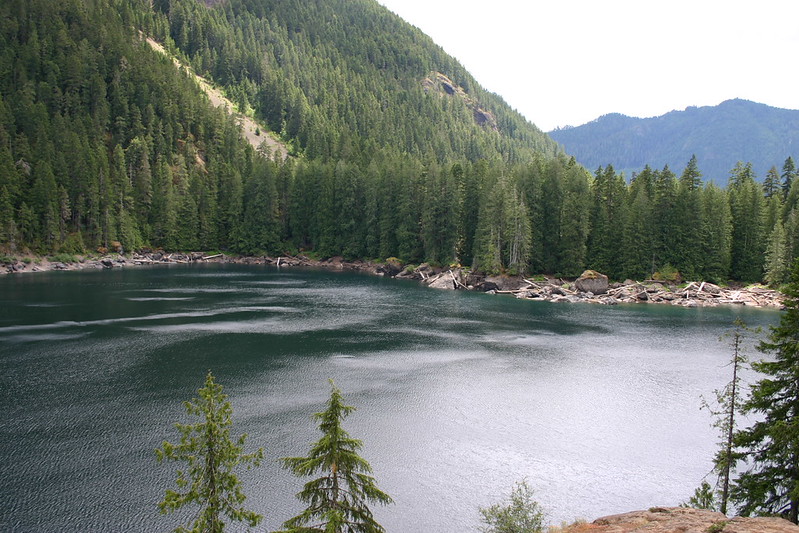
Mount Townsend is a strong pick for early-summer hikers looking for a tougher route on the Olympic Peninsula. The trail gains elevation steadily from the start, moving through forested sections before opening up to higher ridgelines.
As you climb, the surroundings begin to shift, with wider views and more exposed terrain. The final stretch requires effort, but the reward at the top makes the push worthwhile. From the summit, you’ll get broad views across surrounding peaks, valleys, and distant ridges.
This hike stands out for its combination of challenge and payoff. If you’re comfortable with longer distances and sustained elevation gain, Mount Townsend offers a memorable outing with views that stay with you long after the hike is done.
More Related Articles :