Yellowstone National Park offers an incredible array of geothermal features, expansive landscapes, and thriving wildlife. Steam drifts into the sky along scenic trails, while bison casually roam the roads, creating moments of awe for visitors. Vibrant hot springs and bubbling geysers provide sights that captivate even the most frequent travelers. This guide will help you make the most of your Yellowstone adventure.
Having visited Yellowstone during various seasons—from August’s lush greens to October’s brisk air—we’ve seen how the park transforms throughout the year. Summer brings extended daylight, lush grasslands, and bustling crowds. As autumn sets in, golden meadows emerge, temperatures drop, and the park feels more serene. By October, the first snowfall may blanket the landscape, creating an entirely different experience.
Yellowstone’s immense scale and diversity never fail to inspire awe. From rainbow-colored hot springs to herds of bison and elk, and from roaring waterfalls to dramatic canyons, this park is nothing short of extraordinary. Whether it’s your first visit or one of many, Yellowstone always has something new to offer. Let this guide be your companion in experiencing the highlights of this remarkable destination.
Fascinating Insights into Yellowstone National Park
Yellowstone holds the remarkable distinction of being the first national park in the United States and the world. Established on March 1, 1872, by President Ulysses S. Grant, this land was set aside to preserve its natural marvels and to be enjoyed by future generations. This act inspired a global movement that has since grown to include 63 national parks in the United States.
Spanning three states—Wyoming, Idaho, and Montana—Yellowstone is the second-largest national park in the contiguous United States, with the majority of its land lying in Wyoming. Its vast landscapes, dynamic geothermal features, and thriving ecosystems draw millions of visitors each year. In 2021, nearly 5 million people explored its wonders, making it one of the most visited parks in the country. While flooding in 2022 reduced visitation to 3.3 million, numbers rebounded in 2023 to 4.5 million visitors.
Visiting in summer can mean navigating significant crowds, with parking spaces and popular trails filled to capacity during peak hours. For those willing to explore beyond the busiest areas, there are quieter spots where the grandeur of Yellowstone feels personal and serene.
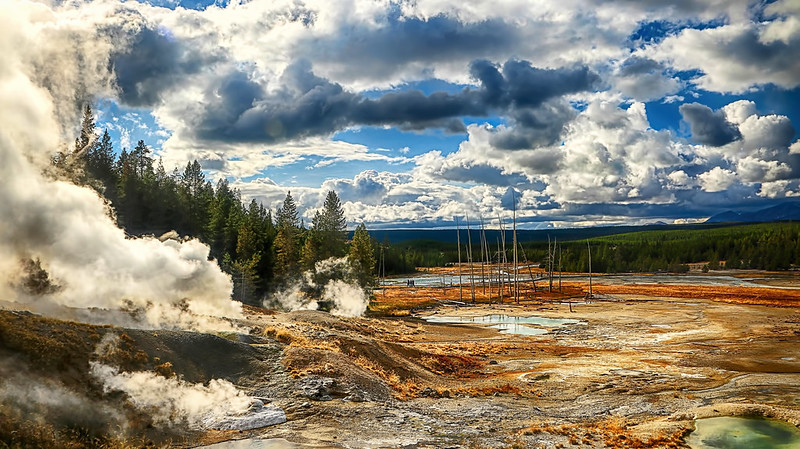
Beneath its surface lies a dormant supervolcano, which last erupted over 640,000 years ago. This geological powerhouse fuels the park’s geothermal activity, giving Yellowstone the highest concentration of geothermal features on Earth. Steam rises from fumaroles, pools bubble with heat, and geysers erupt regularly—including the iconic Old Faithful, whose name is recognized across the globe.
From its pioneering history to its dynamic landscapes, Yellowstone remains a destination unlike any other, offering experiences that captivate and inspire visitors year after year.
Top Experiences in Yellowstone National Park
Spanning over 2 million acres and accessible through five entrances, Yellowstone National Park offers a wealth of experiences for visitors. While the park’s possibilities may seem boundless, this list narrows down the top 18 activities to provide a solid starting point for first-time visitors aiming to explore its highlights.
Yellowstone’s diverse landscapes and geothermal marvels make it an unforgettable destination, but with its popularity comes the need for responsible exploration. Visitors are encouraged to follow the principles of Leave No Trace: plan thoughtfully, stick to designated trails, carry out all belongings, dispose of waste responsibly, leave natural areas undisturbed, limit campfire impacts, respect fellow visitors, and avoid approaching or feeding wildlife.
By embracing these practices, you’ll help preserve Yellowstone’s extraordinary environment while enjoying the park’s iconic features. From witnessing Old Faithful’s eruptions to hiking through serene trails, these recommendations ensure a rewarding and sustainable adventure.
Read More : 20 Best Things to Do in Yellowstone National Park for an Incredible Wyoming Wildlife Experience
1. Witnessing the Magic of Old Faithful
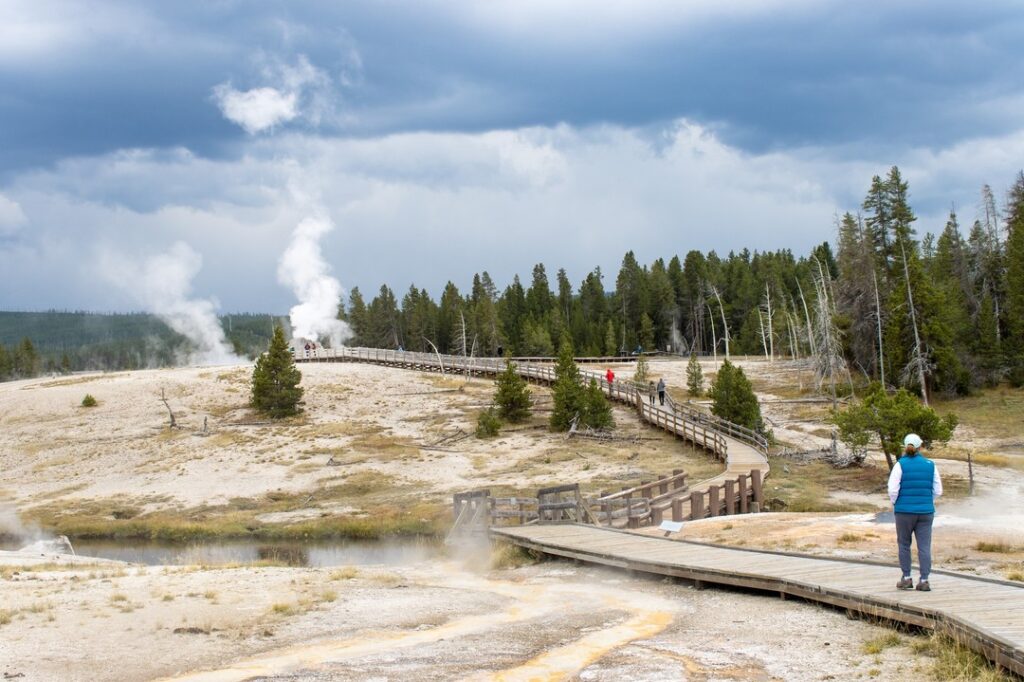
What comes to mind when you think of Yellowstone National Park? For many, the answer is Old Faithful, a geyser renowned for its reliability and iconic status. Its eruptions have captivated visitors for decades, making it one of the park’s must-see attractions.
Old Faithful’s Eruption Details
Old Faithful’s eruptions occur roughly every hour and a half, with a window of about 10 minutes on either side. Occasionally, the interval extends up to two hours. The eruption itself lasts between three and four minutes. For precise planning, you can check predicted eruption times online before your visit.
Ways to Experience Old Faithful
- Boardwalk Seating: The most popular viewing spot is the boardwalk encircling the geyser. To secure a good seat, arrive 20 to 30 minutes early, especially during peak hours when the area fills quickly.
- Observation Point Hike: For a more peaceful experience, hike 1.1 miles round trip to Observation Point, a higher vantage with far fewer visitors. Though the climb is steep, the elevated view and serenity make it worth the effort. Pack a snack or lunch to enjoy while waiting for the next eruption.
- Old Faithful Inn Viewing Deck: Combine comfort with sightseeing by watching from the historic Old Faithful Inn. Order a drink from the bar, relax, and take in the geyser’s display from this unique setting.
How Long to Spend at Old Faithful
The timing of your visit depends on when you arrive relative to an eruption. You might see the geyser within 20 minutes, or you could wait up to two hours. However, the area offers plenty to do while you wait. Explore the historic Old Faithful Inn, dine at nearby restaurants, or walk the Upper Geyser Basin to see other geothermal features.
A Sample Visit
Our visit began with assembling a picnic lunch from the Old Faithful General Store. We hiked up to Observation Point, enjoyed our meal, and watched the eruption from the overlook. Afterward, we explored Solitary Geyser, walked the Upper Geyser Basin trails, and toured the Old Faithful Inn. Before leaving, we caught a second eruption to complete our experience.
Insider Tip
If you visit during midday, exiting the parking lot after an eruption can be frustrating due to heavy traffic. To avoid delays, consider timing your departure for a quieter part of the day or enjoy the surrounding attractions while the crowds disperse.eruption, especially midday, can be challenging due to traffic backups.
2. Exploring Upper Geyser Basin & Geyser Hill
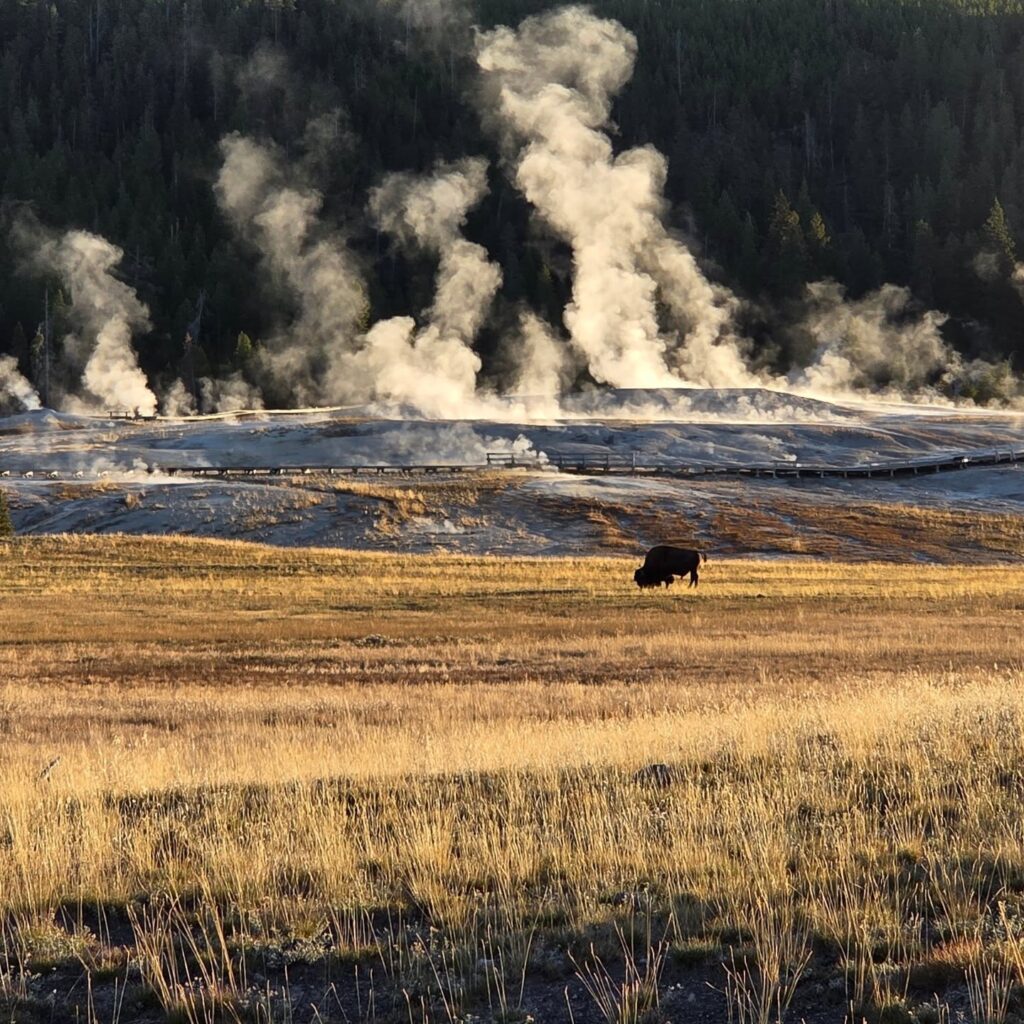
Within a compact area of just one square mile, the Upper Geyser Basin is home to over 150 geothermal features, making it a treasure trove of hot springs, geysers, and thermal pools. While Old Faithful is the centerpiece, this part of Yellowstone offers many additional highlights worth exploring.
Walking the Trails
The boardwalk trails and hiking paths in the Upper Geyser Basin and Geyser Hill provide a fascinating way to explore these geothermal wonders. A thorough visit typically takes about two hours, but if paired with an Old Faithful eruption, plan for two to three hours to fully experience the area.
Notable Geothermal Features
- Solitary Geyser: Reachable via a short hike from Observation Point or an uphill dirt trail from Old Faithful, this geyser erupts every 4 to 8 minutes, with each eruption lasting about a minute.
- Castle Geyser: Known for its cone-shaped structure, Castle Geyser erupts approximately every 10 to 12 hours, putting on a spectacular 20-minute show. Viewing it in action feels like catching nature’s performance at just the right moment.
- Morning Glory Pool: This strikingly colorful thermal pool is a longer walk from the main area but remains a favorite for its dazzling hues. It’s a can’t-miss spot for anyone exploring the basin.
- Grotto Geyser: With eruptions occurring about every 8 hours, Grotto Geyser is unique in its duration, which can range from 10 minutes to several hours. Its unusual formation makes it stand out among the many geysers in the basin.
Maximizing Your Visit
Take your time walking the trails to appreciate the variety of geothermal features. Whether it’s the rhythmic eruptions of Solitary Geyser or the vivid colors of Morning Glory Pool, each spot has its own charm. The boardwalks are accessible, but the dirt paths leading to Observation Point and some geysers may require a little extra effort, making sturdy footwear a good choice.
A trip to Upper Geyser Basin isn’t just about sightseeing—it’s about immersing yourself in Yellowstone’s dynamic landscape and appreciating the natural forces that shape it.
3. Grand Prismatic Spring & Midway Geyser Basin: A Kaleidoscope of Colors
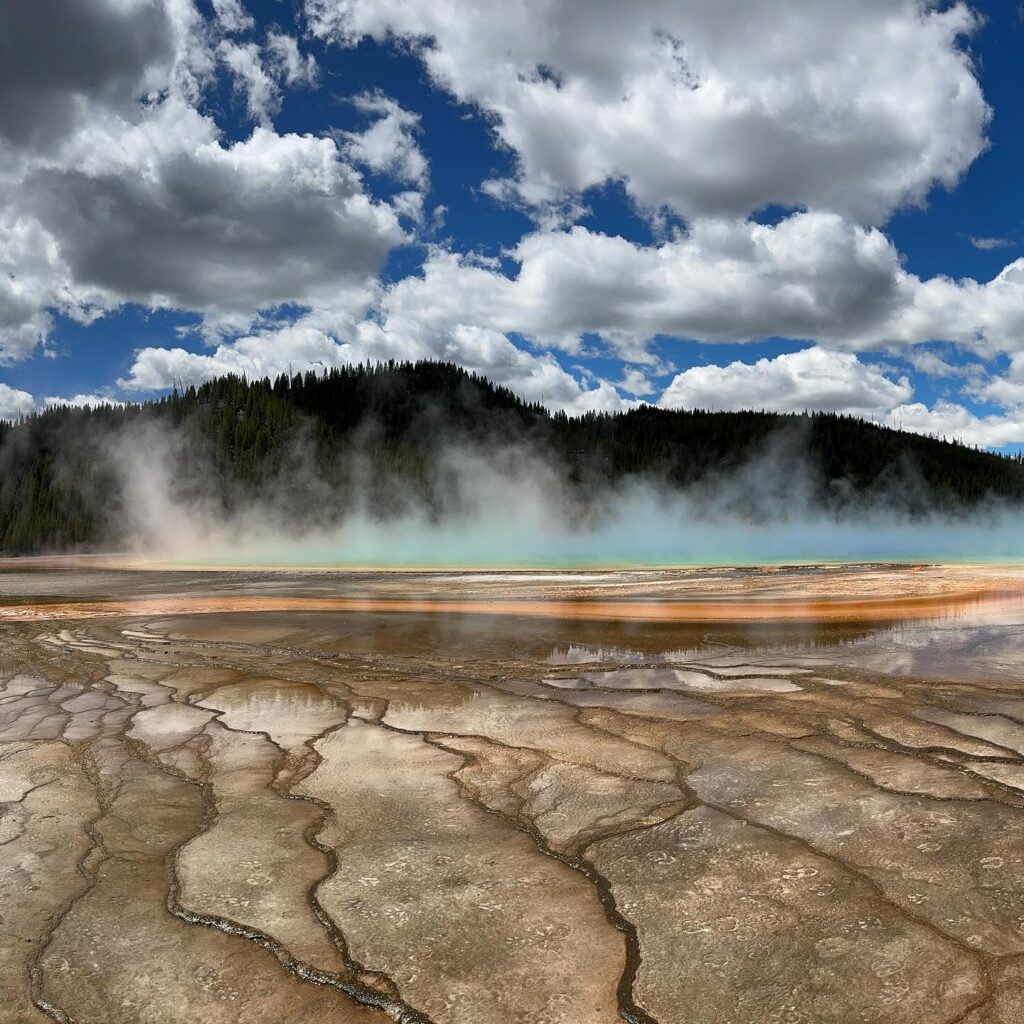
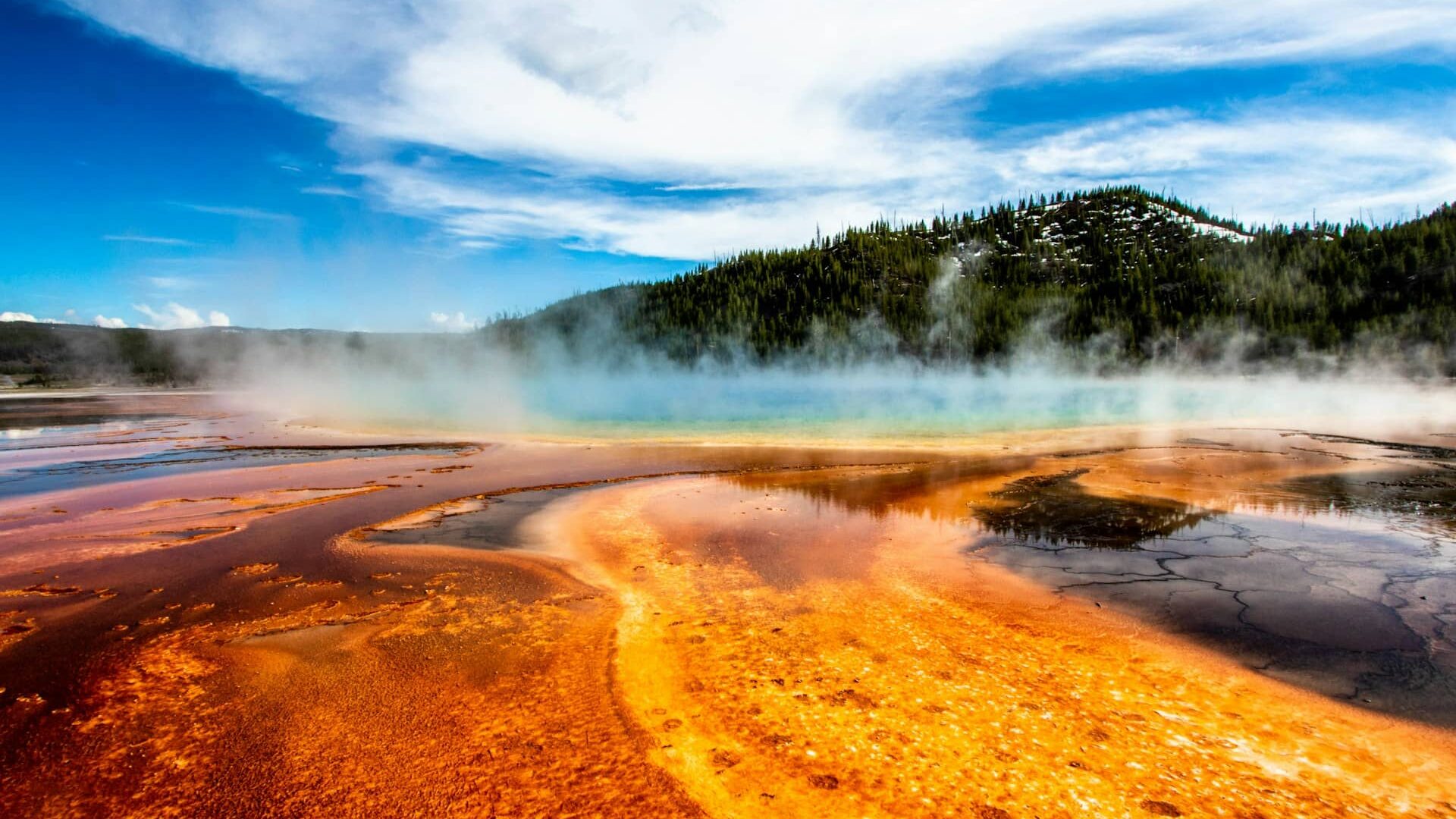
The Grand Prismatic Spring is Yellowstone’s most iconic and visually stunning hot spring. Its rainbow-like hues, caused by thermophilic microbial life flourishing along its edges, make it a must-see feature of the park. With its immense size and brilliant colors, it stands as the largest hot spring in the United States and a true marvel of geothermal activity.
The Changing Colors of Grand Prismatic Spring
The spring’s colors shift throughout the year. During summer, its edges glow in fiery orange tones, while winter brings darker greens to the forefront. These vibrant hues depend on the temperature and types of microorganisms present, adding a dynamic quality to the already mesmerizing view.
Two Ways to Experience Grand Prismatic Spring
- Midway Geyser Basin Boardwalk Trail Take the 0.8-mile one-way boardwalk trail to see the Grand Prismatic Spring up close. Along the way, you’ll encounter other captivating geothermal features, such as Excelsior Geyser Crater, Opal Pool, and Turquoise Pool. The trail allows visitors to walk safely through the thermal basin while marveling at the kaleidoscope of colors.
- Parking Challenges: The parking lot for Midway Geyser Basin is notoriously small and quickly fills up between 9 a.m. and 6 p.m. Overflow parking often spills onto the park road, causing traffic congestion. Consider parking in nearby turnouts to avoid adding to the gridlock.
- Grand Prismatic Spring Overlook For a breathtaking perspective, visit the overlook. The elevated vantage point offers a panoramic view of the spring, where its vibrant colors are fully revealed, especially on sunny days.
- Getting There: The trail to the overlook starts from the Fairy Falls parking lot. It’s a 0.8-mile hike (1.6 miles round trip), not the 0.6 miles often cited. The path begins flat and wide but becomes more challenging with an uphill dirt trail for the last 0.2 miles. Allow about 45 minutes for the round trip, including time to enjoy the view.
- Parking Restrictions: The Fairy Falls parking lot does not accommodate RVs, buses, or vehicles with trailers, so plan accordingly.
Optimal Time to Visit
The best time to experience the Grand Prismatic Spring is midday on a sunny day when the colors are most vibrant and the morning mist has dissipated. Although this is the busiest time, the brilliance of the colors makes it worth the effort. Visiting in the morning or on a cloudy day may obscure the spring’s vivid hues due to lingering steam.
A Final Note on Crowds
The Grand Prismatic Spring is one of Yellowstone’s most visited spots, and its popularity creates logistical challenges, especially with parking. Planning your visit with flexibility and patience ensures a more enjoyable experience, whether you choose to admire it from the boardwalk or the overlook.
4. Fairy Falls: A Rewarding Waterfall Adventure
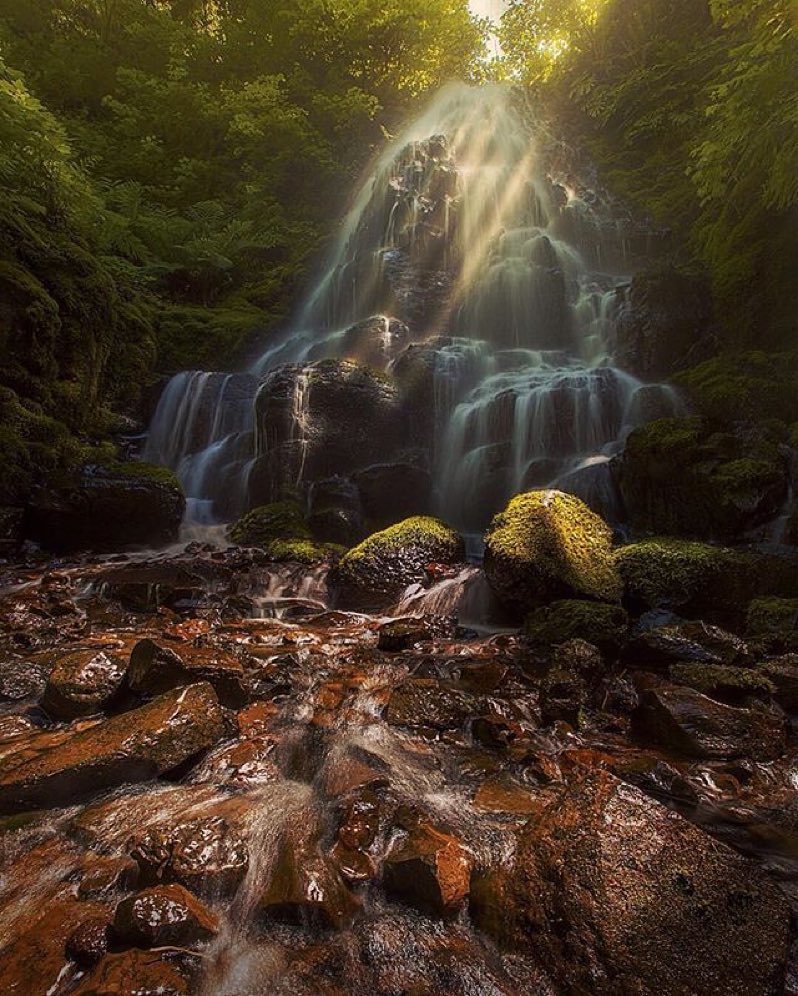
Fairy Falls, standing as one of Yellowstone’s tallest waterfalls, offers a serene escape into nature for those willing to hike. The journey combines well with a visit to the Grand Prismatic Spring Overlook, making it an excellent addition to any Yellowstone itinerary.
Reaching Fairy Falls
There are two primary ways to access Fairy Falls, each offering a slightly different adventure:
- From the Fairy Falls Parking Lot: This route involves a 5.4-mile round trip hike. Starting at the same parking lot used for the Grand Prismatic Spring Overlook, the trail is relatively easy and suitable for most visitors.
- From Fountain Flat Drive: For those seeking a longer hike, this 10-mile round trip trail provides a more immersive experience through Yellowstone’s landscapes.
Trail Highlights
The majority of the trail meanders through a lodgepole pine forest, offering a sense of solitude and immersion in the park’s natural surroundings. Along the way, hikers may encounter wildlife, including bears, so staying aware and carrying bear spray is recommended.
The trail’s gentle incline makes it approachable for many hikers, and the reward is a stunning view of Fairy Falls, cascading gracefully down the cliffside.
Why Visit Fairy Falls?
Fairy Falls is a perfect destination for those seeking a moderate hike paired with the opportunity to witness one of the park’s most impressive waterfalls. The trail’s manageable difficulty makes it a great option for families and casual hikers, while the surrounding wilderness adds an element of quiet beauty.
Whether you combine this hike with a visit to the Grand Prismatic Spring Overlook or explore it as a standalone adventure, Fairy Falls offers a memorable glimpse into Yellowstone’s diverse wonders.
5. Grand Canyon of the Yellowstone: A Geological Masterpiece
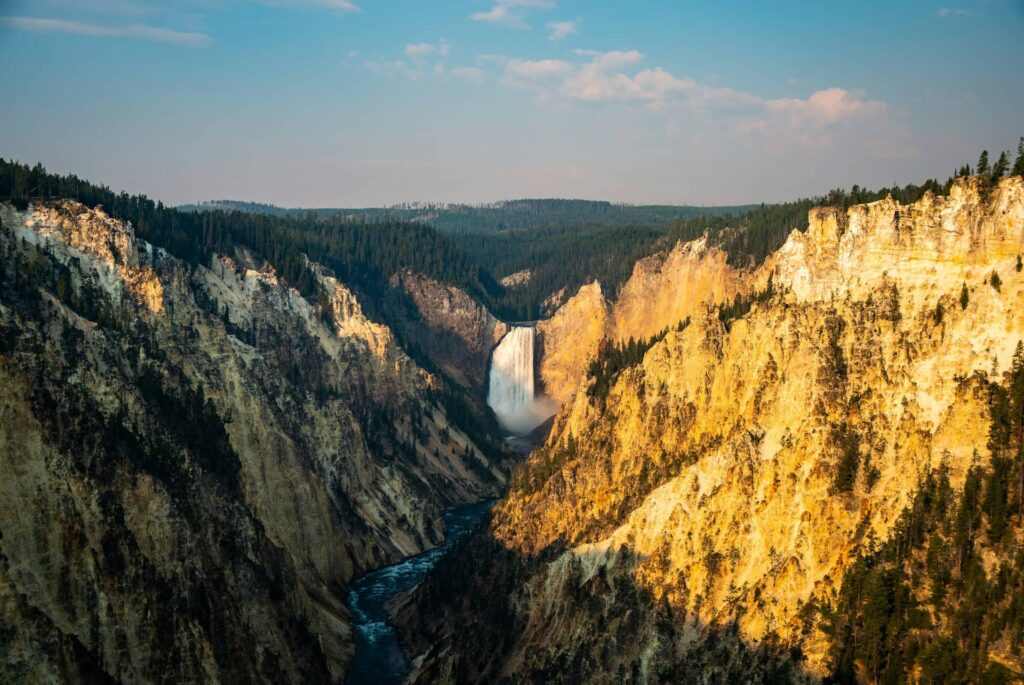
Over thousands of years, the Yellowstone River has sculpted a dramatic canyon that is one of the park’s most awe-inspiring features. With its vivid walls, powerful waterfalls, and numerous trails, the Grand Canyon of the Yellowstone is a destination where natural forces are on full display. Whether you explore the North Rim, South Rim, or both, this area offers unforgettable views and experiences.
Exploring the North Rim
The North Rim features a one-way drive with stops at several viewpoints and trailheads. It’s an excellent way to see the canyon’s rugged beauty up close.
- Brink of the Lower Falls: A steep, half-mile downhill trail leads to an up-close view of the mighty Lower Falls. The return hike is demanding, with 600 feet of elevation gain, but the experience of watching the waterfall roar over the edge is worth the effort.
- Lookout Point: Offering one of the best views of Lower Falls, this overlook captures the waterfall’s grandeur as it plunges into the canyon below.
- Red Rock Point: Similar to the Brink trail, this descent into the canyon provides another stunning perspective of Lower Falls. The hike down is steep but rewarding.
- Grand View Point: Despite its name, this overlook offers a less dramatic view of the canyon and does not include the falls.
- Inspiration Point: Located farther from the falls, this viewpoint provides a broad perspective of the canyon but is less striking than others.
Pro Tip: If your time is limited, prioritize Brink of the Lower Falls and Lookout Point. Both offer incredible experiences that showcase the canyon’s beauty.
Discovering the South Rim
The South Rim is home to some of the canyon’s most iconic viewpoints and trails, including Artist Point and Uncle Tom’s Trail.
- Uncle Tom’s Trail: Descend 328 steps to the base of Lower Falls for an unparalleled perspective of its power. While currently closed during recent visits, this trail remains a favorite memory for many past visitors.
- Artist Point: Known for its breathtaking view of the canyon and Lower Falls, Artist Point is the perfect spot for that iconic Yellowstone photograph. A short walk from a large parking area makes this viewpoint accessible and rewarding.
Recommendation: If you can only visit one rim, the South Rim is a top choice. Its viewpoints and trails provide some of the most iconic and memorable experiences in Yellowstone.
Making the Most of Your Visit
Plan to spend at least half a day exploring the Grand Canyon of the Yellowstone. Whether you hike into the canyon, stroll along the overlooks, or simply take in the views from the rims, this area offers a chance to connect with the park’s dramatic landscapes.
Read More : 21 Best Hikes in Yellowstone National Park for an Unforgettable Wyoming Adventure
6. Lamar Valley: Yellowstone’s Wildlife Haven
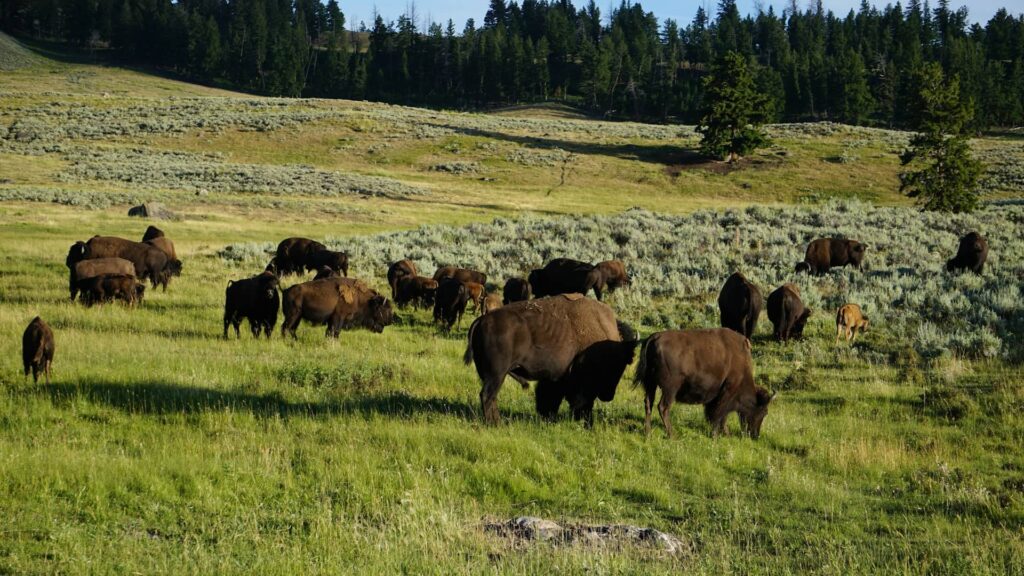
Lamar Valley is celebrated as one of the premier locations for wildlife observation in Yellowstone National Park. The wide-open spaces and rolling meadows of this region attract an array of animals, offering visitors the chance to see bison, elk, pronghorn, coyotes, bears, and even wolves in their natural habitat.
Best Times for Wildlife Viewing
The prime times for spotting wildlife are early morning and late evening, when animals are most active. During these hours, you’re more likely to witness herds grazing, predators prowling, and other captivating behaviors.
During our visit to Lamar Valley one evening, we encountered large herds of bison—an awe-inspiring sight. We also spotted bears and deer, adding to the thrill of the experience.
Navigating Lamar Valley
Visitors should prepare for the occasional “animal traffic jam.” Bison are known to wander onto the roads, halting traffic in both directions. While it may delay your plans, these moments provide an excellent opportunity for up-close views of Yellowstone’s iconic wildlife.
Reaching Lamar Valley
Situated in the northern section of Yellowstone, Lamar Valley requires some travel time but is well worth the journey. It is approximately one hour from both Mammoth Hot Springs and the Grand Canyon of the Yellowstone. The drive itself is scenic, adding to the overall experience.
Bonus Activity: Hike to Trout Lake
While exploring Lamar Valley, consider hiking to Trout Lake. This small yet charming lake is reached via a short, uphill trail through a forest. Though sightings of wildlife along the trail can vary, the hike is a peaceful and enjoyable diversion. Since this area is bear country, it’s essential to hike in groups and carry bear spray for safety.
A Must-Visit for Wildlife Enthusiasts
Lamar Valley offers an unmatched opportunity to observe Yellowstone’s incredible array of animals. Whether you’re watching bison graze, scanning for wolves in the distance, or simply soaking in the serene environment, this area is a must-visit for anyone who appreciates the beauty and rawness of nature.
7. Hayden Valley: A Wildlife Hub
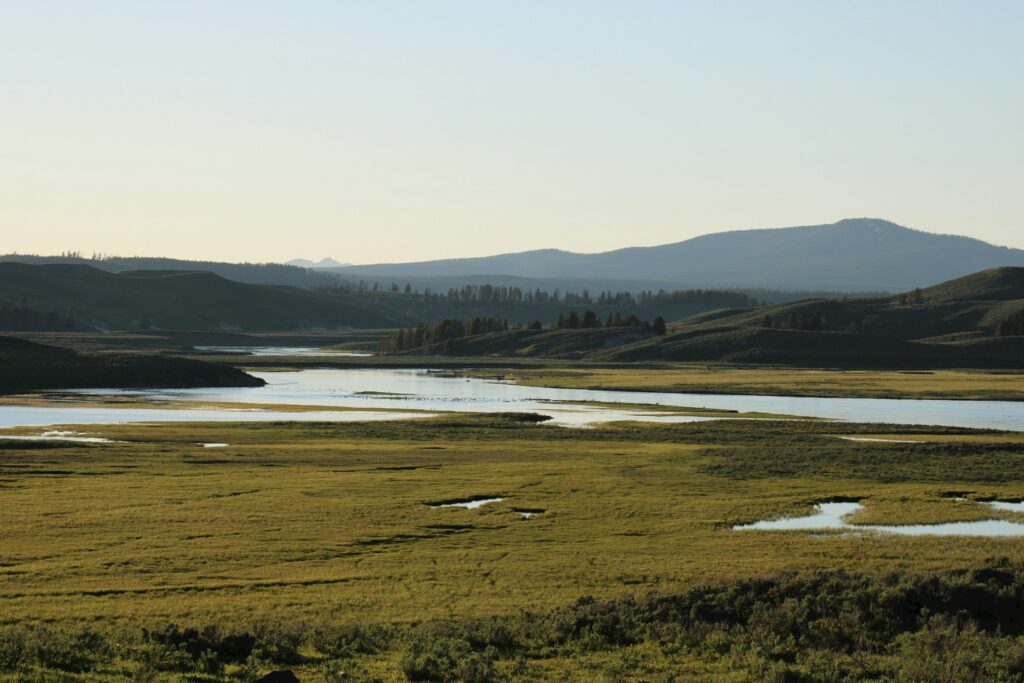
Hayden Valley is another prime spot in Yellowstone National Park to observe bison, offering a more accessible location than Lamar Valley due to its position between the Grand Canyon of the Yellowstone and Yellowstone Lake. While this convenience makes it popular, it also brings larger crowds, especially during peak hours.
Wildlife Watching in Hayden Valley
During our most recent visit, we drove through Hayden Valley twice and had vastly different experiences. On the first day, we spotted just two bison and a distant herd barely visible from the road. However, on the second day, we were lucky enough to encounter a massive herd grazing along the roadside. We spent an hour marveling at their presence from the comfort of our car.
Bison are the primary attraction in Hayden Valley, but keep an eye out for other wildlife, including elk, coyotes, and occasionally bears.
Staying Safe While Viewing Wildlife
Bison may appear calm, but they are powerful and unpredictable animals capable of charging quickly. For your safety, remain in your vehicle and pull into designated turnouts if you wish to stop and observe them. If you’re driving an SUV with a sunroof, consider using it for a safe and elevated vantage point. This approach not only ensures your safety but also helps prevent traffic congestion.
Traffic and Travel Tips
Traffic slowdowns are a frequent occurrence in Hayden Valley, especially when bison are near or on the roads. A drive through the valley can take 30 to 60 minutes, so plan accordingly and bring patience. Use the extra time to enjoy the scenic views and appreciate the chance to see Yellowstone’s wildlife up close.
Why Visit Hayden Valley?
Hayden Valley offers a unique blend of accessibility and wildlife viewing opportunities. Whether you’re passing through on your way to another destination or dedicating time to observing its natural wonders, this valley provides an engaging and memorable experience in Yellowstone.
8. Dunraven Pass: A Scenic Drive Through Yellowstone
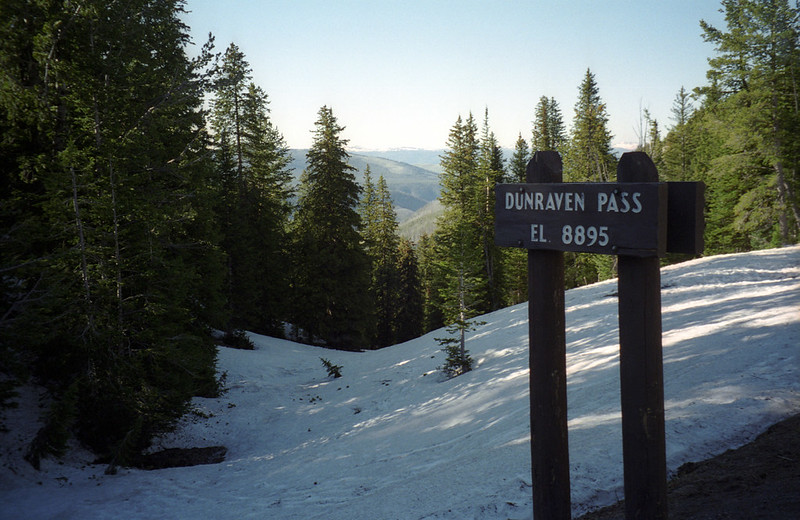
Dunraven Pass offers travelers a breathtaking journey through Yellowstone National Park, with sweeping views and numerous opportunities to pause and take in the dramatic landscape. This high-altitude drive is an excellent way to appreciate the park’s vastness and natural beauty.
Exploring Dunraven Pass
The road over Dunraven Pass winds through some of the park’s most elevated terrain. Along the way, you’ll find several overlooks and pullouts where you can safely stop to absorb the scenery. These viewpoints provide stunning perspectives of Yellowstone’s diverse topography, from rolling hills to distant peaks.
A Drive Worth Taking
Dunraven Pass isn’t just a route—it’s an experience. The changing elevation and varying angles of the landscape make it a memorable part of any Yellowstone trip. Whether you’re using it as a connector between attractions or as a destination in itself, this stretch of road provides a peaceful interlude during your exploration of the park.
Tips for Visiting
- Timing: Early mornings or late afternoons often provide the best lighting for photography and quieter traffic conditions.
- Safety: Use designated pullouts to stop and enjoy the views. Avoid halting on the road to ensure a smooth flow of traffic.
- Seasonal Note: Dunraven Pass is typically open from late spring to early fall, but weather conditions can affect accessibility, so check for updates before your visit.
Whether you’re passing through on your way to other Yellowstone landmarks or pausing to savor the views, Dunraven Pass offers a serene and scenic perspective on this extraordinary park.
9. Hike to the Summit of Mt. Washburn: Yellowstone’s Panoramic Escape
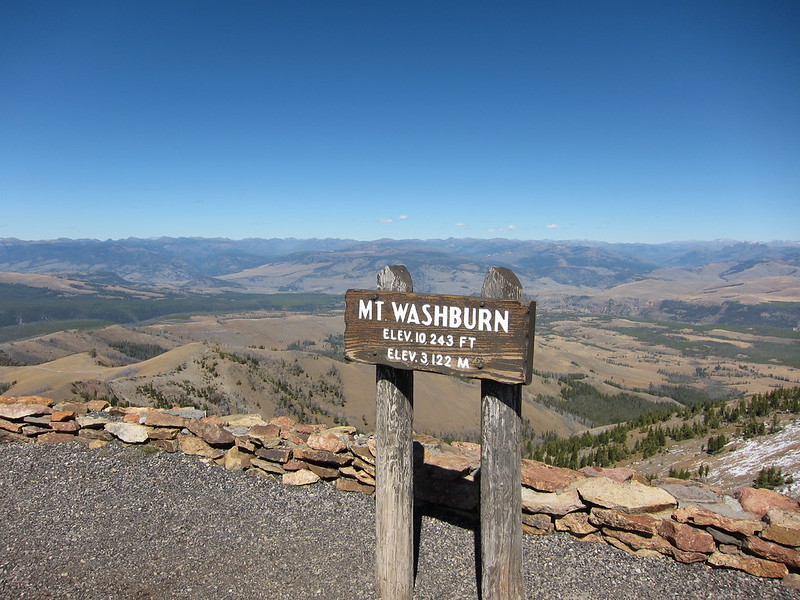
For those seeking sweeping views of Yellowstone National Park, the hike to the summit of Mt. Washburn is a must. This trail, one of the park’s most popular day hikes, rewards visitors with breathtaking vistas that stretch across the park’s vast landscapes.
Two Routes to the Summit
- Dunraven Pass Trailhead: Starting from Grand Loop Road, this 6.2-mile round trip trail is the more scenic of the two options. The path winds through open meadows and offers striking views along the way, making it a favorite for hikers looking to immerse themselves in Yellowstone’s rugged beauty.
- Chittenden Road Trailhead: For a slightly shorter option, the trail from Chittenden Road offers a 5-mile round trip hike. Accessed via a narrow dirt road that ends at a parking area, this route is less scenic but still leads to the same stunning summit views.
Best Conditions for the Hike
For the most rewarding experience, aim to hike Mt. Washburn on a clear day. Visibility from the summit is unparalleled when the skies are unobstructed. During our hike, a storm rolled in, and clouds obscured the peak, limiting the panoramic views. Checking the weather forecast beforehand is key to making the most of this adventure.
What to Expect
- Trail Features: Both routes involve steady inclines but are well-maintained and manageable for most hikers with a moderate level of fitness. Along the way, you might spot wildlife, including bighorn sheep, which are common in the area.
- Summit Views: On clear days, the summit provides a 360-degree perspective of Yellowstone, including views of distant mountain ranges and the expansive park below.
- Gear: Bring layers, as temperatures can drop significantly at higher elevations, and carry plenty of water for the hike.
The hike to Mt. Washburn is an unforgettable way to experience Yellowstone from a new vantage point. Whether you’re taking the longer, scenic route or the shorter trek from Chittenden Road, the summit rewards your effort with some of the best views in the park.
10. Mammoth Hot Springs: Yellowstone’s Travertine Marvel
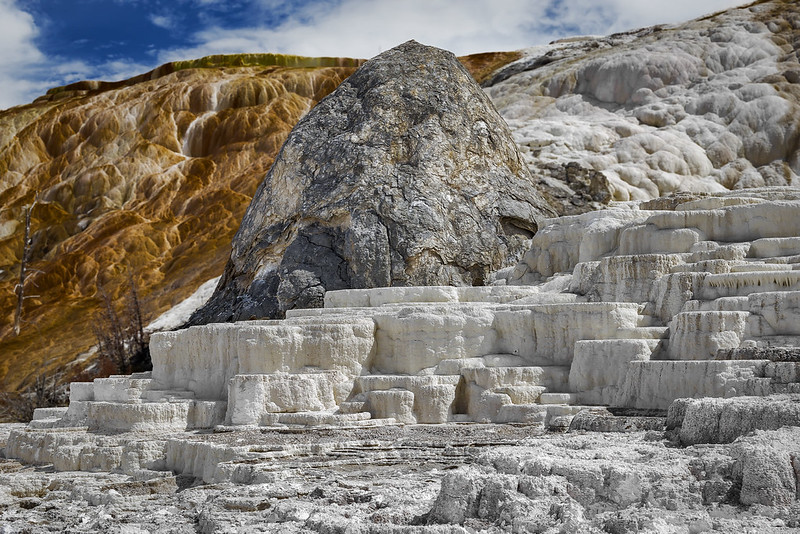
Mammoth Hot Springs, located in the northern part of Yellowstone National Park, is a fascinating geothermal area that stands apart from the park’s other thermal features. Its steaming water cascades over travertine terraces, creating an otherworldly landscape that changes over time.
Exploring Mammoth Hot Springs
Visitors can choose how much time to spend here, depending on their interests. A quick stop allows for a short walk to a few viewpoints, where the terraced formations can be admired up close. For a more in-depth experience, dedicate an hour or two to strolling the network of boardwalks, which weave past the various springs and terraces.
The Formation of the Terraces
The terraces at Mammoth Hot Springs are formed by hot water bubbling up from underground, dissolving limestone along the way. As the water reaches the surface and cools, it deposits the limestone to create the layered formations. These terraces continually evolve, with active areas shifting as water flows change, ensuring each visit offers something new.
Highlights of Mammoth Hot Springs
- Lower Terraces: Easily accessible from the parking area, these formations include some of the most striking features, such as the ever-changing Minerva Terrace.
- Upper Terraces: A drive along the Upper Terrace Loop offers additional viewpoints and opportunities to appreciate the scale and complexity of this geothermal area.
Tips for Your Visit
- Plan Your Route: The boardwalks can be explored in sections, making it easy to tailor your visit based on available time and energy.
- Stay Safe: Stick to the designated pathways to protect both yourself and the fragile thermal environment.
- Best Time to Visit: Early mornings or late afternoons provide cooler temperatures and smaller crowds, enhancing the experience.
Mammoth Hot Springs is a testament to the power of geothermal activity and the dynamic nature of Yellowstone’s landscape. Whether you stop for a brief look or take your time exploring the terraces, this area promises a memorable experience.
11. Roosevelt Arch: A Historic Gateway to Yellowstone
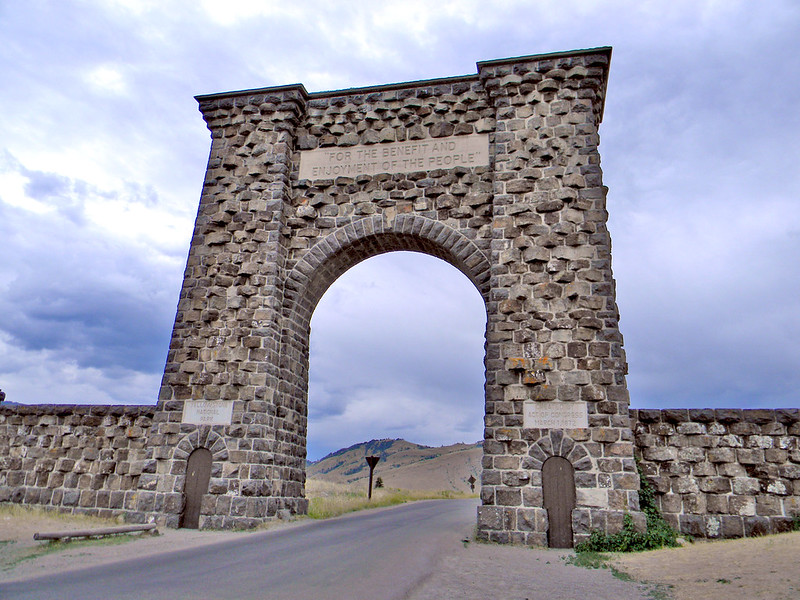
Standing proudly at Yellowstone’s north entrance, the Roosevelt Arch is a symbol of the park’s early history and a testament to its enduring legacy. Erected in 1903, this stone structure served as the original entry point for visitors arriving by train in Gardiner, Montana, before embarking on horse-drawn carriage tours into the park.
A Presidential Landmark
The arch owes its name to President Theodore Roosevelt, who personally laid its cornerstone during a visit. Inscribed at the top are the words “For the Benefit and Enjoyment of the People,” a reminder of Yellowstone’s role as a park for all.
Visiting the Roosevelt Arch
A stop at the Roosevelt Arch is a quick yet meaningful experience. You can drive or walk through the arch to appreciate its historical significance and striking design. The surrounding area provides a glimpse into Yellowstone’s past, making it a perfect spot for photos and reflection.
Nearby Highlights
Just a short distance from the arch lies the town of Gardiner, a convenient hub for dining and accommodations. Whether you’re grabbing a meal or using Gardiner as a base for exploring the park, the town complements a visit to this historic landmark.
Why Stop at the Arch?
Though brief, a visit to the Roosevelt Arch connects you to Yellowstone’s roots and serves as a gateway to its wonders. Its towering presence and storied past make it more than just an entryway—it’s a symbol of the park’s enduring promise to preserve nature for generations to come.
12. Boiling River Hot Spring: A Natural Oasis in Yellowstone
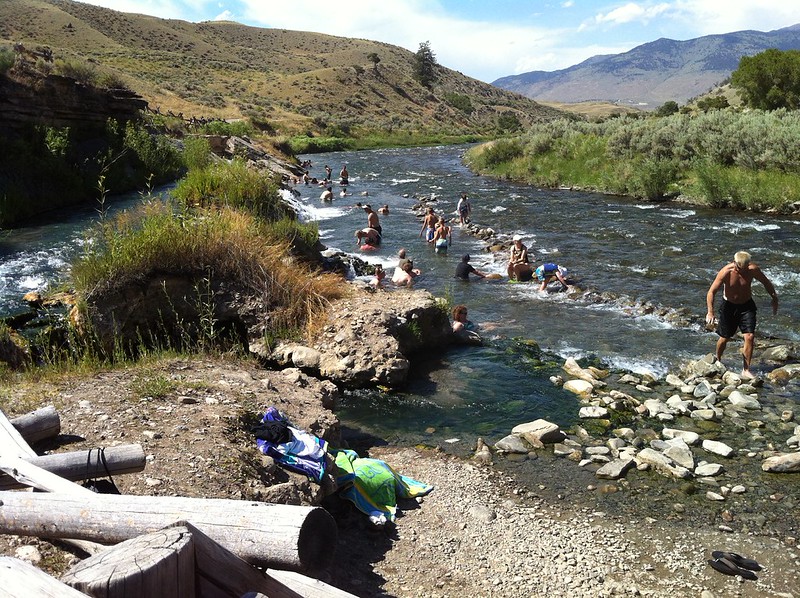
The Boiling River Hot Spring, situated between Mammoth Hot Springs and the Roosevelt Arch, is a rare spot in Yellowstone where visitors could once enjoy soaking in naturally warm waters. This confluence of a hot spring and the Gardner River created a natural bathing area beloved by many.
A Unique Experience
The Boiling River was one of Yellowstone’s most popular spots for a refreshing swim. Hot water from the spring mingled with the cool river currents, creating a pleasant temperature for soaking. This area functioned as nature’s hot tub, drawing visitors seeking relaxation in a stunning outdoor setting.
Accessibility and Trail Details
To reach the Boiling River, visitors parked at one of two lots along the North Entrance Road. From there, it was a flat and easy half-mile walk to the hot spring. The path offered scenic views, adding to the charm of the experience.
Current Status
Unfortunately, the Boiling River Hot Spring has been closed since the 2022 flood, which caused significant damage in the area. While the future of this site remains uncertain, its memory lives on as a reminder of Yellowstone’s extraordinary geothermal features.
Nearby Attractions
If you’re in the vicinity, Mammoth Hot Springs and the Roosevelt Arch are excellent alternatives to explore. Both provide rich experiences that highlight Yellowstone’s natural beauty and historical significance.
Though temporarily inaccessible, the Boiling River Hot Spring remains an iconic feature of Yellowstone, and many hope to see it reopen in the future for visitors to enjoy once again.
13. Blacktail Plateau Drive: A Secluded Scenic Route
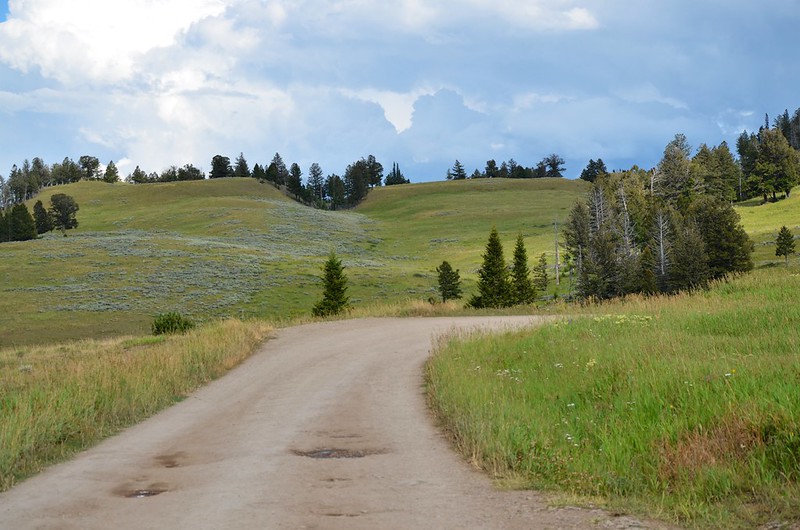
For a quieter exploration of Yellowstone National Park, Blacktail Plateau Drive offers a 7-mile, one-way dirt road that meanders parallel to the Grand Loop Road between Mammoth Hot Springs and Tower. This lightly traveled route combines serene landscapes with the possibility of spotting wildlife, making it a hidden gem for those seeking a more tranquil experience.
A Scenic Escape
Blacktail Plateau Drive is ideal for visitors looking to enjoy Yellowstone’s beauty away from the bustling main roads. The scenery along the drive includes rolling hills, meadows, and the occasional wildlife sighting. While we didn’t encounter animals during our visit, others have spotted bison, elk, and even bears along this route.
Practical Details for the Drive
- Time Required: The drive typically takes about 30 minutes, though you may want to extend your time if you stop to enjoy the views or wildlife.
- Vehicles Allowed: While a 4×4 vehicle is not necessary, it can make the ride more comfortable. Minivans and sedans manage the road just fine. However, RVs, buses, and trailers are not permitted.
- Seasonal Access: Blacktail Plateau Drive is open from June through September, offering a summer-only opportunity to explore this peaceful area.
Why Include Blacktail Plateau Drive?
Even without spotting wildlife, the drive itself is enjoyable and offers a different perspective on Yellowstone’s varied terrain. The route feels like a retreat into the park’s quieter corners, away from the crowds and noise of busier attractions.
For those seeking an off-the-beaten-path adventure, Blacktail Plateau Drive is a worthwhile addition to your Yellowstone experience. Whether you’re searching for wildlife or simply savoring the scenery, this scenic road offers a rewarding escape.
14. Norris Geyser Basin: Yellowstone’s Dynamic Geothermal Zone
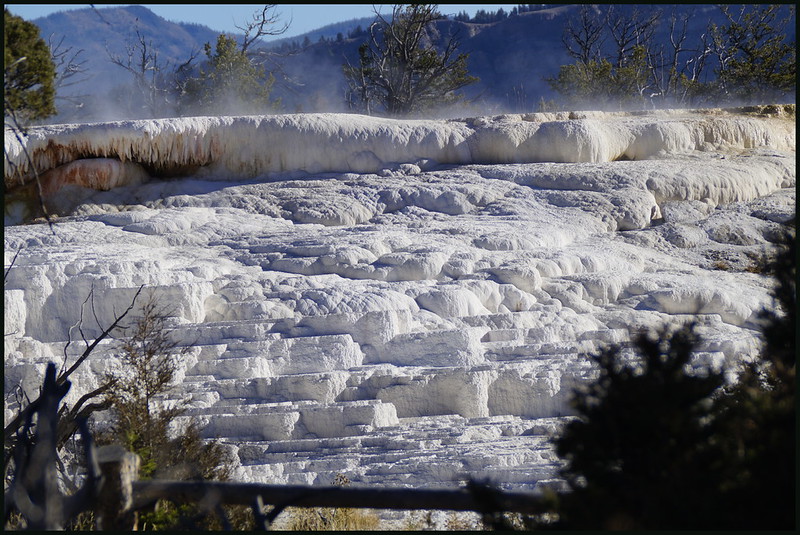
Norris Geyser Basin stands out as one of Yellowstone’s most fascinating geothermal areas, known for its dramatic features and constant activity. As one of the most rapidly evolving basins in the park, Norris offers visitors a glimpse into the dynamic forces shaping Yellowstone’s landscape.
Two Distinct Areas to Explore
Norris Geyser Basin is divided into two sections: the expansive Back Basin and the bustling Porcelain Basin. Each offers a unique experience and showcases the diverse geothermal activity of the region.
Back Basin
Back Basin, the larger of the two, is home to several noteworthy geothermal features:
- Steamboat Geyser: Known as the tallest active geyser in the world, Steamboat Geyser can send scalding water over 300 feet into the air. However, major eruptions are unpredictable, making it a rare spectacle to witness. Even without an eruption, the geyser is impressive due to its frequent minor activity.
- Other Highlights: This area also features a variety of hot springs and smaller geysers, including Emerald Spring, Green Dragon Spring, Porkchop Geyser, and the whimsically named Puff ‘N Stuff Geyser.
Porcelain Basin
Porcelain Basin offers a more vibrant and energetic display of geothermal activity:
- A Sizzling Spectacle: This area is teeming with steaming hot springs, aquamarine thermal pools, and hissing fumaroles. The combination of sights, sounds, and even smells makes it an engaging place to explore.
- Dynamic Landscape: Unlike Back Basin, Porcelain Basin feels raw and exposed, with its bleached landscape and the constant energy of bubbling and steaming features.
Making the Most of Your Visit
- Time Required: Plan to spend one to two hours exploring the boardwalks and trails that wind through both basins.
- Safety Tips: Stick to designated paths and observe thermal features from a safe distance. The ground in this area is thin and fragile, making it dangerous to wander off the trails.
- Best Time to Visit: Mornings often provide cooler temperatures and fewer crowds, allowing you to fully immerse yourself in the experience.
Why Visit Norris Geyser Basin?
Norris Geyser Basin showcases Yellowstone’s geothermal diversity like few other locations in the park. From the towering eruptions of Steamboat Geyser to the noisy fumaroles of Porcelain Basin, this area offers an unforgettable glimpse into the powerful forces at work beneath the surface. It’s a must-see for anyone eager to experience Yellowstone’s raw, untamed energy.
15. West Thumb Geyser Basin: A Lakeside Geothermal Gem
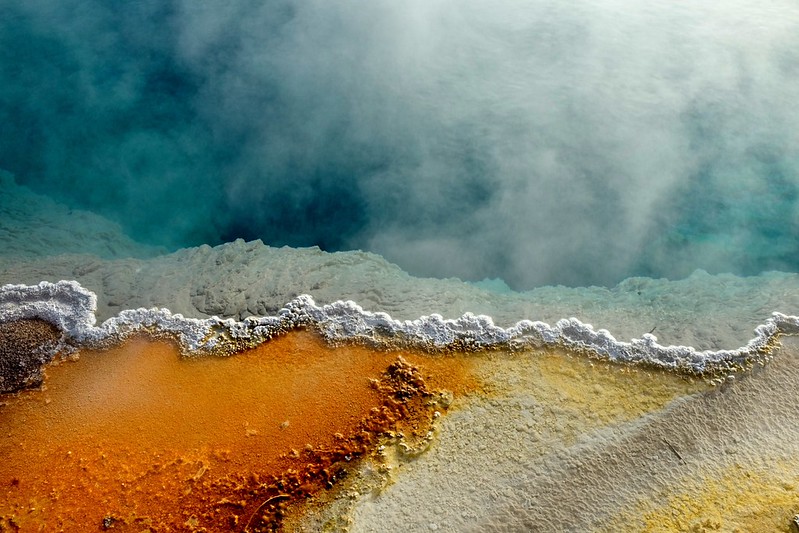
West Thumb Geyser Basin offers a compact yet captivating experience that combines geothermal features with the serene backdrop of Yellowstone Lake. This area’s distinct charm lies in its proximity to the water, where bubbling pools and steaming vents meet the lake’s edge.
A Quick Yet Memorable Visit
This geyser basin is perfect for those with limited time, as it can be explored in about 30 minutes. The boardwalk trail takes visitors past a variety of geothermal features, allowing for an engaging experience without requiring a lengthy commitment.
Highlights of West Thumb Geyser Basin
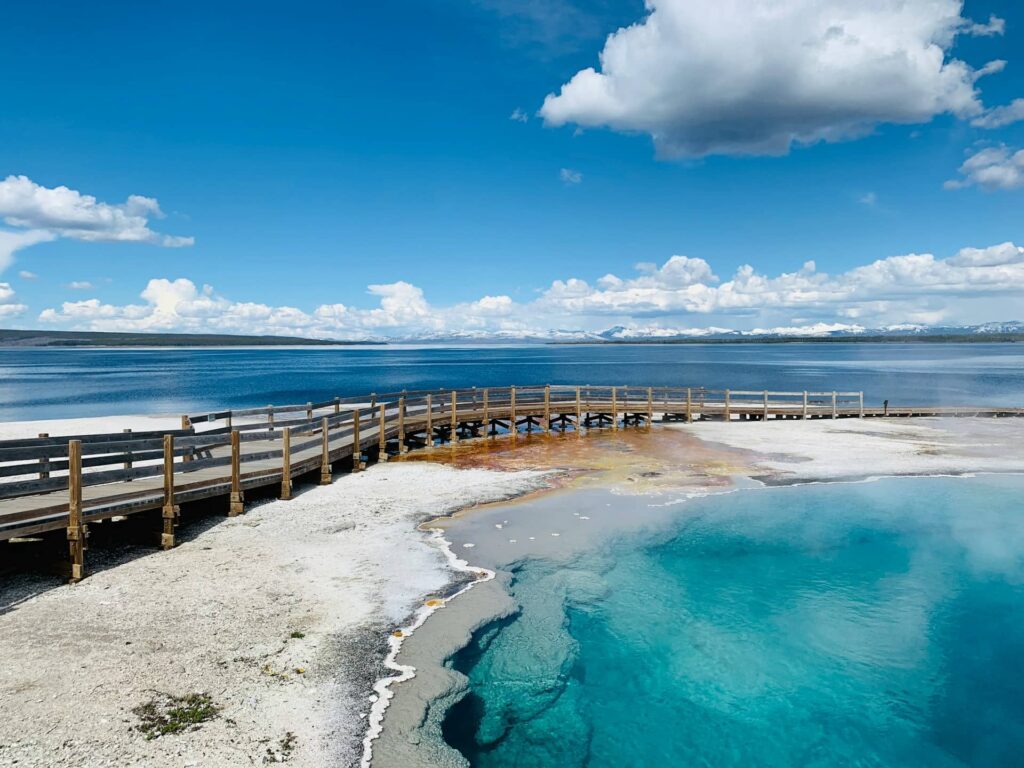
- Abyss Pool: Among the many features here, Abyss Pool stands out with its stunningly deep blue color. Its sheer depth and clarity make it a must-see while exploring the basin.
- Geothermal Features Along Yellowstone Lake: What sets West Thumb apart from other basins is its proximity to the water. Seeing hot springs and fumaroles bubbling right at the lake’s edge creates a striking juxtaposition of fire and water.
Why Visit West Thumb?
West Thumb Geyser Basin offers a distinctive perspective on Yellowstone’s geothermal activity, blending natural heat with the cool, reflective surface of the lake. Its compact size and stunning visuals make it a worthwhile stop for anyone exploring this remarkable park.
16. Artist Paintpots: Yellowstone’s Bubbling Palette
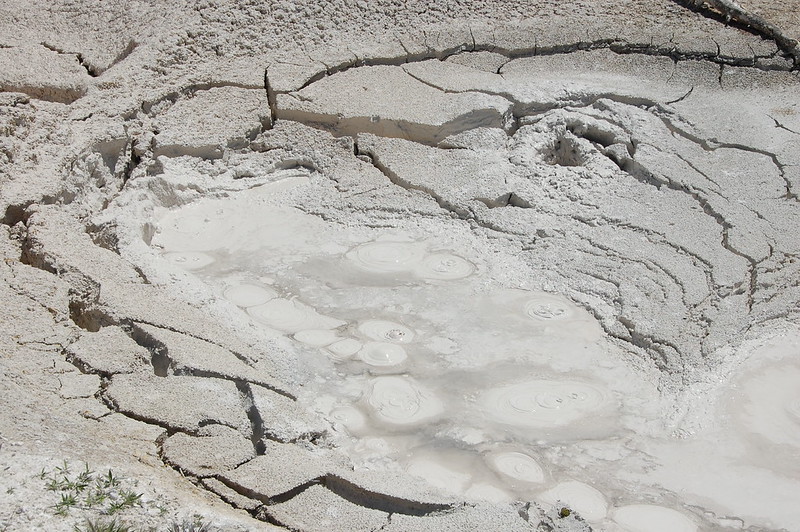
Located just south of Norris Geyser Basin, Artist Paintpots is a small but intriguing geothermal area that showcases an array of hot springs and mud pots. The vibrant and dynamic activity here, combined with its accessible trail, makes it a delightful stop for those exploring Yellowstone.
The Journey to Artist Paintpots
While the half-mile walk from the parking lot to the basin might feel longer than expected, the trail meanders through a serene forest before opening up to a striking geothermal landscape. The anticipation builds as you approach the bubbling and steaming features that define this area.
Highlights of the Paintpots
- Bubbling Mud Pots: One of the most fascinating aspects of Artist Paintpots is the lively mud pots. These bubbling pools of mud create rhythmic plopping sounds and showcase Yellowstone’s dynamic geothermal forces in action.
- Upper Boardwalk Trail Views: A short climb to the upper boardwalk provides an excellent vantage point, offering sweeping views of the entire area. From here, you can fully appreciate the interplay of colors and textures created by the hot springs and mud pots.
A Quick and Rewarding Visit
Artist Paintpots is compact enough to explore in under an hour, making it an ideal stop for those on a tight schedule. The trail, while slightly longer than anticipated, rewards visitors with an up-close look at some of Yellowstone’s most fascinating geothermal activity.
Why Visit Artist Paintpots?
Artist Paintpots offers a uniquely intimate experience with Yellowstone’s geothermal features. The combination of bubbling mud, steaming springs, and the scenic boardwalk trail creates a sensory-rich experience that is well worth the visit.
17. Fountain Paint Pot Trail: A Snapshot of Yellowstone’s Hydrothermal Wonders
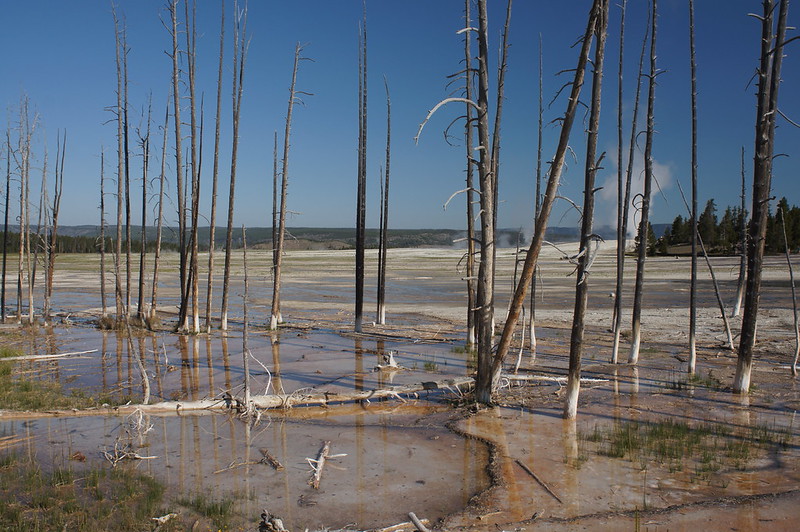
The Fountain Paint Pot Trail is a compact yet comprehensive walk that offers visitors a chance to experience all four of Yellowstone’s major hydrothermal features in one place. This short, half-mile boardwalk trail provides an up-close look at hot springs, geysers, mud pots, and fumaroles, making it a must-see stop for anyone interested in the park’s geothermal activity.
What You’ll See on the Trail
- Hot Springs: The vivid pools along the trail shimmer with heat, offering a look into Yellowstone’s bubbling underground water systems. These springs, with their striking hues, are among the trail’s highlights.
- Geysers: Periodic eruptions from small geysers along the trail showcase the park’s iconic hydrothermal behavior, providing moments of surprise and awe.
- Mud Pots: Thick, bubbling mud pits create a dynamic and unusual sight, as gases and heat churn through the ground, transforming the earth into a constantly shifting palette.
- Fumaroles: These hissing steam vents release heat and gas from deep below, adding an auditory element to the trail’s geothermal experience.
A Quick and Engaging Walk
The boardwalk trail is flat and accessible, making it an easy addition to any Yellowstone itinerary. In just a short time, visitors can immerse themselves in the park’s geothermal diversity while enjoying the convenience of a well-maintained path.
Why Visit Fountain Paint Pot Trail?
This trail is perfect for those looking to experience Yellowstone’s geothermal features in a concise, accessible format. With its unique mix of sights and sounds, Fountain Paint Pot Trail captures the essence of the park’s dynamic landscape in a single, memorable stop.
18. Tower Fall: A Convenient Stop in Yellowstone
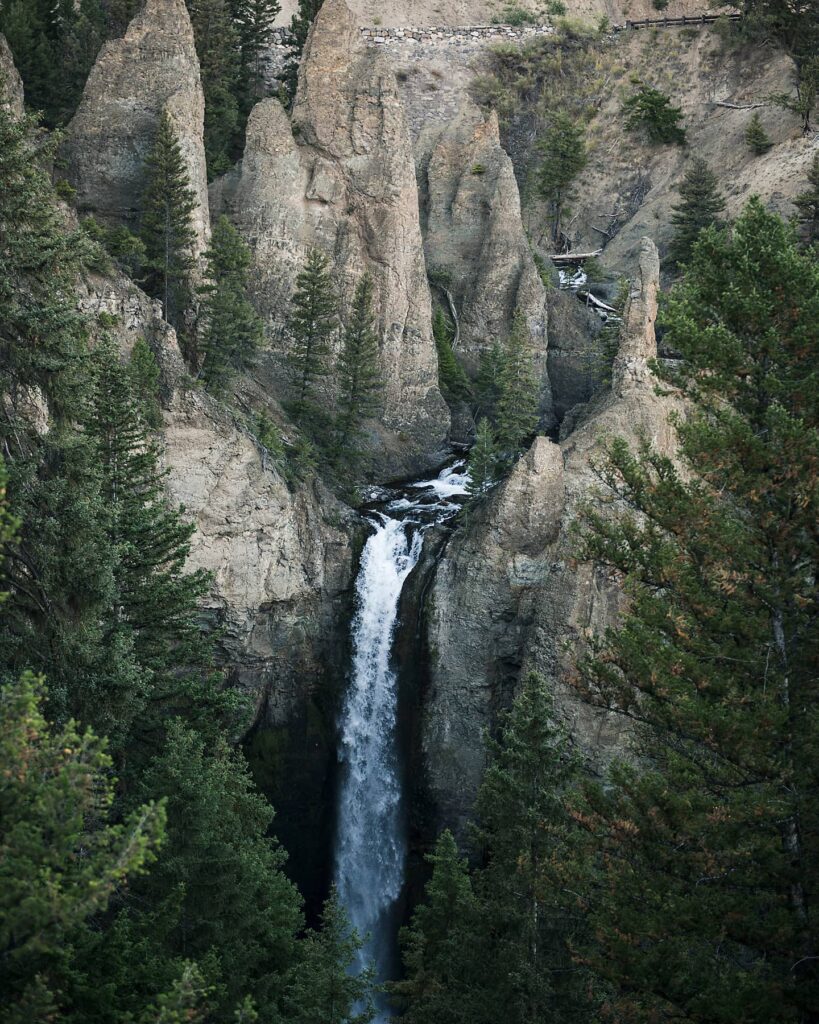
Tower Fall, one of Yellowstone’s easily accessible waterfalls, is a popular stop for visitors traveling through the park. Located just a short walk from the Tower parking lot, this 132-foot cascade offers a quick glimpse of the park’s natural beauty without requiring a strenuous hike.
What to Expect at Tower Fall
- The Viewpoint: A short, straightforward path from the parking lot leads to an overlook where you can view the waterfall. Framed by rugged cliffs and tall spires, Tower Fall plunges into the canyon below, creating a dramatic yet easily reachable sight.
- Crowds and Accessibility: Due to its proximity to the road, Tower Fall attracts a steady stream of visitors. While it may not be the most secluded or awe-inspiring waterfall in the park, its ease of access makes it a frequent stop for travelers.
Is It Worth the Stop?
For those already driving through the area, Tower Fall is worth a quick visit. While it may not rival some of Yellowstone’s larger attractions in excitement, its location and convenience make it a hassle-free addition to your itinerary.
Final Thoughts
Though not the most thrilling feature in Yellowstone, Tower Fall remains a popular stop due to its accessibility and classic waterfall charm. Whether you’re pausing for a brief look or simply stretching your legs during a drive, this quick stop offers a slice of Yellowstone’s varied landscape.
Two Scenic Drives Outside of Yellowstone
Bonus: Two Scenic Drives Just Beyond Yellowstone
While Yellowstone National Park is filled with breathtaking landscapes, two scenic drives just outside its borders offer equally stunning views and experiences. If you have extra time or are entering or exiting through the northeast or east entrances, these drives are exceptional additions to your itinerary.
19. Beartooth Highway: A High-Altitude Adventure
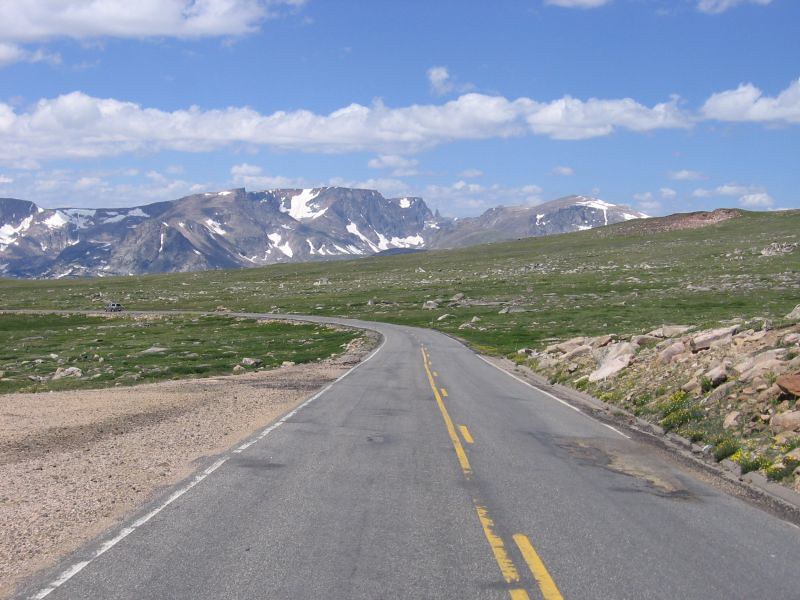
Beartooth Highway is a 68-mile stretch of road starting at Yellowstone’s northeast entrance and ending in Red Lodge, Montana. Often hailed as one of the most scenic drives in the United States, this highway provides an unforgettable journey through rugged landscapes and dramatic vistas.
Highlights of the Drive:
- Towering Peaks and Alpine Lakes: The road winds through multiple national forests, offering views of Montana’s tallest peaks and numerous alpine lakes shimmering in the high-altitude sunlight.
- Opportunities for Exploration: Along the route, you’ll find trailheads leading to viewpoints and waterfalls, allowing you to stretch your legs and further immerse yourself in the landscape.
- Seasonal Access: The road is typically open from June through early October, depending on snow conditions, and the drive takes about 2 to 3 hours to complete.
Beartooth Highway is not just a drive—it’s an experience, providing a chance to appreciate the vastness and beauty of the Rocky Mountains.
Why Add These Drives to Your Trip?
Both drives extend the awe-inspiring landscapes of Yellowstone into neighboring areas, offering opportunities to explore different ecosystems and views. Whether you’re passing through or seeking an adventure beyond the park, these routes promise unforgettable moments on the road.
Read more : 20 Best Cabins, Lodges, and Hotels: Where to Stay in Yellowstone National Park
20. Wild Bill Cody Scenic Byway: A Journey Through Untamed Beauty
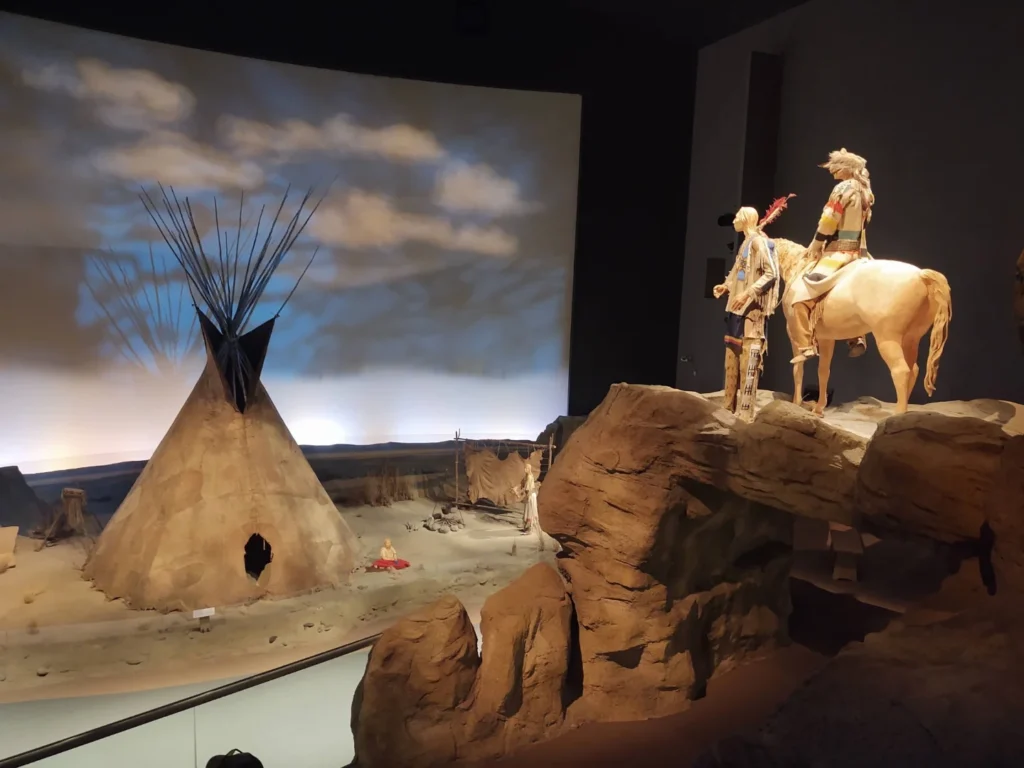
The Wild Bill Cody Scenic Byway is a 50-mile stretch of road that follows the winding path of the North Fork of the Shoshone River. This captivating route connects the historic town of Cody, Wyoming, to Yellowstone’s east entrance, offering an immersive drive through dramatic landscapes and rugged wilderness.
Highlights of the Drive
- River Views and Rugged Terrain: As you travel alongside the Shoshone River, the dramatic interplay of water and rocky outcrops creates a constantly shifting backdrop of natural splendor.
- Diverse Scenery: The byway takes you through varying terrains, including dense forests, sweeping meadows, and jagged cliffs, all underlined by the region’s untamed spirit.
- Wildlife Watching: Keep an eye out for wildlife such as bighorn sheep, elk, and even bears. The area’s rich ecosystem is a testament to its proximity to Yellowstone’s diverse habitats.
Travel Tips
- Best Time to Drive: The route is especially stunning during sunrise or sunset, when the play of light enhances the textures and colors of the landscape.
- Stops Along the Way: Take time to pull over at the numerous viewpoints and trailheads that dot the byway, offering chances to stretch your legs and take in the scenery.
Why Drive the Wild Bill Cody Scenic Byway?
Whether you’re heading to Yellowstone’s east entrance or looking for a scenic adventure, this byway offers a blend of history and natural grandeur. The journey not only connects two iconic destinations but also provides a memorable experience in its own right.
How Many Days Should You Spend in Yellowstone?
Yellowstone’s vastness and variety of attractions require thoughtful planning to fully appreciate the park. To cover everything on this list, you’ll need either three very active days or a more relaxed four to five days. With a maximum speed limit of 45 mph and frequent traffic during peak months, getting from one point to another can take longer than expected.
Read more : Yellowstone National Park 2-Day Itinerary: Hot Springs, Wildlife, and Top Things to Do
Visiting Yellowstone in Summer
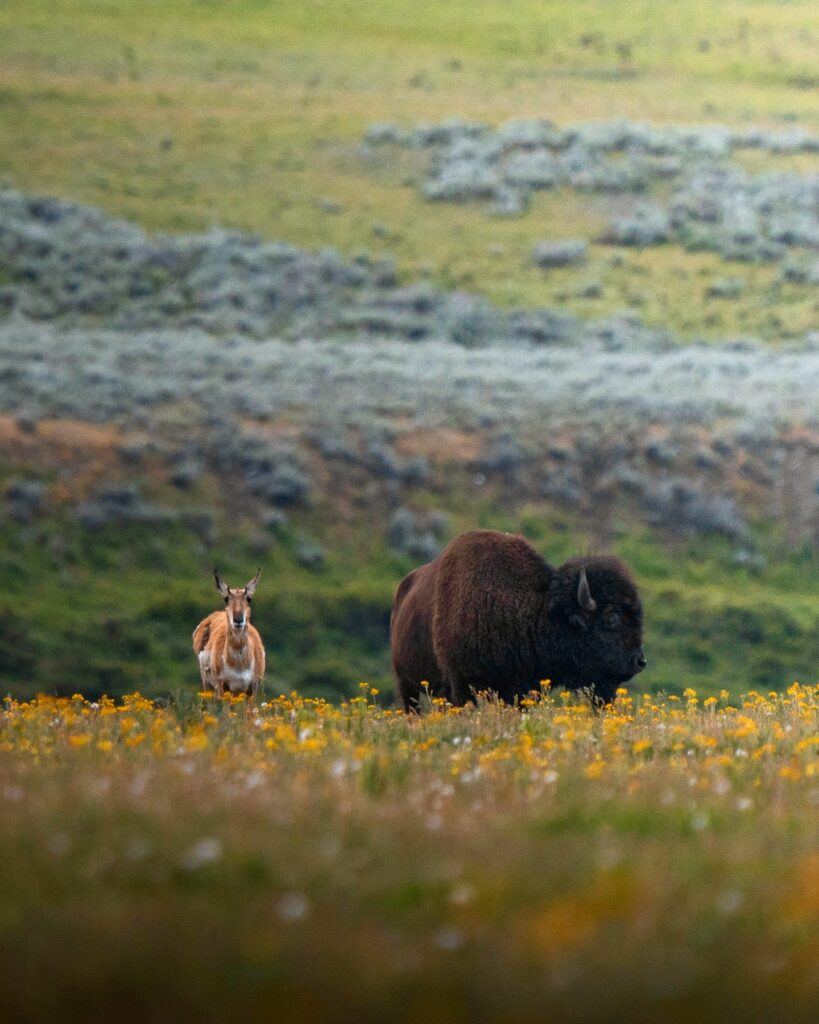
Summer (June to August) is the busiest season, with large crowds and significant delays at parking lots and popular attractions. During our early August trip, we experienced the highest visitor density of any national park. To avoid the midday rush, we adopted a split-day approach:
- Morning and Evening Touring: Starting at 7 a.m., we explored the park until about 11 a.m., then took a midday break at our hotel before heading out again at 5 p.m. This strategy not only reduced crowd exposure but also increased our chances of spotting wildlife.
While effective, this approach involves a fair amount of driving, as you’ll be traveling back and forth from your lodging.
Visiting Yellowstone in Fall
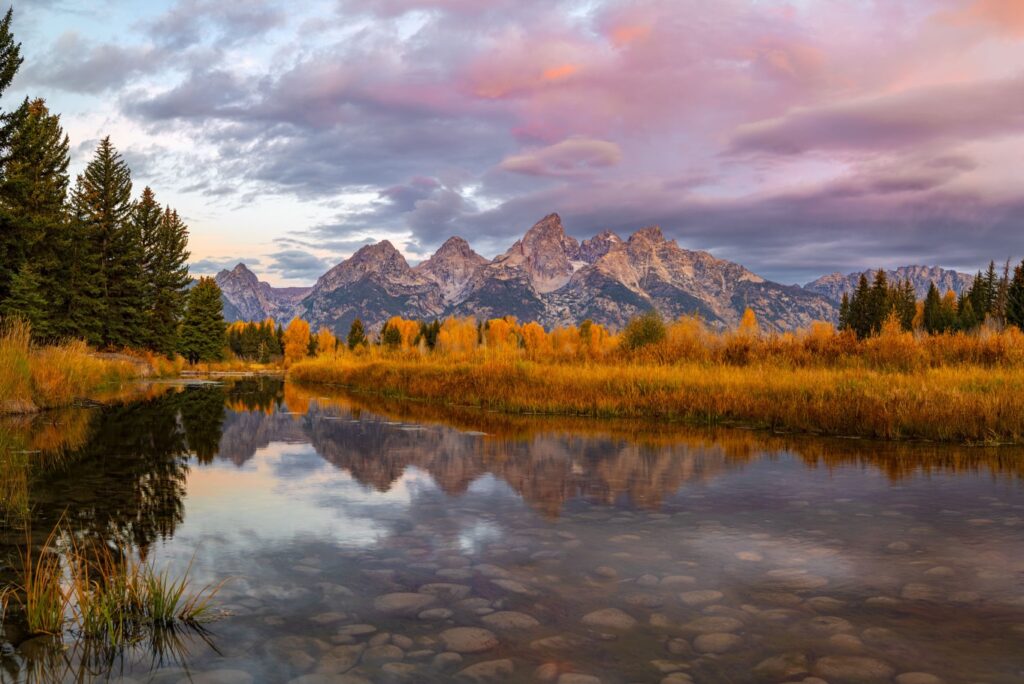
Autumn transforms Yellowstone into a quieter, more serene destination. Cooler temperatures, shorter days, and vibrant fall colors make this an excellent time to visit. On our recent trips in late September and early October, we encountered low crowds and spectacular foliage. The reduced traffic and peaceful atmosphere made exploring the park especially enjoyable.
Final Thoughts
The number of days you need in Yellowstone depends on your schedule and goals. Whether you’re squeezing in a one-day visit or savoring five days, careful planning and an understanding of seasonal patterns will help you make the most of this iconic national park.