Germany blends old customs with modern life in a way few countries manage. You can move from medieval towns to tech hubs within the same trip. Expect forest trails, river valleys, vineyard hills, and mountain views across short distances. Also, rail and road links make multi-stop routes easy to plan.
Beyond big cities like Berlin, many smaller destinations leave a stronger impression. Think half-timbered houses, castle ruins, village squares, and alpine lakes. Each region shows a different side of the country. As a result, travelers can shape trips around scenery, history, or food.
I’ve taken several trips across the country over the years, which gave me time to look past the usual highlights. Because of that, I focused on places with strong character and memorable scenery. The destinations below stand out for their setting and mood. They look like storybook locations, yet they’re practical and rewarding to visit.
1. Rothenburg ob der Tauber – Storybook Streets and the Romantic Road
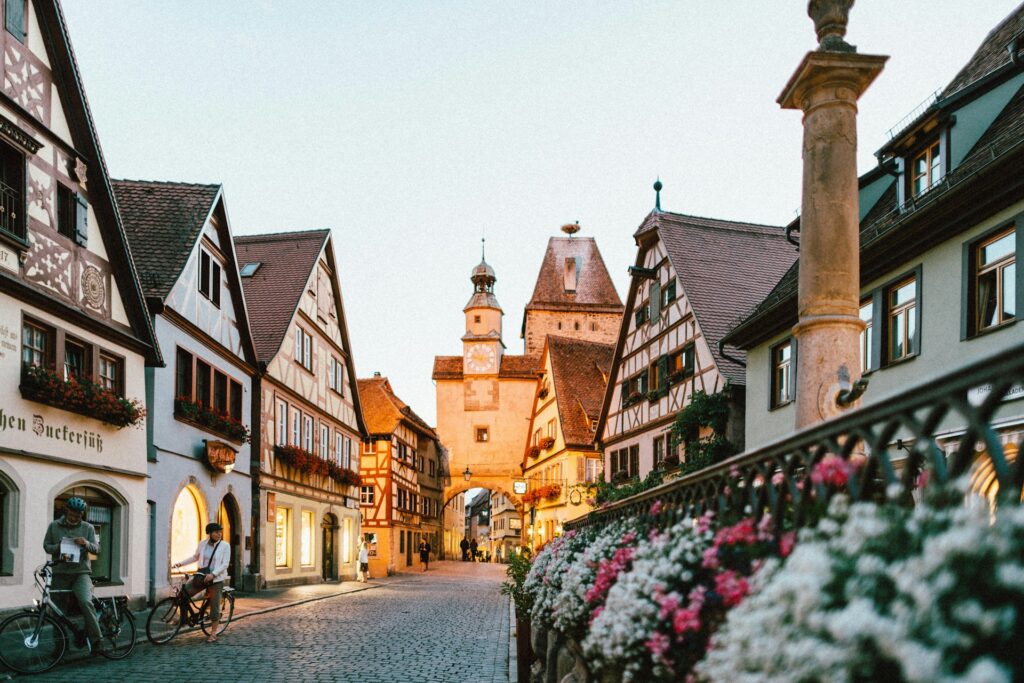
Rothenburg ob der Tauber ranks among the most atmospheric towns in Germany. Parts of it date back to the 1200s. Walking here feels like stepping into a painted medieval scene. You pass cobblestone lanes, timber-framed houses, and old gates. The Plönlein corner draws many photos and looks even better in real life. Every short walk reveals another historic detail.
I reached the town after flying into Nuremberg and driving the Romantic Road. The route takes about 1.5 hours through Franconian countryside. Fields, vineyards, and small villages line the way. I stayed three nights and explored the market square and town walls. I also tried sugar-covered Schneeballen pastries and visited the Christmas Museum. Afterward, I continued the drive past castle hills toward Dinkelsbühl and Harburg Castle.
Location: Franconia, northern Bavaria | Size: small town on a 350 km scenic route | Vibe: fairy-tale and romantic
Personal highlight: Staying at the 4-star Hotel Reichsküchenmeister — timber beams, historic decor, and a big breakfast with Tauber Valley honey and strong local coffee.
2. Neuschwanstein Castle – Alpine Fairytale Views
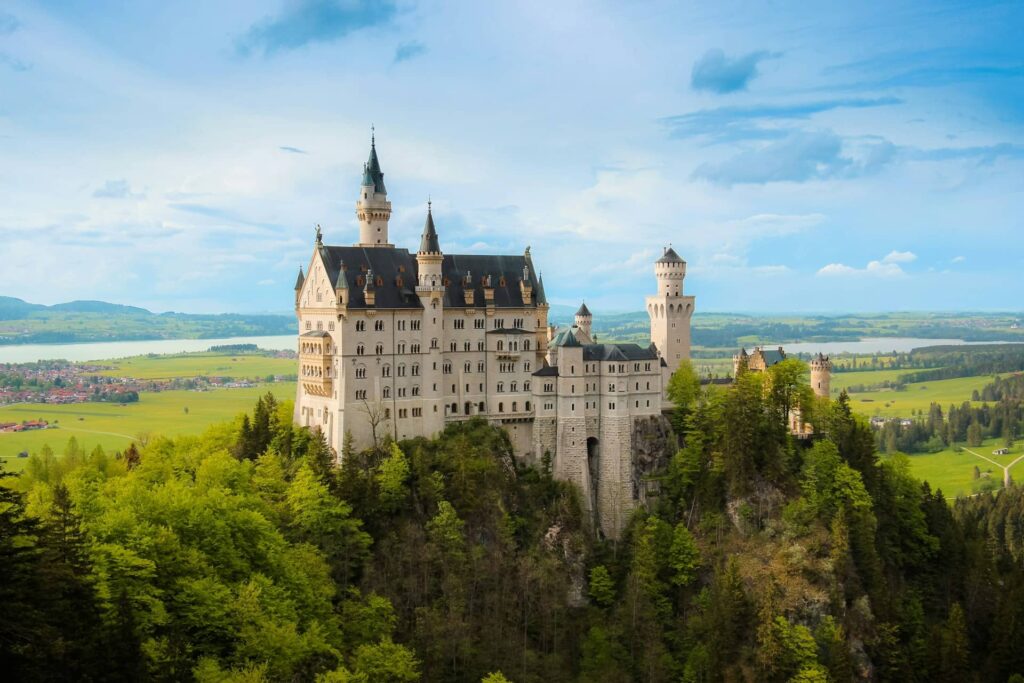
Neuschwanstein Castle delivers one of the most dramatic castle settings in Germany. Tall towers rise above forested hills with the Alps behind them. King Ludwig II ordered its construction in 1868 using Romanesque Revival design. The pale walls and steep turrets give it a fantasy look. So, it’s easy to see why it influenced famous storybook castles.
I drove about two hours south from Munich and stayed overnight at the gorgeous AMERON Neuschwanstein Alpsee Resort & Spa in Hohenschwangau village. From the village, shuttle buses run up toward the castle area. I joined a guided interior tour that passed through the king’s bedroom and the large Singers’ Hall. After that, I walked to Marienbrücke for the classic overlook photo. Booking tickets early helped because daily slots fill fast.
Location: Bavarian Alps foothills near the Austrian border | Size: about 130 meters long | Vibe: dreamy and romantic
Personal highlight: Browsing the courtyard gift shop packed with old-style crafts, textiles, and mechanical keepsakes.
3. Regensburg – Medieval River Charm
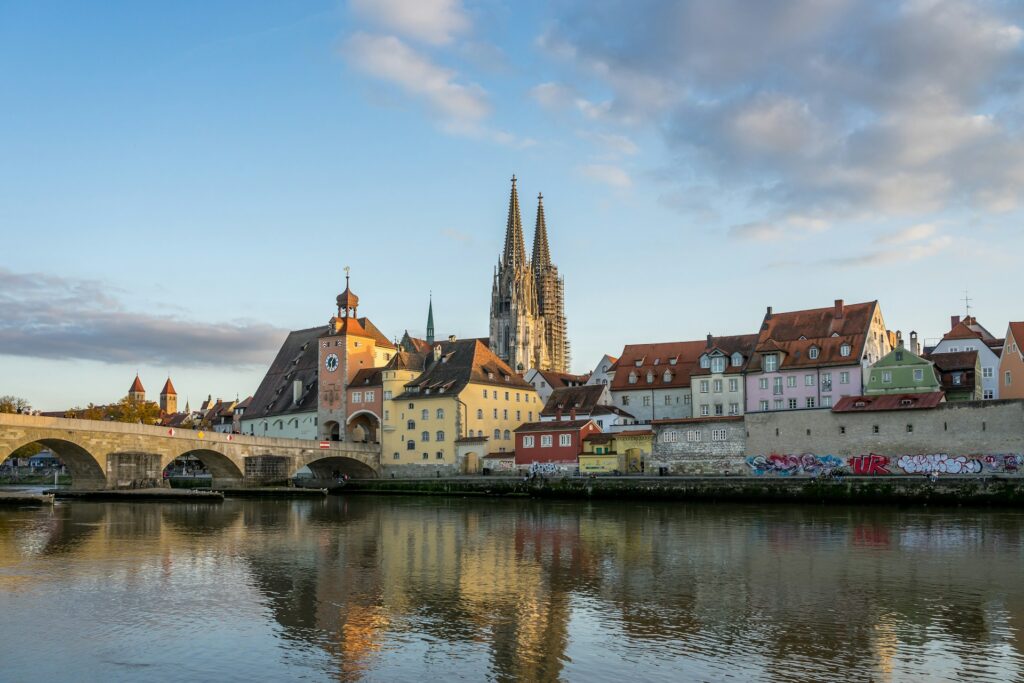
Regensburg ranks among the most atmospheric historic cities in Bavaria. Its Old Town holds protected status and keeps a strong medieval layout. You walk past pastel houses, stone lanes, and preserved towers. The Stone Bridge gives wide Danube views. Nearby, St. Peter’s Cathedral rises with tall Gothic spires. So, every short walk feels rich in detail.
The city sits about 1.5 hours from Munich by car, which makes it an easy add-on stop. Summer evenings work well for riverside walks and open-air dining. In colder months, seasonal markets and lights change the mood across the squares. I’ve enjoyed both warm-weather visits and winter trips here. Each season shows a different side of the city.
Location: Danube River, eastern Bavaria | Size: medium city | Vibe: lively with old-world character
Personal highlight: Staying at the 4-star Hotel Bischofshof am Dom — historic setting plus an active beer garden serving fresh Bavarian wheat beer.
4. Black Forest – Deep Forest Trails and Village Scenes
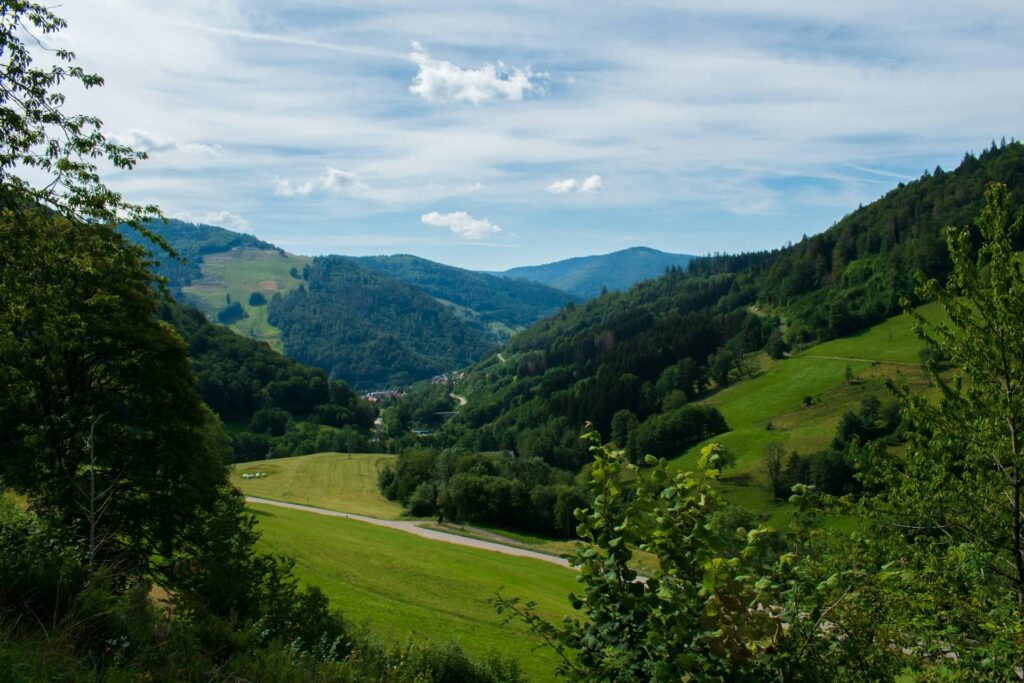
The Black Forest stretches across southwestern Germany with mountains, fir woods, and traditional villages. The landscape shows dark evergreen slopes, rolling hills, and wooden farmhouses. Local culture features clockmaking and regional cakes. Folk stories from this region later shaped famous German tales. So, the setting feels rich and atmospheric across every season.
I flew into Stuttgart, picked up a rental car, and stayed for a week in the area. My base was the 4-star Schwarzwald Panorama Hotel. I hiked trails around Feldberg, the highest peak in the range. I also visited the German Clock Museum and relaxed in the thermal baths at Baden-Baden. The Schwarzwaldhochstraße scenic road delivered long forest views from multiple lookout points.
Location: Southwestern Germany near France and Switzerland | Size: about 2,300 square miles | Vibe: mystical and storybook
Personal highlight: Riding the Zapfle-Bahnle heritage train with open carriages and flower-filled station stops along the route.
5. Bamberg – Riverside Heritage and Old-World Streets
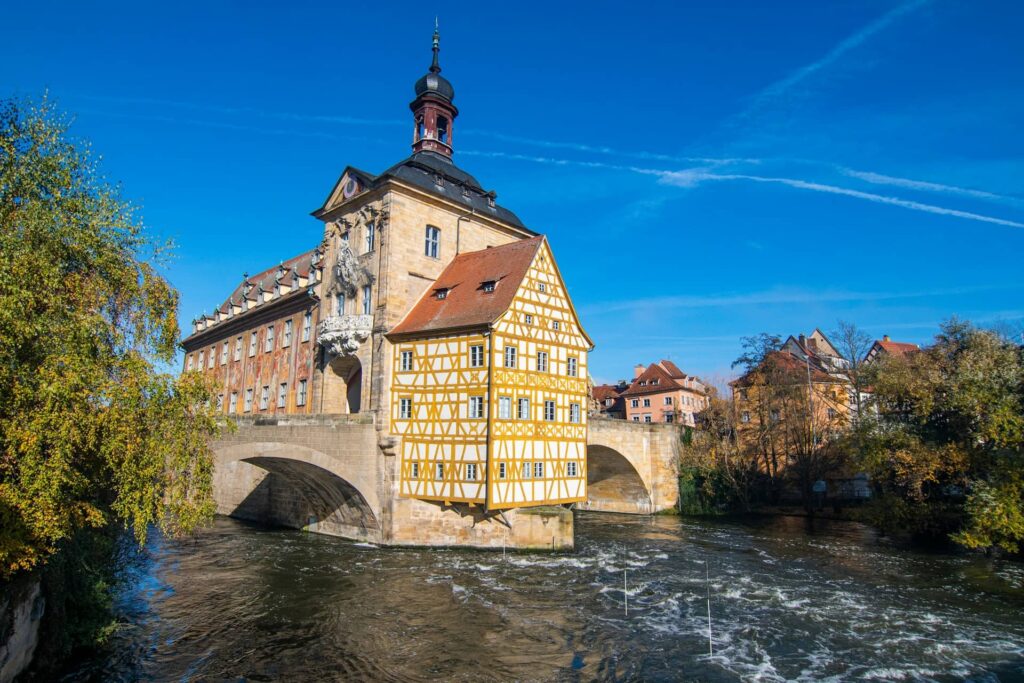
Bamberg stands out for its preserved Old Town and river setting. The historic center holds UNESCO status and shows medieval and Baroque buildings throughout. You walk past timber-framed houses and stone lanes that keep their original layout. The pace feels calm and traditional. So, it suits travelers who prefer slower city breaks.
I drove about 2.5 hours from Munich and stayed for a long weekend. My base was the 4-star Altstadthotel Messerschmitt. I crossed the bridge to view the Altes Rathaus set above the river. Then I visited the cathedral area and nearby rose gardens. Later, I wandered through the Old Town and the canal-side quarter called Little Venice. I finished the evening with a smoked beer at the historic Schlenkerla brewery.
Location: Upper Franconia, northern Bavaria | Size: medium city | Vibe: atmospheric and quietly romantic
Personal highlight: A plant-based dumpling dish with dill sauce at Zapfhahn, served inside a cozy timber-beamed tavern.
6. Lake Königssee – Alpine Mirror Waters
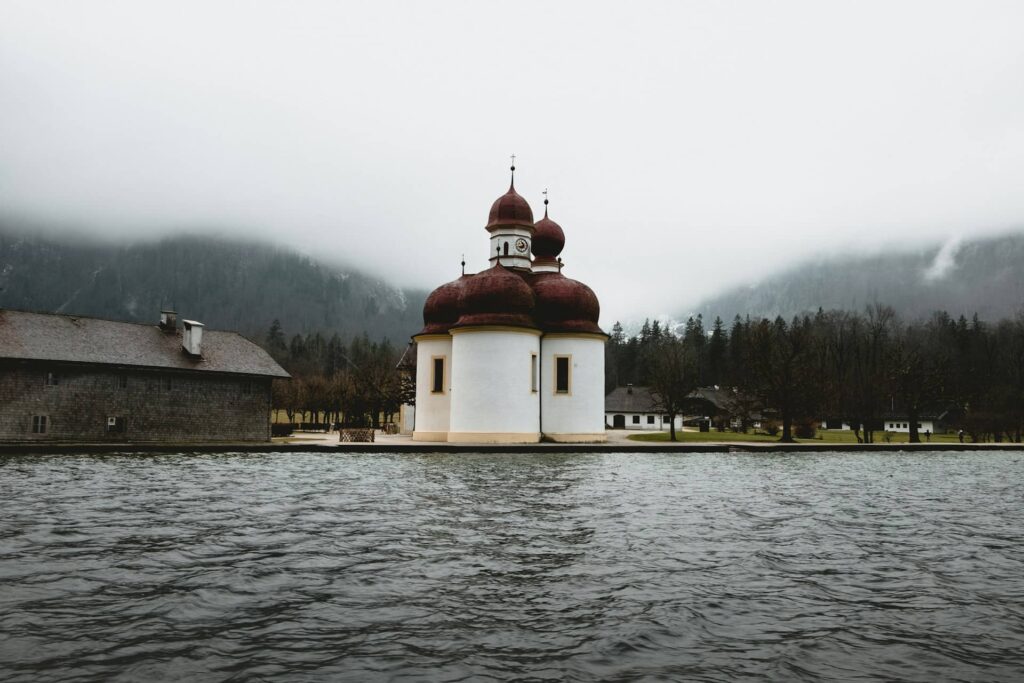
Lake Königssee ranks among the most striking alpine lakes in Germany. Clear turquoise water sits between steep mountain walls inside Berchtesgaden National Park. Pebble shores and forest edges keep the setting calm and clean. The small red-domed St. Bartholomew’s Chapel adds a strong visual focal point. So, the whole scene feels dramatic and peaceful at once.
I traveled about three hours from Munich to the Berchtesgaden area and stayed five days. Electric boats cross the lake quietly and stop near the chapel. Along the route, guides demonstrate the famous echo effect against the rock face. I also hiked nearby alpine trails and rode the Jenner cable car for wide summit views. Each route gave a different angle over the lake.
Location: Berchtesgaden National Park, southeastern Bavaria | Size: about 5 miles long | Vibe: serene and fjord-like
Personal highlight: Staying at the 4-star EDELWEISS Berchtesgaden Hotel and booking a regional hayflower spa treatment using locally grown herbs.
7. Bavarian Forest National Park- Snowy Wilderness Trails
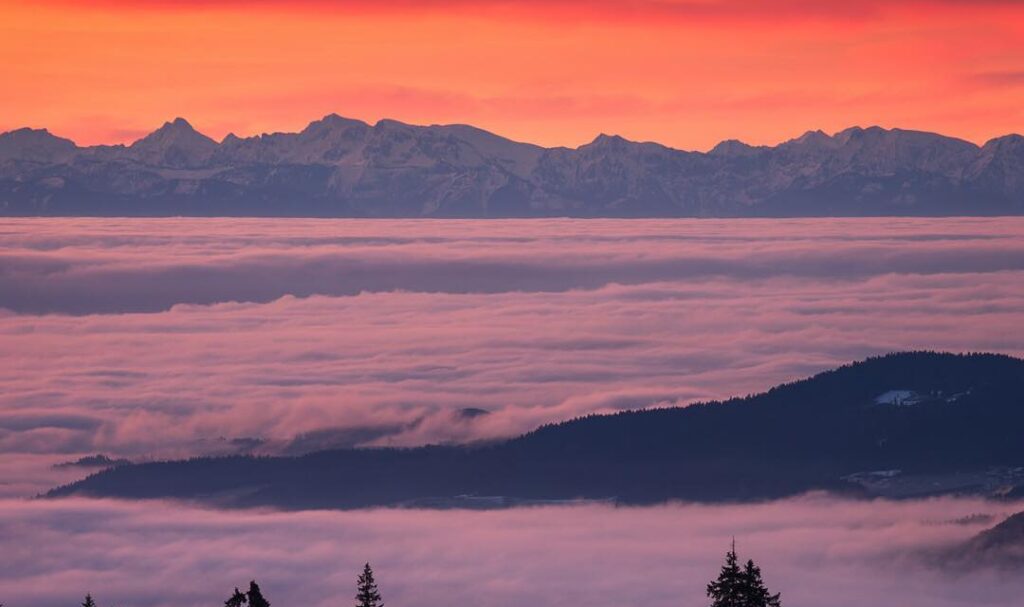
Bavarian Forest National Park was Germany’s first national park and still feels largely untouched. It stretches along the Czech border with dense woodland and mountain streams. In winter, snow covers the trees and trails for miles. The quiet here feels deep and grounding. So, it suits travelers who want time in raw nature.
I drove about 1 hour and 40 minutes from Mallasdorf and stayed nearby for a night. My base was the 4-star Hotel Eibl-Brunner. I walked the elevated treetop path in Neuschönau and stopped at the Hans-Eisenmann-Haus visitor center. Icy paths made good boots and poles very useful. Photo spots appeared at nearly every turn.
Location: Southeastern Germany near the Czech border | Size: about 93 square miles | Vibe: wild and peaceful
Wildlife: lynx, wolves, European bison, deer, black stork, pygmy owl, three-toed woodpecker
Personal highlight: A warming plum schnapps at the visitor center café before heading back into the cold forest air.
8. Rhine Valley – Castles and Vineyards
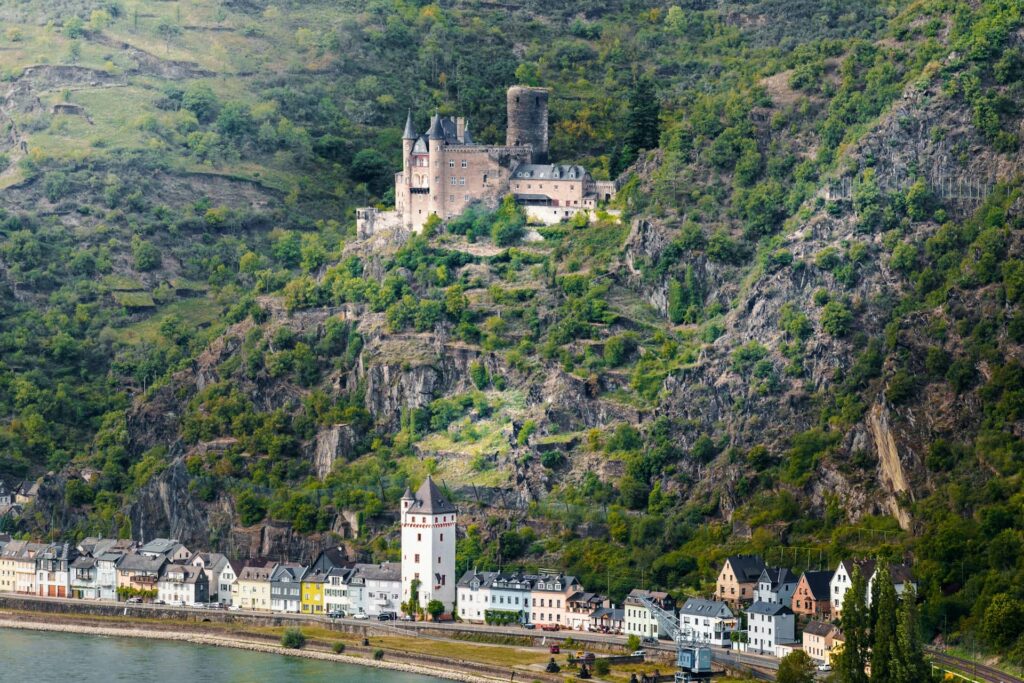
The Rhine Valley in western Germany delivers river scenery filled with hilltop castles and vineyard slopes. This UNESCO-listed stretch follows the Rhine through historic towns and fortified ruins. Boats pass medieval villages and stone towers at regular intervals. The landscape feels layered with history. So, every bend in the river brings a new viewpoint.
I flew into Frankfurt and reached the valley in about 90 minutes. I stayed at the riverfront 4-star Hotel Schloss Rheinfels. From there, I took a river cruise and toured both Marksburg Castle and Rheinfels Castle. I also walked through the towns of Bacharach and Rüdesheim am Rhein, then hiked part of the Rheinsteig Trail. A side trip to Wiesbaden added a thermal bath stop.
Location: Western Germany | Size: river corridor with 40+ castles | Vibe: romantic and scenic
Personal highlight: Tasting Riesling at Schloss Johannisberg through the self-pour system at RheinWeinWelt in Rüdesheim.
9. Bremen – Medieval Squares and Riverside Walks
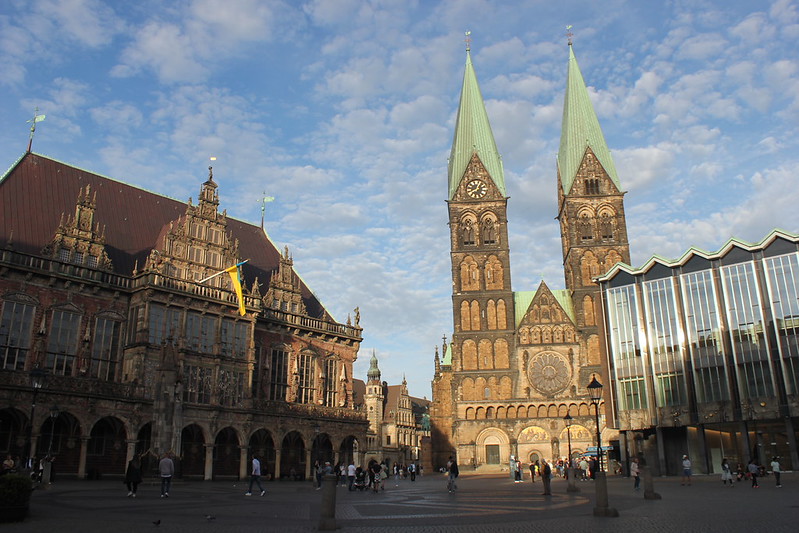
Bremen brings together medieval landmarks and a relaxed riverfront setting in northern Germany. The city dates back over a thousand years and keeps much of its historic core. Market Square holds protected status and features ornate civic buildings. The Town Hall and Roland Statue draw steady attention. So, the center works well for slow sightseeing walks.
I flew in from London and stayed for a long weekend near the Old Town. My base was the 4-star Steigenberger Hotel Bremen. I spent time in the narrow lanes of the Schnoor Quarter and walked the Schlachte riverside promenade. I also stopped by the well-known Bremen Town Musicians statue tied to the Brothers Grimm tale.
Location: Northern Germany | Size: medium city | Vibe: cultured and slightly whimsical
Personal highlight: Finding a cozy meal at the Katzen-Café, with plant-filled rooms, cat-themed decor, and resident cats wandering between tables.
10. Moselle Valley – Vineyard Villages and River Bends
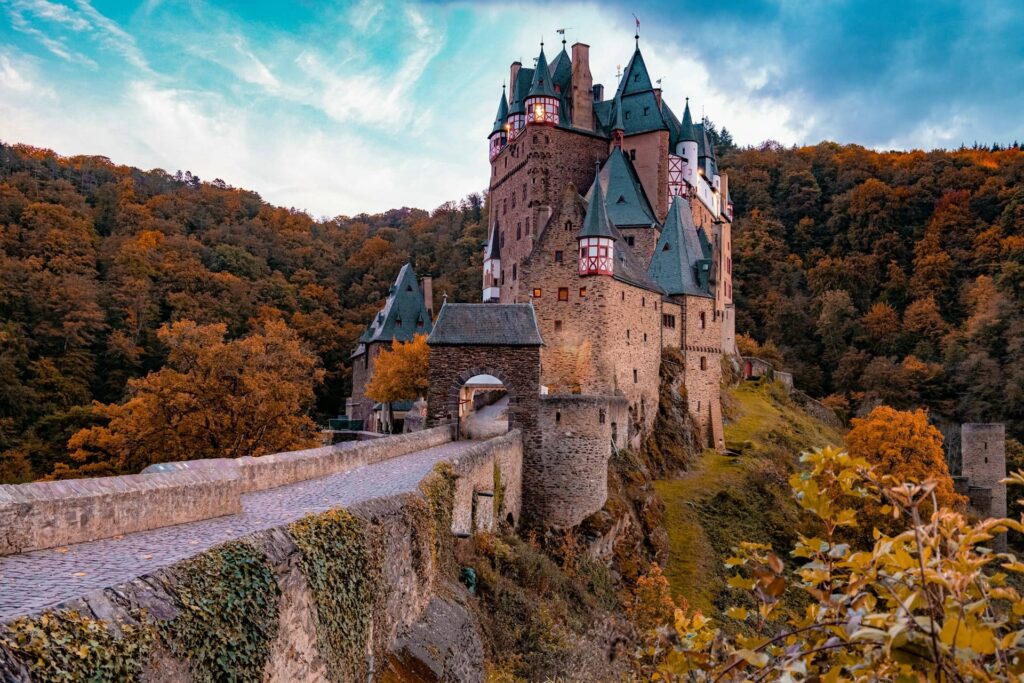
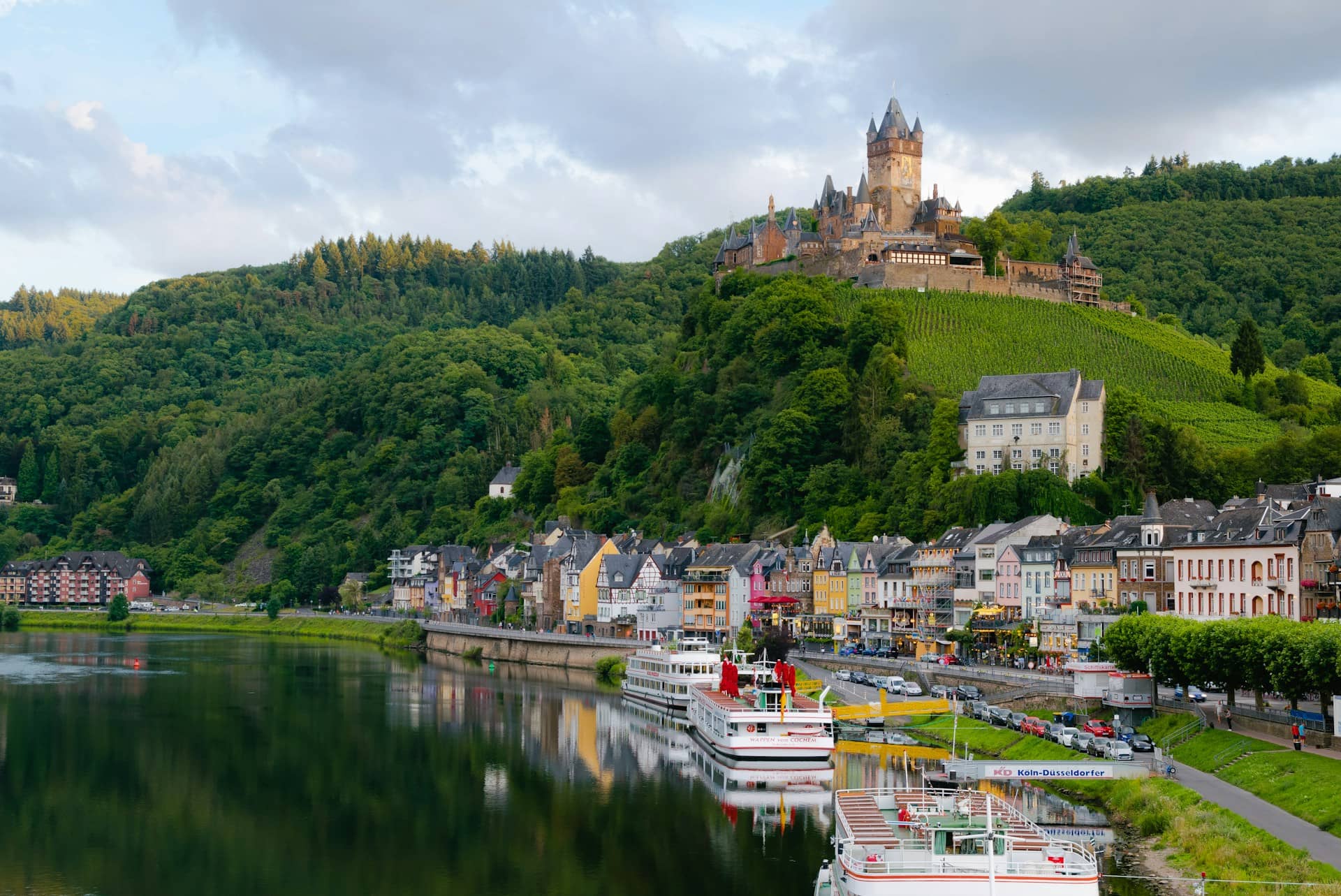
The Moselle Valley offers a slower river landscape lined with steep vineyards and small villages. The Moselle River curves through hills covered in grape terraces. Old towns sit close to the water with towers and wine cellars. The mood feels relaxed and romantic. So, it suits travelers who enjoy scenery plus food and drink stops.
I drove about 40 minutes here from the Rhine region and stayed four days. My base was the 4-star Weinromantikhotel Richtershof. I visited Trier for its Roman ruins and the Karl Marx House museum. I also took a river cruise, biked along vineyard paths, and walked up to Burg Eltz for castle views.
Location: Western Germany | Size: river valley wine region | Vibe: relaxed and romantic
Personal highlight: Tasting biodynamic Rieslings at Weingut Rita & Rudolf Trossen, known for low-intervention wines with bright, floral notes.
11. Harz National Park – Misty Peaks and Steam Trains
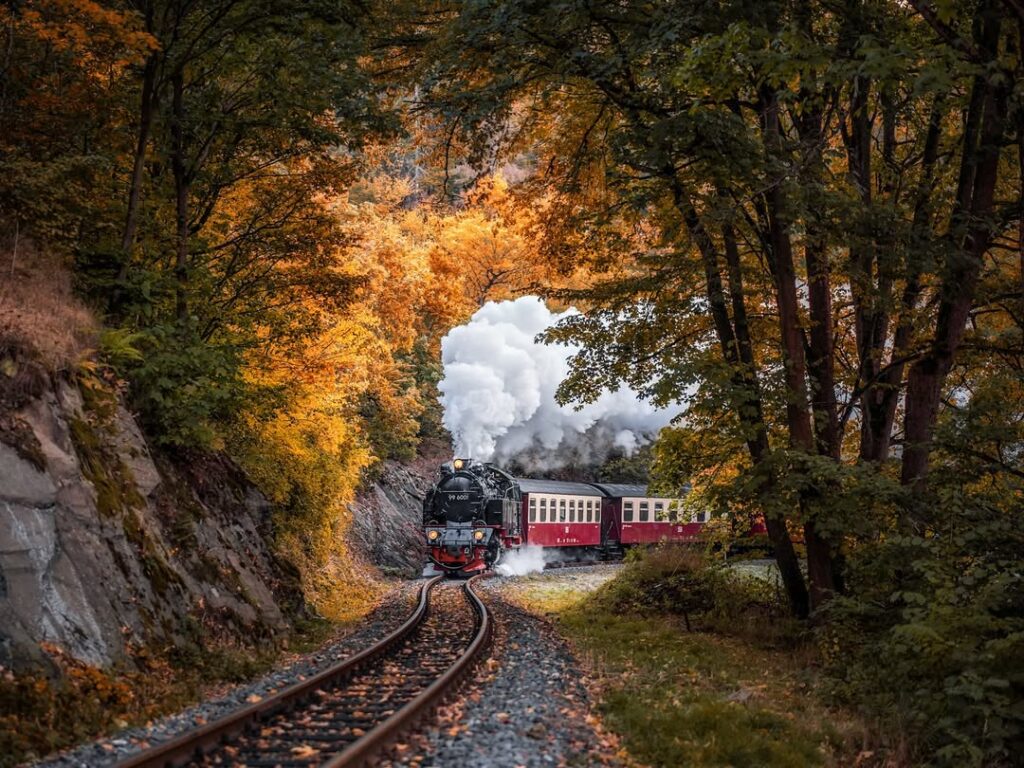
Harz National Park covers a mountain and forest region in central Germany with a strong folklore feel. Dense woodland, rocky peaks, and narrow valleys shape the terrain. Small timber-framed towns sit around the park edges. Low clouds and fog often roll across the hills. So, the setting feels dramatic in every season.
I took a three-hour train from Bremen to Wernigerode and used local transport to move around the area. I stayed three nights at the 4-star Hotel & Spa Suiten FreiWerk. I hiked up the Brocken, the highest summit in northern Germany, and explored nearby towns like Quedlinburg. Forest paths led to streams and small waterfalls along the way.
Location: Harz Mountains, central Germany | Size: about 95 square miles | Vibe: mystical and wild
Personal highlight: Riding the historic Brocken Railway steam train to the summit, with coal smoke, engine sounds, and wide mountain views.
12. Mittenwald – Painted Alpine Streets and Mountain Views
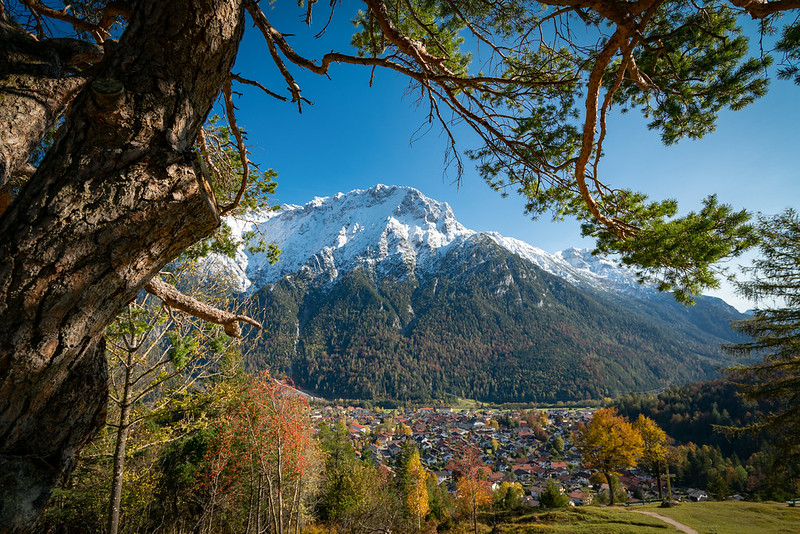
Mittenwald sits in the Bavarian Alps and dates back to the 1600s. The town stands out for its painted house fronts using Lüftlmalerei murals. Colorful scenes cover many buildings along the main streets. Cobblestone lanes and church towers add to the alpine setting. So, walking here feels both historic and scenic.
The town lies about 30 minutes from the Eibsee area by car. I stayed two nights and explored the mural-lined streets and local museums. The Geigenbaumuseum explains the town’s violin-making history. I also visited St. Peter and Paul Church and hiked nearby Karwendel trails. Later, I rode the Karwendelbahn cable car for wide mountain views.
Location: Bavarian Alps between Garmisch-Partenkirchen and Innsbruck | Size: small town | Vibe: quaint and mountain-focused
Personal highlight: Staying at the 4-star Quartier – über Nacht in besonderer Architektur and ending the day with an alpine herbal digestif while watching the peaks.
13. Sylt – Windswept Beaches and Dune Villages
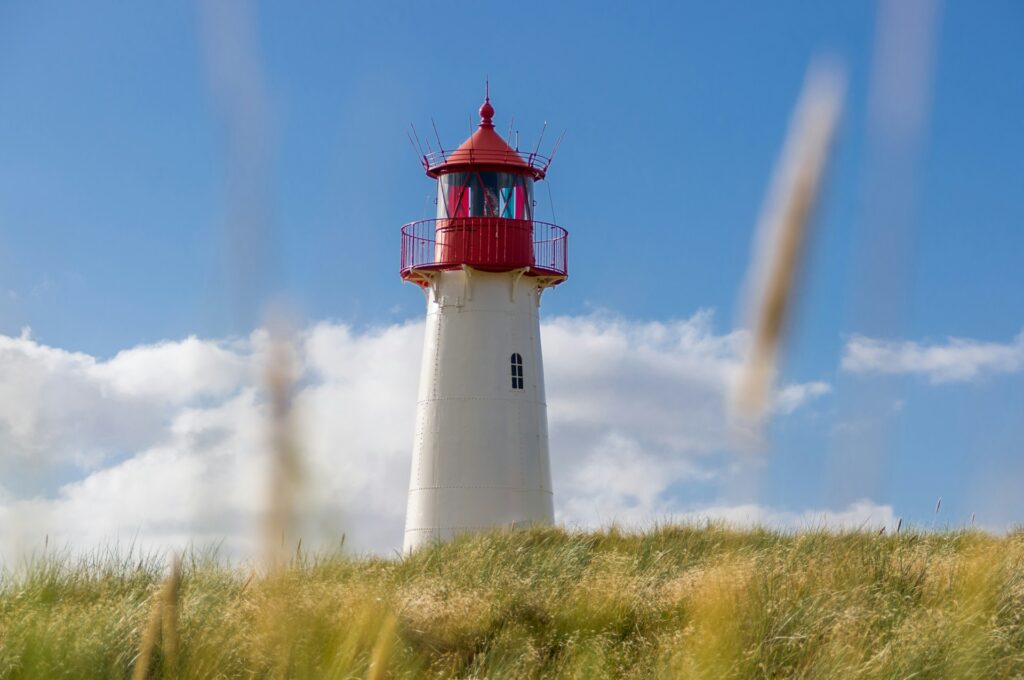
Sylt is a North Sea island known for long beaches, dune landscapes, and thatched-roof homes. The coastline shifts between wide sandy shores and raised cliff sections. Resort towns sit between open heath and sea grass. The island has drawn upscale visitors since the 1800s. Still, many areas feel quiet and open. So, it works well for slow coastal breaks.
I reached Sylt by train from Hamburg across the Hindenburgdamm rail causeway. I stayed a week at the beachfront Hotel 54° Nord. I spent time on Westerland Beach and walked parts of Wadden Sea National Park. I also visited the Sylter Welle spa complex, shopped along Friedrichstraße, and went out in Kampen at night.
Location: North Frisian Islands off Germany’s northwest coast | Size: about 38 square miles | Vibe: chic seaside escape
Personal highlight: Seeing the coastal cliffs up close, where steady erosion has carved sharp edges and layered patterns into the rock.
14. Sanssouci Palace – Rococo Grandeur
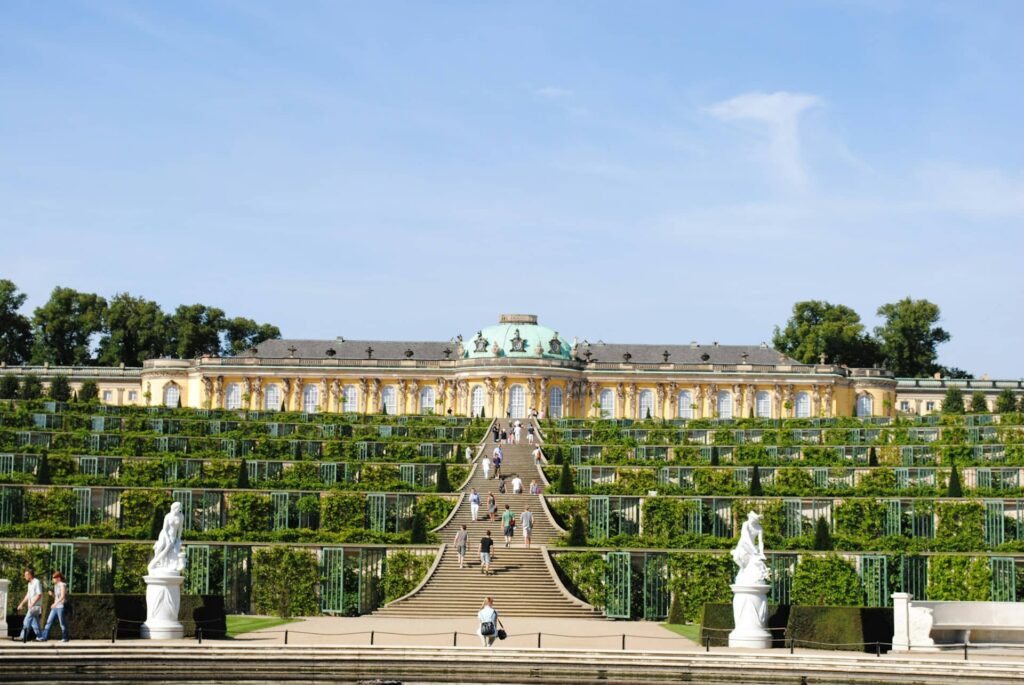
Sanssouci Palace in Potsdam served as the summer residence of Frederick the Great in the 1740s. The Rococo design features terrace vineyards, ornate rooms, and wide formal gardens. Sunlit paths, fountains, and pavilions spread across the grounds. The overall look feels refined and balanced. So, it ranks among the most impressive royal sites near Berlin.
The trip from Berlin takes about 40 minutes by train, then a short walk to the park entrance. I toured the interiors with an audio guide and walked large sections of Sanssouci Park. Stops included the Chinese House pavilion and nearby Cecilienhof Palace, known for the Potsdam Conference. The grounds cover a huge area, so comfortable shoes help.
Location: Potsdam, northeastern Germany | Size: parkland of about 290 hectares | Vibe: elegant and regal
Personal highlight: The Voltaire Room, filled with sculpted details, frescoed ceilings, and a grand marble fireplace.
15. Görlitz – Cinematic Old-World Streets
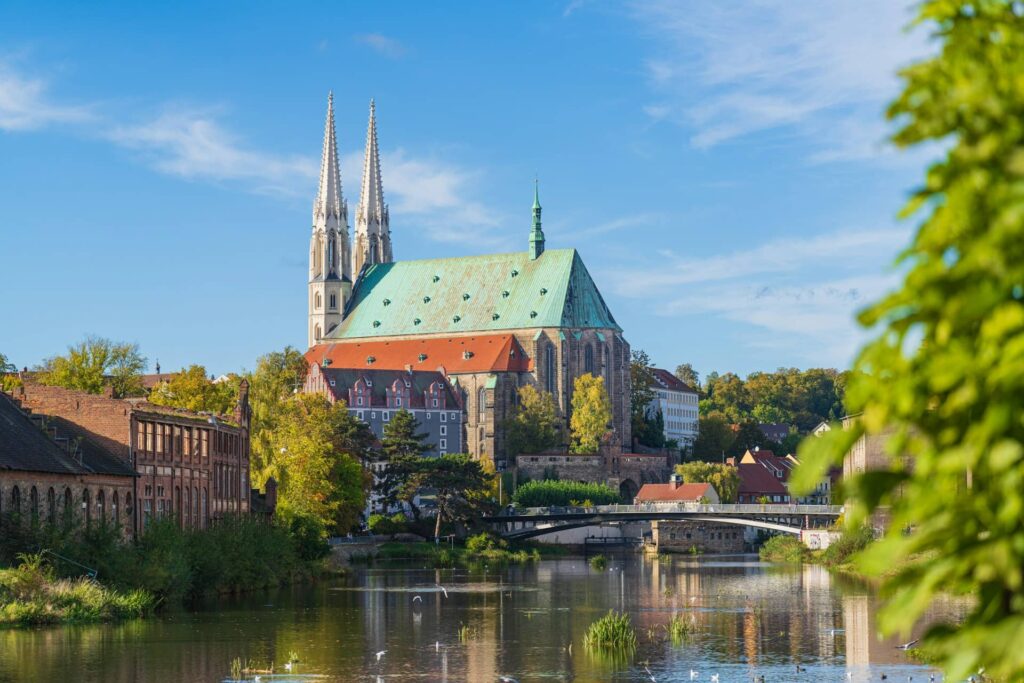
Görlitz shows more than a thousand years of layered architecture in one compact city. Gothic, Renaissance, Baroque, and Art Nouveau buildings line the central squares. The Old Town looks carefully preserved and highly detailed. Large churches and decorated facades frame the streets. So, walking here often feels like moving through a film set. Several major movies have used the city as a backdrop.
I reached Görlitz by train from Dresden in about 2.5 hours and stayed three nights at the 4-star Gut am See Hotel. I explored the cobbled center, visited the Silesian Museum, and walked through the riverside Stadtpark. I also photographed the colorful Woad House and crossed the bridge into Zgorzelec in Poland for a cross-border view.
Location: Eastern Germany on the Lusatian Neisse at the Polish border | Size: medium city | Vibe: romantic and cinematic
Personal highlight: Coffee and warm apple cake at Ratscafé Görlitz under stone arches and timber beams.
16. Cologne – Gothic Grandeur and River Views
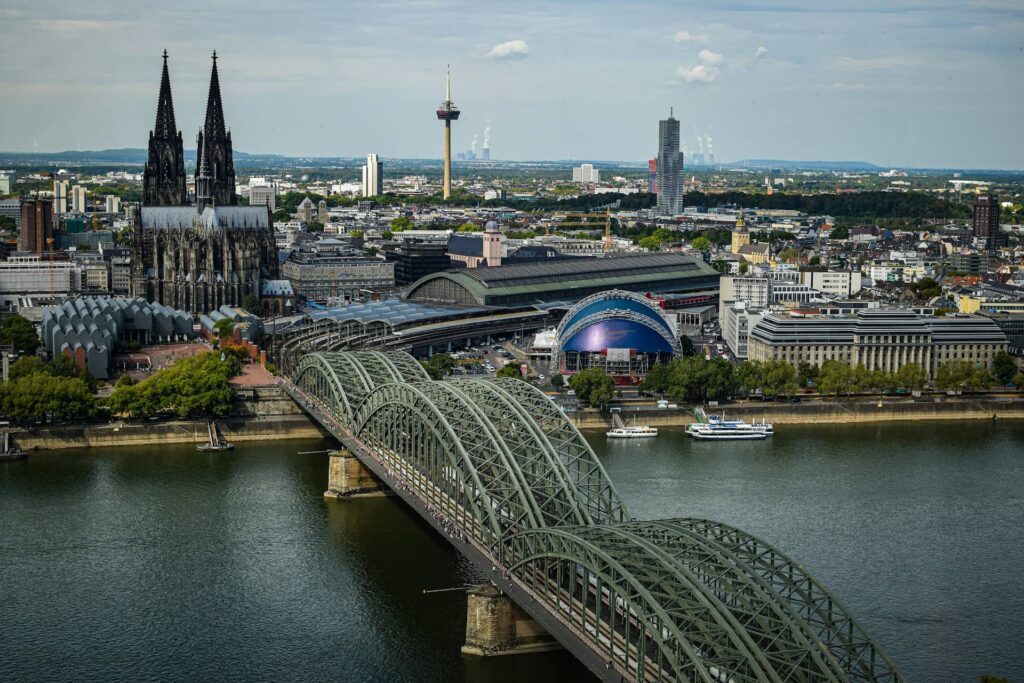
Cologne blends deep history with a relaxed city break feel in western Germany. The skyline centers on the massive Cologne Cathedral beside the Rhine. Builders started it in the Middle Ages, and its Gothic scale still feels striking today. Detailed stonework and tall towers dominate the riverfront. So, it quickly becomes the main reference point for visitors.
I spent time inside the cathedral before climbing the South Tower for city views. The stair climb takes effort, especially during busy hours, but the panorama rewards it. Afterward, I walked to Museum Ludwig for modern and pop art collections. I also stopped at the Cologne Chocolate Museum along the water, which makes a fun and tasty break. Booking tickets ahead helps avoid lines.
Location: Western Germany on the Rhine | Size: major city | Vibe: historic with a creative edge
Personal highlight: Staying at the stylish Ruby Ella Hotel Cologne — design-forward interiors and a strong lounge atmosphere made it a great weekend base.
17. Hamburg – Harbor Views and Landmark Architecture
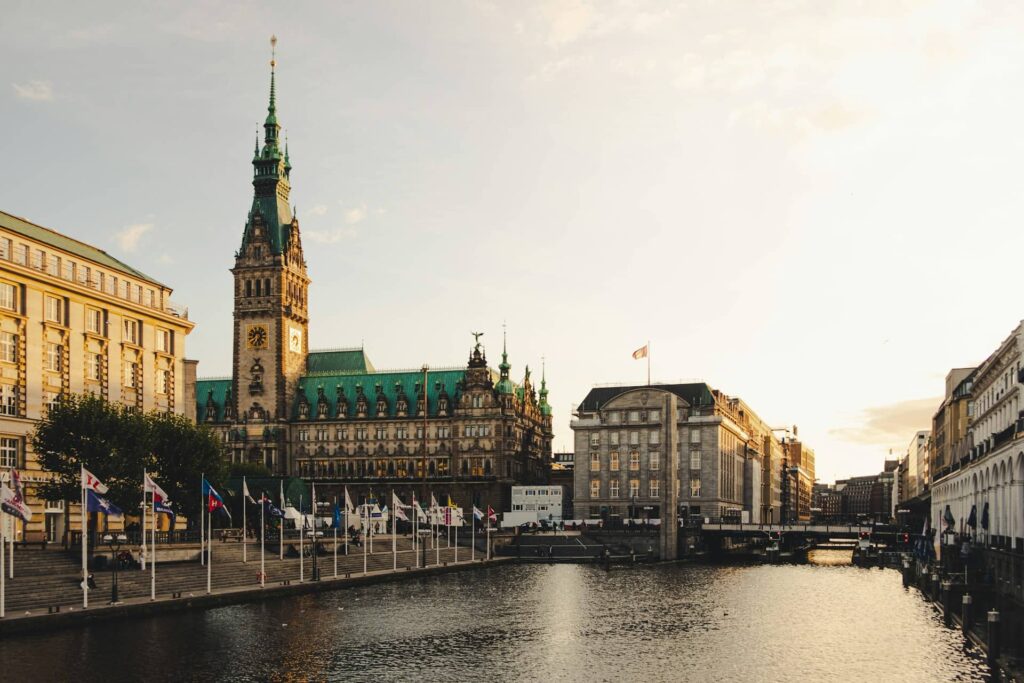
Hamburg sits along the Elbe and ranks as Germany’s second-largest city. Its port history still shapes daily life and city layout. Warehouses, canals, and modern districts stand close together. The mix gives plenty to see during a short city break. So, it works well for travelers who like water views and urban culture.
Start with a harbor cruise to understand the scale of the port and waterfront. Boats pass docks, bridges, and redeveloped quarters. Then visit the striking Elbphilharmonie for skyline views or a live performance. Walk over to the Neo-Renaissance Hamburg Rathaus afterward. If you want a slower pace, spend time in Planten un Blomen park with its gardens and paths.
Location: Northern Germany on the Elbe | Size: major city | Vibe: maritime and cultural
Personal highlight: Staying at Steigenberger Hotel Hamburg in the Fleetinsel area — central position and large rooms made exploring easy.
18. Dresden – Baroque Splendor and Riverside Walks
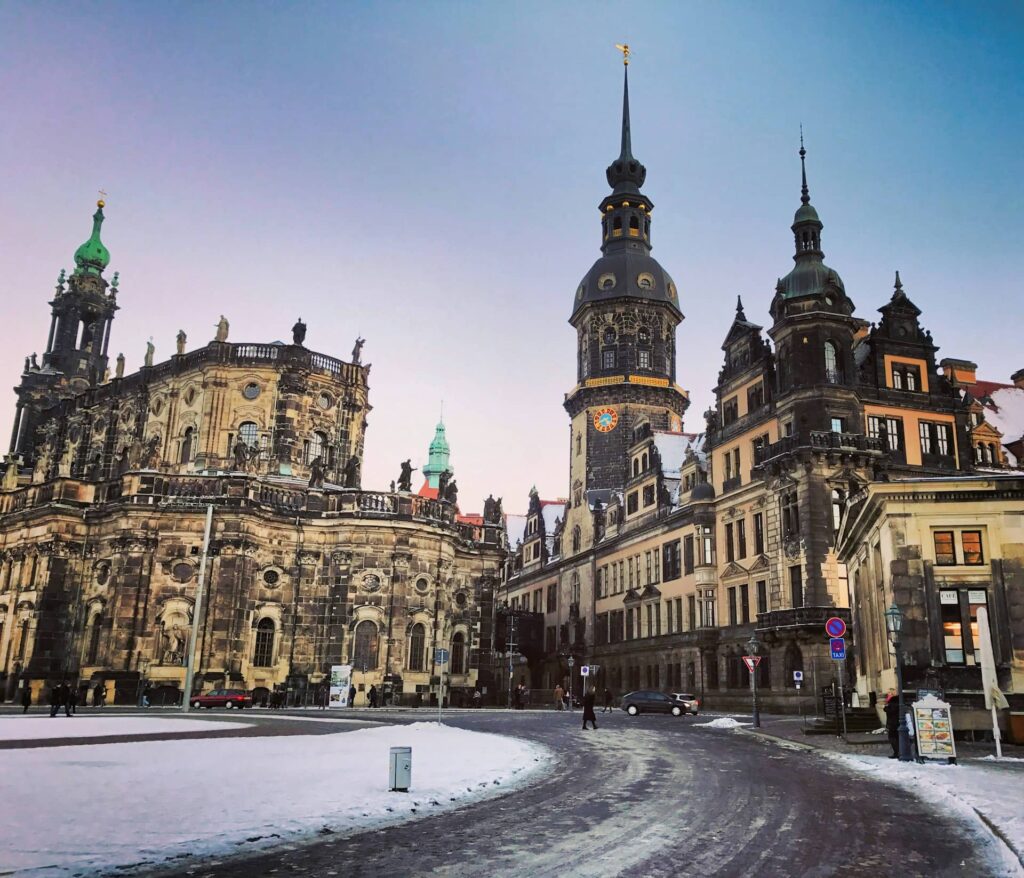
Dresden sits in the Saxony region and works well for a compact city break. The size allows you to cover major sights over a long weekend. The historic center shows strong Baroque influence across squares and palace grounds. As a result, many areas feel grand without being hard to reach on foot.
Start at the Zwinger Palace complex, where courtyards and galleries hold major art collections. Then walk along Brühl’s Terrace above the Elbe for river views. Nearby, the long mosaic mural called Fürstenzug presents Saxon rulers in detailed tiles. Each stop sits within a short walking radius.
Make time for the rebuilt Frauenkirche Dresden as well. Builders reconstructed it after wartime destruction using original plans and matching stone. The dome now anchors the skyline again. So, it stands as both a landmark and a symbol of restoration.
19. Munich – Royal Palaces and Market Squares
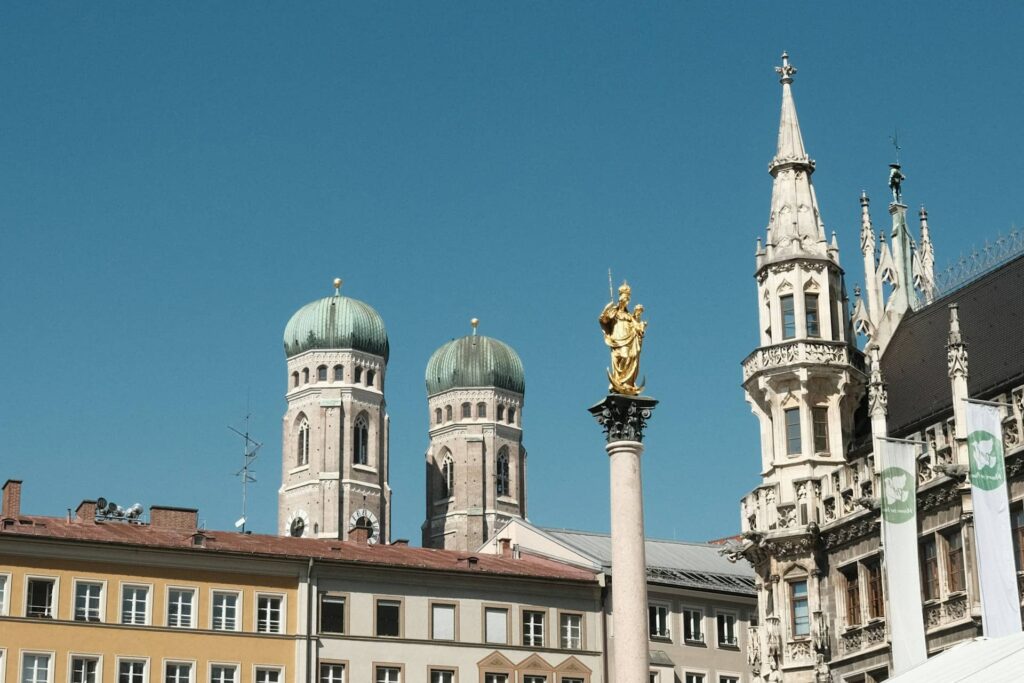
Munich serves as the capital of Bavaria and works well as a trip base for the region. The city blends royal sites, food markets, and grand squares. Transport links also make day trips simple. So, many travelers start or finish their Bavaria route here.
Begin with a visit to Nymphenburg Palace, once the summer residence of Bavarian rulers. Interior rooms and garden grounds both deserve time. Then walk through Marienplatz, the central square with historic buildings and cafes. A short stroll leads to Viktualienmarkt, where you can sample local foods and desserts.
Set aside time for Schleissheim Palace just outside the main center. The palace complex and grounds feel expansive and less crowded. Many visitors also book guided day trips from Munich to Neuschwanstein Castle and Linderhof Palace. Therefore, Munich works as both a destination and a launch point.
20. Nuremberg – Medieval Walls and Winter Markets
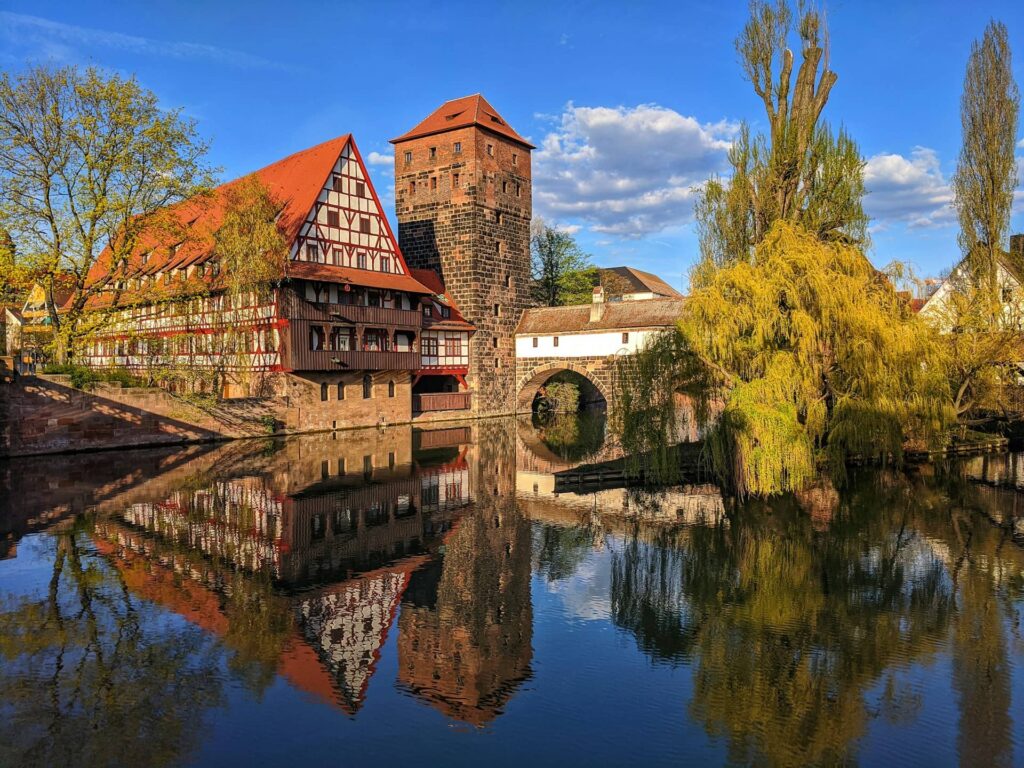
Nuremberg works well as a year-round city break with strong medieval character. City walls, towers, and squares still shape the historic center. Streets feel lively in summer and especially atmospheric in winter. So, timing your visit can change the whole experience.
During the festive season, the central square hosts the famous Christkindlesmarkt. Visitors come for spiced drinks, baked treats, and traditional stalls. In warmer months, focus on major landmarks instead. Walk through St. Lorenz Church and set aside time for the hilltop Nuremberg Imperial Castle, which takes a few hours to explore.
Location: Northern Bavaria | Size: large historic city | Vibe: medieval and festive
Personal highlight: Exploring the castle grounds and city walls, then warming up with a mug of mulled wine at the winter market.
21. Stuttgart – Car Culture and Castle Day Trips
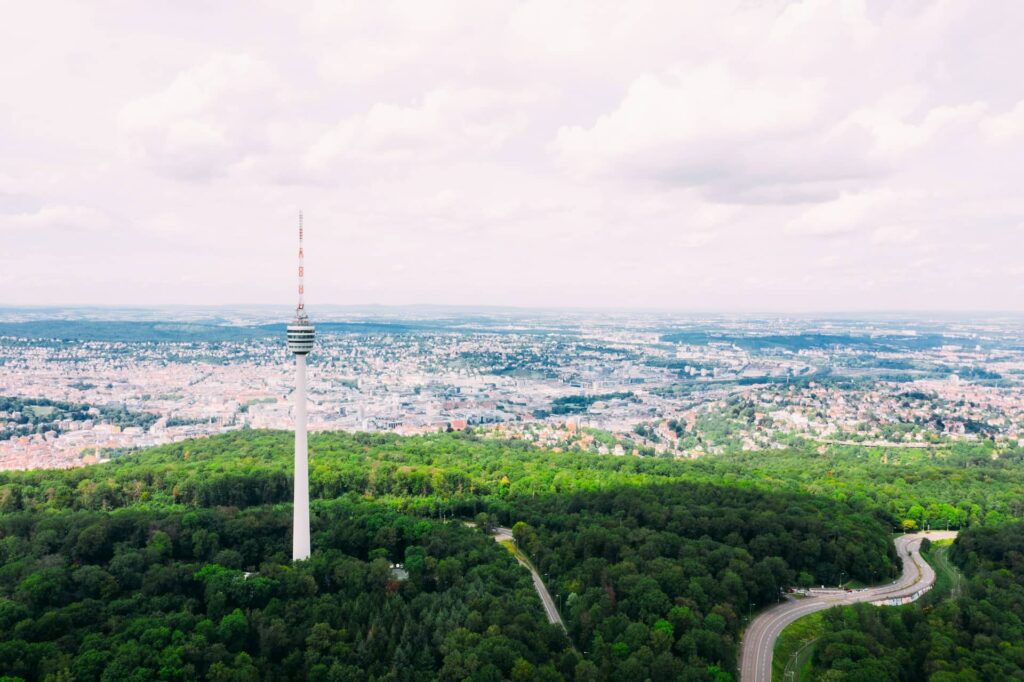
Stuttgart blends industry, museums, and nearby historic towns into one varied city break. Many visitors know it for its large Christmas market, but the city offers plenty year-round. Transport links also make short regional trips easy. So, you can mix city sights with palace and castle visits.
Start with the major auto collections at the Mercedes-Benz Museum and the Porsche Museum. Both present design history and engineering progress in interactive displays. Then head to the Staatsgalerie Stuttgart for fine art. If you prefer royal sites, visit Ludwigsburg Palace nearby or walk the medieval streets of Esslingen am Neckar.
Location: Baden-Württemberg, southwest Germany | Size: major city | Vibe: cultural with strong tech heritage
Personal highlight: Driving out to Hohenzollern Castle for hilltop views and dramatic architecture close to Stuttgart.
Related Posts: