
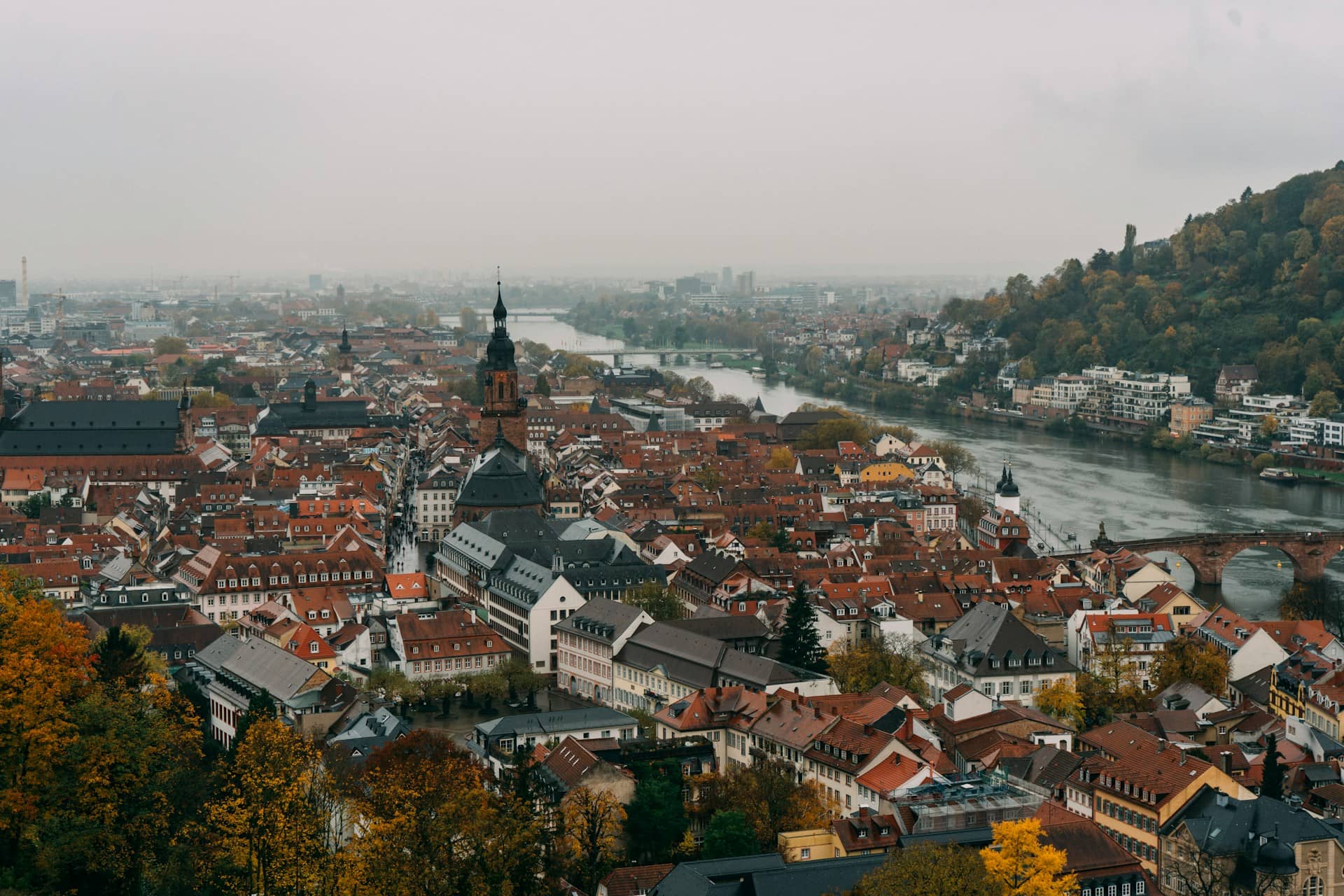
Germany’s small towns offer a refreshing break from big-city travel. Instead of crowds and tight schedules, you get space and character. From Bavaria to Baden-Württemberg, each region shows a different rhythm. As a result, short visits often feel surprisingly full.
These towns blend history, scenery, and daily local life. You walk past old squares, painted houses, and centuries-old towers. Then you reach vineyards, rivers, or wooded hills within minutes. In other words, variety appears without long travel times.
You can browse weekly markets, try regional dishes, and chat with shop owners. You can also visit castles, river paths, and hilltop viewpoints. Meanwhile, trains and roads connect towns easily. So planning simple, flexible routes works well.
This guide highlights why Germany’s smaller towns deserve space on your itinerary. Take it slow, stop often, and look around. The rewards come quickly.
1. Gengenbach
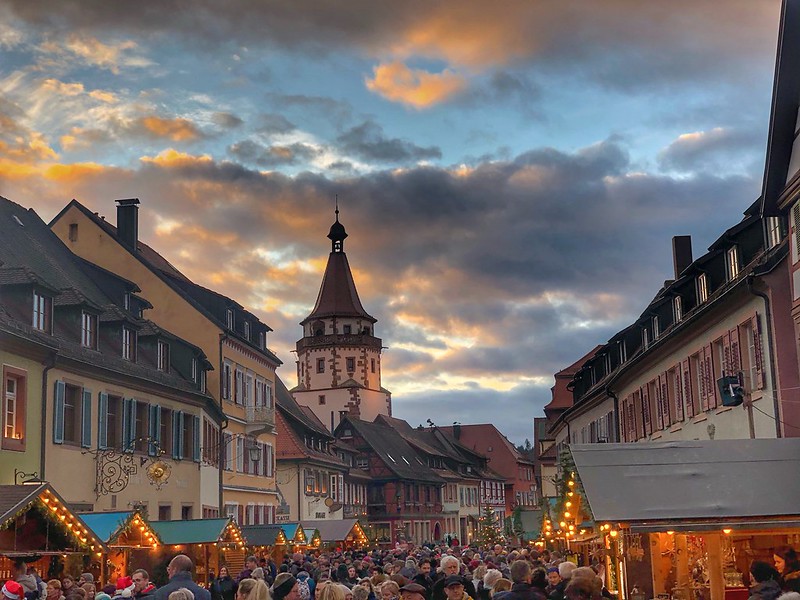
Gengenbach sits on the edge of the Black Forest and feels straight out of a storybook. Yet it also works as a practical base. As you arrive, you notice timber-framed houses, stone lanes, and rows of nearby vineyards.
The town center invites slow walks and frequent stops. Small bakeries, craft stores, and corner cafés line the streets. Meanwhile, the Kinzig River path offers an easy route for a relaxed stroll. Because distances stay short, you can explore without rushing.
Wander through the old quarter and look up often. Flower boxes hang from windows, and painted façades catch the light. In addition, open squares give you space to sit and watch daily life. Photographers will find plenty of angles within minutes.
Art lovers should visit Haus Löwenberg, a restored merchant house with puppet and design displays. Then head to the Narrenmuseum inside the former Niggelturm tower. It covers local carnival traditions and also provides a high town view.
2. Cochem
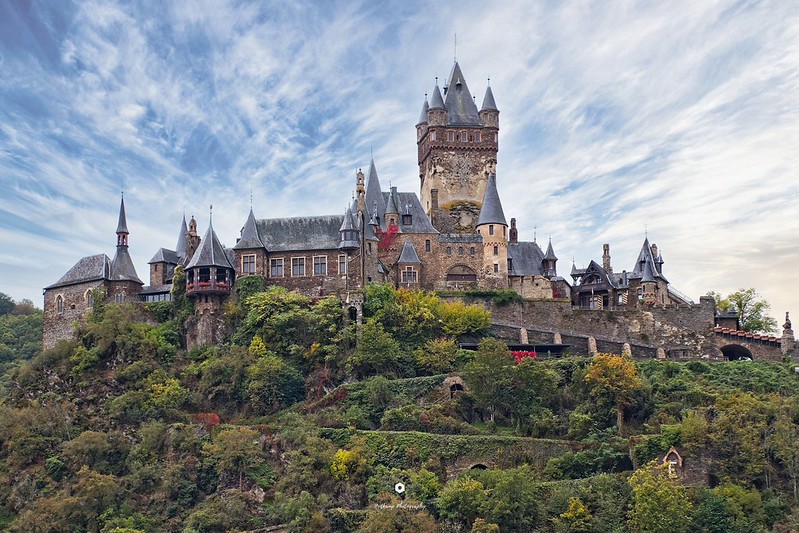
Cochem stands along the Moselle River and draws attention right away. The setting feels calm and cinematic. As you approach, the river curves past the town and frames the hills behind it.
Reichsburg Castle rises above the rooftops and anchors the skyline. Its towers and walls overlook the valley and river bends. From the top, you get wide views across vineyards and water. So a castle visit should sit high on your plan.
The Old Town rewards slow walking and short detours. Timber-framed houses line tight lanes and small squares. You’ll also pass the stone Enderttor gate from the medieval walls. Nearby wine bars pour local Riesling from the surrounding slopes.
Along the riverfront, a paved promenade supports easy walks at any hour. Cyclists can follow the Moselradweg for longer rides beside the water. Overall, Cochem works best when you take your time and pause often.
3. Wertheim
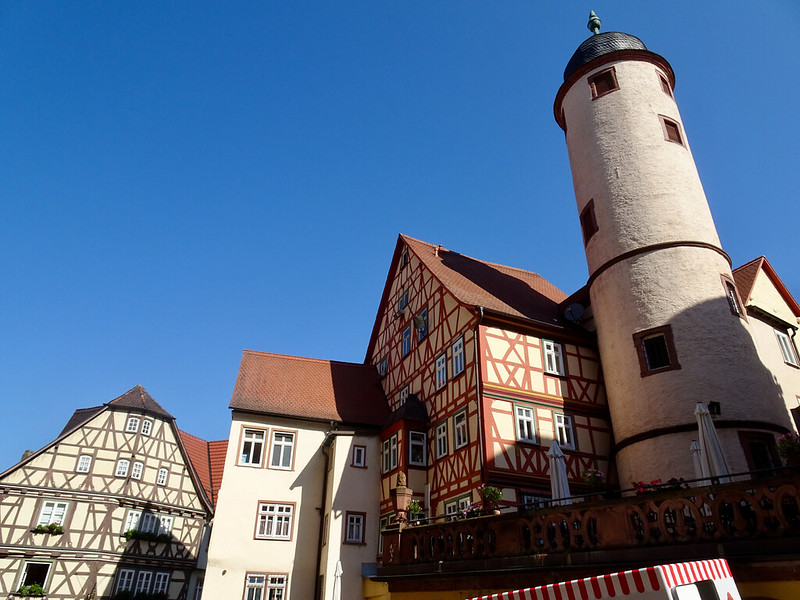
Wertheim lies where the Main and Tauber rivers meet in southwestern Germany. Because of this meeting point, the town feels open and airy. Colorful houses and calm squares set the tone right away.
The upper town draws most visitors first. Painted façades line the streets, and cafés spread across small plazas. You can sit with coffee or try local pastries between short walks. Then you can continue through lanes that slope gently uphill.
Wertheim Castle stands above the town with broken walls and tall remains. The structure dates back to the 1100s and still dominates the ridge. You can hike up on foot or take a shuttle. From the top, both rivers and rooftops come into view.
Several museums add depth to a short stay here. The Glass Museum explains both craft and science behind glassmaking. The town also attracts shoppers with many outlet and designer stores nearby. So you can mix history with modern retail stops.
4. Kelheim
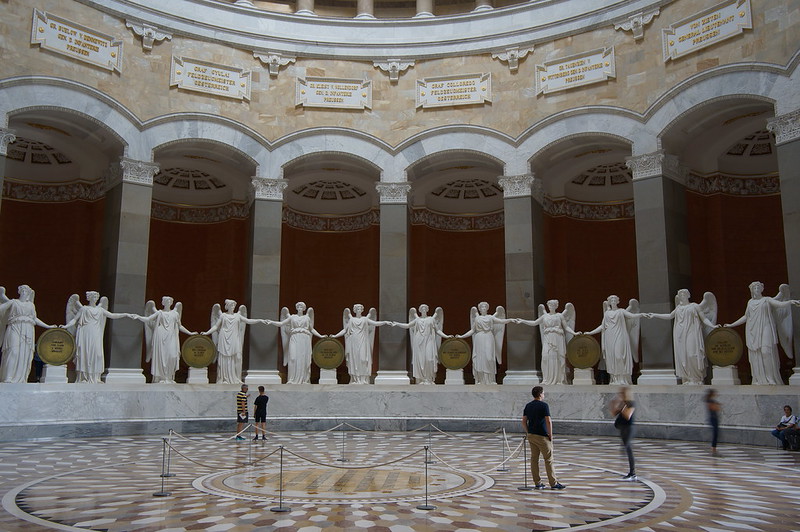
Kelheim sits in Bavaria where the Altmühl meets the Danube. Because two rivers join here, water shapes much of the town’s layout. Riverbanks, boat trips, and viewpoints all play a role.
The main landmark is Befreiungshalle, a large circular monument above the town. It honors victories over Napoleon and German unity efforts. A ring of marble Victory figures lines the interior. As you step inside, the scale feels striking and memorable.
You can reach the monument by road or uphill paths. From the hilltop, you see the rivers and wide stretches of countryside. Afterward, head back down for a waterfront walk. The town center stays compact and easy to cover.
Nearby Weltenburg Abbey adds another worthwhile stop. The Benedictine complex stands beside cliffs and a small river beach. It also runs one of the oldest monastic breweries in the world. Try the dark beer and Bavarian dishes in the garden area.
5. Mittenwald
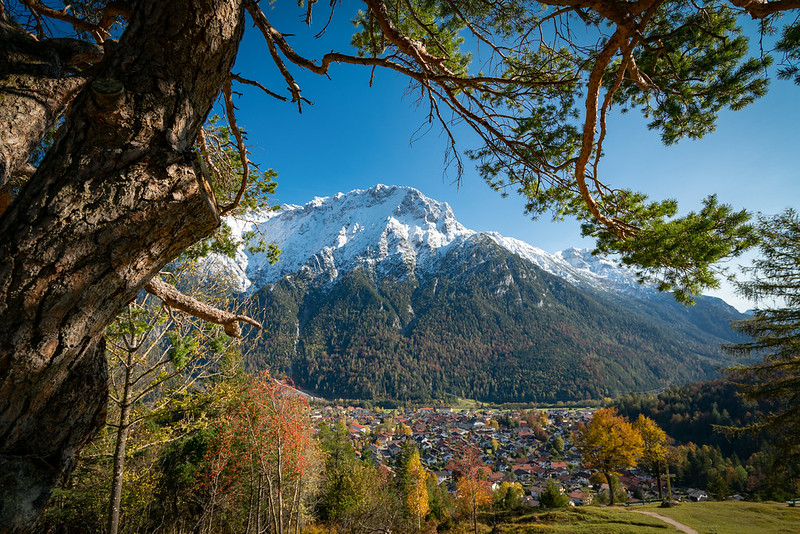
Mittenwald stands in the Bavarian Alps close to the Austrian border. Mountains rise on all sides, so views appear almost everywhere. The town also carries the nickname “Violin Village” for its long instrument-making history.
Colorful wall paintings cover many houses across the center. These murals show religious stories and local legends. As you walk the streets, the artwork turns each block into an open gallery. Shops and cafés sit between these painted buildings.
You can visit the Violin Making Museum to learn about string instrument craft. Exhibits explain tools, wood choices, and workshop methods. Demonstrations sometimes run during peak seasons. So check the schedule before you go.
Outdoor options remain a major draw here. Take the Karwendel cable car for high mountain views. Then try the metal walkway above Leutasch Gorge for a closer look at the rushing water.
6. Dinkelsbühl
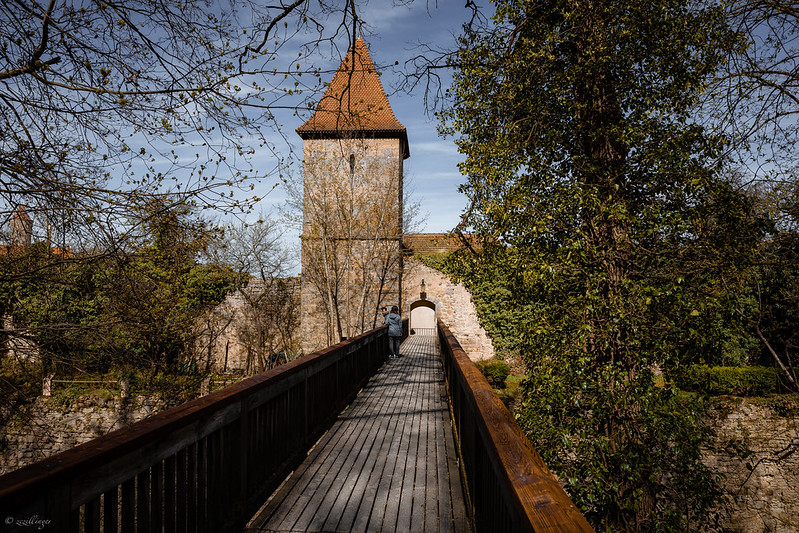
Dinkelsbühl lies in Franconia, about an hour from Nuremberg by car. Old defensive walls still ring the town today. As a result, the historic layout remains easy to see and follow.
Towers and gates mark former guard points around the perimeter. Inside, you walk past timber-framed houses with bright painted fronts. Streets stay compact, so exploring on foot works best. Each turn brings another historic detail into view.
The central square forms the main gathering point. St. George’s Minster rises over the plaza with its Gothic design. Nearby, the ornate Deutsches Haus adds another focal building. Between them, cafés and craft shops fill the edges.
You can browse handmade toys, candles, and small local goods here. The town also sits along Germany’s Romantic Road driving route. Therefore, it fits well into a longer trip through castles and historic towns.
7. Monschau
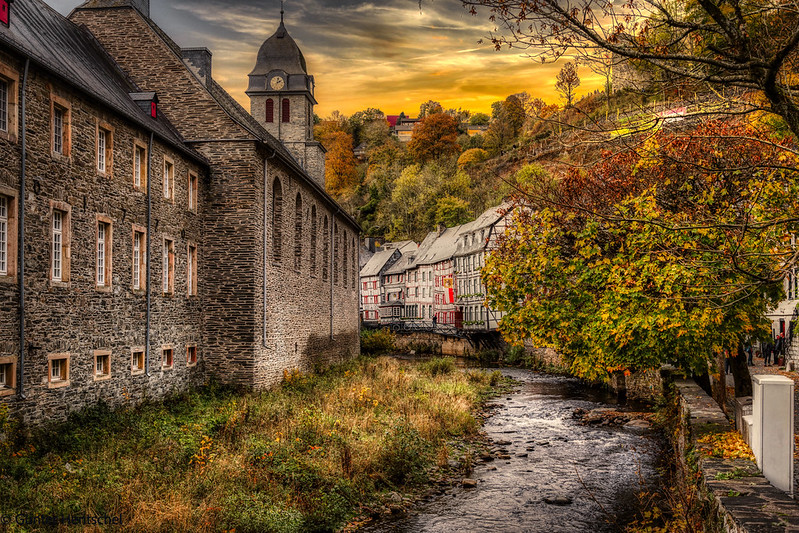
Monschau sits in the Eifel region near the Belgian border. Forested hills surround the town on all sides. Because of this setting, the streets feel quiet and sheltered.
The center features narrow cobbled lanes and closely packed houses. Timber-framed buildings line the river and small bridges connect both sides. Walking works best here, since distances stay short. You can cover most highlights at an easy pace.
The Rotes Haus museum explains the town’s cloth-making past. Inside, you’ll see period furniture and preserved living spaces. Displays cover Louis XVI, Empire, and Rococo styles. So the visit adds context to the town’s former trade wealth.
After sightseeing, pause for a pilsner or a Hugo Spritz at a local café. Then hike up to the hilltop castle used for summer concerts. You can also head into Eifel National Park for hiking and cycling trails.
8. Burghausen
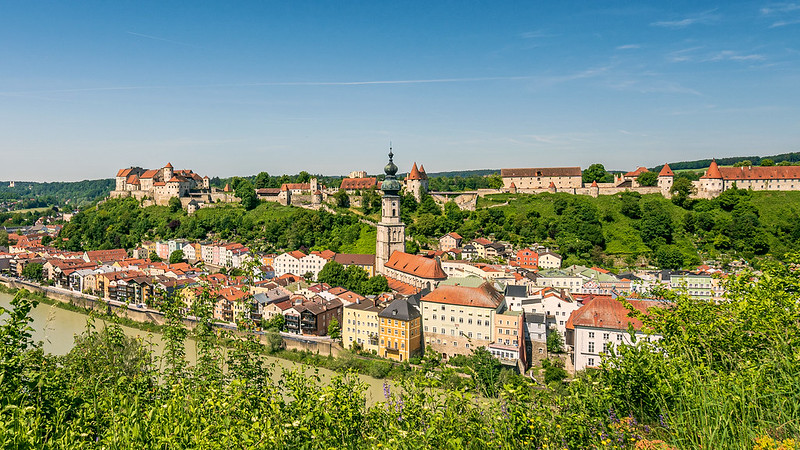
Burghausen draws attention with its massive hilltop fortress in Upper Bavaria. The town sits near the Austrian border beside the Salzach River. History shapes nearly every part of the skyline here.
Burghausen Castle runs along a ridge for about one kilometer. It ranks as the longest castle complex in the world. From the walls, you get clear river and town views. The position also shows how defense planning worked in medieval times.
Below the fortress, the old town spreads along the riverbank. Painted façades and calm streets create an easy walking route. Small squares and local shops appear between historic buildings. So you can pair a castle visit with a relaxed town stroll.
Castle tours pass through several inner courtyards and gallery spaces. Viewpoints open at different sections along the route. The town also hosts International Jazz Week each spring. Therefore, music fans may want to plan around the festival dates.
9. Rüdesheim am Rhein
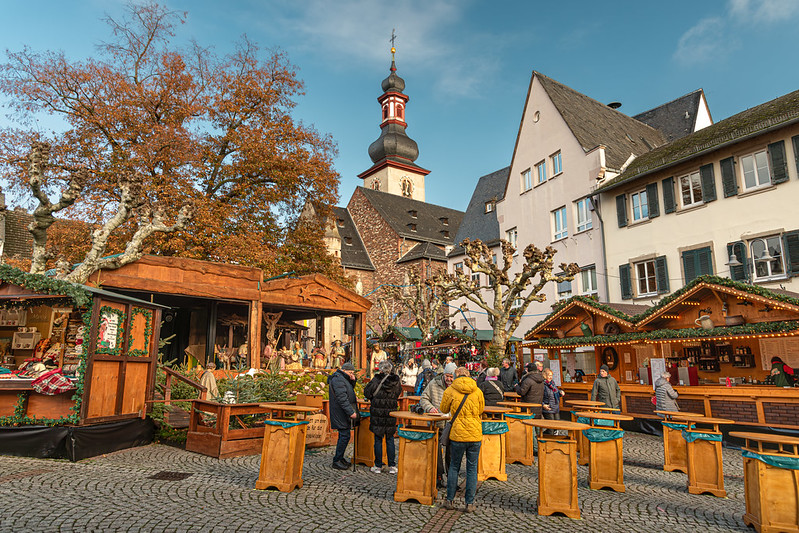
Rüdesheim am Rhein sits along the Rhine, about 30–40 minutes from Mainz. Wine culture shapes the town’s identity. Because of this, vineyards and tasting rooms appear throughout the area.
Terraced vine fields climb the nearby slopes above the river. Riesling grapes grow here and supply many local producers. You can book tastings or stop at small wine taverns. Then you can compare styles from different hillsides.
Drosselgasse forms the town’s best-known lane. This narrow pedestrian street holds pubs and wine bars side by side. Timber-framed houses and flower displays line the route. So evenings here feel lively and social.
Ride the cable car or hike to the Niederwald Monument above town. The platform gives wide valley and river views. Also visit Siegfried’s Mechanical Music Cabinet for antique music machines. Afterward, explore vineyard paths and nearby forest trails.
10. Ladenburg
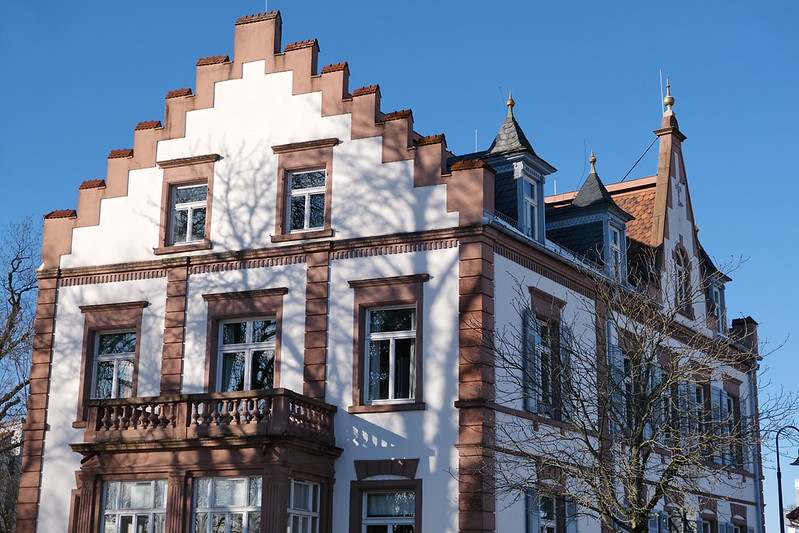
Ladenburg stands beside the Neckar River and traces its roots back to Roman times. The town feels calm and grounded in history. As you walk around, signs of earlier eras appear often.
Parts of the old Roman walls still remain along several streets. You can also visit the Lobdengau Museum to view fort remains and artifacts. Exhibits explain daily life from the Roman period onward. So the past feels close and visible here.
The Marktplatz acts as the town’s social center. A fountain sits in the middle, with warm-toned houses around it. Cafés place tables outside during fair weather. Then visitors can sit, rest, and watch the square’s daily rhythm.
Ladenburg also links to early car history through Carl Benz. He once lived and worked in this town. The Benz Garage Museum covers his company’s early vehicles and ideas. The museum building itself comes from the Art Nouveau period.
11. Deggendorf
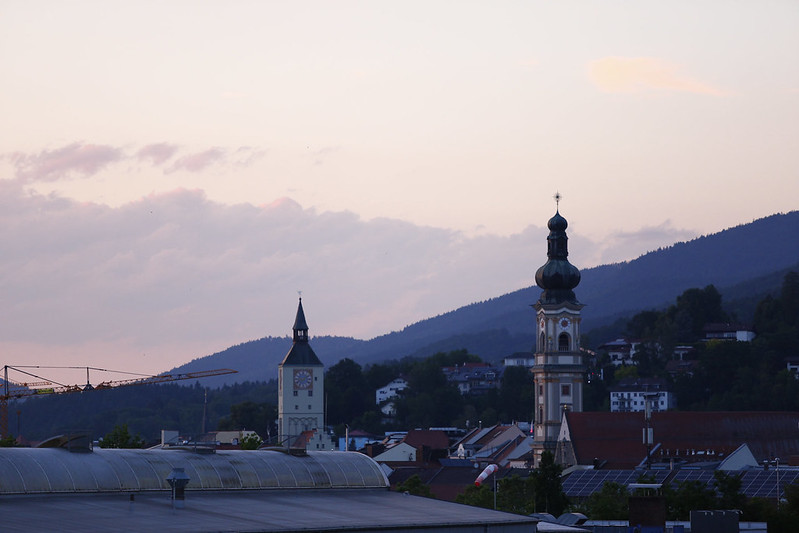
Deggendorf stands on the left bank of the Danube at the edge of the Bavarian Forest. River access and nearby hills shape many activities here. As a result, the town suits both city walks and outdoor trips.
The main Stadtplatz forms the center of daily life. This wide pedestrian square holds pastel buildings, shops, and timber-framed houses. People meet, shop, and sit at street cafés here. So it works well as a starting point.
Key landmarks sit within a short walking radius. St. Peter and Paul’s Church features a tall Baroque steeple. The Old Town Hall adds another historic focal point. Meanwhile, the Crafts Museum explains local trade and workshop traditions.
The Deggendorf Institute of Technology brings steady student energy to the area. You’ll notice busy cafés and casual gathering spots near campus. Therefore, the town blends historic structure with a young, active crowd.
12. Bamberg
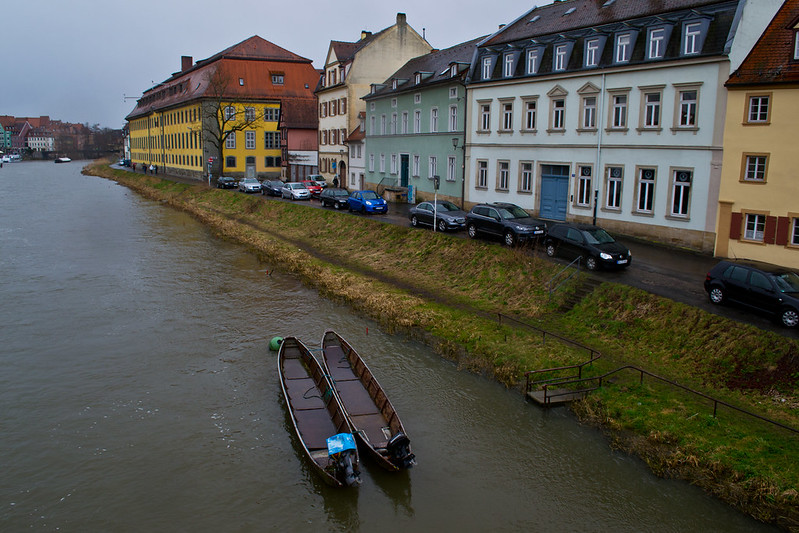
Bamberg holds UNESCO World Heritage status for its preserved medieval center. The town spreads along the Regnitz River with old streets and pastel houses. Walking here feels like moving through a long timeline.
One landmark stands out right away. The Old Town Hall sits on an island in the river. Stone bridges link it to both banks. Because of this placement, it ranks among the town’s most photographed sites.
Further exploration reveals major historic buildings close together. Bamberg Cathedral rises with four tall spires over the old quarter. Inside lie the remains of Pope Clement II. Nearby, the Neue Residenz rose garden offers quiet paths and city views.
In summer, boats and flower stalls animate the river edges. The town also carries strong beer traditions. Many visitors try Rauchbier, the local smoked beer style. So plan time for a brewery stop during your visit.
13. Vilshofen an der Donau
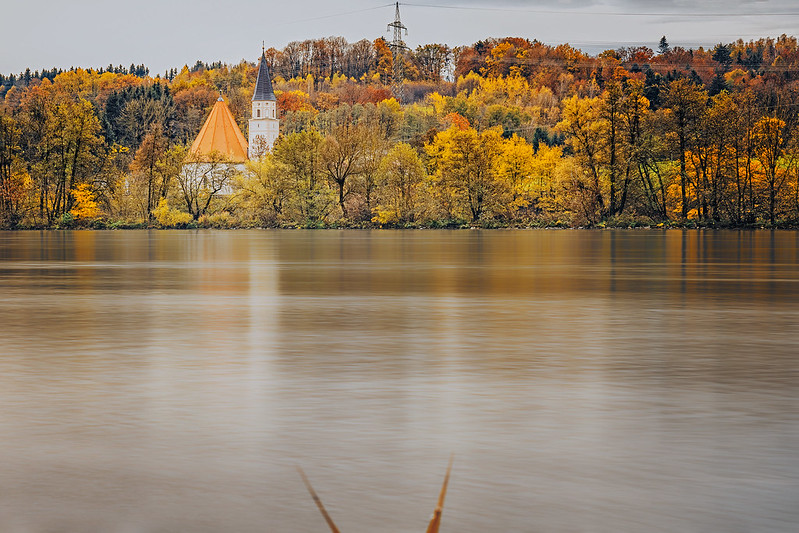
Vilshofen an der Donau sits in Lower Bavaria in the Passau district. The town lines the Danube with colorful buildings and church towers. From the start, it gives a classic Bavarian impression.
Local food plays a big role in daily life here. Menus often feature pork knuckle, Weisswurst, and fresh pretzels. Beer gardens near the river serve these dishes outdoors. Meanwhile, the promenade lets you watch passing boats.
Three smaller streams meet the Danube within town limits. The Vils, Pfudrach, and Wolfach all flow into the main river. Because of this meeting point, many people call it the three-river city.
Cultural stops add more depth to a visit. Schweiklberg Monastery shows Baroque and Art Nouveau design from the 20th century. A nearby medieval castle holds two museums. They cover modern art and regional hunting history.
14. Regensburg
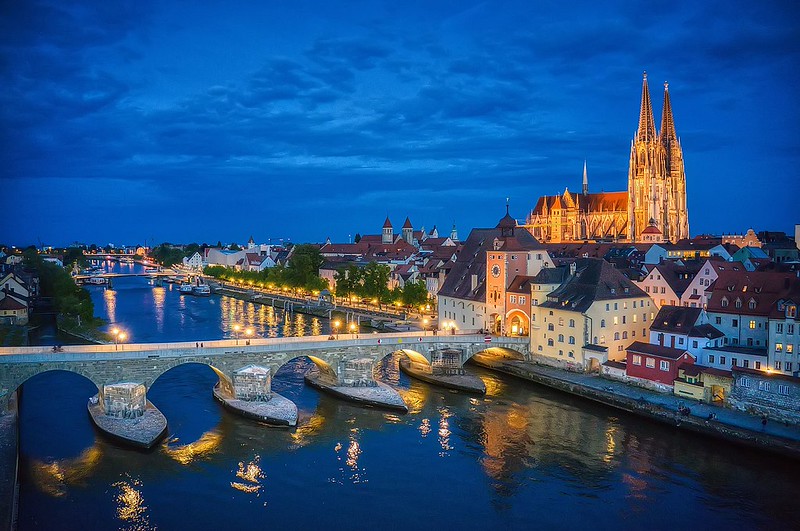
Regensburg ranks among Germany’s best preserved medieval cities and holds UNESCO World Heritage status. The city stands where three rivers meet. The Danube, Naab, and Regen shape its layout and trade history.
The old center contains courtyards, public squares, and former merchant houses. Streets stay walkable and closely linked. As you move around, major landmarks appear within short distances. So exploring on foot works well.
Regensburg Cathedral draws attention with its twin Gothic spires. Nearby, the 12th-century Stone Bridge crosses the Danube with solid arches. The Porta Praetoria gate points back to Roman rule. These sites show how many eras meet here.
A large student population keeps the café scene active year-round. You’ll find busy terraces and late opening hours. For food, stop at the Historic Wurstkuchl sausage kitchen. Order grilled sausages with mustard and a beer, then sit outside.
15. Bad Wimpfen
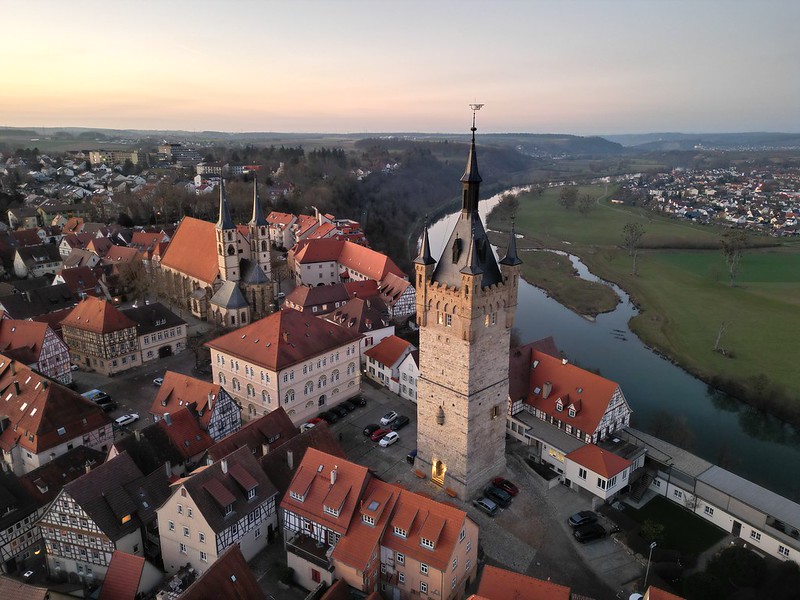
Bad Wimpfen sits in the Neckar Valley and carries a long imperial past. The town also works as a spa destination today. History and wellness shape the visitor experience here.
The Blue Tower stands as the main landmark. Builders raised it in the 12th century in Staufer-era style. Its blue limestone roof makes it easy to spot. From the top, you get wide valley views.
Nearby, the former Imperial Palace complex adds more context. Two museums inside explain regional and imperial history. Walking routes link the palace grounds with the old streets. So you can connect key sites without long detours.
The historic center features well-kept timber-framed houses and stone lanes. You’ll pass Romanesque churches, gates, and small shops. Thermal saltwater springs and brine baths support spa visits. Therefore, you can pair sightseeing with relaxation.
Related Post: