
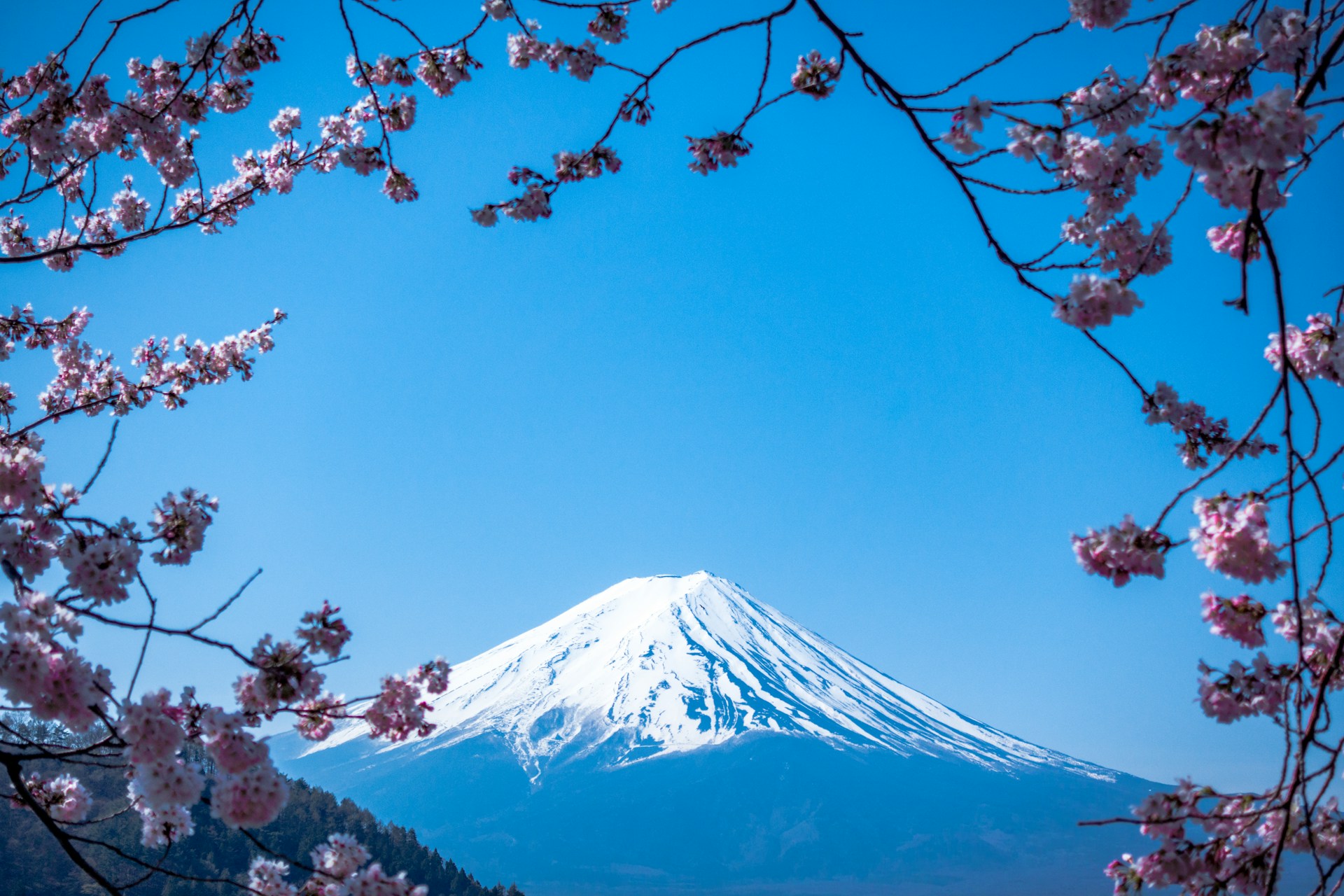
Japan is a country that invites you to return again and again, each visit revealing something new. From modern cities to serene landscapes, Japan’s 47 prefectures offer a variety of experiences in food, history, and culture. No matter how many times you visit, there’s always something fresh to discover.
Best Places to Visit in Japan
1. Honshu: The Heart of Japan
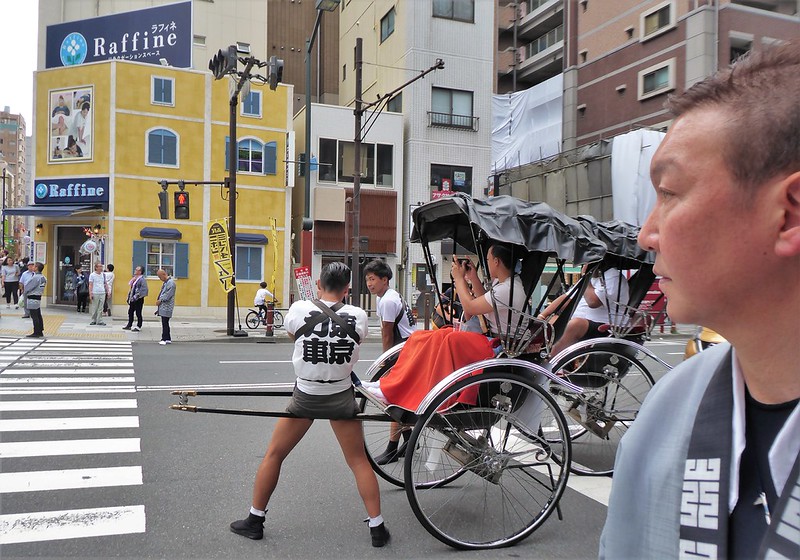
Honshu, Japan’s largest and most populous island, serves as the beating heart of the country. It is home to the majority of Japan’s population and hosts many of its most famous cities and landmarks. With its rich history, bustling metropolises, and stunning natural beauty, Honshu has something to offer every type of traveler. While Tokyo and Kyoto are iconic destinations that draw millions of visitors each year, the island also harbors smaller, lesser-known gems that provide equally memorable experiences.
Beyond the well-known attractions, Honshu offers a wealth of hidden treasures waiting to be discovered. Its countryside features picturesque villages, ancient temples, and serene landscapes that are often overlooked by the typical tourist trail. The island’s diversity ensures that whether you’re looking for cutting-edge technology, rich cultural heritage, or peaceful rural retreats, Honshu has something new to surprise you with at every turn.
2. Tokyo: A City That Never Sleeps
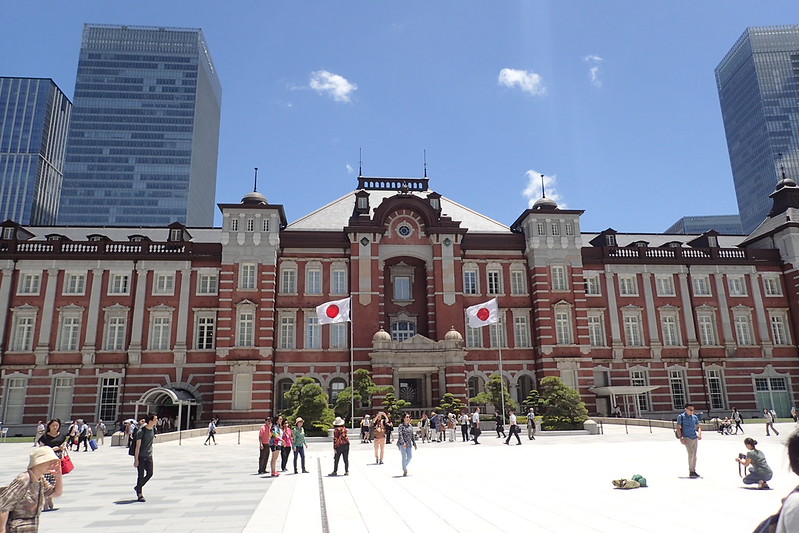
Tokyo, with its endless energy, offers much more than just towering skyscrapers and neon lights. Popular attractions include Meiji Shrine, Senso-ji Temple, and Tsukiji Fish Market, but it’s the quirky side of the city that shines – cat cafes, karaoke spots, and arcade halls. Explore offbeat neighborhoods like Meguro and Harajuku for a taste of local life.
Apart from the bright lights and endless shopping, Tokyo has a lot of hidden gems that make the city even more fascinating. You’ll discover quiet, serene gardens tucked away from the bustling streets, and neighborhoods with a rich history and tradition. Venturing into lesser-known spots like Kichijoji or Shimokitazawa will let you see a side of Tokyo that many visitors miss.
3. Kamakura: A Glimpse of Old Japan
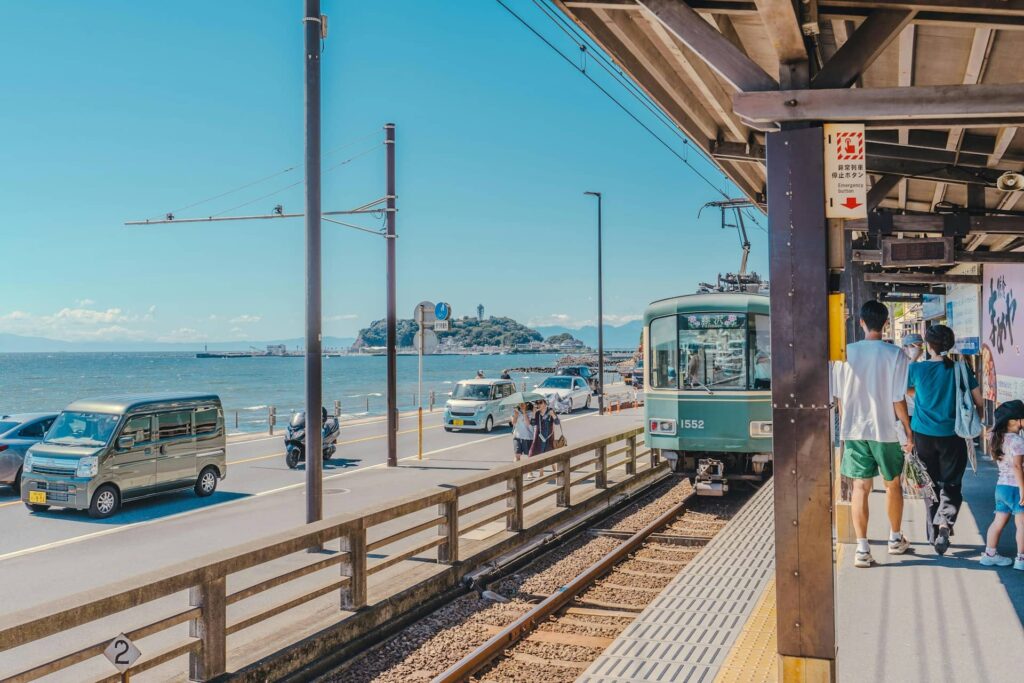
Just an hour from Tokyo, Kamakura offers a peaceful escape to Japan’s past. Known for its ancient temples and the massive Big Buddha statue, Kamakura was once Japan’s capital. The combination of temples and tranquil forests provides a beautiful contrast to the urban hustle.
Beyond the famous temples, Kamakura offers plenty of walking trails through lush forests and scenic spots like the hiking path that leads to the Tsurugaoka Hachimangu Shrine. For a deeper dive into Kamakura’s past, you can also visit the Kamakura Museum of Literature, which showcases the town’s literary history.
4. Mount Fuji: More Than a Mountain
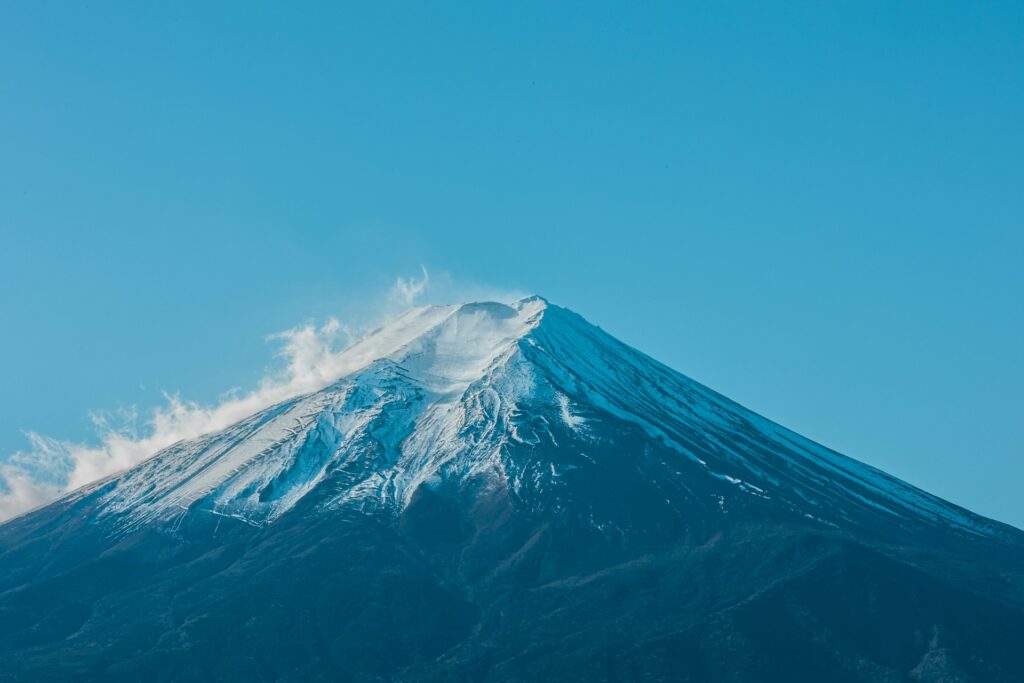
You can spot Mount Fuji from Tokyo, but visiting in person is a whole different experience. A stay in Fuji City or Fujinomiya offers access to hiking trails, temples, and the Mt Fuji World Heritage Centre. Mount Fuji holds religious significance, and the area is perfect for nature lovers.
Staying around Mount Fuji also offers various outdoor activities, such as kayaking on Lake Kawaguchi or enjoying a hot spring bath while gazing at the mountain. The surrounding Fuji Five Lakes region offers picturesque landscapes and the perfect balance of adventure and relaxation.
5. Kyoto: Immerse in Japan’s Heritage
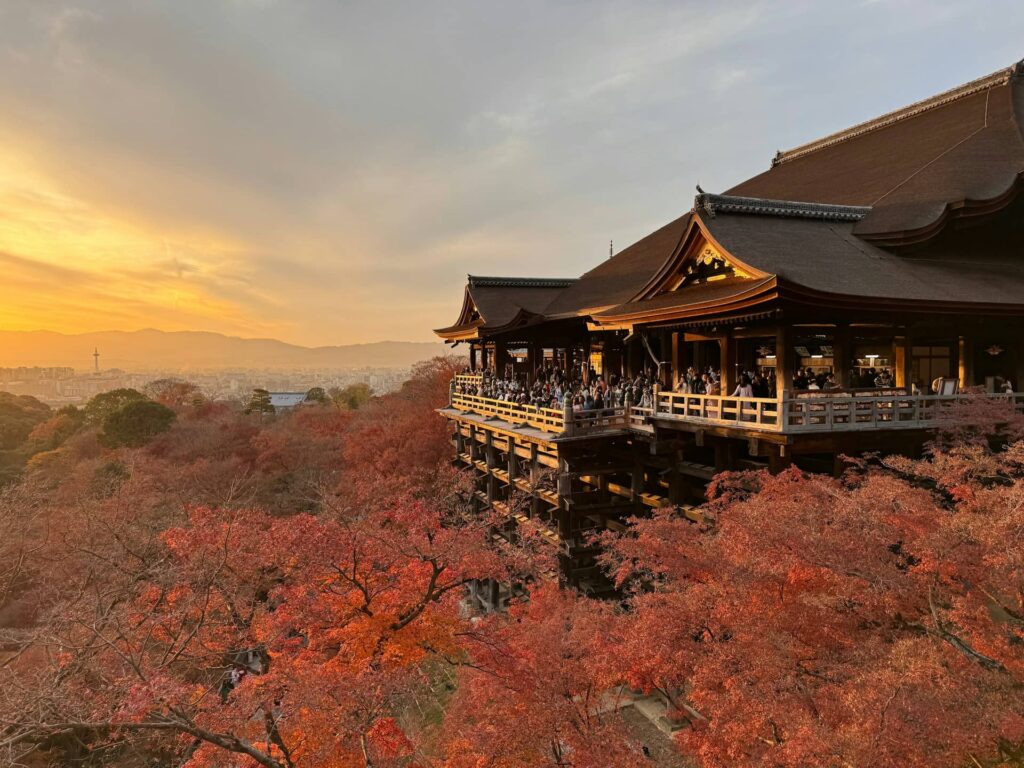
Kyoto, once Japan’s capital, offers a rich cultural journey with stunning temples, shrines, and traditional gardens. The city is known for its cultural activities, including tea ceremonies, kimono-clad walks, and geisha performances. Explore more must-do activities in Kyoto in our full guide. Don’t miss Nara, just a short distance away, with its impressive heritage sights and famous wooden temples.
Kyoto also brings a unique experience with its seasonal beauty. The city is famous for its cherry blossoms in spring and colorful autumn foliage. If you visit during these seasons, the parks and temples come alive with vibrant colors, creating unforgettable photo opportunities.
6. Nara: Timeless Heritage
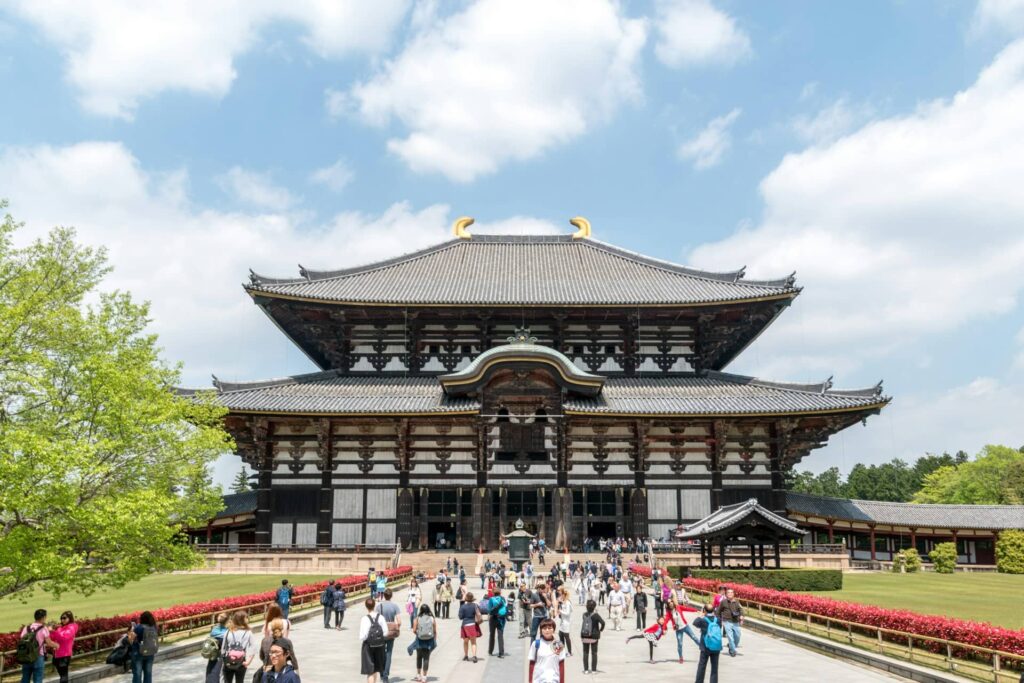
While Kyoto gets a lot of the attention, Nara is equally fascinating and deserves a visit. Once Japan’s capital (from 710 to 794), Nara is home to stunning temples and shrines, especially the famous Todai-ji temple, known for being the world’s largest wooden building.
The beautiful Nara Park and surrounding forests create a peaceful atmosphere that contrasts with the urban hustle. For those wanting more historical insights, a trip to the nearby Horyuji Temple (the world’s oldest wooden structure) offers a glimpse into ancient Japan.
7. Osaka: The Fun City
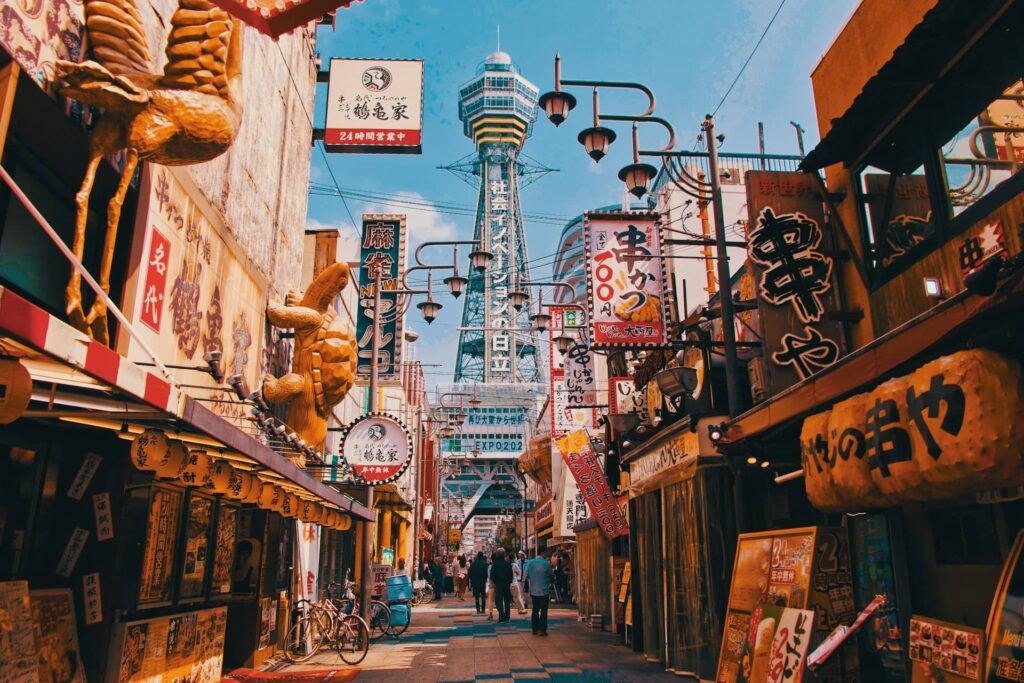
Osaka, often considered a laid-back version of Tokyo, boasts an exciting food scene and lively nightlife. Visit Osaka Castle and Shitennonji Temple, or head to Universal Studios Japan for thrills. The city offers a more relaxed vibe compared to Tokyo, and nearby areas like Sakai and Kobe are perfect for exploring small towns and enjoying onsen.
The vibrant Dotonbori district is one of Osaka’s highlights. It’s known for its colorful neon signs, delicious street food, and entertainment options. Make sure to try takoyaki and okonomiyaki while strolling along the canal for a true taste of Osaka’s culinary delights.
8. Kanazawa: A Hidden Gem
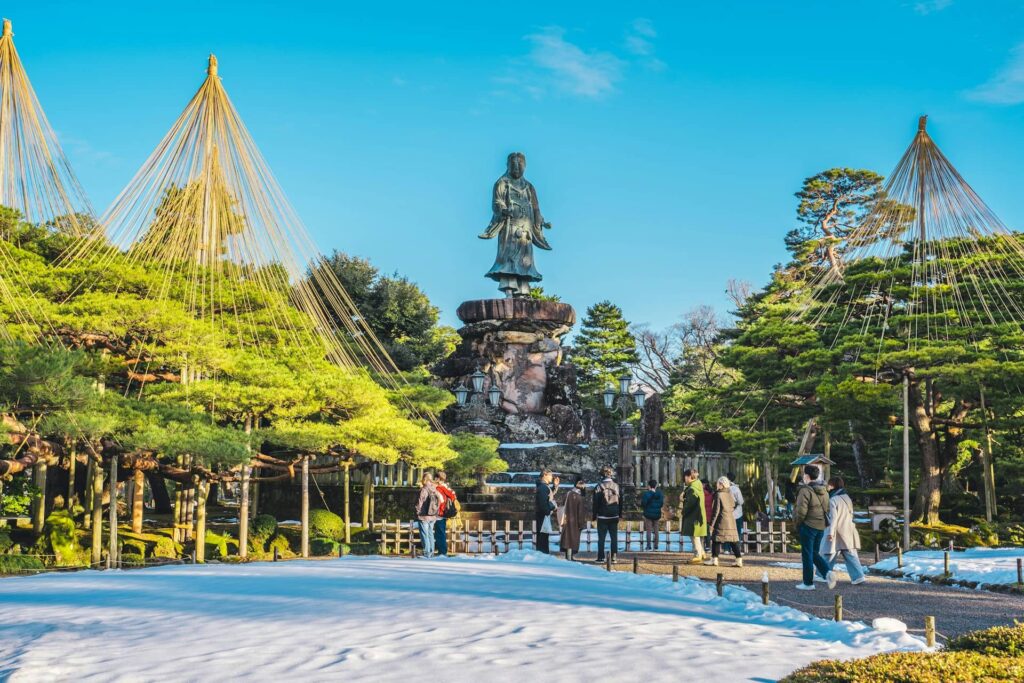
A decade ago, Kanazawa may not have been on many travelers’ radars, but in recent years, it has emerged as a must-visit destination in Japan. Its rich history and cultural heritage make it a place worth exploring, especially since it was one of the country’s most significant cities during the Edo Period (1603 – 1868).
Today, Kanazawa is known for its well-preserved landmarks, including a stunning castle, ancient temples, an extravagant public garden, and beautifully maintained historic houses. Whether you’re a history buff or simply looking to immerse yourself in Japan’s traditional beauty, Kanazawa offers plenty to see and do, making it a fantastic addition to any Japan itinerary.
9. Aizu-Wakamatsu: The Samurai City
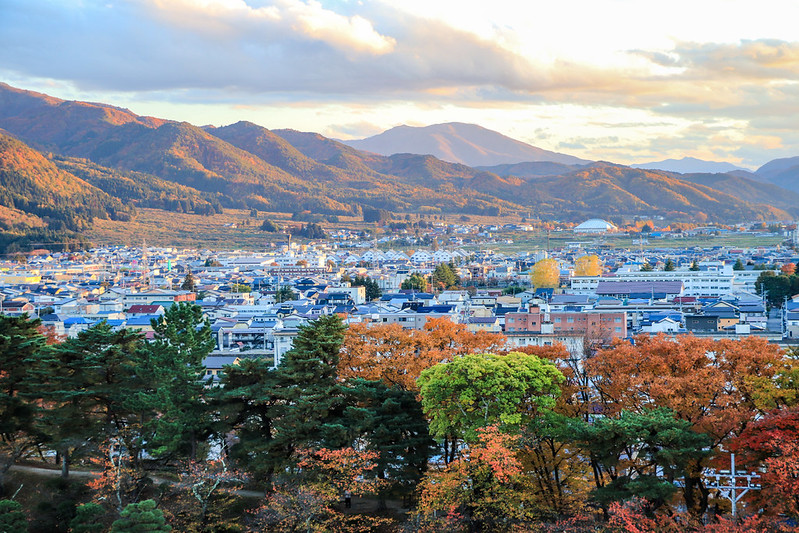
Located in the north of Honshu, Aizu-Wakamatsu in Fukushima is a fantastic destination if you’re looking to explore off-the-beaten-path locations in Japan. While cities like Tokyo and Kyoto may be more famous, Aizu-Wakamatsu offers rich history and a deeper connection to Japan’s past.
This city holds immense historical significance, especially as the site of the samurai’s final stand at the end of the Edo Period. You can visit the iconic Aizu-Wakamatsu Castle, which was a key stronghold during the Boshin War, and the Samurai Training Center, where you can learn about the samurai way of life. With its rich heritage, Aizu-Wakamatsu offers a fascinating glimpse into Japan’s samurai history, making it an ideal stop for history enthusiasts or those seeking a more tranquil, culturally immersive experience.
10. Hiroshima: A City of Peace
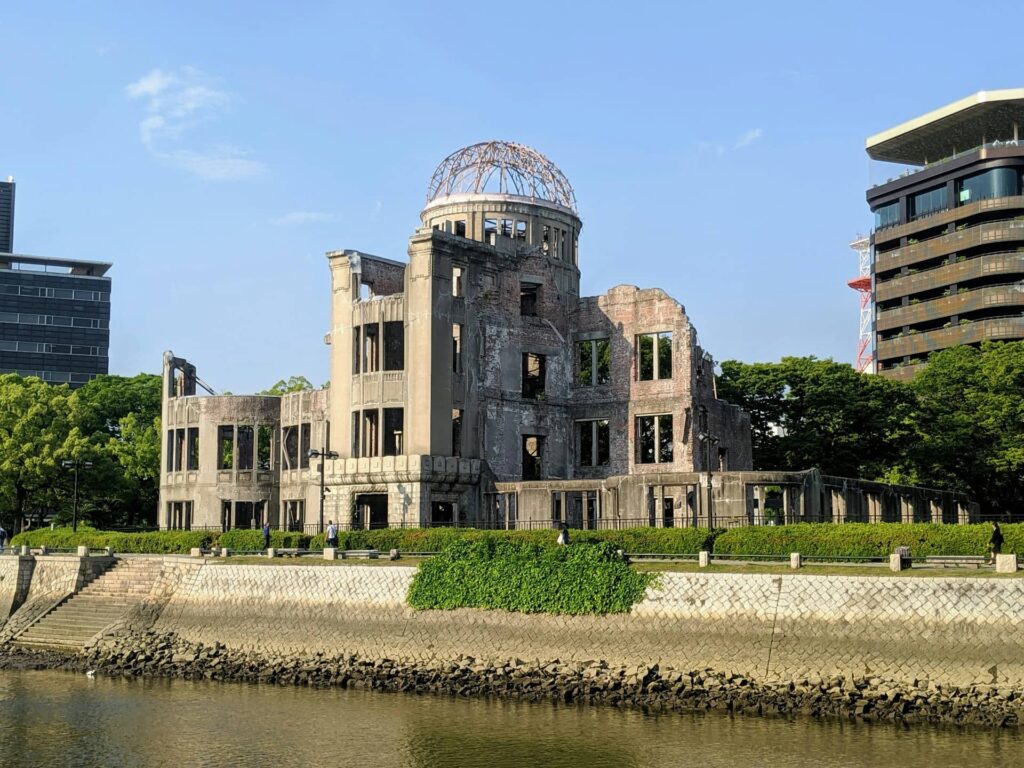
Hiroshima, forever marked by the 1945 nuclear attack, is a place of reflection and peace. The Hiroshima Peace Memorial Park is a UNESCO World Heritage site, reminding visitors of the horrors of war and the hope for peace.
In addition to the Peace Memorial, Hiroshima offers lively downtown areas, the reconstructed Hiroshima Castle, and beautiful Japanese gardens. The nearby Miyajima Island with its famous floating torii gate is another iconic attraction.
Other Honshu Highlights
- Shirakawa-go: Stay overnight in a traditional thatched-roof house.
- Nikko: Visit the UNESCO-listed temples and shrines nestled in the forest.
- Miyagi: Explore the incredible coastline and lush wilderness.
11. Hokkaido: A Four-Season Destination
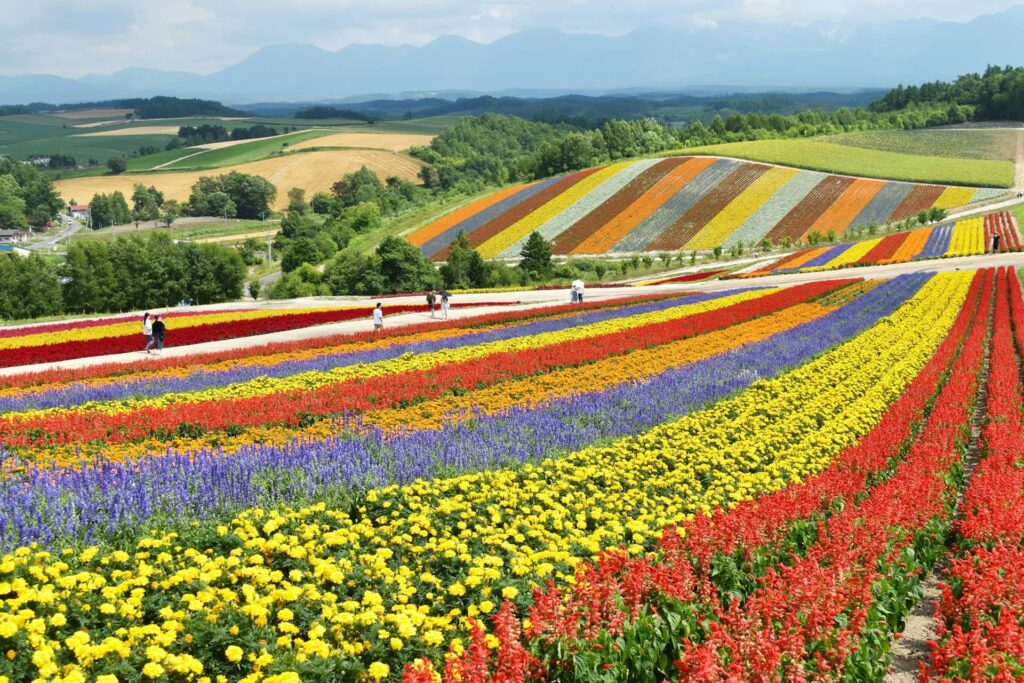
Hokkaido is best known for its winter sports, but there’s much more to the island. From the lively streets of Sapporo to outdoor adventures in Hakodate and Furano, it offers a year-round escape filled with open landscapes, fresh air, and a slower rhythm compared to Japan’s major hubs. Each season brings a different mood, making it easy to plan a trip at almost any time of year.
Winter draws skiers with its deep powder and events like the Sapporo Snow Festival, while summer reveals colorful flower fields and long, pleasant days. Autumn adds rich foliage across the mountains, and spring arrives with quieter cherry blossom spots. Alongside the scenery, Hokkaido’s food scene stands out with fresh seafood, creamy dairy, and warming ramen, giving every visit a mix of nature, culture, and comfort.
12. Sapporo: More Than Snow
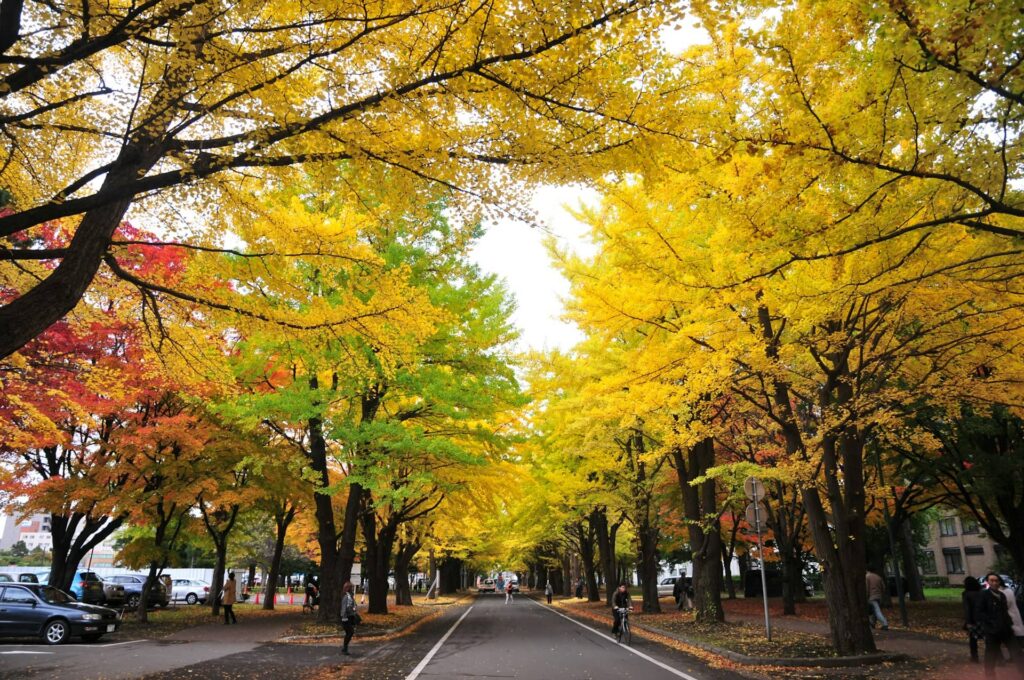
Hokkaido’s capital, Sapporo, is much more than just a winter destination—it’s a dynamic city full of life, offering something for every type of traveler. Known for its cool climate year-round, Sapporo boasts a lively bar scene, trendy cafes, and contemporary art spaces. During my last visit, I got to experience the buzz of a massive beer festival in Odori Park, highlighting just how vibrant the city can be.
Sapporo is also home to the famous Sapporo Brewery, where you can sample local brews, and the nightlife district of Susukino, which is perfect for an evening out. For those interested in a more traditional experience, landmarks like the Hokkaido Shrine offer a glimpse into the island’s cultural and spiritual heritage. Whether you’re into modern fun or traditional exploration, Sapporo offers a perfect mix for all kinds of travelers.
13. Hakodate: A Cozy Seaside City
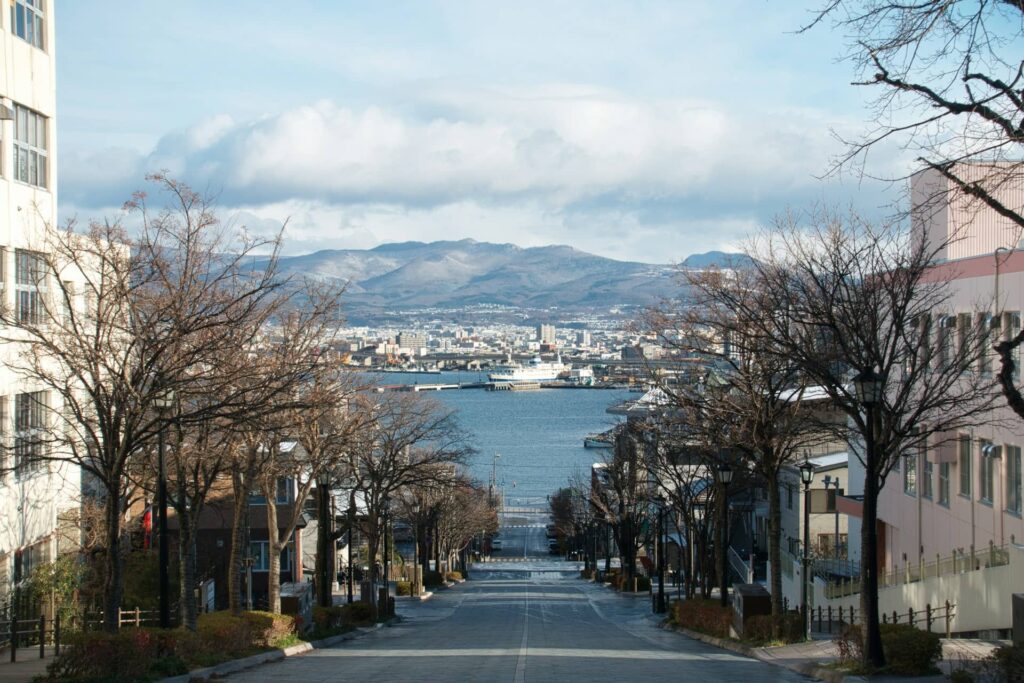
Despite being one of Hokkaido’s main cities, Hakodate retains a laid-back vibe, a remnant of its origins as a small fishing village. Over time, the city grew into one of Japan’s first ports open to international trade, which helped shape its unique heritage, evident in its historic embassies, churches, and charming neighbourhoods.
Exploring Hakodate’s various districts is one of the highlights of visiting, with each offering its own character and story. The city’s coastal location also makes it an ideal spot for enjoying fresh seafood, with numerous restaurants serving up the local catch. Beyond its own attractions, Hakodate serves as a convenient base for exploring the rest of Hokkaido, making it a perfect blend of relaxation, culture, and culinary delights.
14. Furano: Lavender Fields in Summer
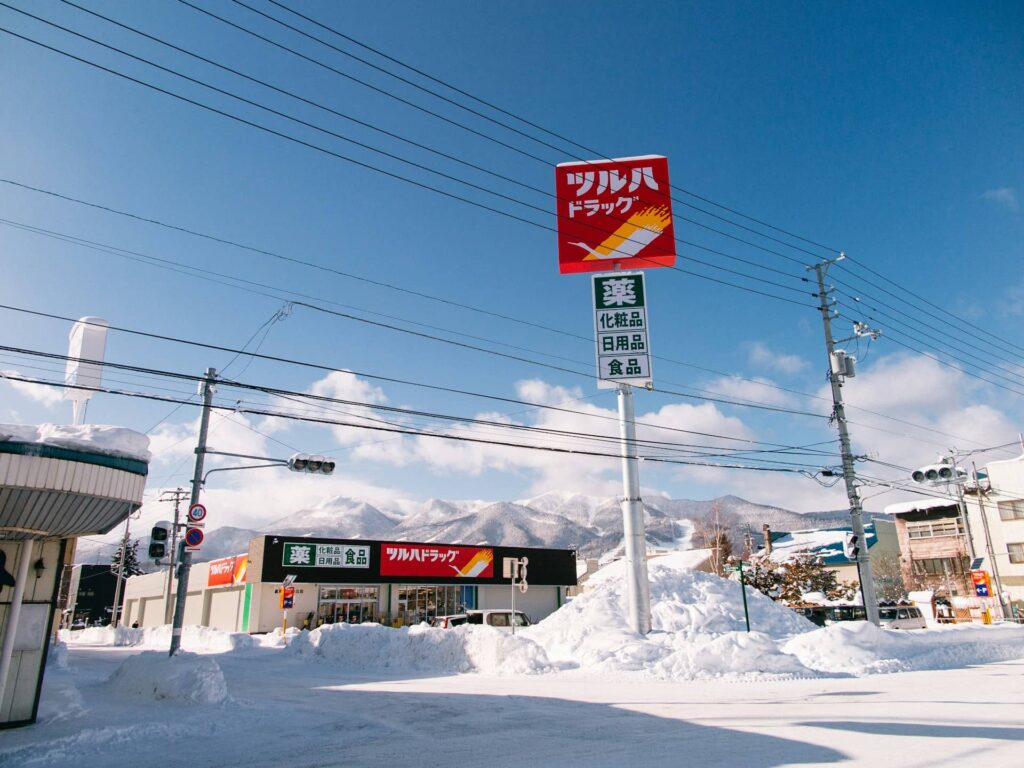
For those seeking adventure in Hokkaido, there are plenty of remote areas offering hiking and cycling trails for a true outdoor experience. However, if you prefer a more relaxed visit, Furano is the perfect destination, offering stunning landscapes that are easily accessible.
The main draw of Furano comes in the summer, when the countryside is painted purple with vast lavender fields in full bloom, creating a picturesque scene. But Furano’s beauty doesn’t end there. The region is equally captivating year-round, with the iconic Blue Pond being another must-see attraction. The pond’s vibrant, rich colour, caused by natural minerals in the water, makes it a favorite spot for photographers and nature lovers alike. Whether you’re exploring the fields in summer or visiting the Blue Pond, Furano offers a tranquil yet beautiful escape in Hokkaido.
15. Kyushu: Japan’s Southern Island
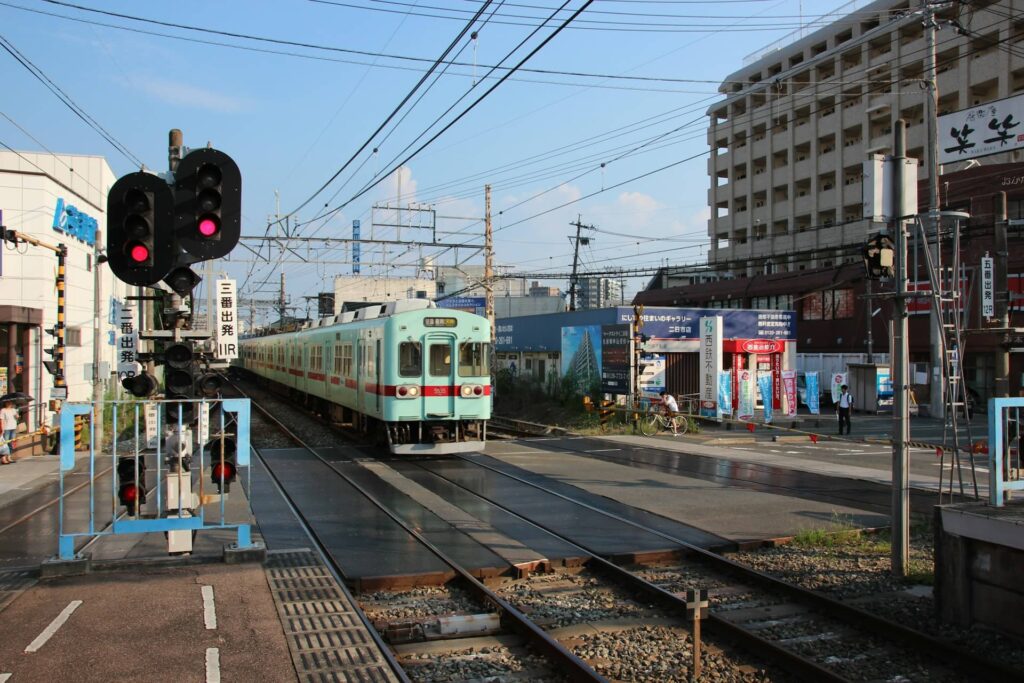
Kyushu offers a warmer, more dynamic side of Japan, with a perfect blend of natural beauty and urban excitement. Known for its active volcanoes, steaming hot springs, and diverse landscapes, the island provides both relaxation and adventure. From the world-renowned onsen resorts to the awe-inspiring volcanic calderas, Kyushu stands as a unique destination where modern cities coexist harmoniously with the raw power of nature.
The island’s landscape ranges from lush forests and rugged mountains to scenic coastlines, creating numerous outdoor opportunities. Whether it’s hiking through volcanic terrains, relaxing in a hot spring bath surrounded by breathtaking views, or exploring lively urban hubs like Fukuoka, Kyushu offers something for every type of traveler. With its perfect combination of natural wonders and vibrant city life, Kyushu truly captures the essence of Japan’s contrasts.
16. Fukuoka: A Lively Urban Hub
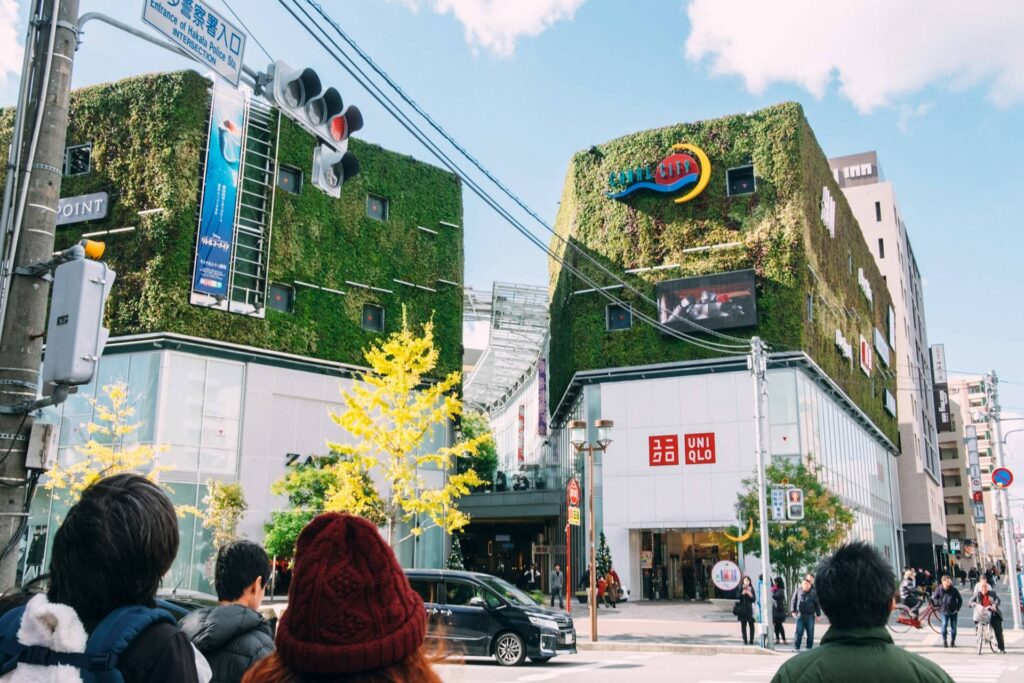
Fukuoka, the largest city on Kyushu, has long been shaped by its role as a major international port, connecting Japan to much of Asia. With only a three-hour ferry ride to South Korea, the city has developed a unique blend of cultures, reflected in its vibrant red light district (more lively than seedy) and diverse cuisine from around the world.
Fukuoka is known for its energetic nightlife, street food scene, and wide range of dining options. The city’s food stalls, or yatai, offer a delicious taste of local specialties, making it a paradise for food lovers. While Fukuoka doesn’t boast a large number of historical landmarks, its lively atmosphere makes it worth a visit for a night or two. It’s a great spot to enjoy the city’s fun vibe before moving on to the more traditional or scenic attractions of Kyushu.
17. Nagasaki: History and Charm
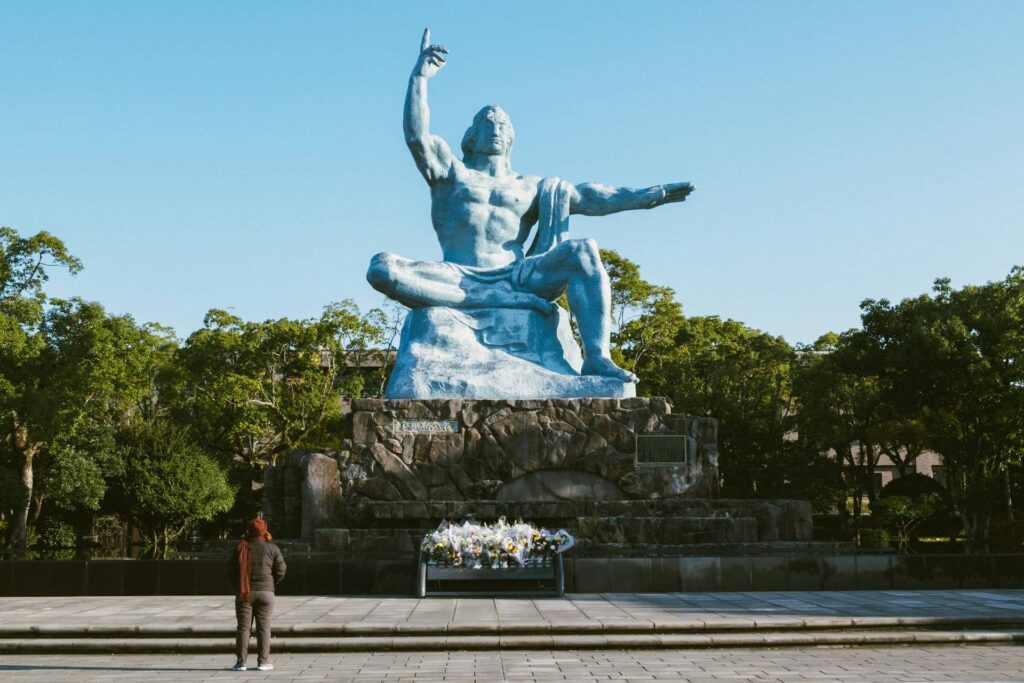
If you have to choose between Fukuoka and Nagasaki, I’d recommend Nagasaki for its added charm and picturesque surroundings. While both cities share a lively atmosphere, Nagasaki offers a more captivating, scenic experience.
Like Hiroshima, Nagasaki is deeply defined by the legacy of the US atomic-bomb attack, and it’s home to several museums and memorials dedicated to the event. However, Nagasaki also offers a rich mix of heritage sites, including temples, churches, and foreign quarters, adding layers of cultural depth to your visit.
Nagasaki is also an excellent base for regional trips, with one of the most popular excursions being a visit to Gunkanjima, an abandoned industrial island that famously featured in the James Bond film Skyfall. Whether you’re exploring its history, heritage, or scenic spots, Nagasaki offers a thoughtful and beautiful alternative to other Kyushu cities.
18. Oita: Onsen Paradise

Oita Prefecture, particularly Beppu, is one of the top destinations in Kyushu for those seeking the soothing benefits of hot springs, or onsen. Beppu is home to numerous resorts dedicated to providing rejuvenating baths in the region’s famous natural hot waters. It’s a must-visit for anyone looking to unwind and experience the true essence of Japanese onsen culture.
Just a short distance away is Oita City, which has emerged as an artistic hub with a growing number of galleries and creative events. While in the city, you can explore cultural landmarks like Oita Castle, stroll through bustling shopping streets, and even enjoy a unique onsen experience at the top of a skyscraper—an interesting fusion of modernity and tradition.
Oita Prefecture is also known for its distinct local cuisine. Be sure to try dangojiru, a delicious dumpling soup, and toriten, a type of fried chicken that’s a local specialty. For seafood lovers, a trip to Saiki City’s fishing port is a must, as it’s the first to receive fresh fish from the warm and rapid currents, which are believed to enhance the flavors of the catch. Whether you’re here for relaxation, art, or food, Oita offers a perfect mix of culture, nature, and culinary delights.
19. Okinawa: A Tropical Escape
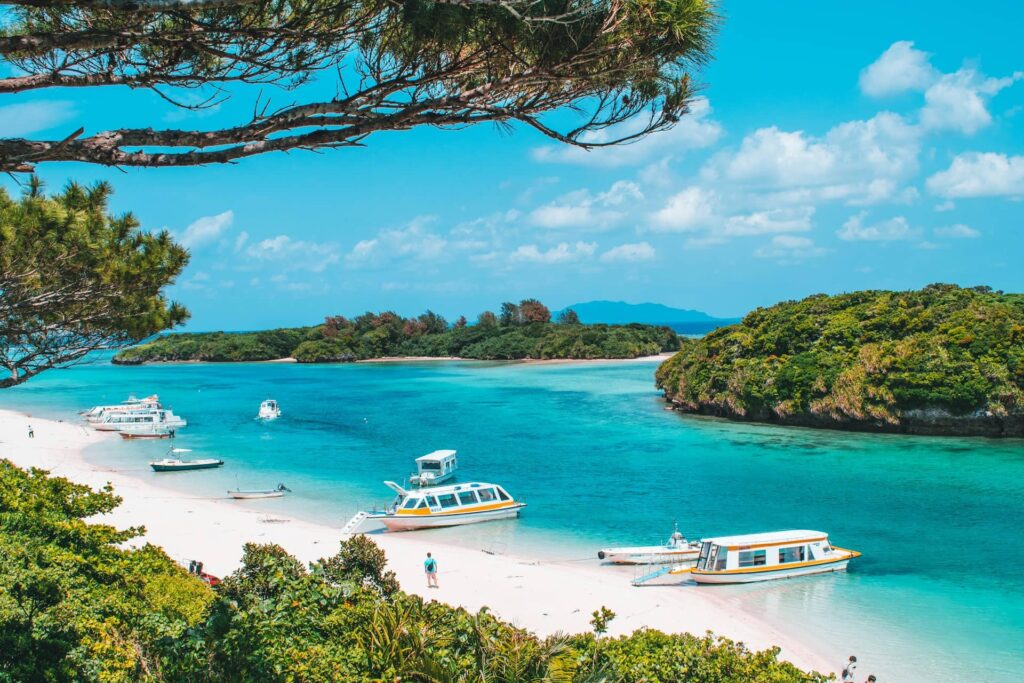
Though politically part of Kyushu, Okinawa is geographically its own unique entity, a series of islands more than 500 kilometers away from the mainland. The largest of these islands, Okinawa Island, is home to the bustling capital city of Naha, which serves as a popular tourist hub filled with resorts and developments. However, if you’re seeking a more peaceful experience, you don’t have to travel far to reach one of the smaller islands, where tranquil beaches and a relaxed atmosphere await.
Known for its warm weather, Okinawa is a favorite beach holiday destination, especially for those interested in diving in the vibrant coral reefs just off the shore. Beyond its natural beauty, Okinawa offers a deep dive into the cultural heritage of the Ryukyu Kingdom. This distinct culture, which remains separate from mainland Japan’s traditions, has never been fully assimilated, making Okinawa a fascinating destination for anyone interested in exploring Japan’s diverse history.
Whether you’re after sun-soaked beaches, vibrant coral diving, or a taste of unique cultural heritage, Okinawa offers a peaceful and captivating retreat, far from the crowds of mainland Japan.
20. Kochi: Japan’s Friendliest City
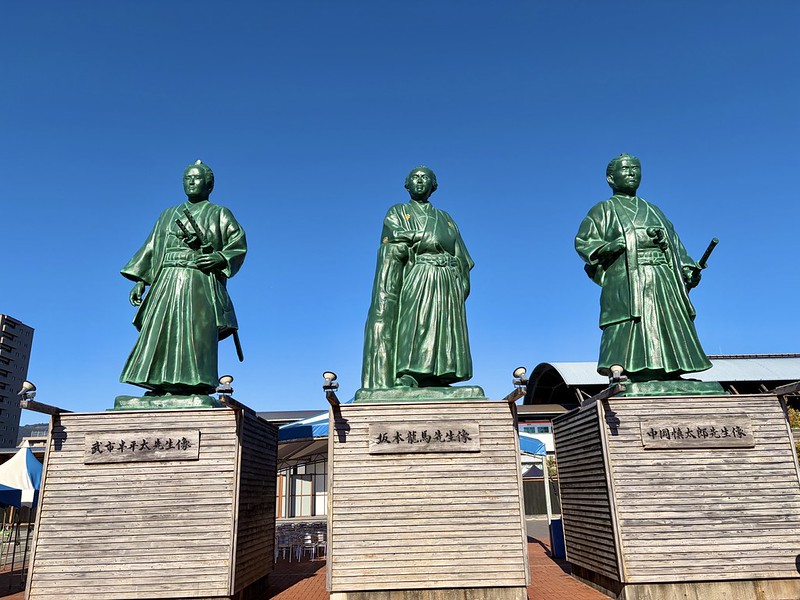
The lively food markets of Kochi City reflect why it holds the title of Japan’s friendliest city. With sake-drinking competitions, street festivals, and bustling public spaces, you’re almost guaranteed to meet a local who’s eager to chat. The warm, inviting atmosphere makes it easy to engage with the locals.
Beyond the markets, Kochi offers many attractions, including the historic Kochi Castle, serene shrines, and the scenic Katsurahama Beach. However, the true gems of Kochi Prefecture lie in its pristine natural surroundings. Visit places like the Shimanto River for kayaking or hike through the stunning coastal paths at Tosashimizu to experience the unspoiled beauty of the region.
21. Ehime: Tradition and Tranquility
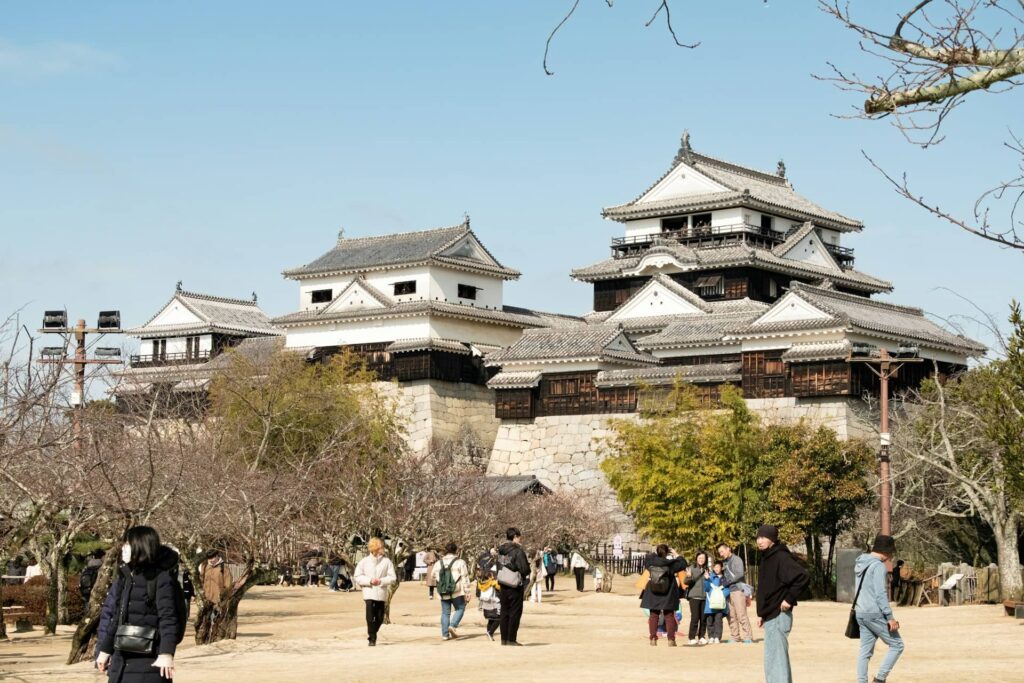
In the neighboring prefecture of Ehime, the local mascot is inspired by the mikan, a seedless mandarin that thrives across the region. Known for its fertile agricultural lands, Ehime also offers charming historic towns and a deep-rooted cultural tradition.
A popular starting point for exploring Ehime is the main city, Matsuyama, which boasts the stunning Matsuyama Castle perched atop a hill. The city is also home to Dogo Onsen, considered Japan’s oldest hot spring bath, offering a relaxing escape. Beyond the well-known attractions, Matsuyama has plenty to offer, from peaceful temples to cozy local restaurants where you can savor the region’s culinary delights.
Related Post: