
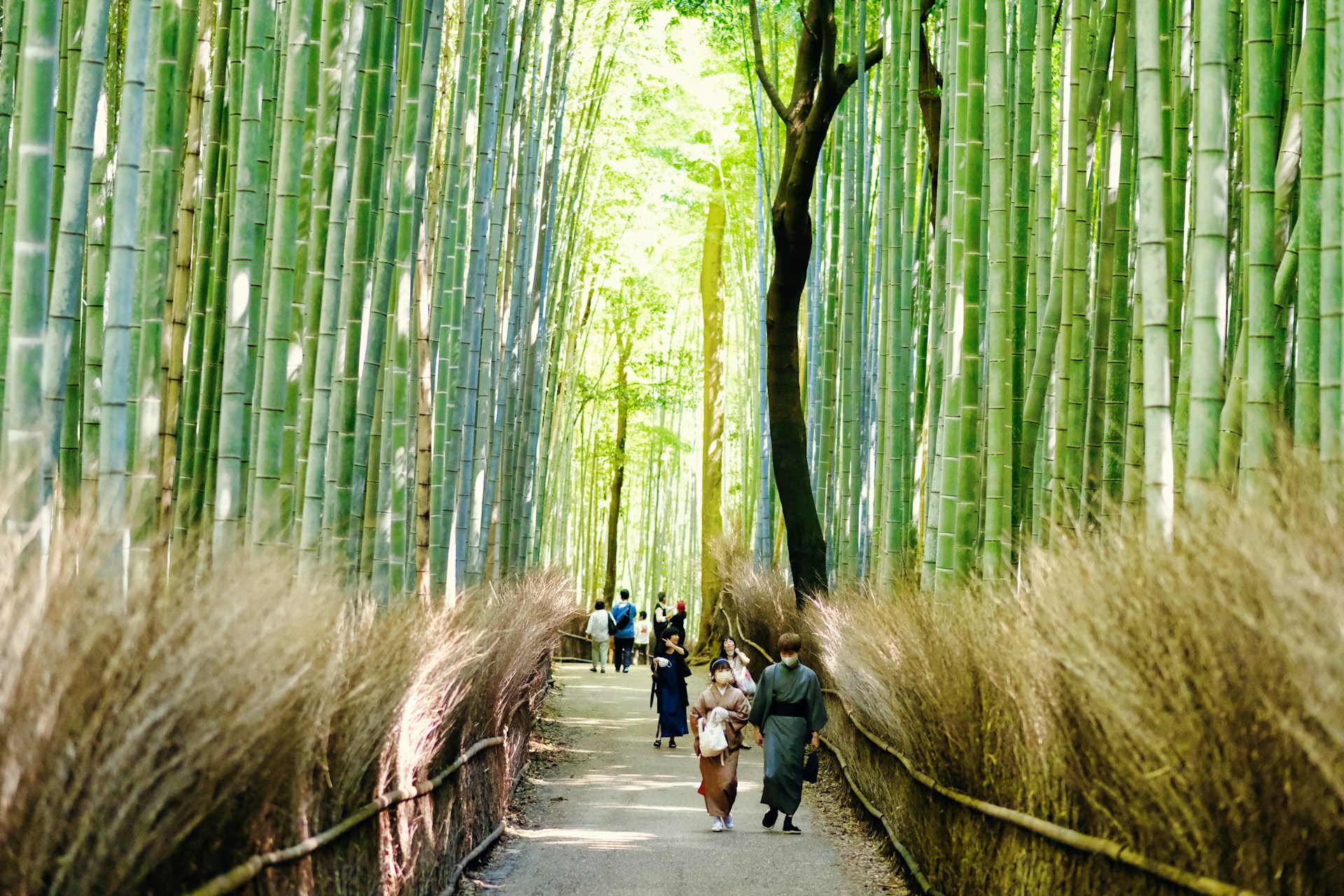
Kyoto, once the capital of Japan, seamlessly blends the ancient with the modern. This cultural city offers an array of experiences, from strolling through the Geisha district to exploring its famous temples and shrines. Kyoto is home to traditional tea houses, serene gardens, and a diverse food scene, making it a true treasure for anyone visiting Japan.
A must-visit is the Golden Pavilion (Kinkaku-ji), with its striking beauty reflecting in a tranquil pond. Another iconic spot is the Fushimi Inari Shrine, famous for its thousands of red torii gates. Nature enthusiasts can take a walk through the Bamboo Forest in Arashiyama, where the towering bamboo creates a peaceful atmosphere unlike anywhere else.
Kyoto’s rich history, combined with its lively cultural scene and natural beauty, ensures every visitor finds something that resonates. Whether you’re interested in history, food, or just exploring beautiful landscapes, Kyoto provides a truly unforgettable experience.
Top 25 Things To Do in Kyoto
1. Efficiently Tour Kyoto on Bike Rental

If you’re short on time in Kyoto, one essential tip is to rent a bike. To truly experience the city and see as much as possible, relying on your feet alone might not be enough. A bike allows you to cover more ground and enjoy the city at a faster pace.
During our stay, we rented bikes for two days, and looking back, I wish we had used them throughout our entire time in Japan. Kyoto is well-equipped with bike lanes, and the locals drive with great respect for cyclists. If you’re hesitant about riding in traffic, you’ll often see people on the sidewalks as well, which makes it easier to navigate.
We chose Bicycle Rental Raku-chari Sanjo, located near the Gion district, where we rented bikes for ¥1500 per 24 hours. The longer the rental, the more flexible they can be with pricing. It’s worth noting that while it’s not difficult to rent a bike, parking can be tricky. Bikes cannot just be left anywhere, as they risk being impounded. Fortunately, there are designated bike parking areas for a small fee of ¥100-200 for the day. Many tourist spots also offer free bike parking, but be aware that certain areas in Kyoto prohibit bike riding, and the rental shop will inform you of these zones when you pick up your bike.
- Location: Bicycle Rental Raku-chari Sanjo
- Cost of Access : ¥1500 for a full 24 hours
- Parking Tip: ¥100-200 for bike parking every 6 hours
2. Ride the Bike down the Path of Philosophy in Kyoto
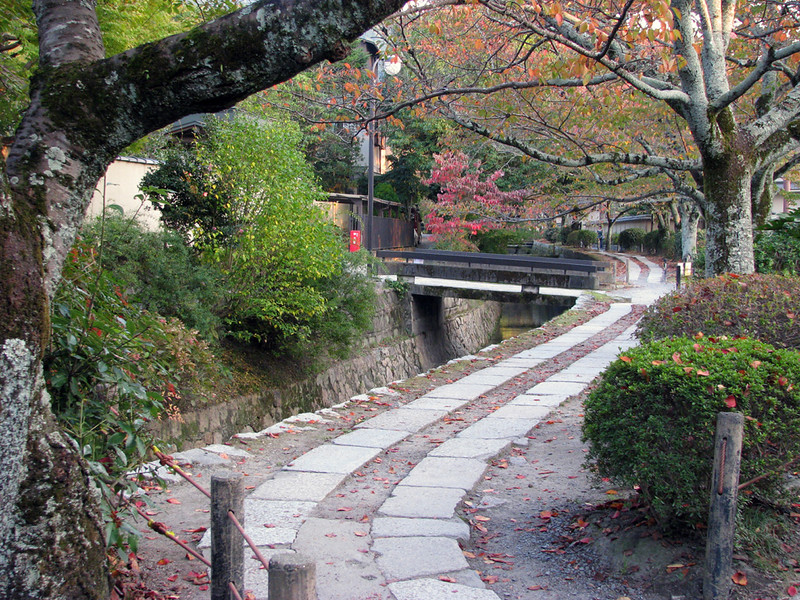
If you’re in Kyoto and wondering where to begin your bike ride, head straight to the Path of Philosophy. This peaceful route stretches from Ginkaku-ji Temple in the north to Eikan-do Temple in the south. It’s a serene escape from the hustle and bustle of the city, offering a moment of calm as you cycle through.
The path is lined with charming shops and cozy cafes, making it an ideal spot for a leisurely ride or a quiet walk with a companion. The beauty of this path is especially evident during spring when cherry blossoms adorn the trees, and again in autumn when the foliage transforms into a vibrant display of orange and yellow.
But the Path of Philosophy offers an enjoyable experience year-round, with the canal providing a calming backdrop whatever the season.
- Starting and Ending Points: Between Ginkaku-ji Temple (north) and Eikan-do Temple (south)
- Cost of Access: Free
3. Fushimi Inari-Taisha: A Must in Kyoto
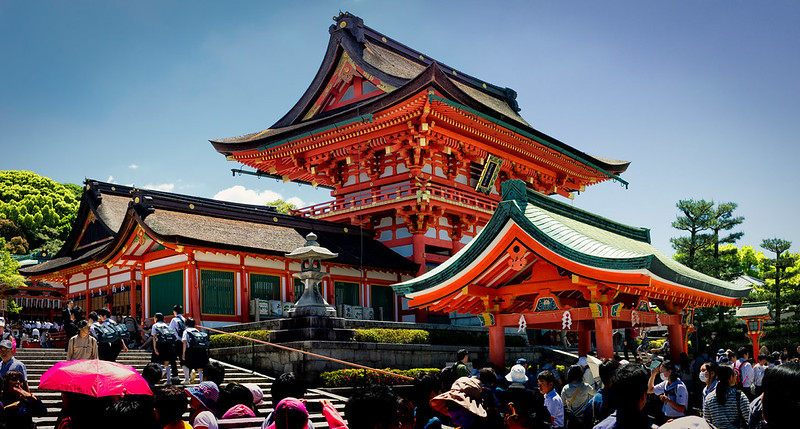
If you’re planning a trip to Kyoto, a visit to Fushimi Inari-Taisha should top your list—trust me. Widely regarded as one of the most iconic and photographed shrines in Japan, Fushimi Inari-Taisha sits at the base of Mount Inari. This shrine offers a series of trails that lead up the mountain, each one filled with small shrines to explore.
The walk up spans 4 kilometers, and you’ll encounter several shrines along the way, making it an enriching experience. However, timing is crucial. To avoid the crowds, aim to arrive before 7 a.m. After 9 a.m., the site fills with tourists.
Don’t settle for photos at the entrance—continue further up the path, where you’ll find peaceful moments for the perfect shot (just like we did).
- Location: Fushimi Inari-Taisha
- Cost of Access: Free
- Tip: Arrive early, around 6 a.m., to avoid the crowds.
4. Arashiyama Bamboo Forest
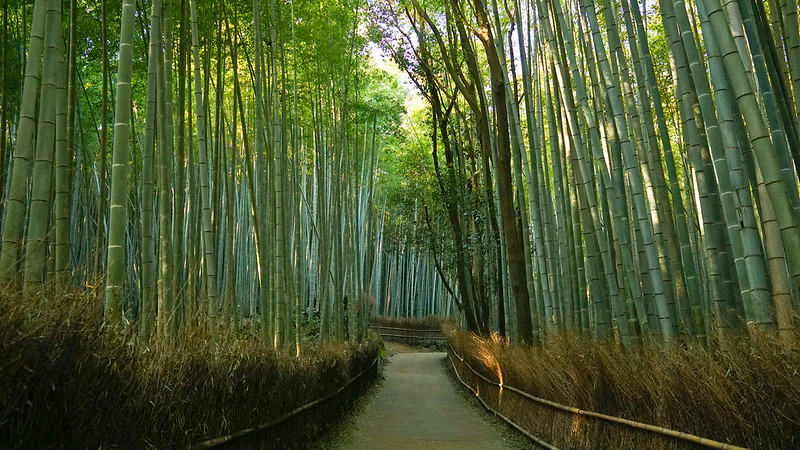
One of the most famous attractions in Kyoto is the Arashiyama Bamboo Forest, a truly remarkable destination. Widely regarded as one of the best places to visit in Japan, this forest lies between two temples that seem to have emerged from a Japanese fairy tale. The towering bamboo stalks sway and creak in the wind, creating an almost magical atmosphere. Walking through the path, with bamboo surrounding you from all sides, feels like stepping into another world—a serene and captivating escape from the ordinary.
Bamboo has deep roots in Japanese culture, having been utilized in a variety of ways for centuries. It serves as a material for building structures, crafting tools, making utensils, and even creating clothing and hats. In addition to the bamboo, the area around the forest is known for its vibrant cherry blossoms in the spring and the brilliant maple leaves that change color in the fall.
The forest offers many trails, leading you through the grove and towards nearby temples. If you’re looking to explore further or prefer a quicker pace, bike rentals are available, giving you the chance to cover more ground while enjoying the scenic surroundings.
- Location: Arashiyama Bamboo Forest
- Cost of Access: Free
- Kyoto Insider’s Tip: Arrive early, ideally before the crowds arrive, to experience the forest in its peaceful state.
5. Meet Geisha in Gion: A Cultural Experience
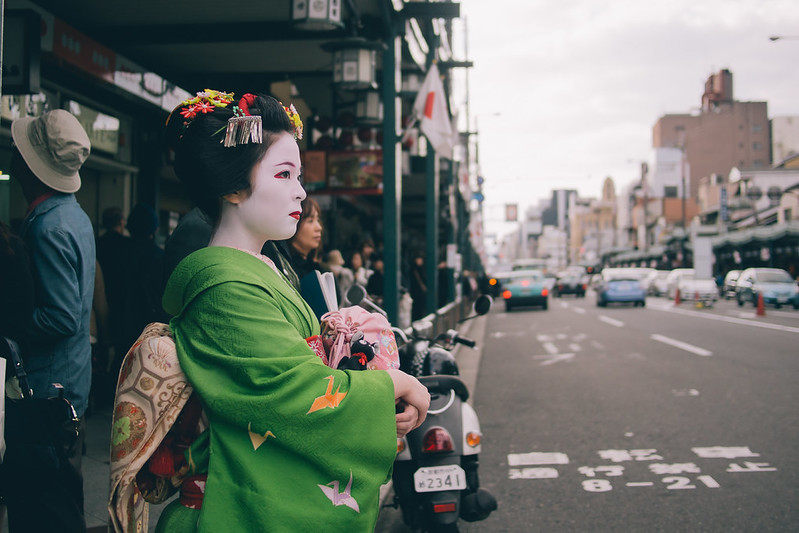
Watching over a Geisha in Gion is one of the top things to do in Kyoto at night. Geisght is an important part of Japanese culture and refers to not only Maiko and Geiko but also to Geiko. Geisha are frequently mistaken as sex workers, but they are skilled in the art of traditional Japanese dance and song.
Hiring a Geisha or Maiko for a private function is expensive, and is normally conducted at an ochaya or ryōtei (Japanese restaurant). Even setting a high-end Geisha or a Maiko can start from ¥100,000. For an outsider, it is hard to get booked by a nice woman (manager) of a Geisha, as those opportunities are kept usually for recurring guests (mostly local businessmen coming there often) and not for newcomers or tourists.
If paying for a private night with a Geisha is outside of your price range, you can instead visiting their habitat. The Gion district is the center of Geisha culture in Kyoto, and a stroll through its streets should net you at least one sighting of a Geisha on their way to or from an appointment. If you spend an evening in Gion, especially on the weekend, you will see them swirl daintily from tea house to tea house absolutely wonderful sight!
In the past I have seen Geiko at the Setsubun Celebrations, I have seen performances at the Kabuki Theatre and I ate at an event titled ‘Enchanted Time with Maiko.
- Location: Hanami Lane
- Cost of Access : Free
- Kyoto Insider Tip: 5:45 PM, 6:45 PM, 7:45 PM Geiko – possible, especially on weekend nights.
6. Dine with a Maiko: Cultural Experience in Kyoto
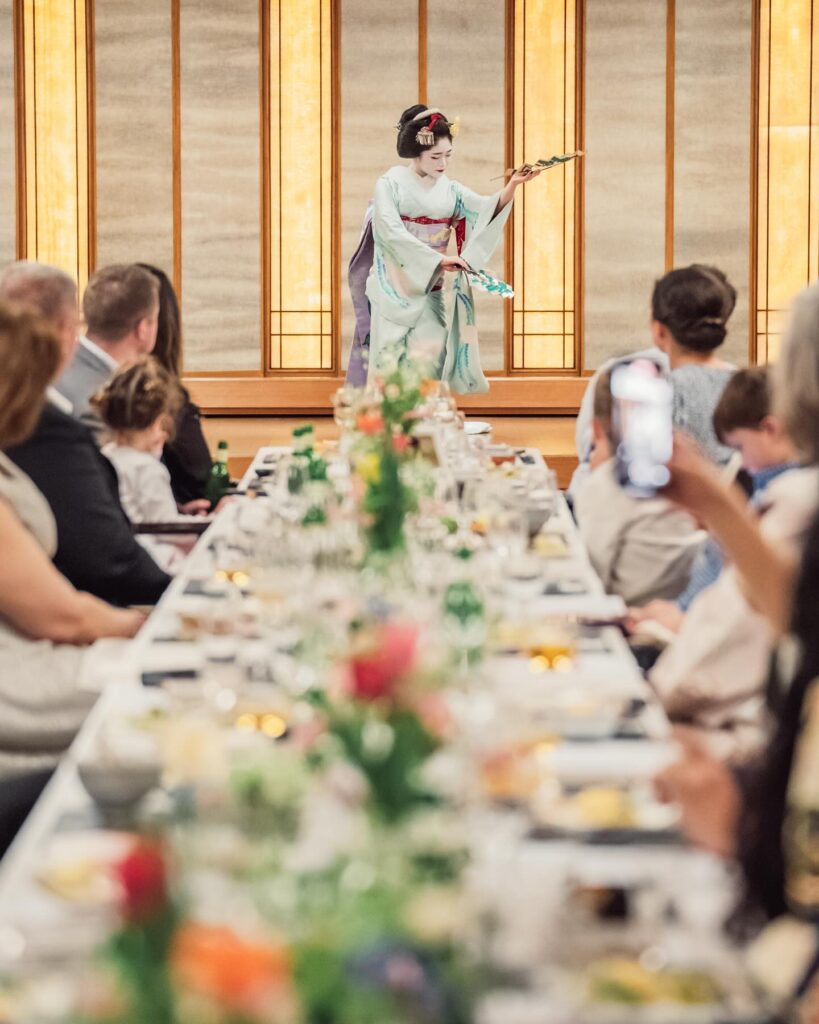
One of the first things we asked our Airbnb host in Kyoto was if there was some way to get up close and personal with a Geiko or Maiko, and she directed us to the “Enchanted Time with Maiko” event. It ended up being a highlight.
Ozashiki the cultural party is 3 hours of dining and entertainment that allows interaction with their Maiko closely. Situated in the heart of Gion, guests will indulge in a traditional Kaiseki dinner with free-flowing plum wine, shochu, sakes, and beers while watching a Show-Cha (Tea ceremony) performed by a Maiko. After the performance, the audience are able to sit with the Maiko and have a one-to-one interaction where you can ask any questions to a translator who is present.
Abby, who has long been interested in Geisha culture herself, was able to ask practicing Maiko questions such as “Can you have social media?” and “What do you do for fun?” provided profound insights. To join in this experience, Visit the website and get in touch with organizers for availability. Because this even needs to be booked in advance.
- Location: Yasakadori Great
- Cost of Access : ¥19,000 Great Way To Secure A Spot In Kyoto Book In Advance
7. Kyoto’s Matcha Culture: A Taste of Uji’s Finest Green Tea
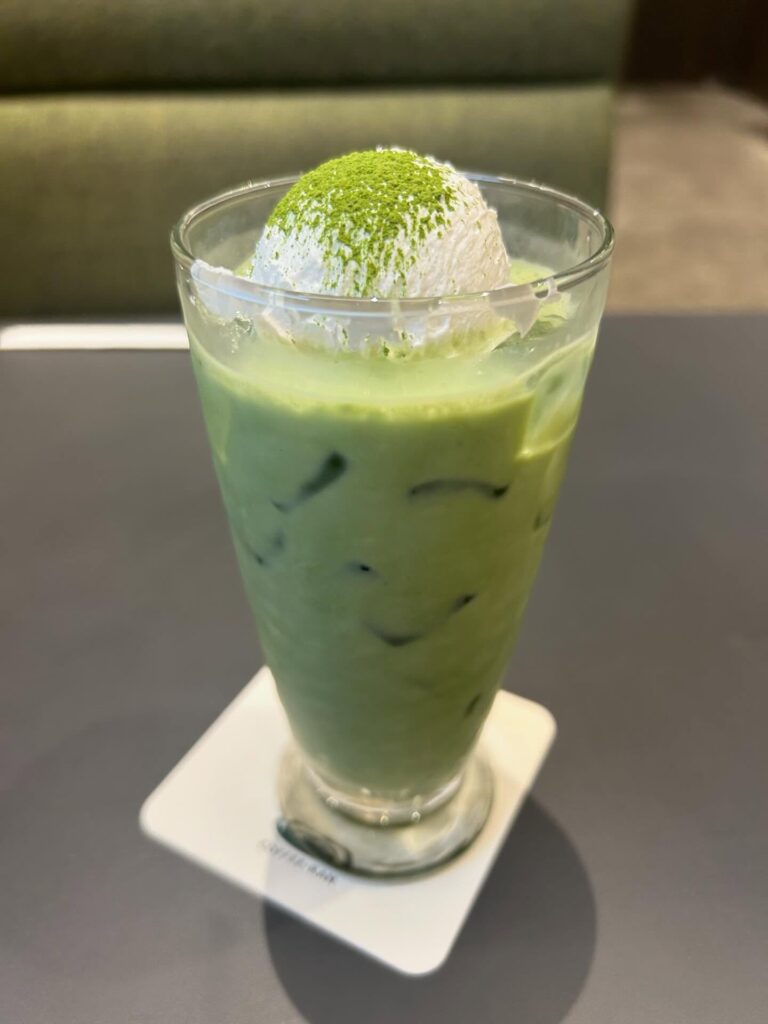
Kyoto is celebrated for having the finest matcha in Japan, with the city’s specialty, Uji matcha, holding a distinguished reputation as the highest quality green tea. This rich and smooth green tea has been cultivated in Kyoto for centuries and is deeply embedded in the city’s culture. Known for its vibrant green color and distinct, refined taste, Uji matcha is a must-try for any visitor looking to experience the essence of Kyoto.
For an authentic matcha experience, Kyoto offers a variety of high-end matcha cafes where you can enjoy real Uji matcha. Some of the top spots to visit include Charyo Tsujiri, Nakamura Tokichi, and Umezono. These cafes serve not only traditional matcha tea but also delightful matcha-based desserts. Imagine indulging in fluffy matcha pancakes, creamy matcha sundaes, or sipping a perfectly prepared bowl of matcha tea. Each treat showcases the versatility of matcha and lets you appreciate its rich, nuanced flavor.
Whether you’re an avid matcha fan or new to green tea, these cafes offer a chance to immerse yourself in Kyoto’s matcha culture. The experience is more than just about the tea; it’s about savoring a tradition that’s been perfected over centuries.
- Location: Charyo Tsujiri
- Cost of Access : ¥1,000
- Kyoto Insider’s Tip: Be ready to wait in line, as these popular spots are often packed with eager tea lovers.
8. Higashiyama Jisho Ji: The Silver Pavilion (Ginkaku Ji)
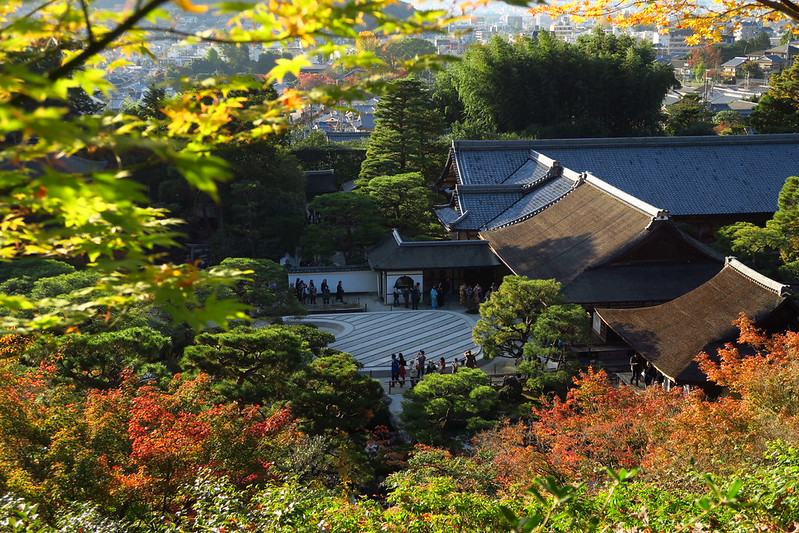
Ginkakuji, or the Silver Pavilion, formally known as Higashiyama Jisho Ji, is a beautiful temple in central Kyoto. True to its name, the Pavilion is not silver in material, but it is definitely worth your while.
As I stepped onto the temple grounds, I was reminded of the principles of Zen and traditional Japanese design – simple, clean lines, circular windows, and well-groomed gardens that seem to blend seamlessly into the mountains.
The cost of admission to Ginkakuji is ¥500 with the average visit taking about 30 minutes. If you want to avoid the midday crowds, you better visit the area in the early morning or after 5 pm. If you are at Nanzenji Ginkakuji is within walking distance from the southern end of the Philosopher’s Path and it takes about 30-45 minutes on foot, or 10 minutes by bicycle.
- Location: Higashiyama Jisho Ji
- Cost of Access : 500 Yen
- Kyoto Insider Tip: Get there early to enjoy the site in peace.
9. Tour Kinkakuji: The Golden Glory of Kyoto
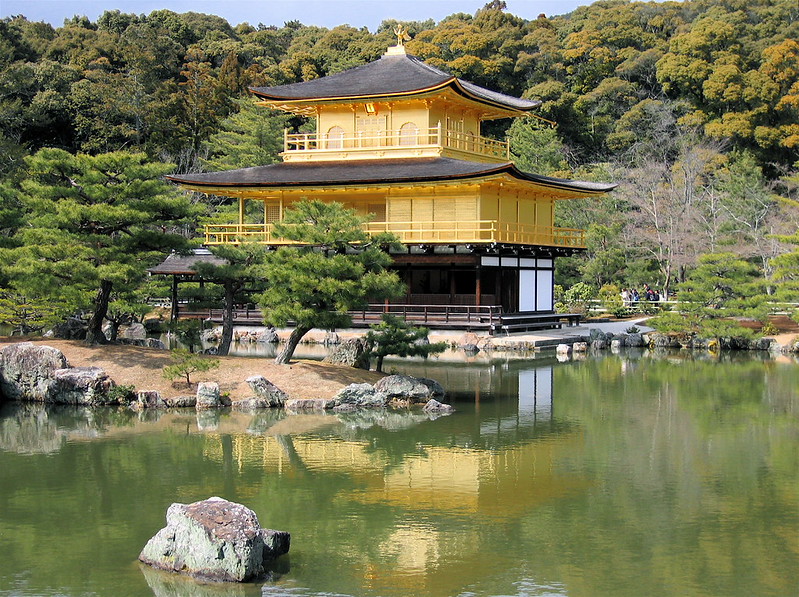
Kinkaku-ji, also known as the ‘Temple of the Golden Pavilion,’ is located in Kyoto, the former imperial capital of Japan from the 8th to the 19th century. One of Kyoto’s most iconic Zen temples is known because of the gold leaf covering the upper two floors.
This building originally belonged to an old shogun who had decided to retire from his brutal martial existence and spend the last few remaining years living amid beauty and tranquility.
The temple reflected his choice as it stood tall and grand amidst a landscape of peace and calm. It has been rebuilt in its current form since the 1950s when it was destroyed in a fire that was said to have been set by a monk who had a breakdown over the death of his brother.
- Location : Kinkaku-ji Temple
- Cost of Access : ¥400
- Kyoto Insider’s Tip : Stop by on a clear day to really witness the glow of the golden panels beneath the rays of the sun.
10. Visiting the Kyoto Imperial Palace You must see this AGMENT
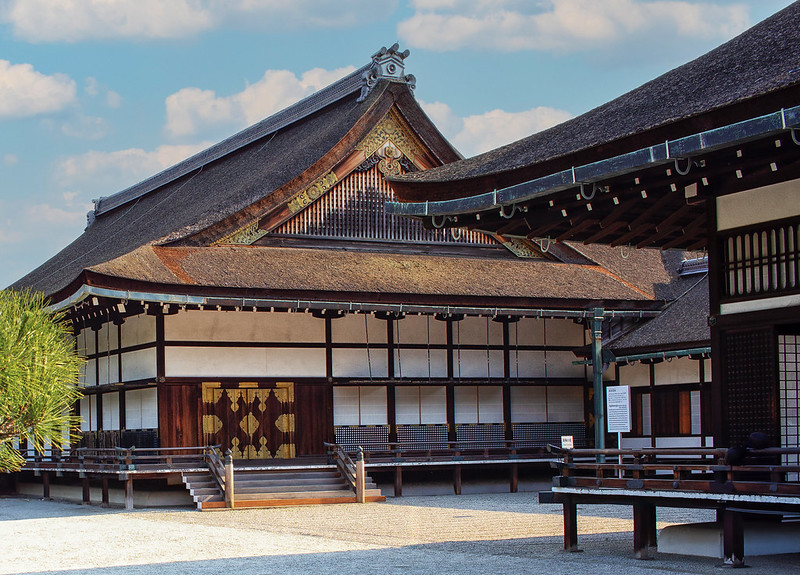
The Kyoto Imperial Palace, once home to the Imperial Family before the capital moved to Tokyo in 1868 is still very much a place of importance. Located in the vast Kyoto Imperial Park it can make a good addition to visits to Kinkaku-ji or Ginkaku-ji!
The palace grounds are free to enter, and visitors can also sign up for free English tours which operate at regular intervals throughout the day. Although the interiors of the buildings are not open to tourists, the vast site showcases virtually every aspect of Imperial architectural and home design from the exterior.
Typically, taking a stroll around the campus requires around 45 minutes. A bicycle park, restrooms, and café are available just outside the studio.
- Location: Kyoto Imperial Palace
- Cost of Access : Free
- Kyoto Insider’s Tip: Plan to spend about an hour here to thoroughly enjoy the grounds.
11. Savor Kyoto Conveyor Belt Sushi: A Cheap Treat
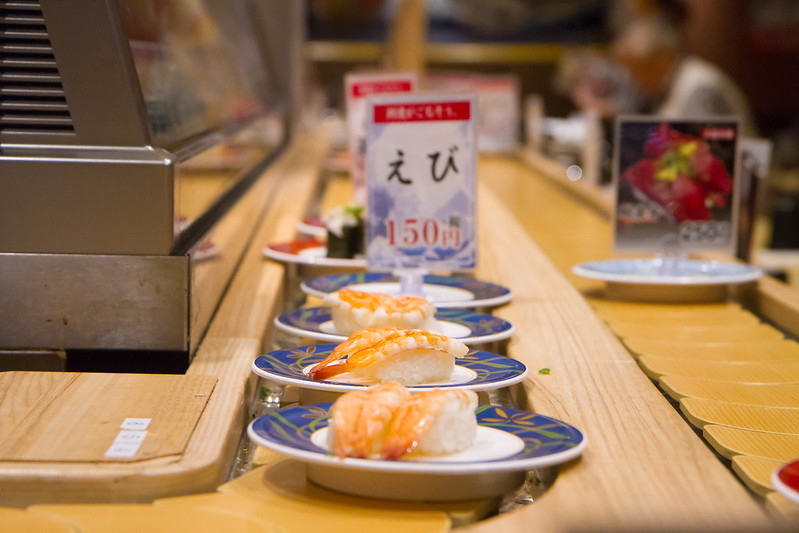
Sushi is a premium dish in some parts of the world, but in Kyoto, you are spoilt for choice with kaitenzushi (conveyor belt sushi) places that are both easy to find and priced below most Western fast food! It’s both a cost savings and a time-saving way to dine.
In a conveyor belt sushi, the sushi is placed on a rotating conveyor belt that goes by the diners sitting around the bar. It is simply picking what you want as it goes by. It eventually sends you a bill which it figures out based on all the plates you’ve had by the meal’s end. Coloric price scales of plates for sushi (a supper of 2 nigiri plates usually costs between ¥100 and ¥200) depending on the kind of sushi.
You can eat a proper sushi meal for under ¥1500, which is quite a huge difference to what a regularly priced sushi meal costs in the US. As conveyor belt sushi is often hit-or-miss, with some serving mediocre food at inflated prices, we wanted to test out Musashi Sushi, a 4.4-star gem on Google with over 1800 reviews.
- Location: Musashi Sushi
- Cost of Access : ¥1000+ per person
- Kyoto Insider’s Tip: Visiting during midday can help you avoid long waits.
12. Watch the Sun Go Down at Yasaka-no-Tou: Kyoto’s Pagoda Sunset View Point
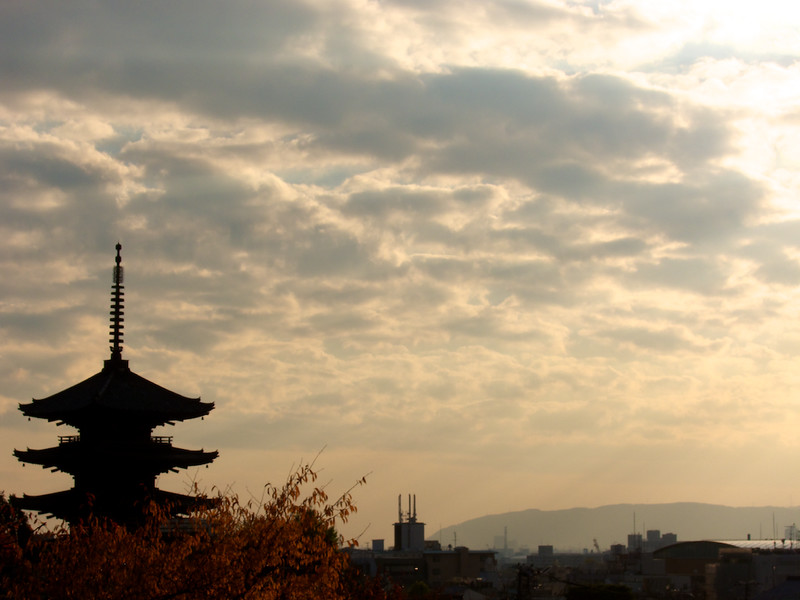
Yasaka-no-Tou, A Sunset Hot Spot Sunset shooting is one of the must-do activities if you are a photographer or Instagram user. A well loved attraction of the Higashiyama visiting centers in Kyoto, this pagoda
Overlooking the streets of Higashiyama is the rather imposing Yasaka-no-Tou. This place is crowded at all hours of the day, but you might be able to catch it at a peaceful moment around sunset.
One hour after sunset everything quieted down and we were finally able to take some pictures at a time without people, reinforcing a timelessness at the pagoda region.
- Location: Yasaka-no-Tou
- Cost of Access: Free
- Kyoto Insider’s Tip: For the best photos, plan to stay until after dusk when you can capture the pagoda without any visitors in your shots.
13. Mastering the Art of Sushi Making in Kyoto
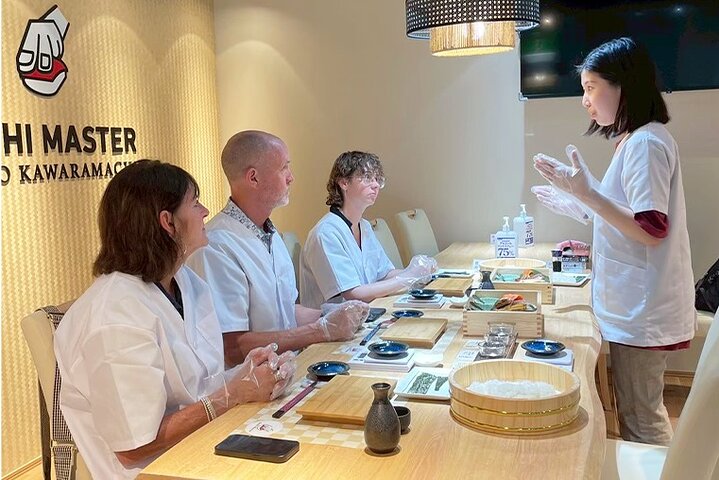
For sushi enthusiasts like us, there’s no better way to immerse yourself in Kyoto’s culinary culture than by taking a sushi-making class. During the one-hour session, a skilled Kyoto sushi chef guided us through the process of preparing sushi from scratch.
The hands-on experience was both educational and fun, offering an authentic insight into the art of sushi making. Afterward, we had the satisfaction of tasting our creations, savoring the fruits of our labor.
While you may have taken sushi-making classes before, nothing compares to learning this craft in Japan itself. The techniques, ingredients, and atmosphere in Kyoto make it an unparalleled experience that no sushi lover should miss.
- Location: Various venues around Kyoto
- Cost of Access: ¥4,000–¥10,000
- Kyoto Insider’s Tip: Come with an appetite! You’ll be able to enjoy the sushi you make.
14. A Traditional Martial Art: Kendo in Kyoto
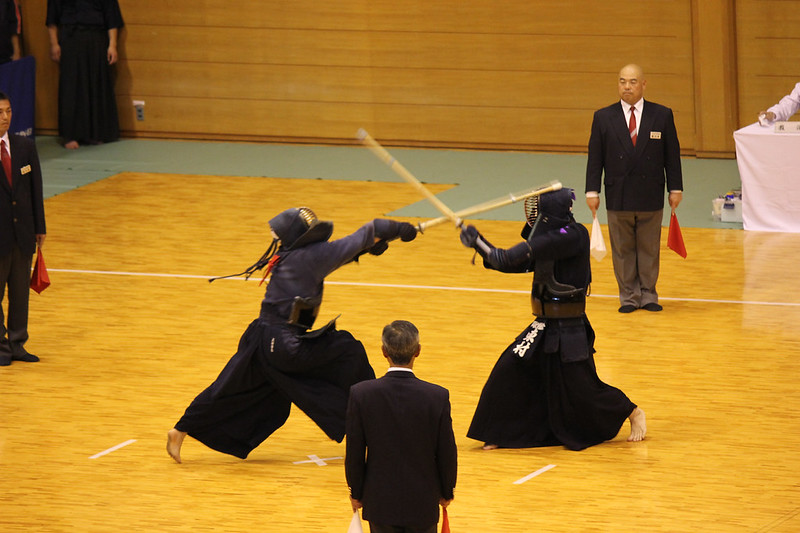
One of the lesser-known but quite interesting activities in Kyoto takes place around Kendo, a traditional sport in which the participants (Kendoists) practice swordsmanship using bamboo swords as well as traditional swordsmanship practices of the Samurai. With the usage of bamboo swords (shinai) and protective gear (bōgu), Kendo sheds a unique light on the traditional cultural practices of Japan.
While Kendo may not be as well known worldwide as Jujutsu or Judo, it is even more overwhelmingly practiced within Japan. This served as a beginner’s guide to the basic movements within Kendo, allowing you to come into the visitor’s center and try it out as you learn your desired style. This experience we only found in Airbnb experiences and we could practice at the oldest dojo in Japan, a place usually reserved for martial arts practitioners.
Over the span of two hours, they walked us through the basic moves and then had us spar with each other and with our trainer We found this to be both an enjoyable and enlightening experience that genuinely encapsulates a part of Japanese heritage.
- Location: Butokuden in Kyoto Budo Center
- Cost of Access : ¥8000
- Kyoto Insider’s Tip: Opt for lightweight attire during summer months as Kendo gear can be quite warm.
- Personal Experience: Found and booked through Airbnb Experiences.
15. Art Hotel: The Creative Side Of Kyoto
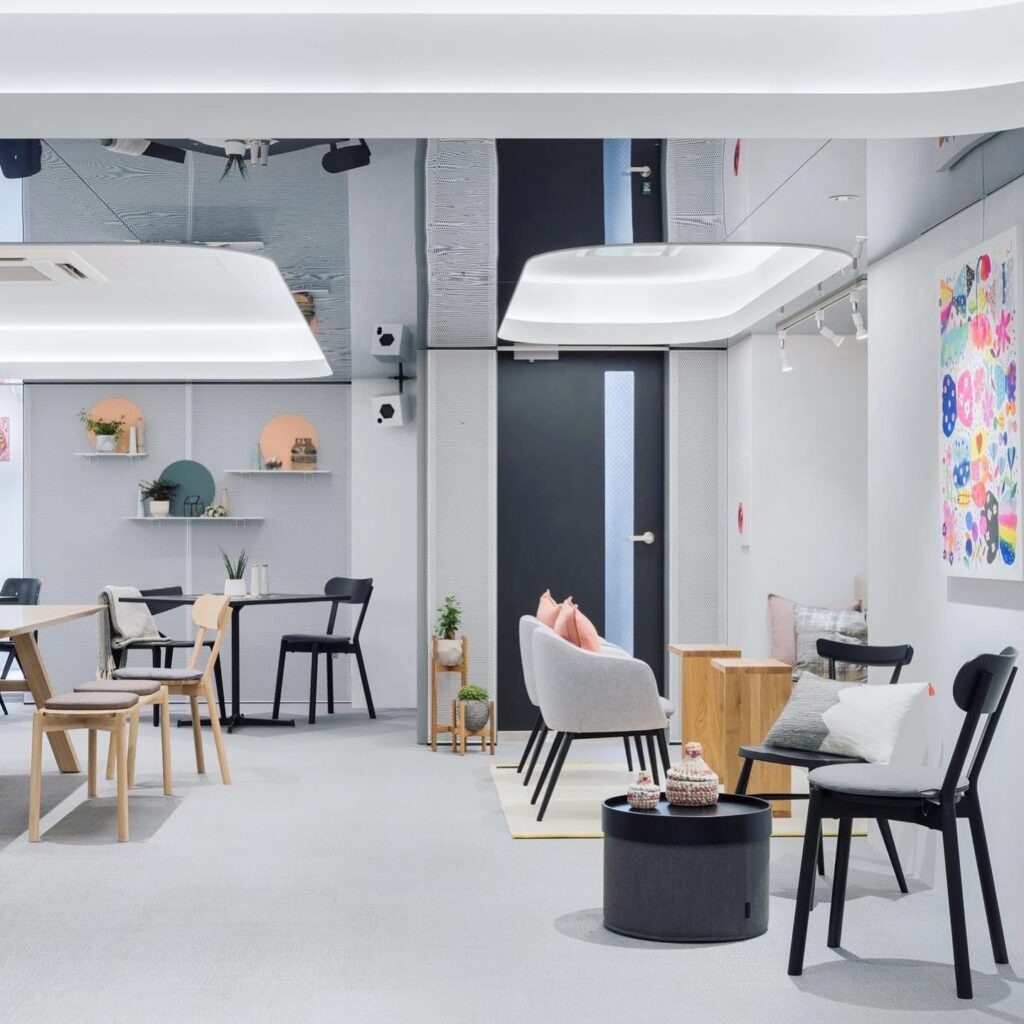
One off-the-radar option for lodging in Kyoto is to stay at an art installation hotel, such as the BnA Alter Museum. Conveniently located, this new hotel is unprecedented, on the ground floor you will find the works of 31 unique talents who have made the decoration of rooms a real journey of the senses to make your stay unforgettable.
In addition to a place to rest your head, each room at the BnA Alter Museum also functions as a long-term art installation. From check-in to checkout, a ten-story staircase doubles as an art gallery and a modern bar offers a cultural interpretation of a hotel.
Shortly after the opening, we found this accommodation at Airbnb and made a decision for the most fancy room there, which made us more than amazed. I can’t say much more about the details in order to not spoil it, but it really is an extraordinary experience as the above photo of our room says it all.
- Location: BnA Art Hotel
- Cost of Access : ¥15000
- Kyoto Insider’s Tip: Experience it firsthand without spoilers!
16. Have A Cultural Experience At Kyotos Kabuki Theatre
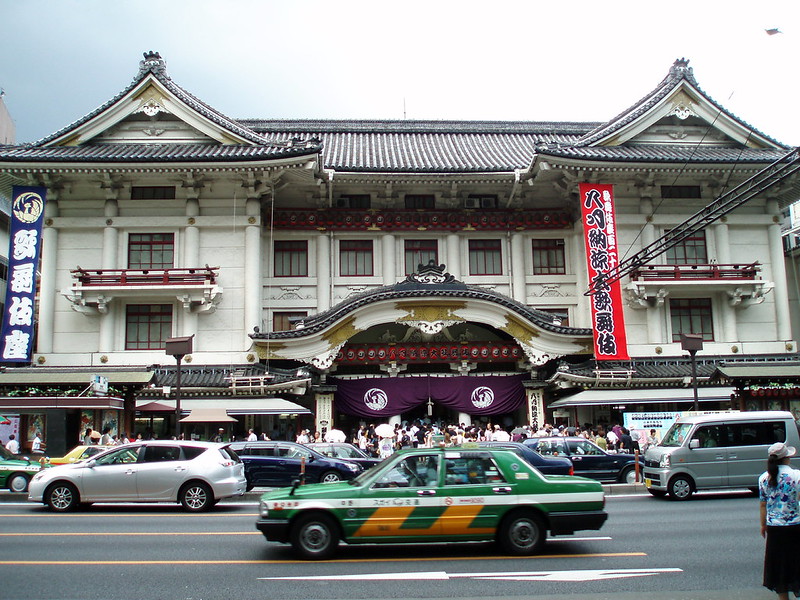
Kabuki is definitely one of the cultural experiences you must experience in Kyoto if you are heading to this city. Kabuki is a classical Japanese dance-drama, featuring elaborate stagecraft and costumes, and is performed only by men, making use of very stylized gestures and body movements.
I remember going to my first ever Kabuki show in 2013. But the theatricality and humor are overwhelming, if language is a barrier, then the acting translates and it makes for a fun night for people of all ages.
Originally opened in 1610, Kyoto’s main Kabuki theater Minami-za has undergone various renovations throughout the year but stands today as one of the oldest places to enjoy this traditional form of theater. The theatre on its own is a sight to behold, holding up to 1086 in its grand interior.
- Location: Minami-za
- Cost of Access: ¥4200-10000
- Kyoto Insider’s Tip: It’s wise to secure your tickets early, as performances can sell out quickly.
17. Appreciate the Cherry Blossoms In Kyoto with Sakura Season
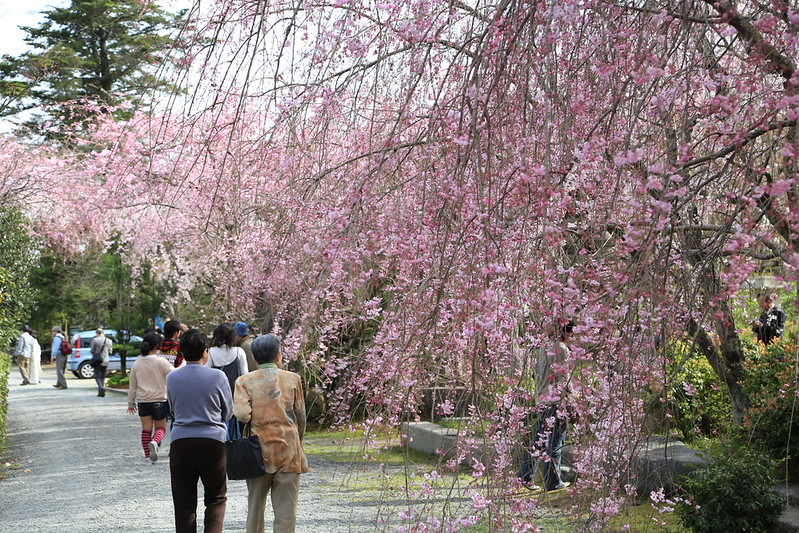
Sakura, or cherry blossoms, are arguably one of Japan’s most stunning natural wonders. Each spring, the sight of these delicate flowers in full bloom captivates people from all corners of the world.
The fleeting beauty of the blossoms represents the essence of Japan’s appreciation for nature’s impermanence, making it a truly memorable experience. Kyoto stands as one of the prime spots for viewing cherry blossoms, attracting both locals and travelers.
As you stroll through the city, the sight of pink petals fills the air, creating a serene atmosphere that feels almost magical. Whether you’re walking through temple grounds or along riversides, Kyoto offers an abundance of spots to appreciate the beauty of the sakura.
- Location: Throughout Kyoto
- Cost of Access: Free
- Kyoto Insider’s Tip: To avoid the crowds, head out at sunrise and enjoy the blossoms in peace.
18. Sake Tasting Experience
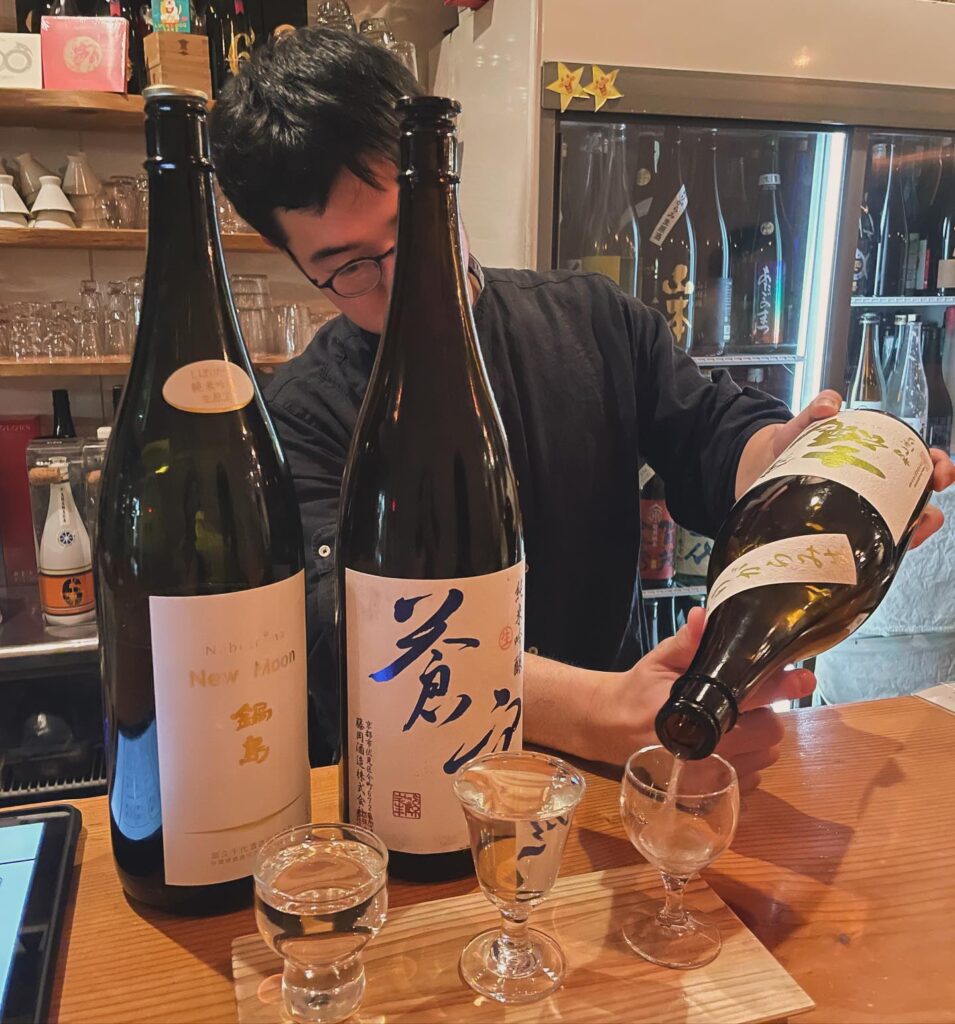
If you’ve had your fill of sightseeing in Kyoto, it might be time to relax and enjoy some sake. Sake, Japan’s traditional rice wine, is a delightful drink that can be served chilled, at room temperature, or warmed depending on the season. I personally enjoy a warm cup of sake in winter and prefer it chilled during the summer months.
Kyoto offers plenty of sake bars where you can sample different varieties of this classic Japanese drink. Some of my personal favorites are JAM +SAKE bar and Sake Bar Yoramu.
Whether you’re new to sake or a connoisseur, these spots offer a great atmosphere to unwind and taste various brews.
- Location: JAM +SAKE bar
- Cost of Tasting: ¥300–¥500 per glass
- Kyoto Insider’s Tip: Don’t hesitate to ask the bartender for their top sake recommendations.
19. Celebrating Setsubun
Setsubun is a lively celebration marking the arrival of spring in Japan. Held annually on February 3rd, this festival involves a fun tradition of throwing beans to drive away evil spirits and bring good fortune. In Kyoto, it’s also an excellent opportunity to catch a glimpse of a Maiko, as the event often features traditional performances and attire.
If you’re in the city during the winter, this festival is a vibrant addition to your travel experience. The festivities take place across Kyoto, with the Gion district being a popular spot to join in the celebrations.
The lively atmosphere, combined with the chance to see Maiko and other cultural displays, makes it an exciting event for both tourists and locals. If you’re visiting during this time, it’s definitely worth witnessing the fun!
- Location: Throughout Kyoto
- Cost of Access: Free
- Kyoto Insider’s Tip: Don’t forget to bring your camera – it’s a picture-perfect moment!
20. An Aesthetically Cultural Experience in Kyoto: Wearing a Kimono
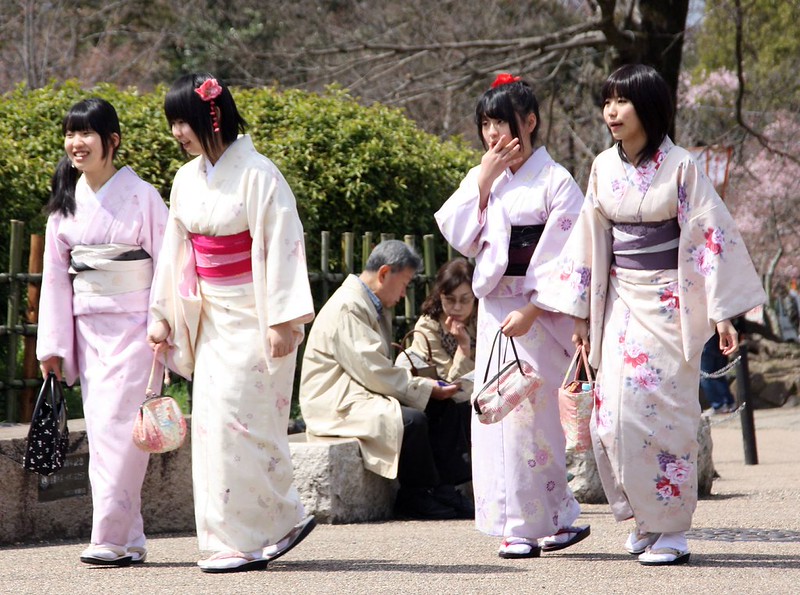
One of the best things to do in Kyoto is to rent a kimono, a popular activity among both men and women. As you wander through the Gion district, you’ll notice many tourists dressed in kimonos, embracing the city’s traditional charm. However, don’t mistake them for Maiko, the apprentice Geishas, as there are many rental shops catering to this trend.
Kimono rentals are widespread across Kyoto, and it’s become quite fashionable to wear them while taking photos at the city’s scenic spots. Most shops offer rentals for the entire day, giving you ample time to explore and capture memories in iconic locations. Just make sure you plan your photo stops in advance, as you’ll want to make the most of your time in this traditional attire.
However, be warned—wearing a kimono, especially the shoes, can be uncomfortable, so it’s best not to wander too far from the rental shop. It’s all about comfort and style, so enjoy the experience but be mindful of the limited movement.
- Location: Various rental shops around Kyoto
- Cost of Rental: ¥3,000–¥4,000
- Kyoto Insider’s Tip: Wear comfortable clothes underneath your kimono to avoid any discomfort.
21. Experience a Traditional Japanese Tea Ceremony: Cultural Activity
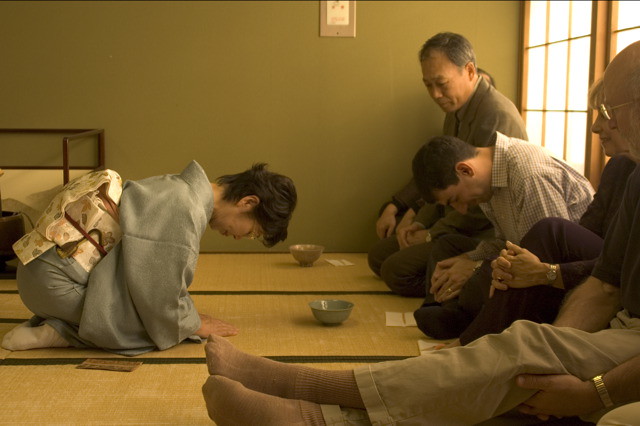
The Japanese tea ceremony is a traditional cultural activity that involves the preparation and elegant presentation of matcha tea. It offers a fascinating experience for visitors in Kyoto, providing an insightful glimpse into Japanese customs and philosophy.
This ceremony embodies core values such as respect, harmony, purity, and serenity. As a participant, you’ll not only learn about these principles but also get the chance to experience them firsthand.
The ceremony is conducted in a calm setting, where the hosts will guide you through the “way of tea” and teach you how to prepare your own matcha, complemented by traditional Japanese sweets.
- Location: Various operators around Kyoto
- Cost of Access: ¥5,000–¥6,000
22. A Culinary Journey in Kyoto: The Nishiki Market
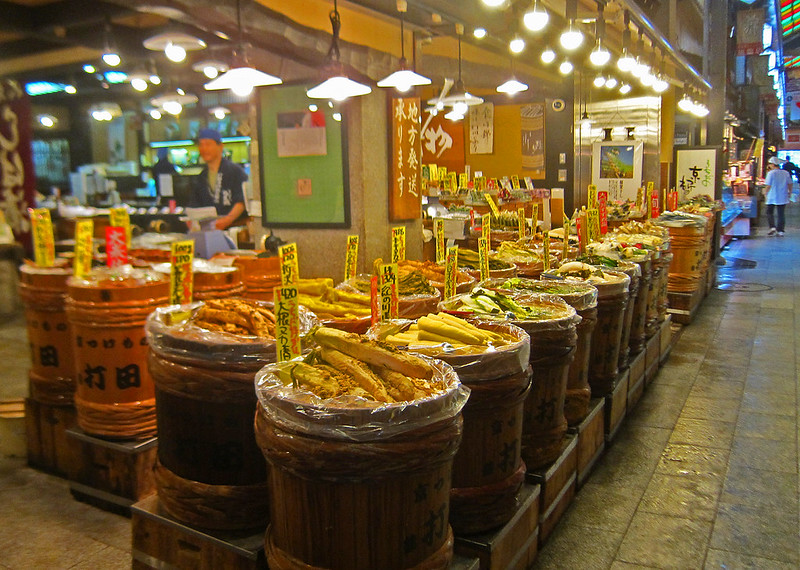
Nishiki Market is a fantastic, free experience for those seeking a taste of Kyoto’s culture. Stretching over five blocks, this bustling shopping street is packed with numerous shops and eateries, offering a true taste of the local scene. It’s a place where you can dive into a variety of fresh seafood, produce, and countless small treasures, making it a must-visit for anyone looking to explore Kyoto’s culinary delights.
The market is famous for its range of offerings, from sushi and traditional sweets to local Kyoto specialties. As you wander through, you’ll find endless food stalls and unique items to sample, making it an immersive experience for all your senses.
Typical operating hours are from 9:00 to 18:00, and as with most markets, arriving early ensures a quieter atmosphere and access to the best selection. But if you visit closer to closing time, you might be able to snag some bargains as vendors lower prices to clear stock.
- Location: Nishiki Market
- Cost of Access: Free
- Kyoto Insider’s Tip: It’s best to avoid visiting during midday when the market can get crowded.
23. One Day In Kamo River Park: Heart Of Kyoto City Green Leisure
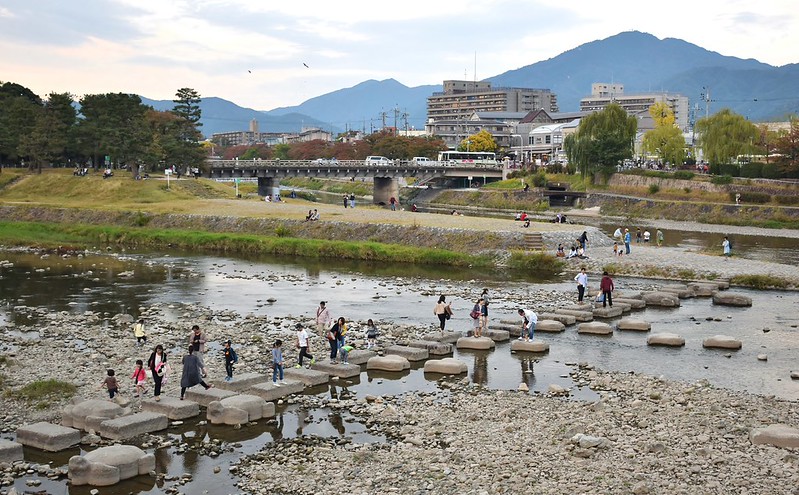
The Kamo River offers an expansive green space where both locals and visitors gather to enjoy fresh air and scenic views. This area provides a perfect spot for relaxation, where you can take in nature or simply unwind by the riverbank. On weekends, the park comes alive with families, friends, and couples participating in various activities such as biking, fishing, grilling, or playing cards.
As you walk along the river, you’ll notice plenty of people enjoying a peaceful moment, whether they’re reading a book or simply watching the water flow by. The riverbanks are lined with trees and lush greenery, creating a calm environment ideal for a midday break or an evening stroll.
If you’re looking for a free and laid-back way to enjoy Kyoto’s outdoors, this is an ideal spot. The atmosphere is lively, yet peaceful, making it a wonderful place to spend a few hours, especially if you’re eager to escape the city’s hustle.
- Location: Kamo River
- Cost of Access: Free
- Kyoto Insider’s Tip: Stop by 7-11 to grab some food and drinks, and enjoy a casual lunch by the river.
24. Day trip to Nara: A Humbling Experience with Deer
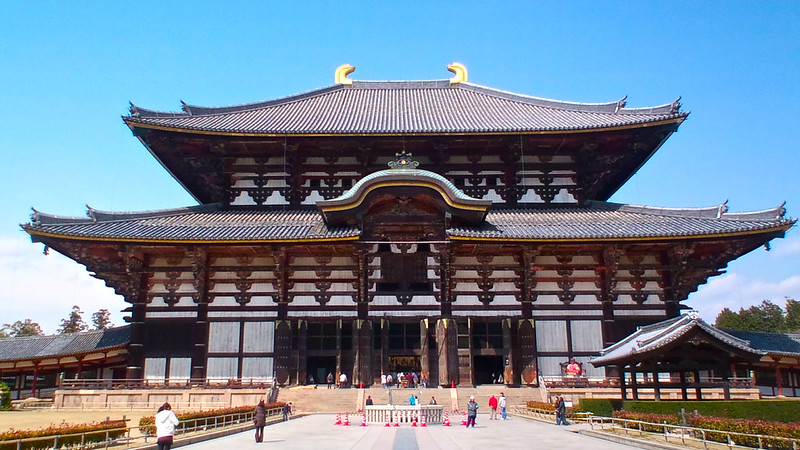
While this isn’t exactly in Kyoto, a day trip to Nara is definitely worth considering. Just a 45-minute train ride away, Nara is home to the famous Nara Park, a tranquil escape with a special charm that makes it a perfect getaway from the bustling city of Kyoto.
Nara Park is widely known for its hundreds of freely roaming deer. These animals are considered sacred messengers of the gods, and their presence has made them an emblem of the city. As you wander through the park, you’ll encounter these gentle creatures, who will approach visitors hoping for food. Vendors sell special deer crackers, which are safe for the deer to eat—just be sure to avoid feeding them human food, as it can harm their health.
Nara Park is a wonderful, free activity for those visiting Kyoto, particularly families who enjoy being close to nature. An interesting cultural tidbit: if you bow to the deer, many of them will bow back in return, creating a delightful interaction. Don’t forget to explore beyond the deer to see the iconic Todaiji Temple, which is a highlight of the park.
- Location: Nara Deer Park
- Cost of Access: Free entry to the park, ¥100 for deer crackers, and ¥500 to enter Todaiji Temple
- Kyoto Insider’s Tip: Some of the deer can get aggressive, so it’s best not to tease them.
Where to Stay in Kyoto: Exceptional Accommodations for Every Traveler
Staying in Kyoto: The Best Airbnb Options for an Authentic Experience
Kyoto offers a variety of fantastic places to stay, including some beautiful ryokans that let you experience traditional Japanese culture. Airbnb is an excellent platform to find accommodations that feel like home, providing comfort and convenience during your stay. For those new to Airbnb, you can grab a coupon code for your first stay to make your trip even more affordable.
BnA Alter Museum: Art Suite Room by EYE
During our visit, we stayed at a brand new art installation hotel listed on Airbnb—an experience unlike any other. The BnA Alter Museum offers a creatively designed Art Suite room, where the fusion of art and hospitality creates an unforgettable atmosphere. It’s an experience that’s gaining popularity quickly, so if you’re interested, be sure to book soon before the prices rise!
Yadoya Manjiro: A Traditional Japanese Ryokan Experience
For those seeking the true essence of Japanese hospitality, Yadoya Manjiro is an outstanding choice. This traditional ryokan, located in the scenic Higashiyama district, offers an authentic experience that’s hard to beat. Known for its exceptional service and serene atmosphere, Yadoya Manjiro has earned some of the best reviews in all of Kyoto. Staying here is a wonderful way to immerse yourself in Japanese culture while enjoying modern comforts.
You may also like :