
Everyone knows Tokyo, Kyoto, and Osaka—and yes, they’re every bit as exciting as people say. But Japan is far bigger and more varied than its most famous cities. Beyond the bright lights and temple circuits, there’s a side of the country that feels calmer, wilder, and often overlooked.
During three months of travel across Japan last year, I focused on places that don’t always appear on standard itineraries. From alpine valleys and sweeping sand dunes to deep green forests and quietly creative cities, the range of landscapes surprised me at every turn. The journey revealed a version of Japan that moves at a different rhythm.
In Nagano, Kamikochi delivers crisp mountain air and clear rivers framed by the Northern Alps. Along the Sea of Japan, the Tottori Sand Dunes rise in soft ridges that feel almost surreal against the ocean backdrop. Further south, Yakushima’s ancient cedar forests—thick with moss and mist—create an atmosphere that feels timeless.
Kanazawa rounds out the list with preserved geisha districts, gold-leaf craftsmanship, and elegant gardens that rival Kyoto’s beauty, yet draw fewer crowds. These destinations don’t shout for attention. Instead, they offer space to slow down and see a broader, more layered side of Japan.
Japan’s Most Overlooked Travel Spots
Japan’s major cities tend to dominate travel plans, yet the country’s character stretches far beyond Tokyo and Kyoto. From wind-shaped sand dunes in Tottori to pine-covered islands in Matsushima Bay, and from Hakodate’s ocean-framed skyline to the broad waters of Lake Biwa, there’s far more variety than most itineraries suggest.
These places move at a different pace. Smaller cities like Toyama and coastal regions like Shizuoka offer mountain views, fishing ports, tea fields, and historic streets without the heavy crowds. For travelers willing to look past the obvious stops, Japan opens up in ways that feel broader and more grounded.
1. Matsushima Bay: A Timeless Escape Near Sendai
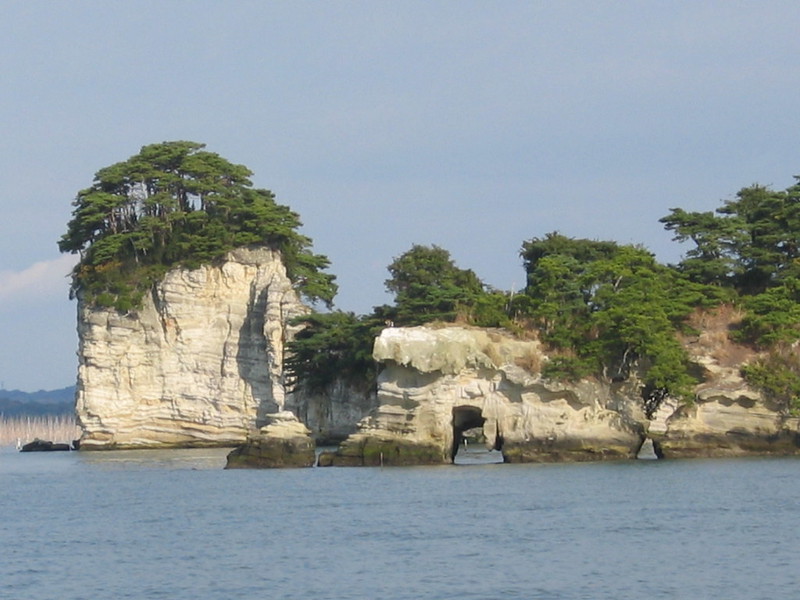
Sendai has quietly built a reputation as one of Japan’s most underrated cities—and for good reason. Yet just 20 minutes away by train, Matsushima easily commands attention of its own. Matsushima Bay, scattered with more than 260 pine-covered islets, was named one of the “Three Views of Japan” in the 17th century. Centuries later, the scene still feels almost unreal, especially when the light hits the water just right.
Arrive at sunrise if you can. As daylight spreads across the bay, the silhouettes of the small islands gradually come into focus, rising from the mist in layered shades of blue and green. It’s quiet at that hour, with only the sound of waves brushing against the shore and the occasional fishing boat drifting by.
Spend the morning exploring Oshima and Fukuura Islands. Crossing the long Fukuurabashi footbridge is part of the experience—step by step, the coastline opens up around you. Walking trails loop past rocky coves and weathered pines, offering wide views back across the bay. There’s no rush here; the pace naturally slows.
In the afternoon, board a sightseeing cruise to see the islands from the water. Boats weave between the scattered formations, giving you a closer look at their shapes and textures. You could fit it all into one full day, but stretching your visit over two allows time for temple visits, seaside strolls, and relaxed meals in the small resort town that lines the shore.
2. Hakodate: Japan’s Northern Port with a Different Edge
Pressed between two stretches of ocean, much of Hakodate seems built to brace against the cold. Low roofs, sturdy facades, and wide streets give parts of the city a look closer to Iceland or coastal Alaska than what many expect from Japan. The northern climate shapes daily life here, and that difference is part of the appeal.
Hakodate’s past as one of the first Japanese ports opened to international trade left visible traces across town. In Motomachi, Western-style churches stand on sloping streets, their outlines distinct against the sky. A short walk away, the quiet Foreigners’ Cemetery faces the sea, its windswept setting reflecting the era when merchants and sailors from abroad made this city their base.
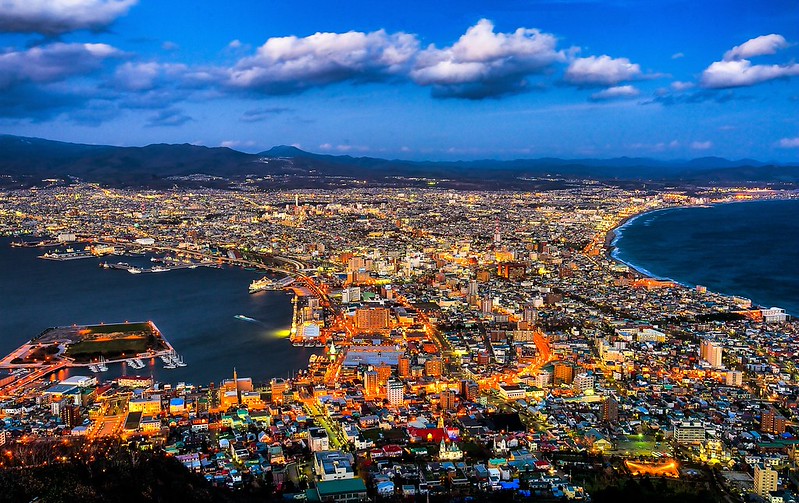
Then there’s Mount Hakodate, often ranked among Japan’s finest night panoramas. Arrive well before sunset and wander the summit paths while daylight lingers. As evening settles, the city below begins to glow, framed by two dark arcs of water on either side. From above, the narrow strip of land appears almost suspended between seas.
Despite its far-north location, Hakodate is easier to reach than you might think. Shin-Hakodate-Hokuto Station connects directly to Tokyo by shinkansen, a journey of just over five hours. It’s a long ride, but stepping off the train into this crisp coastal air makes the distance feel worthwhile.
3. Toyama: More Than a Gateway to the Japanese Alps
Toyama is often treated as a jumping-off point for the western Japanese Alps, with easy routes to Takayama, Tateyama, Shirakawa-go, and Gokayama. That convenience sometimes overshadows the city itself. Spend a little time here, though, and you’ll notice it has more going on than most itineraries admit.
Start with the Toyama Glass Art Museum, a striking building that mixes wood and glass in bold, angular lines. Inside, contemporary installations play with light and reflection, giving the space a quiet intensity. It’s the kind of place where you linger longer than planned, moving slowly from floor to floor.
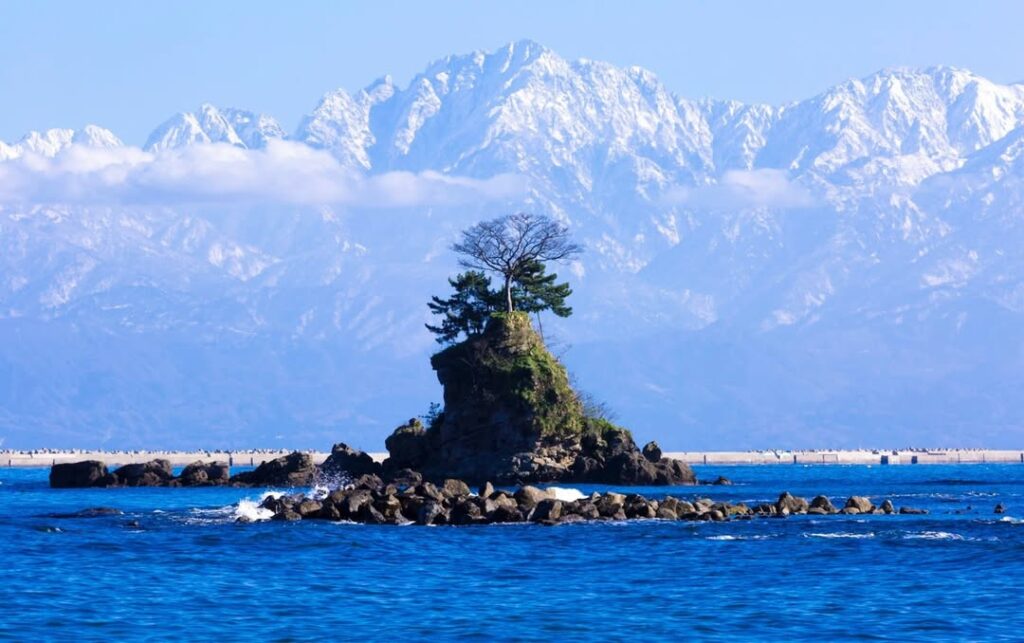
Then head to the coast. Toyama’s beaches are wide and often surprisingly empty, especially outside peak summer weeks. The standout is Amaharashi, where a single rock rises from the sea, crowned by a lone tree. On clear days, the snow-capped Tateyama range towers behind it, creating a scene that feels almost unreal in its scale.
For an overnight stay, consider Iwase near the shoreline. Waking up within walking distance of the water changes the rhythm of your day. Trams connect Iwase to central Toyama and run late, so you can enjoy dinner in the city before returning to the coast without worry.
4. Fukuoka: Japan’s Southern Food Capital with a Laid-Back Pulse
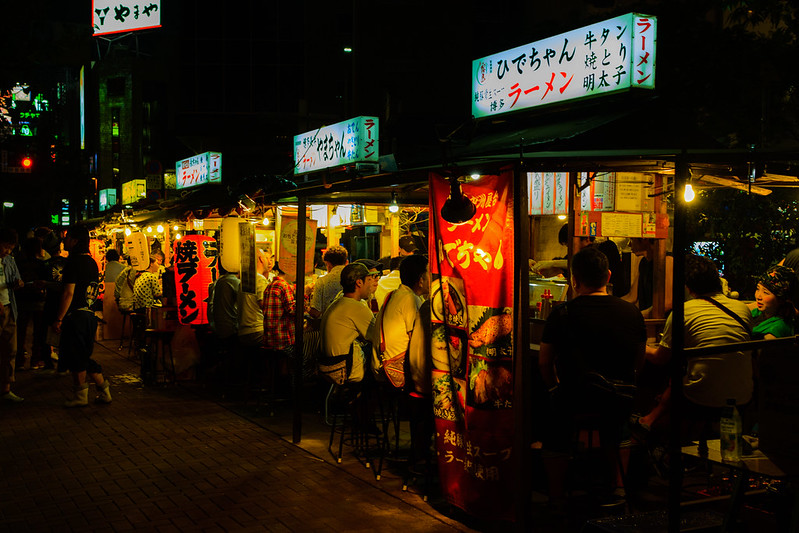
Fukuoka draws plenty of domestic and regional visitors, yet it often sits too far south for many first-time trips focused on Tokyo and Osaka. That distance works in its favor. Around five hours by train from Tokyo to Hakata, the shift in atmosphere is immediate—warmer air, slower evenings, and a city that feels open rather than rushed.
Food is the main event here. Fukuoka is the birthplace of tonkotsu ramen and home to the famous Ichiran chain, but the real magic happens at the yatai—small open-air stalls that line the streets after dark. Pull up a stool, order skewers or a steaming bowl of noodles, and watch the city move around you.
The culinary standards are high across the board. From simple bites to carefully plated seafood, it’s hard to have a forgettable meal. Even casual spots take pride in what they serve, and locals are quick to recommend their favorites.
When dinner winds down, the night doesn’t. Some of the best post-meal moments unfold on the bridges spanning the river, where people gather with drinks and music drifts through the air. In Fukuoka, eating and celebrating often blend into one long, easygoing evening.
5. Shizuoka: Seafood, Green Tea, and Fuji Views
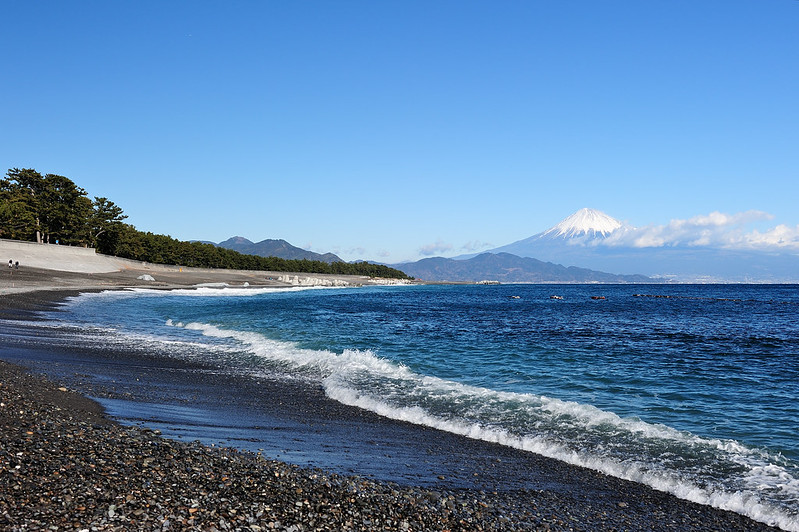
Shizuoka Prefecture sits in an enviable position for food lovers. With some of Japan’s largest and deepest fishing ports along its coastline, the seafood here is as fresh as it gets. At the same time, nearly 40 percent of the country’s green tea is grown across its rolling hills, giving the region a second culinary claim to fame.
In Shizuoka City, these two strengths come together effortlessly. Morning markets brim with just-landed catch, while tea shops pour locally grown sencha in quiet corners. A simple lunch of sashimi paired with a cup of bright green tea can feel like a full introduction to the area’s character.
History adds another layer. The burial site of Tokugawa Ieyasu rests at Kunozan Toshogu Shrine, perched high above the sea. You can climb more than 1,000 stone steps or take the ropeway to reach it. From the top, the Pacific stretches wide, and the wind carries a hint of salt from below.
Afterward, follow the coastal road north to Miho no Matsubara. This pine-lined shoreline is one of the classic viewpoints for Mount Fuji. On clear days, the mountain rises in a near-perfect cone beyond the trees and sea—a scene that feels both grounded and grand at once.
6. Tottori: Japan’s Surprising Desert Coast
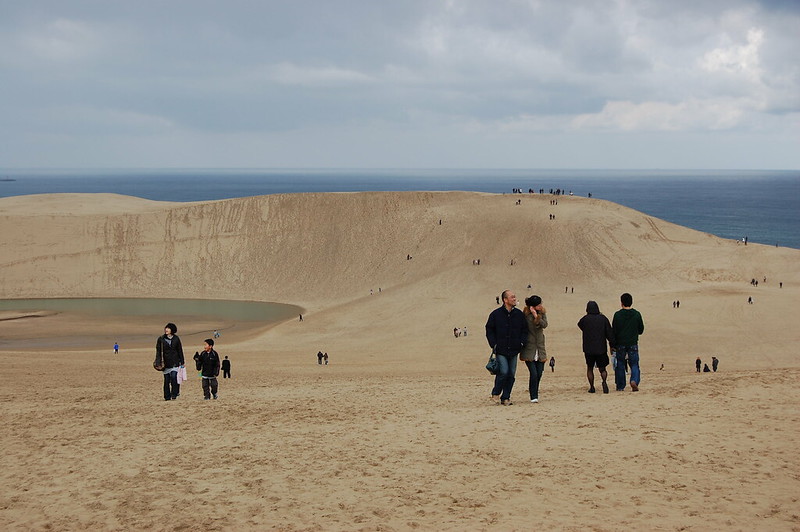
Sand dunes in Japan might sound improbable, but Tottori proves otherwise. Stretching roughly nine miles long and up to a mile and a half wide, these pale dunes roll right toward the edge of the city. The landscape feels closer to North Africa than East Asia, especially when the wind carves ripples across the surface.
The dunes are more than a backdrop. Visitors can ride camels across the sand or climb to the highest ridges for sweeping views of the Sea of Japan. Nearby stands The Sand Museum, the world’s only permanent museum devoted entirely to sand sculptures. Inside, artists transform grains into towering, detailed works that change with each exhibition theme.
Once you’ve had your fill of sand, the wider region offers a shift in scenery. Mount Daisen rises inland, its slopes drawing hikers and pilgrims alike. At its base sits Daisenji Temple, a quiet complex with centuries of history etched into its wooden halls.
The Uradome coastline brings cliffs and clear coves, while Hanakairo Flower Park spreads color across open fields in every season. Tottori may be known for its dunes, but it rewards anyone willing to look beyond them.
7. Kobe: Sea Breezes, Mountain Trails, and City Energy
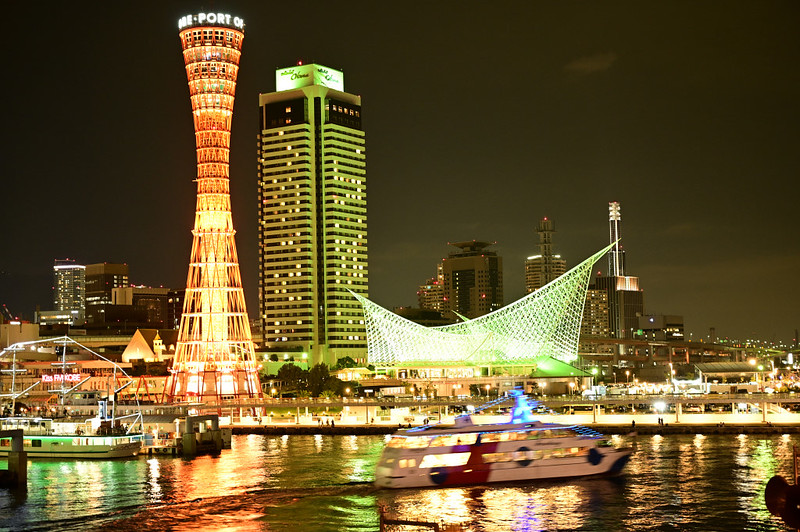
Kobe is often reduced to two talking points: wagyu beef and the devastating 1995 earthquake. Both are part of its story, but they barely scratch the surface. Set along the Seto Inland Sea and pressed between steep mountains and open water, the city carries a layered identity that reveals itself slowly.
Culture runs deep here. Museums spotlight traditional woodcraft, while architecture fans trace the influence of Tadao Ando across the region. Flower gardens spill color across hillside parks, and nearby trails lead to waterfalls that feel far removed from the urban grid below.
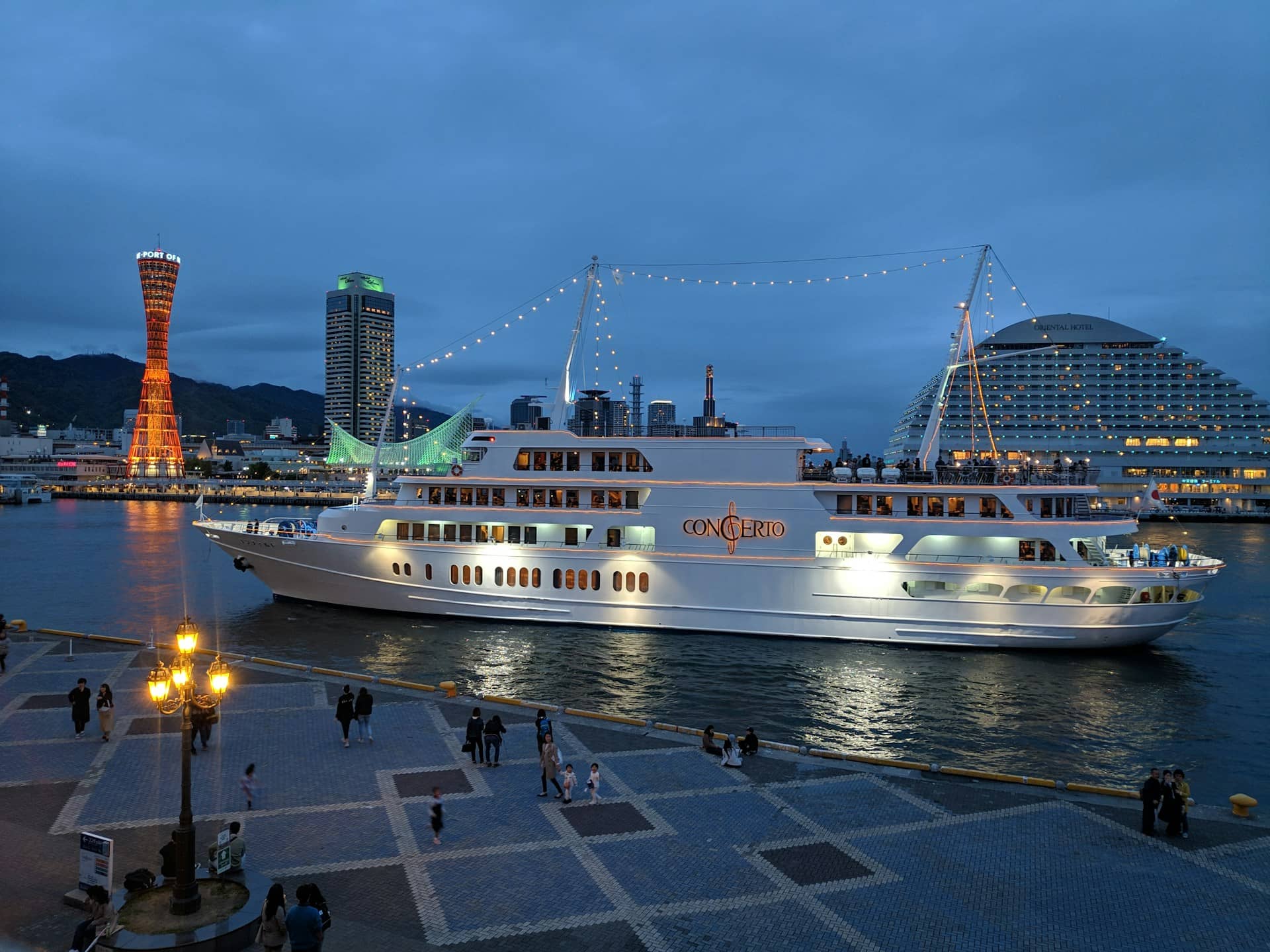
Down by the waterfront, the marina has a calm, open feel, almost Mediterranean in mood. A short walk away, Nankinmachi—Kobe’s Chinatown—buzzes with street food stalls and lantern-lined alleys. The contrast between sea air and sizzling woks keeps the atmosphere lively without feeling rushed.
Sannomiya forms the city’s beating center. Live music venues, packed shopping arcades, and a wide mix of restaurants fill its streets late into the evening. Kobe balances coastline calm with city momentum, giving visitors plenty of ways to shape their stay.
8. Lake Biwa: Kyoto’s Expansive Freshwater Escape
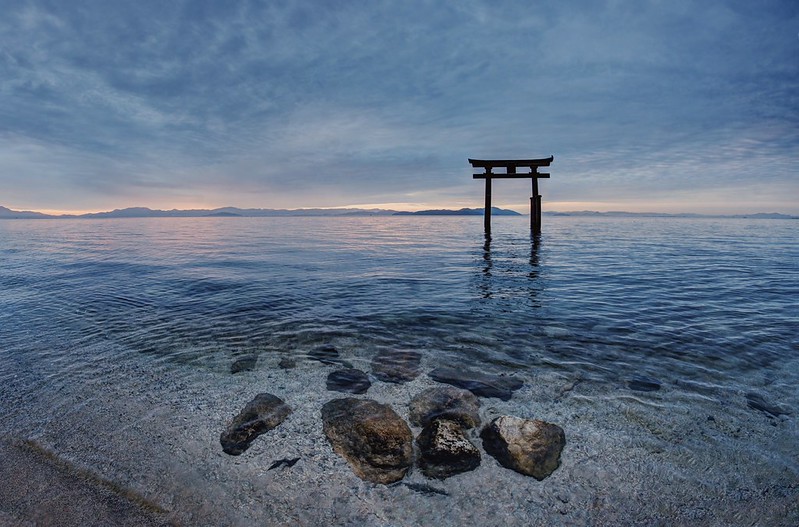
Just 15 minutes north of Kyoto by train, Lake Biwa stretches wide across Shiga Prefecture. At roughly 64 kilometers long, it’s Japan’s largest freshwater lake. Its name comes from its resemblance to a biwa, a traditional stringed instrument shaped somewhat like a lute. For centuries, the lake served as a hub for transport and commerce; today, it draws visitors for a different reason.
Recreation defines the modern Biwa-ko. Sailing boats dot the surface, paddleboarders glide across calm water, and seasonal events bring energy to the shoreline. In summer, beaches along the lake fill with swimmers and families escaping the city heat.
One of the best ways to experience the area is by hopping on local trains that loop around the lake. Stop at Hieizan Sakamoto and take the cable car up Mount Hiei, a key site in Japanese Buddhism. Continue to Omi Hachiman, where narrow canals cut through old merchant districts, or to Hikone, home to one of Japan’s best-preserved original castles.
Further north, Omi Takashima offers views of a torii gate rising from the water, while Omi Maiko provides sandy stretches perfect for a relaxed afternoon. Back in Otsu, Shiga’s capital, you’ll find a lively waterfront and easy access back to Kyoto. Lake Biwa invites slow travel—move at your own pace and let the shoreline guide the route.
9. Sapporo: Hokkaido’s Snow-Covered Capital
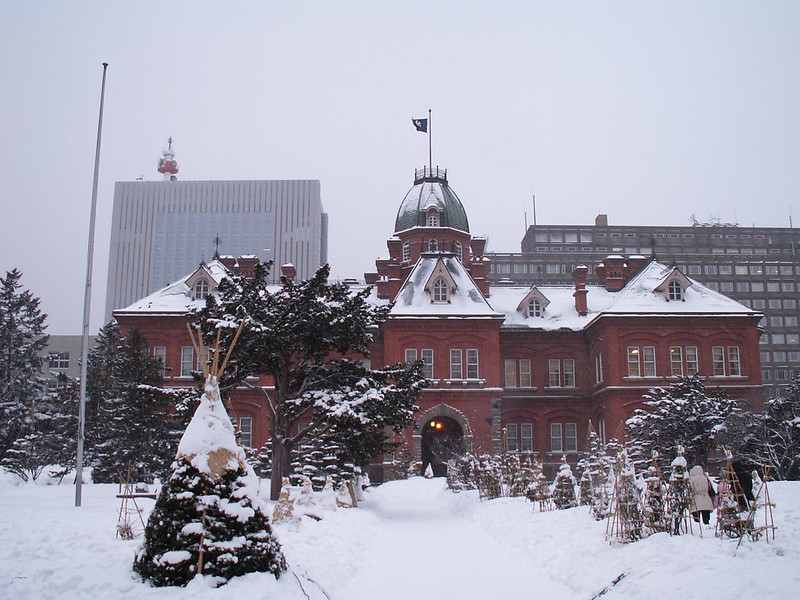
Sapporo is best known as the home of Sapporo beer and its spectacular annual Snow Festival, where enormous ice and snow sculptures transform the city each winter. As the largest city on Hokkaido, it serves as the island’s cultural, economic, and political center. While the shinkansen extension is still years away, regular domestic flights make getting here straightforward.
Winter defines much of Sapporo’s character. Ski slopes and snow parks sit within easy reach, and cold-weather sports feel like part of everyday life. When heavy snow blankets the streets, the city takes on a crisp, cinematic quality that’s hard to replicate elsewhere in Japan.
Beyond the snow, Sapporo offers a clear window into Hokkaido’s regional identity. Local cuisine leans hearty—think miso ramen, fresh seafood, and dairy products shaped by the island’s farming traditions. Broad avenues and Western-influenced buildings hint at the city’s comparatively recent development during the Meiji era.
Make time for the Sapporo Clock Tower, the oldest surviving clock tower of its type in Japan. The small museum inside gives a surprisingly detailed and free look at the building’s past and the city’s early days. Visit in the depths of winter if you can—that’s when Sapporo feels fully alive.
Related Posts: