
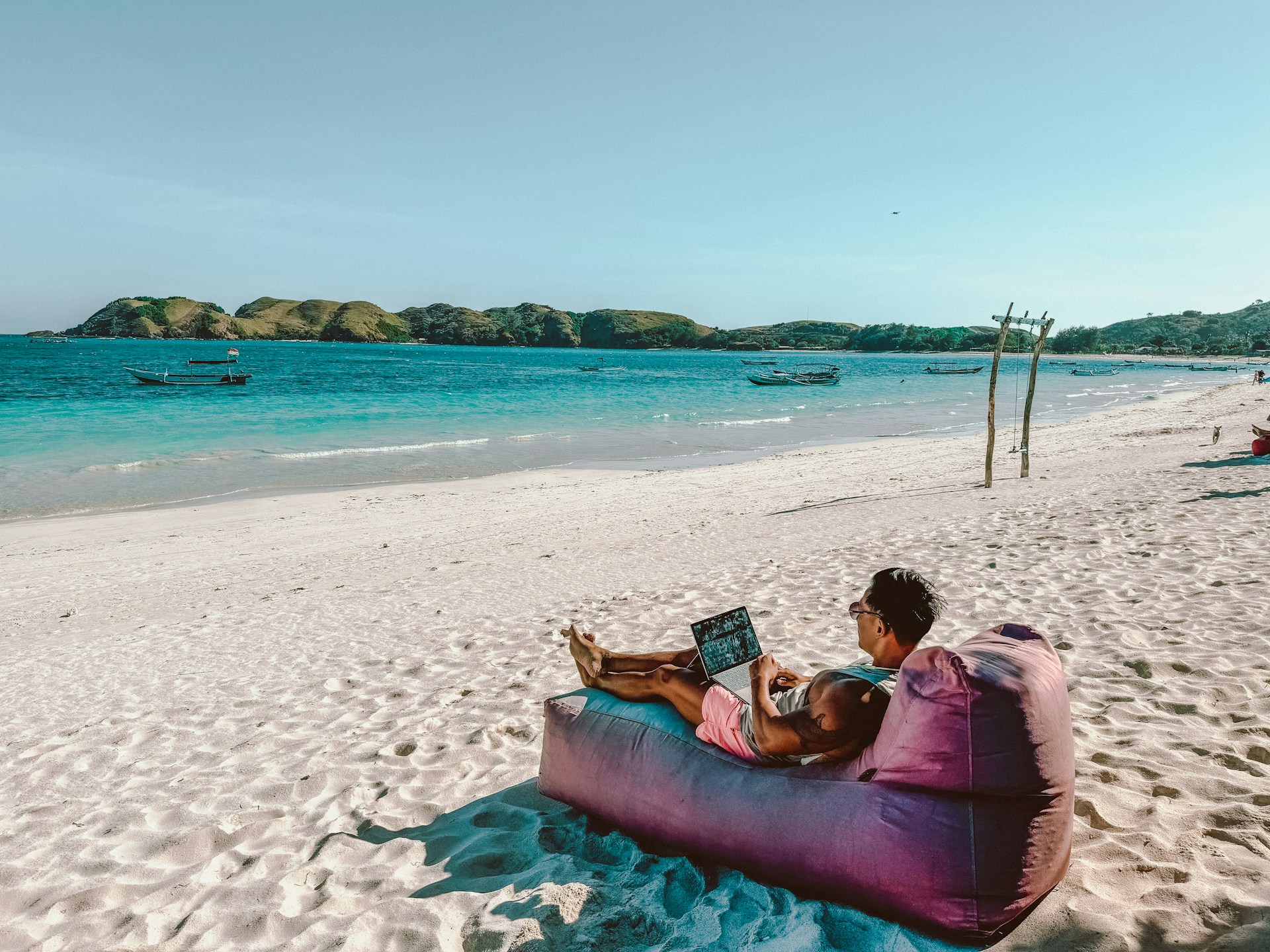
Remote work has opened a new kind of freedom for people who want to earn from anywhere. Many professionals are now choosing solo travel while still managing meetings, deadlines, clients, and creative projects from different parts of the globe. For digital nomads, finding the best solo travel destinations is important because the right place can support both work performance and personal adventure.
A strong destination gives you more than a change of scenery. It offers reliable Wi-Fi, comfortable places to work, safe neighborhoods, welcoming communities, and surroundings that keep you motivated. For one person, that might mean answering emails from a sunny café terrace in a charming town. For another, it could mean joining a coworking space with mountain, ocean, or city views.
Solo digital nomad travel also brings a balance between connection and quiet time. Some destinations make it easy to meet other remote workers through coworking events, language exchanges, local tours, and shared accommodation. At the same time, they also give you room to work alone, recharge, and enjoy your own schedule without pressure.
Whether you have years of travel experience or are just starting your remote work journey, choosing the right base matters. You need a place where work feels manageable, daily life feels safe, and free time brings real enjoyment. The best locations help you handle local culture, safety, logistics, budget, and productivity without making the experience feel overwhelming.
Choosing the Perfect Solo Travel Destination for Digital Nomads
Selecting the right solo travel destination as a digital nomad can feel exciting, but it also requires careful thought. A place may look attractive online, yet remote workers need more than beauty. Internet quality, coworking spaces, accommodation, transport, cost of living, local culture, and safety all play a major role in your daily experience.
The ideal destination should support your professional life while also giving you a rewarding personal journey. A city or town with fast Wi-Fi, laptop-friendly cafés, affordable rentals, cultural activities, and safe streets can turn solo travel into something productive and memorable. Places such as Bali, Lisbon, Chiang Mai, Medellín, Tbilisi, and Da Nang are popular because they combine remote work facilities with enjoyable lifestyles.
Connectivity and Work Facilities
Fast internet is one of the most important needs for digital nomads. Before choosing a destination, check whether the area has strong Wi-Fi, stable mobile data, coworking spaces, and cafés where laptops are welcome. A beautiful location can quickly become stressful if video calls drop, files upload slowly, or workspaces are hard to find.
Many well-known nomad hubs already have strong remote work communities. Bali and Lisbon, for example, offer coworking spaces, networking events, cafés, and rental options that suit people working online. Chiang Mai in Thailand and Medellín in Colombia are also known for their coworking culture, affordable workspaces, and active communities of freelancers, entrepreneurs, and remote employees.
Cost of Living
Budget is a major factor for solo travelers. Even if a destination has great internet and beautiful surroundings, high rent and expensive food can limit how long you stay. A smart digital nomad base should let you live comfortably without draining your savings too quickly.
Southeast Asia remains popular for this reason. Thailand and Vietnam are known for affordable accommodation, low-cost meals, easy transport, and plenty of activities. Cities such as Da Nang and Chiang Mai give remote workers a good quality of life at a lower cost compared with many Western cities. Tbilisi in Georgia is another strong option for travelers who want reasonable prices, friendly cafés, and a slower pace.
Cultural Offerings
Local culture can make solo travel much richer. Food markets, festivals, museums, historic streets, art spaces, music events, and community gatherings give you reasons to step away from your laptop and enjoy the place you are living in. These experiences can also help solo travelers feel more connected instead of isolated.
Barcelona and Mexico City are good examples of destinations with deep cultural appeal. Both offer history, food, architecture, creative communities, and social activities. For digital nomads, this matters because travel should support more than work. A good destination gives you chances for personal growth, new friendships, and memorable experiences outside your daily routine.
Safety
Safety is especially important when traveling alone. Before choosing a destination, research crime rates, safer neighborhoods, public transport, healthcare quality, emergency services, and common travel scams. Feeling secure allows you to focus on your work and enjoy the destination with more confidence.
Portugal and New Zealand are often favored by solo travelers because they are considered comfortable and safe places to explore. Japan and Iceland are also well known for strong safety records, making them appealing for people who want to move around freely with less worry. Still, every destination requires basic awareness, especially at night or in unfamiliar areas.
Essential Features of Ideal Locations for Solo Travelers
The best destinations for solo digital nomads share a few core features. They provide reliable internet, practical workspaces, affordable living, safe surroundings, cultural depth, and chances to meet people. When these elements come together, a destination can support both your career and your personal adventure.
A good location should also make daily life easier. Grocery stores, public transport, gyms, parks, cafés, healthcare centers, and walkable neighborhoods all matter when you stay for weeks or months. Digital nomad travel is not just about visiting famous landmarks; it is also about building a temporary routine that feels comfortable and sustainable.
Key Features for a Digital Nomad Destination
Reliable internet and workspaces should come first. Remote workers need places where they can take calls, complete projects, and stay focused. Coworking spaces and calm cafés are especially helpful because they create structure and offer a way to meet other professionals.
Budget-friendly living is another key feature. A destination with affordable rent, food, transport, and entertainment gives you more freedom to stay longer and enjoy your time without constant financial pressure. This is why places like Da Nang, Tbilisi, Chiang Mai, and Medellín continue to attract solo remote workers.
A rich cultural scene also adds value to your stay. Local traditions, cuisine, art, festivals, and historic areas can turn an ordinary work trip into a meaningful travel experience. Cities like Barcelona and Mexico City are strong choices for travelers who want culture, energy, and plenty of things to do after work.
Safety completes the picture. A destination may be affordable and exciting, but it still needs to feel secure for solo travelers. Japan, Iceland, Portugal, and New Zealand are often mentioned as safe options, giving remote workers more peace of mind while they explore.
Choosing the perfect solo travel destination for digital nomads is about finding balance. You need fast Wi-Fi for work, affordable living for long-term comfort, culture for personal growth, and safety for confidence. With the right destination, solo travel can become a rewarding lifestyle built around freedom, productivity, connection, and independence.
Best 17 Places for Digital Nomads
Choosing the right place as a digital nomad can turn ordinary travel into a life-changing experience. The best destinations offer more than reliable Wi-Fi and coworking spaces — they bring fresh ideas, cultural depth, meaningful connections, and a better rhythm for remote work.
In 2026, several cities are standing out as smart picks for solo travelers who want community, comfort, affordability, and adventure in one place. This list highlights some of the top digital nomad destinations worth adding to your travel plans.
1. Bali, Indonesia
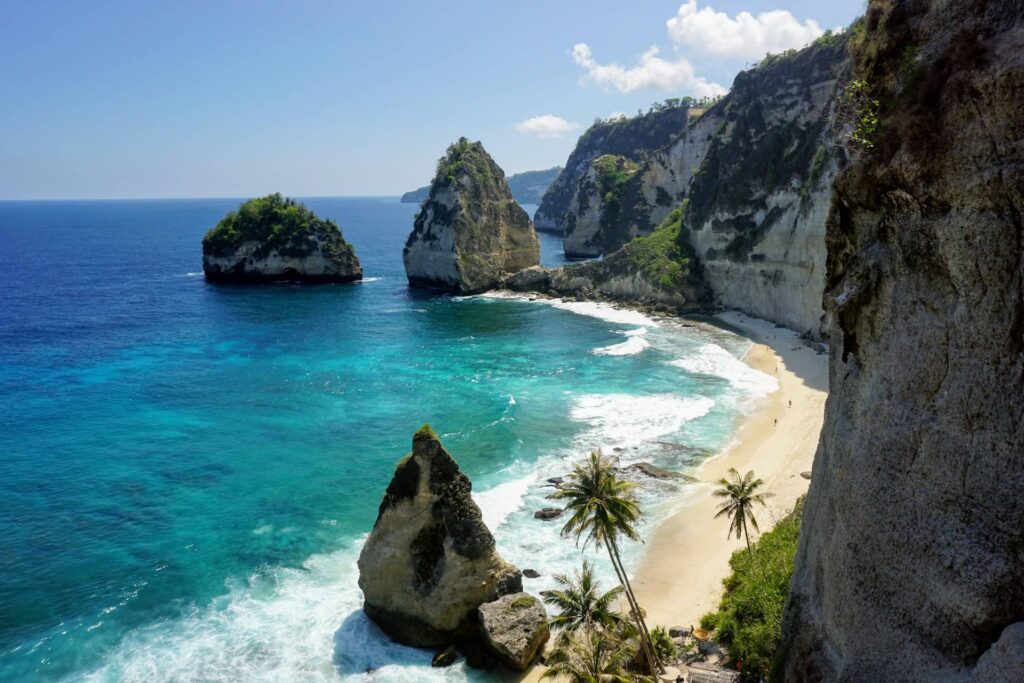
Bali remains one of the most popular places for solo digital nomads, especially for travelers who want work, nature, wellness, and community in one destination. Its beaches, rice terraces, temples, and creative atmosphere make it a strong base for remote workers who want more than a standard city routine.
Ubud and Canggu are two of the main hubs for digital nomads. Ubud is known for yoga, wellness retreats, art spaces, and a calmer pace, while Canggu attracts remote workers with coworking spaces, cafés, surf spots, and an active expat scene. Both areas offer plenty of places to work, meet people, and build a steady daily rhythm.
Bali also stands out for its affordable living costs and wide cultural mix. Solo travelers can join yoga classes, attend art retreats, explore local markets, visit temples, or spend quiet time in nature. For digital nomads who want connection, creativity, and personal growth, Bali offers a balanced and rewarding experience.
Read More: 21 Beautiful Indonesia Travel Destinations for a Dreamy Escape
2. Lisbon, Portugal
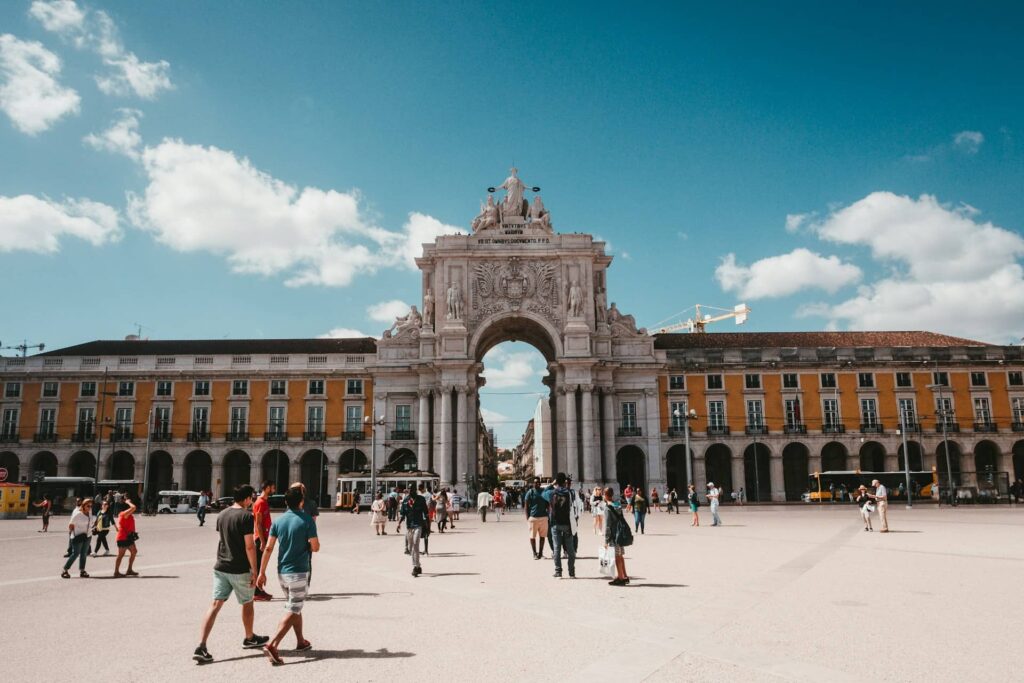
Lisbon is a strong choice for solo digital nomads who want history, creativity, and modern work facilities in one place. The city blends old streets, colorful buildings, coastal views, and a fresh startup energy that attracts freelancers, entrepreneurs, and remote workers from many countries.
The city has many cafés with reliable Wi-Fi, coworking spaces, and relaxed places to work during the day. This makes it easier for solo travelers to stay productive while also having access to a friendly remote work community. Lisbon’s walkable neighborhoods and public transport also make daily life simple.
Outside work hours, Lisbon offers excellent food, music, viewpoints, museums, and social events. Local cuisine, café culture, and nearby beaches give digital nomads many ways to enjoy their time away from the laptop. It is a destination where work, culture, and connection can fit naturally into one lifestyle.
Read More: 21 Best Places to Travel in Portugal for Sunny Coastal Escapes
3. Medellín, Colombia
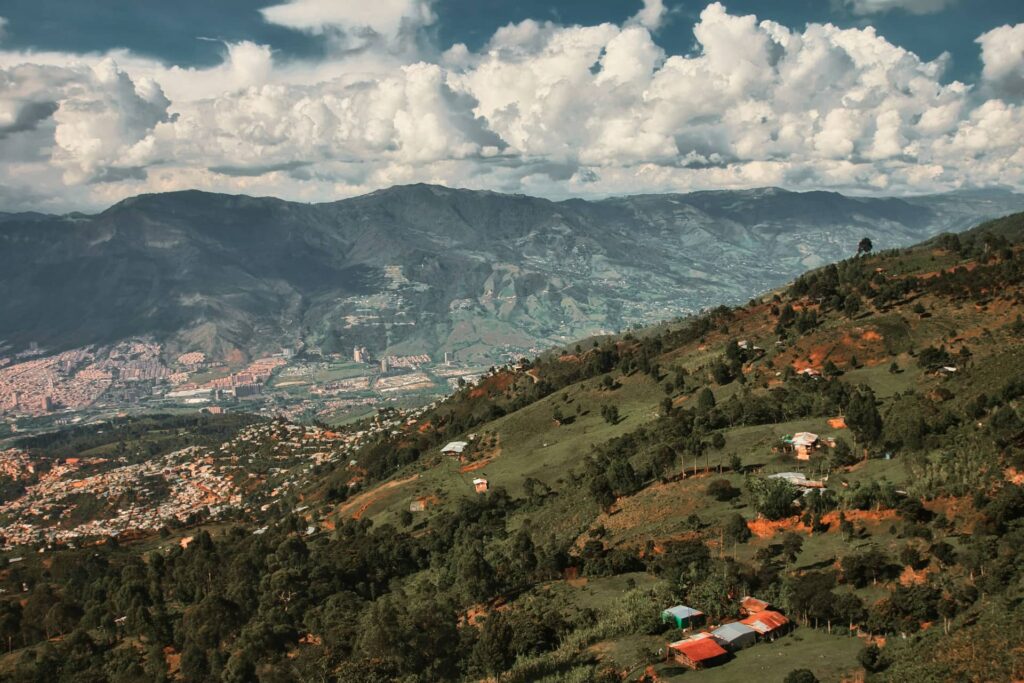
Medellín is often known as the “City of Eternal Spring” because of its mild climate throughout the year. For solo digital nomads, this comfortable weather makes daily life easier, whether you are working from a café, walking through local neighborhoods, or joining community events after work.
The city has a growing digital nomad scene, supported by coworking spaces, modern cafés, and a strong spirit of innovation. Medellín is also known for its inclusive atmosphere, which helps remote workers feel more welcome as they settle into the city and meet new people.
Budget-friendly living adds to Medellín’s appeal. Accommodation, food, transport, and entertainment can be more affordable than in many major global cities. Along with cultural experiences, local markets, museums, public parks, and city views, Medellín gives solo travelers a lively yet practical base for remote work.
4. Tbilisi, Georgia
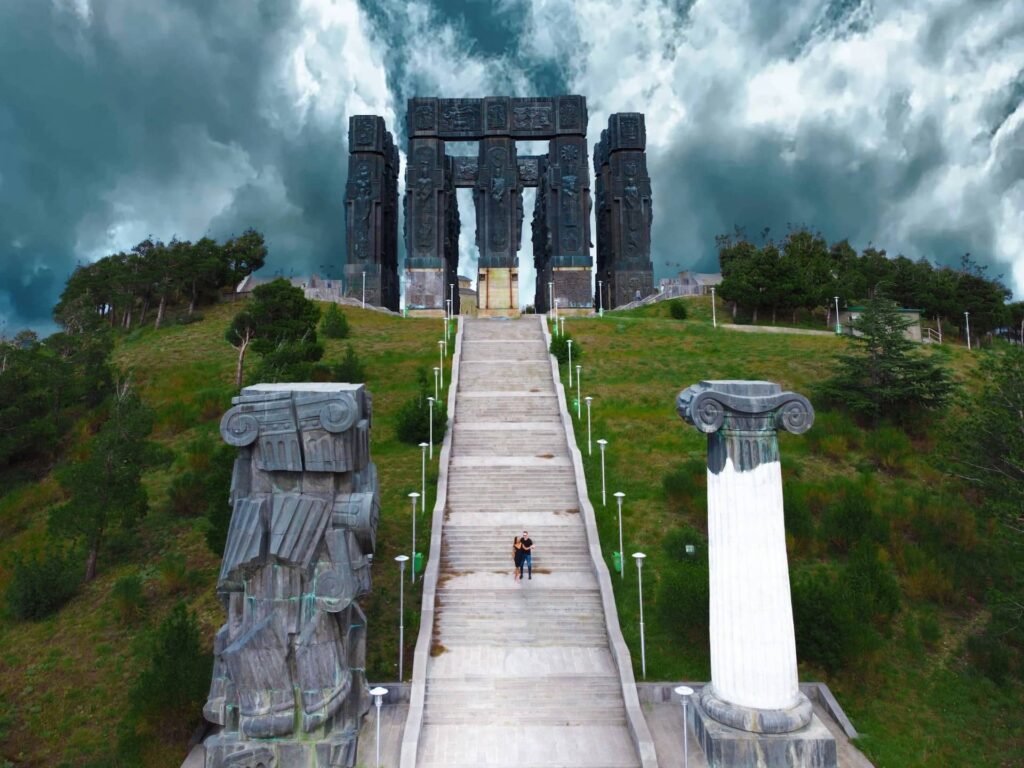
Tbilisi has become a rising favorite among remote workers because it combines low living costs, warm hospitality, and a fascinating mix of Eastern and Western influences. For solo travelers, the city feels interesting, affordable, and easy to enjoy at a slower pace.
One major advantage is its friendly environment for digital nomads. Georgia has introduced visa policies that make it easier for remote workers to stay longer, giving travelers more flexibility when planning their work and travel lifestyle. This is helpful for anyone who wants to settle in for more than a quick visit.
The city itself offers historic streets, local food, cafés, mountain views, and a growing creative scene. Hospitable locals make the experience even more welcoming. For solo digital nomads who want affordability, culture, and a different kind of European-Asian blend, Tbilisi is a smart destination.
5. Budapest, Hungary
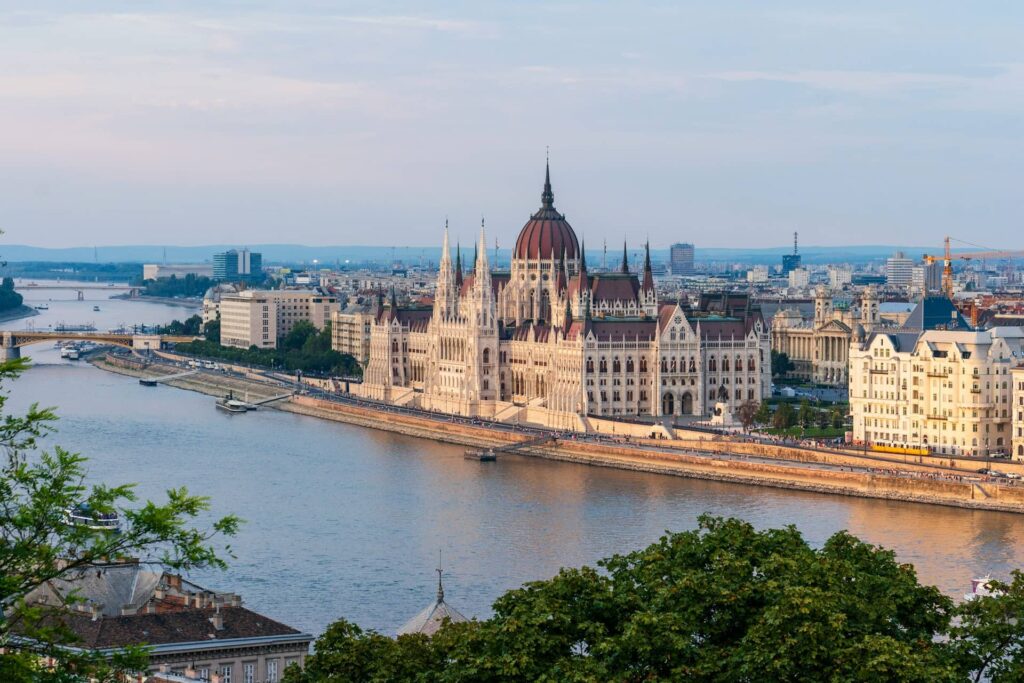
Budapest is a great option for solo digital nomads who want a mix of affordability, culture, and social life. The city is known for grand architecture, historic bridges, thermal baths, river views, and a strong café culture that suits remote workers well.
There are several coworking spaces across the city, along with cafés where digital nomads can work comfortably. Budapest also has a friendly expat community, which makes it easier for solo travelers to connect, network, and find social events without feeling isolated.
After work, the city offers plenty to enjoy. Thermal baths, local markets, museums, ruin bars, and nightlife give travelers many ways to spend their free time. Budapest works well for remote workers who want a European base that feels lively, affordable, and full of character.
6. Chiang Mai, Thailand
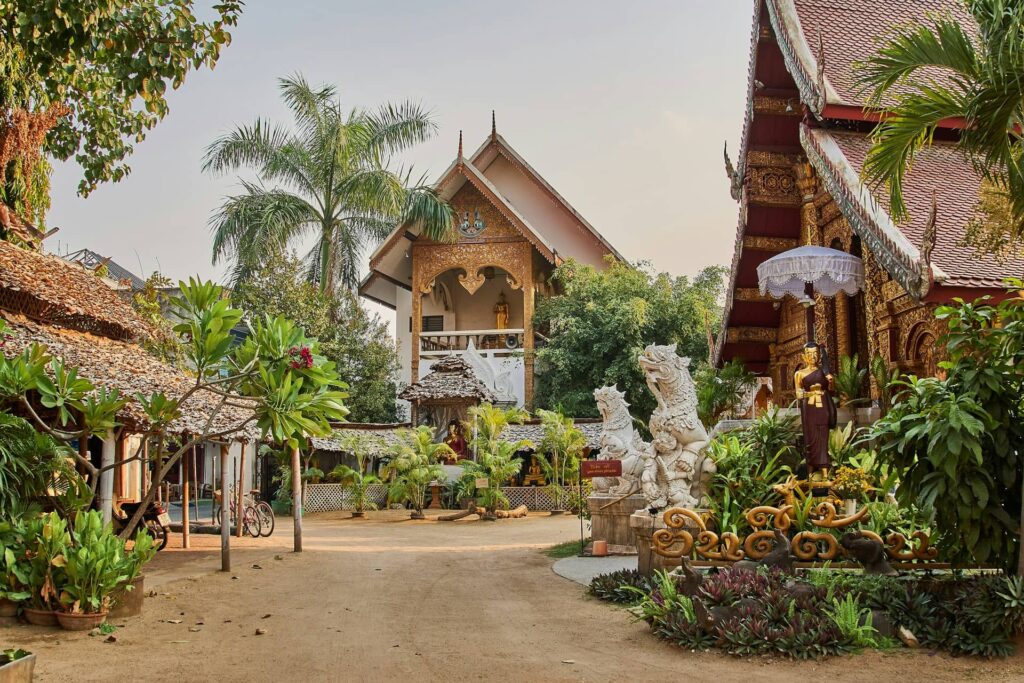
Chiang Mai has long been a favorite destination for digital nomads, especially those who want a lower cost of living and a relaxed daily pace. The city is easier on the budget than many major travel hubs, which makes it appealing for solo travelers who want to stay longer.
Remote workers will find many cafés and coworking spaces built around laptop-friendly routines. These spaces make it simple to stay productive, meet other nomads, and build structure into the day. Chiang Mai’s calm atmosphere also helps travelers focus without feeling rushed.
The city has a strong cultural backdrop, with temples, night markets, festivals, local food, and nearby mountains. Solo travelers can spend weekdays working and weekends visiting temples, joining cooking classes, or exploring nature. It is a steady, affordable, and welcoming base for remote work.
7. Barcelona, Spain
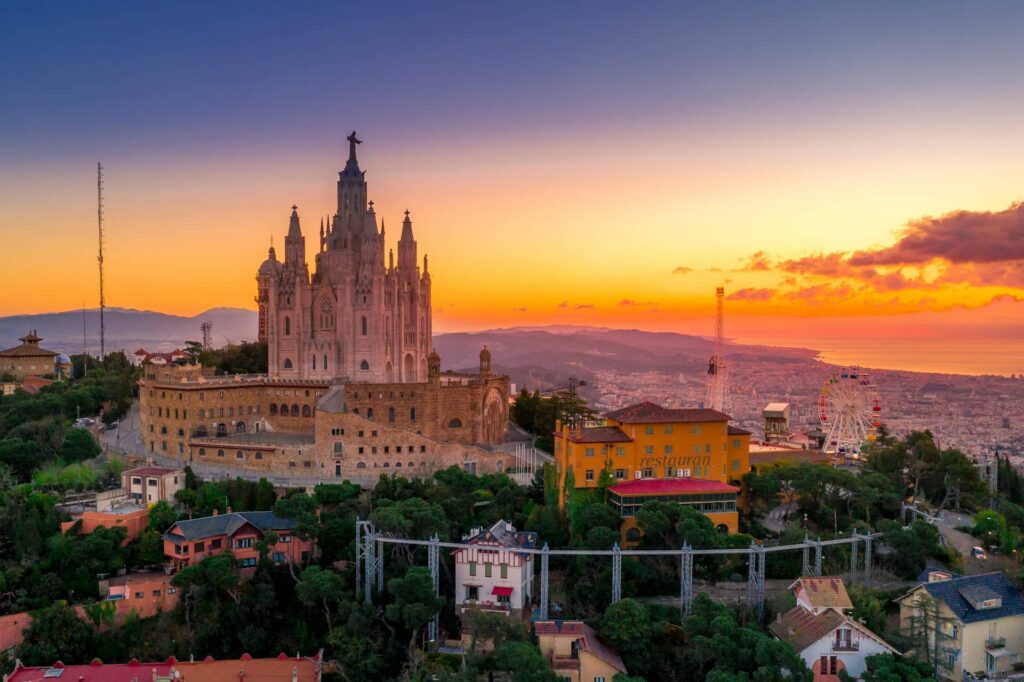
Barcelona attracts digital nomads with its architecture, warm climate, beaches, and active social scene. It is a place where solo travelers can work during the day and still have plenty of ways to enjoy the city before or after work.
The city has many coworking spaces, cafés, and networking events, making it easier for remote workers to stay productive and meet others. Its international community also helps solo travelers feel connected, especially if they are new to the digital nomad lifestyle.
Barcelona is also rich in leisure options. Historic neighborhoods, beach walks, local markets, museums, and food spots create a strong balance between work and travel. For digital nomads who want professional structure with plenty of lifestyle appeal, Barcelona is a powerful choice.
Read More: 15 Affordable Places to Visit in Spain for an Unforgettable Trip
8. Cape Town, South Africa
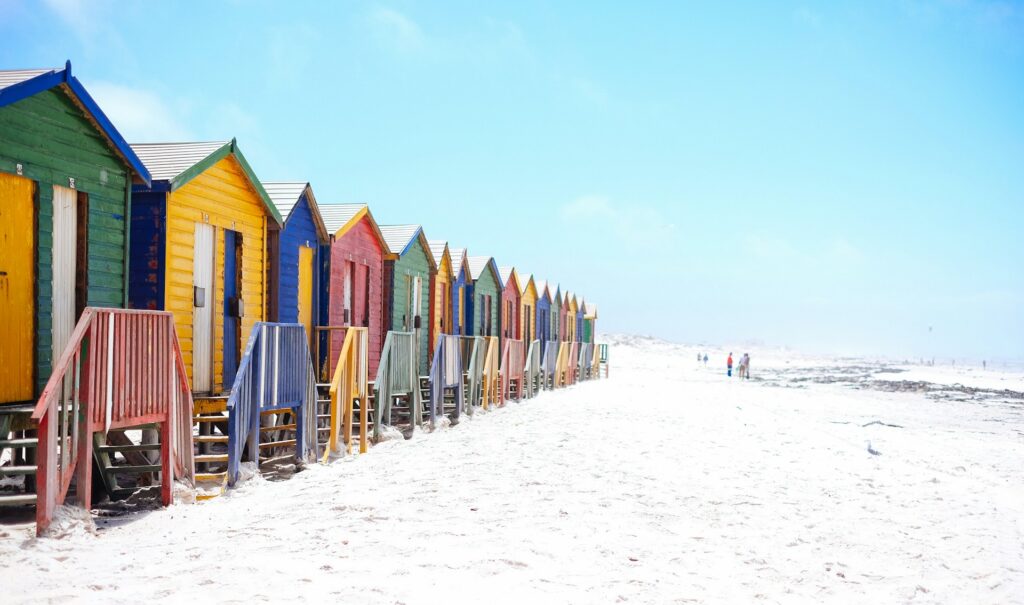
Cape Town is an excellent destination for solo digital nomads who love nature, adventure, and cultural variety. The city offers dramatic coastlines, mountains, beaches, and outdoor activities, making it especially appealing for travelers who want more than a desk-and-café routine.
Remote workers can find reliable internet and coworking spaces in popular neighborhoods such as Woodstock. These areas provide creative work environments, cafés, and community spaces where solo travelers can stay productive and meet other professionals.
Outside work, Cape Town offers hiking, beaches, food markets, art, history, and day trips. Its mix of landscapes and cultures gives travelers many ways to explore. For nature lovers and adventure seekers, Cape Town can serve as both a practical work base and an exciting travel destination.
9. Mexico City, Mexico
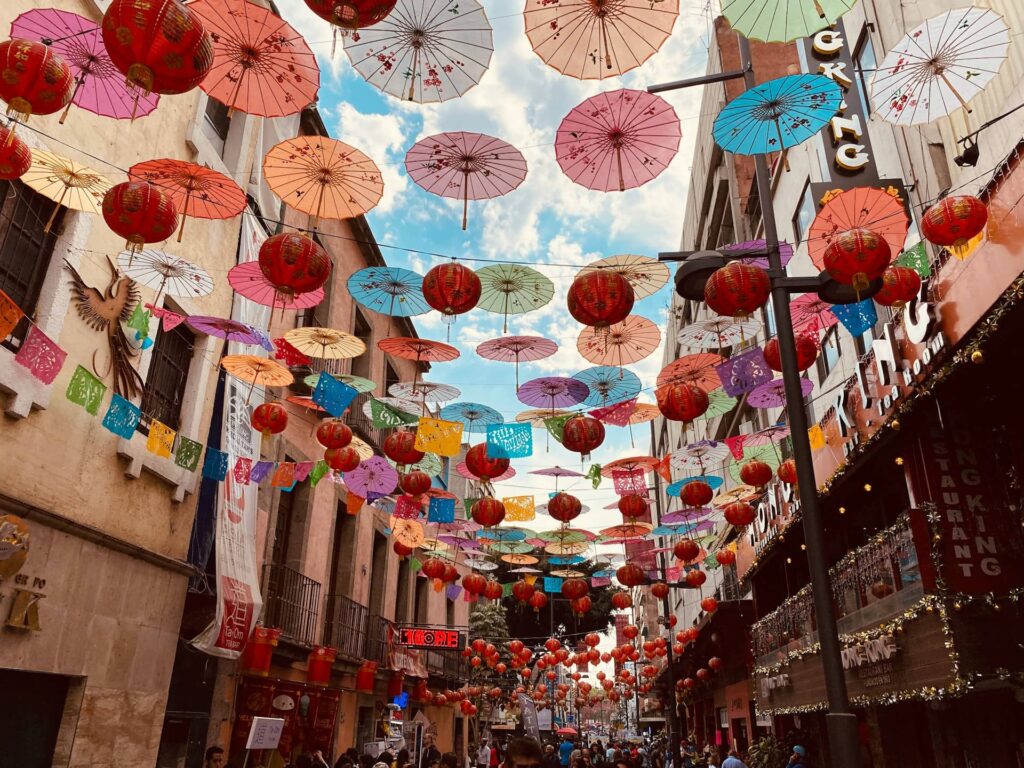
Mexico City is a bold and energetic choice for solo digital nomads who enjoy history, art, food, and constant activity. The city has a strong personality, with ancient sites, museums, colorful neighborhoods, street food, markets, and creative communities.
A growing digital nomad community has helped increase the number of coworking spaces and laptop-friendly cafés. This makes it easier for remote workers to find places to focus, connect with others, and build a comfortable routine while living in the city.
For solo travelers, Mexico City offers endless experiences after work. You can visit museums, try local dishes, explore markets, attend cultural events, or walk through historic districts. It is ideal for digital nomads who want a destination full of movement, flavor, and creative energy.
10. Hanoi, Vietnam
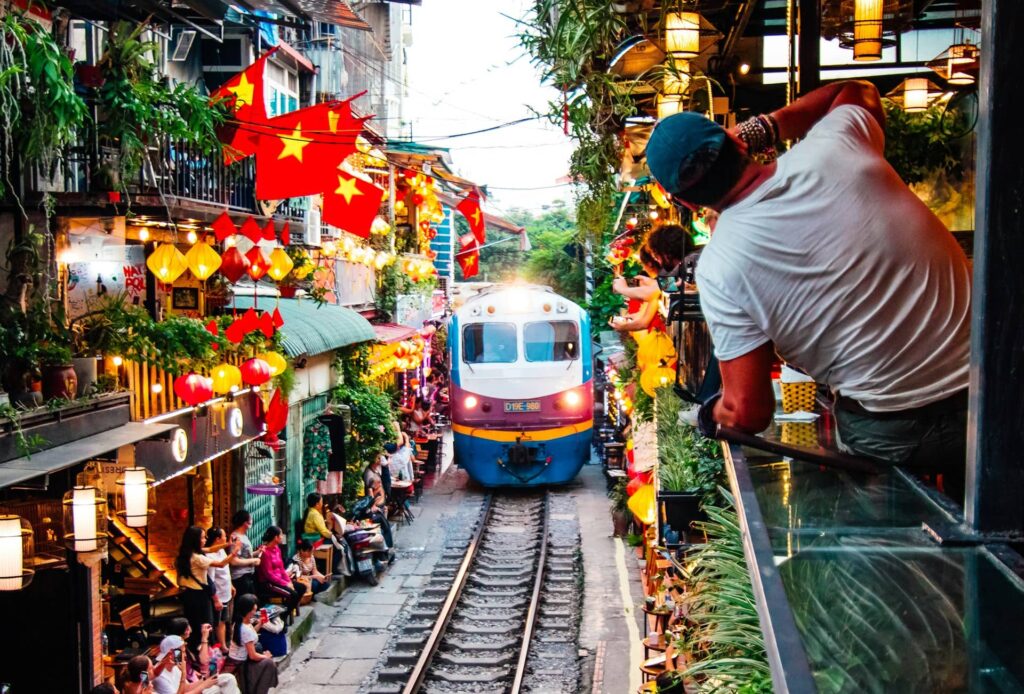
Hanoi is a strong destination for solo digital nomads who want affordability, culture, and a memorable daily experience. The city is known for its busy street life, deep history, local markets, and food scene, making it an exciting place to live and work.
Remote workers can find a range of coworking spaces and cafés that support digital nomad routines. Hanoi’s lower cost of living also makes it easier to manage accommodation, meals, transport, and daily activities without a large budget.
Friendly locals and rich cultural experiences add to the city’s appeal. From street food and old quarters to lakes, museums, and nearby day trips, Hanoi gives solo travelers many ways to grow, learn, and explore. It is a destination that encourages both productivity and personal expansion.
11. Bangkok, Thailand
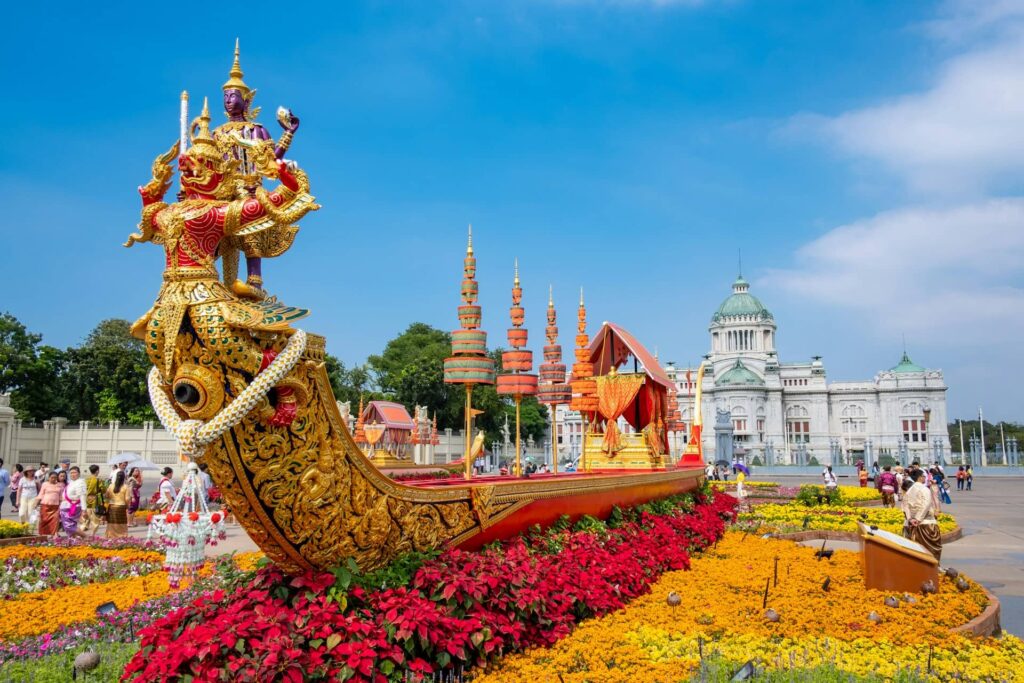
Bangkok continues to attract digital nomads because it makes daily life extremely convenient. From food delivery and groceries to office supplies and transport, almost everything can be arranged quickly. For remote workers who value speed, comfort, and easy access to services, Bangkok is one of the most practical cities in Southeast Asia.
The coworking scene is wide and varied. You can find polished workspaces in central business areas, creative studios in trendier neighborhoods, and relaxed cafés that welcome laptop users. Thonglor is especially popular for remote workers who want a stylish area with cafés, restaurants, and a strong social scene.
For a better nomad experience, it is smart to skip the heavy tourist areas around Khao San Road. Ari and Phrom Phong offer a more local feel, better cafés, calmer streets, and easier access to long-term living comforts. Bangkok works well for solo travelers who want convenience, community, and nonstop city energy.
12. Da Nang, Vietnam
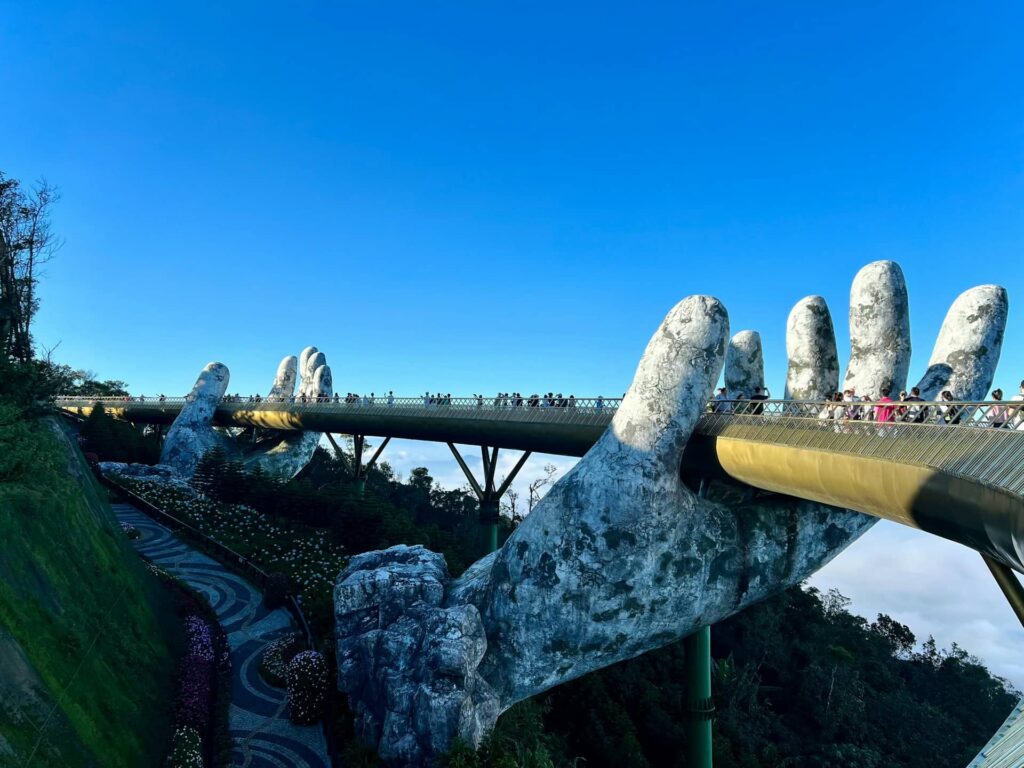
Da Nang is one of Vietnam’s best options for digital nomads who want beach life without the intense pace of Ho Chi Minh City or the heavy tourist crowds of Hanoi. The city feels easier to manage, with a slower rhythm, clean coastal areas, and a growing remote work scene.
One of Da Nang’s biggest advantages is its location. In many areas, you can leave a coworking space or café and reach the ocean in less than 10 minutes. This makes it ideal for solo travelers who want to work during the day and enjoy beach walks, seafood, or sunset views after finishing their tasks.
The cost of living is also a major reason nomads love Da Nang. Monthly budgets of around $300 to $400 can cover basic accommodation, meals, and daily needs, depending on your lifestyle. The nomad community is friendly and close-knit, making it easier for solo travelers to meet people and build connections.
13. Warsaw, Poland
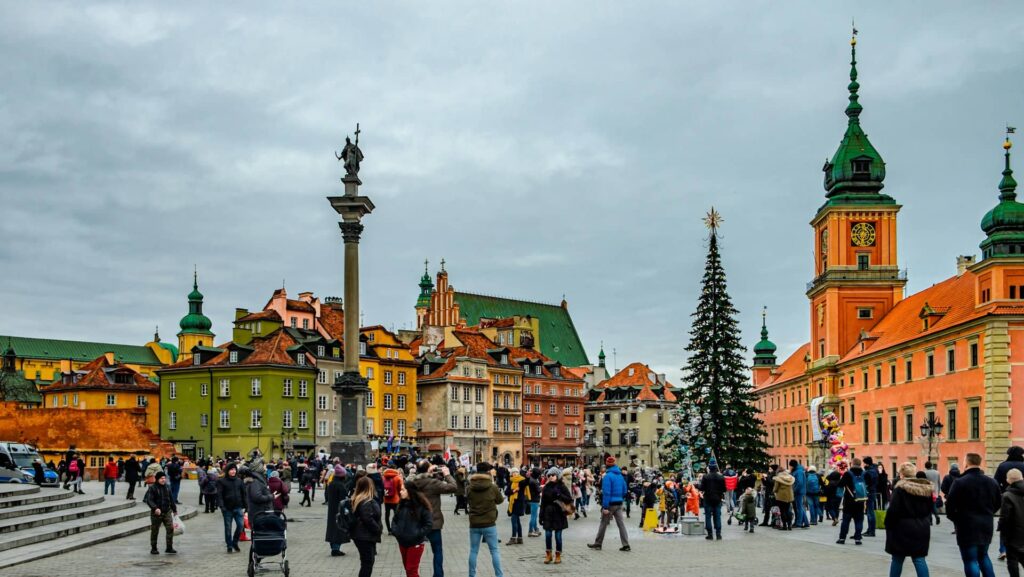
Warsaw has become a strong base for digital nomads as Poland continues to grow as a tech and business hub. The city offers the convenience of being in the European Union while keeping costs lower than many Western European capitals.
The coworking spaces in Warsaw are professional and work-focused. Instead of being only stylish hangout spots, many are built for serious productivity, with strong internet, meeting rooms, quiet zones, and business-friendly setups. This makes Warsaw a good choice for remote workers who need structure and reliable facilities.
The main downside is the winter. Cold weather can feel tough, especially for travelers used to warmer climates. However, spring and summer bring a much more enjoyable side of the city, with parks, outdoor cafés, cultural events, and excellent conditions for both work and exploration.
14. Dubai, UAE
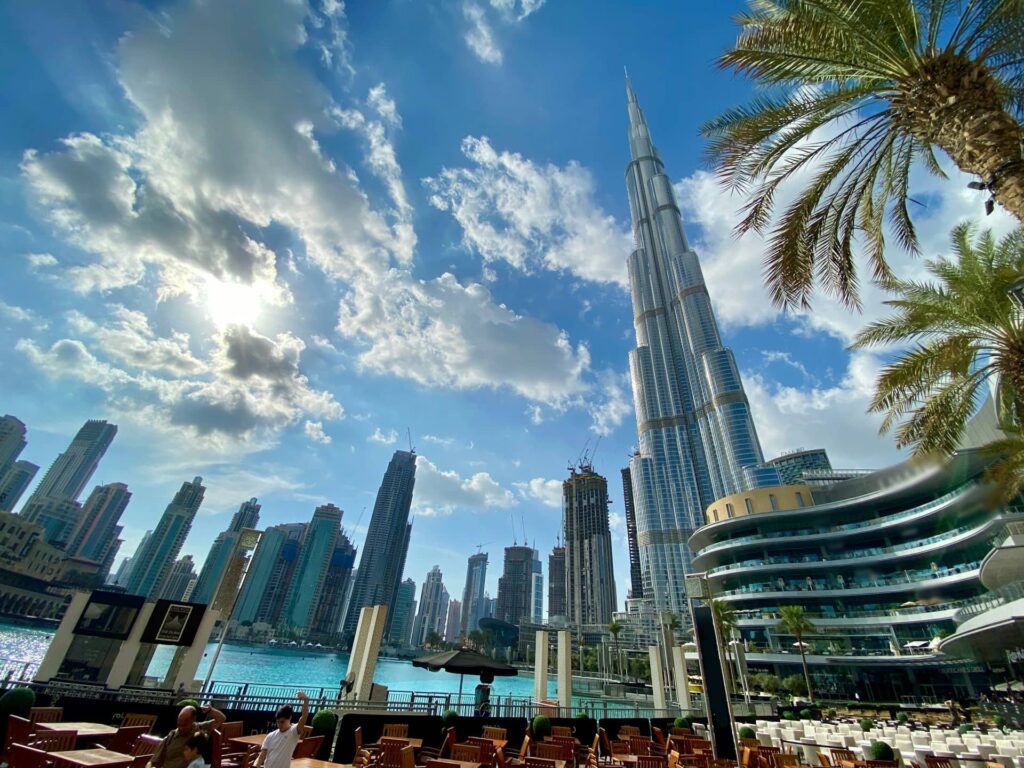
Dubai may look expensive at first, but it can make sense for high-earning digital nomads. The UAE’s golden visa options and tax-free income policies can make the city financially attractive for remote workers with strong earnings and international clients.
The infrastructure is excellent. Internet speeds are fast, transport is modern, and many coworking spaces feel closer to premium business lounges than ordinary offices. Dubai also sits in a useful time zone for people working with clients in Europe, Asia, or the Middle East.
The city does come with challenges. The heat can be intense, and everyday costs are higher than in many other nomad hubs. Still, for remote workers who can afford it, Dubai offers comfort, business opportunities, safety, and a high-end lifestyle that few cities can match.
Read More: 9 Lesser-Known Places in Dubai That Deserve More Attention
15. Buenos Aires, Argentina
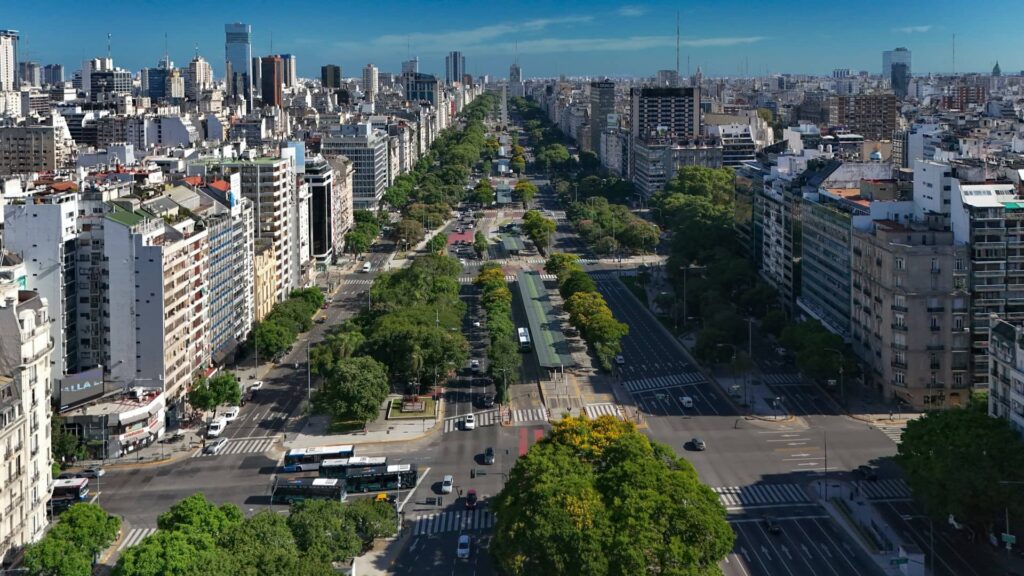
Buenos Aires is a strong choice for creative digital nomads who want culture, energy, and inspiration in their daily routine. The city combines European-style architecture with Latin American passion, giving it a character that feels artistic, social, and full of movement.
Palermo and Villa Crespo are popular neighborhoods for remote workers. They offer strong café culture, coworking options, restaurants, parks, and social spaces where solo travelers can meet other nomads and locals. These areas make it easier to build a work routine while still enjoying the city’s creative side.
Argentina’s recent economic situation has also made Buenos Aires more affordable for foreigners earning in stronger currencies. However, travelers should be ready for some paperwork challenges and occasional internet issues. With patience and flexibility, the city can be a rewarding base for solo digital nomads.
Read More: 21 Best Places to Travel in Argentina for Stunning Views and Adventure
16. Kuala Lumpur, Malaysia
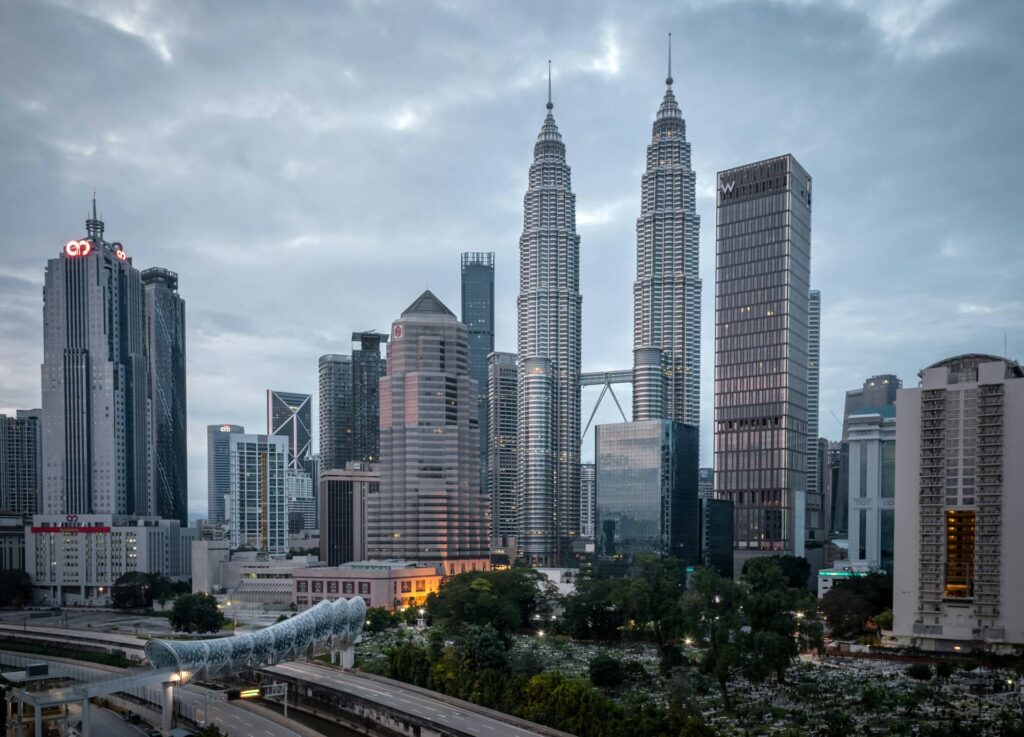
Kuala Lumpur is a practical and culturally rich destination for digital nomads who want comfort, diversity, and affordability in one city. It is compact enough to move around easily, yet large enough to offer modern workspaces, international communities, and plenty of things to do.
The city gives remote workers many choices. You might work from a traditional coffee shop in Chinatown in the morning, then move to a sleek coworking space near KLCC later in the day. This flexibility makes Kuala Lumpur appealing for solo travelers who enjoy variety in their work routine.
Longer stays are also possible through programs such as Malaysia My Second Home, depending on eligibility. The cost of living remains reasonable despite the city’s growth. Another major benefit is the food scene, with Malay, Chinese, Indian, and international meals available at affordable prices, making it easy to eat well without spending too much.
Read More: 21 Stunning Places in Malaysia for a Dreamy Tropical Vacation
17. Tallinn, Estonia
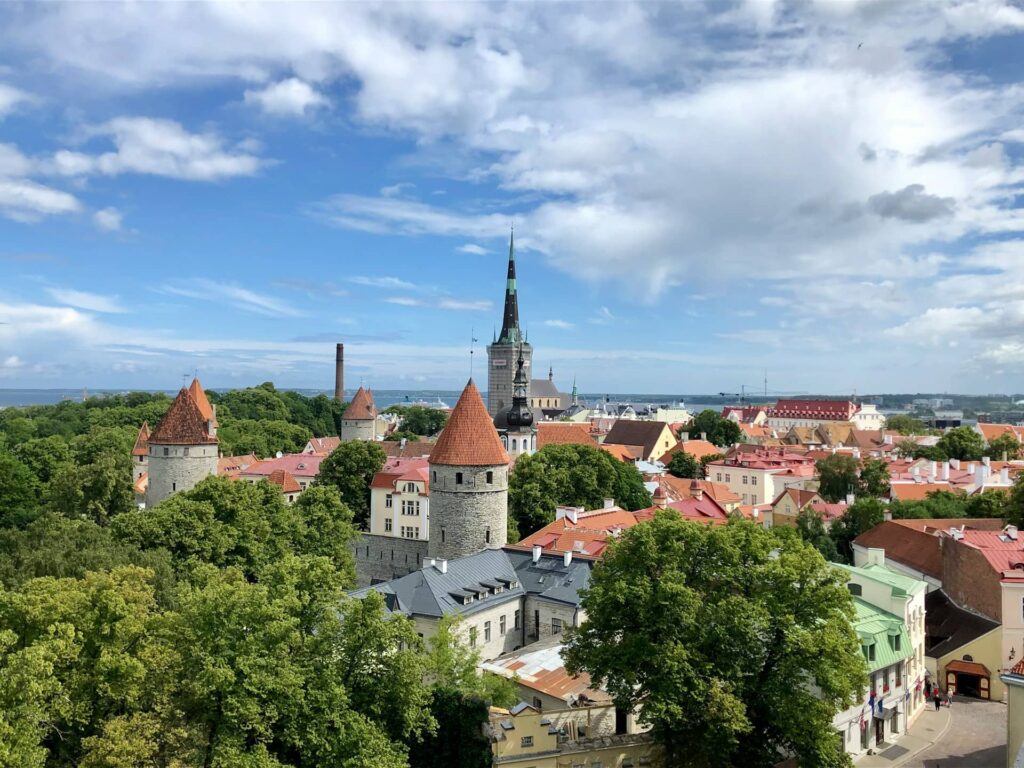
Tallinn is a strong destination for digital nomads who want European access, modern systems, and historic character in one place. Estonia’s e-Residency program makes the country especially attractive for remote workers who want to build or manage an EU-based business while continuing to travel.
The city blends medieval streets, old town architecture, and advanced digital services. For nomads, this means you can enjoy a charming European setting while still benefiting from fast internet, efficient public systems, and a tech-friendly environment that supports remote work.
Tallinn also has a respected startup culture, with Skype being one of its most famous tech success stories. The nomad community is smaller than in places like Lisbon or Chiang Mai, but it tends to be professional, focused, and well-connected, making it easier to meet serious founders, freelancers, and remote workers.
Seasonal planning matters here. Summers are beautiful, with long daylight hours, outdoor cafés, and easy walking routes. Winters can be cold and dark, but they are manageable with the right clothing and mindset. Tallinn’s Baltic location also makes it a useful base for exploring other parts of Europe.
Safety Considerations for Solo Digital Nomads
Solo travel can feel freeing, exciting, and deeply rewarding, but safety should always remain part of the plan. Many cities loved by digital nomads offer culture, growth, community, and work opportunities, yet each place also comes with its own risks. Staying alert, learning local habits, and preparing ahead can help you enjoy the journey with more confidence.
Before choosing a destination, research the area carefully. Check crime levels, common scams, safer neighborhoods, healthcare access, local customs, and transport options. Travel forums, digital nomad communities, and destination-specific groups can give useful firsthand advice from people already living or working there.
Social media groups can also be helpful before arrival. Local digital nomad groups often share warnings, event updates, neighborhood tips, coworking suggestions, and advice about places to avoid. These communities can give you current information that guidebooks may not cover.
Once you arrive, try to blend in instead of looking like a tourist. Dress in a way that fits the local setting and avoid displaying expensive laptops, phones, cameras, jewelry, or other valuables in public. Keep your bag secure in cafés, transport stations, and busy streets.
Transportation matters too. Learn the safest ways to move around the city and avoid walking alone late at night in unfamiliar areas. Use trusted ride-hailing apps, official taxis, or transport recommended by your accommodation. For airport arrival, arranging pickup through your hotel, hostel, or a trusted local service can make the first day easier.
Have an emergency plan before you need one. Save local emergency numbers, nearby hospital addresses, and your embassy or consulate contact details. Keep a charged phone, use a local SIM or eSIM for maps and calls, and share your location with trusted friends or family when needed.
Accommodation should also support your safety. Choose places with secure entry, lockers or safes, good lighting, helpful staff, and strong reviews from other solo travelers. Hostels, guesthouses, and co-living spaces aimed at digital nomads can also offer community, which gives you extra support while abroad.
Building a small local network can make a big difference. Fellow nomads, accommodation staff, coworking members, and local friends can help if you face problems, feel unsure, or need advice. With awareness, preparation, and smart choices, solo travel becomes safer and far more enjoyable.
Cultural Experiences That Enrich Solo Travel
Solo travel gives digital nomads a rare chance to engage with local culture in a personal way. Without a fixed travel group, you can choose experiences based on your own curiosity, schedule, and interests. This freedom can lead to personal growth, better cultural understanding, and even new professional ideas.
Local festivals and community events are powerful ways to connect with a place. You might join a street parade in Rio de Janeiro, attend a traditional tea ceremony in Kyoto, or take part in a harvest festival in Bali. These moments offer a closer look at local values, customs, music, food, and daily life.
To find these events, check local calendars, community boards, social media pages, and expat groups before or during your stay. Talking to locals can also lead you to smaller events that tourists often miss. These experiences can make solo travel feel more personal and less isolated.
Workshops are another excellent way to learn while traveling. Cooking classes, pottery sessions, language lessons, dance workshops, and craft courses allow you to build new skills while understanding the culture more deeply. A pottery class in Chiang Mai or a cooking course in Florence can turn an ordinary day into a memorable learning experience.
These classes also create natural opportunities to meet people. Fellow participants may be travelers, locals, or other remote workers, giving you a relaxed way to connect. Shared learning often leads to easy conversations, helpful tips, and new friendships.
Simple daily interactions can be just as meaningful. Visiting markets, sitting in local cafés, walking through parks, or chatting with a barista can teach you about everyday life in your destination. Joining a casual soccer game in a park or asking a vendor about local food can lead to stories and advice you would not find on a standard tourist route.
Cultural engagement adds depth to solo travel. It encourages reflection, confidence, curiosity, and self-growth. For digital nomads, these moments can also bring balance to a work-heavy routine, turning each destination into more than just a temporary office.
Networking Opportunities for Remote Workers Abroad
Networking abroad can make solo digital nomad life more rewarding. Meeting other remote workers can lead to friendships, collaborations, referrals, local advice, and emotional support. In many global hubs, nomad communities are active, welcoming, and full of people who understand the lifestyle.
Coworking spaces are one of the best places to meet others. Many host workshops, happy hours, talks, skill-sharing sessions, and weekly meetups. In destinations such as Bali and Chiang Mai, coworking spaces often serve as both offices and community centers for remote workers.
These spaces can help you exchange remote work tips, learn about local life, and meet people with similar goals. A short conversation at a shared desk can lead to a project, business idea, travel plan, or friendship. For solo travelers, this can reduce loneliness while supporting professional growth.
Social media groups are also useful. Facebook, LinkedIn, Slack, and other online communities often have groups for remote workers, expats, and digital nomads. Groups such as “Digital Nomads Around the World” can help you ask questions, arrange meetups, and get firsthand advice about culture, food, housing, and work routines.
Event platforms such as Meetup and Eventbrite can help you find local gatherings, workshops, lectures, and professional events. Cities such as Lisbon and Medellín often host remote-worker events focused on business, skill sharing, and community building. These spaces make it easier to meet people without forcing awkward introductions.
The key is to be open and willing to start conversations. Introduce yourself, ask about someone’s work, share your own experience, and listen to their story. Many remote workers are also looking for connection, so small efforts can quickly lead to strong networks.
Networking abroad can support both your career and your personal life. It can help you handle challenges, learn faster, find opportunities, and feel more grounded while moving from place to place.
Visa and Legal Considerations for Solo Nomads
Visa rules and legal requirements are a major part of digital nomad travel. The ability to work while exploring different countries depends on understanding entry rules, stay limits, work permissions, tax responsibilities, and local regulations. Planning this early can prevent problems later.
Start by researching visa requirements before booking long stays. Some countries allow short visits on tourist visas, while others offer business visas or dedicated digital nomad visas. These remote work visas can allow longer stays while letting you work for clients or employers outside the host country.
A simple process can help you compare your options. First, choose your destination. Next, review visa types such as tourist, business, or digital nomad visas. Then check the allowed duration, work restrictions, income requirements, health insurance rules, and required documents.
Common documents may include proof of income, employment confirmation, remote work contracts, accommodation details, passport copies, health insurance, and background checks. Applying early is wise because processing times can vary, and delays may affect your travel plans.
Several countries have created programs to attract remote workers. Portugal and Spain, for example, have introduced visa options aimed at digital nomads. Portugal’s D7 visa has also been used by remote workers who want to live in the country while earning from international sources, though requirements such as income proof and health insurance must be checked carefully.
Legal planning should also include taxes. Some countries may require tax payments after you stay for a certain period. Others may have rules based on residency, income source, or number of days spent in the country. Since tax laws can be confusing, many nomads consult specialists in international taxation.
Digital nomad groups and online communities can provide helpful firsthand experience, but official government sources should always be checked before making decisions. Rules can change, and old advice may no longer apply. Strong preparation gives you more freedom and fewer surprises on the road.
Best Accommodation Options for Solo Travelers
The right accommodation can improve your comfort, productivity, safety, and social life as a solo digital nomad. Where you stay affects how easily you work, rest, meet people, cook meals, access transport, and enjoy the destination. A good place should match both your work needs and travel style.
Co-living spaces are one of the strongest choices for digital nomads. They combine private rooms with shared kitchens, lounges, work areas, and social events. This setup gives you privacy when you need focus and community when you want connection.
Many co-living spaces are built specifically for remote workers. They may offer strong Wi-Fi, desks, meeting rooms, group activities, and flexible stays. Platforms such as Selina and Outsite provide options in different locations, allowing nomads to move between cities while keeping a familiar style of accommodation.
Hostels with private rooms are another practical option. They are usually cheaper than hotels but still provide privacy. At the same time, you can join social activities, group tours, shared dinners, and common-room conversations, which can be helpful for solo travelers.
Vacation rentals can work well for longer stays. Platforms such as Airbnb and Vrbo offer private apartments, rooms in local homes, and longer-term rentals. Having a kitchen, washing machine, and private workspace can make daily life easier and help you feel more settled.
Boutique hotels suit travelers who want more comfort and character. Many offer stylish rooms, good locations, friendly service, and sometimes work-friendly lounges. They can be a good choice when you need a quieter base or want a few days of better rest between longer stays.
Campsites and glamping can appeal to more adventurous nomads. These options connect you with nature while still offering basic facilities, and some even provide Wi-Fi. They work best for travelers who want outdoor experiences while staying connected enough to manage work.
The best accommodation should give you a healthy balance of privacy, safety, comfort, and community. Choose a place that helps you stay productive while also making your travel experience richer.
Local Communities and Support Networks for Nomads
Local communities can turn solo digital nomad travel into a more connected and supported experience. In many destinations, nomad groups offer advice, friendship, work leads, event updates, and practical help. These networks can make living abroad easier and more enjoyable.
Meetups and remote-worker events are good starting points. Websites such as Meetup.com and coworking space event pages often list gatherings for freelancers, entrepreneurs, and digital nomads. These events can help you meet people who share similar work habits and travel experiences.
Coworking spaces often act as community centers. Many organize talks, lunches, workshops, business events, and social nights. Spending time in places like WeWork or local coworking centers can help you meet people who understand the challenges of remote work and can share useful local knowledge.
Social media platforms are also valuable. Facebook and LinkedIn groups for nomads, expats, and remote workers can help you ask questions, find housing, get restaurant tips, learn about safety issues, and join local meetups. These groups often share information that is more current than travel articles.
Volunteering is another meaningful way to build connections. You can look for local projects related to community development, education, environmental work, animal care, or social support. Volunteering allows you to give back while meeting people who care about the same causes.
Accommodation can also help you connect. Hostels, guesthouses, and co-living spaces often organize group dinners, tours, work sessions, and social events. These simple gatherings can lead to friendships, local tips, and a stronger sense of belonging.
Support networks matter because solo travel can sometimes feel lonely or confusing. By joining local communities, you gain people to learn from, work with, and rely on when challenges appear. This can turn a solo trip into a shared and more meaningful adventure.
Tips for Building a Routine While Traveling Solo
A steady routine can help solo digital nomads stay productive while still enjoying each destination. New places can be exciting, but without structure, it is easy to lose focus or feel scattered. A simple routine gives your days direction and helps balance work with exploration.
Start by setting clear work hours. Choose the part of the day when you feel most productive, whether that is early morning, late afternoon, or evening. Protect those hours for deep work, calls, writing, client tasks, or business planning.
Clear boundaries between work and free time are important. When work hours end, give yourself permission to explore without guilt. This makes it easier to enjoy local food, attractions, walks, classes, or social events without feeling like you should still be working.
A morning routine can ground your day no matter where you are. It may include a workout, short walk, mindfulness session, journaling, or a local breakfast. In Bali, that might mean yoga by the beach followed by coffee at a nearby café. In a city setting, it may be a walk to a coworking space before starting work.
Technology can help you stay organized. Tools such as Todoist and Trello are useful for task lists and project planning, while calendar apps can help schedule meetings and focus blocks. Timers and reminders can also reduce distractions, especially in busy or exciting environments.
Coworking spaces can improve both productivity and social life. They provide reliable Wi-Fi, workstations, quiet areas, and chances to meet other remote workers. After work, many coworking spaces host workshops, social events, or group activities that can lead to friendships and collaborations.
Downtime should be part of your routine too. Schedule breaks to visit local attractions, try new food, join a guided tour, attend a class, or simply rest. A strong routine does not mean every moment is planned; it means your work and travel life support each other.
With the right structure, solo travel becomes more balanced. You can meet deadlines, enjoy the destination, stay healthy, and make the most of the freedom that digital nomad life provides.
Embracing Solo Travel: Personal Growth and Freedom
Solo travel can change the way you see yourself and the way you move through life. It pushes you beyond familiar routines, teaches independence, and builds confidence through real experiences. Every new destination becomes part of your personal story.
One of the strongest parts of solo travel is the chance to connect with yourself. Without constant company, you have more time to think, reflect, make your own choices, and understand what you truly enjoy. These quiet moments can be just as valuable as the exciting ones.
Solo travel also makes it easier to connect with others. When you are alone, you may be more open to conversations, local experiences, and spontaneous plans. You might talk with an artist in the streets of Athens or join a cooking class in Thailand with other travelers.
These interactions can lead to friendships, new ideas, and wider perspectives. They help you see places through people, not just attractions. For digital nomads, these connections can also support creativity, confidence, and professional growth.
Setting personal goals can make solo travel more meaningful. You might decide to learn a language, build a skill, practice mindfulness, improve fitness, or become more comfortable meeting new people. Clear goals give your journey direction beyond simply moving from one place to another.
Choose experiences that challenge and inspire you. Hike a difficult trail, volunteer with a local project, attend a workshop, or try something outside your comfort zone. These moments can teach resilience and help you grow in ways ordinary routines rarely do.
Reflection is also important. Journaling, meditation, or quiet evening walks can help you process what you are learning. Looking back on your experiences allows you to understand how travel is shaping your confidence, values, and future choices.
Solo travel is about freedom, but it is also about responsibility. You learn to trust yourself, solve problems, handle uncertainty, and enjoy your own company. Those lessons stay with you long after the trip ends.
Conclusion
As you prepare for your solo digital nomad journey, remember that the right destination can help you combine work and exploration in a smooth, rewarding way. A good location supports your career, daily comfort, safety, social life, and personal growth.
Do not let doubt stop you from starting. With the right planning, solo travel can open new opportunities, new friendships, and new ways of thinking. Each destination offers a chance to work from a fresh setting while learning from local culture and people.
For more practical guidance, explore our related guides on “Working Remotely: Essential Tips for Digital Nomads” and “Travel Safety for Solo Travelers.” These resources can help you prepare with better work habits, safety awareness, and confidence before your next move.
You can also sign up for our newsletter to receive destination updates, remote work advice, and solo travel tips directly in your inbox. Join a community of travelers who share ideas, inspiration, and practical advice for building a better life on the road.
Your next adventure may begin with one careful choice: picking a destination that fits your work, budget, safety needs, and curiosity. From there, the digital nomad lifestyle can become a powerful path toward freedom, growth, and meaningful connection.