
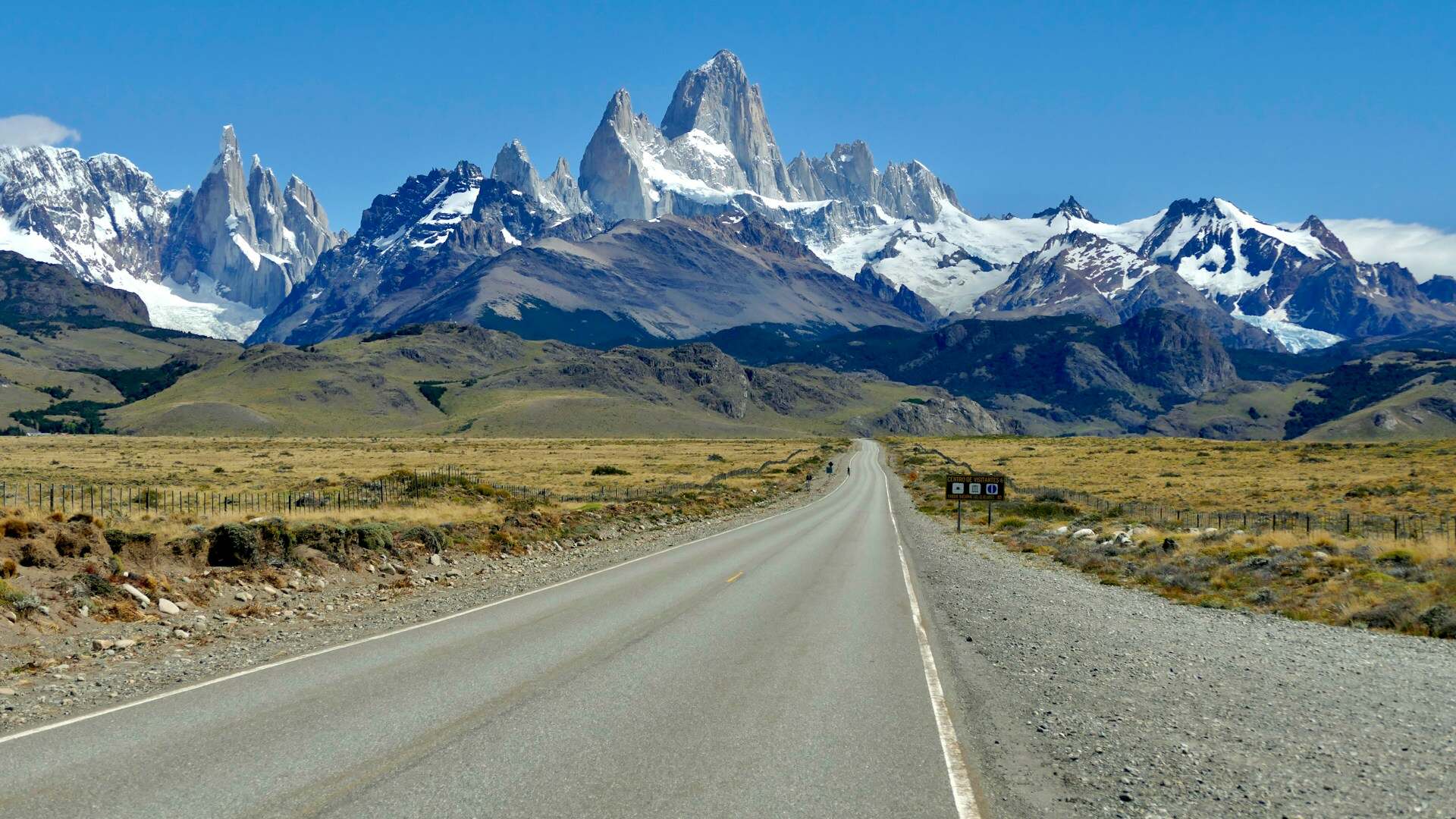
Planning a South America journey often leads to one big question: which places should you choose in Argentina? Before I went, I barely understood how vast this country really is. Maps don’t quite prepare you for its scale. After spending more than two months crossing regions, climates, and cultures, I realized Argentina offers an astonishing mix of landscapes, flavors, and traditions that’s hard to match anywhere else.
I made my way from Patagonia in the far south to the electric streets of Buenos Aires, then north to the thunder of Iguazú Falls. I continued west through the dramatic terrain of Salta and the painted hills of Jujuy. What was meant to be a short stop turned into a deep dive. Somewhere between long-distance buses and late-night steak dinners, Argentina quietly became my favorite country in the world.
Few countries shift scenery so dramatically. One week you’re staring at icy peaks and wind-carved rock formations in Patagonia. The next, you’re sipping Malbec in dry wine valleys beneath wide open skies. Cities echo with European influence—grand boulevards, café culture, late dinners that stretch past midnight. Head north and thick jungle surrounds you; travel west and the high-altitude desert glows in shades of red, orange, and pink.
Argentina doesn’t reveal itself all at once. Each region feels like a different chapter. Snow-capped mountains, grassland plains, colonial towns, tropical waterfalls—every stop raises the bar a little higher. Just when you think you’ve seen the best of it, another landscape changes the story.
Top Southern Argentina Destinations to Add to Your Trip
Argentina’s south is rugged, cold, and strikingly vast. This is Patagonia—a land of sharp peaks, icy lakes, and open highways that seem to run forever.
Stand before the towering blue walls of Perito Moreno Glacier, hike near Fitz Roy from El Chaltén, or reach the edge of the continent in Ushuaia.
For dramatic mountain scenery and crisp air, the south leaves a lasting mark.
1. Ushuaia: Argentina’s City at the Edge
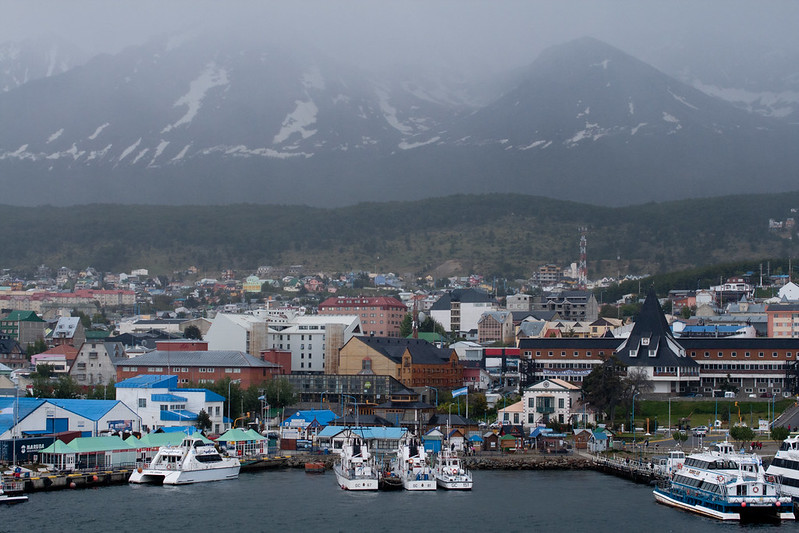
At the far southern tip of the continent sits Ushuaia, often called the “End of the World.” It’s the southernmost city in the Americas and the main launch point for expeditions to Antarctica. Most cruises and charter flights to the White Continent depart from here, making it the closest accessible base for that journey.
Winters in this corner of Argentina can be bitterly cold, with snow settling over rooftops and surrounding peaks. The town itself is framed by dramatic mountains and the Beagle Channel, while nearby islands host large colonies of penguins. Brightly painted houses line the streets, adding contrast to the gray skies and icy waters. Just outside town, Tierra del Fuego National Park offers coastal trails, forests, and wide-open views.
Ushuaia Things to Do
- Ride the End of the World Train
- Visit the End of the World Museum to learn about Indigenous cultures
- Trek through Tierra del Fuego National Park
- See penguins on Martillo Island
- Take a boat trip along the Beagle Channel
Ushuaia Places to Stay
You’ll find a mix of hotels and hostels, from simple budget rooms to comfortable waterfront stays. Compare rates in advance to find an option that fits your travel style and season.
2. El Calafate: Glacier Country in Southern Patagonia
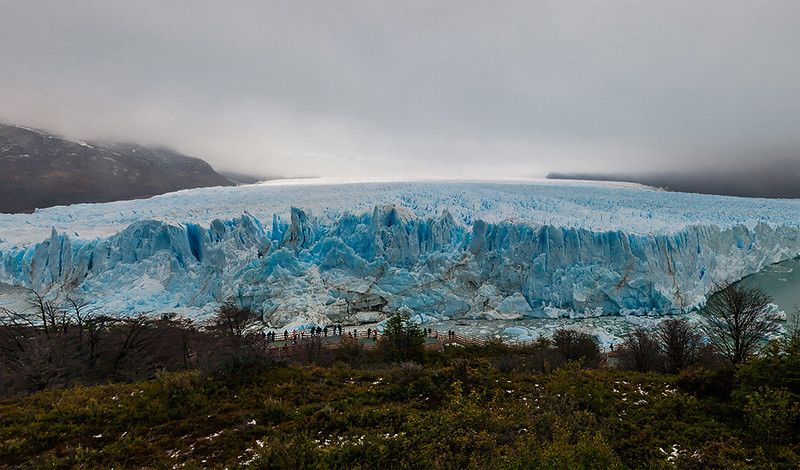
El Calafate is one of southern Patagonia’s main adventure bases and a key stop on many Argentina routes. The town is best known for access to the massive Perito Moreno Glacier—a towering wall of blue ice that cracks, shifts, and occasionally collapses into the lake below. Seeing it up close is an unforgettable experience.
Beyond the glacier, El Calafate works well as a base for exploring the region. Boat tours travel across icy lakes to reach other glaciers, and long day trips can take you across the border to Torres del Paine National Park in Chile. You can also visit traditional estancias, where gauchos manage sheep ranches across dry, wind-swept plains.
Things to Do and Where to Stay
El Calafate offers a range of tours, from glacier walks to scenic cruises. In town, accommodation varies from simple hostels to comfortable hotels with lake views. Booking ahead during peak season is a smart move, especially in summer.
3. El Chaltén: Argentina’s Hiking Capital
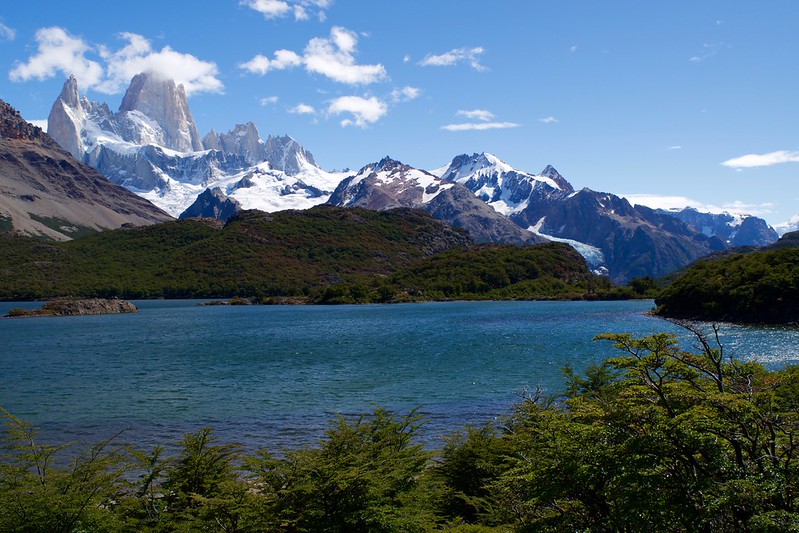
About three hours north of El Calafate, El Chaltén sits beneath some of Patagonia’s most dramatic peaks. This small mountain town has built its reputation around outdoor adventure, especially the famous trek to Laguna de los Tres. From the lake’s edge, you’re rewarded with a clear view of Mount Fitz Roy rising sharply into the sky.
The town itself is compact and relaxed, surrounded by open valleys and glacier-fed rivers. Beyond hiking, you can try rafting, rappelling, or kayaking in the nearby waterways. Trails begin right from the edge of town, making it easy to step straight into the wilderness.
What to Do and Where to Stay
El Chaltén offers a range of hikes, from short scenic walks to full-day climbs. Accommodation includes cozy hostels and small lodges popular with trekkers. If you’re mapping out a longer Patagonia trip through Argentina and Chile, plan transfers in advance to keep your route smooth and stress-free.
4. Bariloche: Lakes, Peaks, and Alpine Charm
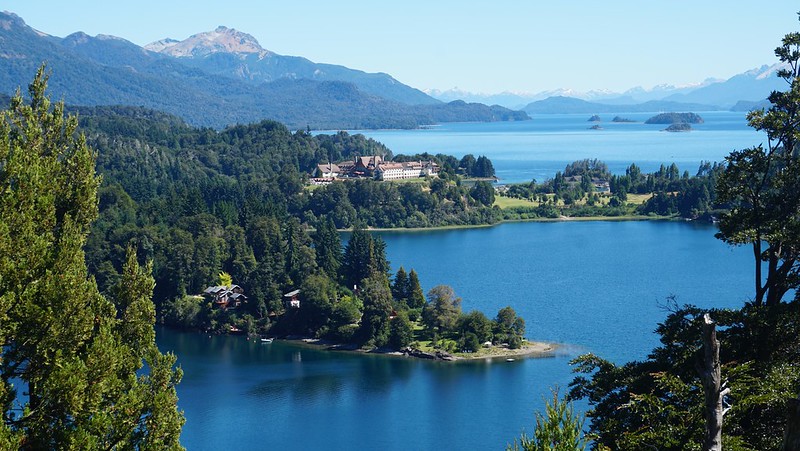
San Carlos de Bariloche is one of Argentina’s favorite holiday spots, drawing both backpackers and travelers looking for upscale comfort. Luxury resorts overlook deep-blue lakes, while cozy hostels welcome hikers and cyclists. The setting feels almost alpine, with snow-capped peaks rising beyond the shoreline.
Outdoor activities shape the rhythm of the town. Trails climb toward sharp mountain summits, and the well-known Circuito Chico bike route loops through parts of Nahuel Huapi National Park, passing lakes and small breweries along the way. In winter, nearby Cerro Catedral turns into a busy ski center.
Bariloche also has a sweet side—its chocolate shops are famous across the country. Whether you’re here for hiking, cycling, skiing, or relaxed lake views, this northern Patagonia base offers plenty to fill your days.
5. Villa La Angostura: A Quiet Patagonia Escape
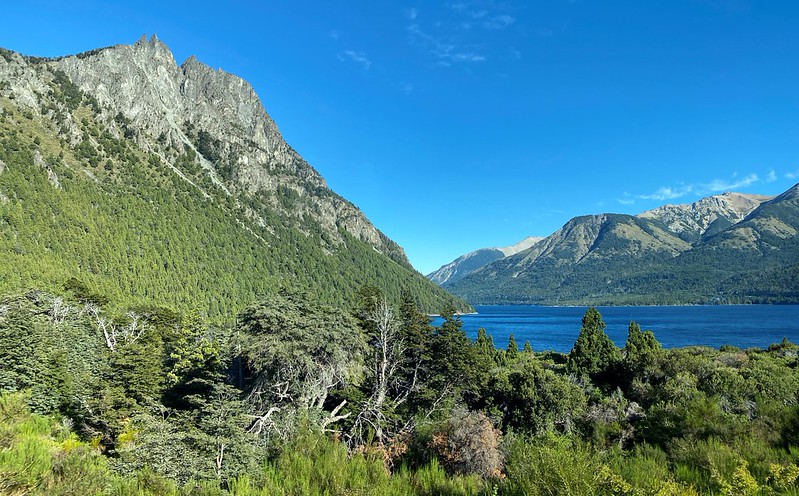
Villa La Angostura is a small mountain town in northern Patagonia that often flies under the radar. I came across it while moving between Argentina destinations, and it quickly became a favorite stop. The streets are lined with cozy restaurants and simple souvenir shops, all framed by forest and lake views.
Just outside town near Puerto Angostura, a long peninsula stretches into the water. A trail runs along its spine, offering wide views of the surrounding lakes on both sides. The hike is steady rather than extreme, yet the scenery makes every step worth it. It remains one of my top walks in South America.
Things to Do + Where to Stay
Villa La Angostura is ideal for hiking, lake viewpoints, and slow afternoons by the water. Accommodation ranges from budget cabins to comfortable lodges. For more detailed tips on trails and lodging, include it in a broader northern Patagonia route and plan your nights in advance.
6. El Bolsón: Patagonia’s Laid-Back Mountain Town
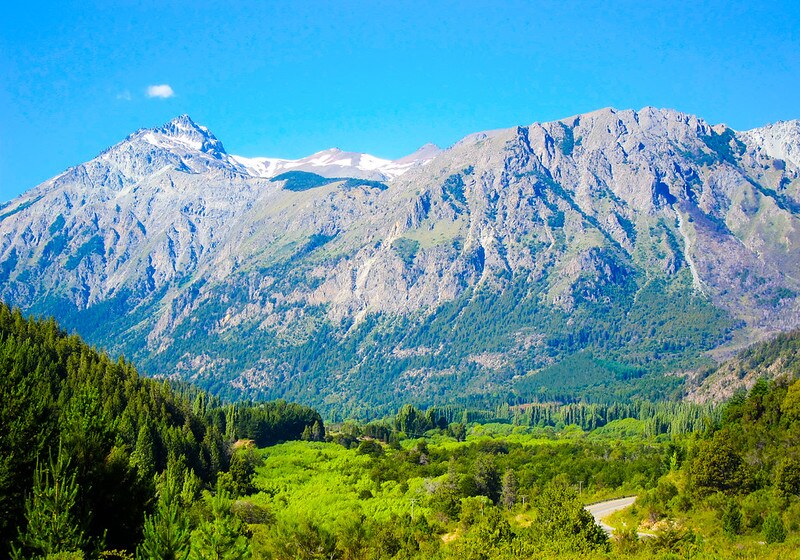
El Bolsón has a free-spirited, mountain-town feel that sets it apart from other stops in Patagonia. Wooden cabins, eco-lodges, and small farms dot the surrounding valleys, while the town center hosts craft markets filled with handmade goods and local produce. It attracts hikers, artists, and travelers who prefer a slower pace.
Outdoor options are plentiful. Trails wind into nearby forests and climb toward Cerro Piltriquitrón, where broad views stretch across the valley. After a day outside, you can browse market stalls or settle into a casual café for regional food and beer.
Things to Do + Where to Stay
El Bolsón works well as a base for hiking and short trips to nearby lakes and small villages. Accommodation ranges from simple hostels to rustic lodges tucked into the hills. For more detailed route ideas and lodging tips, include it in a northern Patagonia plan and map out your stops ahead of time.
7. San Martín de los Andes: Lakes and Volcano Views
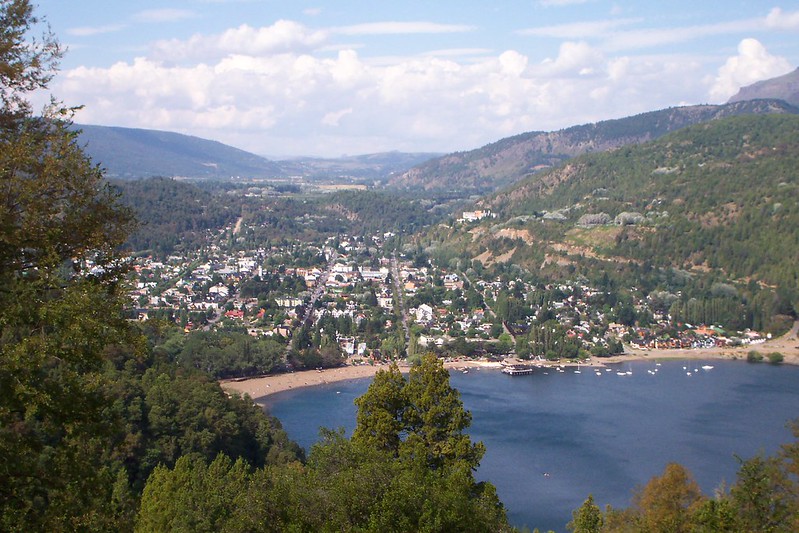
San Martín de los Andes sits at the northern edge of Patagonia, larger than many nearby towns and set along the shores of Lake Lácar. Forested hills rise behind the town, and clear water stretches out in front, giving the whole area a calm mountain-lake atmosphere.
This part of Patagonia has more volcanic terrain than the southern regions. Within Lanín National Park, you can see the snow-capped Volcán Lanín rising above the forest. If you cross into Chile, the active Volcán Villarrica near Pucón is another striking sight.
Things to Do + Where to Stay
San Martín feels a bit like a ski town, especially in winter when nearby slopes open for the season. In warmer months, hiking trails circle the lakes and climb into the hills. Accommodation ranges from hostels to lakeside lodges. For detailed route ideas and lodging options, include this stop in a broader northern Patagonia plan and arrange transport ahead of time.
Places to Visit in Argentina: Destinations in the Center
Central Argentina offers a different rhythm from Patagonia’s icy peaks or the tropical north. Here, you’ll find broad plains, historic cities, wine regions, and mountain ranges that shift the scenery once again. It’s a part of the country that blends culture, food, and outdoor landscapes in equal measure.
Below are several central Argentina destinations worth adding to your list.
8. Mendoza: Argentina’s Wine Capital at the Foot of the Andes
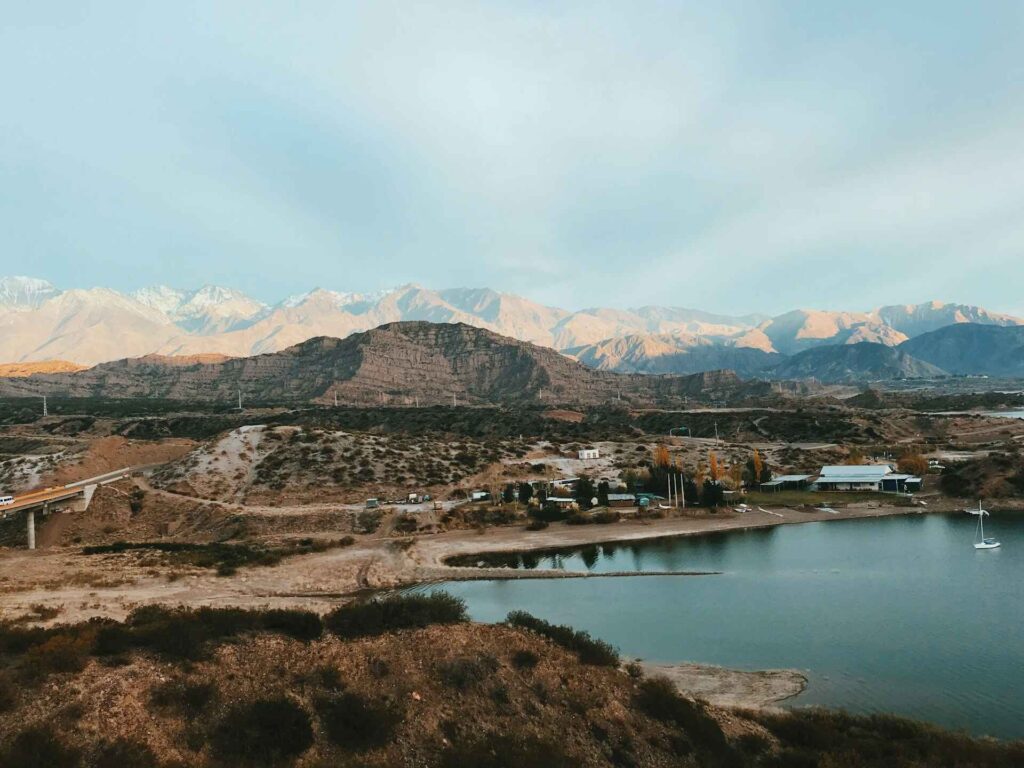
Mendoza is a must-stop for travelers who appreciate good wine. Known worldwide for its Malbec, the region also produces excellent Cabernet Sauvignon, Bonarda, and Torrontés. Vineyards stretch across three main wine areas at the base of the Andes, where dry air and high elevation shape the flavor of every bottle.
Wine tasting may be the headline activity, but Mendoza offers much more. The Andes provide a dramatic backdrop for outdoor excursions. You can head into the mountains on high-altitude tours, relax in nearby geothermal spas, or try white-water rafting on fast-moving rivers fed by snowmelt.
Things to Do + Where to Stay
Popular activities include guided vineyard tours, rafting trips, and scenic drives through the Andes. Accommodation ranges from simple guesthouses in the city to vineyard lodges surrounded by grapevines. Booking tastings in advance is wise, especially during harvest season, when the region is at its busiest.
9. Cordoba: A Central Stop with Culture and Curiosity
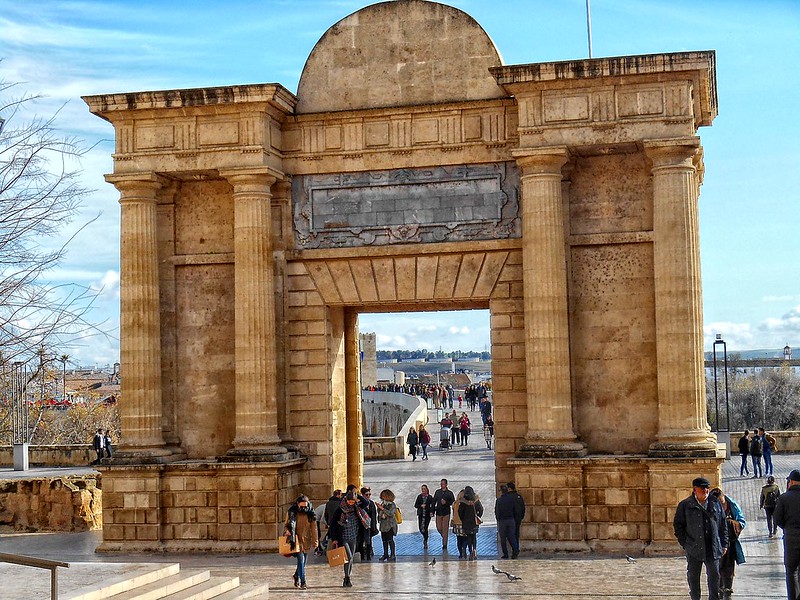
Córdoba sits almost in the middle of the country, making it a practical stop between Mendoza, Salta, and Buenos Aires. While parts of the city feel industrial, there’s plenty to fill a weekend. I spent a few days here with a friend and found it lively, youthful, and full of small surprises.
Start in the historic center, where colonial buildings, plazas, and museums cluster together. On weekends, downtown streets host markets and busy bars. Just outside the city, the hills shift the scenery entirely. You can visit La Cumbrecita for alpine-style charm or head into the Sierras Chicas for hiking and open views.
The area around Capilla del Monte has also drawn attention for years due to local legends about UFO sightings and unexplained events. Stories of crop circles and strange lights have become part of regional folklore, adding a curious twist to your visit.
Where to Stay
Córdoba offers a wide mix of accommodation, from budget hostels to modern hotels near the center. Booking close to downtown keeps you within walking distance of most attractions.
10. Rosario: Riverside Energy and Student Spirit
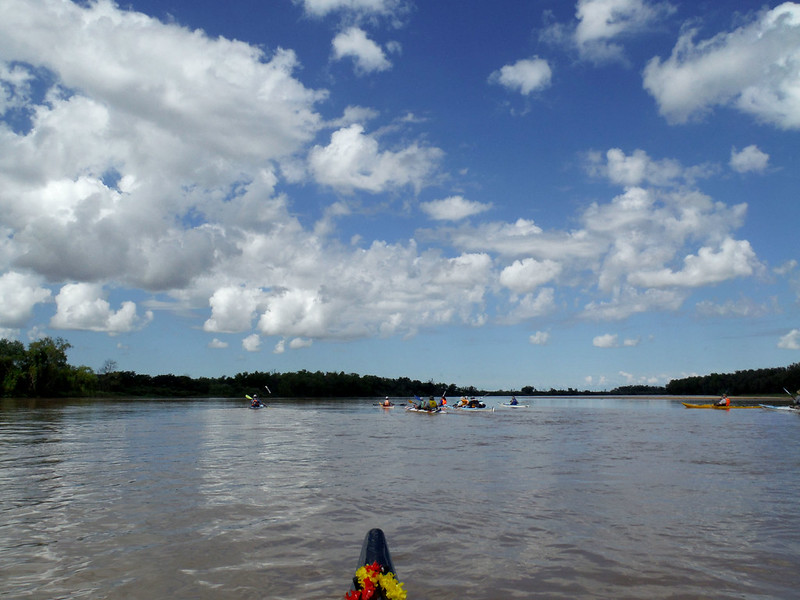
Rosario doesn’t always top travel lists, yet it’s one of Argentina’s largest cities and carries a strong student presence. The atmosphere feels youthful and social, with busy cafés, late-night bars, and a food scene that ranges from casual grills to creative kitchens.
Set along the wide Paraná River, Rosario has an inviting waterfront lined with parks and walking paths. Museums and monuments highlight its role in Argentine history, while markets and theaters keep the cultural calendar busy. When the sun goes down, clubs and music venues draw crowds from across the region.
Things to Do in Rosario
- Kayak on the Paraná River
- Rent a city bike and ride along the riverfront paths
- Experience the city’s well-known nightlife scene
Where to Stay in Rosario
Accommodation options include modern hotels near the waterfront and budget-friendly hostels closer to the center. Staying near the river gives you easy access to parks and evening views.
11. Catamarca: High Peaks and Desert Valleys
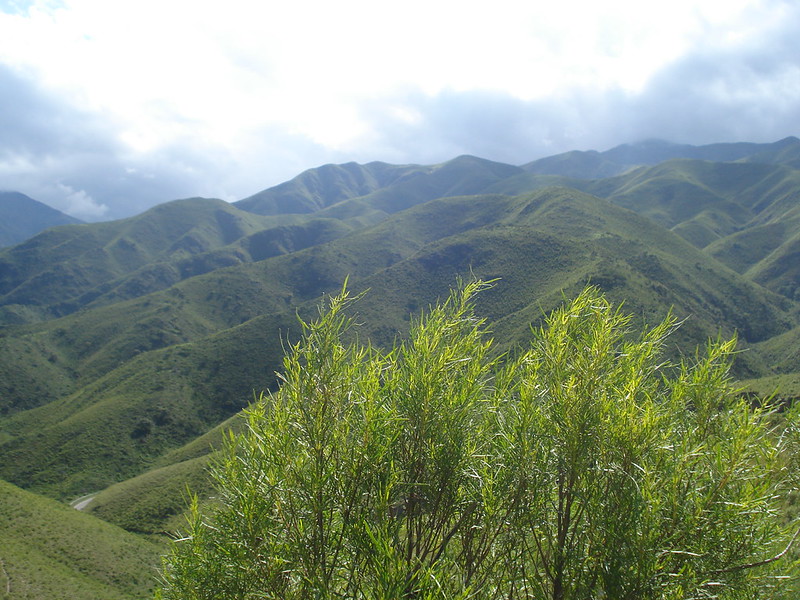
San Fernando del Valle de Catamarca may not be Argentina’s most visited city, yet it offers a different side of the country. In town, you’ll find historic churches, leafy plazas, local restaurants, and laid-back bars. Religious landmarks play a central role here, reflecting the province’s deep traditions.
The real draw lies beyond the city streets. Catamarca sits in a broad valley framed by towering mountains and volcanoes, some rising above 6,000 meters. The dry terrain and high elevation make it a magnet for climbers and serious mountaineers. Wide skies and stark landscapes give the region a powerful presence.
Things to Do in Catamarca
- Mountain climbing and high-altitude hiking
- Attend religious festivals held throughout the year
- Relax in the thermal waters of Fiambalá Hot Springs
Where to Stay in Catamarca
Accommodation options range from modest city hotels to simple guesthouses. Staying near the center makes it easy to access restaurants and organize trips into the surrounding mountains.
12. Buenos Aires: Argentina’s Capital with Endless Energy
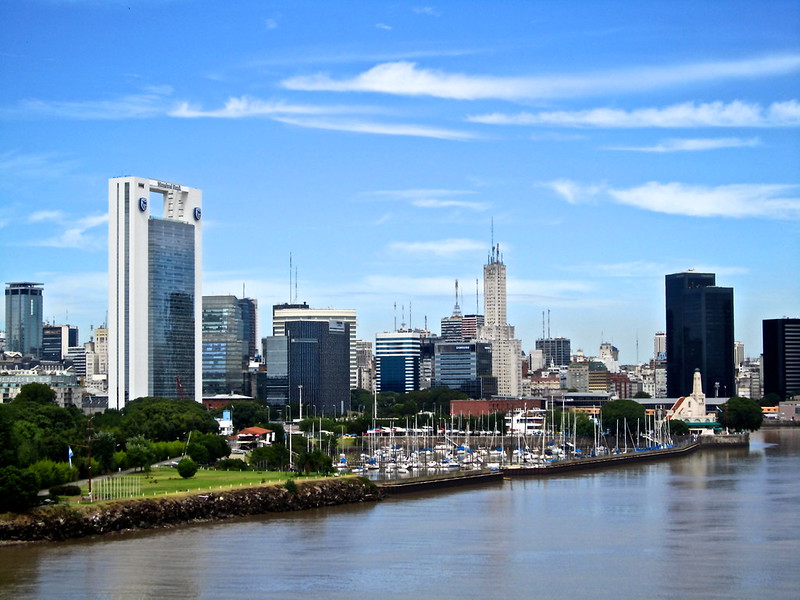
Buenos Aires is the country’s capital and often called the “Paris of Latin America.” It’s one of South America’s key economic hubs, but beyond business, it pulses with culture, music, and late nights. I quickly grew attached to its rhythm—long dinners, crowded dance floors, and streets alive well past midnight.
This city is the heart of many Argentina trips. It’s where you dig into parrilla steaks, thick slices of pizza, alfajores filled with dulce de leche, and, more recently, local craft beer. Neighborhoods shift in character from elegant avenues to graffiti-covered alleyways. Speakeasy bars hide behind unmarked doors, while markets and malls stay busy throughout the week.
Just outside the city, the Tigre Delta offers a change of pace. You can take a boat from Buenos Aires and spend the day weaving through waterways lined with summer homes and small docks.
What to Do and Where to Stay
Buenos Aires has options for every budget—from boutique hotels in historic districts to lively hostels near nightlife zones. Plan your stay by neighborhood, depending on whether you prefer quiet streets or late-night action, and leave time to explore both the city and the delta nearby.
13. Mar del Plata: Argentina’s Classic Beach Escape
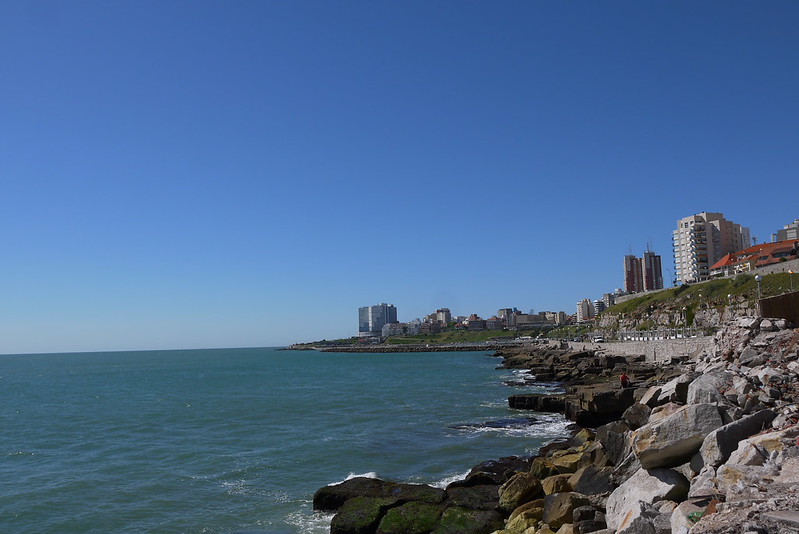
Mar del Plata—often simply called “La Feliz”—is a favorite coastal retreat for Porteños from Buenos Aires. When summer arrives, crowds head south for wide Atlantic beaches, ocean breezes, and long nights that stretch into sunrise. The city fills quickly during peak season, especially when concerts and major festivals roll through town.
Days here revolve around the shore. You can relax on the sand, swim in the Atlantic, or stroll along the waterfront promenade. Beyond the beach, there are museums, water parks, and cafés that stay busy year-round. It also works well as a short coastal break from the capital.
What to Do in Mar del Plata
- Spend the day at the beach
- Visit local museums or water parks
- Attend seasonal festivals and concerts
Where to Stay in Mar del Plata
Accommodation ranges from high-rise hotels near the waterfront to budget hostels closer to the center. Booking early in summer is smart, as rooms fill quickly during holiday periods.
14. Puerto Madryn: Patagonia’s Wildlife Coast
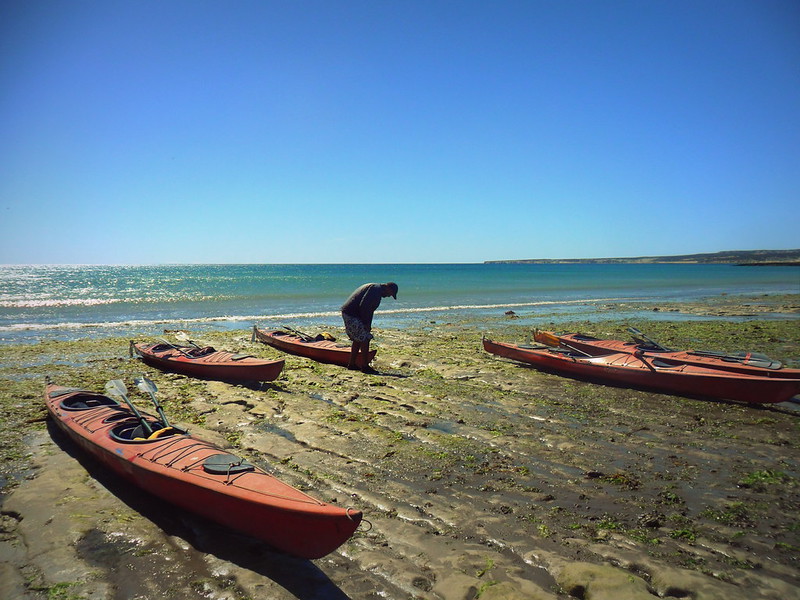
Puerto Madryn sits on Argentina’s eastern shoreline, technically part of Patagonia but far from the region’s mountain towns. Here, the landscape shifts to open coast and wide Atlantic views. In summer, beaches draw visitors, yet the real highlight is the marine life just offshore.
This area is one of the best wildlife hubs in the country. Boat tours head out for whale watching during the season, offering close views of southern right whales. Even more thrilling, divers can enter the water with playful sea lions that twist and glide around you in quick bursts of motion. Nearby, the protected landscapes of Península Valdés host penguins, elephant seals, and other coastal species.
Things to Do in Puerto Madryn
- Join a whale watching tour
- Explore nature reserves and Península Valdés
- Scuba dive with sea lions
- Visit nearby penguin colonies
Puerto Madryn blends beach time with unforgettable wildlife encounters, making it one of Argentina’s most exciting coastal stops.
Places to Visit in Argentina: Destinations in the North
Northern Argentina shouldn’t be overlooked. The scenery here feels completely different from the rest of the country, with colorful rock formations, high-altitude deserts, and subtropical forests shaping a landscape unlike Patagonia or the central plains.
15. Puerto Iguazu: Jungle Heat and Thundering Waterfalls
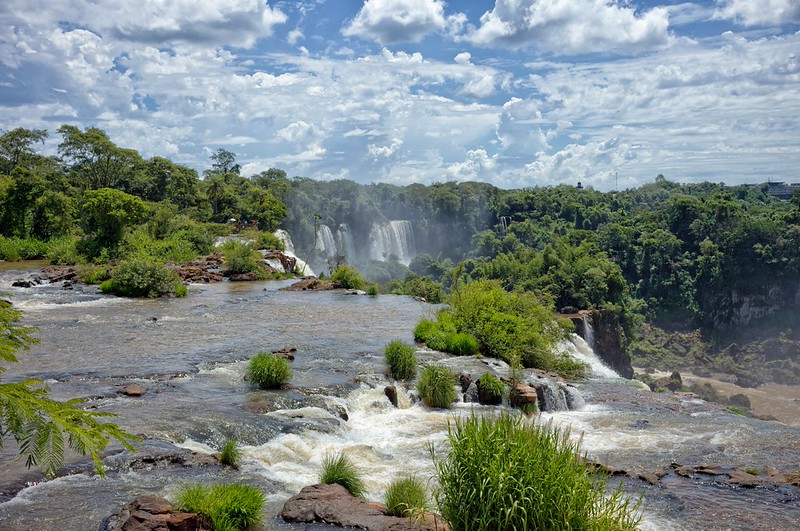
In Argentina’s far northwest, the scenery shifts dramatically. Puerto Iguazú sits in a humid, subtropical zone of dense forest, close to one of the largest waterfall systems on Earth—Iguazú Falls. Stepping off a flight from cool Buenos Aires into warm jungle air can feel like landing in another country entirely.
Puerto Iguazú lies near the meeting point of Argentina, Brazil, and Paraguay, bordered by two rivers that mark international lines. The town has a stronger Indigenous presence than many other parts of the country, which adds depth to its cultural mix.
Many travelers prefer the sweeping panoramic views from the Brazilian side of the falls, but the Argentine side places you closer to the cascades, with walkways that lead almost directly above the rushing water. Visiting both sides gives you two very different perspectives.
What to Do + Where to Stay
Explore the network of trails and platforms within the national park, take a boat ride beneath the falls if you’re ready to get soaked, and allow time to cross into Brazil for the wider outlook. Accommodation ranges from budget hostels in town to jungle lodges closer to the park entrance.
Places to Visit in Argentina: Destinations in the Northwest
Northern Argentina shouldn’t be overlooked. This region holds some of the country’s most striking landscapes, from high-altitude deserts to colorful mountain valleys. Below are the northwest destinations you’ll want on your radar.
16. Jujuy Province: Desert Valleys and Painted Mountains
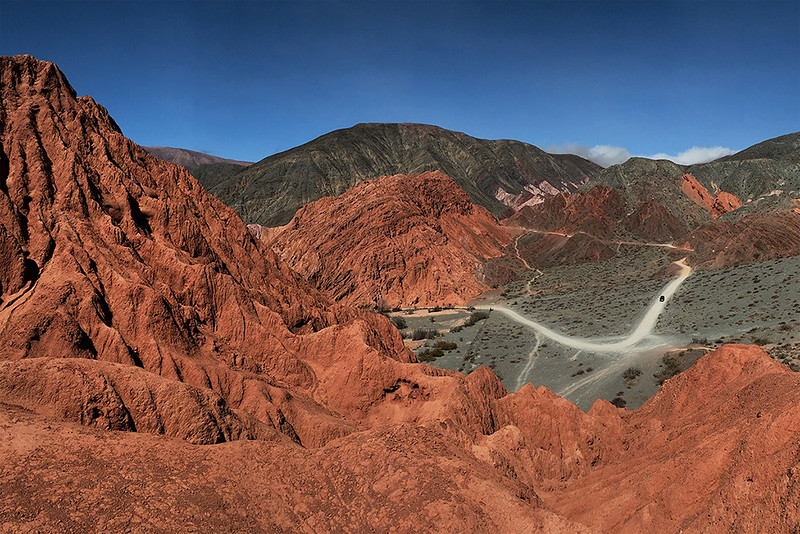
Jujuy sits in Argentina’s northwest and holds some of the country’s most striking highland scenery. Its capital, San Salvador de Jujuy, shares strong Indigenous roots and Andean traditions with nearby Salta. The landscapes here shift to dry valleys, cactus-covered hills, and colorful rock formations shaped by time and altitude.
Tilcara + Humahuaca Gorge
The small towns of Tilcara and Humahuaca sit within the UNESCO-listed Quebrada de Humahuaca. Tilcara is known for its well-preserved Pucará, an ancient fortress used by pre-Hispanic communities before Inca influence reached the area. Walking through its stone structures offers a clear glimpse into the region’s early history.
Humahuaca, further north, blends local culture with colonial architecture and artisan markets. Along the gorge, layered mountains appear in shades of yellow, pink, red, and green, as if brushed with paint. The entire valley feels open and vast, with dramatic colors that change as the sun moves across the sky.
Purmamarca: The Hill of Seven Colors
Purmamarca is best known for the striking Cerro de los Siete Colores—the Hill of Seven Colors. In reality, the slopes seem to hold far more than seven shades. Layers of red, pink, gold, and green rise behind the village, shifting in tone as the light changes throughout the day.
The town itself is small and easy to walk, with adobe-style buildings and artisan markets selling handmade textiles, pottery, and jewelry rooted in Indigenous traditions. It’s a great stop for picking up locally crafted souvenirs while taking in the desert scenery.
Where to Stay in Jujuy
Purmamarca offers guesthouses and small inns within walking distance of the hill. Many travelers also visit as part of guided tours through the Quebrada region. For a broader route through the north, combine it with other highlights across Jujuy and neighboring Salta province.
17. Salta Province: Desert Roads and High-Altitude Adventures
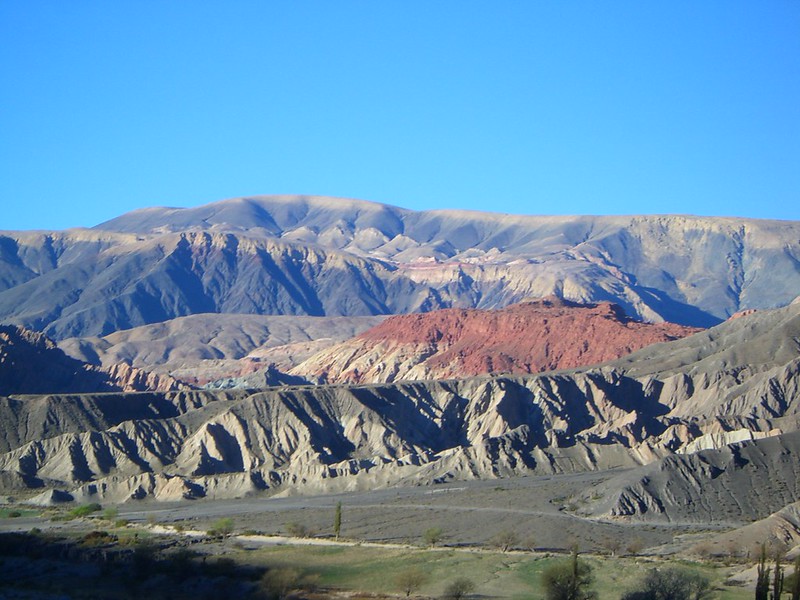
Salta is the capital of Salta province, bordering the slightly greener Jujuy. The landscapes here shift between dry valleys, layered rock formations, and long highways that cut through gorges and salt flats. It’s a region made for road trips, where the scenery changes with every curve.
Salinas Grandes
The vast Salinas Grandes stretch across both Salta and Jujuy provinces. These bright white salt flats are still used for extraction, yet they also draw travelers for their wide, mirror-like surface. Compared to Bolivia’s Uyuni, they are far easier to access. You can reach them via Purmamarca along winding mountain roads, or by driving Highway 51 through the dramatic El Toro Gorge.
San Antonio de los Cobres – Tren a las Nubes
From San Antonio de los Cobres departs the famous Tren a las Nubes, one of the highest rail journeys in the world at over 4,200 meters above sea level. The route crosses painted highlands and a striking viaduct that rises above the desert floor. To board the train, you follow the same scenic mountain road before stepping onto the carriages for the final ascent.
18. Cafayate: High-Altitude Wines and Desert Scenery
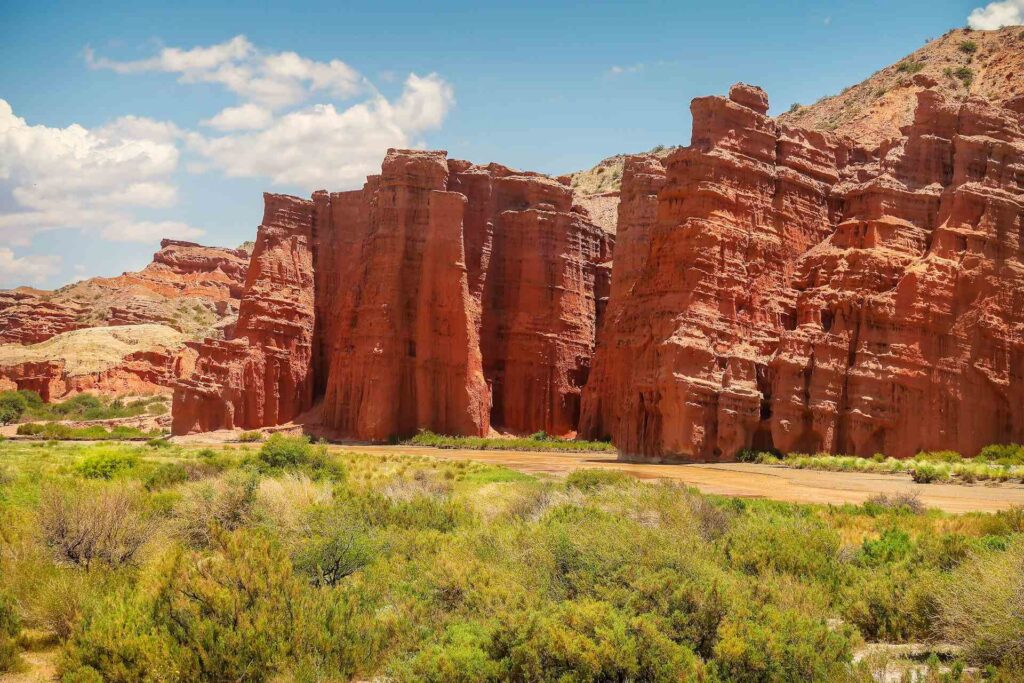
Though part of Salta, Cafayate stands out on its own. Often called Argentina’s “other” wine region, it sits at just over 1,500 meters above sea level. The dry climate and elevation shape bold reds and a fragrant white grape known as Torrontés, which thrives here.
The well-known Cafayate Wine Route links dozens of nearby wineries across the valley. You can build a tasting circuit over several days, pairing vineyard visits with slow meals and scenic drives. What makes Cafayate especially appealing is how close many bodegas are to town. Several sit within walking distance, and others are an easy bike ride away—many travelers rent bicycles to move between tastings at their own pace.
Beyond wine, the surrounding desert landscapes add another layer to the visit. Red rock formations and open valleys frame the vineyards, creating a striking contrast between green rows of grapes and arid hills.
19. Aconcagua
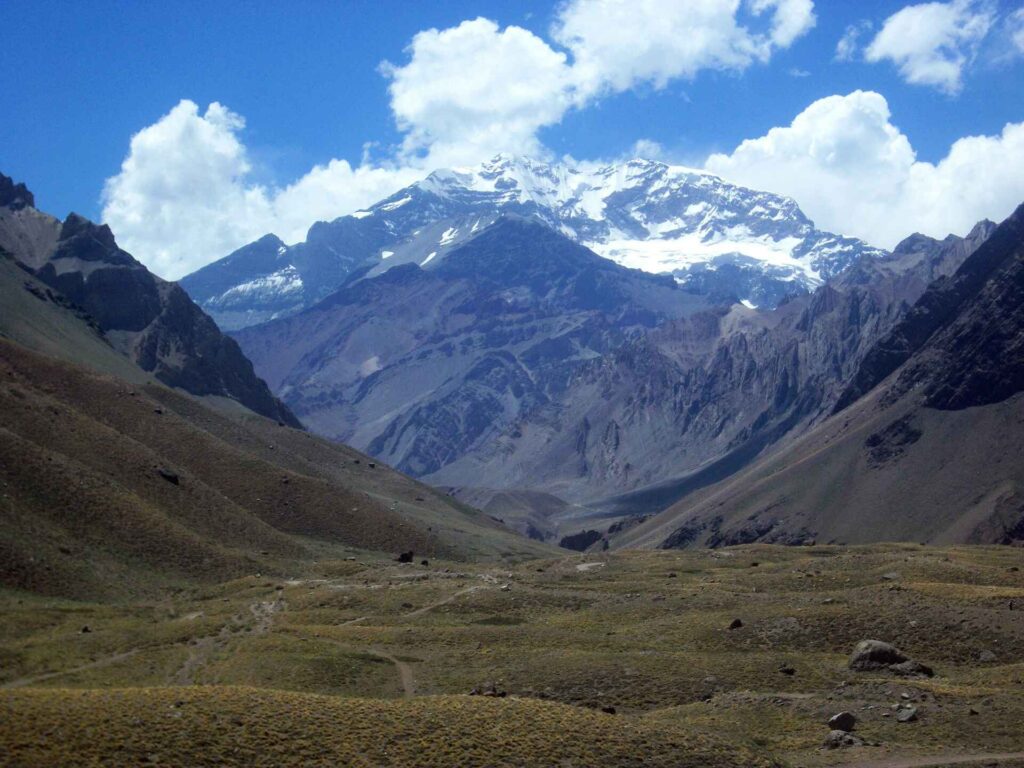
Rising to 6,961 metres, Aconcagua towers above the Andes and ranks as the highest peak in Argentina, South America, and the Western Hemisphere. Its sheer scale is hard to grasp until you see it with your own eyes — a vast wall of rock and ice that seems to command the entire horizon.
Climbing to the summit is not for everyone. Thankfully, you don’t have to. The scenery surrounding the mountain is striking on its own. Wide valleys, copper-toned slopes, and wind-cut ridges stretch for miles, creating a raw and open landscape that feels almost otherworldly.
Many travelers base themselves in Mendoza and rent a car for the drive west. The road gradually climbs into the Andes, with several pull-off points for photos. Even a short stop offers sweeping views that rival far more demanding adventures.
What to Do
Start with a visit to Aconcagua Provincial Park. Entry trails are accessible for casual walkers, and you can hike to Horcones Lagoon for a clear front-facing view of the mountain. The path is manageable and suitable for most fitness levels.
If you want something longer, there are day hikes that follow parts of the routes used by mountaineers. No technical gear required — just steady footing and layered clothing.
Photography is another highlight. Early morning light casts pale gold across the slopes, while afternoon winds move clouds quickly across the summit, changing the mood by the minute.
Where to Stay
Most visitors choose Mendoza as their base. The city offers everything from boutique wine lodges to comfortable mid-range hotels. Staying here also gives you access to nearby vineyards and excellent dining after a day in the mountains.
For a closer experience, small guesthouses and mountain lodges sit along the road leading to the park. These stays are simpler but place you nearer to the Andes, where night skies appear sharp and uninterrupted.
Aconcagua may be famous for extreme climbs, yet its surrounding scenery alone makes the journey worthwhile. Even without reaching the summit, the presence of the mountain leaves a lasting impression.
20. Esteros del Ibera
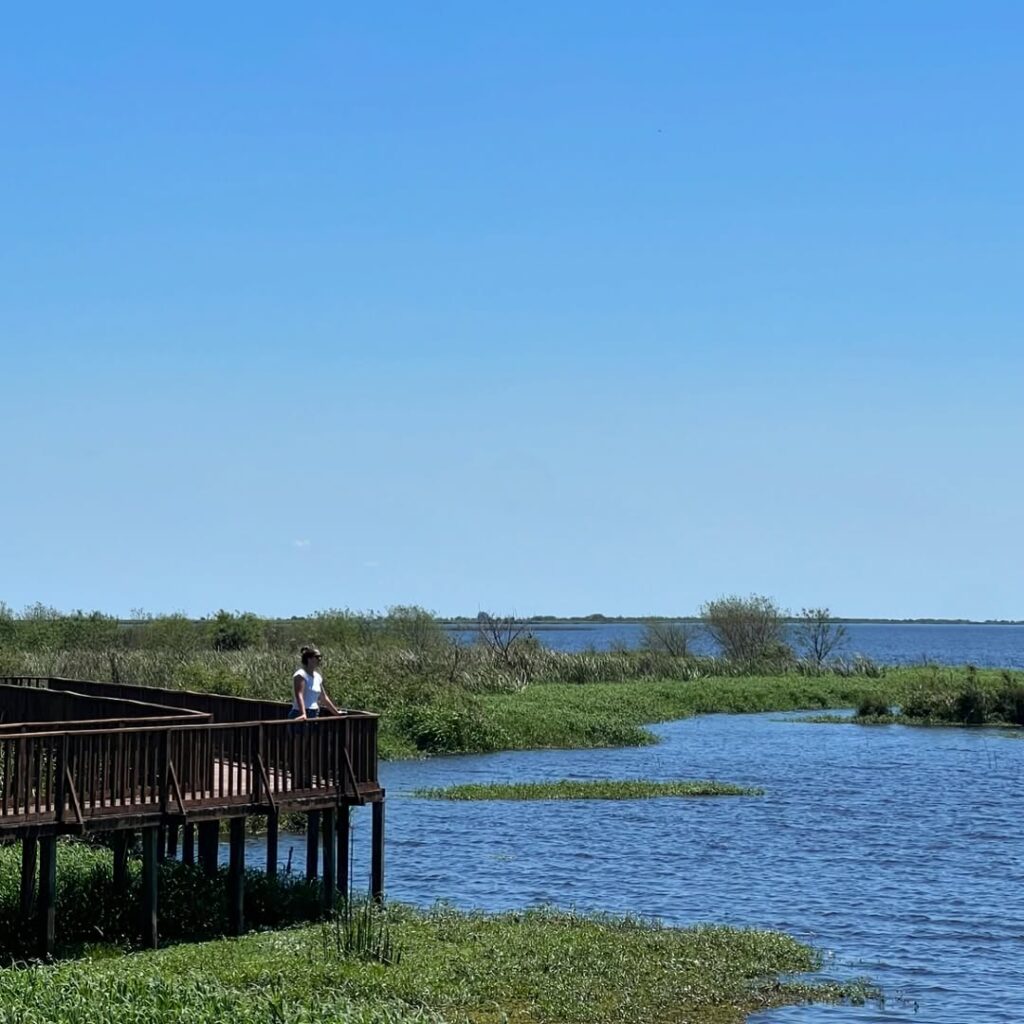
I came across Esteros del Iberá while researching Argentina and immediately wished we had included it in our trip. It’s now firmly on the list for next time.
One of South America’s largest wetland systems, Iberá presents a completely different side of Argentina. Instead of glaciers or city life, you’ll find vast lagoons, marshes, and open grasslands filled with wildlife.
Capybaras rest along the banks. Caimans float quietly in the shallows. Marsh deer and monkeys move through the reeds, while hundreds of bird species animate the skies. The biodiversity here is impressive.
If your route includes Buenos Aires or Iguazú Falls, Iberá offers a rewarding northern detour — though reaching it takes time.
What to Do
Boat safaris are the highlight, bringing you close to wildlife in calm lagoons. Guided nature walks and horseback rides reveal more of the reserve’s ecosystems.
Birdwatching is exceptional, even for beginners. Kayaking is also available in certain areas for a quieter experience.
Where to Stay
Most travelers stay in small eco-lodges near Colonia Carlos Pellegrini. Accommodation is simple but comfortable, often including guided excursions and home-style meals.
Esteros del Iberá requires a bit more planning, yet for wildlife lovers and photographers, it can become one of the most memorable stops in Argentina.
21. Iguazu Falls
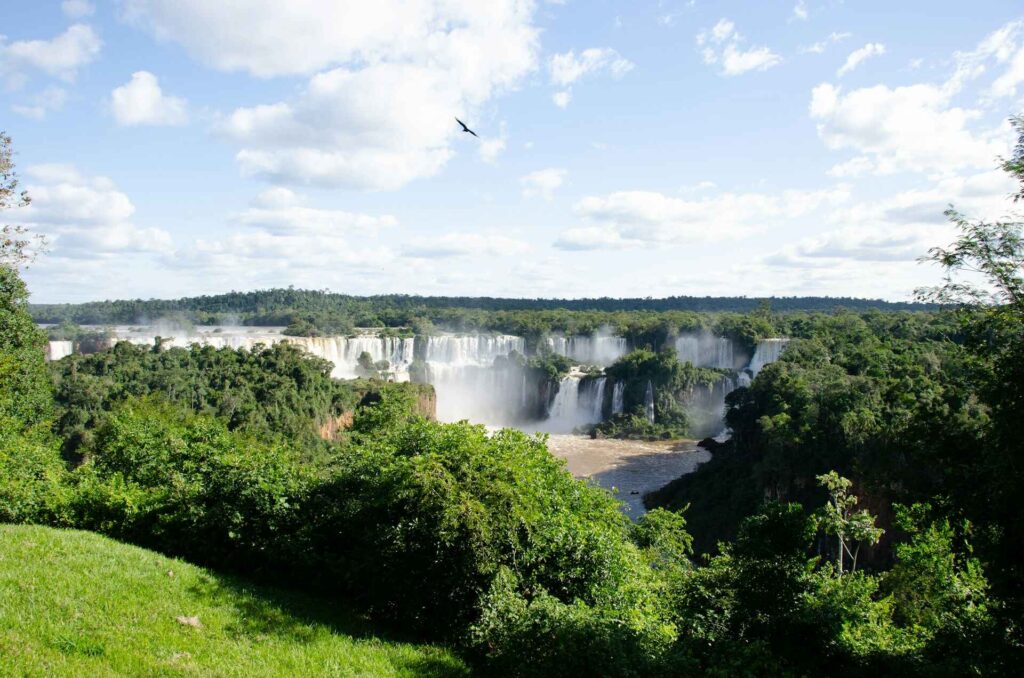
Iguazú Falls is one of South America’s most powerful natural landmarks. Straddling Argentina and Brazil, this vast system includes around 275 separate falls spread across three levels.
The scale is immense. Mist rises high above the cliffs, and the sound alone announces your arrival. Even after visiting Victoria Falls and Niagara Falls, Iguazú still felt astonishing.
Well-maintained walkways on both sides make access straightforward. The highlight is Devil’s Throat, where water crashes into a dramatic horseshoe-shaped canyon.
If you’re traveling from Buenos Aires, plan at least two nights to explore both countries’ viewpoints without rushing.
What to Do
Walk the Upper and Lower Circuits on the Argentine side for close perspectives. Cross to Brazil for wide panoramic views.
Boat rides take you beneath the falls for a soaking experience. Wildlife spotting within Iguazú National Park adds another dimension, with coatis, toucans, and monkeys often visible.
Where to Stay
Stay in Puerto Iguazú (Argentina) or Foz do Iguaçu (Brazil) for convenient access. For a special stay, choose a hotel inside the park, where early morning views of the falls feel especially dramatic. Iguazú is bold, loud, and unforgettable — a fitting highlight of any Argentina itinerary.
Related Posts: