
Utah is often promoted as one of the most breathtaking destinations in the United States, thanks to its red rock landscapes, dramatic canyons, and famous national parks. Travel photos and social media posts make it look almost unreal, setting very high expectations for visitors before they even arrive. But not every spot in the state delivers the same experience people imagine from those pictures.
In reality, some of Utah’s most talked-about destinations can feel crowded, commercialized, or simply less impressive in person than they appear online. Long lines at viewpoints, limited space, and overhyped attractions can take away from the natural beauty people come to see. For some travelers, the experience doesn’t quite match the buildup.
That’s where a more honest look becomes important. This guide highlights a few places that often don’t live up to the hype, helping travelers set better expectations and choose experiences that feel more rewarding once they’re on the ground.
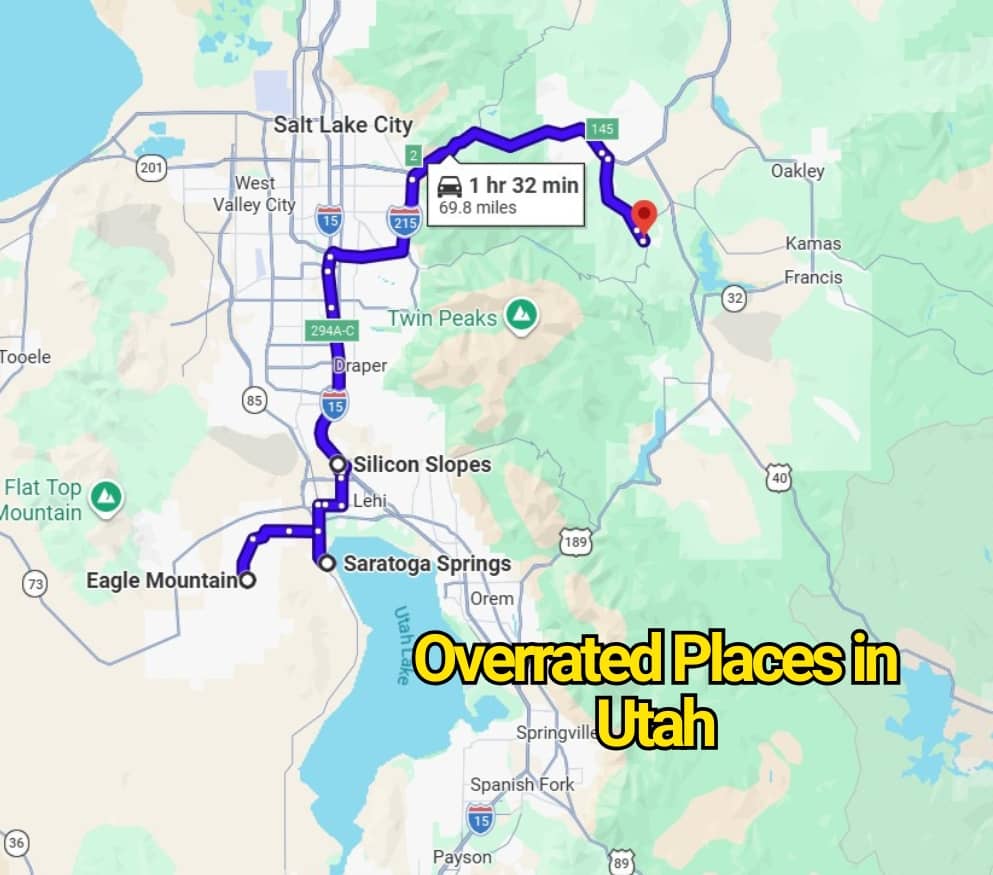
1. Saratoga Springs — Growth, Traffic, and the Reality Behind the Hype

Saratoga Springs sits on the west side of Utah Lake between Lehi and Eagle Mountain, and on paper it looks like an easy win for homebuyers. Mountain views, lake access, new housing developments, and planned parks gave it a strong reputation during its rapid expansion phase from roughly 2018 to 2022.
The challenge shows up in daily life once you factor in commuting. Most residents rely heavily on Redwood Road, which acts as the main connection to surrounding cities. During peak hours, that single route becomes heavily congested, turning short distances into long drives. Trips into Salt Lake City can stretch well past an hour, even on normal weekdays, which changes how convenient the location actually feels for many commuters.
Utah Lake itself adds another layer of mixed reality. While the scenery can be appealing at certain times, seasonal algae growth can affect water quality and even the overall atmosphere near the shoreline. At the same time, local infrastructure has struggled to keep pace with population growth, with crowded schools and limited nearby shopping options pushing residents to travel to neighboring cities for everyday needs.
For people working remotely or those who entered the market early at lower prices, Saratoga Springs can still be workable. But for anyone expecting smooth commuting and fully developed amenities right away, the day-to-day experience often feels heavier than the early marketing impression suggests.
2. Eagle Mountain — Big Growth, Long Drives, and the Reality Behind Cheap-Looking Prices
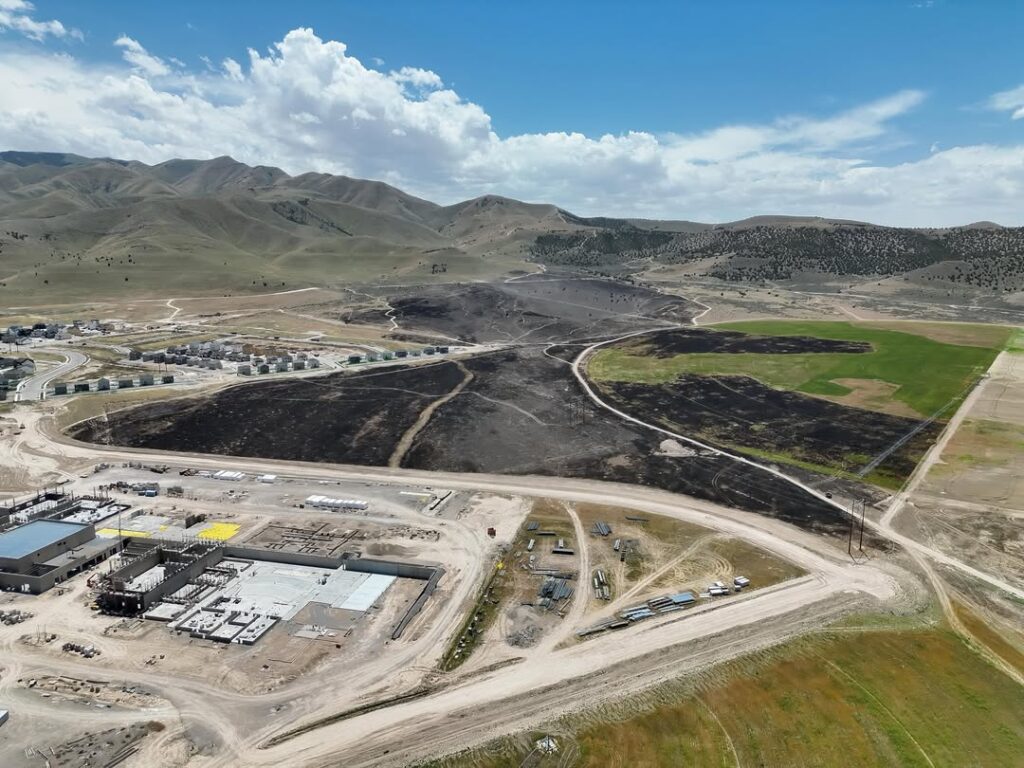
Eagle Mountain sits southwest of Saratoga Springs and covers a huge stretch of land, making it one of the largest cities by area in Utah. It has become a major expansion zone for tech infrastructure, with large data center investments from companies like Meta and land acquisitions linked to Google. New housing developments are spread widely, often offering larger lots and open mountain views compared to denser parts of the Wasatch Front, which makes entry prices look attractive at first glance.
The reality becomes clearer once daily movement is considered. Many buyers are drawn in by lower home prices, but the tradeoff shows up in commuting time. Driving from Eagle Mountain to downtown Salt Lake City during peak hours can easily stretch into long, tiring trips that take well over an hour each way. That kind of schedule adds up quickly, turning a “cheaper home” into a lifestyle built around the car.
Local amenities are still catching up to the size of the city. Basic grocery stores and a limited set of chain restaurants exist, but for broader shopping, dining variety, or entertainment options, residents often travel back to nearby hubs like Lehi or Saratoga Springs. The area is still in a building phase, which means everyday convenience has not fully caught up with the residential growth.
For remote workers or people connected to local data center jobs, Eagle Mountain can make sense and offers space that is hard to find closer to urban cores. But for commuters or anyone expecting a fully developed city experience, the distance and infrastructure gaps change the overall value equation more than most listings suggest.
3. Lehi (Silicon Slopes) — Tech Buzz, Traffic Pressure, and the Price Reality Check
This one is likely to spark debate, and I’ll admit upfront that I recently bought a home in Lehi myself. So yes, I understand the criticism coming my way. Still, it’s worth breaking down what people expect versus what they actually experience in the heart of Silicon Slopes.
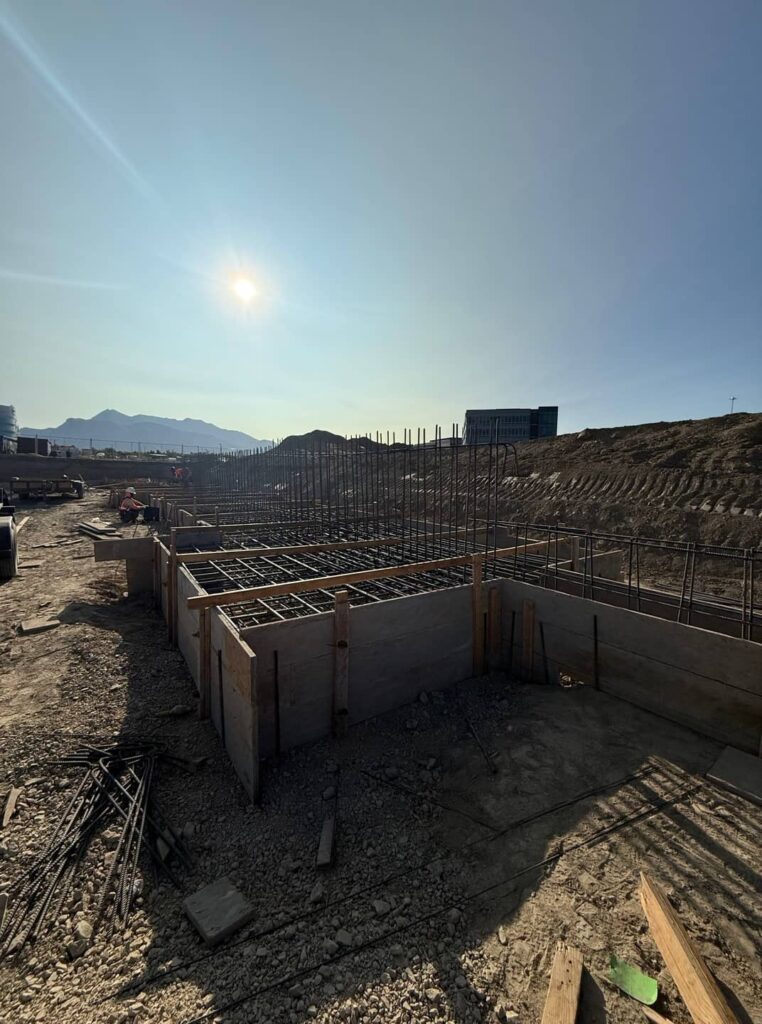
Lehi sits at the center of Utah’s tech corridor, where major companies like Adobe, Ancestry, and Microsoft have helped shape a fast-growing economic zone. New housing developments, planned communities, and modern amenities give the area a polished first impression. For those working directly within the Silicon Slopes corridor and living close enough to avoid heavy freeway travel, daily life can feel smooth and efficient.
However, that ideal scenario represents only a small portion of residents. Many buyers enter at elevated price points expecting convenience tied to the tech hub, but end up commuting outside the immediate area. As pricing has climbed, it now overlaps with nearby cities like Draper and Sandy, even though parts of Lehi were agricultural land not long ago. This shift has created a noticeable mismatch between cost and everyday convenience for a large share of homeowners.
The Point of the Mountain commute adds another layer to the equation. Rush hour traffic moving north in the morning and south in the evening is consistently heavy, turning short distances into long delays. At the same time, lot sizes in many newer developments are smaller than expected, with tightly packed homes and limited open space compared to what marketing materials often suggest.
Lehi still offers strong schools, solid job access, and growing infrastructure, which keeps demand high. But the difference between expectation and reality has widened, especially for buyers focused mainly on the Silicon Slopes label. That gap between perception and lived experience is what pushes Lehi onto many overrated lists.
4. Park City — A Tale of Two Realities Depending on Your Lifestyle
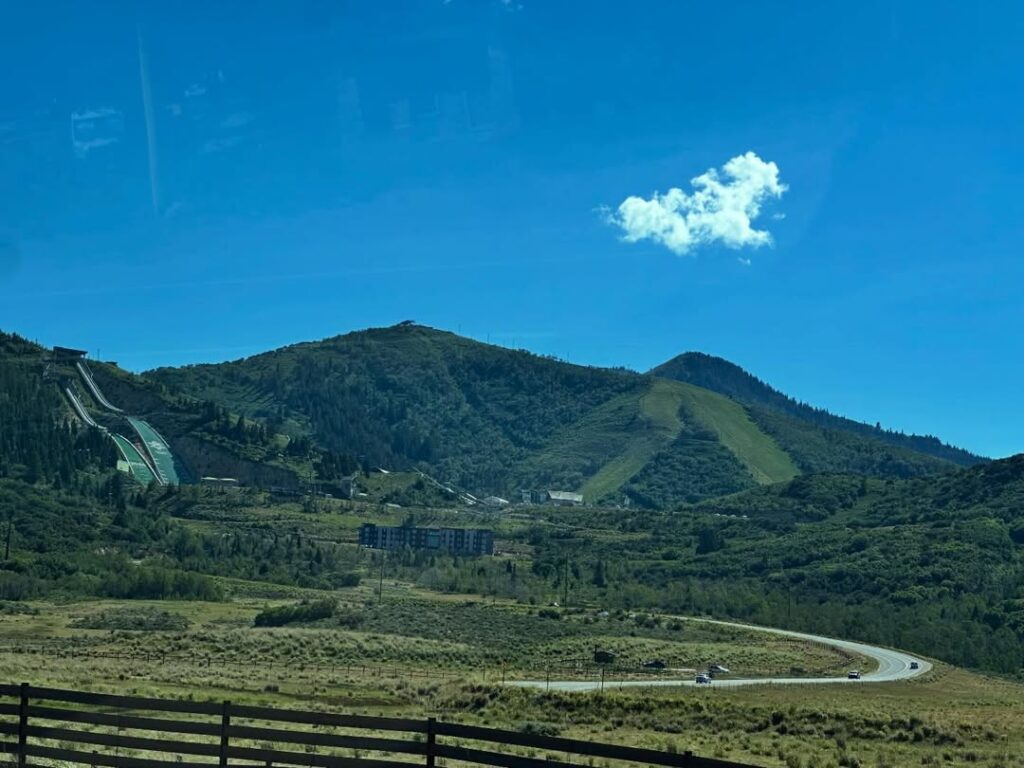
Park City sits in a strange position where the rating changes completely depending on how you actually live. If you treat it as a full-time residence and commute down to Salt Lake City every day, the appeal starts to fade quickly. You’re paying a heavy price for mountain proximity while dealing with long drives that get even more exhausting during winter months, when road conditions slow everything down. In that scenario, the lifestyle feels more like a constant trade-off than the effortless mountain experience people imagine.
On the other hand, the picture shifts if Park City is used in a more flexible way. For people working remotely, staying part-time in Salt Lake, or spending significant time in the mountains, the area delivers a very different outcome. Access to outdoor space, seasonal activities, and short-term rental potential in certain zones can balance the higher costs. That’s why the same location can feel disappointing to one person and highly rewarding to another, depending entirely on how it fits into their routine.
Conclusion — What the Hype Doesn’t Always Show
Across Utah’s fast-growing cities and popular destinations, the marketing story often looks smoother than the lived experience. Big promises around convenience, scenery, and modern living don’t always match what people run into once they settle in—especially with traffic, development speed, and daily logistics.
Still, these places aren’t without value. Many offer strong housing, job access, and appealing surroundings that continue to attract demand. The main difference comes down to expectations and how well a location fits real routines rather than first impressions.
In the end, the key is simple: look beyond the hype. A place can look ideal online but feel very different in everyday life, and understanding that gap helps make smarter choices.
More Related Articles :