Minnesota often appears online like a place where every view looks perfect, especially with its lakes and forest scenery. That reputation has grown as travel content spreads across social platforms, but real visits don’t always match those polished images. What you see on a screen can reflect a very specific moment rather than everyday conditions.
After living in Minnesota for more than forty years, I’ve seen how much attention certain locations receive once they start trending online. The state itself remains a place I deeply value, but I’ve also noticed how selective framing can change expectations. A single image can make a spot look far more striking than what most visitors will experience during an ordinary visit.
Some lake viewpoints, trail stops, and small-town streets often appear far more dramatic in photos than in real life. Weather shifts, crowd levels, and seasonal changes can all alter how these places feel when you arrive. They still hold value and character, but the difference between online presentation and real conditions can be noticeable.
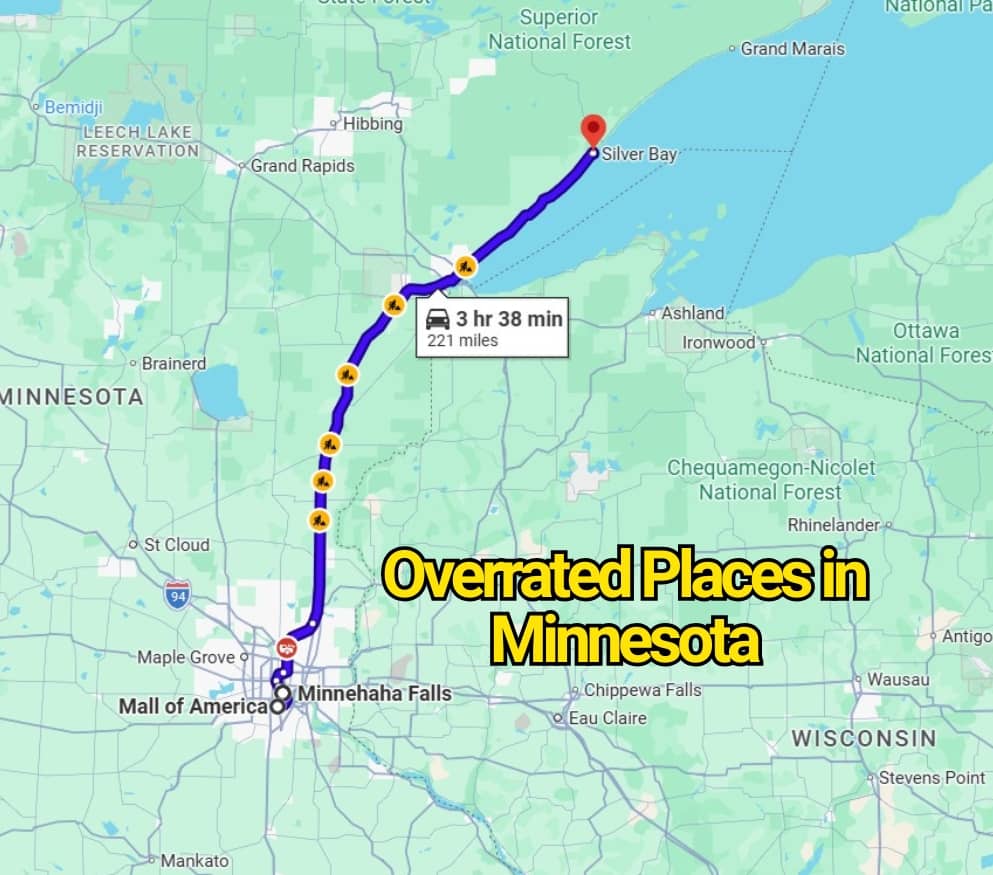
1. Black Beach – Silver Bay: What You See vs What You Expect
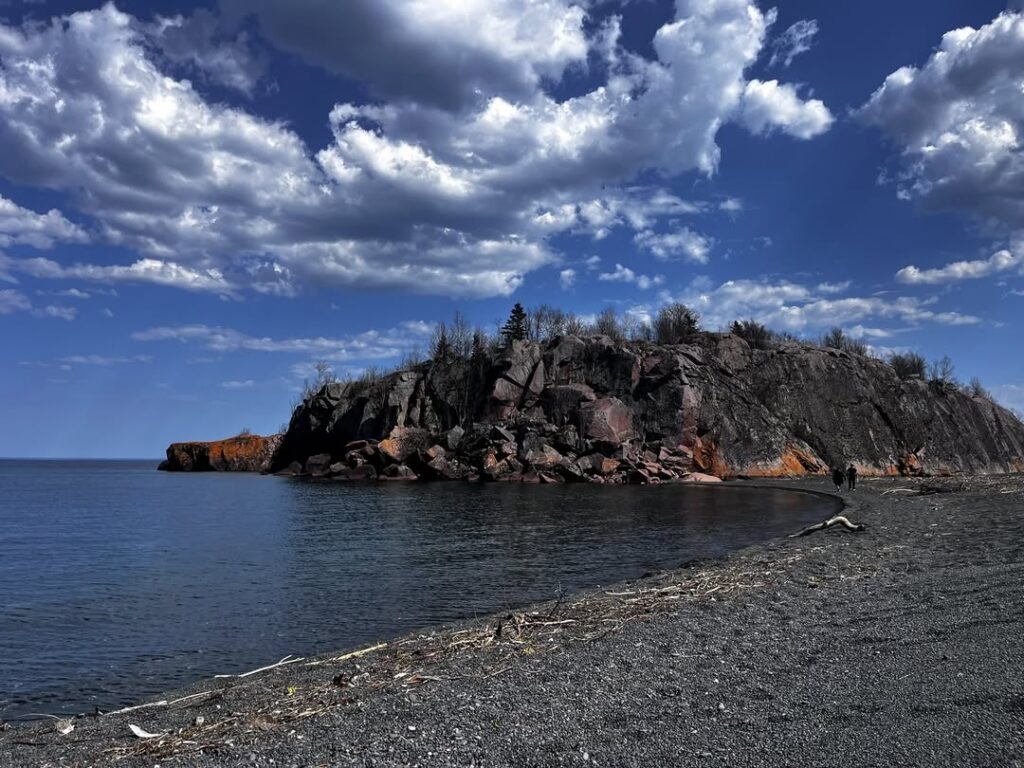
Black Beach in Silver Bay sits inside a small municipal park along Lake Superior’s North Shore. The park officially opened in 2015 after a long agreement with a mining company that controlled much of the shoreline. This change allowed public access to stretches of pebble-covered lakefront that had been restricted for decades, turning it into a popular stop for visitors exploring the area.
The darker tone of the shoreline often gets attention online, but the color is tied to industrial history rather than a natural volcanic process. Iron ore processing once led to tailings being released into Lake Superior, which affected the shade of nearby sand and rocks over time. While the area is considered safe for recreation today, the surface is a reminder of that industrial past rather than a naturally black beach formation.
In real visits, the beach often looks less dramatic than what photos suggest. The sand and pebbles tend to appear more gray than deep black, especially outside of specific lighting or weather conditions. Wave action and rain can temporarily deepen the tone, but most days it feels more muted. It’s still worth a stop for its lakeshore views, just with more grounded expectations than online images might create.
2. Minnehaha Falls in Winter – Minneapolis: Between Viral Photos and Reality
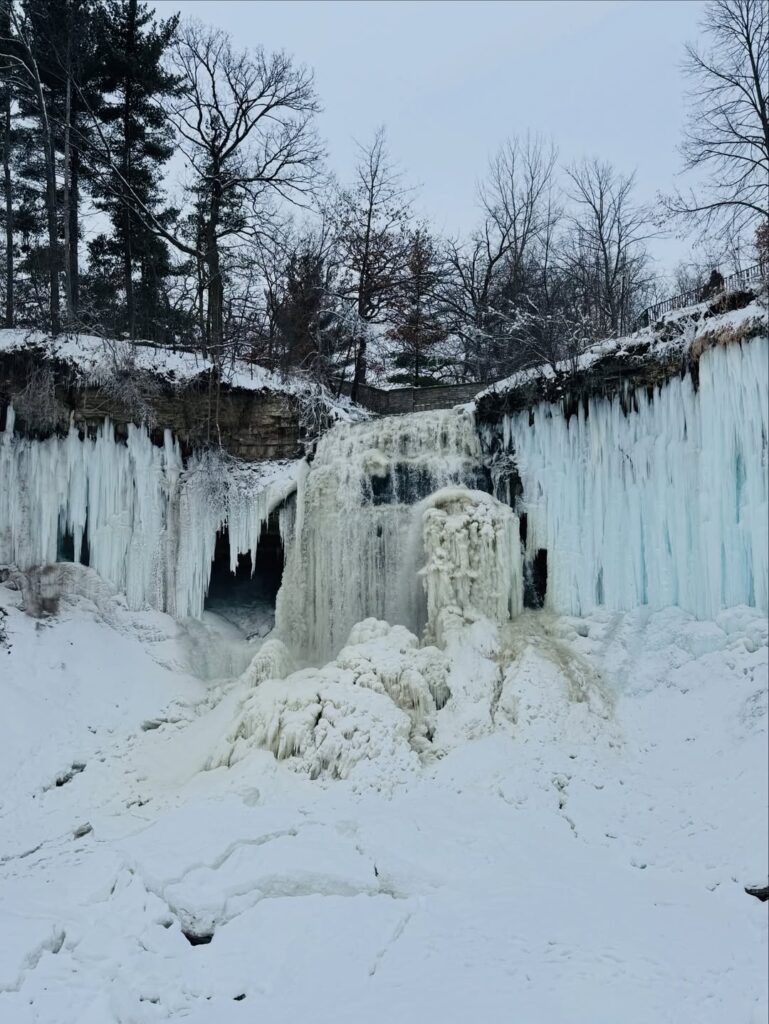
Minnehaha Falls during winter often looks far more dramatic online than what most visitors actually experience. Social media images sometimes show a glowing wall of frozen blue water with people walking behind it in an almost surreal setting. Those moments do happen, but they are far from guaranteed, and they depend heavily on very specific weather conditions aligning at just the right time.
On many winter days, the scene is far more ordinary. The waterfall may still be flowing if temperatures stay slightly warm, or it may form only light icicles along the rock face when conditions are less intense. While the setting still holds natural beauty, it rarely matches the heavily shared versions that circulate online during peak cold snaps.
The famous frozen curtain effect only appears when creek flow, sustained freezing temperatures, and timing line up perfectly. Some winters bring only a brief window of that icy transformation, while others may not produce it at all. Visitors who go expecting the viral version may feel disappointed, but those who arrive with realistic expectations will still find a striking winter landscape worth the visit.
3. Mall of America – Bloomington: What Social Media Doesn’t Show
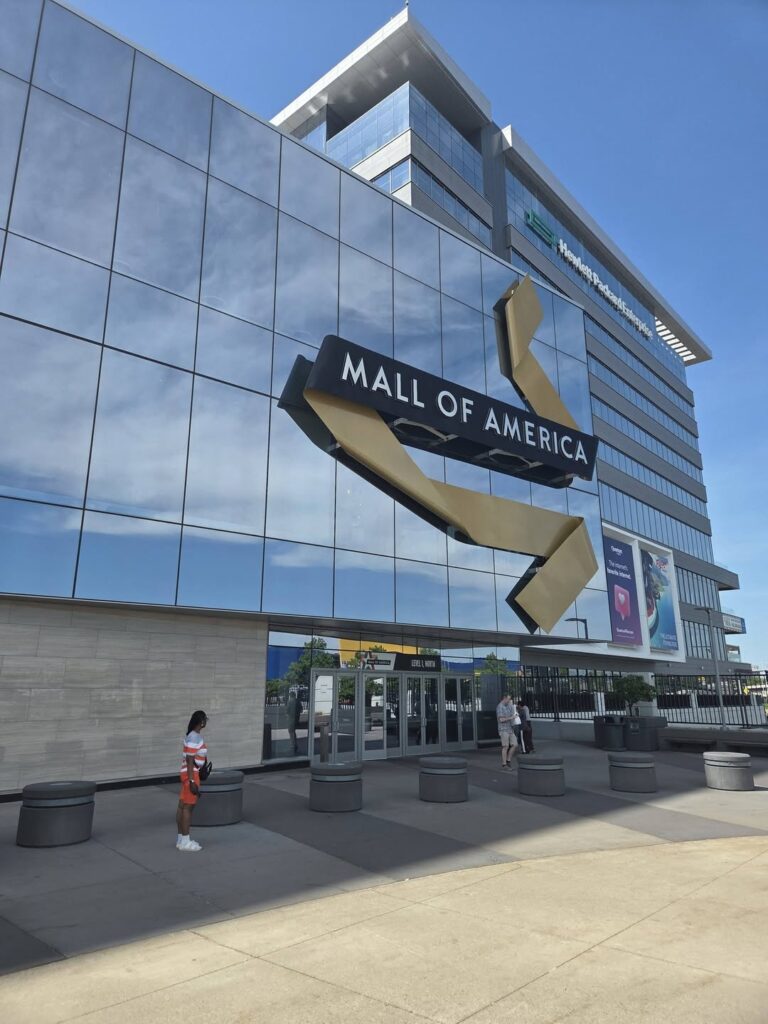
Mall of America in Bloomington is often presented online as a nonstop hub of energy, filled with bright scenes, smiling visitors, and endless activity. While those moments do happen, they reflect a very selective slice of the experience rather than the full reality of a visit. The scale of the place is real, but the mood can shift dramatically depending on the time, day, and crowd levels.
Inside, the experience is far less uniform than online clips suggest. Some areas feel packed and noisy, especially near attractions and food courts, while other sections can feel oddly quiet or underwhelming. The indoor amusement park and large entertainment zones add excitement, but they don’t erase the fact that it is still a shopping center with all the usual retail dynamics.
Practical frustrations also rarely appear in curated images. Parking confusion, long walks back to your car, and higher-than-expected prices are common realities that don’t make it into highlight reels. It’s still an interesting stop and can be a fun part of a Minnesota trip, but the experience feels more grounded and inconsistent than the polished version seen online suggests.
More Related Articles :