Arizona has a reputation problem. Travelers hear words like deadly highways or danger zones and imagine something reckless or forbidden. Locals see it differently. They don’t think these roads are “bad” — they think drivers misunderstand what Arizona actually is.
Because the truth is uncomfortable in a different way. These routes are not dangerous in the dramatic sense. They become risky when people treat them like ordinary highways in a state that constantly changes personality — desert heat one hour, mountain snow the next, silent empty stretches followed by sudden cliffside curves that demand full attention.
That’s where the real story begins.
Apache Trail Is Not a Road You “Just Drive” — It’s a Transition Zone
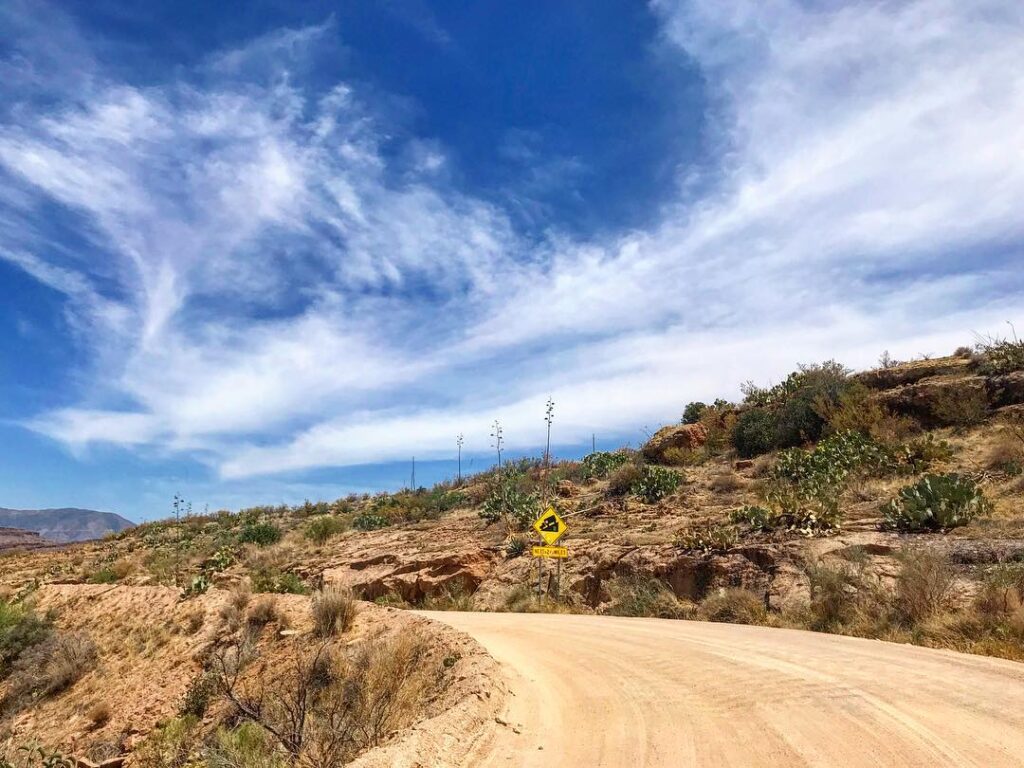
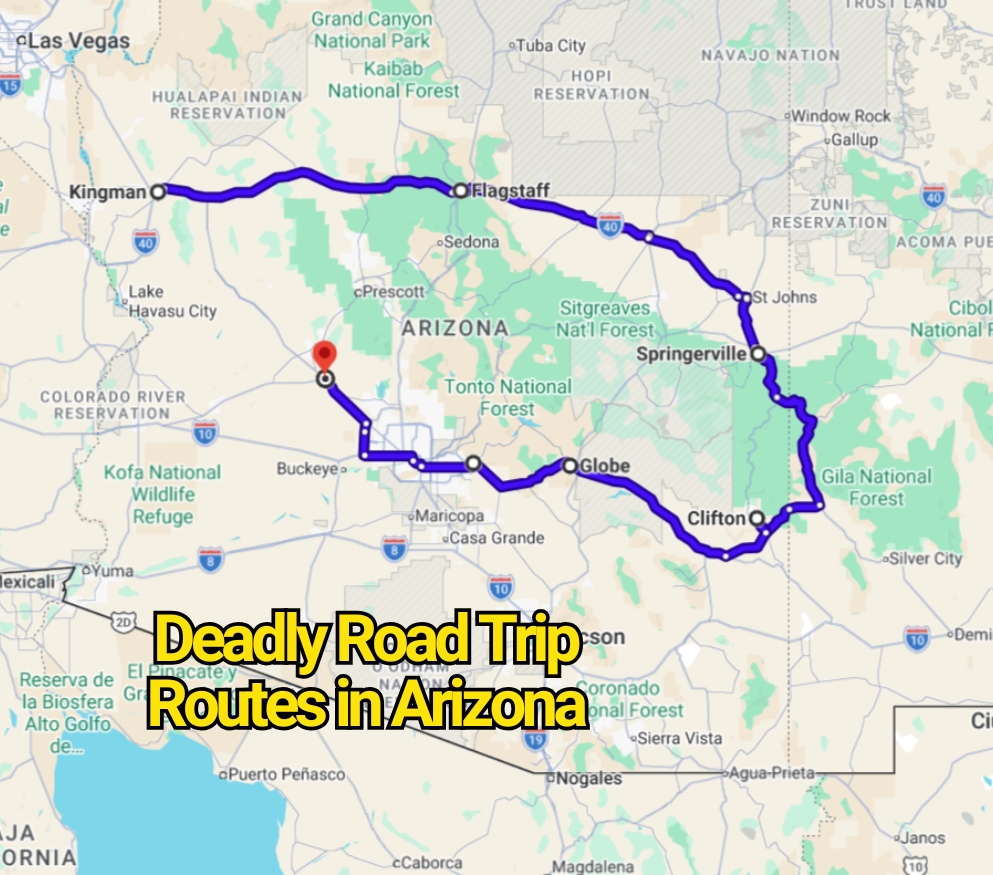
The Apache Trail, known officially as State Route 88, is often described like a scenic shortcut through desert beauty. That description misses the point completely. This road feels less like transportation and more like a slow transition into Arizona’s raw geography.
What surprises most drivers is how quickly the comfort of paved highways fades. The road tightens, the edges disappear, and the landscape stops offering forgiveness. One moment feels calm and predictable, and the next feels like the road is carved directly into the side of a canyon wall.
Locals don’t avoid it because it is unsafe by default. They avoid it because it demands respect at every mile, especially when weather shifts or visibility drops without warning.
Coronado Trail Isn’t Famous Because It’s Beautiful — It’s Famous Because It Tests You
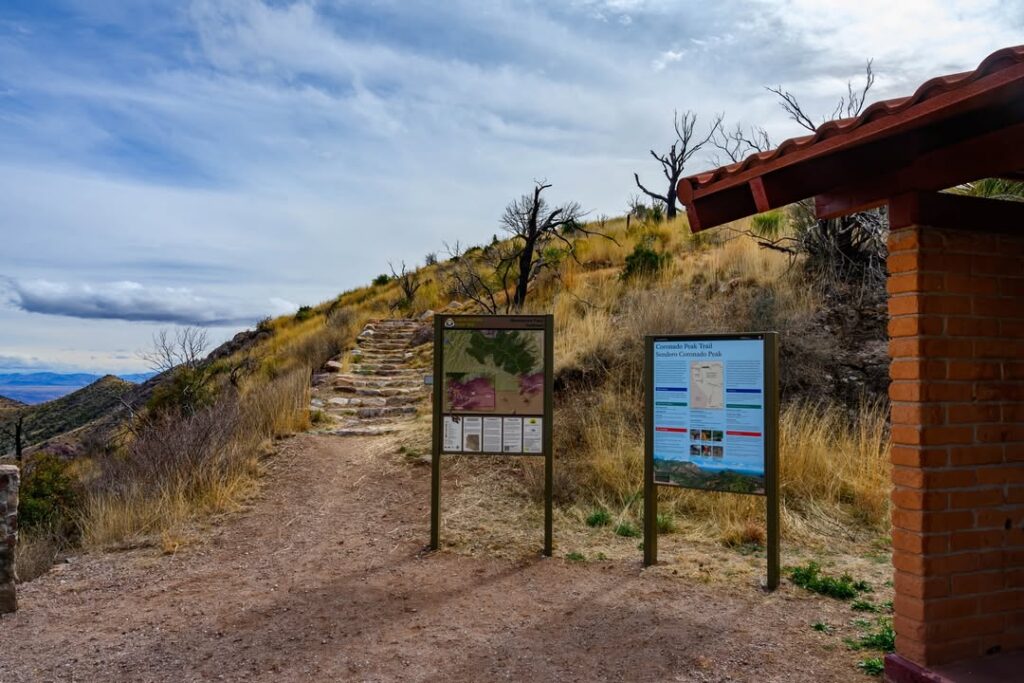
U.S. Route 191 through eastern Arizona is often called Coronado Trail, and it carries a reputation that newer travelers misunderstand. People assume it is simply a scenic drive through forests and mountains. In reality, it behaves more like a long-form driving exam disguised as nature.
The road doesn’t rush you. It forces patience through endless directional changes and elevation shifts that never feel repetitive. It becomes mentally demanding not because of speed, but because of concentration. The landscape is remote enough that mistakes feel amplified, and the silence between towns is long enough to make drivers forget how far they still are from help.
Locals don’t describe it as dangerous in fear. They describe it as mentally expensive. It takes focus, not courage.
U.S. Route 93 Looks Simple Until Distance Starts Working Against You
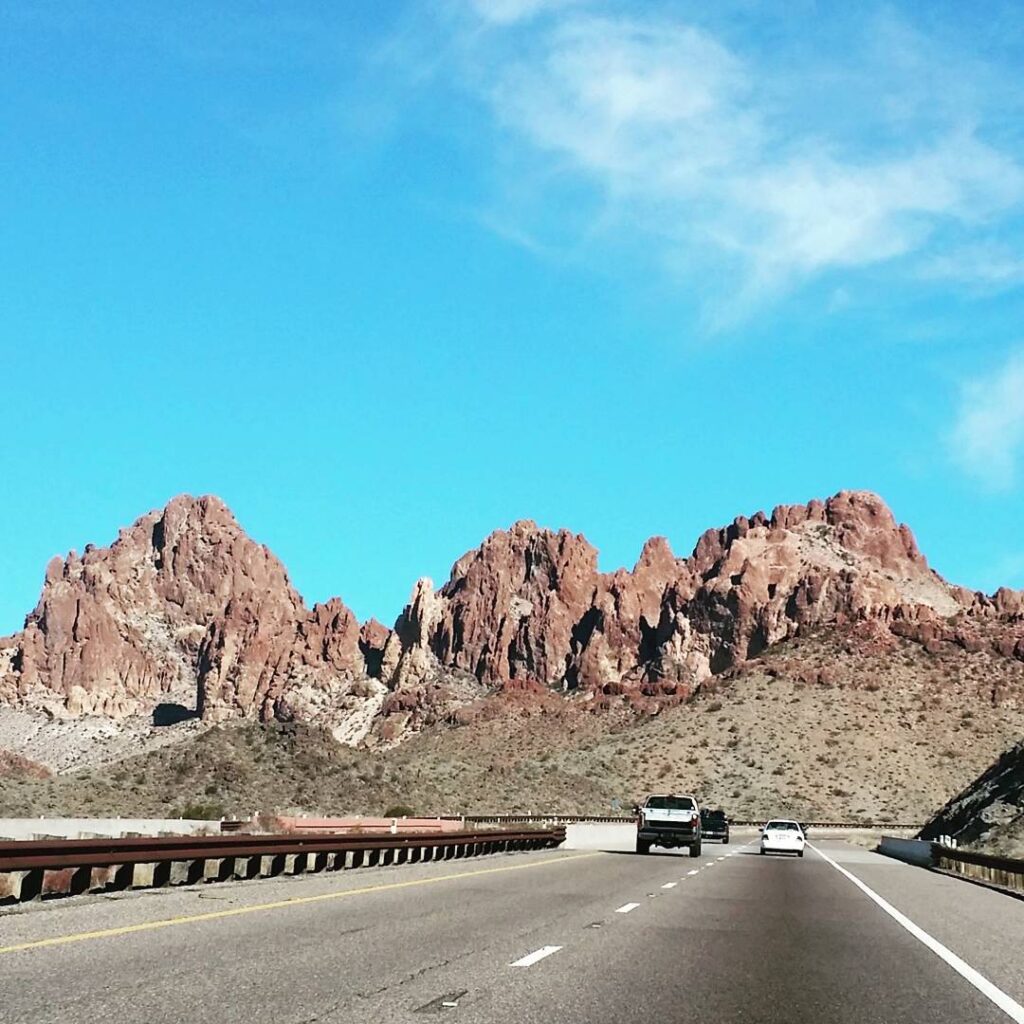
On paper, U.S. Route 93 seems straightforward — a major connection between Phoenix and Las Vegas. But simplicity is exactly what creates the problem. Long desert highways have a psychological effect that drivers rarely anticipate. The road feels easy, so attention slowly fades.
That is where risk builds quietly. Traffic speeds vary, trucks dominate stretches of highway, and the desert offers very few natural interruptions to reset focus. Fatigue becomes the real hazard, not terrain.
Locals don’t fear this road. They respect what it does to the human mind over long stretches of repetition.
Interstate 17 Is a Reminder That Arizona Doesn’t Stay One Climate for Long
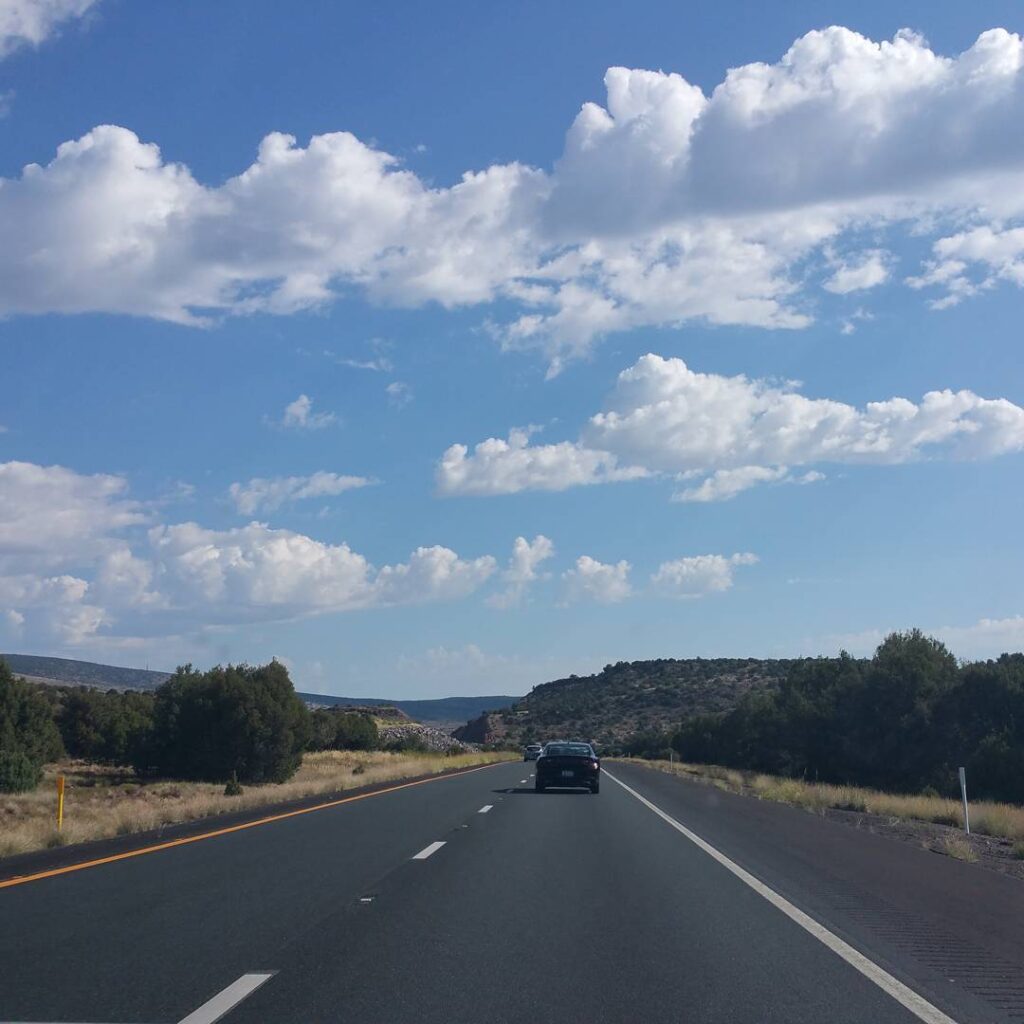
Interstate 17 is one of the most traveled highways in the state, and yet it carries an unpredictable identity. It begins in desert heat and ends in mountain cold, often within the same drive. That shift sounds interesting until you experience how quickly it changes road conditions.
Drivers often underestimate how elevation alters visibility, traction, and traffic behavior. What feels like a smooth interstate can suddenly turn into slow-moving climbs, weather shifts, or congestion caused by conditions that didn’t exist an hour earlier.
Locals don’t call it dangerous. They call it demanding in a way that rewards awareness more than speed.
Coronado Trail Extension Through Remote Forest Roads Feels Like Another World
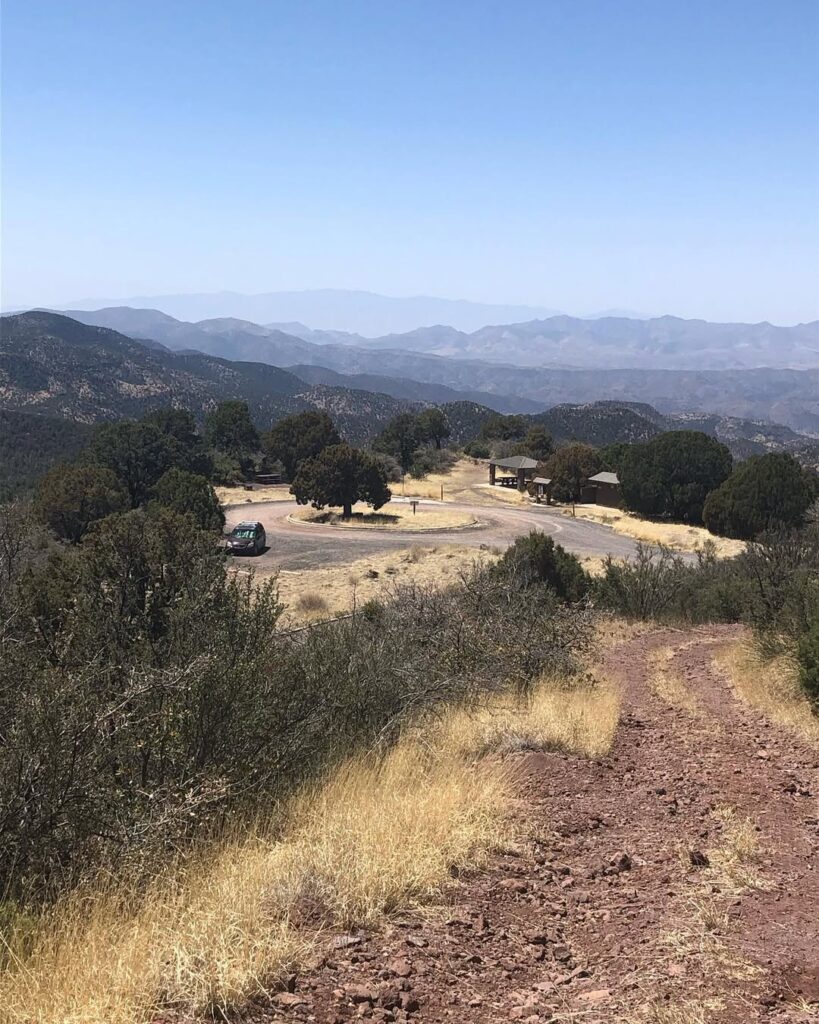
Deeper sections of Arizona’s eastern mountain routes extend into areas where services disappear and geography takes over completely. These roads feel isolated not because they are hidden, but because they exist in landscapes that were never designed around convenience.
Driving here changes expectations. Gas stations are distant, communication signals weaken, and the road becomes the only constant reference point. That isolation is what creates the perception of risk, especially for travelers expecting urban reliability in a wilderness environment.
Locals know this difference instinctively. Visitors often learn it mid-drive.
The Real Reason These Roads Feel Dangerous Has Nothing to Do With Fear
The contradiction is simple. These Arizona roads are not inherently dangerous in the way people assume. They become challenging because they expose something modern driving rarely does anymore — attention.
Wide highways, predictable conditions, and constant connectivity have trained drivers to expect consistency. Arizona’s hidden routes do not offer that consistency. Instead, they demand adaptation, awareness, and patience in environments that shift without warning.
That is why locals warn about them. Not to discourage travel, but to reset expectations before the road does it for you.
You may also like :