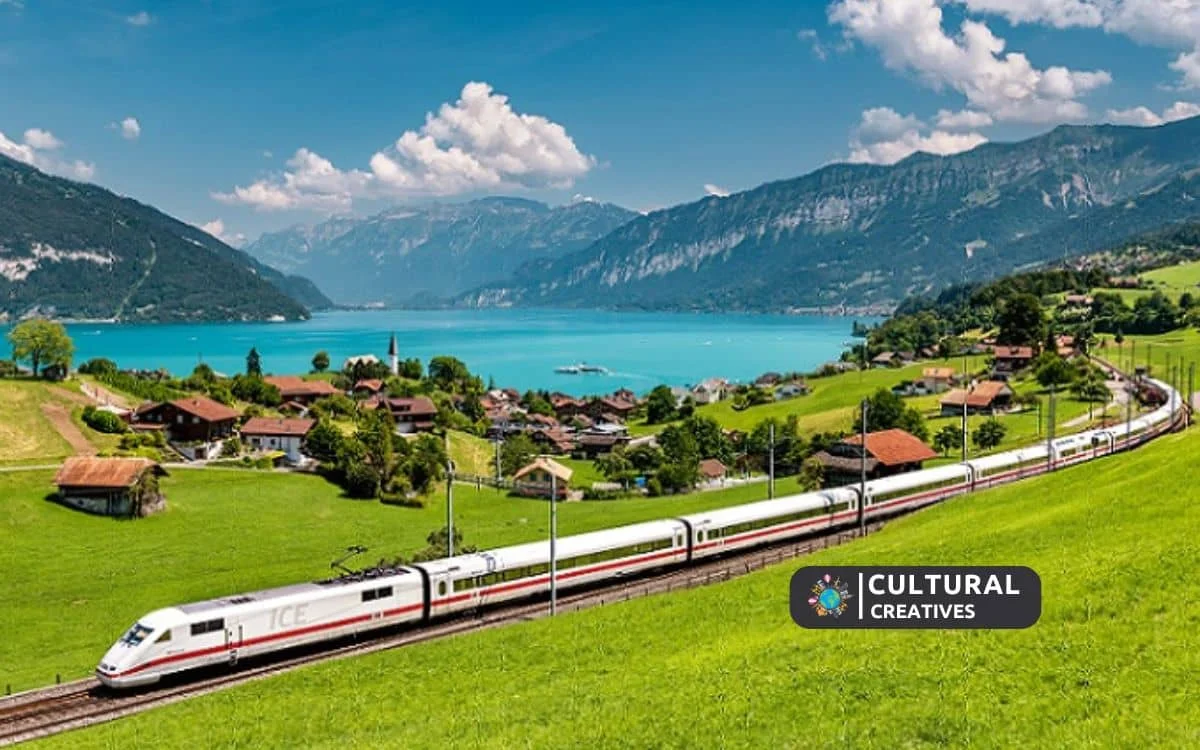
Choosing between driving or taking the train in Switzerland depends on personal preferences and itinerary. Generally, the train offers scenic, stress-free travel, while driving provides more flexibility.
Switzerland, renowned for its efficient public transport system and breathtaking landscapes, caters to varied travel tastes. For visitors who value relaxation and picturesque journeys, the Swiss rail network provides unparalleled views with minimal hassle. Every train ride promises a scenic treat, from the majestic Alps to the serene lakes.
This seamless mode of transport connects major cities, ski resorts, and hidden mountainous gems with punctuality and comfort. On the other hand, self-driven exploration grants adventurers the liberty to chart their own course, visit off-the-beaten-path attractions, and manage their own schedule. Navigating Switzerland’s well-maintained roads can be a joy for those who prefer a private space and the spontaneity that comes with driving. Choose your mode of travel based on your priorities for convenience, scenic value, and flexibility in exploring Switzerland’s beauty.
The Swiss Travel Dilemma
The Swiss Travel Dilemma: Choosing the best mode of transport in Switzerland can be tricky. Both driving and taking the train have their perks. The picturesque views from the train and the freedom of a car ride are tempting. It’s important to consider convenience, time, and cost when planning a Swiss adventure. Let’s delve into the details.
Comparing Convenience
When it comes to getting around in Switzerland, convenience is a key factor. The Swiss rail network is renowned for its efficiency and punctuality. Trains connect major cities, small towns, and even remote villages. On the other hand, driving provides personal space and flexibility. It allows for spontaneous detours and exploring off-the-beaten-path sites. The choice often boils down to personal preference for structure or freedom.
Time Management
Switzerland’s size makes both driving and train travel fast. Trains run like clockwork, cutting through scenic landscapes swiftly. Driving can be equally quick, but only if one knows the roads well. During winter, trains are more reliable, as they are less affected by weather than cars. Planning ahead with the Swiss train timetable can optimize your travel schedule and maximize your sightseeing time.
Cost Considerations
Traveling in Switzerland isn’t cheap, and budgeting is essential for a stress-free trip. Train tickets can be pricey, but various travel passes like the Swiss Travel Pass offer unlimited travel and can be cost-effective. Fuel and parking costs add up when driving, not to mention rental expenses. To make a smart financial decision, compare the costs of both modes of transportation in advance.
| Train Travel | Car Travel | |
|---|---|---|
| Convenience | Direct routes to major and minor destinations | Personal flexibility and space |
| Time | Fixed schedules, unaffected by weather | Variable, dependent on traffic and weather |
| Cost | Fixed prices, pass options available | Fuel, parking, and rental fees |
Switzerland’s Road Appeal
Exploring Switzerland by car taps into the freedom of the open road. Serene trips and striking vistas await those who choose to drive. Switzerland’s thoroughfares are your gateway to an unforgettable journey through a land where nature’s artistry and humankind’s precision seamlessly blend.
Scenic Routes And Landscapes
Switzerland’s highways are more than just roads; they are stunning galleries of nature’s best works. Every turn offers a fresh canvas adorned with alpine peaks, lush valleys, and crystal-clear lakes. The country’s varied terrain, from the mystical landscapes of the Ticino to the snow-capped mountains of the Valais, make every kilometer an experience, not just a drive.
- Grand Tour of Switzerland: a 1600 km journey showcasing awe-inspiring geography.
- Furka Pass: a high mountain pass for thrill-seekers.
- Route of Emmentaler Cheese: pastoral beauty and iconic Swiss cheese.
Road Network And Conditions
Meticulous maintenance ensures the Swiss road network is in top-notch condition. Whether cruising the Autobahns or winding through mountain passageways, safety and quality are paramount. Signage is clear and informative, making navigation through Switzerland’s diverse regions straightforward and stress-free.
| Type of Road | Features |
|---|---|
| Autobahn | Fast lanes, regular rest areas, no tolls |
| Main Roads | Scenic views, connect major cities |
| Secondary Roads | Serpentine paths, intimate exploration |
Rental Options And Traffic
With a slew of rental options, finding the perfect vehicle for your Swiss journey is easy. Compact cars, luxury rides, or sturdy SUVs – pick the one that fits your adventure. Minimal traffic congestion outside urban centers transforms driving into pure joy rather than a stressful chore, with ample parking facilities in cities and tourist spots.
- Choice of leading rental agencies at airports and city centers
- Options for GPS and child seats for secure and comfortable trips
- Comprehensive insurance plans for peace of mind
Remember to check local travel updates to avoid any unexpected delays. Start your engine, embrace the freedom, and craft your very own Swiss story one road at a time.
Taking The Train: A Swiss Experience
Exploring Switzerland by train offers more than just travel. It’s a chance to witness the country’s heart-stopping beauty from a comfy seat. Swiss trains glide you through alpine wonders, serene lakes, and quaint villages. All this and you never worry about parking or traffic.
Rail Connectivity And Accessibility
Switzerland’s rail network is a marvel of precision and reach. Small towns and big cities link perfectly. Fast, frequent, and punctual, getting around is a breeze.
- Easy railway station access
- Clear signposts in multiple languages
- Convenient schedules with the SBB Mobile app
Train Amenities And Comfort
Swiss trains promise a relaxed and enjoyable ride. Clean, modern cars with free Wi-Fi make journeys pleasant. Quieter first-class options exist for extra peace and space.
| Amenity | Second Class | First Class |
|---|---|---|
| Seat Space | Comfortable | Extra Spacious |
| Power Outlets | Available | Available |
| Wi-Fi | Free | Free |
Environmental Impact
Riding trains in Switzerland is a green choice. These trains run on renewable energy sources. This choice reduces your carbon footprint compared to driving.
- High percentage of electric trains
- Use of hydroelectric power
- Efficient energy consumption
Comparative Costs
Deciding between driving or taking a train in Switzerland involves a close look at costs. It’s not just about the ticket or rental fee. You need to consider all factors that affect your wallet. Here’s what you need to know to make a smart choice.
Pricing Structures
Train tickets vary widely based on type, distance, and class. Swiss Travel Passes offer unlimited travel to tourists, but the cost depends on duration. Driving costs center around rental fees, fuel, and parking.
| Travel Method | Initial Cost | Additional Expenses |
|---|---|---|
| Train | Ticket / Pass | Upgrades, food |
| Car | Rental fee | Fuel, parking, tolls |
Hidden Costs Of Travel
It’s not just the visible expenses. Parking fees and tolls can add up for drivers. Train travelers might face extra charges for luggage or seat reservations. These can surprise you if not accounted for.
- Fuel price fluctuations
- Parking in high-demand areas
- Luggage fees on trains
Budget-friendly Tips
To save money, consider these strategies:
- Early booking for train seats can secure lower fares.
- Picking an economic car reduces fuel consumption.
- Exploring discount cards for public transportation saves in the long run.
Smart travelers always compare the value of passes and rentals with their plans. Optimizing your travel choices based on cost can enhance your Switzerland experience without breaking the bank.
Time-saving Travel Tactics
Switzerland offers striking landscapes and efficient travel options. However, smart travel tactics can save precious time. Whether driving or taking the train, planning makes all the difference.
Analyzing Travel Duration
Understanding the time each travel method takes is crucial. Switzerland’s compact size often makes train journeys quicker. Major cities connect via fast trains, minimizing travel time significantly. Check the Swiss train timetable online for accurate duration estimates. Remember, trains bypass traffic jams, often making them the faster choice.
Scheduling For Efficiency
To optimize your travel schedule, consider these points:
- Travel Off-Peak: Choose times outside morning and evening rushes.
- Book in Advance: Reserve seats on trains to secure the best schedules.
- Use Travel Apps: Tools like SBB Mobile provide real-time updates and help plan routes efficiently.
Avoiding Peak Times
Traveling during off-peak hours saves time. Morning rush hours typically run from 6:30 AM to 9:00 AM. Evening rush hours usually span from 4:30 PM to 7:00 PM. Plan your drive or train trip outside these windows to enjoy swifter travel. For trains, avoid Fridays and Sundays when weekend traffic peaks.
| Day | Morning Rush Hour | Evening Rush Hour | Weekend Peak Day |
|---|---|---|---|
| Weekdays | 6:30 AM – 9:00 AM | 4:30 PM – 7:00 PM | N/A |
| Weekends | Avoid Train Travel on Friday and Sunday | Friday & Sunday | |
Personal Preferences In Swiss Travel
Choosing between driving or taking the train in Switzerland often comes down to what you value most in your travel. Do you cherish your personal space, or do you prefer to navigate effortlessly through the country’s vistas? Perhaps soaking in the local culture trumps all for you. Let’s explore how your personal travel style can guide your choice in Switzerland.
Privacy And Space
Driving a car in Switzerland means having your own space. You can stop whenever you want and enjoy moments alone or with family.
- Quiet time away from the crowd
- Flexibility to create your own travel itinerary
- Room for packing extras, like picnic supplies or sports equipment
Ease Of Navigation
The Swiss rail network is known for its precision and coverage. With a train, you can relax and watch the scenic beauty without the stress of navigating roads.
- Train schedules are reliable and frequent
- No need to worry about parking or traffic
- Easy access to major cities and attractions
Cultural Experiences
For cultural immersion, trains are unmatched. You get to meet locals, experience the country’s rhythm, and see the landscapes unfold before you.
| Driving | Train Travel |
|---|---|
| Limited interaction with locals | Opportunities to chat with Swiss residents |
| Explore at your own pace | Structured schedules provide a framework for travel |
Final Verdict
Deciding between driving and taking the train in Switzerland hinges on personal preferences and itinerary. While driving offers flexibility and scenic routes, the Swiss rail system boasts punctuality and stunning panoramic views unmarred by the focus on the road.
Balancing Pros And Cons
Switzerland dazzles with its scenic landscapes and efficient transport. Driving provides freedom to explore hidden gems. Trains offer comfort and punctuality, a chance to relax and soak in the views.
| Driving | Train Travel |
|---|---|
| Complete flexibility | Eco-friendly and relaxing |
| Chance for off-the-path discoveries | Efficient and timely |
| Potential challenges with parking | Limited to established routes |
Recommendations For Different Travelers
- Adventure Seekers: Opt for driving to create your unique path.
- Relaxation Lovers: Choose the train to enjoy stress-free journeys.
- First-timers: Train travel introduces Switzerland’s charm efficiently.
- Photographers: Pick a train seat, ready your camera for breathtaking shots.
Making An Informed Choice
Consider personal preferences, budgets, and travel purposes. Assess the balance of flexibility against convenience. Think about what you value most for your Swiss excursion. The choice is personal: tailor it to your travel dreams.
- Define your travel goals.
- Compare costs and schedules.
- Factor in comfort and time efficiency.
- Choose what suits your vision for a Swiss adventure.
Conclusion
Deciding between car or train travel in Switzerland depends on personal preferences and trip specifics. Trains offer relaxation and stunning views without parking woes. Driving provides freedom to explore at your own pace. Both promise unforgettable journeys amidst the Swiss landscape—choose what suits your adventure best.