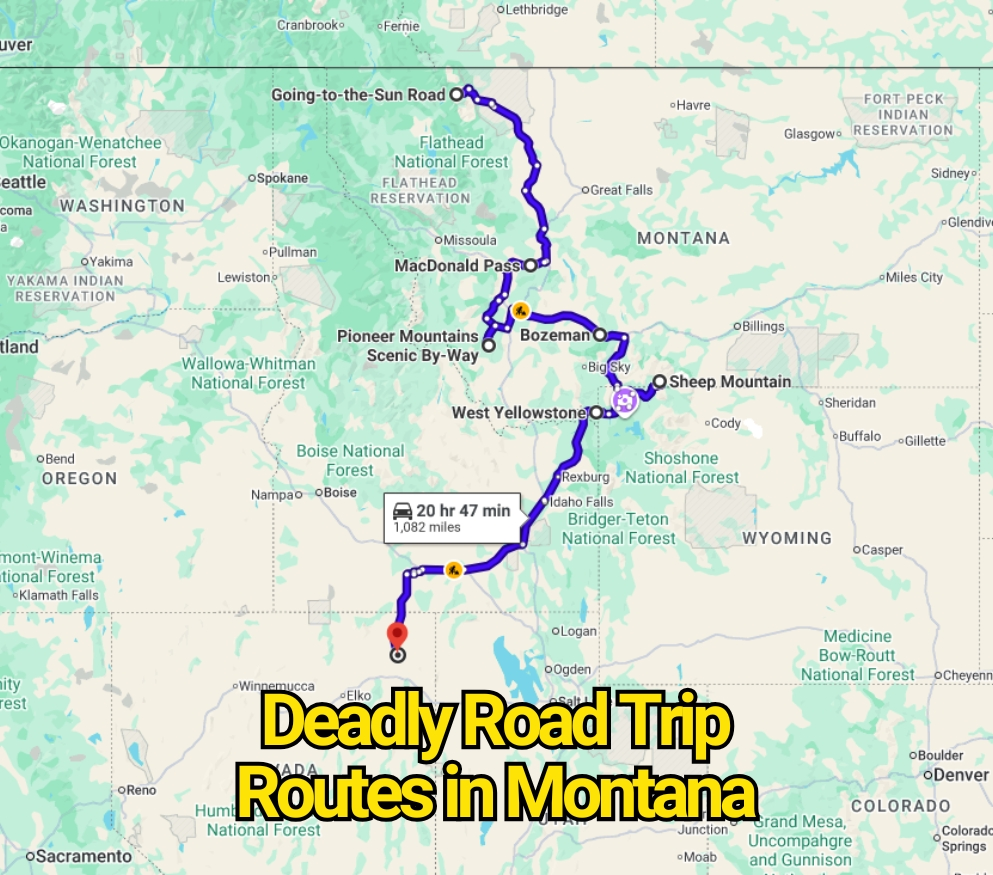
Montana has a way of making a road look harmless from a distance. A ribbon of pavement cuts across open land, the mountains sit quietly on the horizon, and the sky feels too wide to be real. Then the road begins to climb. The shoulder narrows. The weather turns. A curve appears sharper than expected.
That is where Montana’s beauty starts to feel different.
The state is massive, stretching across 147,040 square miles, with lonely highways, mountain passes, gravel byways, wildlife corridors, and winter routes that can change mood in minutes. Many travelers arrive looking for peaceful scenery, but locals know some drives carry a harder edge. These are the Montana road trip routes that may look stunning on a map but deserve much more respect behind the wheel.
MacDonald Pass: The Mountain Road West of Helena That Can Turn Icy Fast
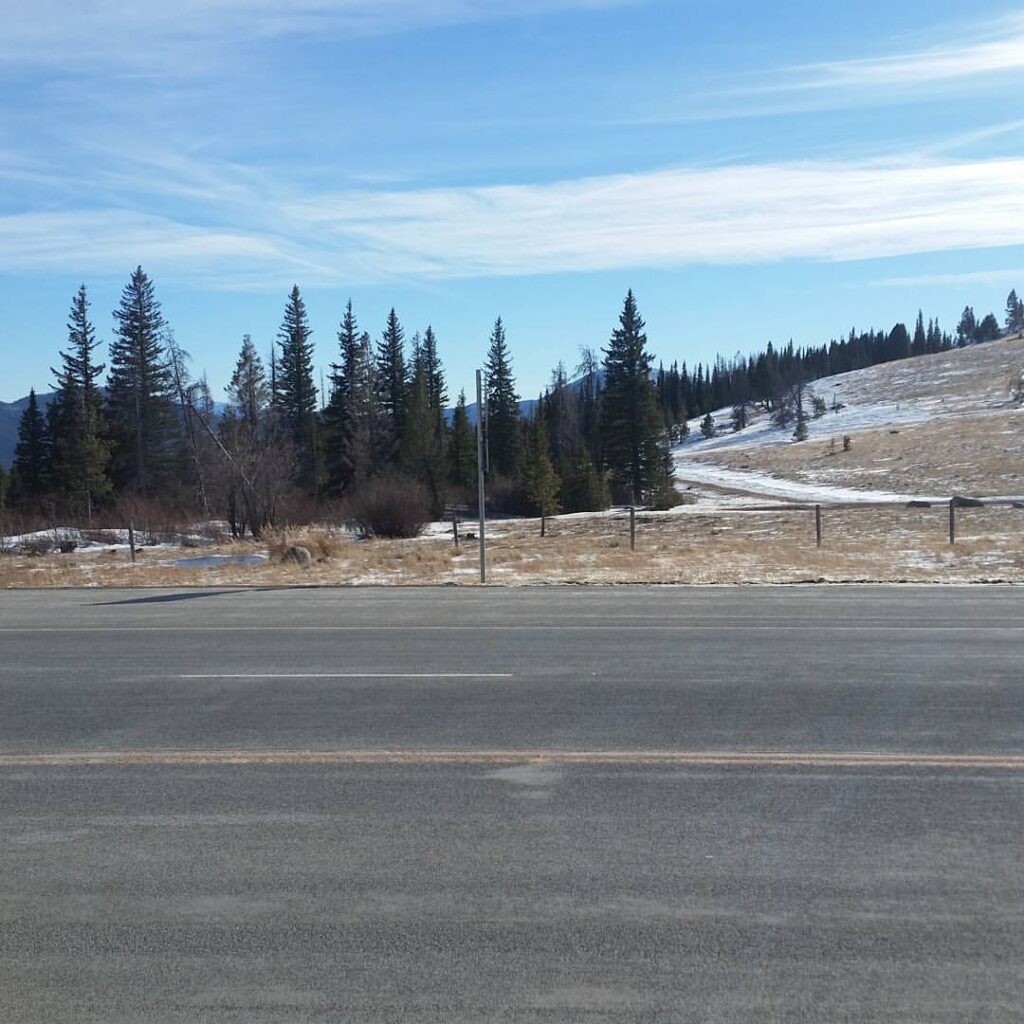
MacDonald Pass looks like the kind of Montana drive people dream about before they know the road. It sits west of Helena and crosses the Continental Divide, giving drivers that classic high-country feeling with forested slopes, sweeping views, and a sense of old mountain history.
But pretty roads can be stern teachers.
The danger here comes from the same features that make the drive memorable. Sharp corners, steep sections, and cliffside edges can make the pass stressful even in fair weather. Once winter arrives, the road can become slick and unforgiving. Ice is the real trickster here because it does not always announce itself before a tire loses grip.
Locals treat MacDonald Pass with caution because the conditions can shift quickly. A drive that feels calm near Helena can feel far more serious higher up. Anyone heading over this pass should slow down, watch the curves, and never assume dry pavement will stay dry for the full climb.
Going-to-the-Sun Road: Glacier’s Famous Drive With a Frightening Side
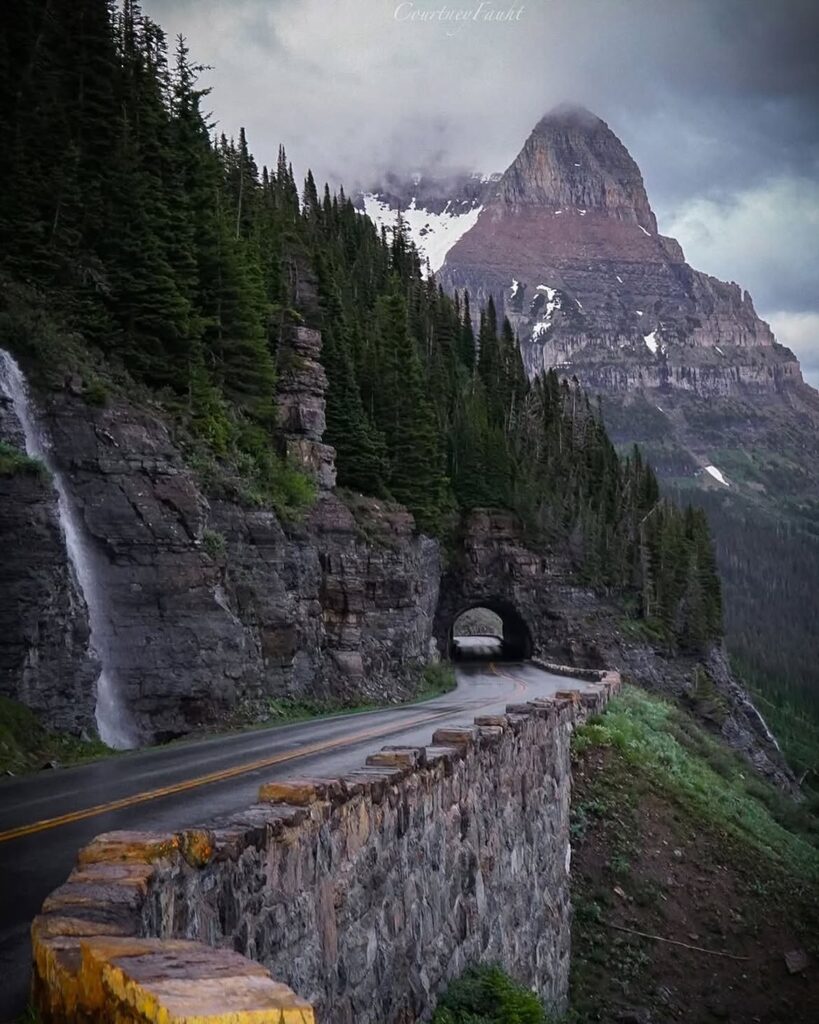
Going-to-the-Sun Road is one of Montana’s most legendary routes, and for good reason. It cuts through Glacier National Park with mountain walls, dramatic drop-offs, alpine scenery, and views that can make traffic crawl for reasons other than fear.
Still, this road is not gentle.
The route is narrow in places, elevated, winding, and often wrapped in mist or changing mountain weather near the top. For drivers nervous around heights, it can feel less like a casual scenic drive and more like a white-knuckle test. The road demands attention because there is very little room for daydreaming.
The issue is not that Going-to-the-Sun Road lacks beauty. The issue is that its beauty distracts people at exactly the wrong moments. Drivers look left, right, up, down, and suddenly the next turn is closer than expected. Locals know this road is best handled by someone calm, patient, and fully focused.
If heights bother you, let another person drive. The views are easier to enjoy from the passenger seat.
Highway 93: The Deadly Wildlife Corridor That Looks Too Normal
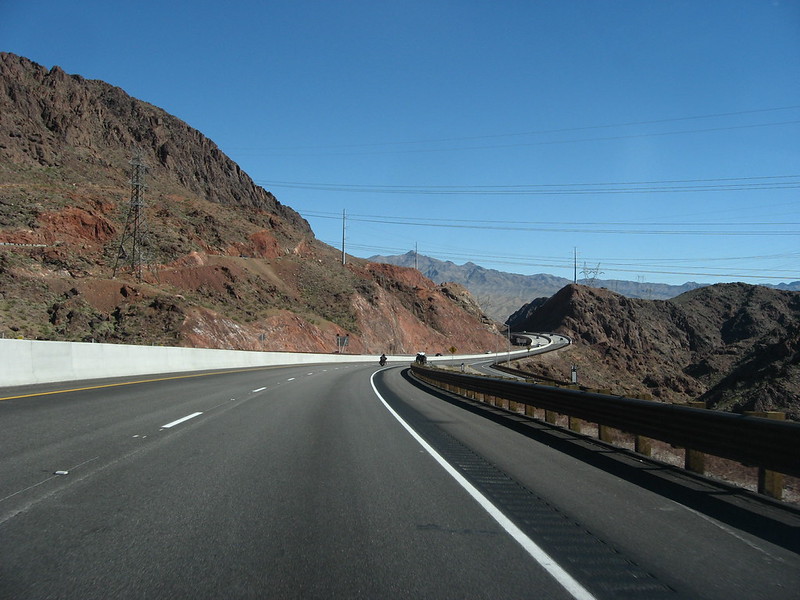
Highway 93 can fool travelers because it does not always look scary. It stretches from the Canadian border through Missoula, passing through broad valleys and populated areas that may feel familiar compared to Montana’s high mountain routes.
That calm appearance is part of the problem.
This highway has long been known for wildlife-related crash risks, especially in areas where deer, elk, and bears move near the road. Fast drivers make the danger worse. A quiet stretch can become dangerous in seconds when an animal steps out, traffic speeds up, or visibility drops.
The section between mileposts 90 and 110 has been noted for heavy wildlife activity, making it one of the places drivers should treat with extra care. It is the kind of road where danger does not always arrive as a cliff, a snowbank, or a steep grade. Sometimes it appears as a sudden shape at the edge of the headlights.
Highway 93 is a reminder that Montana danger is not always dramatic. Sometimes the road looks ordinary right before it becomes risky.
Sheep Mountain Road: The Gravel Route That Locals Respect for a Reason
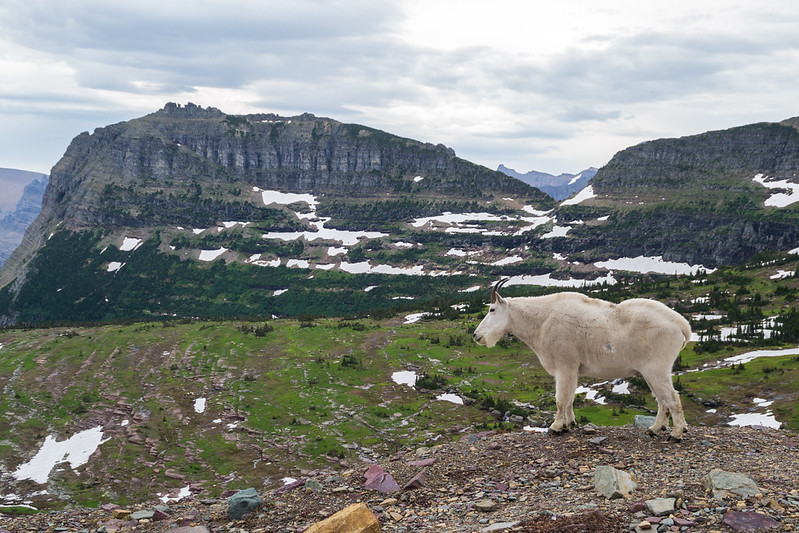
Sheep Mountain Road in Park County is not the kind of route every traveler should casually add to a road trip plan. It is one of Montana’s higher roads, and that elevation brings weather, rough surfaces, and seasonal trouble into the picture.
This is not polished highway driving.
The road is gravel, rocky, bumpy, and often difficult during colder months. In winter, it can become impassable. Even outside winter, drivers need to be ready for a rougher ride than a normal scenic route. Loose gravel can change how a vehicle handles, especially on curves or steeper stretches.
Yet Sheep Mountain Road still pulls people in because the scenery is powerful. That is the Montana bargain: the more remote and striking the drive becomes, the more responsibility it asks from the person behind the wheel.
Locals know this route is better suited for prepared drivers, proper vehicles, and good weather. It is not a road for rushing. It is not a road for guessing.
Pioneer Mountain Scenic Byway: The Beautiful Drive That Can Feel Too Exposed
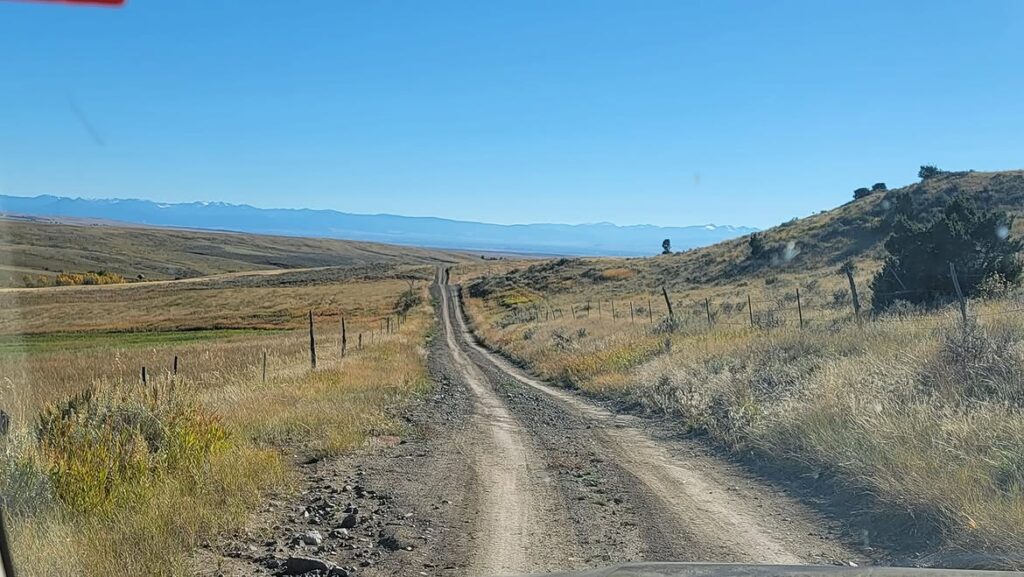
Pioneer Mountain Scenic Byway sounds peaceful enough. The name alone feels like an invitation to roll down the windows and enjoy the length of the Pioneer Mountain Range. During the right season, it can be an unforgettable Montana drive.
But the byway has a sharper personality than the name suggests.
Drivers who dislike heights or rough mountain roads may find certain sections uncomfortable. Weather can also make the route more difficult, especially in winter or during sudden mountain changes. A scenic byway does not always mean an easy byway.
The road’s appeal comes from its open mountain feel, but that same openness can feel exposed. Curves, elevation, and changing surfaces require patience. This is not the place to chase speed or treat the route like a simple shortcut.
Pioneer Mountain Scenic Byway rewards careful drivers. It can punish careless ones.
Highway 191: The Bozeman-to-West Yellowstone Route With a Harsh Winter Reputation
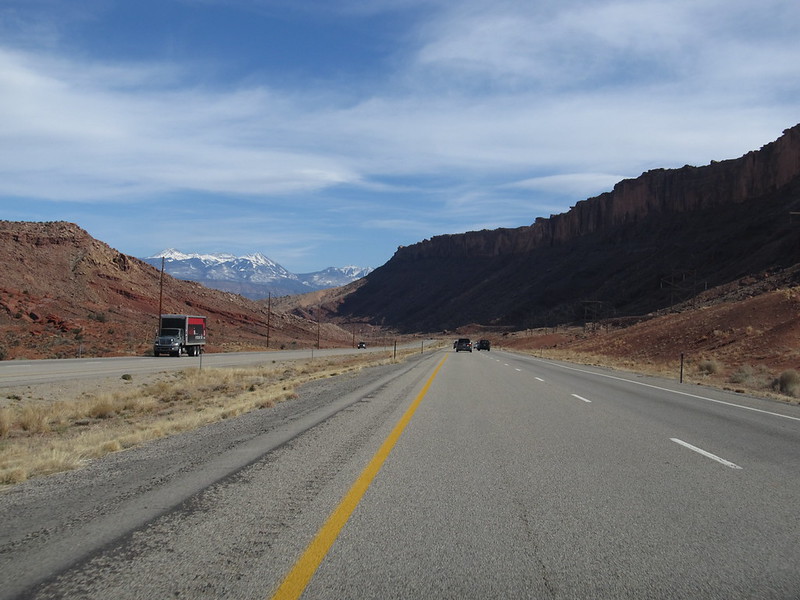
Highway 191 between Bozeman and West Yellowstone is breathtaking in summer. The route runs through big scenery, forested stretches, river views, and the kind of Montana landscape that makes people pull over for photos again and again.
Winter changes the story.
This road has earned a fierce reputation during icy months, with drivers warning about slick conditions, heavy traffic pressure, tight stretches, and serious crash history. The combination of tourism, local travel, winter weather, and mountain-road tension can make Highway 191 feel far more dangerous than visitors expect.
It is one of those roads where beauty and risk travel side by side. In warm weather, the drive may feel like a highlight of a Montana trip. In snow or ice, it can become a slow, tense corridor where every curve matters.
Locals know Highway 191 should never be taken lightly. If conditions look rough, patience is better than pride.
Why These Montana Roads Keep Getting Warned About
Montana’s dangerous drives are not all dangerous for the same reason. Some roads scare drivers with heights. Others become hazardous because of ice, wildlife, gravel, curves, or speed. A few seem harmless until the weather changes or dusk brings animals closer to the pavement.
That is what makes these routes so tricky.
The danger is often hidden inside the scenery. A mountain pass can look peaceful. A famous park road can feel magical. A highway through open country can seem easy. But Montana roads do not always forgive distraction, bad timing, or overconfidence.
These routes are still worth knowing about, especially for travelers who respect the land and the road. MacDonald Pass, Going-to-the-Sun Road, Highway 93, Sheep Mountain Road, Pioneer Mountain Scenic Byway, and Highway 191 all offer views that people remember. They also come with warnings locals do not give for drama.
In Montana, the smartest road trip is not the fastest one.
It is the one where you slow down, watch the weather, respect the curves, and understand that the most beautiful drive on the map might also be the one asking the most from you.