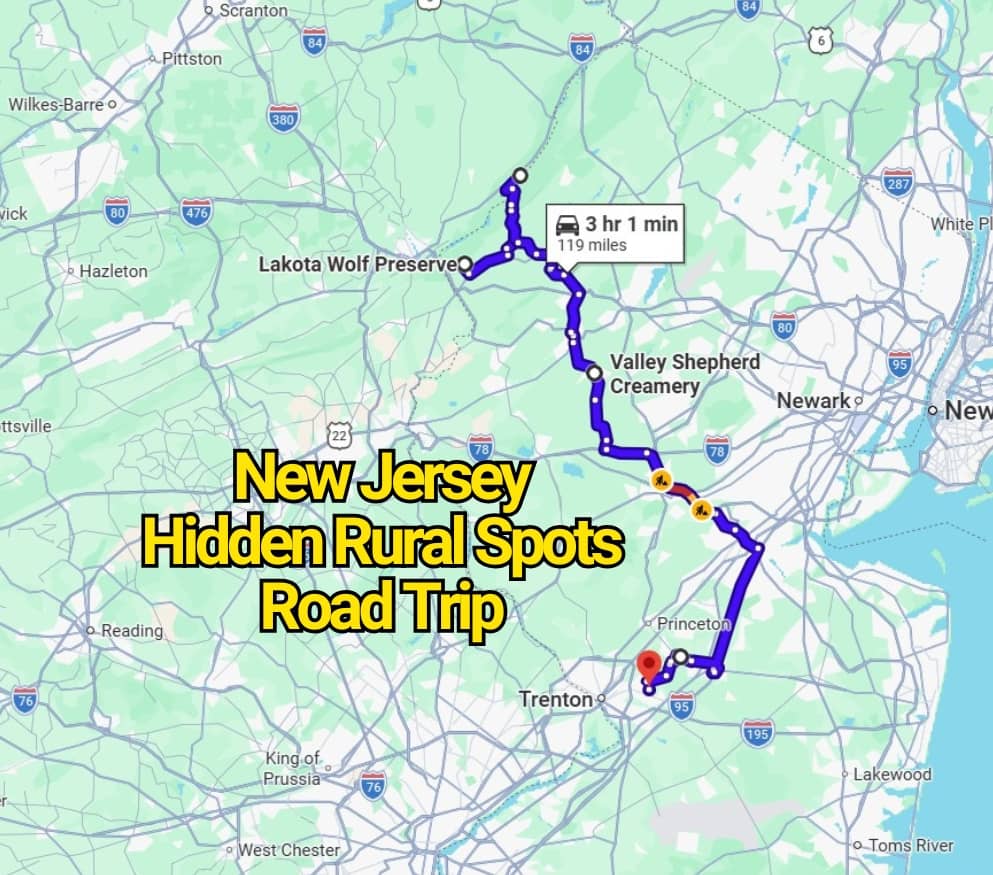
New Jersey is the most densely populated state in the United States, yet it still offers quiet rural pockets that feel far removed from its busy cities. Scattered farmland, preserved natural areas, and small historic towns create a softer side of the state that many travelers overlook. These areas often sit surprisingly close to major highways, making them easy to reach without long travel times.
Because of the state’s compact size, you can move from coastal scenery to wooded trails and open fields in a single trip. Local farms, small cafés, and independent shops add character to these rural zones, giving each stop its own identity. Many of these places remain calm and lightly visited, offering space to slow down and enjoy the surroundings.
Together, these rural corners show a different side of New Jersey beyond its urban reputation. They reflect a balance of land, history, and everyday community life, where nature and small-town culture exist side by side. Exploring them offers a simple but meaningful break from the pace of city living.
1. Old Mine Road (Sandyston): A Historic Rural Route Through Quiet New Jersey
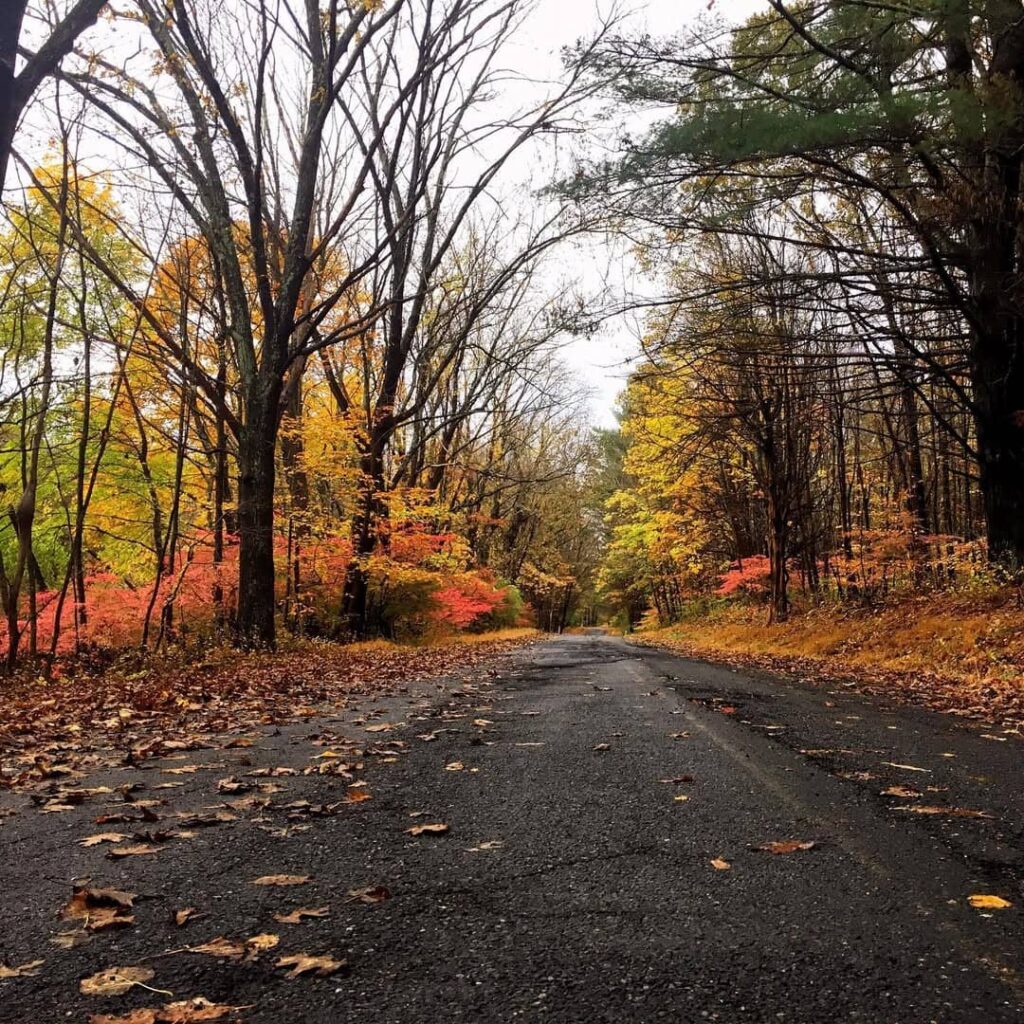
Old Mine Road in Sandyston is one of the oldest continuously used roads in the United States, with origins tracing back to the late 1600s. It runs through a largely undeveloped stretch of northwestern New Jersey where forested land and scattered historic structures shape the scenery. The route reflects centuries of travel and settlement patterns that still influence the region today.
Much of the road retains a simple, rural character, with long stretches of natural landscape and minimal modern construction. Old stone buildings and remnants of early activity appear along the way, offering a direct link to the area’s colonial past. Driving here feels slower by design, with the surroundings shifting between dense woodland and open clearings.
Today, Old Mine Road remains valued for its historical depth and quiet environment. It offers a rare chance to experience a continuous roadway that has served travelers for centuries while still preserving its rural identity.
2. Grover’s Mill Coffee Co. (West Windsor): Coffee, Pastries, and a Famous Sci-Fi Legacy
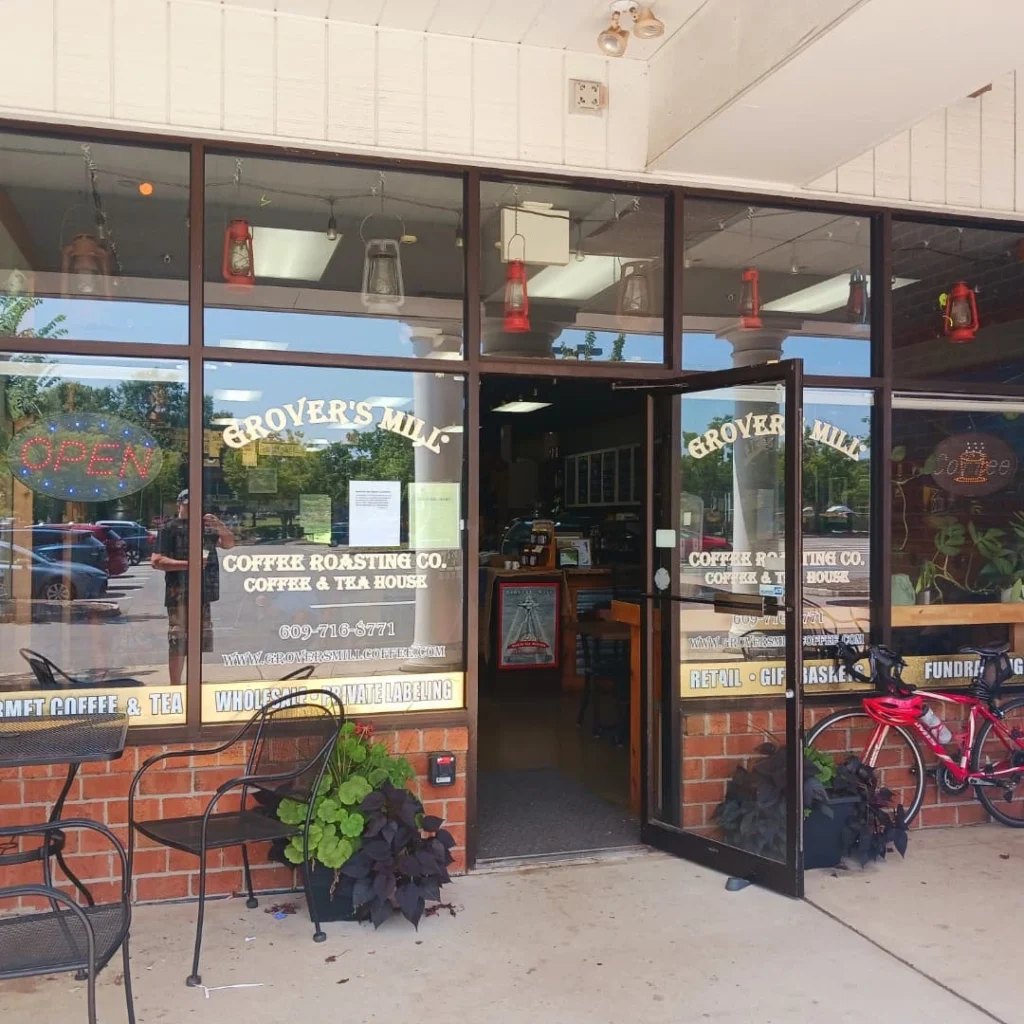
Grover’s Mill Coffee Co. in West Windsor is a small local café known for its well-made coffee and fresh pastries. It serves as a casual stop for residents and travelers moving through central New Jersey, offering a relaxed break from nearby suburban routes. The shop blends everyday café culture with a touch of local storytelling that sets it apart from typical coffee stops.
What draws many visitors is its connection to the famous “War of the Worlds” radio broadcast panic tied to Grover’s Mill. Inside and around the café, alien invasion-themed artwork references that historic moment in 1938 when listeners believed an actual extraterrestrial landing was being reported. This creative theme gives the space a playful identity rooted in American broadcasting history.
Today, the café continues to attract both coffee lovers and history enthusiasts who appreciate its mix of local flavor and cultural lore. It stands as a lighthearted reminder of how media, imagination, and place can intersect in unexpected ways, turning a simple coffee stop into something memorable.
3. Lakota Wolf Preserve (Columbia): A Rare Encounter With Wolves in New Jersey
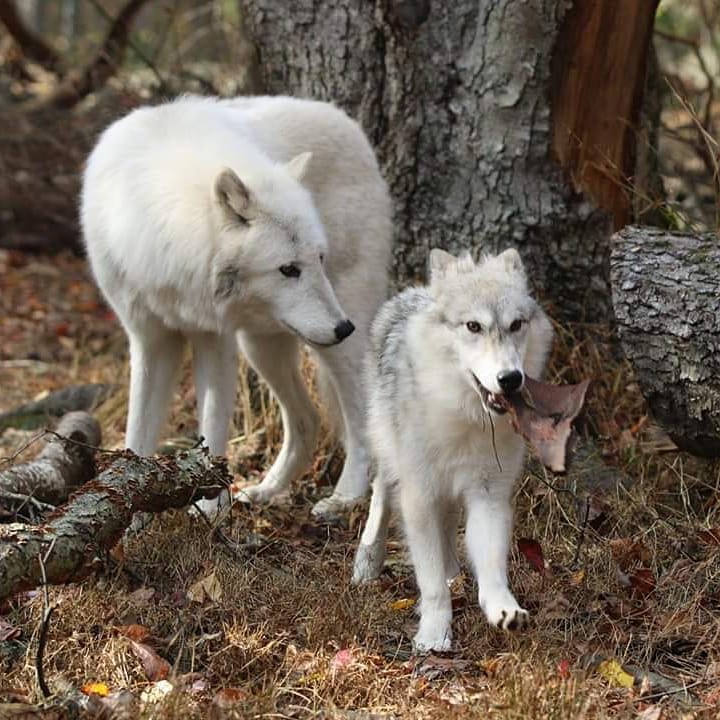
Lakota Wolf Preserve in Columbia offers visitors a chance to observe wolves in a controlled natural environment. It is recognized as one of the largest wolf preserves in the United States, where animals are cared for in spacious enclosures that mimic natural habitats. The setting gives guests a close look at wolf behavior without disrupting their well-being.
Beyond wolves, the preserve is also home to other wildlife such as foxes and wildcats. Educational presentations help visitors understand how these animals live, hunt, and interact within their social groups. The experience focuses on awareness and respect for wildlife rather than entertainment alone.
Many people visit to gain a deeper appreciation for these often misunderstood animals. The preserve provides a rare opportunity to observe predators in a calm setting, making it a meaningful stop for those interested in wildlife education and conservation.
4. Valley Shepherd Creamery (Long Valley): Farm-Fresh Cheese and Rural Craft in New Jersey

Valley Shepherd Creamery in Long Valley is a working farm known for producing a wide range of dairy products. The farm raises cows, goats, and sheep, all contributing to the rich selection of cheeses and other dairy items made on-site. Visitors often come here to experience a working agricultural setting that still operates with traditional methods.
The creamery is also recognized for its hands-on approach to food production. Guests can see parts of the process where milk is transformed into cheese, offering a clearer understanding of how farm-fresh products are created. This connection between land, animals, and food production gives the place a strong local identity.
Visitors also have the chance to meet the people who run the farm and learn about daily operations. The experience provides a closer look at rural life in New Jersey, where farming traditions continue alongside modern demand for locally made food.
5. Sayen House and Gardens (Hamilton Square): A Quiet 30-Acre Floral Escape Near Trenton
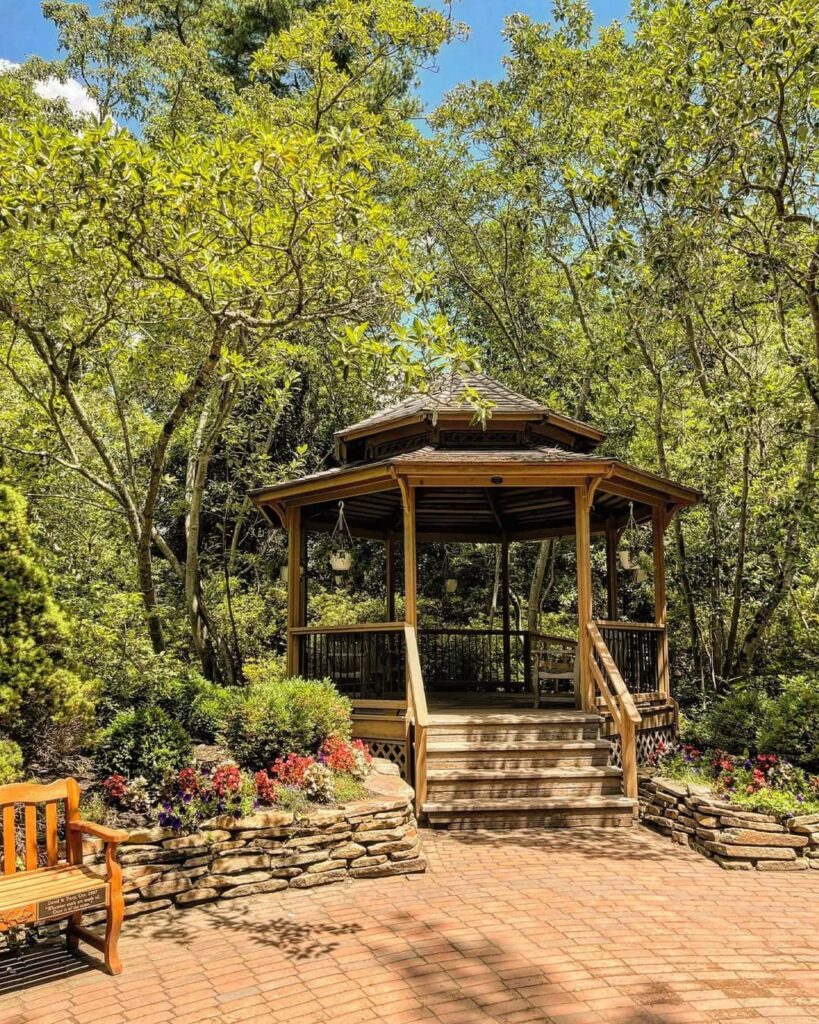
Sayen House and Gardens in Hamilton Square is a 30-acre public garden known for its carefully maintained landscapes and seasonal plant displays. The site surrounds a historic home and offers a peaceful setting where walking paths weave through flower beds, small bridges, and shaded corners. Its location near Trenton makes it an easy retreat from nearby urban areas.
The gardens change with the seasons, bringing different colors and plant varieties throughout the year. Spring is especially popular, with blooming azaleas and reflective water features drawing visitors who enjoy slow walks and photography. The layout encourages gentle exploration rather than rushed movement, giving each section its own character.
Despite its refined appearance, access to the gardens is free, which makes it a valued public space for residents and travelers. It stands as a reminder that well-kept green spaces can exist close to busy cities, offering an open-air environment shaped by nature and thoughtful care.
More Related Articles :