
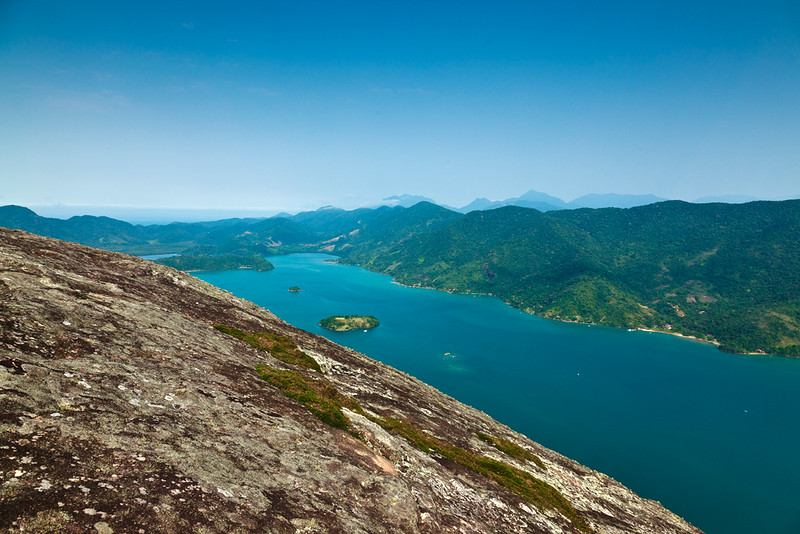
Brazil brings together tropical coastlines, high-energy cities, wildlife-rich rainforests, and natural landmarks that truly impress. Its mix of ecosystems, cultures, and colonial roots creates a travel experience filled with contrast. One day you might be walking along a sun-drenched beach; the next, exploring historic streets or heading deep into thick jungle.
Because Brazil is the fifth-largest country on Earth, planning a trip can feel overwhelming at first. Distances are vast, climates shift from region to region, and each state has its own personality. To make things clearer, I’ve gathered 15 of the best places to visit in Brazil so you can narrow down your options and build an itinerary that fits your interests.
Brazil feels personal to me. I’m married to a Brazilian, so over the years it has become a second home. I’ve traveled from the dense Amazon in the north to the thunderous falls of Iguaçu in the south, spending time in beach towns, mountain regions, and major cities along the way. Some places on this list are firm favorites; a few are still waiting patiently for my next visit.
You’ll also find a map at the end of this post that shows where each destination sits within the country. It’s a helpful way to visualize distances and decide how to connect different regions in one trip.
Top Places to Visit in Brazil
Brazil offers a mix of ocean beaches, rainforest, waterfalls, and colonial towns spread across a massive landscape. Rio de Janeiro stands out for its coastline and famous landmarks, while Foz do Iguaçu amazes with powerful waterfalls stretching across the border. In the north, the Amazon delivers river journeys and dense jungle scenes far removed from city life.
For culture and history, Salvador, Ouro Preto, and Paraty feature colorful streets and preserved architecture from earlier centuries. Lençóis Maranhenses surprises visitors with wide sand dunes and seasonal lagoons that look almost unreal. The best places to visit in Brazil depend on whether you prefer nature, history, or coastal energy.
1. Iguaçu Falls: Brazil’s Most Powerful Natural Spectacle
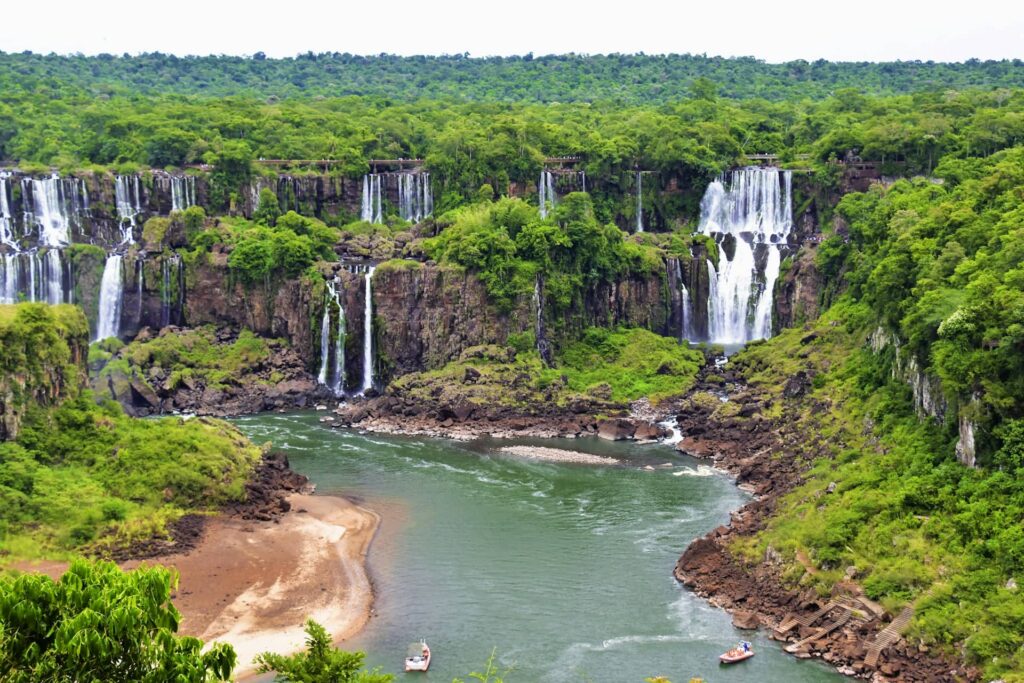
Set in southern Brazil along the border with Argentina, Iguaçu Falls is one of the planet’s most dramatic natural sights. More than 270 separate cascades crash through subtropical forest, creating a wall of mist, sound, and motion that feels almost unreal. The surrounding greenery, wildlife, and constant roar of water give the area a cinematic atmosphere. Of all the waterfalls I’ve visited over the years, this one left the strongest impression.
Inside Iguaçu National Park, a winding walkway cuts through rainforest and opens to wide views of the falls, including the immense Devil’s Throat where water plunges with staggering force. Boat trips take visitors close enough to feel the spray firsthand. For a fuller perspective, explore both the Brazilian and Argentinian sides — each offers a different vantage point of this extraordinary landmark.
For practical tips on transport, timing, and accommodation, read my full guide to planning a trip to Iguaçu Falls.
2. Rio de Janeiro: Brazil’s Most Iconic City
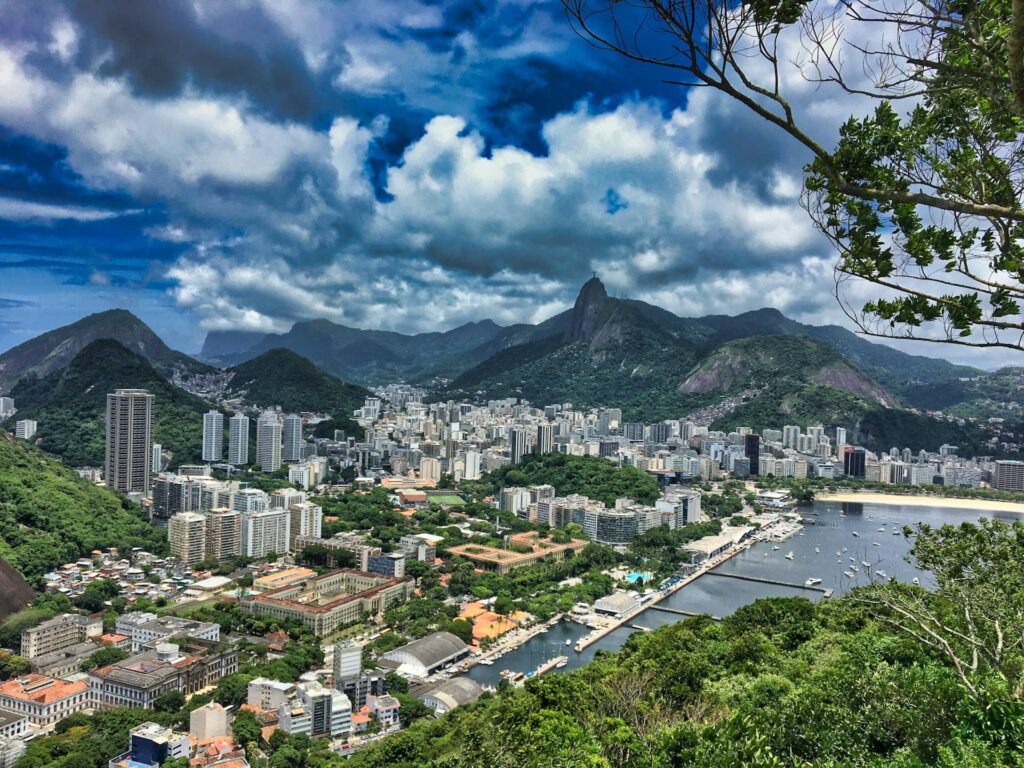
Rio de Janeiro is Brazil’s most visited destination and the country’s second-largest city. Few urban settings compare to its dramatic backdrop — wide beaches meet a blue Atlantic shoreline, rainforest climbs steep hillsides, and granite peaks rise sharply above the skyline. The contrast between nature and city blocks gives Rio a striking character that’s hard to match.
Beyond the scenery, Rio delivers energy at every level. Restaurants range from casual beach kiosks to refined dining rooms, and the nightlife keeps going long after sunset. Museums and art spaces add depth, while Carnival — held each February or March — transforms the city into a spectacle of rhythm and color.
Ride the cable car up Sugarloaf Mountain for sweeping views, stand beneath the towering Christ the Redeemer statue, and walk along Copacabana or Ipanema to feel the pulse of daily life by the sea. For a full breakdown of highlights and practical tips, check out my guide to the top things to do in Rio de Janeiro.
3. Amazon Rainforest: Brazil’s Wild Frontier
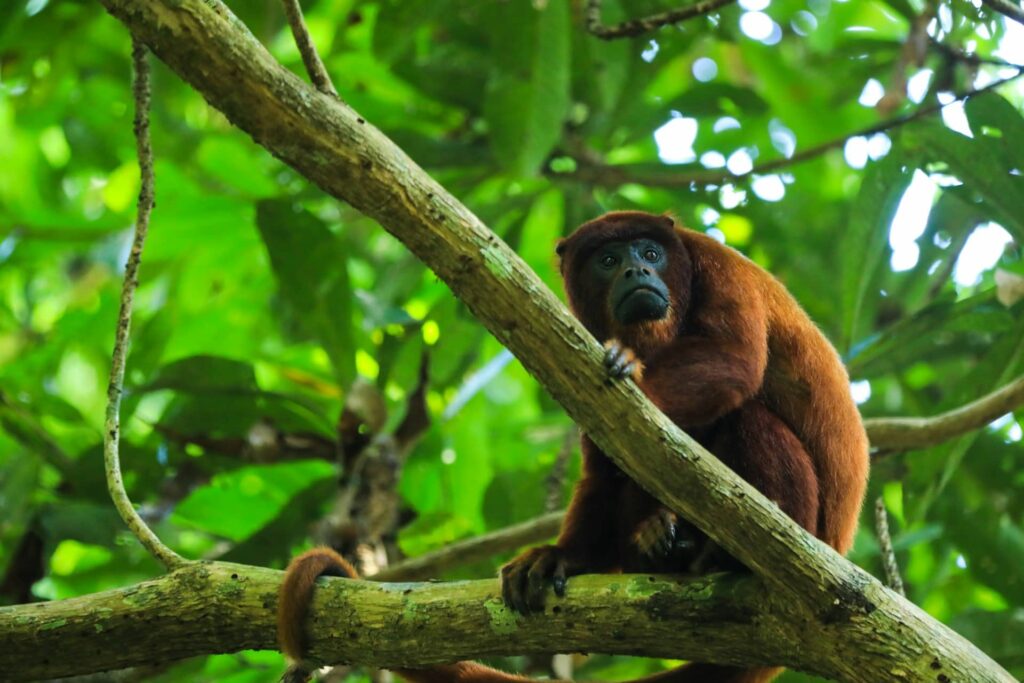
The Amazon Rainforest stands as one of Brazil’s most recognized natural treasures. As the largest rainforest on the planet, it stretches across vast territory and holds an extraordinary range of plant and animal life. Travelers often come here hoping to spot pink river dolphins gliding through dark water, slow-moving sloths hanging overhead, troops of monkeys in the canopy, and caimans resting along riverbanks. The scale alone leaves a lasting mark.
Manaus serves as the main entry point to the Brazilian Amazon. From there, guided excursions lead deep into thick forest corridors, where rivers act as highways and boats replace cars. Many visitors choose to stay in jungle lodges set far from city noise, waking to bird calls and the steady hum of insects. Days revolve around river cruises, forest walks, and night safaris.
Alter do Chão offers a different side of the region. During the dry season, pale sandbars rise from the Tapajós River, forming wide freshwater beaches framed by calm, clear water. The setting feels almost surreal, more like a tropical coast than an inland river basin.
If you’re planning a journey here, my complete Amazon travel guide covers transport options, seasonal timing, accommodation choices, and what wildlife sightings are realistic during your stay.
4. Fernando de Noronha: Brazil’s Island Escape
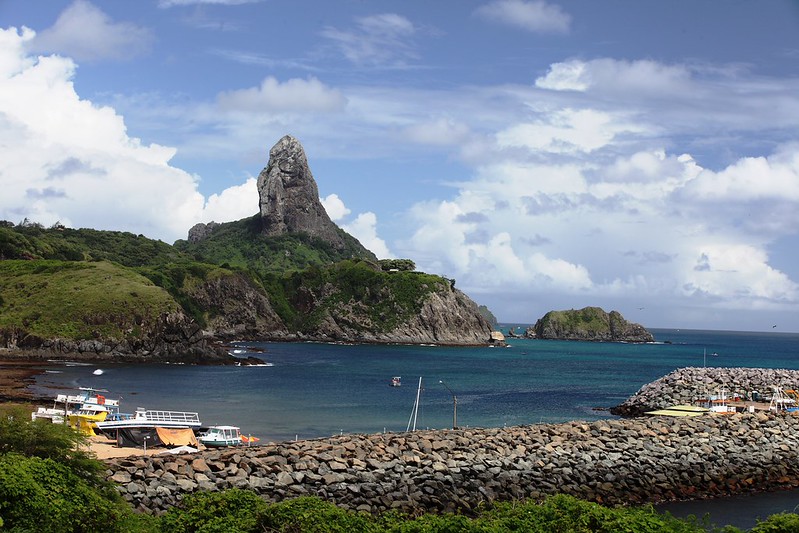
Fernando de Noronha lies far off Brazil’s northeast coast, a remote archipelago shaped by volcanic forces and protected as a nature reserve. Cliffs drop into deep blue water, and wide sandy beaches stretch beneath dramatic rock formations. One of its shores has even been ranked among the best on Earth. We chose this island for our honeymoon, and the experience exceeded every expectation.
The surrounding ocean is alive with movement. Turtles, reef sharks, rays, and schools of fish thrive here, making the area a prime spot for snorkeling and scuba diving. Clear visibility and warm currents draw underwater enthusiasts from across the globe. Even from the surface, the marine life is easy to spot.
Life on land moves at a slower rhythm. Visitors spend their days hopping between beaches, paddling along the coast, hiking scenic trails, or watching the sun sink behind jagged cliffs. The setting feels far removed from mainland Brazil, almost like a separate world shaped by wind and sea.
Because the archipelago is protected, entry fees and environmental rules apply. My detailed guide to visiting Fernando de Noronha explains permits, timing, accommodation options, and practical tips to help you plan your stay smoothly.
5. Pantanal: Brazil’s Wildlife Hotspot
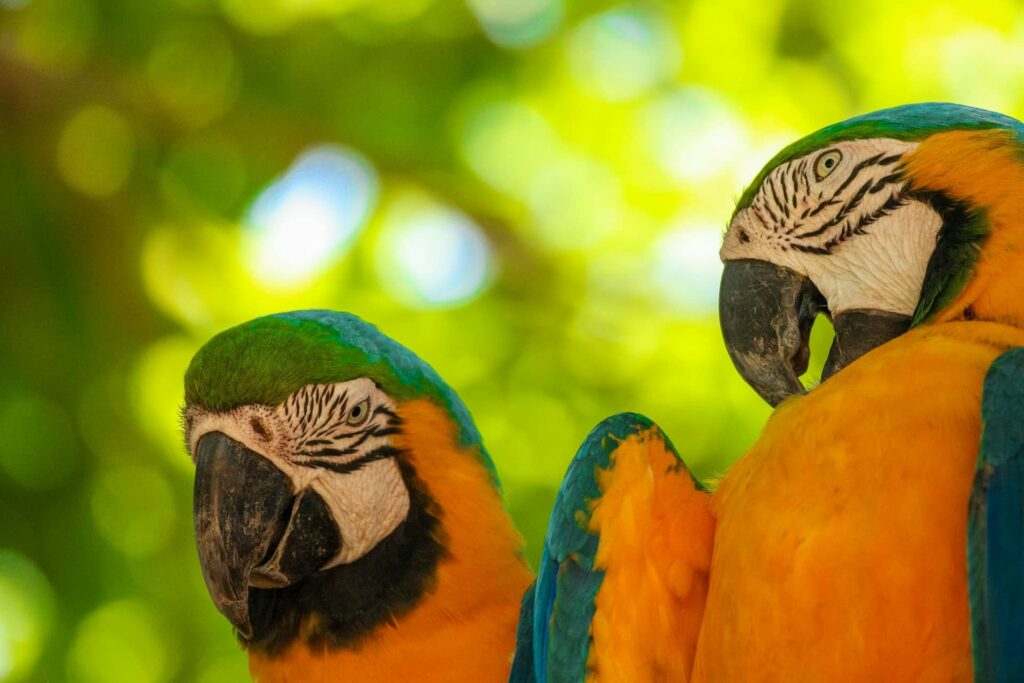
In western Brazil, the Pantanal spreads across an area comparable in size to Florida, making it the largest tropical wetland on Earth. Open plains, rivers, and marshes replace dense rainforest, which means animals are far easier to spot here than in thicker jungle regions. For many travelers, this is the top destination in Brazil for wildlife viewing thanks to both biodiversity and clear sightlines.
The Pantanal holds the highest concentration of jaguars anywhere in the world. With some luck, visitors may witness these powerful cats stalking prey along riverbanks, sometimes even targeting caimans. Capybaras roam in groups, macaws flash bright colors across the sky, and giant otters glide through calm waterways. Birdlife alone can keep photographers busy for hours.
Most trips involve staying at an eco-lodge surrounded by wetlands. Days are structured around guided safaris by vehicle or boat, quiet nature walks, and even horseback rides across open terrain. Early mornings and late afternoons are prime times for sightings.
Access typically begins with a flight to Cuiabá or Campo Grande, followed by a transfer into the wetlands. Once there, the landscape feels wide, raw, and alive with motion at every turn.
6. Bonito: Brazil’s Clear-Water Adventure Hub
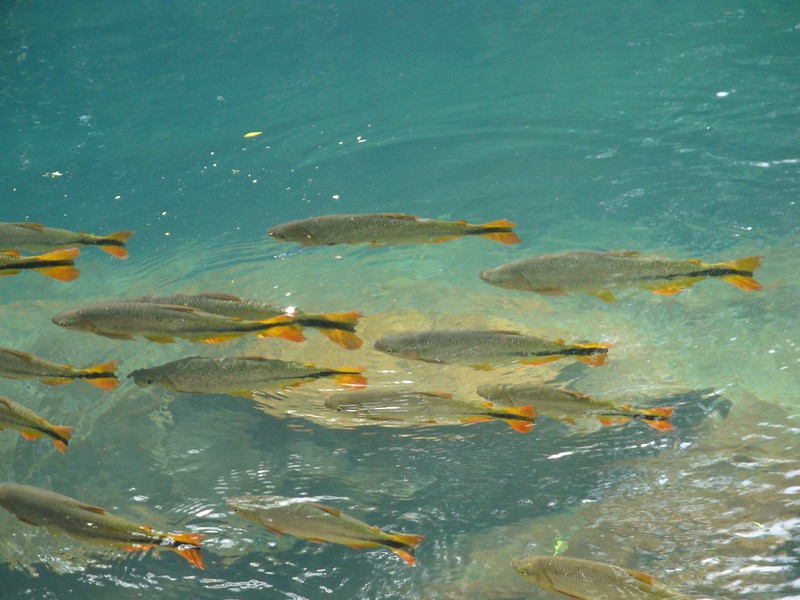
Bonito sits in southwestern Brazil and has built a reputation as one of the country’s leading ecotourism destinations. The town itself is small, but the surrounding landscape is packed with waterfalls, transparent rivers ideal for snorkeling, and even an underground cave system open to certified divers. Wildlife is part of the setting too — monkeys swing through trees, scarlet macaws cross the sky, and animals like armadillos, caimans, rheas, and anteaters inhabit the region.
Snorkeling in the Prata River was the highlight of my time there. Floating in turquoise water while thousands of fish drifted below felt almost unreal, like swimming through a natural aquarium carved by geology rather than glass. The clarity of the water makes every movement visible.
All outdoor excursions in Bonito must be done with accredited guides. Visitor numbers are controlled to protect the environment and prevent overcrowding, which helps keep the rivers and trails in excellent condition.
Despite its appeal, Bonito remains relatively unknown to many international travelers. If nature activities are high on your list, it’s worth adding to your Brazil route. The nearest airport for access is Campo Grande.
7. Lençóis Maranhenses: Brazil’s Dunes and Lagoons
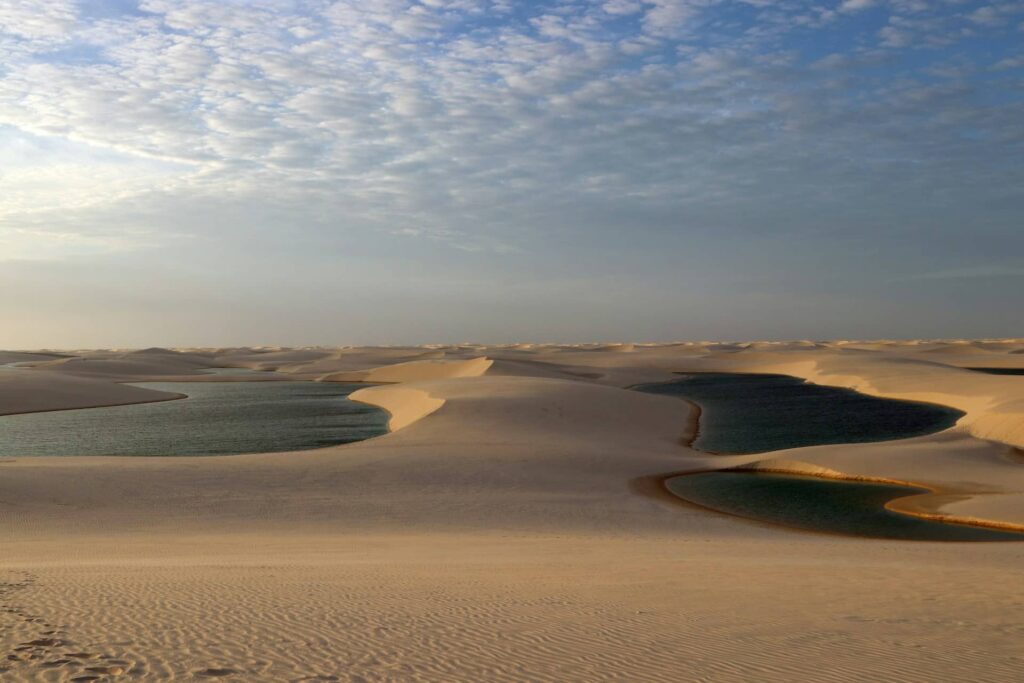
Lençóis Maranhenses National Park lies along Brazil’s northern coast and presents a landscape that barely feels real. Rolling white sand dunes stretch for miles, interrupted by rain-fed lagoons filled with clear, green-blue water. During the right season, the contrast between sand and water creates a scene unlike anywhere else in the country. Despite its striking appeal, it remains off the radar for many international travelers.
Most visitors spend their time crossing the dunes by 4×4 vehicle or on foot, stopping to swim in the warm lagoons scattered between the ridges. Scenic flights reveal the vast scale of the park from above, while river tours and quad excursions add variety to the experience. Wildlife tours are also available in nearby areas.
Timing matters here. The lagoons reach their highest levels between May and September, following the rainy months. Outside this window, some pools may shrink or dry up entirely.
Access begins with a flight to São Luís Airport, followed by overland transport to the park’s gateway towns. Once you arrive, the setting feels raw, open, and far removed from Brazil’s better-known beach destinations.
8. Paraty: Colonial Streets by the Sea
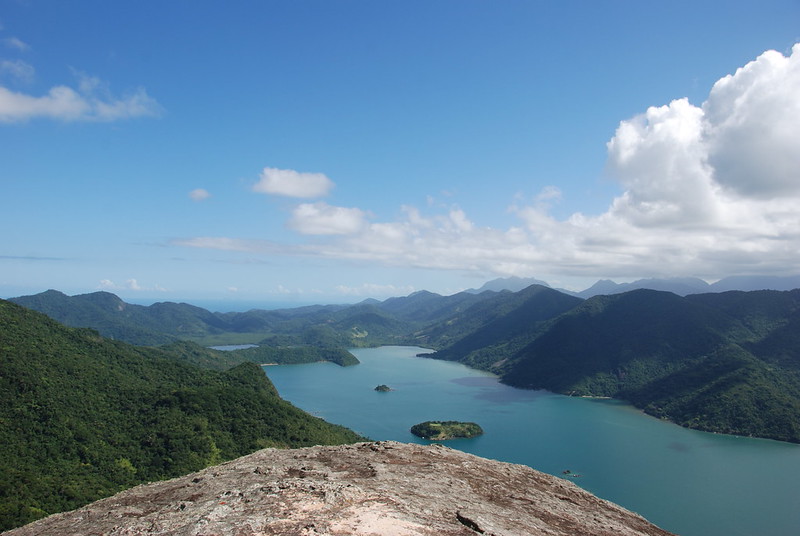
Paraty is a small coastal town about 250 km west of Rio de Janeiro, recognized as a UNESCO World Heritage Site for its preserved historic center. Stone-paved streets and whitewashed buildings from the Portuguese colonial period give the town a timeless feel. Cars are largely absent from the old quarter, which makes walking through it feel like stepping back several centuries.
Cafés spill onto quiet corners, restaurants serve fresh seafood, and small boutiques line the narrow lanes. Handicraft shops and specialty stores selling quality cachaça add local character without overwhelming the setting. The pace is relaxed, yet there’s always something happening in the background.
Beyond the historic center, the landscape shifts quickly. Waterfalls cascade through forested hills, boats head out to nearby islands, and sandy beaches stretch along calm bays. The Atlantic rainforest rises behind the town, forming a dramatic green backdrop.
Some of my favorite nearby spots include the Saco do Mamanguá inlet, often compared to a fjord, the Tobogã Waterfall where visitors slide over smooth rock, and the clear waters of the Cachadaço natural pool. Paraty balances history and nature in a way that feels effortless.
9. Chapada Diamantina: Brazil’s Hidden Hiking Haven
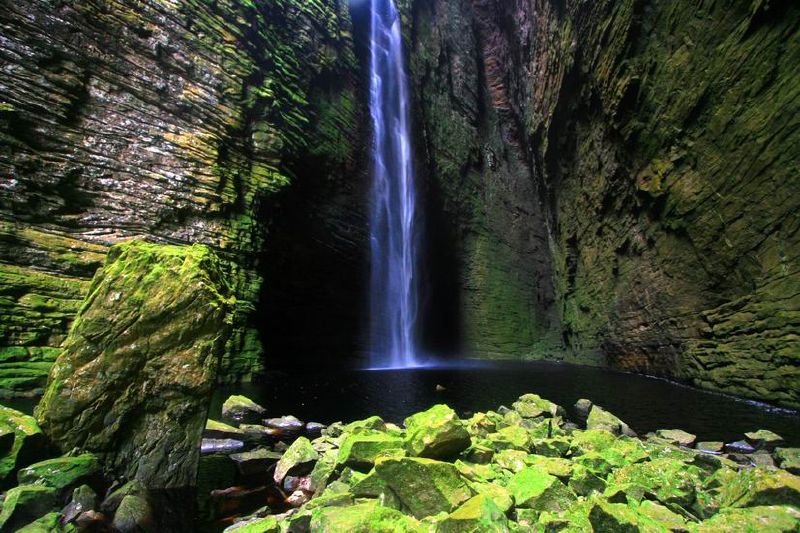
Chapada Diamantina National Park sits in northeastern Brazil and remains largely overlooked by many international travelers. Covering more than 150,000 hectares, the park is defined by deep canyons, flat-topped peaks, caves filled with blue water, and waterfalls tucked into rocky valleys. The scale of the terrain feels raw and expansive, far removed from Brazil’s coastal hotspots.
The park attracts hikers who want long trails and dramatic scenery rather than crowded viewpoints. Routes range from short walks to multi-day treks across plateaus and river valleys. Two waterfall hikes stood out to me in particular: Cachoeira do Mixila and Cachoeira da Fumacinha. Both require effort, but the payoff is worth it.
Waterfalls here often plunge into natural pools framed by cliffs and forest. Some caves hold water so clear and intensely colored that it almost looks artificial. The mix of stone, water, and open sky creates a setting that shifts constantly with light and weather.
To reach Chapada Diamantina, fly into Salvador, then continue by bus or car to the town of Lençóis, which serves as the main base for exploring the park. From there, trailheads and guided excursions are easy to arrange.
10. São Paulo: Brazil’s Giant Metropolis
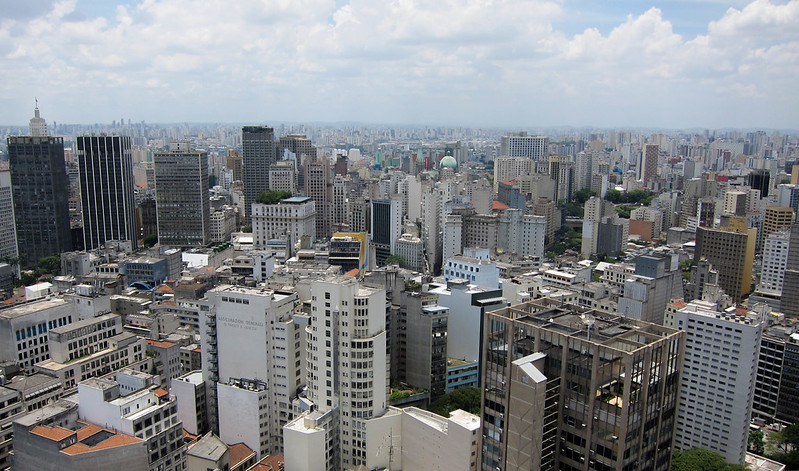
São Paulo is Brazil’s largest city and the engine of its economy. With more than 20 million people in the greater metropolitan area, the scale is hard to grasp until you stand among the endless high-rises and packed avenues. Every visit reminds me just how immense it really is — the skyline seems to stretch without limit.
The city attracts travelers interested in culture, contemporary art, and serious dining. Museums and cultural institutions are scattered across different districts, while rooftop bars and award-winning restaurants keep the evenings lively. São Paulo’s immigrant roots also shape its food scene, from Japanese eateries to Italian trattorias.
Paulista Avenue offers a snapshot of daily urban rhythm, especially on weekends when parts of it close to traffic. Ibirapuera Park provides green space for walking, cycling, or simply taking a break from concrete surroundings. The Municipal Market is another highlight, packed with stalls selling fresh produce and tropical fruits rarely seen elsewhere.
For deeper recommendations on attractions, neighborhoods, and accommodation, check out my full guide on what to do in São Paulo.
11. Florianópolis: Brazil’s Southern Beach Escape
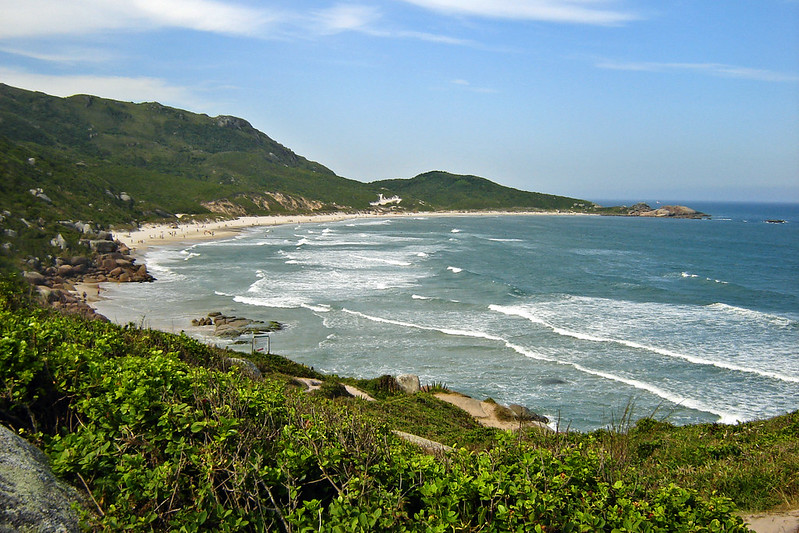
Florianópolis, often called Floripa, is a well-known coastal destination in southern Brazil. The city spreads across both the mainland and an island, offering more than 40 beaches along its shoreline. Lagoons, mangroves, and forested hills shape the landscape, giving the area a striking natural backdrop. After sunset, bars and beach clubs keep the atmosphere lively.
Days here can be as active or relaxed as you prefer. Hiking trails cross rugged headlands, while paragliding launches offer sweeping aerial views of coast and hills. The lagoon draws people for kitesurfing, windsurfing, and stand-up paddleboarding. For those who prefer sand and sea, beaches like Praia da Galheta and Lagoinha do Leste provide wide stretches of pale shoreline.
Food is another highlight. Seafood restaurants serve fresh catches, and small cafés dot both beach districts and the older parts of town. The historic center adds contrast with colonial-era buildings and narrow streets.
Florianópolis is also one of Brazil’s top surf hubs. Praia Mole and Praia Joaquina are known for consistent waves that attract both beginners and experienced surfers.
12. Ilha Grande & Ilhabela: Brazil’s Green Coast Getaways
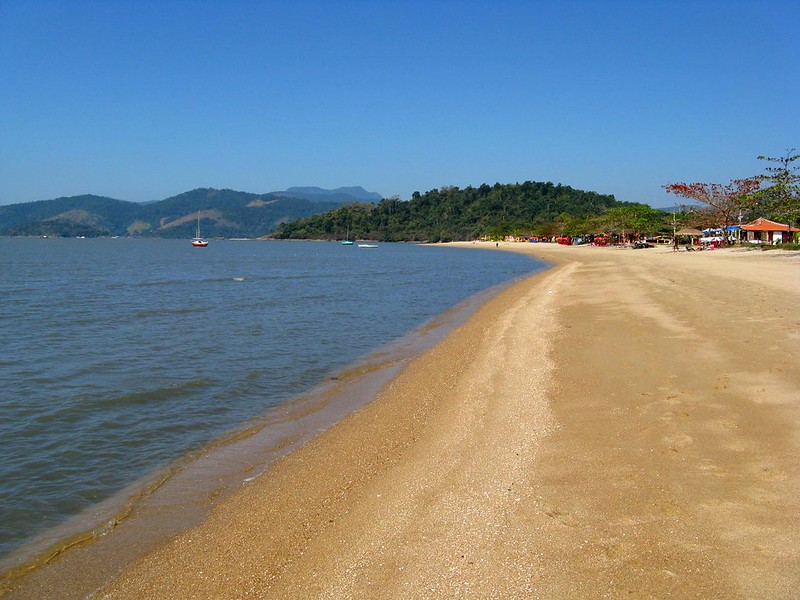
Ilha Grande and Ilhabela sit along Brazil’s Costa Verde, the mountainous shoreline between Rio de Janeiro and São Paulo. Both are reached by a short ferry ride from the mainland, yet they feel far removed from nearby cities. Thick forest covers steep hills, waterfalls spill into clear pools, and beaches open onto blue-green water framed by jungle.
Ilha Grande is a protected area where cars are not permitted. The absence of traffic gives the island a simpler, less developed atmosphere. Dirt paths connect small villages to hidden coves, and most visitors get around on foot or by boat.
Ilhabela offers a different rhythm. The western side faces the mainland and has more hotels, restaurants, marinas, and evening activity. It’s the busier half of the island and appeals to travelers who want comfort along with scenery.
Away from that stretch, Ilhabela turns quieter and more forested. Remote beaches and dense Atlantic rainforest dominate much of the coastline, making it easy to step away from crowds and spend time close to nature.
13. Salvador: Brazil’s Afro-Brazilian Soul
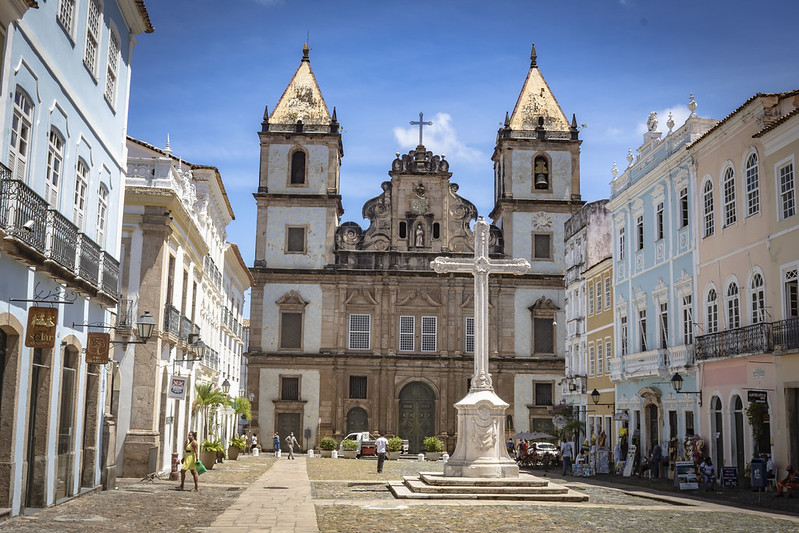
Salvador stands on Brazil’s northeastern coast and was the country’s first capital. The city carries a strong African heritage that shapes its music, food, religion, and daily life. This cultural mix gives Salvador a distinct character compared to other Brazilian cities.
Pelourinho, the historic district recognized by UNESCO, features pastel-toned colonial buildings, stone-paved streets, and ornate churches that date back centuries. As you walk through the area, it’s common to come across locals performing capoeira, the fluid martial art that blends rhythm, balance, and acrobatic movement. The atmosphere feels animated without losing its historic weight.
Food plays a major role here. Dishes influenced by West African traditions — often rich in spices and palm oil — are served in small eateries and street stalls. Music drifts from open doorways, especially in the evenings, adding another layer to the experience.
Salvador also offers an appealing coastline. Porto da Barra Beach attracts swimmers and sunset watchers, while Farol da Barra Beach, marked by its historic lighthouse, provides wide views over the Atlantic. The mix of history and sea makes the city memorable long after you leave.
14. Jalapão: Brazil’s Remote Wilderness
Jalapão remains one of Brazil’s least talked-about destinations and feels far removed from the country’s coastal hotspots. Located in central Brazil, this remote ecotourism region is accessed by flying into the city of Palmas and continuing by road. The journey itself hints at how isolated the landscape is.
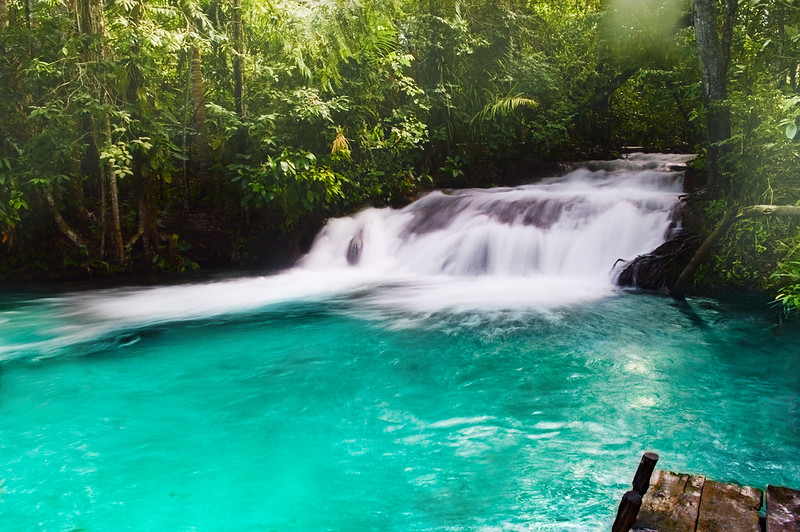
The scenery shifts to wide savanna plains, towering orange sand dunes, waterfalls hidden between rock formations, and rugged hills stretching to the horizon. The terrain feels open and raw, shaped more by wind and water than by human presence. Long dirt roads connect scattered communities and natural attractions.
What truly sets Jalapão apart are its fervedouros — natural springs fed from underground water sources. These circular pools hold crystal-clear water and are surrounded by thick vegetation. Due to strong upward pressure from below, swimmers float effortlessly on the surface.
Travel here requires planning and usually a guided 4×4 tour, as infrastructure is limited. For those willing to make the trip, Jalapão offers an experience that feels untouched and strikingly different from Brazil’s better-known regions.
15. Mount Roraima: The Ancient Tabletop Mountain
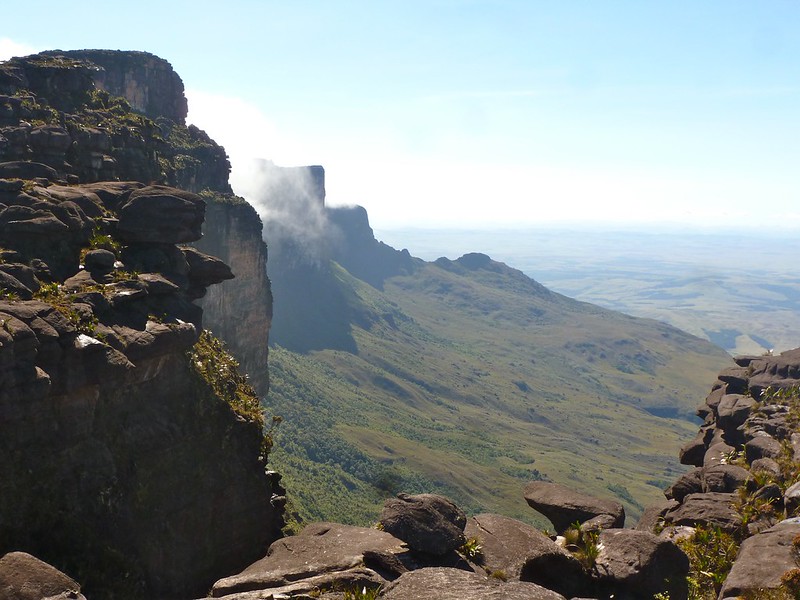
Mount Roraima rises along the border of Brazil, Venezuela, and Guyana, reaching 2,810 meters above sea level. This immense flat-topped mountain, often described as one of the oldest geological formations on the planet, draws trekkers from around the world. Its sheer cliffs and isolated summit give it a dramatic presence unlike typical peaks.
Reaching the mountain begins with a flight to Boa Vista in northern Brazil. From there, travelers cross into Venezuela, where the multi-day trek officially starts. The hike to the top usually takes six to nine days, moving through rainforest, open savanna, and rocky terrain. A licensed guide is required for the journey.
The climb is moderately demanding, with river crossings, muddy sections, and steep inclines along the way. Weather conditions can shift quickly, adding another layer of challenge. Still, for many hikers, the effort is part of the appeal.
At the summit, which covers roughly 31 square kilometers, the landscape feels almost prehistoric. Waterfalls tumble from the plateau’s edges, natural pools collect rainwater, and rare plant species grow between unusual rock formations. Standing above the surrounding valleys, the views stretch far beyond the cliffs into distant horizons.
16. Trancoso: Bahia’s Peaceful Escape
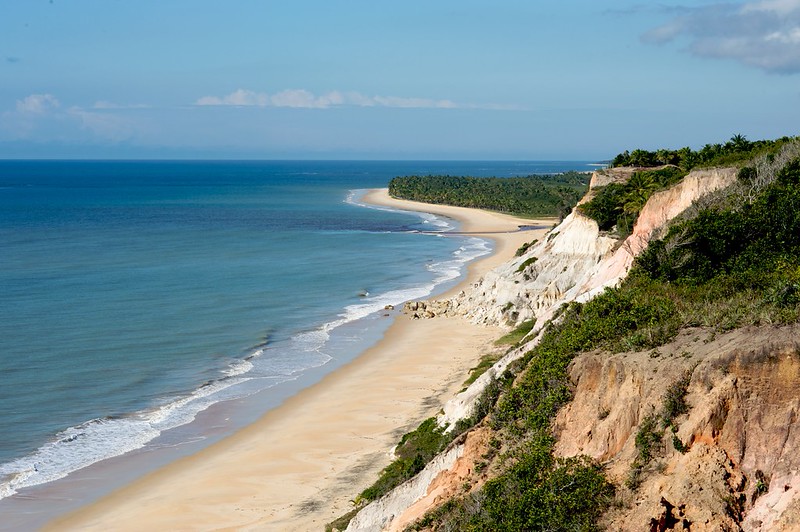
Flying into Porto Seguro Airport, I made my way to Trancoso with a 1.5-hour drive, though the journey was a bit bumpy and made difficult by limited public transportation options. Still, the effort was worth it. I spent five relaxing days at the charming Hotel Boutique Bahia Bonita, a perfect base for soaking in the quiet, laid-back vibe of this beautiful coastal town.
I spent my days wandering through Trancoso’s historic center, with its colorful buildings and the famous Quadrado square at the heart of it all. The area felt timeless, a blend of rustic charm and Brazilian tradition. I spent a lot of time on the pristine beaches, especially Praia do Espelho, often considered one of the most beautiful in Brazil, and the more laid-back Praia dos Nativos, where the sand stretched wide and the waters were perfect for swimming.
I also explored a few of the town’s small art galleries and craft shops, which offered a glimpse into the local creativity. For food, I found a cozy spot in Ca Cozinha, where I devoured veggie Esfihas that were absolutely delicious and filled with local flavor.
Though Trancoso is relatively small and somewhat quiet, it has a distinct charm that stands apart from other beach destinations. The mix of natural beauty, art, and relaxed atmosphere made it the ideal place to unwind.
17. Porto de Galinhas: Brazil’s Tropical Escape
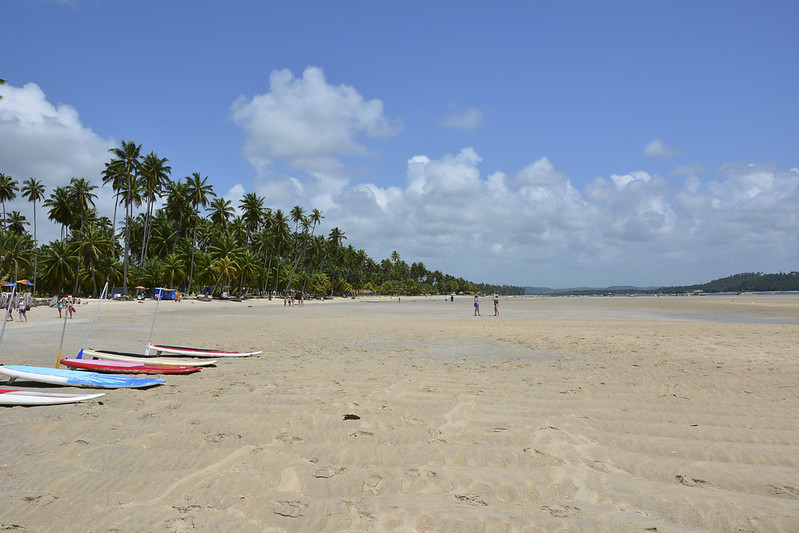
This coastal destination immediately struck me as pure paradise. Wide bands of soft white sand met calm, aquamarine water, while small fishing boats added bright color along the shore. Natural pools formed between reefs, filled with fish visible beneath the surface. The village itself, with colonial-style façades and beachfront restaurants, added character without feeling overwhelming.
What stayed with me most was the balance between laid-back beach time and evening energy. Days were slow and sun-filled, while nights brought music and busy restaurants near the water. After landing at Recife International Airport, I drove about an hour south to Porto de Galinhas and checked into Pousada Maracabana Spa, where I spent a full week unwinding by the sea.
Snorkeling in the reef pools was a highlight, as was drifting on a traditional jangada raft above coral formations glowing under shallow water. I also had the chance to watch baby sea turtles make their way toward the ocean — a small but powerful scene.
Exploring the colorful streets, tasting fresh seafood, and moving between beach and village each day made the trip feel full yet relaxed. Porto de Galinhas combines coastline, culture, and simple pleasures in a way that leaves a lasting impression.
18. Salvador: Brazil’s Capital of Joy
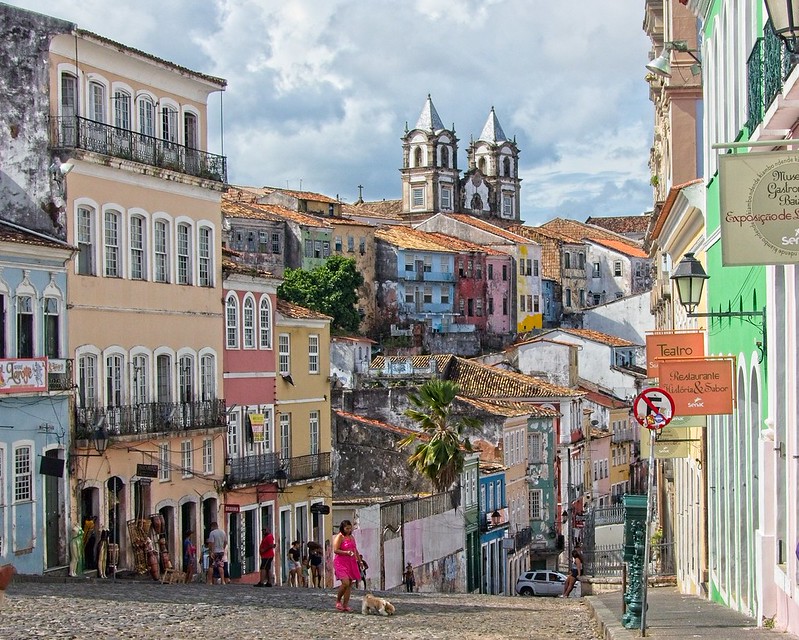
Brazil’s first colonial capital, often called the “Capital of Happiness,” more than lived up to its nickname. Stone-paved streets wind past brightly painted buildings, ornate churches rise above open squares, and golden beaches stretch along the Atlantic under rows of coconut palms. The mix of architecture and coastline gives the city a striking first impression.
What left the deepest mark on me was the strong Afro-Brazilian spirit woven into daily life. Samba rhythms echo through neighborhoods, festivals spill into public spaces, and locals greet visitors with warmth. After landing at Salvador–Deputado Luís Eduardo Magalhães International Airport, I reached the historic center in about half an hour and settled into Hotel Villa Bahia for the week.
Exploring Pelourinho felt like walking through a living gallery of color and history. I rode the art deco Elevador Lacerda for sweeping bay views, spent afternoons at Porto da Barra Beach, and paused to watch capoeira performances in open squares. Mercado Modelo offered spicy Bahian street dishes that quickly became favorites.
The highlight, without question, was experiencing Carnaval Baiano. The city transformed into a surge of music, dance, and nonstop celebration — loud, joyful, and impossible to forget.
19. Chapada Diamantina: Brazil’s Canyon and Cave Wonderland
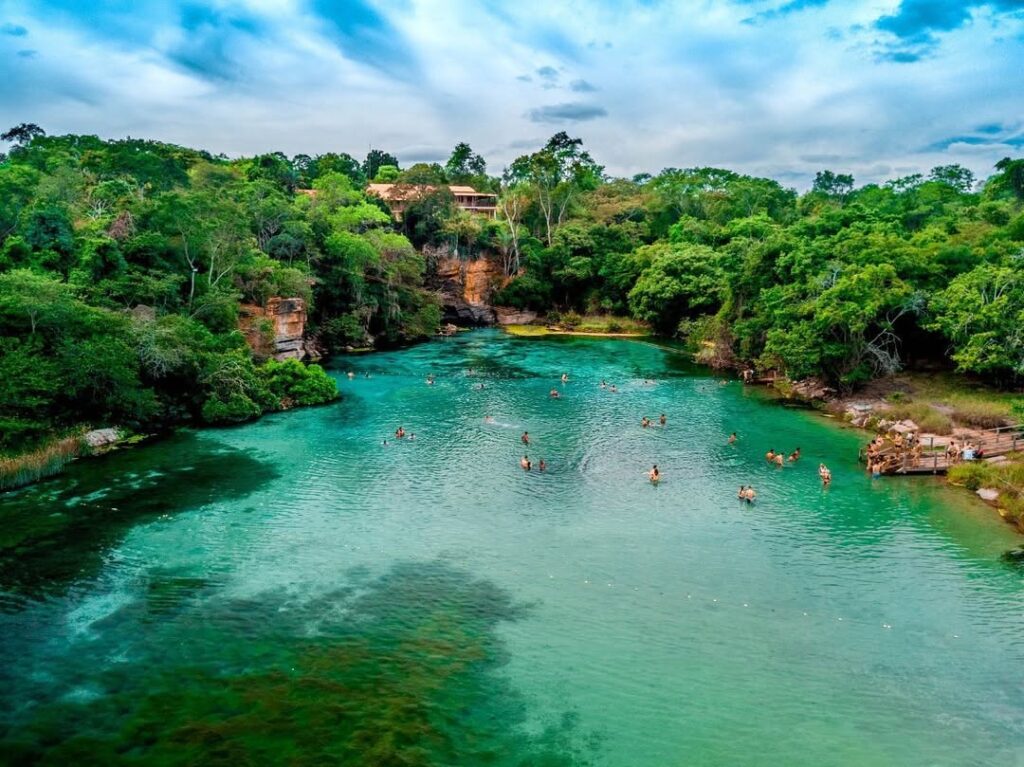
This vast national park left me genuinely awestruck. Sheer canyons cut through the landscape, waterfalls drop from high cliffs, and clear cave pools glow beneath layers of rock. Mist drifts through valleys framed by plateaus and forest, creating a setting that feels both wild and calm at the same time.
I made the six-hour drive from Salvador to the town of Lençóis, which serves as the main base for exploring the region. Over five days, I covered as much ground as possible. Hiking to Cachoeira da Fumaça was a standout moment, as was swimming in the deep blue waters of Poço Azul and Poço Encantado. Each site offered a different mood and terrain.
The Gruta da Lapa Doce cave system revealed vast chambers carved over centuries, while the trek through Vale do Pati brought long views across rugged hills and quiet valleys. Climbing Morro do Pai Inácio provided sweeping panoramas that stretched across the plateau.
Evenings back in Lençóis added a softer contrast to the days outdoors. The small colonial town, with its stone streets and low-rise buildings, made a comfortable base after hours spent hiking, climbing, and swimming through the park’s dramatic scenery.
20. Jericoacoara: Brazil’s Laid-Back Dune Town
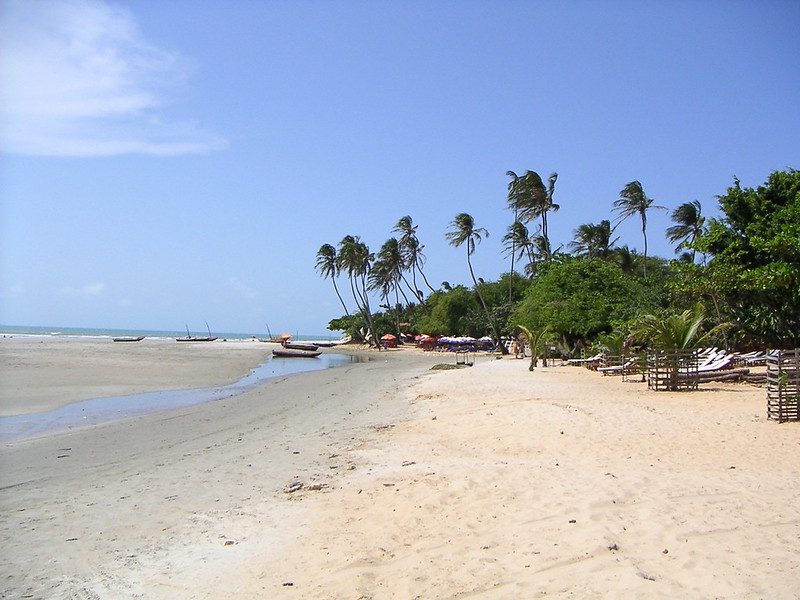
Jericoacoara, a remote beach town on Brazil’s northeast coast, completely won me over. Broad white-sand beaches curve into calm blue water, backed by rolling dunes and pockets of mangroves. Sandy streets replace paved roads, and simple buildings with thatched roofs give the place a relaxed, bohemian tone. It feels removed from large-scale development and busy resorts.
Getting there required patience, but the journey added to its appeal. After flying into Fortaleza, I took a four-hour bus ride before transferring across sandy tracks for the final stretch into town. The approach made it clear that this destination sits far from typical urban routes.
I spent my days watching windsurfers glide across the waves at Praia do Preá and climbing the Por do Sol dune for sweeping sunset views. The colors over the sand and sea each evening were unforgettable.
I also hiked out to Pedra Furada’s rock arch, caught capoeira performances at dusk, and swam in the clear lagoons of Paraíso and Azul. A full week passed easily here, carried by sea breeze and slow afternoons.
21. Pantanal Adventure: Into Brazil’s Wild Wetlands
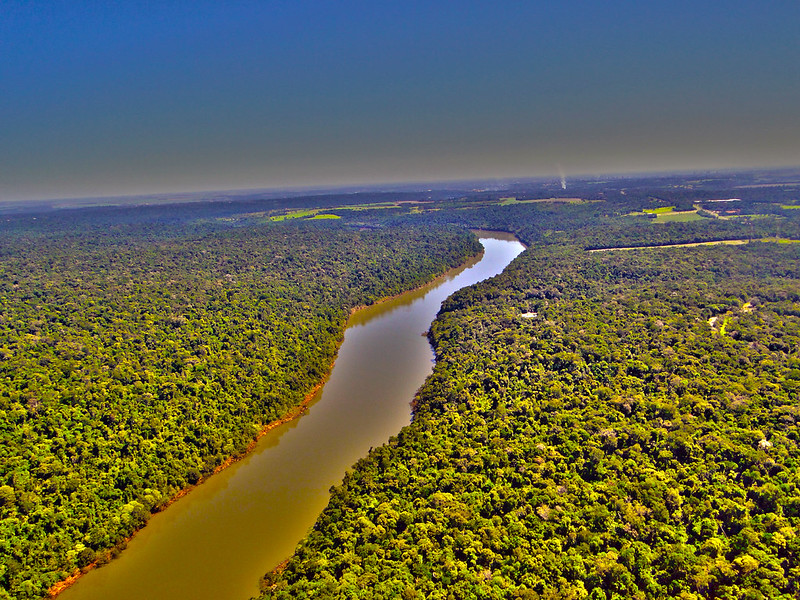
I began my journey by flying into Campo Grande before boarding a four-hour guided transfer into the vast wetlands. Part of the route followed unpaved roads, which made the arrival feel even more remote. Once there, I settled in for four remarkable days surrounded by open plains, winding rivers, and wide skies.
One of the highlights was a river safari along the Paraguay River. Drifting through quiet channels brought close encounters with wildlife and long stretches of untouched landscape. I also joined hikes led by a knowledgeable local guide who explained the region’s ecosystems and animal behavior in detail.
Visits to traditional fazendas added another layer to the experience. These working ranches offer insight into life in the Pantanal, where cattle farming and conservation exist side by side. Evenings were slow, often marked by sunset colors spreading across the wetlands.
I traveled during the wet season, from November to March, which meant heavy humidity and plenty of mosquitoes. The conditions were intense at times, but they also brought flooded plains and abundant wildlife activity, shaping the landscape in dramatic ways.
Related Post:
- 21 Must-Visit Beautiful Places in Switzerland for Scenic Beauty.
- 21 Stunning Beautiful Places to Visit in Egypt for an Unforgettable Trip.
- 21 Must-See Beautiful Places in Japan for Your Next Adventure.
- 21 Beautiful Places in Asia for the Ultimate Travel Experience.
How Many Days Should You Spend in Brazil?
A trip to Brazil requires more than just a few days if you want to see and experience all that this vast country has to offer. Ten days is the minimum I would recommend, though if possible, three weeks or even longer would allow you to truly dive into different regions.
With 10 days, you’ll just begin to explore the country’s diversity. However, it’s still enough time to visit 2 or 3 destinations and have a memorable journey. I suggest checking out my Brazil itinerary ideas to get some ideas for structuring your trip.
Brazil is enormous, and traveling from one place to another can take a significant amount of time. It’s important to plan your schedule well and manage expectations — you won’t be able to see everything in one visit. To explore Brazil fully, you’d need to carve out several months.
If you want a more relaxed and immersive experience, don’t rush to check off every destination. Focus on a few key spots and take the time to truly appreciate each one. It’s about quality, not just quantity.
When Is the Best Time to Visit Brazil?
The optimal time to visit Brazil really depends on where you plan to go, as the country’s vast size means that different regions experience varying seasons and weather patterns.
For southern Brazil, the warmer months between October and March are ideal for visiting, as the weather is milder and more suitable for exploring the coastal cities and countryside. In contrast, if you’re heading to Fernando de Noronha, the best months are from August to January, when the weather is more stable and the seas calmer for swimming and snorkeling.
For nature lovers, the Pantanal, with its rich wildlife, is best explored between July and October, when the dry season allows for easier wildlife spotting. If you’re planning to visit the stunning Lençóis Maranhenses, the best time is between May and September, when the lagoons are at their fullest after the rainy season.
Each region offers its own best months, so planning ahead will help you get the most out of your trip.
Where to Go in Brazil: Final Thoughts
There you have it — a guide to some of the best destinations Brazil has to offer. As you can tell, the country’s diversity means there’s an endless array of places worth visiting. Whether you’re drawn to its beaches, rainforests, or cultural landmarks, Brazil has something for every kind of traveler.
I hope these recommendations help you plan your trip and decide which regions to explore. With so many incredible locations, you can’t go wrong. Take your time and enjoy what each part of Brazil has to offer.
If you have any questions about the places mentioned or need more information, feel free to drop a comment below. Don’t forget to check out my other blog posts on Brazil for even more travel tips and inspiration.