California brings together sunny skies, long coastlines, and warm weather, which is why many travelers treat it as a go-to summer state. After living here for over a decade, I can say the climate alone convinces people to return again and again.
Still, summer trips here need a bit of planning. Some regions get extreme heat, while certain coastal cities stay cool and foggy even in peak season. A few famous spots also become very crowded once school holidays begin.
Desert areas can turn too hot for daytime exploring, and places like San Francisco may feel colder than expected. Around Los Angeles and popular SoCal beaches, visitor numbers rise fast, which affects traffic, prices, and wait times.
The upside is that California is huge, with many calmer summer choices available. Mountain towns, higher-elevation parks, and smaller coastal areas often feel more relaxed during these months.
This quick guide points you to the best California summer destinations based on weather, crowd flow, and travel style—so you can pick the right spots without guesswork.
21. Most Beautiful Places in California
1. Big Sur Summer Road Trip Guide
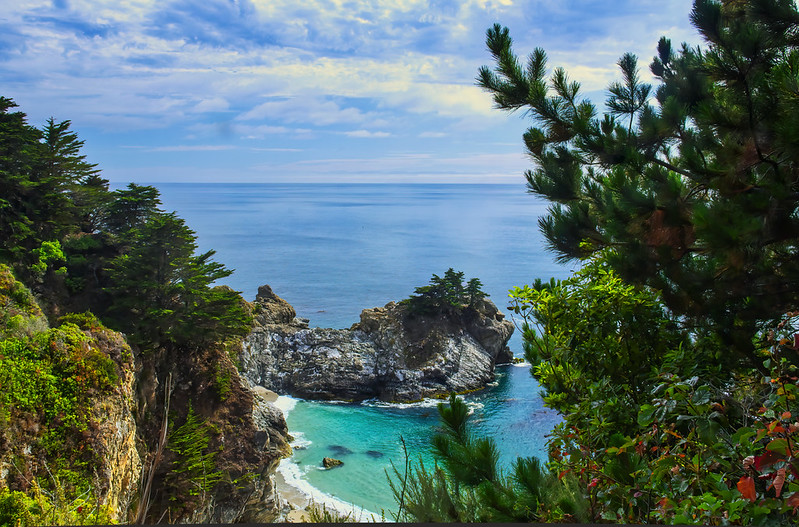
Big Sur is a top-tier choice for a California summer road trip, where the Highway 1 drive becomes the main attraction. Sharp coastal cliffs, winding turns, and open ocean views stay in sight for most of the route, with frequent pullouts that are hard to ignore.
This coastline ranks among the best scenic drives in the U.S. Rock walls drop into bright blue water, waves crash below, and each curve brings a new angle. Even a short segment can feel like a full experience.
Summer can bring fog, mainly in the mornings, but it often adds a dramatic layer instead of spoiling the trip. For better odds of clear views, stay a few nights and aim for late summer when skies are more stable and crowds slightly lighter.
Top things to do include sunset at Bixby Bridge, redwood walks, and cliffside stops between short hikes. End the day with a drink at Nepenthe, and if time allows, add quick side trips to Carmel and Monterey.
Where to Stay in Big Sur
- Alila Ventana Big Sur — upscale ocean-view retreat.
- Treebones Resort — coastal glamping stay.
- Big Sur Lodge — simple cabins near the park and beach.
2. Sequoia National Park in Summer
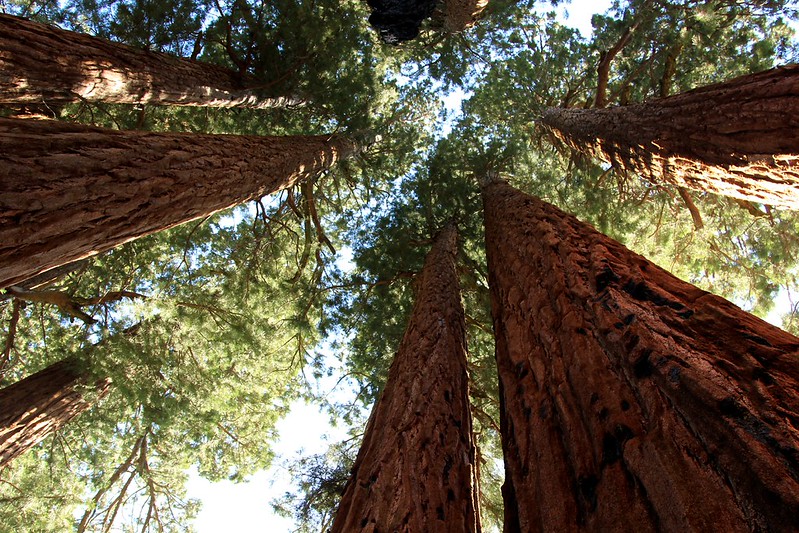
Sequoia National Park draws its biggest crowds in summer, mainly because more roads and trails are open and the weather is far easier to work with. I first saw the park in winter under snow, which was striking, but the warm-season access opens far more ground to explore on foot.
Summer here feels built for long trail days and campground nights. Towering sequoia groves, open meadows, and high-country routes give hikers and campers plenty of range. From short forest walks to full-day climbs, the park supports every energy level.
June through August brings steady warmth, which makes trip planning simpler. Visitor numbers also rise during this window, so weekday entry helps cut down wait times at gates, parking areas, and major trailheads.
Temperature shifts depend heavily on elevation. Lower sections can reach the mid-90s°F during the day, while higher zones often sit closer to the 70s°F. After sunset, air cools quickly, and evenings often land in the low 60s°F, so an extra layer helps.
Photographers, hikers, and first-time visitors often come for one main reason: the scale of the trees. Seeing these massive trunks in person changes your sense of size and distance, and summer gives the easiest access to the most famous groves.
Where to Stay in Sequoia
- Wuksachi Lodge — full-service hotel inside park boundaries.
- Sequoia Studio Suites — glamping-style stay in Three Rivers.
- Darling Hotel — boutique-style base in nearby Visalia.
3. Laguna Beach Summer Travel Guide
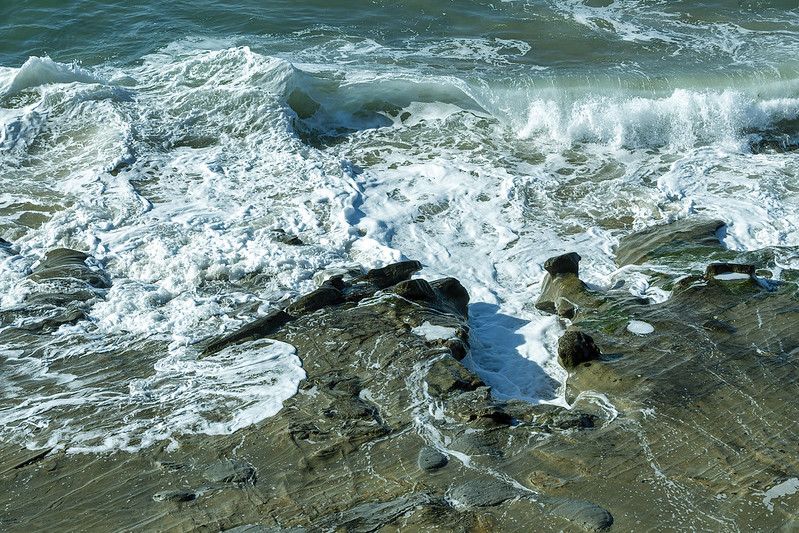
Laguna Beach gained pop-culture fame in the early 2000s, but long before that it was known across Orange County for clean water, strong surf, and upscale coastal living. The town is small, polished, and very beach-focused, with coves and cliff-backed shores spread along the coast.
It sits under two hours from Los Angeles without heavy traffic. While Santa Monica and Venice draw big crowds, many travelers prefer Laguna for a summer beach day because the water is clearer and often warmer. The coastal rock formations and small bays also give each beach its own character.
Costs run high here, especially for hotels near the shoreline. Summer rates climb fast on weekends. Midweek stays, though, sometimes bring last-minute price drops. Visiting Monday through Thursday also means lighter beach crowds and simpler parking.
Laguna works well for both family trips and friend getaways. You can spend the day swimming or tide-pooling, then shift into an evening plan with oceanfront drinks and sunset views. The Deck is a popular stop before heading to places like The Loft, or wrapping up the night with a quiet drink back at your hotel balcony.
- Where to Stay in Laguna Beach
- Laguna Beach House — relaxed stay with surf-style decor.
- Hotel Joaquin — small boutique option with a bright, modern look.
- Montage Laguna Beach — resort property near Treasure Island Beach.
- Casa Loma Beach Hotel — oceanfront rooms with strong design focus.
4. Mendocino Summer Travel Guide
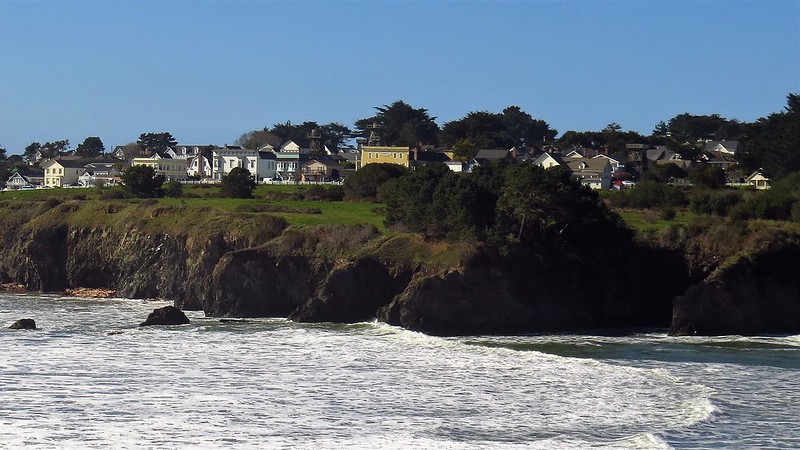
Mendocino is a small seaside town along Northern California’s coast, known for rocky cliffs, ocean paths, and a strong local arts presence. The streets feel calm and slow-paced, with galleries, cafés, and lookout points packed into a compact area.
Winter draws whale watchers, but summer brings steadier skies and easier trail conditions. Even in peak season, the town stays fairly relaxed compared to larger beach destinations, so you can explore without heavy foot traffic most days.
One standout stop is the Mendocino Coast Botanical Gardens, set right above the shoreline. Walking paths run near the bluffs, mixing ocean air with seasonal blooms. The area also has well-rated wineries and food spots, though summer tables fill quickly, so early reservations help.
Travelers who enjoy hiking, coastal walks, and good meals in the same trip usually rate Mendocino highly. It works well for a mixed plan—morning trail time, afternoon tastings, and sunset cliff views without rushing from place to place.
Where to Stay in Mendocino
- SCP Mendocino Inn & Farm — bed-and-breakfast feel with farm animals on site.
- Mendocino Grove — glamping-style outdoor stay.
- Heritage House Resort and Spa — upscale oceanfront property.
- Agate Cove Inn — small B&B with coastal outlooks.
5. San Diego Summer Travel Guide
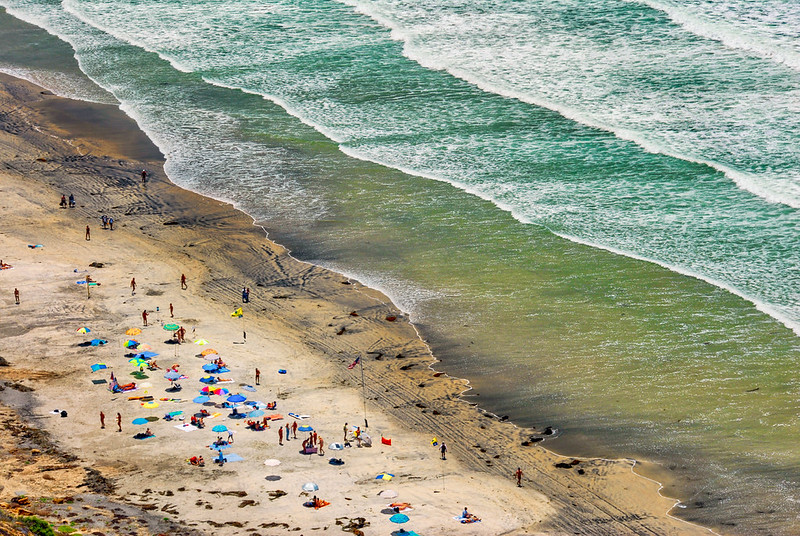
San Diego works extremely well as a summer trip base, especially for families. The city blends urban attractions with easy beach access, so your days can shift from museums and parks to sand and surf without long drives. With kids, you can rotate between beach time, Balboa Park, and the San Diego Zoo and still have more left for later.
Adults get plenty of options too. Different neighborhoods carry different moods. Pacific Beach draws a younger crowd and busy bar strips, while the Gaslamp Quarter mixes dining, lounges, and late-night spots across a few compact blocks.
Little Italy is a favorite stop for many visitors. The area packs restaurants, cocktail bars, and wine tasting rooms into a walkable grid. If you want a structured outing, guided tasting tours run across several districts and bundle multiple stops into one evening plan. If you’re staying longer, there are plenty of things to do in Little Italy to round out your visit.
For outdoor highlights, set aside time for Sunset Cliffs and the Torrey Pines coastal paths. Both spots deliver wide ocean views and strong sunset color, which makes them solid late-day picks during the long summer daylight hours.
Where to Stay in San Diego
- Pendry San Diego — polished downtown hotel near nightlife streets.
- Alila Marea Beach Resort — oceanfront stay in North County.
- Inn at Moonlight Beach — small wellness-focused property.
- Hotel Del Coronado — classic beachfront choice on Coronado Island.
6. Mammoth Lakes Summer Travel Guide
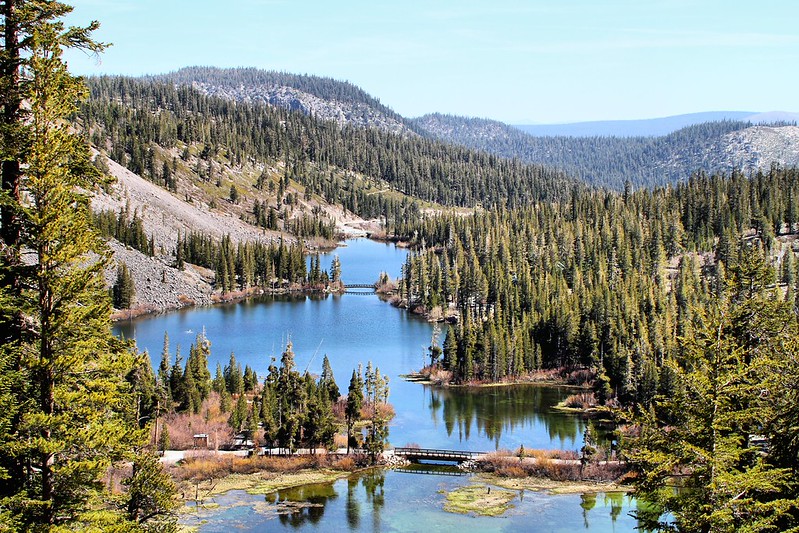
Mammoth Lakes ranks high among California’s top summer mountain getaways. Alpine peaks, deep blue water, and open sky set the scene, with outdoor options spread in every direction. Visitors rotate between hiking routes, bike trails, paddling, and long lake days without repeating the same plan twice.
Many people link Mammoth mainly with ski season, yet the warm months bring their own rush of visitors. Clear weather and open trails draw large numbers, and summer has become the busiest period of the year. Even so, the area is wide and open, so it rarely feels packed once you move away from main access points.
Activity choices cover both relaxed and high-energy styles. You can kayak in the morning, take a lift-assisted bike ride later, then finish with a short summit trail near sunset. The elevation keeps air cooler than most California summer spots, which helps with longer day outings.
Book lodging early, since rooms fill fast during peak weeks. Most properties focus on comfort and location rather than luxury finishes, but they place you close to trailheads and lakes.
Where to Stay in Mammoth Lakes
- Mammoth Mountain Inn — slope-side hotel with quick access to lifts and trails.
- Tamarack Lodge — log cabin style stay near the lake and forest routes.
7. Malibu Summer Travel Guide
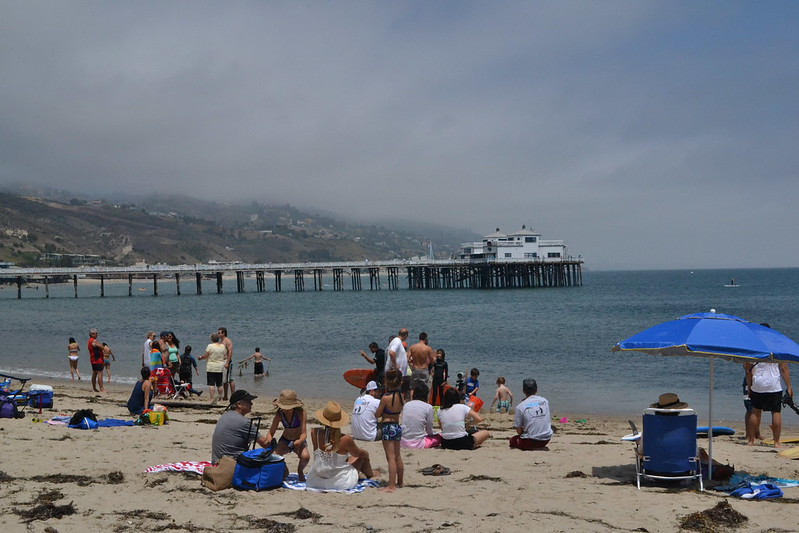
Malibu ranks among the most upscale beach towns in Southern California, and summer is when the area feels fully active. Beach traffic rises, restaurants fill, and the coastline stays busy from morning through sunset. For Los Angeles residents, it works well as a day escape from the city pace.
From Santa Monica, the drive is short in light traffic, which makes it an easy same-day outing for locals. Travelers coming from farther away usually plan a longer stay, though prices climb fast in peak season. Oceanfront hotels look excellent but sit in the higher budget range, especially between June and August.
Dining is a major part of the Malibu experience. Well-known coastal restaurants like Nobu and Geoffrey’s sit close to the water, and sunset reservations are the prime slots. Evening light over the Pacific often becomes part of the meal itself.
Beach time is only one part of the plan here. The area also supports canyon hikes, pier visits, tide pool walks, boutique shopping, and small vineyard stops. Malibu Wines draws large groups, while Cielo Farms often feels calmer with wide hilltop views over the coast.
Where to Stay in Malibu
- Surfrider Hotel — clean, minimalist coastal style near the pier.
- Malibu Beach Inn — beachfront rooms within walking distance of Malibu Pier.
8. Lake Tahoe Summer Travel Guide
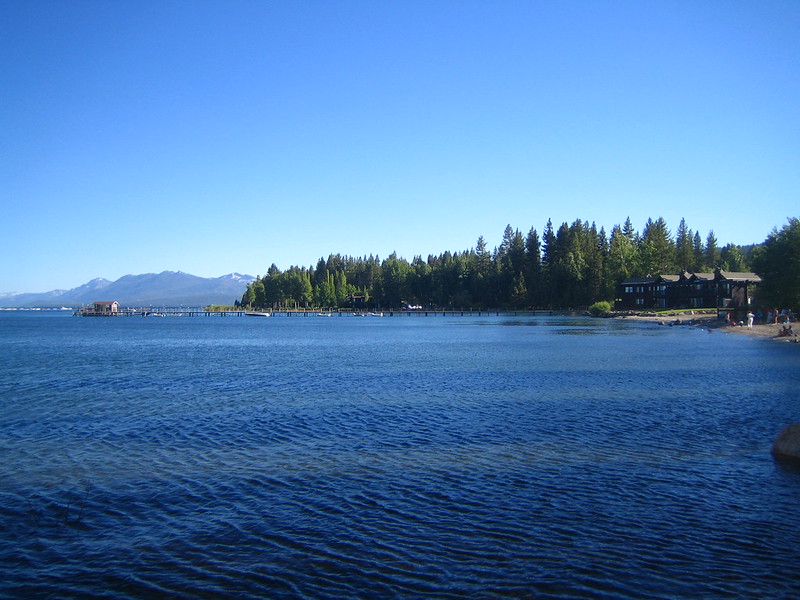
Lake Tahoe hits its highest visitor numbers in summer, and the reason is simple: the lake turns into a full outdoor playground once the sun and warm air settle in. The bright blue water pulls people in for swimming, paddle boarding, boating, and long beach days from morning to dusk.
The shoreline stretches for about 72 miles, with strong variety between different sections. On the California side, Emerald Bay Beach and Sugar Pine Point draw steady interest for their views and access. Crossing over to the Nevada side adds more standout stops like Sand Harbor, Secret Cove, and Creek Beach, each with different sand, rock, and water color patterns.
Land activities stack up quickly too. The Rubicon Trail offers extended hiking with lake overlooks, while the Cave Rock area is a popular sunset climb. Clear-bottom kayak tours are another favorite, letting you look straight down into the water while paddling across the surface.
Summer schedules here fill fast, from tours to dining to lodging, so early bookings help keep plans smooth. With the right timing, you can mix beach hours, trail walks, and on-water trips into the same day.
Where to Stay in Lake Tahoe
- Desolation Hotel — modern design stay in South Lake Tahoe.
- The Coachman Hotel — cabin-style look with updated interiors.
- Edgewood Tahoe Resort — golf and lakefront rooms in one property.
9. Pismo Beach Summer Travel Guide
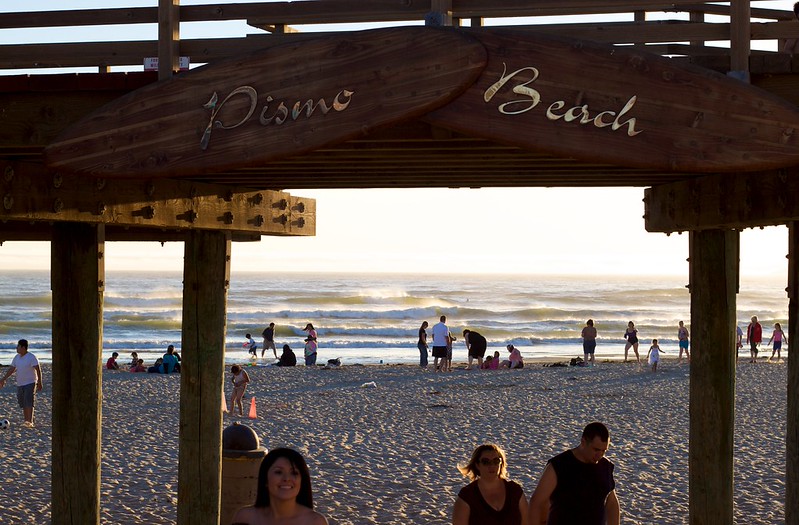
Pismo Beach is a strong pick for summer beach camping, especially for travelers who want sand, surf, and open-air nights in one plan. Daytime temperatures usually sit in the 70s and 80s°F. Morning fog shows up often, but it typically clears by afternoon, leaving better light for beach time and dune rides.
While early fall draws the biggest visitor wave, summer gives you more breathing room at the pier and along the dunes. That makes it easier to walk the shoreline, explore nearby paths, and grab food without long waits.
A key stop here is the Oceano Dunes SVRA, where you can drive or ride across large sand hills near the ocean. The terrain adds a fast, high-energy option to a trip that might otherwise stay slow and relaxed. First-timers often find it equal parts fun and intimidating.
Camping is a major draw, with roughly 500 sites in the area. If tents and RV spots aren’t your style, several comfort-focused hotels sit close to the water and offer full-service stays instead.
Where to Stay in Pismo Beach
- Vespera Resort on Pismo Beach — rooms right by the sand.
- Cliffs Hotel and Spa — oceanfront resort with multiple amenities.
- San Luis Creek Lodge — cozy inn near San Luis Obispo.
10. Santa Barbara Summer Travel Guide
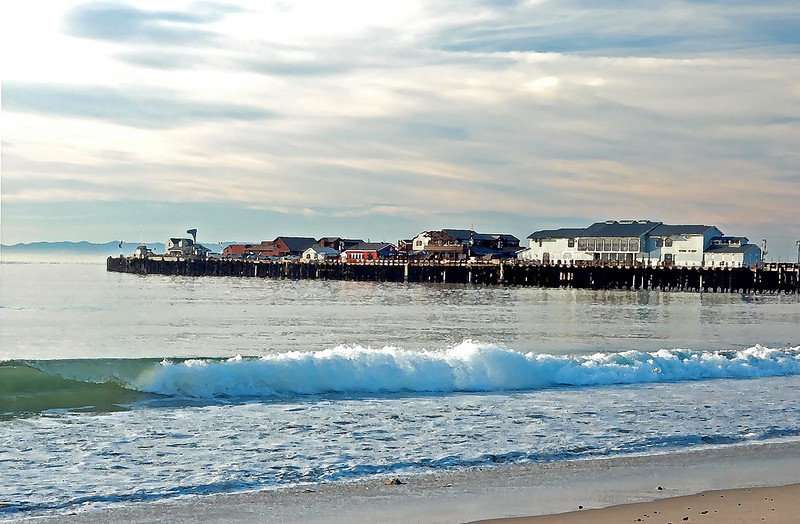
Santa Barbara stands out as one of the most eye-catching stops along the California coast. It marks the shift into the Central Coast landscape, and you can spot the terrain change as soon as you arrive—coastal hills rise closer to town and the shoreline feels more open and wide.
Summer days here fill quickly with water and food-focused plans. Visitors move between paddleboarding in the harbor, beach time, and wine tasting rooms in the Funk Zone. The layout makes it easy to mix outdoor hours with walkable city blocks in the same afternoon.
The city sits about ninety minutes from Los Angeles, which works well for a short break. If you’re coming from farther away, a three-day stay gives enough time to cover the waterfront, downtown streets, and nearby tasting spots without rushing from stop to stop.
By July, daytime heat climbs, though evenings often cool down once the sun drops. A light jacket helps after dark, especially near the water where breezes pick up.
One of the strongest late-day activities is a sunset sail from the harbor. Boat trips often pass through dolphin paths, and the shoreline colors shift fast as the sun drops behind the horizon.
Where to Stay in Santa Barbara
- Hotel Californian — coastal style with Old Hollywood notes near the Funk Zone.
- Palihouse Santa Barbara — playful design-forward hotel.
- Rosewood Miramar Beach — high-end beachfront resort.
11. Trinidad Summer Coastal Guide
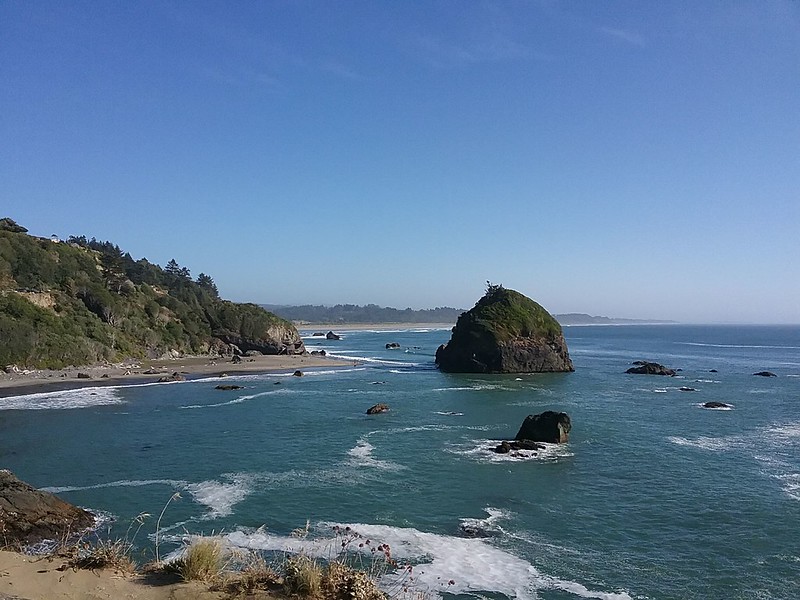
Trinidad is a far-north coastal town that works well for a quiet summer break away from the busier California shorelines. With a population under 400, it feels small in scale and slow in pace, with ocean bluffs, hidden beaches, and wide views across the bay.
Days here often revolve around simple outdoor plans—kayaking in the harbor, picnic stops near the water, and long sunset watch sessions from cliff edges. The town stays relatively calm even in summer, mainly because the drive is longer than more famous coastal stops farther south.
The beaches look very different from Southern California sands. Expect rocky coves, sea stacks, and curved inlets instead of long flat strands. Moonstone Beach and College Cove are two standout picks for walking, photos, and wave watching.
Another bonus is location. You can spend one day on the coast and the next under towering redwood trees, since Redwood National and State Parks sit about 25 minutes away by car. That close range makes split-landscape trips easy to plan.
Summer weather can be mixed. Light rain showers sometimes pass through between June and December, often short and sudden. They rarely block a full day and can cool the air in a refreshing way.
Where to Stay in Trinidad
- The Lost Whale Inn — oceanfront bed-and-breakfast with wide coastal views.
12. Orange County Summer Travel Guide
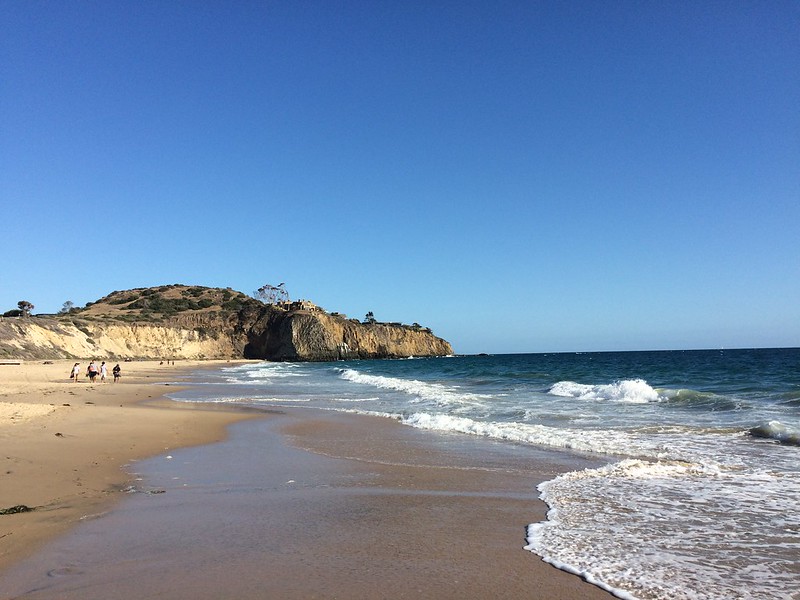
Laguna Beach sits inside Orange County, but the wider OC area deserves its own summer spotlight. This stretch of coast runs from Huntington Beach down to San Clemente, with long shorelines, steady sunshine, and a strong mix of beach towns and dining spots.
Beach hopping works especially well here. Each coastal city carries a slightly different feel—Huntington draws surf crowds, Newport mixes harbor life with upscale dining, and San Clemente leans more relaxed. You can cover several in one trip without long drive times between stops.
Further inland, Irvine stands out for food. The restaurant scene is heavily Asia-influenced, with strong options across Chinese, Vietnamese, Thai, and Korean menus. It’s a good counterbalance to long beach days when you want a city-style dinner run.
For group outings like birthdays or bachelorette weekends, renting a Duffy boat in Newport Beach is a popular pick. These small electric boats are simple to operate and let you cruise the harbor at low speed. Pair that with a walk around Balboa Island and a few casual drink stops, and the day plan writes itself.
Summer holidays bring large public events too. Fourth of July fireworks over the water draw big crowds across multiple OC beaches, with several launch points visible from the sand.
Where to Stay in Orange County
- Pendry Newport Beach — relaxed resort-style hotel near the coast.
- Hotel Joaquin — small boutique stay with a bright, modern look.
- Montage Laguna Beach — resort property near Treasure Island Beach.
- Casa Loma Beach Hotel — oceanfront rooms with design focus.
13. Channel Islands Summer Travel Guide
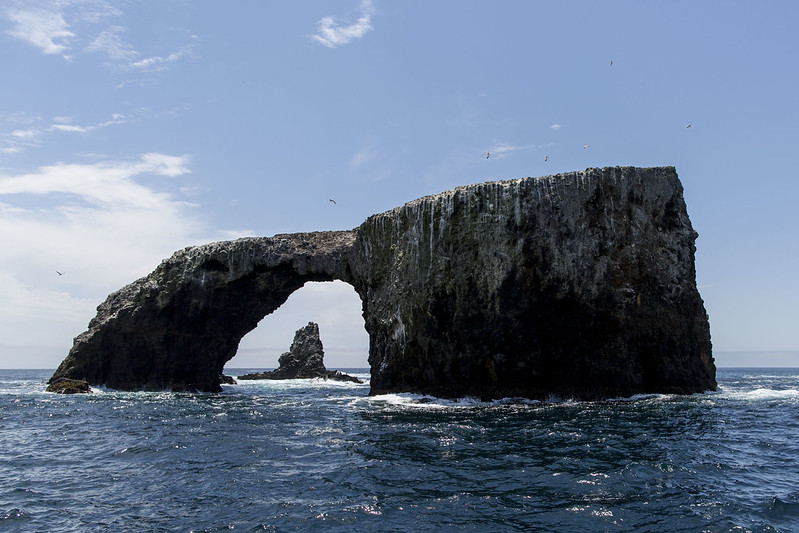
The Channel Islands rank among California’s most overlooked natural areas, even though they sit just off the coast. Many travelers know Catalina Island, but the rest of the island chain stays largely undeveloped, with raw coastlines, sea caves, and open trails that feel far removed from mainland crowds.
Getting there is straightforward. Boats run from Ventura, about an hour from Los Angeles. Visitors can choose day trips or overnight camping on islands like Santa Cruz. Once you arrive, activities range from kayaking and snorkeling to coastal hikes and wildlife watching.
Water color around the islands often surprises first-time visitors. Clear blue tones, kelp forests, and rocky shorelines give the area an almost unreal look compared with typical mainland beaches. The shift in scenery is immediate once you land.
Summer works especially well for wildlife viewing. You might spot island foxes, dolphins, seabirds, and schools of bright fish near the coves. Marine life activity increases in warmer months, which adds more interest to boat rides and paddle routes.
Where to Stay for Channel Islands Trips
- Lodging on the islands is limited to basic campgrounds. Travelers who prefer hotel comfort usually stay in Ventura or Santa Barbara and visit the islands on day tours.
14. Catalina Island Summer Travel Guide
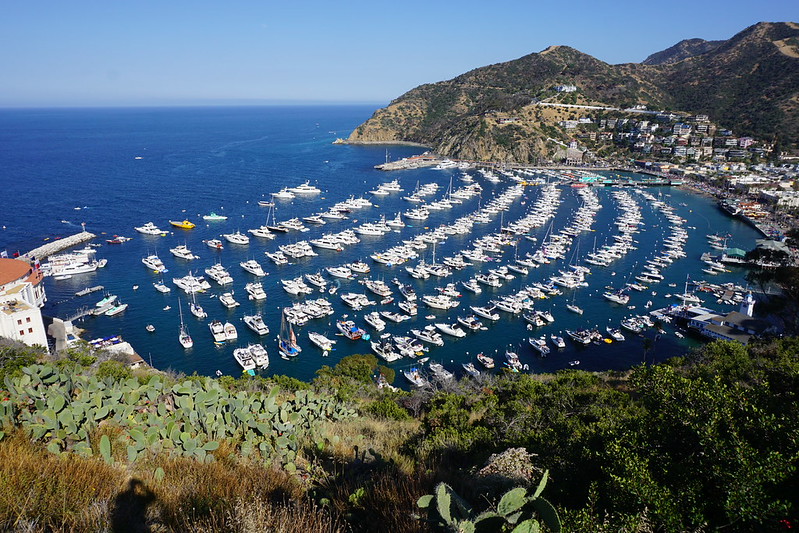
Catalina Island gives a Mediterranean-style break without leaving California. The harbor views, hillside buildings, and bright blue water create a coastal setting that feels very different from the mainland beach cities.
Summer days here revolve around the water. Snorkeling, swimming, and slow beach hours fill the schedule, and spots like Descanso Beach Club draw steady daytime crowds for food and drinks by the shore. The town is compact, so most places are reachable on foot or short rides.
Peak season also means heavy visitor flow. The island is small, and weekends can feel crowded fast. If your schedule allows, midweek visits usually bring lighter foot traffic and better room rates, while still keeping the best weather window.
Getting there is simple by ferry. Boats run through Catalina Express from Long Beach and San Pedro, with a ride time close to one hour. Dolphin sightings during the crossing are fairly common, which adds a bonus to the trip over.
An overnight stay gives you quieter morning and evening hours after day-trippers leave, though a same-day visit also works since early boats arrive in the morning and late returns run into the evening.
Where to Stay in Catalina Island
- The Edgewater—central location near the harbor.
- The Avalon Hotel — hillside stay with views toward the casino building.
15. Lassen Volcanic National Park Summer Guide
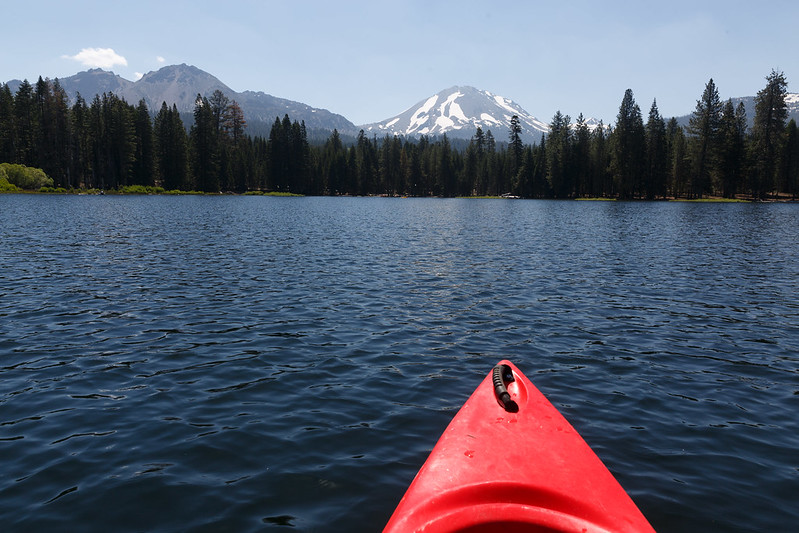
Lassen Volcanic National Park ranks among California’s least-visited national parks, yet it delivers wide views, strong hiking routes, and geothermal terrain without the heavy summer crowds seen in places like Yosemite. For travelers who want open trails and space to move, it works as a solid alternative.
Summer conditions are generally mild during the day, but nights turn cold fast. Temperatures can drop into the high 30s or low 40s°F after sunset, which catches some campers off guard. Warm layers and proper sleeping gear matter here even in July and August.
The park sits in Northern California and is known for steaming vents and bubbling mud areas that look almost prehistoric. Boardwalk zones and marked paths let visitors walk close to these thermal features. Bumpass Hell is the best-known hydrothermal area and a key stop for first-time visitors.
The terrain feels unusual compared with forest-only parks, which makes it a strong pick for photography and night-sky camping. Volcanic rock, steam plumes, and alpine lakes can all appear within a short driving distance.
Camping is the main lodging option, with seven campgrounds spread across the park. Summer demand rises, so advance reservations help secure a site.
Where to Stay Near Lassen Volcanic National Park
- Highlands Ranch Resort — comfortable cabins and rooms near the park boundary.
16. Salvation Mountain, Slab City
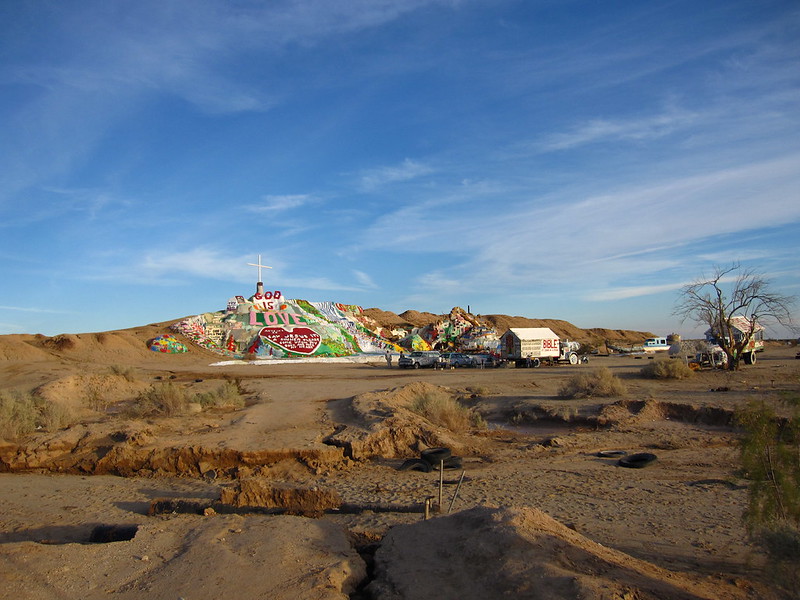
Salvation Mountain near Slab City stands far off the standard California travel route. It’s the kind of desert landmark people go looking for on purpose rather than finding by accident. The place feels bold, expressive, and slightly surreal at first glance.
Set in Southern California’s desert near the Salton Sea and the town of Niland, this large painted hill was built by Leonard Knight as a personal spiritual message. The surface carries written verses and faith-based themes, spread across hand-painted layers of color.
Even visitors who don’t connect with the religious side often react to the visual impact alone. Painted flowers, trees, flowing shapes, and bright color blocks cover the structure from base to top, creating a high-energy atmosphere across the site.
The build itself uses adobe clay, donated paint, and recycled materials, which adds another layer of meaning to the project. For photographers and road-trip explorers, it ranks among California’s most eye-catching desert stops.
Where to Stay in Salvation Mountain
- Calipatria Inn & Suites – Comfortable budget-friendly hotel roughly 8 miles from Salvation Mountain
- Americas Best Value Inn Westmorland – Affordable motel a short drive from Slab City/Salvation Mountain-area attractions.
- Brawley Inn Hotel & Conference Center – A well-reviewed, comfortable option a bit farther out with more amenities and restaurants nearby
17. Zabriskie Point, Death Valley
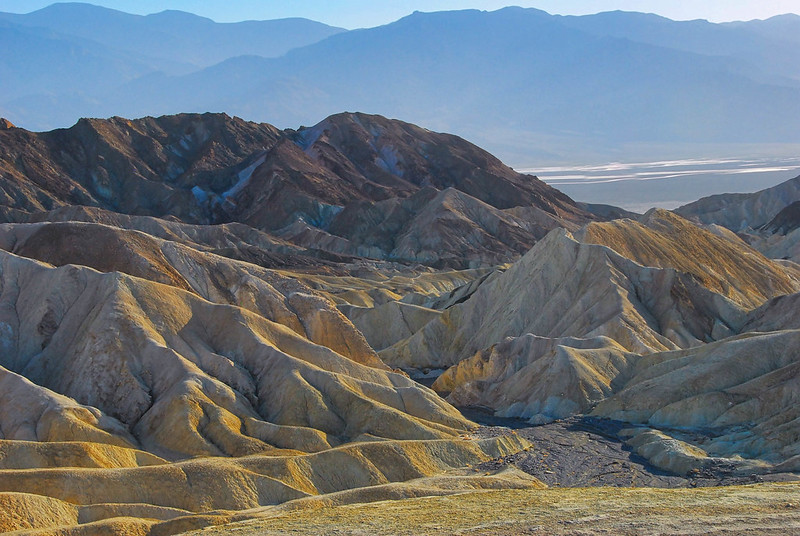
Zabriskie Point is one of the strongest viewpoints in Death Valley for travelers who appreciate stripped-down desert terrain. At first glance, the area can look like endless shades of tan and gold, yet the landforms show fine detail once you slow down and really look.
The overlook sits above the Badwater Basin region, the lowest elevation point in the United States. From the viewing area, folded and eroded hills stretch outward in long waves, leading the eye toward the dry valley floor and distant mountain walls.
Early morning brings the most dramatic light. Because the viewpoint faces west, the rising sun first touches far peaks, then gradually slides across the ridged hills below. As the angle changes, layered colors and tight grooves appear more clearly, and shadow bands move across the slopes.
Many visitors leave right after sunrise, but staying a bit longer changes the scene again. Higher sun angles create sharper contrast across the ripples, which gives photographers more range to work with.
Where to Stay
- The Inn at Death Valley — Upscale, inside the park, closest comfort option
- The Ranch at Death Valley — Resort-style, family friendly, near Furnace Creek
- Stovepipe Wells Village Hotel — Good mid-range base inside Death Valley National Park
18. Mesquite Sand Dunes, Death Valley
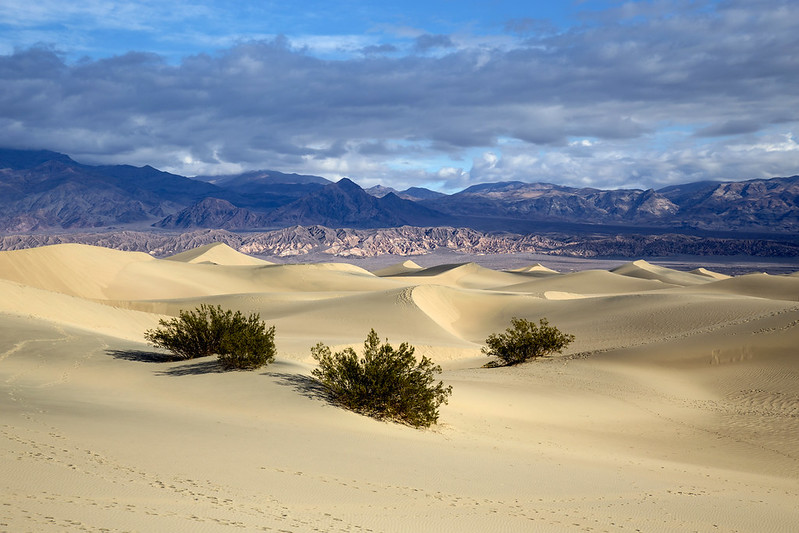
The Mesquite Sand Dunes sit inside Death Valley and rank among the park’s most recognizable landforms. The setting feels extreme and stripped back, which explains why early travelers gave the region such a harsh name. Long crossings without water or shade once made this valley dangerous for wagon routes.
Geography plays a big role in how these dunes formed. A long valley floor sits between mountain ranges, and steady wind patterns push loose sediment across the basin. Over time, that movement piled sand into rolling dune fields that keep shifting shape year after year.
For photographers, this area works especially well at first light. Standing deep within the dune field before sunrise reveals soft contrast across the ridges. As the sun climbs, lines and curves sharpen, and the surface texture becomes more defined. The scene reads almost like abstract art made from sand and shadow.
Despite the harsh daytime climate, early morning hours can feel calm and still. Footprints fade, wind patterns stand out, and the silence across the dunes adds a reflective mood to the visit.
Where to Stay Near Mesquite Sand Dunes
- Stovepipe Wells Village Hotel — Closest hotel to Mesquite Flat Sand Dunes
- The Inn at Death Valley — Upscale stay inside Death Valley National Park
- The Ranch at Death Valley — Resort-style, good amenities
- Panamint Springs Resort — Quiet, rustic desert base
19. Bowling Ball Beach, Mendocino
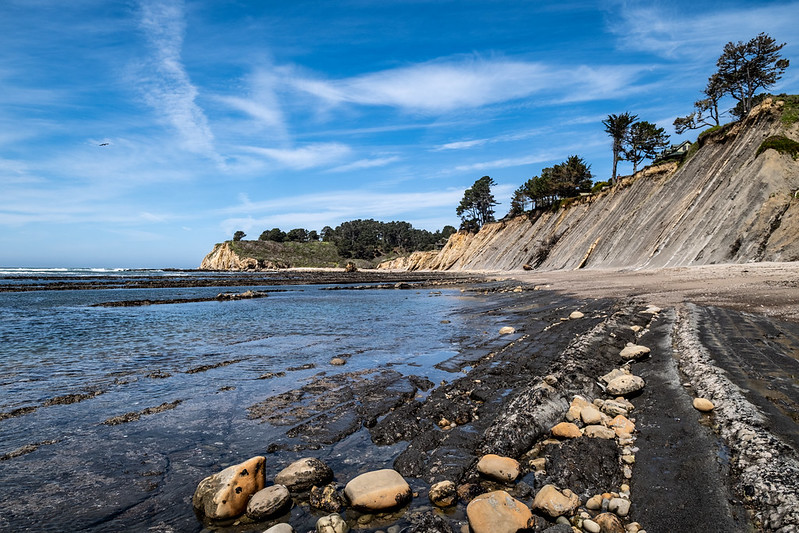
Bowling Ball Beach in Mendocino County is a striking coastal stop that stands out for its rare rock formations. Part of Schooner Gulch State Beach, this shoreline draws visitors who want something different from standard sandy stretches and cliff views.
The beach gets its name from round sandstone concretions that appear during low tide. These stone spheres line up across the wet sand, creating a repeating pattern that looks almost arranged by hand. Timing matters here, so checking tide charts before your visit makes a big difference.
Reaching the shore requires a short bluff-top walk followed by a steep dirt path down the cliff. Recent winters have worn down parts of the trail and stairs, so the descent can feel rough and uneven in spots. Good footwear and slow footing help on the way down and back up.
Arrive near low tide with a camera and extra time. As water pulls back, more of the rounded stones come into view, and reflected light across the sand adds extra contrast for photos.
Where to Stay Near Bowling Ball Beach
- Point Arena Lighthouse Keepers’ Quarters — Unique coastal lodging in Point Arena
- Gualala Country Inn — Comfortable stay in Gualala
- Point Arena & Gualala vacation rentals — Cabins or beach houses
20. La Jolla, San Diego
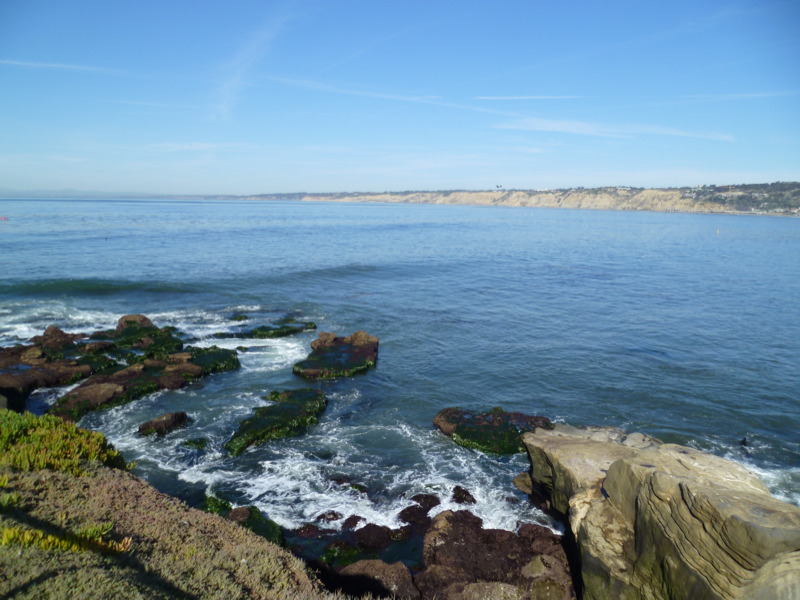
La Jolla is a coastal district within San Diego known for curved shorelines, steep bluffs, and small pocket beaches. The area blends ocean access with upscale streets, where restaurants, shops, and high-end homes sit close to the waterline.
A full day here works best on foot. Walk the coastal paths, move between sandy coves, step across large rock slabs, and check the tide pools when the water pulls back. Wave action against the cliffs adds constant motion and sound along the route.
Wildlife sightings are common along this stretch. Seals and sea lions rest near the coves, while pelicans and other seabirds circle above the surf. Bringing binoculars or a zoom lens can add more detail to the experience.
After a long shoreline walk, food stops are easy to find nearby. Many local restaurants serve fresh seafood and California wines, making it simple to end the outing with a relaxed meal close to the ocean.
Where to Stay in La Jolla
- La Valencia Hotel — Iconic luxury stay near the coast
- Grande Colonial La Jolla — Walkable, upscale village location
- La Jolla Cove Hotel & Suites — Ocean views, near coves & seals
21. Pacific Coast Highway Road Trip Guide
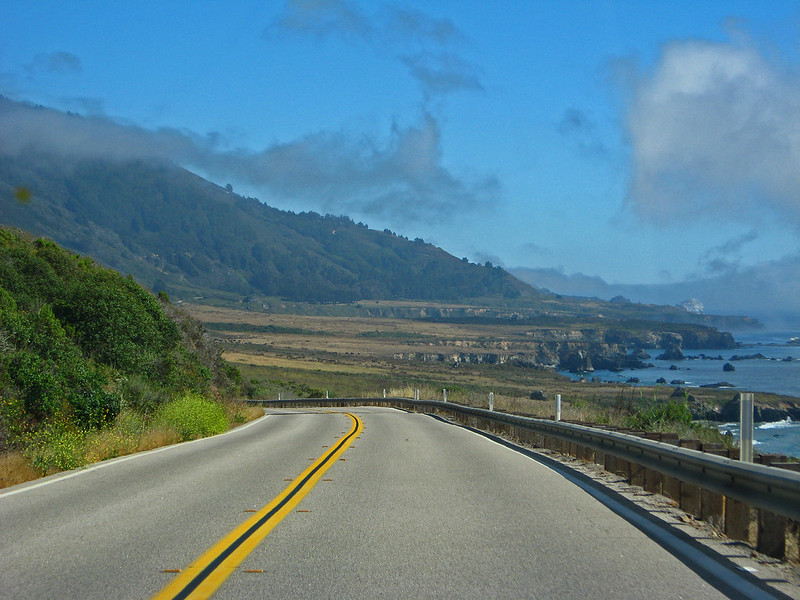
Pacific Coast Highway forms part of California’s Highway 1 and ranks among the most visually impressive road drives on the planet. This route runs along cliffs and shoreline, cutting between ocean edges, forest patches, small towns, and open headlands in one continuous stretch.
Driving it feels less like transport and more like an activity by itself. One hour you pass beaches and rock arches, the next you move through green hills and short coastal tunnels. Small villages appear along the way, offering food stops, lookout points, and quick detours down to the water.
This road suits travelers who like flexible plans. You can move slowly, stop often, and build the schedule as you go. Short scenic pull-offs alternate with longer exploration stops, so the trip can last a day or expand into a full multi-day journey.
Common stop ideas include state beaches, cliff viewpoints, coastal towns, and surf spots such as Malibu and other shoreline communities along the route. Many of these places reward extra time rather than quick photos.
Add this drive to any California travel list if you enjoy long-form road trips, ocean views, and changing terrain from one curve to the next. The highway itself is the highlight, not just the endpoints.
Where to Stay Along the Pacific Coast Highway
- Big Sur lodges & inns — Best for cliff views and nature stops along the Pacific Coast Highway
- Monterey, California — Good hotel base near beaches and coastal parks
- Carmel-by-the-Sea — Small hotels and boutique inns near the shore
- Santa Barbara — Comfortable mid-route city with many hotel choices
Related Post: