If curiosity keeps you moving and ordinary trips never quite satisfy, California’s small towns have plenty to offer. From salty air along the coast to towering redwood country in the north, these places deliver moments that linger long after the drive home. Each stop carries its own rhythm—quiet streets, surprising flavors, and experiences that feel personal without trying too hard.
Everyone deserves a getaway that feels special in its own way. Carmel-by-the-Sea is a good place to start. Storybook cottages, art galleries, and dog-friendly beaches set the tone for slow walks and long conversations. It’s the kind of town where time loosens its grip and simple pleasures take center stage.
Head south for a change of pace in Avalon, where Mediterranean-style streets meet clear island waters. Days here drift between harbor views, café lunches, and boat rides that feel far removed from the mainland. Then there’s La Quinta, a desert retreat framed by mountains, known for sun-washed mornings, quiet trails, and evenings that cool just enough for outdoor dining.
Up north, Healdsburg adds an unexpected twist. Beyond wine tastings, you can take part in hands-on rose harvesting, turning fresh petals into fragrant oil and rosewater. It’s a reminder that California’s small towns aren’t about rushing from highlight to highlight—they’re about savoring what each place does best, one meaningful moment at a time.
1. Avalon: Catalina Island’s Seaside Detour That Feels a World Away
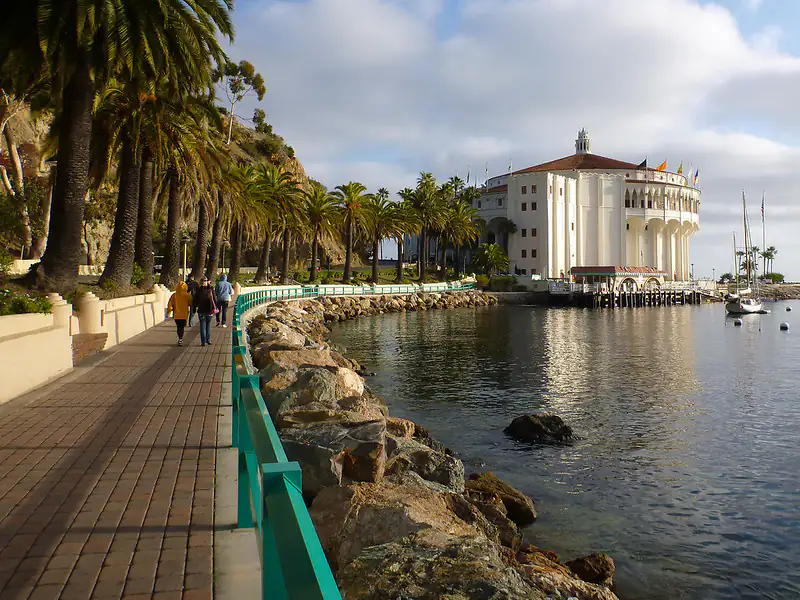
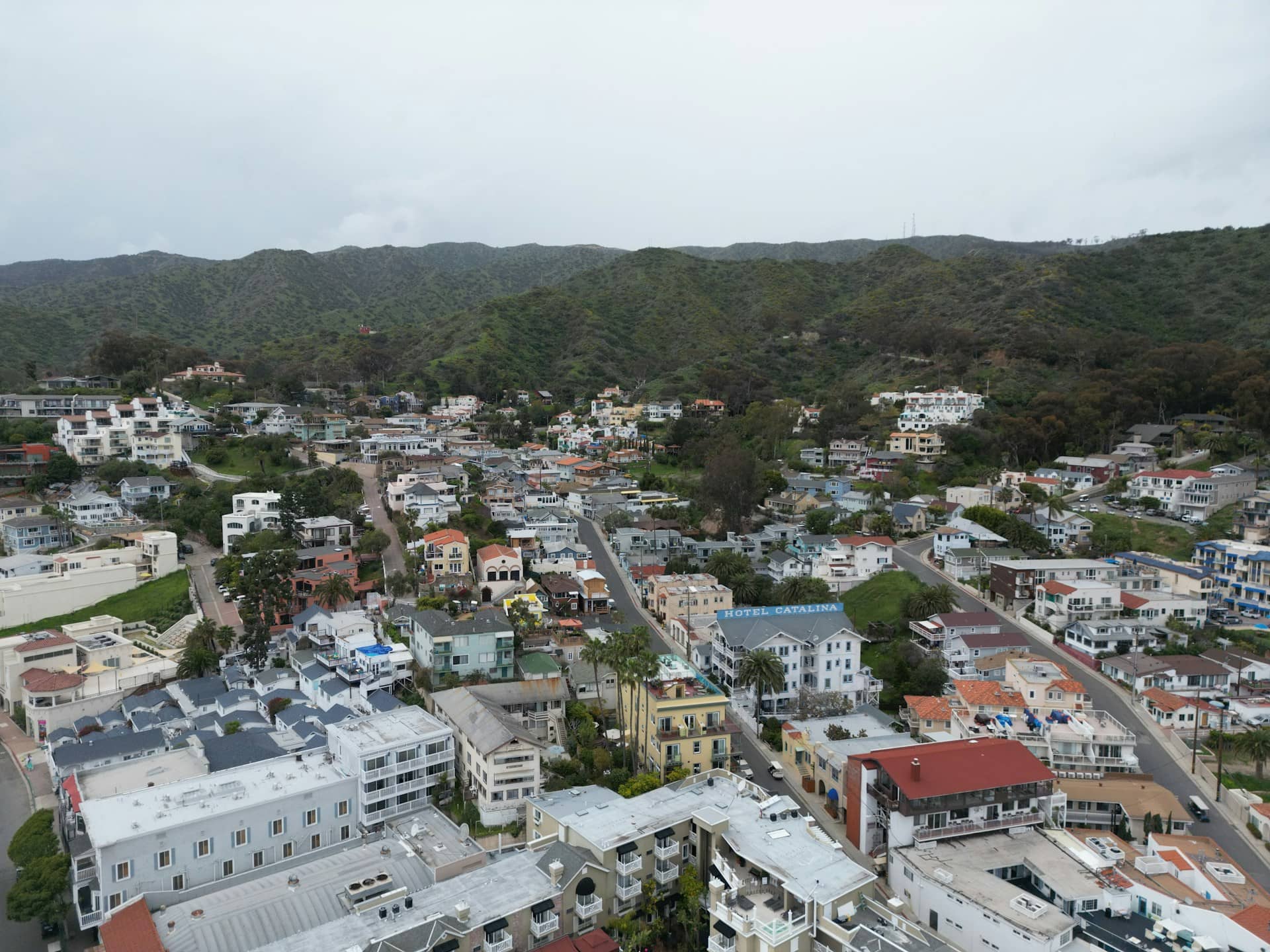
Twenty miles off Southern California’s coast, Catalina Island delivers an island-town stay that easily lives up to its reputation. Reaching Avalon already sets the tone—an hour-long ferry ride that gently disconnects you from the mainland. As the harbor comes into view, pastel buildings, palm-lined paths, and evergreen-covered hills blur the line between California and a faraway coastal village.
Once ashore, the town unfolds at an easy pace. Avalon’s compact streets invite wandering without urgency, while the surrounding hills add a dramatic backdrop. Adventurous travelers can hike up to Mount Orizaba, earning sweeping views that stretch across the island and out to the Pacific. Others prefer staying closer to sea level, letting the day drift by between cafés, shoreline walks, and quiet corners near the water.
For downtime, Descanso Beach offers a laid-back scene with loungers, calm bay views, and space to unwind. A short walk away, the Wrigley Memorial and Botanical Gardens provide shaded paths and desert plants gathered from across the region. Those curious about the island’s untamed side can head out with the Catalina Island Conservancy, where rugged landscapes and native wildlife take over the story.
Avalon’s scale is part of its charm. The town covers just one square mile, making it easy to explore entirely on foot. Cars are rare—there’s a decades-long waitlist to bring one over—so golf carts and walking rule the streets. Between stops at the Green Pleasure Pier, afternoons on pale sand, and snorkeling just offshore, Avalon proves that slowing down can be the most rewarding part of the journey.
2. Capitola: A Seaside Story Written Over Centuries
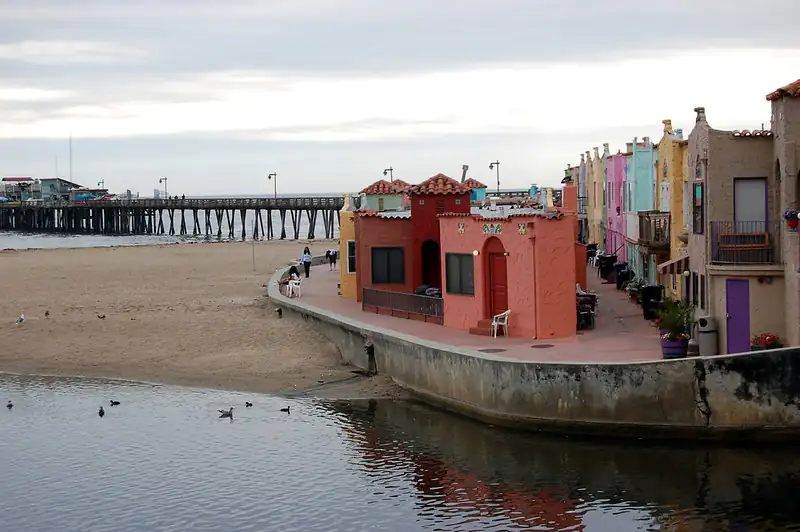
Long before beach umbrellas and weekend crowds, Capitola stood as the home of the Awaswas, followed later by a Spanish mission presence. Its modern chapter began when Frederick A. Hihn reshaped the area into a leisure retreat. What started as a simple tent camp soon drew travelers, officially welcoming guests in 1874 and setting the stage for its long-running appeal.
Today, Capitola plays a very different role. Tourism fuels a billion-dollar local economy, yet the town still carries echoes of earlier days. Stops like the Capitola Historical Museum trace its layered past, while nearby wineries add a modern social rhythm. Strolling through town reveals rows of rainbow-painted homes perched above the coast, with cafés, small shops, and eateries lining the path beside Soquel Creek.
Life here unfolds outdoors. The bayfront walkway encourages slow wandering—pausing to browse storefronts, grab something sweet, or watch surfers drift across the water. This stretch captures the relaxed spirit often linked to Santa Cruz, where time bends gently and schedules feel optional.
Sand and sea complete the picture. Capitola Beach draws visitors with its soft shoreline, while nearby New Brighton State Beach offers a quieter sweep of coast. Cool air rolls in from Pacific currents, brushing the shore and easing the heat, a constant reminder that Capitola’s charm rests as much in its setting as in its history.
3. Carmel-by-the-Sea: Art, Ocean Air, and a Tail-Wagging Pace
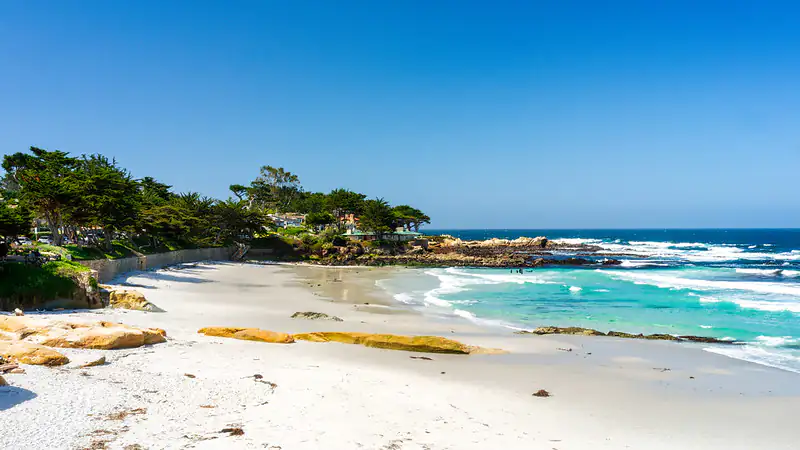
Once guided by former mayor Clint Eastwood, Carmel-by-the-Sea carries a relaxed confidence that suits sea lovers, couples, and gallery hoppers alike. Along the Monterey Peninsula, daily life leans into coastal views, slow meals, and a deep affection for art—nearly a hundred galleries tucked into lanes that reward lingering rather than rushing.
Food here keeps its distance from chains. Menus favor local kitchens, fresh catches, and thoughtful plates, with prices that reflect care and craft. A welcoming stance toward pets is part of the town’s character; dogs often appear beside café tables and even inside galleries, turning a simple outing into a shared adventure.
Scale matters. Carmel fits into roughly one square mile, stitched together by storybook buildings and paths that invite wandering. Green corridors like Mission Trail Park, just north of Junipero Street, stretch casual walks into satisfying rambles beneath coastal trees.
Everything sits close. Browse boutiques along Ocean Avenue, drop purchases at a pet-friendly stay, then drift down to Carmel Beach for an unhurried afternoon. As daylight softens, cypress shade offers a quiet pause before sunset—proof that Carmel’s appeal lies in how easily the day unfolds, step by step.
4. Dana Point: Harborside Days, Ocean Giants, and Coastal Trails
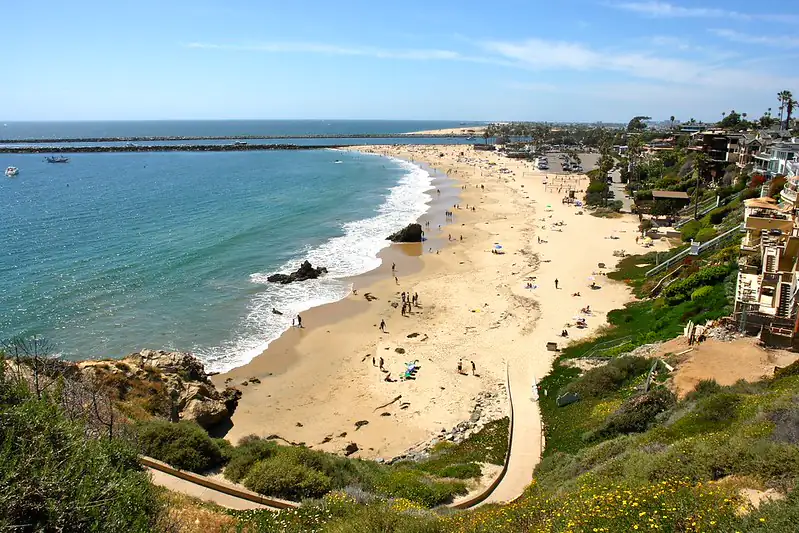
Along the curve of Dana Point Harbor, this Orange County town may appear calm at first glance, yet its shoreline tells a richer story. Doheny State Beach and Salt Creek Beach draw surfers year-round, while offshore waters have earned Dana Point the title of the Whale Watching Capital of the World. Gray whales, dolphins, and sea lions turn routine boat trips into moments of genuine awe.
Closer to shore, nature feels close enough to touch. The Pirate Sea Cave Tide Pool Walk leads visitors across rocky edges where small marine creatures cling, crawl, and dart through shallow pools. Above it all, seven miles of coastline stretch beneath dramatic bluffs, broken by overlook points and rolling hills. Trails range from easy walks to longer climbs, making it simple to match the day’s energy level.
The Lantern District adds a playful layer of history. Streets named after maritime signal lanterns hint at the past, and a casual scavenger-style walk reveals the last five copper lanterns once used to guide trading ships with coded colors. Cafés, boutiques, and ocean-view patios give the area a soft romantic pull without feeling staged.
Everything here invites wandering. Marinas line the water with sailboats bobbing gently, paths lead down to beaches where surfers trace clean lines across waves, and meals linger longer than planned when the Pacific fills your view. Whether checking in at Laguna Cliffs Marriott Resort & Spa or stopping by just long enough for dinner at sunset, Dana Point has a way of turning short visits into lasting impressions.
5. Fallbrook: Quiet Americana with Avocado Roots
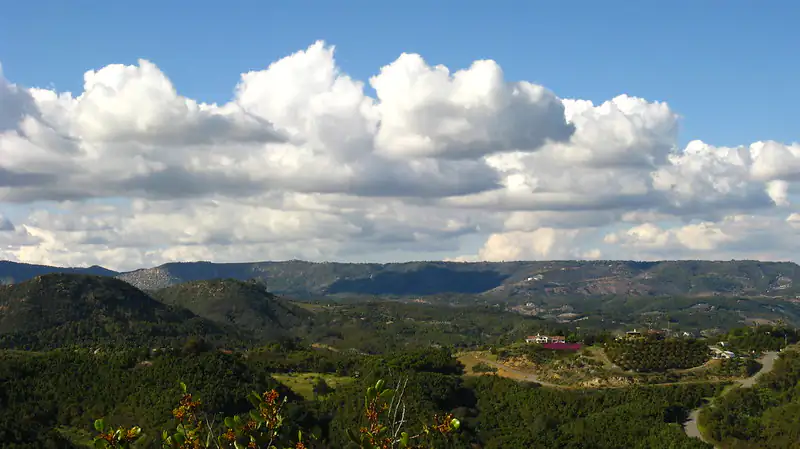
Often overlooked in Southern California, Fallbrook rewards those willing to look inland. Tucked along Highway 76 and sitting east of Oceanside, this town skips the beach buzz and leans into a slower cadence. The setting feels familiar in a comforting way—front porches, wide skies, and a pace that invites lingering.
Fallbrook’s story carries a cinematic footnote. Frank Capra, the mind behind It’s a Wonderful Life starring Jimmy Stewart, once called this place home. It’s easy to see how everyday kindness and small-town bonds could spark ideas here; the atmosphere still echoes that gentle optimism.
Downtown keeps things personable. Independent shops and casual eateries cluster close together, making wandering effortless. A stop at 127 Social House adds a European accent—think Bavarian-style pretzels paired with a cold drink, perfect for a relaxed pause between strolls.
Beyond the center, the landscape opens up. Rolling groves and country roads recall Mediterranean scenes, offering space for picnics and quiet afternoons. History surfaces at the Fallbrook Heritage Center, while Palomares House and Park traces the town’s agricultural past. Fallbrook proudly wears its title as the Avocado Capital of the World, celebrated each April with a lively festival that honors the fruit shaping both its economy and identity.
6. Ferndale: Where Redwoods, Salt Air, and Timeworn Elegance Collide
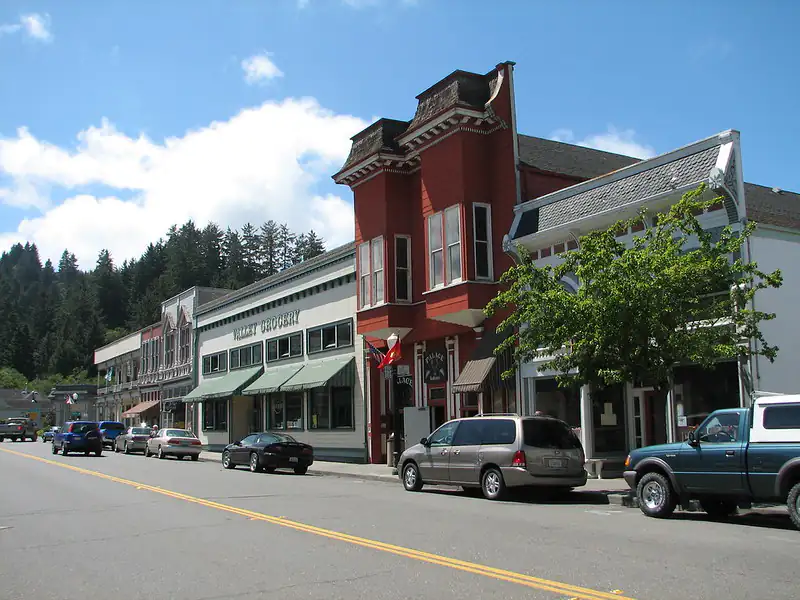
Those legendary redwoods people rave about feel especially close in Ferndale. Set between the forested giants and Humboldt Bay, the town carries an almost storybook mood. Ocean air drifts inland, mingling with the earthy scent of trees, while rows of carefully preserved Victorian homes line streets that seem suspended between centuries.
Ferndale balances nostalgia with personality. Old-school Americana lives comfortably beside offbeat details, giving the town a cinematic feel where everyday errands look like scenes from a period film. Local routines—coffee runs, slow walks, friendly conversations—feel unforced and oddly memorable, as if the place quietly invites you to pay attention.
Food plays a role too. A strong dairy tradition shapes daily life, from farm-fresh cheeses to classic ice cream shops that become essential stops on warm afternoons. When the mood shifts, a short drive leads to Eureka, adding galleries, waterfront views, and a different coastal tempo to the mix.
What lingers most is the setting. Beyond town, the cliffs and sweeping views of the Lost Coast stretch toward the horizon, raw and untamed. Back in Ferndale, every corner seems camera-ready—ornate facades, quiet lanes, and coastal backdrops forming scenes that stay vivid long after you’ve left.
7. Healdsburg: A California Town with a Southern French Accent
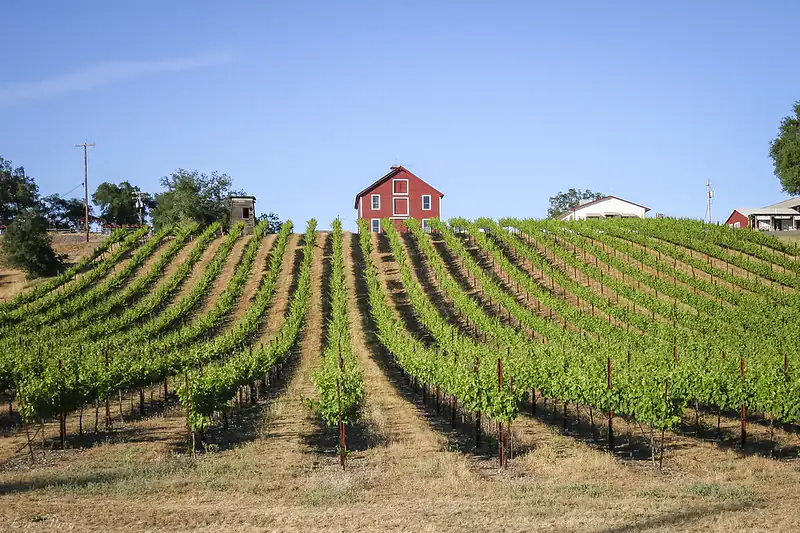
If the idea of Southern France calls to you but a transatlantic flight doesn’t, Healdsburg offers a convincing alternative. Set in Sonoma County, this Northern California town opens the day gently—often with a stop at Costeaux French Bakery, where artisan breads, flaky pastries, and café plates have drawn loyal fans since 1923.
Outside town, the scenery stretches wide and calm. Vineyard-covered hills roll outward in every direction, shaped by famous wine appellations and steady, agreeable weather that keeps the area inviting in every season. Wandering these back roads feels unrushed, whether you’re pausing for photos, picnicking, or simply letting the landscape set the tempo.
Back near the center, Healdsburg shifts moods. Tasting rooms and acclaimed dining spots encourage lingering afternoons indoors, while the town square pulls you back outside with independent shops and small galleries that reward slow browsing. The balance between food, wine, and walkable streets keeps days pleasantly full without feeling overplanned.
Local traditions add another layer. April brings the annual seafood dinner hosted by the Healdsburg Fire Department, a community favorite. Spring also marks the time for Classic Perfume Rose Harvest & Distillation Tours, where roses are gathered and transformed into fragrant oil and rosewater. Throughout the year, the Williamson Wines Epicurean Dinner returns on the first Friday of each month—one more reason Healdsburg leaves a lasting impression long after the visit ends.
8. La Quinta: Desert Light, Fairways, and Old Hollywood Echoes
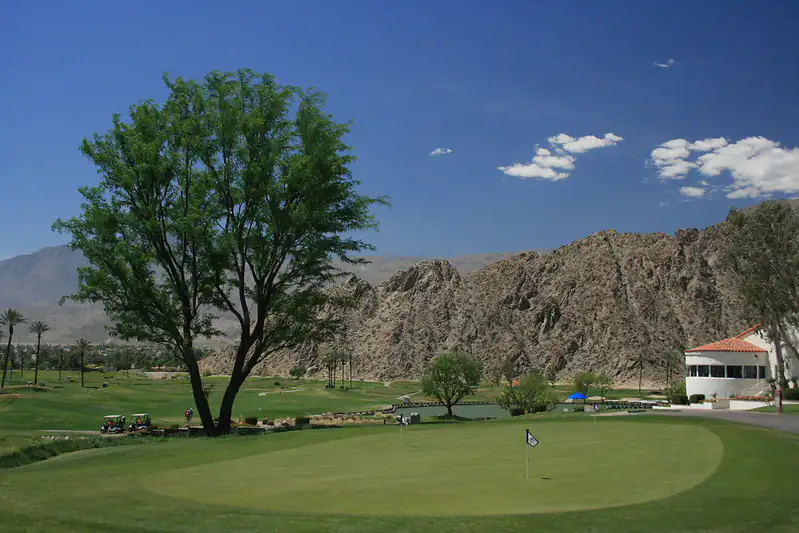
Sun-washed days define La Quinta, a desert town southeast of Palm Springs where roughly 38,000 residents share space with palm-lined streets and open sky. Golf anchors the local rhythm. La Quinta Resort & Club, welcoming guests since 1926, once hosted Frank Capra as he worked on Lost Horizon, and it continues to draw film-world curiosity decades later. Nearby, SilverRock Resort stretches along the base of the Santa Rosa Mountains, pairing clean fairways with desert backdrops.
Beyond tee times, the town opens up. Spas lean into heat and stillness, dining rooms favor long lunches, and shaded pools become afternoon headquarters. With roughly a hundred courses scattered across the valley, golf culture blends easily with shopping strolls and evenings that cool just enough for patios.
La Quinta’s smaller pleasures leave their mark too. A walkable village area encourages browsing without a checklist, while nearby outings widen the map—day trips toward the Salton Sea, or a bike ride along the Bear Creek Trail. Between mountain edges and desert calm, La Quinta keeps things balanced: active when you want it, unhurried when you don’t.
9. Laguna Beach: Art-Filled Streets and Seven Miles of Shore
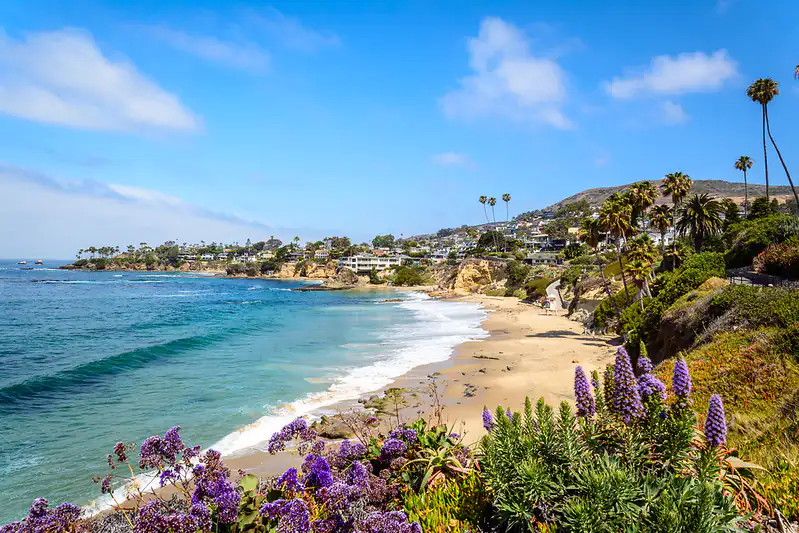
Far from an ordinary seaside stop, Laguna Beach holds a long-standing pull for beachgoers, hikers, and creative minds alike. The landscape alone sparks ideas—rocky coves, cliffside paths, and light that shifts hour by hour. Artists have been drawn here for generations, and their work now spills into galleries, shop windows, and street corners, giving the town a lived-in creative pulse rather than a staged one.
Sand still takes center stage. Laguna’s beaches rank among California’s favorites for swimming, tidepool wandering, and slow afternoons under the sun. The shoreline stretches across seven miles, broken into small coves and canyon-backed beaches. Walk down the steep stairway at Thousand Steps Beach, or linger above the water at Heisler Park, where benches and paths frame the ocean below.
Location adds to the appeal. Positioned between Los Angeles and San Diego, Laguna Beach reflects Southern California’s easygoing ideals—small boutiques, thoughtful dining, and evenings that stretch longer than planned. Restaurants like Nick’s Laguna Beach anchor the food scene with fresh seafood and crowd-pleasing classics.
Landmarks bring character. Victoria Beach Pirate Tower hides along the cliffs, while Main Beach keeps things lively with open sand and year-round mild weather. Cultural events round out the calendar, led by the Sawdust Art & Craft Festival and the nearly century-old Pageant of the Masters, where famous artworks are recreated live. Together, they show how Laguna Beach blends coast, culture, and community into days that rarely feel repetitive.
10. Mendocino: Cliffside Calm, Art Rooms, and Coastal Wanders
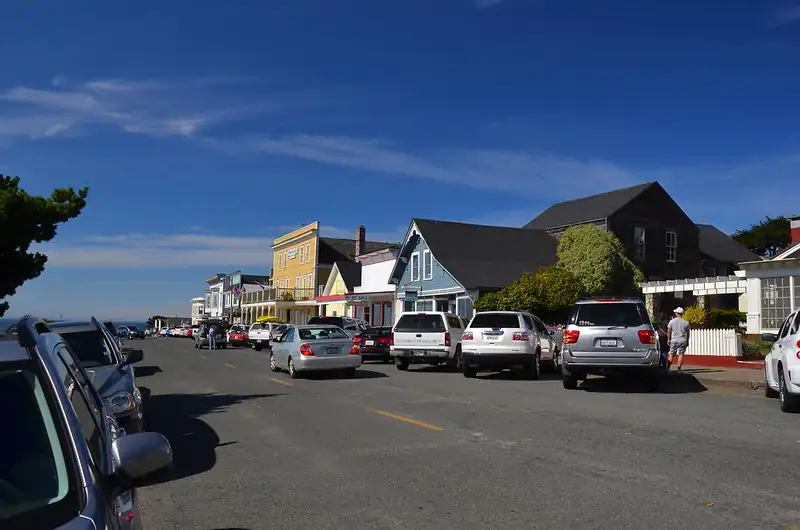
Perched above the Pacific, Mendocino invites an easy rhythm—eat well, wander slowly, browse without a plan. The town sits between Mendocino Headlands State Park and Mendocino Bay, where weathered cottages and New England–leaning facades meet a lingering counterculture spirit. Downtown keeps things human-scale: bookshops, cafés, and small storefronts that reward curiosity.
Nature presses close. The headlands form a wildlife corridor linking coast and interior, and the Mendocino Headlands Trail traces the edge with spring blooms and airy viewpoints. Walks here come with a soundtrack—gulls overhead, water breaking below, seals calling from rocks—while cliff paths stay blissfully quiet.
Art has long shaped the town’s pulse. Founded in the 1950s by San Francisco artists, the Mendocino Art Center continues to anchor classes, exhibits, and workshops. A short stroll away, the Ford House doubles as a museum and state park visitor hub, offering broad ocean views and hosting the Mendocino Music Festival each July.
Down by the shore, geology steals the show—blowholes, sea arches, wave tunnels, grottos, and tide pools scattered along the beaches. Evenings often end indoors at the Mendocino Theatre Company, where live performances cap a day spent outside.
The surroundings widen the itinerary. Birdlife gathers at Cleone Lake and along the tidal lagoon in MacKerricher State Park. Just south, Fort Bragg offers the half-day Skunk Train ride inland to Northspur. Two miles north, Russian Gulch State Park delivers a 36-foot waterfall and the churn of Devil’s Punchbowl—proof that Mendocino’s pleasures extend well beyond its bluffs.
11. Sausalito: Golden Gate Views and a Life on the Water
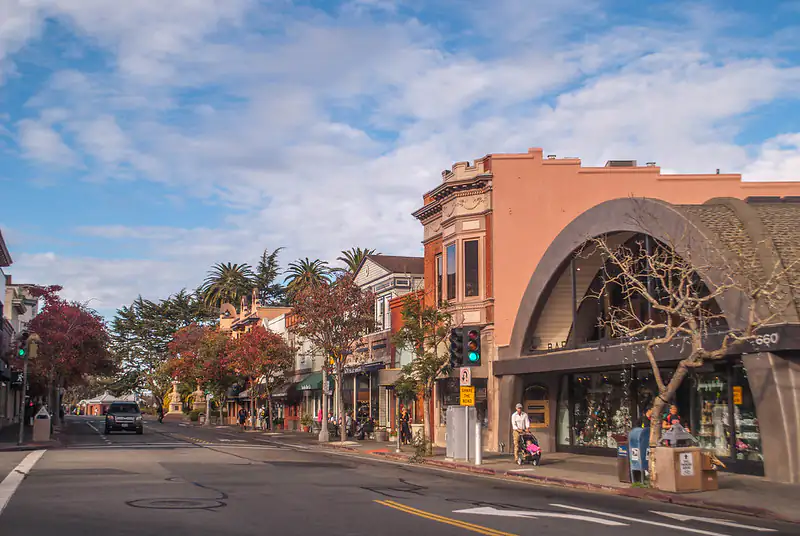
On the northern edge of San Francisco, Sausalito shares one of the most recognized sights on the planet—the Golden Gate Bridge stretching across the bay’s shifting blue surface. Crossing the bridge into town feels like a reset. Traffic fades, the pace slows, and the waterfront begins to tell a softer story from the opposite shore.
Sausalito’s appeal runs deeper than its views. Its name translates to “small willow grove,” a nod to gentler origins that still linger along Richardson Bay. Floating neighborhoods of houseboats line the water, forming close-knit enclaves shaped by artists and free spirits who settled here after World War II. With a population just over 7,000, the town balances intimacy with a quiet confidence built over decades.
The downtown streets mix history and creativity without feeling staged. Cultural stops like the Bay Area Discovery Museum and the The Marine Mammal Center draw families and curious visitors, while galleries and small landmarks reward those who wander without an agenda. The mood stays welcoming rather than overwhelming.
Along the water, variety keeps things interesting. Colorful houseboats cluster at Galilee Harbor and Waldo Point Harbor, while Bridgeway carries the town’s daily rhythm with cafés, shops, and casual dining. Walks along the bayfront open up skyline views back toward the city, with stops at Dunphy Park or the Morning Sun Trailhead offering green breaks by the water.
Sausalito doesn’t compete with San Francisco—it complements it. A short distance apart, the two places feel worlds away, making Sausalito an easy escape that trades city noise for harbor air and long, lingering views.
12. Solvang: A Danish Detour in California Wine Country
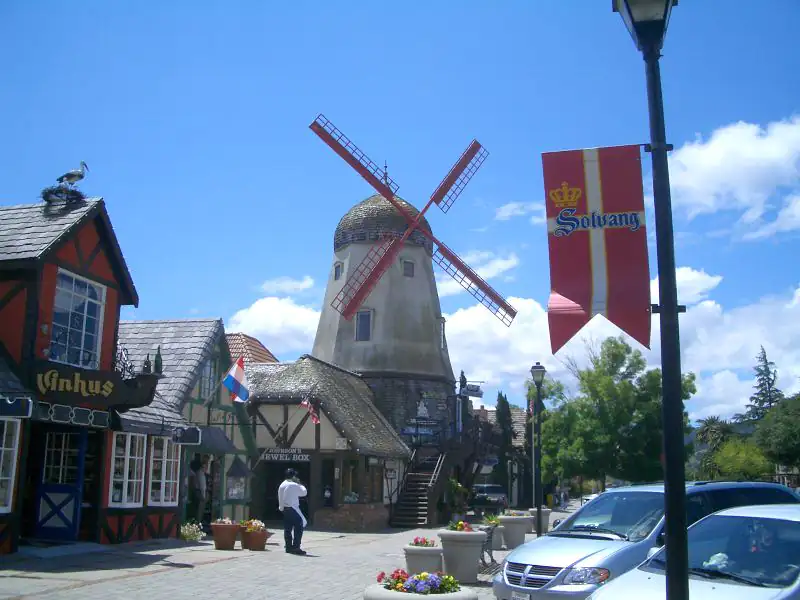
There’s something endlessly charming about Solvang, a small town that feels confidently different without leaning into parody. Rooted in Danish traditions, its half-timbered buildings, steep roofs, and storybook details create an atmosphere that feels lifted from another continent. Set in the southern stretch of the Santa Ynez Valley, Solvang stands at
the gateway to Santa Barbara wine country, complete with local tasting rooms and a signature windmill anchoring the streetscape.
Food and craft shape daily life here. Bakeries turn out warm Aebleskiver—round, dough-like treats often compared to donut holes—while shops stock Scandinavian décor, ceramics, and keepsakes meant for real homes rather than novelty shelves. The town’s Danish identity feels lived-in, not staged, offering a gentle immersion rather than a themed spectacle.
That cultural continuity traces back to history. Danish immigrants began settling the area around 1850, leaving behind economic hardship in Europe and building a community that still honors its roots. Seasonal festivals, folk traditions, and shared rituals keep that heritage active. A walk to Old Mission Santa Inés adds depth, revealing earlier chapters of the region tied to Spanish missions and Indigenous history—an essential lens for understanding Solvang’s layered past.
Zooming out, Solvang is part of a wider constellation of memorable California towns. Fallbrook carries cinematic ties to Frank Capra, while Mendocino clings to coastal bluffs with artistic calm. Capitola adds playful color by the sea, and La Cañada Flintridge, just north of Hollywood, quietly holds its own. Together, they show how California’s small towns offer many moods—Solvang included—each with a character that lingers well after the visit ends.
13. McCloud: Mill-Town Echoes Beneath Mount Shasta
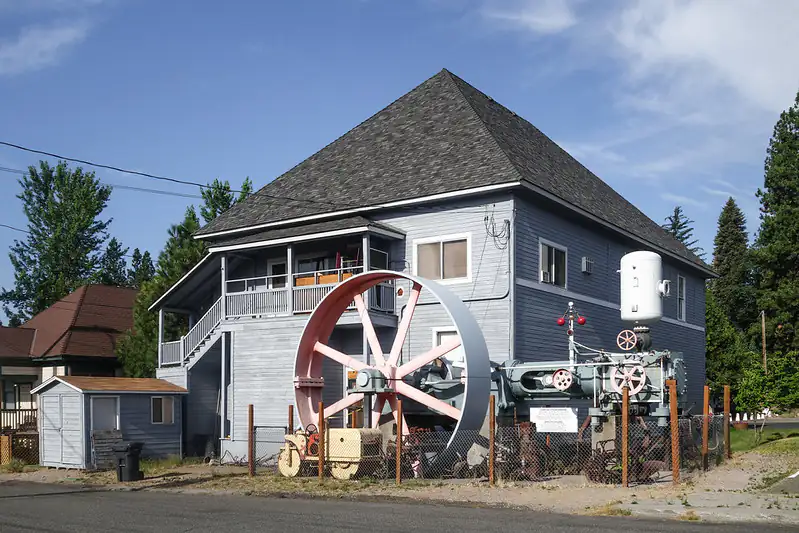
Set beneath the looming presence of Mount Shasta, McCloud carries its history openly. This small mountain town grew around the lumber industry, and today its entire downtown sits on the National Register of Historic Places. Former mill buildings have been repurposed with care—now serving as churches, eateries, and welcoming inns—giving the streets a lived-in sense of continuity rather than a frozen-in-time feel.
Staying local deepens the experience. The McCloud Hotel, once home to mill workers, makes a fitting base for exploring the surrounding high country. Dining options lean classic and comforting. A steak dinner at the hotel’s Sage Restaurant is a splurge, while a prime rib plate at White Mountain Café delivers hearty value without sacrificing flavor.
Outdoor time comes easily here. The McCloud River Falls Trail winds through lava-carved canyons, passing tiered waterfalls and shaded stretches that cool the air even in summer. Anglers often spend slow mornings fly-fishing along the river, practicing catch-and-release amid quiet pools and overhanging trees.
Cold months shift the focus uphill. Mount Shasta Ski Park keeps crowds light across its 38 trails and two terrain parks, making winter days feel relaxed rather than rushed. Before heading out of town, a stop at the McCloud River Mercantile Company rounds things out—its old-fashioned shelves offer souvenirs that fit the town’s character without trying too hard.
14. Grass Valley: Gold Rush Roots with a Modern Appetite
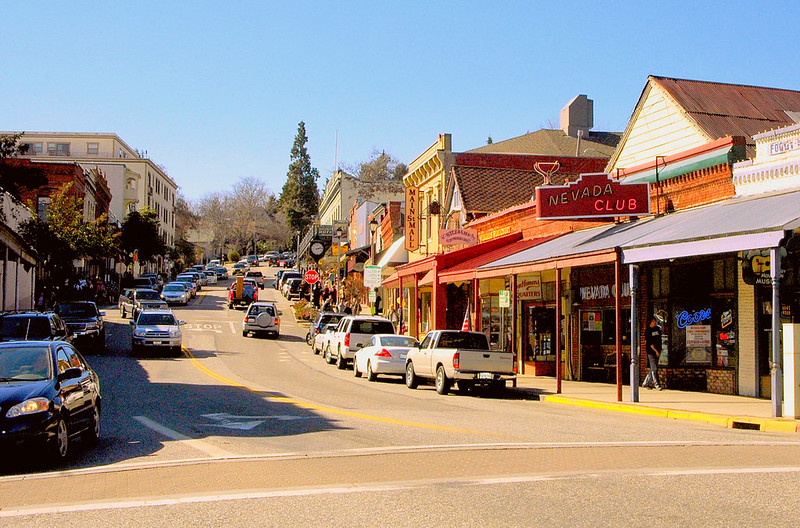
Gold put Grass Valley on the map, but a visit here doesn’t require spending like a prospector. Empire Mine State Historic Park opens the door to one of California’s deepest and most productive mines for a modest entry fee, offering underground tours and grounds that explain how fortunes were once carved from rock.
History doesn’t stop at the mine gate. The Holbrooke Hotel has hosted an impressive guest list—five U.S. presidents and Mark Twain among them—and still welcomes travelers looking to sleep where stories linger. Staying here places you within easy reach of town while keeping the past close at hand.
Food, however, leans current. Menus across Grass Valley reflect broad tastes and fair prices. Diego’s Restaurant serves hearty plates like fajitas and steak dinners without sticker shock, while mornings shine at South Pine Cafe, where a lobster Benedict starts the day on an indulgent note.
Warm weather pulls locals outside. The South Yuba River becomes a hub for wildflower walks and cooling swims in natural pools. Anglers, paddlers, and casual hikers spread out across nearby routes, including the Sugarloaf Mountain Trail and Buttermilk Bend Trail. Grass Valley blends yesterday’s grit with today’s comforts, making it easy to enjoy both without overthinking the balance.
15. Stockton: Delta Crossroads of Art, Faith, and Family Play

Along the California Delta, Stockton has grown into a cultural stop that rewards curiosity. A standout landmark is the Stockton Cambodian Buddhist Temple, home to the state’s largest grouping of Buddha statues. Nearly a hundred jewel-toned figures rise across the grounds, creating a striking open-air scene that feels both serene and monumental.
Art spills across the city in many forms. A public art trail threads through neighborhoods with more than 50 murals, mosaics, and sculptures, while free self-guided walks reveal varied architectural styles throughout the Magnolia Historic District. For a deeper dive indoors, the Haggin Museum pairs 19th-century European paintings with exhibits rooted in local history.
Food tells another side of the story. Let your appetite lead you to Papa Urb’s Grille, where Filipino comfort favorites—sisig fries, lumpia, empanadas—arrive without pretense or high prices. It’s an easy, satisfying way to sample the city’s multicultural flavors.
Families find plenty to fill an afternoon. Pixie Woods Amusement Park offers themed play areas that spark imagination, while the Children’s Museum of Stockton packs 40 hands-on exhibits into a lively indoor space. When it’s time to rest, University Plaza Waterfront Hotel keeps costs reasonable, with a courtyard that looks out over the San Joaquin River—a calm close to a day spent exploring Stockton’s many sides.
More Related Articles :