
Let’s explore the most beautiful places in China. Some of them have stood quietly for centuries, shaped by wind, water, and time. Get ready for scenes that feel almost unreal.
China spans 9.6 million square kilometers, and every stretch of land tells a different story. In the east, the misty waterways of Jiangnan glide past whitewashed houses and arched stone bridges. Travel west and the land rises dramatically into the snow-covered peaks of the Qinghai–Tibet Plateau. Desert, grassland, rainforest, limestone karst, and coastal cliffs all exist within one country. It feels like walking through a vast gallery where each region presents a new canvas.
At Asia Odyssey Travel, we looked far beyond standard guidebook picks. Our curated collection of 40 remarkable places blends world-famous landmarks with rising stars that have captured attention online, such as Wangxian Valley and Furong Ancient Town. Ancient temples, cliffside villages, rainbow lakes, and glassy rice terraces all make the list. Some locations hold deep cultural meaning, while others surprise visitors with bold modern architecture or dramatic natural formations.
This guide goes further than inspiration. It’s built to help you plan wisely, with key highlights, top attractions, and practical tips for each destination. Whether you’re drawn to quiet mountain towns or sweeping canyon views, this collection brings together China’s most unforgettable landscapes in one place.
1. The Great Wall: A Historic Passage Near Beijing
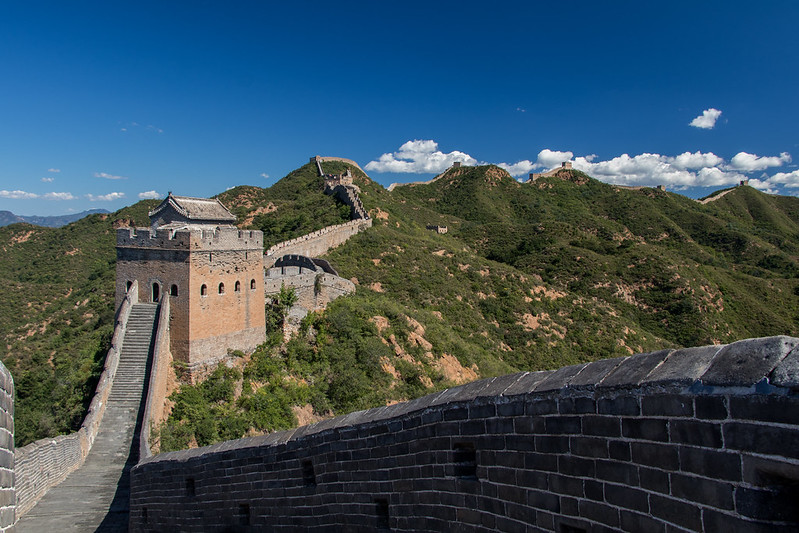
Stretching more than 21,000 kilometers, the Great Wall stands as one of history’s greatest architectural achievements. Far beyond a famous landmark, it unfolds as a sweeping journey across centuries of defense and cultural legacy. Easily reached from Beijing, this ancient structure ranks among the top 40 most beautiful places on the national list.
Only one to two hours from the capital, different sections present different moods. Some are smoothly restored and simple to access, while others remain steep and weathered, tracing dramatic lines across mountain ridges.
First-time visitors and families often choose Mutianyu and Badaling for their convenient pathways and wide mountain views. These sections provide a comfortable introduction without losing the scale of the experience.
Hikers craving more intensity usually head to Jiankou and Gubeikou, where sharper climbs and unrestored walls create a tougher yet rewarding route.
Those drawn to heritage and architecture are often fascinated by Jinshanling and Simatai, known for their preserved watchtowers and detailed stonework.
Set aside half a day to walk along its winding paths, take in sweeping panoramas, and absorb the atmosphere of this UNESCO World Heritage Site. With each step, the weight of history becomes more powerful.
Choose a section that matches your pace, wear comfortable shoes, and prepare for an experience that leaves a lasting impression.
2. Forbidden City, Beijing – Step Into an Imperial Era
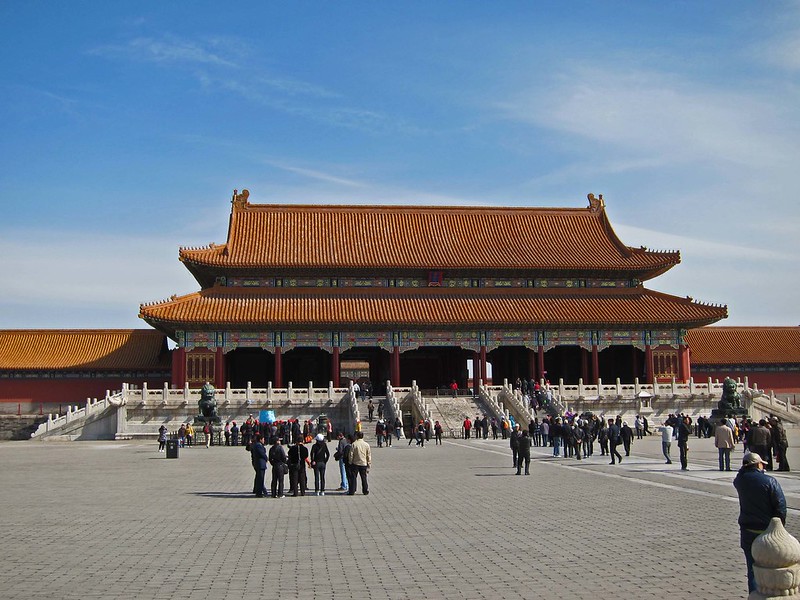
Return to central Beijing and walk into a place shaped by centuries of power and ceremony: the Forbidden City. This grand UNESCO World Heritage Site stands as one of the most remarkable historical landmarks in the capital.
For more than 500 years, it served as the residence of 24 emperors. Within its immense courtyards and layered gates, dynasties ruled, decisions were made, and rituals unfolded under strict protocol. The scale alone is breathtaking, with sweeping squares, towering halls, and golden rooftops stretching in perfect alignment.
As you pass through the Meridian Gate and move along the main axis, monumental structures rise before you. The Hall of Supreme Harmony, Palace of Heavenly Purity, and Hall of Preserving Harmony reflect imperial authority through bold architecture and detailed craftsmanship. Each courtyard invites you to imagine life within those walls centuries ago.
Inside the Palace Museum, an extraordinary collection of royal artifacts awaits. Ancient paintings, jade carvings, porcelain, ceremonial robes, and intricate ornaments reveal the artistry of earlier dynasties. The atmosphere feels immersive, almost theatrical, as history surrounds you at every turn.
This is more than a historical site. It is a powerful encounter with an imperial legacy that continues to shape cultural identity today.
3. Terracotta Warriors, Xian – A Powerful Echo from the Ancient Past
Travel to Xian to witness one of the most extraordinary archaeological sites on earth: the Terracotta Warriors. This legendary underground army continues to astonish visitors with its scale and historical depth.
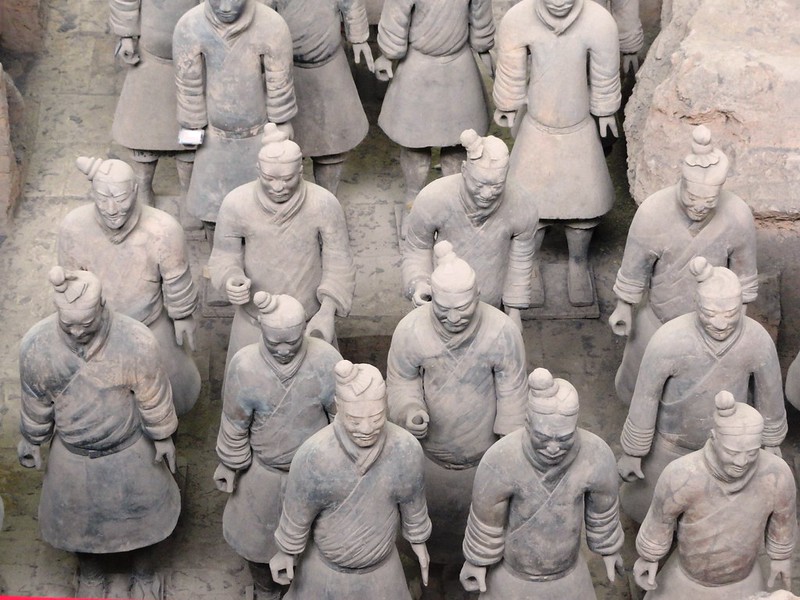
Unearthed unexpectedly in 1974 by local farmers, thousands of life-sized clay soldiers, horses, and chariots were revealed beneath the soil. Created more than two thousand years ago, this vast force was built to guard Emperor Yingzheng in the afterlife. The craftsmanship reflects the ambition and authority of the early imperial era.
Located about 40 kilometers from Xian, the site is simple to reach by car or bus. Upon arrival, three enormous excavation pits stretch before you, each presenting different formations, ranks, and ancient weapons.
As you walk along the viewing platforms, the detail becomes striking. Facial expressions, armor patterns, hairstyles, and postures vary from figure to figure. No two warriors appear exactly the same, giving the entire formation a lifelike presence.
For history enthusiasts and curious travelers alike, this landmark offers more than artifacts. It delivers a direct encounter with an ancient empire’s vision of power, protection, and eternity.
4. The Bund, Shanghai – A Walk Along the Waterfront Skyline
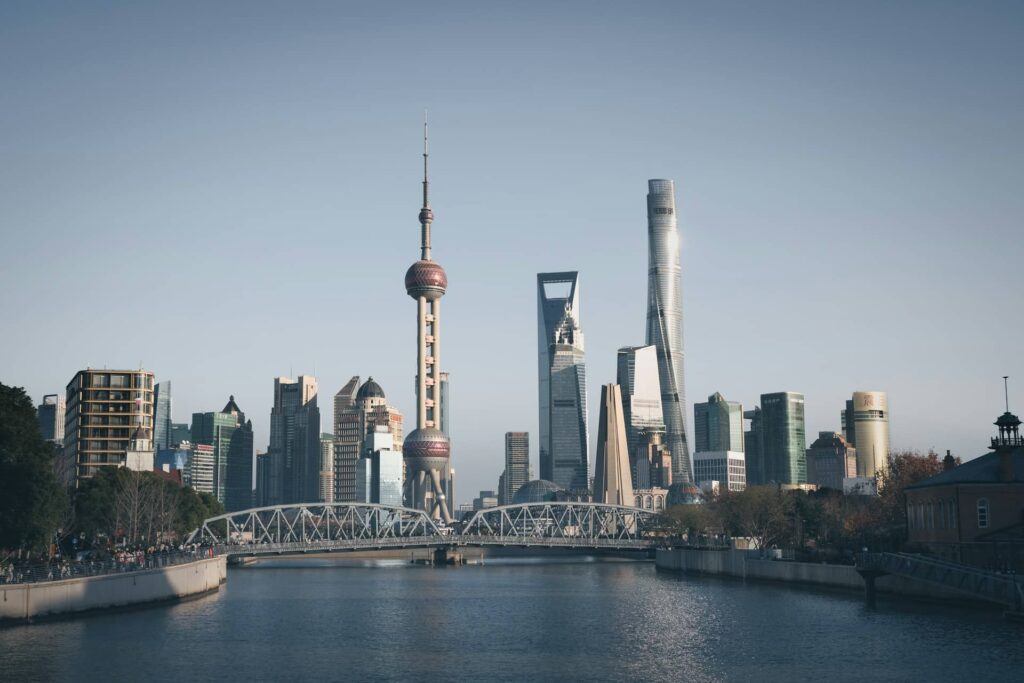
Shift gears and head to Shanghai, a city defined by motion and contrast.
The Bund stands as one of the most iconic waterfront districts in the country. Lining the western bank of the Huangpu River, it presents a striking blend of historic character and modern ambition. This riverside stretch delivers a memorable urban experience shaped by culture, commerce, and bold design.
Grand colonial-era buildings dominate the promenade. Former banks and trading houses now sit beneath ornate domes and stone facades, reflecting the city’s earlier global connections. Landmarks such as the neoclassical Customs House and the Art Deco Peace Hotel reveal architectural styles that once defined an era of international trade.
As you walk along the broad riverside path, the contrast becomes dramatic. Across the water, Pudong rises with glass towers and futuristic skyscrapers that light up the skyline after sunset. Old-world masonry faces cutting-edge steel and neon, creating a skyline that feels cinematic.
For a wider perspective, consider a Huangpu River cruise to view the illuminated towers from the water. Another option is the Bund Sightseeing Tunnel, which offers a multimedia ride beneath the river for a different kind of visual encounter.
The Bund is more than a promenade; it captures the city’s layered identity in one sweeping view.
5. Zhangjiajie National Forest Park, Hunan – A Landscape That Feels Unreal
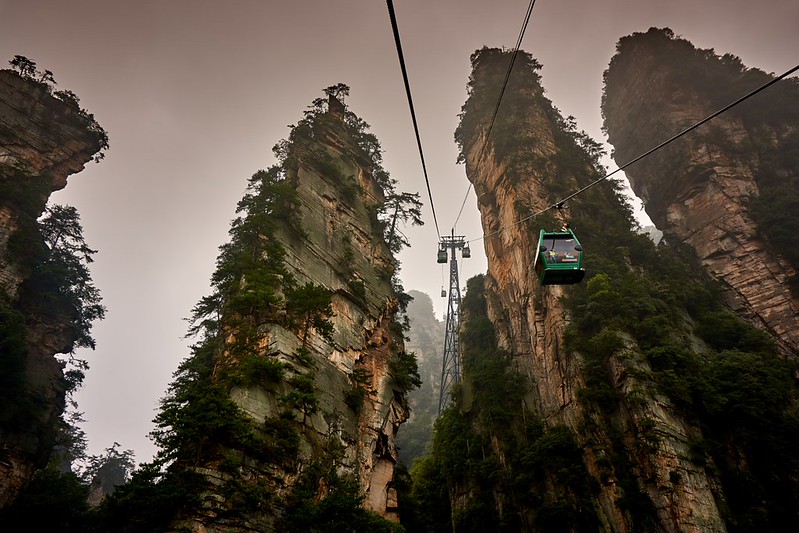
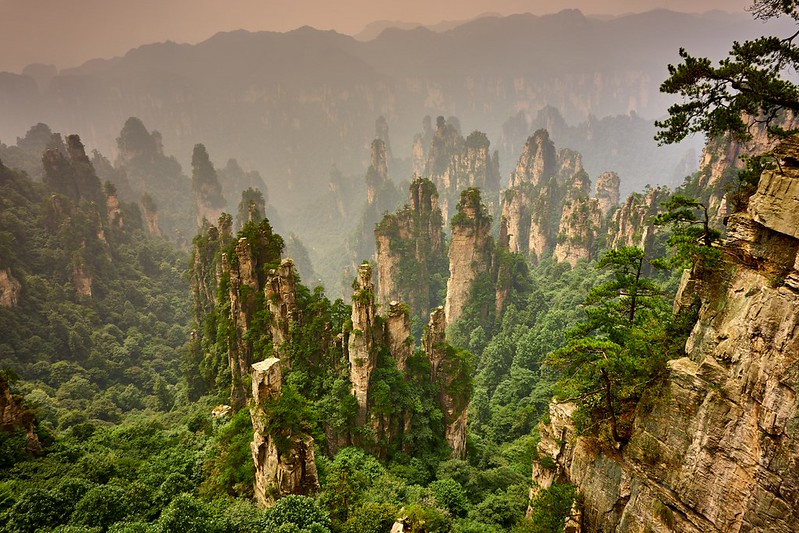
If you are ready for scenery that seems almost otherworldly, head to Zhangjiajie National Forest Park in Hunan Province. Ranked among the 40 most beautiful places on the national list, this dramatic terrain is famous for its towering sandstone pillars that rise straight into the mist.
Often described as a “floating mountain” landscape, the park gained global attention after inspiring the film Avatar. Massive stone columns, deep ravines, and shifting clouds create a setting that feels cinematic. For outdoor lovers and thrill seekers, it delivers both visual impact and active exploration.
Inside the park, countless trails, viewpoints, and attractions stretch across a vast area. Each section offers a different perspective, from cliffside paths to quiet forest streams.
- Ride the Bailong Elevator, a glass lift built into the cliff face, for sweeping views over the stone pillars.
- Explore Yuanjiajie Scenic Area, home to the famous Hallelujah Mountain.
- Hike across Tianzi Mountain for wide panoramic vistas, or walk beside the calm waters of Golden Whip Stream.
- Cross the glass bridge over Zhangjiajie Grand Canyon, or step inside Yellow Dragon Cave for an underground adventure.
For a smoother visit, timing matters.
- Travel during the off-season, such as March to April or mid-September to late November, and avoid the October holiday period.
- Plan two to five days to explore properly, and consider staying inside the park to experience early morning mist and quieter evenings.
6. Furong Ancient Town, Hunan – A Waterfall at Its Core
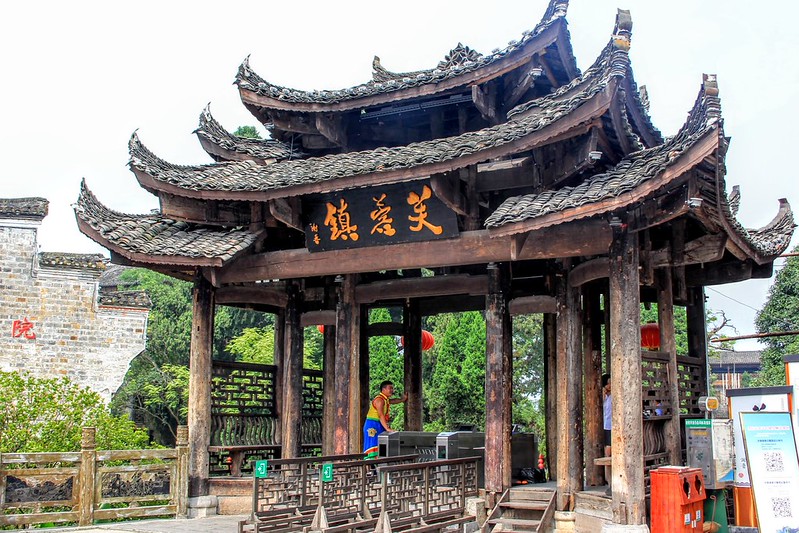
Furong Ancient Town stands apart from other historic towns. Built directly above a roaring waterfall, it creates a scene that feels almost unreal.
Picture narrow stone lanes, wooden houses, and a powerful cascade pouring beneath the town’s foundations. Water rushes under archways and beside old structures, turning the entire settlement into a living landscape. It ranks among the most striking places to visit on the national list.
A highlight here is the wooden boardwalk set behind the waterfall. From this path, you can stand inside what feels like a shimmering water curtain cave, watching the town through a veil of flowing water. After sunset, warm lights glow across the buildings and reflect against the falling stream, creating a dramatic evening atmosphere.
As you explore, traditional Tujia stilted houses line the walkways. The local Tujia community keeps cultural traditions alive through folk songs, group dances, wedding reenactments, and hands-on crafts like tie-dye workshops. The experience goes beyond simple sightseeing and offers a closer look at regional heritage.
For the fullest atmosphere, plan your visit between June and August, when summer water flow is strong and the surroundings feel especially lively.
7. Jiuzhaigou Valley, Sichuan: A Landscape Often Called “Fairyland on Earth.”
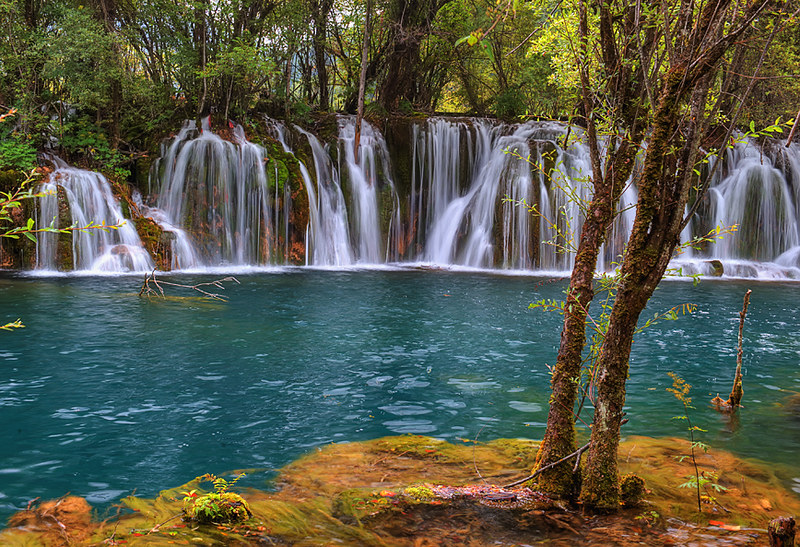
Get ready for scenery that feels almost unreal. Jiuzhaigou National Park in Sichuan Province has earned the nickname “Fairyland on Earth,” and the title feels well deserved.
Crystal-clear turquoise lakes shimmer beneath layered forests, while waterfalls tumble down limestone terraces. Snow-covered peaks rise in the distance, creating a dramatic backdrop that shifts with light and season. For photographers and outdoor enthusiasts, this valley stands among the most visually striking destinations on the national list.
Reaching the park is straightforward. Located about 330 kilometers from Chengdu, visitors can travel by flight or high-speed train. The train journey is especially rewarding, offering sweeping countryside views along the way.
Seasonal color changes transform the valley completely. Autumn, from September to November, paints the hillsides in bold reds, oranges, and gold. Spring, from April to June, brings fresh greenery and blooming flowers that frame the lakes with soft contrast.
The park unfolds across three main valleys, each offering different perspectives. Walk beside mirror-like lakes, pause at broad cascades such as Nuorilang Waterfall, and follow wooden pathways that wind through forested slopes. For an extended adventure, pair the visit with nearby Huanglong Valley, known for its mineral pools and mountain scenery.
Every turn presents another striking view, making this highland retreat feel almost mythical.
8. Mount Everest, Tibet – Earth’s Highest Peak
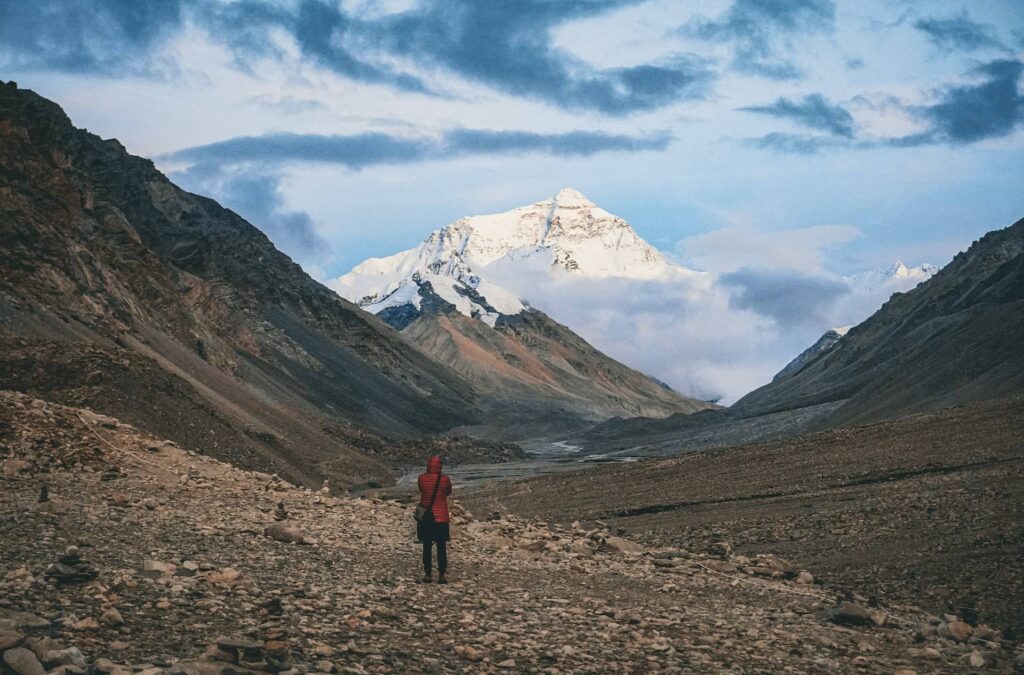
For those chasing a true high-altitude adventure, Mount Everest rises above the Himalayas as the tallest point on Earth. Known locally as Chomolungma, this snow-covered giant commands respect from climbers and travelers alike. It stands among the most iconic natural landmarks on the national landscape.
Reaching Everest Base Camp on the northern face, starting from Lhasa, offers an unforgettable journey. The route crosses sweeping plateaus, open valleys, and dramatic mountain passes before arriving at the foot of the towering summit.
Along the way, prayer flags ripple in the wind, and clear alpine lakes mirror the surrounding peaks. The scale of the Himalayas feels overwhelming, with vast skies stretching endlessly above rugged terrain.
A stop at Rongbuk Monastery adds cultural depth to the journey. This historic monastery, set against the stark mountain backdrop, provides a quiet moment before facing the immense presence of the world’s highest summit.
Standing before Everest is more than a sightseeing moment. It is a powerful encounter with altitude, silence, and raw natural force.
9. Yellow Mountain, Huangshan – Peaks Above the Clouds
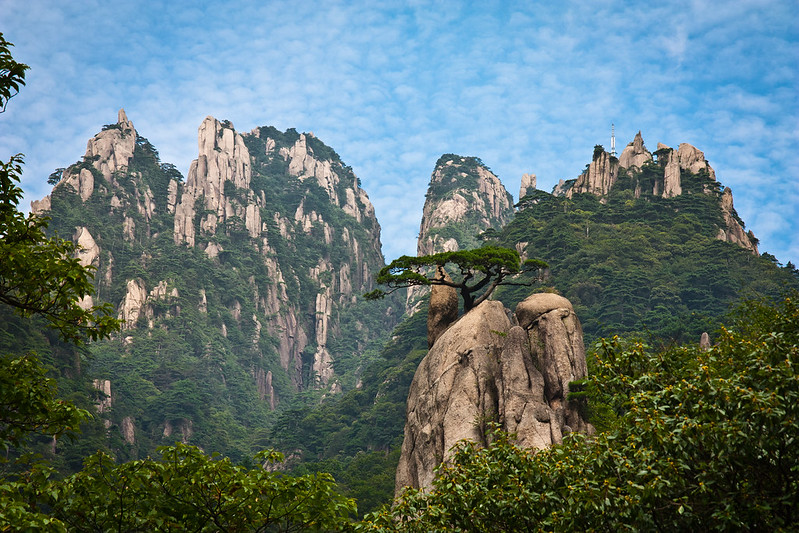
Yellow Mountain, also called Huangshan, rises in Anhui Province with striking granite spires, ancient pine trees bent by wind, and the famous “sea of clouds” that drifts between ridges. When mist rolls through the valleys, the scenery feels almost surreal.
Located about an hour’s drive from Huangshan City, this mountain range attracts hikers, photographers, and outdoor lovers year-round. Spring and autumn bring mild temperatures and colorful slopes, while winter transforms the peaks into a dramatic landscape of snow and ice. Each season offers a different mood, shaped by shifting light and weather.
There is no shortage of viewpoints and trails.
- Walk the Beginning-to-Believe Trail for classic mountain scenery.
- Climb Heavenly Capital Peak for wide panoramic views.
- Explore the West Sea Grand Canyon with its steep paths and layered cliffs.
- Unwind at the Jade Screen Hot Springs after a long day outdoors.
This destination offers more than a standard hike. It delivers an immersive encounter with towering rock formations, drifting clouds, and centuries-old trees clinging to steep slopes. The atmosphere leaves a strong impression long after the descent.
Practical advice: wear comfortable shoes and layered clothing, as mountain conditions can shift quickly. Carry water and light snacks, and take your time to absorb the views.
10. Potala Palace, Tibet – An Icon Above Lhasa
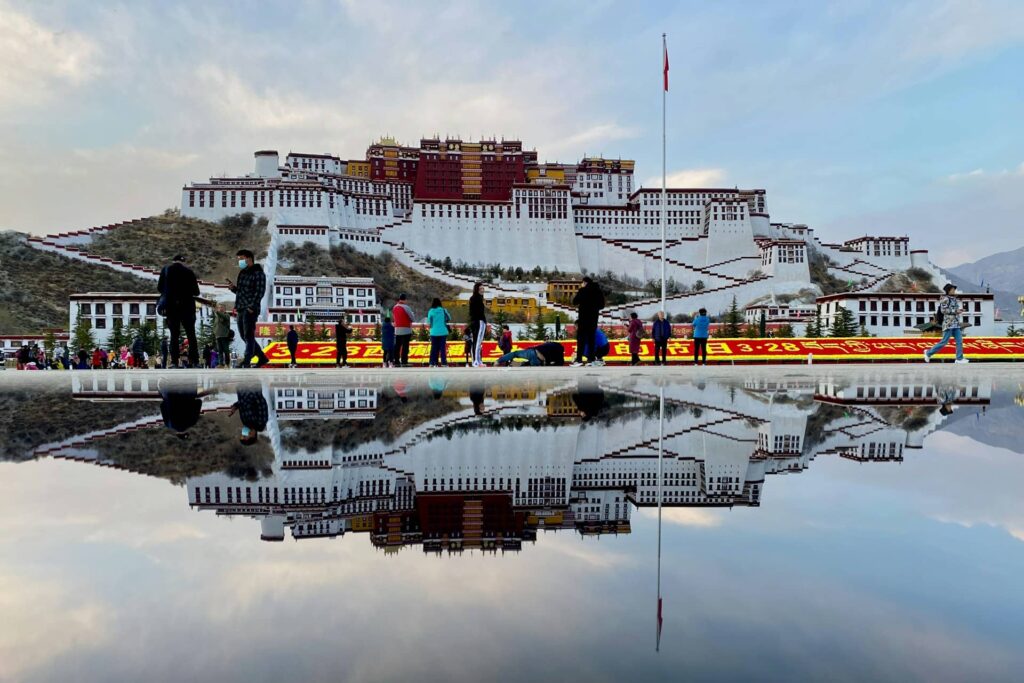
Rising above the skyline of Lhasa, the Potala Palace stands as a powerful emblem of Tibetan heritage. Once the residence of successive Dalai Lamas, this UNESCO World Heritage Site reflects centuries of spiritual leadership, political history, and artistic achievement.
Located in the center of Lhasa, the palace is easy to reach and impossible to ignore. Its towering red and white facade dominates the hillside, creating a striking contrast against the clear plateau sky. From a distance, it appears almost fortress-like; up close, the scale feels even more impressive.
Inside, corridors lead to richly decorated halls filled with carved woodwork, detailed murals, golden statues, and sacred relics. Each chamber carries layers of meaning shaped by faith and tradition. Climbing upward through narrow stairways eventually rewards visitors with sweeping views across Lhasa and the surrounding mountains.
Beyond the grand halls, quiet courtyards offer moments of stillness. The sound of monks chanting echoes softly through the complex, adding depth to the atmosphere. The setting blends architectural power with spiritual presence in a way few landmarks can match.
A few practical notes before visiting:
- Lhasa sits at an altitude of about 3,650 meters, so allow time to adjust gradually.
- Dress modestly, covering shoulders and knees.
- Photography rules vary by section, so follow posted guidelines.
11. Wangxian Valley, Jiangxi – A Cliffside Fantasy Brought to Life
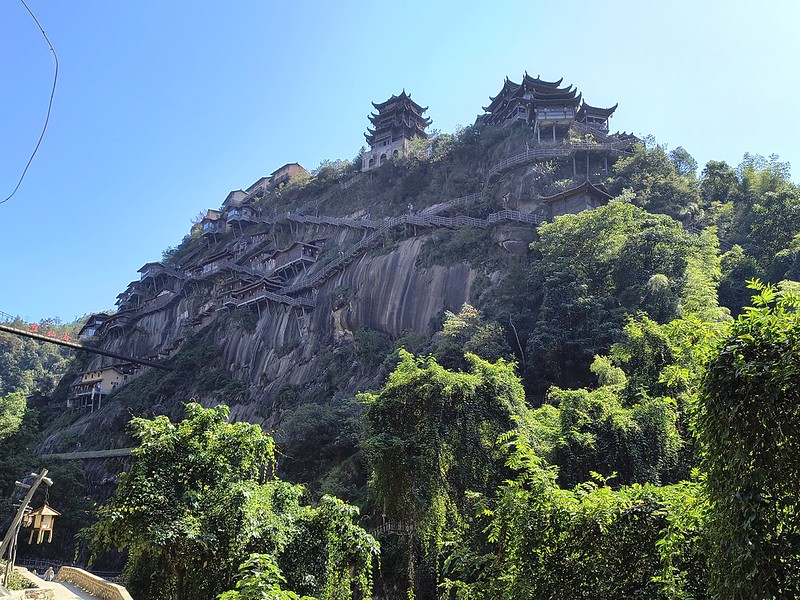
You may have seen this dramatic valley trending online. Wangxian Valley in Jiangxi has gained attention for its remarkable transformation from an abandoned mining site into a striking cliffside retreat. The revival of the landscape feels almost cinematic.
Sheer rock walls rise for hundreds of meters, now lined with suspended guesthouses, small libraries, and hillside restaurants. Buildings appear carved directly into the cliffs, creating a layered scene that blends architecture with rugged terrain.
By day, visitors can step into artisan workshops and try traditional crafts such as oil pressing or rice wine making. Cultural performances occasionally fill the open spaces, including bench dragon lantern shows and seasonal harvest celebrations. The atmosphere shifts between lively gatherings and quiet moments overlooking the valley.
After sunset, lighting installations turn the cliffs into a glowing spectacle. Warm golden tones illuminate balconies and pathways, giving the entire valley a dreamlike appearance. The setting feels straight from a fantasy series, drawing photographers and travelers eager for dramatic evening views.
Wangxian Valley stands among the 40 most beautiful places on the national list, offering a blend of restoration, culture, and visual impact that leaves a lasting impression.
12. Victoria Peak, Hong Kong – Skyline from Above
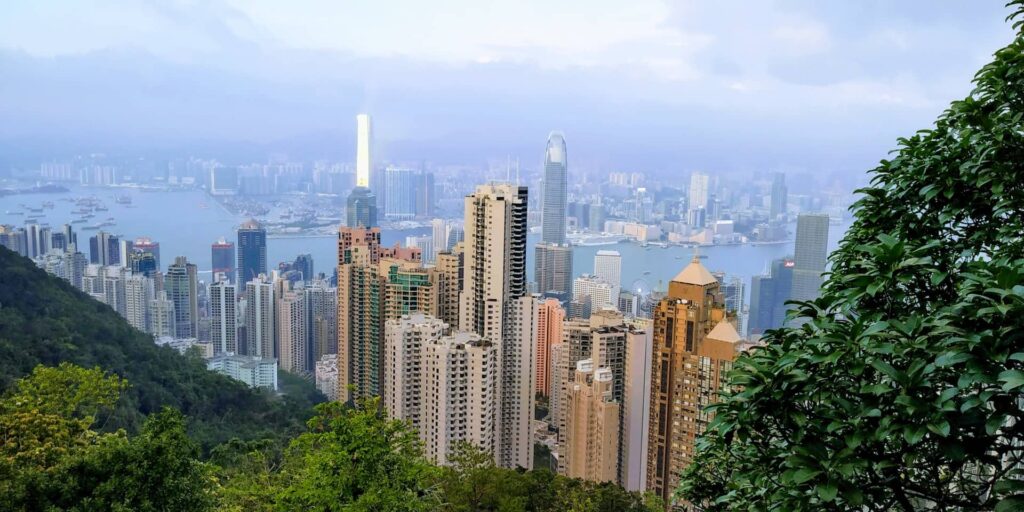
Shift over to Hong Kong for one of the city’s most famous viewpoints.
Victoria Peak rises as the highest point on Hong Kong Island, offering sweeping views across the skyline, Victoria Harbour, and the surrounding islands. From this height, towers cluster along the waterfront while ferries trace slow paths across the water. The contrast between dense urban blocks and open sea creates a striking panorama that draws visitors year-round.
Reaching the summit is part of the experience. The historic Peak Tram, operating since 1888, climbs steep slopes at a dramatic angle. As the carriage ascends, buildings appear to tilt backward, giving the ride a slightly surreal effect while revealing expanding views below.
At the top, Sky Terrace 428 provides a full 360-degree platform above the city. By day, sunlight reflects off glass towers and blue water. After dark, the skyline glows with layered lights that stretch across the harbor. Photographers often linger here, waiting for the perfect moment as the city shifts from afternoon haze to evening brilliance.
Victoria Peak delivers more than a lookout point. It offers a commanding perspective over one of Asia’s most dynamic urban landscapes.
13. Kanas Lake, Xinjiang – A Remote Alpine Treasure
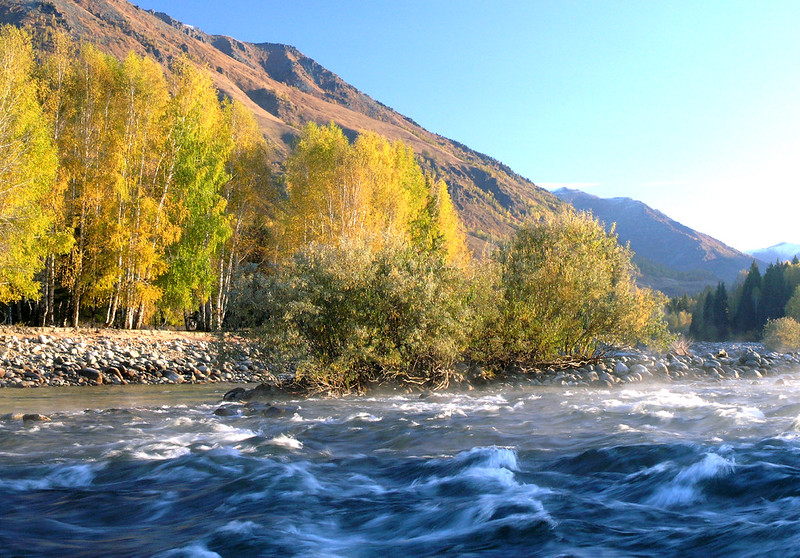
Far in the northwest lies Kanas Lake, a striking alpine destination in northern Xinjiang. Surrounded by forested slopes and distant snow-covered peaks, this highland lake stands among the 40 most beautiful places on the national list.
The water shimmers in shades of turquoise and deep blue, shifting color with light and weather. Thick woodlands frame the shoreline, while rolling mountains form a dramatic backdrop. The setting feels far removed from crowded cities, offering wide open views and crisp mountain air.
Reaching the lake requires a longer journey. Located roughly 500 kilometers from Urumqi, the route passes through open grasslands and winding mountain roads. The travel itself adds to the sense of remoteness.
Autumn, from September to October, transforms the surrounding forests into layers of gold, orange, and red. Spring and early summer bring blooming wildflowers and mild temperatures, creating a softer palette across the hills.
At the lake, visitors can take a calm boat ride across the clear water or follow hiking trails that climb to scenic viewpoints. A visit to the nearby Tuwa village introduces local traditions, wooden houses, and regional customs that add cultural depth to the landscape.
Kanas Lake blends mountain scenery, seasonal color, and quiet atmosphere into one memorable highland escape.
14. Yangshuo, Guangxi – Karst Peaks and River Valleys
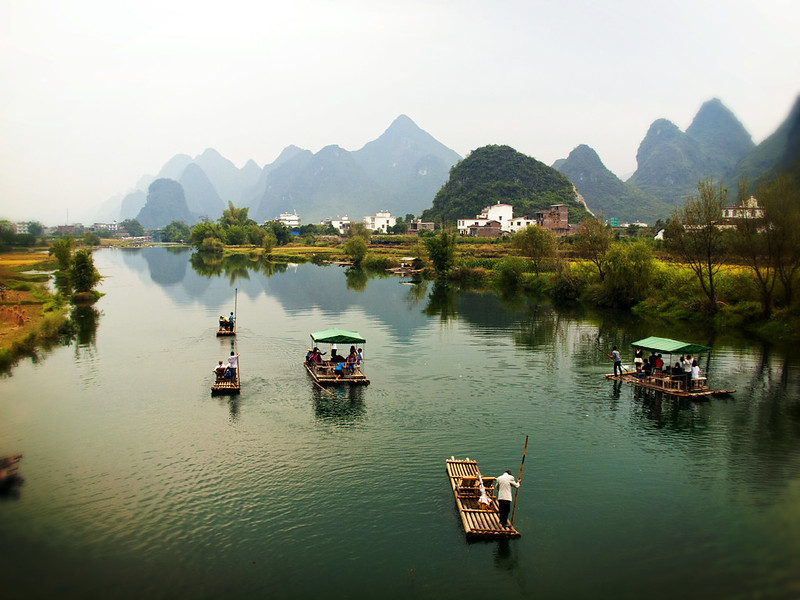
Guangxi offers some of the most striking countryside scenery in the region, and Yangshuo stands at the center of it. Towering limestone peaks rise sharply from green fields, while the Li River curves gently between them, forming a landscape that feels almost painted by hand.
Located about 65 kilometers from Guilin, Yangshuo is easily reached by road or by taking a Li River cruise. The river journey lasts around four hours, passing dramatic karst formations and quiet fishing villages along the way. The slow pace allows wide views of cliffs reflected in calm water.
In town, West Street draws steady crowds. Small shops display handicrafts, cafés spill onto narrow lanes, and the scent of street food fills the air. The energy here contrasts with the peaceful countryside just beyond the center.
For a slower rhythm, cycle through rural paths or float along the Yulong River on a bamboo raft. Rice paddies stretch between stone peaks, and water buffalo graze near the banks. The setting carries the calm charm of a traditional ink painting brought to life.
Yangshuo combines dramatic geology, river travel, and village culture into one memorable countryside escape.
15. Longji Rice Terraces, Guilin – A Stairway Across the Hills
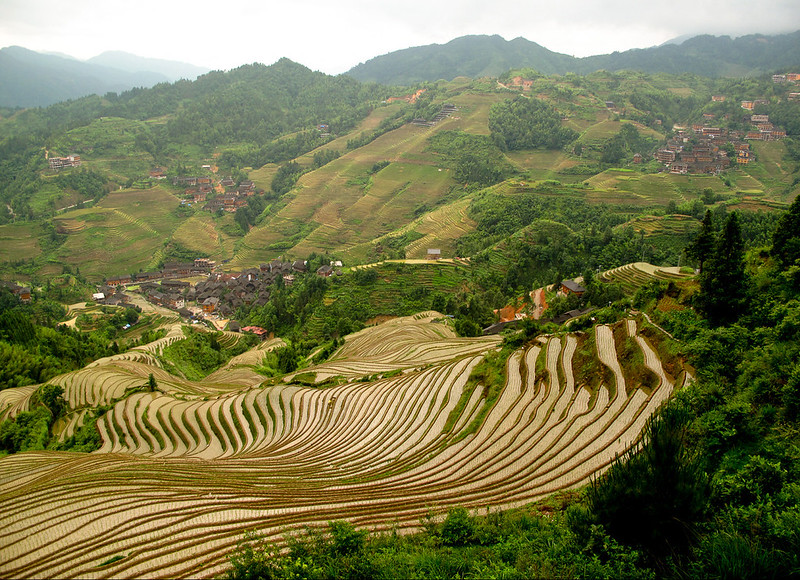
The Longji Rice Terraces rise in sweeping layers across the hills near Guilin, forming what many call the Dragon’s Backbone. Curving fields follow the natural contours of the mountains, creating a dramatic pattern that changes with light and season.
Shaped over centuries by local farming communities, these terraces reflect a deep connection between people and land. Stone paths weave between paddies, and traditional irrigation channels still guide water from the mountaintops down through each level. The landscape resembles a giant staircase climbing toward the sky.
Located about 80 kilometers from Guilin, the journey itself passes through winding roads and forested slopes. Spending one or two days here allows time to walk between viewpoints and watch how the scenery shifts from morning mist to evening glow.
Seasonal color transforms the hills. Spring, from March to May, brings fresh green shoots across water-filled paddies. Autumn, from September to November, turns the fields golden before harvest, offering a warm contrast against the surrounding mountains.
Visitors can hike through narrow trails that connect terrace layers and nearby villages. In Zhuang and Yao communities, wooden houses stand on stilts along the hillsides. Local traditions remain strong, from handmade textiles to regional dishes prepared with mountain-grown ingredients.
Longji blends agricultural heritage, mountain scenery, and village life into one striking highland experience.
16. Hongcun Ancient Village, Huangshan – A Living Heritage Site
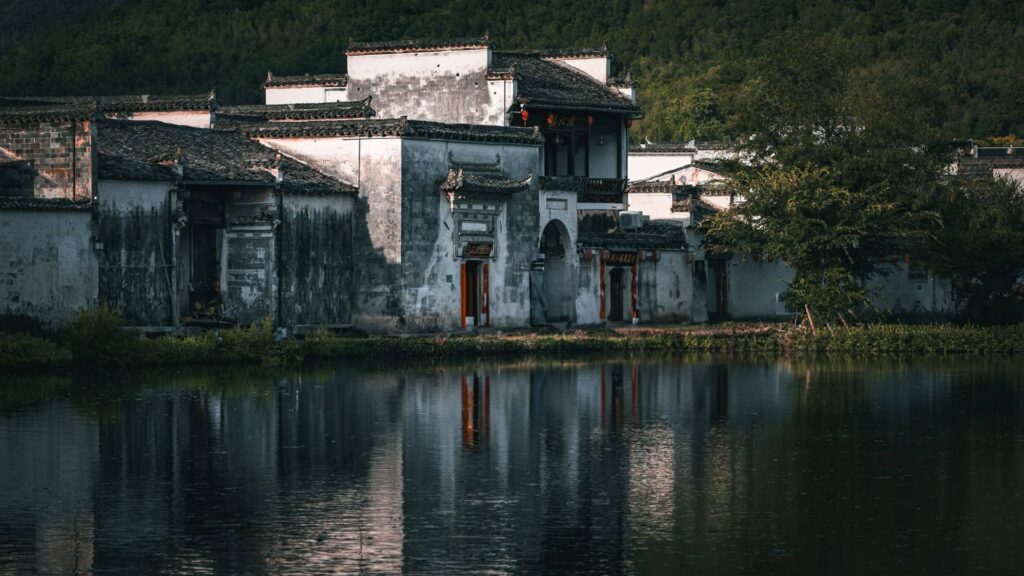
After exploring the dramatic peaks of Yellow Mountain, step into a quieter setting at Hongcun Ancient Village near Huangshan. This UNESCO World Heritage Site preserves centuries-old design and rural tradition within its stone lanes and reflective ponds.
Located about 70 kilometers from Huangshan City, the village offers a calm retreat framed by low hills and farmland. Its layout follows an ancient water system that channels streams through the settlement, linking homes, courtyards, and public spaces.
As you walk through narrow alleyways, whitewashed walls and dark tiled roofs define the classic Hui architectural style. Carved wooden doors and decorative beams reveal careful craftsmanship from earlier eras. The famous Moon Pond rests at the center, its still surface mirroring surrounding houses in perfect symmetry.
Daily life moves at an unhurried pace. Residents chat beside doorways, laundry dries above stone paths, and visitors pause to sketch or photograph the scene. The entire setting carries the quiet elegance of an ink painting brought into three dimensions.
Hongcun blends architecture, water design, and village culture into a preserved landscape that feels both historic and alive.
17. Mount Kailash, Tibet – Sacred Peak of the Plateau
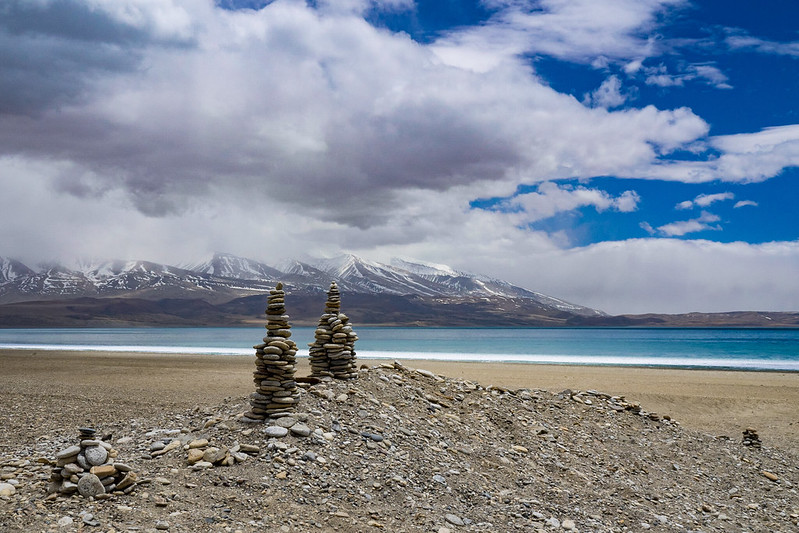
For travelers drawn to spiritual journeys and remote landscapes, Mount Kailash rises as one of the most revered peaks in western Tibet. Known locally as Kang Rinpoche, this striking mountain carries deep meaning in several faith traditions and commands attention with its sharp, symmetrical form.
Standing far from major cities, the mountain lies roughly 1,600 kilometers from Lhasa. Reaching it involves a two to three day road trip across wide plateaus, high passes, and stark open terrain. The route itself feels like part of the pilgrimage.
The central experience here is the Kora, a multi-day trek that circles the base of the mountain. Most pilgrims complete the route in about three days, walking across high-altitude valleys beneath the towering summit. Along the path, travelers pass Lake Mansarovar, one of the highest freshwater lakes in the world, where clear waters reflect snow-lined ridges.
Monasteries punctuate the journey. Sites such as Chiu, Dirapuk, and Zuthulphuk offer resting points and glimpses into long-standing spiritual practice. Prayer flags ripple in strong mountain winds, and the atmosphere feels solemn yet powerful.
Mount Kailash offers more than scenery. It presents a demanding yet meaningful trek shaped by altitude, belief, and immense natural presence.
18. Snow Town, Heilongjiang – A Winter Escape of Ice and Light
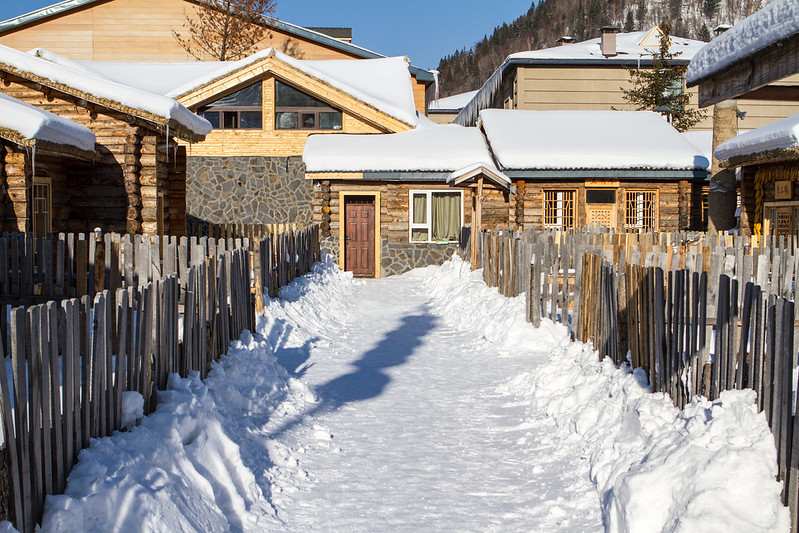
For those who love deep winter landscapes, Snow Town in Heilongjiang offers a scene that feels almost unreal. Also known as Xuexiang, this small mountain village becomes a snowy retreat during the coldest months of the year.
From December through March, thick layers of snow cover rooftops, wooden fences, and pine trees. The accumulation forms rounded shapes that resemble giant white cushions resting on every surface. Surrounded by forested hills, the village appears wrapped in white from edge to edge.
The atmosphere shifts with the season. Crisp air fills the narrow lanes, and footsteps press clearly into the soft snow. Children build snow figures while visitors pause to photograph houses illuminated by warm golden lights after sunset. The quiet is often broken only by laughter or the crunch of boots on frozen ground.
To reach the village, most travelers fly to Harbin, then continue by bus or train to Mudanjiang before taking a shuttle or taxi for the final stretch. The journey adds to the sense of entering a remote winter landscape.
Snow Town delivers more than seasonal scenery. It offers an immersive cold-weather experience shaped by deep snow, mountain air, and long northern nights glowing under soft light.
19. Three Gorges, Yangtze River – A Scenic River Voyage
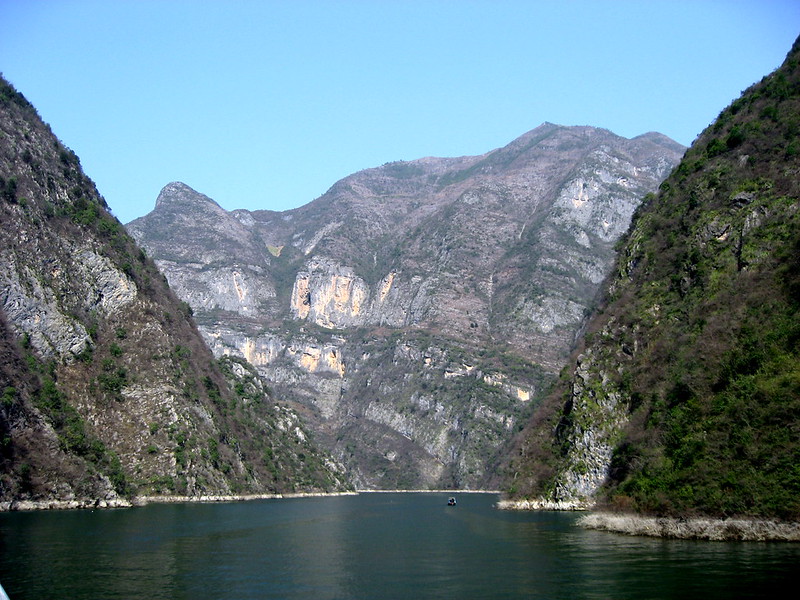
Few journeys compare to sailing through the dramatic cliffs of the Three Gorges along the Yangtze River. As Asia’s longest river, the Yangtze cuts across vast terrain, and its most striking stretch flows through Qutang, Wu, and Xiling Gorges.
Steep rock walls rise sharply on both sides, narrowing the river into powerful corridors of stone. Mist often lingers above the water, while layered hills unfold in the distance. This route ranks among the 40 most beautiful places on the national list for its scale and natural force.
One of the most comfortable ways to experience the region is aboard a five-star river cruise. Travelers can select a four-day downstream journey from Chongqing to Yichang or a five-day upstream route in the opposite direction.
From the deck, sweeping views unfold hour after hour. Onboard programs provide cultural insights, while shore excursions lead to historic temples, riverside towns, and ancient landmarks carved into cliffs. The steady pace allows time to absorb the scenery without rush.
A cruise through the Three Gorges blends comfort with grandeur, offering a memorable way to witness towering landscapes from the water itself.
20. Daocheng Yading, Sichuan – The “Last Shangri-La”
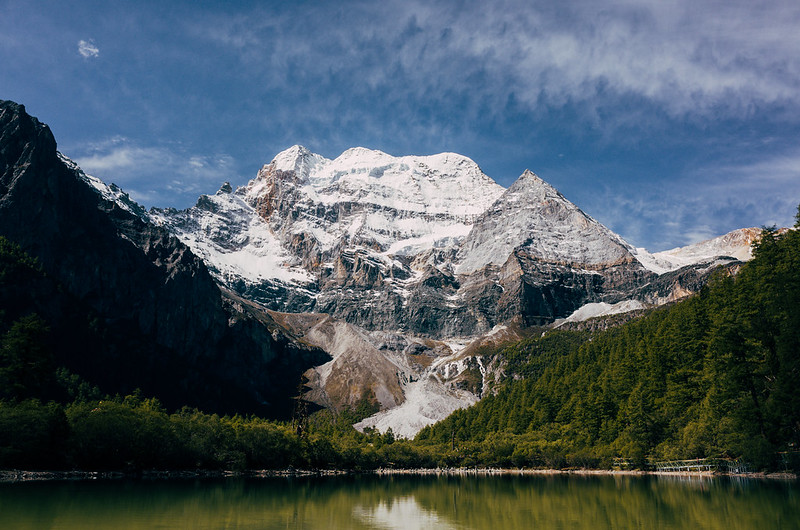
Daocheng Yading in southwest Sichuan is often called the “Last Shangri-La,” and the name feels fitting once you arrive. High plateaus stretch beneath snow-covered peaks, while prayer flags flutter in clear mountain air.
The region blends dramatic scenery with Tibetan traditions that remain part of daily life. Monasteries stand against wide valleys, and grazing yaks dot open grasslands. The setting carries a calm atmosphere shaped by altitude and open space.
Towering mountains such as Chenrezig and Xiannairi dominate the skyline. Below them lie clear alpine lakes that mirror the peaks, along with forested slopes and broad meadows that shift color with the seasons. The terrain feels expansive, almost untouched.
From May to October, milder temperatures make travel easier and the landscape appears especially vivid. Because the area sits at high elevation, visitors should allow time to adjust gradually before long hikes.
Reaching the region typically involves flying to Chengdu and continuing by bus, or taking a direct flight to Daocheng Yading Airport for quicker access. The journey rewards travelers with one of the plateau’s most striking natural settings.
21. West Lake, Hangzhou – The Spirit of the City
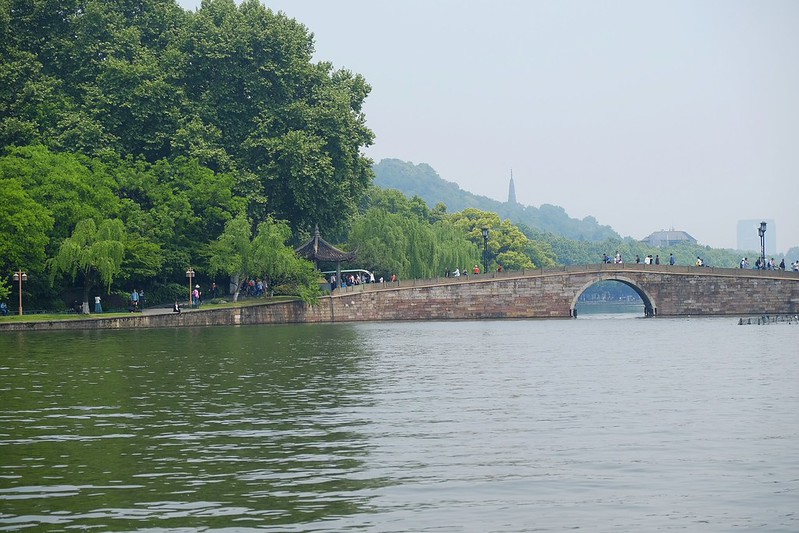
Hangzhou is closely linked with West Lake, a UNESCO World Heritage Site that has inspired poets and painters for centuries. Located at the center of the city, the lake blends natural scenery with layered history.
Willow trees lean over calm water, stone bridges arch across narrow causeways, and pagodas rise beyond the shoreline. Throughout the day, light shifts across the surface, reflecting gardens, temples, and distant hills. The setting carries both visual appeal and cultural depth.
One of the simplest pleasures here is taking a traditional wooden boat across the lake. As it glides over the water, the breeze feels cool and the surrounding views unfold slowly. The experience offers a quiet pause from the pace of urban life.
For those who prefer walking, paths circle the lake through landscaped gardens and wooded areas. Trails lead to viewpoints overlooking lotus ponds and historic structures mirrored in the water. Each turn reveals another angle of this celebrated landscape.
West Lake brings together heritage, scenery, and daily life in a way that has drawn visitors for generations.
Related Post: