In 2023 and again in 2026, I was lucky enough to spend real time exploring Ireland—twice, and in two very different directions. My first trip followed a counterclockwise route around the northern half of the island, where the roads felt quieter, the landscapes wilder, and the pace slower. Three years later, I returned and went clockwise through the south, covering many of the country’s most well-known stops and iconic routes. Experiencing Ireland this way gave me a fuller picture of how varied the country truly is.
What became clear quickly is that Ireland isn’t a place you can rush. Covering everything properly would easily take three weeks, and even then you’d be leaving stories unfinished. Most travelers have less time, though, so the goal isn’t to see it all—it’s to plan with intention. A thoughtful route can completely change how your trip feels.
The northern half surprised me most. It’s more rugged, less crowded, and slightly harder to organize, but that’s part of the appeal. Lodging and food are still available throughout the region, yet distances feel longer and services thinner. This side rewards patience and flexibility, especially if you enjoy dramatic coastlines, quiet villages, and roads that seem to lead nowhere—and everywhere—at once.
The south, by contrast, feels like the Ireland many people imagine first. Routes like the Dingle Peninsula and Ring of Kerry, historic castles, lively Galway streets, and time in Dublin create a trip that feels polished and familiar. Planning here is simpler, but demand is higher, which means accommodations disappear fast.
A few practical takeaways before building your itinerary:
- The north offers more adventure but requires extra planning.
- The south delivers classic highlights and smoother logistics.
- Booking hotels early makes a huge difference.
- The Wild Atlantic Way along the west coast is essential, no matter which direction you choose.
Ireland rewards those who slow down, choose a focus, and let the journey shape itself along the way.
My Favorite Experiences Across Northern Ireland and the Wild Atlantic Way
As a photographer, my Google Maps is packed with pins across Ireland—places I’ve photographed, and others I’ve saved because they look impossible to ignore. Some are firsthand favorites; others are still waiting for me, marked clearly so I know what I missed.
If I return for a third trip, I’ll spend more time in the north. Until then, I hope this helps guide your planning, or at least sparks ideas for your own route.
1. Mourne Wall: A Quiet First Step Beyond Dublin
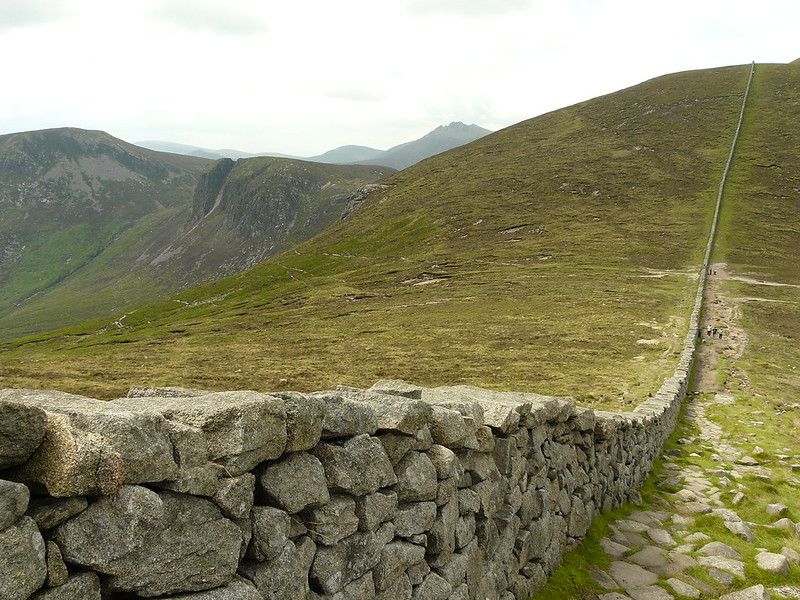
This was the first place I ever visited in Ireland outside of Dublin. After landing, we headed north and explored the southern edge of Northern Ireland. By coincidence, it was the day of the Queen’s funeral in 2022, and the area felt almost frozen in time—shops shut, roads empty, and very few people anywhere in sight.
The hike up to the Mourne Wall is approachable and uncomplicated. It begins on a wide dirt track that feels more like a maintenance road before gradually shifting into a narrower trail. The climb is steady without sharp sections, offering a solid workout without feeling demanding. Views open up as you gain elevation, stretching across the surrounding hills and valleys.
What made this hike memorable wasn’t intensity, but mood. The quiet surroundings and open landscape created a calm pace that felt ideal for a first hike in the Mourne Mountains. It’s a walk that allows space to slow down, take in the scenery, and ease into the rhythm of Northern Ireland’s outdoors.
2. Giant’s Causeway: Stone, Story, and Sea
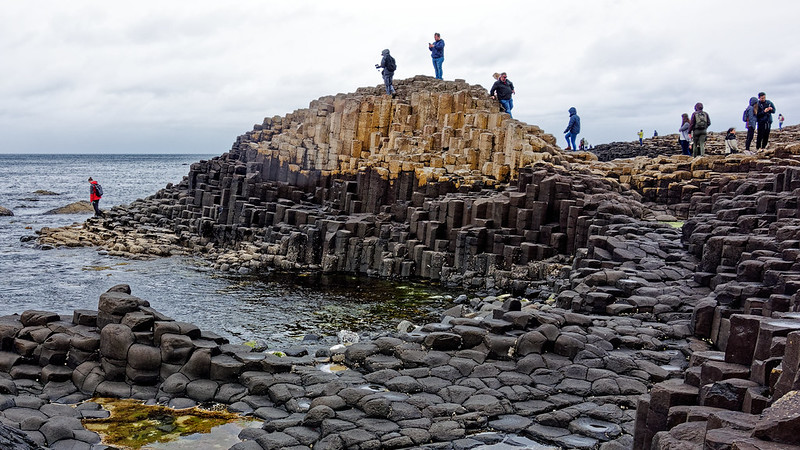
Rising along Northern Ireland’s coastline, Giant’s Causeway stands as one of the region’s most recognizable natural landmarks. Around 40,000 tightly packed basalt columns spill toward the Atlantic, shaped by volcanic forces millions of years ago—or, according to legend, built by the giant Finn McCool as a stone path leading to Scotland.
Walking among the columns feels both grounded and surreal. Their hexagonal shapes rise and fall in uneven tiers, creating a surface that looks deliberate rather than accidental. Each step reveals a different angle, pattern, or break in the stone, making the landscape feel constantly shifting without ever feeling chaotic.
Above the rocks, coastal paths trace the cliffs, offering wide views of the sea and the rugged shoreline. Weather changes quickly here, and light can transform the scene within minutes. Whether you spend an hour or an afternoon, the Causeway leaves a lasting impression—one shaped by geology, myth, and the steady presence of the ocean.
3. Cruit Island: Rock, Rope, and Trails
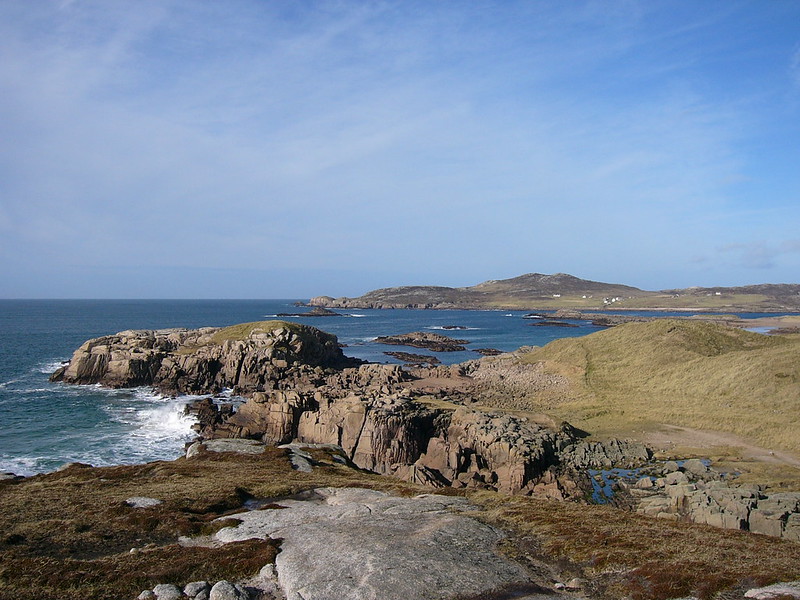
This stretch of Ireland’s northwest coast left a strong impression. We booked a guided rock climbing experience that let us move directly across the sea cliffs, hands on stone with waves below. The climbing itself was fairly manageable, but being clipped into ropes kept everything feeling serious enough to stay focused.
One of the standout moments came midway through the route—a rope swing used to cross a gap in the cliffs. Launching off was pure adrenaline. The harder part came after, once the swing slowed and you had to haul yourself the rest of the way across using the rope. Awkward, tiring, and oddly fun all at once.
By the end, arms sore and shoes dusty, it felt like more than just another coastal stop. If you enjoy light adventure with a bit of edge—and you get the chance to book something similar—it’s absolutely worth carving out time for it.
4. Diamond Hill: Wide Angles Over Land and Sea
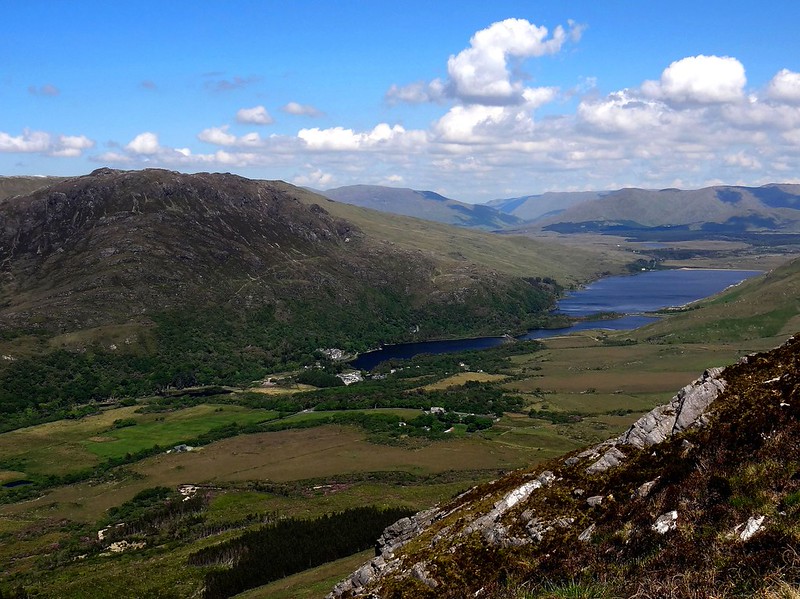
On my 2022 trip, this stood out as the best experience I had in Ireland. While the rest of the group stayed on the lower, flatter trail, I climbed higher into Connemara National Park, edging closer to the upper slopes. From that elevation, the view opened wide—about 270 degrees of fjords, coastline, and open water stretching far beyond what I expected.
I remember sitting there for a while, saying nothing, just watching the light move across the landscape. It wasn’t dramatic in a loud way. It felt grounding, almost unreal, and I was fully aware of how rare it is to have moments like that land so clearly.
The route I followed was the Diamond Hill trail. I didn’t reach the summit because of time limits, but I did make it to the well-known photo point marked on AllTrails. The hike itself isn’t especially demanding, though it does climb about 1,300 feet over two miles. Steady effort, open views, and plenty of payoff well before the top.
5. Kylemore Abbey: Stone, Water, and Quiet Time
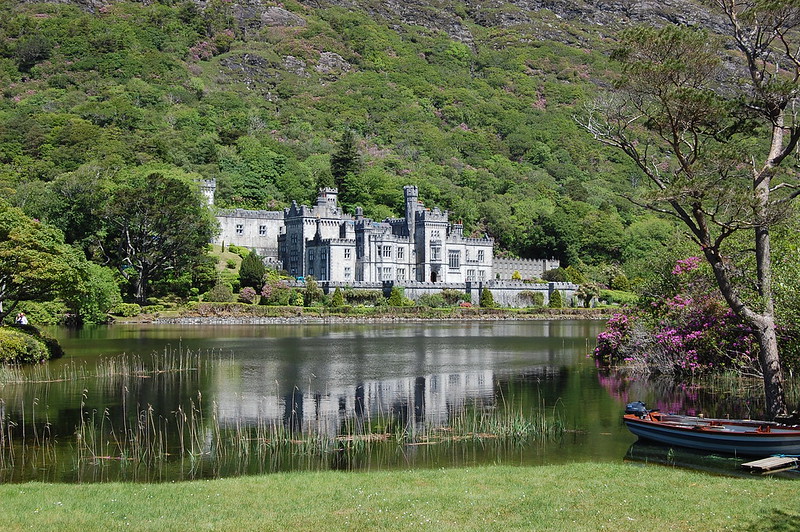
Set against the rolling hills of Connemara, Kylemore Abbey sits along the edge of a long, still lake, its reflection shifting with the weather. The setting feels cinematic without trying too hard—solid stone walls, dark water, and mountains rising behind it. Walking the grounds moves at a slower pace, whether you’re stepping through the former abbey rooms or drifting through the restored Victorian Walled Garden.
The garden alone can hold your attention for a while, laid out with symmetry and color that contrasts sharply with the surrounding landscape. From certain angles, the abbey feels almost unreal, like a location built for a period film rather than a place with real history and weight.
On our trip, the group split—half visiting Kylemore, the other half heading deeper into Connemara. We chose the latter, but seeing photos afterward made the tradeoff sting a little. It’s one of those stops that lingers in your mind, especially when time forces you to choose only one path.
6. Kinbane Castle: Ruins Above the Antrim Coast
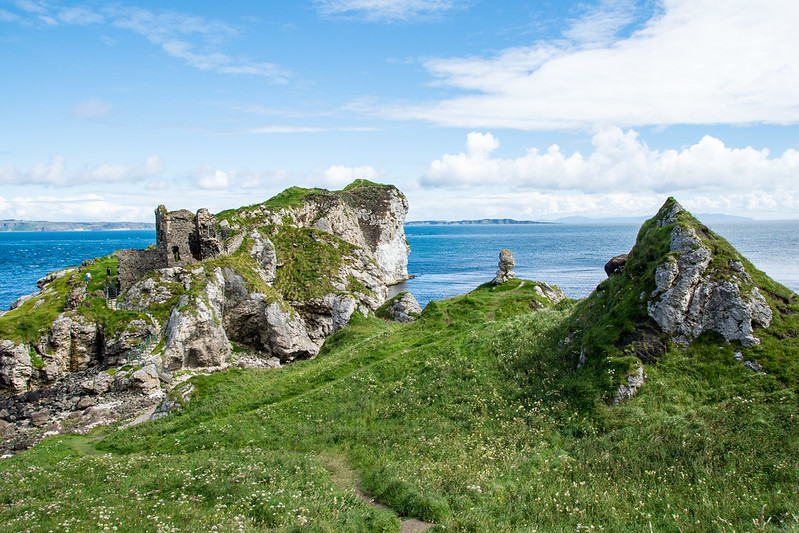
Set high on a pale limestone headland, Kinbane Castle stands apart from the busier stops along the coast. The walk down feels slightly removed from everything else nearby, with the sea stretching wide on both sides and very little noise beyond wind and waves.
What remains of the castle is sparse—low stone walls, broken edges, and open sky—but that sparseness works in its favor. It’s easy to imagine how exposed this place once was, perched above the water with nothing but cliffs for defense. The views are broad and uninterrupted, giving the site a sense of scale that photos rarely capture.
If you’re hoping to step away from crowded viewpoints, this stop fits well. It doesn’t take long to explore, but the setting lingers, making it a strong addition to a quieter route along the Antrim Coast.
7. Ulster American Folk Park: Walking Through Departure and Arrival
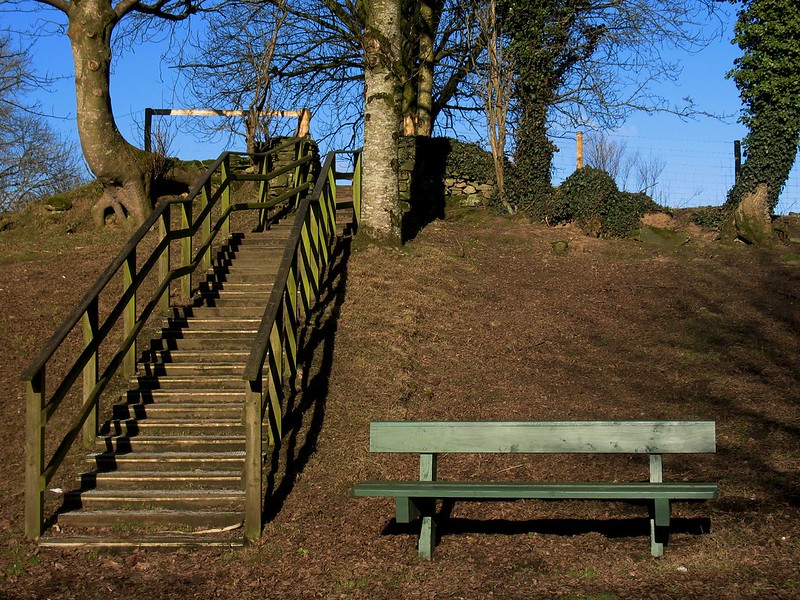
This stop was unexpectedly engaging and offered a clear sense of daily life from roughly 90 to 100 years ago. Moving through the grounds felt familiar in the best way—it reminded me of historical villages like Jamestown or Colonial Williamsburg in the U.S., where history is experienced by walking through it rather than reading plaques alone.
At Ulster American Folk Park, the story unfolds step by step. You pass through rural Irish cottages, small workshops, and gathering spaces before boarding a full-scale emigrant ship bound for America. Each section follows the progression of leaving home, crossing the Atlantic, and starting over, grounding large historical movements in everyday routines.
That narrative hit close to home for me. Members of my own family emigrated from Ireland to the United States, and seeing the conditions, decisions, and pressures laid out so clearly added depth to stories I’d heard growing up. It’s an experience that lingers, especially if you care about migration history or generational memory.
8. Dunluce Castle: Stone, Sea, and Old Stories
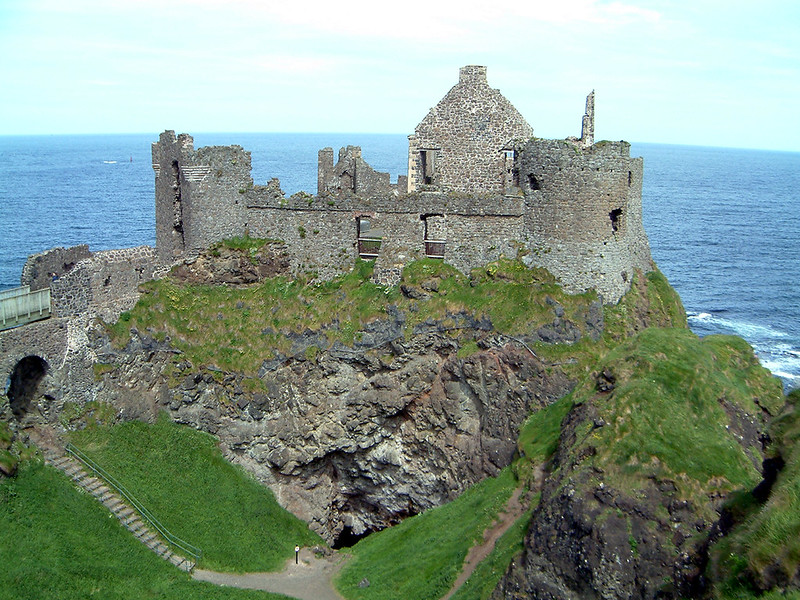
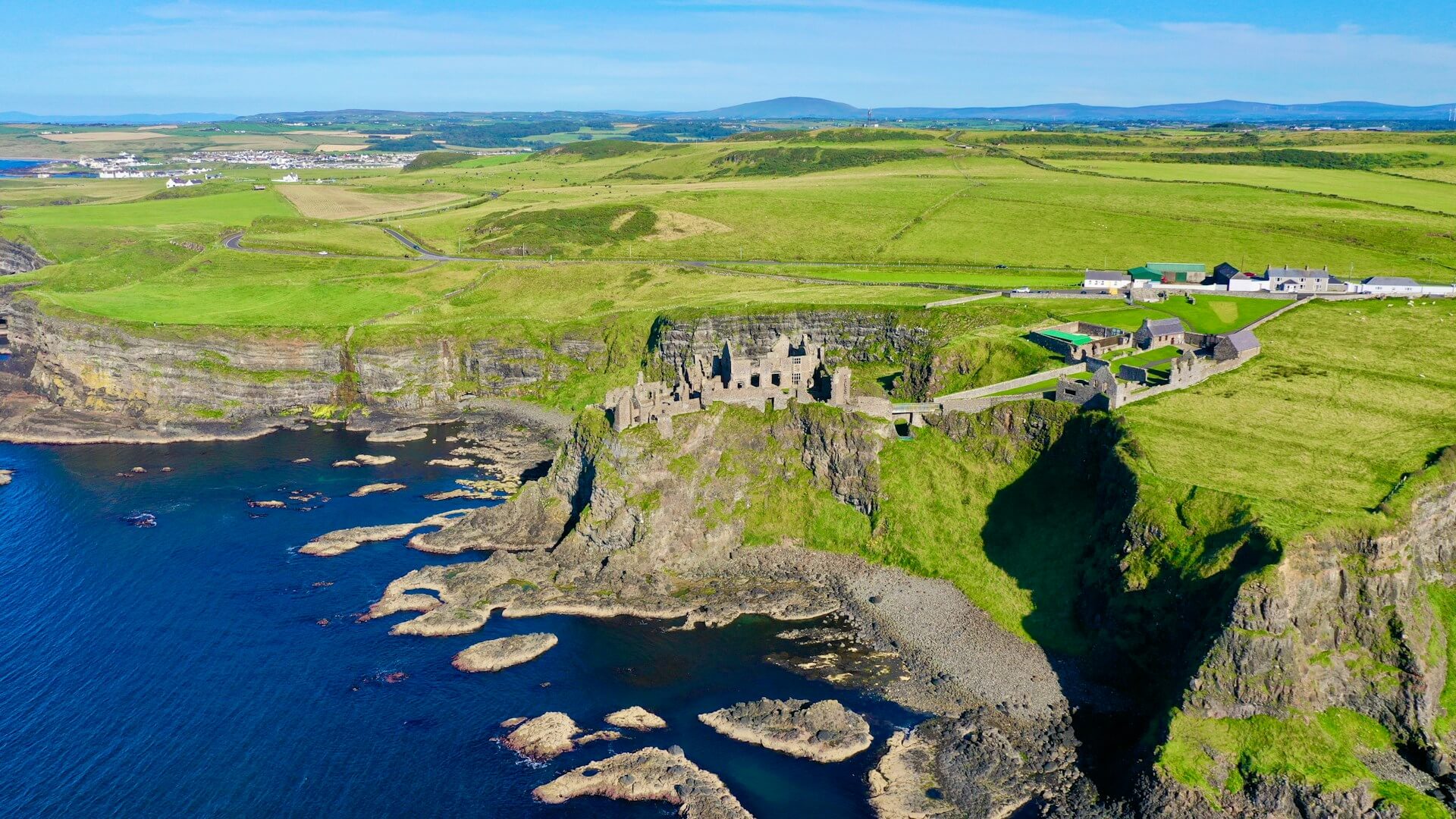
Balanced on the edge of a sheer cliff, Dunluce Castle feels suspended between land and water. What remains of the medieval stronghold carries a long trail of stories—ghost sightings, wrecked ships below the cliffs, and rival clans that once fought for control of this stretch of coast. The Atlantic crashes nearby, constant and loud, as if it’s part of the site’s history rather than a backdrop.
Walking through the ruins is straightforward but absorbing. Broken walls frame open sky, narrow passages hint at former rooms, and gaps in the stone reveal wide views of the sea below. There’s a sense of exposure here—nothing feels sheltered—which makes it easy to imagine how unforgiving life must have been at this location.
Whether you’re drawn by history, atmosphere, or the challenge of capturing the castle from the right angle, this stop leaves a strong mark. It doesn’t take long to explore, but it stays with you, long after you’ve moved on along the coast.
9. Carrick-a-Rede Rope Bridge: A Step Above the Sea
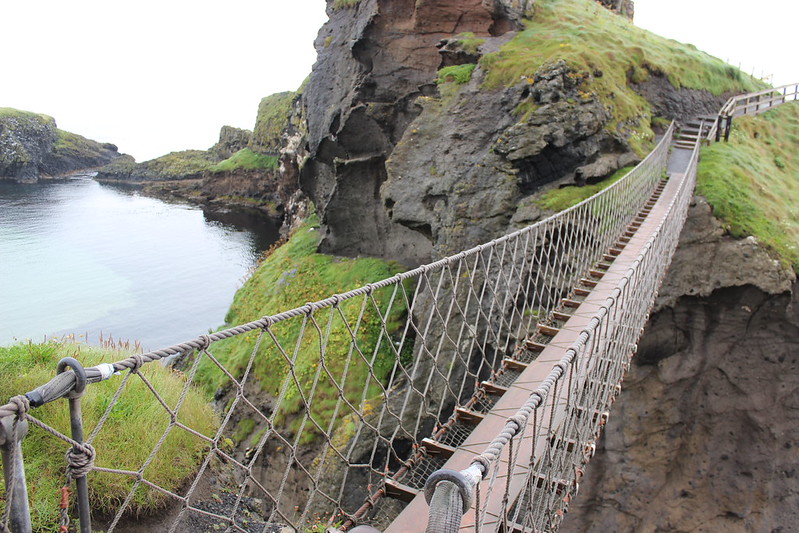
Stretching between the mainland and a small island once used by salmon fishermen, Carrick-a-Rede Rope Bridge offers one of Northern Ireland’s most nerve-testing crossings. The bridge hangs close to 100 feet above the water, swaying slightly as you move, with the sound of waves rolling far below.
Each step sharpens your awareness of the setting. The coastline breaks into jagged lines, and the water shifts between deep blue and green depending on the light. Pausing halfway across gives a full sense of exposure—no walls, no barriers, just rope, wood, and open air.
For travelers who enjoy a dose of adrenaline mixed with coastal scenery, this stop earns its reputation. It doesn’t take long to cross, but the memory of it tends to stick, especially if heights make your pulse quicken.
10. Glenveagh Castle: Light, Color, and Open Ground
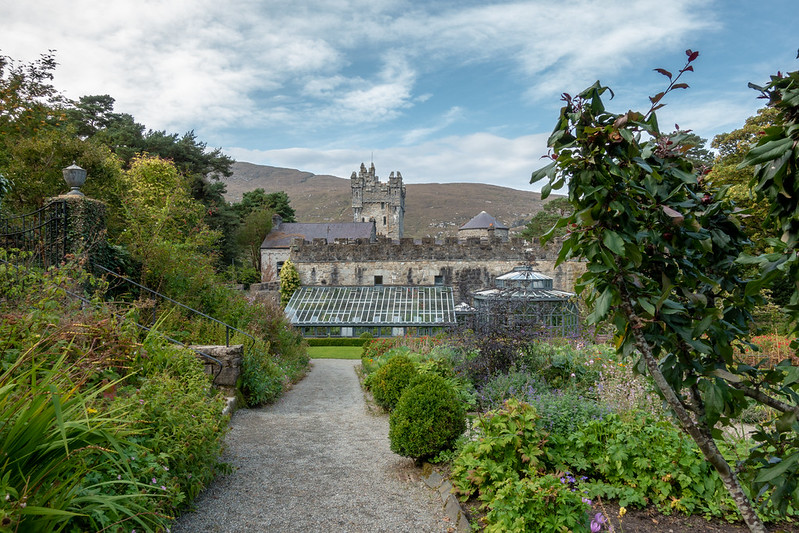
Outside of Connemara National Park, this was the standout moment of my first trip to Ireland. Glenveagh Castle sits beside a long, quiet lake within Glenveagh National Park, and the setting immediately commands your attention. Stone walls rise against open land and water, giving the entire area a calm but powerful presence.
I only had a short window to step inside the castle itself, but the surroundings mattered far more to me. Behind the building, the gardens unfold in layers of color and texture, arranged in a way that feels almost unreal against the rugged terrain. The contrast between soft blooms and hard landscape made it an easy place to linger—and an even easier place to photograph.
After spending time near the gardens, we climbed above the castle, where the view widened completely. From higher ground, the lake valley stretched out below us, framed by distant mountains and uninterrupted sky. The elevation changed everything, shifting the focus from detail to scale.
If you have extra time and energy, continuing past the castle toward the saddle is worth considering. That route thins out foot traffic quickly and opens even broader sightlines across the park. It’s quieter, more exposed, and leaves you feeling like you’ve stepped well beyond the usual stopping point.
11. Crohy Head Sea Arch: Atlantic Stone in Motion
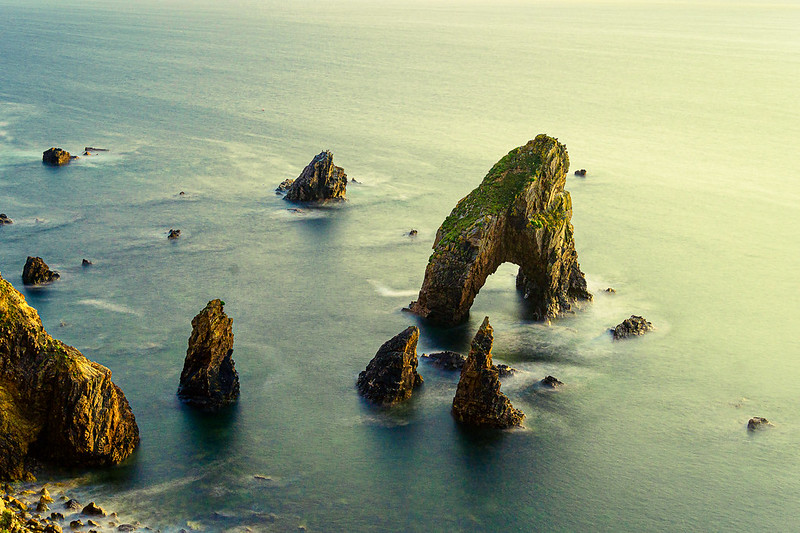
Cut into the edge of the Donegal coast, Crohy Head Sea Arch feels raw and exposed, shaped slowly by wind and tide rather than human hands. The arch rises out of pale rock, framed by steep cliffs that drop straight into the ocean. Waves hit hard here, and the sound carries, giving the place a restless energy.
From a distance, the formation looks almost unreal, like something carved intentionally rather than worn down over centuries. Getting close reveals fractured stone, sharp edges, and constant movement below. Light changes fast along this stretch of coast, turning the rock from soft gray to blinding white in a matter of minutes.
For travelers drawn to quieter coastal stops, this area stands out. It doesn’t come with crowds or signs—just open space, heavy surf, and the feeling that you’ve wandered somewhere slightly overlooked, which makes the stop linger long after you leave.
12. Assaranca Waterfall: Roadside Power Near Ardara
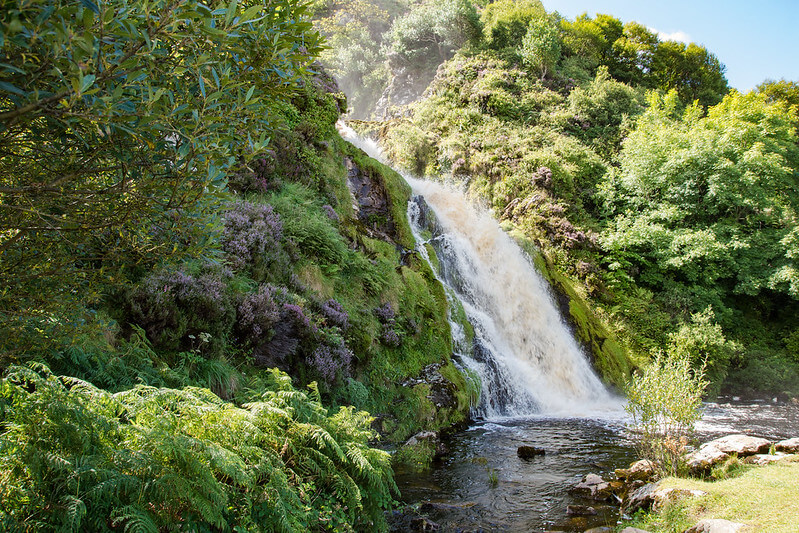
Just outside Ardara, Assaranca Waterfall drops straight down a steep hillside, close enough to the road that you can hear it before you stop the car. The water spills fast and wide, especially after rainfall, turning the entire slope into moving white streaks against dark rock.
What makes this stop stand out is how immediate it feels. There’s no long walk or build-up—one moment you’re driving, the next you’re standing beside rushing water with open views toward the coast. On wet days, the flow is heavy and loud, filling the air with spray and echo.
I haven’t made it here yet, but it’s been on my list for a while. Everything about it suggests an easy pause with a strong payoff, especially if you’re already looping through Donegal and want something memorable without extra effort.
13. Silver Strand Beach: Steps Down to Open Water
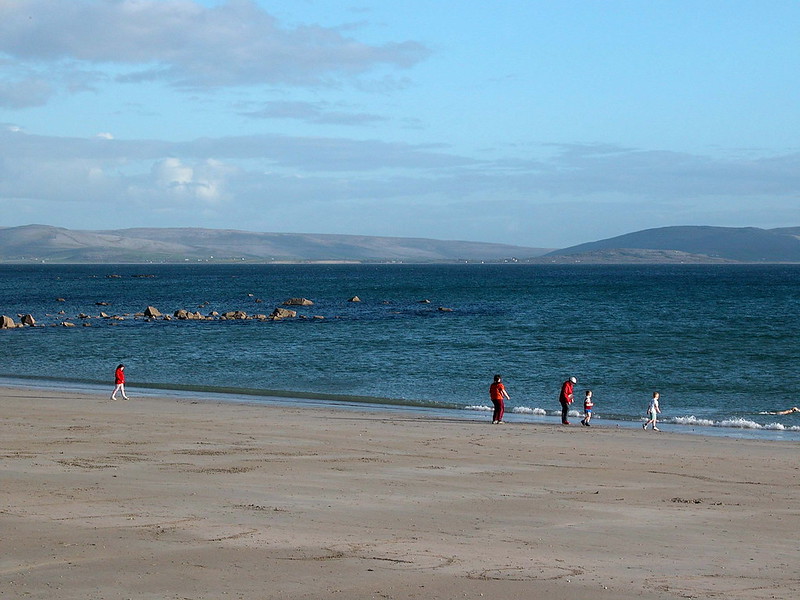
Below the cliffs near Malin Beg, Silver Strand Beach curves into a tight arc of pale sand and clear water. Reaching it requires a walk down a long set of steps, which immediately filters out casual traffic and changes the pace of the visit.
Once at the bottom, the setting feels removed from the road above. The cliffs rise sharply behind you, the shoreline stays compact, and the water stays calm on quieter days. It’s the kind of place where time stretches a little—good for sitting, eating something simple, or easing into the sea if the weather allows.
I haven’t made it here yet, but it’s high on my list. Everything about it suggests a stop that rewards the effort it takes to reach, especially if you’re looping through Donegal and looking for somewhere that feels deliberately out of the way.
14. Sliabh Liag: Height, Wind, and Open Atlantic
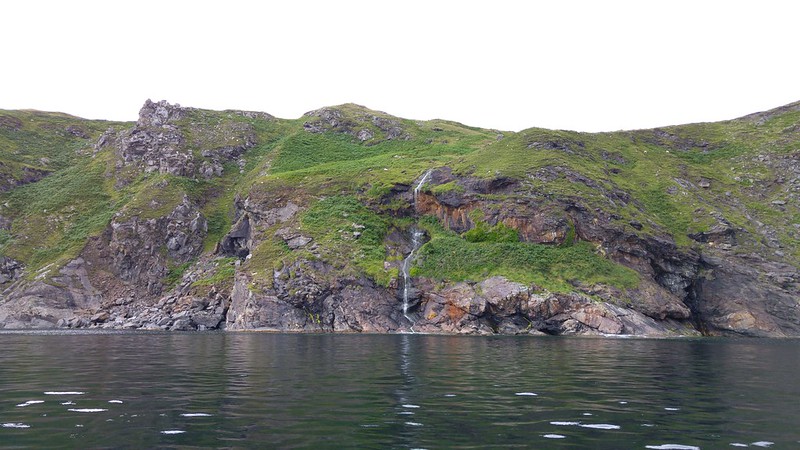
Rising along the coast of County Donegal, Sliabh Liag stands on a different scale entirely. These sea cliffs climb to nearly three times the height of the Cliffs of Moher, and that difference is immediately felt the moment you approach the edge. The Atlantic stretches outward with no visual end, and the drop below feels absolute.
The paths along the cliffs vary from steady walks to narrow sections that demand attention. Wind is constant, light shifts quickly, and the views refuse to stay still. From certain angles, the cliffs fold and stack into layers, giving the coastline a depth that feels almost unreal.
I haven’t seen Sliabh Liag in person yet, and that fact bothers me more than it probably should. Everything about this place suggests it leaves a lasting mark—the kind that sits in your memory long after you’ve moved on.
15. Rossnowlagh Beach: Staying by the Breakers
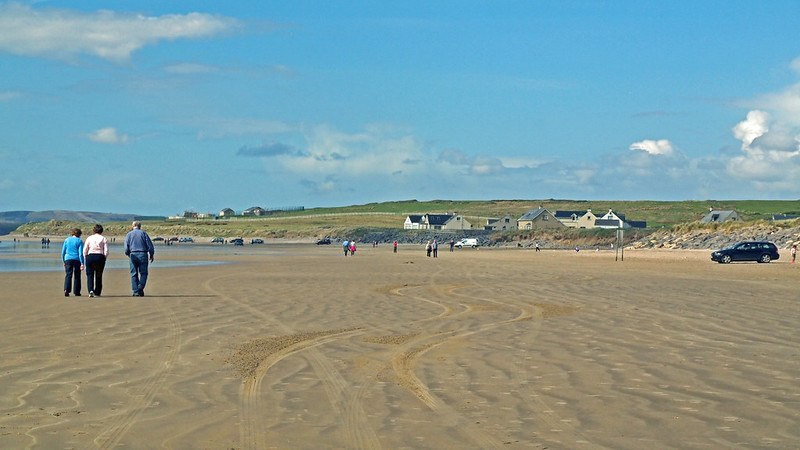
Wide, clean, and constantly shaped by the Atlantic, Rossnowlagh Beach ended up being one of my favorite places to slow down. We stayed right on the shoreline at the Sandhouse Hotel, where the sound of the ocean carried through everything—from early mornings to late evenings.
The beach sits beside a small coastal town that feels lived-in rather than polished. There’s a surf school close by, and watching beginners battle the waves added a bit of energy to otherwise calm stretches of sand. Even if you never touch a board, the movement on the water keeps the view from feeling static.
If you’re looking for a comfortable place to stop for the night, this area works well. It’s easy, relaxed, and close enough to the sea that stepping outside already feels like part of the experience.
16. Rougey Cliff Walk: Easy Miles Above the Atlantic
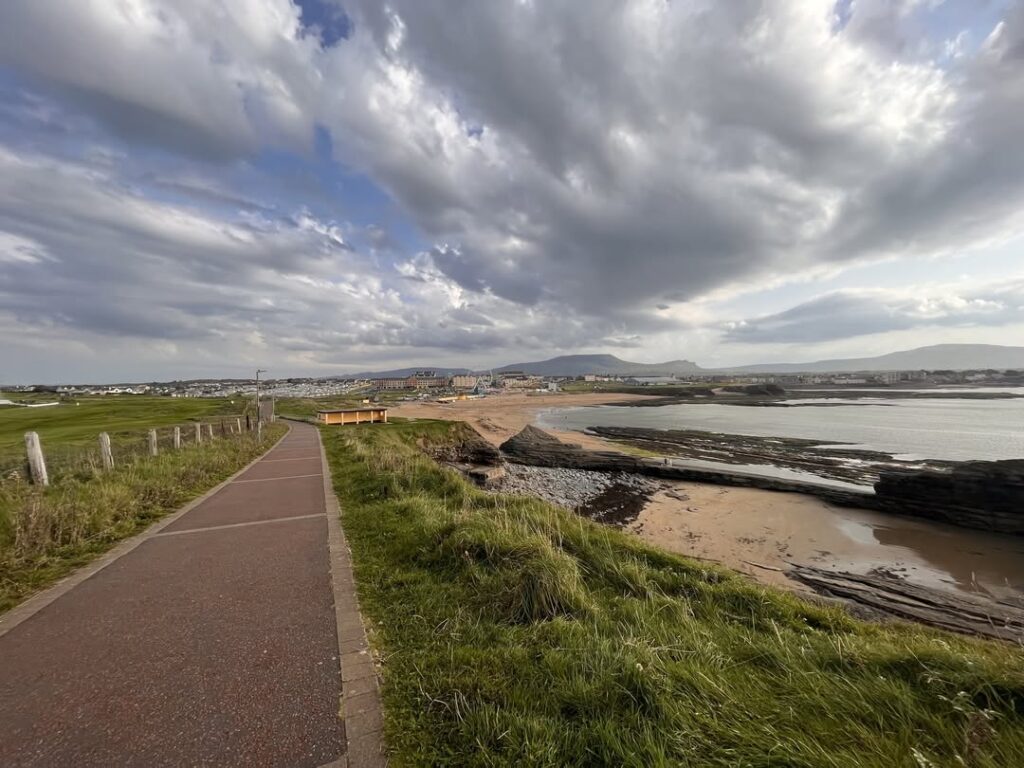
If your route brings you through Bundoran along the Wild Atlantic Way, the Rougey Cliff Walk is an easy add-on. The path stays mostly paved and level, tracing the coastline beside the golf course rather than climbing into exposed terrain. It’s relaxed walking, more about movement and views than effort.
The ocean stays in sight nearly the entire way. Looking down, we watched surfers threading through sets below the cliffs, small figures against rolling water. The contrast between the quiet path above and the action in the waves keeps the walk from feeling repetitive.
The route runs about three miles one way. Without a pickup at the far end, you’ll be walking back the same way, turning it into a six-mile outing. Even doubled, it stays approachable and works well as a low-commitment coastal stretch.
17. Downpatrick Head: Stone Columns and Atlantic Force
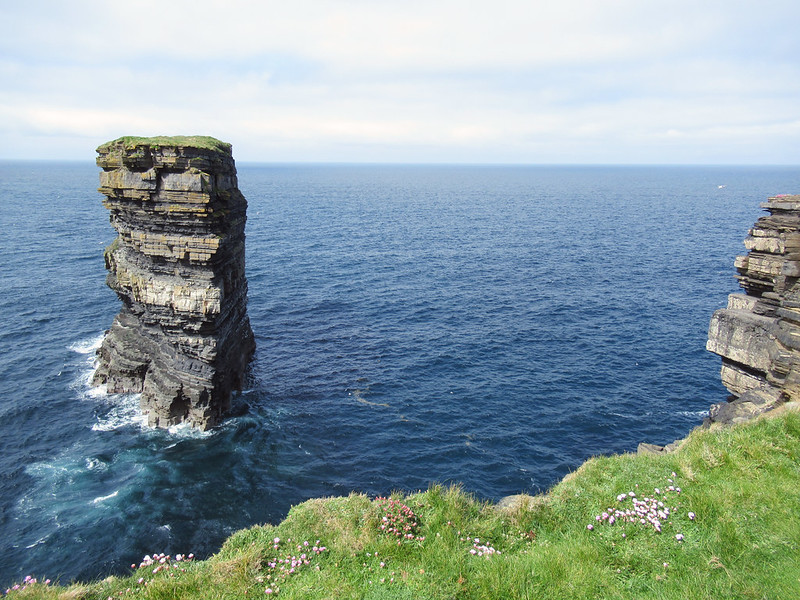
Rising above the ocean on the coast of County Mayo, Downpatrick Head carries both physical weight and long memory. Just offshore stands Dún Briste, a towering sea stack cut off from the mainland centuries ago, now standing alone against constant Atlantic swell.
The ground here breaks open in unexpected ways. Blowholes open and close with the tide, sea caves sit just below the cliffs, and the wind moves freely across the headland. Near the edge, the remains of an early church linked to Saint Patrick add a quieter layer of history to an otherwise exposed landscape.
I haven’t made it here yet, but this is one of those places that stays on the list for a reason. Everything about it suggests a stop that feels raw, open, and shaped by far more than weather alone.
18. Achill Sound: Crossing Into Open Atlantic Country
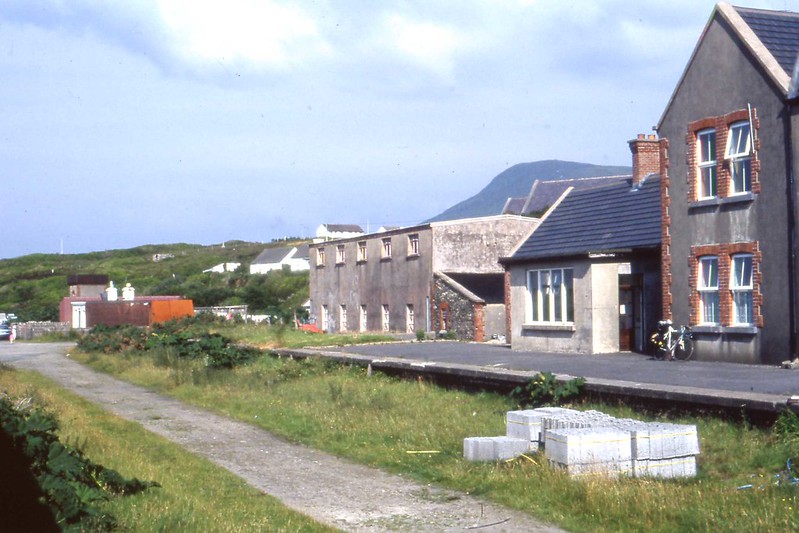
Sitting at the entrance to Achill Island, Achill Sound acts as a clear transition point—where the mainland loosens its grip and the landscape starts to feel broader and less restrained. Small buildings line the water, and the road itself feels purposeful, guiding you straight toward the island rather than around it.
From here, drives fan out into wide coastal stretches, with sharp turns, open views, and long pulls of road that invite you to keep going. Local pubs and quiet waterfront spots give the area a grounded, everyday feel, balancing out the scale of the scenery that waits beyond the bridge.
Achill Sound works well as a starting point for deeper exploration along the Wild Atlantic Way, especially if you’re hoping to step slightly away from busier routes. I haven’t been here yet, but it’s firmly on my radar—one of those places that feels like a threshold rather than a final stop.
19. Wild Nephin: Open Ground and Dark Skies
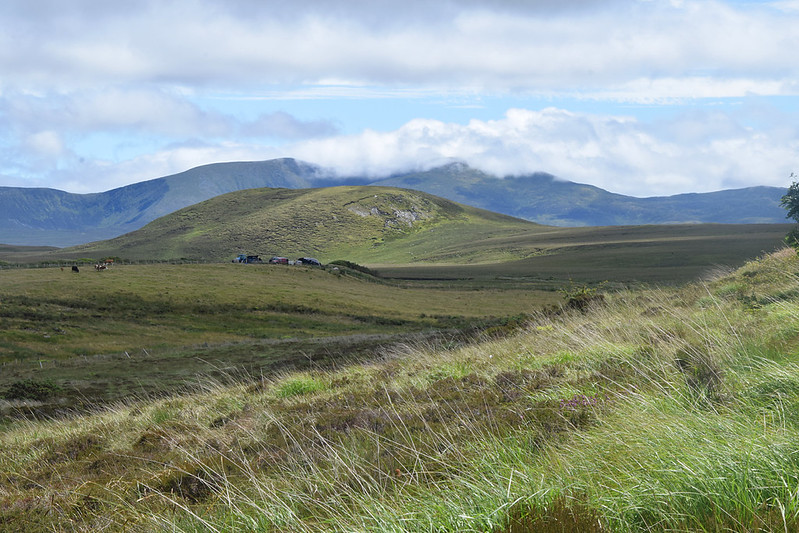
Covering more than 15,000 hectares in County Mayo, Wild Nephin holds a different kind of scale. This is Ireland’s first wilderness national park, where bogland stretches without fences, forests thin out into open space, and human presence feels secondary to weather and terrain.
Days here revolve around long walks and quiet effort. Trails cut through peat and woodland, then fade into areas where the land feels deliberately unmanaged. At night, the park becomes something else entirely. With minimal light interference, the sky opens wide, making this one of Europe’s strongest locations for seeing stars without obstruction.
I haven’t made it here yet, but places like this tend to linger on my list longer than most. Wild Nephin reads as a destination built on distance and patience—ideal if you want space, silence, and a sense of being far from everything else.
20. Great Western Greenway: Easy Miles Through Mayo
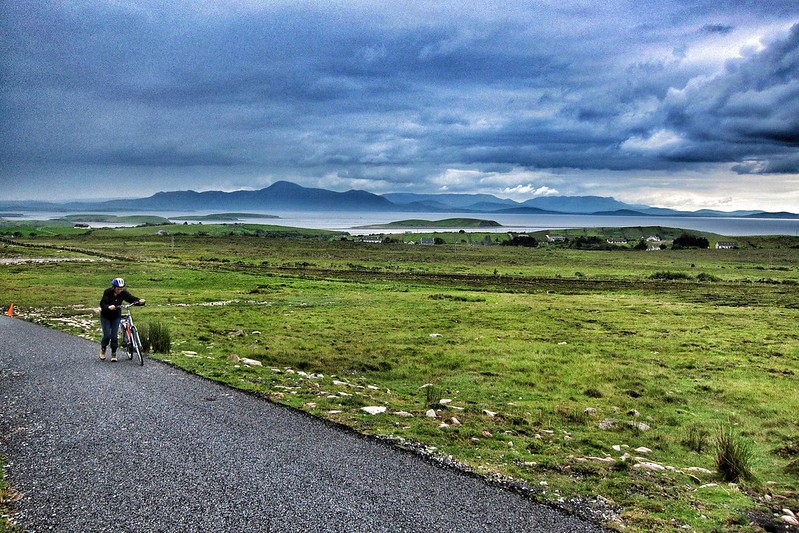
This was another stop from my 2022 trip. We were dropped at a bike rental shop and rode roughly ten miles back along the Great Western Greenway. The route stays almost completely flat, making it more about steady movement than effort. Along the way, sheep and goats wandered near the path, with long stretches of green hills filling the background.
The ride settles into a calm rhythm pretty quickly. Pedaling feels unhurried, and the scenery rolls by without demanding much attention or planning. It’s a solid option if you want light exercise paired with open space and fresh air.
That said, it didn’t rank near the top of my Ireland experiences. It’s pleasant and low-pressure, but more of a filler activity than a standout—worth doing if it fits your route, not something I’d build a trip around.
21. Bundoran Rock Bridge: A Simple Coastal Add-On
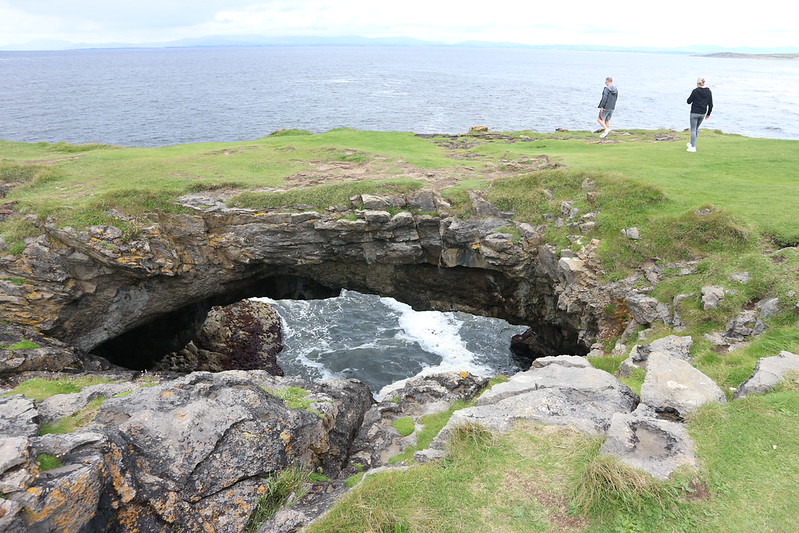
There are a handful of spots like this around Ireland, but the one we visited sits near Bundoran, close to the Rougey Cliff Walk. The feature itself is straightforward—a natural rock span that you can walk across without much effort or drama.
On its own, it doesn’t demand much time or attention. There’s no climb, no technical footing, and nothing that pulls you off your route. It works better as a pause than a destination.
Where it does make sense is as part of a longer coastal loop. Pairing it with the cliff walk adds a bit of variation and breaks up the path, turning an ordinary stretch into a more complete seaside walk without adding extra miles.
Hotels in Ireland I’ve Personally Stayed In
Every place listed below is somewhere I’ve actually spent the night. These stays worked well for location, comfort, and access to nearby routes and sights, making travel days easier and evenings more relaxed. I’d stay at any of them again without hesitation.
- Tulfarris Hotel & Golf Resort – A quiet base outside the city, surrounded by open land and water
- The Morrison Dublin, Curio Collection by Hilton – Central, modern, and well-placed for exploring Dublin on foot
- Staycity Aparthotels, Tivoli – Practical and comfortable, especially for longer stays
- Portmarnock Resort & Jameson Golf Links – Coastal setting with space to breathe outside the city
- Slieve Donard – Grand feel with direct access to the Mourne area
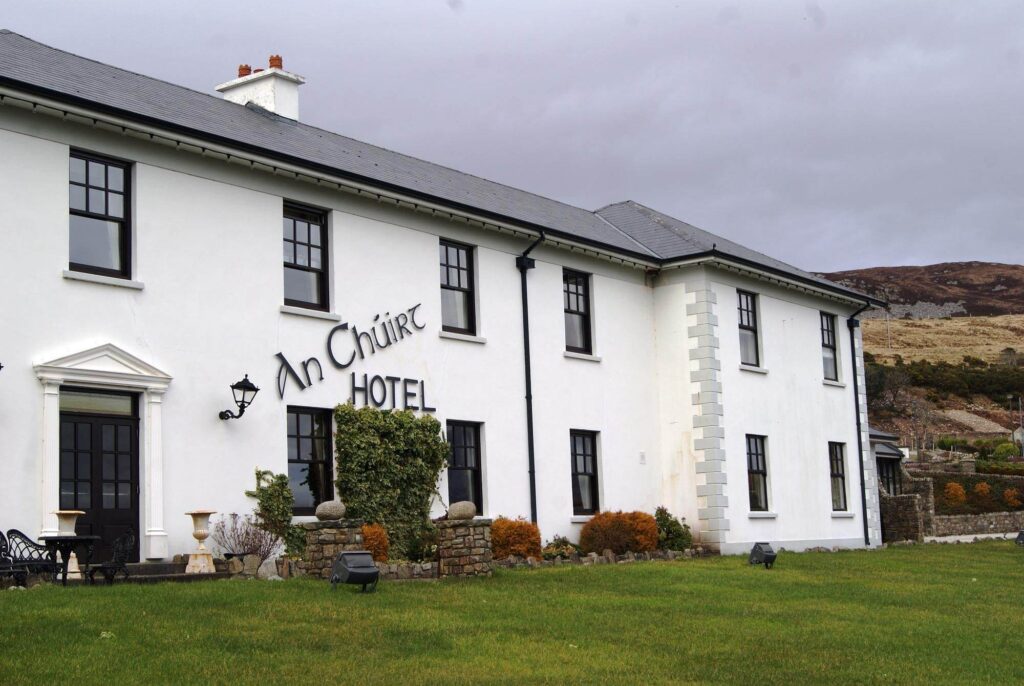
- An Chúirt Hotel – A solid stop while exploring Donegal’s western edge
- The Sandhouse Hotel – Right on the beach, with the ocean always nearby
- Clifden Station House Hotel – Convenient for Connemara routes and town access
- The Bedford Townhouse – Smaller, well-kept, and easy to settle into
- The House Hotel – Central location with character and walkable surroundings
- Dingle Skellig Hotel – Reliable base for the peninsula and nearby drives
- The Ross – Comfortable and well-suited for exploring Kerry
These places supported the trips rather than competing with them, which is exactly what I want after long days on the road.
Related Posts:
- 21 Perfect December Destinations for Seasonal Vibes
- 21 Enchanting Places to Visit in England for a Magical Escape
- 21 Must-See Spots in Italy That Look Too Beautiful to Be Real
- 21 Stunning Places to Visit in Brazil That Will Captivate You
Closing Thoughts on Ireland’s Most Memorable Places
I’ll be honest—my first trip didn’t land the way I expected. It felt flatter than planned, and I walked away thinking I’d missed something. The second visit changed that completely. With better pacing and clearer priorities, Ireland came back into focus as a place layered with variety, depth, and plenty of reasons to return.
That said, Ireland isn’t built for nonstop intensity. If your idea of travel revolves around constant physical challenge or extreme terrain, this island may feel restrained. Where it shines is in slower movement—days shaped by drives, short walks, conversation, and scenery that asks very little of you physically.
There’s also more here than one trip can reasonably hold. Routes overlap, regions feel distinct, and even familiar areas change depending on timing and weather. It’s easy to imagine returning once—or twice—and still leaving with unfinished plans.
I hope these ideas help shape a trip that feels right for you and maybe even plant the seed for another visit down the line. Until next time—travel well, take your time, and stay safe out there.