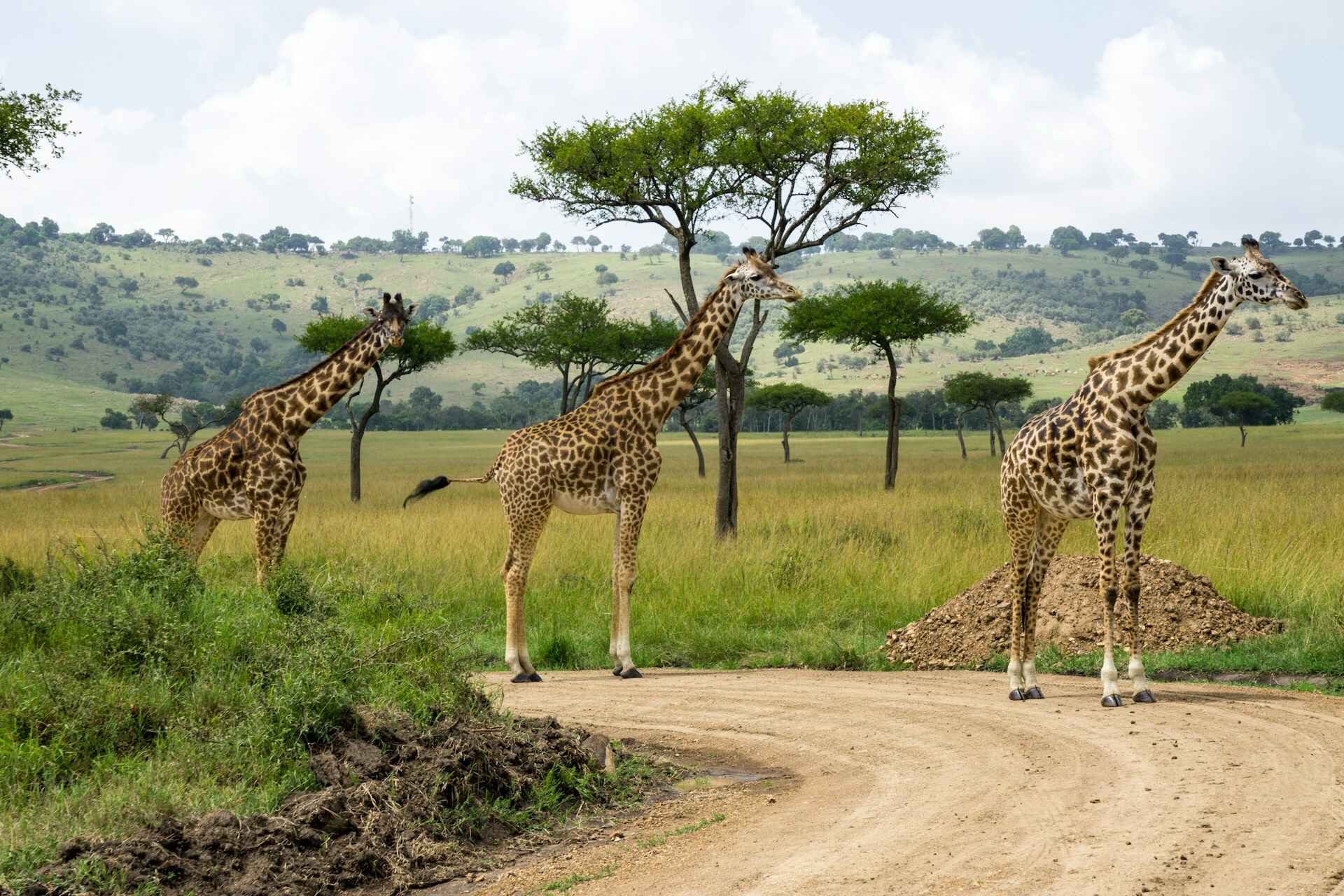
From vast safari lands and thought-provoking museums to hands-on cooking classes and living traditions, Kenya offers an incredible range of experiences. This East African nation feels like a gift for travelers who want slow mornings by the ocean, close encounters with wildlife, or pulse-raising adventure in wide-open landscapes.
Beyond the famous game reserves, Kenya also boasts sun-washed beaches along the Indian Ocean and historic coastal towns shaped by centuries of trade. You can track lions at dawn and stroll through coral-stone alleys by sunset—all within the same trip. With short travel distances between major highlights and a pleasant climate for much of the year, moving around the country is both practical and budget-friendly.
Having spent most of my life in Kenya, I’ve explored its cities, rural hideaways, and lesser-known corners. Over time, I’ve come across iconic landmarks and quieter spots that many visitors miss. Below, you’ll find a carefully selected list of the 21 best places to visit in Kenya—each offering its own flavor, from raw wilderness to coastal charm.
21 Incredible Places to Visit in Kenya
Take a look at this handpicked selection of Kenya’s top destinations and begin mapping out your journey through my remarkable home country.
1. Nairobi City: Kenya’s Capital in Motion
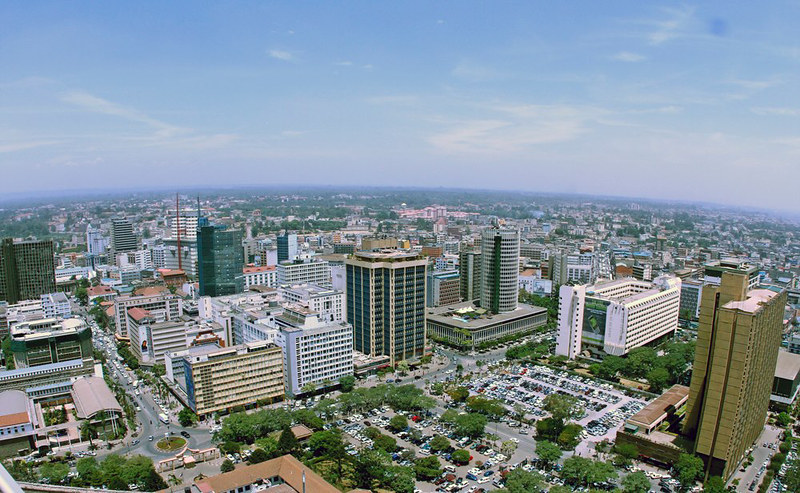
Nairobi began as a swampy railway outpost and has grown into one of Africa’s largest cities and a major business center. Today, it blends fast-paced urban life with history, wildlife, and culture in a way few capitals can match. From museums and open-air markets to nature reserves and lively restaurants, there’s no shortage of ways to fill your days.
Having lived in Nairobi for most of my life, I often suggest visitors spend real time here rather than rushing through. The city offers insight into Kenya’s colonial past, the road to independence, and the rhythm of modern East Africa. Walk its streets, talk to locals, and you’ll start to see how tradition and progress sit side by side.
A personal favorite is the Nairobi National Museum, where Kenya’s cultural and natural heritage comes together under one roof. Other meaningful stops include Jamia Mosque, the colorful Maasai Market, the Nairobi Railway Museum, and the August 7th Memorial Park, which honors lives lost in the 1998 bombing. Each location adds a different layer to the city’s story.
Beyond sightseeing, Nairobi invites you to join in. Shop for handmade crafts, take a cooking class to learn traditional Kenyan recipes, or step out after dark to experience the city’s buzzing nightlife. There’s energy here that shifts from calm afternoons to lively evenings without missing a beat.
Getting There
Most international travelers arrive through Jomo Kenyatta International Airport. Licensed taxis and ride services offer reliable transfers to the city center. Nairobi is also linked to Mombasa by train, and long-distance buses connect it with other regional towns, making it a practical starting point for exploring the rest of Kenya.
2. Visiting Nairobi National Park: A Safari Beside the Skyline
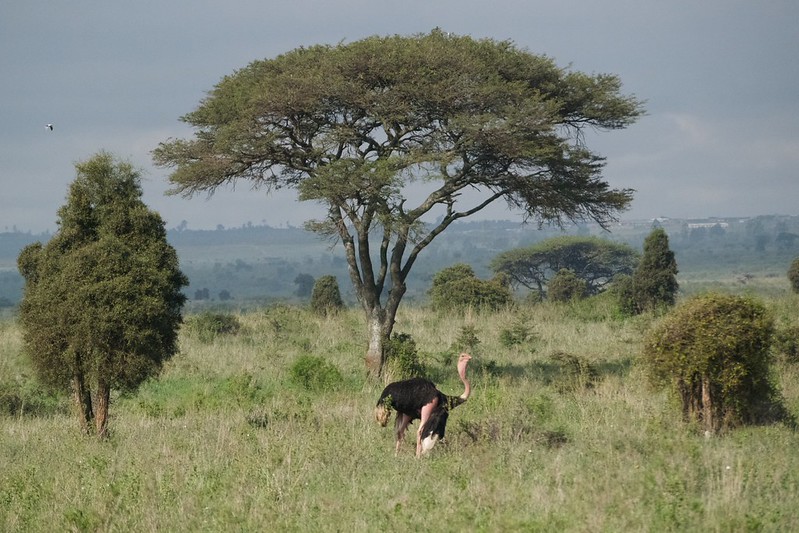
A trip to Nairobi National Park ranks high on the list of things to do in Nairobi. It’s especially rewarding for travelers who may not have time to reach Kenya’s distant safari reserves. Here, you can spot lions, buffaloes, giraffes, and rhinos roaming open plains—with the city’s high-rise skyline rising in the distance. The contrast feels rare and memorable.
The most practical way to explore the park is on a guided game drive. Several tour operators provide pickup and drop-off in safari vans, usually costing between $60 and $150 per day. For deeper insight into wildlife behavior and park history, hiring a professional guide—typically $150 to $250—offers added value.
Beyond wildlife viewing, the park includes stops like the Nairobi Safari Walk, the Ivory Burning Site Monument, and the Nairobi Animal Orphanage. After your visit, consider heading to the nearby David Sheldrick Wildlife Trust to see rescued elephants, or stop by the Giraffe Centre for an up-close encounter with Rothschild giraffes.
Location: The park sits about 7 kilometers from the city center and is most easily reached through the main gate off Langata Road.
Getting There: Public transport can get you close, but hiring a vehicle or self-driving offers greater flexibility and comfort.
Things To Do: Game drives remain the highlight, though camping and designated picnic spots are also available.
Entrance Fees: Adult entry fees are $60 for non-residents, Ksh 1,200 for residents, and Ksh 500 for Kenyan citizens. Children and students pay half the adult rate.
3. Aberdare National Park: Waterfalls, Wildlife, and Mountain Trails
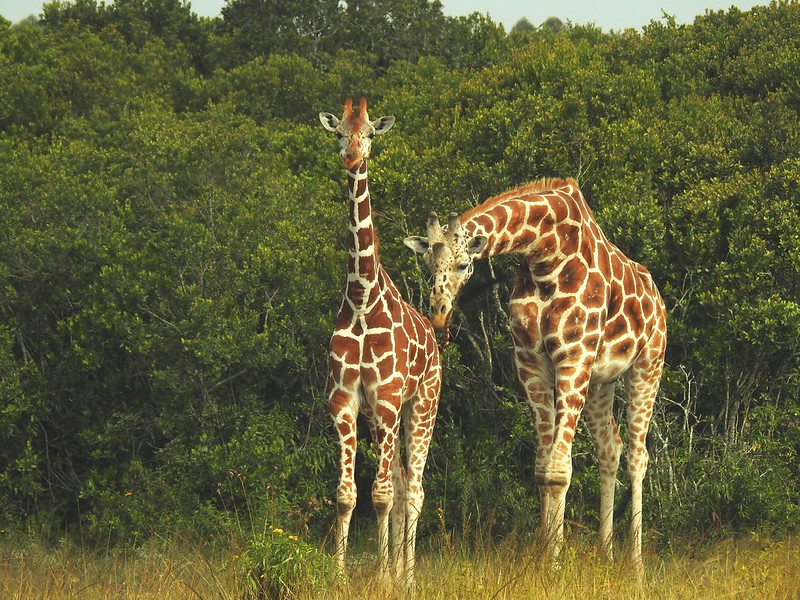
Aberdare National Park is one of Kenya’s lesser-known treasures. Set in the central highlands, the park features rolling hills, dense bamboo forests, fast-flowing rivers, and dramatic waterfalls. The air feels cooler here, and the landscape shifts quickly from open moorland to thick woodland.
Wildlife thrives in these forests. Lions, buffaloes, and leopards roam the slopes, while the rare bongo antelope moves quietly through the undergrowth. Colobus monkeys and baboons are common sightings, and bird lovers can spot over 200 species, including eagles, sparrow hawks, Jackson’s Francolin, and bright sunbirds.
The Aberdares also hold a strong place in Kenya’s history. During the struggle for independence, Mau Mau fighters used its caves and forests as hideouts. Years later, Princess Elizabeth learned of her father’s passing while staying at Treetops Hotel, and returned home as Queen Elizabeth II—an unexpected royal chapter tied to these mountains.
I’ve visited the Aberdares several times, yet the ranges still pull me back. Hiking stands out as one of the most rewarding activities. Popular trails include Elephant Hills, Rurimeria, and Mount Satima—my personal favorite. The park is also known for striking waterfalls such as Karuru, Zaina, and Gura Giant Falls, which draw hikers eager to see their sheer drops up close.
Location: There are multiple entry gates, with Njabini Forest Station being the most common access point. It’s roughly two hours from Nairobi.
Getting There: Drive about 60 kilometers from Nairobi toward Nakuru, then branch off at Flyover Center toward Njabini town. The Forest Station sits approximately 4 kilometers from there.
Things To Do: Hiking, waterfall visits, wildlife viewing, and camping are among the top activities in the park.
Entrance Fees: Adult entry fees are $60 for non-residents, Ksh 1,200 for residents, and Ksh 500 for Kenyan citizens. Children and students pay half the adult rate.
4. Amboseli National Park: Elephants Beneath Kilimanjaro
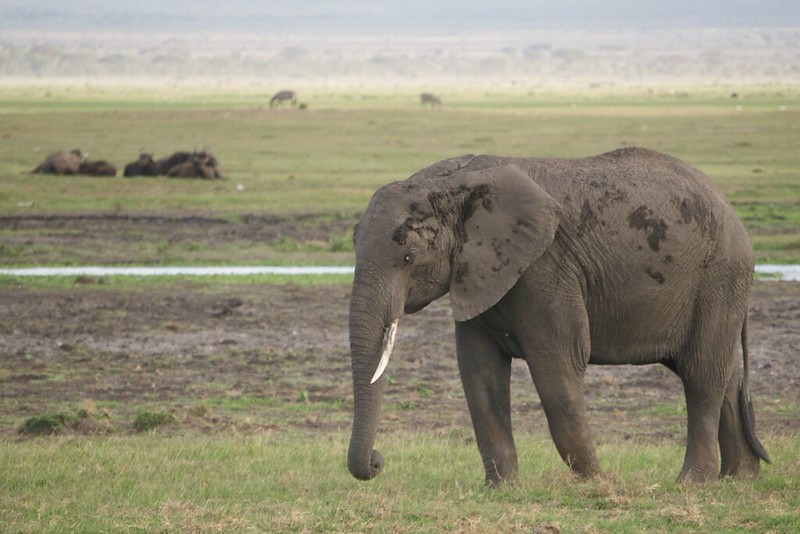
Amboseli National Park lies close to the Tanzanian border near Oloitoktok. It ranks among Kenya’s most visited parks, largely thanks to its sweeping views of Mount Kilimanjaro rising beyond the plains. On clear mornings, the snow-capped peak forms a dramatic backdrop to roaming wildlife.
Amboseli is famous for its large elephant herds, many with impressive tusks. Lions, cheetahs, and leopards also patrol the grasslands, while more than 600 bird species fill the wetlands and acacia woodlands. The mix of open terrain and seasonal swamps makes wildlife spotting relatively straightforward compared to more forested parks.
The surrounding region is home to the Maasai community, offering visitors a chance to learn about traditional customs, dress, and pastoral life. A visit here pairs wildlife viewing with cultural insight, creating a well-rounded experience. And for photographers, few scenes rival elephants crossing the plains with Kilimanjaro rising in the distance—a frame that captures Kenya at its finest.
Location: Amboseli sits near Kimana and Oloitoktok towns in Kajiado County, about four hours by road from Nairobi.
Getting There: Driving from Nairobi is the most flexible option. Scheduled flights to nearby airstrips are available, and many travelers join organized safari tours.
Things To Do: Game drives and bird-watching top the list of activities, with ample chances for photography throughout the day.
Entrance Fee: Amboseli is classified as a premium park. Non-resident adult entry is $70, while children and students pay $20.
5. Naivasha Getaway: Lakes, Trails, and Open Roads
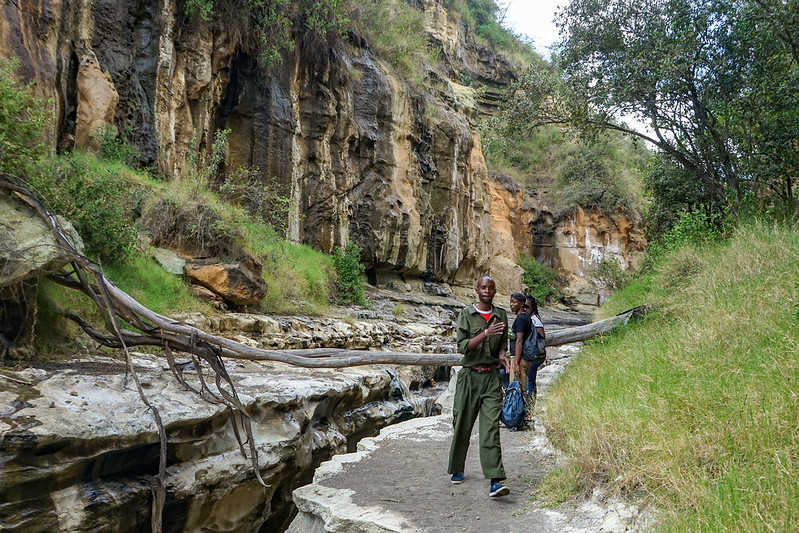
A short drive from Nairobi, Naivasha makes for an easy and rewarding road trip. It’s a favorite escape for families and groups of friends who want fresh air, wildlife, and wide landscapes without traveling too far from the capital.
Begin at Lake Naivasha with a boat ride across calm waters. Hippos surface quietly between papyrus reeds, fish eagles swoop overhead, and great white pelicans glide past in groups. Afterward, stop by Karagita Market for freshly prepared fish before heading to Crater Lake Game Sanctuary for a close-up wildlife encounter in a smaller, peaceful setting.
Just south of the lake lies Hell’s Gate National Park, known for its dramatic cliffs and geothermal features. It’s one of the few parks in Kenya where visitors can walk or cycle through the landscape. Camping is permitted here, making it a strong pick for travelers who prefer a more hands-on outdoor experience.
Hikers can also explore Mount Eburu in the nearby Eburu Forest. This lesser-visited trail winds through valleys and indigenous woodland before reaching a summit with sweeping views of Lake Nakuru, Lake Elementaita, and Lake Naivasha. It’s one of my favorite hikes in the country.
Naivasha and its surroundings offer plenty to fill a weekend—or longer. From wildlife and boat rides to forest walks and market visits, the area provides variety without long travel hours.
Getting There
The most affordable way to reach Naivasha from Nairobi is by matatu, costing around $5. Self-driving or hiring a van offers greater flexibility and comfort.
For more planning support, explore a complete Kenya travel guide covering budgets, transport tips, safety advice, top attractions, and practical travel notes.
6. Nakuru City: Gateway to the Rift Valley
Nakuru, the capital of the Rift Valley region, recently earned official city status—and it’s easy to see why. Located about two hours from Nairobi, Nakuru combines urban energy with quick access to nature. It’s also a common stop for travelers heading toward safari destinations such as the Maasai Mara National Reserve and Lake Bogoria.
Having explored many corners of Nakuru myself, I can recommend it to just about any traveler. The city offers museums, hiking routes, nightlife, and wildlife parks within easy reach. It also works well as a base for exploring the broader Rift Valley landscape.
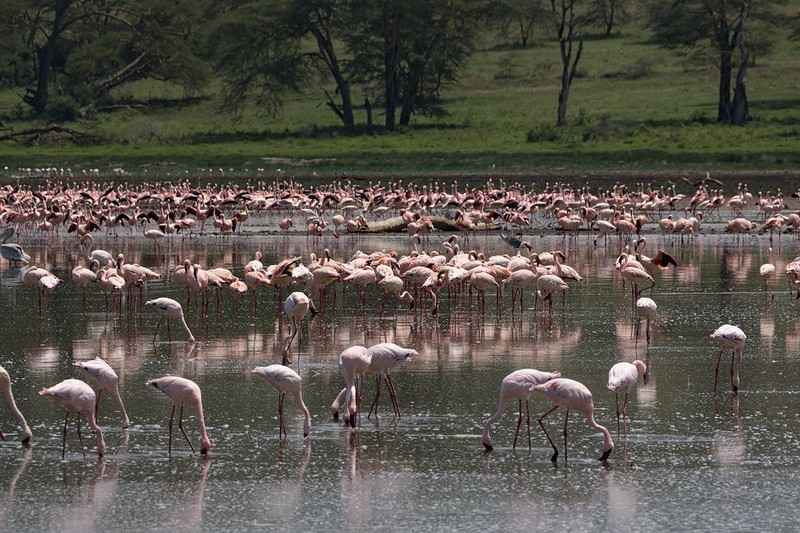
From Nakuru, you can head out on safari in Lake Nakuru National Park, known for rhinos and seasonal flocks of flamingos. Hike the slopes of Menengai Crater for sweeping views, or take a relaxed walk along Lake Elementaita. History enthusiasts can visit the Hyrax Hill Museum, the Kariandusi Archaeological Site, and Lord Egerton Castle, each offering insight into Kenya’s past.
For a deeper look at activities and local tips, check out a detailed guide to the best things to do in Nakuru written by a resident.
Getting There
Nakuru is accessible by matatus, long-distance buses, private cars, and domestic flights. A train from Nairobi to Kisumu departs every Friday night and passes through Nakuru, often serving as the most budget-friendly rail option.
7. Maasai Mara National Reserve: Front-Row Seats to the Great Migration
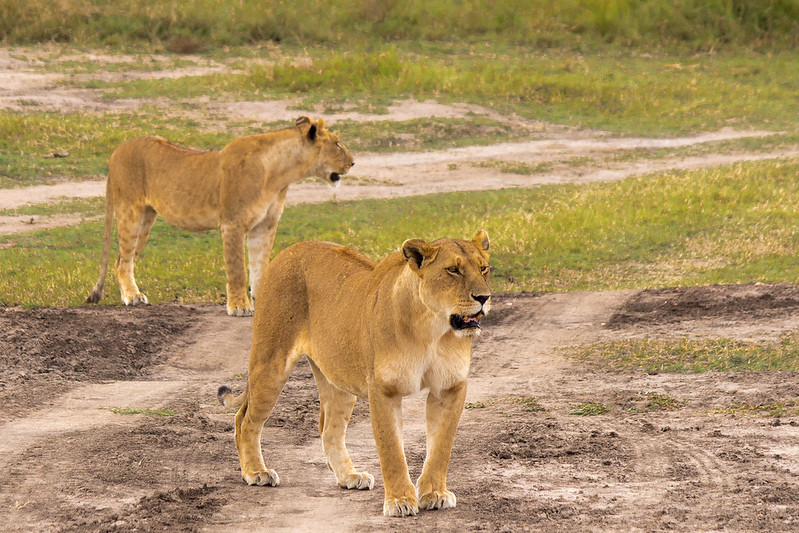
Maasai Mara National Reserve is closely linked with classic African safaris and meaningful cultural encounters. Each year between July and October, nearly a million wildebeest and zebras cross the Mara River in search of fresh grazing land. The Great Migration ranks among Kenya’s most dramatic natural events and draws visitors from around the globe.
Beyond the game drives, nearby conservancies offer opportunities to meet the Maasai community. Visitors can step inside traditional homesteads, learn about pastoral life, and take part in daily routines. These exchanges add depth to the safari experience and create lasting memories beyond wildlife sightings.
The Mara stands among Kenya’s top safari destinations. Wide plains support large populations of lions, elephants, cheetahs, and countless other species. Travelers can stay in high-end tented camps, ride horseback across open grassland, or rise before dawn for a hot air balloon flight over the savannah.
Location: The reserve sits in Narok County in southwest Kenya.
Getting There: There are several entry gates, including Sekenani, Talek, Musiara, Oloololo, and Ololaimutia. Sekenani Gate serves as the main access point. Many visitors join guided tours for a smoother experience inside the reserve.
Things To Do: Game drives are the highlight, alongside stays in well-appointed camps, horseback safaris, and sunrise balloon rides.
Entrance Fee: Non-resident adults pay $70, while children and students are charged $40.
8. Kisumu: Culture and Lakeside Life in Western Kenya
Kisumu, Kenya’s third-largest city, sits along the shores of Lake Victoria. While many travelers focus on safari circuits, Kisumu offers a different pace and serves as a gateway to western Kenya. The lakeside setting, local markets, and cultural landmarks give the city its own character.
For those interested in local traditions, Dunga Beach is a lively stop for Luo cultural artifacts, fresh fish, and boat rides on the lake. A short drive away stands Kit Mikayi, a towering rock formation tied to local legends and spiritual beliefs. It’s a striking natural landmark with strong cultural meaning.
The Kisumu Museum offers insight into the region’s heritage. Inside, you’ll find cultural displays, a snake park, an aquarium, and a recreated Luo homestead that illustrates traditional life. For wildlife encounters, the Kisumu Impala Sanctuary protects animals such as the rare sitatunga antelope and other species native to the area.
Getting There
Kisumu can be reached by long-distance buses, matatus, or private car. Domestic airlines, including Jambojet, operate daily flights from Nairobi. An overnight train from Nairobi also runs every Friday, offering a budget-friendly rail option.
9. Mombasa: Kenya’s Coastal Classic
Mombasa is Kenya’s main port and second-largest city. Long before Nairobi rose to prominence, Mombasa was already a busy coastal center shaped by traders from Arabia, Asia, and Europe. Today, it remains one of the country’s top destinations, blending ocean views with centuries of history.
The city draws visitors with its marine parks, sandy beaches, and Swahili-inspired cuisine. Nightlife here carries its own rhythm, while hotels and guesthouses cater to both budget travelers and those seeking upscale comfort. There’s always something happening after sunset.
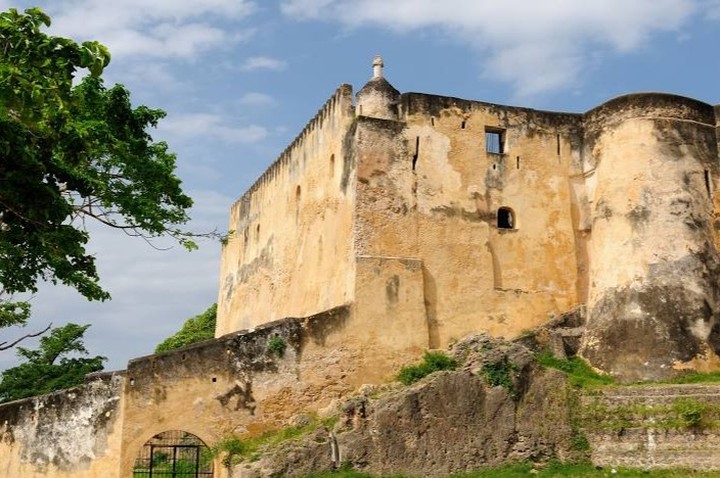
For history lovers, a walk through Mombasa Old Town reveals narrow lanes, carved wooden doors, and coral-stone buildings. Fort Jesus stands as a reminder of Portuguese rule, while Bombolulu Workshops and Cultural Centre highlights local crafts and community initiatives. Nature fans can visit Haller Park or Nguuni Nature Sanctuary for a relaxed wildlife outing.
Beach time is essential here. Nyali Beach, Shanzu Beach, and Bamburi Beach offer space for swimming, snorkeling, diving, or simply stretching out under the sun. Visitors can also play beach volleyball or take a boat ride along the coast.
Personally, I enjoy spending time at Mama Ngina Waterfront, catching the evening breeze on the Likoni Ferry, or heading to Shanzu for go-karting. Mombasa rewards those who stay a few extra days.
Getting There
The most affordable and convenient route from Nairobi is by train, with three daily departures costing roughly $10–$30. Flights also operate regularly to Moi International Airport. For road-trip enthusiasts, driving along Mombasa Road is an option, and several long-distance bus companies provide comfortable services between the two cities.
10. Diani Beach: Coastal Escape South of Mombasa
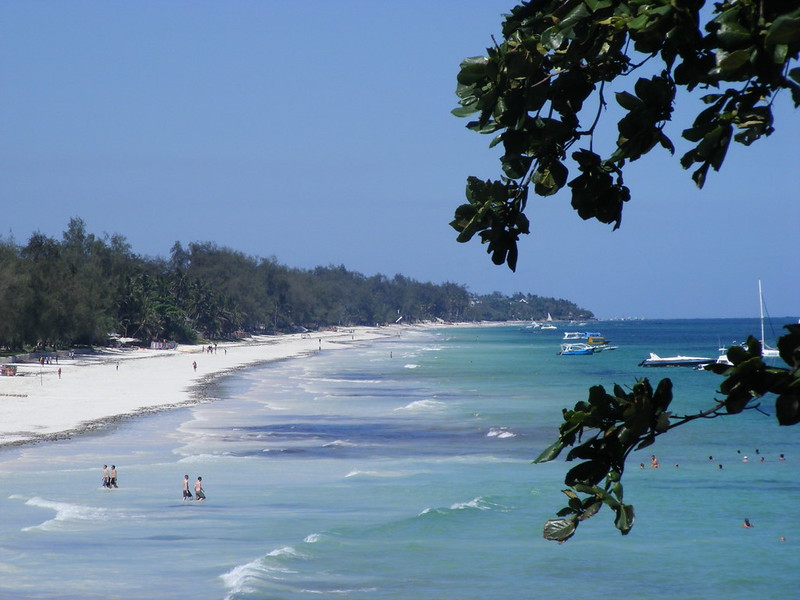
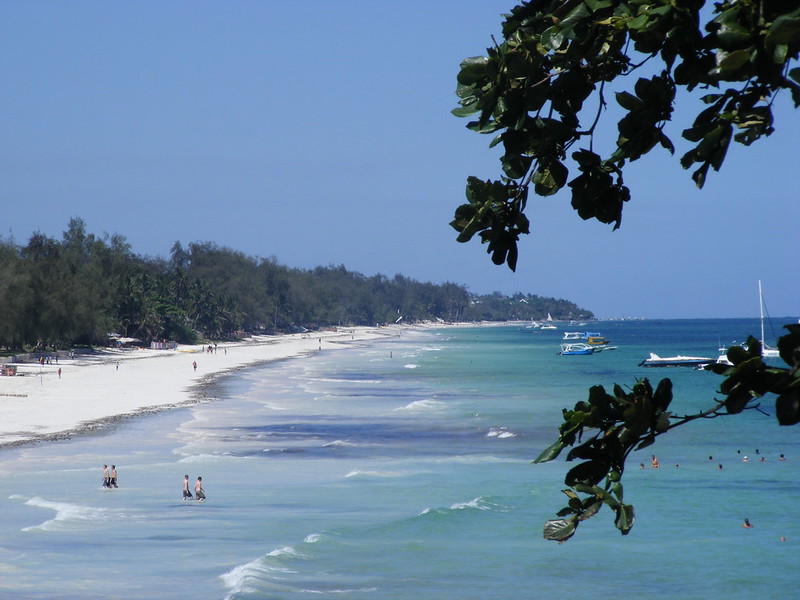
About 30 kilometers south of Mombasa lies Diani, a laid-back beach town in Kwale County known for its white sand and clear Indian Ocean waters. Diani Beach draws backpackers, families, and luxury travelers alike. It’s widely regarded as Kenya’s top coastal spot for diving, snorkeling, dhow sailing, and dolphin watching.
When you’re ready to step off the sand, there’s plenty nearby. Shimba Hills National Reserve offers forest drives and sweeping viewpoints, while Mwaluganje Elephant Sanctuary protects roaming herds in a community-run conservation area. Bird lovers can head to Kaya Kinondo Sacred Forest for guided walks through a site valued for both ecology and local heritage.
History and culture also shape this coastline. Visitors can stop by the Diani Mosques, explore the Shimoni Caves, or visit the centuries-old Kongo Mosque near the shore. These sites add context to the area’s Swahili and maritime past.
If your Kenya trip includes time to unwind, Diani provides the right setting to slow down. For a deeper look at activities, restaurants, and hidden corners, check out a detailed guide to the best things to do in Diani.
Getting There
The fastest route is to fly into Ukunda Airport with domestic carriers such as Jambojet or Safarilink. Diani can also be reached by bus, private car, or by taking the Madaraka Express train from Nairobi to Mombasa and continuing south by road.
11. Malindi: History, Beaches, and Coastal Landscapes
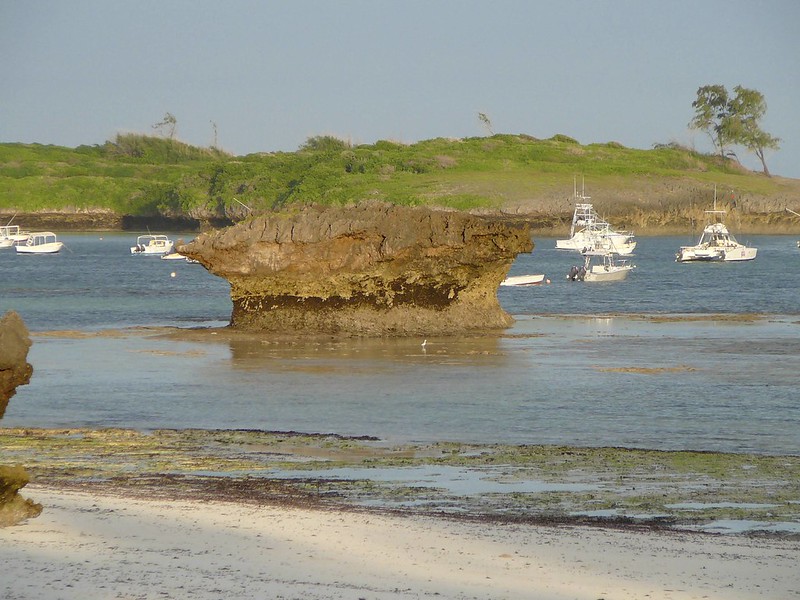
Malindi sits along Kenya’s Indian Ocean shoreline and has long been a favored beach resort town. It blends coastal relaxation with layers of Swahili, Portuguese, and Arab influence. Many visitors return year after year, drawn by seaside homes, warm weather, and the laid-back pace.
Malindi Beach remains a highlight, with white sand and calm waters ideal for long afternoons by the sea. For ocean adventures, head to Malindi Marine National Park or Watamu Marine National Park. Snorkeling, diving, surfing, and boat excursions are common here, supported by coral reefs and rich marine life.
History adds another layer to the visit. Wander through the old town, stop at the Vasco da Gama Pillar, and explore the Malindi Museum. The St. Francis Xavier Church—considered Kenya’s oldest church—also stands as a reminder of early European contact along the coast.
About 40 minutes north lies Hell’s Kitchen Marafa, a sandstone gorge shaped over time by wind and rain. Its layered red, orange, and white cliffs create a striking landscape, especially at sunset. It’s one of the country’s lesser-known natural attractions.
Getting There
The most budget-friendly route from Nairobi to Malindi is by long-distance bus. For a quicker journey, domestic flights operate into Malindi Airport.
12. Lamu Archipelago: A Step Back in Time on Kenya’s Coast
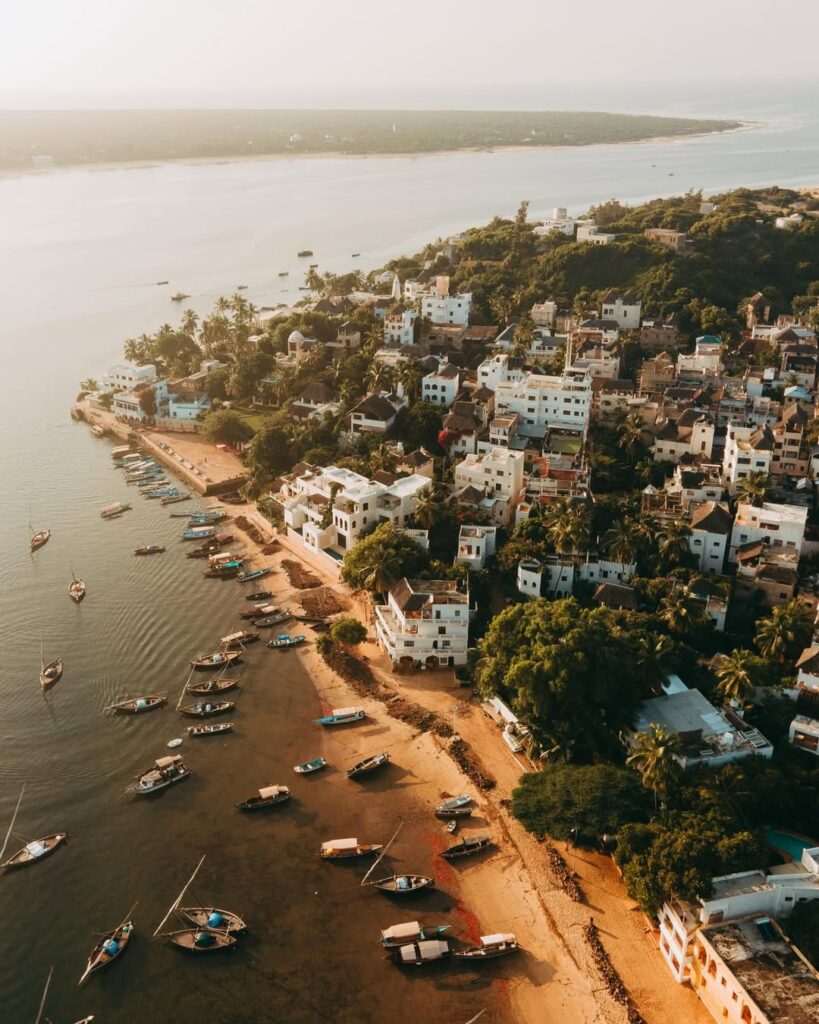
Lamu Archipelago lies along Kenya’s northern coastline and includes four main islands: Lamu, Kiwayu, Pate, and Manda. At its center is Lamu Old Town, the country’s oldest and best-preserved Swahili settlement, dating back to the 12th century.
One of the best ways to experience Lamu is simply by walking. The old town’s narrow, winding streets reveal coral-stone houses, carved wooden doors, and shaded courtyards. Markets and alleyways still echo the town’s long history as a trading hub linking Africa, Arabia, and Asia.
Life here moves at its own pace. Dhows glide across the harbor, donkeys and handcarts replace cars, and traditions remain woven into daily routines. Rooftop patios overlook the sea, and the call to prayer drifts through the air at set times of day. Visiting Lamu often feels like stepping into another era.
Despite its small size, the archipelago offers plenty to fill your stay. Key sites include Lamu Fort, the Donkey Sanctuary Lamu, the German Post Office Museum Lamu, and the Lamu Museum. These institutions highlight Swahili heritage and the island’s layered past.
Beyond historical landmarks, visitors can relax at Shela Beach, sail by dhow to Manda Island, or stay in a traditional Swahili-style house overlooking the sea. Lamu balances culture, architecture, and coastal calm in a way few destinations can.
Getting There
The most convenient route is by air, with daily flights from Nairobi to Manda Airport. Road travel is possible but less dependable compared to flying.
13. Meru: Highlands, Forests, and Cultural Roots
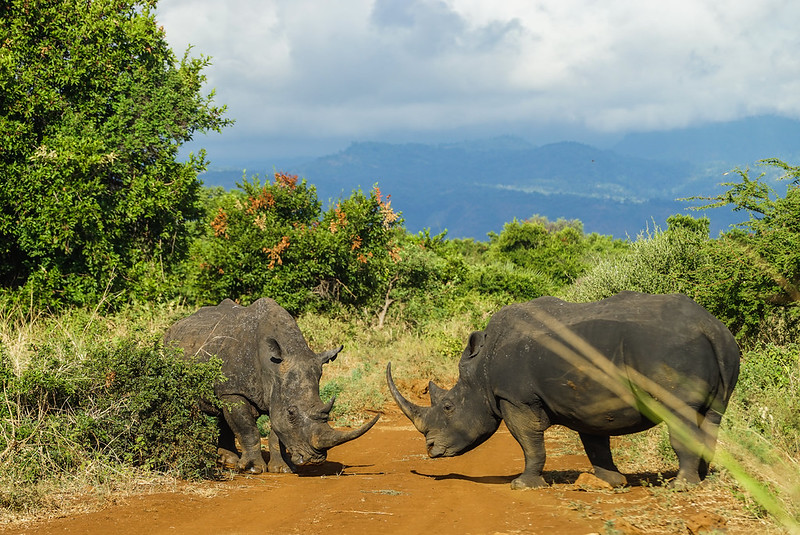
Meru sits in Kenya’s central region near the slopes of Mount Kenya. Thanks to fertile soil and steady rainfall, farming thrives here. Tea and coffee grown in this area are widely regarded as some of the finest in East Africa, shaping both the local economy and daily life.
Beyond agriculture, Meru offers a mix of natural scenery and cultural landmarks. Visitors can explore Mount Kenya National Park or head to Meru National Park for wildlife viewing in quieter surroundings than the more crowded reserves. Closer to town, Mbili Waterfall and Giitune Sacred Forest provide fresh air and shaded walking trails. The Meru Museum adds historical context to the visit.
Travelers looking to explore beyond Kenya’s well-known circuits will find Meru refreshing. Stop by the Tamaduni Cultural Centre, hike Kiathandi Hills for open views of the countryside, or visit the Mucheene Mau Mau Caves, which connect to Kenya’s independence struggle.
Getting There
The most affordable way to travel from Nairobi to Meru is by public bus or matatu. The journey takes roughly 4.5 hours and typically costs under $10.
14. Mount Kenya National Park: Peaks, Trails, and Sacred Ground
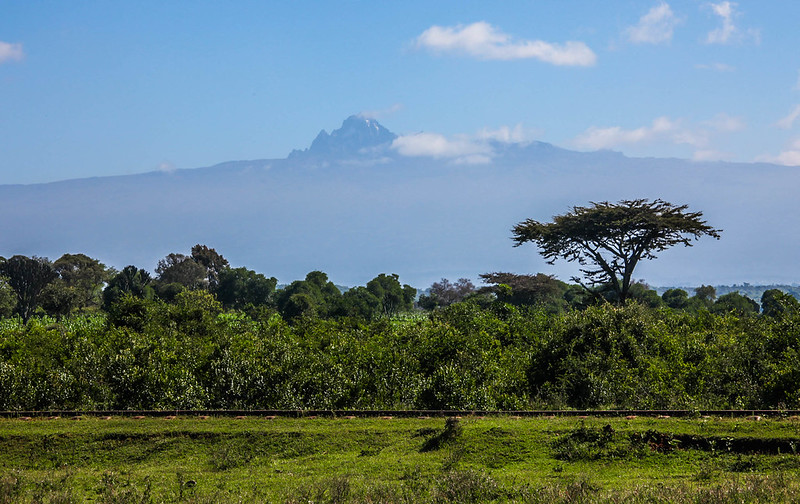
Mount Kenya National Park draws trekkers, climbers, and wildlife enthusiasts alike. If steep trails, alpine scenery, and snow-dusted peaks appeal to you, this is the place to be. The park contains some of the finest hiking routes in the country, ranging from forest walks to multi-day summit climbs.
Recognized as a UNESCO World Heritage Site, Mount Kenya stands among Kenya’s leading natural attractions. Visitors come for both high-altitude adventure and wildlife viewing, as buffalo, antelope, and other species roam the lower slopes.
Rising 5,199 meters above sea level, Mount Kenya is Africa’s second-highest mountain after Mount Kilimanjaro. Of its three main peaks, Point Lenana is the most accessible and popular with hikers. It offers a challenging yet achievable climb for those without technical mountaineering skills.
The mountain also holds spiritual meaning for nearby communities such as the Kikuyu and Meru. They regard it as sacred ground and believe their God, Ngai, resides there. Rituals and prayers connected to this belief continue to shape local traditions.
Location: Mount Kenya lies in central Kenya and can be accessed through Chogoria, Narumoru, Nanyuki, or Timau.
Getting There: Joining an organized tour simplifies transport, permits, guides, and accommodation arrangements.
Things To Do: Hiking, camping, wildlife viewing, and summit treks are the main activities within the park.
Entrance Fee: Park fees vary depending on the number of days spent inside. For non-resident adults, day-trip entry starts at $52. Always check the Kenya Wildlife Service website for updated rates.
15. Turkana – The Origin of Mankind
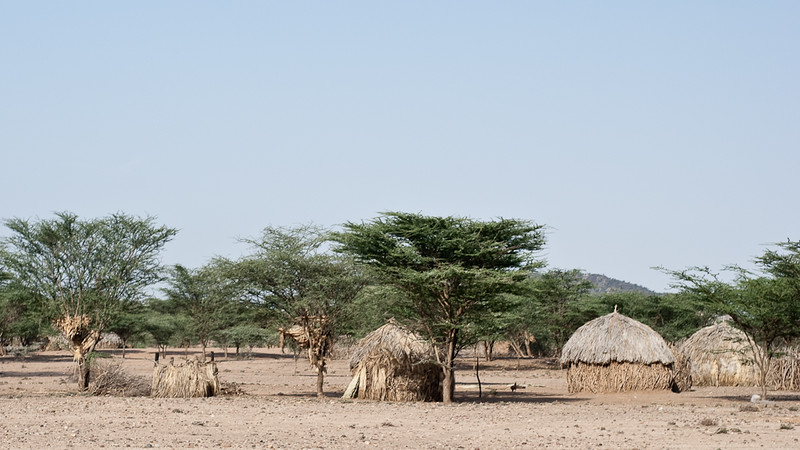
Turkana is sometimes underestimated, yet it stands out as one of Kenya’s most compelling regions. From cultural landmarks to raw desert scenery, the area blends history, wildlife, and lakefront views in a way that feels rare across the country. Museums, heritage sites, beaches, and protected reserves all sit within reach, each telling a different chapter of northern Kenya’s story.
For travelers curious about less-traveled routes, heading northwest to Turkana — often called the cradle of early humanity — brings a sense of scale and depth. The Kalokol standing stones rise quietly near the lakeshore, while the Nariokotome Turkana Boy Monument marks one of the most important fossil discoveries in Africa. At Kapedo, hot waterfalls cut through dry terrain, offering a striking contrast between heat, rock, and flowing water.
Wild spaces define much of the experience. South Turkana National Reserve stretches across open plains where wildlife roams freely, and Lodwar town acts as the region’s main hub. A boat ride to Central Island National Park reveals volcanic craters and crocodile-filled shores. Ferguson Gulf offers calm waters and birdlife, while Eliye Springs Beach invites slow afternoons beside the jade-colored waters of Lake Turkana.
Location: Kalokol is among the easiest towns to reach along the shores of Lake Turkana.
Getting There: The western side of the lake is accessed through Lodwar. The fastest option is a domestic flight into Lodwar airstrip with airlines such as Fly540. Road trips from Nairobi via Nakuru, Eldoret, and Kitale are also possible for those who prefer a long overland journey.
16. Kakamega: Western Kenya’s Green Heart
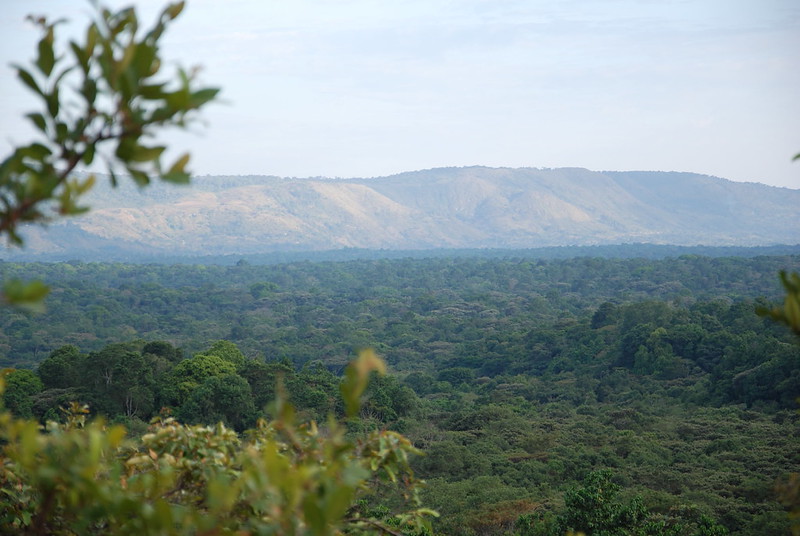
Kakamega lies in western Kenya, about 30 kilometers north of the Equator. It serves as the headquarters of Kakamega County and stands at an elevation of roughly 1,535 meters above sea level. The town sits around 50 kilometers north of Kisumu, the lakeside port on Lake Victoria.
Kakamega County ranks among the most populated regions in Kenya, second only to Nairobi. It includes nine constituencies—Ikolomani, Matungu, Lugari, Butere, Khwisero, Mumias East, Malava, Shinyalu, and Lurambi—each shaped by farming, trade, and close-knit communities.
The name “Kakamega” is said to come from the local Kiluhya dialect, loosely translating to “pinch,” a reference to how early European settlers ate ugali, the region’s staple food. Agriculture plays a central role here, with sugarcane and maize fields stretching across the countryside.
While Kakamega may not appear on every traveler’s list, it works well as a practical stopover. If you arrive late in the day, the town offers accommodation, markets, and supply shops before heading to nearby attractions such as Kakamega Forest—Kenya’s last remaining tropical rainforest.
Location: Kakamega is located in western Kenya, about 50 kilometers north of Kisumu and approximately 400 kilometers northwest of Nairobi.
Getting There: Travelers can reach Kakamega by bus or matatu from Nairobi, Kisumu, Eldoret, and other regional towns. The nearest airport is in Kisumu, with domestic flights connecting from Nairobi. From Kisumu, road transport to Kakamega takes about one hour.
17. Thika: Waterfalls, Memoirs, and a Colonial-Era Stopover
Thika gained literary fame through Elspeth Huxley’s memoir The Flame Trees of Thika, which painted a vivid picture of colonial-era life in Kenya. Today, the town has grown into a busy industrial center, and the famous flame trees are harder to spot. Still, there’s a trace of old-world memory here—especially if you pause before continuing your journey north.
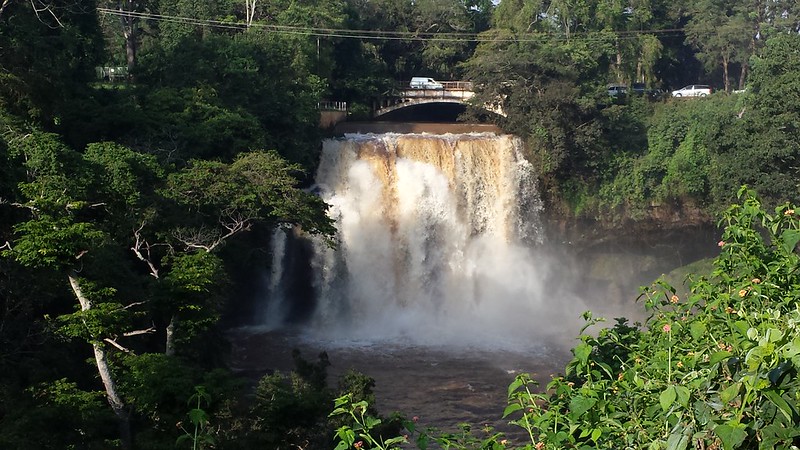
Just about two kilometers from town, the Thika and Chania rivers—both flowing from the Aberdare Range—meet and spill over a rocky cliff to form Thika Falls and Chania Falls. The scene is best enjoyed from the veranda of the historic Blue Post Hotel, where visitors often sit with a drink in hand, listening to the rush of water below.
Established in 1908, the Blue Post Hotel predates much of modern Thika. Its gardens and riverside setting still carry a faint echo of the early 20th century. Today, the grounds are popular for weddings and weekend outings, offering a quiet break from the town’s busy streets.
Thika also works well as a gateway to nearby destinations such as Nyeri, Sagana, Embu, and Nairobi, making it a practical stop along central Kenya’s travel routes.
Location: Thika is located in Kiambu County, about 45 kilometers northeast of Nairobi along the A2 highway.
Getting There: The town is easily reached by matatu, bus, or private car from Nairobi, with the journey taking roughly one hour depending on traffic. Self-driving via Thika Road is straightforward, and taxis are also widely available.
18. Arabuko Sokoke National Reserve: Coastal Forest and Rare Species
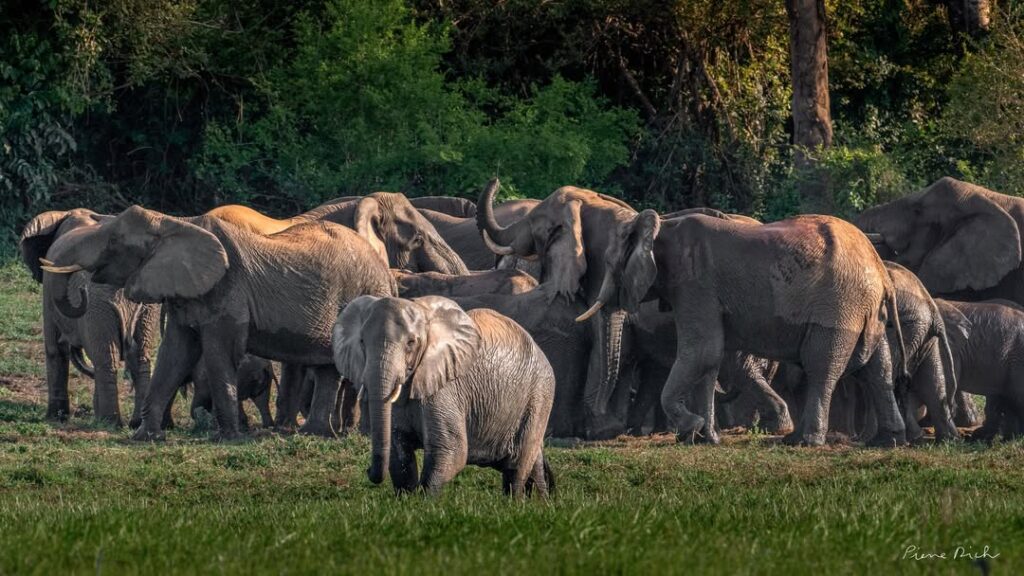
Arabuko Sokoke National Reserve lies along Kenya’s coast near Malindi and spans roughly 420 square kilometers. This protected area contains coastal forest, open grassland, and seasonal wetlands, forming one of East Africa’s most important forest ecosystems.
The reserve shelters several rare and threatened species, including the Amani sunbird, the Sokoke bushy-tailed mongoose, and the critically endangered Clarke’s weaver. More than 200 bird species have been recorded here, drawing birdwatchers from across the region.
Arabuko Sokoke is part of the larger Arabuko Sokoke Forest, recognized as a UNESCO Biosphere Reserve. Its conservation value extends beyond wildlife, protecting plant species and supporting local communities involved in forest stewardship.
Visitors can walk along marked trails that wind through dense woodland and clearings, listening to bird calls and learning about the forest’s ecological importance. The reserve stands as a key conservation site on Kenya’s coastline and offers a quieter alternative to nearby beach destinations.
Location: Arabuko Sokoke National Reserve is located about 110 kilometers north of Mombasa and approximately 20 kilometers from Malindi along the coastal highway.
Getting There: The reserve can be reached by road from Malindi or Watamu by private car or taxi. Visitors traveling from Nairobi can take a domestic flight to Malindi Airport or travel by bus to the coast, then continue by road to the forest entrance.
19. Lake Naivasha
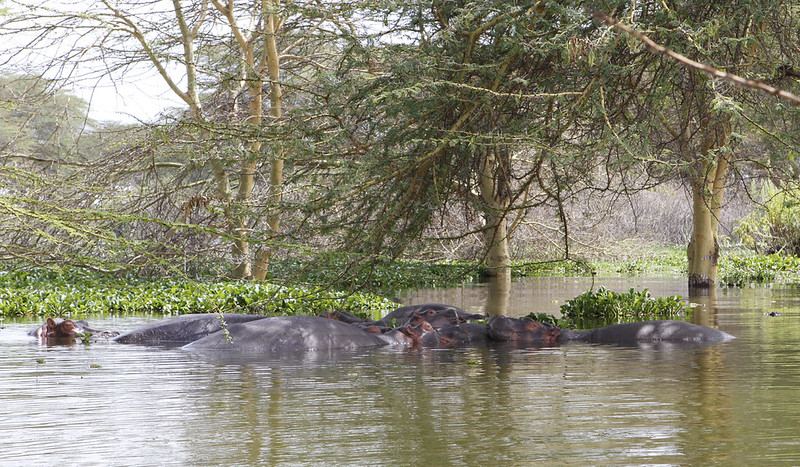
Lake Naivasha ranks among the most visited spots in Kenya, praised for its wide freshwater expanse and dramatic Rift Valley backdrop. Calm waters reflect passing clouds while acacia trees line the shore, creating a setting that feels open and refreshing without being remote.
Boat rides are a highlight here. As you glide across the lake, you may spot hippos surfacing near papyrus reeds and fish eagles swooping down for their catch. Birdlife is abundant, drawing photographers and nature enthusiasts year-round. The nearby Crescent Island offers walking safaris where zebras, giraffes, and antelopes roam freely, allowing close encounters on foot.
Lake Naivasha also appeals to travelers who want a slower pace between big-game safaris. Lakeside lodges, flower farms, and cycling trails in nearby Hell’s Gate National Park add variety to any Kenya trip plan. A couple of days here can balance adventure with easy outdoor moments.
Getting There
Lake Naivasha sits in Nakuru County, just outside the town of Naivasha, roughly 90 kilometers northwest of Nairobi. The drive from the capital takes about two hours via the Nairobi–Nakuru highway, with scenic viewpoints along the Great Rift Valley escarpment.
Public buses and matatus run regularly from Nairobi to Naivasha town. From there, taxis or hotel transfers can take you to lakeside properties. Private transfers and guided tours are also widely available for those adding Lake Naivasha to a broader Kenya itinerary.
20. Giraffe Manor: Breakfast with Rothschild’s Giraffes
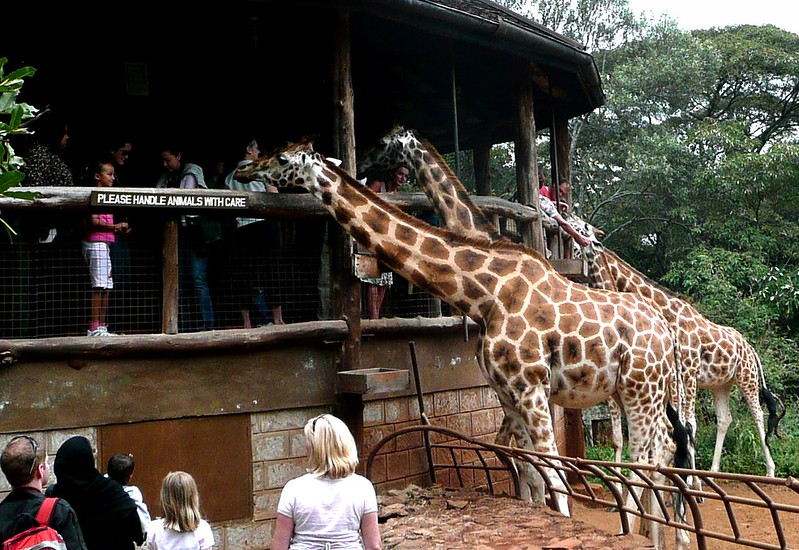
Giraffe Manor is one of Nairobi’s most distinctive boutique stays. Owned and operated by The Safari Collection, the manor sits on 12 acres of private land surrounded by 140 acres of indigenous forest. The building dates back to the 1930s, recalling an era when travelers journeyed to East Africa for extended wildlife expeditions.
The manor’s architecture reflects early 20th-century design, with a grand façade, polished interiors, open terraces, and green gardens. What truly sets it apart, however, is the resident herd of endangered Rothschild’s giraffes. During breakfast and early evening hours, these gentle giants often stretch their long necks through the windows in search of treats, creating a memorable interaction for guests.
A stay here blends comfort with wildlife encounters. Guests can enjoy breakfast with giraffes, visit the nearby Giraffe Centre, relax with afternoon tea, browse the gift shop, or book spa treatments. Horse riding lessons and guided excursions around Nairobi are also available for those wanting more activity beyond the manor grounds.
Location: Giraffe Manor is located in the Lang’ata suburb of Nairobi, close to Nairobi National Park and other conservation attractions.
Getting There: The manor is about 45 minutes by road from Jomo Kenyatta International Airport, depending on traffic. Most guests arrange airport transfers through the hotel, though taxis and private drivers are also readily available.
21. Samburu National Reserve: Northern Wildlife and Rare Species
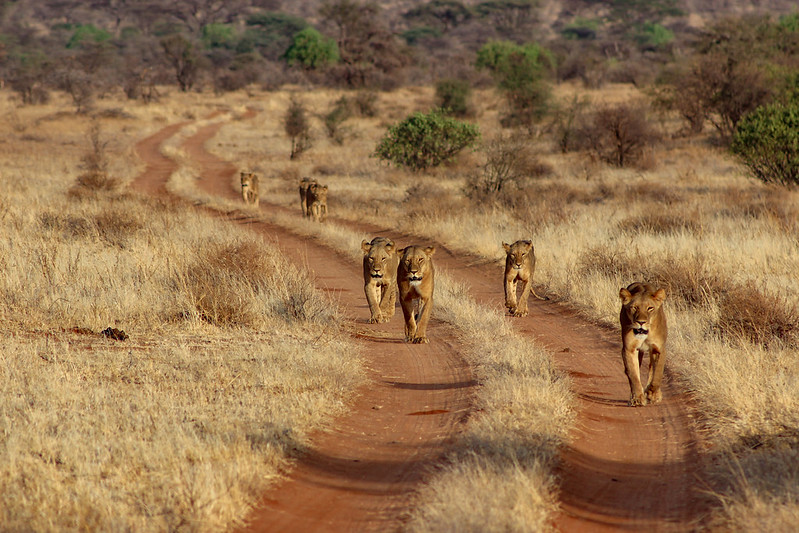
Samburu National Reserve lies in Kenya’s northern region and supports nearly 900 elephants along with leopards, lions, and cheetahs. The reserve once drew attention for Kamunyak, a lioness known for her unusual bond with oryx calves. Today, Samburu continues to attract travelers eager to experience wildlife in a drier, less crowded setting.
Samburu is especially known for species rarely seen in southern parks. Among them are the Grevy’s zebra, reticulated giraffe, Somali ostrich, Beisa oryx, and the long-necked gerenuk, often called the “Samburu Special Five.” The Ewaso Ng’iro River cuts through the reserve, drawing animals to its banks and creating prime viewing spots.
For visitors planning a safari-focused trip, Samburu offers a strong alternative to Kenya’s more visited reserves. Its open plains, scattered acacia trees, and riverine forests provide a varied backdrop for game drives and photography.
Location: Samburu National Reserve is located in Samburu County in northern Kenya.
Getting There: Travelers can drive from Nairobi in about 5–6 hours via Isiolo. Domestic flights also operate from Nairobi’s Wilson Airport to nearby airstrips within the reserve. Many visitors opt for organized safari tours that include transport, accommodation, and park entry arrangements.
Related Posts:
- 21 Must-Visit Places to Travel Alone for an Unforgettable Experience
- 21 Incredible Places to Visit in Korea for an Unforgettable Trip
- 21 Dreamy European Destinations That Deserve a Spot on Your Bucket List
- 21 Beautiful Places to Visit in Switzerland for Incredible Scenery
Getting Around Kenya
Kenya offers several ways to move between cities, parks, and coastal towns. Travelers can join a shared safari van, book a domestic flight, ride a long-distance train, or rent a vehicle. Budget options include buses, matatus, motorcycle taxis, and standard taxis.
By Plane
Most international arrivals land at Jomo Kenyatta International Airport in Nairobi. Kenya Airways and other carriers operate regular domestic flights to Mombasa, Malindi, Lamu, and Kisumu. Low-cost airlines such as Fly540 and Jambojet also connect major destinations.
Using Buses
Kenya has a dependable bus network operated by private companies. ENA Coach and Mash East Africa handle longer routes. Within Nairobi, operators like Super Metro, Kenya Bus Service, Citi Hoppa, and Double M are widely used.
Using Matatus
Matatus are privately run minibuses carrying 11–33 passengers. They serve city routes and medium-distance journeys. Fares are affordable and routes frequent, though it’s wise to confirm your stop in advance.
Travel by Train
Kenya Railways runs passenger services from Nairobi. The Madaraka Express operates three daily trains between Nairobi and Mombasa. Other routes include services to Suswa, Nanyuki, and Kisumu, along with commuter lines to Kikuyu, Syokimau, and Embakasi.
Hire a Vehicle
Car rentals are available nationwide from around $30 per day. Visitors can self-drive or hire a vehicle with a driver. A 4WD is recommended for off-road safaris. Always review rental terms and inspect the vehicle before departure.
Other Ways
Ride-hailing apps like Uber, traditional taxis, motorcycle taxis (boda bodas), and tuk-tuks are common in major towns.
Quick Itineraries for Kenya
3 Days in Kenya
Day one: Explore Nairobi National Park, then visit the David Sheldrick Wildlife Trust and the Giraffe Centre.
Day two: Head to Amboseli National Park with views of Mount Kilimanjaro. Alternatively, visit Hell’s Gate National Park and Lake Naivasha.
Day three: Hike Mount Longonot, stop at the Rift Valley viewpoint, and shop at a Maasai Market.
One Week in Kenya
Spend two days in Nairobi, then travel to Maasai Mara National Reserve, Lake Nakuru National Park, Lake Naivasha, and Amboseli. Add Diani Beach or Kisite-Mpunguti Marine Park if time allows. Adventurous travelers can attempt a multi-day climb on Mount Kenya or visit Ol Pejeta Conservancy.
10+ Days in Kenya
Begin in Nairobi, then spend several days in Naivasha and Nakuru exploring parks and crater viewpoints. Continue to the Maasai Mara for a safari, especially during the Great Migration (July–October). Afterward, take the train to Mombasa and unwind at Watamu or Diani Beach. Conclude back in Nairobi with market visits and local cuisine.
FAQs About Visiting Kenya
Which is the Best Climbing Route to Mount Kenya?
Main routes include Chogoria, Sirimon, Burguret, Naro Moru, and Timau. Chogoria offers dramatic scenery, while Naro Moru is shorter and widely used.
Which Are the Best Places to Visit in Kenya?
Top picks include Maasai Mara, Lamu Old Town, Nairobi, Diani Beach, and Mount Kenya.
Is Nairobi Safe to Visit?
Like many large cities, caution is necessary. Keep valuables secure and remain aware of surroundings.
Why Is Aberdare National Park Famous?
Aberdare National Park is linked to Queen Elizabeth II’s accession at Treetops Hotel and is known for hiking trails and waterfalls.
Why Is Amboseli National Park Famous?
Amboseli is known for large elephant herds and clear views of Mount Kilimanjaro.
What Makes Lake Turkana Famous?
Lake Turkana is the world’s largest desert lake and part of a UNESCO World Heritage Site that includes Sibiloi and Central Island National Parks.
Is Lake Naivasha Worth Visiting?
Yes, especially for hippos, fish eagles, and boat rides.
Now You Know the Best Places to Visit in Kenya
Over a century ago, travelers arrived in Kenya drawn by tales of wildlife roaming wide plains. Today, visitors still come for safaris, coastlines, highland hikes, and cultural encounters.
If you’ve been searching for where to go in Kenya, this guide should help you shape a trip that blends wildlife, beaches, and local life into one memorable journey.