
Romania, a land rich in history, culture, and natural beauty, offers an incredible array of destinations that capture the heart and imagination of travelers. From charming medieval towns to rugged mountain landscapes, Romania is a country full of hidden gems just waiting to be explored. Whether you’re wandering through ancient castles, hiking through lush forests, or immersing yourself in local traditions, Romania is a fantastic place to discover. Here are 21 must-see spots for your next adventure in this remarkable country.
Let’s dive into some of the most beautiful places in Romania you can’t afford to miss.
Map of Romania’s Top Attractions
To help you plan your Romanian adventure, here’s a map showcasing all the must-see destinations highlighted above.
1. Danube Delta: Europe’s Wild Oasis
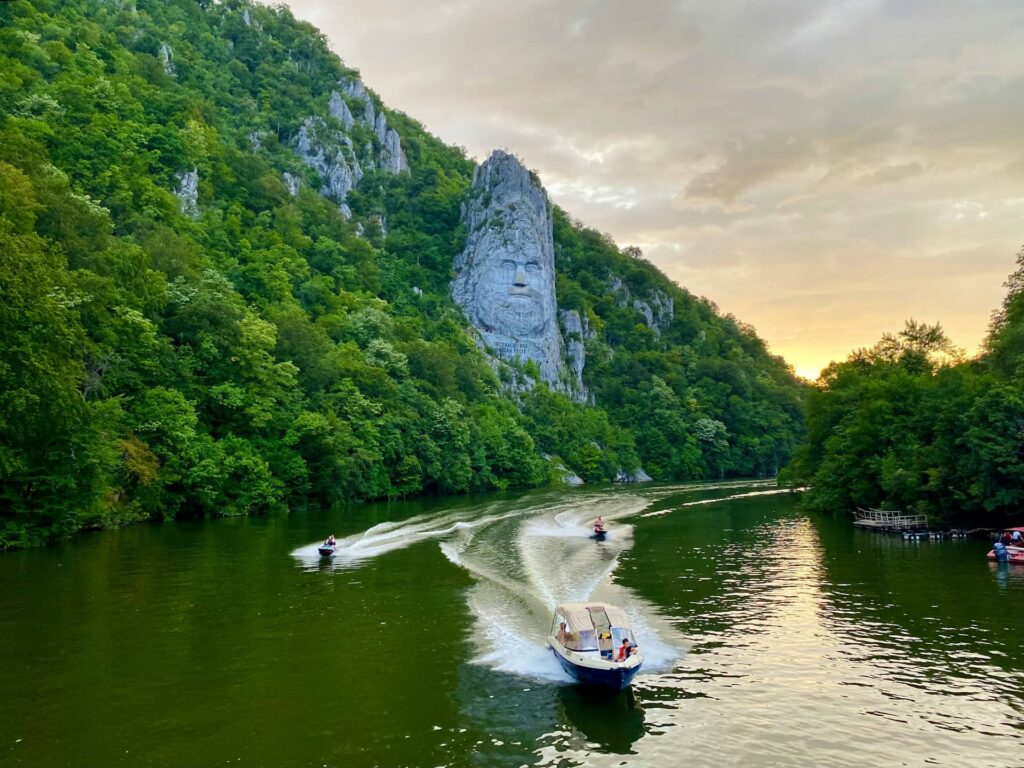
The Danube Delta, a UNESCO World Heritage site, is a true natural wonder. Renowned for its extraordinary biodiversity and complex history, it stands as one of the most valuable ecosystems in Europe. With over 300 bird species, the delta boasts the largest continuous marshland on the continent and holds the title of the world’s largest stretch of reed beds.
Nestled along Romania’s Black Sea coast in Tulcea County, the delta stretches between the Chilia, Sulina, and Sfântu Gheorghe rivers, as well as the Razelm-Sinoie system of lakes. Spanning 12 distinct habitats, it’s a paradise for wildlife enthusiasts and photographers. But the beauty of the delta isn’t just about nature—charming villages like Sfântul Gheorghe offer a glimpse into local life, with its famous film festival and delicious culinary offerings making it a must-visit destination for travelers.
2. The Sphinx and Babele: Mystical Rock Formations in the Bucegi Mountains
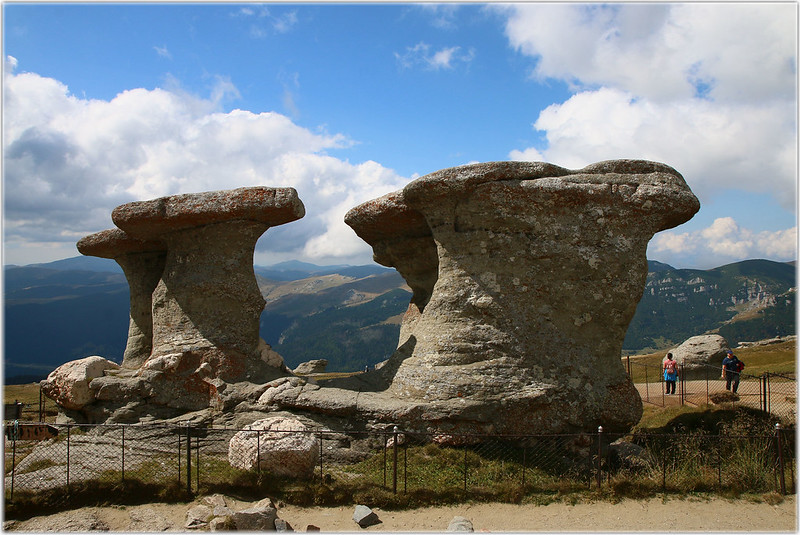
Tucked away in the Bucegi Mountains, the Sphinx and Babele are captivating natural rock formations that have long intrigued visitors. Carved by the forces of wind and rain, these formations lie just a short 10-minute walk apart, perched at over 2,000 meters above sea level.
The Sphinx, discovered in the early 1900s, earned its name in 1936 when its resemblance to the Great Sphinx of Giza was recognized from a certain angle. Nearby, Babele, meaning “the old woman” in Romanian, refers to the mushroom-shaped rock formations that add to the area’s mystique.
Both formations can be reached by a scenic cable car ride from Busteni, or for the more adventurous, by car or foot. Whether you’re captivated by their natural beauty or intrigued by the local legends, the Sphinx and Babele offer a truly unique experience.
3. Painted Churches of Moldavia: Vibrant Masterpieces of Byzantine Art
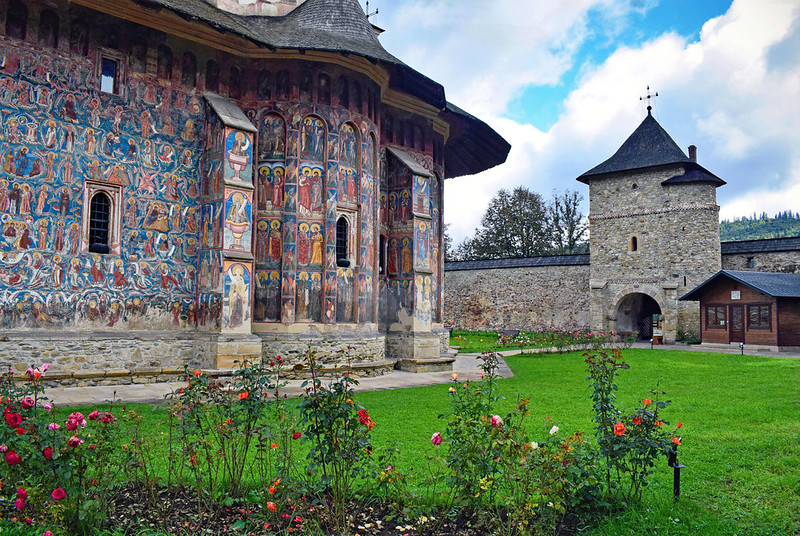
The Painted Churches of Moldavia, located in northern Romania, are a UNESCO World Heritage site and stand as some of the most extraordinary examples of Byzantine art. These churches, built in the 15th and 16th centuries, feature vibrant, intricately painted frescos that adorn both their interior and exterior walls.
The artwork, depicting biblical scenes such as portraits of saints, the life of Jesus, and the final judgment, was designed to bring the Bible’s teachings to life for the local villagers who had limited access to written scriptures. The churches, often too small to hold the large congregations, also allowed worshippers to gather outside, where the painted walls kept them connected to the religious ceremonies taking place inside.
Visitors can explore all eight painted churches—Arbore, Moldovița, Humor, Pătrăuți, Probota, Suceava, Voroneț, and Sucevița—each offering a glimpse into the rich history and artistry of Moldavia’s religious heritage.
4. Bran Castle: Romania’s Legendary Hilltop Fortress
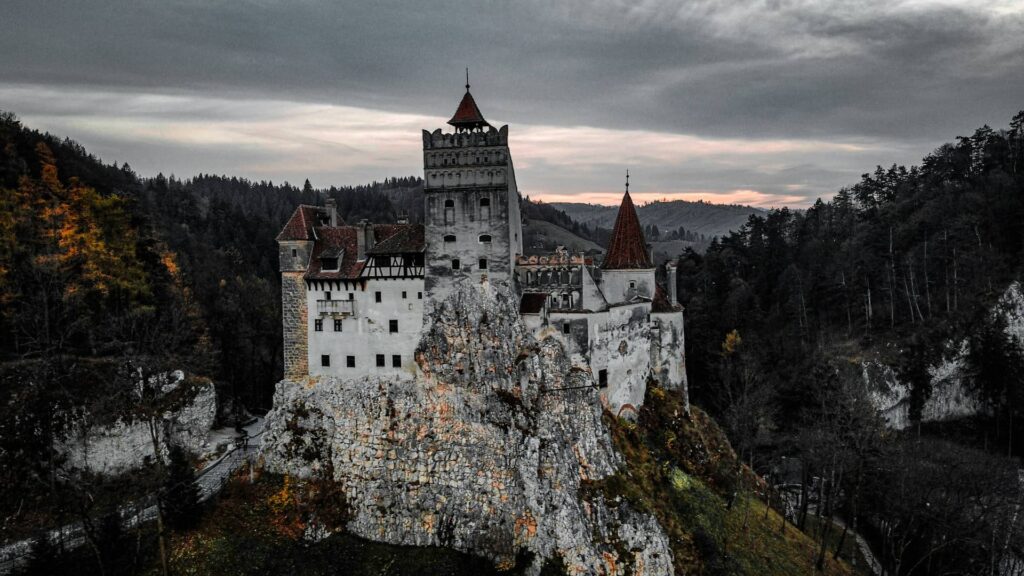
Bran Castle, dating back to 1377, stands as one of Romania’s most iconic landmarks. Its striking architecture, perched on a hilltop, exudes both strength and elegance. The castle has gained global fame due to its association with the legendary vampire, Dracula—often claimed to be the inspiration for Bram Stoker’s famous novel. However, this connection is somewhat disputed, as other castles in Romania also make similar claims to be Dracula’s home.
Situated on the border between Transylvania and Wallachia, Bran Castle is more than just a vampire legend—it’s a fascinating historical site. The castle is now a museum, showcasing art and furniture collected by Queen Marie, who made Bran Castle her home in 1920. Visitors can explore this medieval marvel and step into a rich tapestry of history, culture, and folklore.
5. Peles Castle: A Neo-Renaissance Masterpiece in the Carpathians
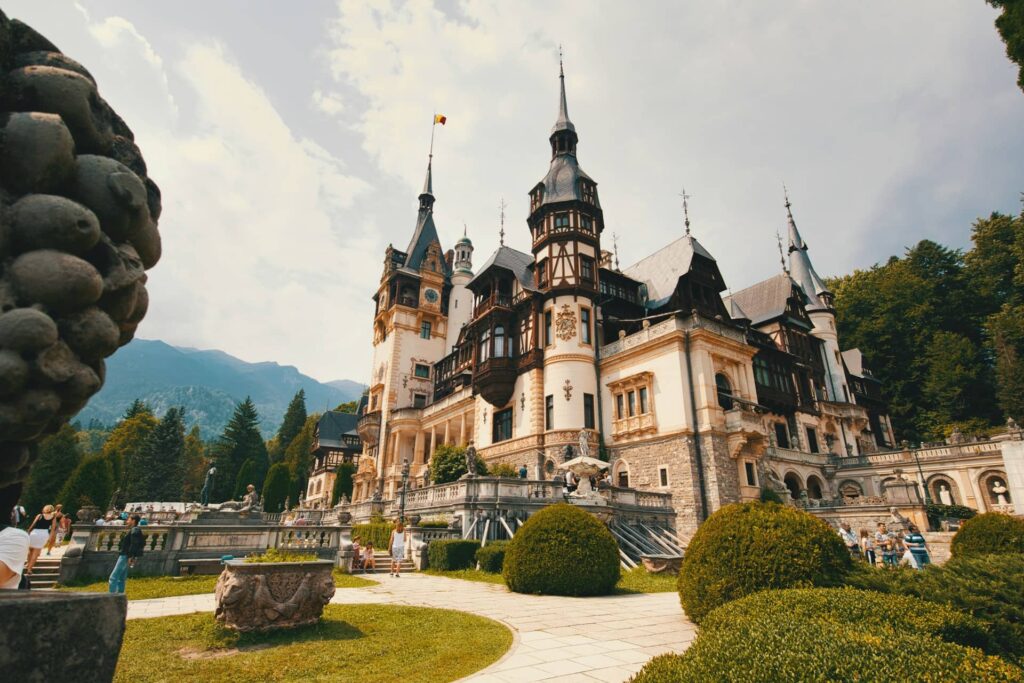
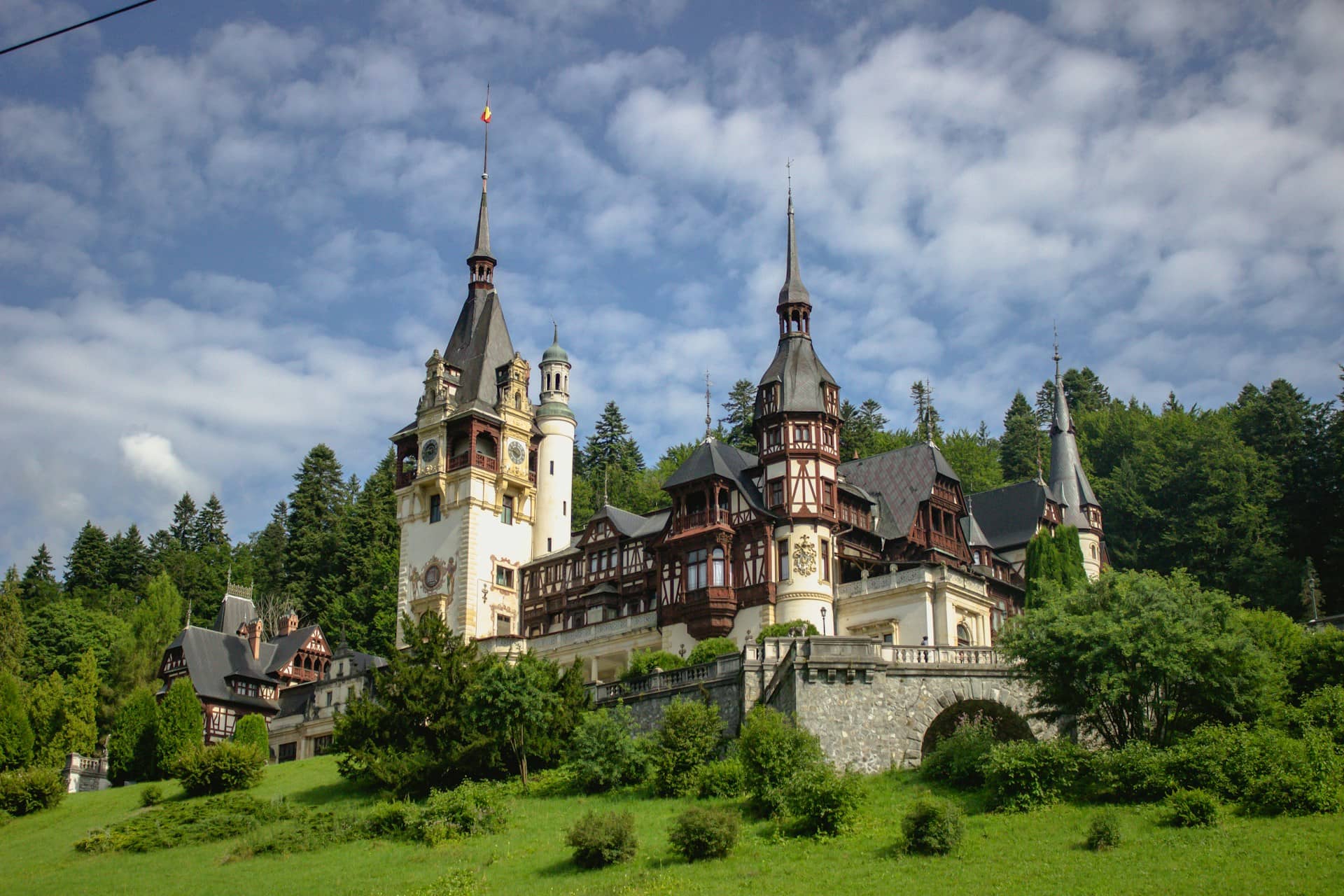
Peles Castle is a breathtaking example of Neo-Renaissance architecture, perched majestically against the stunning backdrop of the Carpathian Mountains. With its intricate stone carvings, sculpted woodwork, and colorful stained-glass windows, the castle exudes both charm and grandeur, making it one of Romania’s top attractions.
Built by King Carol I at the end of the 19th century as a summer residence, Peles Castle is a true architectural gem. Today, it serves as a museum, showcasing an impressive collection of artwork, armor, and weaponry. Visitors can explore the castle’s 160 rooms, including the magnificent terrace gardens, on a guided tour that immerses you in the history and beauty of this royal residence.
6. Cluj-Napoca: Transylvania’s Vibrant Heart
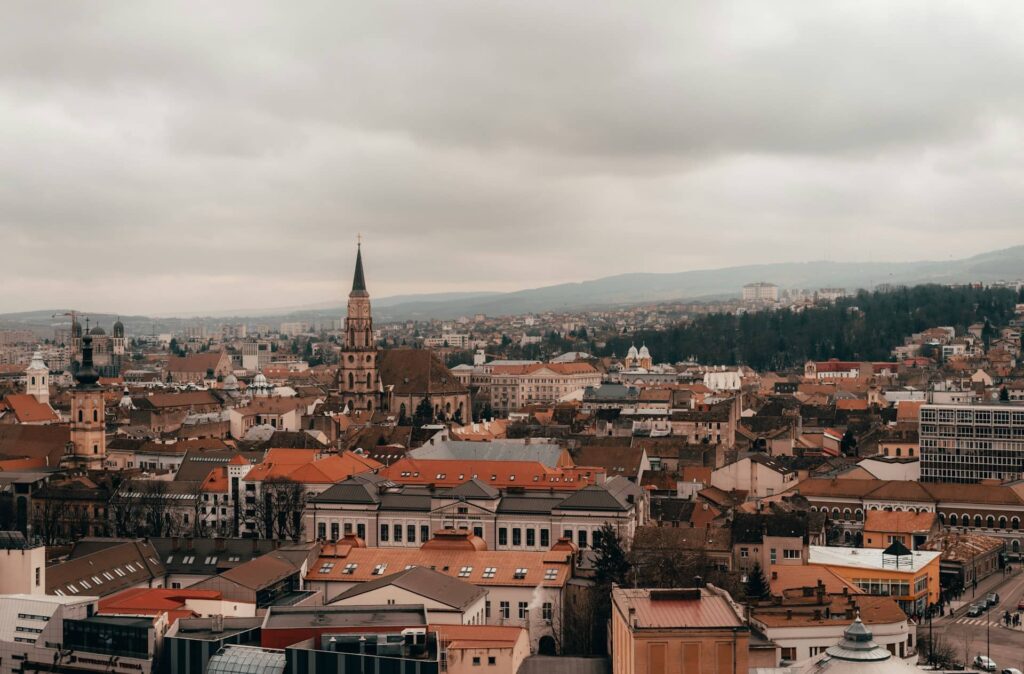
Cluj-Napoca, a youthful and dynamic city in the heart of Transylvania, is Romania’s second-largest urban center and the unofficial capital of the region. Known for its thriving student population, the city blends modernity with history, offering a unique mix of cultural and historical attractions.
Cluj-Napoca is home to the National Museum of Art, which boasts an extensive collection of Romanian artworks, alongside other significant arts and cultural institutions. The city’s rich history dates back to the 2nd century CE, when it was first settled by the Dacians. Today, it’s filled with an array of historic landmarks, from Baroque architecture to the 14th-century Gothic St. Michael’s Church, which features the tallest church tower in Romania. Cluj-Napoca offers a perfect blend of history, culture, and modernity, making it a must-see destination in Transylvania.
7. Palace of Culture, Iași: A Neo-Gothic Gem of History and Art
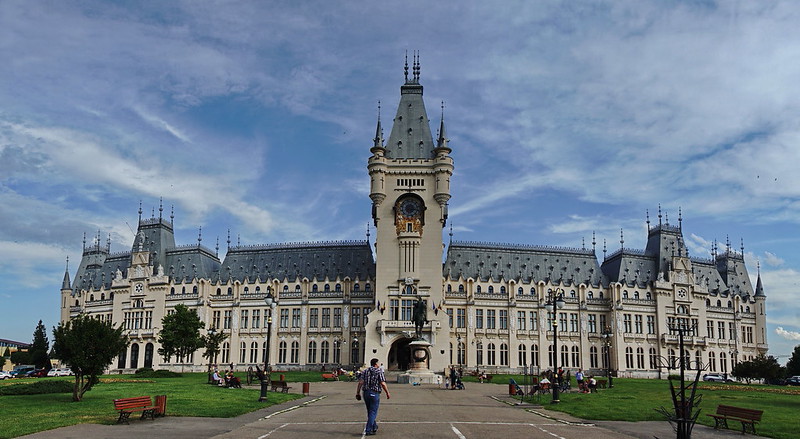
Located in the vibrant city of Iași, the Palace of Culture is a stunning Neo-Gothic building that stands as one of Romania’s architectural masterpieces. Spanning 390,000 square feet and featuring 298 rooms, this grand structure is home to four important museums: the Science and Technology Museum, the Ethnography Museum of Moldavia, the Art Museum, and the Moldavia’s History Museum.
Built between 1906 and 1925, the Palace of Culture replaced the ruins of the old Royal Court of Moldavia, dating back to 1434. Before it became a museum complex, the building housed the Administrative and Justice Palace. Listed on the National Register of Historic Monuments, the Palace of Culture is a testament to Romania’s rich cultural heritage and offers a fascinating glimpse into its history, art, and traditions.
8. Sighisoara: A Timeless Medieval Treasure in Transylvania
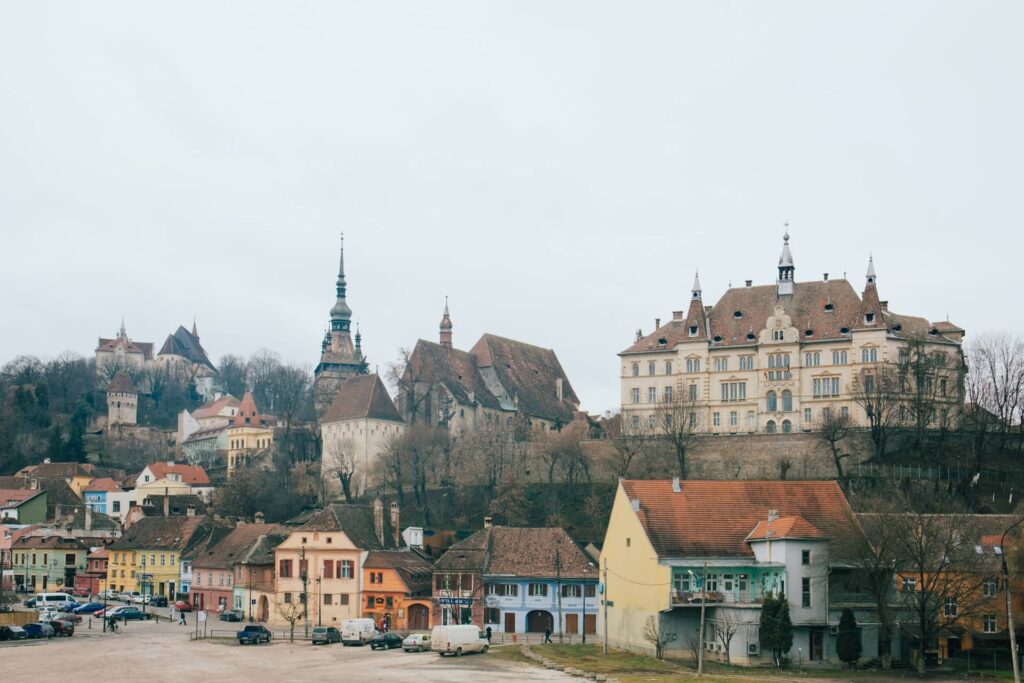
Nestled in Mureș County, Transylvania, Sighisoara is a perfectly preserved medieval walled town that transports you back in time. Founded in the 12th century by German craftsmen and merchants, this UNESCO World Heritage site is a charming labyrinth of narrow cobbled streets, vibrant houses, and towering spires.
The city’s most iconic feature is the 64-meter-high Clock Tower, built in 1556, which offers sweeping views of the town below. Sighisoara is also famous for being the birthplace of Vlad III the Impaler, the historical figure who inspired the legendary Count Dracula. To experience the town at its most magical, plan your visit during the annual Medieval Festival in July, when the streets come alive with music, performances, and vibrant costumes.
9. Transalpina: Romania’s Majestic King’s Road
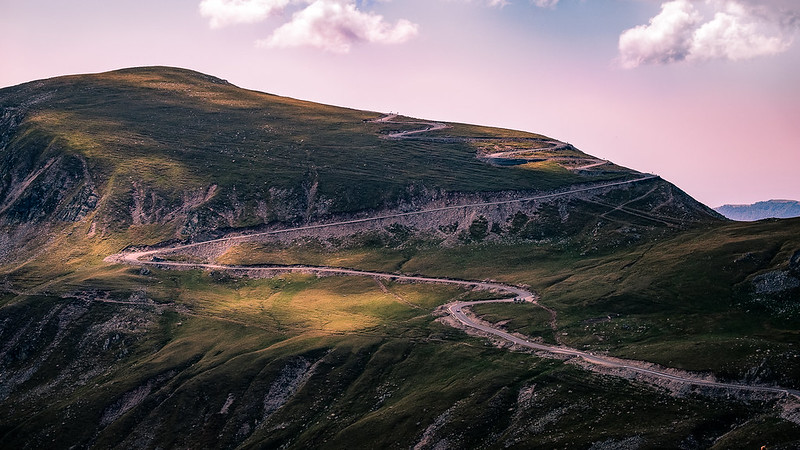
For a breathtaking road trip, take the Transalpina (DN67C), a winding alpine route that cuts through the Parâng Mountains in Romania’s Southern Carpathians. Known as the King’s Road or Devil’s Pathway, this iconic road is one of the highest in the country, offering spectacular views and thrilling turns.
The highest point along the Transalpina is Urdele Pass, standing at 2,145 meters above sea level. Stretching between Novaci and Sebes, the road passes through four counties, each offering its own unique mountain landscapes. With sweeping views at every turn, a drive on the Transalpina guarantees an unforgettable experience in Romania’s stunning mountain scenery.
10. The Red Ravine: A Striking Geological Wonder in Transylvania
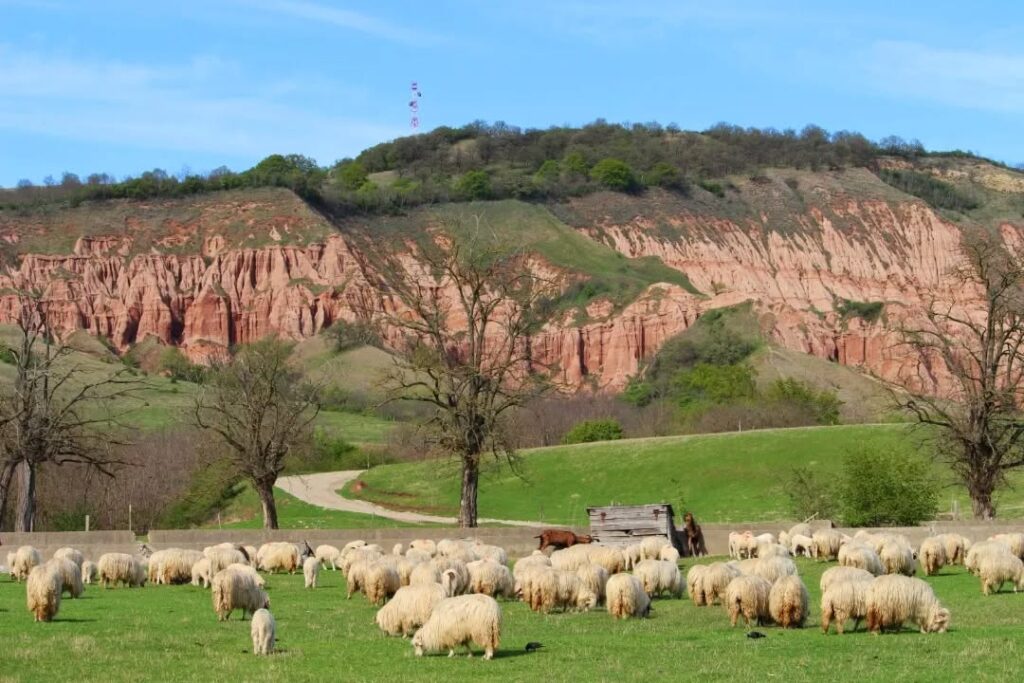
The Red Ravine, or Râpa Rosie, is a stunning natural reserve located in the southwest of the Secaselor Plateau, near the city of Sebes. This remarkable site is shaped by centuries of erosion, giving the mountainside its sharp, jagged appearance. The 800-meter-long cliff is nearly vertical, rising between 50 and 125 meters above the surrounding landscape.
The ravine’s striking red color comes from the unique blend of gravel, quartz sands, and sandstones in the area. During the rainy season, deep ravines form, and the nearby Râpa Rosie River flows through, adding to the dramatic beauty of the landscape. The Red Ravine offers a fascinating glimpse into the forces of nature at work and is a must-see for anyone exploring the natural wonders of Transylvania.
11. Sarmizegetusa Regia: The Heart of the Dacian Kingdom
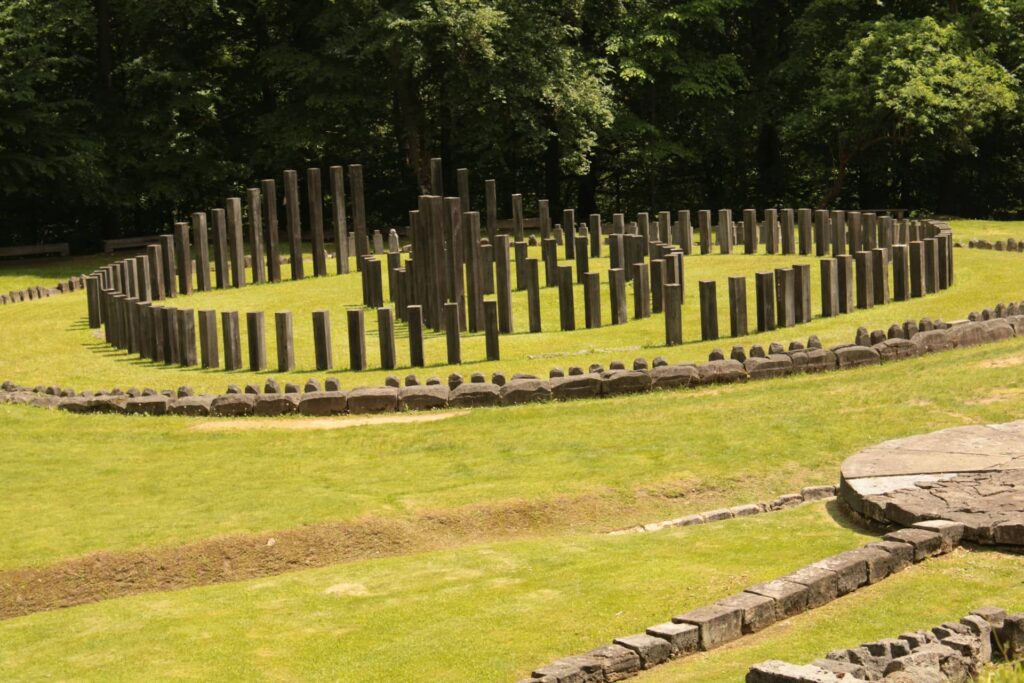
Sarmizegetusa Regia, the ancient capital of the Dacian Kingdom, is a UNESCO World Heritage site nestled within the Orăștie Mountains in Transylvania’s Hunedoara and Alba counties. Once the center of the Dacian civilization, this archaeological marvel was constructed between the first century BC and the first century AD, forming part of a defensive ring made up of six fortresses.
The site reveals a unique blend of military and religious architecture, offering a glimpse into a thriving and advanced society. Remarkably, despite its location at 1,200 meters (3,900 feet) above sea level, the people of Sarmizegetusa Regia developed a sophisticated water distribution system using ceramic pipes—a testament to their ingenuity and high standard of living. Visiting this ancient fortress gives you a window into the rich history of the Dacian civilization, making it a must-see for history enthusiasts.
12. Sibiu: Transylvania’s Cultural Gem
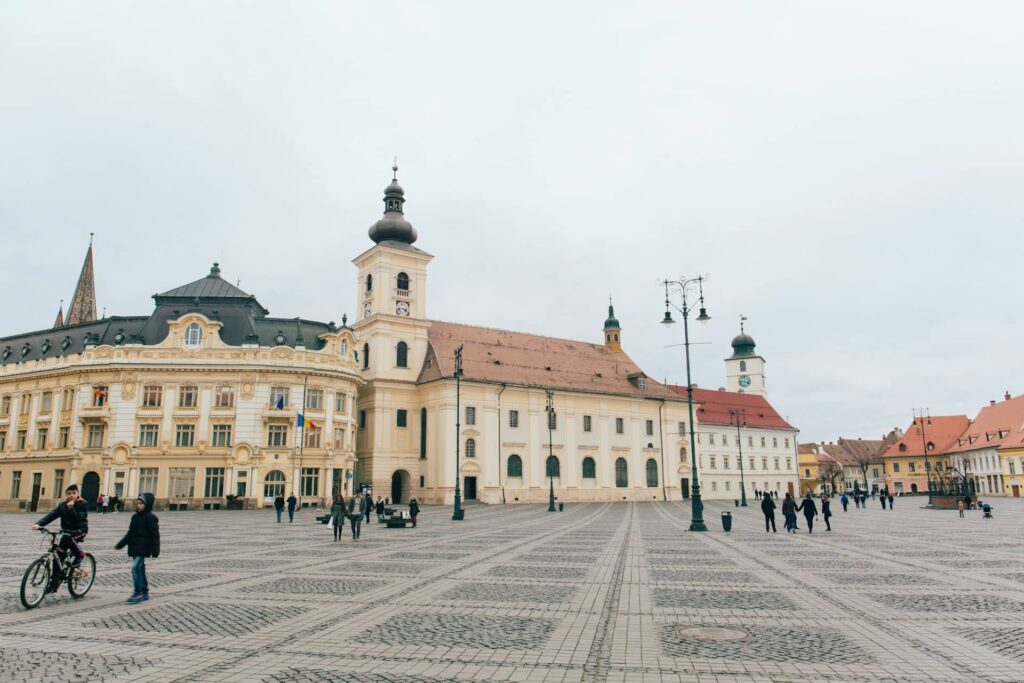
Sibiu, named the European Capital of Culture in 2007, is a city that truly lives up to its title. This cultural hub is home to the Brukenthal Art Museum, which showcases an impressive collection of Romanian artwork. Meanwhile, the ASTRA Museum of Folk Civilisation offers a unique open-air experience, displaying over 300 historically designed wooden houses, churches, and workshops that bring Romania’s rural heritage to life.
Beyond its museums, Sibiu boasts three theatres, a renowned philharmonic orchestra, and hosts an annual performing arts festival, making it a vibrant destination for culture lovers. The city is also filled with scenic parks, art galleries, and stunning churches. In 2008, Forbes even ranked Sibiu as ‘Europe’s 8th most idyllic place to live,’ cementing its status as a cultural and architectural treasure in Transylvania.
13. Wooden Churches of Maramureș: Timeless Icons of Romanian Heritage
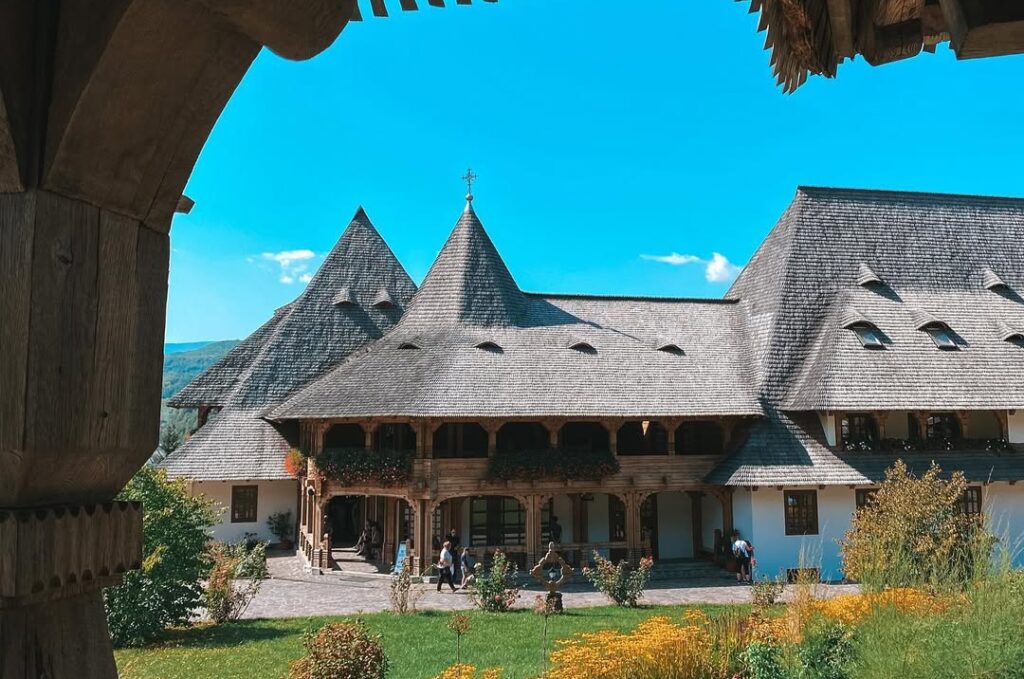
The Wooden Churches of Maramureș are a striking testament to the region’s rich cultural and architectural heritage. With their tall, elegant spires and sweeping roofs, these churches stand as unique landmarks in the landscape of northern Romania. Built between the 17th and 19th centuries, they were created as a solution for the Orthodox Christian community, who, under the rule of Catholic Austro-Hungarian authorities, were forbidden from constructing stone churches.
The interiors of these wooden masterpieces are adorned with vibrant biblical frescoes painted by local artists, while the wooden walls and windows showcase the exceptional craftsmanship of the region’s woodcarvers. Of the roughly 100 wooden churches still standing today, eight were included on the UNESCO World Heritage list in 1999. These churches—Bârsana, Desești, Plopiș, Budești, Ieud, Rogoz, Poienile Izei, and Șurdești—are open to visitors, offering a glimpse into the artistic and spiritual traditions of Maramureș.
14. Primeval Beech Forests of the Carpathians: A UNESCO Natural Treasure
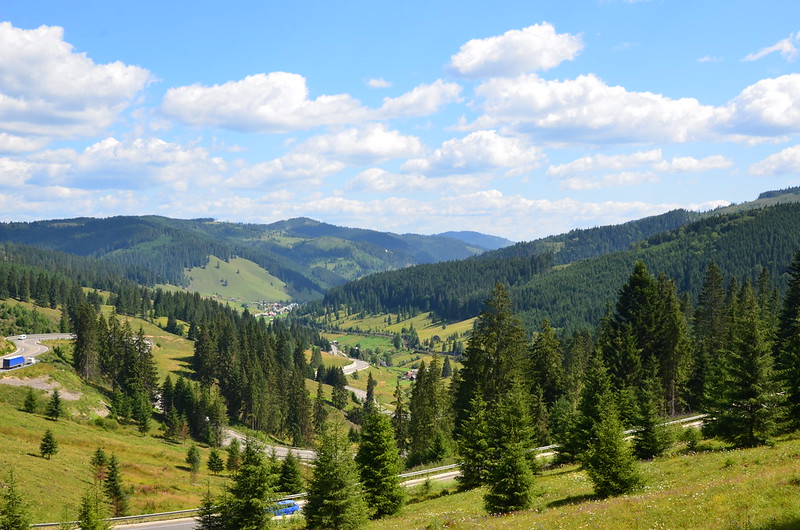
The Primeval Beech Forests of the Carpathians, Romania’s second UNESCO World Heritage natural site, is part of a remarkable shared designation that spans 12 European countries. This vast site celebrates the natural heritage of the European beech tree, a species that spread across the continent over a few thousand years, shaping the landscapes we see today.
Located in the Carpathian Mountains, the site includes 10 massifs, stretching from the Rakhiv Mountains in Ukraine to the Vihorlat Mountains in Slovakia. In addition, primeval beech forests in Germany are scattered across five different locations. These ancient forests offer an unspoiled glimpse into Europe’s natural history, preserving ecosystems that have remained largely untouched by human activity. The Primeval Beech Forests of the Carpathians stand as a living testament to the continent’s natural beauty and biodiversity.
15. Horezu Monastery: A Masterpiece of Brâncovenesc Architecture
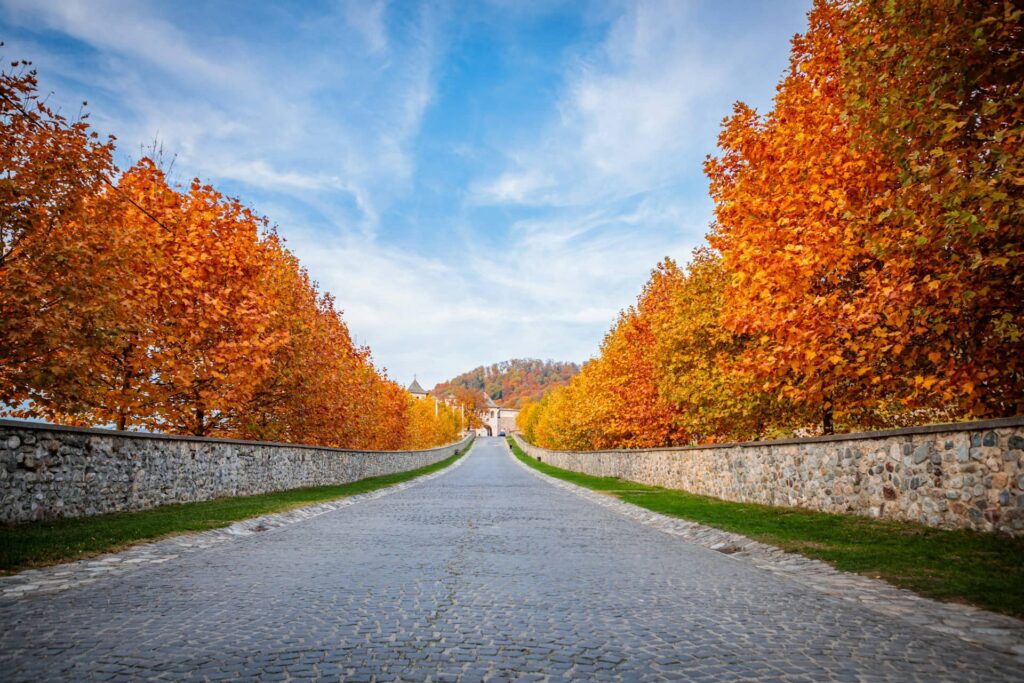
The Horezu Monastery, located in Vâlcea County, is one of Romania’s most significant religious and cultural landmarks. Built in 1690 by Constantin Brâncoveanu, the Prince of Wallachia, it is a symbol of both spiritual devotion and architectural brilliance. Brâncoveanu, a key figure in Romania’s history, is remembered for the legacy of cultural and architectural works he left behind, including religious and non-religious buildings that reflect his vision.
The monastery features a unique blend of local Neo-Byzantine architectural styles with influences from the Italian Renaissance, creating what is now known as the Brâncovenesc style. Recognized for its extraordinary craftsmanship in art and sculpture, the Horezu Monastery was added to the UNESCO World Heritage List in 1993. Its exquisite religious compositions and artistic details make it a timeless testament to Romania’s rich cultural and religious history.
16. Villages with Fortified Churches in Transylvania: A Glimpse into Saxon Heritage
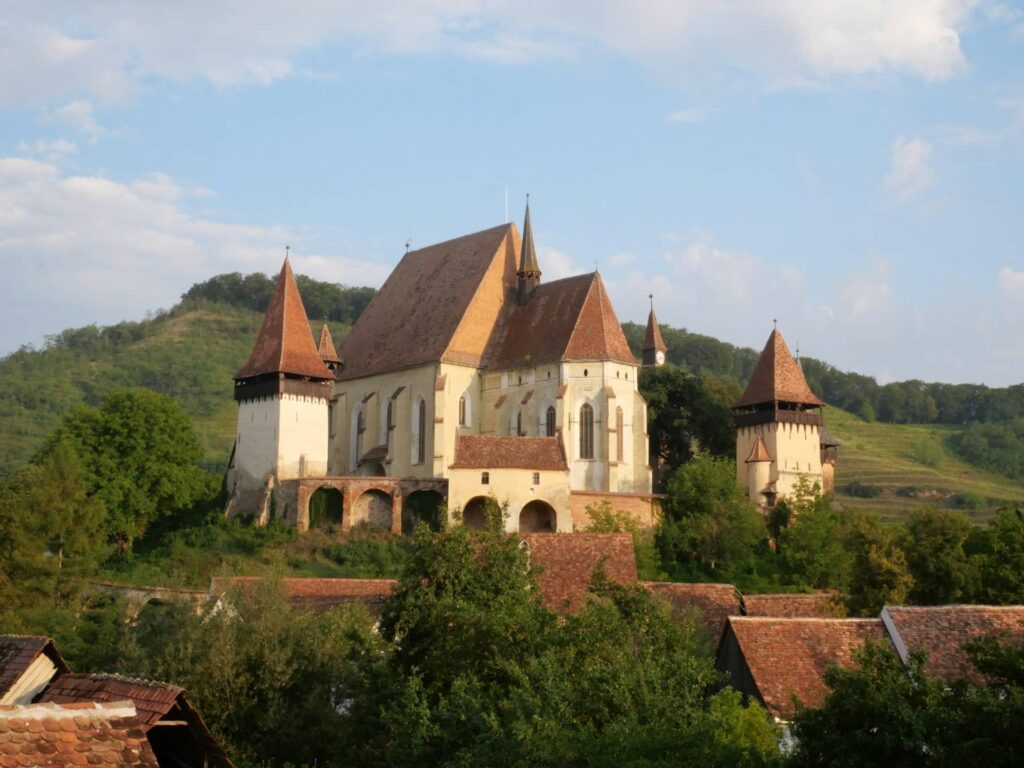
The villages with fortified churches in Transylvania stand as powerful symbols of the Saxon community’s cultural and architectural legacy. Built between the 13th and 16th centuries, these unique structures were a response to the region’s turbulent history. The Saxons, who held a privileged status within the Austro-Hungarian Empire, constructed these fortified churches to protect their villages from invaders, particularly those seeking grains and other valuables.
Strategically placed along migration routes, the villages were vulnerable to attacks, which led the locals to fortify their churches. These fortifications, with protective walls and dedicated chambers, were designed to shelter villagers and their belongings during times of danger. Today, these villages serve as open-air medieval museums, offering visitors a fascinating look into the architectural ingenuity of the Saxon people.
Among the seven UNESCO-listed villages with fortified churches, the most spectacular are in Biertan, Viscri, Prejmer, and Valea Viilor. However, the fortified churches in Câlnic, Dârjiu, and Saschiz are equally deserving of a visit, each showcasing the enduring legacy of Transylvania’s Saxon heritage.
17. Brukenthal Palace: A Romantic Retreat in Transylvania’s ‘Garden of Eden’
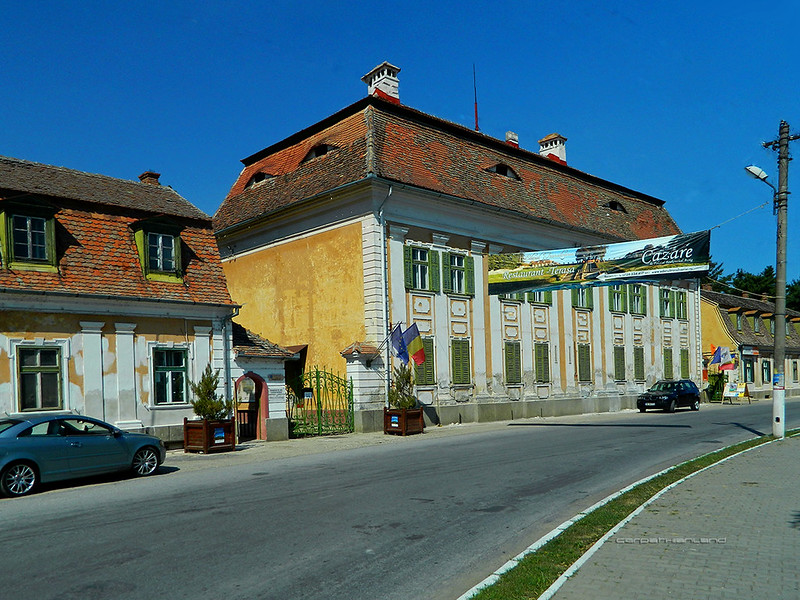
Brukenthal Palace, nestled in Avrig, is Transylvania’s own ‘Garden of Eden’—an idyllic spot for those seeking a romantic escape. Built as the summer residence of the Brukenthal baron, this 18th-century palace exudes charm and elegance, offering a perfect blend of history and beauty.
The palace is home to the only Baroque park in Transylvania, complete with a magnificent Orangery that has been transformed into a luxurious guesthouse. Visitors can wander through the lush gardens or enjoy a meal at the on-site restaurant, which offers the perfect setting for a romantic candlelight dinner. Whether you’re indulging in exquisite dishes or simply soaking in the serene atmosphere, Brukenthal Palace is a seductive destination that promises to enchant every guest.
18. Brașov: A City of History, Nature, and Unforgettable Views
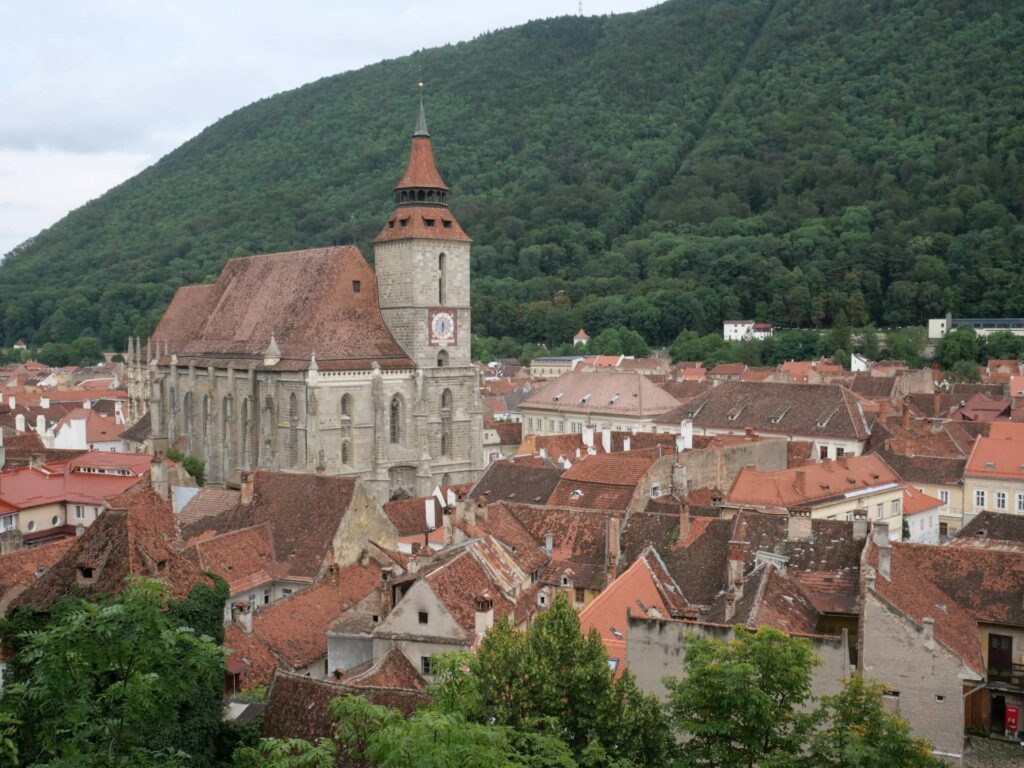
Brașov is a city that beautifully blends history with nature, offering visitors stunning scenery at every turn. Nestled at the foothills of Tâmpa Hill, Brașov is known for its centuries-old ramparts, charming streets lined with libraries, cafes, restaurants, and museums, as well as its magnificent Gothic-style Black Church.
The city’s panoramic views are simply unmatched. A cable car ride to the top of Tâmpa Hill offers breathtaking vistas of the surrounding landscape, leaving you mesmerized by the beauty of the region. Another must-see is the picturesque Rope Street, one of the narrowest streets in Europe, which adds a unique touch to Brașov’s enchanting atmosphere. Whether you’re admiring the city’s architecture or soaking in the natural beauty, Brașov is a destination that promises to captivate every traveler.
19. Târgu Jiu: A City of Art, Love, and Sculpture
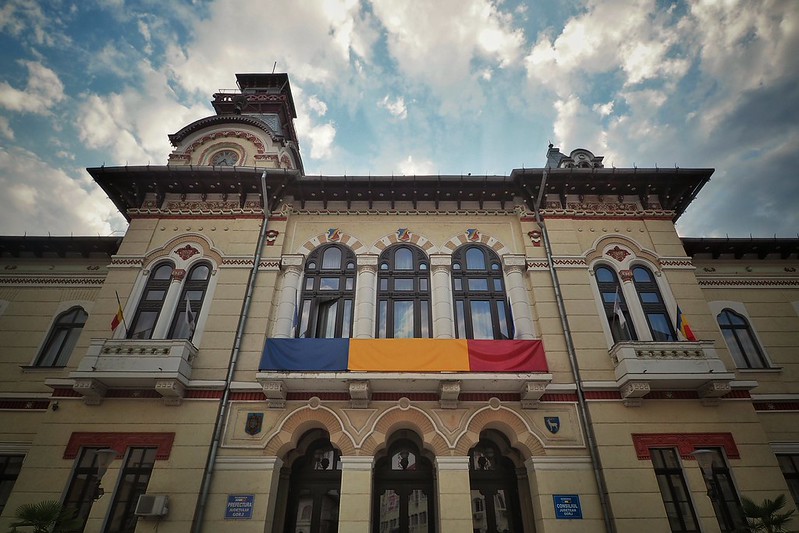
Târgu Jiu, nestled in the foothills of the Carpathians in the Oltenia region, is a city steeped in beauty and artistic heritage. Known for housing some of the most iconic works by the renowned modern sculptor Constantin Brâncuși, this city is a must-visit for art lovers.
The Constantin Brâncuși Park, located next to the Jiu River, is home to some of the sculptor’s masterpieces, including the famous Kiss Gate. Couples often stop here to mark their love under the gate, where two half-circles symbolically represent a kiss, uniting two halves into one soul. If you’re visiting with a loved one, make sure not to pass under the Kiss Gate without sharing a kiss—it’s a tradition that beautifully captures the essence of Târgu Jiu’s romantic spirit.
20. Cantacuzino Castle: Romance and Elegance in Bușteni
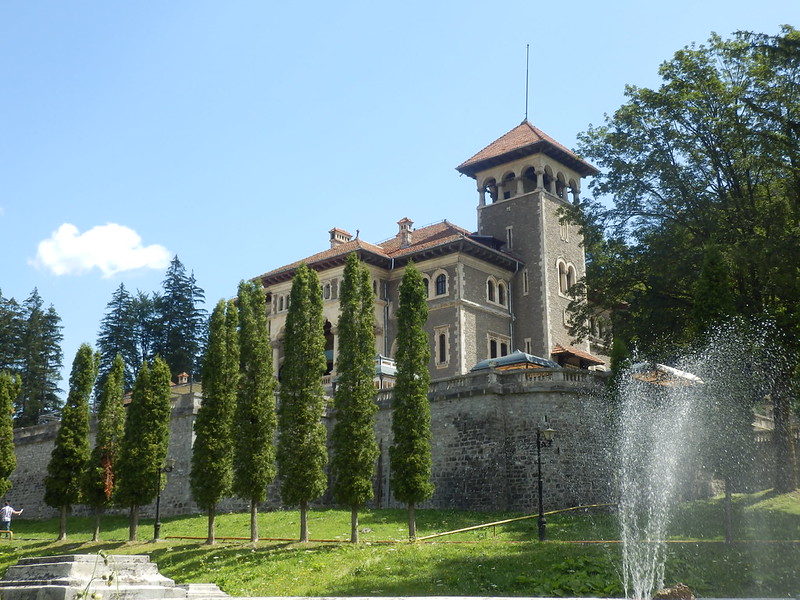
Cantacuzino Castle, tucked away in the charming town of Bușteni, is one of Romania’s hidden gems, where romance seamlessly blends with history and elegance. Built in the early 20th century by Gheorghe Cantacuzino, a former prime minister of Romania, the castle stands as a testament to a bygone era of grandeur.
Today, the castle and its lush gardens house a restaurant, a souvenir shop, art galleries, and a magnificent ballroom hall. The exquisite decorations and serene atmosphere make it an ideal location for romantic escapes. Whether you’re visiting for a classical music event, exploring its rich history, or celebrating a special occasion like a wedding, Cantacuzino Castle will captivate you with its timeless charm and enchanting ambiance.
21. Oradea: A City of Romance and Relaxation
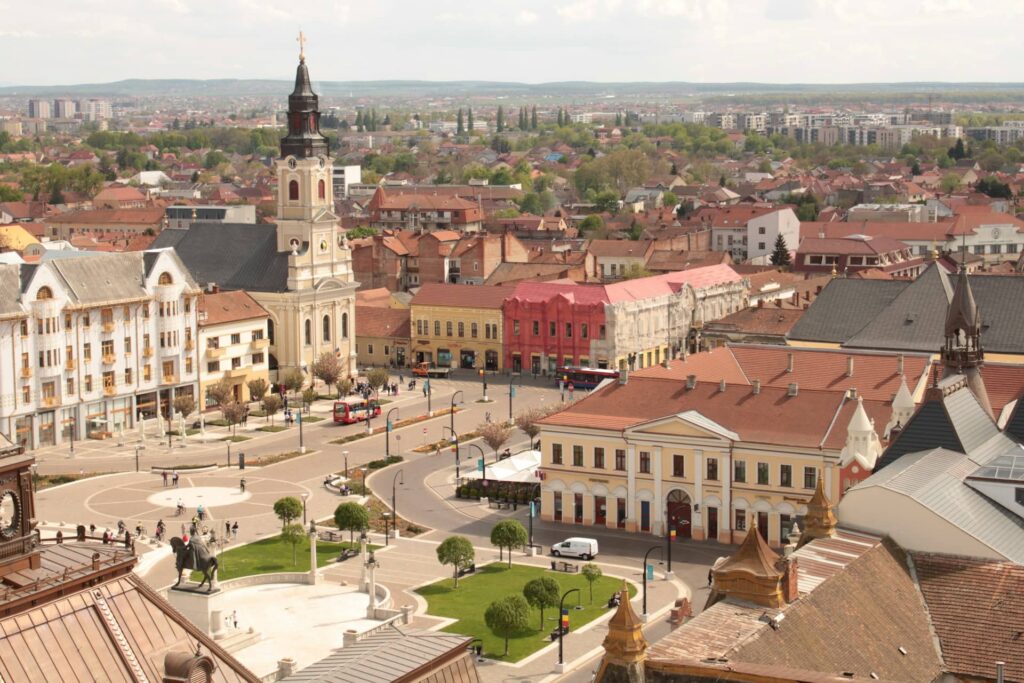
Oradea, one of Romania’s most beautiful cities, is a hidden treasure where Baroque and Art Nouveau architecture combine to create a stunning urban landscape. The city’s majestic buildings are best admired on an evening stroll, when soft lights add a romantic touch to the atmosphere, making it feel like a scene from a fairytale.
Just outside the city, you can unwind and indulge in luxurious spas, as the region is renowned for its thermal waters, which are celebrated internationally for their therapeutic benefits. Spend your day relaxing in the soothing swimming pools, enjoying a calming massage, and embracing the laid-back charm of Oradea—a perfect blend of romance, history, and relaxation.
Related Posts: