
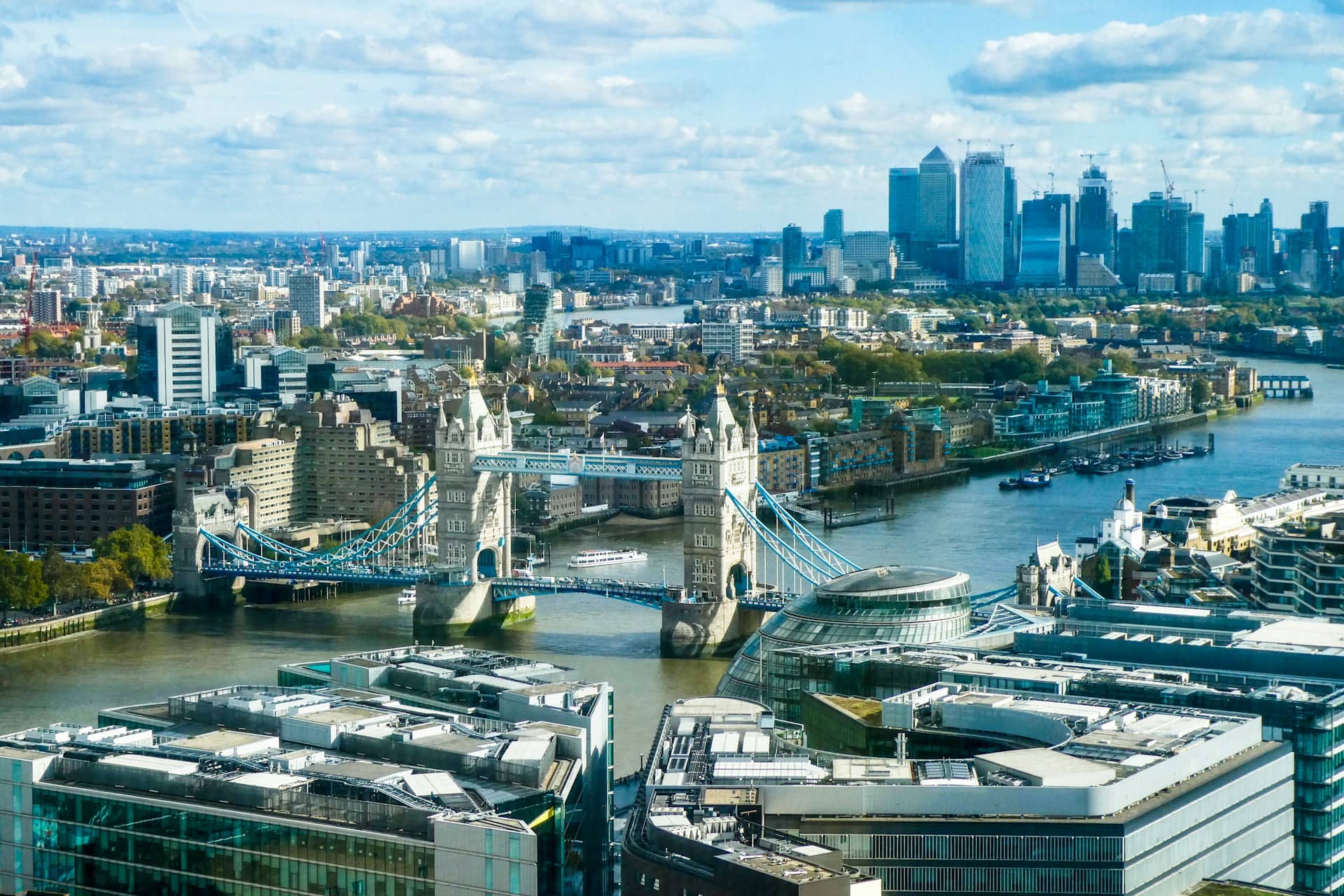
The more I travel across the UK, the more variety I notice from region to region. Short distances bring big changes in scenery and culture. You can move from historic cities to coastal cliffs or quiet countryside in a few hours. So, it works well for both quick breaks and longer routes.
Leaving London always shifts the pace and the landscape. Market towns, islands, national parks, and heritage cities each bring a different mood. Trains and road trips both make these places easy to reach. As a result, planning multi-stop trips feels practical.
I’ve gathered my favorite UK destinations into one list below. Each place stands out for setting, atmosphere, and things to do. The mix suits city fans, nature lovers, and slow travelers alike.
21 Places to Visit in the UK
This list doesn’t try to cover every great destination across the UK. While putting it together, I realized I could easily double it and still leave out worthy spots. There are far more towns, landscapes, and cities than one guide can hold. So, treat this as a curated shortlist, not a full map.
These 21 places stand out to me for scenery, character, and travel experience. They include cities, coastal areas, and countryside escapes. Each one offers something slightly different in pace and setting. I hope this selection gives you clear ideas and fresh motivation for your next UK trip.
So there you have it. 21 places to visit in the UK. I hope you’ve had fun reading about them and that you enjoy visiting them even more.
1. Edinburgh – Castle Views and Old Streets

Edinburgh ranks among the most visually striking cities in the UK, offering a blend of history and natural beauty. The city’s skyline is dominated by the iconic Edinburgh Castle, perched atop volcanic rock and overlooking the streets below. As you wander through the city’s districts, you’ll find stone buildings, narrow alleyways, and towering spires that tell the stories of centuries past.
One of the most captivating features of Edinburgh is its Old Town, where medieval street patterns and historic buildings line the Royal Mile. This cobbled street stretches from the castle to the Palace of Holyroodhouse. The area is brimming with character, from hidden courtyards to grand monuments. A short walk away, Dean Village offers a serene escape with riverside paths and picturesque houses.
Beyond the architecture and streetscapes, Edinburgh is known for its hills and panoramic viewpoints. Arthur’s Seat, an ancient volcano, offers one of the best views of the city. There are plenty of green spaces, parks, and walking trails to explore. Whether you’re strolling along narrow lanes or hiking up to viewpoints, the city has a distinct charm.
2. Cardiff – Regal Interiors and City Energy
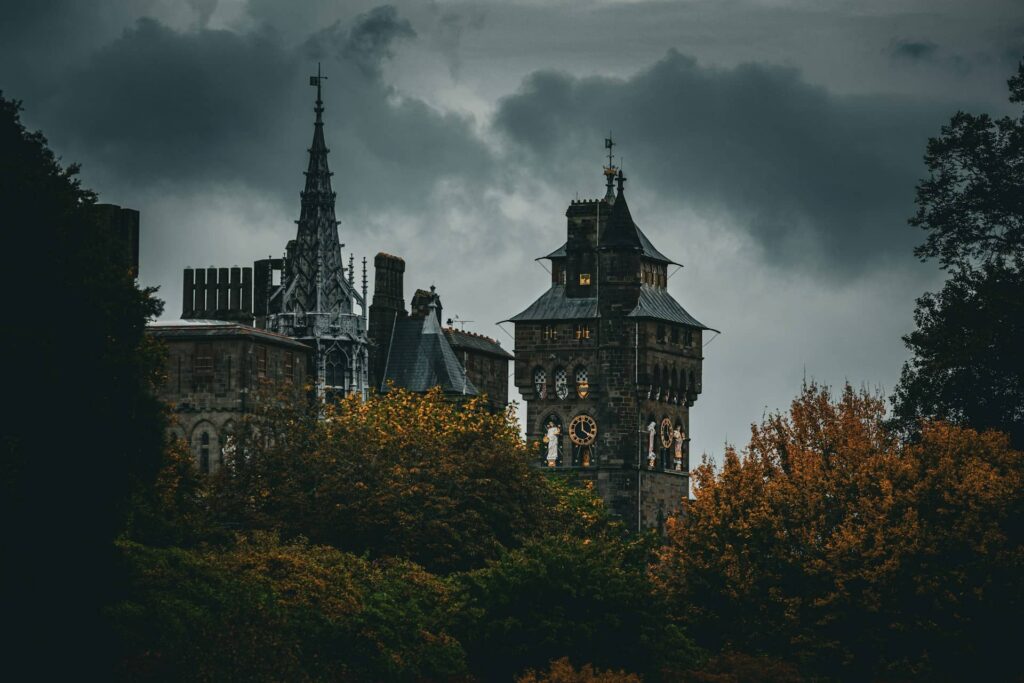
Cardiff often surprises visitors who skip it for larger UK capitals. The city center feels compact, lively, and easy to explore on foot, with vibrant streets full of shops, cafes, and cultural venues. Its standout landmark is Cardiff Castle, set right in the middle of town, offering a perfect mix of modern life and historical significance. You can move from trendy shopping spots to fortress walls within minutes, making it an ideal destination for a day trip or weekend getaway.
Inside the castle, rooms feature rich decoration, carved wood, and gold-covered details that reflect the opulence of its past. Ornate ceilings and furnished chambers show how lavish the design became, showcasing the grandeur of its noble history. The contrast between the imposing outer stone walls and the intricate, decorated interiors feels striking, allowing visitors to experience the full breadth of Cardiff’s rich heritage. It’s an immersive experience that transports you back in time.
The castle alone can anchor a full city visit, offering plenty to explore in and around the area. From the beautifully landscaped gardens to the medieval keep, there’s no shortage of things to see. With its blend of history, design, and central location, Cardiff Castle remains a must-see for anyone exploring the city, offering a glimpse into the past while being at the heart of the modern city.
3. Belfast – History, Harbors, and Nightlife
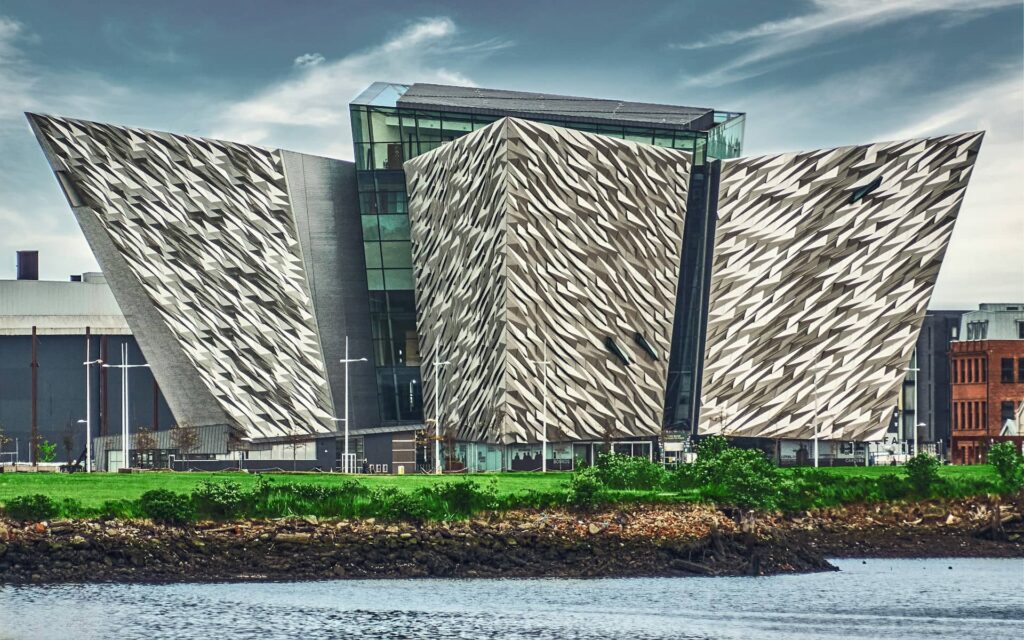
Belfast often gets less attention than other UK capitals, yet it delivers a strong mix of culture and city life. The center feels active but manageable in size, with bustling streets that seamlessly blend the old and the new. Victorian buildings, murals, and modern venues are all within walking distance, making it easy to take in the city’s highlights without long travel times.
Start around Belfast City Hall, which anchors the downtown area with gardens and grand architecture. Then head to the waterfront to visit Titanic Belfast, a major museum that explains the city’s shipbuilding story and pays homage to the famous ship. After that, walk through the Cathedral Quarter for street art, music spots, and late-night venues. As a result, Belfast works well for both daytime touring and evening outings, with plenty of variety for all types of visitors.
For a unique experience, explore some of Belfast’s vibrant neighborhoods, such as the Linen Quarter, known for its heritage and modern dining spots, or venture out to the Falls and Shankill Roads to see some of the most famous murals that tell the city’s turbulent history. For more ideas, see things to do in Belfast to make the most of your visit. Whether you’re a history buff, art lover, or foodie, Belfast’s rich culture and inviting atmosphere make it a city worth discovering.
4. Causeway Coastal Route – Cliffs, Castles, and Sea Views
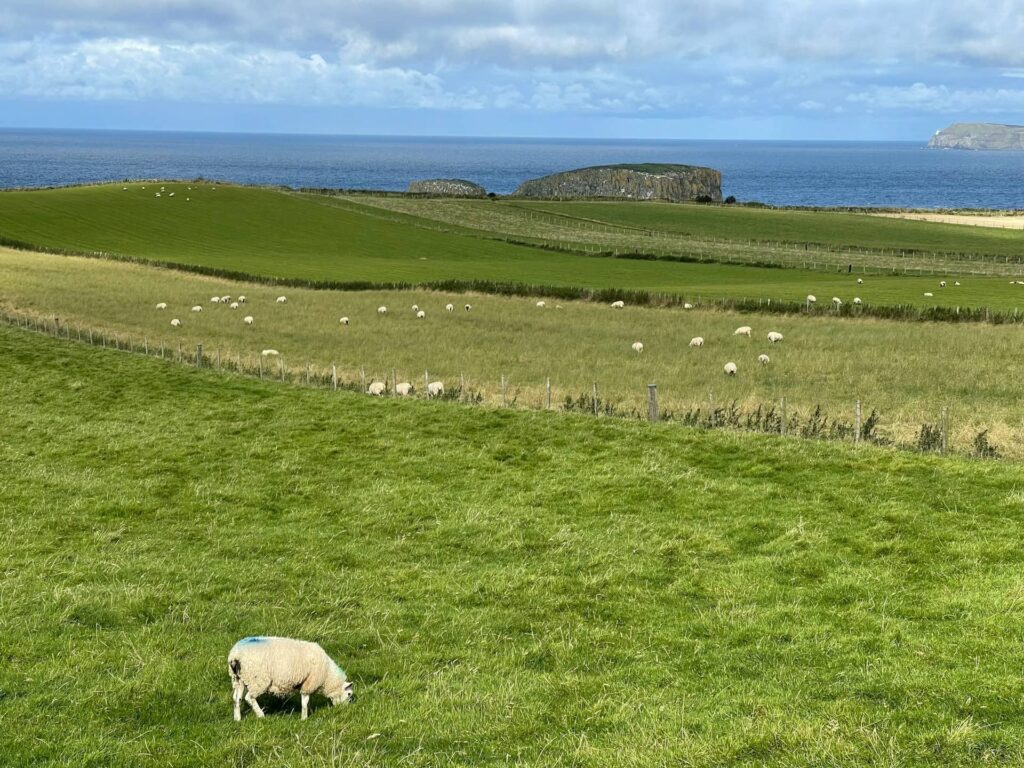
The Causeway Coastal Route runs north from Belfast along one of the most scenic shorelines in the UK. The road passes bays, headlands, and small villages beside the sea. Drivers and day-trippers stop often for viewpoints and short walks. So, it works best when you allow extra time between stops.
Along the way, you’ll find medieval castles, whisky distilleries, and film locations used in major TV series. The famous Carrick-a-Rede Rope Bridge adds a dramatic crossing between cliffs. Coastal trails and lookout points appear throughout the route. As a result, the drive feels varied rather than repetitive.
The headline natural site is Giant’s Causeway, where hexagonal basalt columns form geometric patterns at the shore. Walking across the stones gives a close look at this geological formation. Therefore, this route suits travelers who enjoy road trips with frequent landmark stops.
5. Isle of Arran – A Little Bit of Everything
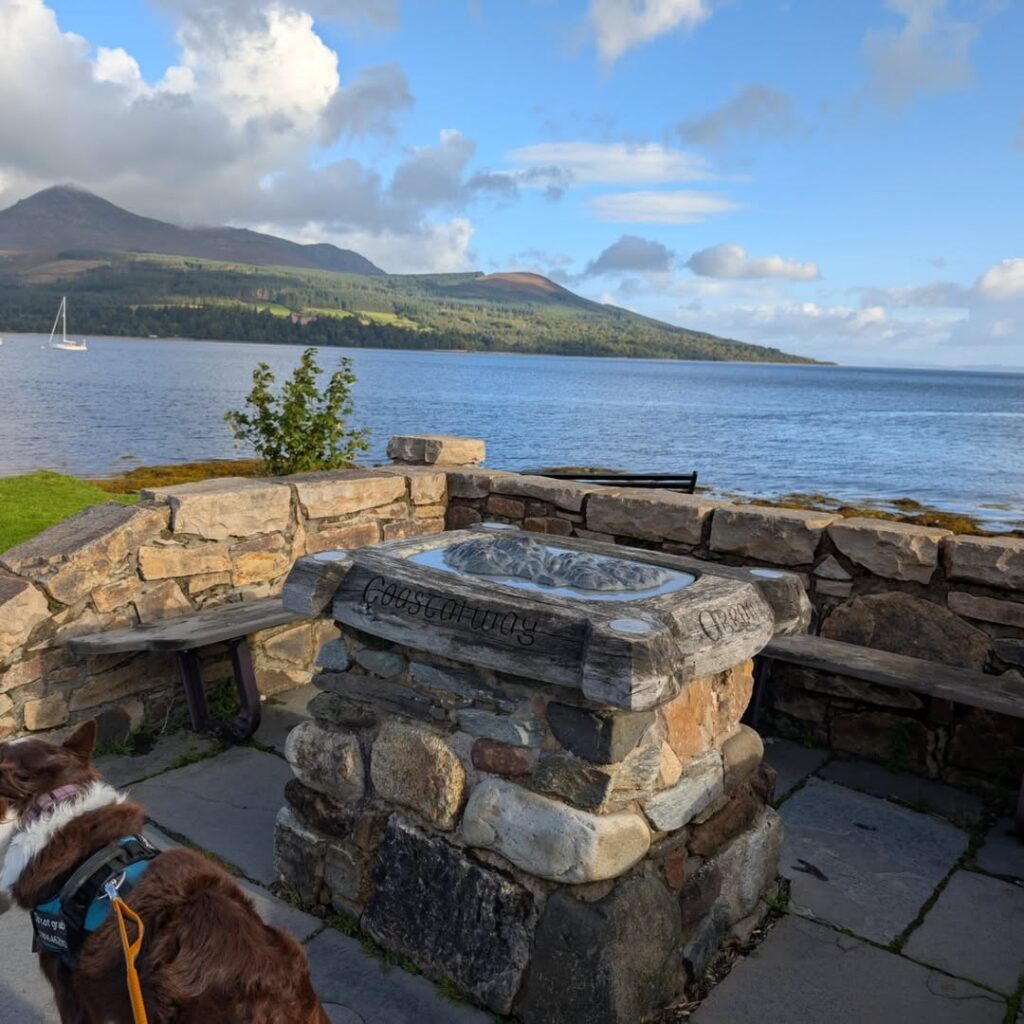
The Isle of Arran packs a wide range of Scottish landscapes into one compact island. Many travelers call it “Scotland in Miniature” for good reason. You’ll find mountains, beaches, forests, and open moorland within short drives. So, it suits visitors who want variety without long travel times.
Ferries connect the island easily from the mainland, which makes arrival simple. Once there, you can visit Brodick Castle, walk to waterfalls, and stop at local whisky distilleries. Ancient stone circles and coastal trails also appear across the island. As a result, each day can focus on a different type of outing.
Small villages, quiet roads, and sea views shape the overall mood. Outdoor activities range from hiking to shoreline walks. Therefore, Arran works well for slow travel and nature-focused trips.
6. Portmeirion – Colorful Italian-Style Charm
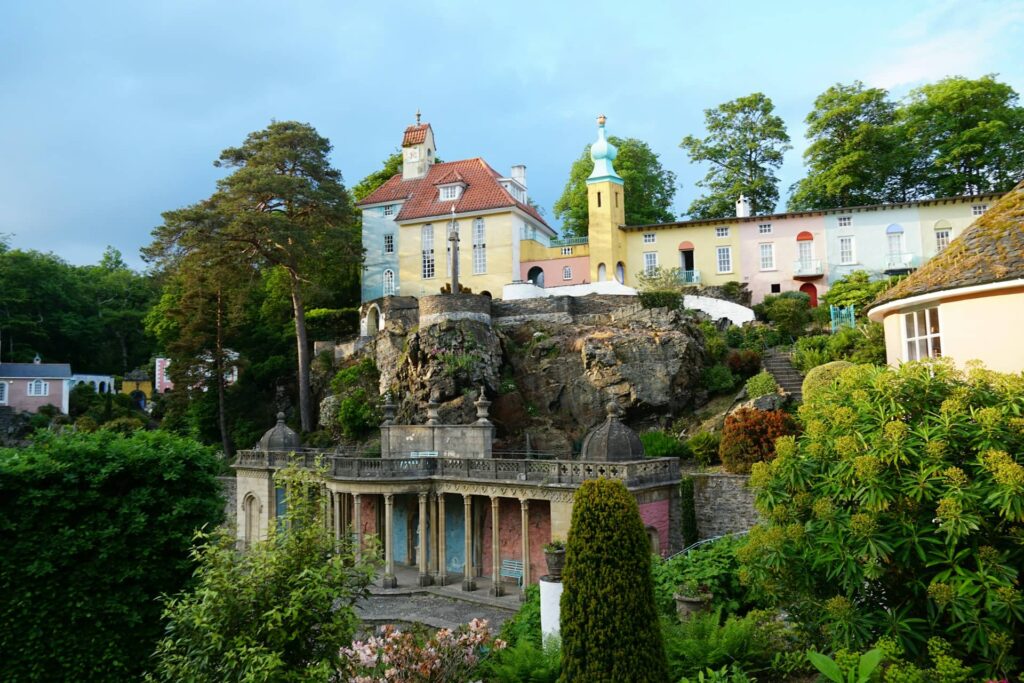
Portmeirion feels unlike anywhere else in the UK. This hillside village in Wales takes design cues from Italian coastal towns. Painted buildings, arches, and terraces step down toward the water. So, the setting looks more Mediterranean than British at first glance.
Walking through the village reveals mixed architectural styles and decorative details. Squares, colonnades, and gardens appear between hotels and cottages. The layout encourages slow wandering with frequent photo stops. As a result, even a short visit feels immersive.
Paths extend beyond the village into nearby woodland and along the coast. Small beaches and viewpoints sit within walking distance. Therefore, you can pair the colorful streets with nature walks on the same day.
7. Castle Combe – Storybook Stone Lanes
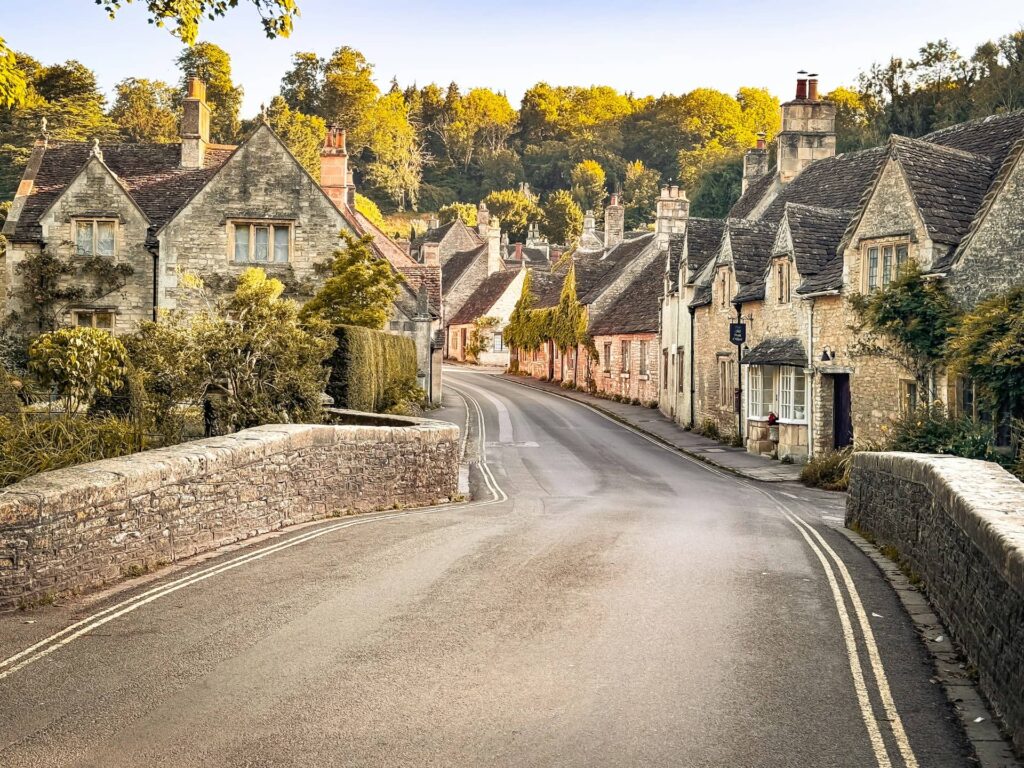
Castle Combe ranks among the most charming villages in the Cotswolds. Honey-colored stone cottages line narrow lanes and cluster around a small bridge and stream. The layout has changed very little over time. So, walking through the center feels like stepping into an older era.
Even visitors who have seen many photos often find the real place more impressive. Details like timber doors, flower boxes, and low garden walls stand out up close. Small tearooms and local inns add welcome stop points. As a result, the village suits slow walks and short breaks.
Footpaths extend into the surrounding countryside for longer strolls. Rolling hills and farm fields sit just beyond the houses. Therefore, Castle Combe works well as part of a wider Cotswolds route.
8. Cambridge – College Courts and River Scenes
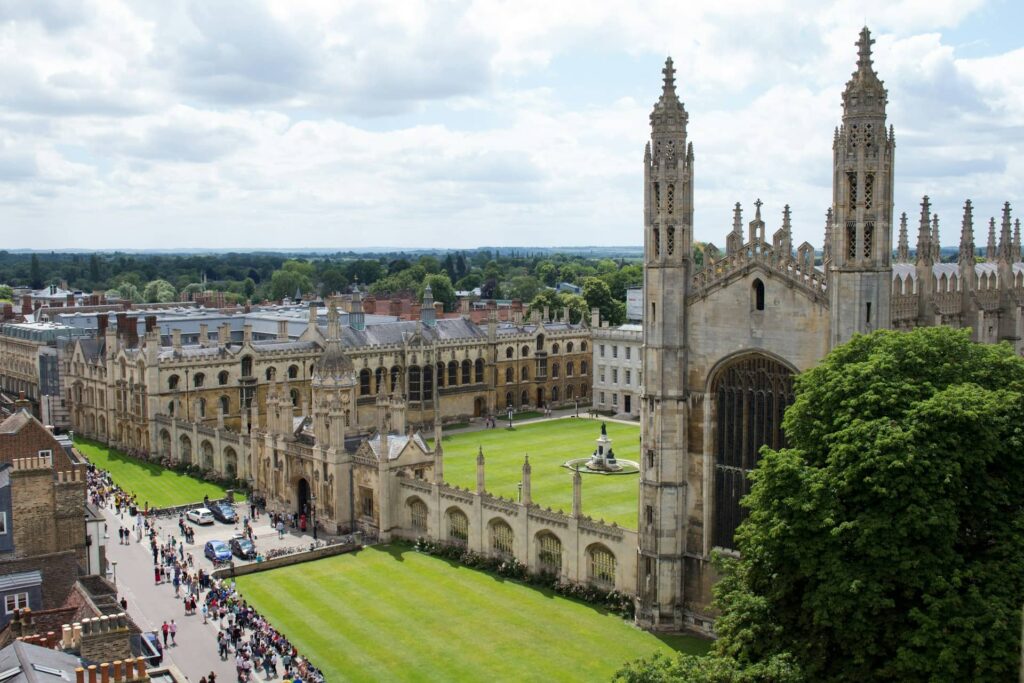
Cambridge stands out for its historic university setting and riverside views. College buildings line the streets with towers, courts, and chapels close together. Walking routes link gateways, lawns, and old stone halls. So, nearly every turn offers a strong photo angle.
A punt ride on the River Cam gives a different perspective of the colleges. Boats glide past lawns and bridges along the stretch known as the Backs. On land, chapel interiors and dining halls show detailed craftsmanship. As a result, both exterior and interior spaces leave a strong impression.
Museums, bookshops, and cafes fill the city center between college sites. Most key areas sit within walking distance. Therefore, Cambridge works well for day trips and weekend breaks alike.
9. Stonehenge – Ancient Mystery
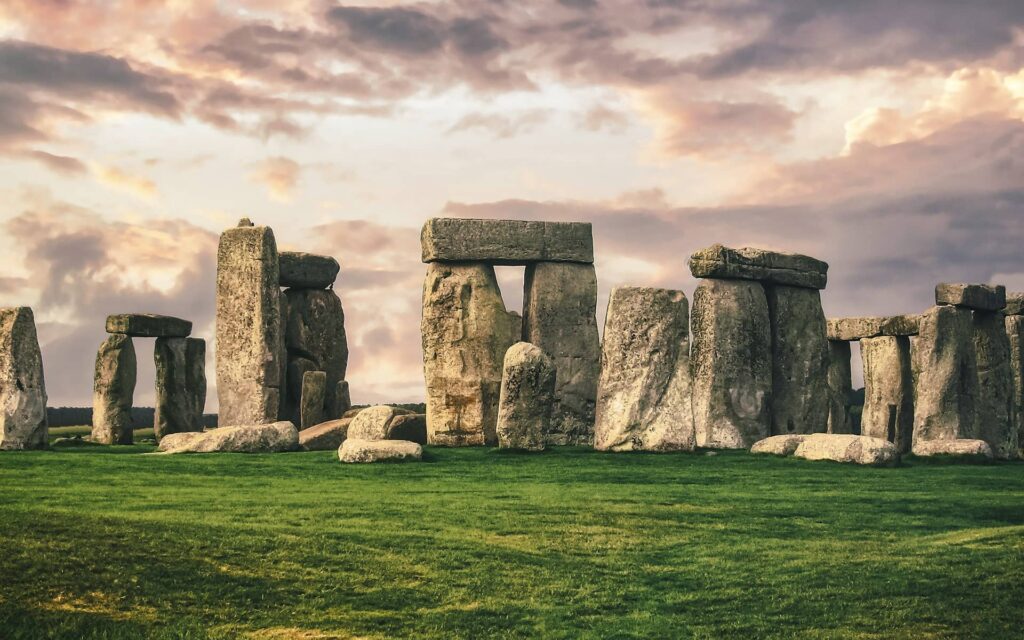
Stonehenge ranks among the most recognized prehistoric sites in the world. The standing stone circle dates back to the Neolithic period and still raises many questions. Massive stones form a ring on open Salisbury Plain. So, the setting feels stark and powerful at the same time.
Some visitors expect only rocks, yet the scale changes that first impression. The alignment, spacing, and transport of the stones still puzzle researchers. Walking the path around the circle gives changing sightlines from each angle. As a result, the experience feels more immersive than photos suggest.
The visitor center adds context with exhibits and timelines. Audio guides explain current theories about purpose and construction. Therefore, a stop here works well for travelers interested in ancient history and archaeology.
10. Winchester – Cathedral Heritage and River Walks
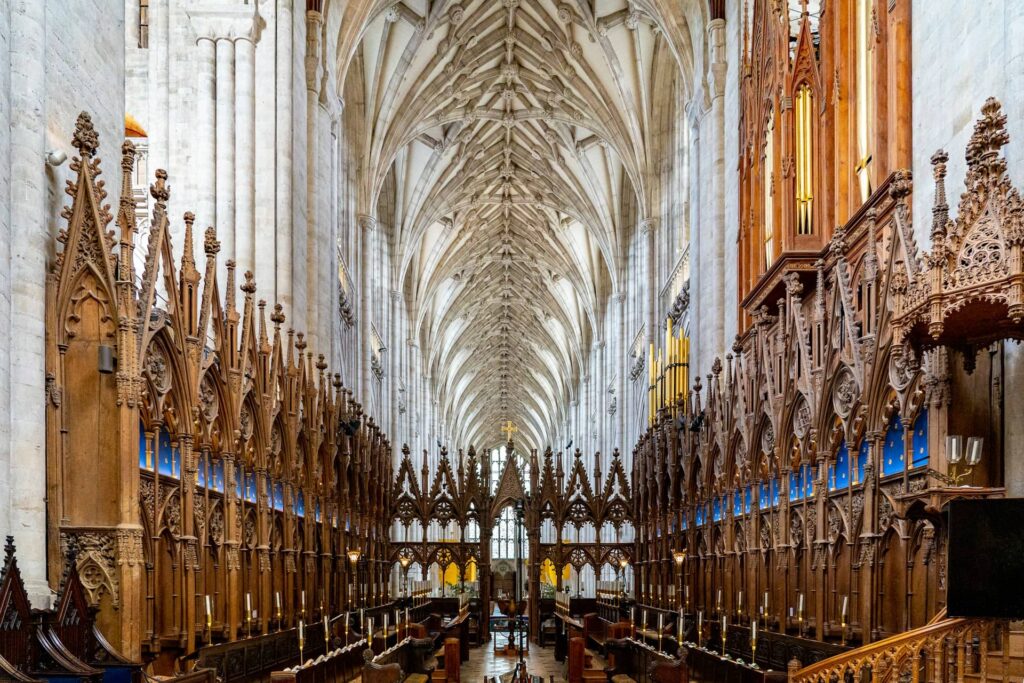
Winchester sits a short distance from Stonehenge and offers a strong mix of heritage and walkable streets. The city once served as England’s capital, and traces of that past still show today. Historic buildings, market lanes, and quiet corners appear across the center. So, it suits travelers who like history with a relaxed pace.
The main landmark is Winchester Cathedral, known for its long nave and detailed interior. Nearby, the remains of Winchester Castle and the Great Hall add another key stop. Museums and small galleries sit within a short radius. As a result, you can cover major sights on foot.
Beyond the landmarks, riverside paths along the Itchen give calm walking routes. Small gardens and hidden courtyards appear between streets. Therefore, Winchester works well for both sightseeing and slow wandering.
11. Canterbury – Pilgrimage History and Old Streets
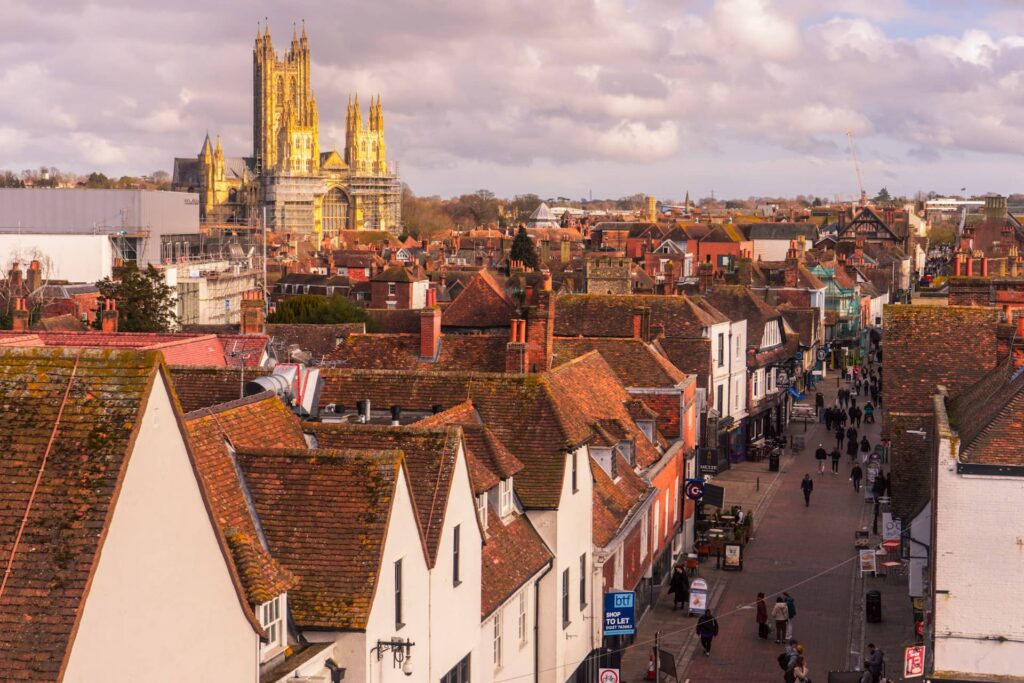
Canterbury stands out as one of England’s key cathedral cities with deep religious history. The city layout follows medieval streets filled with shops and cafes. Timber-fronted buildings and old gateways appear across the center. So, it works well for both heritage visits and casual wandering.
The main highlight is Canterbury Cathedral, a major pilgrimage site for centuries. Inside, visitors can see the area linked to Thomas Becket’s murder and richly colored stained glass. Stone carvings and chapels show layers of design across time. As a result, the interior visit feels detailed and memorable.
Outside the cathedral precinct, lanes lead to markets and restaurants. Small courtyards and side streets add quiet breaks from busier areas. Therefore, Canterbury suits travelers who want history plus city comforts in one place.
12. Durham – Hilltop Cathedral and River Bends

Durham rises above a tight river loop, which gives the city one of the strongest skyline views in England. The massive Durham Cathedral sits high on the ridge and shows Norman architecture at grand scale. You can spot it from trains and riverside paths alike. So, arrival itself feels dramatic.
Close by stands Durham Castle, now linked with the local university. College buildings and courtyards spread around the hilltop. As a result, the historic core feels compact and easy to explore on foot.
Below, riverside walks circle the peninsula with green banks and stone bridges. Cobblestone lanes and small squares connect cafes and bookshops. Therefore, Durham suits travelers who enjoy cathedral cities with strong viewpoints and side-street wandering.
13. Newcastle upon Tyne -Grand Streets and River Bridges

Newcastle upon Tyne blends bold city architecture with a strong riverside setting. The center shows sweeping streets, stone facades, and classic civic buildings. One standout stretch is Grey Street, often praised for its curved layout and historic design. So, a simple city walk turns into an architecture tour.
The River Tyne adds another major visual layer. Several large bridges cross between the quaysides, each with a different structure and profile. Walking along the waterfront gives wide skyline views. As a result, the area feels open and photogenic day or night.
Historic pubs and music venues sit close to the center streets. Many feature preserved interiors and local character. Therefore, Newcastle works well for travelers who like city heritage mixed with nightlife.
14. Glasgow – Creative Districts and Historic Corners
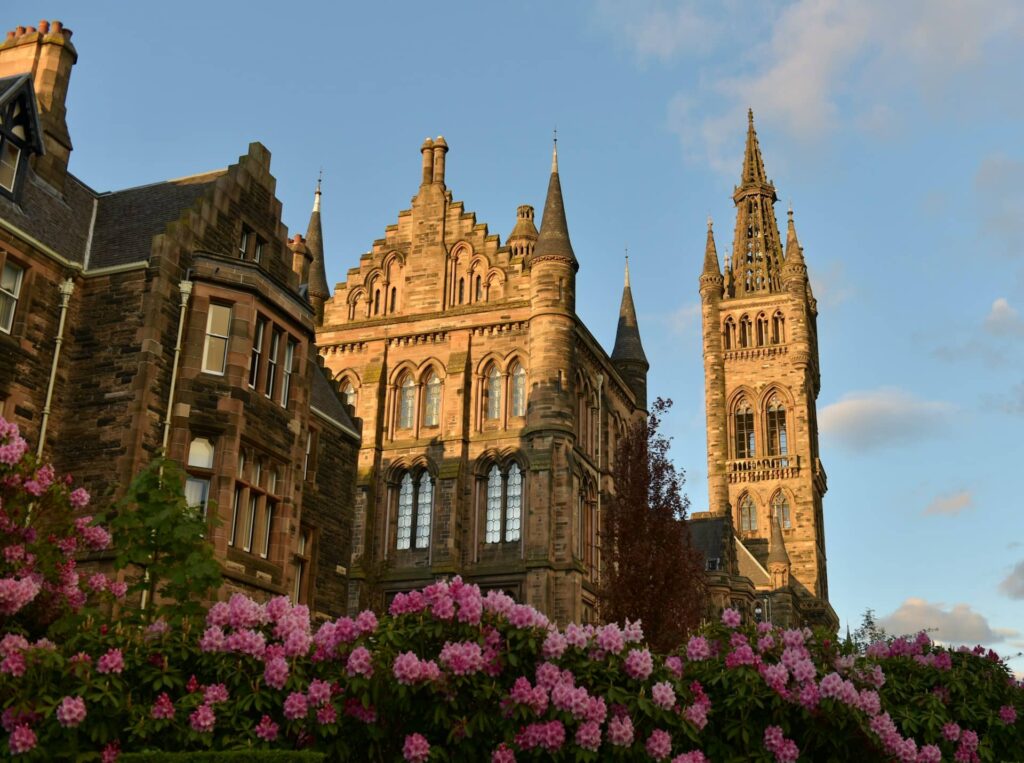
Glasgow stands out for its creative culture and strong city character. Grand Victorian buildings line many central streets. At the same time, music venues and galleries keep the scene current. So, the city feels both historic and forward-looking.
The West End offers leafy lanes, bookshops, and classic terraces. Merchant City brings restored warehouses and cultural venues close together. A short walk leads to the hillside Glasgow Necropolis, where ornate monuments overlook the cathedral area. As a result, short routes cover very different moods.
Finnieston has grown into a top food and bar district. Restaurants and small venues cluster along the main stretch. Riverside paths along the Clyde add easy walking options. Therefore, Glasgow works well for travelers who like neighborhoods with strong identity.
15. Isle of Skye – Wild Landscapes and Sea Mist
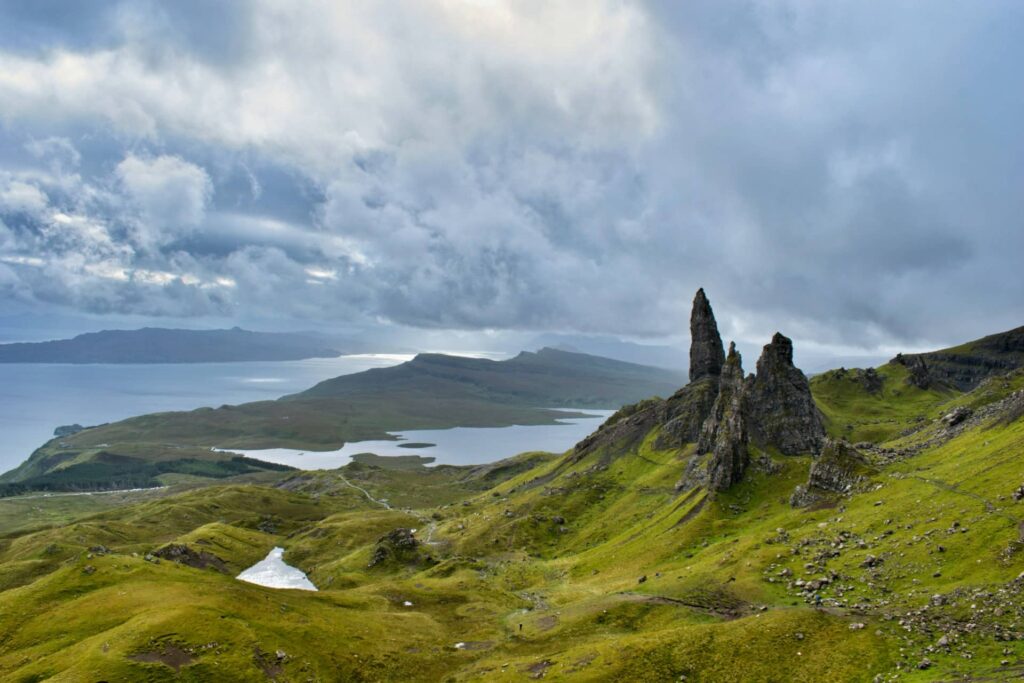
The Isle of Skye ranks among the most dramatic islands in Scotland. Rugged peaks, sea cliffs, and deep lochs shape the terrain. Weather shifts quickly, which adds mood to every view. So, each visit can feel completely different.
Arriving by boat or road both create strong first impressions. Coastal waters often host seals and seabirds near shore. Inland, trails pass waterfalls, rock formations, and open moorland. As a result, hikes here feel immersive and remote.
Routes circle the island with frequent scenic stops. Photographers and walkers both find plenty of vantage points. Small villages and harbors give places to pause between outings. Therefore, Skye suits explorers who want raw scenery and outdoor days.
16. Lunga – Puffins and Spring Blooms

Lunga is a small Hebridean island that feels especially lively in spring. Wildflowers spread across the ground while seabird colonies return to the cliffs. The island stays largely uninhabited, which keeps the setting raw and open. So, landing here feels like stepping into a seasonal nature reserve.
Boat trips reach the island during nesting season. Visitors come mainly to see puffins and other seabirds at close range. The birds show little concern about nearby humans. As a result, photographers get clear, ground-level shots without long lenses.
Walking paths cross grassy slopes and coastal edges. Flower patches and cliff views appear in every direction. Therefore, Lunga suits travelers who enjoy wildlife stops and short expedition-style outings.
17. Bibury – Classic Cotswolds Charm
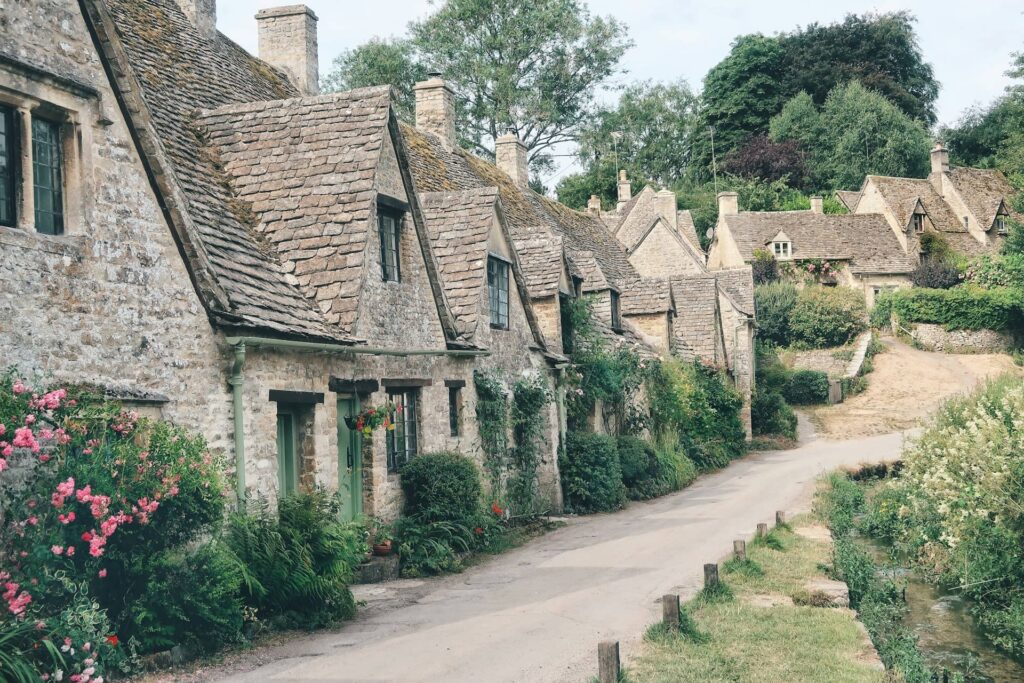
Bibury ranks among the most photographed villages in the Cotswolds. Warm stone buildings line quiet lanes beside the River Coln. The scale feels small and intimate. So, even a short visit leaves a strong impression.
The main highlight is Arlington Row, a line of historic cottages with steep roofs and narrow windows. Visitors and photographers gather here throughout the year. The real setting matches the images many people know. As a result, expectations rarely fall short.
Footpaths run along the river and through nearby fields. Small bridges and grassy banks add easy walking routes. Therefore, Bibury works well as a focused stop on a wider Cotswolds trip.
18. Oxford – Spired Skylines and College Quads

Oxford stands out for its skyline of towers and domes often called the “dreaming spires.” College buildings shape much of the city center with quads, gates, and chapels. Many visitors recognize locations used in well-known films. So, walking here often feels familiar even on a first trip.
Key landmarks include the Radcliffe Camera and the historic colleges spread across central streets. Libraries, museums, and galleries sit close together. As a result, you can move from academic halls to exhibition spaces within minutes.
The Covered Market adds another layer with food stalls and small shops under one roof. Cafes and bookshops fill nearby lanes. Therefore, Oxford works well for travelers who like heritage cities with plenty to explore indoors and out.
19. Scottish Highlands – Rugged Peaks and Deep Lochs
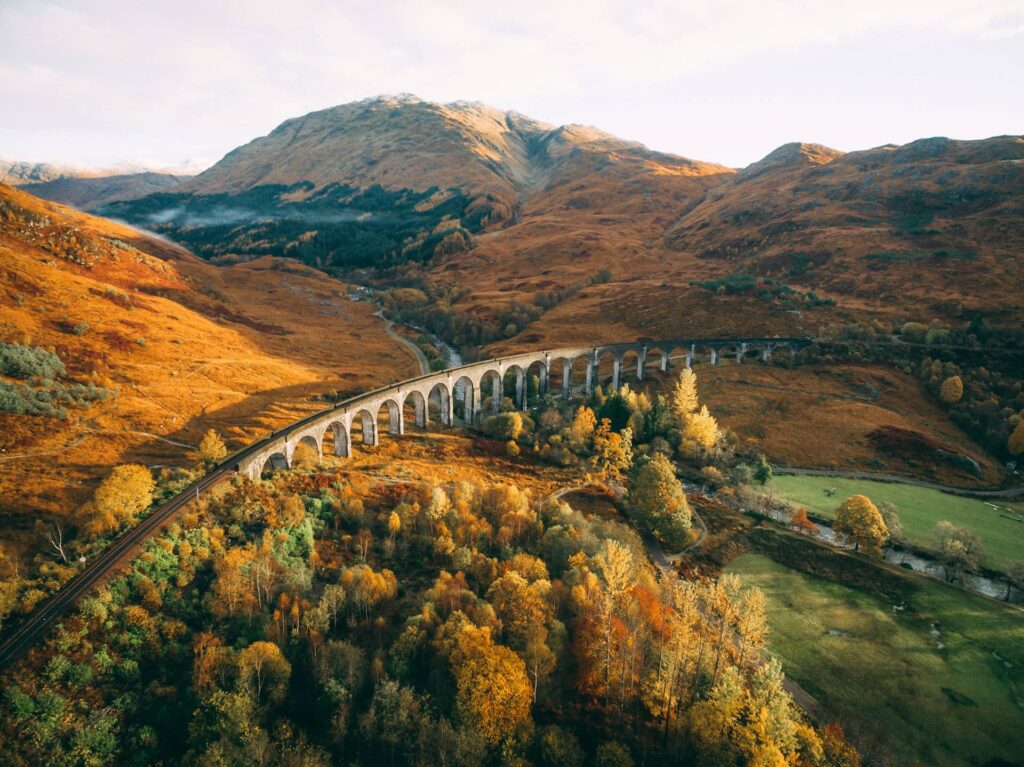
The Scottish Highlands deliver some of the most powerful landscapes in the UK. Wide glens, steep hills, and long lochs shape the region. Weather and light change the scenery by the hour. So, each drive or hike brings a new mood.
Routes pass open moorland, small villages, and grazing Highland cattle. Castles appear on ridges and beside water. One well-known stop is Loch Ness, linked to local legend and stories. As a result, the area blends natural drama with folklore.
Long-distance trails and scenic roads cross much of the region. Viewpoints and pull-offs make frequent stops easy. Therefore, the Highlands suit explorers who want big scenery and road-trip freedom.
20. Derbyshire – Grand Estates and Peak District Views
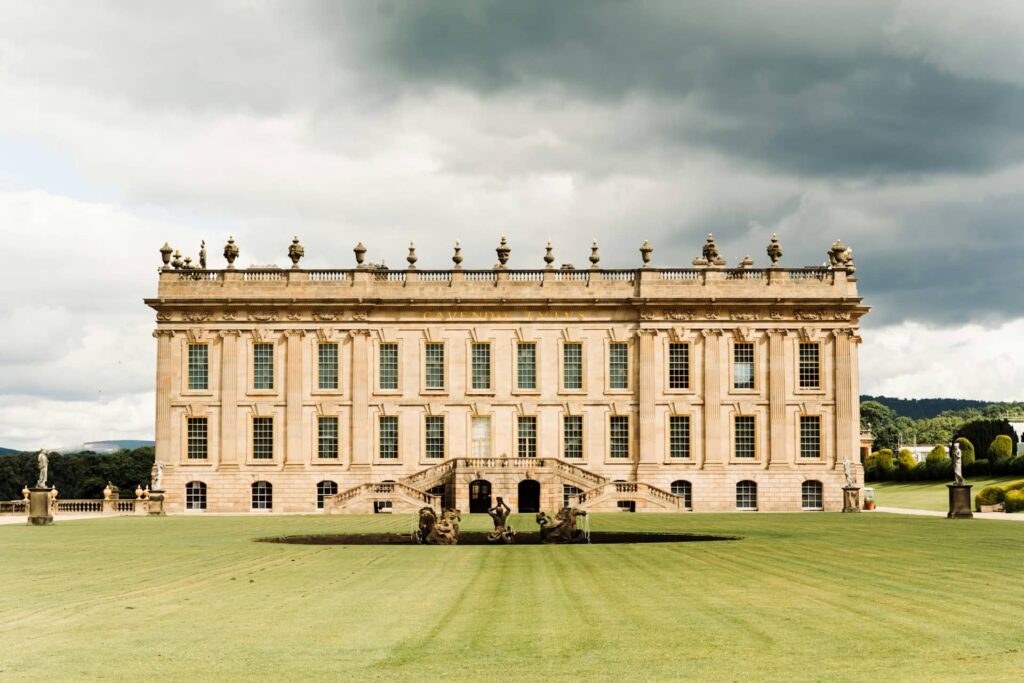
Derbyshire combines rolling countryside with some of England’s best-known country estates. Much of the county overlaps with the Peak District, where hills, valleys, and walking trails shape the landscape. Stone villages and market towns appear between open stretches of moorland. So, it works well for scenic drives and rural stays.
The standout landmark is Chatsworth House, a major stately home with large gardens and detailed interiors. Film and television productions have used it as a stand-in for famous literary estates. As a result, many visitors recognize it before they arrive.
Other historic houses and manor estates spread across the county. Walking routes connect villages, viewpoints, and parkland. Therefore, Derbyshire suits travelers who enjoy heritage homes paired with outdoor scenery.
21. Gower Peninsula – Wild Beaches and Clifftop Walks
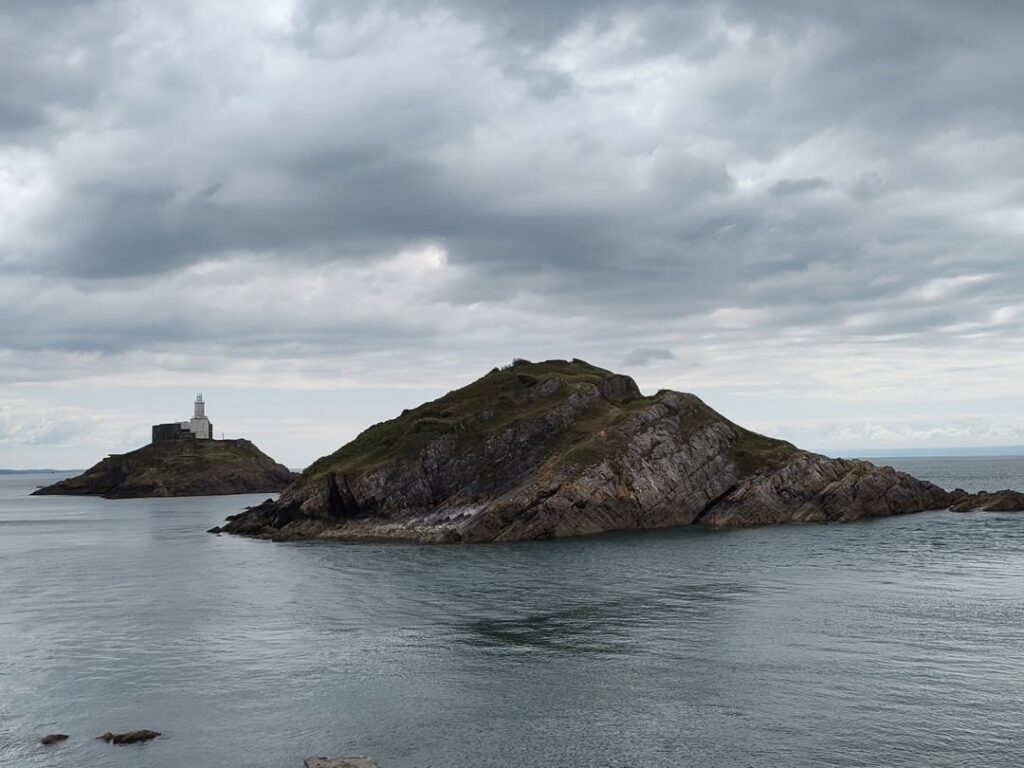
The Gower Peninsula in south Wales delivers some of the strongest coastal scenery in the UK. Cliffs, bays, and long sandy beaches shape the shoreline. Walking paths run above the sea with wide lookout points. So, each stretch of coast brings a different view.
Beaches vary from broad arcs of sand to smaller coves below headlands. Rhossili Beach ranks among the most admired for its scale and setting. Nearby, Worm’s Head forms a tidal island reached by a rocky causeway at low water. As a result, timing your visit adds to the experience.
Castle ruins and old churches appear across the peninsula as well. Inland lanes lead between farms and small villages. Therefore, the Gower suits travelers who want coastal hikes, open views, and nature-focused days.
Related Post:
- 21 Beautiful Places to Travel Alone for a Peaceful and Personal Journey.
- 21 Beautiful Places to Travel in Korea to Add to Your List.
- 21 Beautiful Places Across Europe You’ll Want on Your Bucket List.
- 21 Beautiful Places to Travel in England You Won’t Want to Miss.
Conclusion
That wraps up this guide to the 21 best places to visit in the UK. From major cities and cathedral towns to islands, coastlines, and national parks, each destination adds a different flavor. You can mix culture, history, and nature within the same trip. So, building a varied route across the country feels very doable.
I hope this list gave you practical ideas and fresh travel motivation. Pick a few stops or link several into one journey. However you plan it, each place here rewards the time you give it. Enjoy the trip.