
One of the joys of Belfast is that it never feels finished. Each trip brings a different mood. Rainy afternoons lead you indoors, into historic gaols, galleries, and exhibitions that tell hard truths and proud stories. Clear skies send you uphill for wide city views or out on walking tours you somehow skipped before. The pace shifts with the weather, and so does your experience.
On my first visit to Northern Ireland’s capital back in 2001, I checked off the classics. I joined a Black Cab Tour through the city’s political murals and spent time wandering the grounds of Belfast Castle. At the time, it felt like a full itinerary. Yet as I boarded the plane home, I knew I had only skimmed the surface.
So I went back. Again and again. With every return, Belfast showed a different side. A new café opened down a side street. A fresh exhibition reframed a familiar story. A live music session in a pub turned an ordinary evening into something memorable. The city keeps you alert. It asks you to look closer.
This guide gathers the routes I’ve followed over the years, along with favourite pubs, reliable spots for a good meal, and practical notes on transport and accommodation. Whether it’s your first trip or your fifth, Belfast rewards curiosity. Raise a glass when you arrive — you’ll likely be planning your return before you leave.
A Quick Map to Get Your Bearings in Belfast
Before diving into the details, pause for a moment and scan the map above. It gives you a fast sense of how the city fits together and helps you picture where each stop sits in relation to the next.
You’ll notice that many of Belfast’s main attractions are grouped fairly close to one another, particularly around the city centre and Titanic Quarter. That makes it easy to explore several highlights without spending half your day in transit.
The hill walks, larger parks, and open spaces sit further out. Reaching them usually requires a short drive or bus ride, but the change of scenery makes the extra distance worthwhile.
Exploring Belfast City, Step by Step
Now that you’ve seen how the attractions are laid out, it’s time to look closer at what the city actually offers. Knowing where things sit makes planning easier — but the details are where Belfast starts to feel layered.
Below, you’ll find a mix of well-known landmarks, lesser-mentioned spots, and everything in between. Some are obvious first stops. Others reward those willing to wander a little further.
1. Craft Your Belfast Adventure with a Thoughtful Itinerary
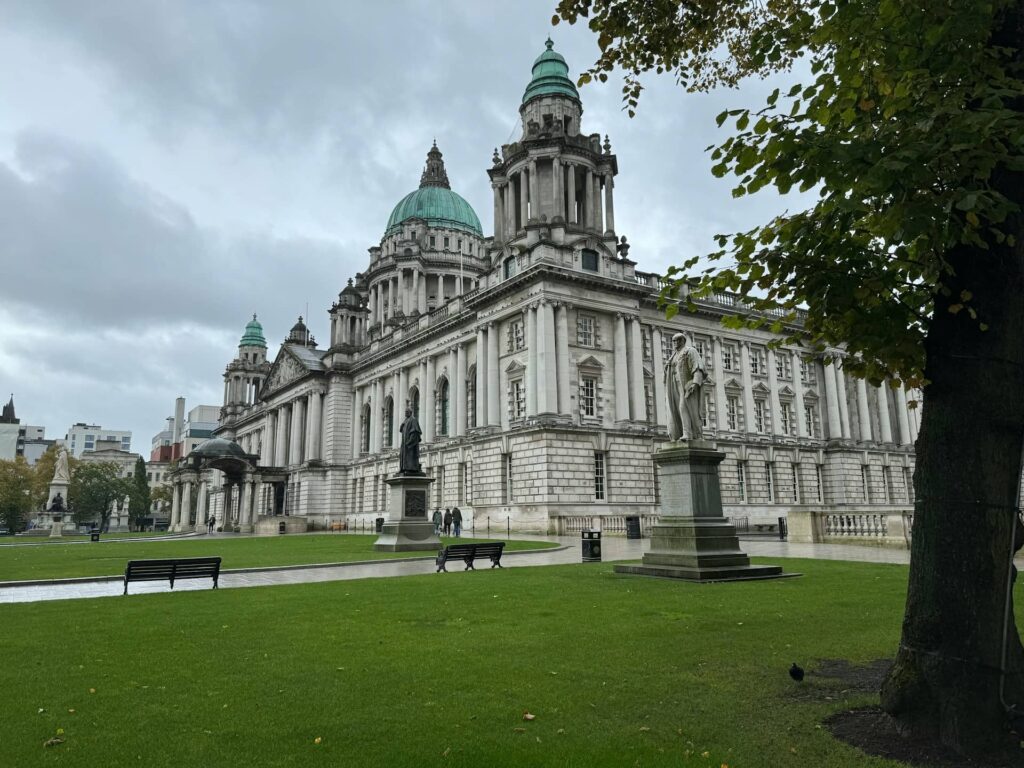
If you’re unsure where to begin in Belfast, take a steady approach and follow one of the itineraries below. A clear plan helps you move through the city without backtracking or wasting time, while still leaving space for a spontaneous pub stop or a slow wander through a market.
These routes work well whether it’s your first visit or you’re back for another look. They group nearby attractions together, balance indoor and outdoor stops, and leave room for evenings filled with food and live music.
2. A Ride Through Belfast’s Past: The Black Cab Tour
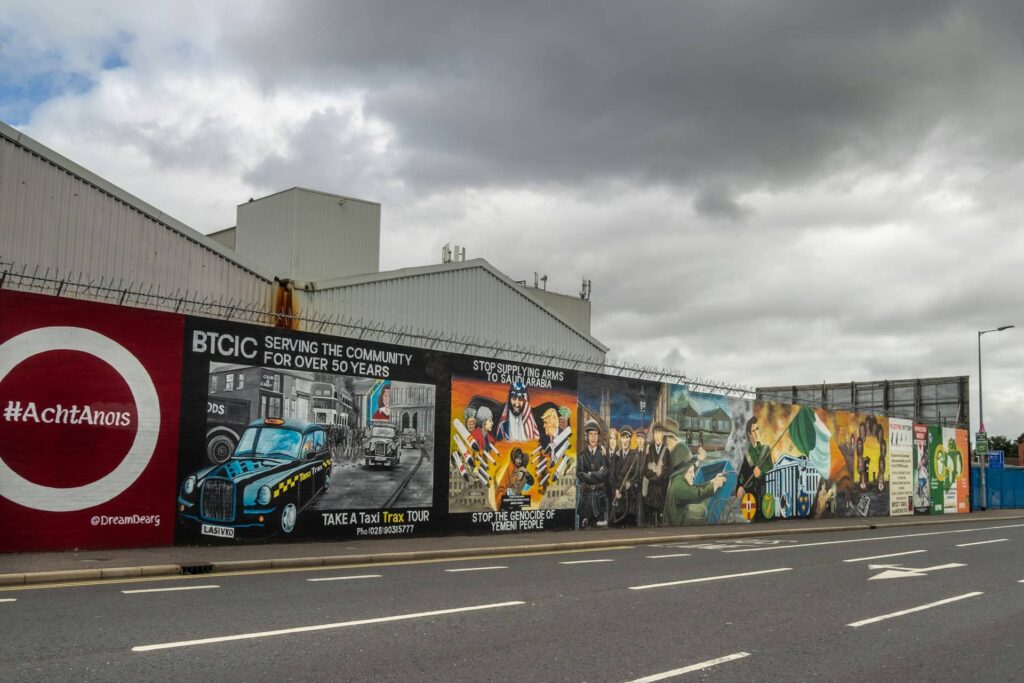
Few experiences cut straight to Belfast’s story like a Black Cab tour. It’s widely regarded as one of the city’s standout activities, and for good reason. You’ll ride through key neighborhoods with a local driver-guide who explains decades of conflict, community, and change with clarity and candour.
The tour passes many of Belfast’s political murals—bold, confrontational works that line gable walls and streets. These paintings reflect shifting identities, memorials, and messages that have shaped daily life here for generations. Seeing them up close carries far more weight than viewing them in photographs.
You’ll also visit the Belfast Peace Walls and travel along the well-known Shankill Road and Falls Road, two areas deeply linked to the city’s modern history. Hearing their stories while standing at the gates makes the experience far more grounded.
If the weather turns wet, this tour still works well. You remain inside the cab between stops, listening, asking questions, and taking it all in from a dry seat.
3. Hike to New Heights at Cave Hill Country Park
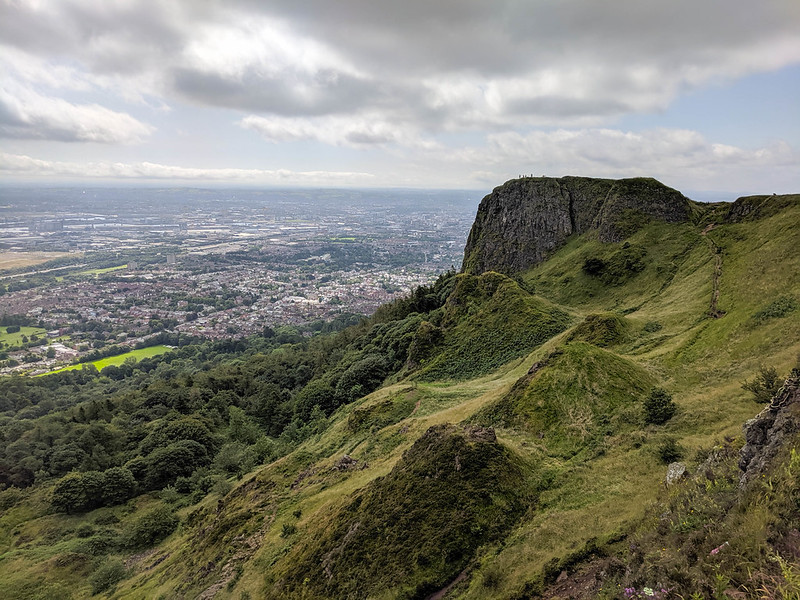
Cave Hill Country Park rises above the city and delivers wide, sweeping views across Belfast and Belfast Lough. From several lookout points, the skyline stretches out beneath you, with the harbour and distant hills framed against the sky.
The main Cave Hill walk ranges from roughly 1.3 km (2.4 miles) to 7.2 km (4.5 miles). Some paths are steady and manageable, while others climb sharply and demand more effort. You can pick a short loop for a casual outing or commit to a longer route if you’re in the mood for a proper hike.
Its best-known feature, often called Napoleon’s Nose, resembles the profile of the French leader when seen from certain angles. Local lore says this formation inspired Jonathan Swift while writing Gulliver’s Travels, adding a literary footnote to the landscape.
Many major US travel outlets list a sunrise visit here as one of the more romantic activities in Belfast. Watching the light lift over the city from the hilltop carries a quiet kind of magic—simple, unfiltered, and memorable.
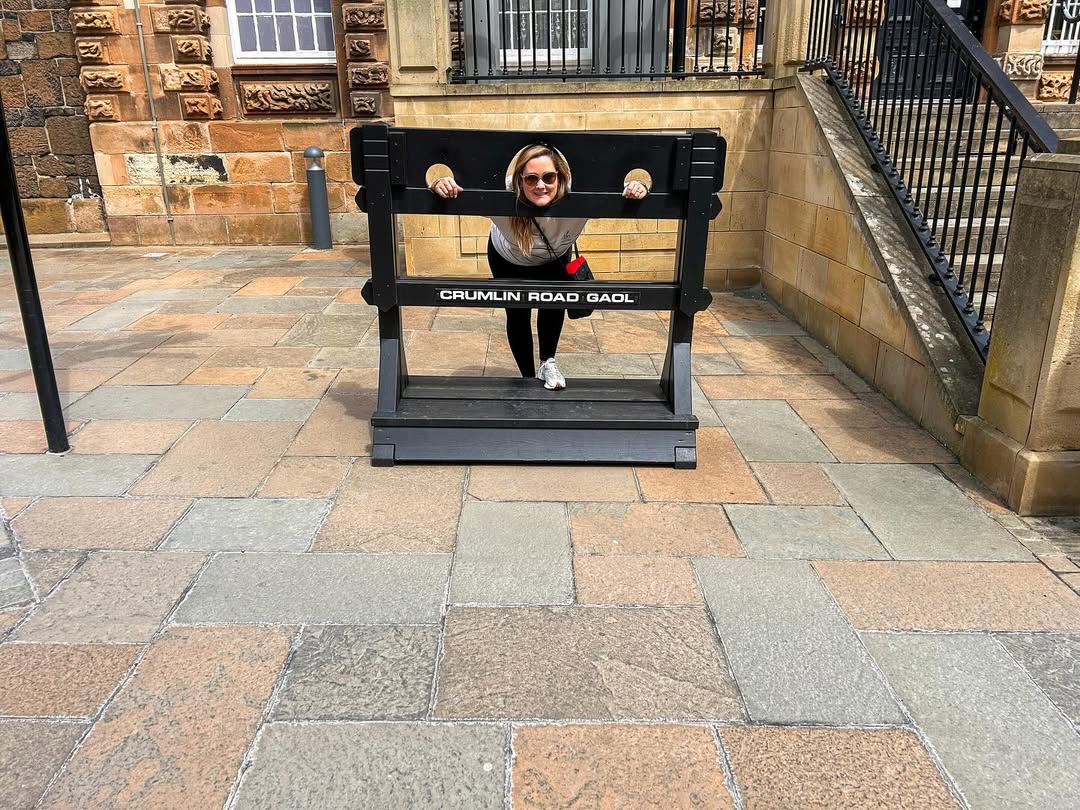
4. Step Inside Belfast’s Troubling Past: Crumlin Road Gaol
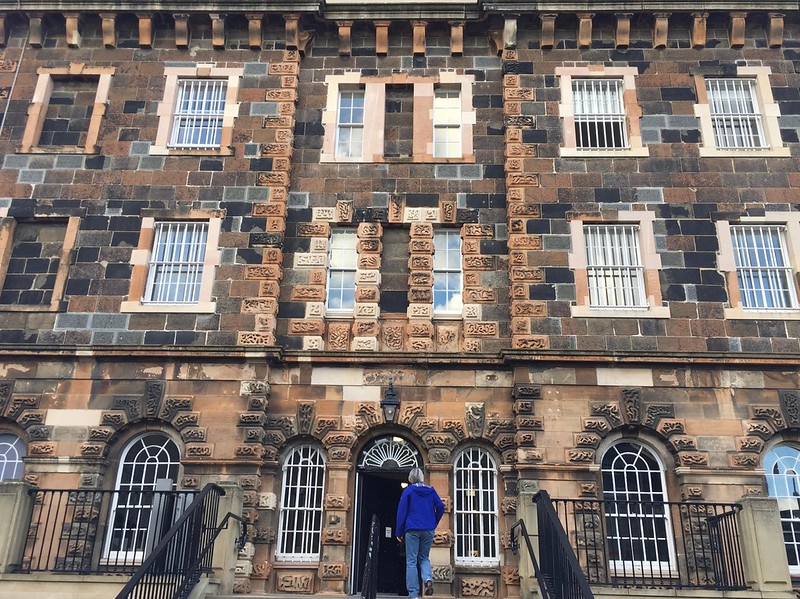
Opened in 1845, the Crumlin Road Gaol operated as a prison for over 150 years before closing in 1996. Today, it stands as one of Belfast’s most visited attractions and consistently ranks high among the city’s top experiences on TripAdvisor.
Its history stretches across several eras. In its early years, women and even children were confined within its stone walls. Later, during the Troubles, the prison held both republican and loyalist inmates in separate wings. The building mirrors shifting chapters of Belfast’s past, each leaving a mark behind.
As you move through the cells and corridors, the atmosphere can feel heavy. The tunnel that once linked the Gaol to the Crumlin Road Courthouse leaves a particularly strong impression. Standing there, it’s easy to imagine the footsteps that passed through decades ago.
For those searching for something distinctive to see in Belfast, the Gaol offers a grounded look at the city’s past. It’s also a solid option when the weather turns wet, as most of the visit takes place indoors.
5. Dive Into Belfast’s Maritime Legacy: Titanic Belfast
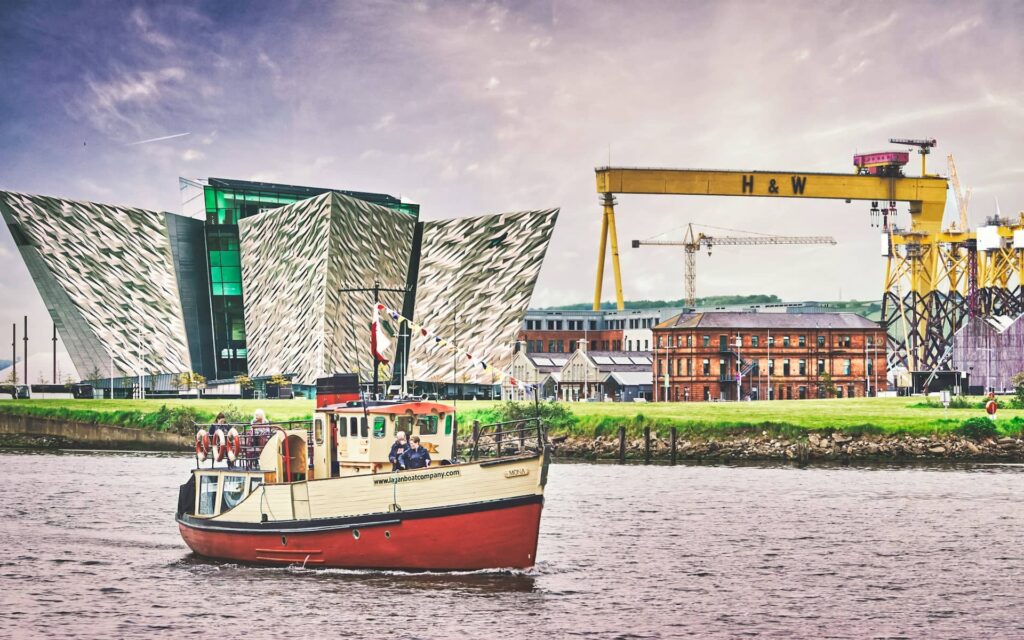
Few attractions pull as many visitors as Titanic Belfast. Located in the city centre, this landmark museum pays tribute to Belfast’s shipbuilding past and the story of the world’s most famous ocean liner.
The exhibition opened in 2012 on the very slipways where RMS Titanic was constructed at the former Harland & Wolff shipyard. The iconic yellow cranes still stand nearby in the Titanic Quarter, acting as reminders of the city’s industrial legacy.
The structure itself is striking. Its sharp, angular exterior rises like a ship’s bow, catching the light differently throughout the day. From every side, it makes for strong photographs and a memorable first impression.
Inside, the Titanic Experience unfolds across nine galleries. Visitors move through immersive displays, reconstructed interiors, interactive exhibits, and a ride that recreates the sights and sounds of the shipyard. The journey traces Titanic’s conception, construction, launch, voyage, and legacy with depth and clarity.
6. Escape to the Outdoors: Divis and Black Mountain
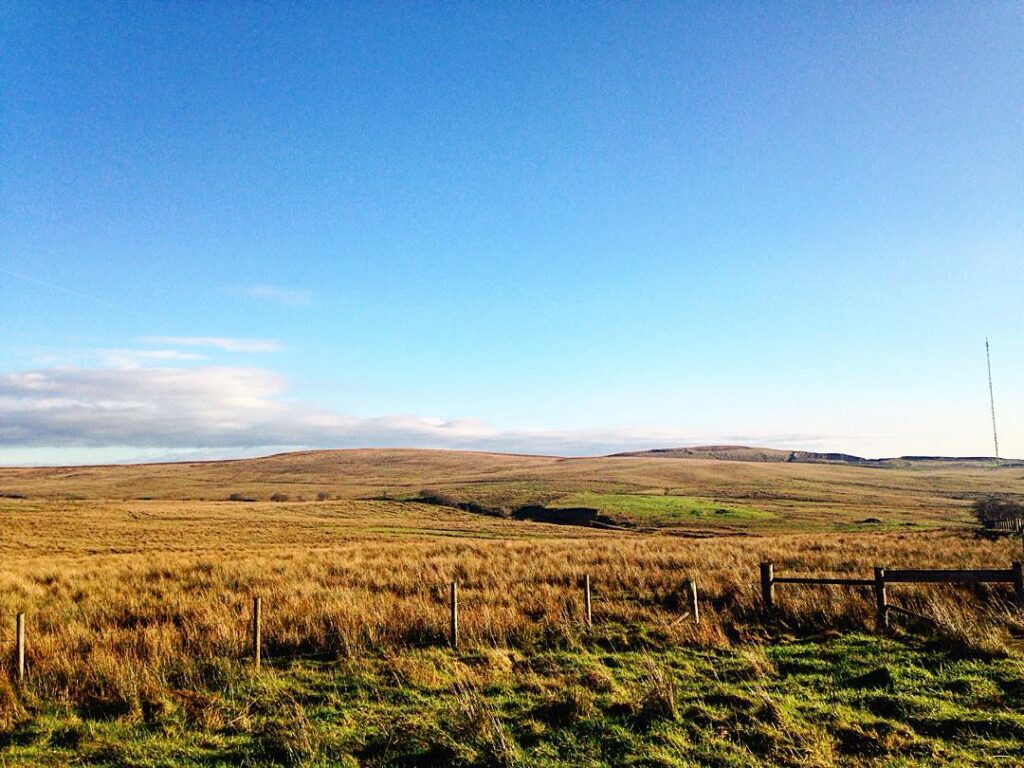
If you feel like stepping away from the traffic and noise for a while, head up to Divis and Black Mountain. From the summit, Belfast spreads out below you, and on clear days the view stretches across much of Ulster.
A purpose-built 3-mile (4.8 km) loop walk circles Divis Mountain. The path was laid out to protect the hillside while still allowing easy public access. The route is well marked and steady underfoot, making it straightforward to follow.
In terms of effort, the walk sits at a moderate level. There’s a bit of a climb, but nothing too taxing for anyone with a basic level of fitness. The payoff is a broad, open panorama that feels far removed from the city centre, even though you’re only a short drive away.
If you’re searching for something to do in Belfast that pairs fresh air with big views, this spot delivers. And if you’re short on time, check out my tried-and-tested one day in Belfast itinerary to tie it all together.
7. A Castle with Views: Belfast Castle
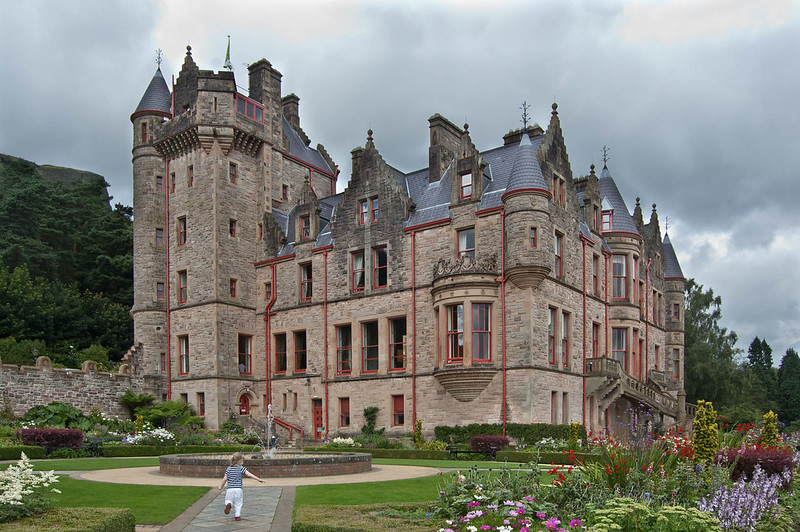
Set on the lower slopes of Cave Hill Country Park, Belfast Castle feels like something lifted from a storybook. Its stone façade overlooks the city, while wooded paths and manicured lawns frame the grounds.
The estate supports a surprising range of wildlife. Long-eared owls and sparrowhawks have been spotted in the surrounding woodland, and the area is also home to one of Belfast’s rarest plants, known locally as the town hall clock. It’s a quiet contrast to the bustle below.
The original Belfast Castle dates back to the late 12th century, when the Normans built a stronghold in what is now the city centre. That structure was later replaced in 1611 by a second castle of stone and timber, commissioned by Sir Arthur Chichester, Baron of Belfast, on the same site.
The present castle, completed in the 19th century, stands as a later chapter in that long timeline. Today, visitors can wander the gardens, pause for views across Belfast Lough, or step inside for exhibitions and refreshments.
8. A Green Escape: The Botanic Gardens
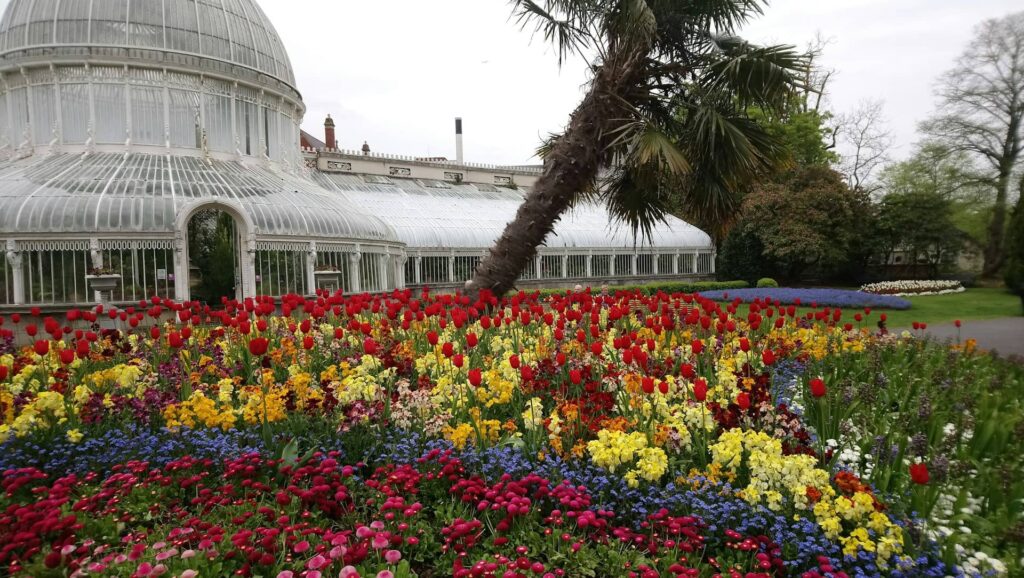
Although the Botanic Gardens sit within the city limits, stepping through the gates feels like a pause button. Traffic noise fades, replaced by open lawns, tree-lined paths, and the low hum of students and locals passing through.
The gardens began life as a private park in 1828. It wasn’t until around 70 years later that the grounds were opened fully to the public. Since then, they’ve become a regular meeting point and a quiet green break for residents and visitors alike.
The standout feature is the Palm House. Built in the mid-19th century, it ranks among the earliest curving glasshouses ever constructed. Inside, tropical plants rise beneath the arched iron and glass frame. It’s an easy place to slow your pace, take a seat, and linger for a while.
Related reads: See our guide to the best hotels in Belfast and the funkiest Airbnbs in the city—or, if you’re in the mood for something upscale, browse the top 5-star stays in Belfast.
9. Explore Belfast Without the Walk: The Bus Tour
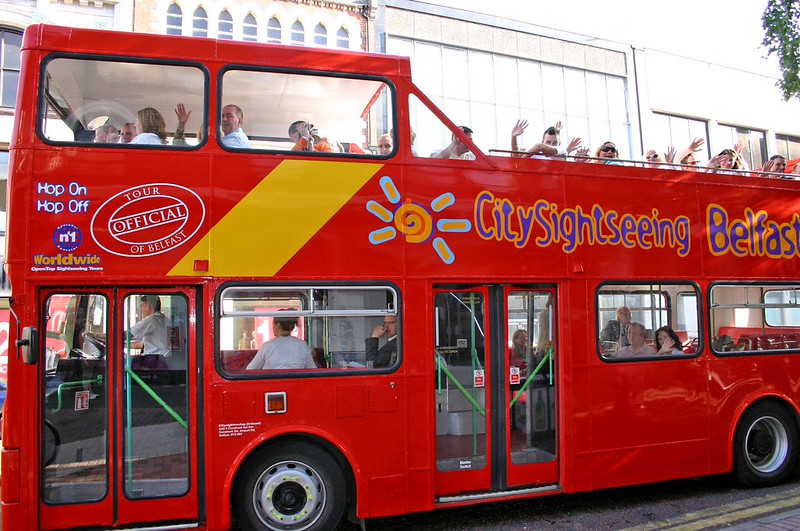
If you’d like to cover Belfast’s main sights without trekking from one end of the city to the other, the bus tour is a practical option. It allows you to move between stops with ease while still taking in the highlights.
Tours such as this one — rated 4.5 out of 5 from more than 700 reviews—run as a 1- or 2-day hop-on, hop-off experience. You can stay on for a full circuit to get your bearings or step off at places that catch your interest.
Along the route, you’ll pass Titanic Belfast, the Albert Memorial Clock, the Cathedral Quarter, the Northern Ireland War Memorial, Stormont, and several of the city’s well-known political murals. It’s a straightforward way to link together key landmarks without worrying about directions.
10. Belfast’s Legendary Pubs: A Toast to Tradition
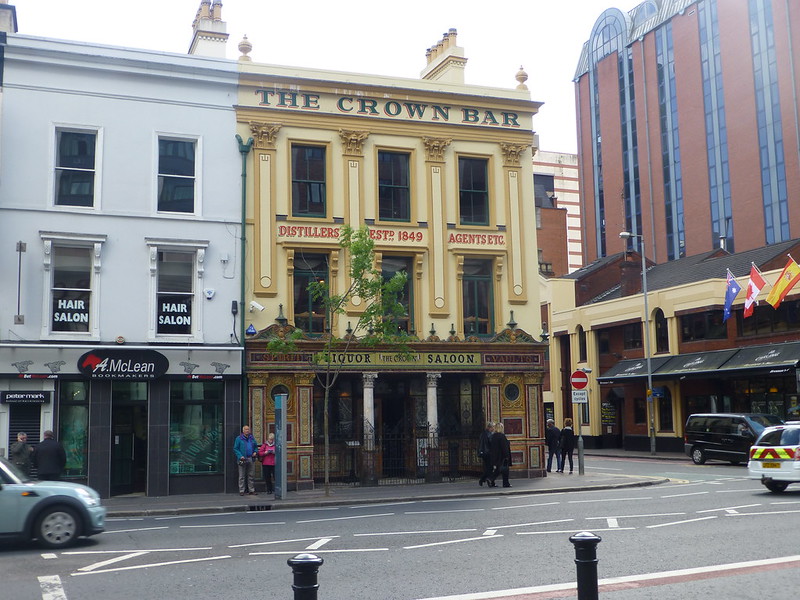
Belfast comes alive after dark, especially if you know which doors to push open. The city’s pub scene mixes timeworn interiors, steady pints, and live music that spills into the street on busy nights.
In our guide to the best pubs in Belfast, you’ll find plenty of long-standing spots that have kept their character over the years. Places like Bittles Bar are attractions in their own right, thanks to their striking exterior and compact, triangular shape. Step inside and you’ll find walls lined with portraits and a crowd that rarely stays quiet for long.
11. Walk Through Belfast’s Past: History Walking Tour
It’s uncommon to see a city tour gather more than 1,000 reviews while holding close to a perfect rating, yet this three-hour walking tour — priced at around €26 — has managed exactly that. Word of mouth has clearly done its job.
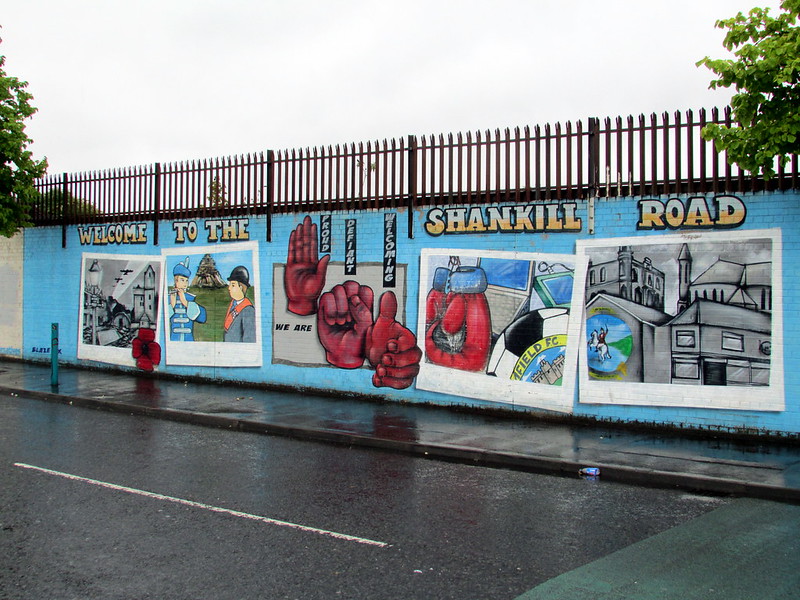
The route threads through key chapters of Belfast’s past, guiding you along both sides of the Peace Line near the Falls Road and Shankill Road. You walk the streets where history unfolded, rather than viewing it from behind glass.
Along the way, you’ll hear perspectives from both Loyalist and Republican communities. The guide explains how the conflict shaped daily life, neighbourhood identities, and the city’s physical landscape.
If you want a grounded understanding of Belfast’s past, this tour offers context that’s hard to gain on your own.
12. St. George’s Market: A Feast for the Senses

No day of proper sightseeing works well on an empty stomach — especially if you’re feeling the effects of the night before. Starting your morning with good food sets the tone for everything that follows.
In Belfast, St. George’s Market is a strong place to begin. The moment you step inside, the scent of fresh bread, sizzling dishes, spices, and coffee drifts through the hall. It’s hard not to feel hungry within seconds.
This covered market has deep roots. Records show a Friday market operating here as far back as 1604. Today, more than 240 traders set up stalls from Friday through Sunday, selling everything from local produce and seafood to crafts and street food from across the globe.
Grab a plate, find a seat, and ease into the day. It’s simple, lively, and well worth your time.
13. Belfast’s Murals: Stories Painted on Walls
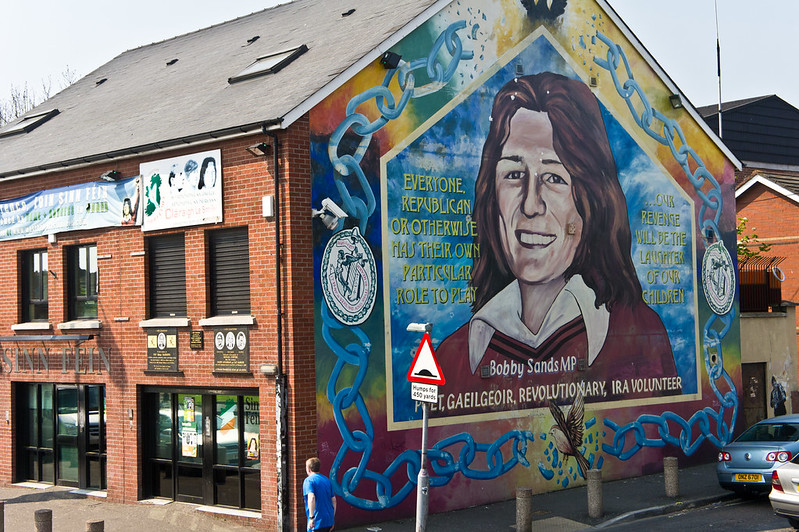
Belfast’s murals rank among the most recognised in Europe. Painted across gable walls and housing estates, they reflect the history, identity, and at times violent past of the communities that created them. Each piece carries a message — some political, some commemorative, others cultural.
You’ll find murals scattered across different parts of the city, varying in scale and style. Some stretch the full height of a building, while others are smaller and more intimate. You can seek them out on your own, though joining a guided tour often adds valuable context and local perspective.
One practical note: avoid heading to mural areas late in the evening or after dark. Several are located in neighbourhoods that are best visited during daylight hours.
14. The Ulster Museum: A Journey Through Time
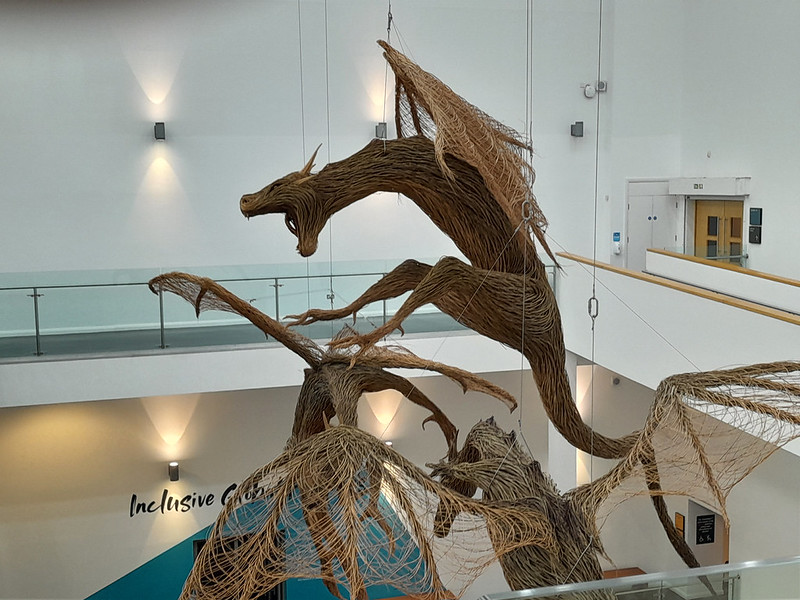
The Ulster Museum has broad appeal. Art fans, history enthusiasts, families with children, and anyone with a curious streak will all find something to hold their attention. If you’re keen on more creative stops, pair it with a look at Belfast’s other galleries.
Its collections stretch far beyond the city. Exhibits trace Ireland’s past while also reaching outward to stories and artefacts from across the globe. The range is wide, yet the layout makes it easy to move between themes without feeling overwhelmed.
You can stand beneath dinosaur skeletons, study an Egyptian mummy at close range, and wander through hands-on discovery zones. Elsewhere, rooms house fine art, archaeology, ethnography, pieces linked to the Spanish Armada, and detailed accounts of local history.
Entry is free, which makes it an easy addition to any itinerary. It’s also a reliable option when the weather turns rough and outdoor plans fall apart.
15. Explore Politics and Nature at Stormont Estate

Stormont Estate is a solid choice if you’re in the mood for a long walk. The grounds offer several marked routes, including the History Trail, Woodland Trail, and Environment Trail, each giving a different angle on the landscape.
The estate covers wide open parkland and wooded areas, all free to enter and open year-round. Locals use it for morning jogs, weekend strolls, and quiet breaks from the city.
Stormont is also the seat of the Northern Ireland Assembly, and the main Parliament Buildings stand at the top of the avenue. While you’re there, you can learn more about the role of the Government of Northern Ireland and brush up on the differences between Northern Ireland and Ireland.
It’s a place where politics, green space, and history sit side by side—easy to visit and easy to enjoy at your own pace.
Related Post: