Looking for enchanting small towns in Italy for your next trip? These 15 borgos and villages sit away from heavy tourist routes and offer quiet streets, regional food, and local traditions that are easier to enjoy without crowds.
Some travelers chase famous landmarks, while others prefer backroad stops and relaxed town squares. If you enjoy slower days, local cafés, and places that feel lived-in rather than staged, these towns are a great match.
Italy naturally suits slow travel. Meals take time, walks last longer, and smaller towns show daily life more clearly than major cities. You can move at your own pace and enjoy simple moments along the way.
This guide rounds up lesser-known Italian towns worth adding to your route, helping you plan a charming small-town trip without the usual overwhelm.
How Tiny Are These Italian Towns?
To begin with, let’s clarify what constitutes a “small town” in Italy.
In general terms, Italy classifies towns and villages in different categories. Small towns usually have a population of around 10,000-25,000 residents, while villages tend to be smaller, with populations ranging from 1,000 to 10,000. On the other hand, borgos are even more compact, often housing just a few hundred people. These quaint little towns are typically fortified and boast centuries of history, dating back to the Middle Ages or Renaissance.
In this guide, we focus on small Italian towns with populations in the low thousands, with only a few exceptions. For example, Volterra in Tuscany, home to around 10,410 people, gained fame through the Twilight series. Another standout is Marina di Corricella, located on the southern Italian island of Procida, with a population of just over 10,000. This coastal town is known for its colorful buildings and walkable streets. Lastly, Alberobello in Puglia, with its iconic trulli houses, has a population of 10,710.
Notably, we’ve left out towns like Positano and those on the Amalfi Coast, as they could easily fill an entire list of their own.
Key Facts About Small Towns in Italy
- About one-third of Italy’s population lives in just 1% of all communes, equal to around 84 large communes with 65,000 or more residents
- Another one-third lives in mid-sized cities with populations between 10,000 and 65,000
- The final one-third lives across more than 7,000 small and very small towns
- Many of these smaller towns have only a few hundred to several thousand people
- Small population centers still hold a major share of Italy’s local traditions, food habits, and community events
Rural life in many parts of Italy has been shrinking, as younger residents often move to bigger cities for work and education. To bring people back and revive quiet communities, several small towns now offer run-down houses for just €1 — roughly the price of a coffee for American buyers.
Who knows — you might come across one of these deals and turn it into your own Italian base while spending time in small villages and towns across the country.
15 Enchanting Small Towns in Italy From North to South
Rural travel gives a very different view of a country, and Italy offers many small towns that fit perfectly with a slower style of trip. Away from packed cities, daily life feels more grounded, meals last longer, and town routines set the pace instead of tight schedules.
One reason slow travel works so well in Italy is the close link between place and tradition. Recipes, festivals, and crafts often stay strongest in smaller communities. We like renting a car and driving to lesser-known stops, taking side roads, and making room for unplanned breaks along the way.
Several of these small Italian towns receive very few visitors each year. In some spots, you may meet locals who speak only Italian. Rather than being a problem, this often turns into a memorable part of the visit. Simple gestures, shared food, and patience can go a long way when words don’t line up.
If you want a bit of language support, carrying a small Italian phrase guide can help with basics like greetings and ordering meals. A food phrase list is also handy at family-run restaurants where English menus may not exist.
Let’s get started. From Piedmont and Umbria down to Naples and Sicily, here are some favorite small towns across Italy, listed from north to south.
2 Charming Small Town Stops in Emilia-Romagna
1. Grizzana Morandi
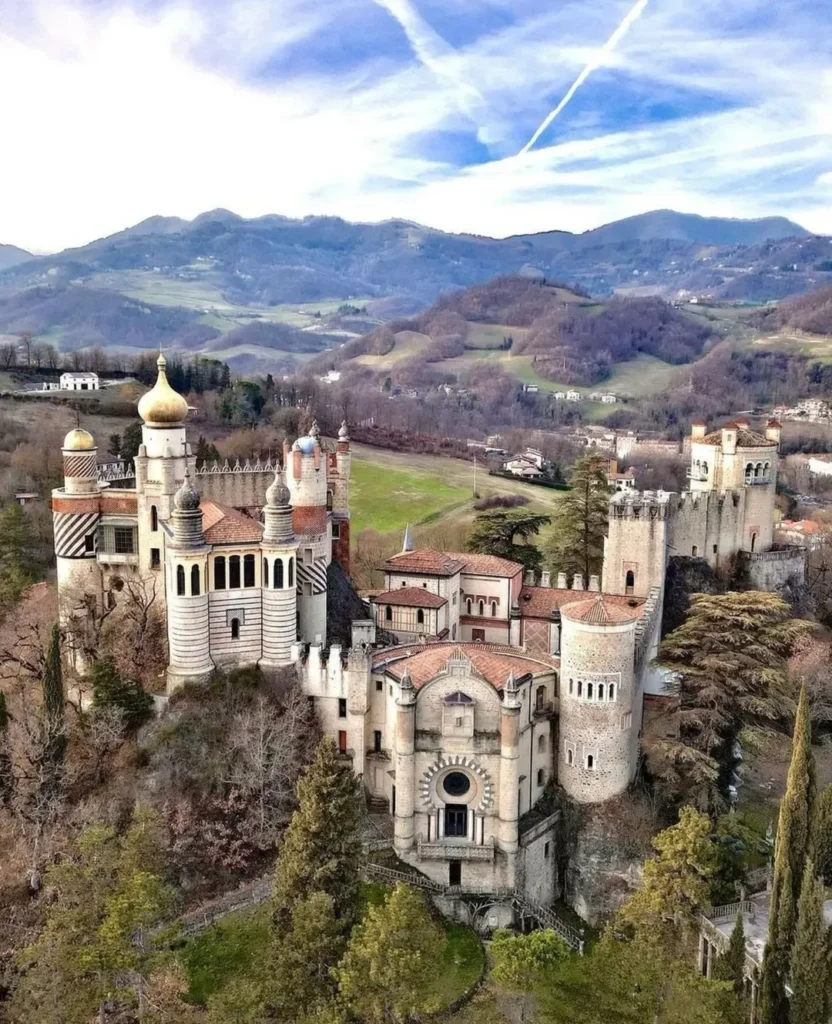
Population: 3,694
Grizzana Morandi sits in the rural hills outside Bologna and is easy to pass by if you’re driving too quickly. Roads curve through farmland and wooded slopes, and many of the area’s best spots are spread out rather than grouped in one center. A slow road trip works better here than a tight schedule.
Much of the appeal comes from the countryside itself. Small churches, stone houses, and quiet lanes appear without warning. Driving through this part of Emilia-Romagna can feel like following scattered hints on a map, with each turn bringing a new stop worth pulling over for.
The town is closely linked to painter Giorgio Morandi, who lived and worked here until his death in 1964. His landscape works reflect the local scenery and soft hill lines. Visitors can stop at the Centro di Documentazione Giorgio Morandi to learn about his life and the area’s background. The center stands across from his former home.
Next door you’ll find Locanda dei Fienili del Campiaro, a small country inn known for calm surroundings and home-style cooking. The host, Giuseppe, is known for generous dinners, and the rooms feel warm and simple rather than formal.
A short drive away sits Borgo La Scola, one of the tiniest borgos in the region. It’s so low-profile that even nearby residents sometimes miss it. Stone paths and old buildings line the lanes, and it’s possible to walk the whole place without meeting another visitor.
The main highlight near Grizzana Morandi is Rocchetta Mattei, a striking 19th-century castle built by Count Cesare Mattei, known for his alternative healing practices. Its mix of architectural styles makes it a memorable stop, and guided visits are available.
Where to stay in Grizzana Morandi:
- Hotel Il Crinale — close to major sights, mountain views, and a generous breakfast included
- Angolo di Paradiso B&B — near Rocchetta Mattei, country style rooms, large morning meal included
2. Dozza
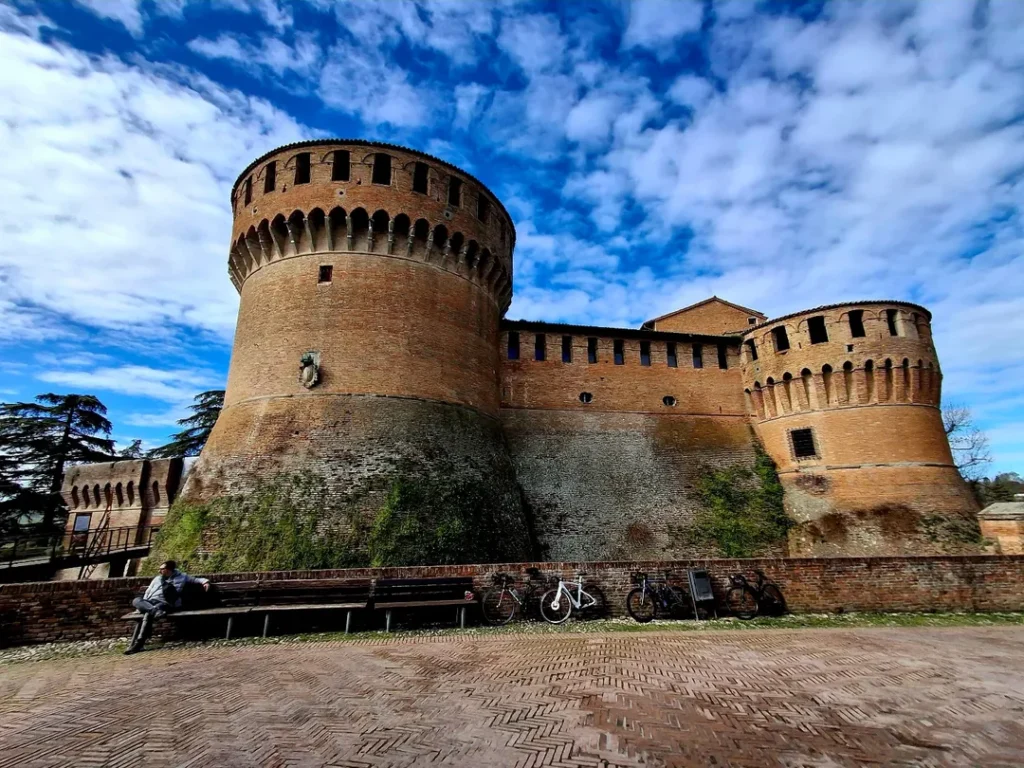
Population: 5,886
When people picture Italy’s small towns, Dozza often fits that postcard idea — but with a playful twist. This Emilia-Romagna town stands out for its painted walls and open-air art rather than grand monuments. It’s a strong pick for travelers who like creative streets and color on every corner.
Dozza sits about 40 minutes south of Bologna on the road toward Faenza. It works well as a day trip and also as a pause point if you’re moving between Bologna and Florence by car. The town is compact, easy to walk, and simple to cover in a relaxed afternoon.
Much of the town’s look comes from the Biennale del Muro Dipinto, a street art festival held every two years. Invited artists paint building walls, doors, and public surfaces across the village. When the event ends, the artwork stays in place, turning regular streets into a long-term outdoor gallery.
The festival usually runs during the third week of September in odd-numbered years. Outside festival dates, visitors can still see dozens of murals spread across lanes and squares, making casual walks more visually interesting.
Dozza is also listed among the Borghi più Belli d’Italia, a national group that recognizes well-preserved historic villages across the country.
Where to Stay in Dozza
- Locanda Dolcevita — central location, popular restaurant and bar on site, comfortable guest rooms
2 Enchanting Italy Small Towns in Veneto
3. Malcesine
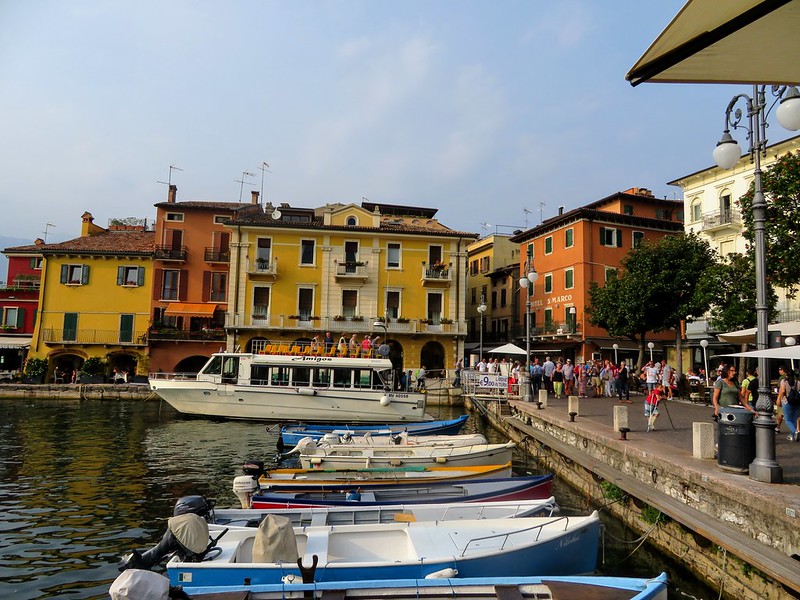
Population: 3,423
Lake Garda ranks among the top northern Italy destinations, and the small town of Malcesine on the eastern shore works very well as a base around the lake. From here, you can move by ferry, car, or bike to nearby towns without long travel times. Its position makes it practical for day trips in several directions.
Even though Malcesine is compact, your days won’t feel empty. You can sample Bardolino wines from nearby vineyards, browse the local farmer’s market, or spend time by the water between brisk swims. The lake has a cool alpine edge, so even summer dips can feel sharp.
One activity that stands above the rest is the cable car ride up Mount Baldo. The lift climbs quickly and opens access to wide views and multiple hiking routes. Some trails are gentle walks, others more demanding, so visitors can pick what fits their energy level that day.
The old town area has stone lanes, small shops, and a castle overlooking the harbor. It’s easy to explore on foot, with cafés and gelato stops spread across short distances.
Where to Stay in Malcesine
- Hotel Lago Di Garda — central position near main sights and lake access
- Guesthouse B&B Casa Benamati by Kelly — lakeside setting, large breakfast, close to the cycling path
Other Places to Stay Around Lake Garda
Picking a base depends on whether you prefer ferry access, hiking routes, or lakefront walksLake Garda has many lodging options across its shoreline townsChoices range from small guesthouses to larger hotels and apartments
4. Burano
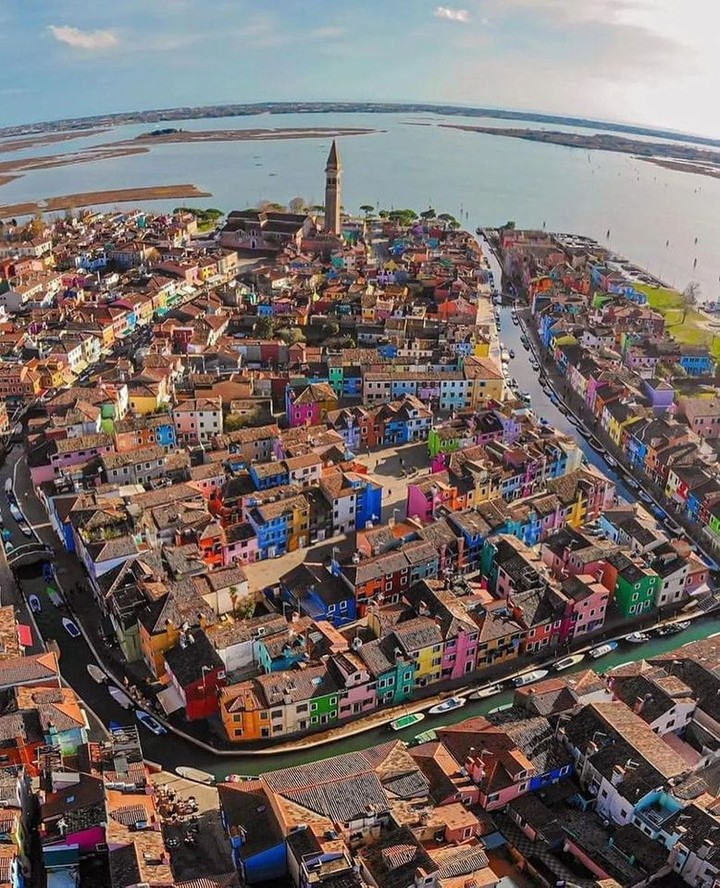
Population: 2,426
Burano is one of Italy’s most colorful small coastal towns and an easy favorite for a day or overnight stop. This island community in the Venetian lagoon is known for bright houses lined along canals, creating streets that feel playful and bold rather than formal.
The town began as a fishing village. Local fishermen painted their homes in strong colors so they could recognize them from the water while returning in fog or low light. Today, each building still carries a different shade, and walking through the lanes feels like moving through a paint chart at full scale.
Bridge crossings give some of the best canal views, but side lanes are just as rewarding. Step away from the main paths and you’ll often find quiet stretches with few people around, good for photos or a slow walk.
Burano also has a long lace-making tradition. Visitors can stop at the Lace Museum or small lace shops to watch demonstrations and see how the work is done by hand. The detail involved is impressive and ties closely to the island’s past economy.
Plan to stay long enough for a meal. Seafood is a strong choice here, and prices are often lower than what you’ll see in central Venice. Many travelers visit only for a few hours, but the island has enough charm for a longer pause.
You can reach Burano from Venice by Vaporetto water bus, or by joining a boat tour that also stops at Murano and Torcello, and sometimes Sant’Erasmo. Travel time by public boat can run over an hour depending on your starting point, so start early to allow enough time on arrival.
Where to Stay in Burano
- Casa Burano Experience by Venissa — well-placed rooms and highly rated guest comfort
- Tiffany Home — central setting with wide water views
2 Lesser-Visited Small Italian Towns in Piedmont
5. Orta San Giulio
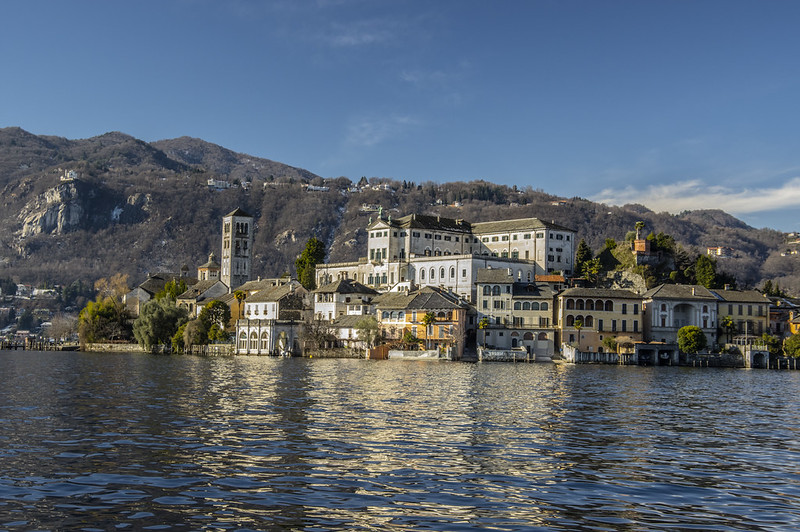
Population: 1,262
Many travelers heading to Italy’s lake region focus on the larger and more famous lakes, often skipping Lake Orta entirely. That’s a missed chance. The small town of Orta San Giulio, set on the eastern side of the lake, suits slow travelers and culture-minded visitors who prefer calm streets over busy promenades.
The town is compact and easy to cover on foot. You can spend your time walking narrow lanes, stopping at local cafés, and visiting the Sacro Monte hillside chapels above town. There are also high-quality dining options, including a Michelin-starred restaurant, along with simple lakeside spots for relaxed meals.
A stay of a couple of days works well here. Some travelers choose short hikes, others spend time by the water, and some simply sit in the main square and watch the day pass. The pace feels steady and human rather than rushed.
The highlight of the area sits just offshore: Isola San Giulio, a small medieval island dating back to the 12th century. A short boat ride takes you across. The island is often called the “Island of Silence,” and visitors are asked to keep noise low while walking its path.
At the center stands the Basilica of San Giulio, widely regarded as one of the most impressive religious buildings in northern Italy, with detailed interior artwork and long historical roots.
Where to Stay in Orta San Giulio
Here are a few good lodging options if you plan to spend time in and around this quiet lakeside town:
- Hotel San Rocco — A well-regarded choice just above the main square with lake views and easy access to town pathways
- Albergo Giardinetto — Simple, comfortable rooms near the water and a short walk from boat docks
- La Bussola — Classic lakeside rooms with a relaxed atmosphere and easy access to local cafés and shops
- Relais San Maurizio — A former monastery turned luxury option, set slightly outside town for a calm retreat
6. Cannobio
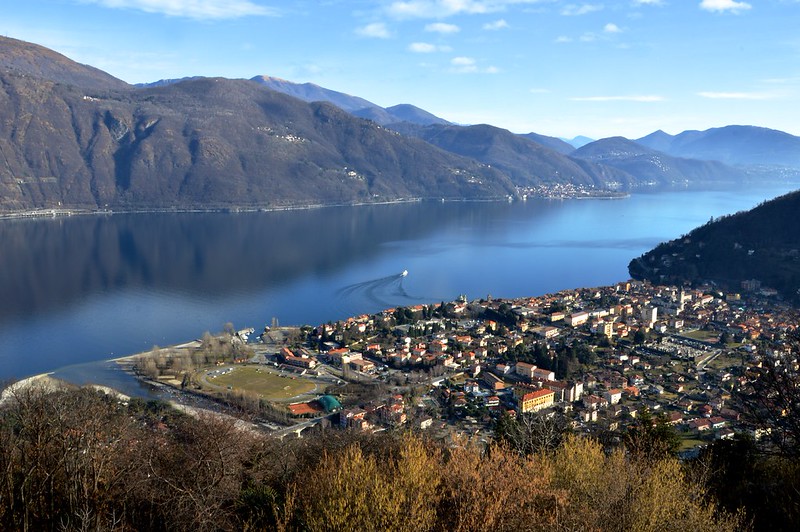
Population: 4,430
Italy’s lake district includes many beautiful small towns, and Cannobio, set along Lake Maggiore near the Swiss border, deserves a spot on that list. It blends lakefront walks, historic buildings, and everyday local life without the heavy traffic seen in larger resort towns.
Records mention Cannobio as early as the 10th century, though settlement in the area likely goes back to Roman times under Emperor Augustus. The town’s long history shows in its churches and older civic buildings scattered through the center.
Cannobio is less about major sightseeing and more about atmosphere. Still, a few landmarks are worth your time, including the 18th-century Collegiate Church of San Vittore, the 16th-century Sanctuary della Pietà, and the 13th-century Palazzo Parasi. These stops are close enough to visit without rushing.
Food lovers often plan their visit around the Sunday market, where regional products and street foods draw both locals and visitors. The town beach, Lido di Cannobio, is another popular stop, especially on warm days.
The real pleasure here comes from unplanned wandering. Walk the lakeside promenade, turn into side streets, and pass rows of painted houses, cafés, and small shops. For a high-quality meal by the water, book a table at Lo Scalo.
Reaching Cannobio is easiest by car, making it a good pause on a northern Italy road trip. Boats from other Lake Maggiore towns also stop here. Late spring and early fall usually bring mild weather and lighter crowds.
Day Trips from Cannobio
- Locarno, Switzerland sits about 16 km away and makes an easy cross-border outing
- From Locarno, you can ride the chairlift and cable car up Cardada mountain for wide valley views
- Nature fans can head west toward the Italian Alps to Oasi Zegna nature park, about an hour away
- The Panoramica Zegna scenic road runs about 16 miles through mountain landscapes and forest areas
Where to Stay in Cannobio
- B&B Magnolia — friendly guesthouse stay with breakfast included
- B&B Spiaggia Amore — beachfront option with morning meal included and direct lake access
2 Colorful Small Italian Towns in Liguria
7. Portofino
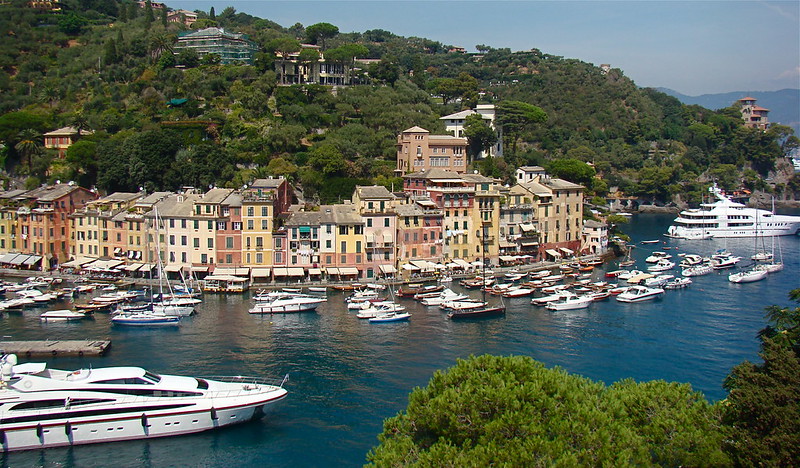
Population: 437
Portofino is a small fishing harbor town on the Italian Riviera known for its pastel buildings and curved waterfront. Houses line the narrow bay, and the main square opens right at the edge of the water. The setting feels compact and polished, with boats anchored just steps from cafés and shops.
Reaching Portofino takes a bit of planning, but the route is straightforward. It’s about an hour by car from Genoa. Many visitors instead take the train from Genoa to Santa Margherita Ligure, then continue on foot or by ferry. Boat connections also run from Rapallo and Camogli, which makes for a scenic arrival.
Late spring and early fall often bring pleasant weather and lighter visitor numbers. July and August draw the largest crowds during peak vacation season. Over time, the harbor has shifted from working fishing boats to luxury yachts, and the town now carries a strong resort reputation.
Visitors can keep things simple here. Sit in the Piazzetta with a coffee or gelato, watch harbor traffic, and browse small stores along the stone lanes. The pace is slow, and people-watching becomes part of the day’s activity.
For classic sightseeing, stop at Castello Brown, a former fortress with terraced gardens and wide coastal views. San Martino Church is another worthwhile pause, known for its historic interior and hillside position.
Active travelers can hike uphill to the old lighthouse or follow the coastal trail to San Fruttuoso, about two hours away on foot. This quiet bay, reached by trail or boat, holds a 10th-century abbey and a small beach for a swim break. From there, ferries run back in the late afternoon. Nearby Paraggi Beach, with its sandy shore, is another easy stop.
Where to Stay in Portofino
- ALTIDO Portofino Privilege — central apartment stay a short walk from the beach
- Civico 3 — town-center rooms near restaurants, shops, and ferry access
8. Manarola
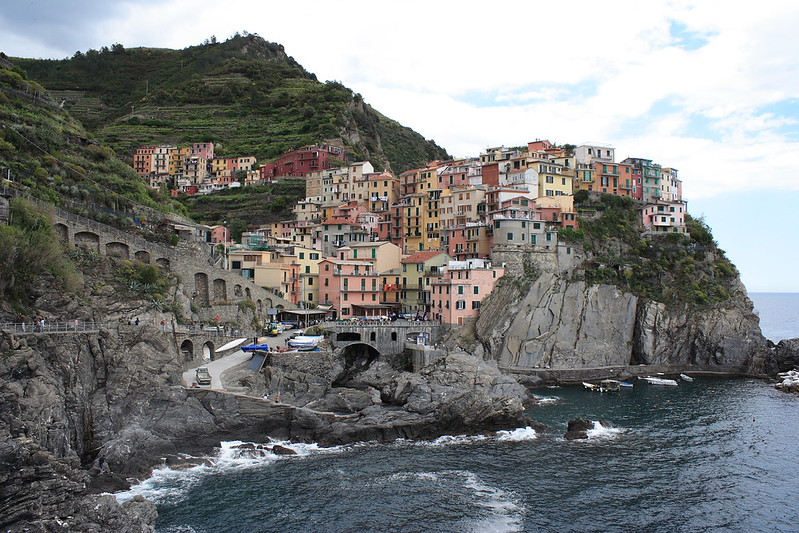
Population: 353
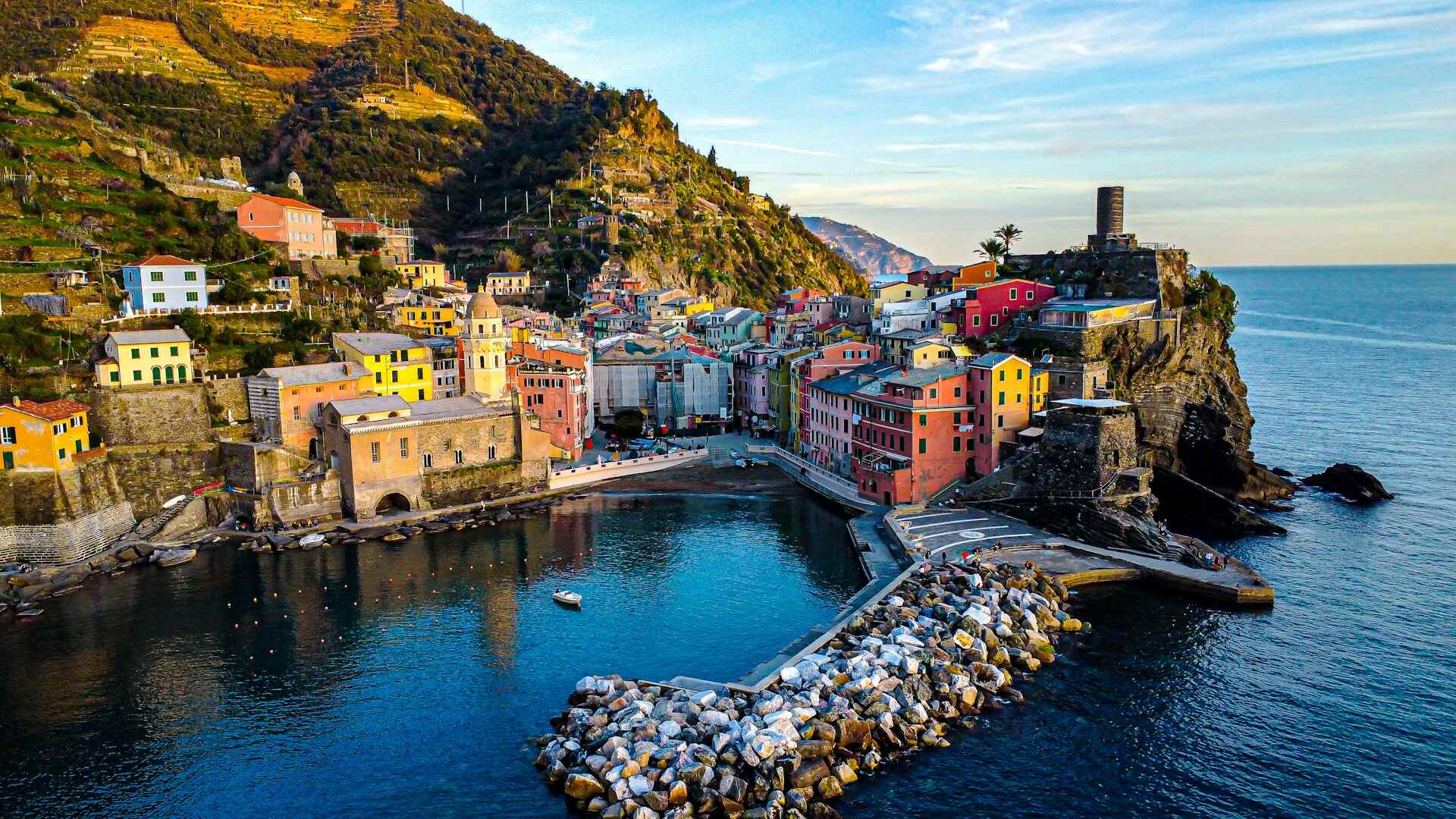
Manarola ranks among the most eye-catching small towns in Italy. This Cinque Terre village stacks bright houses above the Mediterranean, with buildings rising in layers from the waterline up the slope. Cameras come out fast here, but there’s more to do than take photos.
Getting to Manarola is simple by rail. From Pisa or Florence, take a train to La Spezia, then switch to the local line heading toward Sestri Levante and ride two stops. The Cinque Terre villages all connect by short train hops, so visiting more than one in a day is very doable.
The best approach in Manarola is unstructured wandering. Walk the narrow lanes, pass small groceries and wine bars, and drift away from the busiest path. Side streets often lead to quieter corners where dinner prep is already underway in family kitchens and small restaurants.
Footpaths run above town through vineyard terraces with open views back over the harbor and rooftops. Local growers use these grapes for regional wines. Other cliffside trails link Manarola with Riomaggiore for those who want a longer walk.
The village hosts the Cinque Terre wine cooperative, so many restaurant wine lists feature nearby labels. Try a glass of Sciacchetrà, the area’s well-known sweet dessert wine, usually served in small pours.
About an hour before sunset, many visitors head to Nessun Dorma for the classic overlook toward the village. Seats fill quickly, so call ahead if you want a table. With the sea right below town, seafood dishes are a strong menu choice.
Where to Stay in Manarola
- Vela Azzurra — large rooms in a central spot with easy walking access
- Il Sogno di Manarola by The First — sea-view terrace and a well-placed location
The Most Enchanting Italy Small Town in Lombardy
9. Bellagio
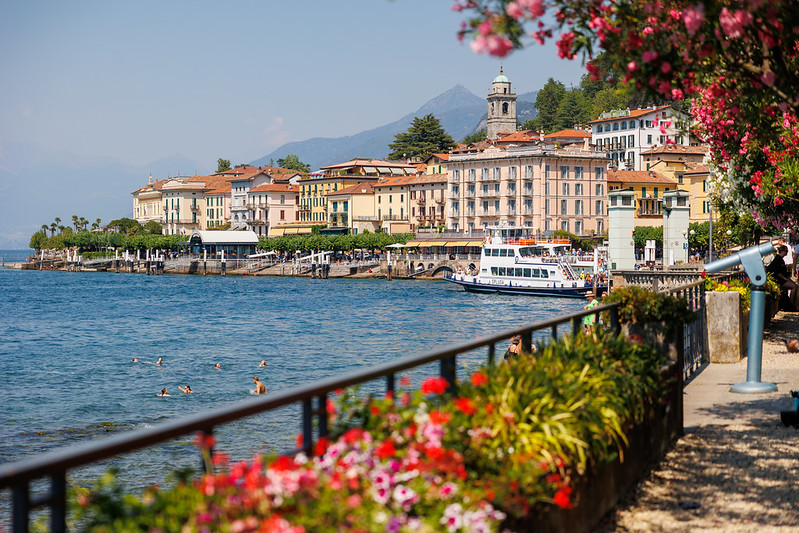
Population: 3,820
Bellagio, often called the Pearl of Lake Como, ranks high among Italy’s most beautiful small towns. It sits where the lake branches meet, with water on multiple sides and mountain backdrops in every direction. The setting feels almost staged, yet it’s a working town with daily routines behind the views.
One advantage is location. Bellagio works well as a day trip from Milan, with total travel time around an hour plus a short boat crossing. Many visitors arrive just for the day, though an overnight stay gives a very different feel once evening crowds leave.
The waterfront walkway and stepped stone lanes draw most visitors first. You’ll pass clothing boutiques, specialty food shops, and stores selling Lake Como silk. Cafés and wine bars line the upper streets, giving plenty of places to pause between climbs.
Outdoor options are easy to add to your plan. You can swim, kayak, relax at the beach areas, or take a lake cruise that stops at nearby towns. Local restaurants often serve risotto with fried perch, a regional dish worth trying at least once.
If you have extra time, boat routes connect Bellagio with several historic villas and nearby lake towns. The area has also appeared in many films, which adds to its international profile. Summer sometimes brings celebrity visitors on holiday.
Getting here is straightforward: take a train to Varenna, then ride the ferry across to Bellagio. Late spring and early summer bring garden blooms and milder crowds. September and October are also pleasant. Winter is quiet, with many hotels and restaurants closed.
Where to Stay in Bellagio
- Hotel Bellagio — lake views, strong breakfast, higher price but good overall value
- Hotel Suisse — central lakefront location close to main streets and ferry access
2 Enchanting Italian Small Towns — Trentino Alto-Adige
10. Anterselva di Mezzo (Antholz Mittertal)
Population: 2,878
Northern Italy can feel quite different from the version many travelers expect. In Trentino Alto-Adige, towns and valleys often carry two or three names—Italian and German, and sometimes an English form as well. Road signs, menus, and maps frequently show both.
Local culture in this region leans strongly Alpine and German-speaking. You’ll hear German in daily conversation, see traditional clothing during festivals, and meet residents who describe themselves as German-speaking Italians. The food and architecture also reflect this background.
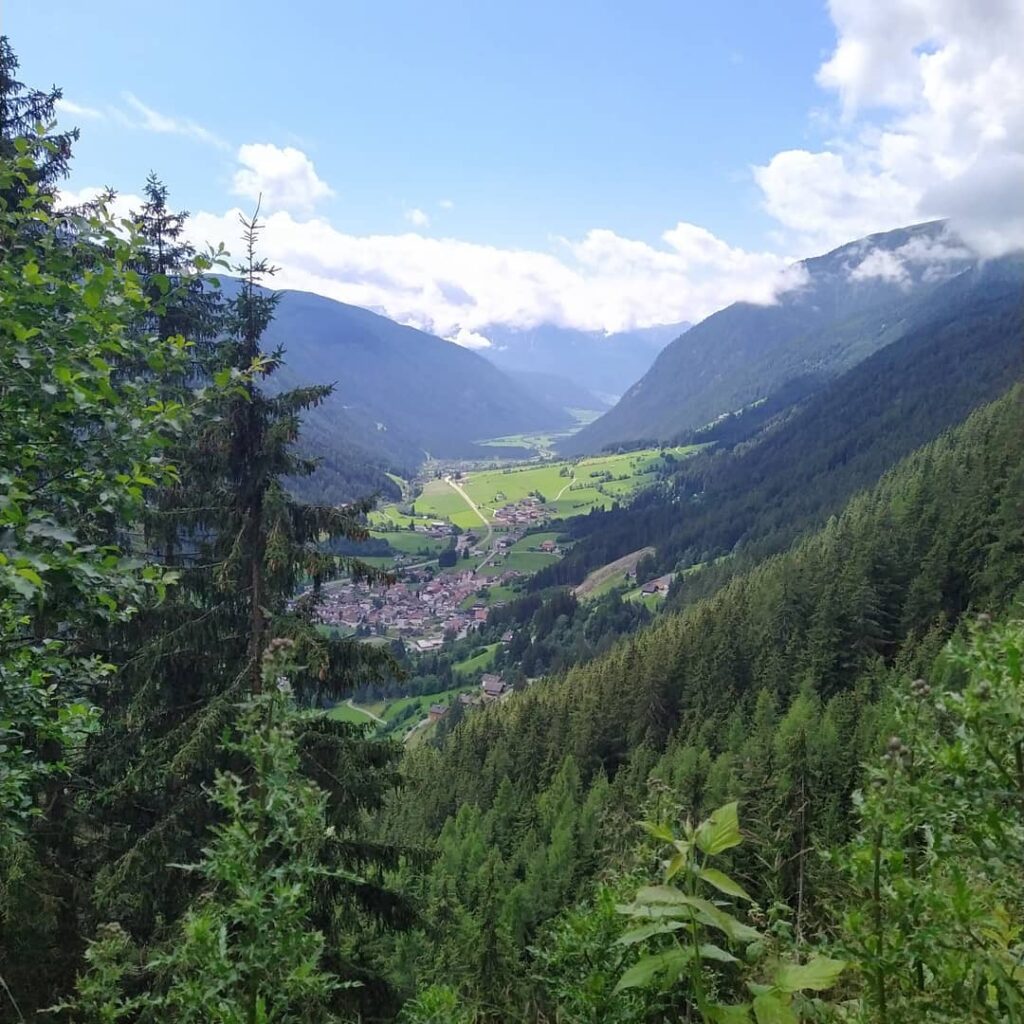
Anterselva di Mezzo — called Antholz Mittertal in German — sits in the Antholz/Anterselva Valley about nine miles from the Austrian border. It serves as the central village of the valley and works well as a base for mountain outings in every season.
Travelers passing through from Austria or Slovenia often stop and end up staying longer than planned. The area offers wide mountain views, access to Dolomites landscapes (with park areas about an hour away), and a strong winter sports scene when snow arrives. The welcome from locals is warm and straightforward.
Where to Stay in Anterselva di Mezzo
- Hotel Antholzerhof — near the village center with indoor pool, spa, breakfast and dinner included
- Vierbrunnenhof — Dolomites views, buffet breakfast, indoor pool and spa facilities
11. Mezzocorona
Population: 5,477
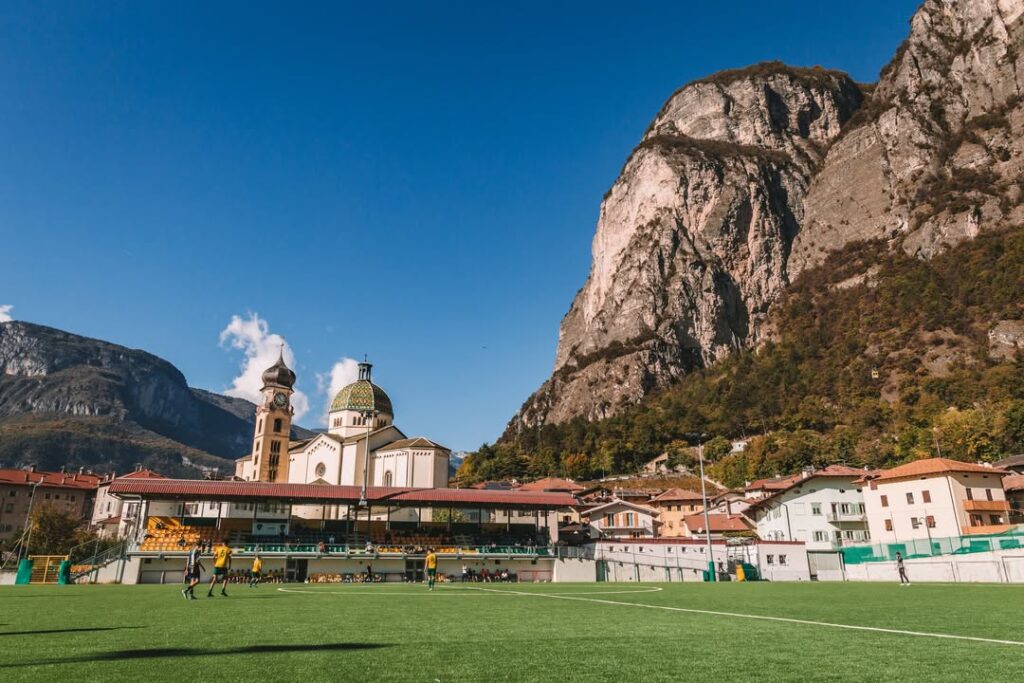
Mezzocorona stands at the base of the Dolomites in Italy’s Trentino region. Tall mountain walls frame the town and make even the church tower look small by comparison. The setting gives the whole area a strong Alpine feel rather than a typical Italian lowland look.
Because of its position, many visitors come here for time outdoors. Winter brings ski trips and snow sports, while warmer months draw hikers and walkers to the nearby trail network. Routes range from gentle valley paths to steeper mountain tracks with wide views.
For travelers who prefer lighter activity, the area is also known for wine production. The Mezzocorona Valley has many vineyards and cellars producing fragrant, often slightly sweet wines. Tasting rooms and winery visits are easy to arrange and don’t require long drives.
The town center is small and pleasant, with vine-covered edges, soft-colored buildings, and a well-kept church. A local cable car carries visitors up the mountainside, offering high viewpoints without a long climb on foot.
Cultural habits here differ from much of Italy due to the northern location and cross-border ties. German is widely spoken, and many visitors arrive from Austria and Germany. English is less common, so basic Italian or German phrases can be helpful during your stay.
Mezzocorona sits on the main rail line between Verona and Bolzano, making arrival by train simple and making the town a practical base for exploring nearby valleys and mountain areas.
Where to Stay in Mezzocorona
- Antico Fienile Agritur — quiet stay near vineyards, short walk to town, breakfast included
- Albergo Caffè Centrale — central position, many amenities, strong breakfast option
2 Enchanting Italy Small Towns — Campania
12. Marina di Corricella, Procida
Population: 10,261 (Procida island)
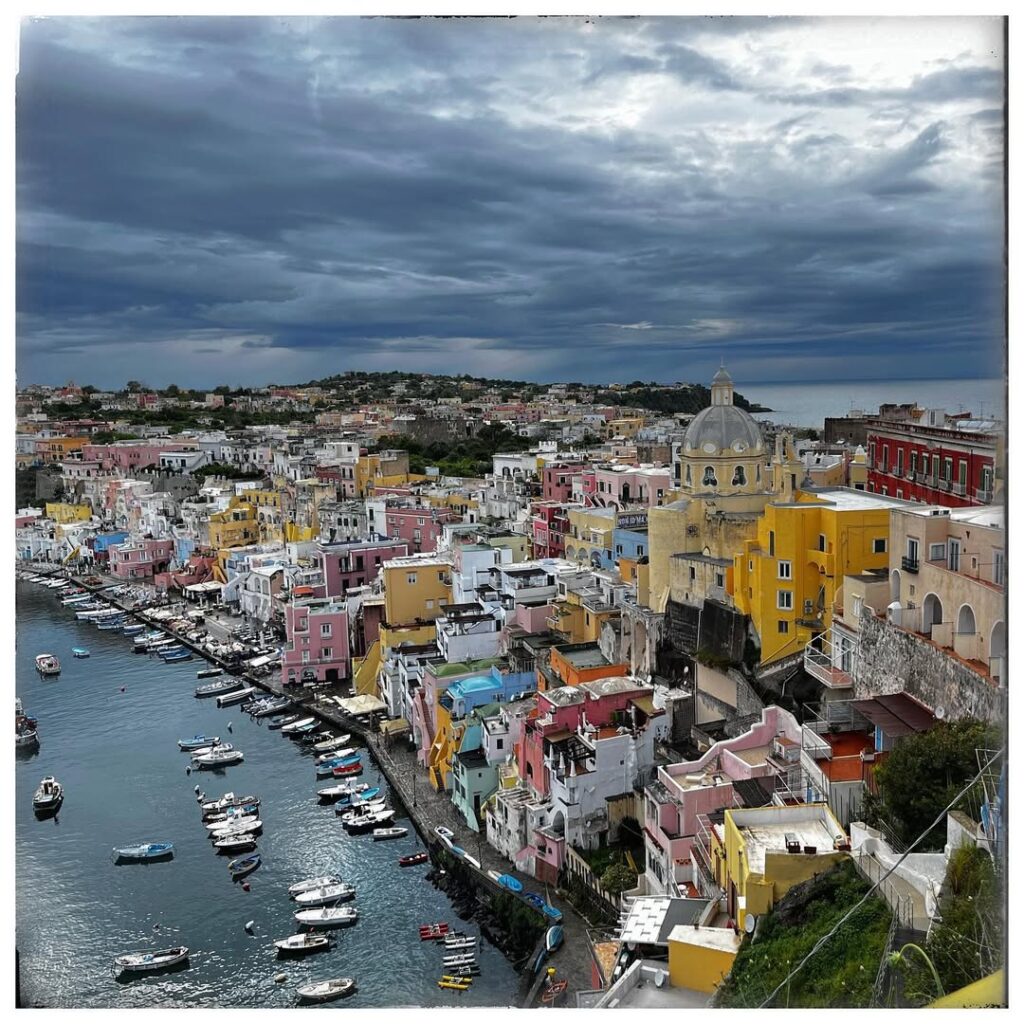
Marina di Corricella sits on the small island of Procida in the Bay of Naples. This fishing village spreads along a curved waterfront below a steep slope, with houses stepping down toward the harbor. The view from the water shows rows of soft-colored buildings facing the bay.
Homes here come painted in pastel tones—mint, pink, apricot, and pale yellow—with the domed Church of Santa Maria delle Grazie Incoronata standing out above them. Flower pots line balconies and stairways, adding extra color at every turn.
Lanes are narrow and mostly car-free, which changes how the village feels when you walk through it. Foot traffic and the occasional electric bike replace regular road noise. Stairs connect many levels, so exploring often means going up and down rather than straight ahead.
The routes leading to the quay are a favorite for photographers and film crews. Procida has appeared in several movies, including scenes from The Talented Mr. Ripley. The harbor area still works as an active fishing port, and waterfront restaurants often serve the day’s catch.
Beyond the marina, visitors can head up to Terra Murata, the island’s fortified medieval settlement at the highest point. Procida also offers several beaches within a short distance of the main villages, giving options for swimming and sun breaks.
Ferries link Procida with Naples, making arrivals and day trips simple. Boats also connect to nearby islands such as Ischia, while Capri works well as a longer add-on stop with more attractions and overnight options.
Where to Stay in Marina di Corricella
- La Casa di Titina — popular with couples, elevated views, steps from the beach
- B&B Mediterraneo — quiet setting, good location, breakfast included
13. Ravello
Population: 2,490
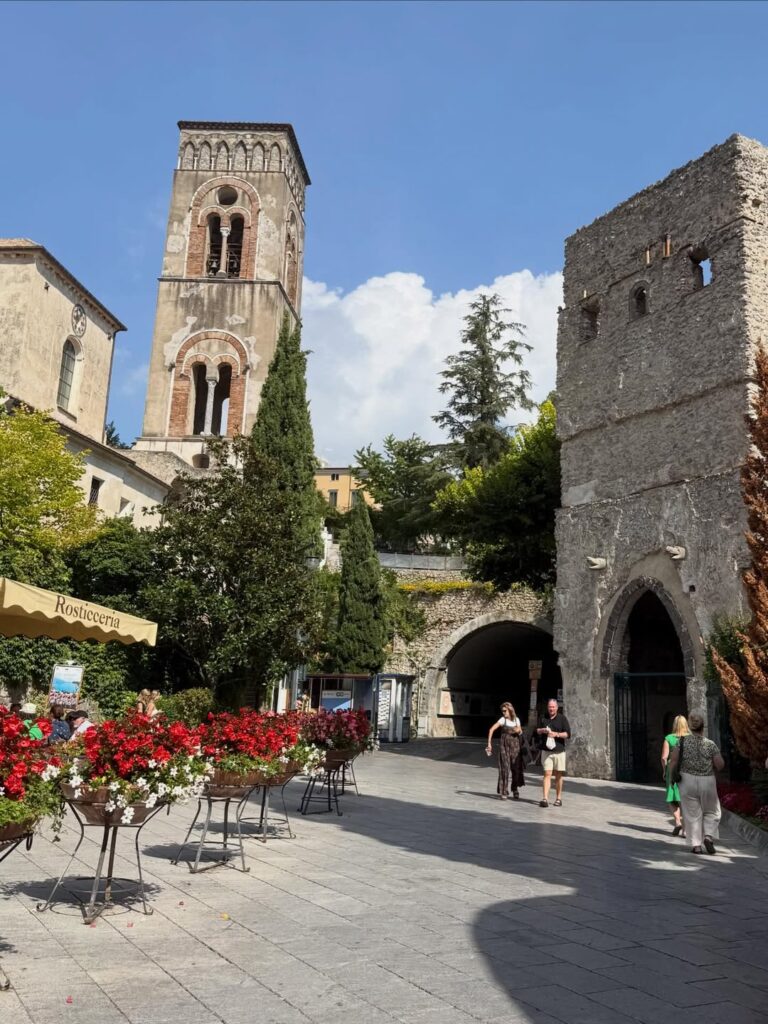
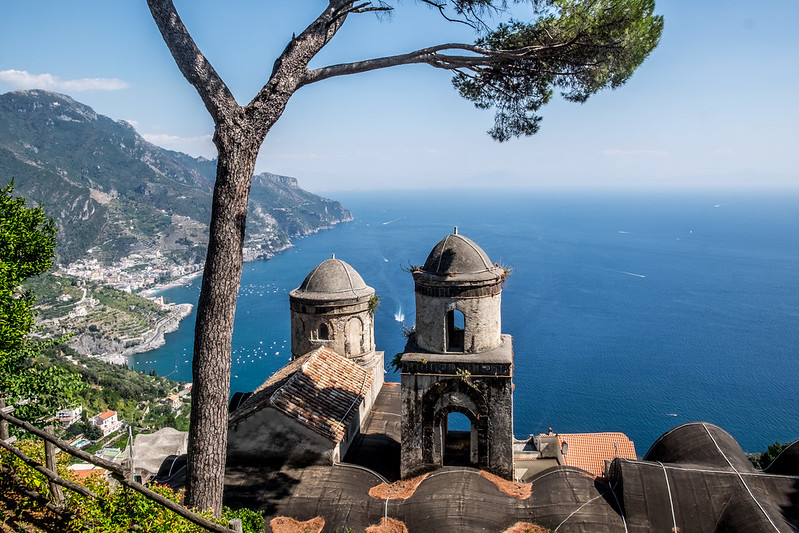
If you’re already heading to Amalfi or Positano, add Ravello to your route. This hilltop town sits high above the Tyrrhenian Sea and gives a very different view of the Amalfi Coast — more elevated, more open, and often a bit quieter than the shoreline stops.
Ravello is small in size but rich in historic sites. The two best-known landmarks are Villa Rufolo and Villa Cimbrone, both open to visitors and known for their wide coastal outlooks. Each villa has landscaped grounds and walking paths that make it easy to spend a slow morning or afternoon on site.
Villa Rufolo draws attention for its layered gardens and partial stone ruins, while Villa Cimbrone is known for its terrace lined with statues and its long garden walks. Both locations are popular for photos, but they also work well for simple wandering without a fixed plan.
The town center invites slow walking. Side streets lead to small shops and cafés, and the main square near the duomo is a good place to sit and take a break. The cathedral has a plain exterior, but the plaza area stays lively through most of the day. A walk toward the Annunziata Church gives a clear view of Ravello’s twin towers.
You can reach Ravello by car via a mountain road that branches off the Amalfi Coast route. Public transit also works: take the SITA bus to Amalfi, then switch to a local bus or taxi for the uphill stretch. Open-air tourist buses sometimes run this segment as well.
With one full day, you can cover the main sights and still leave room for relaxed stops. Many people visit only for a few hours from Positano or Amalfi, which feels a bit rushed but still worthwhile. Spring and fall usually bring milder weather and fewer crowds than peak summer.
Where to Stay in Ravello
- Hotel Graal — short walk from the center, sea views, breakfast included
- Gala Residence Villa Giovanna — terrace views over the water and a generous morning meal included
A Scenic Small Italian Town in Umbria
14. Ferentillo
Population: 1,905
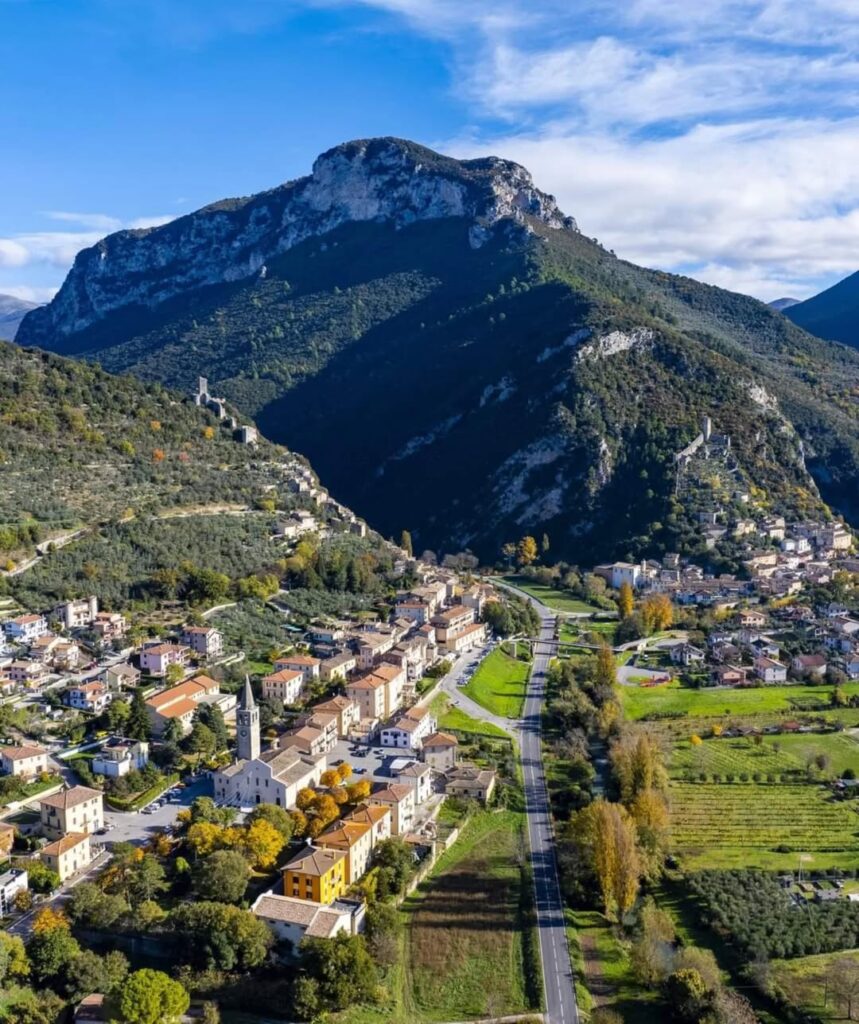
Ferentillo is a small town in the Valnerina area, a few kilometers from Terni, in the Umbria region. Often compared with Tuscany, Umbria receives fewer visitors but offers just as much history, rural scenery, and old hill settlements.
Having a car helps in this part of Italy. Roads connect many small communities, and driving gives you freedom to move between valleys and hill towns at your own pace. Ferentillo works well as a starting point for short trips across the region.
The town keeps a medieval layout, with parts of its former defensive walls still standing and two castles visible above the built-up area. The Nera River runs through the middle, dividing the settlement into two sections. Along with churches and old residences, the town also holds an unusual attraction — a museum of mummies.
This mummy museum formed due to natural environmental conditions rather than planned preservation. Bodies buried here centuries ago were naturally preserved, giving visitors a direct look at people from earlier generations and how they were laid to rest.
Just outside town stands the Abbey of San Pietro in Valle, now converted into a small hotel with wide valley views. The abbey church is usually closed, but during special events such as weddings it may open, allowing visitors to see 13th-century frescoes and the strong, simple architecture inside.
Time in Ferentillo often centers on good meals, country walks, and short drives to nearby towns. Well-known places like Orvieto, Spoleto, and Assisi sit within reach, along with quieter stops such as Foligno and Todi.
Where to Stay in Ferentillo
- Guesthouse Runcini — set in a small medieval hamlet near town, with wide valley views
4 Enchanting Italy Small Towns in Tuscany
15. Panzano
Population: 1,152
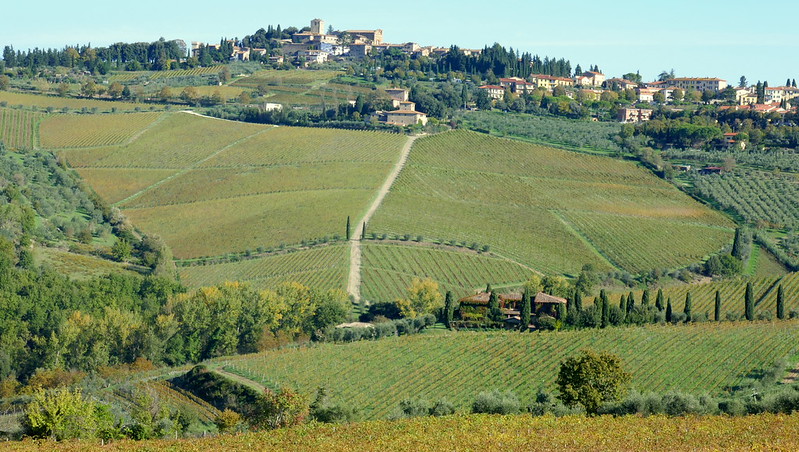
Head into the Tuscan countryside and you’ll come across Panzano, a small hilltop village in the Chianti Classico wine area. Vineyards and olive groves spread across the surrounding slopes, and the town center sits high with open views over the valley roads.
Though small in size, Panzano draws attention for its food scene, wine estates, and nearby thermal springs. It has built a strong reputation among travelers who plan trips around regional cooking and local bottles rather than big-city landmarks.
Panzano lies about an hour by car from Florence, which makes it an easy side trip or short rural break during a Tuscany route. The drive itself passes through vineyard country and rolling hills, so the journey feels like part of the visit.
A popular way to stay in this area is at an agriturismo, a working farm that hosts overnight guests. These properties usually offer simple rooms, local products, and wide-open surroundings. Podere Felceto, a family-run olive oil farm, offers rooms in a traditional stone house and an outdoor pool facing the hills.
Pick up a bottle of Chianti Classico from a local shop and enjoy a glass by the pool or terrace in the evening. Meals tend to be slow and generous in this part of Tuscany.
One well-known dining stop is Dario Cecchini’s restaurant, Officina Della Bistecca. The butcher-host welcomes guests through his shop before seating everyone in a shared dining room. The steak-focused menu runs across several courses. Booking ahead is required due to limited seating.
Late spring and early fall — especially May to June and September to October — usually bring mild weather and fewer visitors than peak summer months.
Where to Stay in Panzano
- Casa Volpini — central piazza location, modern interior, spacious rooms
- Agriturismo Podere la Casa — strong setting and well-equipped guest spaces
Related Posts: