
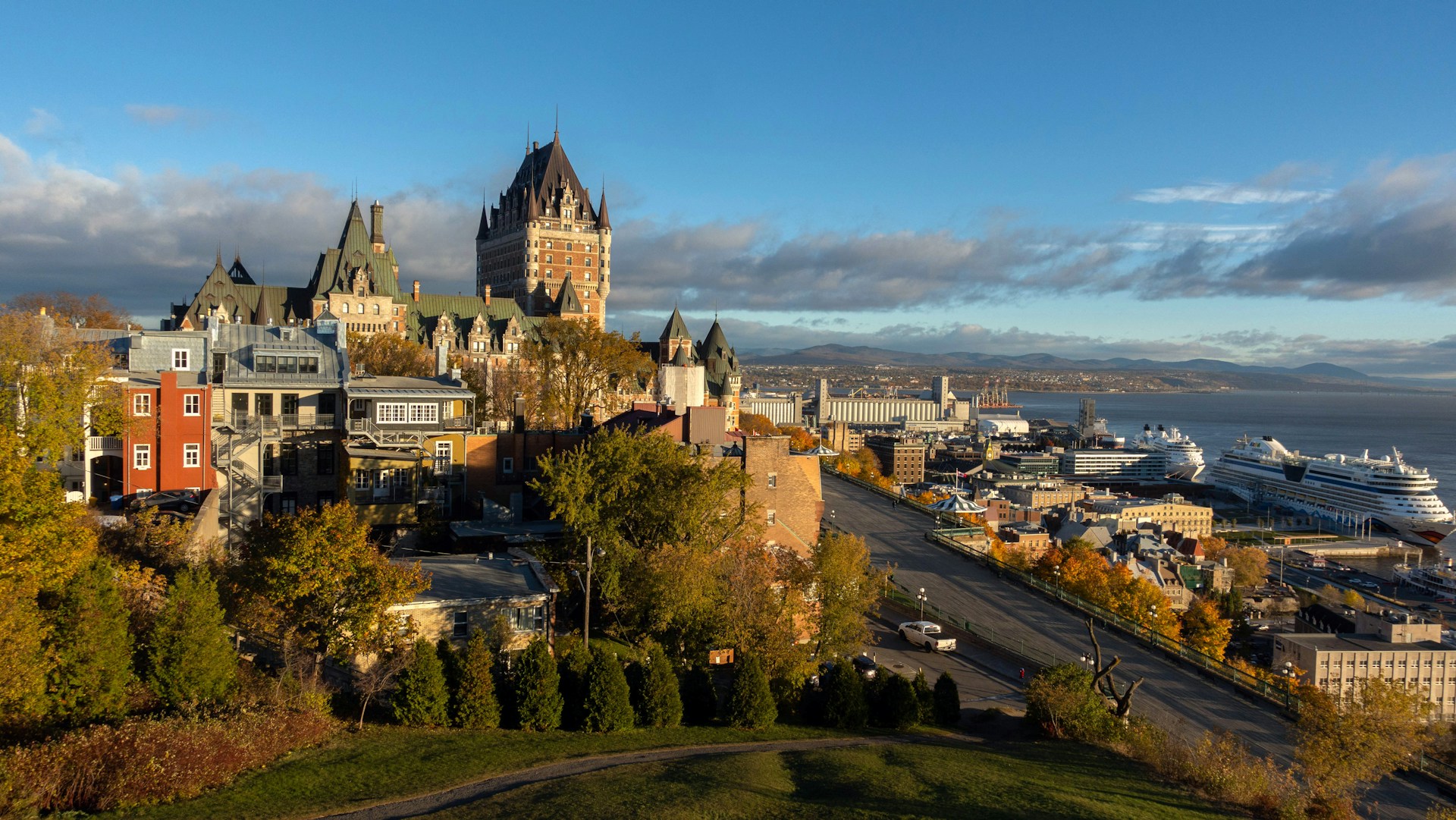
Quebec offers far more than its headline destinations and busy resort areas. Across the province, many small towns sit quietly with rich history, local food, and scenic surroundings. Yet most travelers drive past them without a second look.
Instead of crowded hotspots, you can choose places with slower mornings and friendly main streets. Local bakeries open early, riverside paths stay peaceful, and shop owners often greet you by name. The experience feels grounded and personal.
Also, these towns blend nature, culture, and regional cooking in one compact area. You might start your day with a market visit, then take a forest walk, and later enjoy a simple café meal. Everything stays close and easy to reach.
Moreover, these lesser-known spots suit weekend trips and longer drives alike. They offer heritage houses, waterfront views, seasonal festivals, and quiet corners for rest. Each town adds its own character and story.
Below, you’ll find small towns in Quebec that deserve more attention and a place on your travel list.
1. Tadoussac
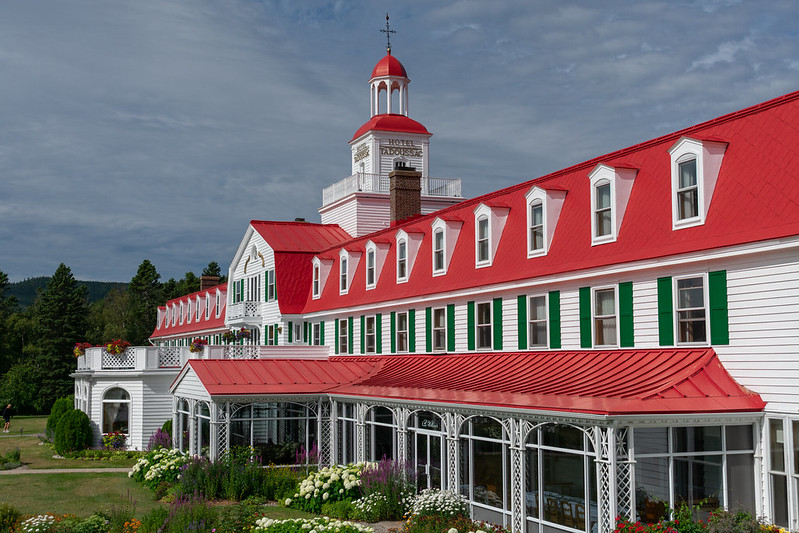
Tadoussac is a small fjord-side village in Quebec where the Saguenay River meets the St. Lawrence, making it a prime stop for nature and wildlife fans. The meeting of these waterways creates rich marine life and wide open views. As a result, travelers who enjoy fresh air and outdoor trips often place this town high on their list. The setting feels raw and open, yet the village itself stays warm and welcoming.
The area ranks among the best whale-watching locations worldwide, which gives it strong appeal in every travel season. Visitors regularly spot minke, humpback, fin, and beluga whales, and sometimes even blue whales. In many cases, you can watch them directly from shore without boarding a boat. Still, guided boat and zodiac cruises run daily and bring you much closer to the action. These rides feel fast, open, and full of energy, especially when whales surface nearby.
You can also stop at the Marine Mammal Interpretation Centre to learn about whale behavior, current research, and protection work. The displays stay clear and engaging for all ages. For lodging, Hôtel Tadoussac has welcomed guests for decades and sits near the shoreline with comfortable rooms and regional dishes. Afterward, walk through the village streets, try a café, and visit a small brewery. A plate of poutine and a local drink closes the day nicely.
2. Bromont
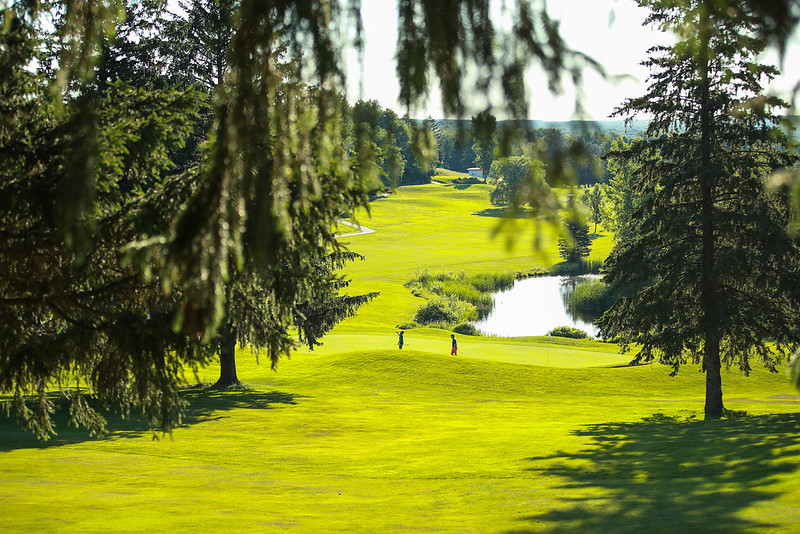
Bromont is a small town in Quebec’s Eastern Townships that attracts travelers who enjoy active outdoor breaks. The area works well for short escapes and longer adventure trips. Mountains, open land, and clean air shape the overall experience. You can move from trail to town center in minutes, which keeps each day flexible and full.
The town runs as a four-season playground with activities across the calendar. In winter, the ski area lights up the slopes for night runs, drawing riders from across the region. During warmer months, the same mountain supports biking, BMX tracks, and family attractions like a waterpark and activity courses. In addition, Parc des Sommets offers about 140 kilometers of multi-use trails. These paths cross protected zones filled with varied plant and animal life. Walkers and hikers get long routes with steady views.
After your outdoor time, head to Bromont’s Old Village for a slower pace. The district dates back to the late 1700s and keeps its historic street layout. You’ll see period buildings, local shops, small venues, and open-air terraces. A heritage walking route guides you past classic Georgian-style houses and civic landmarks. Then, taste regional products before you leave. Stop by a local cheese shop or relax at a microbrewery for small-batch drinks.
3. Orford
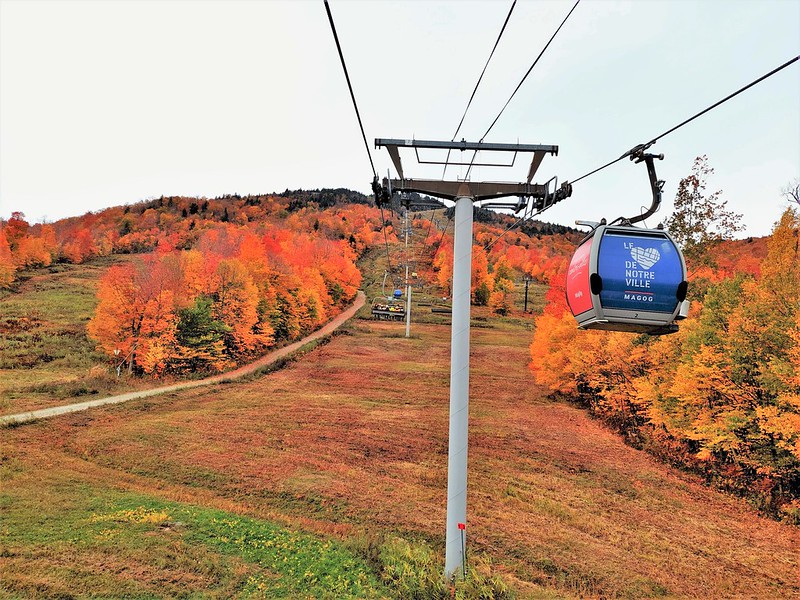
Orford is a mountain township in Quebec surrounded by lakes and highland scenery, making it a strong pick for outdoor-minded travelers. The setting supports both active days and slow breaks. You stay close to water, forest, and trailheads at the same time. As a result, it works well in every season.
The village sits right beside Parc national du Mont-Orford, which draws skiers during the winter months. When the snow clears, the park opens long trail networks across hills and dense woodland. Hiking gives the best access to lookout points across the region. Several viewpoints offer wide panoramas over lakes and rolling terrain. Trail options range from easy walks to longer summit routes.
After your park visit, spend time inside the town center. Small bistros, cafés, and antique shops line the streets and invite slow browsing. Nearby, you can also stop at a vineyard or a local microbrewery for regional flavors. For rest and recovery, head to Manoir des Sables Spa a few minutes away. The site offers massages, body treatments, and Nordic-style hot and cold circuits in a natural setting.
4. Saint-Sauveur
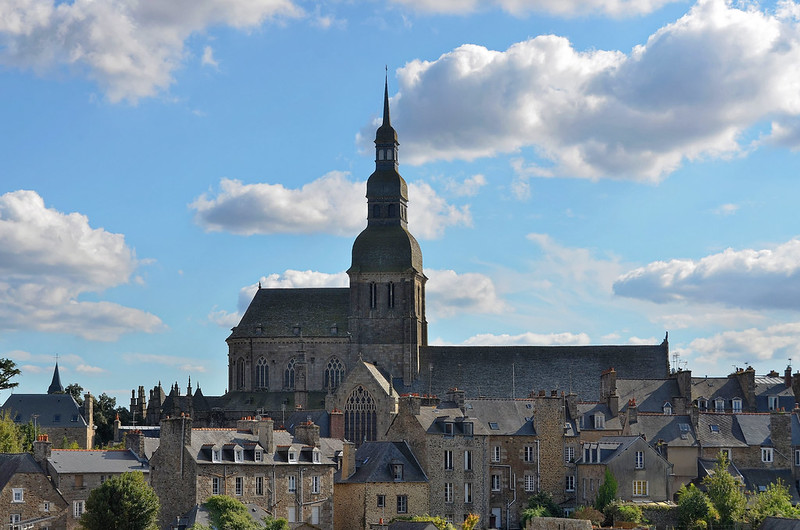
Saint-Sauveur is a popular ski town in Quebec’s Laurentians that gives you mountain fun with lighter crowds than larger resort hubs. The town blends resort energy with an easy village layout. You can move from slopes to shops without long drives. Therefore, it fits both quick weekends and longer stays.
The area supports activities across all seasons. In warmer months, visitors use biking and hiking trails across the Laurentian Valley. The main street draws steady foot traffic with boutiques, food spots, and dessert shops. Dining choices range from simple comfort meals to refined plates. In addition, golfers find several scenic courses nearby. The P’tit Train du Nord linear park also runs through the region and serves as a long cycling and walking path.
For lodging, Manoir Saint-Sauveur offers a resort-style stay close to the action. The property sits near mountain views and on-site amenities. During winter, head to Mont-Saint-Sauveur ski resort for terrain parks and long operating months. The snow park ranks among the largest in Quebec, which keeps riders coming back.
5. Sutton
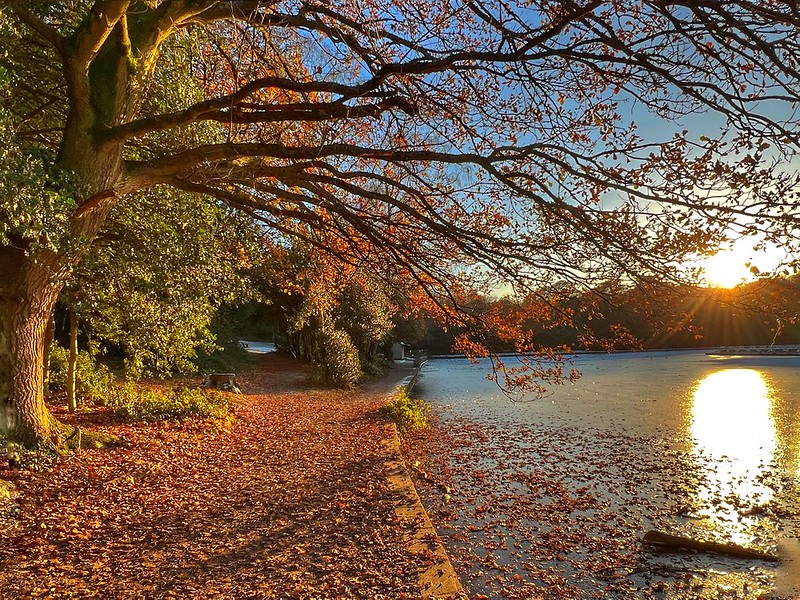
Sutton is a mountain village in Quebec that supports outdoor activities through every season of the year. The town draws hikers, skiers, and road trippers who want fresh air and open terrain. The setting feels active yet relaxed. You can plan full days outside without going far from the center.
Several walking and hiking routes start around Mont Sutton and nearby hills. Many trails climb to high points with wide valley views. After reaching the summit, you can ride the chairlift down and enjoy the scenery on the return. In addition, the Sutton Natural Environment Park offers multiple trail options with different difficulty levels. Campers also find designated areas for overnight stays close to nature.
Back in town, heritage walking routes share stories about early settlers, wartime soldiers, and notable local figures. These tours pass churches, cemeteries, and historic buildings along the way. Afterwards, explore local wineries and cider houses for regional drinks. Small boutiques and specialty shops fill the streets. Also, stop by Alpagas Sutton to meet and learn about the alpacas on the farm.
6. La Malbaie
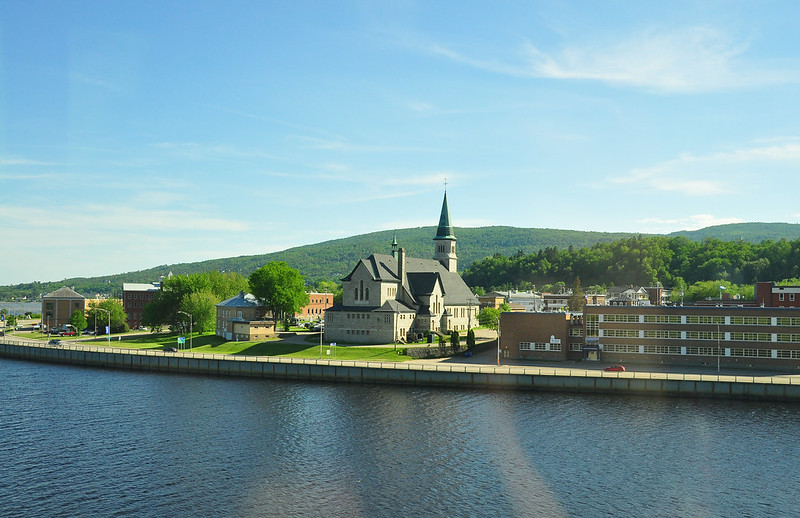
La Malbaie is a small town in Quebec’s Charlevoix region that blends river views, food culture, and outdoor activity in one compact area. Travelers come here for both landscape and dining. The town carries a long resort history and still serves as a leisure base today. As a result, you can mix adventure and comfort easily.
The region offers golf courses, cycling routes, hiking paths, and sea kayaking along the St. Lawrence River. One major highlight nearby is Parc National des Hautes-Gorges-de-la-Rivière-Malbaie. The park features deep valleys carved by ice, tall waterfalls, and long trail systems. Hikers gain access to elevated lookouts and dramatic cliffside scenery. Trail options range from moderate walks to demanding climbs.
Food also plays a central role in any visit here. Reserve a table at La Maison du Bootlegger, a historic former speakeasy that now runs as a steakhouse. Guests enjoy charcoal-grilled dishes, guided visits, and evening performances. You can also follow the Charlevoix Flavour Trail, a farm-to-table route across the region. Stops include cheese makers, cider houses, ice cream shops, and livestock farms. For nightlife, visit the Hotel-Casino de Charlevoix for live music and stage shows.
7. Lac Brome (Knowlton)
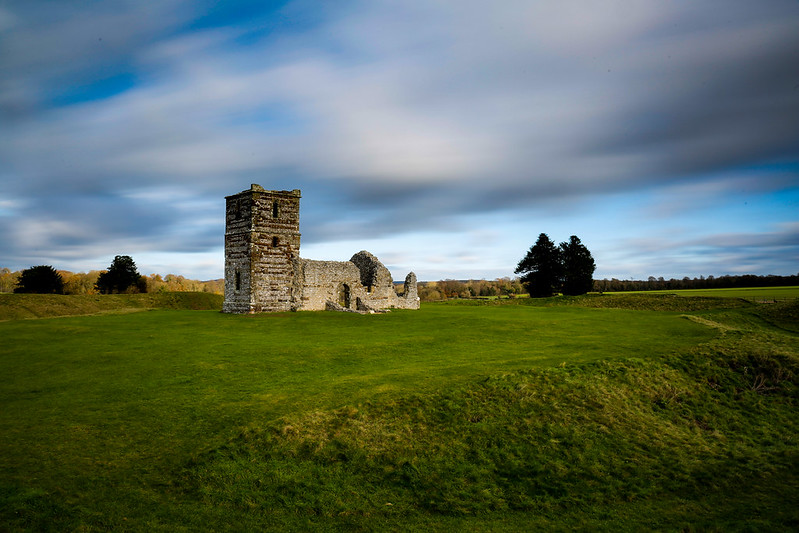
Lac Brome, often known through the village of Knowlton, is a four-season getaway in Quebec’s Eastern Townships with strong small-town appeal. Travelers come here for slow streets, local food, and nearby hills. The setting supports both relaxed holidays and active days outside. You can enjoy village comforts while staying close to trails and water.
Knowlton forms one of the villages within the town of Lac Brome and draws visitors with boutiques, antique shops, cafés, and country inns. Historic buildings line the streets and give the area a New England look, with a French-speaking local culture. Shops and eateries sit within easy walking distance, which makes exploring simple. Seasonal events and weekend markets often add extra energy to the center.
For outdoor time, Lac Brome offers wooded trail networks with forest and lakeside routes. Clear signage and several entry points help visitors start easily. The Coldbrook Path ranks as a favorite local walk. It follows a stream from the village core to a park area that works well for picnics. Food lovers can also visit nearby farms, orchards, and vineyards for fresh products. The regional wine route passes through the area, so tasting stops fit naturally into your trip.
8. Notre-Dame-du-Portage
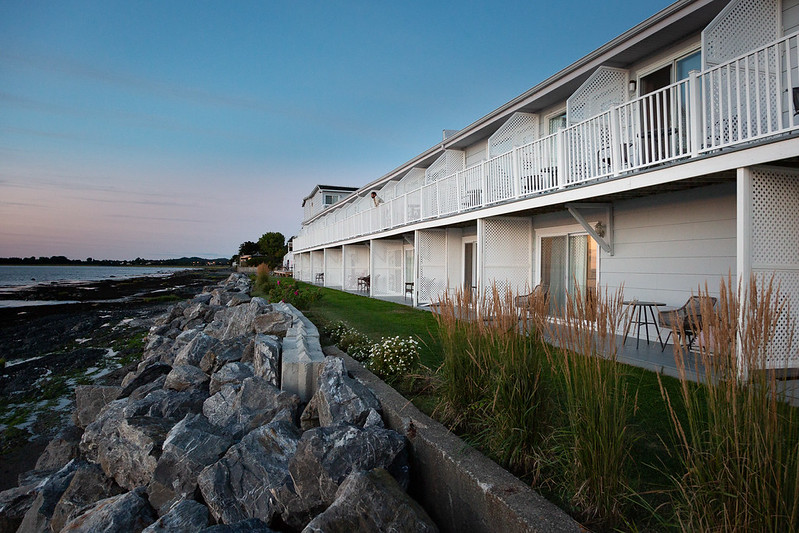
Notre-Dame-du-Portage is a riverside village in Quebec’s Bas-Saint-Laurent region known for classic homes and wide St. Lawrence views. The setting attracts travelers who enjoy calm scenery and heritage streets. The village also holds a place among Quebec’s most beautiful villages, which adds strong travel appeal. As a result, it works well for quiet breaks away from busy centers.
The area draws visitors with its historic architecture and coastal landscape. Old houses, church buildings, and waterfront paths shape the local character. You can walk along the shore, watch the changing light on the river, and stop at small local spots along the way. The pace stays slow and comfortable, which suits weekend trips and scenic drives.
Moreover, the village has welcomed vacationers for generations. Many people return for the peaceful setting and open views. Seasonal stays, guesthouses, and small inns support longer visits. Bring a camera, plan a shoreline walk, and enjoy simple local meals between outings.
9. Sainte-Anne-de-Beaupré
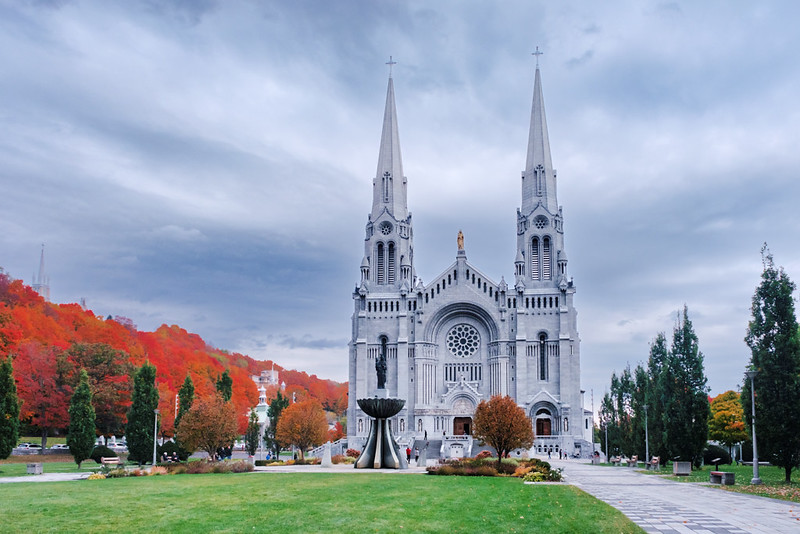
Sainte-Anne-de-Beaupré is a small town along the St. Lawrence River about 35 km northeast of Quebec City, known for its grand religious landmark. At first glance, the town feels quiet and modest. However, one major site gives it national importance and draws visitors year-round. Because of this, it ranks among the top day trips from Quebec City.
The main highlight is the Basilica of Sainte-Anne-de-Beaupré, recognized as one of Canada’s national shrines. Two tall spires rise high above the skyline and create a strong first impression. The front façade features detailed stonework and large arches that rival big-city cathedrals. Visitors often step inside to view stained glass, mosaics, and devotional spaces. The scale and detail hold attention even for non-religious travelers.
After your visit, walk through the surrounding streets and riverfront areas. Small shops and cafés serve day-trip guests and pilgrims alike. The stop pairs well with a scenic drive along the St. Lawrence. Add it to your Quebec City itinerary for history, architecture, and cultural context in one short visit.
10. Île d’Orléans
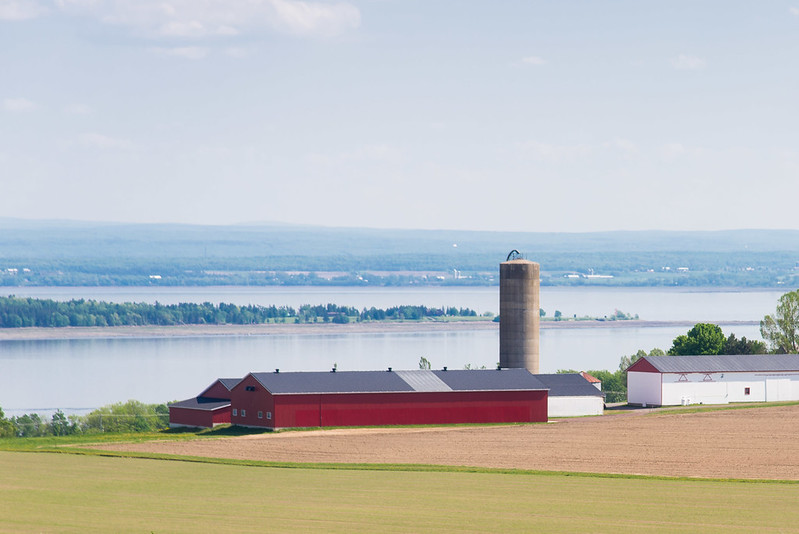
Île d’Orléans is a historic island just east of Quebec City, set in the St. Lawrence River and reached easily by bridge. The island holds a small population spread across several villages. Even so, it carries major cultural value in French-Canadian history. Many families trace their roots back to this very place, which gives each stop deeper meaning.
The island played an early role in French settlement in North America. Because of that past, you’ll find heritage homes, parish churches, and long-settled farmland across the landscape. Driving the island loop feels calm and scenic, with river views and open fields at every turn. Each village adds its own local flavor through shops, roadside stands, and family-run businesses.
Food stands as a major reason to visit. Farms across the island sell apples, berries, potatoes, maple products, and fresh goods by the season. Vineyards and cider houses also welcome visitors for tastings. As a result, the island fits perfectly into a food-focused day trip from Quebec City. Come hungry and plan several stops along the route.
11. Saint-Pacôme
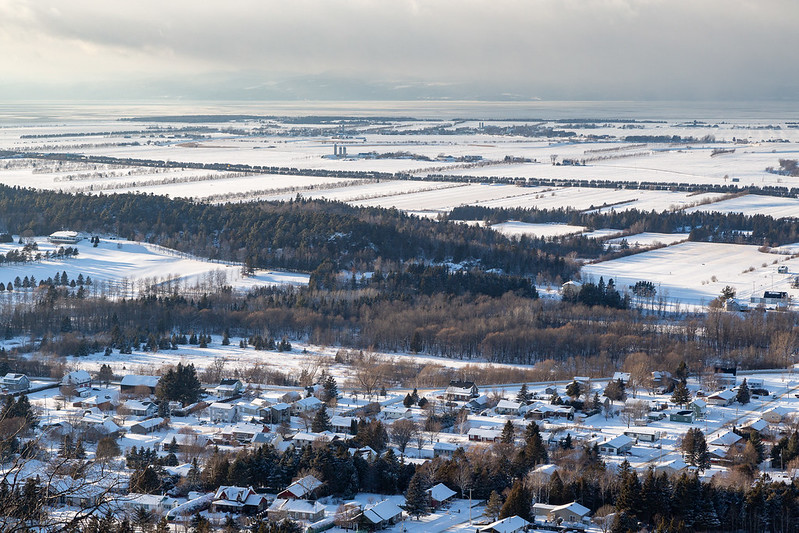
Saint-Pacôme is a Bas-Saint-Laurent village known as the “Capital of the Detective Novel,” set between rolling foothills and the winding Ouelle River. The location mixes literary culture with open landscape. As a result, visitors get both story-driven identity and outdoor access in one stop. The setting suits travelers who enjoy viewpoints, quiet roads, and regional history.
The surrounding terrain offers mountain tops and marked lookout points with wide valley views. Short drives and hikes lead to elevated spots where you can pause and take photos. Trails also branch into the nearby countryside and follow river bends and wooded sections. Each route feels calm and lightly traveled, which adds to the appeal. Bring walking shoes and plan a few scenic stops.
Inside the village, historic buildings shape the streetscape and reflect its long past. Cultural events and book-themed activities often highlight its crime-novel focus. Moreover, you can pair this stop with nearby villages like Kamouraska and Cacouna for a fuller regional tour. Together, they form a rewarding Bas-Saint-Laurent route.
12. Stanstead
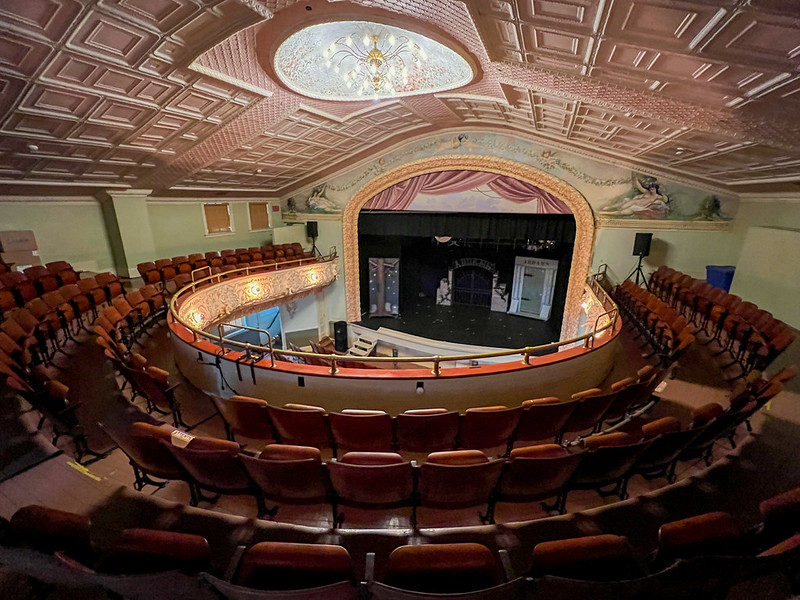
Stanstead sits directly on the Quebec–Vermont border in the Eastern Townships and offers a strong mix of border history and heritage streets. Early settlers from New England founded the town in the 1790s, while the Abenaki people lived in the area long before that. Because of its cross-border roots, the town developed a distinct architectural and cultural character. A visit here feels both historical and geographic at the same time.
Growth continued through the 1800s with Loyalist arrivals and a rising granite industry. That period left behind many solid stone and brick structures across town. Today, these buildings shape the visual identity of the area and attract history-minded travelers. Walking through the center reveals institutional buildings, churches, and former civic landmarks that still stand strong.
Dufferin Street forms the main historic corridor and draws attention for its dense row of landmark sites. Many visitors describe it as an open-air heritage gallery. Notable stops include Stanstead College from 1873, the Collège des Ursulines from 1881, and the former post office building. Plan a slow walk here and take time to read the plaques and local markers.
13. Les Éboulements (Saint-Joseph-de-la-Rive)
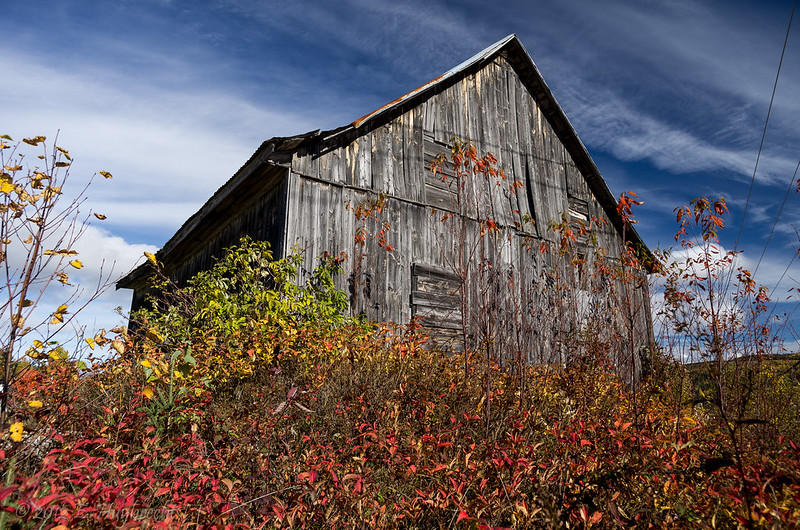
Les Éboulements, in Quebec’s Charlevoix region, sits inside a massive meteor crater and rises high above the St. Lawrence River. The town takes its name from a historic landslide after a 1663 earthquake. Because of its elevated position, visitors get sweeping river and plateau views. Travelers have treated this area as a holiday retreat for over a century.
The village stands about 200 meters above the river, which gives several lookout points across the landscape. From these heights, you can watch ships move downriver toward the ocean. The horizon also includes the Appalachian plateau, nearby capes, and Île aux Coudres. Each viewpoint offers a wide, open scene that changes with light and weather. Bring time for photo stops along the local roads.
Art spaces and small inns add cultural depth to the visit. Local galleries show regional work and often welcome walk-ins. Guesthouses and lodges support longer scenic stays close to the cliffs and river routes. Plan a slow drive, pause at the overlooks, and pair the trip with a ferry ride toward Île aux Coudres.
14. Saint-Michel-de-Bellechasse
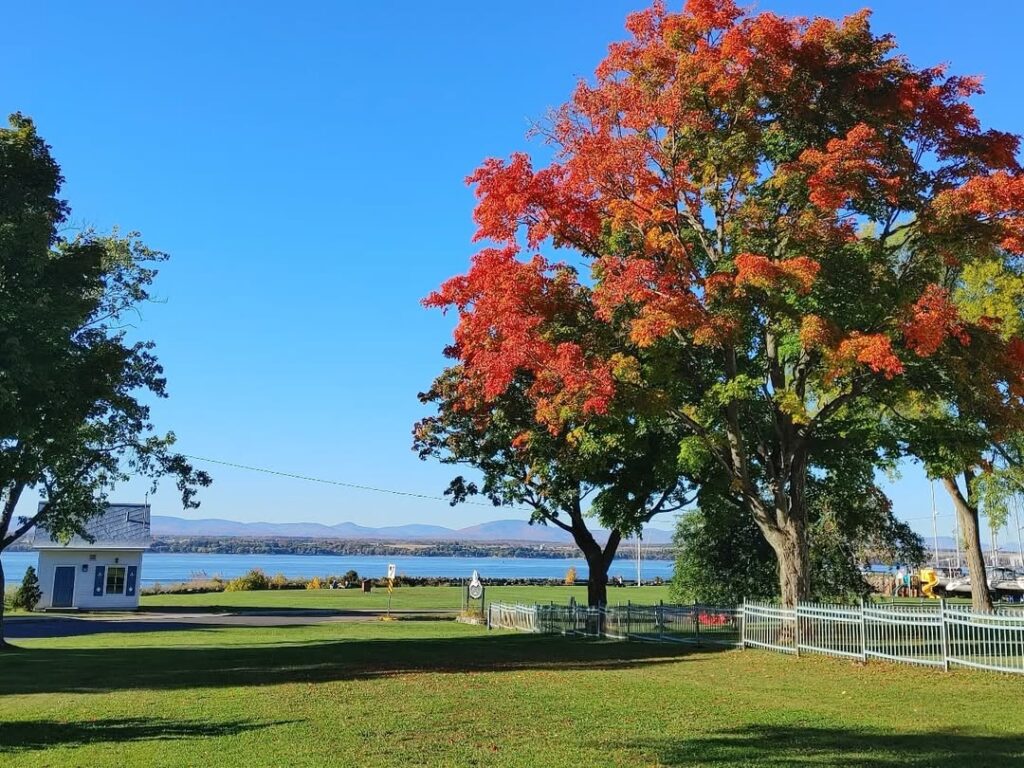
Saint-Michel-de-Bellechasse lies about 30 kilometers from Quebec City along the St. Lawrence River and offers broad estuary views. From the shoreline, you can see Île d’Orléans set against the Laurentian Mountains. The village stays small, with a close-knit population and a calm pace. Because of its location, it works well as an easy scenic side trip.
Old Saint-Michel shows rows of white wooden houses shaped by 19th-century Neo-Classical design. Walking the historic sector reveals a convent, a parish church, and a long-standing presbytery from 1739. You can also visit the Notre-Dame de Lourdes chapel and the Benoît Lacroix library from the 1800s. Each building adds depth and context to the village streetscape. A marked heritage walk helps visitors follow these landmarks step by step.
In addition, local artist workshops open their doors to the public throughout the season. The Musée le Voiturier presents finely crafted miniature carriages and draws craft fans. During summer, the village hosts theatre performances and cultural events. Plan time for a riverside walk, then add a gallery or show before you leave.
15. Métis-Sur-Mer
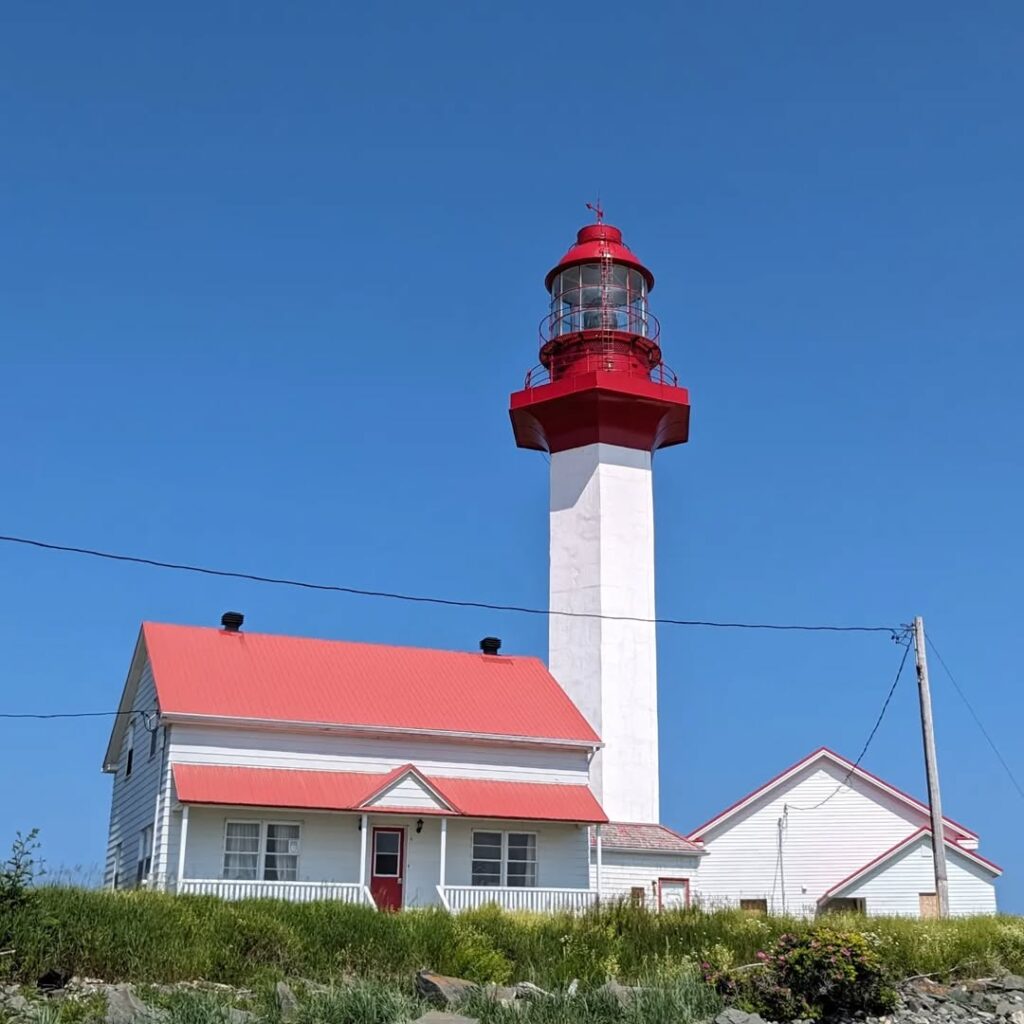
Métis-Sur-Mer sits at the entrance to the Gaspé Peninsula and takes its name from a Mi’kmaq word meaning meeting place. The village stands along the coast and draws visitors with open sea views and fresh salt air. Scottish settlers established the community in the mid-1800s, which shaped its early character. Even today, the setting feels quiet and spacious.
During the 19th century, English upper-class families chose this area for summer stays. They built large Victorian houses and seasonal worship sites across the shoreline. You can still see several chapels, including Presbyterian, United, Methodist, and Anglican churches from different periods. A lighthouse from the early 1900s also marks the coast and adds historic interest. Walking through the village reveals this layered past at every turn.
Now, with a small population, the town keeps a calm rhythm and strong maritime identity. Coastal roads and shoreline paths offer wide water views and steady breezes. Visitors often stop here while heading toward the Gaspé region. Plan a slow visit, explore the historic buildings, and spend time by the water before continuing your route.
Related Post:
- 15 Charming Small Towns in Mississippi You Won’t Want to Miss.
- 15 Beautiful Small Towns in Every State Worth Exploring.
- 15 Cozy Small Towns in the US Perfect for Your Next Getaway.
- 15 Hidden Small Towns in Minnesota Perfect for a Quiet Trip.
Verdict
Whether you’re stepping through historic streets, enjoying local music, or tasting regional food with a great view, these small-town Canada trips offer rich and memorable moments. Each stop brings its own character, pace, and flavor. Mix culture, scenery, and local experiences, and your journey feels full from start to finish.