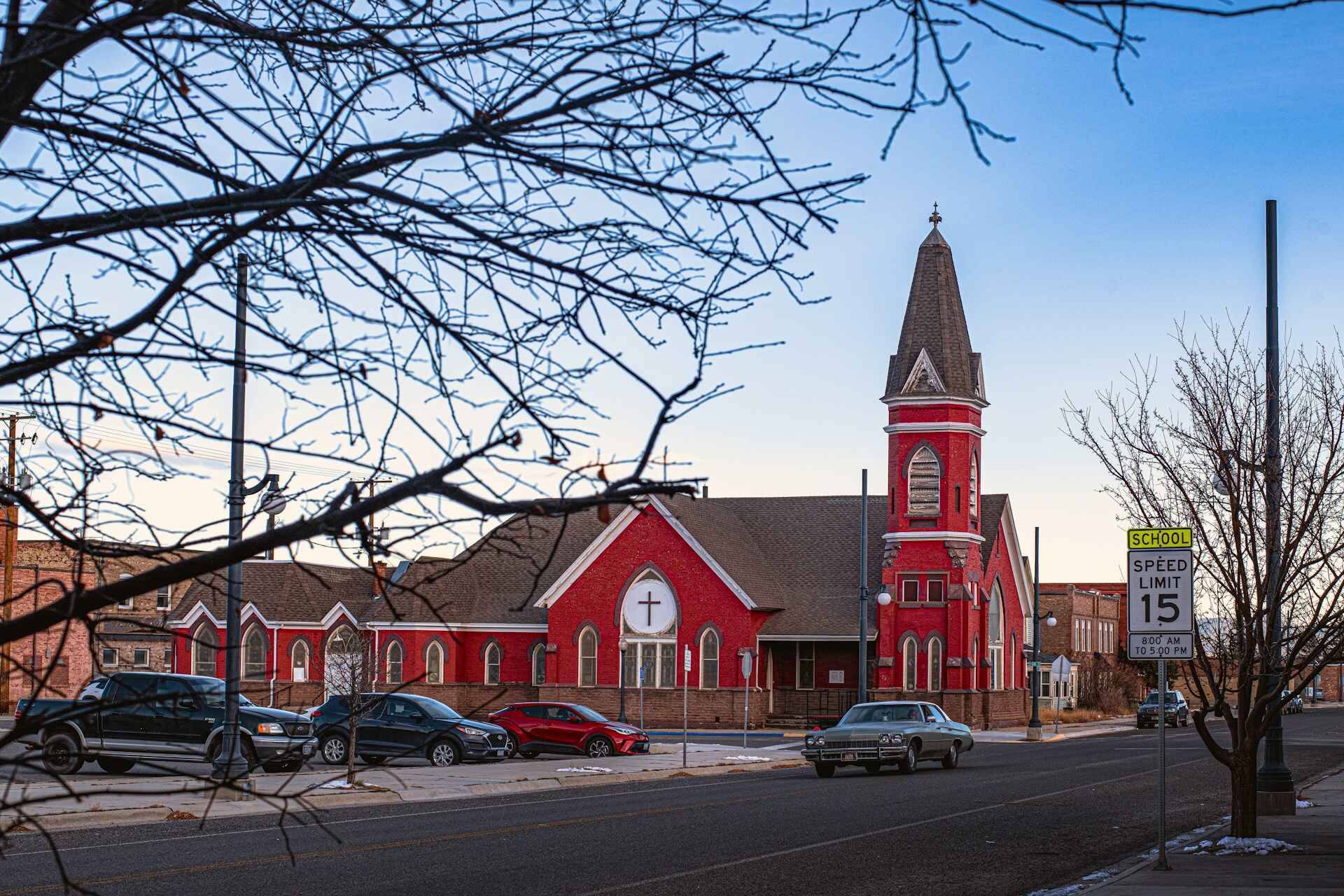
Home to two legendary parks, Glacier National Park and Yellowstone National Park, Montana calls to travelers who value raw landscapes and bold experiences. Much of the state remains largely untamed, where valleys, forests, and rivers still follow the rhythms of nature rather than heavy development. It’s a place that rewards those with a strong sense of adventure.
The spirit of the Wild West continues across Montana. Ranch lands stretch over wide plains, and modern cowboys still guide cattle beneath open skies. Horses, weathered barns, and long fences remain familiar sights, reflecting a lifestyle tied closely to land and tradition.
Outdoor enthusiasts rarely run out of things to do here. Horseback riding across open country, skiing down snowy slopes, casting a line into clear rivers, or setting up camp beneath a star-filled sky are everyday possibilities. Climbing, hiking, cycling, and kayaking also draw visitors who prefer activity over routine sightseeing.
Montana also holds a special place for those interested in archaeology and paleontology. Several small towns contain remarkable dinosaur fossils and ancient artifacts. Travelers can follow the well-known Dinosaur Trail, a route linking museums and dig sites that reveal pieces of prehistoric life.
Life moves differently here. Mountains replace skyscrapers, horses often appear where traffic might dominate elsewhere, and the air feels clean and open. One of the best ways to experience Montana is by visiting the small towns scattered across the state, each offering its own character and charm.
1. Whitefish: Four-Season Adventure at the Edge of Glacier Country
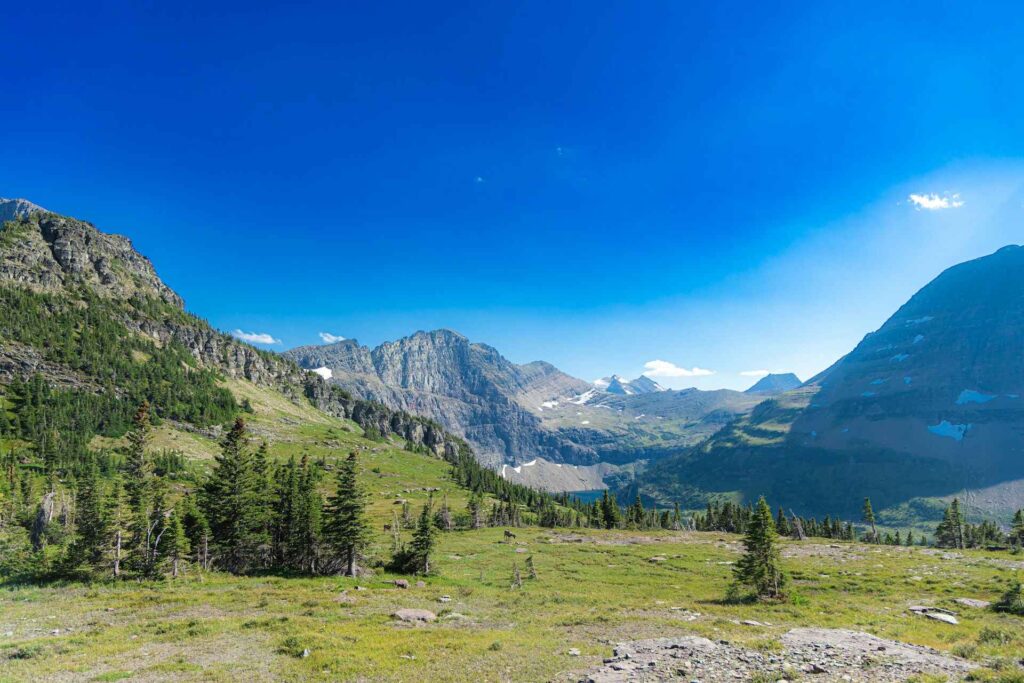
No matter the season, Whitefish serves as a reliable launch point for outdoor escapes. Set near Glacier National Park—recognized as a UNESCO World Heritage Site and once admired by Lewis and Clark—this mountain town blends access with atmosphere. Snow-dusted peaks and glacier-carved valleys sit just beyond its streets, keeping wilderness close at hand.
Winter transforms Whitefish into a cold-weather playground. At Whitefish Mountain Resort, skiers and snowboarders find runs suited to beginners and seasoned riders alike. During the annual Whitefish Winter Carnival, the town shifts into celebration mode. Skijoring—where participants are pulled on skis behind horses—draws crowds, while snow sculptures, parades, and live music fill the streets with energy.
When the snow melts, the trails open. Summer invites alpine hikes with sweeping views, technical rock climbs, long mountain bike rides, and multi-day backpacking trips. Lakes and rivers call for paddling, while guided horseback rides trace routes once used by early travelers.
Whitefish doesn’t rely on one season to shine. Each stretch of the year brings a different tempo, giving visitors fresh reasons to return.
2. Polson: Lakeside Harvests and Offbeat Finds
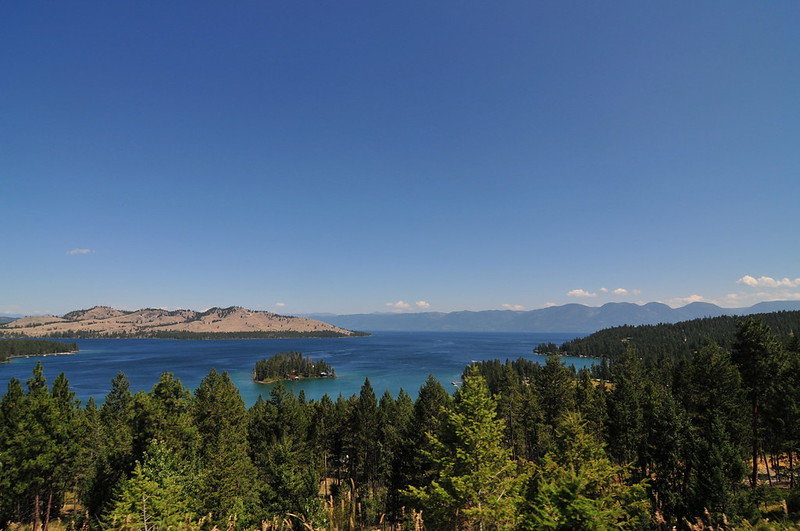
Polson rests along the wide shoreline of Flathead Lake, where water shapes daily life. Boats drift across clear blue stretches, anglers cast lines at sunrise, and kayaks glide past quiet coves. Long summer days invite swimming and slow cruises with the Mission Mountains rising in the distance.
Agriculture plays a major role here. The surrounding orchards produce some of Montana’s most celebrated cherries, and each year the town marks the harvest with the Polson Cherry Festival. Held near the foothills of the Mission Mountains, the festival brings pies, pastries, local wines, and plenty of cherry-inspired treats. The setting adds drama, with mountain ridgelines framing the booths and music stages.
Polson also surprises visitors with the Miracle of America Museum. This sprawling collection houses everything from WWII memorabilia to vintage vehicles. Planes, trains, and classic automobiles fill the grounds, and many exhibits invite hands-on interaction. It’s easy to spend hours wandering through displays that feel more like a time capsule than a standard museum stop.
Between lake days and unexpected indoor finds, Polson balances fresh air with curiosity.
3. Hamilton: Bitterroot Valley Roots with a Modern Pulse
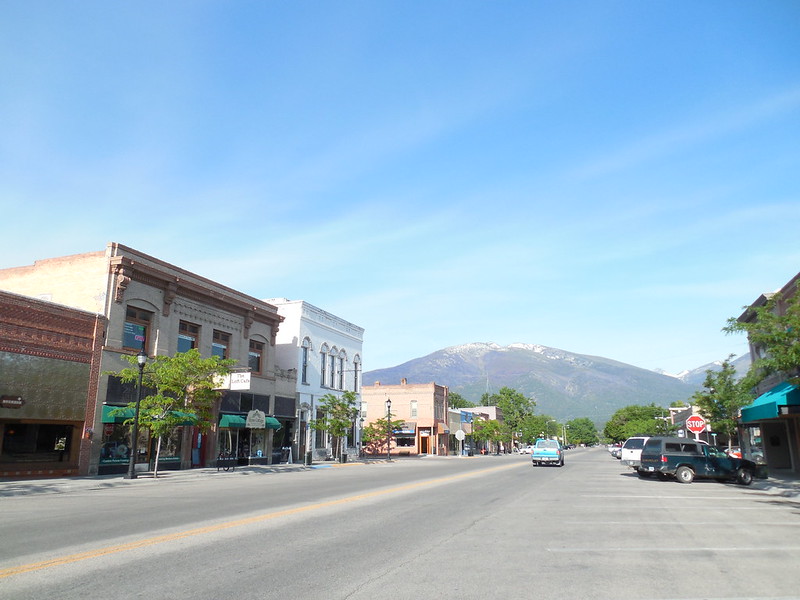
Hamilton ranks among the fastest-growing small towns in Montana, and a short stay makes the reason clear. The town pairs solid infrastructure with sweeping access to public lands and nearby peaks. Historic storefronts line the streets, hinting at frontier days, while updated cafés, breweries, and shops meet present-day needs. The Old West spirit lingers, yet daily life feels comfortable and current. For those craving a larger city now and then, Missoula sits within easy reach.
Set in the Bitterroot Valley, Hamilton carries literary weight. The valley provided the backdrop for A River Runs Through It by Norman Maclean, and its rivers and ridgelines continue to stir imagination. Clean air, wide skies, and quiet stretches of land create room to think, write, and reset.
Mountains rise sharply beyond town limits, offering trails, fishing spots, and scenic drives that shift with the seasons. Hamilton balances growth with heritage, giving it steady momentum without losing its character.
4. Butte: Copper Legacy and Cultural Crossroads
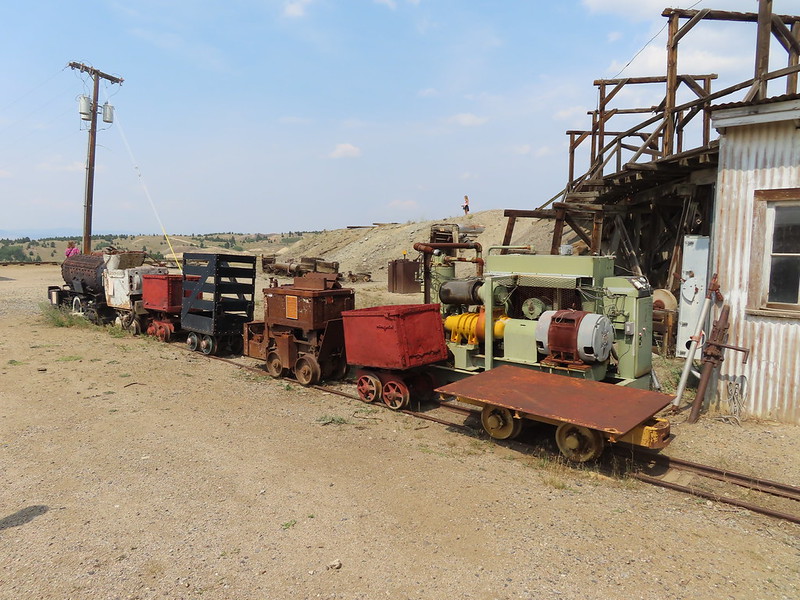
Butte rose to prominence during the Gold Rush era, when prospectors and laborers poured into town in search of copper. The mines shaped its skyline and its story. That history remains front and center at the World Museum of Mining, where visitors walk through preserved structures and learn how ore was pulled from deep underground. One highlight focuses on the powerful “Copper Kings,” industrial giants who controlled much of the region’s mining wealth.
For those drawn to geology, the MBMG Mineral Museum offers detailed exhibits of rocks, minerals, and gemstones sourced from across Montana and beyond. Glass cases hold shimmering specimens, while interpretive displays explain how these materials formed over time.
Butte’s past also reflects the waves of immigrants who arrived seeking work. Irish, Italian, Chinese, and Eastern European communities left their mark through food, architecture, and local traditions. Walk through Uptown and you’ll notice subtle influences in church designs, corner cafés, and annual events.
If you time your visit with the Montana Folk Festival, the streets fill with music and crowds. The free outdoor celebration draws performers and fans from across the state, adding fresh rhythm to a town built on grit and endurance.
5. Choteau: Fossil Fields and Mountain Access
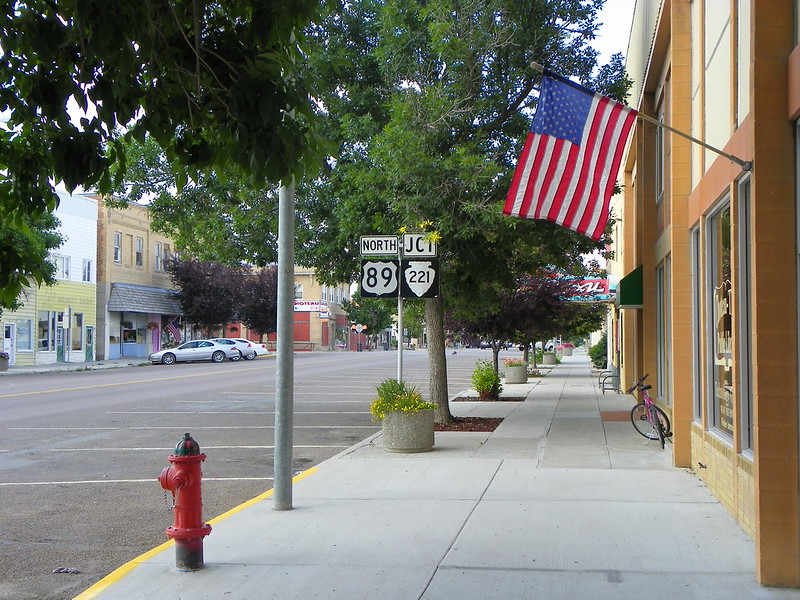
Choteau marks the western end of the Montana Dinosaur Trail and stands as a doorway to the Rocky Mountains. At first glance, it appears quiet and straightforward. Beneath its soil, however, lies one of the most significant Cretaceous fossil records ever uncovered. Excavations here have revealed nesting grounds and extensive remains that reshaped what scientists know about dinosaur behavior.
One of the town’s most famous discoveries is the Maiasaura, often called the “good mother lizard” because of evidence showing parental care. Visitors can learn more at the Old Trail Museum, where guides explain the digs, fossils, and regional history in clear detail. Some programs even allow guests to participate in supervised fossil hunts, offering a rare hands-on experience.
Choteau also serves as a base for winter sports. The nearby Teton Pass area attracts skiers and snowboarders looking for open runs without heavy crowds. With mountains rising sharply to the west and fossil beds stretching across the plains, Choteau links deep time with alpine adventure.
6. Big Timber: Step Into Montana’s Frontier Past
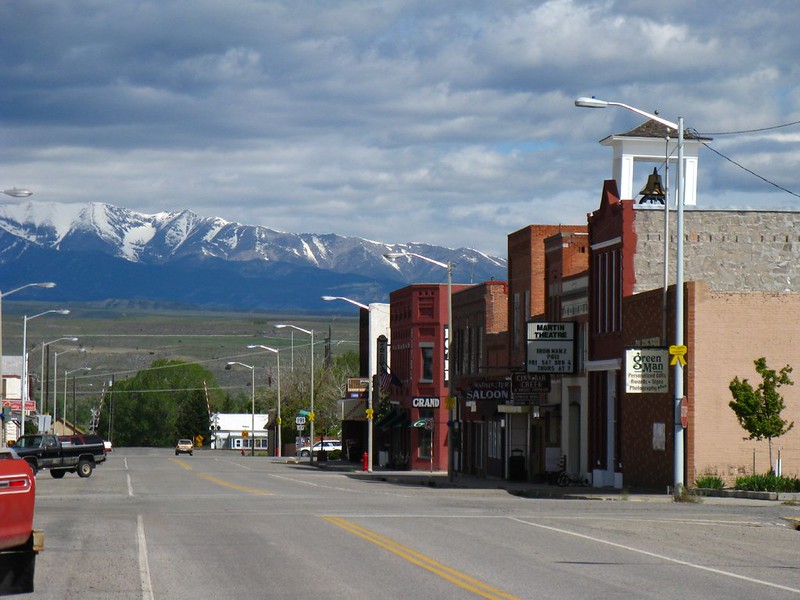
Some trips take you somewhere new. Others carry you backward in time. Big Timber offers the latter. Set near the Rocky Mountains, this small town holds tight to its frontier character. Brick buildings from the late 1800s still line the streets, and a classic soda fountain serves up old-fashioned treats that feel pulled from another era.
If you’re unsure where to begin, start with a casual stop at Thirsty Turtle Tavern and Grill. It’s the town’s social anchor, where locals gather and stories flow as easily as the drinks.
For a deeper look at regional history, visit the Crazy Mountain Museum. Admission operates by donation, and the exhibits cover early settlement life, ranching heritage, and cultural shifts over time. Inside, you’ll find artifacts from the area’s early days, including a restored Model T Ford and a detailed diorama portraying Big Timber in the early 1900s.
Big Timber doesn’t rush. It invites you to slow down, look around, and imagine life as it once was on Montana’s wide-open plains.
7. Stevensville: Montana’s First Settlement with Valley Views
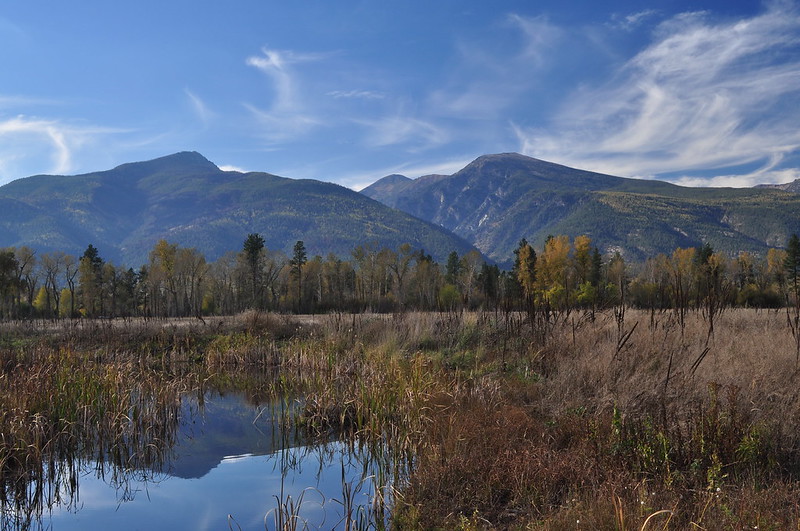
Stevensville holds the distinction of being Montana’s first permanent settlement. Founded by Jesuit missionaries, the town grew around faith, farming, and frontier life. A visit to St. Mary’s Mission offers insight into those early years, including preserved buildings and exhibits that explain the interaction between missionaries and Native communities.
Downtown blends heritage with present-day comforts. At Blacksmith Brewing Company, locals often recommend the India Pale Ale, while Wildwood Brewery brings a relaxed tasting room atmosphere and a well-liked stout. Antique stores line the streets, and several structures appear on the National Register of Historic Places, reflecting the town’s long timeline.
Beyond Main Street, the landscape opens wide. The Kootenai Creek Trail draws hikers and fly fishers with its steady climb and mountain backdrop. Nearby, Lee Metcalf National Wildlife Refuge protects wetlands and grasslands that shelter migratory birds and at-risk species. Volunteers from the community often lend a hand, reinforcing Stevensville’s close ties to the land.
8. Anaconda: Copper Roots and High-Country Escapes
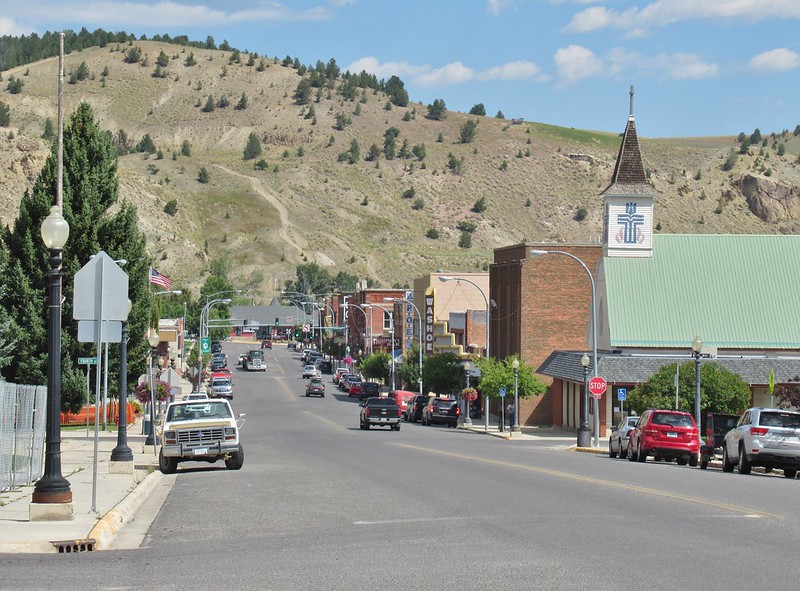
Anaconda began as a copper powerhouse, built on the demand for metals that fueled American industry. Smelters once defined the skyline, and mining shaped the town’s early growth. Today, that industrial past blends with wide access to forests, lakes, and mountain terrain.
Outdoor options stretch in every direction. Swim in nearby rivers, hike through timbered hills, or paddle across Georgetown Lake. In winter, skiers head to Discovery Ski Area or Lost Trail Powder Mountain for powder days without heavy crowds. For a slower pace, Fairmont Hot Springs Resort offers soaking pools and a laid-back retreat after long hours outside.
Back in town, the historic Washoe Theatre stands as a local landmark. Its Art Deco design draws attention before the curtain even rises. Inside, community performances and touring acts take the stage, proving that Anaconda’s appeal extends beyond its mountain backdrop.
Between its mining heritage and ready access to wilderness, Anaconda delivers both grit and open-air freedom.
9. Deer Lodge: Prisons, Ranchlands, and the Unexpected
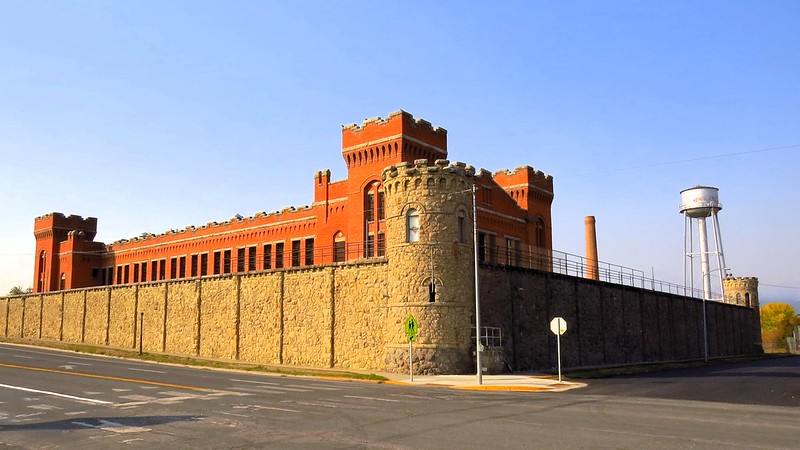
Deer Lodge appeals to travelers who prefer the unusual over the predictable. Stories of UFO sightings circulate now and then, but the town’s main draw is far more grounded—a former prison complex turned museum. There’s even a collection dedicated to antique dolls, adding another layer of curiosity for visitors who like the offbeat.
The Old Montana Prison Complex offers guided tours through preserved cell blocks and guard towers. Interpreters share firsthand accounts and historical detail, walking guests through what daily life once looked like behind the walls. Admission also covers several nearby museums, making it easy to spend hours moving between exhibits.
A short drive away, Grant-Kohrs Ranch National Historic Site shifts the focus from confinement to open range. This working ranch explores cattle operations, frontier life, and the broader history of the region, including Native communities who lived here long before statehood. When in season, visitors can watch ranch demonstrations and ride in chuck wagons, seeing firsthand how the West once operated.
Deer Lodge stands apart by leaning into its layered past—part prison town, part ranch country, and entirely memorable.
10. Fort Benton: River Trade Roots and Frontier Echoes
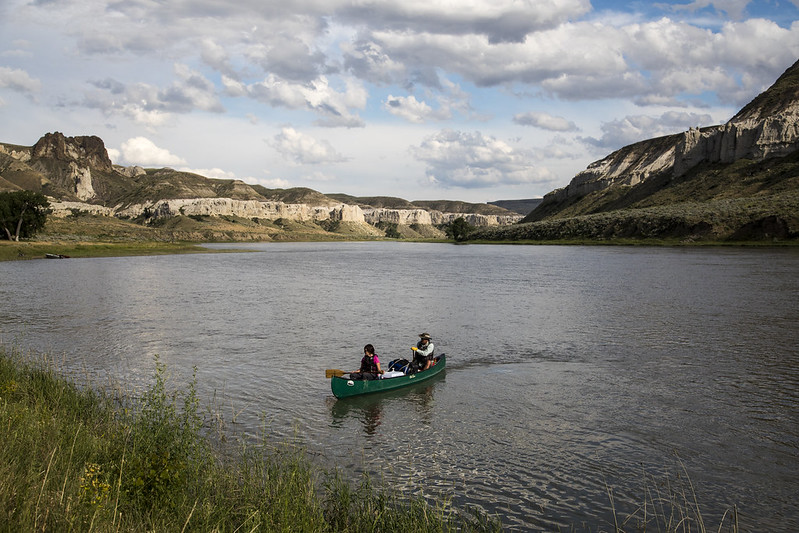
Fort Benton carries deep ties to early trade and exploration. References to Lewis and Clark appear throughout town, reminding visitors of the expedition that passed through this stretch of the Missouri River. Walking the Old Forts Trail places you along routes once used by fur traders and Native tribes who relied on the river corridor.
At Old Fort Benton, restored structures recall its time as one of the most important trading posts in the American West. Open during the summer season, the site allows guests to step inside log buildings and picture the bustle of commerce that once defined the area.
Beyond the history, the Upper Missouri River draws outdoor enthusiasts. Canoeing, boating, and fishing remain popular along these wide bends of water. Trails follow the shoreline, where deer, birds, and other wildlife appear without much warning.
Fort Benton blends river access with stories of frontier trade, giving visitors a steady mix of past and present.
11. Livingston: Yellowstone Gateway Without the Rush
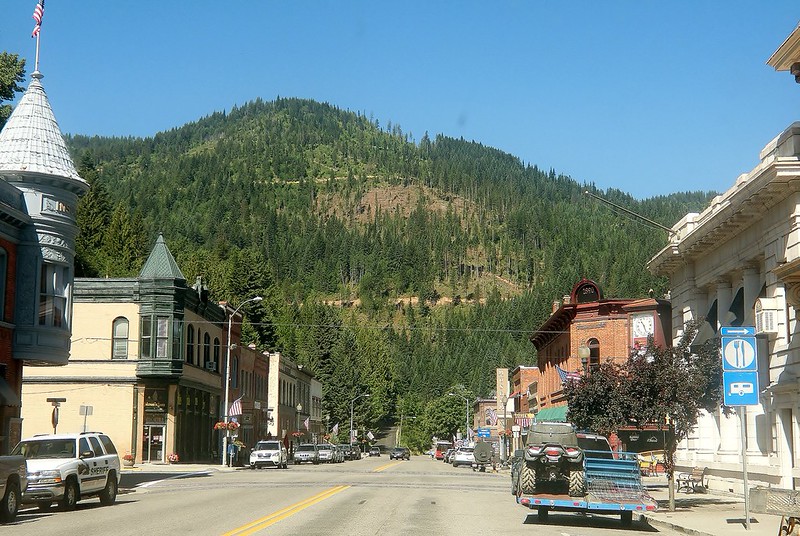
If Yellowstone National Park is on your route, Livingston offers a practical and relaxed place to stay. Lodging and dining often cost less here than in towns closer to the park gates, and the pace feels easier. While nearby destinations grab more attention, Livingston quietly delivers charm, access, and breathing room.
The Yellowstone River cuts through town, drawing anglers and outdoor enthusiasts year-round. Warmer months bring hiking, peak climbs, mountain biking, and riverside swims. Trails stretch into open country where big skies dominate the view.
Winter doesn’t slow things down. Visitors arrive for downhill and cross-country skiing, dogsledding, snowmobiling, and wildlife watching. Ice-coated branches and snow-covered hills shift the tone, yet the adventure continues.
Livingston balances affordability with immediate access to wild terrain, making it a steady alternative to busier Yellowstone hubs.
12. Columbia Falls: Glacier’s Laid-Back Adventure Hub
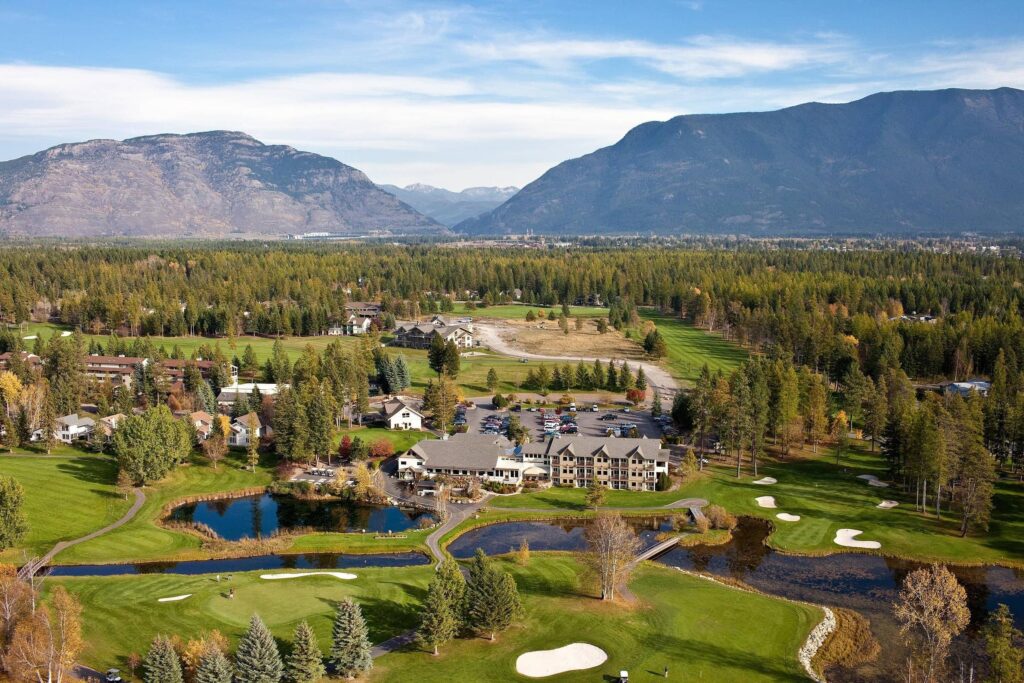
Columbia Falls sits just west of Glacier National Park and serves as a quieter launch point for park adventures. The town keeps a low profile, yet it draws thrill-seekers eager for movement and open space. From here, travelers head out for ziplining tours, snowmobile rides across winter terrain, and whitewater rafting trips on nearby rivers.
For something offbeat, stop by the Montana Vortex and House of Mystery. The attraction leans into optical illusions and perception tricks, inviting visitors to question what they see. Expect slanted rooms, balance-defying demonstrations, and a few mystical touches that add to the experience.
Back in town, Bad Rock Books offers shelves packed with used titles worth browsing slowly. A stroll through the main streets reveals casual restaurants, small shops, and a steady local rhythm that contrasts with the rush of nearby park traffic.
Columbia Falls blends easy access to Glacier with its own mix of adrenaline and eccentric stops.
13. Eureka: Montana’s Northern Frontier Spirit
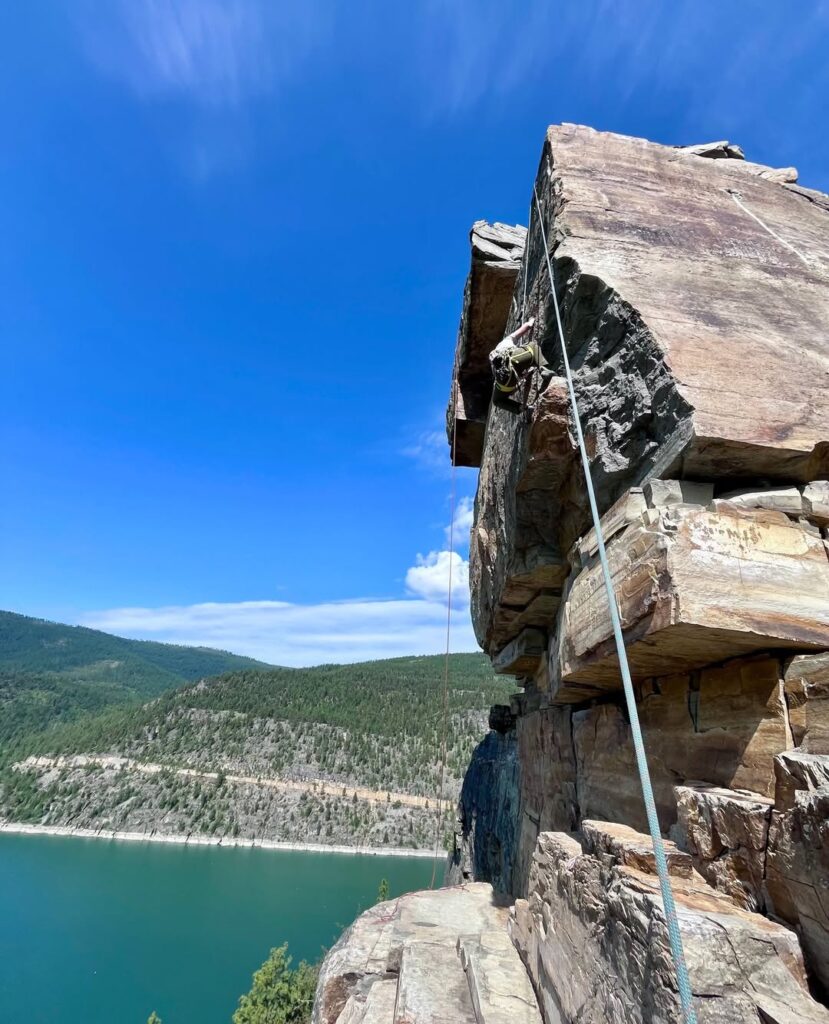
Bordering Canada, Eureka has held on to its old-time character. Many structures date back to the late 1800s—an early schoolhouse, a classic general store, a small-town library, and rows of log cabins that line quiet streets. Rather than modernizing every corner, the community has leaned into its frontier identity. Weekly calendars fill quickly, and rodeo-themed gatherings are common throughout the year.
Life here moves with a steady rhythm. Community events often spill into the streets, drawing neighbors together for parades, fairs, and open-air celebrations that reflect the town’s ranching roots.
For time outside, follow the Eureka Riverwalk Trail along calm stretches of water. Climbers test their skills at Stone Hill, while forested areas nearby provide shaded walks through stands of evergreen trees often grown as Christmas crops.
Eureka remains grounded in tradition, pairing heritage buildings with open skies and fresh northern air.
14. Augusta: Montana’s Last True Cow Town
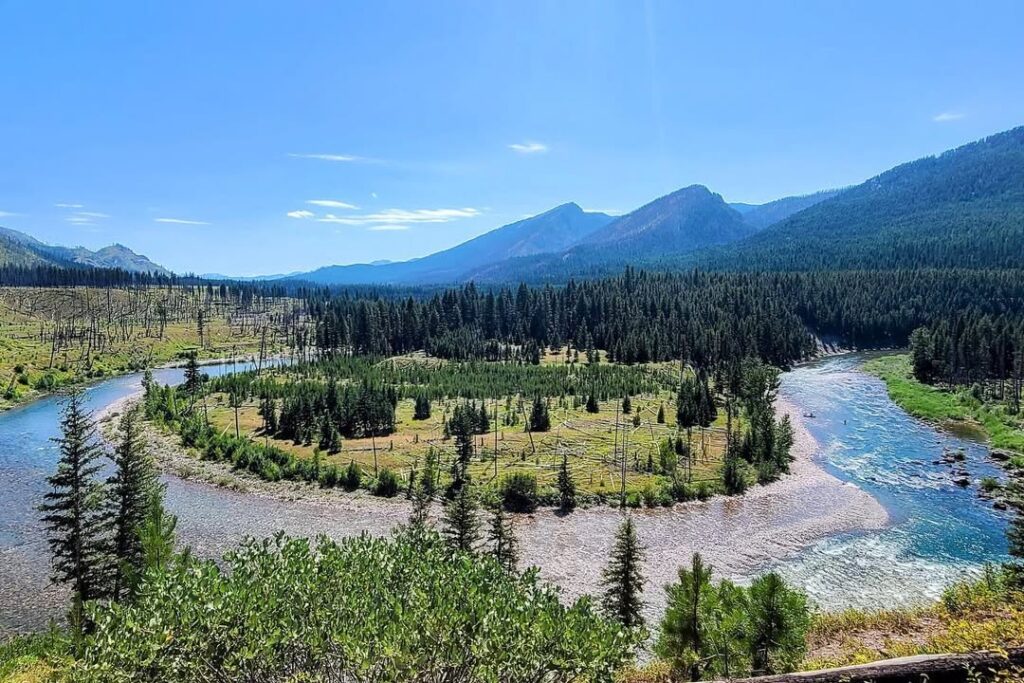
With a population hovering around 300, Augusta keeps its identity tied closely to cattle country. Often referred to as the last true “cow town” in the West, it still leans heavily on ranching as its primary trade. Horses outnumber traffic lights, and conversations in local shops often circle back to grazing conditions, weather, and trail routes. Backcountry wranglers readily share stories and practical insight about life spent on open range.
Augusta also serves as a gateway to Bob Marshall Wilderness Complex—known locally as “The Bob.” This vast protected area stretches across more than 1.5 million acres of peaks, alpine lakes, dense forest, and untamed river valleys. Trailheads begin just beyond town, leading hikers and riders deep into remote terrain where cell service fades and wildlife sightings feel real.
Life in Augusta moves with the seasons. Calving, branding, and long cattle drives still shape the yearly calendar. Pair that living tradition with immediate access to one of the largest wilderness areas in the lower 48, and the result is a town that remains firmly rooted in Montana’s ranching heritage.
15. West Yellowstone: Front-Row Access to America’s First National Park
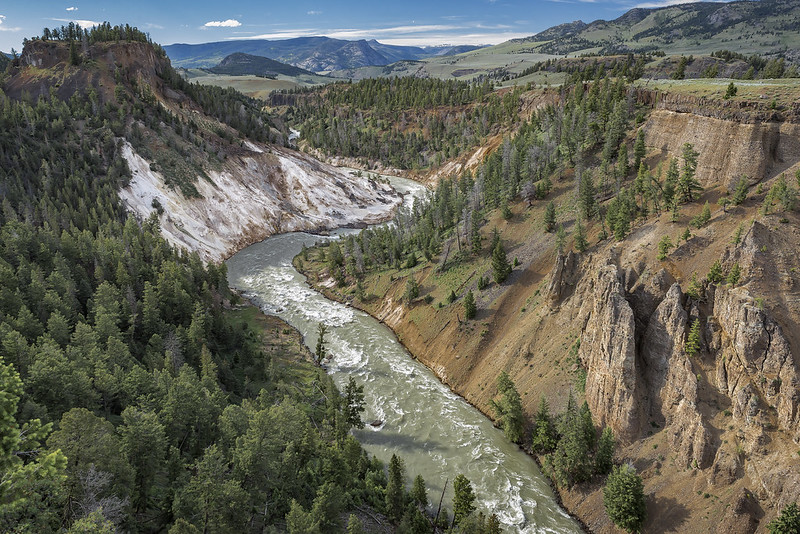
West Yellowstone places you steps from the west entrance of Yellowstone National Park. For travelers who want immediate access to geysers, wildlife, and thermal basins, this town keeps everything within reach. Lodging ranges from rustic cabins to full-service hotels, covering a wide span of budgets and travel styles.
Beyond the park boundary, activity options remain plentiful. Zipline courses, whitewater rafting trips, and excursions along the Yellowstone River fill the schedule. A short drive leads to Earthquake Lake, formed after a massive 1959 landslide reshaped the landscape.
Wildlife education takes center stage at the Grizzly & Wolf Discovery Center, where rescued bears and wolves live in spacious habitats while staff focus on conservation and public awareness.
When it’s time to trade hiking boots for theater seats, the Playmill Theatre hosts live performances featuring local talent. West Yellowstone moves at a quick pace, balancing outdoor intensity with small-town hospitality.
Related Post: