
I first arrived in Quebec during winter, eager to see the eastern side of Canada with fresh eyes. It didn’t take long for the place to win me over. Snow softened the streets, lights reflected off stone buildings, and the city felt alive without being overwhelming. By the time I left, I already knew I’d be back. There was more here than one visit could cover, and every corner hinted at another reason to return.
What stood out most was how simple it felt to balance city life with time outdoors. Within the city, historic streets and grand architecture tell stories that go back centuries. Step a little farther out, and the scenery shifts quickly—forested hills, rushing waterfalls, and wide rivers stretch for miles, offering room to breathe and move at your own pace.
This guide brings together some of my favorite experiences in Quebec City. Whether you prefer slow mornings, long walks, and quiet cafés, or you’d rather fill your days with cold-air adventures, there’s something here that fits. No matter your travel style, these picks are meant to help you shape a trip that feels right for you.
Top Accommodation Options in Quebec City
- Monsieur Jean – Hôtel Particulier
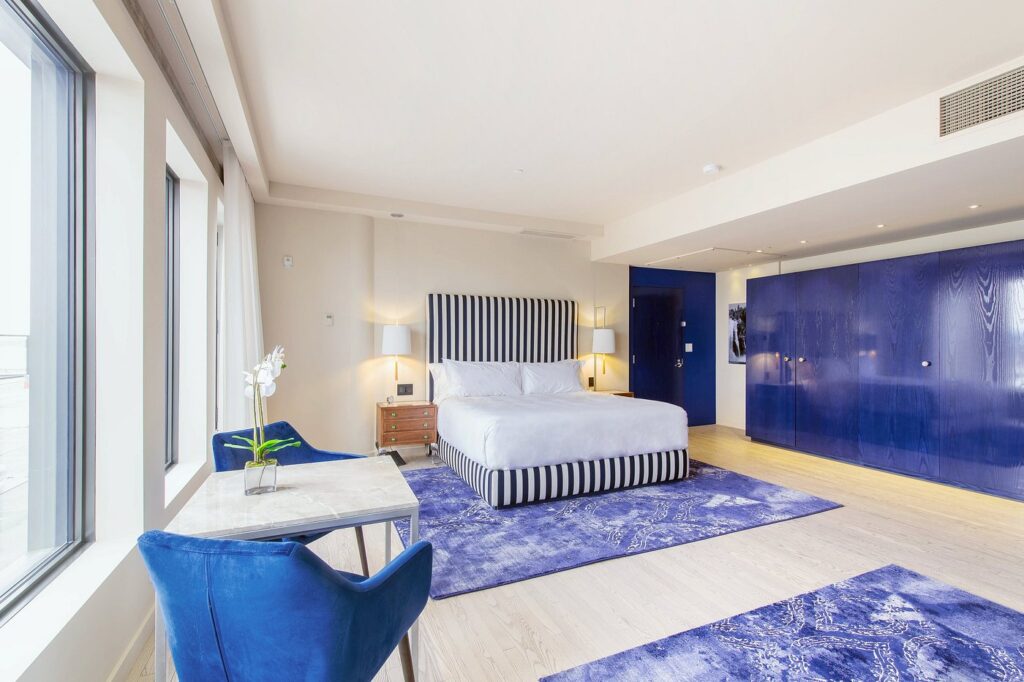
Blue-toned interiors with a clean, modern feel. The lobby looks sharp, and the beds are exceptionally comfortable after long days outside. A solid choice if you care about style and rest in equal measure. View Deal Here. - Hotel Manoir Morgan
Classic European character paired with a prime location. Major sights are within easy walking distance, making it simple to step out and start exploring right away. View Deal Here. - Delta Hotels Mont-Sainte-Anne
Best for travelers who want open space and outdoor access. Ideal for skiing in winter or hiking in warmer months, with a calm setting away from city streets. View Deal Here.
Top Tours to Take in Quebec City
A Map Guide to the Best Experiences in Quebec City
The Best Time of Year to Visit Quebec City
There’s truly no wrong season to plan a trip to Quebec City. Each part of the year brings a different rhythm, and the city shifts with it. Winter turns the area into a snowy playground, perfect for skiing and evening walks under glowing holiday lights. Fall arrives with trees painted in deep reds and golds, while summer opens up long hiking days and fresh mountain air. Spring adds energy of its own, with waterfalls rushing at full force after the thaw.
If saving money or skipping dense crowds matters to you, spring and fall tend to feel easier. Summer and winter draw large numbers thanks to festivals and seasonal events, which can raise prices and fill streets quickly. Spring also lines up with maple syrup season, giving the region a sweet tradition to experience, while fall leans into crisp air and dramatic color across the landscape.
Top Activities in Quebec City Canada
1. Exploring Old Quebec City on Foot
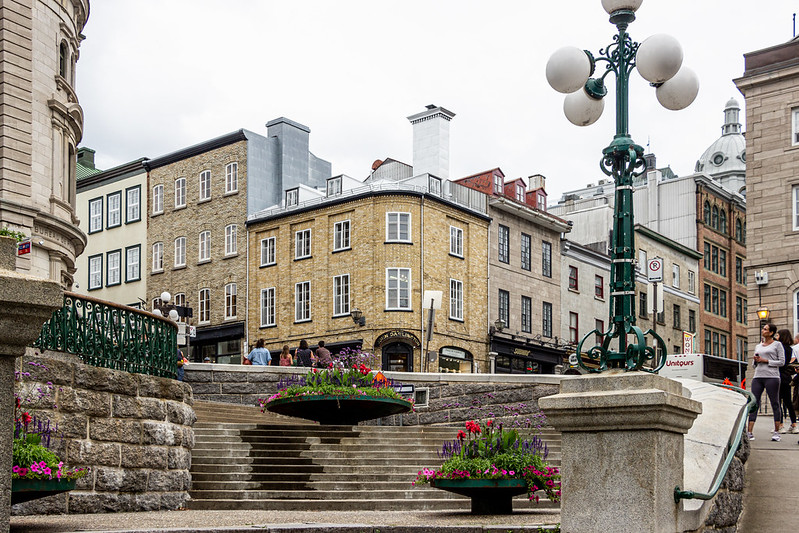
My favorite part of Quebec was spending time in Old Quebec City. Wandering through this area feels like stepping into another era. Narrow streets curve past stone buildings, and the cobblestone paths have carried footsteps for more than four centuries. The colonial structures remain remarkably well preserved, giving the neighborhood a sense of continuity that’s hard to find elsewhere.
A walking tour is one of the best ways to understand what you’re seeing. Guides share stories behind the buildings, explain how the city grew, and point out details that are easy to miss when you’re on your own. Tours run throughout the day, and it’s common to see small groups moving through the streets, pausing to listen, take photos, and take in the surroundings.
Many of these tours move at an easy pace, which makes them approachable for all ages. You’ll hear about everyday life from centuries ago, key moments that shaped the city, and the reasons certain streets and landmarks look the way they do today. Some tours lean more toward architecture, while others focus on local stories and folklore, giving you the freedom to choose an experience that matches your curiosity.
2. Photo-Worthy Views of Fairmont Le Château Frontenac
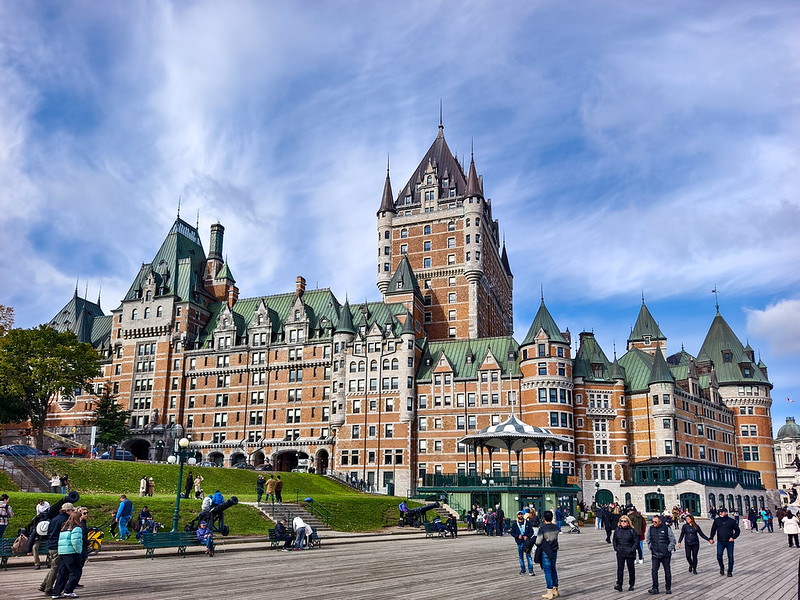
When most people picture Quebec City, Fairmont Le Château Frontenac usually comes to mind first. Rising above the skyline, it resembles a grand European castle and has become the city’s most recognizable landmark. Opened in 1893, the hotel stands 18 stories tall and forms part of a UNESCO World Heritage Site, carrying more than a century of history within its walls.
One of my favorite ways to experience the building was simply by walking the city and watching how it changed with every turn. From different streets and overlooks, the structure feels completely different—sometimes dramatic, sometimes quiet, sometimes almost storybook-like. I kept stopping to take photos as it appeared again and again from new angles.
Some of the best spots for photos include the City Center Swing, Dufferin Terrace, and Place d’Armes. Each offers a distinct view that highlights the scale and character of the hotel. For those who want a deeper experience, spending a night inside adds another layer, letting you enjoy the landmark long after the daytime crowds thin out.
3. Ride the Historic Quebec City Funicular
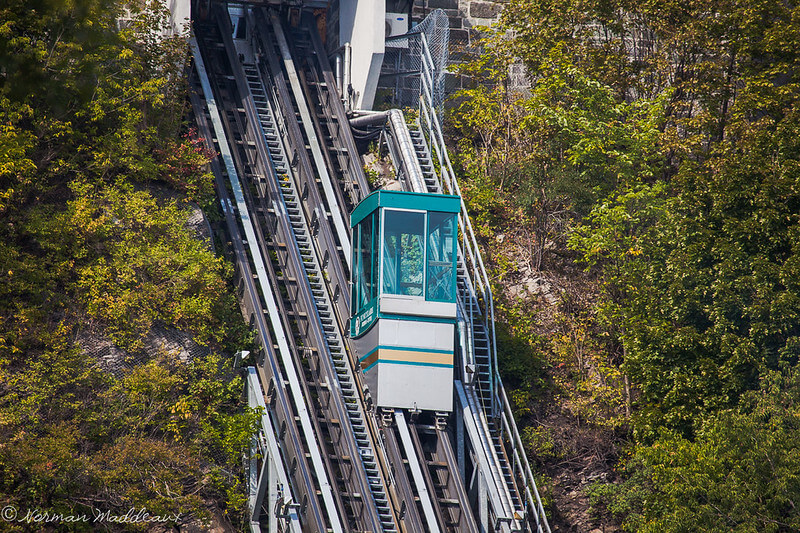
Taking a ride on the Quebec City Funicular is one of those experiences that feels almost essential during a visit. The short trip connects Upper and Lower Town and costs about $4 USD one way. Heading uphill tends to be the better option, especially if you want to save your legs while still enjoying the view.
As the car climbs, wide windows open up sightlines over Old Quebec and the Saint Lawrence River. The ride is brief, but the perspective it gives you adds a lot of context to the city’s layout. It’s an easy way to appreciate how closely history and geography sit side by side here.
Originally built in 1879, the funicular has been updated twice over the years, including the addition of electric power and changes to its structure. Despite these upgrades, it still holds onto its historic character. Today, it stands as a simple yet memorable way to experience Quebec City’s past while moving through it in the present.
4. Spend Time at One of Quebec City’s Cafés
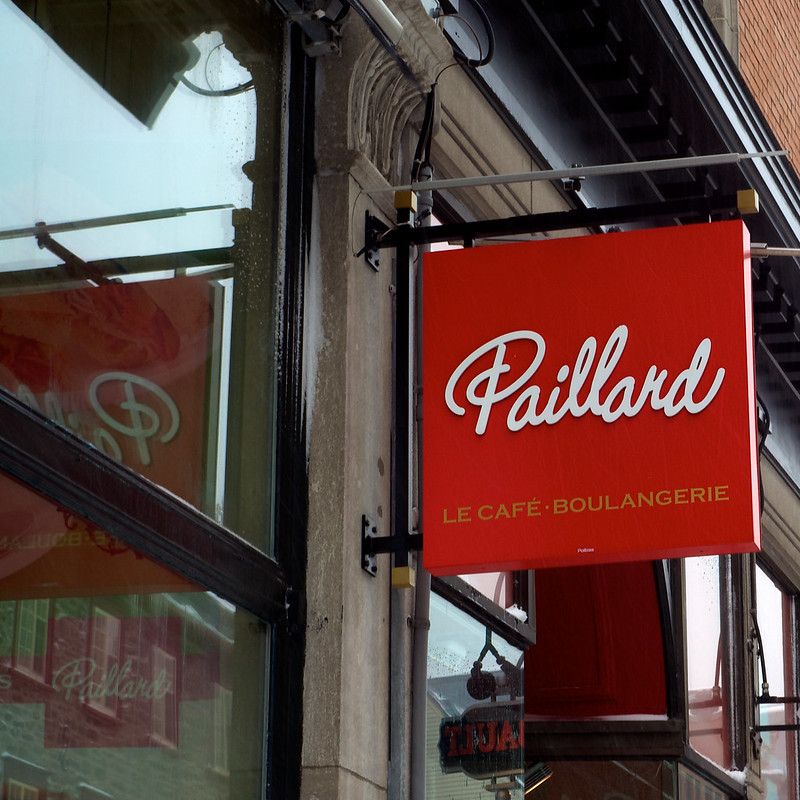
As you walk through Quebec City, it’s hard not to notice how often people pause at sidewalk cafés. Mornings usually begin with coffee cups on small tables, while breakfast plates appear as the streets slowly come alive. Sitting down for a while and watching the city move around you feels like a natural part of the experience, especially with historic buildings rising in every direction.
Two cafés that stand out are Paillard and Smith Café. Paillard impressed me most with its sandwiches and baked goods, while Smith Café consistently served excellent coffee. Both are popular stops and easy to fit into a day of walking.
You’ll find Smith Café locations throughout the city, but the one worth seeking out is Café La Maison Smith Notre-Dame. Located in Old Quebec, it offers one of the best settings to sit back, sip slowly, and take in the surrounding streets from a comfortable seat.
5. A Day Trip to Île d’Orléans
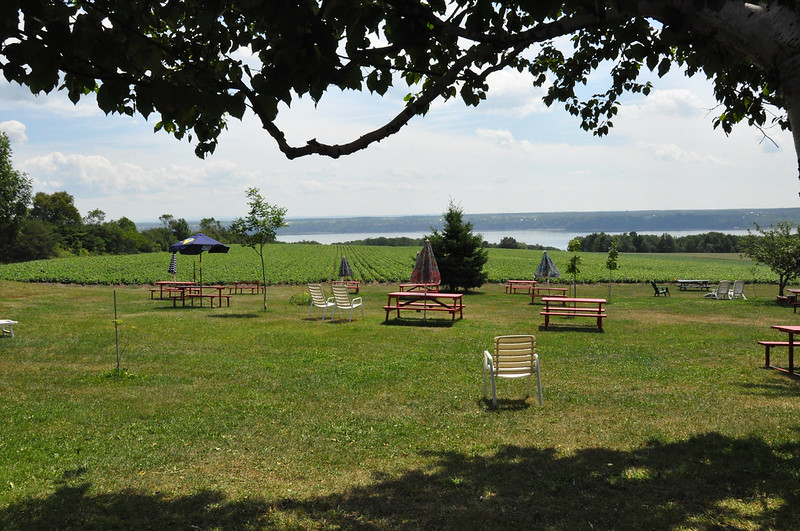
Just outside Quebec City, Île d’Orléans holds a deep connection to the province’s early French history. It was one of the first areas settled, and that legacy still shapes the farms, roads, and small communities scattered across the island. Today, it feels calm and open, making it an easy escape from the city without going far.
The island has become a favorite stop for food and drink, especially for those who enjoy local flavors. Wineries, cider houses, and small producers welcome visitors for tastings, though it’s just as enjoyable to drive around and stop wherever catches your interest. Exploring at your own pace lets you linger longer in places that feel right.
One stop I particularly enjoyed was Cassis Monna & Filles. Sitting outside with a drink felt relaxed and unhurried, and the setting made it easy to spend more time than planned. With an on-site restaurant as well, it’s a great place to pause, eat well, and enjoy the slower rhythm of the island.
6. Ride the Cable Car at Montmorency Falls
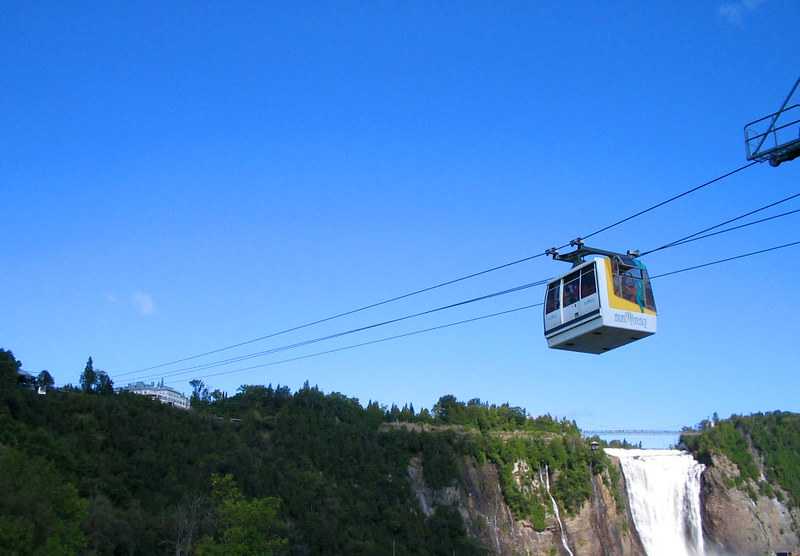
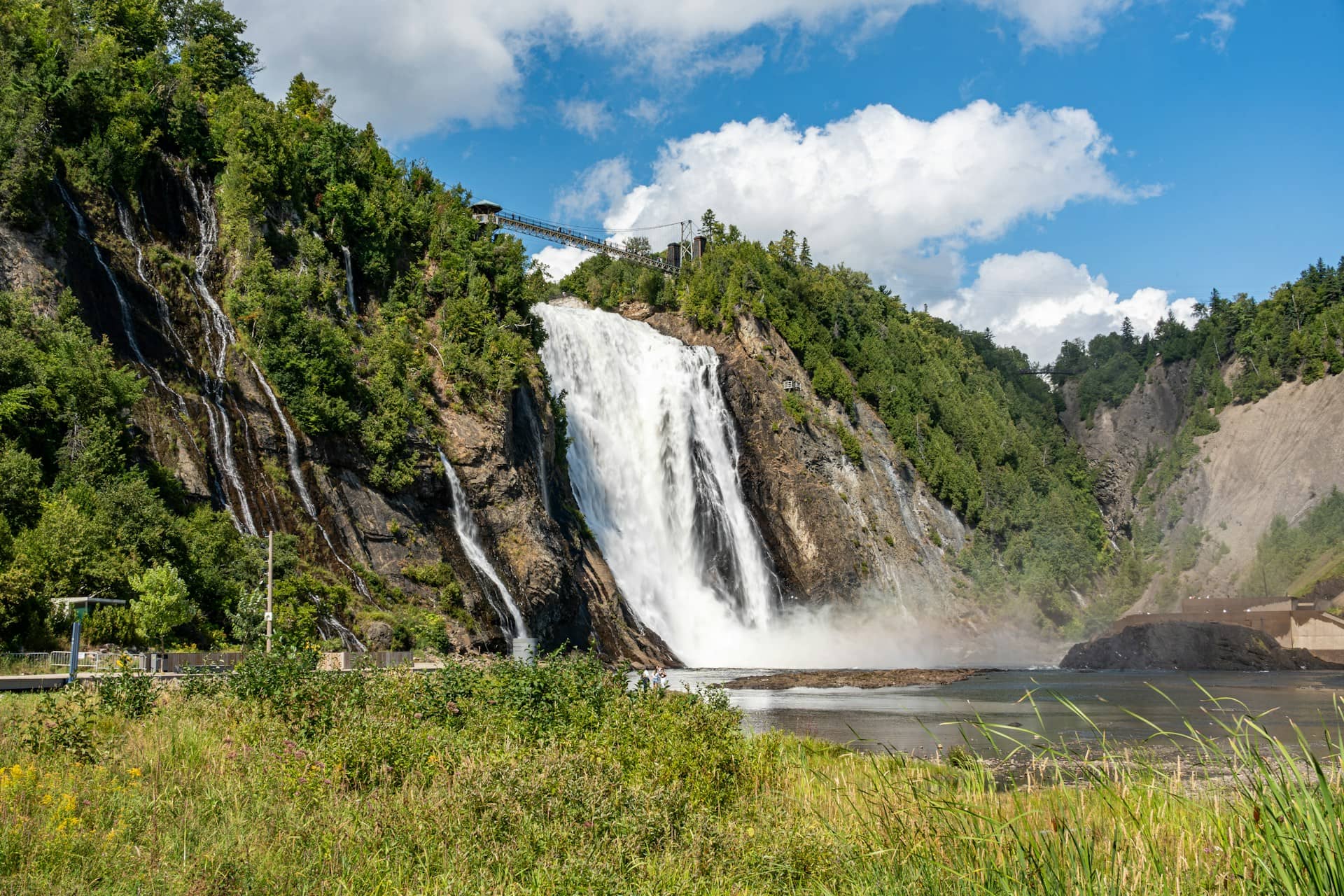
Seeing Montmorency Falls in person is something that deserves a spot high on your Quebec City list. Located about 30 minutes from the city, the park is simple to reach and hard to miss. The waterfall is massive—so tall and powerful that it’s visible from the nearby highway long before you arrive.
Once inside the park, there are several ways to spend your time. Visitors can ride the cable car, walk the paths that loop through the grounds, or add a bit of adrenaline by taking the zipline across the falls. Each option offers a different perspective, depending on how active you want your visit to be.
I chose the cable car and found it well worth it. The views from inside stretch across the river and straight toward the crashing water below, giving you a clear sense of the falls’ scale. If you’d rather skip the ticket, walking trails still provide plenty to see, though some sections include steep inclines that take extra effort.
The park stays open during winter as well, and the experience changes completely once the waterfall freezes. Ice forms along the cliffs, mist turns to frost, and the entire area feels transformed. If you plan to visit during peak times, booking a tour ahead of time can help streamline the experience and keep your schedule running smoothly.
7. Photograph the Notre-Dame de Québec Basilica-Cathedral
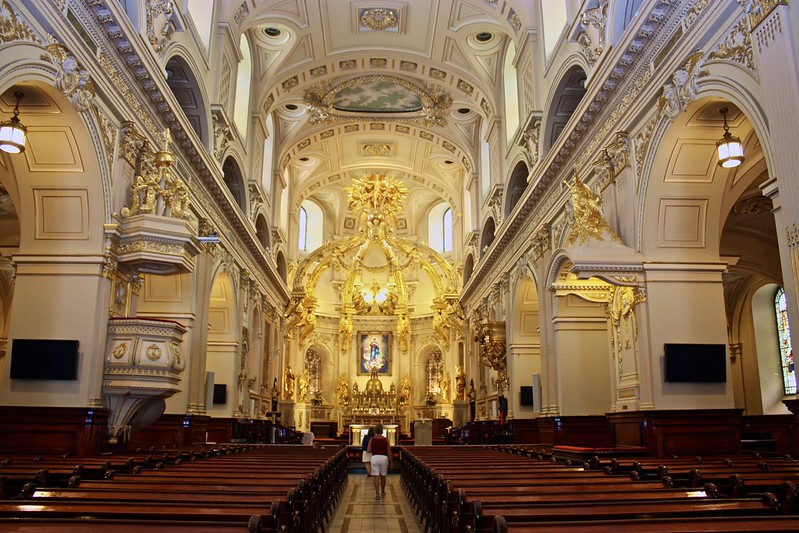
Notre-Dame de Québec Basilica-Cathedral carries centuries of history within its walls. The original church was completed in 1647, and nearly two hundred years later it was elevated to basilica status by Pope Pius IX. Over time, fires caused serious damage—twice—but each restoration followed the original plans, preserving the structure’s historic foundation.
Walking inside reveals how the building has changed across generations. Decorative elements were added gradually, giving the interior a layered feel rather than a single period style. Soft light filters through stained glass, columns rise overhead, and candles line quiet corners, creating an atmosphere that invites slower movement and close attention.
I enjoyed taking my time here, moving from space to space and noticing details that are easy to miss at first glance. The artwork, glasswork, and carefully placed lighting make this cathedral one of the most rewarding places in the city to photograph, especially if you appreciate interiors with depth and history.
8. Spend a Day at Parc National de la Jacques-Cartier
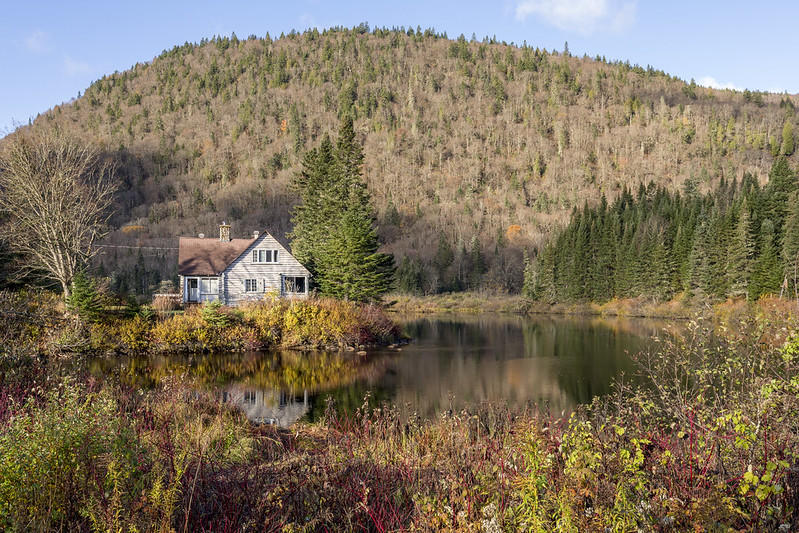
Located about 30 minutes from Quebec City, Parc national de la Jacques-Cartier makes for an easy day trip without feeling rushed. One full day is enough to get a solid sense of the park, especially if you prefer moving slowly and letting the landscape set the pace rather than packing in nonstop activity.
A wide river runs through the park, with the main road following alongside it. This layout makes it simple to pull over often, whether for photos, short walks, or quiet moments near the water. Bridges, steep valley walls, and colorful slopes appear regularly along the drive, and stopping whenever something catches your eye is part of the appeal.
During warmer months, canoeing on the river offers a peaceful way to see the park from a different angle. Hiking is just as rewarding, with trails suited to different energy levels. The Wolves Trail is a stronger challenge with elevation and effort, while the Éperon Trail provides a gentler walk and a rewarding viewpoint without pushing too hard.
9. Browse the Petit Champlain District
Dennis Jarvis/Flickr
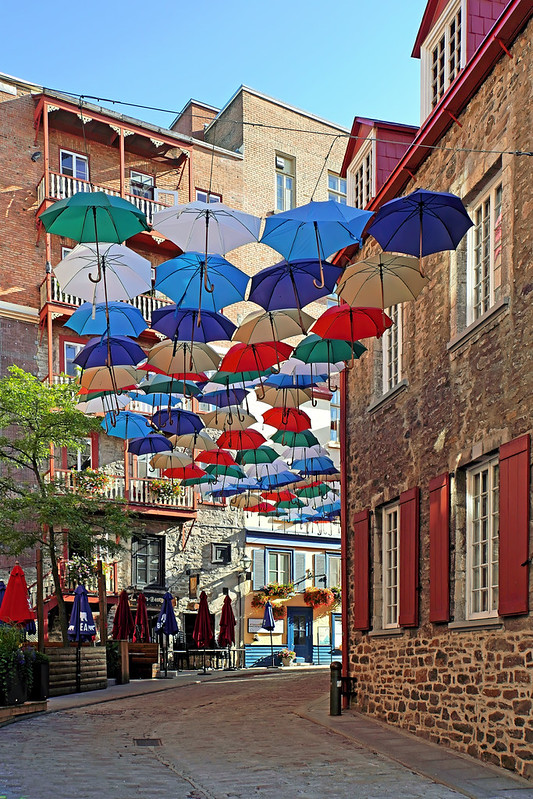
Petit Champlain District is one of the most enjoyable areas in Quebec City to wander without a plan. The streets are lined with small shops, cafés, and restaurants, making it easy to spend an afternoon drifting from one storefront to the next. I especially liked visiting during fall, when seasonal decorations added warmth and color to the narrow streets.
Walking here feels relaxed and unhurried. Window displays change often, musicians sometimes play along the sidewalks, and there’s always something happening just a few steps ahead. It’s a good place to pause for coffee, browse local goods, or simply sit and watch people pass by.
This district is also home to the well-known Umbrella Alley. If timing works out, it’s worth checking whether it’s open during your visit, as access can change. Even without it, the area itself offers plenty to see and enjoy.
10. Visit Canyon Sainte-Anne
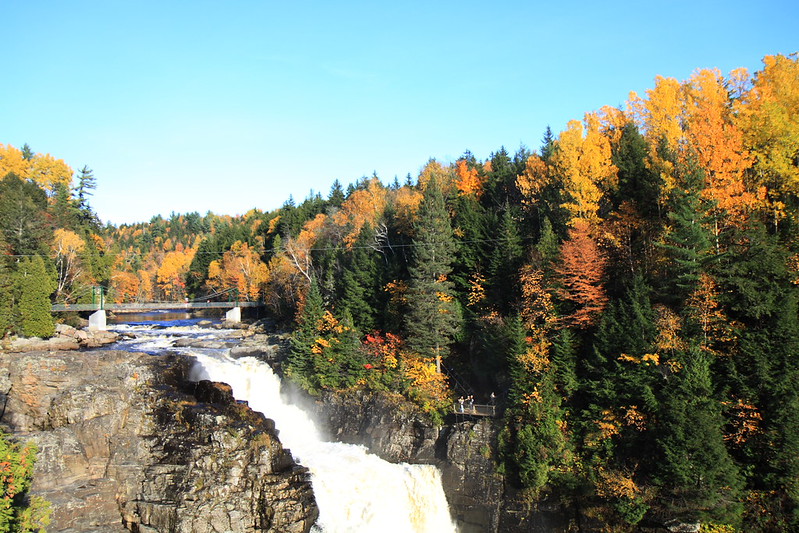
Canyon Sainte-Anne surprised me more than I expected. The main waterfall here is unlike any other I’ve seen in the region, dropping dramatically into a narrow gorge. The park itself is easy to cover in a short visit—just a couple of hours is enough to see everything without rushing.
Wooden walkways and three suspension bridges stretch across the canyon, each one offering a different angle over the rushing water below. I enjoyed how every crossing changed the view, making the walk feel varied rather than repetitive. Viewpoints along the route invite you to pause, look down into the depths, and take it all in.
The canyon sits a bit farther from the city center, but that distance works in its favor. Compared to Montmorency Falls, the atmosphere feels quieter and less busy. I appreciated the sense of space here—it felt like stumbling upon a tucked-away spot rather than a heavily visited attraction.
11. Explore the Outdoors at Mont-Sainte-Anne
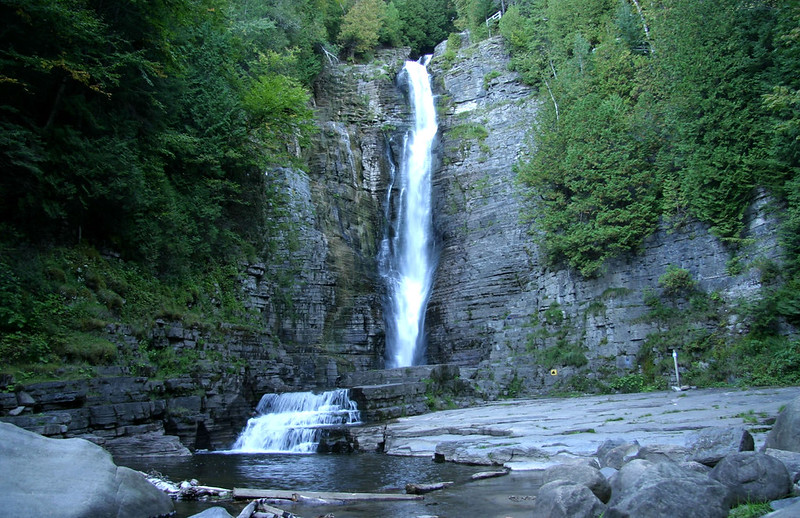
Set just outside Quebec City, Mont-Sainte-Anne is a strong choice for travelers who like their trips active. The area offers a mix of waterfalls, ski slopes, hiking routes, and mountain biking trails, all spread across wide, open terrain. I stayed at Delta Hotels Mont-Sainte-Anne, which gave me the freedom to slow down and spend more time getting to know the surroundings.
One highlight in the area is Chutes Larose. The hike to the waterfall is short but involves a steady climb down a long set of stairs that leads to the base. The trail has been recently updated, making the route clearer and more comfortable while still keeping its rugged feel.
Winter draws skiers to Mont-Sainte-Anne, and the views from the upper slopes are impressive even if you don’t plan to ski. I chose to hike instead, taking the La Crête route on the way up and La Gondoleuse on the descent. Clear trail signs make getting around straightforward, though the terrain is steep in places. Gondolas are an option when operating, but tackling the climb on foot turned out to be a rewarding workout.
12. Hike Through Parc national des Grands-Jardins
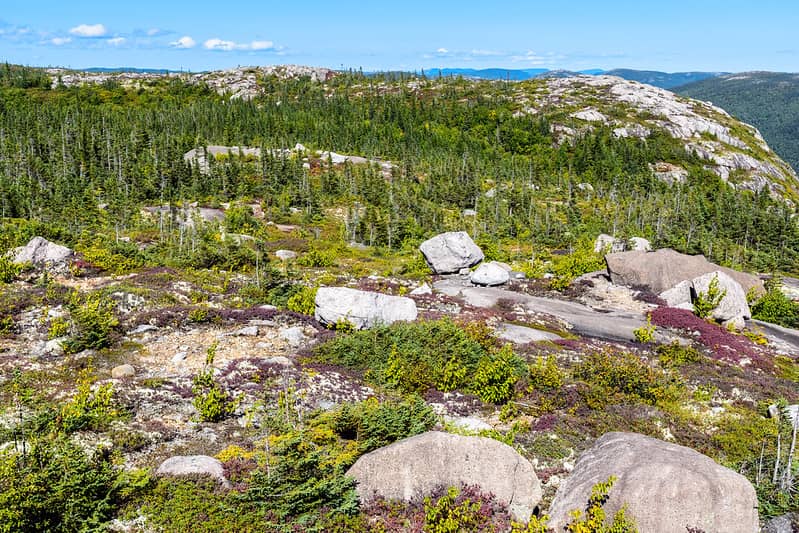
A visit to Parc national des Grands-Jardins during fall left a lasting impression on me. The drive from Quebec City takes some time, but arriving near the end of September feels worth the effort. Around then, the landscape shifts dramatically as trees turn bright shades of yellow, giving the park a striking seasonal look that changes with every step.
Because access to national parks is limited, I arranged my entry permit ahead of time before arriving. During my visit, I hiked the La Chouenne Trail, which felt manageable and fairly short without being boring. Wind can move quickly through the open areas, so packing a warm layer makes a big difference once you’re out on the trail.
For hikers looking for something more demanding, the Le Pioui and Mont du Lac des Cygnes Loop is a popular option. This route is longer and requires more effort, but it rewards that extra work with elevated views and a scenic lake along the way.
Related Posts:
- 15 Beautiful Small Towns in Quebec Full of Charm and Scenery
- 15 Cheapest International Trips from Canada for Budget Travelers
- 25 Best Things to Do in Vancouver for an Epic Bucket List Trip
- 15 Beautiful Small Towns in Ontario Full of Character
Final Thoughts
Thanks for taking the time to read through this Quebec City guide. Exploring the city felt rewarding from start to finish, with each neighborhood and nearby park offering something different from the last. Moving between historic streets and wide-open outdoor spaces kept the experience fresh and engaging.
What stayed with me most was how easily culture and nature exist side by side here. Centuries-old buildings, quiet rivers, mountain trails, and waterfalls all play a role in shaping the experience. It’s a destination that leaves a strong impression and invites return visits long after you’ve gone home.