
From tighter size limits to surprise gate checks, traveling with carry-on only in Europe comes with plenty of pitfalls. What once felt simple now requires sharper attention.
It hurts me to admit that. I’ve long been a proud member of Team Carry-On — the kind who brags about breezing past baggage claim while everyone else waits in a sluggish line.
But airlines have changed. Budget trimming, shifting policies, and closer inspections mean cabin baggage is under a microscope. Measurements are stricter. Staff are less forgiving. That soft-sided bag you squeezed through last year? It might not pass this time.
Still, don’t give up. With smart planning and a clear understanding of current rules, carry-on travel can absolutely help you cut costs and move faster across Europe. You just need to play the game wisely.
In this guide, I’m breaking down the most common carry-on packing mistakes — including newer issues based on recent airline rule updates — so you can board calmly, avoid extra fees, and keep your trip running smoothly.
1. Guessing Your Bag Size Instead of Measuring It
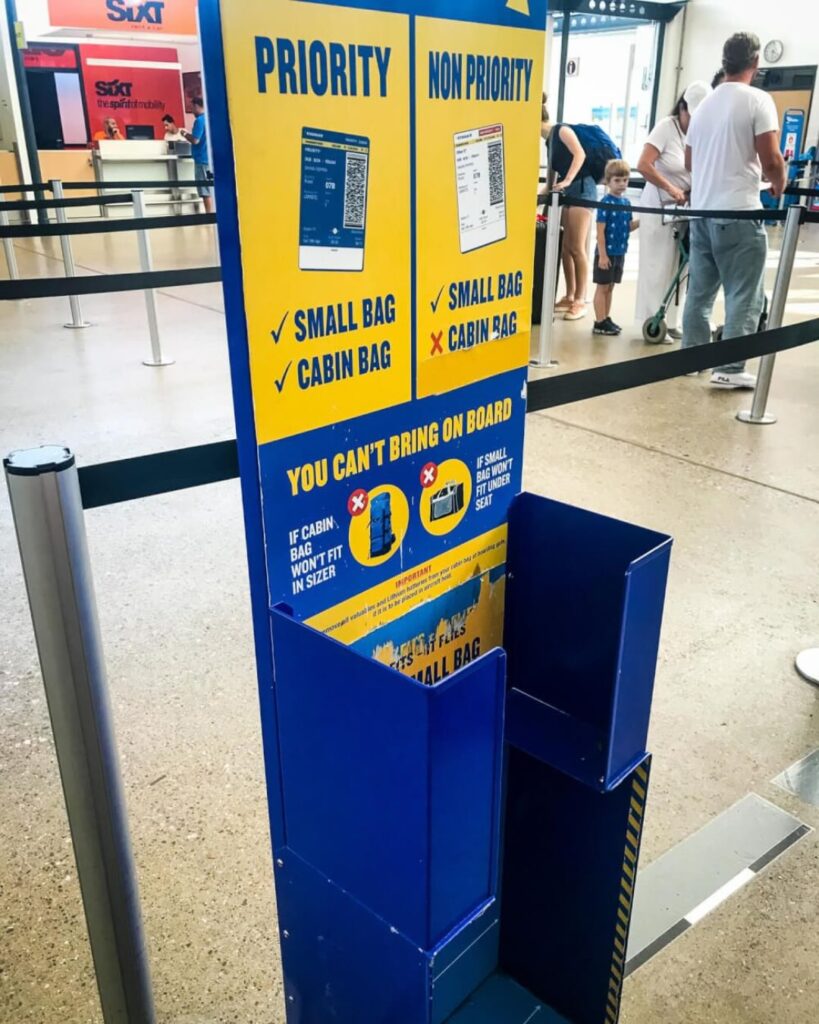
One of the biggest errors with European carry-on travel is assuming your bag will “probably be fine.” With budget airlines like Ryanair, easyJet, and Wizz Air, there’s no shared standard for cabin baggage. Each airline sets its own limits, and they’re often smaller than what many travelers are used to.
That difference matters more than people expect. Low-cost carriers are strict. At the gate, staff regularly ask passengers to place their bags inside metal sizers. If it doesn’t slide in smoothly, you may be charged on the spot. And yes, the measurements usually include wheels, handles, and side pockets — not just the main compartment.
Another common trap? Trusting labels. Many suitcases are marketed as “carry-on size,” but that doesn’t mean they comply with every airline’s rules. Some fit full-service carriers but exceed the limits of budget airlines by a few crucial centimeters.
I learned this firsthand. The standard version of my suitcase didn’t meet the smaller European limits, so I had to switch to the slim model just to stay within range.
The takeaway is simple: measure your bag carefully, compare it to the airline’s listed dimensions for your specific ticket type, and don’t rely on assumptions. A few extra centimeters can cost more than the flight itself.
2. Ignoring Your Carry-On’s Weight Limit
There was a time when cabin bag weight rules felt almost theoretical. As long as your suitcase fit the size frame, no one seemed to care how heavy it was.
That era is fading. More airlines are weighing carry-ons at the gate, especially on European routes. I experienced this firsthand on a flight with Lufthansa. For the first time in my life, my bag was placed on a scale before boarding. I was slightly over the limit and had to check it. Thankfully, there was no extra fee — but it was a wake-up call.
If weight limits worry you, the solution is simple, though not glamorous: pack less. One practical strategy is planning laundry stops during your trip. A quick wash halfway through can cut your clothing list in half. Another smart move is choosing fabrics that stay fresh longer between washes.
Merino wool is excellent for this. Despite the name, it’s lightweight and fine. It resists wrinkles and odors and can be worn multiple times before needing a wash. That means one pair of socks might last several days, and one top could replace three.
Some staple merino pieces I like to bring:
- Long-sleeve black V-neck
- Ankle socks (black and grey)
- Grey cashmere cardigan
- Black leggings
Fabric choice makes a real difference when you’re trying to stay within airline limits. A lighter wardrobe adds up quickly, and a few thoughtful swaps can keep your bag under the scale — and off the checked baggage belt.
3. Overlooking the Weight of the Bag Itself
Here’s something many carry-on travelers forget: your suitcase has weight before you even put anything inside it.
That empty shell counts toward your total allowance. Hard-shell suitcases are popular for good reason. They protect your belongings and look polished rolling through the airport. But they’re often heavier than you think. In some cases, the suitcase alone can eat up a noticeable portion of your weight limit.
If you’re flying with strict airlines, that difference matters. Switching to a lightweight duffel or travel backpack can free up extra kilos for clothing and essentials. Soft-sided options are usually much lighter, and some even compress slightly if space gets tight in a sizer.
This doesn’t mean you need to ditch your favorite suitcase. Just be aware of what it weighs empty. Sometimes the easiest way to stay under the limit isn’t packing less — it’s starting with a lighter bag.
4. Wasting Your Personal Item Allowance
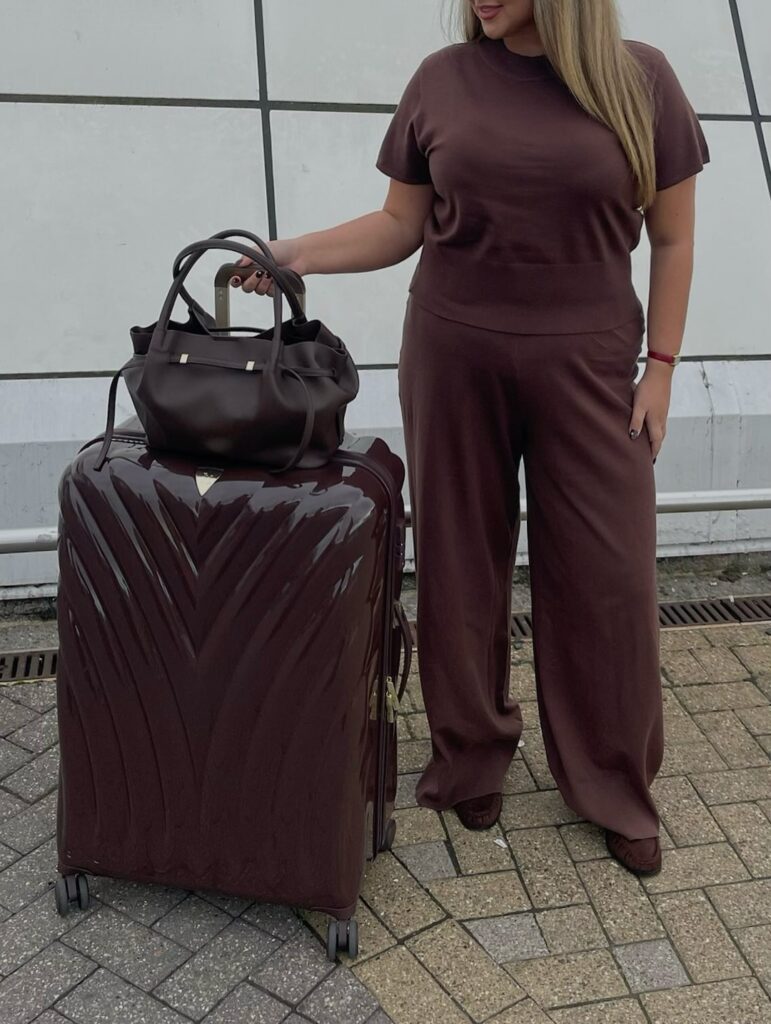
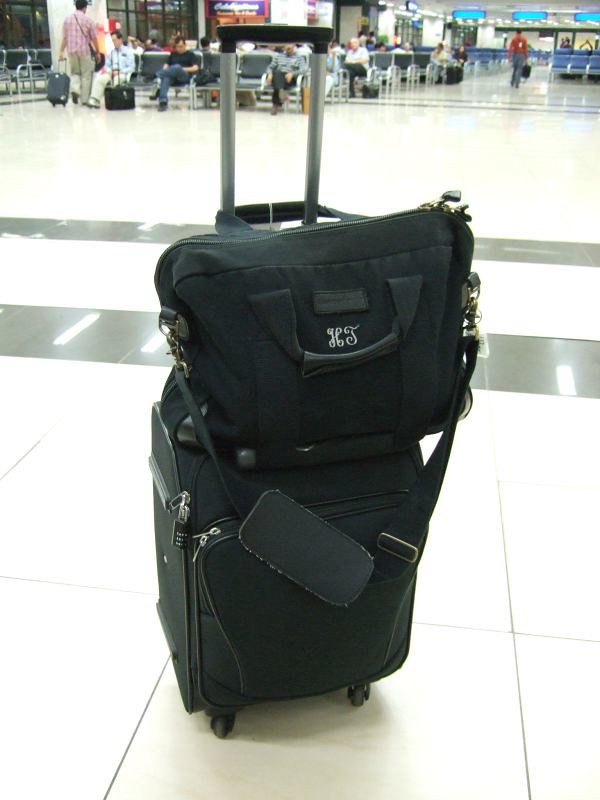
Most European airlines separate your allowance into two parts: a carry-on bag for the overhead bin and a smaller personal item that fits under the seat in front of you. If your fare includes a cabin bag, it usually includes a personal item as well.
And yet, so many travelers barely use it. I often see people bringing a tiny purse or a slim belt bag as their under-seat item. That’s fine — but it leaves a lot of space unused. When weight and size limits are tight, every bit of allowance counts.
Instead, I prefer using a medium-sized backpack as my personal item. It holds far more than a small handbag, and as long as it fits within the airline’s stated dimensions, it’s completely acceptable. Backpacks also have some flexibility. If you don’t overpack them, they can compress slightly to slide into baggage sizers without trouble.
Another key detail: while cabin bags are increasingly being weighed at the gate, personal items are still rarely placed on a scale. That may change in the future, but for now, it creates an opportunity. Heavier items — electronics, camera gear, dense clothing — can often be shifted into your under-seat bag to keep your main carry-on within limits.
If you’re flying carry-on only, think strategically. Your personal item isn’t an afterthought — it’s extra packing power sitting right at your feet.
5. Storing Valuables in Your Carry-On Instead of Your Personal Item
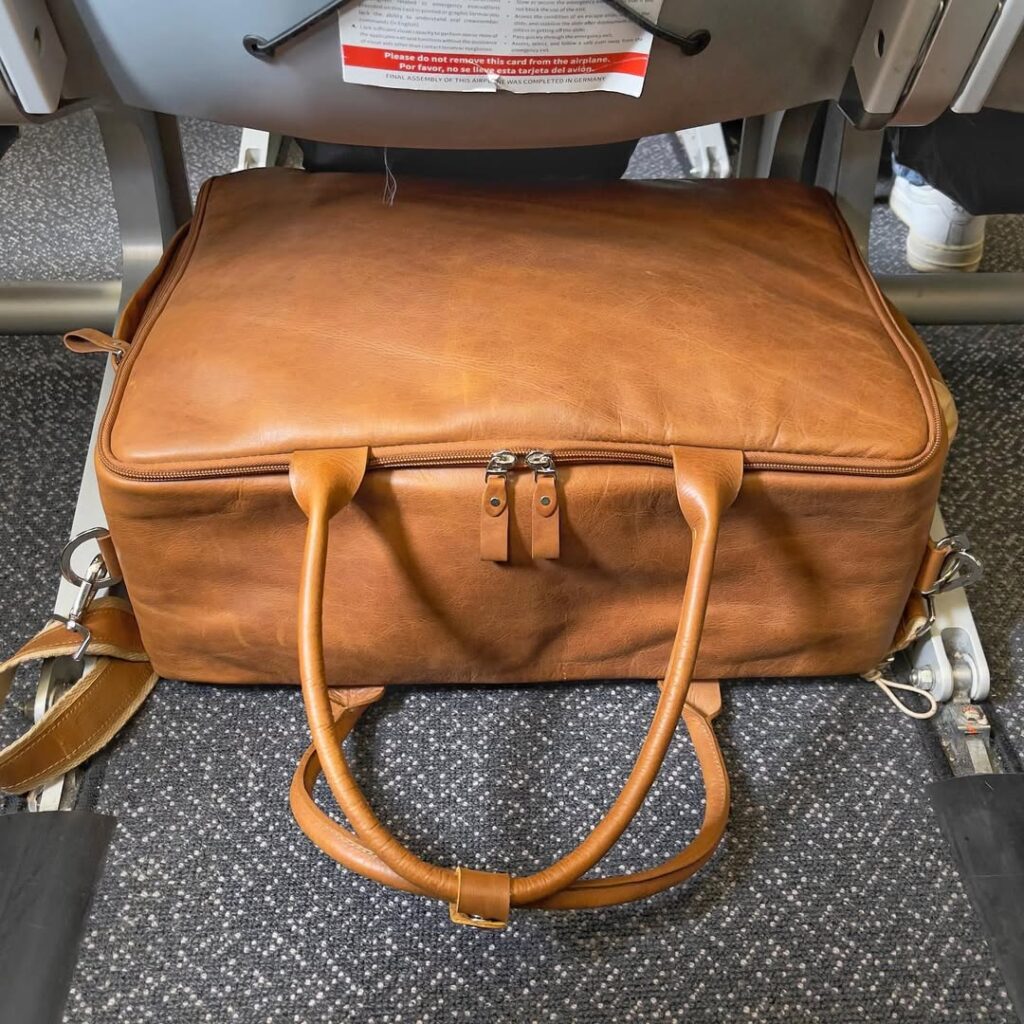
Even if your carry-on meets every size and weight rule, there’s still one big risk: you may have to hand it over at the gate. On full flights, airlines often require passengers to check cabin bags at the last minute. When that happens, anything inside goes into the hold — out of your reach until baggage claim.
That’s why I never place essentials in my overhead bag. Your personal item stays under the seat in front of you. It’s within sight, easy to access, and far less likely to be taken from you unexpectedly. Passports, laptops, medication, chargers, travel documents — all of that belongs in your under-seat bag.
This habit protects you from more than inconvenience. I once flew to Morocco and watched a passenger check his carry-on at the gate, forgetting his passport was inside. When we landed, passport control came before baggage claim. He had to explain to officials why he didn’t physically have his travel document. I’m sure it was eventually sorted out, but that’s a stressful situation no one wants.
Flights fill up. Policies change mid-boarding. Gate agents make quick decisions. Keep anything critical in your personal item so you’re covered, even if your main bag disappears into the cargo hold.
6. Believing Your Carry-On Is Guaranteed Cabin Space
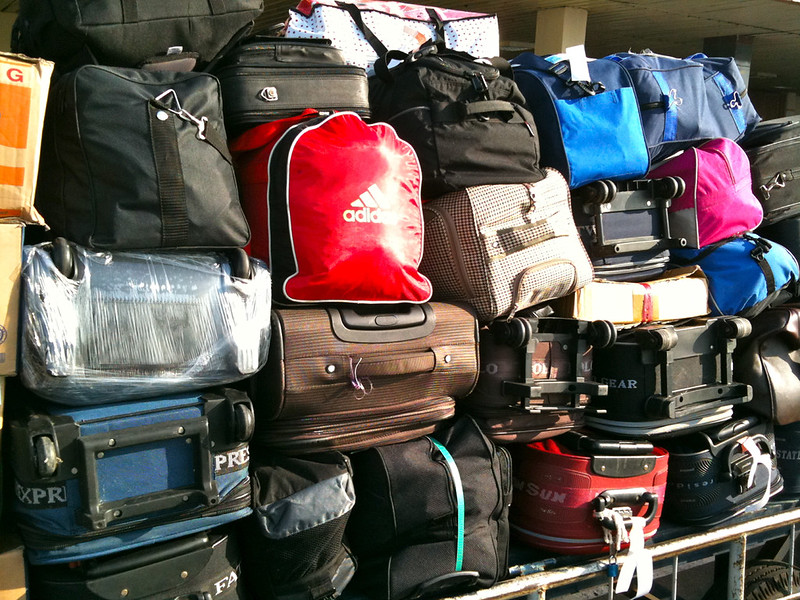
It’s tempting to think that if your bag meets the rules, it will stay with you on the plane. That’s no longer a safe assumption. On several recent trips, I’ve watched gate agents announce that overhead space was full and ask passengers to check their carry-ons — sometimes for free, sometimes without much warning. In a few cases, I’ve had to hand mine over right before boarding because there was simply no room left.
Cabin approval doesn’t equal cabin placement. Because of this, I now pack with the expectation that my carry-on might end up in the hold. Anything I need during the flight — headphones, chargers, medication, travel documents — goes into my personal item from the start. The same applies to essentials I can’t risk being separated from upon arrival.
There’s nothing worse than being told to check your bag and then scrambling to unzip compartments in the boarding line while people wait behind you.
Pack with a backup plan. If your suitcase stays with you, great. If it doesn’t, you’ll still have everything important within reach.
7. Skipping a Tracker in Your Carry-On
Many experienced travelers now slip a tracker into their checked luggage. It’s become a smart, fairly common habit. But what often gets overlooked? Doing the same for your carry-on.
That’s a gap worth fixing. With gate-checking becoming more frequent, your cabin bag may be taken from you at the last minute and placed in the hold. Once that happens, it’s treated like any other checked item. If it’s delayed or misplaced, you’ll want a way to see where it is.
Devices like the Apple AirTag or similar Bluetooth trackers from other brands are small, light, and easy to tuck into a side pocket. They add almost no weight but can offer real reassurance if your bag is separated from you.
It’s a simple precaution. If your carry-on stays overhead, nothing changes. If it’s pulled at the gate, you’ll still be able to track its location on your phone instead of guessing where it ended up. In today’s travel climate, that extra layer of visibility can make a stressful moment far more manageable.
8. Overpacking Toiletries
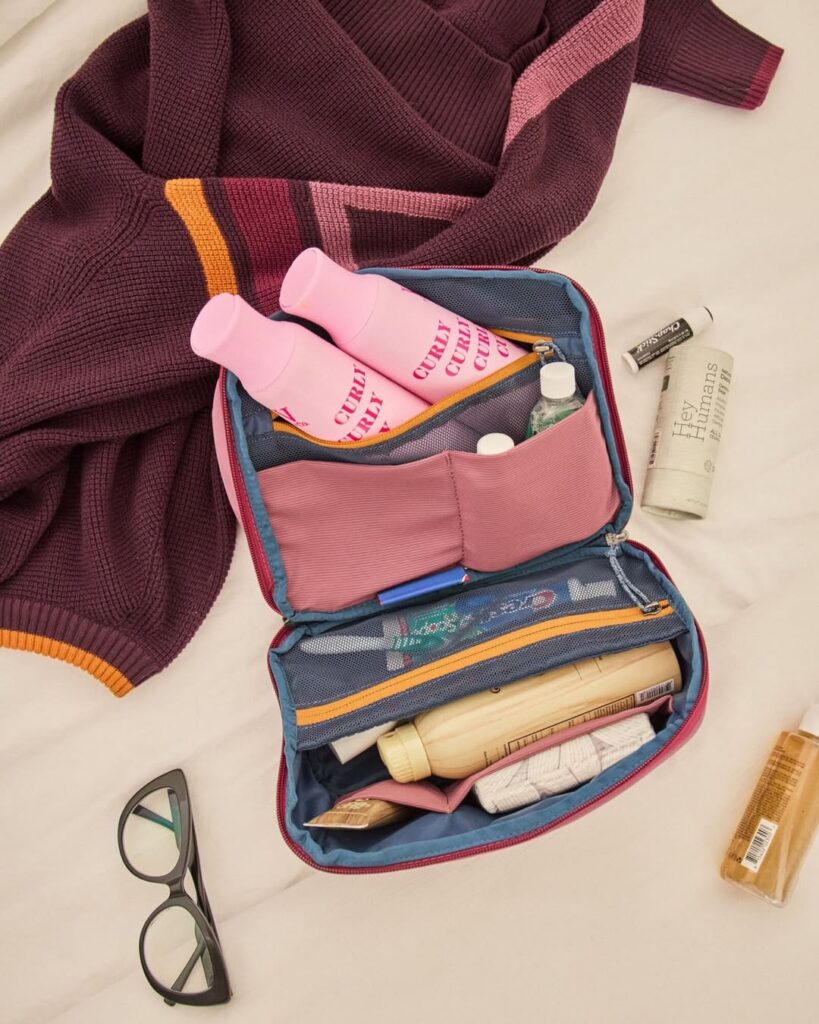
Liquids rules can vary more than people expect. While the standard 100ml per container rule applies across much of Europe, some airports are stricter about how those items are packed. Certain UK airports, for example, require all liquids to fit inside a single, clear bag of a specific size — and they do check.
So don’t rely on assumptions. Look up the security guidelines for each airport you’re flying through, not just the airline’s baggage policy. Beyond regulations, toiletries are one of the easiest areas to cut down. Full skincare routines, multiple hair products, backup items “just in case” — they add up quickly in both weight and space.
For most trips, you can buy basics at your destination without much trouble. Pharmacies and supermarkets across Europe carry familiar brands and solid alternatives. If you’re traveling with friends or family, sharing items like shampoo, sunscreen, or styling tools can reduce bulk even further.
The same logic applies to hair dryers, straighteners, and curling irons. One tool per group is usually enough. Toiletries feel small, but they’re heavy. Trim them down, split them up, or plan to purchase on arrival — your carry-on will thank you.
9. Dressing Without a Packing Strategy

If you’re trying to squeeze every bit of value out of your carry-on allowance, your airport outfit matters more than you think.
The trick? Wear your bulkiest pieces instead of packing them. That means your heaviest shoes, thick sweater, and thickest jacket should go on your body, not inside your suitcase. Boots alone can free up a surprising amount of space. The same goes for chunky knits and structured coats.
I get it — most people prioritize comfort for flights. And on long-haul routes, that makes sense. But on short European hops, you may need to rethink that balance. A slightly heavier outfit for a few hours can translate into far more flexibility inside your bag.
Layers are your best friend here. A T-shirt under a sweater under a jacket gives you options. Too warm? Remove a layer once seated. Cold cabin? You’re covered. A thoughtful airport outfit can create extra room without removing a single item from your packing list. Sometimes the smartest packing move isn’t inside the suitcase at all — it’s what you’re wearing through security.
10. Packing “Just in Case” Items
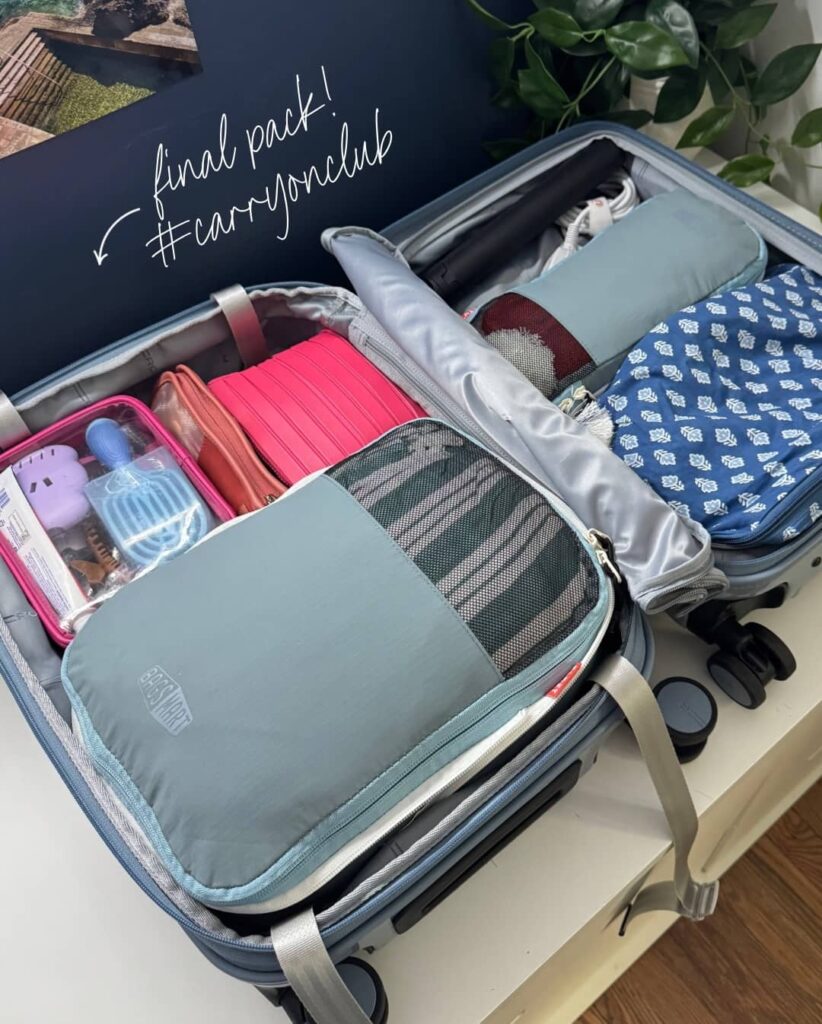
When space is tight, every item in your bag should earn its place. “Just in case” packing is one of the fastest ways to overload a carry-on. The extra pair of shoes you might wear. The backup outfit for an event that may never happen. The third charger because… why not. Individually, they seem harmless. Together, they eat up space and weight quickly.
If you’re traveling through Europe, remember this: shops exist. Pharmacies, clothing stores, supermarkets — they’re everywhere. If you genuinely need something, you can usually buy it without much trouble.
A better rule is this: pack for what’s planned, not for every possible scenario. Focus on items you know you’ll use. Leave behind the “maybe” pieces. A lighter bag doesn’t just help with airline limits — it makes trains, stairs, cobblestones, and tight hotel rooms far easier to handle. When in doubt, take it out.
11. Packing Single-Purpose Pieces
If you want to travel light, versatility is everything. Clothes that serve only one function take up valuable space. A sporty top you’ll wear once. Loud pajama bottoms you’d never step outside in. Items like that limit your options and inflate your packing list.
Instead, focus on basics that can shift roles. A breathable T-shirt, for example, can pair with jeans for dinner, a skirt for a nicer outing, or leggings for a long walking day. The same logic applies to sleepwear. Rather than packing a themed matching set, choose simple leggings and a neutral top that could double as daytime clothing if needed.
This approach gives you more outfit combinations without increasing the number of items in your bag. Here’s another helpful trick: build your wardrobe around one main color palette. If every top works with every bottom — and everything coordinates with your coat — you multiply your outfit options instantly. Fewer pieces, more combinations.
Smart packing isn’t about cramming less into your suitcase. It’s about choosing pieces that can do more than one job.
12. Skipping a Trial Run of Your Wardrobe
If you’re unsure whether your packing list is realistic, there’s a simple way to find out: test it before you leave. A few weeks ahead of your trip, pack everything you plan to bring. Then try living out of that suitcase for several days. Wear only those clothes. Use only those items. No dipping back into your closet.
You don’t have to do this before every trip, but it’s especially helpful if you’re adjusting to carry-on-only travel or cutting down your usual packing list. Personally, I tend to pack for about one week and plan to do laundry if the trip is longer. That’s a manageable rhythm for most European itineraries. You can adapt this based on your schedule, but the key is practicing the routine in advance.
The trial run exposes gaps quickly. Maybe you packed too many tops. Maybe you’re missing a layering piece. Maybe you realize you don’t need half of what’s inside. More importantly, it builds confidence. Once you see that you can comfortably manage with what fits in your suitcase, stepping onto the plane feels far less stressful.
13. Packing Without an Organization System
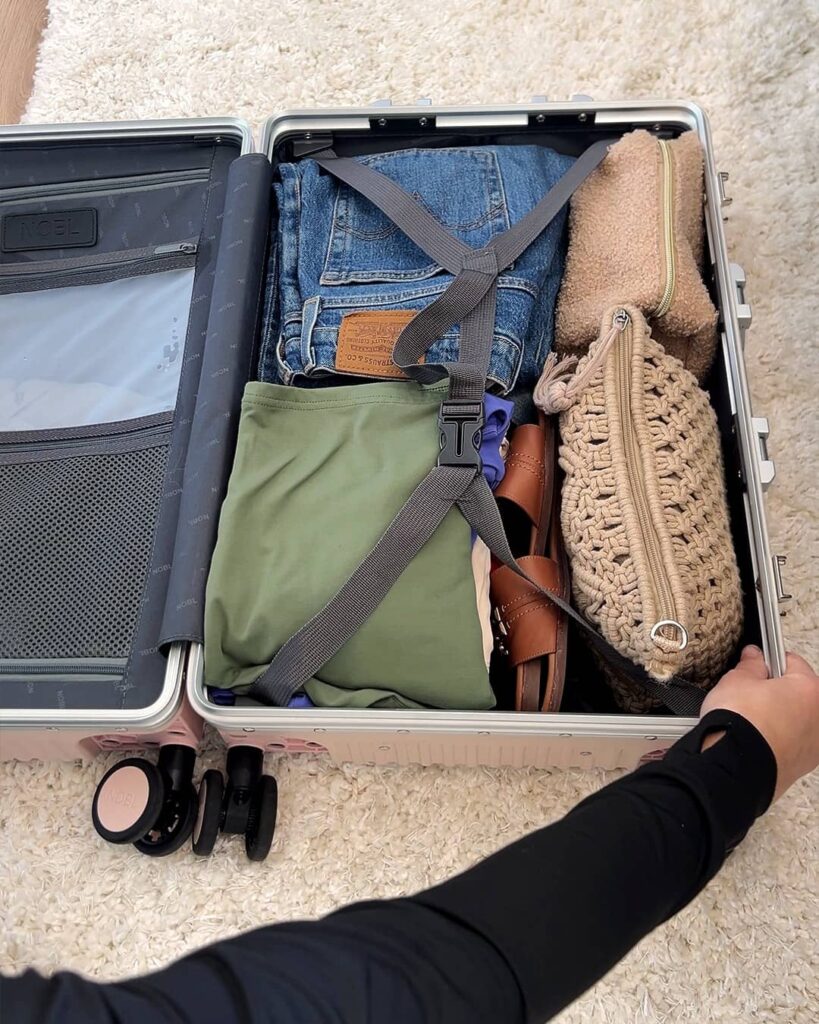
The final mistake is simple but surprisingly common: throwing everything into your bag without a clear structure. Organization makes carry-on travel far easier.
I’m a big fan of packing cubes, but the exact tool doesn’t matter. You can use zip-top bags, compression pouches, or any method that keeps categories separate. What matters is having a repeatable system.
Here’s mine:
- Tops in one cube
- Bottoms in another
- Socks and underwear together
Some travelers prefer one cube per outfit. Others separate daywear from sleepwear. There’s no single right method — just pick one and stick to it. This becomes especially useful if airport security opens your bag. When items are grouped, you can repack quickly instead of cramming things back in randomly. It also helps if you’re asked to gate-check your suitcase and need to shift items around on the spot.
Beyond airports, an organized bag saves time throughout your trip. Moving between cities? Repacking takes minutes. Need a clean shirt in a rush? You know exactly where it is.
Carry-on travel works best when your bag feels controlled rather than chaotic. A simple system keeps everything in place — and keeps your stress level lower, too.
Related Post: