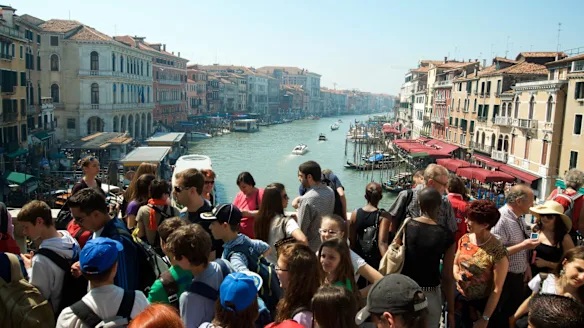
For decades, Europe has been the dream destination for travelers from around the world. Ancient cities, romantic coastlines, and cultural treasures draw millions each year. But in 2025, many of Europe’s most iconic destinations are reaching a breaking point. Residents from Barcelona to Venice are taking to the streets in protest, demanding relief from an industry that has transformed their homes into what some call “open-air museums.”
The problem is overtourism — and it’s no longer a seasonal issue. For many cities, it’s a daily, year-round crisis that threatens culture, housing, and quality of life.
Protests on the Rise
Josep Lago/AFP/Getty Images
In Barcelona, locals have grown increasingly vocal. In June, protestors armed with water pistols symbolically “fired back” at the millions of tourists crowding the city’s streets. Their frustration echoes across Spain, where demonstrations have disrupted events and forced politicians to acknowledge the pressure tourism brings.
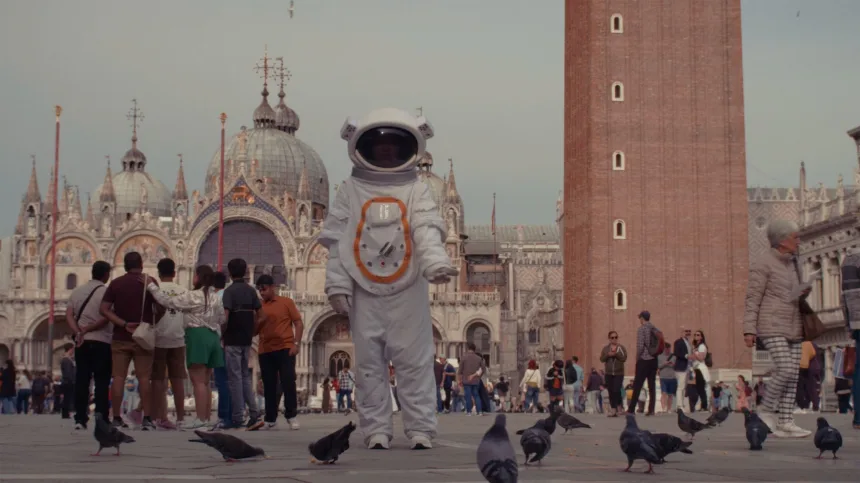
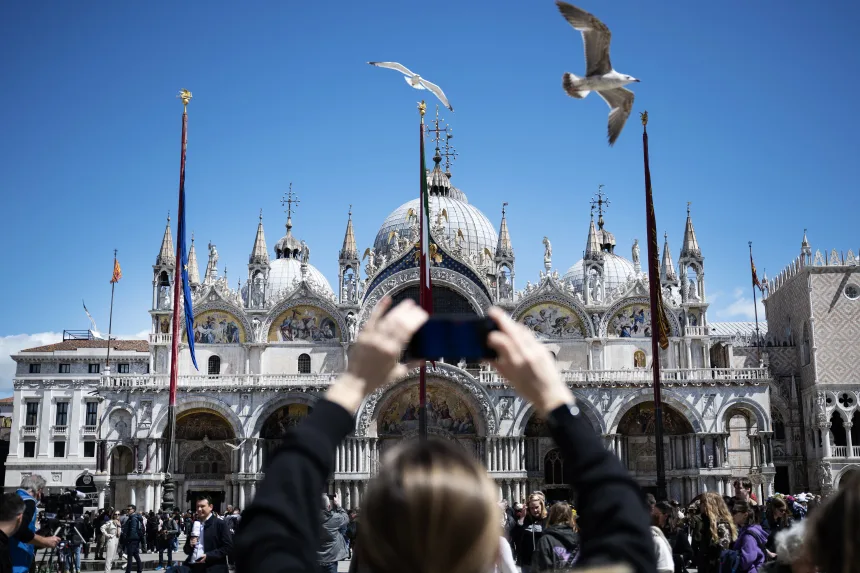
Venice has also seen similar unrest. Recently, locals disrupted a billionaire’s wedding and musicians like Ornello have turned their frustration into art, portraying the streets as so crowded that Venetians feel like “foreigners in their own city.”
Even Paris has not been spared. The Louvre was forced to close temporarily after staff staged a walkout over unsafe overcrowding. These actions signal a broader truth: many Europeans feel they are losing control of their own cities.
“I Told You So”: A Warning Ignored
Courtesy Ornello
Industry veteran Noel Josephides, chairman of Sunvil and former head of major travel associations ABTA and AITO, says the current crisis was predictable. He warned tourism leaders as early as 2013 that rapid expansion of budget airlines, coupled with the rise of Airbnb and other short-term rentals, would create a “perfect storm.”
His forecast proved accurate. Low-cost flights made it easy for millions of travelers to reach once-remote locations. Airbnb fueled a surge in visitor accommodation, often at the expense of local residents. The result: cheap, high-volume tourism that overwhelms infrastructure and inflates housing prices.
Josephides now sides with protestors, even though overtourism harms his own business. “The local populations are quite right,” he says. “It’s out of control.”
The Pandemic’s Strange Legacy
MARCO BERTORELLO/AFP/AFP via Getty Images
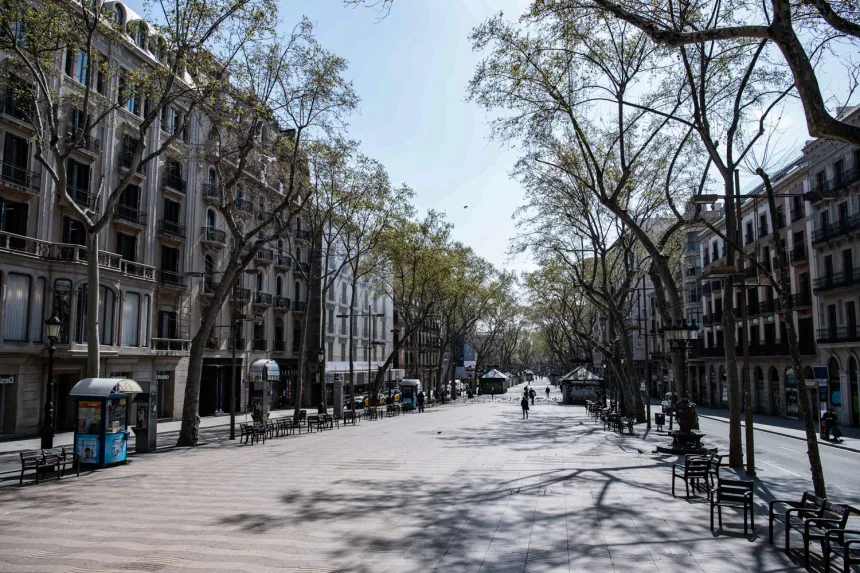
For many Europeans, the Covid-19 lockdowns left a bittersweet memory. With streets empty of visitors, residents in Barcelona heard birds and church bells for the first time in years. In Venice, canals cleared and locals briefly reclaimed their city.
But the relief was short-lived. As soon as restrictions lifted, a surge of “revenge travel” flooded destinations with even greater intensity. Today, locals like Barcelona’s Maite Domingo Alegre say tourism has made daily life unrecognizable.
Shops cater almost entirely to visitors. Airbnb has priced residents out of their neighborhoods. Remote workers have arrived in droves, adding to pressure on housing while contributing little to local culture. “It’s 365 days a year,” Alegre laments.
The Cycle of Overtourism
Sergi Reboredo/Getty Images
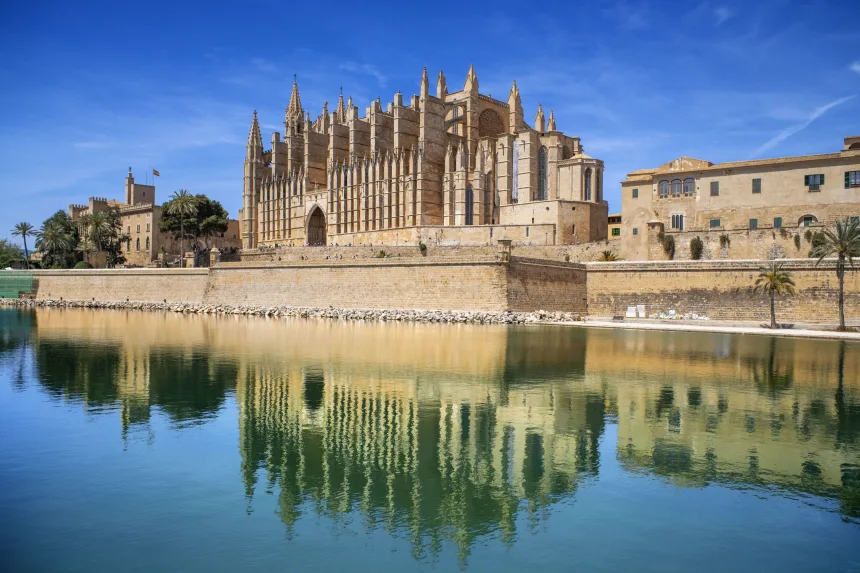
Josephides explains how destinations fall into this trap. At first, boutique tour operators introduce travelers to little-known locations. Word spreads. Budget airlines then swoop in, slashing fares and multiplying flight options. Locals convert homes into rentals, and within a few years, the once “secret” gem is flooded with crowds.
This cycle has repeated across Europe, from the Greek islands to Italian cultural capitals. Josephides points to Samos as the next hotspot. Today, it has just one direct UK flight per week. But with major carriers like TUI and Jet2 rapidly expanding routes, he predicts a tidal wave of visitors will soon reshape the island.
Local Governments Step In
Jakub Porzycki/NurPhoto/Getty Images
Faced with mounting anger, some cities are taking bold steps. Palma de Mallorca has capped cruise ships at three per day, banned short-term rentals in residential zones, and limited hotel beds to 12,000. For any new hotel to open, an old one must close. The city has even set up a €50 million fund to buy and remove outdated budget hotels, reshaping the tourism industry around higher-value, more sustainable visitors.
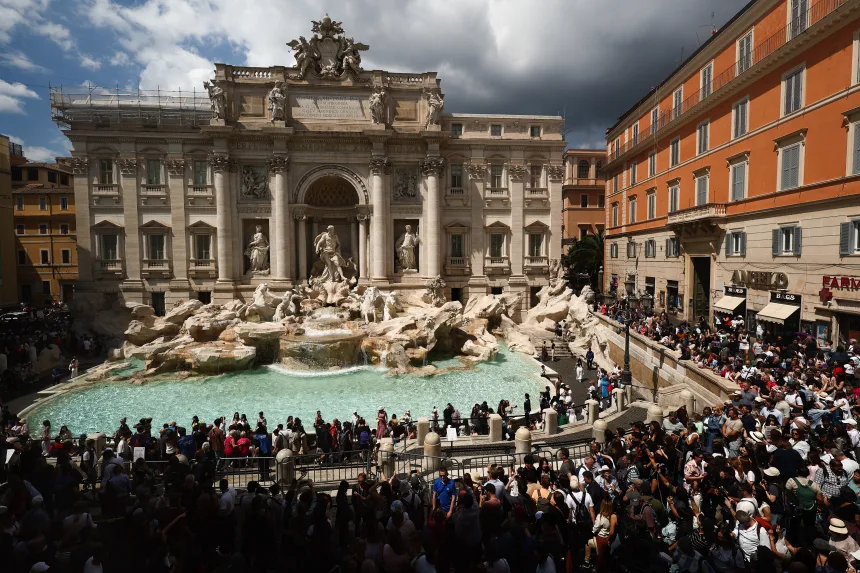
Barcelona announced in July that it will close two cruise terminals by 2026, aiming to reduce the massive influx of day-trippers. Venice, meanwhile, has introduced a day-tripper entry fee that will double in 2025, though locals argue this still commodifies their city.
Other destinations, like Bhutan and Rwanda, use high fees to control numbers, raising questions about who has the “right” to travel. Is tourism a universal entitlement, or should destinations choose the kinds of visitors they want?
Putting Residents First
Salvatore Laport/Getty Images
Experts argue that the only sustainable solution is to center tourism around locals. “A city where residents are not satisfied is a city that doesn’t work,” says Ruben Santopietro, CEO of Visit Italy. Without locals, he warns, cities like Venice risk losing their soul entirely.
Palma has embraced this idea, converting former tourist hotels into housing or green spaces and organizing free cultural events exclusively for residents. The aim is to restore pride and belonging, reversing the sense that locals have been pushed aside.
Social Media’s Role
Another major driver of overtourism is social media. Viral photos of the same landmarks funnel millions of visitors into a handful of sites while leaving others ignored. In Italy, Santopietro launched “The 99% of Italy” campaign, encouraging travelers to discover lesser-known gems like Tropea and Genoa.
The idea is simple: if demand can be spread more evenly, overcrowding may ease in iconic locations like Rome, Florence, and Naples. Incentives such as discounted tickets to major attractions for those who also visit nearby towns could further help disperse visitors.
Housing Crisis and Local Anger
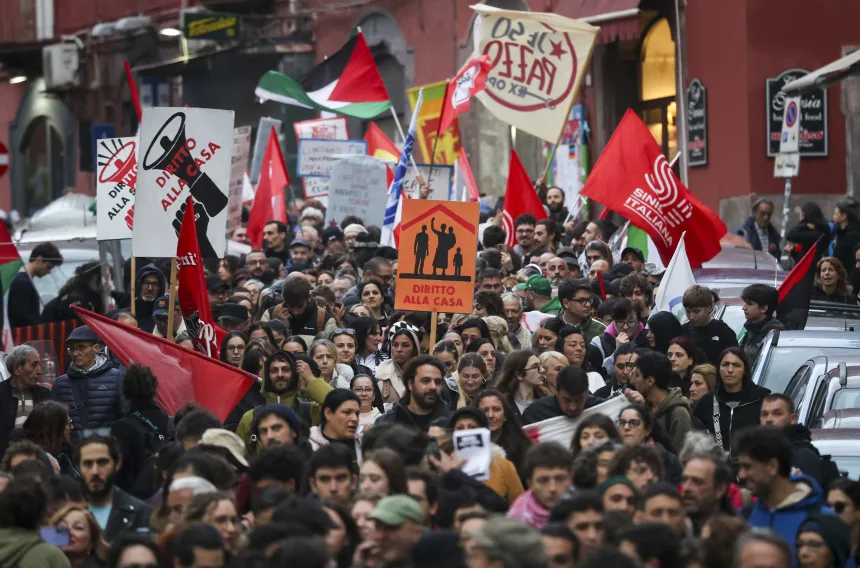
For many protestors, the housing crisis is the most pressing concern. Skyrocketing rents and home prices — driven largely by short-term holiday lets — have forced locals out of historic districts. In Naples, residents marched in March demanding stricter regulation of Airbnb-style rentals.
Associate professor Estrella Diaz Sanchez believes this anger will continue unless governments act. “The solution isn’t to reject tourism; it’s to make it more inclusive and respectful,” she says.
Can Cities Recover?
Despite the current turmoil, Josephides believes destinations can recover. He points to Estoril in Portugal, once a mass-market beach destination in the 1970s, which successfully reinvented itself as a higher-end resort area. But he warns that recovery takes time and strong political will. “It’s much easier for a destination to control its growth rather than repair it afterwards,” he says.
The Future of European Tourism
Overtourism has become one of Europe’s greatest cultural and economic challenges. With locals protesting, governments experimenting with regulation, and experts warning of collapse, the tourism industry stands at a crossroads.
On one hand, travel has become more accessible than ever, democratizing experiences once reserved for the wealthy. On the other, unchecked mass tourism risks destroying the very places people come to see.
The path forward seems clear: sustainable tourism that respects residents, protects housing, and balances economic benefits with cultural preservation. Without it, Europe’s greatest treasures may be lost — not to war or natural disaster, but to the weight of too many footsteps.