
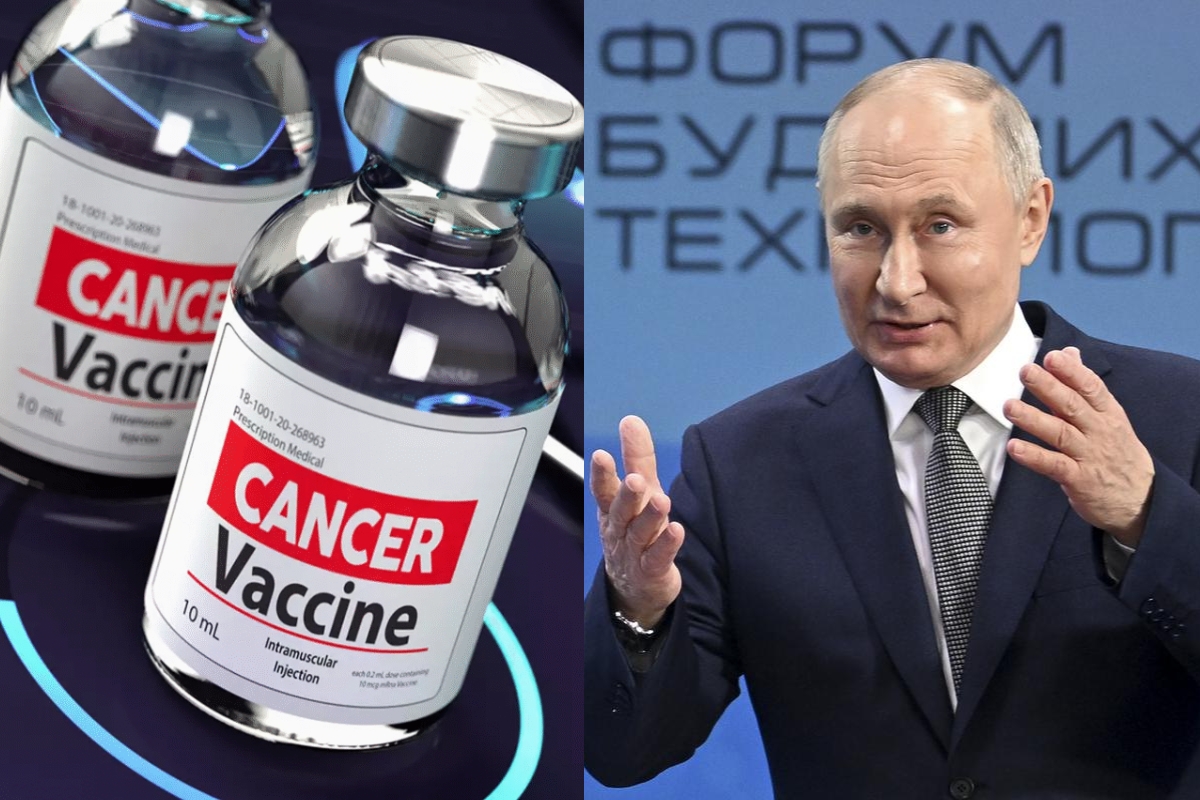
In what could be one of the most significant medical breakthroughs in recent years, Russia has announced the successful clinical trial results of Enteromix, a personalized mRNA-based cancer vaccine. The vaccine has reportedly achieved 100% efficacy and safety, offering new hope in the global fight against cancer.
A Personalized Approach to Cancer Treatment
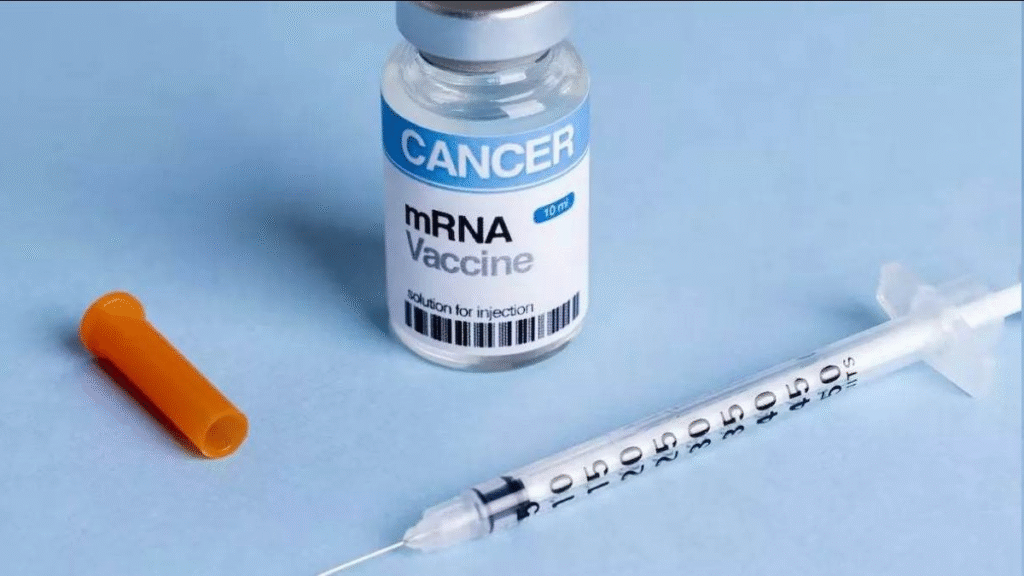
Developed by the Federal Medical and Biological Agency (FMBA) of Russia, Enteromix is designed to be customized for each patient, using their individual RNA profile to target cancer cells. Unlike traditional treatments such as chemotherapy and radiation, which often come with severe side effects, Enteromix trains the immune system to identify and eliminate cancer cells without harming healthy tissues.
FMBA head Veronica Skvortsova confirmed that the vaccine had passed both preclinical and clinical trials, demonstrating not only safety but also strong effectiveness. “The vaccine showed significant results in shrinking tumors, slowing their growth, and was safe for repeated use,” she explained.
Targeting Multiple Cancers
The first version of Enteromix will be introduced for colorectal cancer, with additional forms in development to treat glioblastoma (an aggressive brain cancer) and certain types of melanoma (skin cancer). This adaptability highlights its potential as a versatile tool in oncology.
Technology Inspired by COVID-19 Vaccines
Enteromix was developed using cutting-edge mRNA technology, similar to that used in COVID-19 vaccines. The innovation lies in its dual mechanism:
- Immune Training: Teaching the body to recognize and attack cancer cells.
- Oncolytic Action: Using four harmless viruses to specifically target and destroy tumors while boosting immune defenses.
This multi-pronged approach makes it different from standard cancer therapies, which often weaken the body over time.
Clinical Trial Success and Patient Tolerance

Earlier trials began with 48 volunteers, conducted by Russia’s National Medical Research Radiology Centre in collaboration with the Engelhardt Institute of Molecular Biology (EIMB). The results, revealed at the St. Petersburg International Economic Forum (SPIEF 2025), showed that patients tolerated the vaccine well, with no serious side effects.
Unlike chemotherapy, which can cause nausea, hair loss, and immune suppression, Enteromix was described as both effective and patient-friendly.
What Comes Next?
With clinical trials complete, the vaccine now awaits final regulatory approval from Russia’s Ministry of Health. If cleared, Enteromix could become the world’s first personalized mRNA cancer vaccine available to the public.
Experts believe its approval could transform cancer treatment globally, potentially saving millions of lives and changing how oncology is approached in the 21st century.