
The Mediterranean stretches across centuries of stories and shifting coastlines. Greece offers ruins and legends shaped by time, while Turkey blends ancient trade routes with daily life that still hums through its streets. A cruise through this region feels like moving between chapters of history, where each port brings a different rhythm, flavor, and pace.
Our own Mediterranean cruise traced a wide arc through Greece, Italy, Spain, and beyond. Routes here are rarely fixed. Depending on the itinerary, ships may dock along the Adriatic or reach the edges of North Africa, with stops ranging from Montenegro to Morocco. That flexibility gives every sailing its own character, even when the sea remains the same.
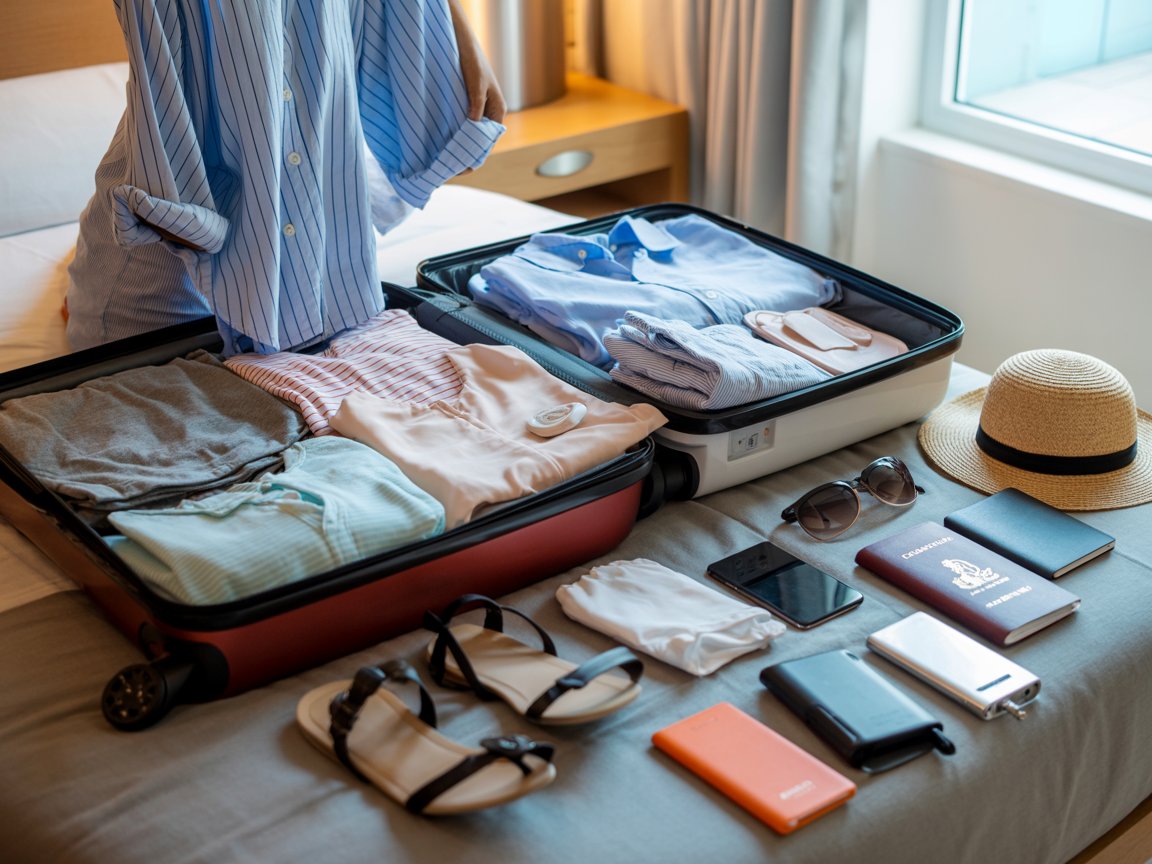
Packing for such a wide mix of climates and cultures can feel heavy at first. A well-planned Mediterranean cruise packing list helps simplify decisions, from clothing choices to items best left at home. It also answers common questions about onboard wear, shore excursions, and small details that often catch travelers off guard before they ever step on deck.
21 Smart Essentials for a Cruise Trip
1. Neck Wallet
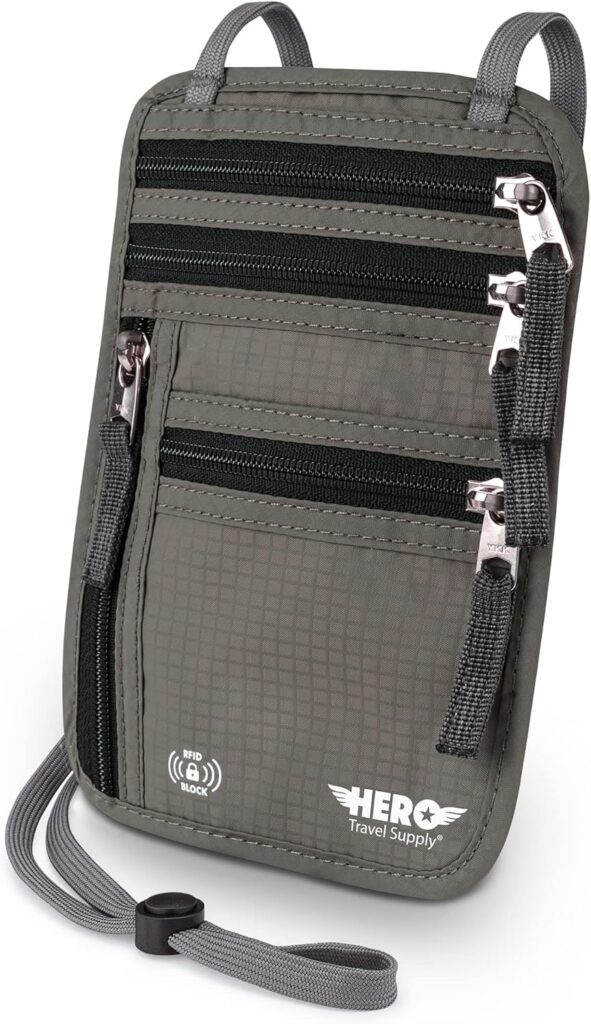
Cruise terminals, transit hubs, and packed city centers often create the perfect cover for quick-handed thieves. The moment you step off the ship, you’re moving through unfamiliar streets where attention is divided between maps, photos, and crowds.
A neck wallet keeps essential items gathered in one secure place. It has room for your passport, phone, cards, and a bit of cash, with separate sections that prevent constant digging or fumbling. Wearing it beneath your shirt adds an extra layer of discretion, especially during flights, train transfers, or long walking days.
This small accessory can make a noticeable difference in how relaxed you feel while out exploring. With valuables kept close to your body and out of sight, it’s easier to move freely, enjoy the surroundings, and stay focused on the experience instead of security worries.
2. Lipstick-Sized Portable Charger
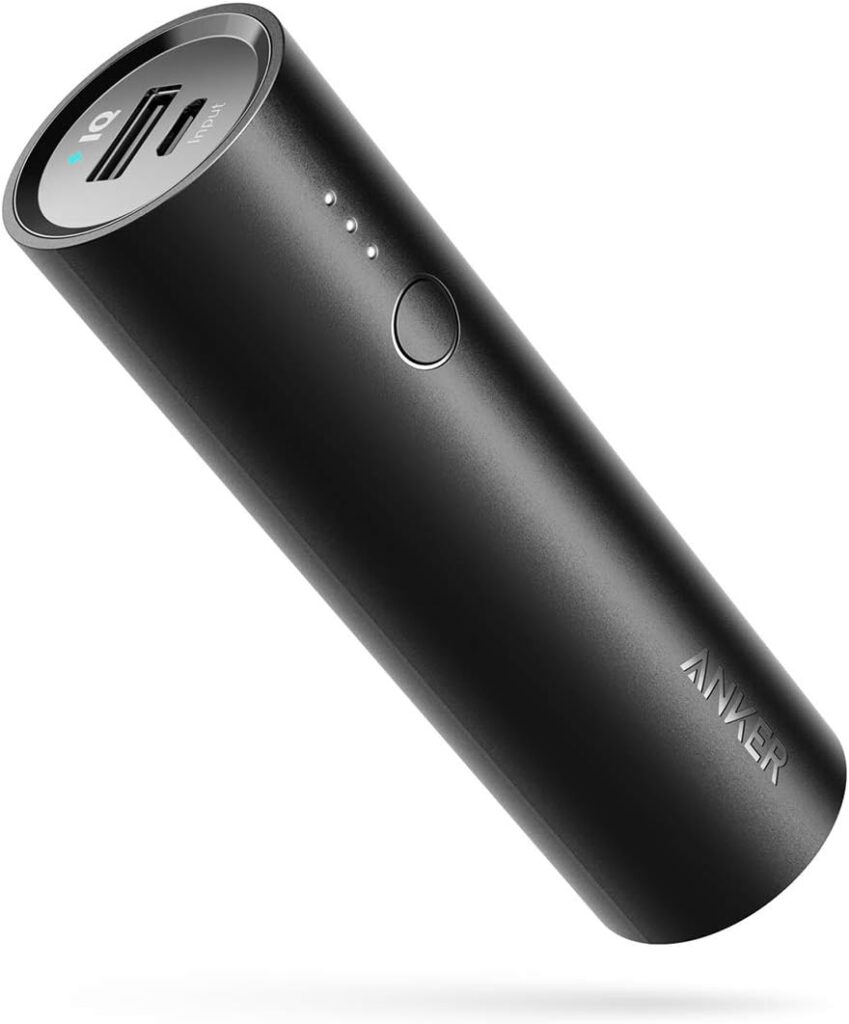
Long port days tend to stretch phone batteries thin. Between photos, messages, ride apps, and maps, power drains faster than expected, especially when outlets are nowhere in sight.
A lipstick-sized portable charger slips easily into a day bag or pocket without adding weight. It gives your phone a quick boost while you’re walking between sights, sitting at a café, or waiting for transport.
Having backup power changes how you use your phone throughout the day. You can capture moments, check directions, and stay connected without cutting activities short just to hunt for a wall socket or return to the ship early.
3. Virtual Private Network (VPN)
Internet access at sea and in port cities often comes with hidden risks. Public Wi-Fi networks, whether onboard or in cafés near the docks, can leave personal data exposed. Online threats have risen sharply in recent years, and travel hotspots are frequent targets. After dealing with a stolen credit card number during a stay that appeared secure, I learned how quickly things can go wrong without protection.
A VPN adds a critical layer of privacy by masking your connection and shielding sensitive details like passwords and financial information. It works quietly in the background, letting you browse, message, and manage bookings without broadcasting your data to unknown parties nearby.
There’s also a practical bonus beyond security. A VPN gives access to servers across multiple countries, allowing you to view websites as if you were back home. This can bypass regional blocks and sometimes avoids inflated prices tied to location. NordVPN stands out for its unlimited data and anonymous IP setup, making it a low-cost tool that pays off quickly during long trips abroad.
4. International Power Adapter
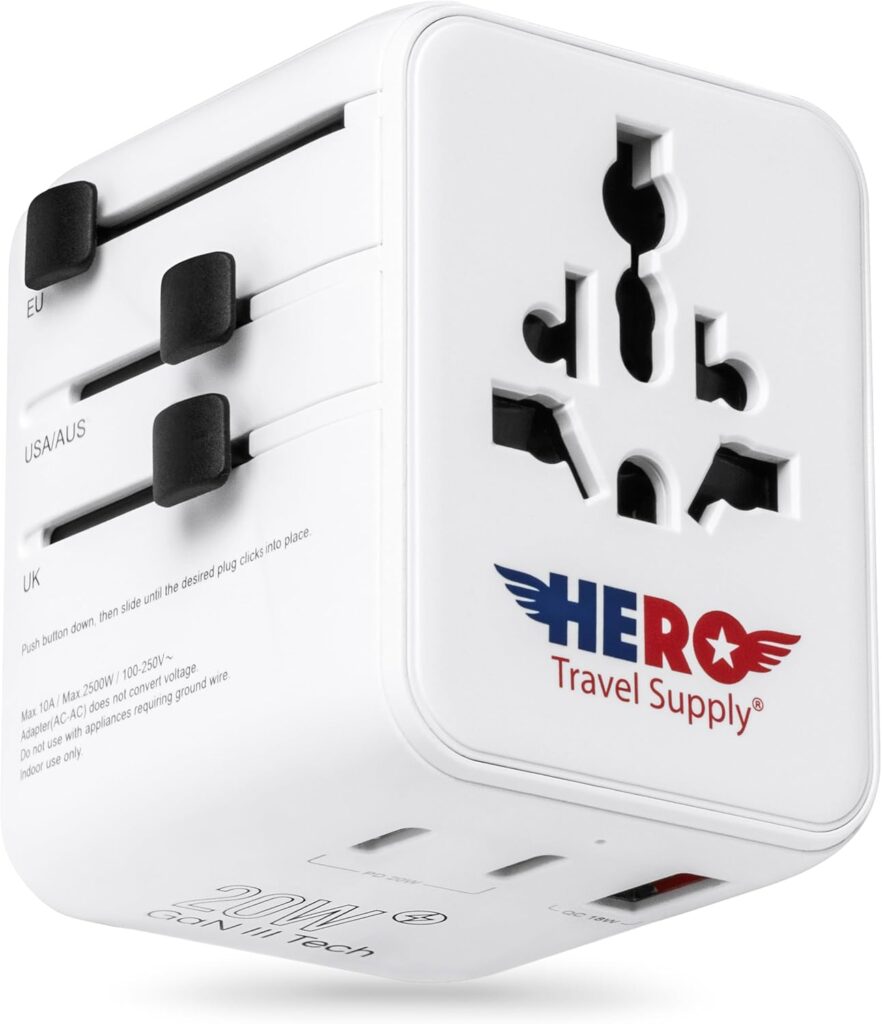
Electrical outlets change quickly once you move between countries, and a cruise itinerary often means several standards in a short span of time. Without the right adapter, even fully charged devices can turn useless the moment you reach a new port.
An international power adapter keeps your electronics ready wherever the ship docks. It allows phones, cameras, and small gadgets to connect safely in hotels, terminals, and cafés across multiple regions.
Choosing one that works in over 100 countries removes a lot of guesswork from daily travel. A lifetime replacement promise also adds peace of mind, making it a dependable item that earns its space in your bag trip after trip.
5. Waterproof Phone Case
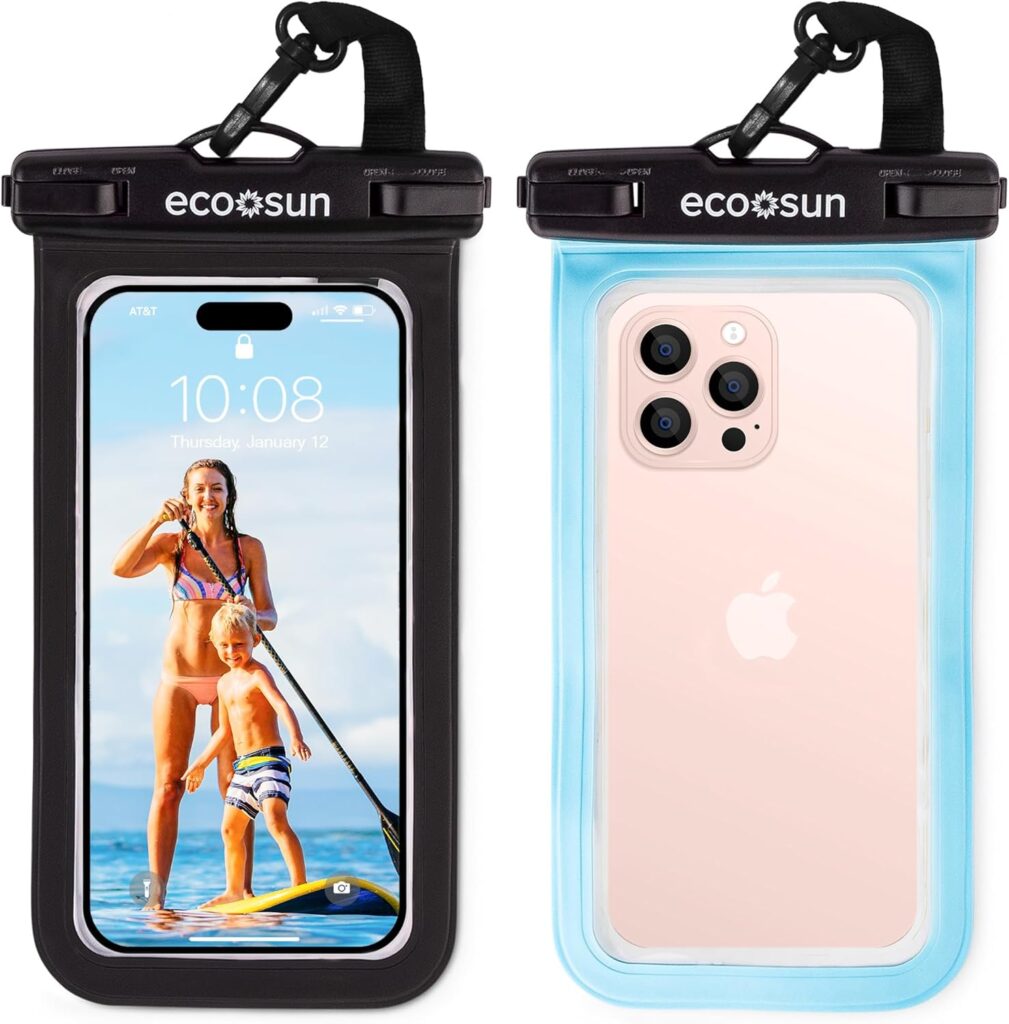
Water and smartphones have a long history of ending badly. Pool days, boat excursions, and beach stops all raise the risk, especially when your phone rarely leaves your hand.
A waterproof phone case adds a simple layer of protection while still letting you take photos or quick videos near the water. Whether you’re floating in the pool or standing ankle-deep along the shore, your phone stays sealed and functional.
This case also brings a bit of reassurance during active days. Made by a woman-owned company based in Hawaii, it’s an affordable safeguard that can prevent an expensive accident and keep your most-used device working throughout the trip.
6. Travel Insurance for Cruising
Traveling across borders comes with risks that are easy to overlook until something goes wrong. Most domestic health plans stop at national lines, and medical care abroad can carry staggering costs. A medical evacuation from a cruise ship alone can run into the tens of thousands, long before any hospital treatment begins.
Travel insurance acts as a financial safety net when plans unravel. It can cover issues like delayed flights, missing luggage, stolen belongings, and unexpected medical bills that would otherwise land squarely on you. That kind of backup matters when moving quickly from port to port with little room for error.
Faye stands out for handling everything digitally, from policy details to claims, all through a mobile app. You can also monitor flights in the same place, which simplifies logistics on busy travel days. Some destinations even require proof of insurance, making coverage less of a luxury and more of a basic travel requirement.
7. Luggage Straps
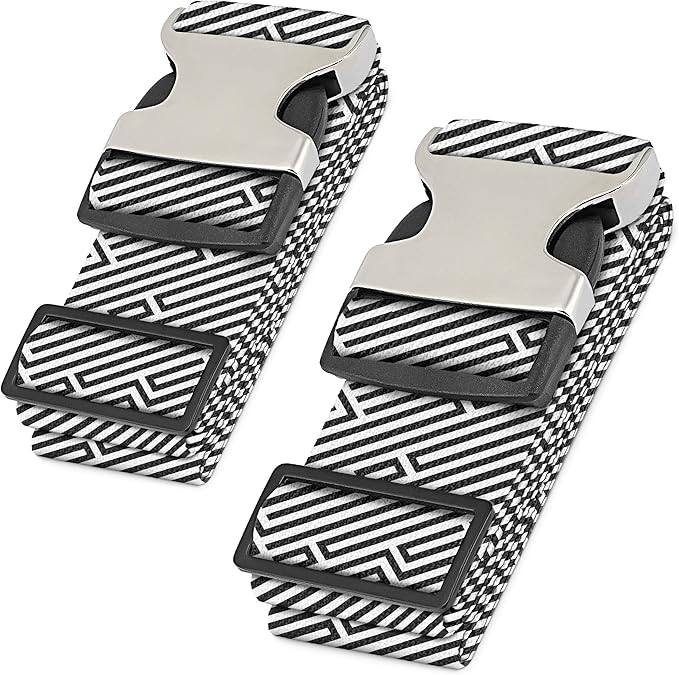
Suitcases spend a surprising amount of time away from you on a Mediterranean cruise. Flights to the departure port mean checked bags, rushed transfers, and handling that isn’t always gentle. Once at the terminal, luggage is scanned, sorted, and stacked before it ever reaches your cabin, often mixed among hundreds of nearly identical cases.
Luggage straps help bring order to that chaos. They wrap securely around most suitcase sizes, keeping zippers closed and handles from shifting during transit. Their bold colors also make your bag stand out quickly on a carousel or in a crowded storage area, especially if your suitcase blends in at first glance.
These straps are simple but effective. They add minimal weight, allow for security inspections without hassle, and give extra peace of mind during long travel days. For such a small item, they can save time, reduce stress, and spare you from rummaging through a sea of look-alike bags.
8. Motion Sickness Patches
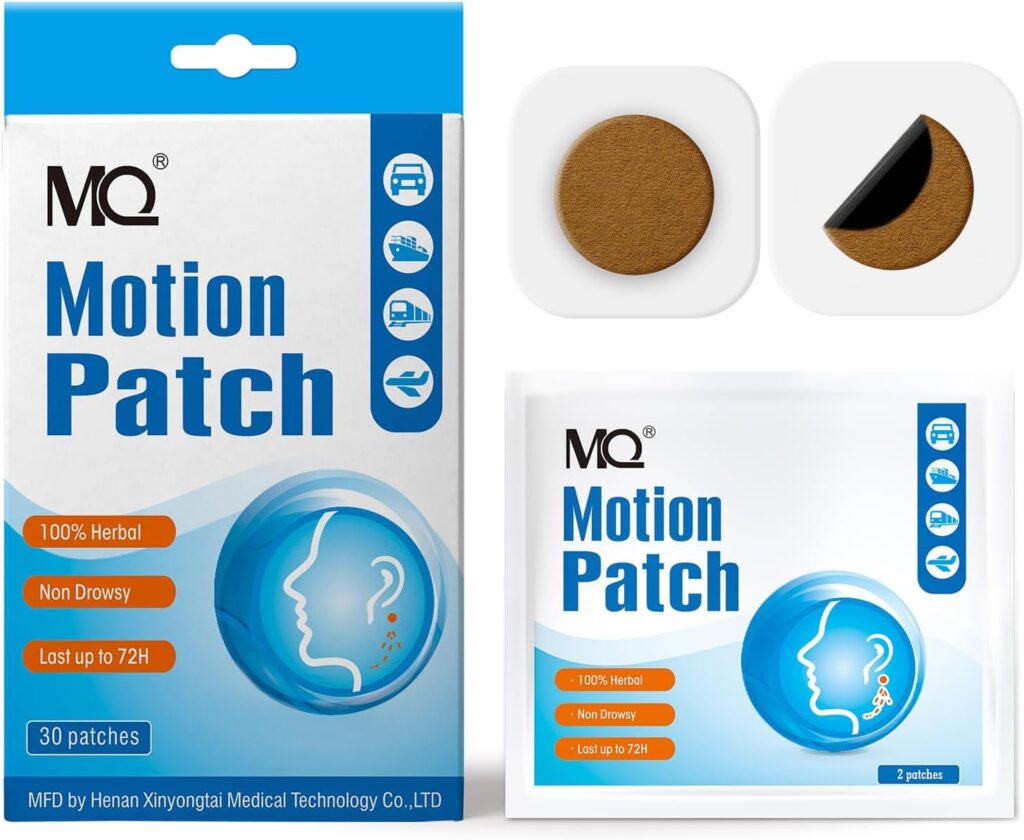
Even large cruise ships can feel unsettled during the first days at sea, and coastal transfers on smaller boats tend to amplify every swell. Add in winding European roads on shore excursions, and nausea can arrive faster than expected.
Motion sickness patches offer steady relief without the need to time pills or carry liquids. Once applied, they work quietly in the background, helping keep dizziness and queasiness at bay during sailings, ferry rides, or long bus trips.
Packing a few patches takes up almost no space, yet they can save an entire day from feeling off-balance. For travelers sensitive to movement, this small item often becomes one of the most appreciated additions to a cruise bag.
9. Hanging Toiletry Bag
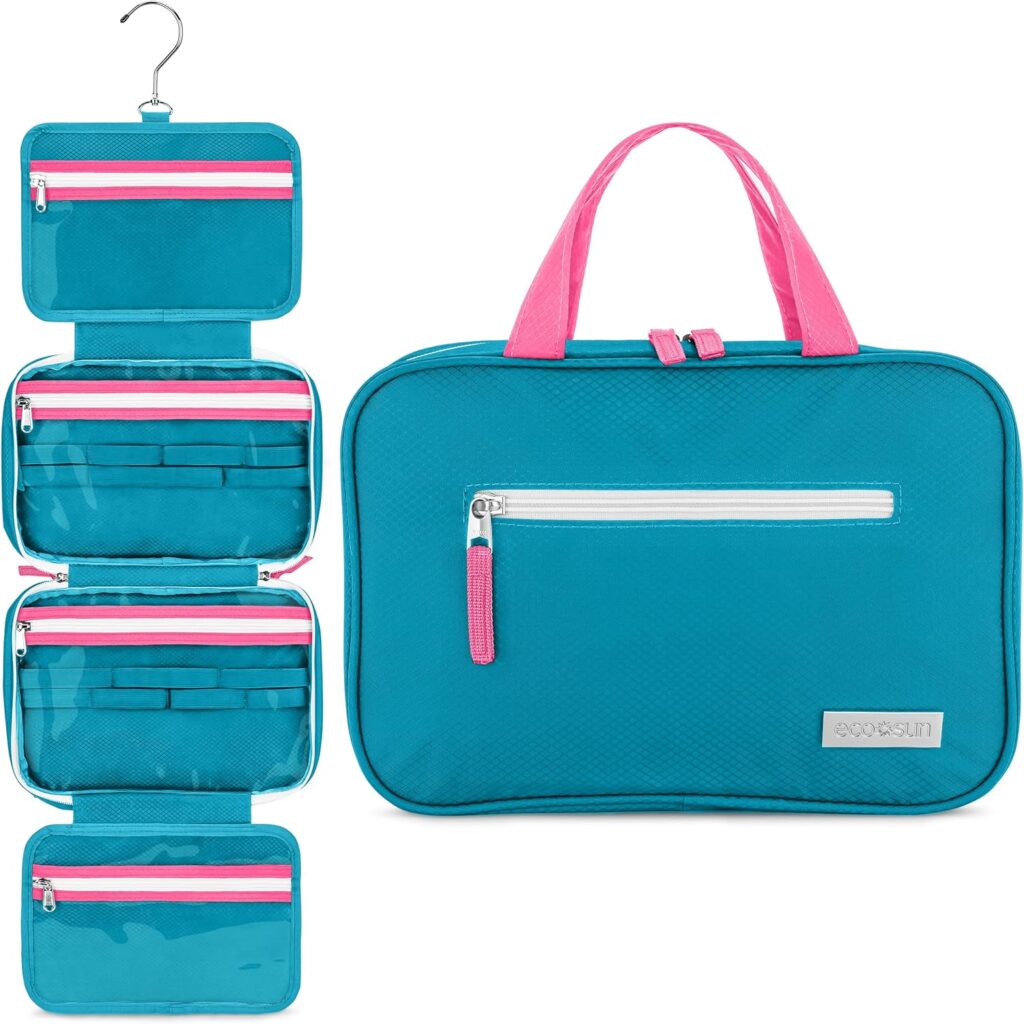
Cruise bathrooms are famously tight. Limited floor space, narrow showers, and almost no counter room make it hard to keep everyday items within reach, especially once multiple products enter the mix.
A hanging toiletry bag solves this by using vertical space instead of fighting for the sink. With several fold-out compartments for hair care, skin care, and makeup, plus smaller outer pockets for odds and ends, everything stays visible and separated. Hanging it on a door, hook, or shower bar turns dead space into an easy-access storage area.
This setup keeps bottles from sliding, tipping, or rolling with the motion of the ship. When it’s time to move on, the bag folds back into a compact shape in seconds. It’s a simple system that brings order to a space that rarely offers any.
10. Quick-Dry Travel Towel
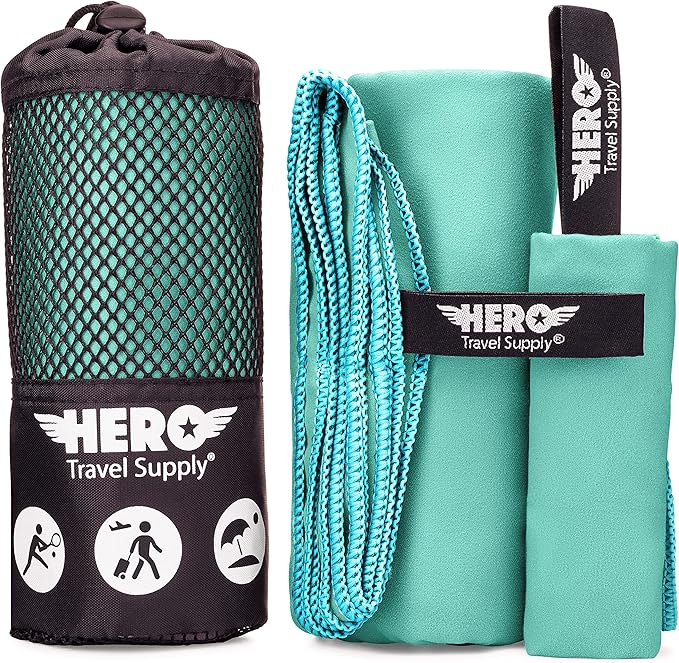
Cruise cabins come stocked with plush towels, but those aren’t practical once you step ashore. Long walks through island towns, beach stops, or waterfall visits call for something that won’t weigh down your bag or stay damp for hours.
A quick-dry travel towel handles moisture fast and packs down small. It absorbs water efficiently and dries far quicker than standard cotton, making it easy to reuse the same day without that lingering wet feel.
Its usefulness stretches beyond drying off. The towel can double as a seat layer on stone steps, a wrap against the breeze, a soft buffer between fragile items, or even a makeshift changing screen. One compact item, many purposes, and no extra bulk.
11. Europe eSIM Data Service (Skip Roaming Fees)
Cruise connectivity can be unpredictable, and traditional roaming charges add up fast once you cross borders. Relying on a home carrier often leads to inflated bills for even basic data use, especially during port days packed with map checks and quick searches.
A Europe eSIM offers a cleaner workaround. Saily runs as a fully digital service covering more than 200 destinations, including major Mediterranean stops like Italy, Spain, France, Greece, Malta, and Croatia. There’s no need to hunt for physical SIM cards or swap hardware between countries.
Activation happens as soon as you arrive, giving steady internet access from the moment you dock. Whether you’re sending photos, checking directions, or translating a menu, data is ready without tapping into public Wi-Fi or dealing with surprise fees along the way.
12. Swimsuits
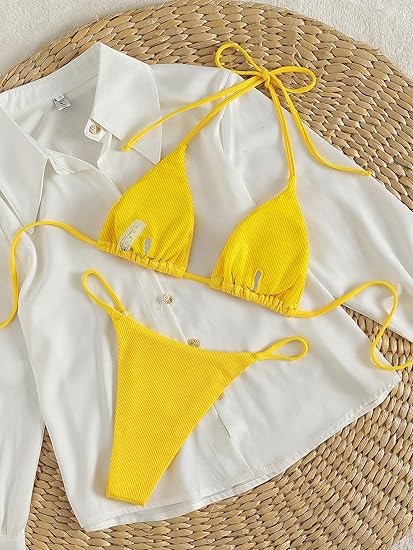
Beach days come quickly on a Mediterranean cruise, especially along the shores of Portugal and the warm inlets of coastal Croatia. Swimwear norms here are relaxed, and travelers often notice a broader range of styles than at home.
Thong-style bottoms are widely seen, and topless sunbathing is common on many beaches, so forgetting a bikini top won’t raise eyebrows. The atmosphere tends to be casual and confident, with fewer unspoken rules about coverage.
For men, simpler cuts blend in best. Shorter swim trunks or fitted briefs are common choices and feel natural in these settings. Packing a couple of options lets you adjust easily from ship pools to public beaches without feeling out of place.
13. Packing Cubes
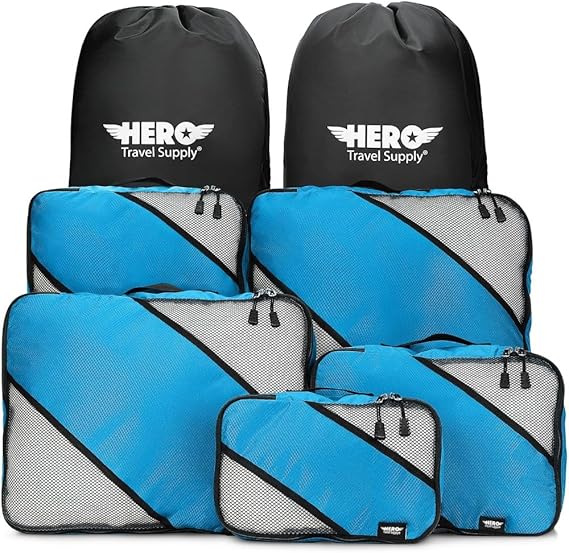
Suitcases can turn chaotic fast on a cruise, especially when you’re unpacking and repacking across multiple ports. Packing cubes help divide clothing and accessories into clear sections, cutting down on mess and repeated rummaging.
Using cubes makes transitions smoother. Clean clothes, worn items, and shoes each get their own space, so everything stays separated instead of shifting around mid-trip. Sets with multiple sizes allow better control over how items are grouped, whether by outfit, category, or day.
Many cubes also include extras like a laundry pouch and shoe bag, along with label panels that show what’s inside at a glance. This small system saves time, keeps your suitcase orderly, and makes settling into a cabin—or moving on—much easier.
14. Jet Lag Relief

Long-haul flights into the Mediterranean often leave your internal clock scrambled. Layovers, overnight travel, and sudden time shifts can drain energy before the cruise even begins, making the first days feel heavier than expected.
A jet lag relief supplement can soften that landing. I’ve noticed a clear difference when using this product, especially during multi-leg journeys where rest is uneven and sleep windows feel off. It supports recovery without forcing alertness at the wrong hours.
What sets this option apart is its formula. Ingredients like chamomile and other botanicals work gently, helping the body reset without relying on caffeine or harsh stimulants. The result is steadier energy and a smoother transition into local time, right when you need it most.
15. Windproof Travel Umbrella
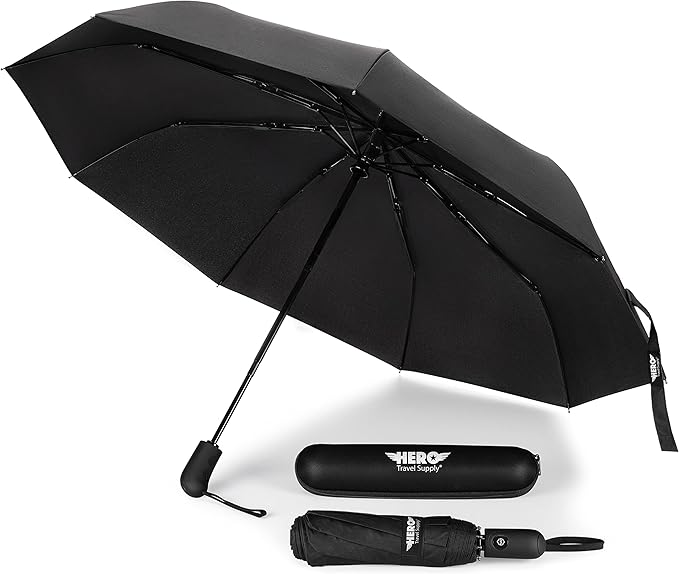
Weather around the Mediterranean can shift quickly, especially outside peak summer. Winter trips often bring light rain paired with mild temperatures, while shoulder seasons still see surprise showers that arrive without much warning.
A windproof travel umbrella handles these conditions far better than standard models. It stands up to sudden gusts and steady drizzle, keeping you dry while walking through ports, transit stops, or city streets between activities.
Even during summer sailings, brief rainfalls aren’t unheard of. Carrying a compact umbrella takes up little space and saves you from cutting plans short when clouds roll in unexpectedly.
16. Discounted Tickets on Mediterranean Tours
Port days open the door to a wide range of shore activities, from cycling along Marseille’s waterfront to boat rides tracing the coast near Valencia. Having tours lined up ahead of time saves guesswork and helps you make the most of limited hours on land.
GetYourGuide is a reliable option for booking local experiences with flexible cancellation policies. It brings together guided walks, food tours, and day trips in one place, which simplifies planning across multiple stops.
Highlights can include wandering the streets of Dubrovnik’s Old Town, standing beneath the Acropolis in Athens, tasting classic pizza in Naples, or viewing the dramatic cliffs along the Amalfi Coast. Pre-booked tickets let you step straight into these experiences without scrambling at the port.
17. Rolling Suitcase
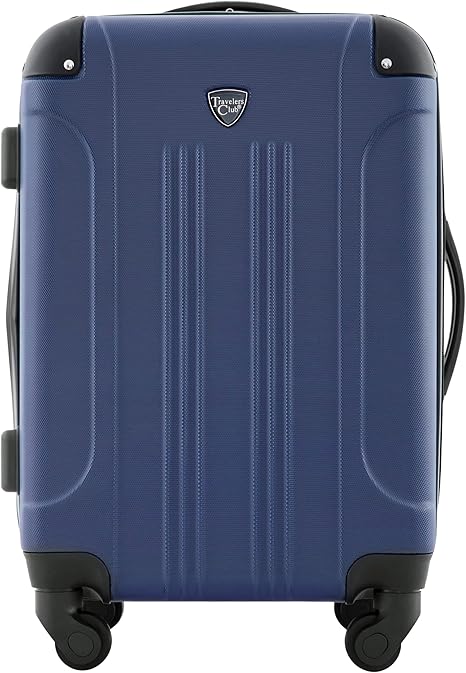
Cruise travel involves more handling than many trips, from flights to port transfers to ship boarding. A dependable suitcase helps keep clothing and personal items contained as your bag moves through multiple checkpoints.
A hardshell rolling suitcase adds an extra layer of protection during transit. Its rigid exterior shields contents from pressure and bumps, while the interior space allows room for different outfits, shoes, and accessories without feeling cramped. Once onboard, it fits neatly in the cabin without constant rearranging.
Smooth-rolling wheels make a noticeable difference on long walkways, ramps, or sloped streets near ports. Instead of dragging weight on your shoulders, you can move comfortably between terminals, hotels, and the ship with far less strain.
18. TSA-Approved Luggage Locks
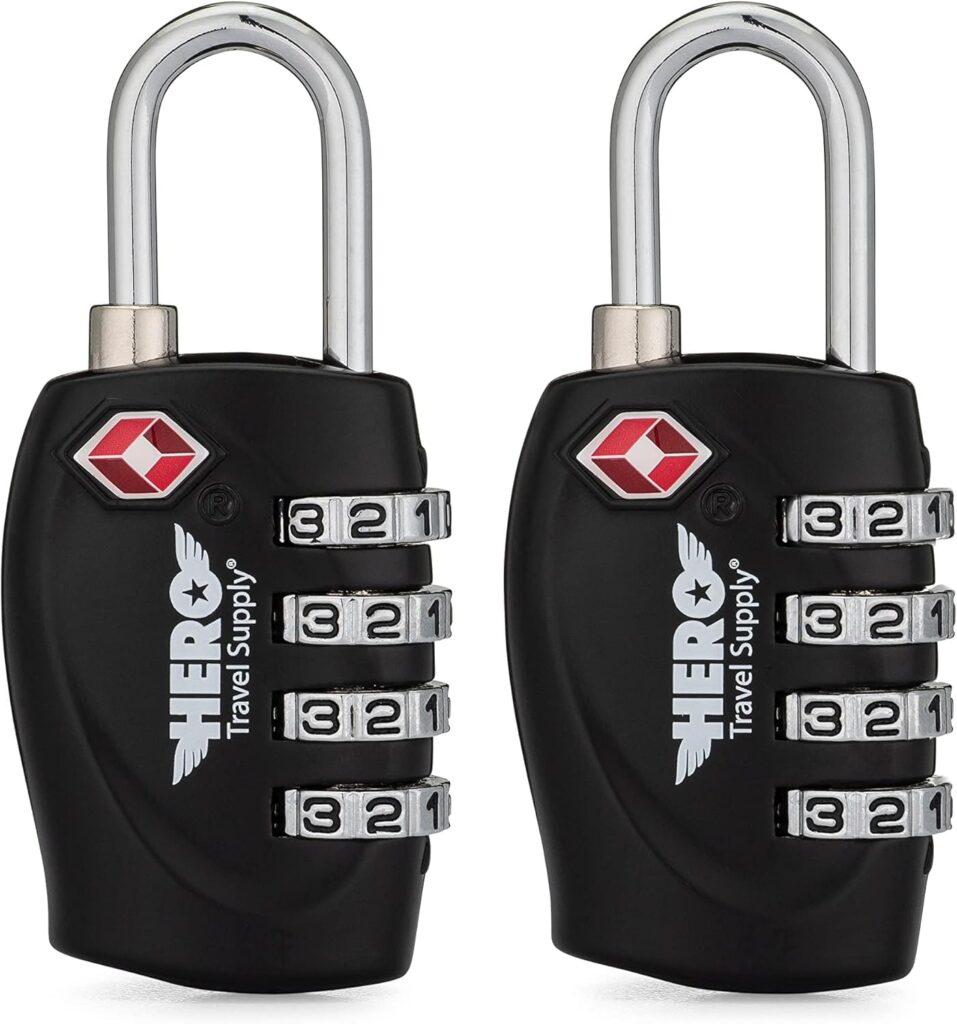
Luggage spends long stretches away from you during a cruise, starting with international flights and continuing through ship boarding and final disembarkation. Bags are often handled, stored, and staged out of sight, which can leave travelers uneasy about what happens in between.
TSA-approved luggage locks add a simple layer of security during those gaps. They keep zippers closed while still allowing airport security to inspect bags without damage. This balance helps protect belongings without causing delays or broken hardware.
These locks also prove useful beyond suitcases. They work well on carry-ons, daypacks, lockers, and even purses. Packing two sets per trip offers flexibility and a little extra confidence whenever your bags are out of reach.
19. Packable “Just in Case” Bag
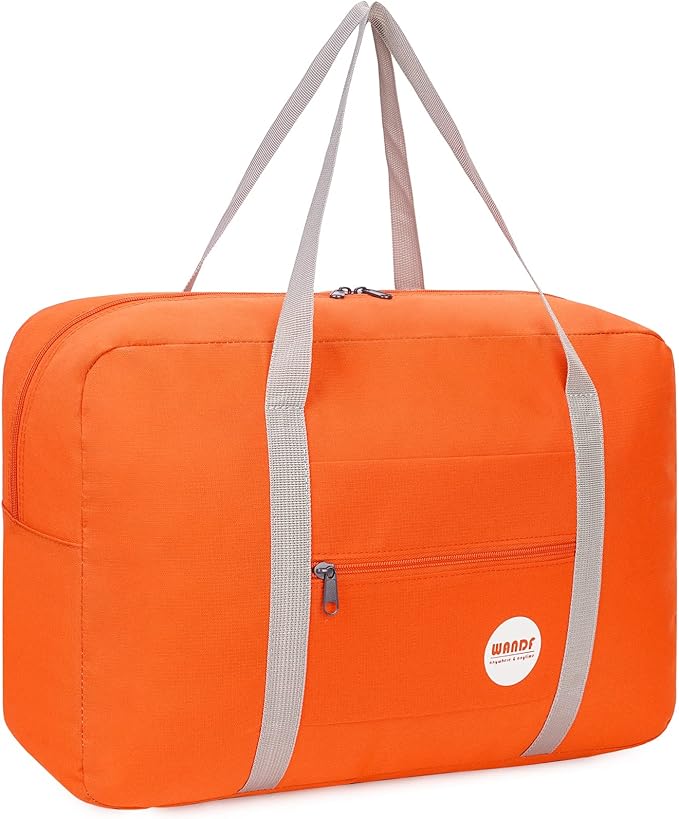
Shopping tends to sneak up on you during a cruise. Local markets and small shops make it hard to leave empty-handed, and luggage space rarely looks as generous on the return trip as it did at departure.
A packable “just in case” bag solves that problem neatly. It folds down small, then opens up when you need extra room for olive oil, spices, handmade pieces, leather items, or thoughtful gifts picked up along the way.
For breakable purchases like perfume, wine, or glass bottles, added padding matters. Packing cushions such as Wine Wings help absorb rough handling during flights and transfers, giving fragile items a much better chance of arriving home intact.
20. Swimsuit Cover-Up

Beach days rarely stay confined to the shoreline. Moving from the water to cafés, small shops, or back onto the ship often calls for a quick layer that feels effortless but appropriate.
A swimsuit cover-up or sarong handles that transition smoothly. Many restaurants, both onboard and in port towns, require more than swimwear alone, making a lightweight wrap and sandals an easy fix without a full outfit change.
Casual styles work best for repeated wear. A simple cover-up can look polished enough for lunch yet relaxed enough for the beach, and it tends to draw compliments without trying too hard.
21. Sun Hat

Long hours outdoors are part of cruise life, whether you’re walking through port towns or stretching out on the ship’s open decks. Constant sun exposure adds up quickly, especially during midday excursions.
A sun hat offers practical protection by shading your face and keeping glare at bay. It also helps reduce direct heat on your head, making warm days feel more manageable while you’re on the move.
Beyond function, a good hat adds polish to casual outfits. It pairs easily with beachwear or day clothes and brings a clean finish to photos without much effort.
Related Post:
- Complete Cruise Packing List for Women for a Smooth Sailing Experience.
- The Ultimate Cruise Packing List for a Stress-Free Journey.
- Complete Disney Cruise Packing List with a Free Printable Guide.
What to Wear on a Mediterranean Cruise
Clothing choices matter more than they first appear on a Mediterranean cruise. Sea days call for easy pieces like airy dresses, light cover-ups, relaxed shorts, and soft tees that work well under the sun or in shaded lounges.
Port days bring a different rhythm. Walking through European cities is far more comfortable in casual outfits that still look put together—think rompers, breathable tops, and supportive sneakers. It also helps to pack one or two polished looks for dinners, shows, or evenings ashore.
Accessories pull everything together. Sunglasses, sun hats, and sandals quickly become daily essentials. Weather can shift between destinations, so layering pieces earn their place. Items that mix, match, and serve more than one purpose keep your suitcase lighter without limiting your options.
Packing for the Seasons on a Mediterranean Cruise
The Mediterranean follows a familiar seasonal pattern, with summers that run hot and winters that stay relatively mild. Weather shifts across the year, and so do crowd levels. Summer draws the largest numbers, while spring and fall offer a quieter pace with comfortable temperatures. No matter the season, clothing that layers well makes adapting to daily changes far easier.
SUMMER – June, July, August
Summer sailings bring long sunny days and warm water, which explains their popularity. Expect busy ports and lively streets, along with heat that builds through the afternoon. Light fabrics work best—swimwear, breathable shorts, tank tops, cover-ups, and strong sun protection should all be in rotation. Rain is uncommon, but shade becomes valuable.
FALL – September, October, November
Autumn offers softer light and cooler air that suits long walks through historic streets. Crowds thin out, prices often ease, and days feel calmer overall. Bring light layers such as jeans, breathable tops, scarves, and a compact rain jacket for occasional showers.
WINTER – December, January, February, early March
Winter stays gentle compared to much of Europe, though rain appears more often. A warm coat, waterproof layers, and a wind-resistant umbrella go a long way. Fewer visitors mean easier movement through ports, and seasonal markets can add a festive touch to select destinations.
SPRING – March, April, May
Spring balances warmth and comfort. Days grow brighter without the intensity of summer heat, and peak-season crowds haven’t fully arrived yet. Pack lightweight layers that can shift with changing temperatures, along with comfortable walking clothes suited for full days ashore.
What Not to Bring on a Mediterranean Cruise
Packing smart also means knowing what to leave behind. Cruise lines follow strict rules, and ignoring them can slow boarding or lead to items being confiscated before you ever reach your cabin.
1. Firearms, ammunition, or weapons
Cruise ships prohibit all weapons, including guns, ammunition, knives, swords, daggers, and similar items. These rules are non-negotiable, so anything that could be classified as a weapon should stay at home.
2. Homemade or perishable food
Pre-cooked meals, fresh foods, and homemade items are generally not allowed onboard. Packaged snacks are usually fine, and most cruise lines can accommodate dietary needs if requests are made in advance.
3. Large coolers
Coolers are typically restricted. The main exception applies to medical needs, baby food, or specific dietary requirements, where small coolers may be permitted with approval.
4. Alcohol and hard liquor
Policies vary by cruise line, but bringing personal alcohol is often limited or banned altogether. Some ships allow sealed wine or beer, while others don’t. Alcohol is readily available for purchase once you’re onboard, so carrying your own is rarely necessary.
What Clothing to Avoid on a Mediterranean Cruise
Overpacking is one of the easiest mistakes to make. Bulky pieces and fabrics that crease easily take up space and often go unworn. Clothes that can be reused, mixed, or styled in different ways keep your suitcase lighter and far easier to manage.
Flashy outfits and high-value accessories can draw unwanted attention in busy ports and transit areas. Subtle, practical choices tend to blend in better and reduce the risk of petty theft while moving through crowded streets.
There’s plenty of flexibility with cruise attire. Keep things relaxed while onboard, then shift to slightly sharper looks for time ashore. Simple, comfortable clothing usually works best across both settings without overthinking every outfit.