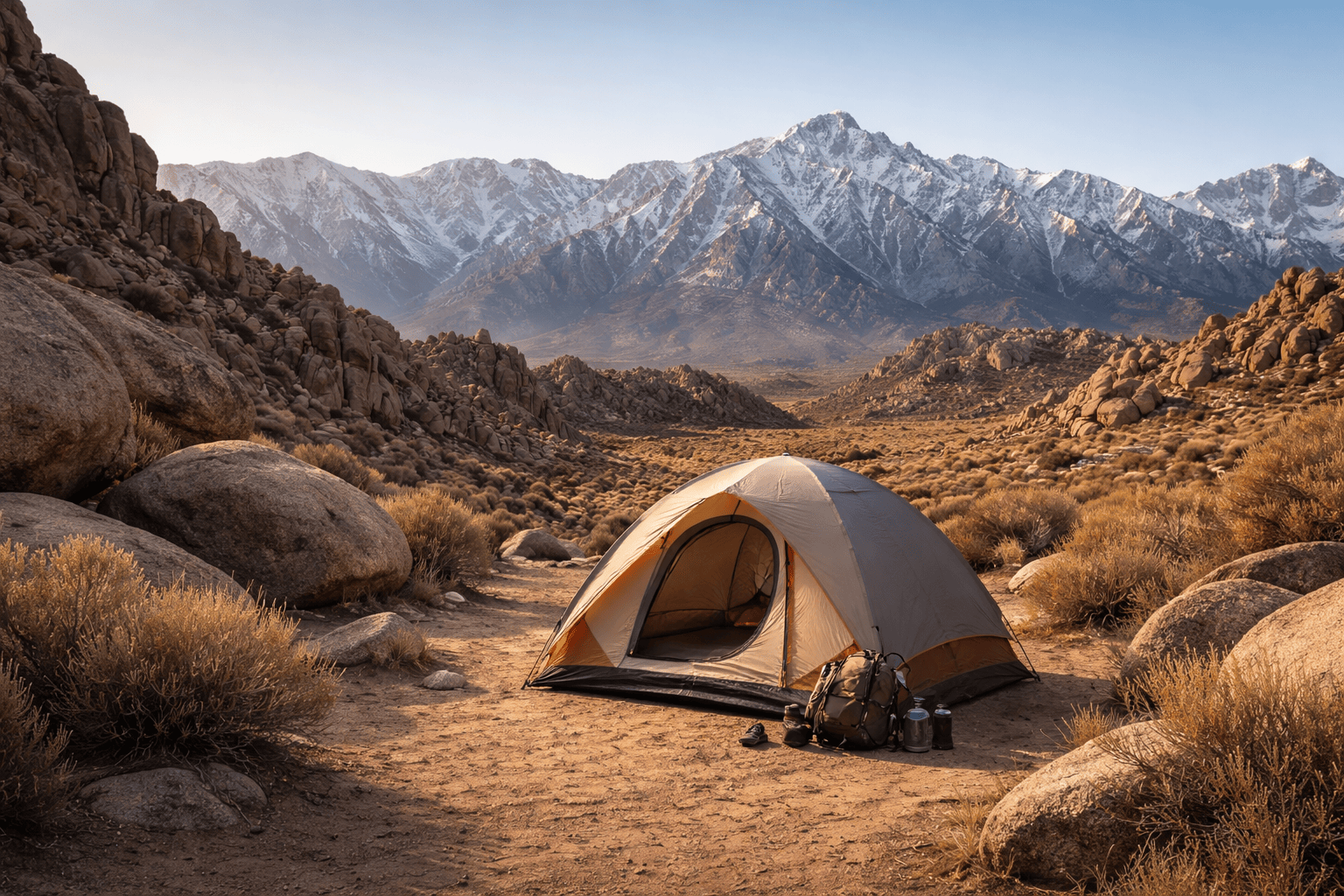
Want to know what changed my mind about camping with kids? It came down to one thing: packing better from the start. I still believe families grow closer outdoors, but I also learned that the right gear can turn a stressful trip into a fun one. After plenty of trial and error, I put together this camping checklist for families who want a smoother first experience. Camping with kids does not have to feel chaotic. With the right setup, it can feel comfortable, simple, and full of good memories.
Shelter Essentials
Tent
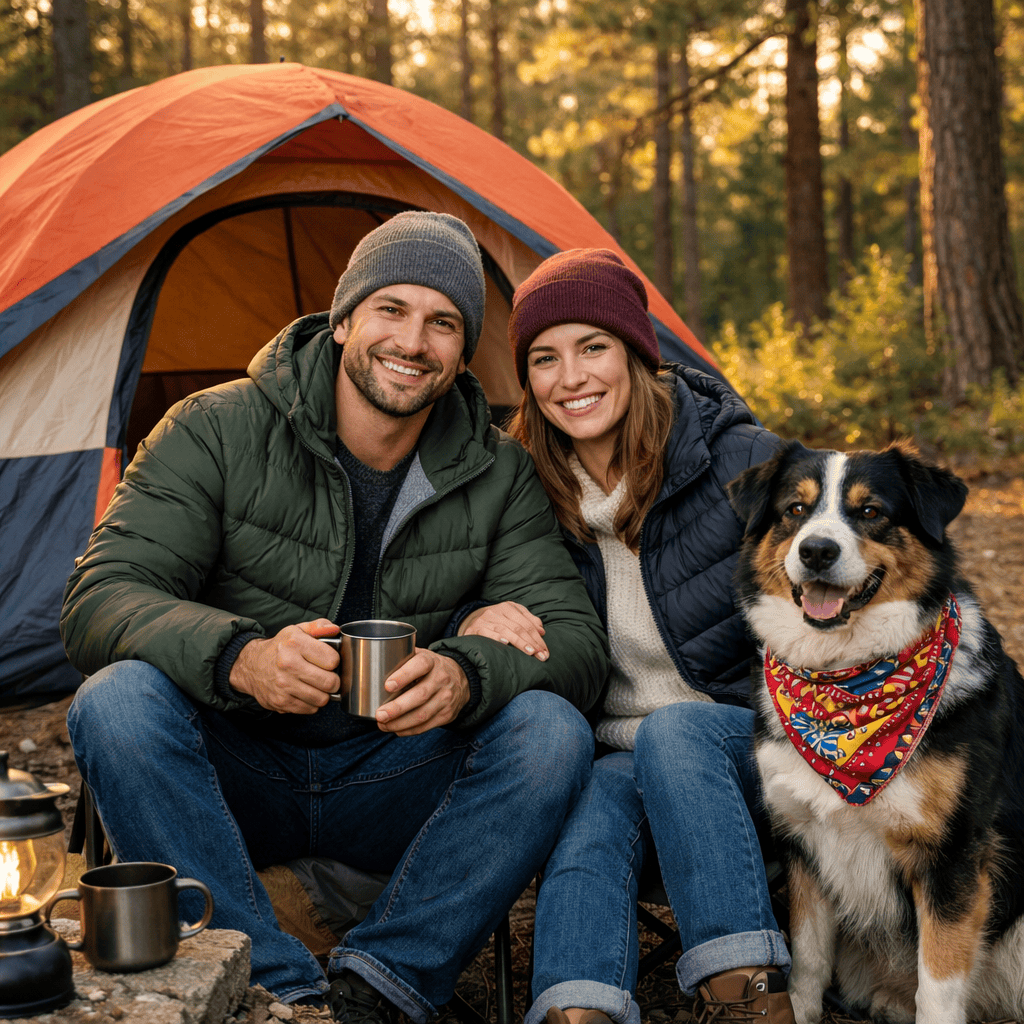
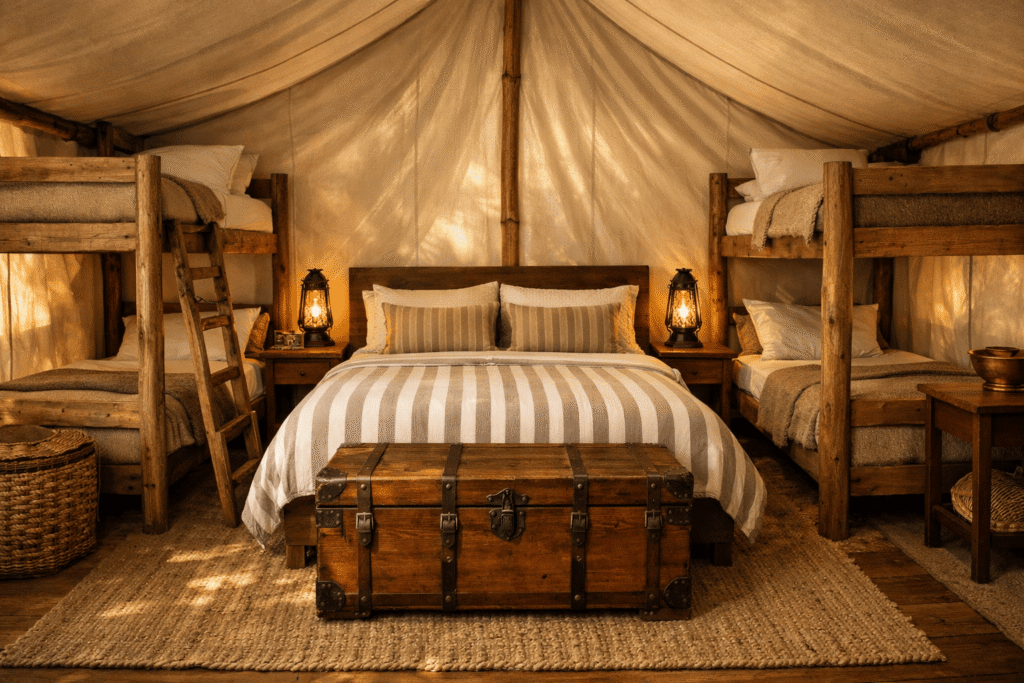
Unless you enjoy sleeping out in the open and donating yourself to mosquitoes, a tent belongs at the top of the list. Yes, sleeping in the car can work for a night, and we have done that before. Still, unless you drive a roomy SUV or truck, you will likely wake up sore and cramped. That is not the best way to start a family camping morning.
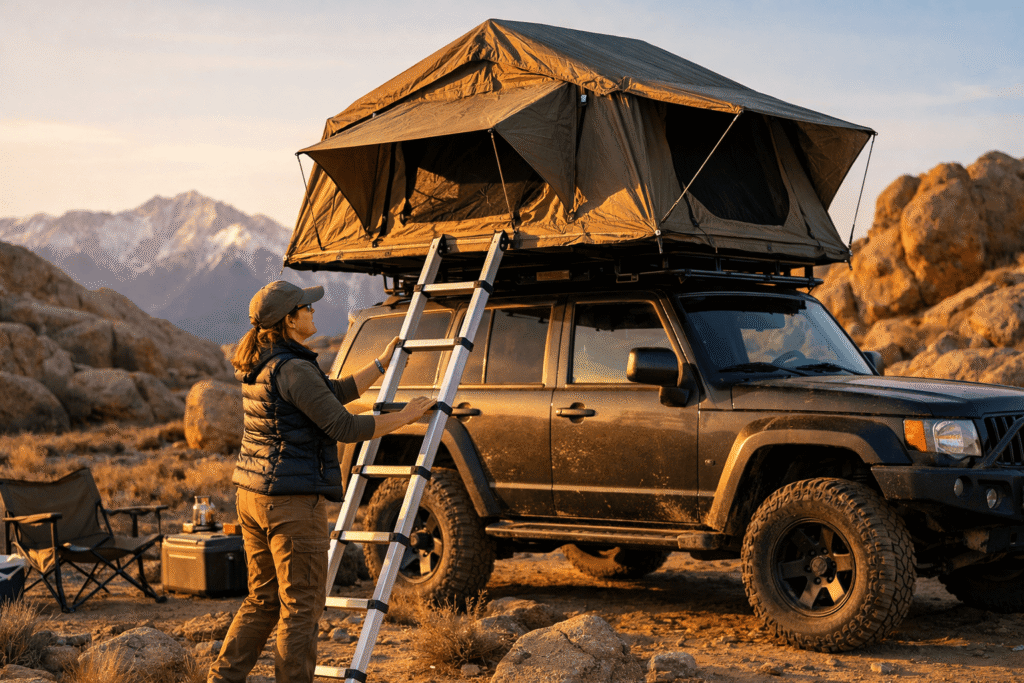
Before we moved to a rooftop tent, we used an older four-person Columbia Grant’s Pass tent that served us well. It had water-repellent fabric, mesh windows, an inside storage pocket, and a rainfly for privacy and wet weather. We had a great experience with it and trusted it on many trips. Friends of ours also love their pop-up Coleman cabin tent, and it really does go up fast. It comes in four-, six-, and ten-person sizes, so families have a few options.
Steal: If you are still deciding whether camping will become a regular family activity, start with something budget-friendly. The Coleman Sundome tent has a long track record of solid reviews. We had a Coleman tent years ago, and it held up well for us.
Splurge: I was not excited about the cost of a rooftop tent at first, but my husband thought it was worth it since he loves camping. After using it many times, I have to admit it made sleeping outside much easier. It also helped calm my very real fear of snakes, which felt like a major win.
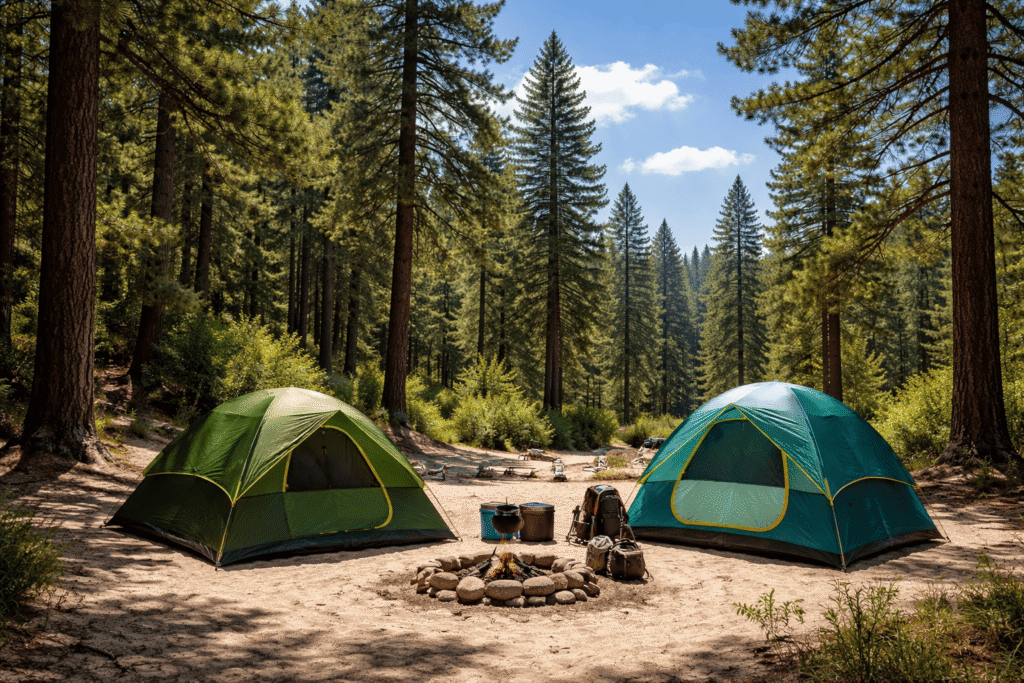
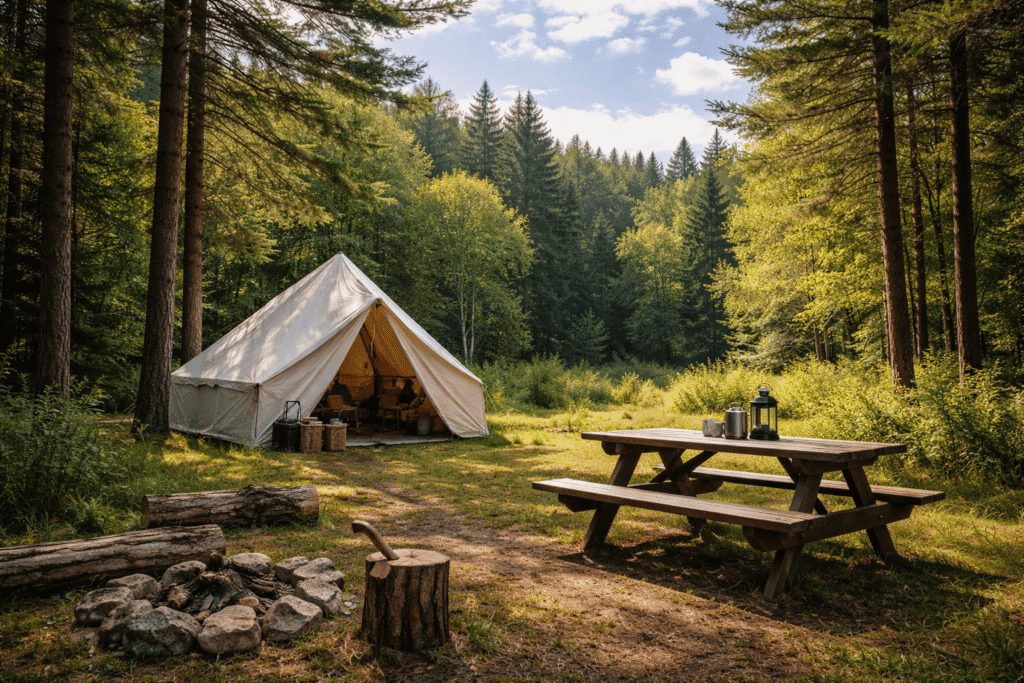
There are many tent styles out there, from dome and cabin tents to tunnel and compartment designs. Pick the one that matches your family’s size, habits, and comfort level. Most importantly, set it up at home before your trip. You do not want to be learning poles and clips while daylight fades in a new place.
Tent stakes and mallet
Most tents include stakes, but if yours does not, a full tent kit can make setup much easier. Some kits come with useful extras too, like a small broom and dustpan, which are surprisingly handy for family camping. A mesh storage bag also helps keep everything together between trips.
It is smart to keep longer stakes on hand as well. They can help when regular stakes do not hold in strong wind. Some versions also work better in sand, loose ground, and even snow. That gives you more flexibility if your campsite terrain changes.
Ground sheet/footprint
A waterproof ground cover adds one more layer between your tent floor and the damp earth. It helps block moisture and protects the underside of your tent from wear. That small step can help your tent last longer and keep the inside drier.
Pick a tarp or footprint that gives you enough coverage without sticking too far out. A slightly oversized option can work well, especially if you also want something that can double as shade. When it is not under your tent, it can serve as a canopy or sun barrier around camp.
Tent repair kit
A tent repair kit is one of those items you hope you never need but will be glad to have when something tears. A clear elastomer patch looks better than a strip of duct tape if you need a fast fix. It is easy to stash in your gear bin and takes up almost no room.
Sleeping bags
If your budget allows it, a three-season sleeping bag gives you more chances to use it during the year. I currently use a Marmot Trestles mummy sleeping bag, and I love how warm and light it feels. It packs down well and has worked nicely for me on cooler trips.
That said, mummy bags are not for everyone. If you toss and turn all night, that shape can feel too tight. In that case, a roomier sleeping bag with more leg space may be a better fit.
Steal: If you are not ready to spend much, the Coleman Brazos sleeping bag gets good reviews and works for many campers. Just keep in mind that with a 20 to 40 degree rating, you may need extra blankets in colder areas or seasons.
Splurge: If I upgrade later, I will probably choose The North Face One Bag. I like that its layers can be adjusted based on temperature, which gives it more flexibility through the year.
My daughter likes bringing blankets and a stuffed animal into her sleeping bag, so she uses an adult one. For smaller kids who like a snug setup, the REI Kindercone is a smart option. Its adjustable design gives children room to grow into it instead of out of it right away.
I have also been eyeing a queen sleeping bag so all three of us can pile into one. The Sleepingo version is especially appealing because it can split into two individual sleeping bags as well. It also comes with two pillows, a carrying bag, and a lifetime warranty, which makes it feel like a practical family option.
Sleeping pad/air mattress
For me, this item can change the whole trip. A bad sleeping surface can turn a peaceful campsite into a miserable night. We have tried foam pads before, but I was never very happy with them.
Now we usually use either the ultra-light Sleepingo sleeping pad or an inflatable queen air mattress, depending on the season and the campsite ground. The sleeping pad is easy to pack, while the air mattress works better in cooler weather because it gives a thicker barrier from the cold ground. Some air mattresses even come with a pump and fit well inside a four-person tent.
As with your tent, test your sleeping setup at home first. Inflate the mattress, roll out the bags, and make sure everything works. Fixing a leak or sizing issue is much easier in your living room than at a dark campsite.
Pillows and extra blankets
I do not like bringing our regular home pillows camping, so we bought travel pillows made for outdoor use. Ours came with carry bags and can be washed, which I appreciate. They are flatter than standard pillows, but that has not bothered us much.
Extra blankets matter too, especially with kids. Temperatures can drop fast at night, even after a warm afternoon. Having a couple of extra layers nearby adds comfort and helps everyone sleep better.
Kids’ favorite sleeping items
If your child has a certain blanket, stuffed animal, or sleep comfort item, pack it. That familiar object can make bedtime much easier in a new setting. It gives kids a sense of normalcy, even when they are sleeping outside.
Fur baby travel bed
If your dog comes along, a foldable travel bed is worth packing. We use a Coleman dog bed, and I like that it is light, washable, and easy to carry. It gives pets a cleaner, softer place to rest at camp.
Thrifty Tip
If you are unsure which higher-priced gear is worth buying, rent first. That lets you test the big items without committing right away. After one or two trips, you will know what helps your family and what you can skip.
REI offers camping kits and outdoor gear rentals in some areas. It is worth checking if that service is available near you before your first trip.
Gear Essentials
First-aid kit
A first-aid kit belongs in every camping setup. We keep one in each car so we are always ready for small emergencies, even when we are not camping. Ours also includes medicine for headaches, diarrhea, coughs, and colds.
That extra preparation matters with kids. A scraped knee or surprise stomach issue feels easier to manage when you already have what you need nearby.
Multi-use tool
A good multi-use tool has value far beyond camping. It is useful at the campsite, in your emergency supplies at home, and in your daily vehicle. We have used the same Gerber tool for about 15 years, and it has been incredibly dependable.
Steal: I recently spotted a budget-friendly tool with an axe and hammer built in, and now it is sitting in my cart. That type of tool could help with tent stakes or chopping small pieces of wood.
Splurge: There are many multi-tools with all kinds of attachments, but a solid Leatherman would likely cover most family camping and daily needs without overdoing it.
Duct tape
Duct tape deserves a place in every gear box. It can patch torn tents, hold a flashlight in place, fix shoes, repair bottles, and handle many unexpected problems. It may not look pretty, but it can save a trip.
Lanterns/Flashlights
We keep both collapsible lanterns and solar inflatable lanterns. The collapsible version runs on batteries, packs down nicely, and throws a bright light. We also keep one in each emergency bag.
The solar lantern is very light and great inside the tent. It hangs easily and adds enough light without taking up much room. Having both styles gives us more flexibility around camp.
Headlamps
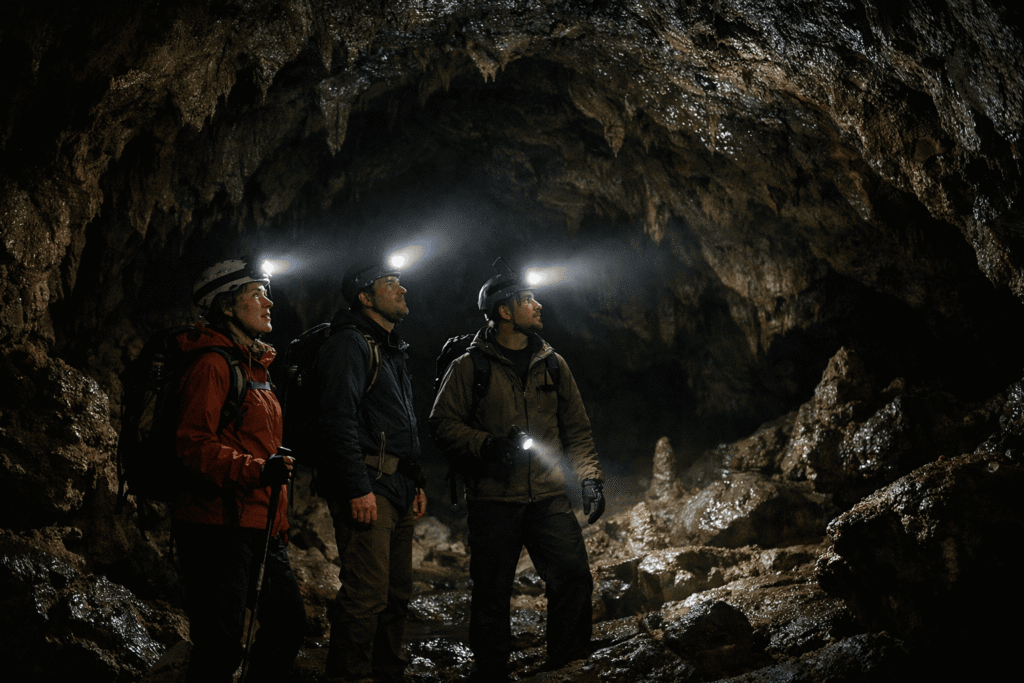
Headlamps are one of the most useful items you can bring. They let you move around in the dark while keeping both hands free. That matters when you are carrying wash bins, helping kids, or walking back from the restroom.
We each have our own. Mine is similar to my husband’s but cost less, and my daughter’s is somehow cooler than both of ours because of the fun strap choices. Kids are often more willing to wear gear that feels made for them.
Compass/Maps
This one is easy now because most phones include a digital compass and map access. Still, you should not rely on signal alone when you head into remote areas.
Travel Tip
Download the maps you need before leaving home. Many campgrounds, parks, and forest areas have weak or nonexistent service. Offline maps can save a lot of stress once you arrive.
Parachute cord
Paracord is one of those simple items with endless use. It can act as rope, a clothesline, a way to tie tarps, or a method for hanging bags. It takes up little room and comes in handy more often than you expect.
Camp chairs
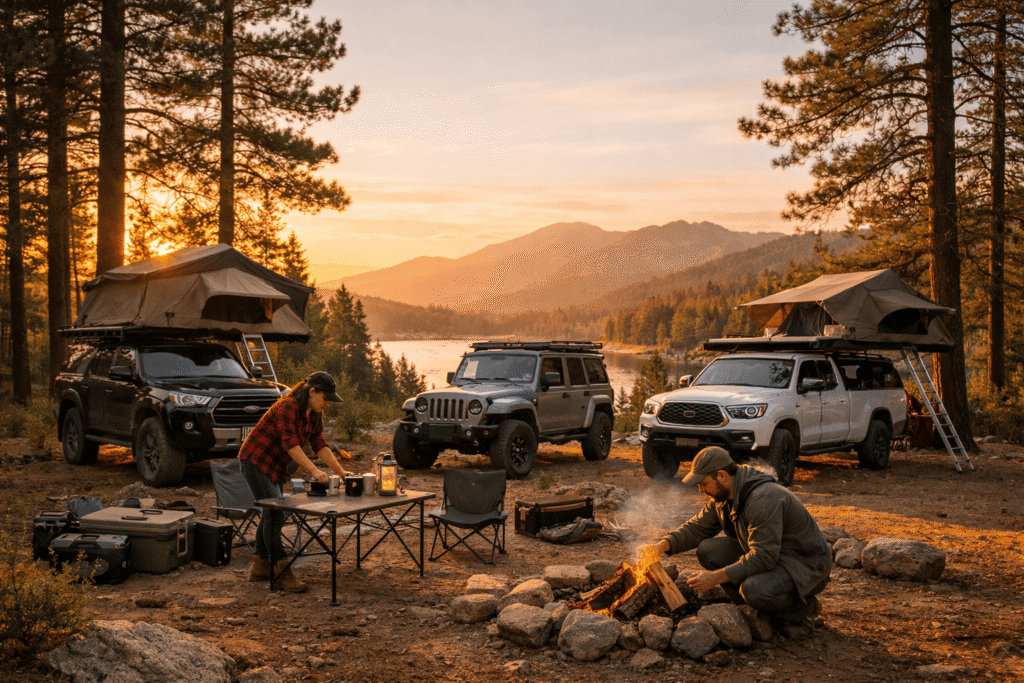
We still use our old Eddie Bauer camp chairs from years ago. I especially like having cup holders and side pockets because not every chair includes them. Those little details make relaxing around camp easier.
If you are buying new chairs, look for comfort, storage pockets, and solid reviews. A good chair makes mealtime, campfire time, and downtime a lot more pleasant.
Camp table
Most campsites come with one picnic table, but that usually is not enough for our family. We like having another surface for the camp stove, food prep, or extra seating space. One extra table can really help keep the site organized.
Our collapsible table from Amazon has been great because it is light, folds down small, and comes with a carrying case. We also bring it to the beach so food stays off the sand.
Beach blanket
If your camping trip includes a lake or beach stop, pack a waterproof blanket. Ours has lasted for years, folds into its own bag, and can go right into the washer. That last part matters a lot to me as a busy mom.
A blanket like this creates a dry place for kids to sit, snack, and rest. It also saves you from trying to balance everything on damp ground or sand.
Beach tent
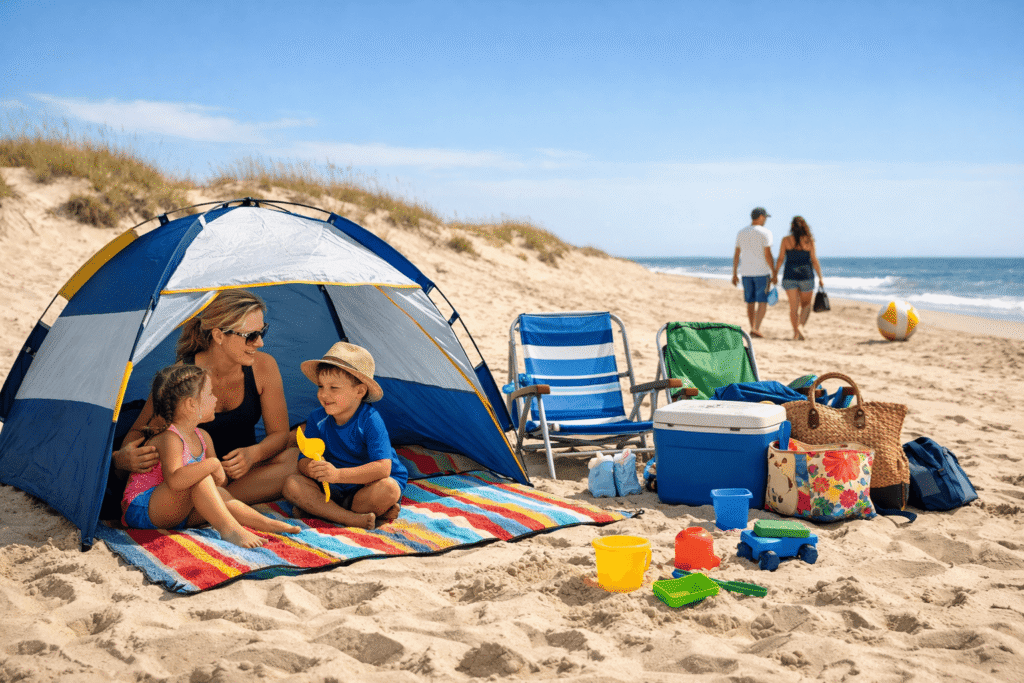
Our family loves beach stops, so a lightweight beach tent has become a regular part of our camping gear. We used to drag along a bulky umbrella, but the beach tent is much easier. It is lighter, packs into a carrying bag, and includes stakes.
We use ours for naps, reading, and shade breaks. It has made beach time far more comfortable for everyone.
Backpacks/Daypacks
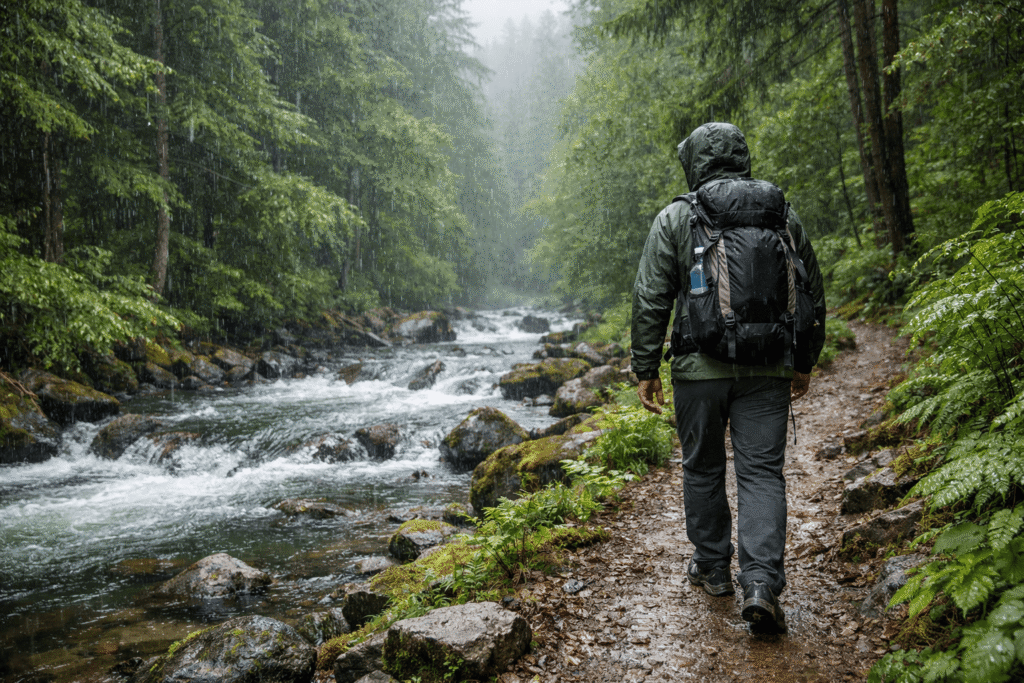
For longer hikes, we like ultralight daypacks. Mine has inner pockets, loops for extra gear, and a sternum strap that helps distribute weight better. That makes a difference once you have snacks, water, and layers packed inside.
My husband uses an Osprey daypack with space for a hydration bladder, plus a sternum strap and hipbelt. If the weather turns, rain covers for backpacks are helpful too, especially in national forests where conditions can shift quickly.
For shorter hikes or picnic walks, we bring a cooler backpack. The bottom section keeps drinks and sandwiches cold, while the top stores clothes or electronics. It has become a regular part of our camping and day-trip setup.
Phone and phone charger
Your phone can handle photos, maps, weather checks, and communication, so do not forget the charger. A dead phone feels a lot more frustrating when you are away from town.
Dry bag
If you plan to kayak, paddle, tube, or spend time near water, bring a dry bag. It helps protect electronics, snacks, keys, and other small items you do not want soaked. They also work well for storing wet clothes away from clean ones later.
We also use hard cases for phones, keys, and valuables because we do not like taking chances with electronics. That extra layer of protection is worth it.
Portable high chair or booster seat for younger kids
If you have a toddler or baby, a portable seat makes meals much easier. It gives them a secure place to sit and helps keep camp mealtimes more manageable.
Camera and camera charger
We often use our phones for photos, but we still bring an underwater camera for water-heavy trips. I have had my Olympus Tough camera for years, and it has taken a beating without giving up. I have dropped it more times than I want to admit, and it still works well.
The float strap has saved it several times too. If you want a durable water-friendly camera without spending a fortune, this type is worth a look.
Camera tripod
We have used a simple tripod for over a decade, though that exact brand seems harder to find now. Manfrotto models still get good feedback and seem like a solid choice for phones and small cameras.
If photography is a major part of your trips, it makes sense to compare more advanced options. For most families, though, a simple steady tripod is enough.
Clothing Essentials
Pajamas/thermal underwear
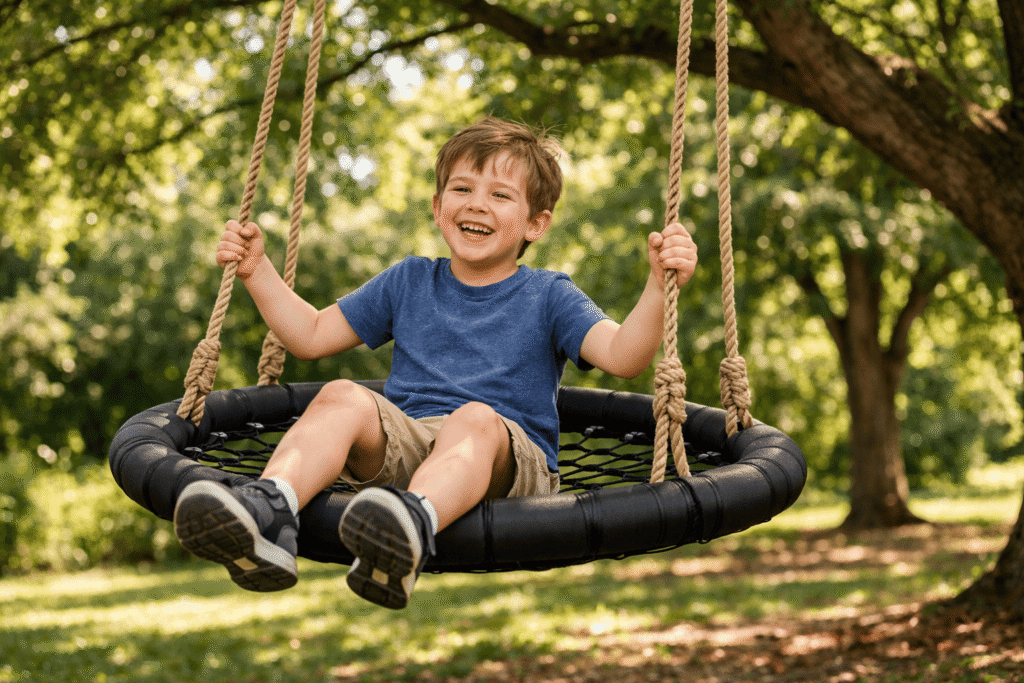
Pack sleepwear based on the forecast. Mild nights may only need a base layer, while colder trips call for fleece-lined thermal underwear. Check the weather before you leave so you are not guessing later.
Underwear
Always pack extra. Our rule is at least two pairs per day for each child, and sometimes more. Camping has a way of leading to muddy clothes, surprise spills, and quick changes.
Jackets and sweaters
Layers matter. Even during warmer months, mornings and evenings can feel chilly. A light waterproof jacket paired with sweaters works well in spring, fall, and winter.
Sun hats and beanies
You may need both on the same trip. Sun hats protect during hikes and lake days, while beanies help once temperatures drop. A packable booney hat with sun protection is especially useful.
Gloves
Gloves are easy to forget, but they help during cold mornings, late evenings, and mountain trips. For kids, they can mean the difference between comfort and a cranky start.
Hand warmers
Hand warmers can feel like magic on cold nights. Hothands have helped us many times when temperatures dipped lower than expected.
Camping Hack
Place one or two hand warmers near your feet inside your sleeping bag. You will feel the difference during the night and likely sleep much better.
Daily clothing
Pack the basics according to your trip: shirts, shorts, and pants. Think in layers and prepare for dirt, spills, and weather shifts.
Socks, socks and more socks
You really do need a lot of socks. Kids get them wet, dusty, sandy, and muddy fast. We often change socks more than once a day.
Hiking shoes
A solid pair of hiking shoes can make a huge difference on the trail. I highly recommend waterproof Oboz hiking boots because they feel sturdy and support my ankles well. They have held up in rain and mud without letting me down.
My husband wears Salomons and likes them a lot. Our daughter used Salomons before switching to a low-cut pair from Mountain Warehouse because she refuses to wear shoes that cover her ankles. Since kids outgrow shoes quickly, I always check for sales at REI, Columbia, Mountain Warehouse, and Amazon.
If you are shopping for hiking boots, size up when needed and try them on with thicker socks. That can help you get a better fit for actual trail use.
Tennis shoes or sneakers
Bring an everyday pair for around camp or easier walks. Sometimes you do not want to wear hiking boots all day.
Camp slippers or flip flops
These are perfect for quick bathroom trips, lounging, or getting out of hiking shoes after a long day. They also help keep the tent cleaner.
Swimsuit
If there is any chance of swimming, pack one. Even if it stays in the bag, it is better than regretting not bringing it.
Water shoes
If your trip includes kayaking, paddling, or shoreline play, water shoes are worth packing. My daughter and I like water socks, while my husband prefers mesh water shoes that can also handle hiking.
Sunglasses
Sunglasses are important near water, in open areas, and during bright hikes. Add an eyewear strap if you will be near a river or lake so they do not vanish into the water.
Socks
Yes, again. They deserve another mention because few things ruin a child’s mood faster than wet socks.
Diapers
If needed, pack more than you think you will use. Outdoor trips do not always go according to plan.
Menstrual pads or sanitary napkins, panty liners
Bring what is needed for the trip length plus a little extra. It is always better to be overprepared outdoors.
Toiletries
Bring your basics: soap, shampoo, lotion, face wash, toothbrush, toothpaste, and floss. I have been trying to switch toward more biodegradable, earth-friendly options while camping. That feels like a better fit for outdoor travel.
I am also curious about solid shampoo and bamboo toothbrushes, though I have not tested enough options yet to recommend favorites.
Toilet paper
Bring plenty. Then add more. This is not the item you want to underestimate.
Baby wipes
Baby wipes get used constantly with kids, even if they are past the baby stage. They help with messy hands, dusty faces, sticky snacks, and quick cleanups all day long.
Towels
Technical travel towels are our favorite for camping. They dry fast, take up less room, and weigh much less than regular towels.
Hairbrush or comb and hair ties
Small items like these are easy to miss during packing. They matter a lot more once hair gets tangled from wind, water, and long days outside.
Sunscreen and lip balm
We now use mineral sunscreens with zinc oxide or titanium dioxide instead of chemical formulas. They may leave a white cast, but I feel better using them for both our family and the environment.
For lip balm, we also try to choose natural formulas with zinc oxide when possible. Sun protection matters on lips too, especially at lakes, beaches, and high elevations.
Insect repellant
We switched away from DEET-based repellents and now use a plant-based option. The eucalyptus scent can feel strong at first, but it fades quickly.
Keeping bug spray on hand is especially important with kids, who seem to attract every mosquito in the area.
Disinfecting wipes
These are useful for picnic tables, sticky gear, and quick cleanups around camp. They are one of those items we always end up using.
Hand sanitizer
Bring it and keep it close. It helps before meals, after hikes, and anytime soap and water are not nearby.
Extra bags
If you do not have dry bags, bring extra bags for wet swimsuits, dirty clothes, and muddy shoes. Keeping them separate from clean gear saves a lot of trouble later.
Food Essentials
Camp stove and propane/butane
A two-burner camp stove makes family cooking much easier. Ours has space for two pots or pans, blocks wind, and folds flat for transport. It has been one of our most-used camping items.
Plan your meals before the trip and estimate how long you will cook. A common rule is one 16-ounce propane bottle per hour of cooking. Also, test the stove at home so you know everything works before you leave.
Fire starting tinder, kindling and firewood
Many campgrounds sell firewood, but it is smart to call ahead. Always check fire restrictions before starting a fire. When you are done, let the flames die down and fully soak the embers with water.
That part matters a lot. Human carelessness causes many wildfires, so campfire safety should never be treated casually.
Camping Hack
Save dryer lint for kindling. Add a little petroleum jelly and you have a cheap, simple fire starter for future trips.
Waterproof matches or lighter
Bring a lighter, matches, or both. Waterproof matches are nice to keep for backup or wet conditions. We also keep some in our emergency bags.
Drinking water
Bring enough water for camp and hikes. If you are worried about running out on a longer outing, a mini water filter can be useful to carry. We usually pack enough that we do not need one, but it can still be a smart backup.
Water jugs
We always pack large water jugs or jerry cans for drinking and washing. If your campground has filtered water, a collapsible container can be very handy for refilling at the site.
Beverage/food cooler with ice
For cold food and drinks, we bring both a hard cooler and a soft cooler. A wheeled cooler makes transport much easier, especially when the site is far from the car.
Our Coleman cooler has worked fine, though the handle is not very comfortable. We have thought about upgrading to a Yeti because friends say it keeps ice longer, feels tougher, and has a stronger handle. Bear resistance is another plus.
The soft-sided cooler is helpful during tubing trips or boat days, but it is not essential if you already have a dependable hard cooler.
Food items for meals, plus plenty of snacks
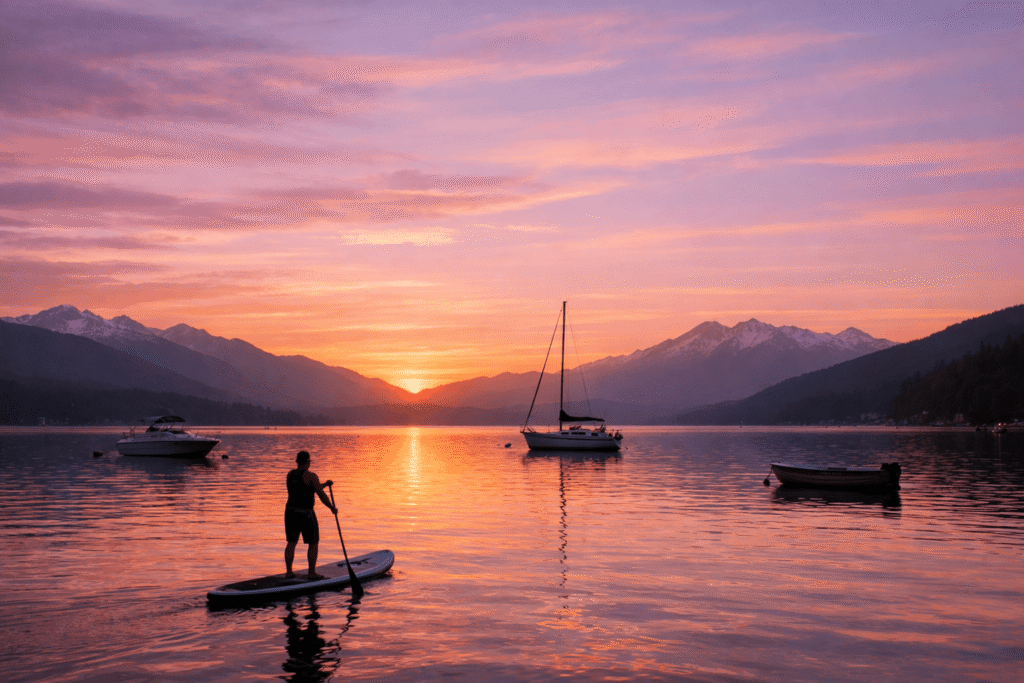
We plan meals so we do not end up bringing leftovers home. That keeps packing simpler and reduces waste. Snacks, though, always go fast, so we bring a lot.
With kids, it often feels like snacks matter just as much as meals. A hungry child can change the whole mood of camp in minutes.
Formula or baby food
If needed, pack enough for the full trip plus extra for delays or changes.
Pet food
If your pet comes along, portion meals before leaving so feeding is easy and organized.
S’mores supplies
These are usually the first food items we pack. Graham crackers, marshmallows, chocolate, and roasting sticks are basically camp tradition.
Seasonings in small containers
Mini containers are perfect for salt, pepper, spices, or sauces. They save space and keep you from packing full kitchen bottles.
Cooking oil
Bring a small amount in a secure container. It is easy to forget until you need it at dinner.
Coffee/instant coffee
We usually keep it simple with instant coffee. If we camp with a friend who loves good coffee, then we get lucky and end up with espresso from a mini maker.
Tea and hot chocolate
These are great for chilly mornings and evenings. Kids especially love a warm drink before bed on colder trips.
Tablecloth
A tablecloth helps clean up campground picnic tables and makes the eating area feel more comfortable. It is a small touch that adds a lot.
Potholders
Do not forget them. Hot cookware and kids do not mix well, so this is a practical safety item.
Plates, cups, mugs and eating utensils
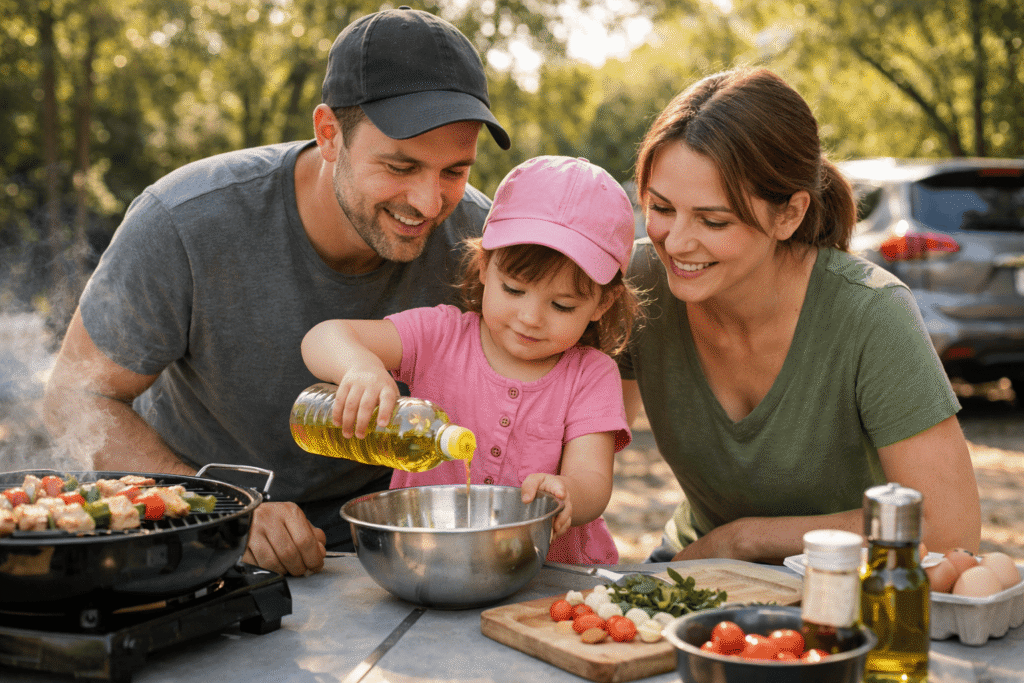
We bring a picnic backpack on every road trip and camping trip because it keeps meal items organized in one place. It includes many of the basics and even has an insulated compartment. We swapped the plastic wine glasses for silicone ones so breakage is not a concern.
I also love using that backpack as a memory piece. We add national park patches to it after trips, and each one brings back a story.
Reusable water bottles
My husband uses a Hydroflask, which keeps water cold for hours and lasts forever, though it feels a bit heavy on long hikes. My daughter and I use Thermoflasks, which work very well and cost less.
Cookware
We use a lightweight GSI cookware set that nests neatly and packs small. It comes with pots, a pan, bowls, plates, mugs, and even a carrying bag that can double as a wash basin. The design makes it very practical for camping.
If you do not want a full set, a cast iron pan and pot can handle most campsite meals. We still use an old cast iron pan from my husband’s family, which says a lot about how long they can last with proper care.
An affordable Stanley cookware set is another solid option if you want a ready-made kit with utensils, plates, bowls, and more.
Cooking utensils, spatula, tongs, cutting board and knives
We use older utensils that now live in our camping bins full-time. Keeping a separate camping kitchen setup saves packing time and helps you stay organized.
If you need a new set, look for one made for camping. If you use nonstick cookware, bamboo utensils can help prevent scratches.
Kettle
We use an older kettle from home, but if you need one, a lightweight camping kettle makes sense. It is useful for coffee, tea, and hot chocolate.
Can/bottle opener
This small item is easy to miss until you need it. Toss one into your cooking bin and leave it there.
Dishwashing soap
We use biodegradable camp soap that foams up with only a few drops. It works well for dishes and feels like a better choice outdoors.
Wash cloths and sponges
Bring enough for dishes and general cleanup. They get dirty fast around camp.
Wash bins
We use plastic bins that work as both storage and wash basins. That gives them two jobs and saves space in the car.
Camping Hack
Store your cookware and utensils in clear plastic bins. At camp, those same bins can become wash basins, which saves time and keeps everything easy to find.
Paper towels
You will use them for food prep, cleanup, spills, and everything in between. Bring more than you think you need.
Aluminum foil
Foil helps with cooking, wrapping leftovers, and easy cleanup. It is small but useful.
Trash bags
Pack plenty. You need them for garbage, dirty clothes, and general cleanup.
Water for washing food and cookware
If your site does not have water access, bring extra just for cleaning. You do not want to use up drinking water too fast.
Fun Essentials
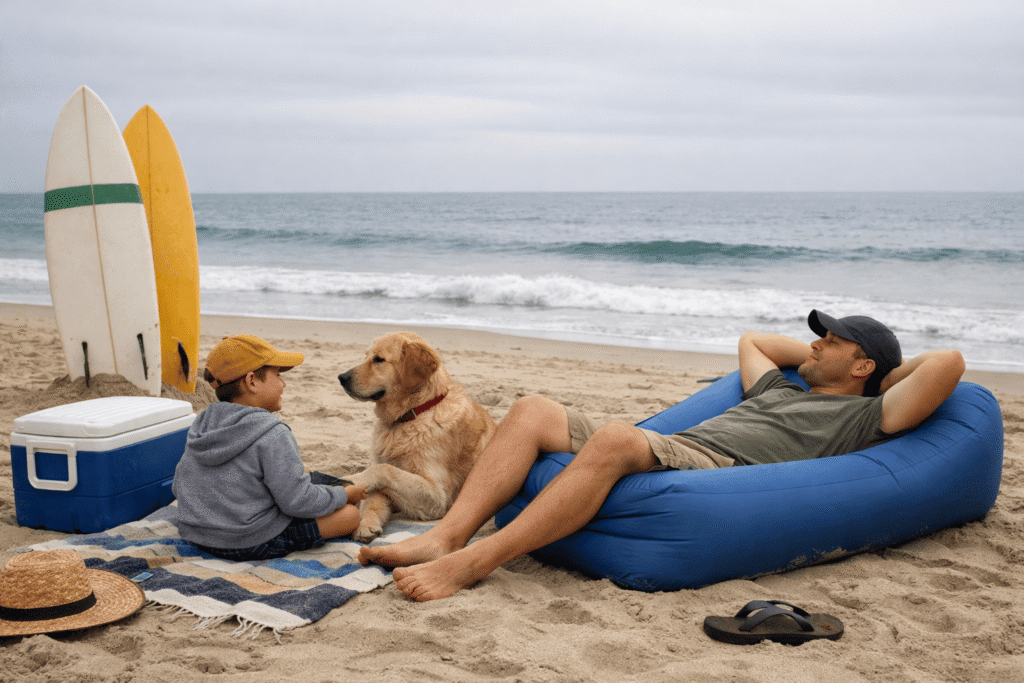
At my daughter’s age, it is harder than ever to pull her away from devices and video games. Camping gives us a reason to step outside that pattern. It helps us spend real time together, and it pushes her to use her imagination in new ways.
That family time is one of the biggest reasons we keep going. It also reminds all of us how good it feels to be outdoors and away from regular routines.
Pie Face/board games/card games/deck of cards
Games are one of the easiest ways to bring fun into camp downtime. Our Pie Face game always gets laughs and has become one of the things my daughter looks forward to most. Just do not forget the whipped cream if that game is coming along.
Board games and cards also work well when weather changes or evenings get quiet. They help keep everyone engaged without needing screens.
Books
Books are great for slow afternoons, quiet mornings, and tent time before bed. Pack a few favorites for kids and at least one for yourself.
Art supplies
I usually bring paper and markers or colored pencils. Sometimes we use them, and sometimes we do not because camp already gives kids plenty to do. Still, they are worth packing for downtime.
Beach toys
If your trip includes sand or shoreline play, beach toys can keep kids busy for a long time. Buckets and small shovels go a long way.
Bubbles/bubble wands and glow sticks
These depend on your child’s age. Younger kids often love them, while older ones may lose interest. If your child still enjoys them, they add easy fun to the campsite.
Nice-to-have Nonessentials
Inflatable boat/loungers/floating mats
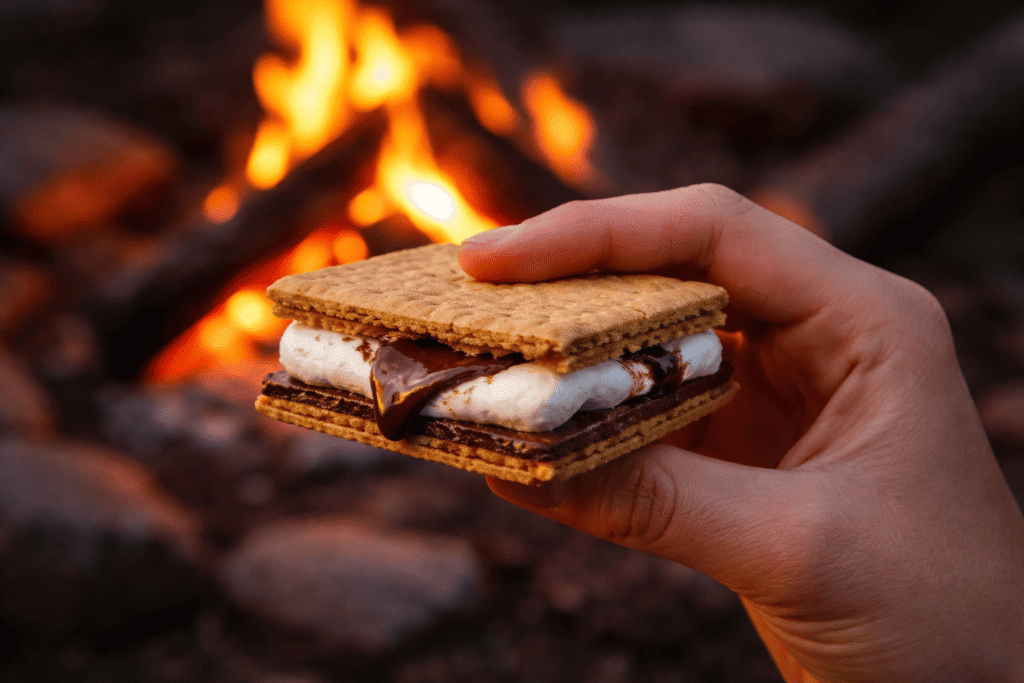
These are not must-haves, but they can make lake or beach time much more fun. We have an older inflatable boat that fits all three of us, though it takes up plenty of room in the car. On more recent trips, we have used an inflatable lounger instead.
If you bring any type of boat, remember the safety side too. In places like California, every passenger must have a Coast Guard-approved life jacket. Even where it is not required, I still prefer that my family wears one anytime we are on the water.
Hammock
A simple hammock can become your favorite camp luxury. It is great for reading, napping, or just resting under the trees. For many families, it is worth the space it takes.
Portable battery camp fan
A battery-powered fan helps on hot days, but it also has another benefit. Moving air makes it harder for mosquitoes to fly near you, and it helps spread away the body odors and carbon dioxide that attract them.
That means a fan can add comfort in two ways at once. On sticky summer evenings, it can feel especially helpful.
EZ up tent
If you want easy shade without relying on trees, an EZ up tent is worth considering. It is heavier and takes more room than a tarp, but it also gives quick shelter from sun or light weather changes.
Portable battery
We use a power station to charge phones, cameras, and small electronics. It is not necessary for every family, but it adds convenience, especially on longer trips.
Fishing gear, license and bait
If fishing is part of your plan, check local rules before the trip. Licensing requirements and fishing restrictions vary by area.
Binoculars
Kids love using binoculars, especially after a hike or during wildlife spotting. A compact waterproof pair can make nature watching more exciting for them.
Dispersed Camping Essentials
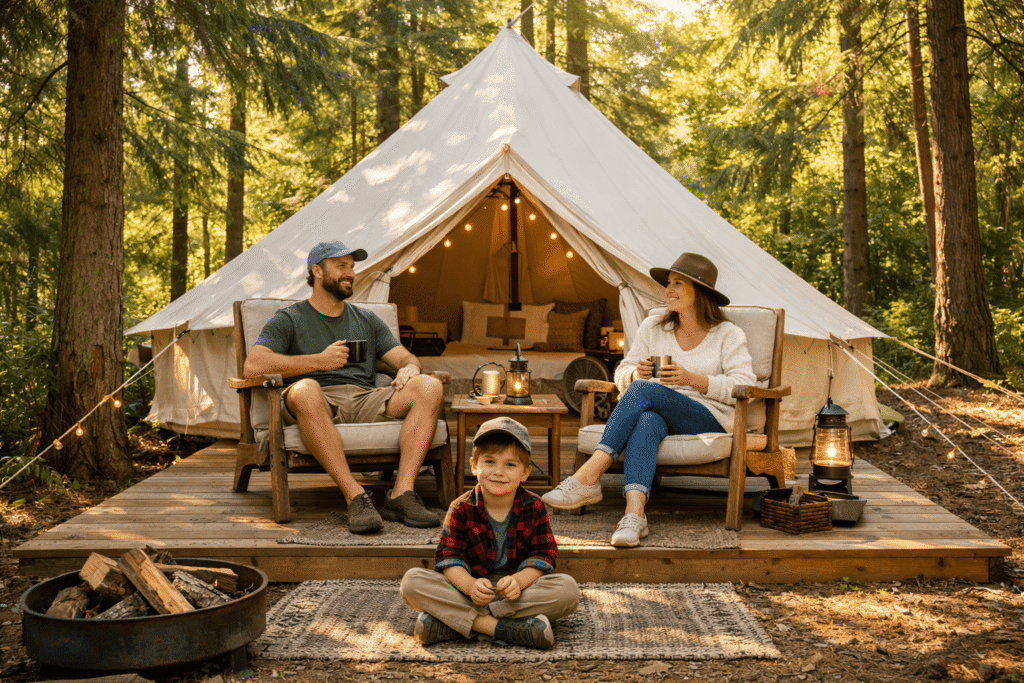
We have done dispersed camping too, and it is a very different experience from staying in a campground. It usually means no services, no facilities, and very few comforts. Some popular spots may have toilets, but many do not.
Because of that, I do not think dispersed camping is the best first step for every family. My own first camping trip was dispersed camping, and honestly, I did not enjoy it much. I can handle adventure, but trying to find a private, snake-free bathroom spot was not exactly my idea of fun.
Still, if you are comfortable roughing it, dispersed camping can offer peace, quiet, and a more basic outdoor experience. If that sounds like your style, a few extra items can make it far more manageable.
Compact portable toilet
A portable toilet is a huge help if you are camping without facilities. We use a compact folding toilet and are incredibly happy with it. It folds down flat, does not take much room, and feels much more dignified than the alternatives.
The liner kits usually include a waste bag with deodorizing powder, a disposal bag, a wipe, and toilet paper. That full setup makes things much easier, especially with kids.
We also keep disposable urinals in the tent and car for late-night emergencies. They are not glamorous, but they are very practical.
Portable shower
This item completely changed the way we handle dispersed camping. Friends introduced us to a stand-up portable shower, and now it is hard to imagine going without it. It adds a level of comfort that makes remote camping feel much more manageable.
A hanging solar shower is another lower-cost option that can still get the job done.
Privacy pop up tent
A privacy tent gives you a place to use your portable toilet or shower without stress. Some versions include helpful details like storage pockets, towel straps, and hanging points for shower gear.
That extra setup can make dispersed camping feel much more comfortable and realistic for families.
You made it to the end of the list. Yes, it is long, but the goal is simple: help your family feel ready enough to actually enjoy the trip. It took us several rough outings before we figured out what worked. Hopefully, this list helps you skip some of those mistakes and head straight toward a better camping experience.
Related Post: