
France, Spain, Italy, Thailand… they fill most bucket lists. But this isn’t about the places you already see everywhere. You won’t find the Maldives, London, or Australia here. Instead, I’m sharing a few countries I’ve loved that rarely get attention from travel magazines or TV shows. Some are even judged unfairly before people ever consider visiting.
This is a personal list, shaped by my own trips. Popularity doesn’t equal value. A destination doesn’t have to be trendy to be meaningful. I’ve often been asked why I’d pick somewhere like Bosnia over Spain. For me, the quieter, less-hyped places often leave a deeper mark.
These countries surprised me the most. They felt nothing like the image presented in the media. Traveling off the beaten path means setting aside bias and staying open. Sometimes the places you least expect turn out to be the ones you remember longest.
1. Albania: The Country That Proved Me Wrong
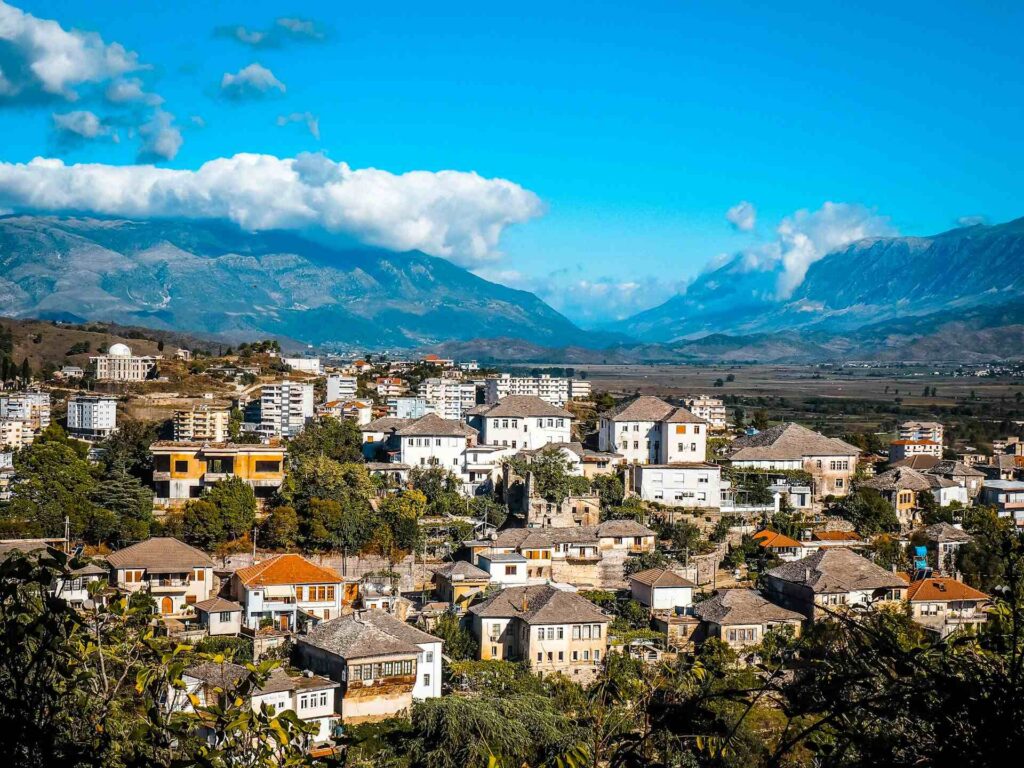
I’ve said it many times—Albania is still my favorite country I’ve ever visited. Whenever I told people I was going there, the reaction was almost always the same: “Why?” Some even asked if I’d lost my mind. Years of negative stereotypes and movie clichés shaped their image of this small Balkan nation. But once I shared my photos, the doubt disappeared. Suddenly, they wanted to go too.
It became my favorite for several clear reasons. Above all, it completely overturned my expectations. I had imagined a grey, worn-down place with little to offer. What I found instead felt almost unreal.
The beaches stunned me first. Soft white sand—rare for Europe—and water so bright and clear it barely looked real. Then there’s the Blue Eye spring, where turquoise water rises straight from underground, forming a deep, glassy pool that looks more like a giant aquarium than a natural source.
The historic towns of Gjirokastra, and Berat left a strong impression as well, with stone houses climbing the hills and centuries of history in plain sight. Near Berat, you can raft through the dramatic Osum Canyon. Head north and the Albanian Alps rise sharply, raw and powerful.
It’s a small country, easy to reach, and packed with contrast. And somehow, many travelers still overlook it.
Read More: 11 Stunning Beaches in Albania you won’t want to miss.
2. Kazakhstan: The Country No One Talks About
This vast Central Asian nation is still a blank spot on many Western travel maps. For some, the only reference point is the comedy film Borat, which shaped a distorted image of the country. That stereotype couldn’t be further from reality. Visiting Kazakhstan feels like stepping into a place that quietly defies expectations.
Cities such as Almaty and Astana (now officially called Nur-Sultan, though many still say Astana) look strikingly modern. Astana in particular surprises first-time visitors. Glass towers rise across the skyline, and one of the largest shopping centers is built in the shape of a giant nomadic tent—Khan Shatyr. At the very top, there’s even an indoor beach made with sand brought in from the Maldives. It feels surreal in the middle of the степpe.
Nature, though, is what truly shifts your perception. If Kazakhstan were located in Western Europe, it would likely be packed year-round. What’s surprising is how accessible many highlights are. Within a few days, you can visit the Singing Dunes, walk through the red and gold landscapes of the Aktau-Katkutau mountains, and stand at the edge of Charyn Canyon—often compared to a smaller Grand Canyon.
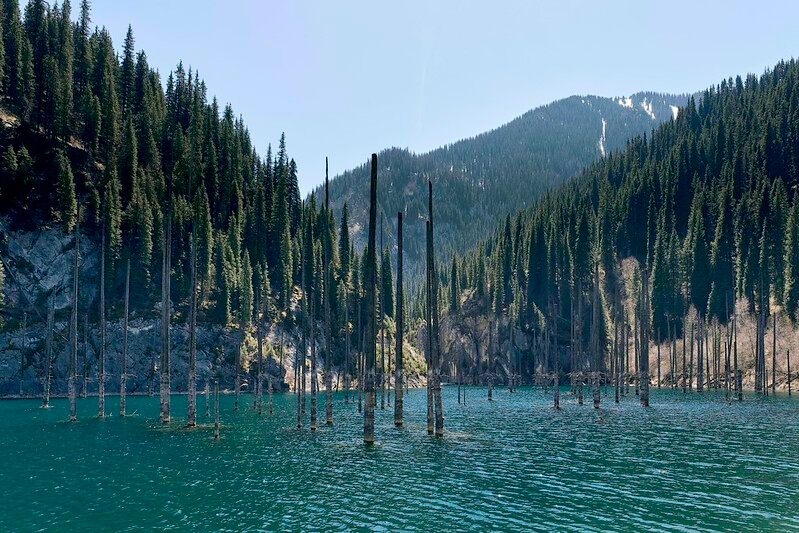
Cross the mountains and life slows down. Small villages welcome visitors into simple wooden homes. Spend a night there, try a traditional “bania” sauna, and then head out again. Lake Kaindy, with its submerged forest rising from the water, feels almost unreal. Nearby, the Kolsai Lakes sit between green slopes, while Big Almaty Lake glows in a pale turquoise shade that rivals Iceland’s famous lagoons.
Kazakhstan isn’t what people expect. And that’s exactly why it leaves such a strong impression.
3. Panama: Small Country, Big Impact
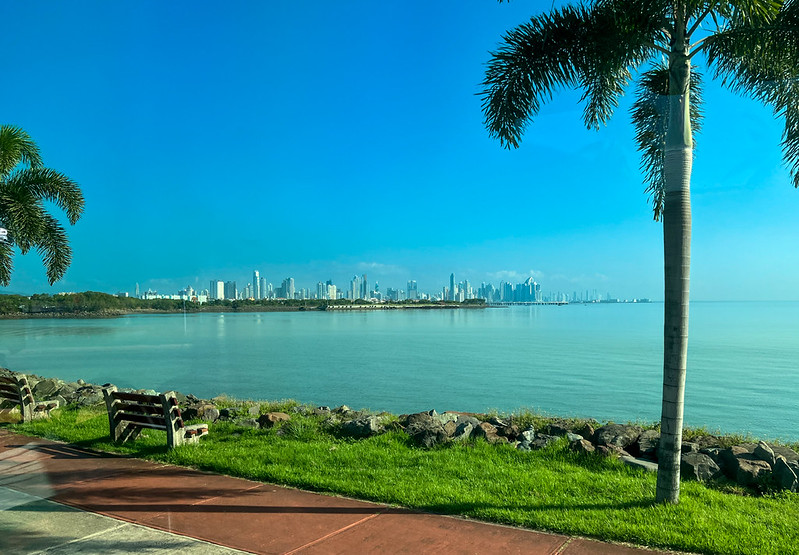
Panama doesn’t draw the same crowds as neighboring Costa Rica. Many travelers skip it without a second thought. I visited both, and it was Panama that stayed with me. Central American capitals often feel chaotic or forgettable, yet Panama City surprised me. Its restored old quarter, Casco Viejo, mixes crumbling colonial walls with fresh cafés and quiet plazas overlooking the sea.
Still, the capital isn’t the highlight. The real magic lies along the coast. Just north of the mainland sit the San Blas Islands, a chain of tiny, palm-covered islets managed by the local Guna community. Large resorts aren’t allowed there. No concrete blocks. No private beach barriers. No overwhelming crowds. What you get instead is open shoreline, simple cabins, and water so clear you can spot bright starfish resting in the shallows.
The sand feels almost unreal beneath your feet. Days pass slowly. Boats drift between islands. Evenings come without neon lights or loud beach clubs. It’s the kind of place for people who want raw beauty without polished luxury.
If quiet days aren’t your style, head to Bocas del Toro. The beaches are just as striking, but the mood shifts. Music spills from bars, backpackers fill the streets, and nights stretch longer than planned.
Panama doesn’t shout for attention. But once you go, it’s hard to forget.
4. Azerbaijan: Fire, Mountains, and Surprising Value
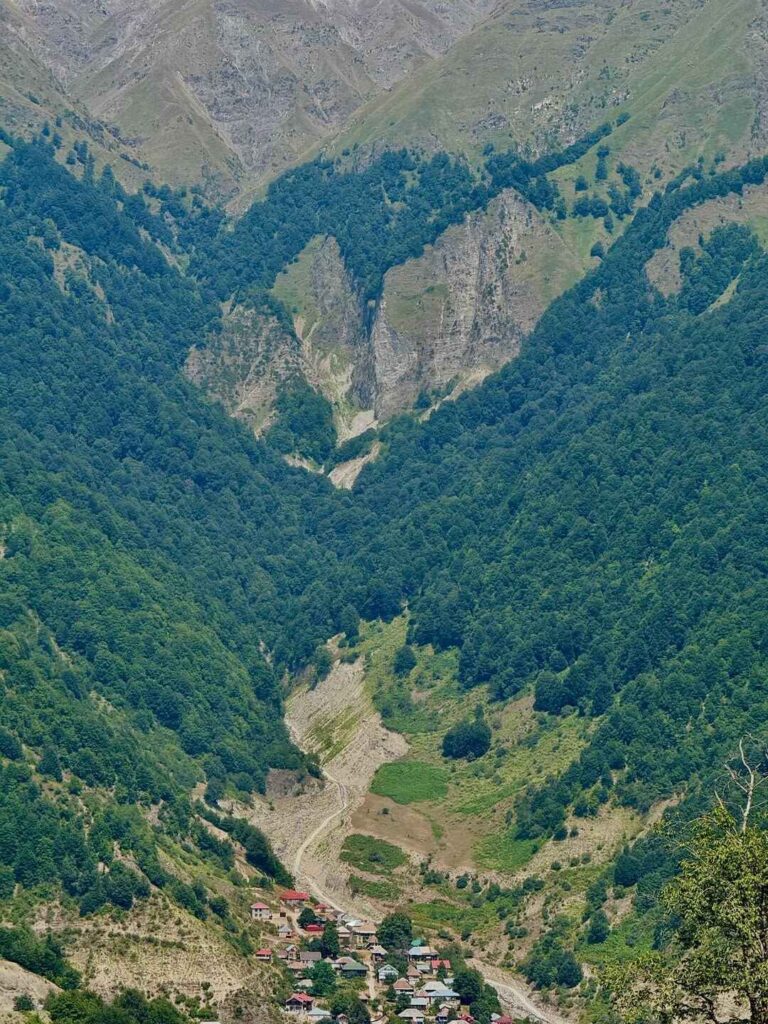
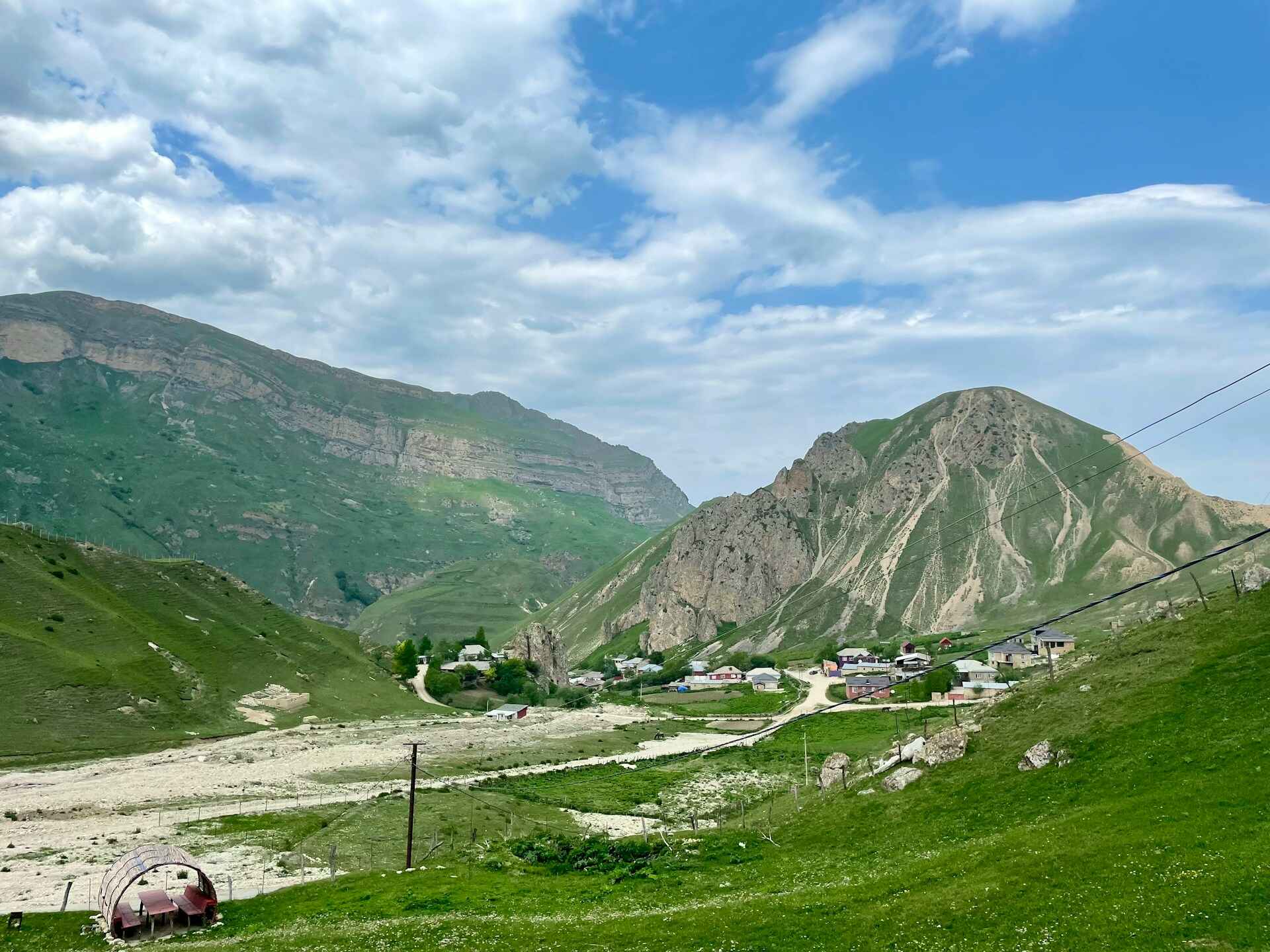
When I traveled to Azerbaijan, I expected something interesting. After visiting Georgia and Armenia, the Caucasus region had already left a strong impression on me. Still, Azerbaijan managed to stand out in its own way.
The country is compact, which makes it easy to cover a lot in just a few days. Baku, the capital, feels split between centuries. Inside the old city walls, narrow lanes and stone buildings tell stories from the past. Just beyond them rise sleek glass towers, including the striking Flame Towers that light up in shifting colors after sunset. The contrast is sharp and memorable.
Beyond Baku, the landscapes change quickly. Azerbaijan has the highest number of mud volcanoes in the world, and seeing them bubble across the dry terrain feels almost lunar. Head toward the Caucasus Mountains and you’ll find remote villages where daily life moves at its own pace, far removed from city noise.
What impressed me most, though, was the food and affordability. Taxi rides can cost less than two dollars, and a full three-course dinner with wine or beer often stays around fifteen dollars. And this isn’t basic fare—it’s fresh, generous, and deeply satisfying.
Azerbaijan offers dramatic scenery, strong cultural contrasts, and remarkable value. For such a small country, it leaves a lasting mark.
5. Slovenia: Small on the Map, Big on Variety
Slovenia may look tiny on a map, yet it holds more than most expect. Thanks to its size, getting around is simple and quick. Tucked between Italy and Croatia, it’s often overlooked by travelers rushing through the region toward more famous stops.
Many people know Lake Bled and the dramatic Predjama Castle, but there’s much more beyond those highlights. Slovenia also offers charming Mediterranean-style towns along its short coastline, where pastel buildings and quiet harbors echo northern Italy. Head inland and the Julian Alps open up with scenic hiking trails and wide mountain views.
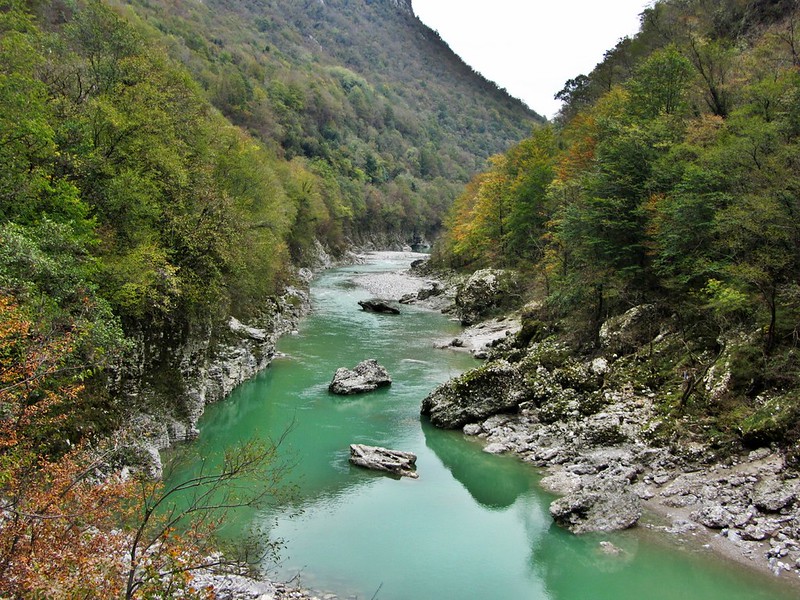
One of the country’s greatest treasures is the Soča River, famous for its striking turquoise color. It winds through narrow gorges, past stone bridges and forested slopes, creating scenes that hardly seem real. Nearby, Lake Bohinj offers similarly clear waters, framed by peaks and walking paths that feel calm even in high season.
In summer, lakeside festivals bring music and open-air gatherings across the country. For a place so compact, Slovenia delivers contrast, beauty, and easy travel all at once. It might just surprise you.
6. Georgia: Ancient Roots and Shifting Landscapes
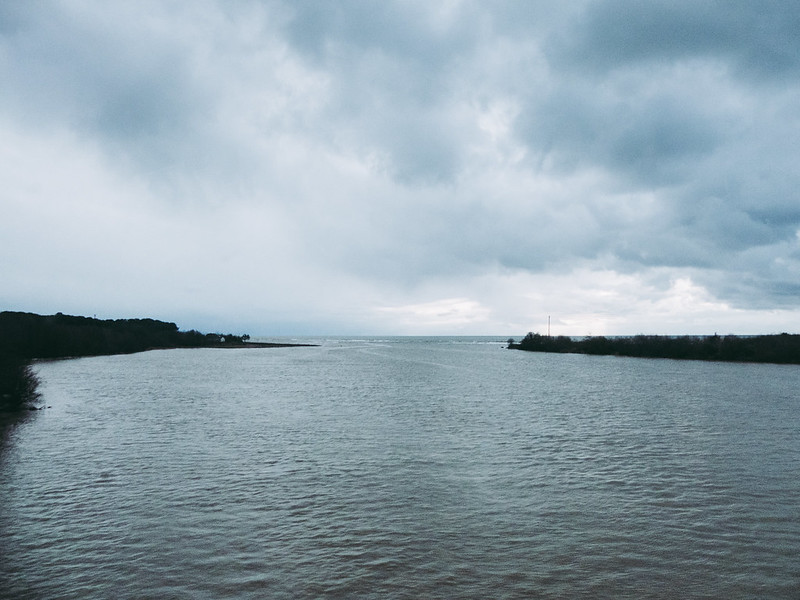
It’s surprising how little attention Georgia receives. Positioned between the Caucasus Mountains and the Black Sea, this small country carries layers of history that stretch back long before the Roman Empire. It’s often called one of the birthplaces of wine. In fact, when we landed and passed through passport control, we were handed a bottle as a welcome gift.
Remnants of the distant past are still visible. Ancient cave cities carved into steep cliffs remain open to visitors. You can walk through narrow tunnels, climb between levels, and imagine what life looked like centuries ago. The scale of these rock-hewn settlements is far greater than most expect.
Modern Georgia adds another dimension. Cities combine wooden houses with intricately carved balconies and bold contemporary structures made of steel and glass. At night, colorful lights wash over buildings and bridges, giving the streets a lively atmosphere. Some may find it excessive, but I found it refreshing—far from the predictable look of many Western capitals.
What truly stands out is the variety within such a compact country. Starting in dry Tbilisi, you can pass semi-desert landscapes near the cave towns, continue into forested mountain regions with snowy winters, and end your journey on the subtropical Black Sea coast lined with palm trees. Watching the terrain shift within a few hours on the road feels almost unreal.
Georgia may be small in size, but its contrasts leave a lasting impression.
7. Cape Verde: More Than a Beach Escape
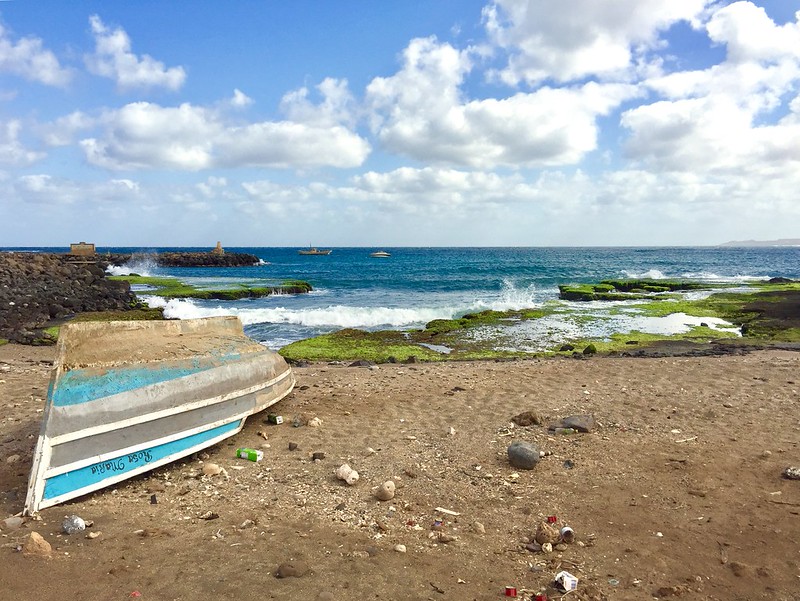
Cape Verde belongs to Macaronesia, the Atlantic group that also includes the Canary Islands and Madeira. While those destinations are already well known, Cape Verde still feels slightly off the main radar. Flights from Europe are becoming more affordable, and the island of Sal is gradually gaining attention for its long, sandy beaches and open Atlantic views.
Sal is often the first stop for visitors. It’s dry, sun-soaked, and ideal for those who want simple beach days. But reducing Cape Verde to sand and sea would miss the bigger picture. Each island, though close to the others, has its own climate and personality.
We chose to visit Brava and Fogo, and the contrast was striking. Brava is green and steep, with dramatic cliffs dropping into the ocean and small villages that feel quiet and close-knit. Fogo tells a different story. It’s dominated by a volcano that last erupted in 2014. Entire sections of a village were buried under lava. Today, residents are rebuilding, and you can still see homes constructed from dark volcanic stone, rounded and shaped by the landscape itself.
Cape Verde isn’t just about beach holidays. It’s about variety packed into a small archipelago—dry plains, fertile hills, black lava fields, and communities shaped by resilience.
8. Turkmenistan: A World Apart
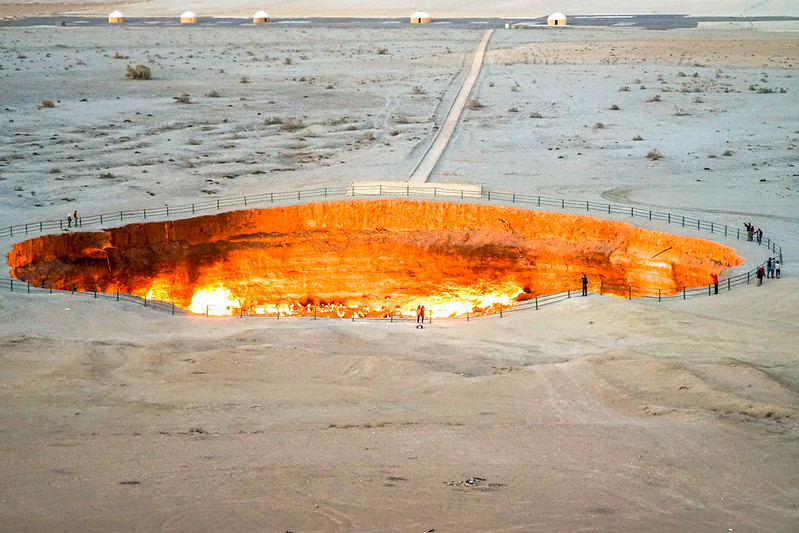
Turkmenistan remains one of the least understood countries on the map. Entry requires planning, but it isn’t impossible. Part of the appeal, for me, was the mystery. There’s very little travel information available, and I had never met anyone who had been there. That uncertainty made it even more compelling.
Arriving felt like stepping into a parallel universe. Ashgabat, the capital, is covered in white marble and holds multiple world records for its architecture. Wide avenues stretch between gleaming buildings made of marble and glass, shaped into bold geometric forms. Even bus stops look futuristic, sometimes fitted with small shops selling the latest electronics. At night, the city glows under bright lights, almost like an exhibition ground. Yet despite the grand scale, the streets are unusually quiet.
Outside the capital, the contrast is sharp. Rural villages remain traditional, and daily life moves at a slower pace. Much of the country is desert, scattered with the remains of ancient Silk Road cities. In certain untouched areas, fragments of pottery and traces of old settlements still lie in the sand, giving the feeling of standing in an open-air archaeological site.
Turkmenistan’s natural landmarks add another layer. The Door to Hell crater has burned continuously since the 1970s, after a gas field was accidentally ignited. Camping beside the glowing pit at night feels surreal. The red cliffs of Yangykala Canyon and hidden cave hot springs near Nohur show yet another side of the landscape.
It’s not a typical vacation spot, and that’s precisely the point. Turkmenistan rewards those willing to step outside familiar routes. Once in a lifetime, choosing the unexpected can shift how you see the world.
9. Lebanon: A Country Misjudged
Lebanon is often overlooked because of regional instability, and many Western travelers hesitate to visit. Before going, I carried the same concerns. Yet once in Beirut, I felt surprisingly at ease—more so than in several major European cities. Tourism hasn’t vanished; it has simply shifted. Visitors still come, especially from neighboring countries, and the city feels energetic and alive.
For such a compact nation, Lebanon offers remarkable range. Food alone is worth the trip—fresh mezze, grilled meats, warm flatbread, and strong coffee served late into the night. Architecturally, Beirut blends Ottoman remnants, French-era buildings, and bold modern structures. It’s often called the “Paris of the Middle East,” though I found it far more colorful and expressive than that comparison suggests.
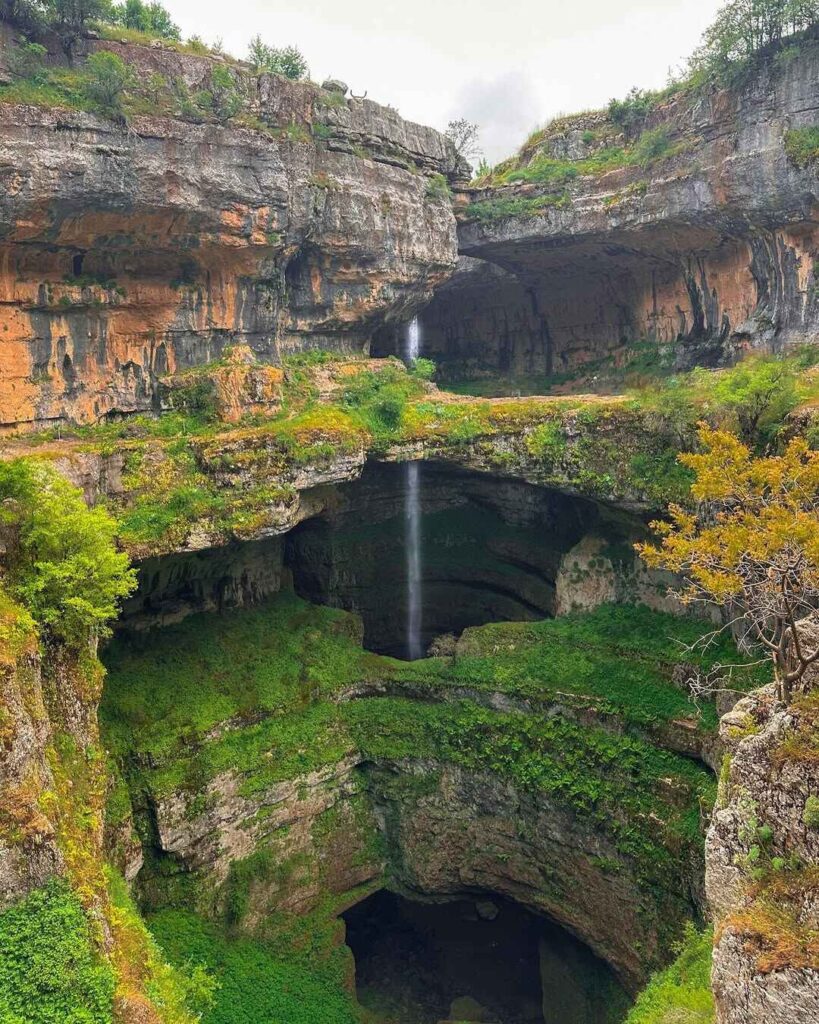
Beyond the capital, the variety continues. The ancient port town of Byblos carries layers of history stretching back thousands of years. The famed cedar forests stand as national symbols, while the dramatic Baatara Gorge features a waterfall plunging through a natural rock bridge. In the Qadisha Valley, monasteries cling to steep cliffs, carved directly into stone. Then there are the monumental Roman ruins of Baalbek, among the most impressive temple remains still standing.
Lebanon challenges assumptions. It’s layered, complex, and far richer than headlines imply.
10. Norway: Beyond the Fjords
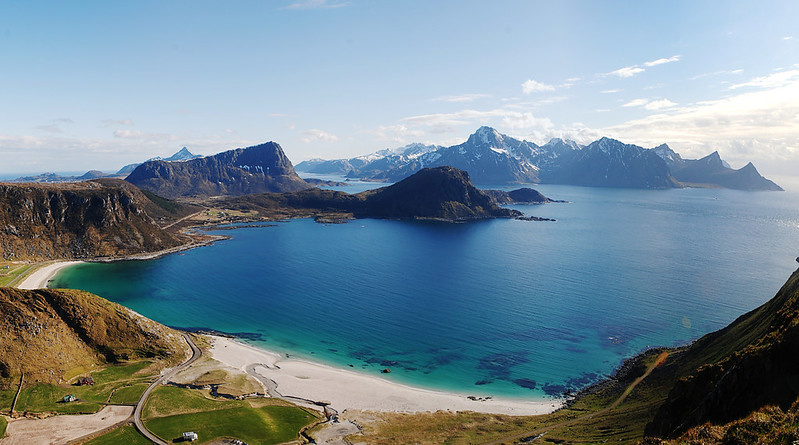
Norway is the most familiar name on this list. It’s often praised as one of the happiest places to live, yet it rarely tops summer vacation wish lists. Most travelers think of fjords, dramatic cliffs like Preikestolen, and scenic train routes. But there’s another side that deserves attention—the Lofoten Islands.
Located above the Arctic Circle, Lofoten seems like the last place you’d expect to find white sand beaches and clear turquoise water. Yet that’s exactly what waits there. The contrast is startling. You stand on a pale stretch of sand, looking at water that resembles the Caribbean, while sharp mountains rise straight from the sea behind you.
Lofoten isn’t about ticking off one or two landmarks. The entire archipelago feels like a continuous highlight. Every bend in the road reveals another bay, another fishing village painted in red and yellow, another ridge dropping into the ocean. The scenery blends elements that shouldn’t logically fit together—tropical-colored water framed by alpine peaks.
Then come the natural phenomena. In summer, daylight stretches for 24 hours. In winter, the northern lights sweep across the sky. Oslo is worth visiting, but if you truly want to see Norway at its most striking, head north to Lofoten.
Related Post: