With sweeping mountains, layered history, and genuine hospitality, Scotland continues to draw travelers from across the globe. The Highlands offer wide skies and rugged peaks, while cities like Edinburgh blend medieval streets with modern culture. Iconic places such as Loch Ness, Glencoe, and the Isle of Skye leave lasting impressions.
From castle ruins and clan history to coastal drives and village pubs, there’s variety at every turn. Spring and autumn bring calmer roads and softer light, while summer stretches the days for longer hikes and scenic routes.
Before focusing only on the mainland, look to the islands. They take time to reach—but sea cliffs, white beaches, and open horizons make the journey worthwhile. Give them more than a quick stop.
At Scotland’s Wild, experienced guides share local legends and lived history across day trips and multi-day adventures.
So, which Scottish islands will you visit first?
The Top 5 Scottish Islands to Visit
No visit to Scotland feels complete without stepping onto at least one island. With more than 750 scattered along its coastline, narrowing the list isn’t easy. Still, a few stand out for their scenery, history, and atmosphere. Below is our carefully chosen selection of seven islands that offer a strong introduction to Scotland beyond the mainland.
1. Isle of Skye: Scotland’s Dramatic Showstopper
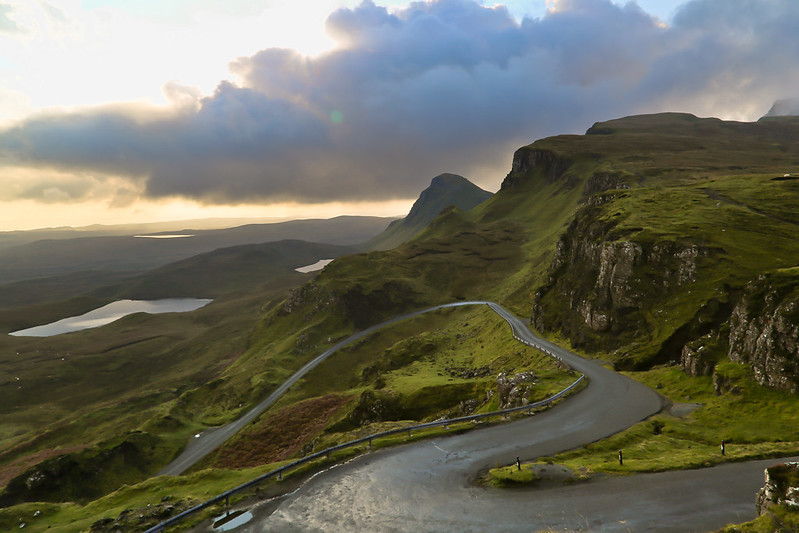
The Isle of Skye is easily Scotland’s most talked-about island. Sharp mountain ridges, quiet sea lochs, and the harbor town of Portree have made it famous across travel magazines and screensavers alike. And yes—the praise is deserved. The scenery here is bold, raw, and unforgettable.
If Skye is on your route, set time aside for its standout landmarks. Walk beneath the towering Old Man of Storr. Watch water plunge at Lealt and Mealt Falls. Visit Dunvegan Castle and the cliff-top ruins of Duntulm. Stand at Neist Point Lighthouse as waves roll in below. Drive through the Quiraing’s twisting landscapes, then stop by Talisker Distillery for a taste shaped by sea air and peat.
Skye draws the largest crowds of any Scottish island, and it’s often the first name people mention. Still, popularity doesn’t automatically mean it will be your personal favorite. Each island carries a different mood, and part of the journey is finding the one that speaks to you most.
For a deeper look at the island’s key landscapes, see our guide “Landscapes & Best Locations on the Isle of Skye.” Or join one of our 3, 5, or 7-day tours and experience Skye up close—clifftops, castles, and all.
2. Lewis & Harris: Ancient Shores and Living Gaelic Traditions
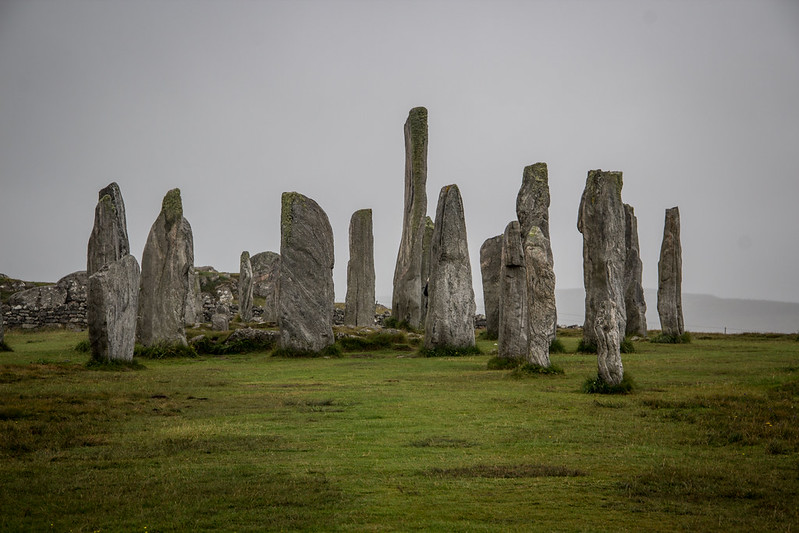
The twin islands of Lewis and Harris sit on Scotland’s Atlantic edge, where pale-sand beaches meet shifting skies and long histories. The shoreline often surprises first-time visitors—clear water and sweeping arcs of sand that feel almost tropical, minus the heat. These islands belong to the Outer Hebrides, and while reaching them involves a ferry crossing of two hours or more, the distance adds to their appeal rather than taking away from it.
Trips through Lewis and Harris often revolve around sites that feel deeply rooted in time. The Callanish Standing Stones rise from open ground in a formation that still puzzles historians. Nearby, the preserved homes at Gearrannan Blackhouse Village reveal how island life once worked. Add the stone tower of Dun Carloway Broch, the wide sands of Luskentyre Beach, MacLeod’s Stone, and the gale-battered headland at the Butt of Lewis—one of the UK’s windiest places.
What sets these islands apart is the balance they hold. Prehistoric landmarks sit beside working communities where Gaelic is still spoken daily. Nature dominates the landscape, yet human history is always present. For travelers craving places with depth, space, and a slower pace, Lewis and Harris leave a lasting mark.
3. Isle of Mull & Iona: Wildlife, Coastlines, and Sacred Ground
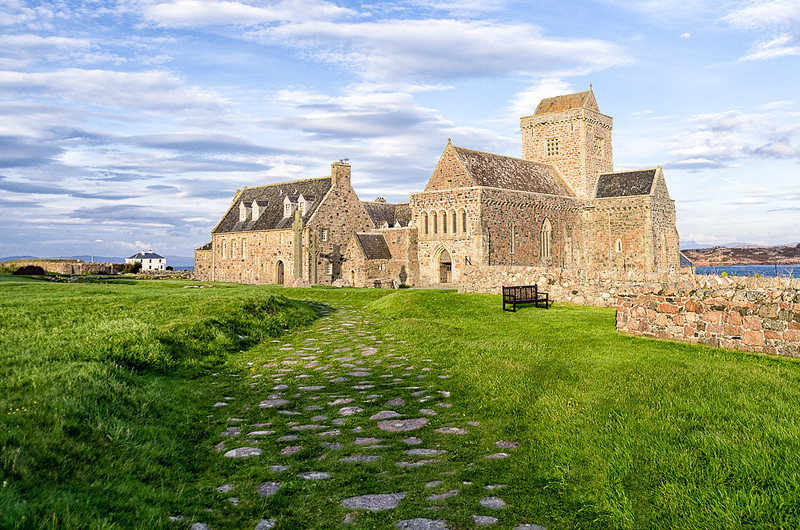
The Isle of Mull offers a mix of bold scenery and coastal charm. Its harbor town, Tobermory, is known for brightly painted buildings facing the sea. Inland, peaks like Ben More rise above glens and quiet roads. Just a short ferry ride away sits Isle of Iona, home to Iona Abbey—often described as the birthplace of Christianity in Scotland.
For many, Mull is all about wildlife. Sightings are never guaranteed, yet the island is considered Europe’s basking shark hotspot. Birdwatchers scan the skies for eagles, while boat trips head out in search of whales, dolphins, seals, and puffins, depending on the season.
Key stops include Duart Castle, the pale sands of Calgary Beach, and Eas Fors Waterfall—its name meaning “waterfall” in three different languages. A visit to Tobermory Distillery adds a taste of island character to the journey.
If Mull and Iona catch your attention, they can easily form part of a wider Scotland itinerary—or even a custom island-focused trip shaped around your interests.
4. Orkney: Scotland’s Ancient Time Capsule
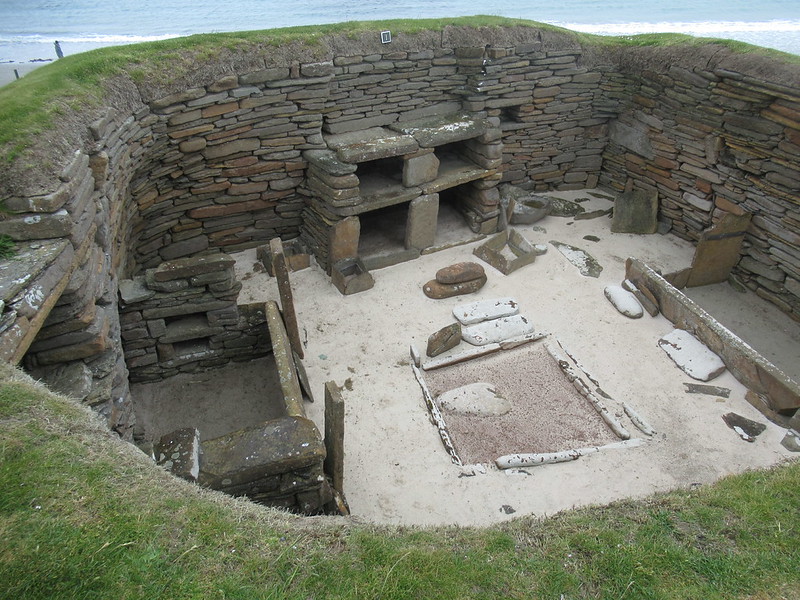
Orkney is a place where history feels close enough to touch. The settlement of Skara Brae dates back over 5,000 years—older than the pyramids. Across the islands, stone circles and burial sites rise from open farmland, reminders of lives lived long before written records. Though Orkney sits far north of Scotland’s main cities, once you arrive, most major sites are only a short drive apart.
Step inside Maeshowe and see Viking graffiti carved into Neolithic stone. Walk around the Ring of Brodgar as wind moves across the loch. Stand beside the Standing Stones of Stenness and imagine ceremonies that took place thousands of years ago. Add coastal cliffs, seabirds, and shifting northern light, and the atmosphere becomes even more striking.
For many travelers, Orkney feels different from anywhere else in Scotland. Entering these prehistoric chambers is less like visiting a museum and more like stepping into another era. If ancient history fascinates you, this archipelago deserves serious consideration.
You can experience Orkney’s stone circles, cairns, and sweeping coastline alongside Highland castles, whisky stops, and coastal routes on a 5-day Orkney journey that blends past and present in one memorable trip.
5. Isle of Islay: Peat Smoke, Sea Air, and Island Stories

The Isle of Islay is often called Scotland’s “whisky island,” and for good reason. With nine working distilleries, peat smoke drifts through the air as steadily as the Atlantic breeze. Beyond the barrels and copper stills, you’ll also find wide beaches, important bird reserves, the medieval ruins of Finlaggan, and the carved Kildalton Cross standing quietly near the shoreline.
For many visitors, though, Islay revolves around its bold, smoky flavour. Follow the distillery trail and stop at Laphroaig Distillery, Lagavulin Distillery, and Ardbeg Distillery. Head north to Bowmore Distillery and learn how malt, peat, and time shape each bottle. Then settle in for a dram—or two. Holidays allow for that.
Whisky may take center stage, but it isn’t the only option. Bruichladdich Distillery also produces gin, and local makers like Islay Gin and Wild Thyme Spirits offer alternatives for those who prefer something different.
The landscape adds depth to every tasting—rolling hills, open sea, and changing light. Many rate Bunnahabhain Distillery highly, both for its coastal views and its smooth drams. If you’re building a whisky-focused itinerary, Islay easily earns its place on the map.
Discover Mainland Scotland: Must-See Locations
Scotland’s mainland delivers many of the country’s best-known views. Think sweeping glens, mirror-calm lochs, winding coastal roads, and mountain ranges that shift in mood by the hour. From the drama of Glencoe to the open water of Loch Lomond, the variety is striking. Add castle silhouettes like Eilean Donan Castle and the vast landscapes of Cairngorms National Park, and the mainland quickly fills an itinerary.
Driving routes are part of the appeal. The North Coast 500 curves through fishing villages, cliff-top viewpoints, and long stretches of empty road. Even after years of guiding trips across Scotland, new corners still surprise us.
If your time is limited, focus on the highlights first—those places that capture Scotland’s character in a single glance. Hidden gems, castle stops, and detailed route ideas are coming next.
6. Loch Ness: Legend, Landscape, and a Hint of Mystery

Loch Ness is one of the largest and deepest freshwater lochs in the Scottish Highlands. Its long, dark waters stretch between rolling hills, often calm enough to mirror the sky above. The setting alone leaves a strong impression—but folklore gives the loch its global fame.
Stories of the Loch Ness Monster, affectionately called “Nessie,” go back around 1,500 years. Early accounts mention Irish monks reporting a strange creature in the water. Since then, sightings and blurry photographs have kept the legend alive. No solid proof has surfaced, yet the mystery continues to spark debate. Could something unknown still move beneath the surface?
Beyond the myth, the area offers rich history. Urquhart Castle stands in partial ruin along the shoreline, once fought over during centuries of conflict. Walking its stone walls gives wide views across the loch. A boat trip adds a different perspective—gliding over deep water while scanning the horizon, just in case.
Loch Ness can be visited on a day tour from Edinburgh, combining Highland scenery, castle ruins, and a touch of legend in one memorable outing.
7. Glencoe: Beauty, Sorrow, and Highland Drama
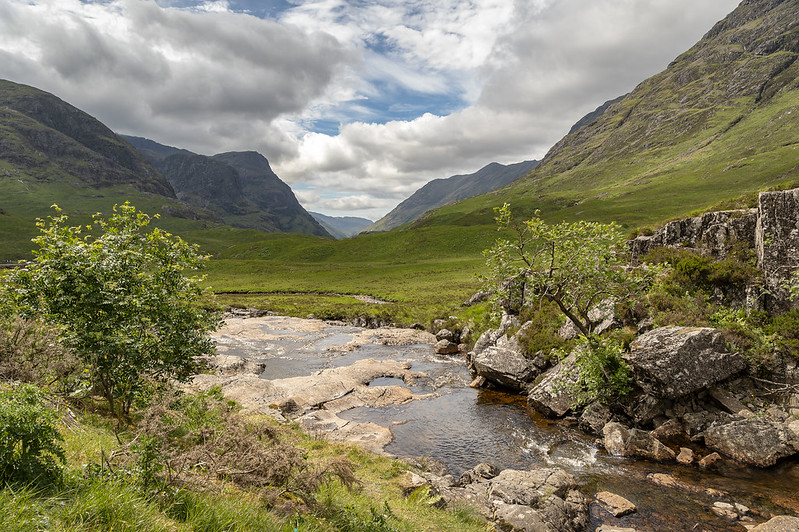
Glencoe leaves a mark on many who pass through it. The scale of the landscape, the silence between the peaks, and the sweep of the valley combine to create something powerful. The famous Three Sisters rise sharply above the glen, their ridges cutting into the sky. Even a simple drive through the valley can feel memorable.
For walkers, the options range from steady trails to demanding climbs. The Lost Valley route follows the path where cattle were once hidden from rival clans. Those seeking a bigger challenge often head up Buachaille Etive Mòr, rewarded with wide views stretching across the Highlands. A loop over the Three Sisters ridgeline offers another rewarding route for experienced hikers.
Yet Glencoe is more than scenery. In 1692, it became the site of the Glencoe Massacre, when members of the MacDonald clan were killed after offering hospitality to government troops. The story still echoes through the valley, adding weight to the landscape.
Glencoe blends striking terrain with deep history. When you stand beneath those peaks, you feel both.
8. Edinburgh City: Castles, Culture, and Contrasts
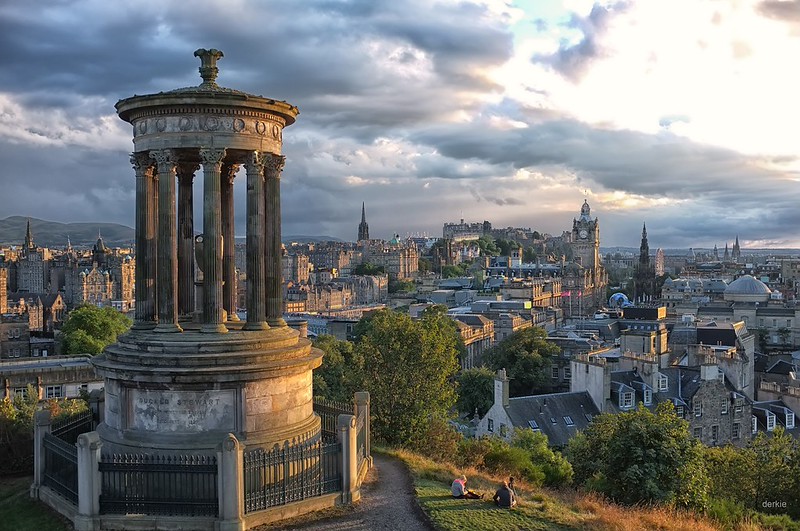
Edinburgh is Scotland’s capital and a magnet for visitors. History, architecture, literature, and festivals overlap here in a way few cities manage. Medieval closes wind downhill from the Royal Mile, while broad Georgian streets open out in elegant symmetry.
At the top of it all stands Edinburgh Castle, perched on an extinct volcanic rock. Parts of the fortress date back to the 12th century. Over time it has served as royal residence, military stronghold, and symbol of national identity. From its walls, the views stretch across the city and out to the Firth of Forth.
August transforms Edinburgh. The Edinburgh Festival Fringe fills streets, theatres, and pubs with comedy, theatre, music, and late-night performances. Meanwhile, the Georgian grid of Edinburgh New Town offers a different rhythm—wide avenues, formal squares, and cultural spaces such as the National Gallery of Scotland.
Edinburgh blends medieval stone with classical design, ceremony with creativity. It deserves at least a day of your itinerary. Still, once you’ve taken in the capital, head beyond the cities. The islands, Highlands, and Lowlands reveal another side of Scotland entirely.
9. Cairngorms National Park: High Plateaus and Highland Wildlife
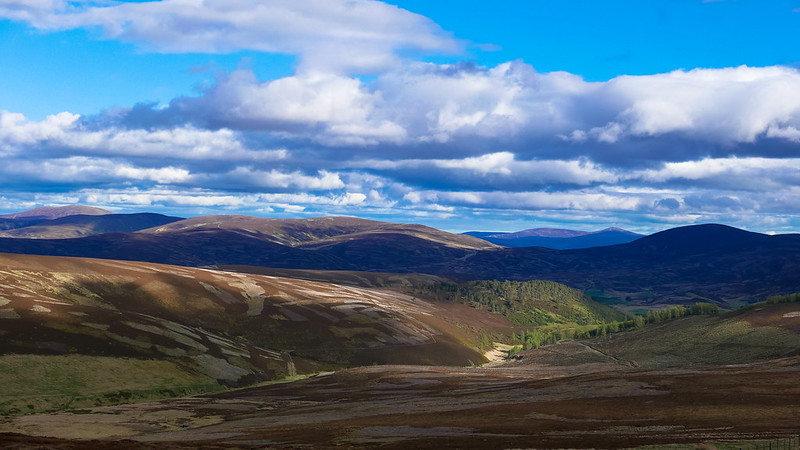
Cairngorms National Park is the largest national park in the UK, covering more than 1,700 square miles of mountain terrain, forest, and open moorland. At its core lies the Cairngorms, home to Britain’s broadest expanse of Arctic-style plateau. Ice-age glaciers carved the valleys here, leaving behind steep corries, cliffs, and long sweeping glens.
Walking routes range from gentle circuits to demanding climbs. Seasoned hikers often aim for Ben Macdui, the UK’s second-highest peak, where views stretch for miles on a clear day. For something calmer, a loop around Loch an Eilein passes through ancient Caledonian pine forest, with castle ruins set on a small island in the loch.
Wildlife adds another layer to the experience. Red deer roam the hillsides. Golden eagles and ospreys circle above. Pine martens move quietly through woodland. A herd of reindeer also lives in the park—though introduced and managed, they still lend a sense of the far north to the high ground.
The Cairngorms offer scale, space, and fresh Highland air in generous supply.
10. Stirling Castle: Battles, Royals, and a Turning Point in History
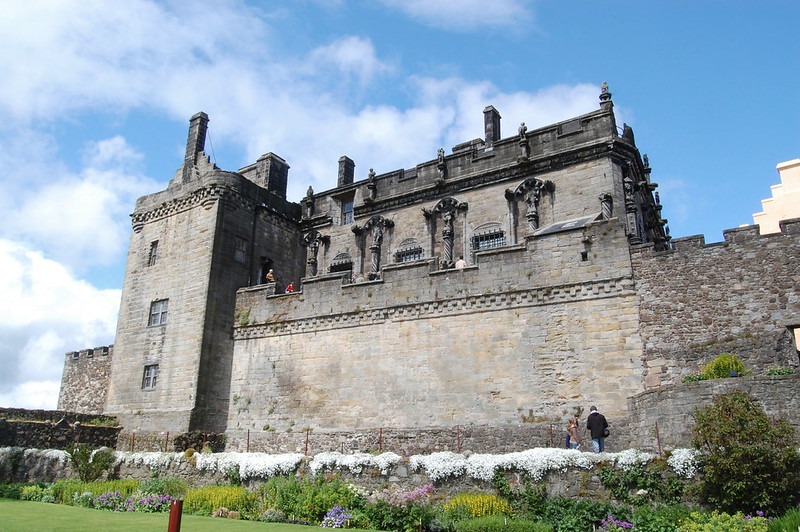
Stirling Castle stands as one of Scotland’s most significant strongholds. Perched high above the surrounding land, it commands the gateway between Highlands and Lowlands. Its position made it central to power struggles for centuries, and the stories tied to its walls shaped the nation’s past.
The castle was once home to Mary, Queen of Scots and played a role in the Wars of Independence. Nearby, the victory at Battle of Stirling Bridge marked a major moment for William Wallace. Just a short distance away lies the site of the Battle of Bannockburn, another defining chapter in Scottish history.
Stirling offers more than its castle walls. The towering Wallace Monument overlooks the landscape in tribute to Scotland’s Guardian. The old graveyard beside the castle carries centuries of quiet history, while the town itself features welcoming cafés and cobbled streets.
Stirling can be explored alongside Loch Lomond and a local whisky distillery on a day trip from Edinburgh or Glasgow—a route that blends scenery, heritage, and Highland flavour in one rewarding journey.
11. Glenfinnan Viaduct: Steam, Story, and Highland Scenery
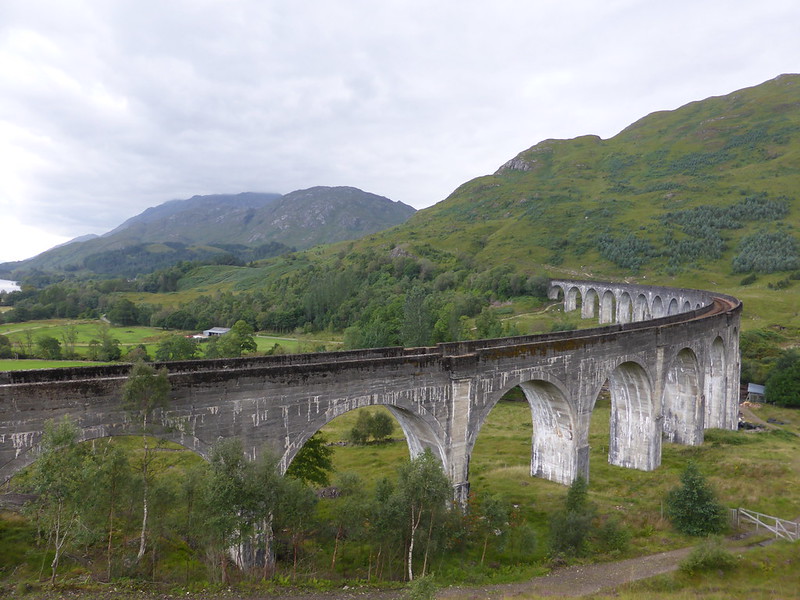
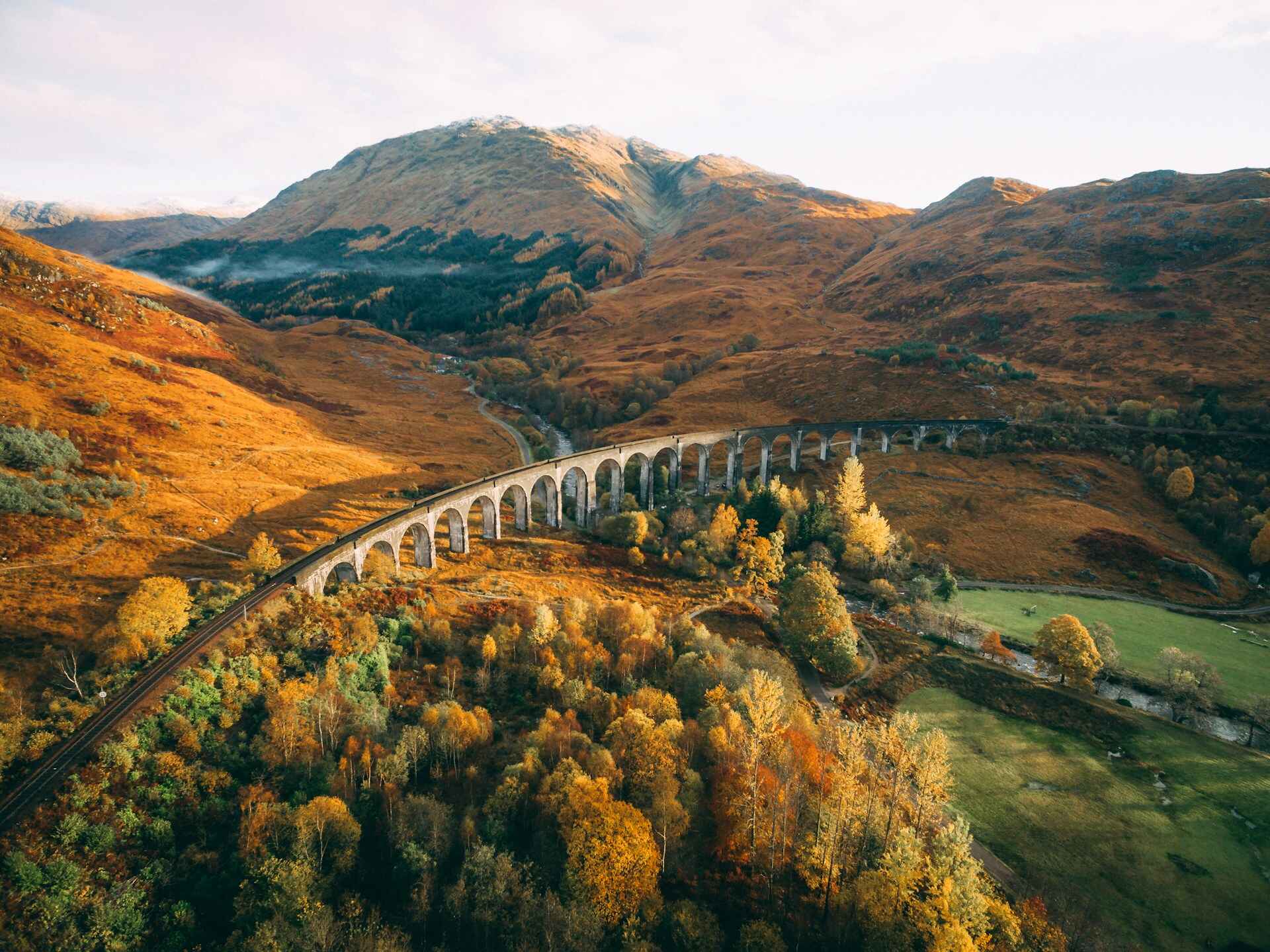
The Glenfinnan Viaduct is one of Scotland’s most recognisable landmarks. The sweeping railway bridge curves across the valley at Glenfinnan, framed by hills and open sky. When a train crosses its arches, the scene feels almost cinematic.
Fans of Harry Potter and the Philosopher’s Stone and later films will recognise the viaduct instantly. The Jacobite Steam Train still runs across it, echoing the famous Hogwarts Express scenes. Watching the steam roll over the arches draws crowds each season.
Just beside the loch stands the Glenfinnan Monument. It marks the spot where Bonnie Prince Charlie raised his standard in 1745, beginning the Jacobite Rising. From here, his supporters marched south in an attempt to reclaim the British throne.
With its curved stone bridge, working steam train, and powerful backstory, Glenfinnan leaves a lasting impression. Our 2-day Highland tour includes a journey on the Jacobite train over the viaduct, followed by a visit to Loch Ness the next day—combining railway nostalgia with Highland legend in one compact adventure.
12. Rannoch Moor: Wide Skies and Untamed Ground
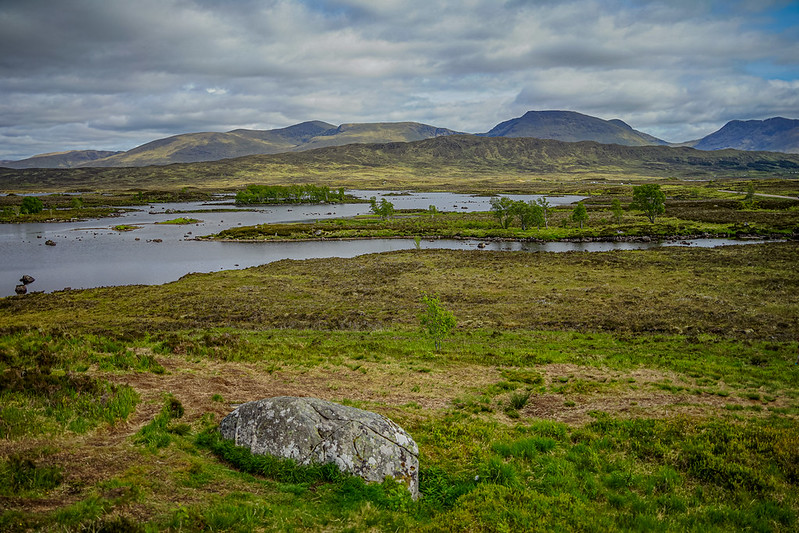
Rannoch Moor stretches across the Highlands just before the road reaches Glencoe. It’s a broad sweep of peat bog, scattered lochans, heather, and distant peaks. The terrain feels open and exposed, shaped by water and weather over centuries.
There are few buildings and only limited roads cutting through the moor. That sparse layout gives the area a raw, unsettled character. Wildlife adapts well here—red deer move across the ground, birds circle above, and hardy plants cling to the damp soil. It’s worth slowing down and scanning the horizon as you walk.
Isolation plays a big part in the atmosphere. On some days, mist rolls in without warning. On others, sunlight breaks through and transforms the entire landscape. Conditions shift quickly, so good footwear and weatherproof layers make a difference.
Rannoch Moor offers space, silence, and a sense of scale that’s hard to find elsewhere. For hikers and outdoor-minded travelers, it delivers a direct encounter with Highland terrain at its most elemental.
13. Galloway Forest Park: By Day, Trails — By Night, Stars
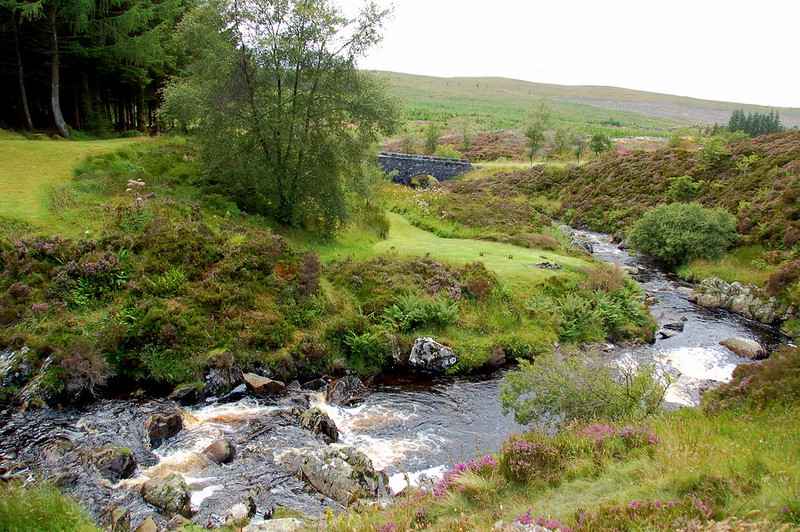
Galloway Forest Park is the largest forest park in the UK, covering roughly 300 square miles in southwest Scotland. Forests, rivers, hills, and open moorland stretch in every direction. Yet for many visitors, it’s the night sky that steals the show.
Recognised as a Galloway Dark Sky Park, the area offers remarkably clear stargazing conditions. On a cloudless night, the Milky Way cuts across the sky in sharp detail. With minimal light pollution, constellations appear brighter and more defined than in most parts of Britain.
During the day, over 300 kilometres of walking trails cross the park, leading past lochs such as Loch Trool and up to wide viewpoints. Cyclists can tackle purpose-built mountain bike routes that wind through pine woods and across open ground, suitable for beginners and experienced riders alike.
Galloway blends outdoor activity with vast skies and quiet evenings. If your schedule allows, staying overnight adds a whole new dimension to the visit.
14. North Coast 500: Scotland’s Ultimate Highland Road Trip
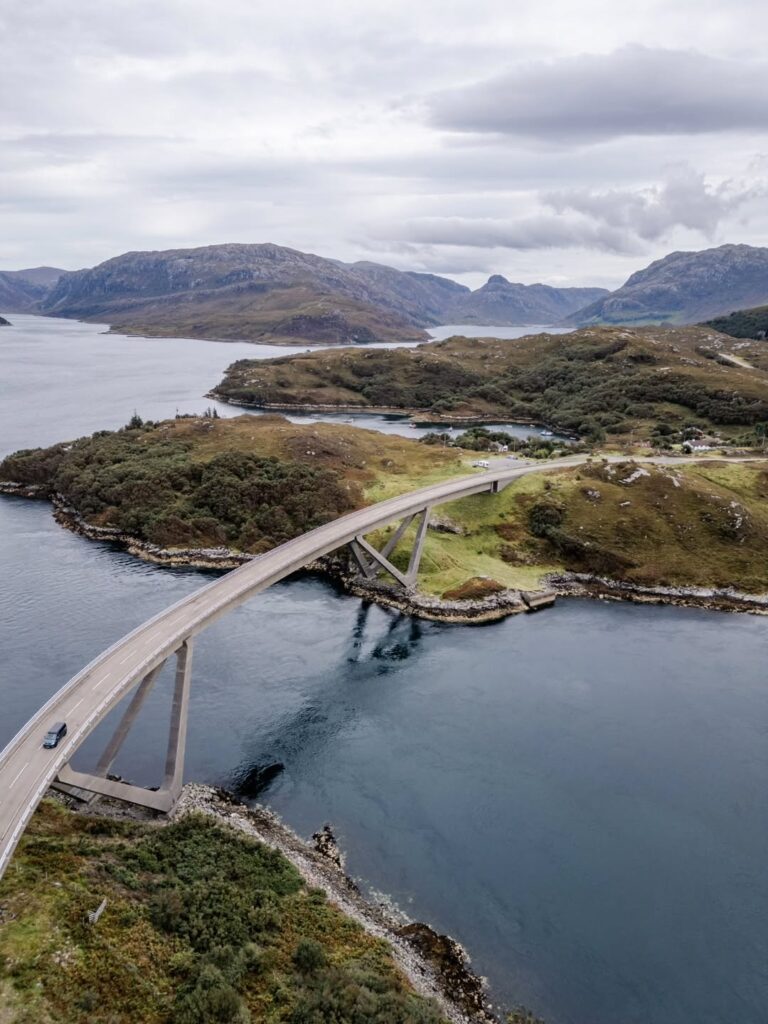
The North Coast 500 is often compared to Route 66—Scotland’s own long-distance driving classic. This circular route winds through the northern Highlands for over 500 miles, tracing cliffs, beaches, and mountain passes.
Along the way, you’ll pass pale-sand beaches, fishing villages, and grand landmarks such as Dunrobin Castle. The road narrows at times into single-track stretches that twist through remote landscapes. Ancient brochs and ruined keeps appear unexpectedly, reminders of lives lived here long before modern roads existed.
The route also forms part of the journey north toward Orkney, making it a natural addition to a wider itinerary. Long though it is, the drive rarely feels repetitive. Each bend reveals a fresh viewpoint—cliffs dropping into the sea, distant peaks rising inland, or a quiet harbor tucked below the hills.
Take your time on the North Coast 500. The magic lies in the pauses as much as the miles.
15. Loch Lomond: Islands, Water, and Highland Horizons
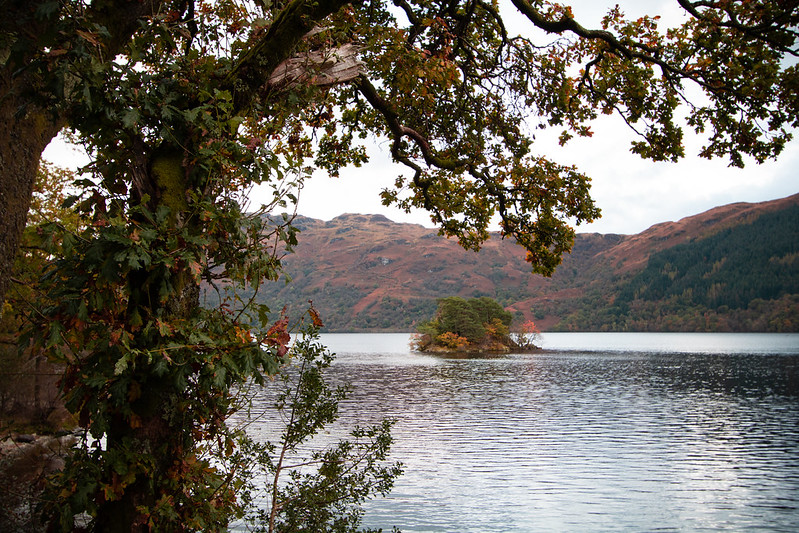
Loch Lomond is Scotland’s largest loch by surface area and one of its best known. More than 30 islands dot its waters, including Inchconnachan—often nicknamed Wallaby Island. From certain viewpoints, you can even trace the natural divide between the Highlands and Lowlands, a rare geographical meeting point.
Mountains rise steeply along the eastern shore, with Ben Lomond standing just over 3,000 feet. Its slopes draw walkers seeking wide views across the water and toward distant peaks. Down at loch level, the atmosphere shifts—quiet bays, wooded islands, and long reflections across the surface.
The range of activities keeps visitors busy. Kayaking and rowing offer a closer look at the shoreline. Boat cruises weave between islands, some home to ruins that hint at centuries past. Cyclists and hikers follow trails that circle parts of the loch or climb into the surrounding hills.
Villages such as Luss and Balloch provide easy access to the water, along with places to pause and take in the view. Loch Lomond balances scale with accessibility, making it a natural stop on many Scottish journeys.
16. St Andrews: Fairways, Ruins, and Coastal Heritage
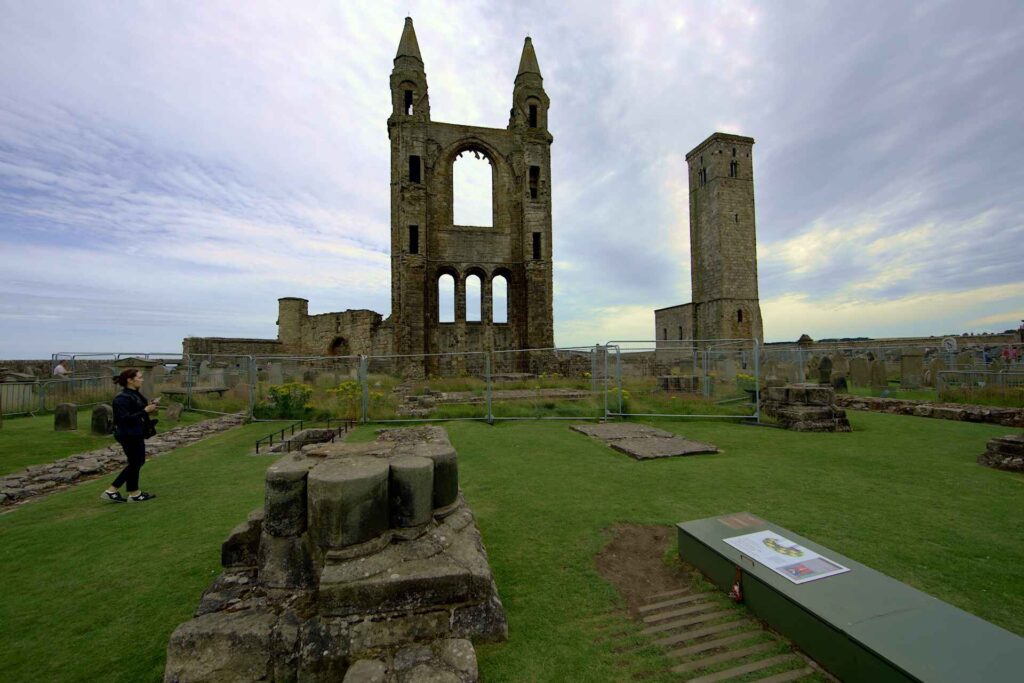
St Andrews sits on the east coast of Fife and carries the title “Home of Golf.” The sport has been played here since the 15th century, and the town’s links courses are closely tied to its early development.
The Old Course at St Andrews is widely regarded as the oldest golf course in the world. Formal records date back to 1552. The layout runs beside the sea, shaped by wind and sand. Double greens, deep pot bunkers, and the famous Swilcan Bridge make it instantly recognisable. The course has hosted The Open Championship 29 times, adding to its reputation.
Golf is only part of the story. The remains of St Andrews Cathedral and St Andrews Castle stand on a rocky headland above the North Sea. These ruins hint at medieval power struggles and religious change.
Founded in 1413, the University of St Andrews is Scotland’s oldest university. Its stone buildings and student-filled streets give the town a lively rhythm that balances tradition with everyday life.
The Top 5 Castles to See While Travelling to Scotland
Scotland carries layers of story in its stone walls. With more than 3,000 castles scattered across the country, choosing where to begin can feel overwhelming. Some stand in partial ruin on cliff edges. Others remain grand residences tied to royal history. Each one reflects centuries of conflict, ambition, and shifting power.
From the postcard setting of Eilean Donan Castle to the commanding presence of Edinburgh Castle and Stirling Castle, these landmarks anchor Scotland’s past to its present. Coastal strongholds like Dunnottar Castle cling to sea cliffs, while estates such as Balmoral Castle connect to modern royalty.
We’ve narrowed the field to nine castles that stand out for setting, story, and atmosphere. Whether you’re drawn to medieval ruins, Renaissance halls, or sweeping battlements, these sites bring Scotland’s history into clear view. Step through their gates and you step into another century.
17. Eilean Donan Castle: Where Three Lochs Converge
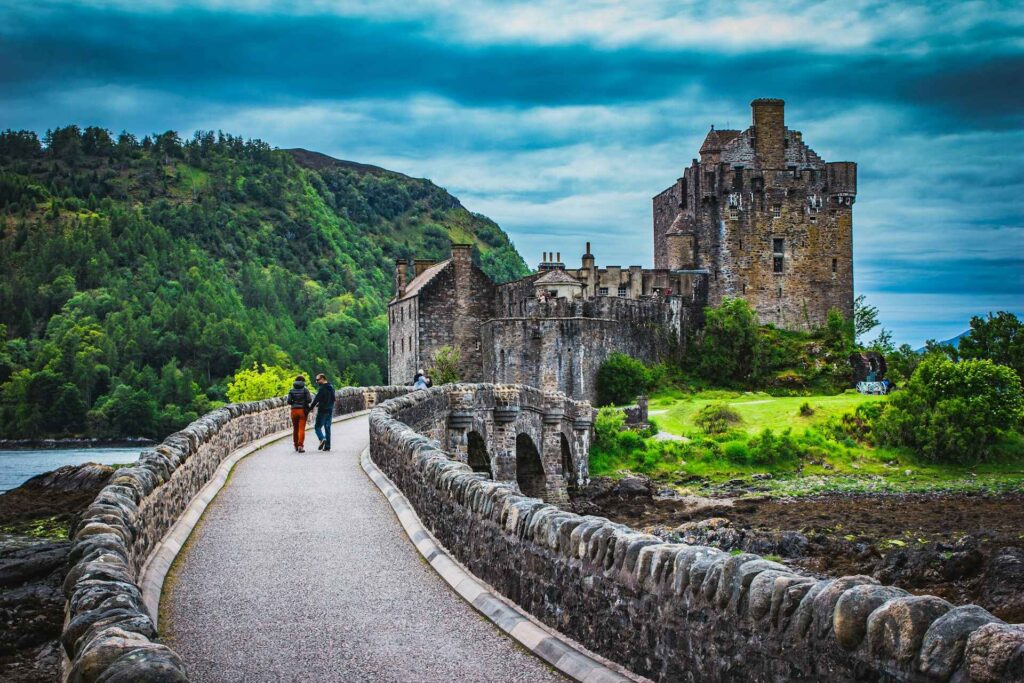
Eilean Donan Castle stands on a small tidal island in the western Highlands, positioned where three sea lochs meet. Its stone keep, arched bridge, and waterside setting have made it one of the most photographed landmarks in Scotland. The castle’s outline is instantly recognisable, whether seen on screen or rising from the loch in shifting Highland light.
The first stronghold here was built in the 13th century for the Mackenzies of Kintail. Its location allowed them to monitor movement along key water routes and defend against seaborne threats. Over time, the structure expanded into a fortified complex protected by curtain walls and towers.
Conflict shaped its fate. After sheltering Jacobite supporters in 1692, the castle was attacked by government ships and largely destroyed. For nearly two centuries, the ruins stood exposed to wind and tide.
Restoration began in 1912 under Lt. Col. John MacRae-Gilstrap and continued until 1932, giving the castle its present form. It opened to the public in 1955 and is now managed by the Conchra Charitable Trust. Today, hundreds of thousands visit each year—drawn by its history, setting, and the striking sight of stone rising from water.
18. Dunnottar Castle: Clifftop Ruins and Hidden Treasures
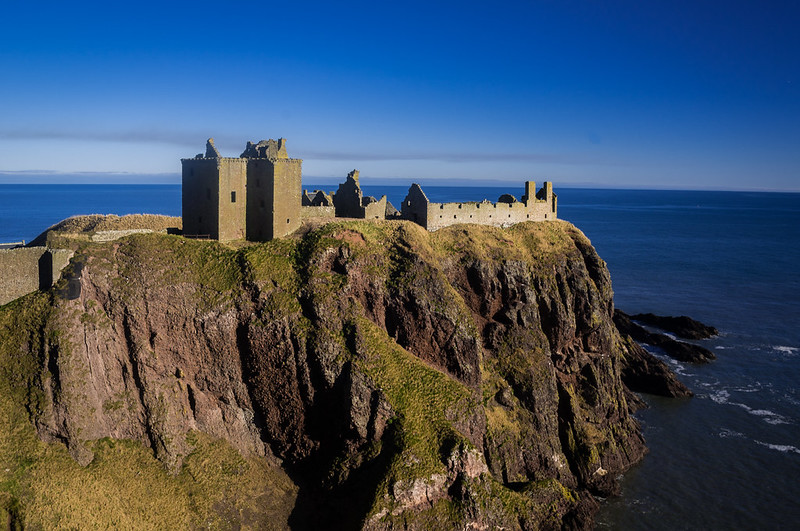
Dunnottar Castle ranks among Scotland’s most striking castle sites. It sits on a rocky headland above the North Sea, with steep drops on three sides and waves breaking far below. Though much of the structure now lies in ruin, the remaining walls and towers cling to the cliff edge in a way that feels almost unreal.
Its dramatic setting has attracted filmmakers over the years. The castle appeared in Hamlet directed by Franco Zeffirelli and featured in the Outlander series. The landscape does much of the storytelling on its own—wind, sea, and stone working together.
Dunnottar also played a critical role in Scottish history. During the 17th century, the Honours of Scotland—the country’s crown jewels—were moved from Edinburgh Castle to keep them from Oliver Cromwell’s advancing forces. They were hidden at Dunnottar for months before being secretly removed again and concealed beneath the floor of a nearby church.
Today, visitors walk the steep path out to the headland and step into a place shaped by siege, secrecy, and survival. The views alone are worth the climb.
19. Dunvegan Castle: Clan Legacy on the Isle of Skye
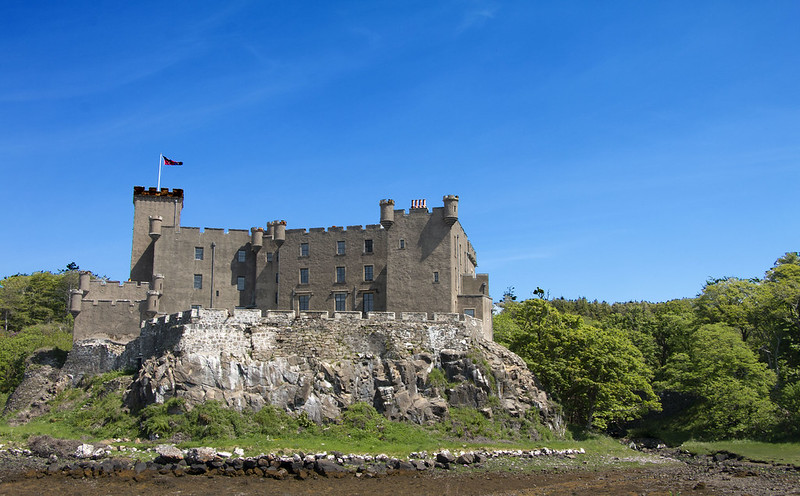
Dunvegan Castle is the oldest continuously inhabited castle in Scotland. For around 800 years, it has been the ancestral seat of the Chiefs of Clan MacLeod. Set on a rocky rise above the sea on the Isle of Skye, the castle blends defensive strength with later residential comfort.
First built in the 13th century, Dunvegan expanded during the 15th and 17th centuries. Its evolving layout reflects changing needs and tastes over time. Inside, visitors can view treasured MacLeod heirlooms, including the legendary Fairy Flag—said to carry protective powers—and the medieval Dunvegan Cup, a ceremonial vessel linked to clan tradition.
The grounds add another layer to the visit. Formal gardens, first arranged in the 17th century, feature water elements, lawns, and seasonal planting. The walled garden offers a quiet contrast to Skye’s windswept coastline. Beyond the cultivated areas, walking paths follow the shoreline and open out toward sea views.
Dunvegan combines living clan history with coastal scenery, offering insight into both Highland heritage and island life.
20. Stirling Castle: Scotland’s Historic Crossroads
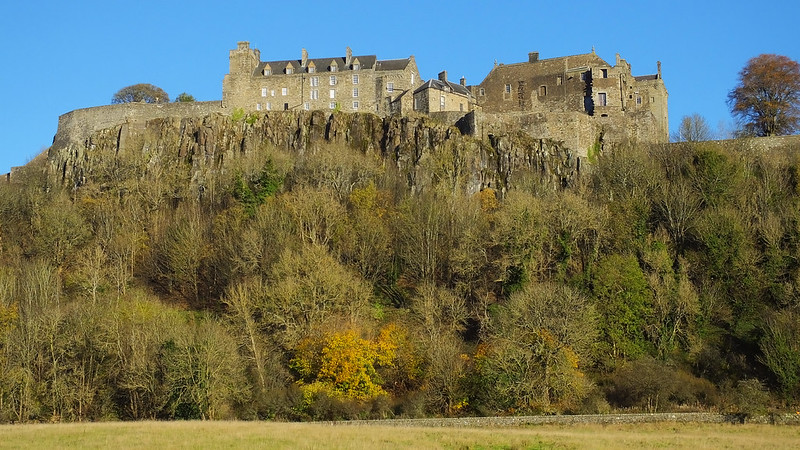
Stirling occupies a pivotal position between the Highlands and Lowlands. For centuries, control of this gateway meant influence over much of the country. As a result, Stirling became a focal point during the Wars of Scottish Independence and witnessed repeated sieges and battles.
At its centre stands Stirling Castle, rising from a volcanic crag. The fortress served as a royal residence and political stronghold. Major renovations during the 16th century under James IV of Scotland, James V of Scotland, and Mary, Queen of Scots shaped the Renaissance-style Great Hall and Royal Palace visible today.
Stirling also honours national figures and defining moments. The towering Wallace Monument commemorates William Wallace, while the Bannockburn Visitor Centre marks Battle of Bannockburn, where Robert the Bruce secured a landmark victory in 1314.
For those drawn to Scotland’s past, Stirling offers direct access to pivotal chapters that shaped the nation.
21. Edinburgh Castle: Guardian Above the Capital
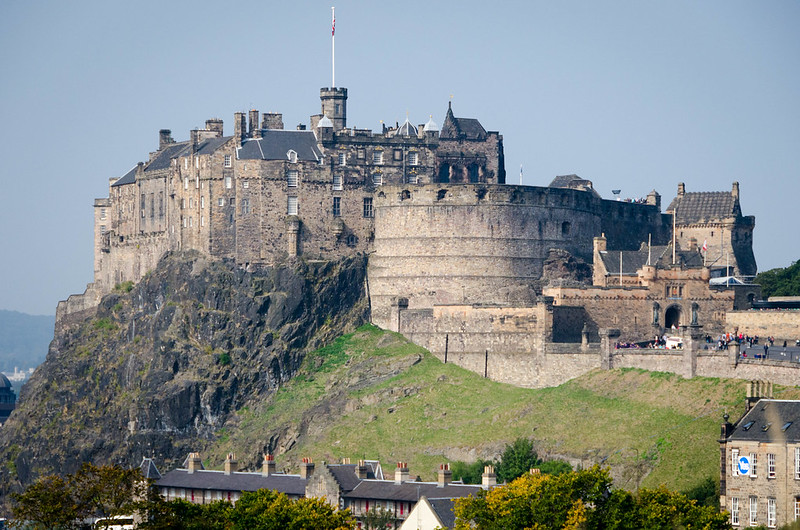
Edinburgh Castle dominates the skyline from its perch atop Castle Rock. Rising above Edinburgh, it has long served as a royal residence and military stronghold. When British monarchs visit Scotland, the castle remains their official base.
Parts of the fortress date to the 12th century, though archaeological evidence suggests the volcanic rock was a centre of power long before medieval walls were raised. Over the centuries, the castle endured sieges, occupations, and rebuilding—especially during the Wars of Scottish Independence.
Today, it stands as a powerful emblem of national identity. Within its walls, visitors can view the Honours of Scotland, often referred to as the Scottish Crown Jewels, and explore halls, chapels, and battlements shaped by centuries of change. The views from the ramparts stretch across the capital and out to the Firth of Forth.
A visit to Edinburgh feels incomplete without stepping inside this historic stronghold, which has watched over the city for nearly a thousand years.
When Is the Best Time of Year to Visit Scotland?
It’s a question I’m asked constantly while guiding with Scotland’s Wild—and the honest answer is: it depends on you.
Scotland can deliver four seasons in a single afternoon. Sunshine can shift to hail, then clear skies again before dinner. While the weather has a mind of its own, there is still a loose seasonal pattern that helps with planning.
Summer brings longer daylight hours and a higher chance of dry spells. It’s the warmest period, ideal for road trips and island hopping. That said, it’s also the busiest, and midges are more active in certain regions.
Autumn and spring strike a balance. Spring carries fresh growth and lighter evenings, while autumn offers changing leaves and softer light across glens and hills. Visitor numbers tend to drop during these shoulder seasons, which many travellers appreciate.
Winter has its own appeal. In the Highlands, snow can transform the landscape into something stark and striking. Shorter days and colder temperatures come with fewer crowds, creating a quieter atmosphere at major sites.
There isn’t a single “perfect” month. The right time comes down to what you value most—long days, fewer people, seasonal colour, or crisp winter air. Whatever you choose, Scotland rarely feels dull.
Related Posts: