
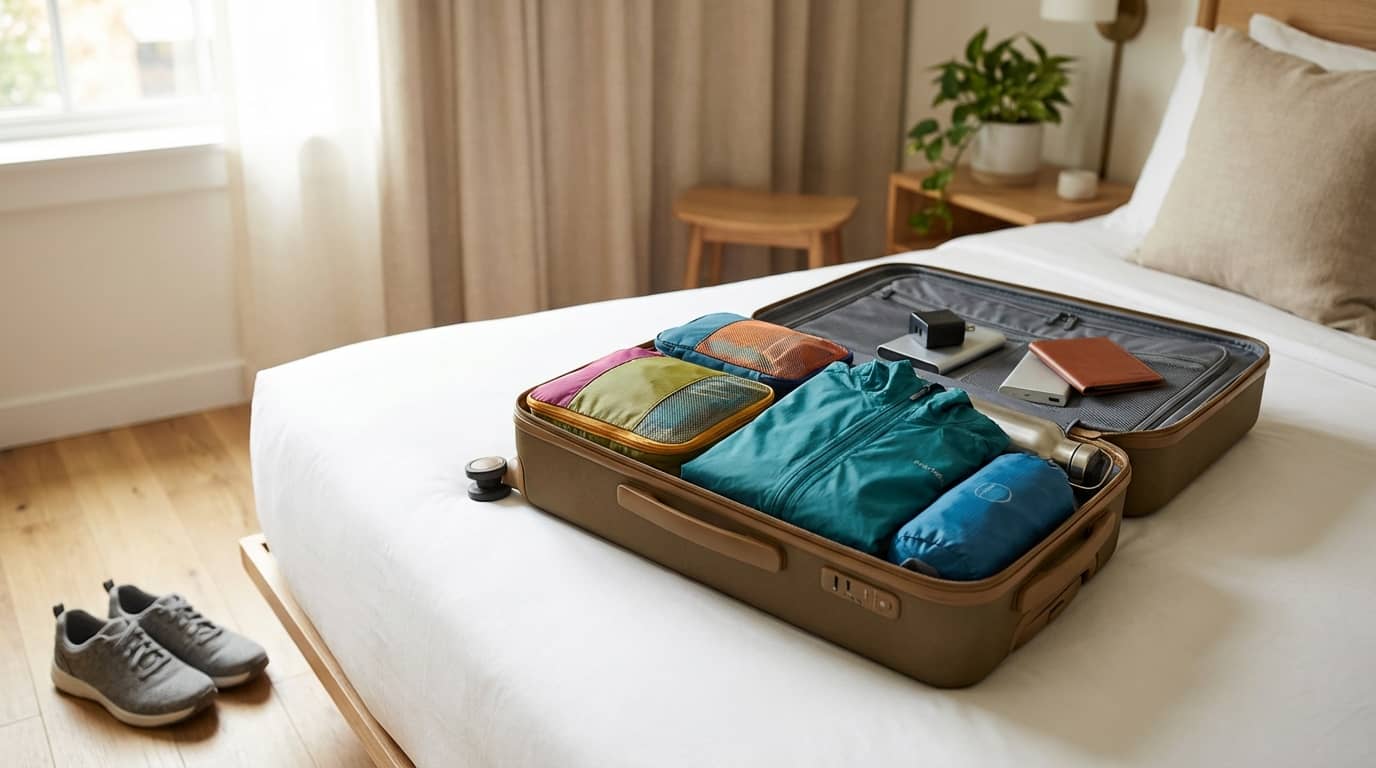
Traveling across Europe for three weeks with only a carry-on is not about restriction — it’s about efficiency, mobility, and smart preparation. When you move between cities, trains, airports, and hotels, heavy luggage slows everything down. A well-planned carry-on setup lets you skip baggage lines, avoid lost luggage risk, and move quickly through transit points. It also makes staircases, small hotel rooms, and public transportation far easier to manage.
The success of carry-on travel depends on choosing items that are compact, multi-use, and reliable. Every object should justify the space it occupies. Clothing should layer, gear should solve multiple needs, and essentials should support daily comfort and safety.
Below are your 15 listed essentials explained in full detail. Each item is written with practical usage guidance so you can apply it directly to a real three-week Europe trip.
1. A Lightweight Carry-On Backpack or Suitcase
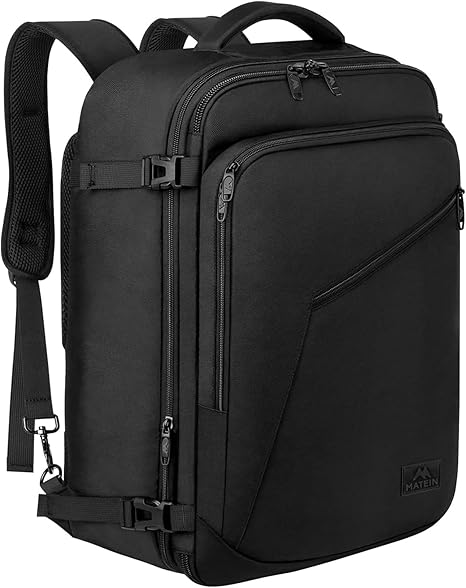
Your carry-on bag is the single most important travel item because every other decision connects to it. The right bag keeps weight manageable, protects your belongings, and makes movement between locations smoother. A poor bag choice creates daily friction — uncomfortable carrying, broken zippers, poor balance, and wasted space. That becomes exhausting across three weeks.
A carry-on backpack is ideal if your route includes stairs, train platforms, older buildings, and uneven streets. It keeps your hands free and weight centered. A compact rolling suitcase is better if most of your transfers are airports and taxis with smooth flooring. Neither is universally better — match the bag to your travel pattern.
Look for strong stitching, lockable zippers, internal compression straps, and multiple compartments. Weather-resistant material helps during rainy arrivals. A clamshell opening makes packing and repacking far easier than a top-loader design.
Before departure, fully pack the bag and carry it for at least fifteen minutes. Walk stairs. Lift it overhead. Real-world testing reveals problems early. Comfort and function matter more than brand or style for a long trip.
2. Packing Cubes
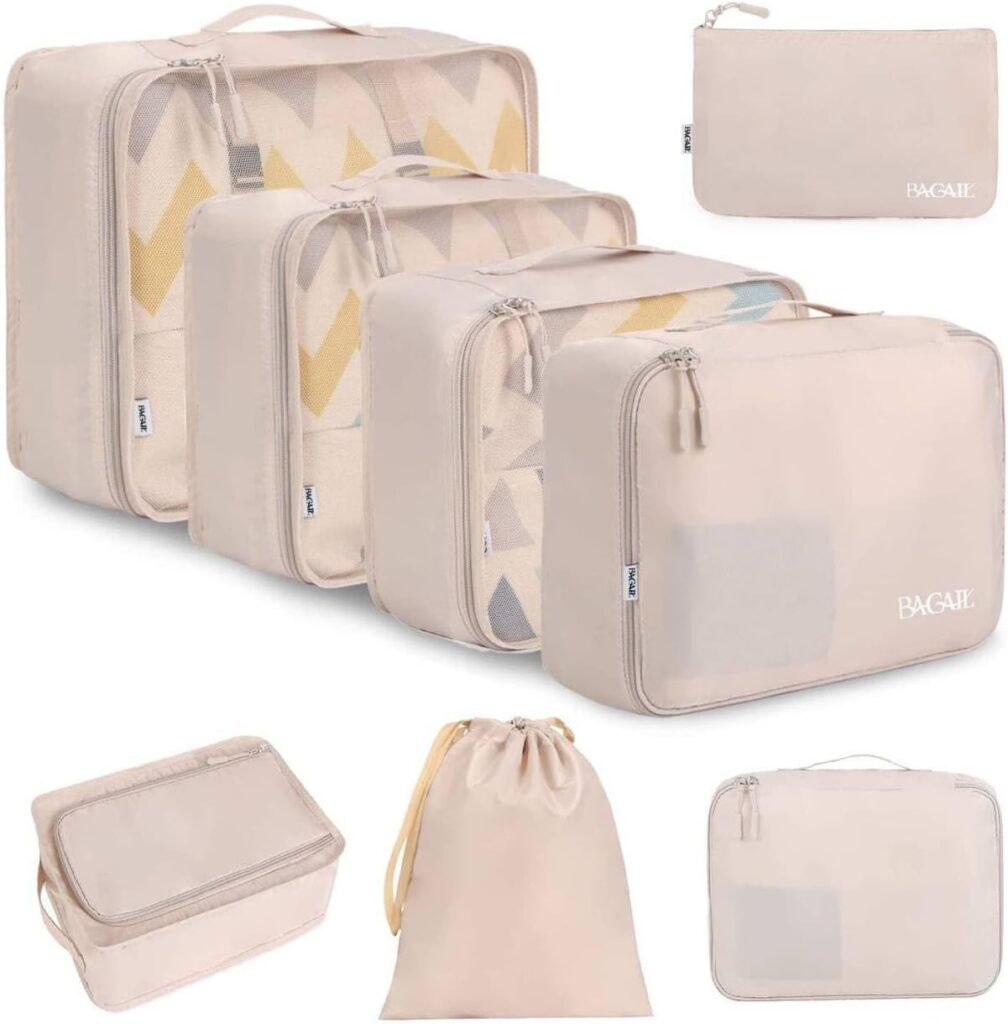
Packing cubes are one of the highest-impact upgrades for carry-on travel because they convert limited space into an organized system. Instead of stacking clothing in loose layers, cubes separate items by category. This prevents your bag from becoming disordered after just a few days on the road.
Use a simple cube structure: tops in one, bottoms in another, underwear in a small cube, and sleepwear or gym wear separately. With this method, you never dig through everything to find one shirt. You remove exactly what you need and close the bag again quickly — especially useful in small hotel rooms.
Compression packing cubes go a step further by squeezing excess air from clothing. This reduces bulk without damaging fabrics. It also helps maintain shape and prevents shifting inside the bag during transit.
Cubes also support laundry rotation. You can designate one cube for worn items so clean and used clothing never mix. That improves hygiene and simplifies repacking. Over a three-week trip with multiple stops, this small structure saves time daily and reduces packing stress significantly.
3. Versatile Clothing Layers

Clothing strategy determines whether carry-on travel works or fails. The goal is not packing many outfits — it is packing flexible layers that combine into many outfits. Layering handles temperature changes across regions and seasons far better than bulky single garments.
Choose a coordinated color palette so most tops match most bottoms. Neutral shades allow easy mixing and reduce the number of pieces needed. A small wardrobe that mixes well produces more outfit combinations than a large mismatched one.
Focus on lightweight fabrics that dry quickly and resist wrinkles. These perform better when washed in sinks and worn repeatedly. Technical blends and merino fabrics are strong performers for long trips because they regulate temperature and manage odor.
Plan roughly seven days of clothing and rotate with laundry. Travelers often bring far more clothing than they actually use. A controlled layer system — base layer, mid layer, outer layer — gives flexibility without excess bulk. Smart layering keeps you prepared for weather shifts while protecting your carry-on space.
4. Compact Rain Jacket or Packable Coat
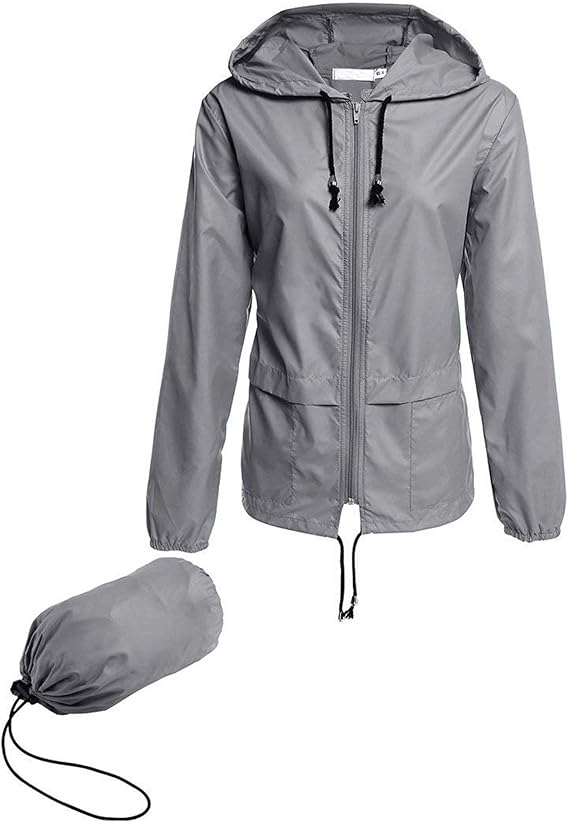
Weather across Europe is unpredictable, even within the same week and region. A morning can start warm and turn windy or rainy by afternoon, especially in coastal cities or higher elevations. A compact rain jacket or packable coat protects you from sudden weather shifts without consuming valuable carry-on space. This is one of those items travelers are always glad they packed when conditions change.
The best option is a lightweight waterproof shell with a hood that folds into a small pouch or its own pocket. These jackets are built from thin technical fabric that blocks wind and rain while remaining breathable. Because they compress tightly, they fit easily into a corner of your bag or daypack when not in use.
A packable insulated coat is useful for cooler seasons or shoulder months. It adds warmth during evening walks and early departures while still packing down small. Many models compress to the size of a sweater but provide much more heat retention.
Avoid thick, bulky coats that take up too much room. A layered system — light jacket plus mid-layer — gives better flexibility and handles more weather situations with less packing volume.
5. Comfortable Walking Shoes
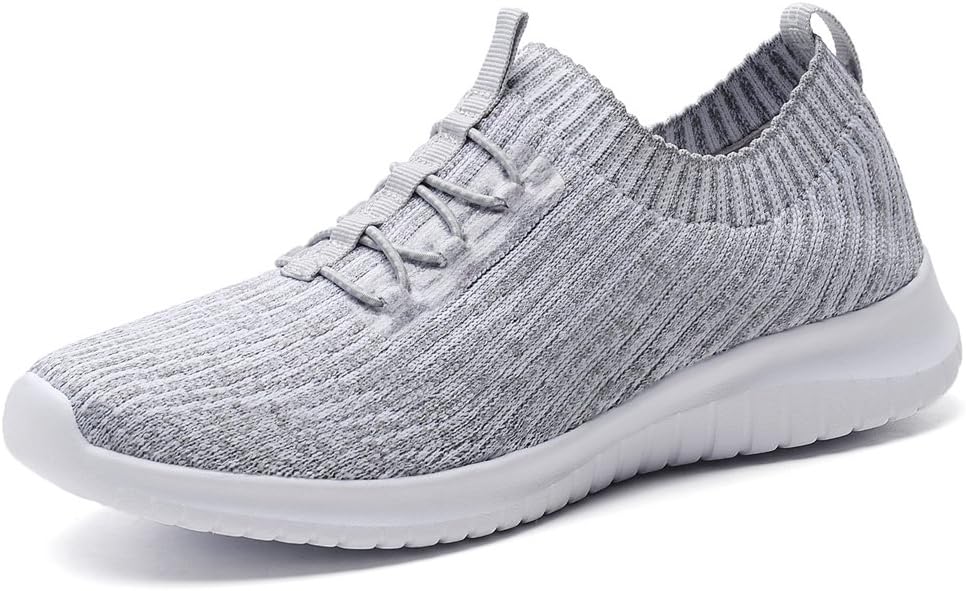
Walking is one of the main ways you experience European cities. Historic centers, museums, viewpoints, and transit connections often require more walking than travelers expect. Comfortable walking shoes are therefore not optional — they are essential equipment. Foot pain can quickly affect your mood, pace, and daily plans.
Bring one primary pair of well-broken-in walking shoes with proper cushioning and arch support. They should feel good after several hours of use, not just when first worn. Breathable materials help regulate temperature, while light water resistance helps during wet streets and light rain.
Neutral styling is helpful because it allows the same shoes to work with casual daytime clothing and slightly dressier evening outfits. This prevents the need for extra footwear. Heavy hiking boots are usually unnecessary unless your trip includes serious trail hiking.
If space allows, pack a very lightweight backup pair such as compact sandals or foldable flats. These give your feet recovery time and provide an alternative if your main shoes get wet. Rotating footwear reduces fatigue across a long trip.
6. Travel-Size Toiletry Kit
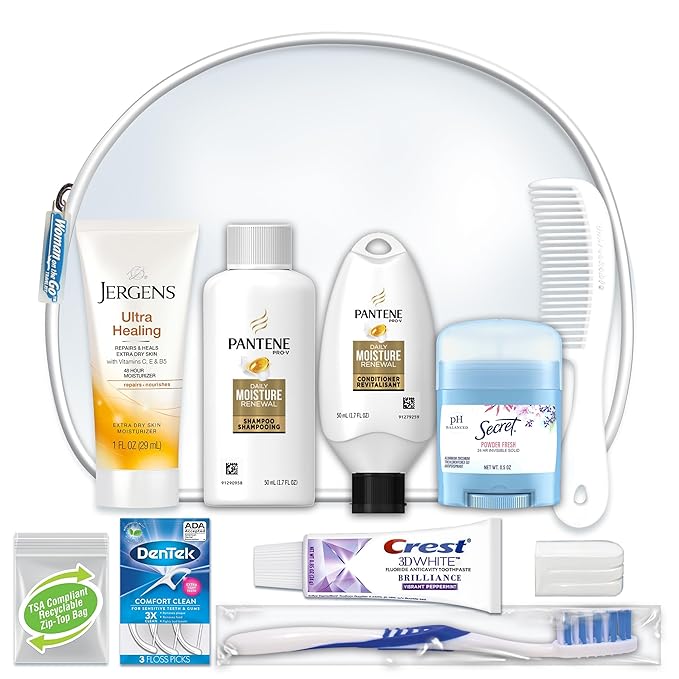
A travel-size toiletry kit keeps your daily hygiene routine intact while respecting carry-on liquid limits. The key is downsizing, not duplicating your full home setup. Only bring what you use every day, and move everything into small, leak-resistant containers designed for travel.
Refillable bottles are more space-efficient than buying many mini products. They also reduce waste and let you bring your preferred brands. Store liquids inside a sealed pouch to prevent spills from reaching clothing. A clear bag speeds up airport security screening.
Solid toiletries are especially useful for carry-on travel. Solid shampoo, conditioner bars, and soap eliminate liquid limits and leak risk. They also last longer per gram and pack more compactly. Many travelers switch to solids just for travel efficiency.
Keep your kit minimal and replace items locally if needed. Most cities have pharmacies and supermarkets with familiar products. Carrying three weeks of supplies from day one adds unnecessary weight. A tight, simple kit saves space and keeps your bag organized.
7. Universal Power Adapter
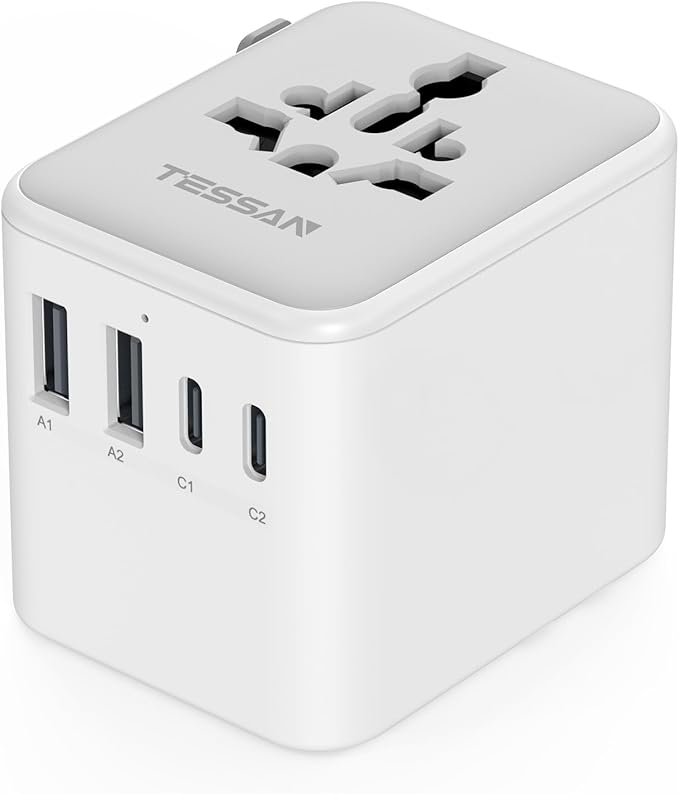
A universal power adapter is essential for a multi-country Europe trip because plug shapes and socket standards vary between regions. Without the correct adapter, even fully charged devices become useless once batteries run low. Since your phone often holds maps, tickets, bookings, and communication tools, reliable charging access is critical every day.
A good universal adapter includes multiple plug configurations built into one compact unit. This removes the need to carry separate adapters for each country. Models with slide-out prongs are especially convenient and reduce loose parts in your bag. One adapter should cover all your destinations.
Choose an adapter with multiple USB ports in addition to standard outlets. This allows you to charge several devices at once — such as your phone, watch, earbuds, and power bank — using only one wall socket. That matters in hotel rooms where outlet access is limited.
Build quality matters more than price. Cheap adapters often fit loosely and charge slowly. A solid, well-fitted adapter improves charging stability and protects your electronics. This small tool supports your entire digital travel setup.
8. Compact Power Bank
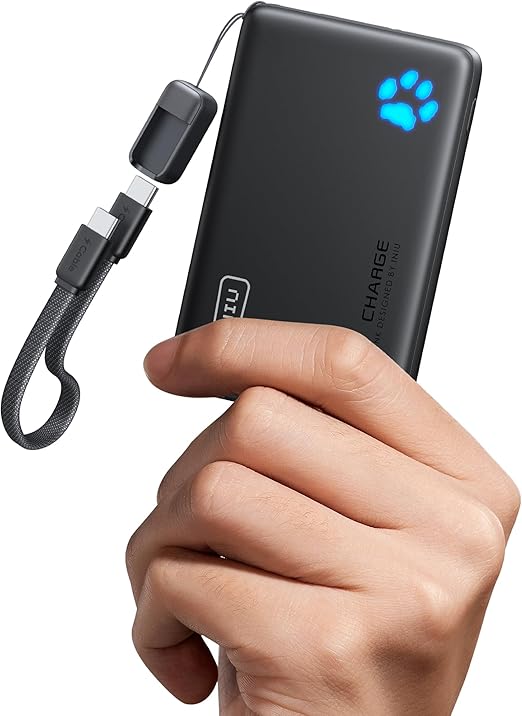
During a three-week trip, your phone works harder than usual. It runs navigation, translation, ticket access, photography, messaging, and research throughout the day. This constant usage drains batteries quickly, often before you return to your hotel. A compact power bank prevents your phone from dying when you still depend on it.
Choose a slim, lightweight power bank that fits easily into a pocket or daypack. Capacity should be enough for at least two full phone charges. That gives a safety buffer for long travel days, delayed trains, or extended sightseeing.
Fast-charging support is highly useful. It allows meaningful battery recovery during short café stops or transit breaks. Models with both USB-C and standard USB ports offer better cable flexibility and future compatibility.
Recharge your power bank overnight along with your phone so each morning starts fully powered. This simple habit removes battery anxiety and keeps navigation and digital tickets available at all times.
9. Travel Documents Organizer
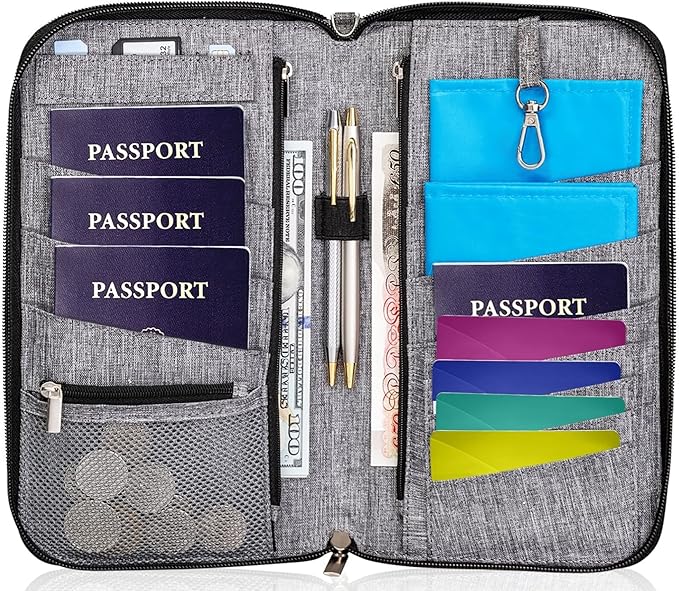
A travel documents organizer keeps your most important papers and cards structured and quickly accessible. When moving through airports, borders, and hotel check-ins, you will repeatedly need your passport and reservations. Searching through loose pockets wastes time and increases loss risk.
A slim zip organizer or document wallet works best. It should hold your passport, payment cards, insurance information, and printed reservations. Interior slots help separate items so nothing overlaps or bends. Consistent placement builds habit and reduces mistakes.
Security features such as RFID-blocking layers add extra protection in crowded transit areas. While not mandatory, they provide peace of mind when carrying multiple cards. A zipper closure is safer than an open sleeve design.
Keep this organizer in the same compartment of your bag every time. Routine placement is one of the strongest theft- and loss-prevention habits. Fast access plus consistent storage keeps your trip running smoothly.
10. Digital + Physical Copies of Important Papers
Keeping backup copies of your important documents is a simple step that can save your entire trip if something goes wrong. Passports, visas, insurance papers, and booking confirmations are difficult to replace quickly when lost. Having both digital and printed copies gives you two layers of protection.
Start by scanning your passport ID page, travel insurance, major reservations, and tickets. Store these files in secure cloud storage that you can access from any device. Email a copy to yourself as well so you can retrieve it even if apps fail.
Printed copies are equally important because phones can run out of battery or lose connectivity. Border officers and hotel desks often accept paper proof when digital versions are unavailable. Paper copies also help when filing reports or replacement requests.
Keep printed backups in a different location than your originals — for example, copies in your bag and originals in your document wallet. Separation prevents losing everything at once and greatly speeds recovery if items are misplaced.
11. Quick-Dry Underwear and Socks
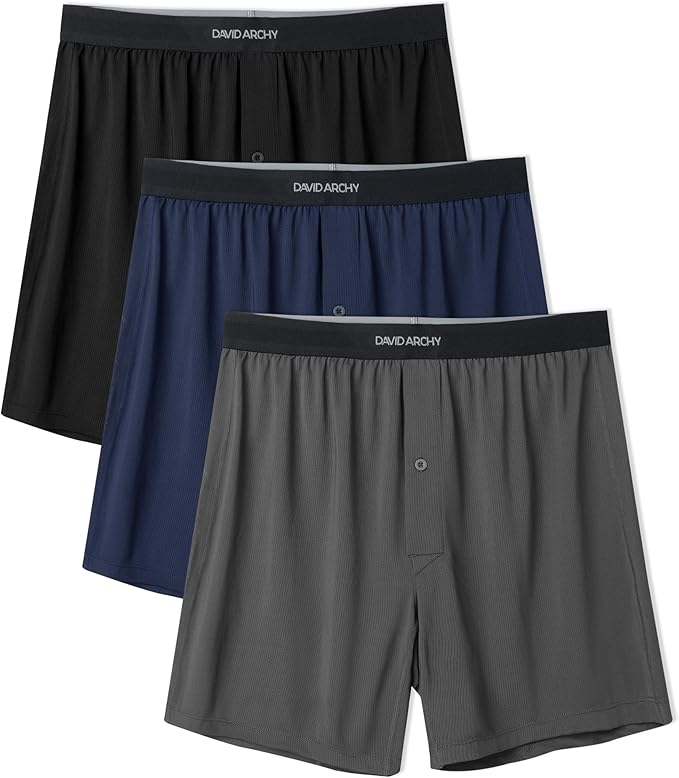
Quick-dry underwear and socks are one of the core enablers of carry-on-only travel. Because they dry fast after washing, you can pack fewer pairs and rotate them throughout the trip. This reduces bulk while keeping clothing fresh and wearable.
Technical fabrics and merino blends perform better than cotton for travel. They release moisture faster and resist odor longer. That means you can comfortably wear them through long walking days and still wash them easily at night.
Plan a rotation of about five to seven pairs. Wash them in the sink using a small amount of detergent and hang them to dry overnight. Most quick-dry fabrics are ready by morning, especially in ventilated rooms.
Thin, high-quality socks also reduce shoe pressure and blister risk. Foot comfort compounds over a three-week trip. Investing in better base layers pays off daily through comfort, hygiene, and packing efficiency.
12. Foldable Daypack or Tote
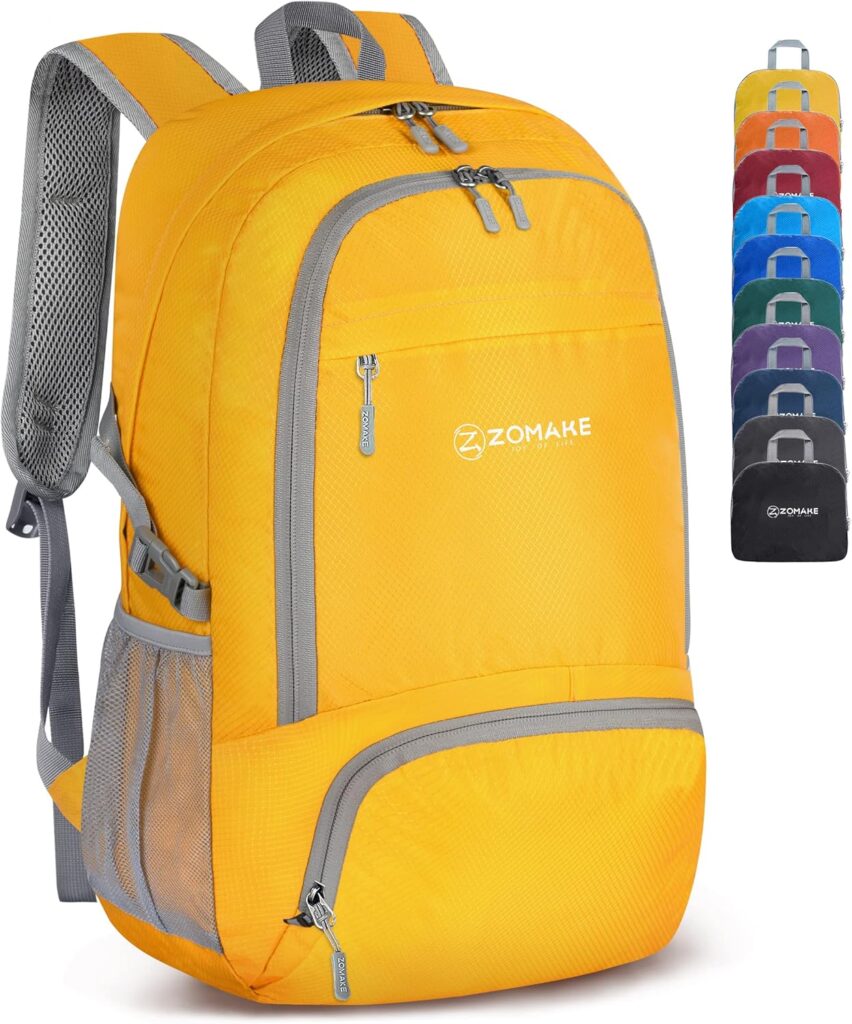
A foldable daypack or tote gives you daily carrying capacity without forcing you to use your main travel bag. Once you arrive at your lodging, your carry-on usually stays there. A smaller bag supports sightseeing, shopping, and day trips.
Packable daypacks fold into a flat pouch and weigh very little. Despite their size, they can hold water bottles, snacks, a camera, and extra clothing layers. That flexibility makes them useful almost every day of the trip.
Security features like zipper closures and hidden pockets add protection in crowded areas. Adjustable shoulder straps improve comfort during long walks. Choose a model that balances light weight with enough structure to carry items securely.
A foldable tote is also useful for groceries, laundry transport, and beach visits. Having a secondary bag prevents overloading your pockets and keeps daily essentials organized while exploring.
13. Reusable Water Bottle
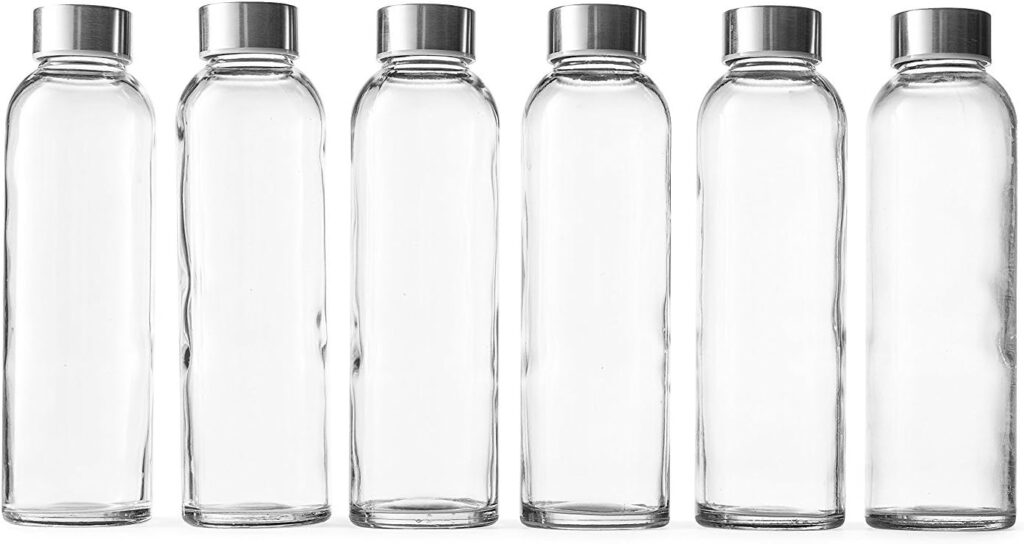
A reusable water bottle is a small item that delivers daily value throughout a three-week Europe trip. Staying hydrated supports energy, focus, and comfort during long walking days. Buying bottled water repeatedly adds cost and creates plastic waste, while a refillable bottle gives a steady, low-cost solution.
Many European cities have safe tap water and public refill points. Hotels, cafés, and transit hubs are usually willing to refill bottles on request. This makes carrying your own bottle both practical and convenient across most destinations.
Choose a lightweight, durable bottle that fits easily into your daypack. Collapsible models are especially useful because they shrink when empty and save space in your bag. Slim rigid bottles are easier to store in side pockets.
Leak-proof lids matter more than style. A secure seal prevents spills on electronics and documents. Over three weeks, this simple item improves comfort every single day and reduces repeated small purchases.
14. Mini Laundry Kit
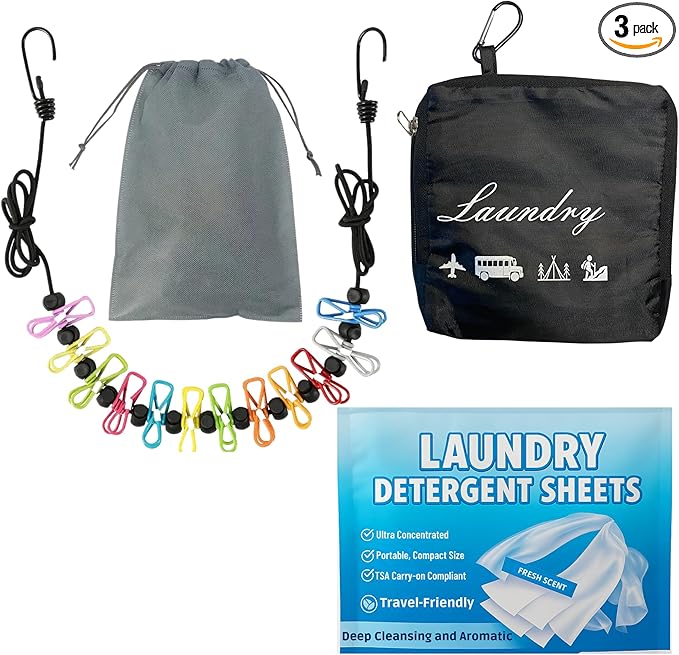
A mini laundry kit is one of the main reasons carry-on travel works for long trips. Instead of packing three weeks of clothing, you pack one week and wash regularly. This dramatically reduces bag size and weight while keeping clothes fresh.
A simple kit includes detergent sheets or travel-size soap and a compact clothesline or clip set. Detergent sheets are ideal because they are flat, lightweight, and spill-proof. They work well in sinks and small basins.
Washing clothes every four to six days becomes a quick routine. Most lightweight travel fabrics dry overnight when hung near airflow or warmth. Rolling clothes in a towel first removes excess water and speeds drying time.
This system gives flexibility and reduces overpacking pressure. Laundry access turns a small wardrobe into a rotating one. That is the core strategy behind successful carry-on-only travel for multi-week trips.
15. Basic Health & Comfort Kit
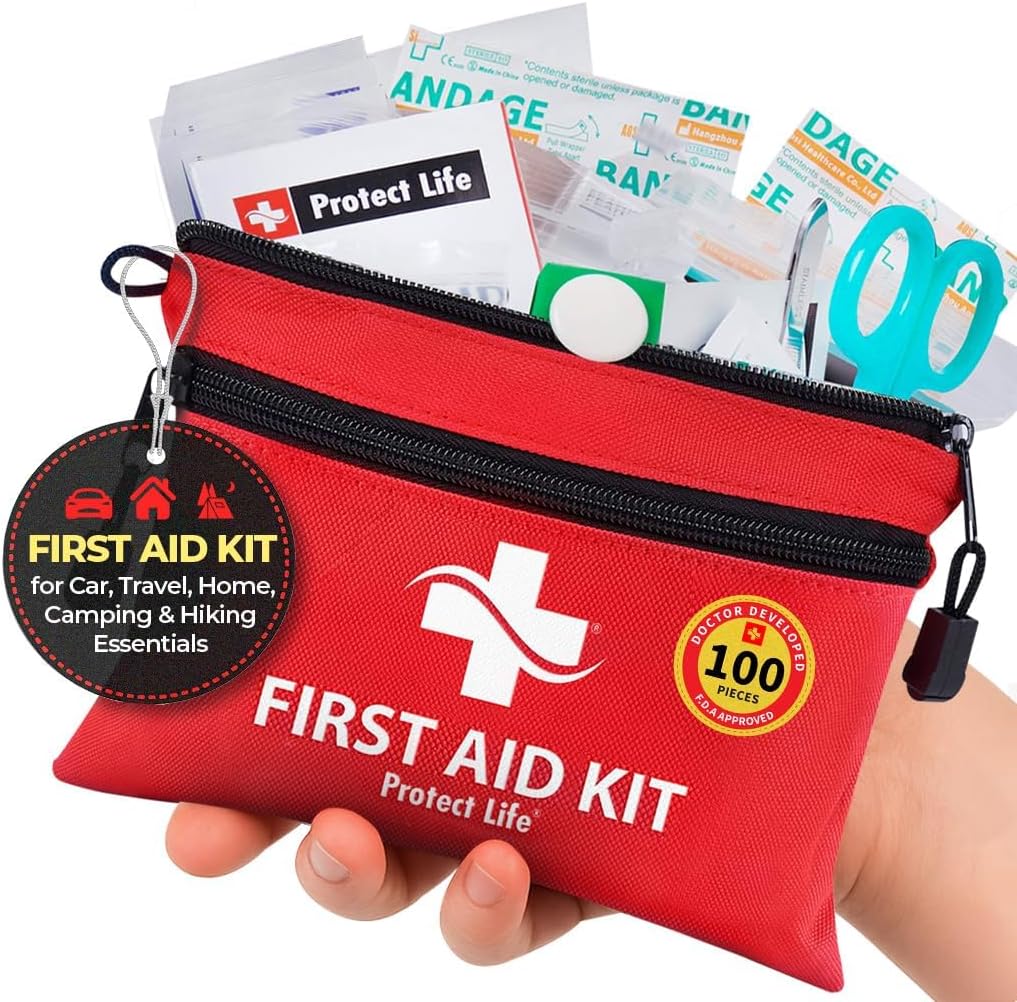
A basic health and comfort kit prevents small issues from turning into major disruptions. Minor pain, blisters, or sleep problems can affect entire travel days if ignored. A compact kit gives fast response without searching for a pharmacy late at night.
Include bandages, blister pads, basic pain relief tablets, and any personal medication. Keep medication in original packaging to avoid airport questions. Add a few stomach-relief or motion-sickness tablets if you are sensitive to travel conditions.
Comfort items matter too. Earplugs and a sleep mask improve rest on flights, trains, and in noisy buildings. Better sleep leads to better travel days and stronger energy levels.
Keep this kit small and organized in one pouch. You may not use it daily, but when needed, it becomes one of the most valuable items in your bag.
More Related Articles :
- The Ultimate Packing Guide: What to Bring to an All-Inclusive Resort
- Don’t Travel Alone Without These 31 Essential Accessories
- Smart Parents Swear By These 23 Road Trip Essentials for Kids
Conclusion
A three-week Europe trip using only a carry-on is not about minimalism — it is about intelligent selection. When each item serves a clear purpose, supports flexibility, and earns its space, a small bag becomes fully capable of supporting a long, multi-city journey. Mobility improves, transitions become faster, and daily stress drops significantly.
The items in this list work together as a system: structured packing, layered clothing, compact gear, document safety, power reliability, hygiene efficiency, and personal comfort. Laundry rotation replaces overpacking. Multi-use tools replace duplicates. Organization replaces guesswork.
Traveling light changes how the trip feels. You move more freely through stations, streets, and hotels. You spend less time managing belongings and more time experiencing places. Smart carry-on packing is not a compromise — it is a travel advantage.