
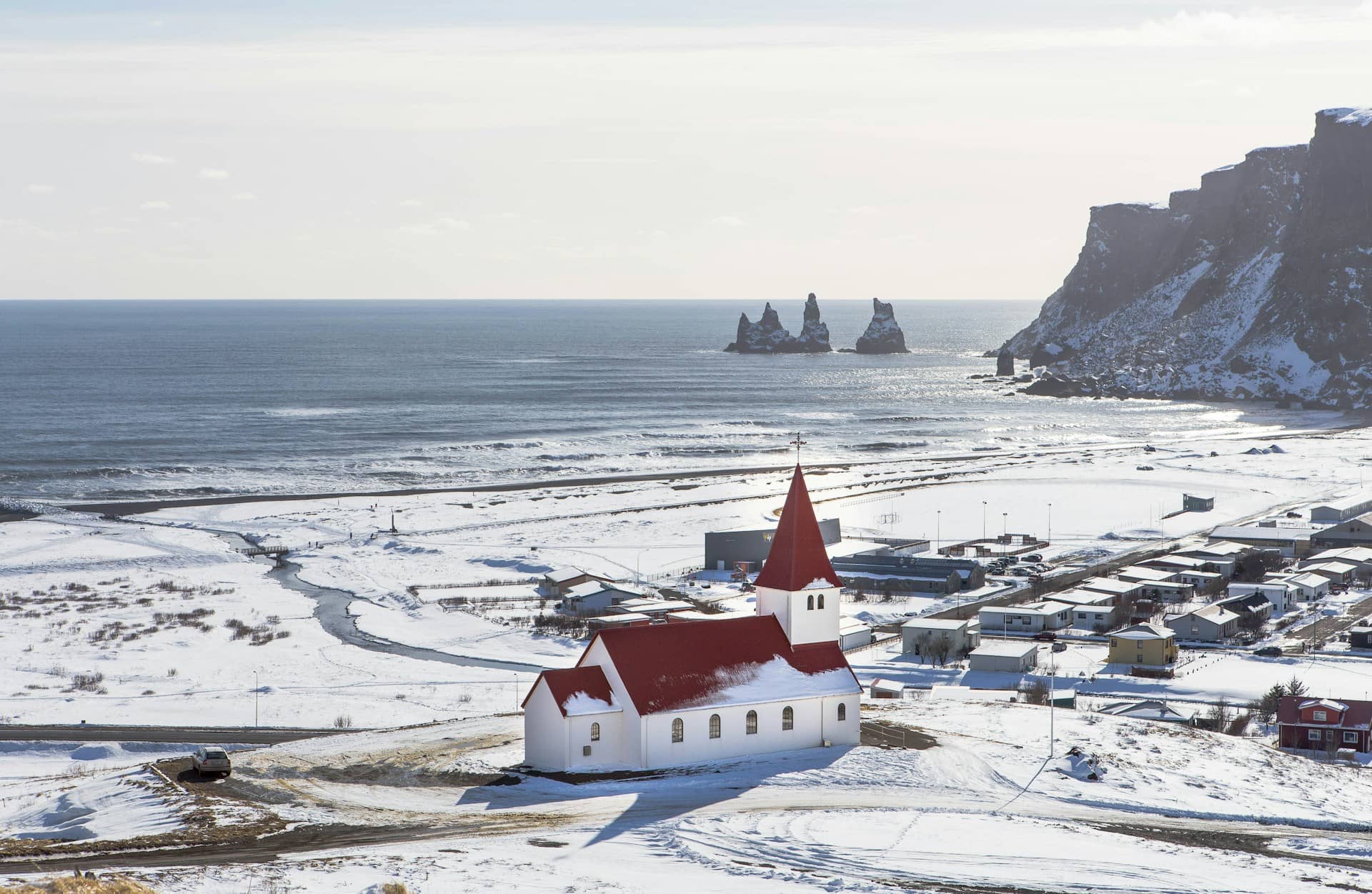
Before you actually set foot in Iceland, it can feel like a story too wild to be real.
There are so many incredible spots across the island that you might think someone stitched together every dramatic landscape on Earth and dropped it into one place. Towering waterfalls with water the color of gemstones sit beside glaciers that seem to glow under the midnight sky.
I could use every superlative in the dictionary, but no phrase captures it better than intense and unforgettable. The scenery can inspire awe just as quickly as it can remind you how small you are in the face of nature.
Iceland has raw force, striking contrasts, and scenes that practically demand to be photographed. Because this country left such a deep impression on me during my Ring Road adventure, I’ve put together a list of the standout places I explored to help you plan your own route and see these wonders firsthand.
Sit back and enjoy!
1. Reykjavik – The Capital of Iceland
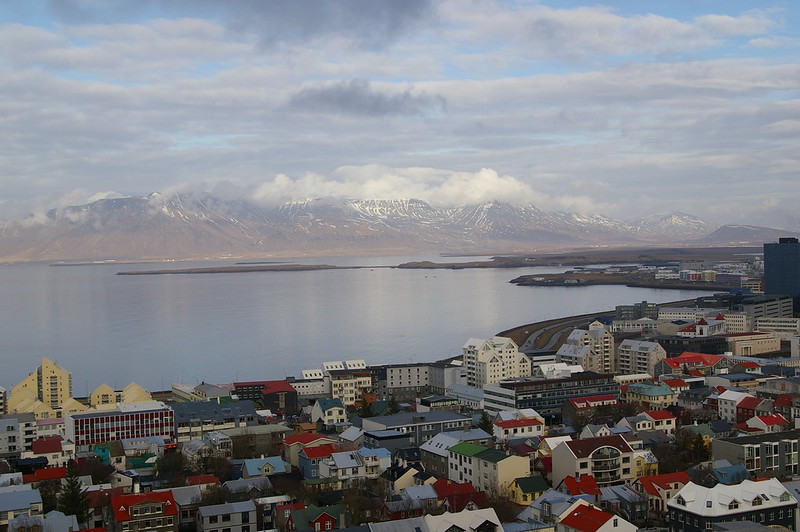
Let’s kick things off with the obvious Reykjavik, Iceland’s vibrant yet compact capital. It may be small, but it’s big on surprises, offering some of the most fascinating architecture and oddball museums you’ll ever come across. For instance, have you ever heard of the Iceland Phallological Museum? If not, it’s worth the visit—whether or not you’re into its unique collection.
Although Iceland is world-renowned for its stunning natural wonders, Reykjavik offers a different kind of magic that deserves a spot on your itinerary. It’s a city where modern innovation meets Icelandic charm, packed with places to explore, even if the idea of a museum dedicated to animal anatomy isn’t exactly your cup of tea.
A few must-see spots in Reykjavik are the Harpa concert hall and the majestic Hallgrimskirkja Church. The Harpa stands out with its dazzling glass facade, which features a play of colors and shapes inspired by Iceland’s iconic basalt formations. It’s a stunning architectural feat that you’ll want to snap photos of.
Whether you’re enjoying an afternoon concert or simply strolling around Reykjavik, these landmarks are essential stops to truly experience the quirky, yet sophisticated, spirit of Iceland’s capital.
2. Hallgrimskirkja Church
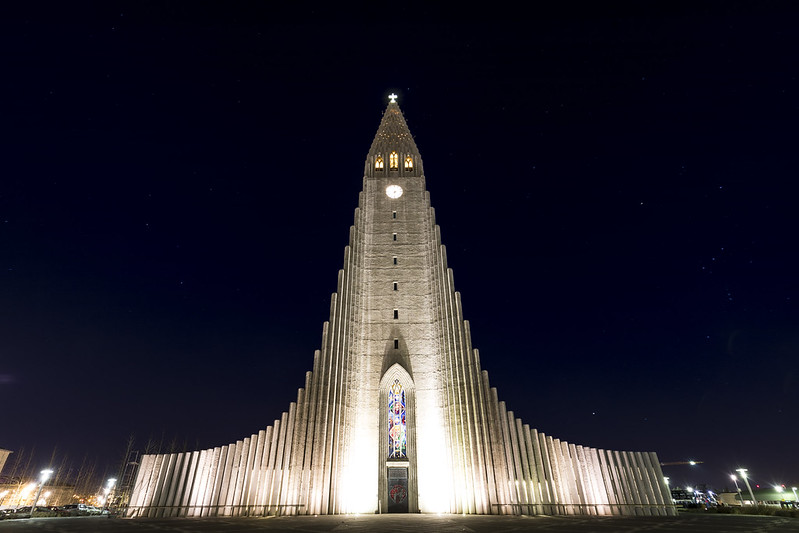
A visit to Reykjavik wouldn’t be complete without witnessing the grandeur of Hallgrimskirkja Church, Iceland’s largest church. Standing tall against the skyline, it’s a remarkable testament to both architectural ingenuity and Iceland’s rich natural beauty.
The church’s design mirrors the country’s dramatic landscapes, with its towering spires reflecting the craggy mountains and glaciers that define Iceland’s rugged terrain. This striking expressionist style took over four decades to fully bring to life, and now it’s one of the most recognizable landmarks in the city.
Don’t miss the opportunity to ascend to the top of the church for an unparalleled view of Reykjavik. The panoramic sight of the city is worth the climb, offering a perfect vantage point to take in the contrasts of modernity and nature that Reykjavik embraces. Be sure to stop by the church’s shop to grab your ticket for the elevator ride up to the top. Trust me, it’s worth every step!
3. The Reykjanes Peninsula
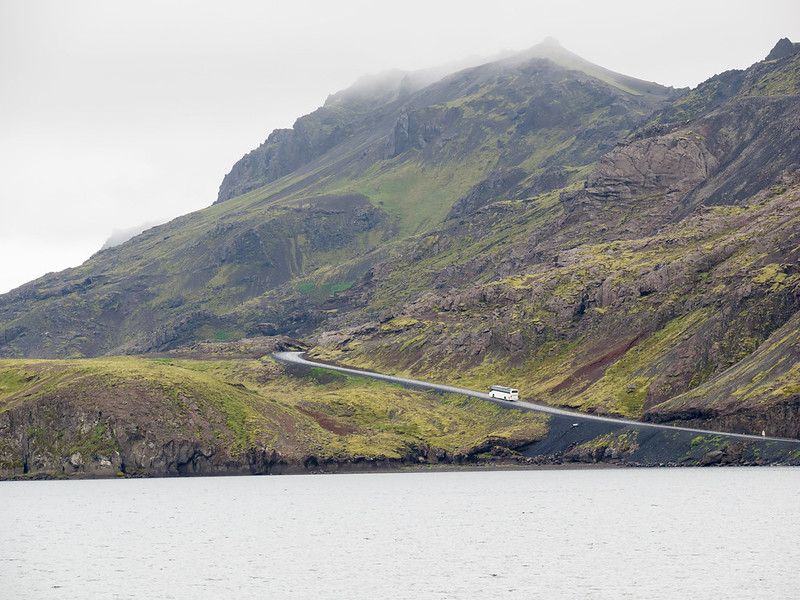
Located southwest of Reykjavik, the Reykjanes Peninsula may not be as widely known as other parts of Iceland, but it’s certainly a region worth exploring. Home to Keflavik Airport, this area is also where you’ll find one of Iceland’s most iconic attractions: the Blue Lagoon.
While the landscapes here might not be as frequently featured on social media as some of Iceland’s more popular destinations, they are no less stunning. The peninsula offers expansive lava fields, rich with moss, bubbling hot springs, and a surreal drift zone that separates two continents. There’s a unique sense of peace here, where nature and history collide in unexpected ways.
The Blue Lagoon itself is, of course, a must-see. Famous for its milky blue waters, caused by silica, this geothermal spa draws millions of visitors each year. While it can be crowded and pricey, the experience is undeniably worth it. After a week of van life on the road, the Lagoon felt like the perfect reward for enduring the Icelandic cold and long days. The water is just as mesmerizing as the photos suggest, and there’s even a swim-up bar if you’re in the mood to sip a cocktail in a pool of milky blue bliss.
Beyond the Blue Lagoon, the Reykjanes Peninsula also boasts intriguing sights like The Bridge Between Continents. This footbridge spans a fissure between the Eurasian and North American tectonic plates, making it one of the few places in the world where you can literally walk between two continents. It’s even marked with signs saying “Welcome to Europe” and “Welcome to America,” adding to the magic of the location.
A fun tidbit: the bridge was once called the Leif the Lucky Bridge, named after the Icelandic explorer Leif Eriksson. Known for his pioneering voyage to North America, Eriksson may have reached the continent a full 500 years before Christopher Columbus. This historic connection adds a layer of adventure to the landscape, where the forces of nature meet the footprints of explorers.
4. The Golden Circle: Iceland’s Iconic Loop of Wonders
Iceland’s Golden Circle is a must-see for anyone visiting the country. This 230km loop takes you to three iconic sites: Gullfoss, Þingvellir National Park, and the Geysir Geothermal Area. Easily completed in a day, it’s one of the most accessible and popular tourist routes in Iceland.
Gullfoss, the powerful two-tiered waterfall, is a highlight, followed by the UNESCO-listed Þingvellir, where Iceland’s parliament was founded. The Geysir Geothermal Area, home to explosive geysers and hot springs, completes the trio.
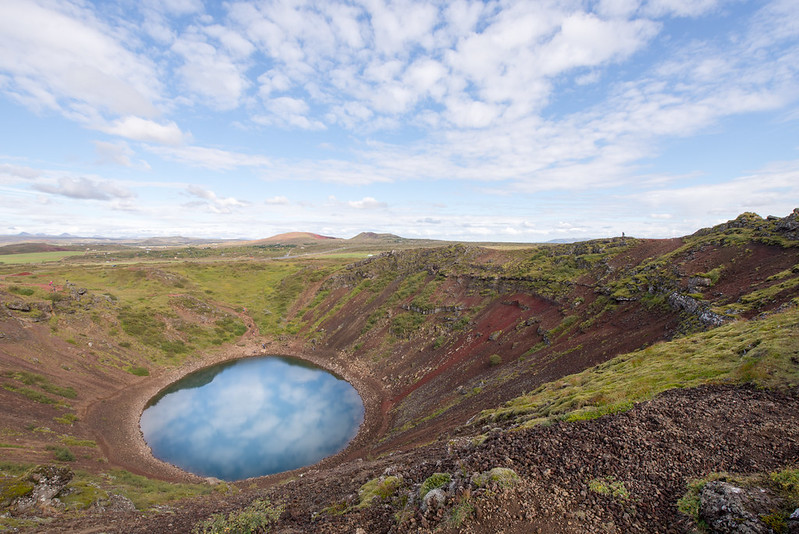
For a quieter experience, stop at Laugarvatn Fontana for a peaceful geothermal spa, or visit Kerið Crater, a 3,000-year-old volcanic lake with stunning blue water. The Golden Circle offers the perfect mix of nature and history, making it an unforgettable journey.
5. Seljalandsfoss: Iceland’s Waterfall Wonder
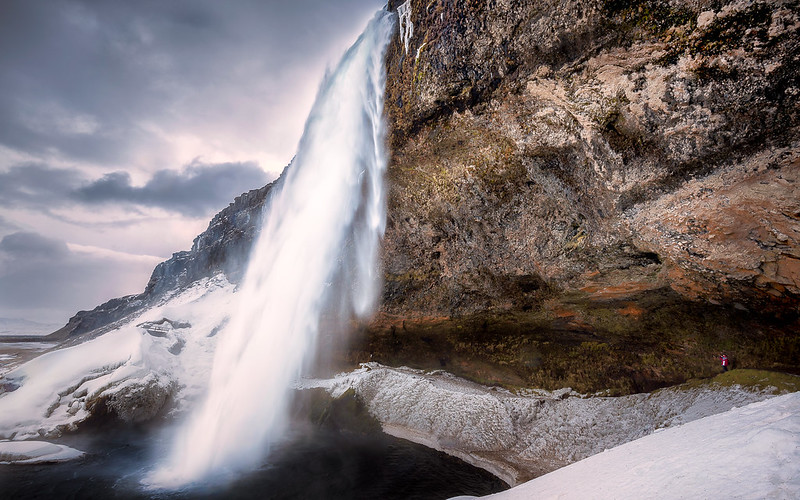
Seljalandsfoss, located on Iceland’s south coast, is a stunning 60-meter waterfall known for its unique feature: you can walk behind it. A well-maintained path offers an incredible view of the cascade from behind, creating a misty, magical experience. On clear days, sunlight through the mist often creates a rainbow, making it a photographer’s dream.
This iconic waterfall also gained fame after being featured in Justin Bieber’s “I’ll Show You” music video, drawing both nature lovers and music fans. Seljalandsfoss promises an unforgettable experience, combining beauty, photography opportunities, and pop culture significance.
6. Skogafoss: A Majestic Force of Nature
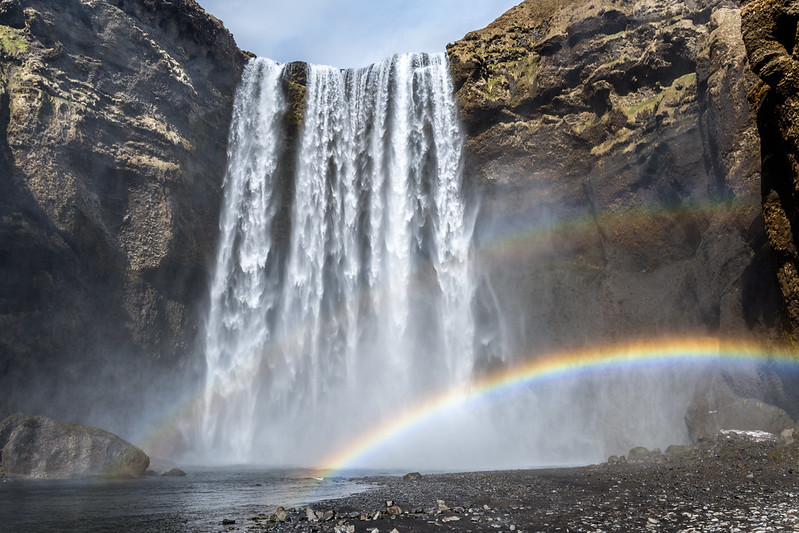
Just a short distance from Seljalandsfoss, Skogafoss is another must-see waterfall on Iceland’s South Coast. Standing 60 meters tall and 25 meters wide, it’s one of Iceland’s largest and most photogenic waterfalls. Its powerful cascade creates a mist that often forms rainbows on sunny days, offering one of the most spectacular views in Iceland.
Skogafoss has also gained pop culture fame, appearing in iconic shows like Game of Thrones. Its dramatic backdrop makes it unforgettable, adding an epic layer to any scene. Whether you’re photographing its beauty or simply admiring it, Skogafoss is a sight not to be missed.
7. Vík & Reynisfjara Black Beach: Iceland’s Mystical Shores
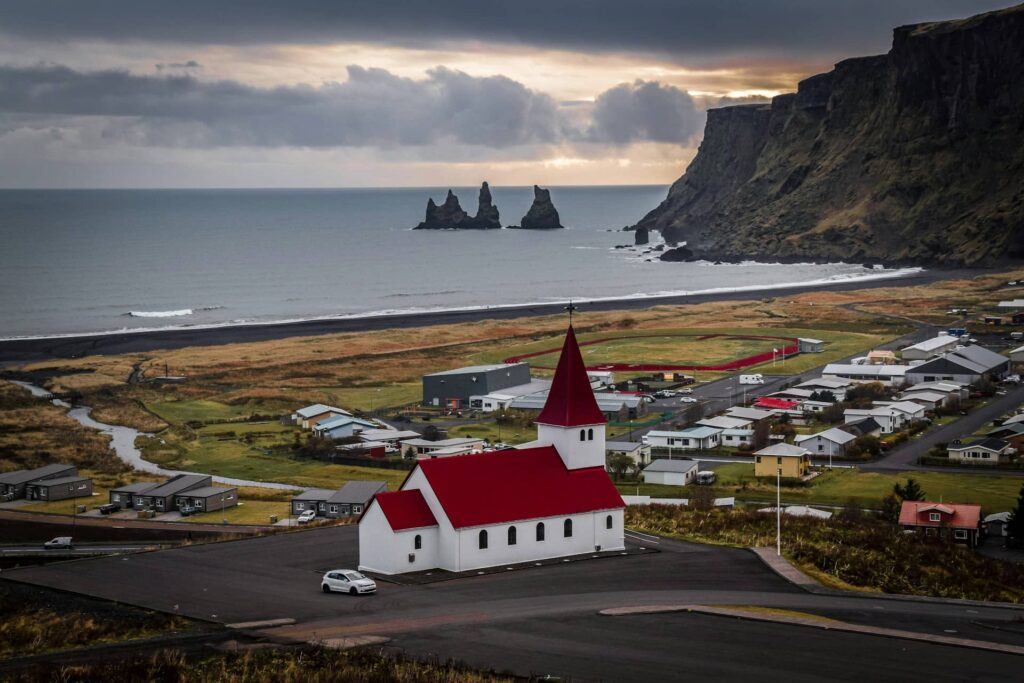
Located at the southern tip of Iceland, Vík is a charming village, but it’s the famous Reynisfjara Black Beach that truly steals the spotlight. Known for its dark beauty, the beach is renowned for its striking black sands, formed from volcanic ash, creating a dramatic, almost otherworldly atmosphere.
The beach’s powerful waves crash against the shore, making it one of the most photographed spots in Iceland. Adding to its mystique are the towering basalt columns, which have sparked local legends, including tales of trolls turned to stone by the dawn. Whether you’re captivated by the stories or simply the stunning scenery, Reynisfjara offers a breathtaking experience.
Visitors should exercise caution, as the waves can be dangerously unpredictable. Despite the beauty, Reynisfjara’s fierce waves have claimed lives, so staying alert is essential. Vík and Reynisfjara offer a truly unforgettable adventure, blending mystery, legend, and Iceland’s untamed nature.
8. Vatnajökull National Park: Iceland’s Frozen Kingdom
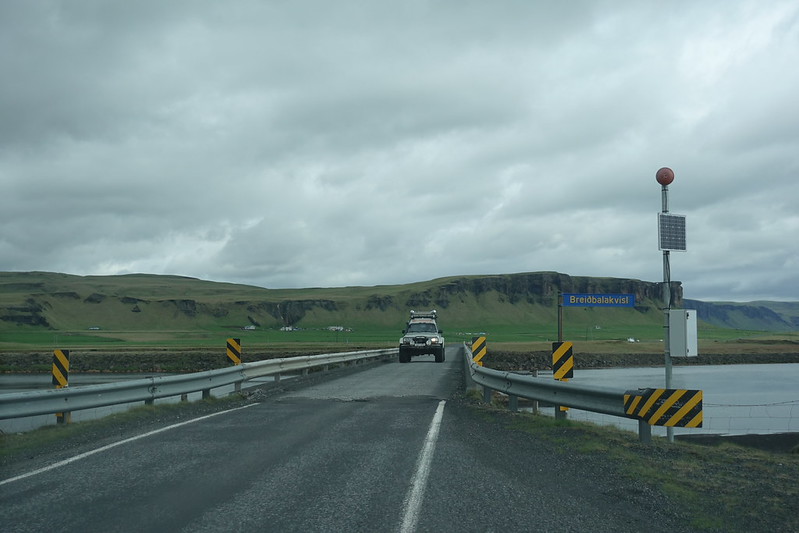
Vatnajökull National Park, covering a vast 14% of Iceland’s landmass, is a true testament to the country’s raw natural beauty. As one of Iceland’s largest parks, it combines two former national parks—Skaftafell and Jökulsárgljúfur—showcasing some of the most breathtaking landscapes in the country.
The park’s namesake, Vatnajökull, is Europe’s largest glacier outside the Arctic Circle, stretching up to 1km thick at its deepest points. Beneath the ice cap lie active volcanoes, including Grímsvötn, Iceland’s most frequently active volcano, adding an element of awe to the icy expanse.
Adventure seekers can explore the glacier by jeep or snowmobile, immersing themselves in Iceland’s natural grandeur. The park also boasts the stunning Jökulsárlón glacial lagoon, a deep lake fed by melting glaciers, and nearby Diamond Beach, where icebergs glisten like diamonds on the black sand.
Skaftafell, with its iconic Svartifoss waterfall framed by basalt columns, and Dettifoss, Iceland’s most powerful waterfall, are must-see spots within the park. Vatnajökull National Park offers an unforgettable experience, encapsulating Iceland’s untamed beauty, from glaciers and volcanoes to lagoons and waterfalls. It’s an essential stop for any traveler seeking to explore the wild heart of Iceland.
9. The Viking Villages: A Quirky Piece of Icelandic History
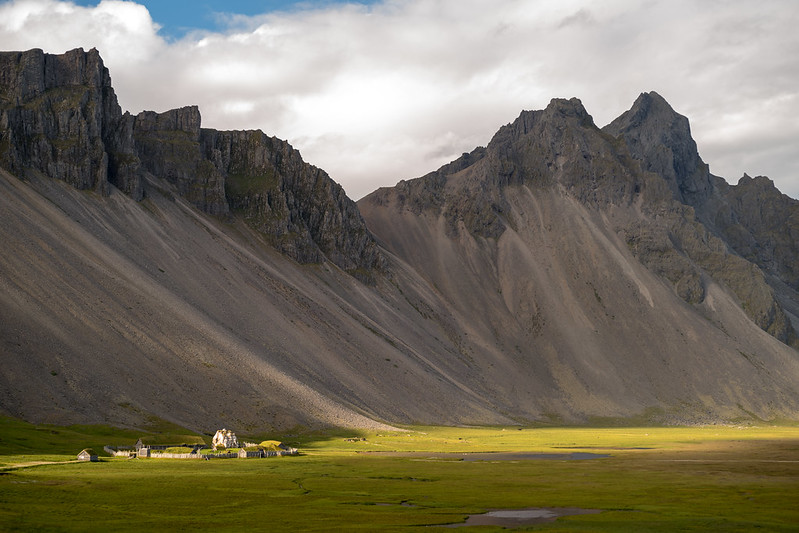
For an offbeat Icelandic adventure, the Viking Village in Eastern Iceland is a must-see—a quirky, intriguing spot with a fascinating backstory. Built in 2010 as a film set for a Viking-themed production that never materialized due to funding issues, the village now stands as an eerie yet captivating reminder of what might have been.
The Viking Village, with its charming wooden buildings and historical appeal, has since transformed into a unique destination for those willing to venture off the beaten path. Nearby, you can stop at a cozy Viking Café and guesthouse, perfect for a warm break as you explore the site.
What makes this place truly fascinating is its timelessness. The buildings, meant to evoke Viking life, stand frozen in time, serving as silent witnesses to a production that never came to be. Though the set was abandoned, it has appeared in other productions, gaining some recognition after all.
Visiting this forgotten set is an opportunity to step into a world where fantasy meets reality. Despite its unrealized dream, the Viking Village today offers a unique piece of history and a perfect photo opportunity for those seeking something a little different.
10. The Eastfjords: Iceland’s Hidden Coastal Gem
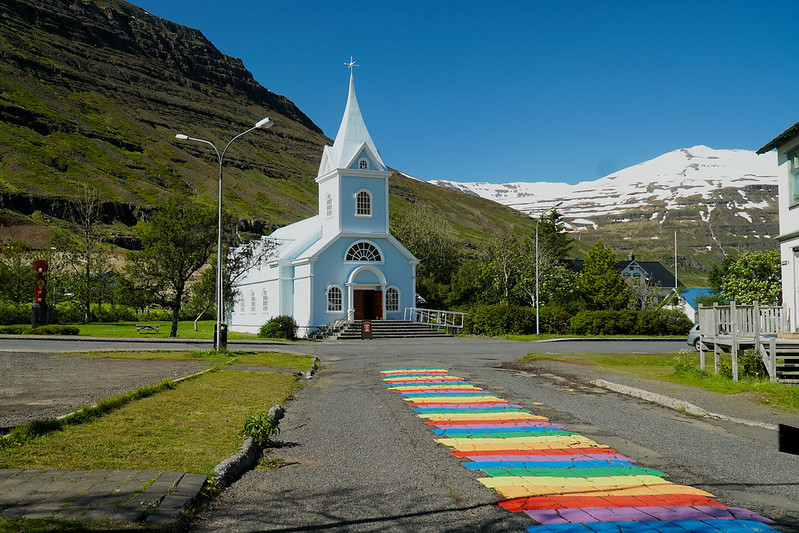
For those seeking peace and tranquility away from the crowds, the Eastfjords offer the perfect retreat. Stretching 120 kilometers along Iceland’s eastern coast, from Borgarfjörður Eystri to Berufjörður, this lesser-known region is a haven of untouched beauty and remote landscapes—ideal for those looking to escape the hustle and bustle of more tourist-heavy areas.
The Eastfjords are rich in charm and history. Seyðisfjarðarkirkja, a town known for its iconic rainbow-colored road leading to the church, offers a picturesque, whimsical vibe, blending natural beauty with vibrant color.
Nature lovers shouldn’t miss Hengifoss, Iceland’s third-highest waterfall, with its striking red and black cliffs. The hike to the falls is rewarding, offering spectacular views of the surrounding landscapes. Nearby, Litlanesfoss, a smaller waterfall framed by dramatic basalt columns, is another hidden gem that showcases Iceland’s rugged beauty.
The Eastfjords are a quiet, captivating escape that unveils the serene side of Iceland, offering both adventure and peace for those willing to explore.
11. Arctic Henge: A Journey to the Far North
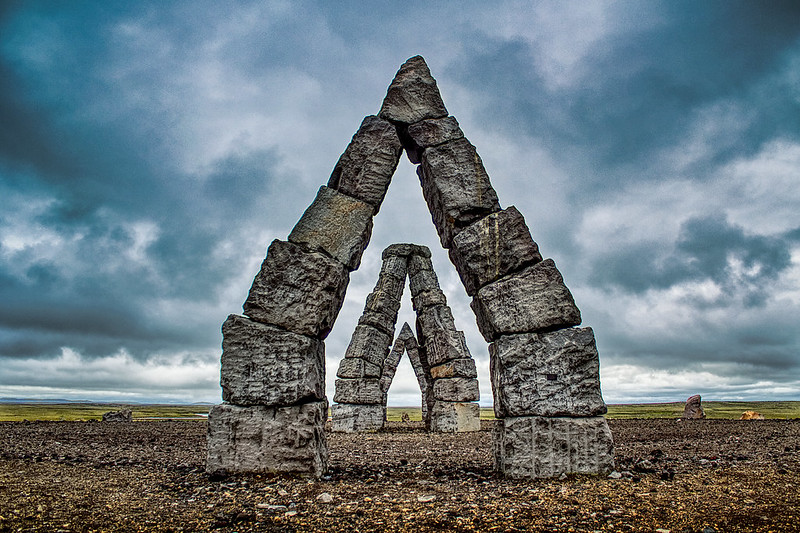
For those seeking something truly off the beaten path, the Arctic Henge in northern Iceland is a must-visit. Located near the village of Raufarhöfn, this stunning monument draws visitors into the world of Norse mythology and ancient craftsmanship. It’s not just a site; it’s a place where art and nature converge to create a mystical atmosphere that feels timeless.
The Arctic Henge consists of towering arches and statues, each inspired by Norse mythology. These majestic structures stand in stark contrast to the rugged, untouched landscape of the North, offering a unique glimpse into the stories that shaped Icelandic culture. As you explore, you’ll feel transported to another realm, blending myth with the serene Arctic surroundings.
What makes the Arctic Henge even more special is its remote location. In Iceland’s far north, it’s a place few visit, making the experience intimate and immersive. Whether you’re a history lover, a mythology enthusiast, or just in search of a tranquil escape, the Arctic Henge offers a deep connection to Iceland’s ancient past.
12. The Diamond Circle: Northern Iceland’s Hidden Treasures
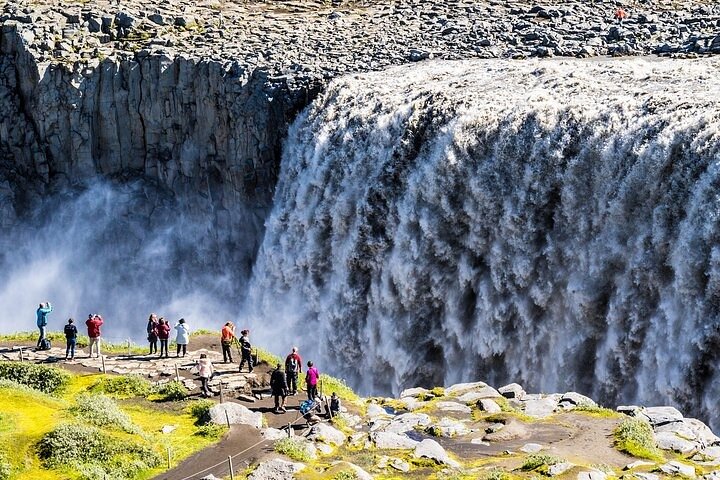
Iceland’s Diamond Circle is a stunning route through the country’s most breathtaking natural wonders. The journey starts at Lake Mývatn, one of Iceland’s largest lakes, surrounded by geothermal activity, hot springs, and diverse wildlife. A visit to the surreal sulfuric mud springs of Námaskarð offers a Martian-like landscape, though the smell of boiled eggs can be overwhelming.
Next, stop at Dettifoss, Iceland’s most powerful waterfall, with 193 cubic meters of water flowing per second. The falls create a dramatic scene, and a short walk to Selfoss provides additional views. Continue to Ásbyrgi, a serene, horseshoe-shaped canyon surrounded by cliffs, ideal for hiking and exploring Iceland’s raw beauty.
The route concludes in Húsavík, the whale-watching capital of Iceland, famous for its cinematic fame in Eurovision Song Contest: The Story of Fire Saga. The Diamond Circle offers a diverse mix of tranquility, power, and natural beauty, making it a must-see for any traveler.
13. Goðafoss: The Waterfall of the Gods
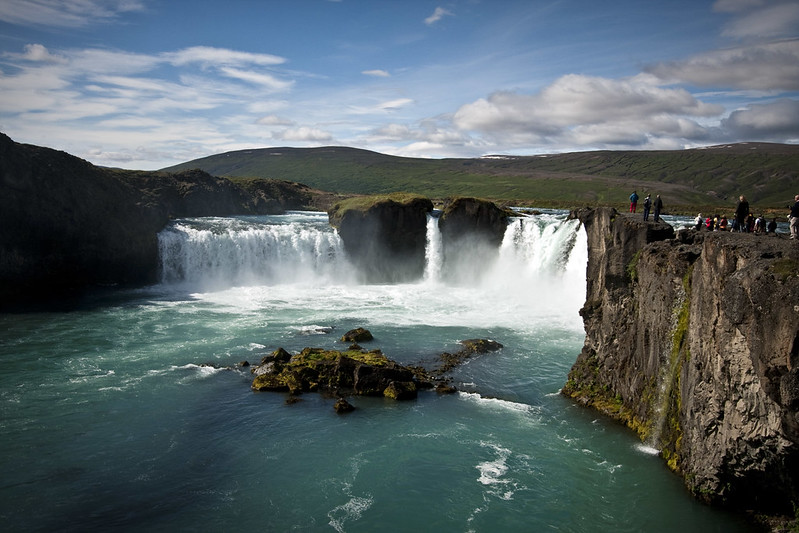
Goðafoss, or the Waterfall of the Gods, is a name that echoes through Icelandic history and mythology, making it a must-see for any visitor exploring the land of waterfalls. This iconic waterfall, located in Northern Iceland, carries not just natural beauty but a sense of reverence, its name evoking the divine and mystical.
With a remarkable 30-meter width, Goðafoss is often hailed as one of the most beautiful waterfalls in Iceland. Its shape, a gentle yet dramatic curve, creates a perfect arc of cascading water that looks almost like a natural sculpture. As the water pours over the edge, the sight and sound create an atmosphere of serenity, yet power, captivating all who witness it.
What sets Goðafoss apart from many of Iceland’s other waterfalls is its mythological significance. According to local legend, when Iceland converted to Christianity in the year 1000, the lawspeaker threw statues of the old Norse gods into the waterfall, symbolizing the end of an era. This blend of natural beauty and historical meaning adds layers to the experience of visiting Goðafoss, making it more than just a visual spectacle—it’s a place steeped in culture and transformation.
Standing in front of this majestic waterfall, you’re not only witnessing the raw power of nature, but you’re also stepping into the heart of Iceland’s past, where history and mythology intertwine with the landscape. Whether you’re there for the tranquil beauty or the deeper connection to Icelandic heritage, Goðafoss offers a memorable experience that transcends the typical waterfall visit.
14. Aldeyjarfoss: A Hidden Gem of Northern Iceland
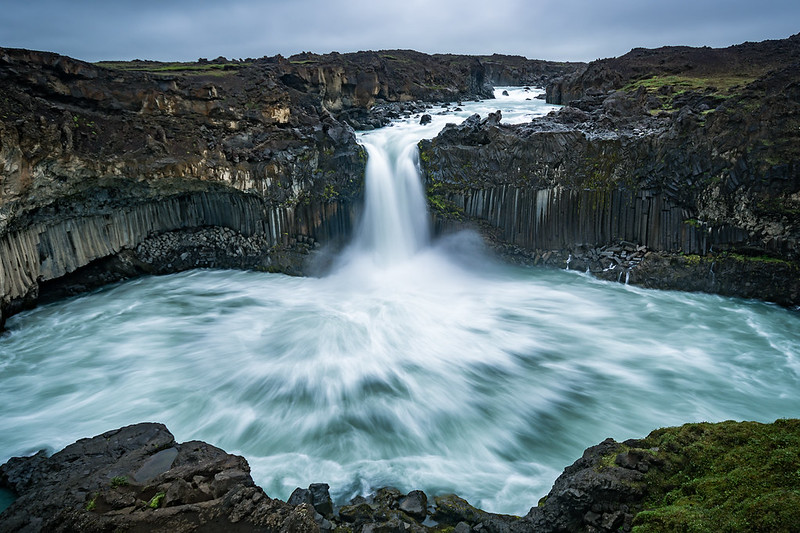
Aldeyjarfoss is one of those hidden treasures in Iceland that captivates the imagination before you even set eyes on it. Though I have yet to experience its beauty in person, a single photograph was enough to convince me that it belongs on any list of Iceland’s most stunning waterfalls.
Located in Northern Iceland, Aldeyjarfoss is not just a waterfall—it’s a work of art. With a dramatic 20-meter drop, the waterfall plunges fiercely into the river below, creating an awe-inspiring display of nature’s power. What makes Aldeyjarfoss truly unique, however, is the surrounding landscape, where the falls are framed by towering basalt columns. These hexagonal rock formations, formed by the cooling of volcanic lava, add a raw, moody atmosphere that elevates the entire scene, making it feel both otherworldly and timeless.
The contrast between the powerful rush of water and the still, majestic basalt columns is nothing short of mesmerizing. The surrounding area, with its stark, rugged beauty, creates an experience of tranquility that allows you to truly take in the scale of nature’s grandeur. It’s a place where the complexities of Iceland’s geological forces converge to form something both fierce and serene.
Although I have yet to visit Aldeyjarfoss, it stands as a reminder of Iceland’s ever-evolving landscapes—where waterfalls, lava formations, and history all intertwine to create a site worth discovering. It’s more than just a waterfall; it’s a destination that speaks to the soul of Iceland itself.
15. Akureyri: The Hidden Heart of Northern Iceland
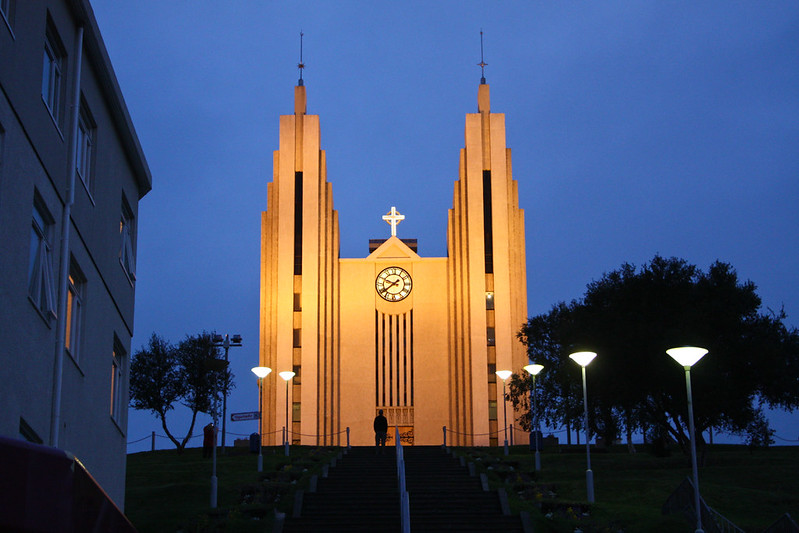
Akureyri, the capital of Northern Iceland, may not always top the typical travel itineraries, but it offers a quiet charm that rewards those who take the time to visit. While small, the town balances local life with proximity to stunning natural attractions, providing a peaceful stop to soak in the serenity of Iceland’s north.
Notable sites include the Laufas Turf Houses, offering a glimpse into Iceland’s past with their moss-covered roofs and traditional architecture. The Akureyri Church, with its minimalist design, stands as a striking landmark and a tranquil spot for reflection. For a touch of festive cheer, the nearby Jólahúsið, or Christmas House, brings holiday magic year-round with its whimsical decor.
Though Akureyri lacks the grandeur of Iceland’s famous landmarks, its understated beauty and convenient location make it a perfect base for exploring Northern Iceland’s natural wonders.
16. Tröllaskagi Peninsula: Iceland’s Untouched Beauty
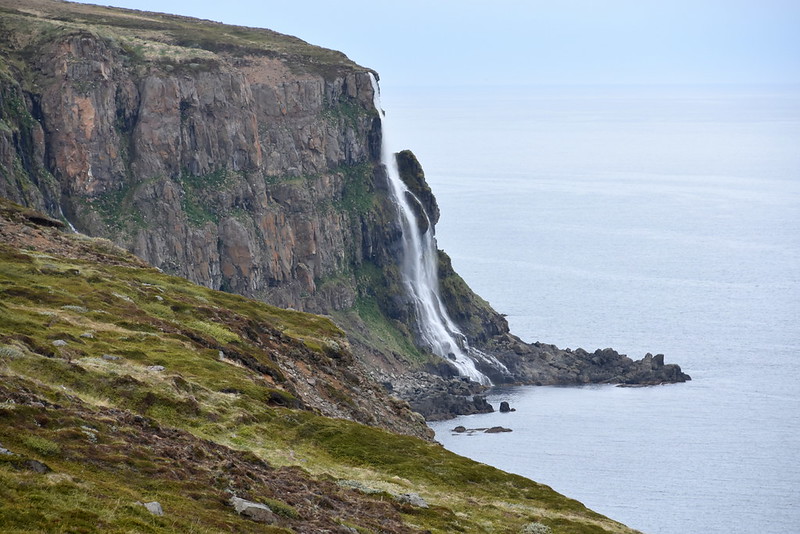
If you’re looking to explore a quieter, less-traveled part of Iceland, the Tröllaskagi Peninsula is a hidden gem. During my van trip, I spent the night here and was blown away by its raw beauty and serene atmosphere. Despite its stunning landscapes, it remains largely overlooked, making it all the more special.
Located in Northern Iceland, Tröllaskagi is a haven for nature lovers, with towering mountains and wide-open skies creating a dramatic backdrop. The rugged, untouched landscape is far from the usual tourist crowds, offering a peaceful escape.
The peninsula is also home to Icelandic horses, their fluffy manes and strong builds creating an iconic image of Iceland’s countryside. If you’ve always wanted to meet these majestic creatures, Tröllaskagi is the perfect place.
In addition to the horses, the area features picturesque waterfalls and striking rock formations that enhance its natural allure. Whether you’re hiking, taking photos, or simply enjoying the calm, Tröllaskagi offers an immersive Icelandic experience that lingers long after you leave. For those seeking a more intimate side of Iceland, it’s a destination that reveals the country’s unfiltered beauty.
17. Vatnsnes Peninsula
Hidden in the northwest of Iceland, the Vatnsnes Peninsula offers a tranquil, less-traveled experience, perfect for those seeking an untouched part of the country. Though not as widely known as other Icelandic attractions, it’s brimming with natural wonders that make it a rewarding visit.
The peninsula is famous for its thriving seal colonies, where seals can often be spotted lounging on rocks or swimming in the waters. The peaceful scene, set against rugged landscapes, showcases Iceland’s serene wildlife in a captivating way.
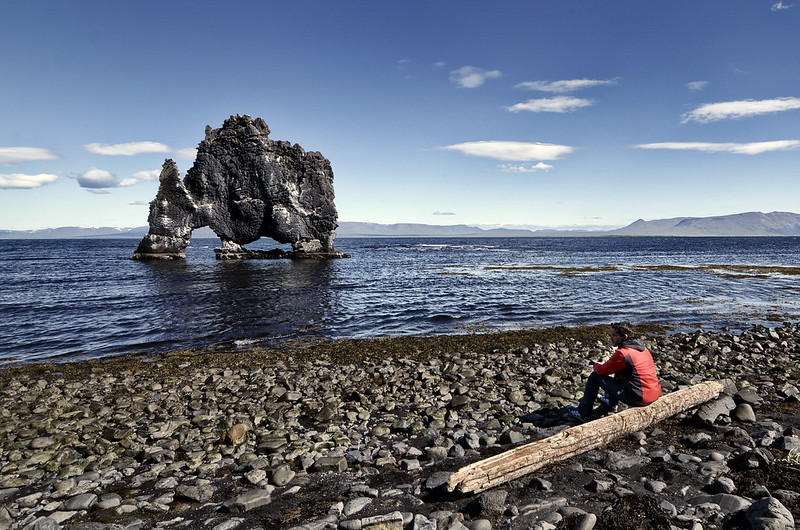
Vatnsnes is also home to striking rock formations, notably Hvítserkur, a 15-meter sea stack that rises from the ocean, resembling a creature frozen in time. Often compared to elephants, rhinos, and dragons, Hvítserkur is a truly awe-inspiring sight, blending ancient and mythical elements.
With its stunning seals, unique rock formations, and peaceful atmosphere, the Vatnsnes Peninsula offers a rare chance to experience a quieter, more intimate side of Iceland, making it an unforgettable destination.
18. Kolugljúfur Canyon: A Hidden Gem of Iceland’s Rugged Beauty
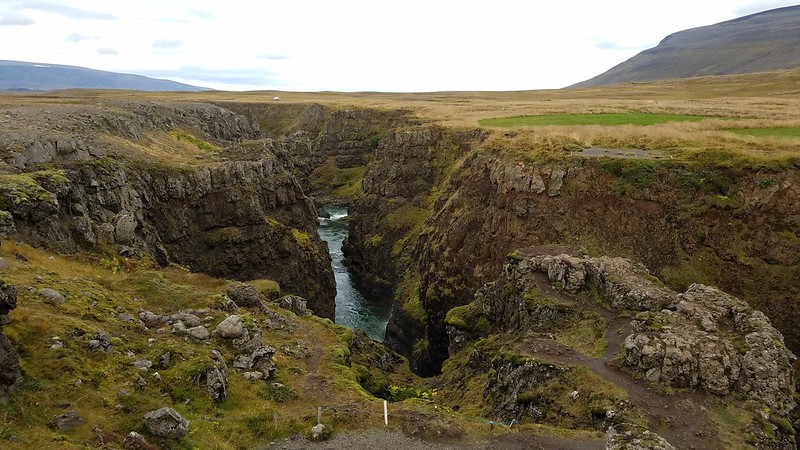
For those willing to venture off the beaten path, Kolugljúfur Canyon offers a breathtaking glimpse into Iceland’s wild beauty. This dramatic gorge, shaped by centuries of natural forces, remains a hidden gem, rewarding those who seek it with a serene and awe-inspiring experience.
At the heart of the canyon is Kolufossar Falls, a majestic waterfall cascading over the rocky edges. The sheer power of the water, surrounded by the vast canyon, creates one of the most striking waterfall experiences in Iceland.
Unlike the more crowded waterfalls, Kolugljúfur provides tranquility and solitude, allowing visitors to fully immerse themselves in its raw beauty. Standing at the canyon’s edge, you’re reminded of the immense power of nature, dwarfing human presence.
Kolugljúfur Canyon isn’t just a destination—it’s an invitation to discover Iceland’s untamed, unrefined landscape, where every step reveals new natural wonders. Whether hiking, photographing, or simply soaking in the view, this offbeat spot is a perfect example of Iceland’s rugged charm.
19. The Westfjords: Iceland’s Secluded Paradise
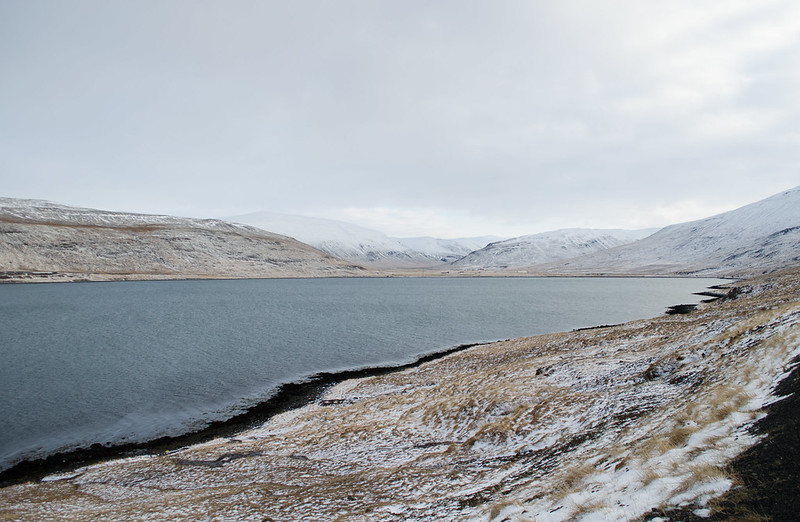
Located in Iceland’s remote northwest, the Westfjords offer a stunning and secluded getaway. This rugged region, jutting from the northernmost point of the Ring Road, is often overlooked by travelers, but those who venture here are rewarded with serene beauty and an intimate connection to Iceland’s unspoiled landscapes.
Though the Westfjords require more effort to explore, its isolation is what makes it so appealing. Free from the crowds that fill Iceland’s more popular sites, it offers a peaceful, undisturbed experience. Summer visitors are treated to some of Iceland’s most breathtaking landscapes, with far fewer tourists.
Adventure awaits in the Westfjords, from quirky museums exploring local folklore to the towering Látrabjarg cliffs, famous for birdwatching, especially puffins. Another highlight is Dynjandi, a majestic waterfall cascading in multiple tiers, surrounded by pristine wilderness.
The Westfjords showcase Iceland’s raw, ever-changing beauty, offering a unique experience for those seeking more than the typical tourist route. Whether hiking, exploring remote beaches, or soaking in the solitude, this peaceful region reveals Iceland’s quiet magic.
20. Hraunfossar: The Tranquil Beauty of Lava Falls
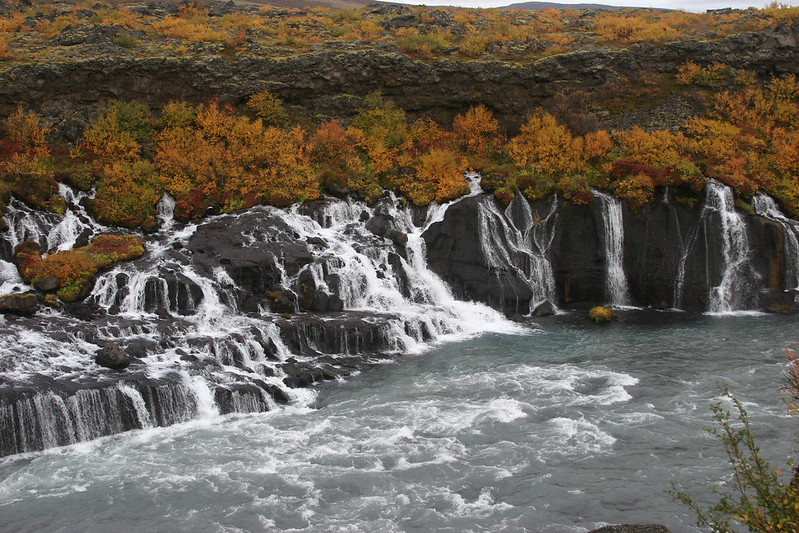
In the heart of Western Iceland, Hraunfossar, or Lava Falls, is a hidden gem known for its tranquil beauty and ethereal charm. Unlike Iceland’s thunderous waterfalls, Hraunfossar captivates with its gentle flow, offering a peaceful experience where you can truly absorb the surrounding landscape without the overwhelming roar of larger falls.
What makes Hraunfossar special is its vibrant electric blue color, which contrasts strikingly against the dark lava rocks. The water emerges from beneath the lava field, cascading over the rocks in delicate streams that stretch over 900 meters. This vivid blue hue is rare and breathtaking, making it one of the most stunning waterfalls in Iceland.
Standing before Hraunfossar, the peacefulness of the scene, combined with the water’s electric vibrancy, creates an awe-inspiring atmosphere. It’s a place that lingers in your memory, offering a glimpse into a quieter, more intimate side of Iceland’s landscape.
For a serene waterfall experience, Hraunfossar is a must-visit. Its beauty and peaceful setting make it a perfect spot to connect with Iceland’s natural wonders in a calm, reflective way.
21. Westman Islands
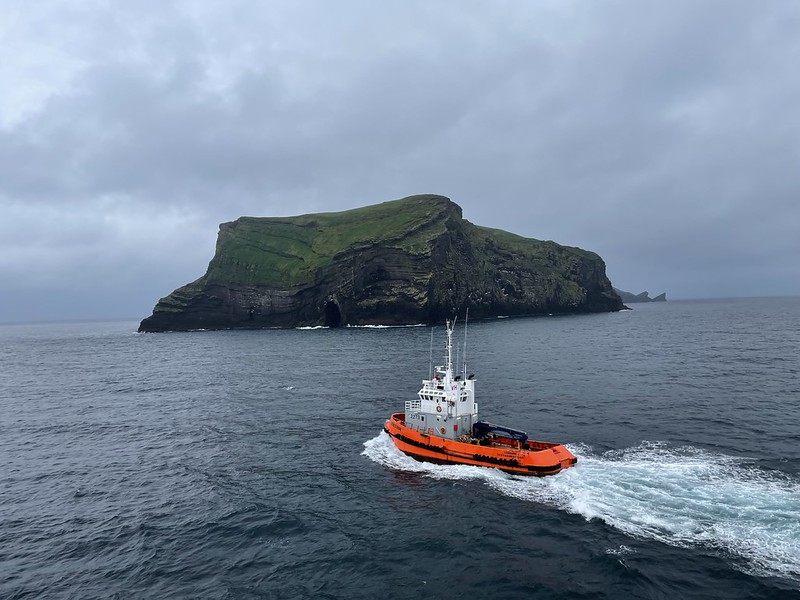
To wrap up this list of must-visit places in Iceland, we have the Westman Islands, a group of islands off the south coast, often visited on day trips from Reykjavik.
While only Heimaey is inhabited, those who brave the island’s dramatic weather are rewarded with a peaceful, remote escape that feels far removed from the mainland.
With steep, windy cliffs, scenic hiking trails, unique museums, and excellent puffin spotting, the Westman Islands offer a wealth of experiences, making them one of Iceland’s best-kept secrets.
Related Post:
- Read More: 21 Beautiful Places to Explore Alone for an Unforgettable Sense of Freedom.
- Read More: 21 Beautiful Places Across Korea Worth Exploring on Your Next Trip.
- Read More: 21 Beautiful Places in Europe Every Traveler Needs to Visit.
- Read More: 21 Beautiful Places to Visit in Switzerland for Breathtaking Landscapes.